हिन्दू धर्म · भक्ति · सिख धर्म
Kabir
कबीर · कबीरदास · ਕਬੀਰ · کبیر
लगभग 1440 – लगभग 1518ऐतिहासिक रूप से प्रमाणित व्यक्ति
उत्तर भारत के कवि और संत (लगभग 1440–1518, अन्य मत के अनुसार 1398–1448), मुस्लिम पृष्ठभूमि वाले बनारस के एक जुलाहे और निर्गुण भक्ति की महान विभूति। उनके पद और साखियाँ, जो मौखिक परंपरा से चलीं और तीन परंपराओं में स्थिर हुईं — सिखों के «आदि ग्रंथ», दादूपंथियों के संकलनों, जिनसे «कबीर ग्रंथावली» निकली है, और कबीरपंथियों के «बीजक» में — पंडित और मुल्ला दोनों को समान रूप से फटकारती हैं। 1915 में रवींद्रनाथ ठाकुर द्वारा अनूदित «सौ कविताओं» में से अधिकांश की प्रामाणिकता संदिग्ध है।
- कृतियाँ
- 6कृतियाँ
- संस्करण
- 19संस्करण
- उद्धरण
- 8उद्धरण
- वीडियो
- 13वीडियो
- चित्र
- 7चित्र
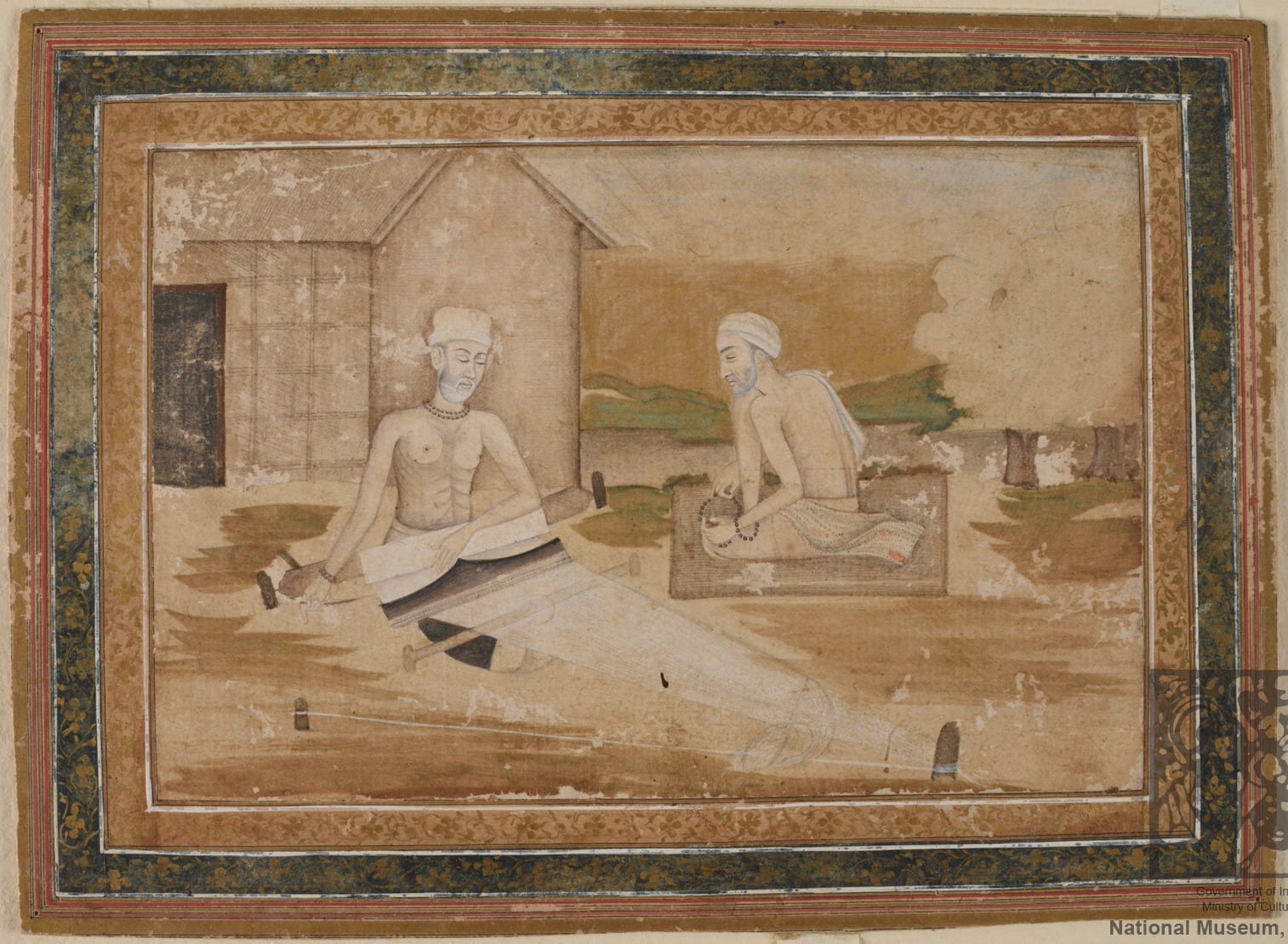
Kabir y Ravidas · Public domain
उनके अपने शब्दों में
«If God be within the mosque, then to whom does this world belong? If Ram be within the image which you find upon your pilgrimage, then who is there to know what happens without?»Guru Granth Sahib, Prabhati, p. 1349 (texto gurmukhi según BaniDB); trad. española propia; versión inglesa de Tagore (*Songs of Kabir*, 1915, poema LXIX, uno de los seis que V. C. Mishra tiene por auténticos).

शुरुआत के लिए एक रचना
बीजक (Bījak)मूल विचार
Nirguna: the divine without attributes: Kabir's devotion is directed to a *nirguna* absolute, 'without qualities', which has no form, no incarnations and no image in temples.
संदर्भ में देखें
जीवनी
6 मिनट का पाठ
स्पैनिश मूल से सहायता-प्राप्त अनुवाद, मातृभाषी अनुवादक द्वारा समीक्षा लंबित।
बनारस का एक जुलाहा
उत्तर भारत के सबसे अधिक उद्धृत कवि कबीर के विषय में, उनके नाम से सबसे विश्वसनीय रूप से जुड़ी वाणियों के आधार पर, केवल दो बातें निश्चय के साथ कही जा सकती हैं: कि उन्होंने अपने जीवन का अधिकांश भाग बनारस, आज के वाराणसी, में बिताया, और कि वे जुलाहे थे — एक निम्न समझी जाने वाली जाति के सदस्य, जो उनके समय तक अधिकतर इस्लाम अपना चुकी थी। उनका नाम ही, जो इस्लाम में ईश्वर के निन्यानवे नामों में से एक है, उनकी मुस्लिम पृष्ठभूमि का संकेत देता है। शेष सब कुछ — उनके माता-पिता, उनके गुरु, उनके चमत्कार — उन परंपराओं की देन है जिन्होंने बाद में उन पर अपना-अपना दावा किया: सिखों के लिए वे गुरु नानक के अग्रदूत हैं, मुसलमानों के लिए एक सूफ़ी, और हिंदुओं के लिए सार्वभौमिक रुझान वाले एक वैष्णव भक्त।
उनकी तिथियाँ भी पक्की नहीं हैं। उनके नाम पर चले पंथ की परंपरा उनका जन्म 1398 में और देहांत 1518 में, एक सौ बीस वर्ष की आयु में, मानती है; विद्वान दो पक्षों में बँटे हैं — एक ओर वे, जो यारोस्लाव स्त्रनाद की तरह 1398–1448 को वरीयता देते हैं, और दूसरी ओर वे, जो «एनसाइक्लोपीडिया ब्रिटानिका» के साथ उनका जीवनकाल 1440 और 1518 के बीच रखते हैं। डेविड लॉरेंज़न का मत है कि उनका देहांत 1518 की पारंपरिक तिथि के आसपास ही गोरखपुर के निकट मगहर में हुआ होगा, जैसा कि कबीरपंथियों की परंपरा और 1698–1699 का एक मुग़ल दस्तावेज़ एक स्वर से कहते हैं।
किंवदंतियाँ
इस रिक्त स्थान को संत-चरितों ने भर दिया। एक के अनुसार वे एक ब्राह्मण विधवा के पुत्र थे जिसने उन्हें त्याग दिया, और लहरतारा तालाब के किनारे नीरू नामक एक मुसलमान जुलाहे और उसकी पत्नी नीमा ने उन्हें पाला; दूसरे के अनुसार वे एक कमल के फूल पर प्रकट हुए। सबसे प्रसिद्ध कथा बताती है कि किस प्रकार बालक कबीर, यह जानते हुए कि कोई हिंदू गुरु एक मुसलमान को शिष्य नहीं बनाएगा, गंगा के उस घाट की सीढ़ियों पर लेट गए जहाँ रामानंद स्नान करने आते थे: उतरते हुए गुरु का पैर उन पर पड़ा, उनके मुँह से निकला «राम, राम!», और कबीर ने घोषणा की कि इस प्रकार उन्हें दीक्षा का मंत्र मिल गया। अन्य कथाएँ उन्हें सुल्तान सिकंदर लोदी के दरबार में मुक़दमे का सामना करते और ब्राह्मणों, क़ाज़ियों और व्यापारियों पर विजय पाते दिखाती हैं। सबसे पहले संत-चरित, अनंतदास की «कबीर परचई», लगभग 1590 के हैं, यानी उनकी मृत्यु के लगभग एक सदी बाद के।
एवलिन अंडरहिल 1915 में रवींद्रनाथ ठाकुर के अनुवादों की अपनी भूमिका में अब भी सिकंदर लोदी के सामने हुए मुक़दमे को, जिसे वे 1495 का बताती थीं, और 1518 में हुई मृत्यु को तथ्य के रूप में सुना रही थीं। और उन्होंने सबसे सुंदर किंवदंती भी आगे बढ़ाई: कवि के देहांत पर उनके हिंदू शिष्य उनका दाह-संस्कार करना चाहते थे और मुसलमान शिष्य उन्हें दफ़नाना; कबीर उनके सामने प्रकट हुए और कफ़न उठाने को कहा, जिसके नीचे उन्हें केवल फूलों का एक ढेर मिला, जिसे उन्होंने आपस में बाँट लिया। मगहर में आज भी, कुछ ही क़दमों की दूरी पर, एक मुस्लिम मक़बरा और एक हिंदू समाधि खड़े हैं।
जो सूचनाएँ संत-चरित नहीं हैं, वे विरल और परवर्ती हैं। अकबर के इतिहासकार अबुल फ़ज़ल सोलहवीं शताब्दी के अंत में कबीर की दो क़ब्रों का उल्लेख करते हैं, एक पुरी में और दूसरी रतनपुर में — इस बात का प्रमाण कि तब तक कई स्थान उन पर दावा करने लगे थे। सत्रहवीं शताब्दी का धर्मों पर फ़ारसी ग्रंथ «दबिस्तान-ए-मज़ाहिब» उन्हें एक बैरागी, यानी वैष्णव संन्यासी, और रामानंद का शिष्य बताता है: इतिहासकार इरफ़ान हबीब के अनुसार यह उनके बारे में जीवनी-संबंधी जानकारी देने वाला सबसे पुराना ग्रंथ है।
एक स्वर जो गाया जाता था
कबीर ने लिखा नहीं: उन्होंने रचा और गाया। उनकी वाणी में पद या सबद हैं — किसी राग में गाए जाने वाले छोटे गीत; साखियाँ हैं — दोहे, अर्थात् «साक्षी»; और उपदेशात्मक रमैनियाँ हैं, उत्तर भारत की एक मिली-जुली भाषा में, जिसे आलोचक सधुक्कड़ी, यानी साधुओं की भाषा, कहते हैं। ये पद सदियों तक मुख से मुख और लिखित रूप में फैलते रहे, और राह में बदलते गए, बढ़ते गए, और प्रशंसकों की रचनाएँ उनके नाम से जुड़ती गईं। आज ठीक-ठीक यह कहना असंभव है कि कौन-से शब्द उनके अपने हैं; पर इन सबमें जो साझा है, वह है पाखंड, अहंकार और धार्मिक कर्मकांड के विरुद्ध एक खुरदरी, व्यंग्यपूर्ण स्पष्टवादिता।
सबसे पुराने लिखित साक्ष्य परवर्ती हैं और उनके पंथ से नहीं आते। गोइंदवाल की पोथियाँ, जो सिख धर्मग्रंथ की पूर्ववर्ती हैं और लगभग 1570–1572 में संकलित हुईं, उनके पचास पद रखती हैं; 1582 की फ़तेहपुर पांडुलिपि पंद्रह। यहाँ से उनकी वाणी तीन बड़ी क्षेत्रीय परंपराओं में बँट जाती है। सिख परंपरा ने उसे «आदि ग्रंथ» में स्थिर किया, जिसे गुरु अर्जन देव ने 1604 में पूरा किया और जिसमें कबीर की वाणी गुरुओं की परंपरा से बाहर के किसी रचनाकार का सबसे बड़ा योगदान है, जिसमें 243 सलोकों का एक खंड भी शामिल है। राजस्थान के दादूपंथियों की परंपरा ने उसे «पंचवाणी», अर्थात् «पाँच वाणियाँ», कहलाने वाले बड़े संकलनों में संजोया, जिनमें कबीर का अंश विस्तार में स्वयं दादू के अंश के बाद दूसरे स्थान पर है: यही आधुनिक «कबीर ग्रंथावली» का आधार है। पूर्वी परंपरा, बनारस के कबीरपंथियों की, «बीजक» है, जिसे सबसे पुराना और सबसे प्रामाणिक पाठ माना जाता है, यद्यपि उसकी सबसे पुरानी उपलब्ध पांडुलिपि उन्नीसवीं शताब्दी के आरंभ से पहले की नहीं है और उसके बहुत कम पद अन्य दो परंपराओं से मेल खाते हैं।
न हिंदू, न मुसलमान
कबीर धर्मों के बीच मेल कराने वाले नहीं थे, जैसा कि बीसवीं शताब्दी ने उन्हें प्रस्तुत किया, बल्कि दोनों के समान रूप से निर्मम आलोचक थे। उनके लिए बिना समझे पाठ करना वेदों के सामने भी वैसा ही था जैसा क़ुरआन के सामने; ब्राह्मण और क़ाज़ी, जनेऊ और ख़तना, काशी की यात्रा और मक्का का हज — ये सब भ्रम के समानांतर रूप थे। एकमात्र महत्त्व जीवन के एक सत्य के प्रति निष्ठा का था, जिसे वे बिना भेद के अल्लाह भी कहते थे और राम भी, राम को ईश्वर के नाम के रूप में लेते हुए, «रामायण» के नायक के रूप में नहीं। वह निर्गुण सत्य भीतर खोजा जाता है: «आदि ग्रंथ» के एक पद में वे कहते हैं, «दिल महि खोजि दिलै दिलि खोजहु एही ठउर मुकामा» — अपने हृदय में खोजो, वहीं उसका ठिकाना है। और एक अन्य पद में वे गर्व से कहते हैं कि उन्होंने बनारस, वह नगरी जहाँ मरने से मुक्ति मिलती है, छोड़ दी और मगहर में मरने चले आए, जहाँ लोक-विश्वास के अनुसार बुरा पुनर्जन्म मिलता है: «सगल जनमु सिव पुरी गवाइआ। मरती बार मगहरि उठि आइआ॥»
विरासत
कबीर ने कोई पंथ नहीं चलाया, किंतु उनके शिष्यों ने सोलहवीं शताब्दी में धीरे-धीरे कबीरपंथ को संगठित किया; सत्रहवीं शताब्दी के अंत तक पूरे उत्तर भारत में उसके केंद्र थे, और आज उसके अनुयायी, जिनमें बहुत-से दलित हैं, लाखों-करोड़ों में गिने जाते हैं। «आदि ग्रंथ» में उनकी उपस्थिति ने उन्हें गुरु नानक का संवादी बना दिया, यद्यपि विद्वान इस पर बहस करते हैं कि उन्होंने गुरु नानक को कहाँ तक प्रभावित किया। पश्चिम में उन्हें 1915 में «सॉन्ग्स ऑफ़ कबीर» (Songs of Kabir) ने परिचित कराया — सौ कविताएँ, जिनका अनुवाद रवींद्रनाथ ठाकुर ने एवलिन अंडरहिल की सहायता से उस संग्रह से किया था जिसे क्षितिमोहन सेन ने पुस्तकों और घुमंतू गायकों से जुटाया था। यह पुस्तक एक क्लासिक बन गई, पर वी. सी. मिश्र ने 1987 में तर्क दिया कि उन सौ कविताओं में से केवल छह प्रामाणिक हैं और कि ठाकुर ने कबीर पर अपने युग का धर्मशास्त्र आरोपित किया। शार्लोत वोदविल, लिंडा हेस और शुकदेव सिंह के आलोचनात्मक अनुवादों ने, और प्रह्लाद सिंह टिपान्या जैसे लोकगायकों की प्रस्तुतियों ने, कबीर को उनका खुरदरा स्वर लौटा दिया है।
स्रोत: Kabir. Songs of Kabir, trad. Rabindranath Tagore, introducción de Evelyn Underhill. Nueva York: Macmillan, 1915 (en Londres: One Hundred Poems of Kabir, India Society). Project Gutenberg n.º 6519.
कालक्रम
जीवन, वर्ष-दर-वर्ष
प्रत्येक बिंदु एक प्रमाणित घटना है। उसे स्रोत और निश्चितता के स्तर सहित पढ़ने के लिए क्लिक करें।
1398Benarés
Birth according to tradition
Kabirpanthi tradition places his birth in 1398 (full moon of *Jyeshtha*, Samvat 1455), which would make him a hundred and twenty at his death in 1518. Strnad accepts 1398 but moves his death to 1448.
परंपरा«Kabir». Wikipedia en inglés (leyendas de nacimiento y persecución según Lorenzen; Dabestan-e Mazaheb; recensiones; crítica de V. C. Mishra, «Two Truths Are Told: Tagore's Kabir», en K. Schomer y W. H. McLeod (eds.), The Sants, 1987, pp. 167–180; Kabir Panth).
उनके निधन के बाद
- लगभग 1570 – 1572The Goindval pothis
- 1582Fatehpur manuscript
- लगभग 1590First hagiography
- 1604Kabir in the Adi Granth
- लगभग 1699Mughal document on the Magahar tomb
- 1910 – 1911Kshitimohan Sen's collection
- 1915Tagore's Songs of Kabir
- 1928Shyamsundar Das's Kabir Granthavali
- 1983Hess and Singh's Bijak
- 1987V. C. Mishra's critique of Tagore
1398
Birth according to tradition
Kabirpanthi tradition places his birth in 1398 (full moon of *Jyeshtha*, Samvat 1455), which would make him a hundred and twenty at his death in 1518. Strnad accepts 1398 but moves his death to 1448.
परंपरा
लगभग 1440 · 0 वर्ष
Birth according to much scholarship
The *Britannica* and other scholars place his birth around 1440 in Benares, into a family of Muslim weavers (*julaha*).
संभावित
लगभग 1460 – 1518
Weaver and singer in Benares
He lives by his loom in Benares, married with a family according to the legends; he composes and sings *padas* and *sakhis* criticising Brahmins and mullahs alike. His relationship with Ramananda is the stuff of legend.
संभावित
लगभग 1495
The trial before Sikandar Lodi (legend)
The hagiographies show him tried by Sultan Sikandar Lodi (r. 1489–1517) and banished from Benares; Underhill (1915) dated the episode to 1495, but there is no independent evidence.
विवादित
लगभग 1518
Death at Magahar
He dies, according to the traditional date Lorenzen considers approximately correct, at Magahar near Gorakhpur. A hymn in the *Adi Granth* has Kabir say that he left Benares to die at Magahar.
संभावित
लगभग 1570 – 1572
The Goindval pothis
The Sikh Goindval manuscripts, copies of an anthology assembled around 1570–1572, include fifty songs by Kabir: the oldest written witness to his work.
प्रमाणित
1582
Fatehpur manuscript
The Fatehpur manuscript, mainly a collection of Surdas's songs, is the oldest dated manuscript containing poems by Kabir (fifteen).
प्रमाणित
लगभग 1590
First hagiography
Anantadas writes the *Kabir parachai*, the oldest hagiography; in 1712 Priyadas comments on the stanza about Kabir in Nabhadas's *Bhaktamal*.
प्रमाणित
1604
Kabir in the Adi Granth
On 29 August Guru Arjan completes the *Adi Granth*, the first edition of the Sikh scripture, with a large number of Kabir's hymns and a section of 243 *shaloks* under his name.
प्रमाणित
लगभग 1699
Mughal document on the Magahar tomb
A document from Aurangzeb's reign (1698–1699) records the gift of a village for the upkeep of the Muslim tomb of 'Shah Kabir' at Magahar: the first documentary evidence of institutions linked to Kabir.
प्रमाणित
1910 – 1911
Kshitimohan Sen's collection
Kshitimohan Sen publishes his four-part *Kabir* at Santiniketan (1910–1911), gathered from books, manuscripts and wandering singers; it will be the basis of Tagore's version.
प्रमाणित
1915
Tagore's Songs of Kabir
Rabindranath Tagore publishes, with Evelyn Underhill, a hundred poems of Kabir in English (New York, Macmillan; in London, *One Hundred Poems of Kabir*). It becomes the West's Kabir.
प्रमाणित
1928
Shyamsundar Das's Kabir Granthavali
Shyamsundar Das edits the *Kabir Granthavali* from manuscripts of the Rajasthani tradition, one of them bearing a date of 1504 that later scholarship does not accept as reliable.
प्रमाणित
1983
Hess and Singh's Bijak
Linda Hess and Shukdev Singh publish their English translation of the *Bijak*, with essays and notes, a reference for modern Kabir studies.
प्रमाणित
1987
V. C. Mishra's critique of Tagore
In *The Sants* (ed. Schomer and McLeod), V. C. Mishra argues that only six of Tagore's hundred poems (15, 32, 34, 35, 69 and 94) are authentic.
प्रमाणित
कृतियाँ
आवश्यक कृतियाँ
वे कृतियाँ जिनके बिना उनकी विरासत को समझा नहीं जा सकता।
परवर्ती संकलन
बीजक (Bījak)
Scripture of the Kabirpanthis: didactic *ramainis*, *shabdas* (songs) and *sakhis* (couplets), plus some popular forms. It is the most polemical and disconcerting Kabir, that of the direct attacks on caste, rites and sacred books, and of the *ulatbansi*, 'upside-down language' riddles that jolt the listener's mind. Linda Hess and Shukdev Singh translated it in full in 1983, and their edition remains the English reference.
4 संस्करण
Kabir
कबीर ग्रंथावली (Kabīr granthāvalī)
परवर्ती संकलन
कबीर ग्रंथावली (Kabīr granthāvalī)
A corpus of *sakhis* arranged by theme (*ang*), *padas* for singing and some *ramainis*, preserved by the followers of Dadu Dayal in Rajasthan. According to Hawley, the western Kabir is more devotional than the Punjabi one; in it Nath yogi influence, devotion to Ram and sant ethics coexist. Its couplets are the ones that have passed into everyday speech in northern India. Charlotte Vaudeville translated the *dohas* into French (1957) and English (1974).
5 संस्करण

परवर्ती संकलन · 1604
Hymns and shaloks in the Guru Granth Sahib
ਭਗਤ ਕਬੀਰ ਜੀ ਕੀ ਬਾਣੀ — ਸ੍ਰੀ ਗੁਰੂ ਗ੍ਰੰਥ ਸਾਹਿਬ (Bāṇī Bhagat Kabīr jī kī)
Hymns (*shabad*) distributed through the ragas of the Sikh scripture (Gauri, Asa, Sorath, Bhairo, Prabhati and others) and, in the final section, the *Salok Bhagat Kabir* (243 couplets). Here appears a more earthly Kabir, the householder swept away by the intensity of love, and many of his best-known verses: seeking God in the heart and not in mosque or temple, mocking the fasts of Brahmins and Muslims, telling how he left Benares to die at Magahar. They are sung daily in gurdwaras.
2 संस्करण
Kabir
Songs of Kabir / One Hundred Poems of Kabir (Tagore's version)
पारंपरिक आरोपण · 1915
Songs of Kabir / One Hundred Poems of Kabir (Tagore's version)
Songs of Kabir / One Hundred Poems of Kabir (versión de Tagore)
The book that made Kabir known in the West: a hundred poems in poetic prose about the God within man, the true master, the unstruck music (*anahad*), the inadequacy of words and the unity of all things. With Evelyn Underhill's introduction, which recounted the legends as facts, it was endlessly reprinted, retranslated into Spanish (Joaquín V. González, 1918), French (Henriette Mirabaud-Thorens and, in versions unpublished until 2012, André Gide) and many other languages, and it inspired Robert Bly's paraphrases. It is literature in its own right, but only a small part of it can be read as Kabir.
4 संस्करण

वचन
किसी निश्चित कृति में स्थित वचन। प्रत्येक के साथ उसका स्रोत और विश्वसनीयता का स्तर है।
If God be within the mosque, then to whom does this world belong? If Ram be within the image which you find upon your pilgrimage, then who is there to know what happens without?ਅਲਹੁ ਏਕੁ ਮਸੀਤਿ ਬਸਤੁ ਹੈ ਅਵਰੁ ਮੁਲਖੁ ਕਿਸੁ ਕੇਰਾ ॥ ਹਿੰਦੂ ਮੂਰਤਿ ਨਾਮ ਨਿਵਾਸੀ ਦੁਹ ਮਹਿ ਤਤੁ ਨ ਹੇਰਾ ॥
सत्यापितGuru Granth Sahib, Prabhati, p. 1349 (texto gurmukhi según BaniDB); trad. española propia; versión inglesa de Tagore (*Songs of Kabir*, 1915, poema LXIX, uno de los seis que V. C. Mishra tiene por auténticos).
अप्रामाणिक या विवादित आरोपण वाले उद्धरण (2)
«O servant, where dost thou seek Me? Lo! I am beside thee. I am neither in temple nor in mosque: I am neither in Kaaba nor in Kailash.»
First poem of *Songs of Kabir* (Tagore, 1915), perhaps the most quoted 'Kabir' in the West. It comes from Kshitimohan Sen's collection and is not among the six V. C. Mishra regards as authentic: it may be the work of a later admirer imitating his style.
«Do not go to the garden of flowers! O Friend! go not there; In your body is the garden of flowers.»
Poem IV of *Songs of Kabir* (Tagore, 1915), widely circulated; like most of the selection, its attribution to Kabir is not proven according to Mishra's critique.
अंतिम शब्द
उनके अंतिम शब्दों का कोई सत्यापन-योग्य अभिलेख उपलब्ध नहीं है।
No attested last words survive. A hymn in the *Adi Granth* (Gauri, p. 326) has Kabir say that, having spent his life in Benares, 'at the time of death' he went to Magahar, and ends: 'Kabir died repeating the name of Ram'; it is poetry, not testimony. The legend of the flowers under the shroud comes from hagiography and is recorded by Underhill in 1915.
स्रोत: Sri Guru Granth Sahib, bani de Bhagat Kabir (texto gurmukhi por página o *ang*: Gauri 326, Prabhati 1349–1350, Salok 1364–1377). BaniDB.
पूछें
उनकी कृतियाँ क्या उत्तर देती हैं
मानवता के बारह महान प्रश्न और उनके ग्रंथ उनका जो उत्तर देने देते हैं, संदर्भों सहित। हम कभी उनके मुख में अपने शब्द नहीं रखते।
परम सत्य क्या है? क्या ईश्वर है?
Ram without attributes: not in mosque or idol, but in the heart
अनिर्वचनीयस्पष्ट रूप से कहा है
Kabir calls the ultimate Ram, Hari or Allah, but insists that it is not the Rama of the avatars nor a God enclosed in a temple: it is nirguna, without attributes, and its story is ‘unspeakable’. In verses preserved in the Guru Granth Sahib he asks whose the rest of the world would be if Allah lived only in the mosque, and says he found the truth neither in the Hindu image nor in the Muslim rite; Hari and Allah dwell neither in the south nor in the west but deep in the heart. His language of paradox (ulatbansi) shows that ordinary thought cannot reach that One. And yet Kabir addresses it with a servant’s tenderness: the formless Lord is also the one with whom love cannot be broken.
इस प्रश्न की अन्य गुरुओं से तुलना करेंमैं कौन हूँ? क्या कोई सच्चा आत्म है?
What you seek outside is within: search deep in the heart
आत्मन् ही ब्रह्म हैउनके सिद्धांत से निष्कर्षित
Kabir develops no doctrine of the soul, but his verses agree in turning the search inward: Hari and Allah dwell neither in the south nor in the west but deep in the heart, which is their abode. The tradition bearing his name abounds in images of the drop and the ocean, or of the deer that searches outside for the musk it carries within. The self that boasts of caste, learning or piety is for Kabir a mask that death tears off; what remains is the place where the Name dwells. His language oscillates between identity with the divine and the relation of a servant to his Lord, and never turns that tension into a system.
इस प्रश्न की अन्य गुरुओं से तुलना करेंहम दुःख क्यों भोगते हैं?
Maya deceives, and separation from the Beloved burns
ईश्वर से वियोगउनके सिद्धांत से निष्कर्षित
In Kabir’s verses suffering has two faces. One is maya, which he calls the great swindler: attachment to wealth, body, caste and rites, which makes one forget the Name and leaves the human being at the mercy of death. The other is viraha, the pain of separation from the Beloved, which Kabir describes as a snake living in the body or a fire that will not go out. This second pain is not merely an evil: it is the sign that the soul has woken to its absence, and the one who suffers it is closer to Ram than the one who feels satisfied. The death that terrifies the world, says one of his verses, fills his mind with joy.
इस प्रश्न की अन्य गुरुओं से तुलना करेंमृत्यु के बाद क्या होता है?
Dying while alive: the death that terrifies the world is his joy
हर दिन ज्ञात के प्रति मरनास्पष्ट रूप से कहा है
Kabir speaks of death with unusual insistence and turns it upside down. In a verse of the Guru Granth Sahib he says that the death which terrifies the world fills his mind with joy, because only by dying is supreme bliss attained: the point is to die while living, for the ego to die before the body. His final gesture, according to tradition, was to go and die in Magahar, a place said to bring a bad rebirth, rather than in Benares, where dying guaranteed liberation; one of his verses recalls it. With this he denied that place or rite decide the soul’s fate. Kabir shares the belief in cycles of births, but his interest lies in the inner death that frees now.
इस प्रश्न की अन्य गुरुओं से तुलना करेंमुक्ति या उद्धार कैसे प्राप्त होता है?
The Name of Ram and the true master, not rituals
भक्ति और समर्पण सेस्पष्ट रूप से कहा है
Kabir rejects every external path to liberation: ablutions, fasts, pilgrimage, the study of the Vedas and the Qur’an, caste and the ascetic’s garb. Not even the place of death saves, as he showed by going to die in Magahar. What frees is the loving repetition of the Name of Ram (ram nam), received from the satguru, and the inner devotion that transforms the one who lives it. The tradition bearing his name also speaks of sahaj, a natural and spontaneous state, as opposed to the forced techniques of yoga. One of his most quoted verses offers itself in sacrifice for his own humble caste, in which he was able to repeat the Creator’s name: devotion knows no lineage.
इस प्रश्न की अन्य गुरुओं से तुलना करेंक्या गुरु आवश्यक है?
The satguru opens the eyes; without him one cannot cross over
अनिवार्यस्पष्ट रूप से कहा है
The satguru, the true master, holds a central place in Kabir’s verses. The section on the guru (gurudev ko ang) in the Rajasthani recension describes him as the one who opens the disciple’s eyes, shows him the infinite and gives him the word that frees. A much-quoted doha imagines guru and God standing before the disciple and asks to whom one should bow first, concluding: to the guru, for he has shown God. Kabir, who mercilessly criticises Brahmins, mullahs and ascetics, does not confuse that master with religious authority: the satguru is the one who transmits the experience of the Name. In some readings the true guru is the Word (shabad) itself.
इस प्रश्न की अन्य गुरुओं से तुलना करेंक्या संसार वास्तविक है?
The world is a passing market; only the Name endures
एक सत्य पर आभासउनके सिद्धांत से निष्कर्षित
In Kabir’s verses the world is above all transient and deceptive. He compares it to a fair being taken down, to a dream, to a clay pot that breaks; maya, the great swindler, makes people cling to house, body and wealth as if they would last. Only the Name of Ram is real and endures. Yet the world is not sheer nothingness for Kabir: one of his verses in the Guru Granth Sahib states that the whole world sprang from a single light, so no one can be called good or bad by origin. What deceives is not the world’s existence but taking it for the ultimate.
इस प्रश्न की अन्य गुरुओं से तुलना करेंप्रेम क्या है?
Like the lotus leaf on water: a love that cannot break
विरह और मिलनस्पष्ट रूप से कहा है
Kabir makes love (prem) the centre of his path and sets it against book learning: according to a much-quoted doha, no one became wise by reading books, but whoever learns the few letters of the word love is wise. In a verse preserved in the Guru Granth Sahib he asks how the love between his Lord and him could ever break, and answers with an image: as the lotus leaf rests on the water, so He is his Lord and he his servant. That love is also made of separation and seeking, and in his verses the soul appears as a bride waiting for the Beloved. For Kabir love is not one feeling among others: it is the only key that opens Ram’s door.
इस प्रश्न की अन्य गुरुओं से तुलना करेंक्या हम स्वतंत्र हैं, या सब कुछ पूर्वनिर्धारित है?
He does not debate fate: all is Ram’s doing; the choice is love
इस पर कुछ नहीं कहा
The verses attributed to Kabir do not pose the philosophical problem of freedom and fate. On the one hand they repeat that everything happens by the Lord’s will and that human beings own nothing, not even their next breath. On the other they constantly challenge the listener to change: to give up hypocrisy, wake up before death comes and repeat the Name while there is still time. That constant exhortation presupposes that something depends on the hearer, but Kabir never reconciles the two claims or turns them into doctrine. His interest is not in explaining how the will works but in shaking it. It would strain the texts to attribute to him a theory of free will.
इस प्रश्न की अन्य गुरुओं से तुलना करेंध्यान या प्रार्थना क्यों करें?
Search your heart: there the unstruck music plays
'मैं' के स्रोत पर लौटनास्पष्ट रूप से कहा है
Kabir scorns ritual prayer: he mocks the muezzin who shouts as if God were deaf and the Brahmin who tells his rosary beads while his mind wanders. What he proposes is turning inward: Hari and Allah live neither in the south nor in the west but deep in the heart, and it is there one must search. His practice is continuous remembrance of the Name (simran) and listening to the inner sound, the unstruck music (anahad) which in one of his verses plays by itself where rivers of light flow. Meditation is not a separate exercise but a natural state (sahaj) that accompanies the whole of life. To pray is to discover that what was sought was in the seeker.
इस प्रश्न की अन्य गुरुओं से तुलना करेंक्या बुद्धि परम को जान सकती है?
No one became wise by reading books: the ultimate is known by loving
परम मन से परे हैस्पष्ट रूप से कहा है
Kabir, a low-caste weaver and probably illiterate, mocks the scholars who recite the Vedas and the qazi who quotes the Qur’an without knowing God. In his verses scriptures and theological debate are an obstacle when they replace experience: the pandit speaks of what he has not seen. His paradoxical language (ulatbansi), with impossible images such as the cow milking the calf or the river on fire, deliberately baffles the logical mind to point to what lies beyond it. The ultimate is known through direct experience, love and the grace of the true master. Kabir does not set faith against reason: he sets experience against empty talk.
इस प्रश्न की अन्य गुरुओं से तुलना करेंसंसार से हटें या उसे बदलें?
Weaver and householder: the divine is not in the ascetic’s robe
कर्म में ध्यानस्पष्ट रूप से कहा है
Kabir lived, according to tradition, as a weaver in Benares, married with children, and never took up the renunciant’s life. His verses mock the yogis who smear themselves with ash, grow their hair or pierce their ears, and the ascetics who flee to the forest thinking to find God there. For Kabir the divine is found neither in a place nor in a robe but in the heart, and can be remembered while working at the loom. His ideal of sahaj, the natural and spontaneous, rejects both worldliness and ostentatious renunciation. At the same time his critique of caste and religious hypocrisy had a social reach that his low-caste followers claimed.
इस प्रश्न की अन्य गुरुओं से तुलना करें
निकटता और तनाव
निकटता और तनाव
उनके मतों के आधार पर प्रश्न-दर-प्रश्न आकलित। प्रत्येक सहमति या टकराव का कारण क्लिक करने पर।
इनसे मिलता-जुलता सोचते हैं
Meher Baba
इन पर सहमत: मैं कौन हूँ? क्या कोई सच्चा आत्म है? · मुक्ति या उद्धार कैसे प्राप्त होता है? · क्या गुरु आवश्यक है?
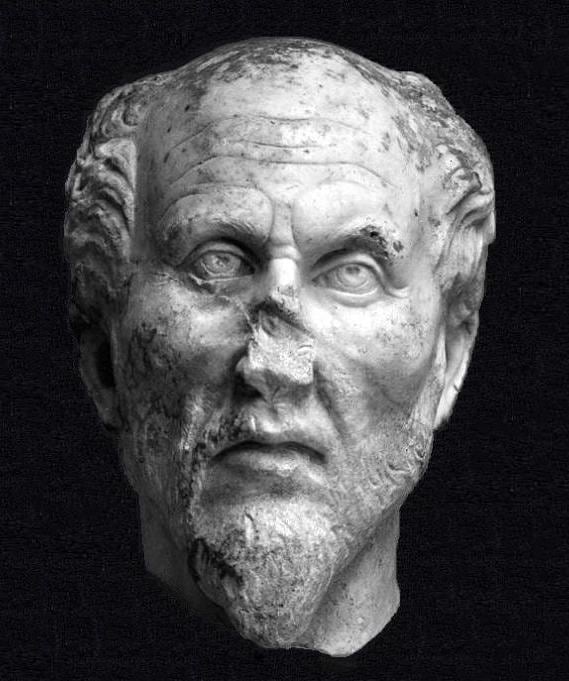
Plotinus
इन पर सहमत: परम सत्य क्या है? क्या ईश्वर है? · मैं कौन हूँ? क्या कोई सच्चा आत्म है? · हम दुःख क्यों भोगते हैं?

Mirabai
इन पर सहमत: हम दुःख क्यों भोगते हैं? · मुक्ति या उद्धार कैसे प्राप्त होता है? · क्या गुरु आवश्यक है?
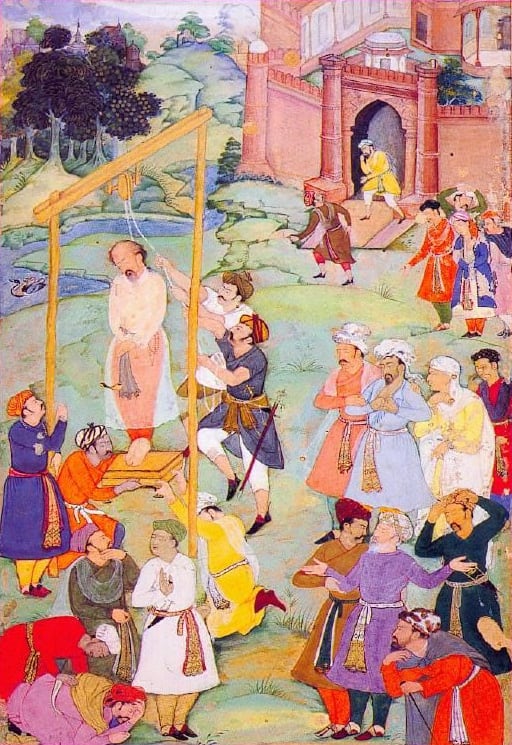
Al-Hallaj
इन पर सहमत: हम दुःख क्यों भोगते हैं? · मैं कौन हूँ? क्या कोई सच्चा आत्म है? · मुक्ति या उद्धार कैसे प्राप्त होता है?


प्रसंग और वृत्तांत
प्रसंग और वृत्तांत
संत-चरित वृत्तांतs. XV (según la leyenda)
The child of the Lahartara pond
वृत्तांत का स्रोत: Legends from Hindu and Kabir Panth hagiographies, nearly a century later than his death (the oldest, Anantadas's *Kabir parachai*, c. 1590). The *Britannica* records the Brahmin widow; Wikipedia, the lotus and Niru and Nima. His name and trade point to a Muslim origin.
संत-चरित वृत्तांतs. XV (según la leyenda)
Initiated by a footstep
वृत्तांत का स्रोत: A hagiographic story told by Evelyn Underhill in her introduction to *Songs of Kabir* (1915). The *Dabestan-e mazaheb* (17th century) already calls him Ramananda's disciple; the *Britannica* allows for a strong influence from Ramananda, but the scene on the steps has no contemporary source.
संत-चरित वृत्तांतc. 1495 (según la leyenda)
Before Sultan Sikandar Lodi
वृत्तांत का स्रोत: A narrative cycle developed in Anantadas's *Kabir parachai* (c. 1590) and later hagiographies (Lorenzen, *Kabir Legends and Ananta-Das's Kabir Parachai*, 1991). Underhill (1915) presented it as fact; many scholars doubt its historicity for lack of independent evidence.
संत-चरित वृत्तांतc. 1518 (según la leyenda)
The flowers under the shroud
वृत्तांत का स्रोत: A hagiographic legend recorded by Underhill (1915). That he died at Magahar is unanimously held by Kabirpanthi tradition and by a Mughal document of 1698–1699 on the tomb of 'Shah Kabir' (Lorenzen, 2019); the *Adi Granth* itself contains a hymn about his move from Benares to Magahar to die.
प्रमाणित1604
Guru Arjan takes Kabir into the Sikh scripture
वृत्तांत का स्रोत: Facts documented by the Sikh manuscripts themselves; dates according to the history of the *Adi Granth* and Strnad (2023) for the Goindval *pothis*. The count of *shaloks* checked against the BaniDB text (pp. 1364–1377).
प्रमाणित1910–1915
How Tagore's Kabir was born
वृत्तांत का स्रोत: Preface and introduction of *Songs of Kabir* (1915) and the Wikipedia article on the book; V. C. Mishra's critique, 'Two Truths Are Told: Tagore's Kabir', in Schomer and McLeod (eds.), *The Sants* (1987), pp. 167–180, is cited at second hand.
शिक्षाएँ
शिक्षाएँ
वे अवधारणाएँ जो उनके चिंतन को रूप देती हैं, उनके संदर्भ में समझाई गई।
Nirguna: the divine without attributesnirguna
A feature shared by the *sants* of northern India (Ravidas, Dadu, Nanak) as opposed to *saguna* devotion to incarnate Krishna or Rama (Tulsidas, Surdas, Mirabai).
The Name: Ram, Allah, Hariram-nam
The practice of *nam-simran*, shared with the *sants* and central to Sikhism.
The true master (satguru)satguru
A concept common to the *sant* tradition and to Sikhism, where the guru acquires an institutional dimension.
Sahaj: the spontaneous and naturalsahaj
A term inherited from the tantric *siddhas* and the *nath* yogis, reinterpreted by the *sants*.
Ulatbansi: upside-down languageulatbansi
A genre related to the *sandhya-bhasha* of the Buddhist tantric *siddhas* and the *naths*.
वीडियो
वीडियो
रिकॉर्डिंग, साक्षात्कार और वृत्तचित्र। वीडियो YouTube से चलते हैं; वे यहाँ संग्रहीत नहीं हैं।
Had Anhad: Journeys with Ram & Kabir
वृत्तचित्र· HI· 103 min
Ajab Shahar — Kabir Projectआधिकारिक चैनल
Kabira Khada Bazaar Mein: Journeys with Sacred & Secular Kabir
वृत्तचित्र· HI· 94 min
Ajab Shahar — Kabir Projectआधिकारिक चैनल
Chalo Hamara Des: Journeys with Kabir & Friends
वृत्तचित्र· EN· 97 min
Ajab Shahar — Kabir Projectआधिकारिक चैनल
Linda Hess introduces Kabir — Episode 3 of 'Chalo Hamara Des'
साक्षात्कार· EN· 4 min
Ajab Shahar — Kabir Projectआधिकारिक चैनल
Kabir: Revisiting 'Bodies of Song', a talk by Prof. Linda Hess
व्याख्यान· EN· 2020· 97 min
Ulatbansi
Bodies of Song: The Legacy of Kabir — Linda Hess in conversation with Sanjoy K. Roy
साक्षात्कार· EN· 41 min
JLF Internationalआधिकारिक चैनल
Understanding Kabir: Life, Philosophy and Poetry by Purushottam Agarwal (Module 1)
व्याख्यान· HI· 2026· 41 min
Jashn-e-Rekhtaआधिकारिक चैनल
Kabir Das | Documentary | Story of Kabir Das
वृत्तचित्र· HI· 26 min
Prasar Bharati Archivesआधिकारिक चैनल
'Kahaan Se Aaya Kahaan Jaaoge?' by Prahlad Tipanya
तृतीय पक्ष की रिकॉर्डिंग· HI· 10 min
Ajab Shahar — Kabir Projectआधिकारिक चैनल
'Nirbhay Nirgun Gun Re' sings Pt. Kumar Gandharva
तृतीय पक्ष की रिकॉर्डिंग· HI· 10 min
Ajab Shahar — Kabir Projectआधिकारिक चैनल
Salok Bhagat Kabir Ji — Bhai Maninder Singh Ji (Gurbani Kirtan)
तृतीय पक्ष की रिकॉर्डिंग· PA· 21 min
Amrit Baani — Goyal Musicआधिकारिक चैनल
KABÎR — Une vie, une œuvre : le vagabond céleste (France Culture, 1991)
वृत्तचित्र· FR· 1991· 80 min
ÉCLAIR BRUT
Kabir: the poet, saint and weaver of Ancient India (full version)
वृत्तचित्र· EN· 2004· 29 min
Peter Steven Malakoffआधिकारिक चैनल
चित्रशाला
चित्रशाला
सत्यापित लाइसेंस वाले चित्र। प्रत्येक में उसके रचयिता और श्रेय का उल्लेख सुरक्षित है।
पांडुलिपियाँ
पांडुलिपियाँ
पांडुलिपि-साक्ष्य और प्राचीन पाठ, उनके संरक्षक और अध्ययन की शर्तों सहित।
PA · Gurmukhi · s. XV–XVI
Goindval pothis (Mohan pothis)
- संरक्षित पाठ-साक्ष्य
- Dos manuscritos, copias de una antología reunida hacia 1570–1572, con cincuenta canciones de Kabir; solo uno lleva una fecha, equivalente a 1595
- संरक्षक
- Colección de los descendientes de Baba Mohan
HI · Devanagari · s. XV–XVI
Manuscrito de Fatehpur
- संरक्षित पाठ-साक्ष्य
- Antología fechada en 1582 (Samvat 1639), sobre todo de canciones de Surdas: el manuscrito fechado más antiguo con poemas de Kabir
HI · Devanagari · s. XV–XVII
Panch-vani dadupanthi
- संरक्षित पाठ-साक्ष्य
- Antologías manuscritas del siglo XVII de la secta de Dadu Dayal, en las que la *Kabir vani* es la segunda sección en extensión
- संरक्षक
- Diversas bibliotecas y monasterios dadupanthis de Rajastán
संबंध
संबंध
प्रभाव, शिष्यत्व और वैचारिक निकटता। प्रमाणित संबंध को विश्लेषण से पहचानी गई समानता से अलग दर्शाया गया है।
इन्हें प्रभावित किया
Documented: Kabir's verses appear in the Goindval *pothis* (c. 1570) and in the *Adi Granth* (1604), where they dialogue with the gurus'. Disputed: W. H. McLeod places Nanak in Kabir's *sant* tradition and sees in him a reproduction of its fundamental doctrines; Surjit Singh Gandhi and J. S. Grewal deny it. No meeting between them is recorded; accounts of one are traditional.
प्रमाणित संबंध
इनसे मिलते-जुलते विचार
Great voices of vernacular *bhakti* in northern India, partly contemporaries if Kabir died in 1518; but Mirabai sings to Krishna with form (*saguna*) and Kabir to the divine without attributes (*nirguna*). The Kabir Project has brought them together in its films.
विश्लेषण से पहचानी गई समानता
इनसे मिलते-जुलते विचार
Vaudeville, Lorenzen and Adrián Muñoz relate Kabir's *nirguna* absolute to the Brahman of Advaita Vedanta, albeit with differences; Kabir scorns the Brahmanical learning Shankara embodies.
विश्लेषण से पहचानी गई समानता
इनसे मिलते-जुलते विचार
The mysticism of love and separation brings them together, and Underhill (1915) assumed an influence from the Persian Sufi poets; scholars debate whether Sufism influenced the *sants* or whether both developed through mutual interaction.
विश्लेषण से पहचानी गई समानता
इनसे मिलते-जुलते विचार
Both teach that what is sought lies within the seeker and distrust outward religion; no historical connection is known.
विश्लेषण से पहचानी गई समानता
इनसे मिलते-जुलते विचार
Both aim their sharpest verses at outward religion (the ascetic, the preacher, the pandit and the mullah) in the name of inner sincerity.
विश्लेषण से पहचानी गई समानता
स्रोत
स्रोत
इस प्रविष्टि के लिए देखे गए ग्रंथ-सूची और सूचीपत्र।
- Wikidata, Q312551 «Kabir» (P31=Q5; 85 enlaces entre wikis; P569 1398 y 1440; P570 1518; P19 Varanasi; P20 Maghar).
- The Editors of Encyclopaedia Britannica. «Kabir». Encyclopaedia Britannica (consultada en la copia de Wayback Machine de 2024).
- Lorenzen, David N. Reseña de Purnendu Ranjan, Kabirpanth till the end of the Medieval India (Chandigarh: Gyankosh, 2016). Kervan. International Journal of Afro-Asiatic Studies 23/1 (2019), pp. 261–263.
- Strnad, Jaroslav. «Kabīr's Pads». En Triveṇī: Texts of Three Literary Traditions in Early Modern Languages of North India. Osaka: Osaka University, 2023, pp. 61–128. DOI 10.18910/94760.
- Kabir. Songs of Kabir, trad. Rabindranath Tagore, introducción de Evelyn Underhill. Nueva York: Macmillan, 1915 (en Londres: One Hundred Poems of Kabir, India Society). Project Gutenberg n.º 6519.
- «Kabir». Wikipedia en inglés (leyendas de nacimiento y persecución según Lorenzen; Dabestan-e Mazaheb; recensiones; crítica de V. C. Mishra, «Two Truths Are Told: Tagore's Kabir», en K. Schomer y W. H. McLeod (eds.), The Sants, 1987, pp. 167–180; Kabir Panth).
- «Songs of Kabir». Wikipedia en inglés (fuentes de Tagore: colección de Kshitimohan Sen y traducción inédita de Ajit Kumar Chakravarty; autenticidad).
- Sri Guru Granth Sahib, bani de Bhagat Kabir (texto gurmukhi por página o *ang*: Gauri 326, Prabhati 1349–1350, Salok 1364–1377). BaniDB.
- «Guru Granth Sahib». Wikipedia en inglés (compilación del Adi Granth por Guru Arjan, completada el 29 de agosto de 1604; bhagats incluidos).
- अधिकार-धारक
- Dominio público (obra oral del siglo XV). Las traducciones de Tagore (1915) y Underhill son de dominio público; las ediciones críticas y traducciones modernas (Oxford University Press, Motilal Banarsidass, Penguin, NYRB, SUNY Press, Brill, Gallimard) están sujetas a los derechos de sus editores y traductores.
पुष्टि की प्रतीक्षा में
जो यह प्रविष्टि अभी तक निश्चित नहीं कर सकी है। हम उसे भर देने के बजाय कह देना बेहतर समझते हैं।
- Recuento exacto de los himnos (*shabad*) de Kabir en el Guru Granth Sahib por raga: solo se ha comprobado la sección de 243 *shaloks* (pp. 1364–1377); no se ha encontrado una fuente fiable para las cifras que circulan.
- Sala de lectura en español: la traducción de Joaquín V. González (1918, dominio público) solo se ha hallado en una adaptación de 2023 con notas de Luis Cárdenas Camus (archive.org, con derechos); buscar el texto de 1918.
- Sala de lectura en hindi: localizar una transcripción de las *Kabir Granthavali* de Shyamsundar Das (1928; Das m. 1945, dominio público en España desde 2026) o del *Bijak* en Wikisource hindi; la API de hi.wikisource no respondió.
- Confirmar la fecha de muerte de Ahmad Shah, traductor del *Bijak* (1917), para decidir si su texto entra en la sala de lectura.
- Leer directamente el ensayo de V. C. Mishra (Schomer y McLeod, *The Sants*, 1987, pp. 167–180) y la introducción de Hess y Singh al *Bijak*; aquí se citan de segunda mano a través de Wikipedia.
- Confirmar el ISBN de *Kabir: Ecstatic Poems* (Robert Bly, Beacon Press): el que da Wikipedia (9780807063804) corresponde en Open Library a otro libro.
- Vídeos en español: no se ha encontrado ninguno de un canal institucional.
- Confirmar los datos editoriales de la edición de Parasnath Tiwari (1961) y de la traducción francesa de Vaudeville (Pondichéry, 1957).
2026-10-25 को शोधित