हिन्दू धर्म · सूफ़ीवाद
Meher Baba
मेहेर बाबा · مهر بابا
1894 – 1969ऐतिहासिक रूप से प्रमाणित व्यक्ति
मेहेर बाबा (1894-1969), जिनका जन्म-नाम मेरवान शेरियार ईरानी था, पूना के एक ज़रथुस्त्री परिवार में जन्मे भारतीय आध्यात्मिक गुरु थे, जिन्होंने स्वयं को अपने युग का अवतार घोषित किया। 10 जुलाई 1925 से उन्होंने चौवालीस वर्षों तक मौन रखा और पहले वर्णमाला-पट्ट से, फिर इशारों से संवाद किया। उनके Discourses और God Speaks ("ईश्वर बोलता है"), जिन्हें उन्होंने लिखवाया और शिष्यों ने संपादित किया, आत्मा की ईश्वर-चेतना की ओर यात्रा का ब्रह्मांड-दर्शन प्रस्तुत करते हैं। उन्होंने मेहेराबाद की स्थापना की, मस्तों की सेवा की और 1931 से पश्चिम की यात्राएँ कीं।
- कृतियाँ
- 31कृतियाँ
- संस्करण
- 49संस्करण
- उद्धरण
- 7उद्धरण
- वीडियो
- 15वीडियो
- चित्र
- 10चित्र
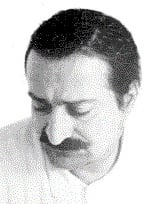
Meher Baba en 1941 · Public domain
उनके अपने शब्दों में
«I have come not to teach but to awaken. Understand therefore that I lay down no precepts.»«The Universal Message» (1958), en The Path of Love

शुरुआत के लिए एक रचना
God Speaks: The Theme of Creation and Its Purposeमूल विचार
God alone is real; the universe is his imagination, and each soul is God passing through that imagination in order to come to know himself consciously.
संदर्भ में देखें
जीवनी
5 मिनट का पाठ
स्पैनिश मूल से सहायता-प्राप्त अनुवाद, मातृभाषी अनुवादक द्वारा समीक्षा लंबित।
पूना में ज़रथुस्त्री माता-पिता का बेटा
मेरवान शेरियार ईरानी का जन्म 25 फ़रवरी 1894 को पूना (आज का पुणे) में हुआ। वे शेरियार मुंदेगार ईरानी और शीरीन के दूसरे पुत्र थे। पिता एक फ़ारसी ज़रथुस्त्री थे, जिन्होंने पूना में बसने और विवाह करने से पहले कई वर्ष घुमक्कड़ दरवेश के रूप में बिताए थे; परिवार ईरानी समुदाय से था, जो पारसियों से जुड़ा हुआ है, पर फ़ारस से बाद में आया था। मेरवान की शिक्षा पूना में हुई और वे डेक्कन कॉलेज में भी पढ़े। उनकी युवावस्था के विवरण उन्हें एक मिलनसार, खेल-प्रेमी युवक के रूप में दिखाते हैं, जिसे संगीत और कवियों—हाफ़िज़, शेक्सपियर, शेली—से लगाव था, और जिसने मित्रों के साथ मिलकर समसामयिक घटनाओं पर चर्चा करने और धर्मार्थ कार्यों के लिए धन जुटाने हेतु एक क्लब बनाया था।
बाबाजान का चुंबन
मई 1913 में कॉलेज जाते हुए उनका ध्यान पूना में एक पेड़ के नीचे रहने वाली एक वृद्ध मुस्लिम स्त्री पर गया, जिसे कुछ लोग संत मानकर पूजते थे और कुछ पागल समझते थे: हज़रत बाबाजान। महीनों तक वे उनसे मिलने जाते रहे। जनवरी 1914 की एक रात, उस वृत्तांत के अनुसार जिसे स्वयं उन्होंने प्रामाणिक माना, बाबाजान ने उनका माथा चूमा, और वह युवक लगभग नौ महीनों तक अपने शरीर से बेसुध, लगभग पूर्ण तल्लीनता की अवस्था में रहा। अगले वर्षों में उन्होंने उन अन्य विभूतियों की खोज की जिन्हें वे बाद में अपने युग के पाँच "पूर्ण सद्गुरु" कहने वाले थे: शिरडी के साईं बाबा, उपासनी महाराज, ताजुद्दीन बाबा और नारायण महाराज। उनके अनुसार साकोरी में उपासनी महाराज ने ही उन्हें ईश्वर-अनुभूति खोए बिना सामान्य चेतना में लौटाया; चार्ल्स पर्डम की लिखी जीवनी के अनुसार 1921 के अंत में उपासनी ने अपने शिष्यों के सामने घोषणा की कि उन्होंने मेरवान को "पूर्ण" बना दिया है।
मेहेराबाद और मौन का आरंभ
1922 में उन्होंने शिष्यों का एक समूह—मंडली—अपने चारों ओर जुटाया, जिसने उन्हें मेहेर बाबा अर्थात् "करुणामय पिता" नाम दिया, और बंबई में कठोर अनुशासन वाला एक आवास, मंज़िल-ए-मीम, खोला। 1923 में वे अहमदनगर के पास अरणगाँव गाँव के निकट एक पुराने सैनिक शिविर में बस गए, जिसका नाम उन्होंने मेहेराबाद रखा; वहाँ सभी जातियों के लिए खुले निःशुल्क विद्यालय, अस्पताल और औषधालय चलाए गए। 10 जुलाई 1925 को उन्होंने बोलना बंद कर दिया। डेढ़ वर्ष तक वे स्लेटों और कॉपियों पर लिखते रहे; 1927 के आरंभ से वे एक वर्णमाला-पट्ट के अक्षरों की ओर संकेत करके संवाद करने लगे, और अक्टूबर 1954 से केवल हाथों के इशारों से, जिनका ज़ोर से अनुवाद उनके निकटतम साथी, विशेषकर एरच जेसावाला, किया करते थे। उन्होंने अपने मौन को कोई तपस्या नहीं, बल्कि अपने सार्वभौमिक कार्य का अंग बताया, और अनेक बार घोषणा की कि वे एक ऐसे शब्द से इसे तोड़ेंगे जो मानवता को जगा देगा। ऐसा हुआ नहीं: सभी समकालीन स्रोत इस बात पर एकमत हैं कि वे मृत्यु तक मौन रहे, और उनके अनुयायी इस अधूरे वचन की अलग-अलग व्याख्याएँ करते हैं।
पश्चिम: गांधी, हॉलीवुड और प्रेस
1931 में वे पहली बार यूरोप गए, एस.एस. राजपूताना जहाज़ पर—वही जहाज़ जो गांधी को गोलमेज़ सम्मेलन में ले जा रहा था; यात्रा के दौरान दोनों की तीन बार भेंट हुई, यद्यपि गांधी के एक सहयोगी ने इस बात से इनकार किया कि गांधी ने उनसे आध्यात्मिक परामर्श माँगा था। 1932 में अमेरिकी प्रेस उनके हर क़दम पर नज़र रखे रहा: 1 जून को मैरी पिकफ़ोर्ड और डगलस फ़ेयरबैंक्स ने पिकफ़ेयर में उनके सम्मान में स्वागत-समारोह दिया। उन्होंने घोषणा की कि वे हॉलीवुड बाउल में अपना मौन तोड़ेंगे, पर अंतिम क्षण में हांगकांग के लिए जहाज़ पकड़ लिया। पत्रकार पॉल ब्रंटन ने, जो उनसे भारत में मिल चुके थे, अपनी पुस्तक A Search in Secret India ("गुप्त भारत की खोज", 1934) में उनका मोहभंग-भरा चित्र खींचा। दशक के अंत में वे पश्चिमी स्त्रियों के एक समूह के साथ बस से भारत-भ्रमण पर निकले, और 1938 में उनके अनुयायियों ने मेहेर बाबा जर्नल की स्थापना की।
मस्त, नया जीवन और दुर्घटनाएँ
तीस और चालीस के दशकों में उन्होंने मस्तों की खोज में उपमहाद्वीप का कोना-कोना छाना—ऐसे लोग जिन्हें वे "ईश्वर में मस्त" मानते थे, जो आंतरिक लोकों के अनुभवों से विचलित हो गए थे; वे उन्हें नहलाते, खिलाते और उनके साथ घंटों बिताते। उनके शिष्य विलियम डॉनकिन ने इस कार्य का विवरण The Wayfarers (1948) में दर्ज किया। अक्टूबर 1949 में उन्होंने बीस साथियों के साथ "नया जीवन" आरंभ किया—भिक्षा और गुमनामी का एक दौर, जिसे "निराशा और असहायता" में जिया जाना था और जो फ़रवरी 1952 में समाप्त हुआ। उसी वर्ष उन्होंने दक्षिण कैरोलिना के मर्टल बीच में मेहेर स्पिरिचुअल सेंटर का उद्घाटन किया, और 24 मई को ओक्लाहोमा के प्राग कस्बे के पास एक मोटर दुर्घटना में उनका पैर टूट गया। 2 दिसंबर 1956 को सतारा में हुई दूसरी दुर्घटना में उनके कूल्हे की हड्डी टूट गई और उनके एक साथी की मृत्यु हो गई। तब से वे पीड़ा और कठिनाई के साथ चलते थे।
उस व्यक्ति के शब्द जो बोलता नहीं था
मेहेर बाबा की पुस्तकें किसने लिखीं, यह प्रश्न केवल अलंकारिक नहीं है। Discourses ("प्रवचन") का जन्म मेहेर बाबा जर्नल (1938-1942) के मासिक लेखों के रूप में हुआ, जिन्हें उन्होंने वर्णमाला-पट्ट पर लिखवाया और प्रोफ़ेसर चक्रधर डी. देशमुख ने तैयार किया; 1939 से 1943 के बीच इन्हें पाँच खंडों में संकलित किया गया। 1955 में उनकी बहन मणि ने लिखा कि देशमुख ने लिखवाए गए बिंदुओं को "सजाया और विस्तार दिया" था और कभी-कभी उनका ग़लत अर्थ भी लगा लिया था। चार्ल्स पर्डम ने 1955 में इसका संक्षिप्त संस्करण प्रकाशित किया; आइवी ओ. ड्यूस और डॉन ई. स्टीवंस ने 1967 में उनकी स्वीकृति से पूरे ग्रंथ को पुनः संपादित किया, और 1987 में एरच जेसावाला, बाल नातू और फ़्लैग क्रिस ने सातवाँ संस्करण तैयार किया। उनकी प्रमुख तत्त्वमीमांसीय कृति God Speaks ("ईश्वर बोलता है", 1955) उन्होंने अगस्त 1953 से वर्णमाला-पट्ट पर लिखवाई, और उसका संपादन लुडविग डिम्प्फ़्ल और डॉन स्टीवंस ने किया। इसे गंभीरता से पढ़ने के लिए इन बिचौले हाथों को याद रखना आवश्यक है।
सितंबर 1954 में मेहेराबाद की कुछ सभाओं के दौरान उन्होंने "Meher Baba's Call" ("मेहेर बाबा का आह्वान") प्रकाशित किया, जिसमें उन्होंने स्वयं को अवतार बताया—वही चेतना जो उनके अनुसार ज़रथुस्त्र, राम, कृष्ण, बुद्ध, ईसा और मुहम्मद में प्रकट हुई थी; 30 सितंबर को उन्होंने अपनी "अंतिम घोषणा" की। उनके अनुयायियों के लिए यह आस्था का कथन है; इतिहासकार के लिए एक आत्म-परिभाषा, जिसे उसी रूप में दर्ज किया जाना चाहिए।
मेहेराज़ाद में देहावसान और विरासत
अपने अंतिम वर्षों में वे अहमदनगर के पास मेहेराज़ाद में एकांतवास करते रहे। 1966 में God in a Pill? ("गोली में ईश्वर?") नामक पुस्तिका में उन्होंने पश्चिम के युवाओं को आध्यात्मिक उद्देश्यों से एलएसडी के सेवन के विरुद्ध सावधान किया। 1968 के अंत से वे मांसपेशियों की तीव्र ऐंठन से पीड़ित रहे। उनके चिकित्सकों द्वारा हस्ताक्षरित प्रमाणपत्र के अनुसार 31 जनवरी 1969 को दोपहर 12:15 बजे मेहेराज़ाद में उनका देहावसान हुआ; उनके पार्थिव शरीर को मेहेराबाद की उस समाधि में रखा गया जिसे उन्होंने दशकों पहले बनवाया था। अप्रैल 1969 के लिए पुणे में तैयार किया गया "अंतिम दर्शन" उनके बिना संपन्न हुआ। 1967 की वसीयती व्यवस्था के अनुसार उनके शब्दों के अधिकार अवतार मेहेर बाबा परपेचुअल पब्लिक चैरिटेबल ट्रस्ट के पास हैं। उनकी गूँज लोकप्रिय संस्कृति तक पहुँची: पीट टाउनशेंड ने उन्हें रॉक ऑपेरा Tommy समर्पित किया, और उनके सूत्र-वाक्य "Don't worry, be happy" ने बॉबी मैकफ़ेरिन के गीत को प्रेरित किया।
स्रोत: Kalchuri, Bhau. Meher Prabhu: Lord Meher. The Biography of the Avatar of the Age, Meher Baba. Myrtle Beach: Manifestation, 1986-2001; edición en línea revisada (lordmeher.org), pp. 5286-5289 y 5400-5404. · Purdom, Charles B. The God-Man: The Life, Journeys and Work of Meher Baba with an Interpretation of His Silence and Spiritual Teaching. Londres: George Allen & Unwin, 1964. · Meher Baba. Discourses. 7.ª ed. revisada, ed. Eruch Jessawala, Bal Natu y J. Flagg Kris. Myrtle Beach: Sheriar Press, 1987 (3.ª reimpr. 1995), «Foreword» (historia editorial y carta de Mani Irani en The Awakener 3, n.º 1, 1955). Edición en línea del Avatar Meher Baba Trust. · Meher Baba. God Speaks: The Theme of Creation and Its Purpose. 2.ª ed. Walnut Creek: Sufism Reoriented, 1973 (3.ª reimpr. 1997); 1.ª ed. Nueva York: Dodd, Mead, 1955. Edición en línea del Trust. · Meher Baba. The Path of Love. Comp. Filis Frederick. Myrtle Beach: Sheriar Foundation, 2000 (1.ª ed. 1976); incluye «The Universal Message».
कालक्रम
जीवन, वर्ष-दर-वर्ष
प्रत्येक बिंदु एक प्रमाणित घटना है। उसे स्रोत और निश्चितता के स्तर सहित पढ़ने के लिए क्लिक करें।
25 फ़रवरी 18940 वर्षPoona
Birth of Merwan Sheriar Irani
Born into a Zoroastrian Irani family, second son of Sheriar Mundegar Irani and Shireen.
प्रमाणितWikipedia (en), «Meher Baba».
25 फ़रवरी 1894 · 0 वर्ष
Birth of Merwan Sheriar Irani
Born into a Zoroastrian Irani family, second son of Sheriar Mundegar Irani and Shireen.
प्रमाणित
मई 1913 · 19 वर्ष
First meeting with Hazrat Babajan
While a student at Deccan College, he begins visiting the Muslim holy woman who lives under a tree in Poona.
प्रमाणित
जनवरी 1914 · 19 वर्ष
Babajan's kiss
Babajan kisses his forehead; by his own account and that of his biographers, he remains nearly nine months unaware of his surroundings.
परंपरा
1915 · 21 वर्ष
Meetings with Sai Baba of Shirdi and Upasni Maharaj
Meets Upasni Maharaj at Shirdi; over the following years he spends long periods with him at Sakori.
प्रमाणित
दिसंबर 1921 · 27 वर्ष
Upasni declares him 'perfect'
According to Charles Purdom, Upasni tells his disciples he has made Merwan perfect and that he is the sadguru of the age.
परंपरा
1922 · 28 वर्ष
Manzil-e-Meem and the name Meher Baba
Gathers his first disciples, who call him Meher Baba, and opens a house of discipline in Bombay.
प्रमाणित
1923 · 29 वर्ष
Founding of Meherabad
Settles on a former military camp near Ahmednagar; there he will open a free school, hospital and dispensary.
प्रमाणित
10 जुलाई 1925 · 31 वर्ष
The silence begins
Stops speaking; he will keep silence until his death forty-four years later.
प्रमाणित
जनवरी 1927 · 32 वर्ष
Gives up writing for the alphabet board
After his last written message (December 1926), he communicates by pointing to letters on a board.
प्रमाणित
अगस्त 1931 · 37 वर्ष
First journey to the West; meetings with Gandhi
Travels to England on the same ship as Gandhi, with whom he meets three times.
प्रमाणित
1 जून 1932 · 38 वर्ष
Reception at Pickfair
Mary Pickford and Douglas Fairbanks hold a reception at which he delivers a message to Hollywood.
प्रमाणित
नवंबर 1938 · 44 वर्ष
The Meher Baba Journal appears
Monthly magazine in which the Discourses are serialised, prepared by C. D. Deshmukh.
प्रमाणित
16 अक्टूबर 1949 · 55 वर्ष
The New Life begins
With twenty companions he begins a life of begging and anonymity that will last until February 1952.
संभावित
24 मई 1952 · 58 वर्ष
Car accident in the United States
A head-on collision breaks his leg and injures his face.
प्रमाणित
30 सितंबर 1954 · 60 वर्ष
'Final Declaration'
After 'Meher Baba's Call', in which he reaffirms his Avatarhood, he gives his Final Declaration; in October he gives up the alphabet board.
प्रमाणित
1955 · 61 वर्ष
Publication of God Speaks
Dodd, Mead publishes his main metaphysical work, edited by Ludwig Dimpfl and Don Stevens.
प्रमाणित
2 दिसंबर 1956 · 62 वर्ष
Second car accident
Suffers a fractured pelvis; one of his companions, Nilu, is killed.
प्रमाणित
1966 · 72 वर्ष
God in a Pill?
His rejection of the spiritual use of LSD and other drugs is published, compiled from letters to Western academics.
प्रमाणित
17 जून 1967 · 73 वर्ष
Last will
Signs his will, which gives particular attention to the copyrights of his books and messages.
प्रमाणित
31 जनवरी 1969 · 74 वर्ष
Death
Dies at 12:15 after violent spasms; the certificate gives respiratory failure. He is buried in the Meherabad tomb.
प्रमाणित
10 अप्रैल 1969
The 'last darshan'
Thousands of followers, hundreds of them Westerners, attend the gathering he had prepared, held in his absence until 10 June.
प्रमाणित
कृतियाँ
आवश्यक कृतियाँ
वे कृतियाँ जिनके बिना उनकी विरासत को समझा नहीं जा सकता।
लिखित कृति · 1955
God Speaks: The Theme of Creation and Its Purpose
His most systematic metaphysical exposition. It describes how God, in an original state of unconscious infinity, experiences the urge to know himself and, through imagination, identifies with ever more complex forms—gas, stone, metal, vegetable, worm, fish, bird, animal and human—in a process of evolution of consciousness; then, through reincarnation, the soul exhausts its accumulated impressions and, in involution, crosses seven inner planes until it realises God. It distinguishes ten states of God and sets out the role of the Perfect Masters and the Avatar. It includes eleven charts and an extensive supplement of Sufi and Vedantic terminology. It is dedicated 'To the Universe—the Illusion that sustains Reality'.
5 संस्करण

प्रकाशित व्याख्यान · 1939
Discourses
The practical exposition of his teaching: the *sanskaras* or mental impressions that bind consciousness, maya, the ego, reincarnation and karma, violence and non-violence, meditation, love, discipleship and God-realisation. It alternates doctrinal explanation with stories from Indian and Sufi tradition, such as that of Majnun and Layla, and prefers explaining why some actions bind and others free over laying down moral rules. It is the work most read by his followers and the one that best shows the editorial problem of a silent teacher: between dictation and printed text stand several hands and several revisions.
8 संस्करण

प्रकाशित व्याख्यान · 1963
The Everything and the Nothing
A collection of short texts, poetic in tone, on the relation of lover and Beloved, illusion, ego and realisation: 'The Lover and the Beloved', 'The Pearl Diver', 'Maya the Showman', 'The One and the Zero'. It includes a chart of the soul's four journeys. It is one of the few books his followers regard as written by him, and its language is more direct and lyrical than that of the Discourses.
2 संस्करण
संपूर्ण कृतित्व (31)
Meher Baba
Tiffin Lectures
The Conscious LibraryTiffin Lectures
2017
Meher Baba
Infinite Intelligence
The Conscious LibraryInfinite Intelligence
2005

In God's Hand
1925

Listen, Humanity
1957

Beams from Meher Baba on the Spiritual Panorama
1958

Life at Its Best
1957

God to Man and Man to God
1955

The Path of Love
1976
Meher Baba
The Sayings of Shri Meher Baba
The Conscious LibraryThe Sayings of Shri Meher Baba
1933
Meher Baba
Shri Meher Baba, the Perfect Master: Questions and Answers
The Conscious LibraryShri Meher Baba, the Perfect Master: Questions and Answers
1933
Meher Baba
Divine Theme
The Conscious LibraryDivine Theme
1943
Meher Baba
Messages of Meher Baba Delivered in the East and West
The Conscious LibraryMessages of Meher Baba Delivered in the East and West
1945
Meher Baba
Gems from the Discourses
The Conscious LibraryGems from the Discourses
1945
Meher Baba
God in a Pill?
The Conscious LibraryGod in a Pill?
1966
Meher Baba
Sparks from Meher Baba
The Conscious LibrarySparks from Meher Baba
1962
Meher Baba
The New Life Circulars
The Conscious LibraryThe New Life Circulars
1949
Meher Baba
The Life Circulars
The Conscious LibraryThe Life Circulars
1952
Meher Baba
On the Fiery Free Life
The Conscious LibraryOn the Fiery Free Life
1952
Meher Baba
Be True to Your Duty
The Conscious LibraryBe True to Your Duty
1954
Meher Baba
6 Messages
The Conscious Library6 Messages
1955
Meher Baba
Final Declaration
The Conscious LibraryFinal Declaration
1954
Meher Baba
The Universal Message
The Conscious LibraryThe Universal Message
1958
Meher Baba
Meher Baba Journal
The Conscious LibraryMeher Baba Journal
1938

Early Messages to the West
2009
वचन
किसी निश्चित कृति में स्थित वचन। प्रत्येक के साथ उसका स्रोत और विश्वसनीयता का स्तर है।
I have come not to teach but to awaken. Understand therefore that I lay down no precepts.सत्यापित«The Universal Message» (1958), en The Path of Love
मूल विचार (संपादकीय सार)
कॉपीराइट के सम्मान में, ये विचार हमारे अपने शब्दों में संक्षेपित हैं और इन्हें शब्दशः उद्धरण के रूप में प्रस्तुत नहीं किया गया है।
- God alone is real; the universe is his imagination, and each soul is God passing through that imagination in order to come to know himself consciously.
- Consciousness is formed through the evolution of forms, from stone to human being; in the human it reaches its fullness but remains covered by accumulated impressions, which are exhausted in successive reincarnations.
- Mental impressions or sanskaras bind consciousness to illusion; the spiritual path consists in wearing them away through love, selfless service and surrender to the master, not through the accumulation of merit.
- In each age there are five Perfect Masters who, when the cycle comes, bring down the Avatar; the Avatar is the same consciousness that manifested, in his view, in Zoroaster, Rama, Krishna, the Buddha, Jesus and Muhammad.
- The renunciation that matters is not outward but mental: one can live in the world, with family and duties, while renouncing the limited self.
- Drug-induced experiences are not spiritual: they are discontinuous and illusory, whereas God-realisation is a continuous experience.
- Worry is a self-perpetuating habit; against it he advised doing one's best, ceasing to worry and remaining cheerful in God's love, advice that circulated on cards with the formula don't worry, be happy.
अंतिम शब्द
साक्षियों का परवर्ती वृत्तांत
«Do not forget that I am God.»Do not forget that I am God.
Meher Baba did not speak: his last words were gestures interpreted by those present. According to *Lord Meher*, the biography by his disciple Bhau Kalchuri, shortly before 12:15 on 31 January 1969 he asked Dr Goher Irani to stop giving him injections with this phrase; that same morning he had told the men mandali 'Remember this, that I am God!' Eruch Jessawala recalled that in the early hours he spelled out with his fingers 'He did not come back', alluding to a story about a Tibetan monk, and added 'but I shall return'. Adi K. Irani's circular of 5 February 1969 says that at noon he was joking with those present about the medicines. These are testimonies from his inner circle, not independent, and transmitted through interpreted gestures.
स्रोत: Kalchuri, Bhau. Meher Prabhu: Lord Meher. The Biography of the Avatar of the Age, Meher Baba. Myrtle Beach: Manifestation, 1986-2001; edición en línea revisada (lordmeher.org), pp. 5286-5289 y 5400-5404.
पूछें
उनकी कृतियाँ क्या उत्तर देती हैं
मानवता के बारह महान प्रश्न और उनके ग्रंथ उनका जो उत्तर देने देते हैं, संदर्भों सहित। हम कभी उनके मुख में अपने शब्द नहीं रखते।
परम सत्य क्या है? क्या ईश्वर है?
God alone is real: featureless infinite and Beloved who incarnates
साकार भी, निराकार भीस्पष्ट रूप से कहा है
In God Speaks Meher Baba describes God in the ‘Beyond-Beyond’ state as infinite existence, knowledge and bliss, unconscious of itself, and explains creation as that God’s original whim to know himself: the question ‘Who am I?’ sets the evolution of consciousness in motion. This Absolute has no features, yet it is not merely impersonal: God is also the Beloved who is loved, and Meher Baba presented himself as the Avatar, God become man in every age. In the Discourses he insists that God alone is real and all else is illusion. The divine thus has an infinite ground and a human face, and the path is to love that face until one discovers that one is oneself God.
इस प्रश्न की अन्य गुरुओं से तुलना करेंमैं कौन हूँ? क्या कोई सच्चा आत्म है?
The soul is God, and its long journey ends in discovering it
आत्मन् ही ब्रह्म हैस्पष्ट रूप से कहा है
In God Speaks Meher Baba holds that the soul (atma) is in reality identical with the Oversoul (Paramatma): it is infinite and eternal but does not know it. To know it, it undertakes a journey he describes in detail: the evolution of consciousness through ever more complex forms, from stone to human being; reincarnation in millions of human forms; and involution through the inner planes up to realisation. What prevents the soul from knowing itself are sanskaras, impressions that bind consciousness to illusion. When they are exhausted, false individuality vanishes and the soul discovers that it was always God. The ego, for Meher Baba, is the last obstacle, and renouncing it is the only renunciation needed.
इस प्रश्न की अन्य गुरुओं से तुलना करेंहम दुःख क्यों भोगते हैं?
Sanskaras bind consciousness; suffering wears them away
कर्म और आत्मा की सीखस्पष्ट रूप से कहा है
Meher Baba explains suffering through sanskaras, the impressions each experience leaves in the mind that drive new actions and new births. These impressions, accumulated through evolution and reincarnation, bind consciousness to illusion and feed the ego. In the Discourses he describes how karma operates from one life to the next and how pain, like pleasure, is the expression of sanskaras being spent. Suffering thus has no value in itself, but it is part of the process that ultimately frees the soul, especially if accepted with love and without rebellion. What truly dissolves it is love for God, which consumes impressions like fire.
इस प्रश्न की अन्य गुरुओं से तुलना करेंमृत्यु के बाद क्या होता है?
After death, states of heaven and hell and a new incarnation
कर्म के अनुसार पुनर्जन्मस्पष्ट रूप से कहा है
In the Discourses and God Speaks Meher Baba sets out a detailed theory of reincarnation. After death the soul keeps its sanskaras in the subtle and mental bodies and passes through states of heaven or hell, which are not places but states of consciousness in which good and bad impressions are lived intensely. When that phase is exhausted it incarnates again in a human body, alternating between male and female lives, in different places and conditions, as its impressions require. The cycle continues until the soul begins involution and attains God-realisation. For Meher Baba death is as ordinary as sleep, and as illusory as everything that is not God.
इस प्रश्न की अन्य गुरुओं से तुलना करेंमुक्ति या उद्धार कैसे प्राप्त होता है?
Love God and surrender to the Master: renounce only the self
भक्ति और समर्पण सेस्पष्ट रूप से कहा है
Meher Baba describes several paths in the Discourses, but considers love for God the most direct and surrender to a Perfect Master or to the Avatar the most effective. The ego cannot eliminate itself: it needs an object of love greater than itself. That is why he asked his followers to make him their constant companion and think of him more than of themselves. One of his best-known sayings sums up the demand: one need renounce nothing but one’s own self, which is simple yet almost impossible. He rejected shortcuts: he wrote against the use of drugs in search of spiritual experiences. Liberation, for him, is the realisation that one is God.
इस प्रश्न की अन्य गुरुओं से तुलना करेंक्या गुरु आवश्यक है?
The Perfect Master and the Avatar awaken what the soul cannot alone
अनिवार्यस्पष्ट रूप से कहा है
Meher Baba gives the Perfect Masters and the Avatar a decisive role. In God Speaks and the Discourses he explains that in every age there are five Perfect Masters who direct the world’s spiritual affairs, and that the Avatar, God become man, descends periodically to give humanity a new impulse. The soul cannot cross the inner planes alone without getting lost in their powers and visions; it needs the grace and guidance of a realised master. He himself asked his followers to love and obey him and to make him their constant companion. At the same time he refused to found a religion and said he had come to awaken, not to teach.
इस प्रश्न की अन्य गुरुओं से तुलना करेंक्या संसार वास्तविक है?
The universe is the Illusion that sustains Reality
एक सत्य पर आभासस्पष्ट रूप से कहा है
Meher Baba dedicated God Speaks to the universe with a paradoxical formula: ‘the Illusion that sustains Reality’. Creation, he explains, arises from God’s whim to know himself; for that, consciousness passes through forms, worlds and planes that have no existence of their own, like images in a dream. Only God is real, and the universe is a nothing that seems to be something. But that illusion is not useless: it is the means by which the soul gains consciousness of itself and finally discovers that it is God. In The Everything and the Nothing he develops the idea that the Nothing (illusion) is the shadow of the Everything (God). The world is lived seriously but not taken for the ultimate.
इस प्रश्न की अन्य गुरुओं से तुलना करेंप्रेम क्या है?
Love cannot be imposed: only love awakens love
विरह और मिलनस्पष्ट रूप से कहा है
For Meher Baba love is the central force of the spiritual life. In the Discourses he describes it as the reflection of God’s unity in the world of duality: every being seeks, more or less consciously, union with what it loves, and at bottom what it seeks is God. He distinguishes human love, mixed with desire, from divine love, which asks for nothing and culminates in union with the Beloved. One of his recorded sayings states its nature: love and coercion can never go together, and though love cannot be forced on anyone, it can be awakened through love itself. That is why his teaching comes down to loving God.
इस प्रश्न की अन्य गुरुओं से तुलना करेंक्या हम स्वतंत्र हैं, या सब कुछ पूर्वनिर्धारित है?
Sanskaras push, but each present act can unbind them
कर्म और चुनावउनके सिद्धांत से निष्कर्षित
In the Discourses Meher Baba describes a strongly conditioned human life: accumulated impressions (sanskaras) largely determine the desires, circumstances and even the place and sex of each incarnation, and karma operates from one life to the next with strict logic. But he is no fatalist: human beings can act so as not to create new bonds, serve without selfishness, accept what comes with love and surrender to a master, and so hasten the exhaustion of impressions. At the same time he recalls that from the standpoint of Reality all this belongs to illusion: only God is, and his will is in everything. Full freedom comes with realisation.
इस प्रश्न की अन्य गुरुओं से तुलना करेंध्यान या प्रार्थना क्यों करें?
Make the Beloved a constant companion
ईश्वर से मैत्रीस्पष्ट रूप से कहा है
Meher Baba devoted several chapters of the Discourses to meditation: he describes it as the path the mind cuts for itself through its own illusions and distinguishes many forms, from meditation on ideas or on the master’s form to objectless meditation. But his main recommendation was simpler: to remember and love him, make him a constant companion and think of him more than of oneself. The prayer he composed, the Master’s Prayer, praises God by many names, and another, the Prayer of Repentance, asks forgiveness for faults. Praying and meditating serve, for him, to direct towards God the energy that the ego scatters, until love replaces thought.
इस प्रश्न की अन्य गुरुओं से तुलना करेंक्या बुद्धि परम को जान सकती है?
He came not to teach but to awaken: the mind must be annihilated
परम मन से परे हैस्पष्ट रूप से कहा है
Meher Baba wrote works of great doctrinal complexity, such as God Speaks, with detailed maps of planes and states of consciousness. But he insisted that such knowledge does not free: in one of his recorded sayings he states that he has come not to teach but to awaken, and therefore lays down no precepts. Real knowledge of God requires the annihilation of the mind (manonash), because the mind, however subtle, still belongs to illusion. He kept outward silence for more than forty years, which he himself explained as a service to the world, not a spiritual exercise. Reason can describe the path, but the ultimate is known only when the reasoning mind ceases.
इस प्रश्न की अन्य गुरुओं से तुलना करेंसंसार से हटें या उसे बदलें?
Renounce not the world but the self, serving selflessly
कर्म में ध्यानस्पष्ट रूप से कहा है
Meher Baba did not ask his followers to withdraw from the world: one of his recorded sayings states that one need renounce nothing but one’s own self. In the Discourses he describes the ideal life as a life in the world, active and detached, in which selfless service is a form of worship. He himself founded schools, a hospital and a shelter at Meherabad, and spent years caring for the masts, people absorbed in ecstatic states whom he considered advanced souls. At the same time he alternated periods of seclusion, fasting and silence, and in 1949 undertook with a few companions the New Life, a phase of voluntary wandering and helplessness.
इस प्रश्न की अन्य गुरुओं से तुलना करें
निकटता और तनाव
निकटता और तनाव
उनके मतों के आधार पर प्रश्न-दर-प्रश्न आकलित। प्रत्येक सहमति या टकराव का कारण क्लिक करने पर।
इनसे मिलता-जुलता सोचते हैं
Anandamayi Ma
इन पर सहमत: ध्यान या प्रार्थना क्यों करें? · परम सत्य क्या है? क्या ईश्वर है? · मैं कौन हूँ? क्या कोई सच्चा आत्म है?
Paramahansa Yogananda
इन पर सहमत: परम सत्य क्या है? क्या ईश्वर है? · हम दुःख क्यों भोगते हैं? · मृत्यु के बाद क्या होता है?
Ramakrishna
इन पर सहमत: परम सत्य क्या है? क्या ईश्वर है? · मैं कौन हूँ? क्या कोई सच्चा आत्म है? · मृत्यु के बाद क्या होता है?
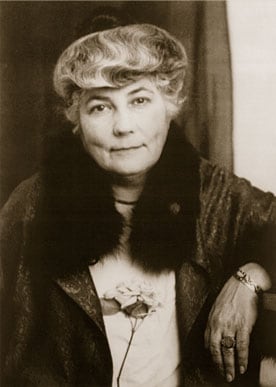
Helena Roerich
इन पर सहमत: हम दुःख क्यों भोगते हैं? · मृत्यु के बाद क्या होता है? · मुक्ति या उद्धार कैसे प्राप्त होता है?
इनसे भिन्न सोचते हैं
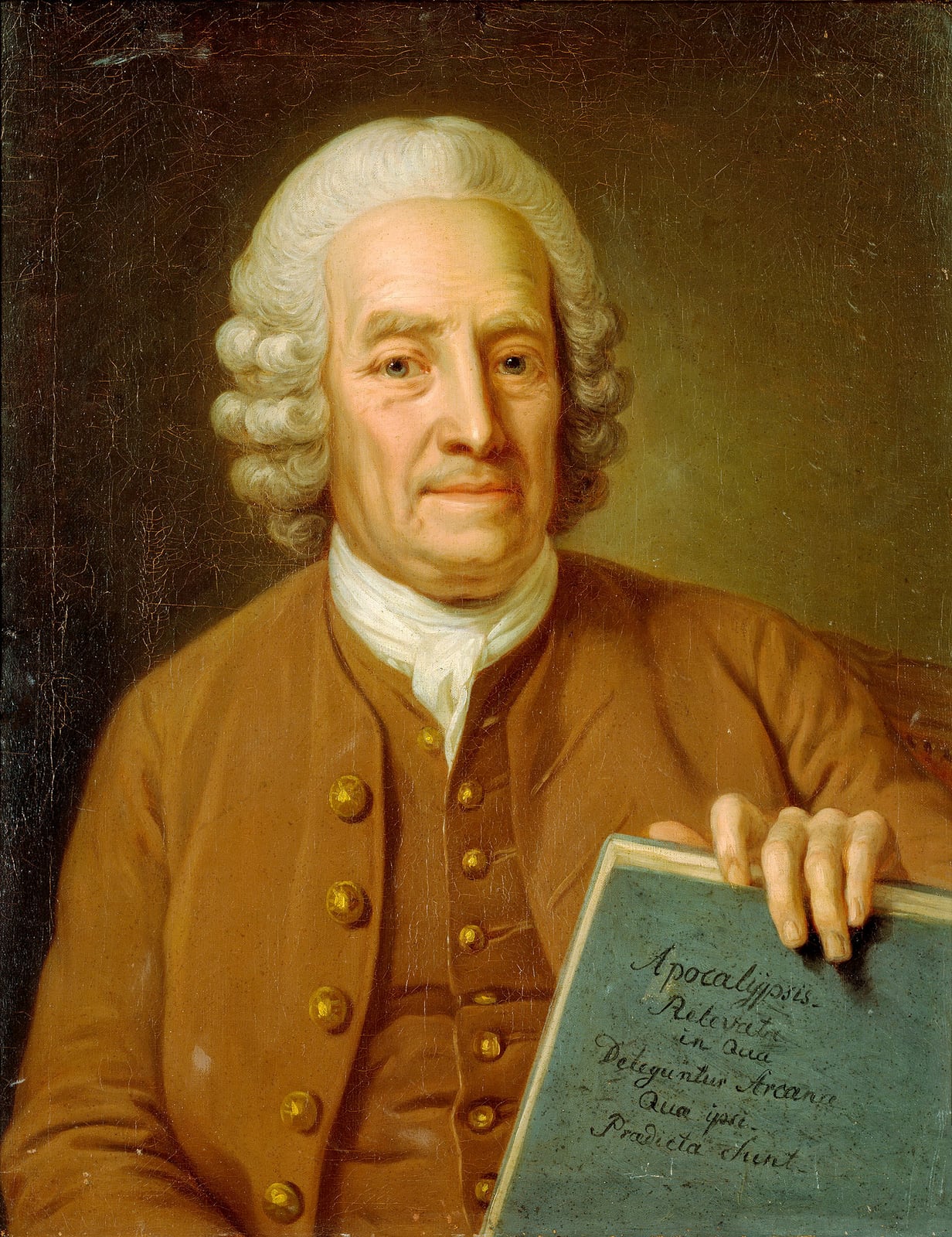
Emanuel Swedenborg
इन पर टकराव: मैं कौन हूँ? क्या कोई सच्चा आत्म है? · मृत्यु के बाद क्या होता है?

Julian of Norwich
इन पर टकराव: मैं कौन हूँ? क्या कोई सच्चा आत्म है? · मृत्यु के बाद क्या होता है? · क्या संसार वास्तविक है?

Epicurus
इन पर टकराव: मैं कौन हूँ? क्या कोई सच्चा आत्म है? · मृत्यु के बाद क्या होता है?

Jiddu Krishnamurti
इन पर टकराव: मुक्ति या उद्धार कैसे प्राप्त होता है? · क्या गुरु आवश्यक है?
प्रसंग और वृत्तांत
प्रसंग और वृत्तांत
साक्ष्य1913-1914
The kiss under the tree
वृत्तांत का स्रोत: Meher Baba's own account recorded by his biographers (C. B. Purdom, Bhau Kalchuri) and summarised in encyclopaedias. There are no independent testimonies of the episode.
प्रमाणित1931
Three conversations with Gandhi at sea
वृत्तांत का स्रोत: Documented by the press of the time and by the denial from Gandhi's circle; the details of the conversations come from Meher Baba's biographers.
प्रमाणित1932
The word not spoken at the Hollywood Bowl
वृत्तांत का स्रोत: Documented by the American press (Associated Press) and by the biographies.
प्रमाणित1949-1952
The New Life
वृत्तांत का स्रोत: Documented by the New Life circulars (1949-1952) and by the companions' diaries recorded in Lord Meher.
प्रमाणित1967
The 1967 interview
वृत्तांत का स्रोत: Filmed; transcript and participants' memories in Lord Meher, pp. 5286-5289.
साक्ष्य1969
'He did not come back'
वृत्तांत का स्रोत: Eruch Jessawala's recollection published by the Avatar Meher Baba Trust (Davana Brown, 2015). A single witness, from the inner circle.
शिक्षाएँ
शिक्षाएँ
वे अवधारणाएँ जो उनके चिंतन को रूप देती हैं, उनके संदर्भ में समझाई गई।
The Avatar and the five Perfect Mastersavatar
Set out in God Speaks and the Discourses; reaffirmed in 'Meher Baba's Call' (1954).
Evolution, reincarnation and involution of consciousnessevolucion-reencarnacion-involucion
A synthesis of Vedantic (Paramatma, atma) and Sufi (planes and journeys) terminology, with an evolutionary scheme of his own.
Sanskarassanskaras
A Sanskrit term (*saṃskāra*) from Yoga and Vedanta, reinterpreted within a framework of evolving consciousness.
The silencesilencio
A central feature of his biography and of his followers' practice (Silence Day).
The mastsmasts
The Sufi notion of the *majdhub*, the one seized by God.
Divine loveamor-divino
An inheritance of Persian Sufism (Hafez) and Indian *bhakti*.
वीडियो
वीडियो
रिकॉर्डिंग, साक्षात्कार और वृत्तचित्र। वीडियो YouTube से चलते हैं; वे यहाँ संग्रहीत नहीं हैं।
Meher Baba Interview 1932 Newsreel
मूल रिकॉर्डिंग· EN· 1932· 1 min
timmer17
Meher Baba in America 1932
मूल रिकॉर्डिंग· EN· 1932· 15 min
Meher Spiritual Centerआधिकारिक चैनल
Meher Baba's 1932 Message to Hollywood
वृत्तचित्र· EN· 1932· 17 min
TechnoBaba Films
Beyond words - 1967 film of Meher Baba
मूल रिकॉर्डिंग· EN· 1967· 37 min
Parabrama Ilahi
"The Awakener" - new Hi-Res scan of 35mm film, with sound
वृत्तचित्र· EN· 1969· 4 min
Meher Nazar Publicationsआधिकारिक चैनल
Meher Baba, The Awakener (Remastered 2021)
वृत्तचित्र· EN· 1969· 55 min
timmer17
God In Human Form The Biography of Avatar Meher Baba
वृत्तचित्र· EN· 66 min
Meher Filmworksआधिकारिक चैनल
Dios En Forma Humana - Película completa en español - Meher Baba
वृत्तचित्र· ES· 68 min
Meher Baba en Español - La Plata, Argentina
अवतार मेहेर बाबा के जीवन और कार्य की विशिष्टता / Meher Baba Highlights of His Life, Work and Message
वृत्तचित्र· HI· 9 min
Meher Baba Video's
Pete Townshend (The Who) • Interview (Guru Meher Baba) • 1969
साक्षात्कार· EN· 1969· 10 min
ReelinInTheYears66
Eruch Jessawala - The Oral History Archive Project - 1996 Meherazad
साक्षात्कार· EN· 1996· 103 min
MeherBabaLibrary
The Greatest of My Sufferings - Meher Baba's Accident in America
व्याख्यान· EN· 60 min
Avatar Meher Baba Heartland Centerआधिकारिक चैनल
Meher Baba's New Life- From the Great Seclusion to Manonash: An In-Depth Review (Session 1)
व्याख्यान· EN· 79 min
Meher Spiritual Centerआधिकारिक चैनल
"Meher Baba Begins His Work at Meherabad 1924" A talk by Peter Nordeen
व्याख्यान· EN· 82 min
Meher Spiritual Centerआधिकारिक चैनल
Avatar Meher Baba's Samadhi in Full High Definition
वृत्तचित्र· EN· 5 min
Meherabad Moments
चित्रशाला
चित्रशाला
सत्यापित लाइसेंस वाले चित्र। प्रत्येक में उसके रचयिता और श्रेय का उल्लेख सुरक्षित है।
पांडुलिपियाँ
पांडुलिपियाँ
पांडुलिपि-साक्ष्य और प्राचीन पाठ, उनके संरक्षक और अध्ययन की शर्तों सहित।
EN · Latin · c. 1925
In God's Hand
- संरक्षित पाठ-साक्ष्य
- Manuscrito autógrafo de 39 páginas
- संरक्षक
- Avatar Meher Baba Perpetual Public Charitable Trust, Archives Collection (Ahmednagar)
- डिजिटलीकरण
- avatarmeherbabatrust.org/online-library/…
EN · Latin · mediados de los años veinte
Intelligence Notebooks I-II
- संरक्षित पाठ-साक्ष्य
- Dos cuadernos manuscritos
- संरक्षक
- Avatar Meher Baba Perpetual Public Charitable Trust, Archives Collection (Ahmednagar)
EN · Latin · 1926-1927
Tiffin Lectures (notas de Framroze Dadachanji)
- संरक्षित पाठ-साक्ष्य
- Manuscritos mecanografiados y manuscritos
- संरक्षक
- Avatar Meher Baba Perpetual Public Charitable Trust
- डिजिटलीकरण
- avatarmeherbabatrust.org/tiffin-lectures/…
संबंध
संबंध
प्रभाव, शिष्यत्व और वैचारिक निकटता। प्रमाणित संबंध को विश्लेषण से पहचानी गई समानता से अलग दर्शाया गया है।
इनसे भेंट
Paul Brunton
The journalist visited him and portrayed him with disenchantment in A Search in Secret India (1934).
प्रमाणित संबंध
इनसे पत्राचार
Richard Alpert (Ram Dass)
Recipient of letters on psychedelic drugs collected in God in a Pill? (1966).
प्रमाणित संबंध
इन्हें प्रभावित किया
Pete Townshend
The Who's guitarist dedicated the rock opera Tommy (1969) and several albums to him.
प्रमाणित संबंध
इनके शिष्य
Hazrat Babajan
The Poona saint whose kiss (January 1914) marked the beginning of his transformation.
प्रमाणित संबंध
इनके शिष्य
Upasni Maharaj
His master at Sakori from 1915; according to Purdom, declared him 'perfect' in 1921. Last meeting in 1941.
प्रमाणित संबंध
इनसे भेंट
Sai Baba de Shirdi
One of the five Perfect Masters of his age according to his teaching; he met him at Shirdi around 1915.
प्रमाणित संबंध
इनसे भेंट
Tajuddin Baba
Master of Nagpur, another of the five Perfect Masters he recognised.
प्रमाणित संबंध
इनसे भेंट
Narayan Maharaj
Master of Kedgaon, another of the five Perfect Masters he recognised.
प्रमाणित संबंध
इनसे भेंट
Mahatma Gandhi
Three meetings aboard the SS Rajputana in 1931.
प्रमाणित संबंध
इनसे प्रभावित
He read him from youth and often quoted his couplets on obedience to the master; he had them recited on the day of his death.
प्रमाणित संबंध
इनसे मिलते-जुलते विचार
Meher Baba identified himself with the same avataric consciousness that, he said, manifested in Jesus; it is a statement of faith, not a historical relation.
विश्लेषण से पहचानी गई समानता
इनसे मिलते-जुलते विचार
The Sufi language of lover and Beloved, and of love as the path to God.
विश्लेषण से पहचानी गई समानता
इनके समकालीन
An Indian contemporary who also often taught through silence, with a very different conception.
विश्लेषण से पहचानी गई समानता
स्रोत
स्रोत
इस प्रविष्टि के लिए देखे गए ग्रंथ-सूची और सूचीपत्र।
- Kalchuri, Bhau. Meher Prabhu: Lord Meher. The Biography of the Avatar of the Age, Meher Baba. Myrtle Beach: Manifestation, 1986-2001; edición en línea revisada (lordmeher.org), pp. 5286-5289 y 5400-5404.
- Purdom, Charles B. The God-Man: The Life, Journeys and Work of Meher Baba with an Interpretation of His Silence and Spiritual Teaching. Londres: George Allen & Unwin, 1964.
- Wikidata, «Meher Baba» (Q312701).
- Wikipedia (en), «Meher Baba».
- Meher Baba. Discourses. 7.ª ed. revisada, ed. Eruch Jessawala, Bal Natu y J. Flagg Kris. Myrtle Beach: Sheriar Press, 1987 (3.ª reimpr. 1995), «Foreword» (historia editorial y carta de Mani Irani en The Awakener 3, n.º 1, 1955). Edición en línea del Avatar Meher Baba Trust.
- «A Short Publication History of the Five-volume Set», extracto de «A History of the Discourses», en Meher Baba, Discourses, 6.ª ed. revisada (Myrtle Beach: Sheriar Foundation, 2007), vol. 4, pp. 27-31; e «Introduction» al conjunto de cinco volúmenes, Avatar Meher Baba Trust.
- Meher Baba. God Speaks: The Theme of Creation and Its Purpose. 2.ª ed. Walnut Creek: Sufism Reoriented, 1973 (3.ª reimpr. 1997); 1.ª ed. Nueva York: Dodd, Mead, 1955. Edición en línea del Trust.
- Meher Baba. The Path of Love. Comp. Filis Frederick. Myrtle Beach: Sheriar Foundation, 2000 (1.ª ed. 1976); incluye «The Universal Message».
- Meher Baba. God in a Pill? San Francisco: Sufism Reoriented, 1966. Edición en línea del Trust.
- Irani, Adi K. Circular «This is the true account of Avatar Meher Baba's dropping His body, on 31st January 1969 according to the resident mandali». Ahmednagar: Meher Publications, 5 de febrero de 1969.
- Brown, Davana. «A Last Message for Us All». Avatar Meher Baba Trust, 29 de enero de 2015 (recuerdo de Eruch Jessawala).
- Avatar Meher Baba Perpetual Public Charitable Trust, Online Library «Books by Baba» (descripciones de cada título) y «Copyright and Fair Use» (testamento de 17-6-1967).
- Meher Baba. Tiffin Lectures. Ahmednagar: Avatar Meher Baba Perpetual Public Charitable Trust / Myrtle Beach: Sheriar Foundation, 2017, «Introduction». ISBN 9781880619452.
- Open Library, ediciones de Meher Baba (God Speaks, Discourses, Listen Humanity, Infinite Intelligence, Huma, Dios habla, etc.); y Meher Baba, Infinite Intelligence (Sheriar Foundation, 2005), «Acknowledgments» e introducción.
- Wikipedia (en), «Hazrat Babajan» y «Upasni Maharaj» (apoyadas en Purdom, The God-Man, y Kalchuri, Lord Meher).
- अधिकार-धारक
- Avatar Meher Baba Perpetual Public Charitable Trust (Ahmednagar), por disposición de su testamento de 17-6-1967, para la mayor parte de sus palabras; Sufism Reoriented para God Speaks (1955, 1973) y otros títulos suyos; otros derechos repartidos entre editores y compiladores. Derechos vigentes: murió en 1969.
- आधिकारिक वेबसाइट
- avatarmeherbabatrust.org/
पुष्टि की प्रतीक्षा में
जो यह प्रविष्टि अभी तक निश्चित नहीं कर सकी है। हम उसे भर देने के बजाय कह देना बेहतर समझते हैं।
- Sala de lectura: ninguna obra de Meher Baba es de dominio público (murió en 1969; derechos del Trust y de Sufism Reoriented). Los libros de 1933 (Sayings, The Perfect Master) podrían no tener copyright vigente en EE. UU., pero no en la UE ni en España: no se registran. El Trust ofrece lectura gratuita con derechos reservados.
- Confirmar en Lord Meher la fecha exacta de inicio de la Nueva Vida (16-10-1949 es la que suele darse) y la de «Meher Baba's Call» (septiembre de 1954).
- Huma: precisar fechas y lengua original (urdu o persa) de los gazales de juventud.
- Ediciones en español: solo se han verificado Dios habla (Kairós, 2001) y Discursos (Companion Enterprises, 1989); buscar traducciones de The Everything and the Nothing y Listen, Humanity.
- Consultar directamente The God-Man (Purdom, 1964) y Much Silence (Hopkinson, 1974) para cotejar la cronología temprana; aquí se citan a través de fuentes secundarias.
- Verificar si existe la edición digital de los Discourses en discoursesbymeherbaba.org con la 6.ª ed. revisada (2007) y su ensayo editorial completo.
- Relaciones con slugs fuera del catálogo (hazrat-babajan, upasni-maharaj, sai-baba-de-shirdi, tajuddin-baba, narayan-maharaj, mahatma-gandhi, paul-brunton, richard-alpert, pete-townshend).
- Fecha y forma del acto por el que los derechos pasaron al Avatar Meher Baba Trust (el Trust se constituyó por escritura en 1959; se citaba un «testamento de 1967» sin fuente primaria): confirmar antes de precisarlo.
2026-10-25 को शोधित