हिन्दू धर्म · योग · भक्ति · अद्वैत वेदान्त
Paramahansa Yogananda
পরমহংস যোগানন্দ · মুকুন্দলাল ঘোষ · परमहंस योगानन्द
1893 – 1952ऐतिहासिक रूप से प्रमाणित व्यक्ति
क्रियायोग की परंपरा (महावतार बाबाजी, लाहिड़ी महाशय, श्रीयुक्तेश्वर) के बंगाली संन्यासी, जो 1920 से अपनी मृत्यु तक संयुक्त राज्य अमेरिका में रहे। उन्होंने सेल्फ़-रियलाइज़ेशन फ़ेलोशिप और योगदा सत्संग सोसाइटी ऑफ़ इंडिया की स्थापना की, दसियों हज़ार लोगों को ध्यान की दीक्षा दी और योगी कथामृत (1946) लिखी, जो बीसवीं शताब्दी की सबसे अधिक पढ़ी गई आध्यात्मिक पुस्तकों में है। उन्होंने कृष्ण के योग और मूल ईसाई धर्म की एकता की शिक्षा दी। उनकी प्रकाशन-विरासत और उनकी मृत्यु से जुड़े वृत्तांत आज भी विवाद का विषय हैं।
- कृतियाँ
- 38कृतियाँ
- संस्करण
- 105संस्करण
- उद्धरण
- 5उद्धरण
- वीडियो
- 11वीडियो
- चित्र
- 9चित्र
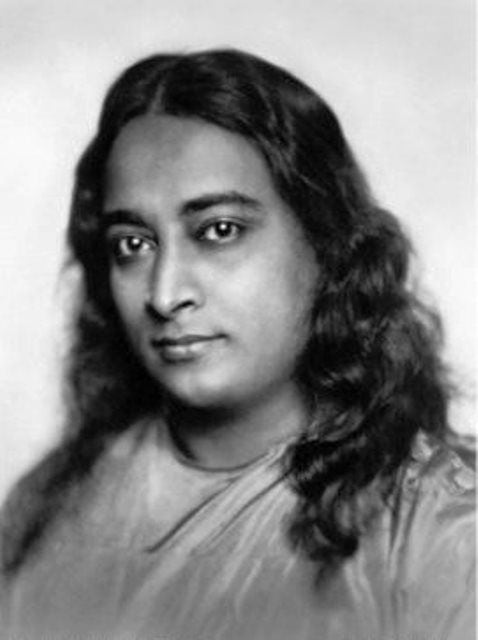
Paramahansa Yogananda, retrato de la «pose estándar» · Public domain
उनके अपने शब्दों में
«The characteristic features of Indian culture have long been a search for ultimate verities and the concomitant disciple-guru relationship.»Autobiography of a Yogi (1946), cap. 1, «My Parents and Early Life», primera frase

मूल विचार
Kriya yoga: A meditation technique based on controlling life energy along the spine, which Yogananda presents as an ancient science revived by Mahavatar Babaji and spread by Lahiri Mahasaya from 1861.
संदर्भ में देखें
जीवनी
6 मिनट का पाठ
स्पैनिश मूल से सहायता-प्राप्त अनुवाद, मातृभाषी अनुवादक द्वारा समीक्षा लंबित।
शिष्यों के घर में गोरखपुर का एक बालक
मुकुन्द लाल घोष का जन्म 5 जनवरी 1893 को ब्रिटिश भारत के उत्तर में गोरखपुर में हुआ। वे कायस्थ जाति के एक बंगाली परिवार की आठ संतानों में चौथे थे। उनके पिता भगवती चरण घोष बंगाल-नागपुर रेलवे कंपनी में उच्च अधिकारी थे; माता ज्ञानप्रभा का देहांत तब हुआ जब बालक ग्यारह वर्ष का था। माता-पिता दोनों लाहिड़ी महाशय के शिष्य थे — काशी के वे गृहस्थ योगी जिन्होंने उन्नीसवीं शताब्दी के उत्तरार्ध में क्रियायोग नामक ध्यान-विधि का प्रसार किया था। यह घरेलू विरासत — दीवार पर टँगा गुरु का चित्र, उनसे जोड़ी गई एक रोगमुक्ति की स्मृति — वह आरंभ-बिंदु है जहाँ से योगानन्द ने आगे जो कुछ भी कहा, सब शुरू होता है। आरंभ में ही यह स्पष्ट कर देना उचित है कि उनके बचपन के बारे में हम जो कुछ जानते हैं, वह लगभग सब उनके अपने वृत्तांत से आता है, जो आधी शताब्दी बाद भक्ति और शिक्षा के उद्देश्य से लिखा गया था।
श्रीयुक्तेश्वर और स्वामी-संप्रदाय
बेचैन किशोर मुकुन्द कलकत्ता और काशी के संतों और तपस्वियों के पास जाते रहे, और एक बार तो घर से भागकर हिमालय की ओर निकल पड़े। 1910 में, सत्रह वर्ष की आयु में, काशी में उनकी भेंट उस व्यक्ति से हुई जो उनके गुरु बने: स्वामी श्रीयुक्तेश्वर गिरि — लाहिड़ी महाशय के शिष्य, शौक़िया खगोलविद्, कैवल्य दर्शनम् (द होली साइंस) के लेखक और हुगली के तट पर श्रीरामपुर में एक छोटे आश्रम के संचालक। दस वर्ष तक वे उस आश्रम के अनुशासन और कलकत्ता विश्वविद्यालय से संबद्ध श्रीरामपुर कॉलेज की पढ़ाई के बीच आते-जाते रहे, जहाँ से उन्होंने 1915 में उपाधि प्राप्त की। उसी वर्ष जुलाई में उन्होंने अपने गुरु से स्वामी-संप्रदाय की गिरि शाखा में संन्यास-दीक्षा ली और योगानन्द नाम धारण किया — “दिव्य मिलन के द्वारा प्राप्त आनंद”।
1917 में उन्होंने बंगाल के डिहिका में लड़कों के लिए एक विद्यालय स्थापित किया, जिसमें सामान्य पाठ्यक्रम के साथ योग और खुली हवा का जीवन जुड़ा था; अगले वर्ष कासिमबाज़ार के महाराजा के संरक्षण से विद्यालय राँची चला गया। इसी से योगदा सत्संग सोसाइटी ऑफ़ इंडिया का जन्म हुआ, वह संस्था जो आज भी उपमहाद्वीप में उनकी कृतियों की संरक्षक है।
बोस्टन, 1920: धर्म के विज्ञान के रूप में योग
अगस्त 1920 में वे यूनिटेरियन एसोसिएशन द्वारा बोस्टन में आयोजित इंटरनेशनल कांग्रेस ऑफ़ रिलीजियस लिबरल्स में भारत के प्रतिनिधि के रूप में संयुक्त राज्य अमेरिका के लिए जहाज़ पर सवार हुए। उनके व्याख्यान “धर्म का विज्ञान” ने वह स्थापना प्रस्तुत की जिसे वे जीवन भर दोहराते रहे: कि सभी धर्मों का लक्ष्य एक है — आनंद-स्वरूप ईश्वर का प्रत्यक्ष अनुभव — और योग उस तक पहुँचने की एक परखी जा सकने वाली विधि देता है। उसी वर्ष उन्होंने बोस्टन में वह संस्था स्थापित की जो 1935 से सेल्फ़-रियलाइज़ेशन फ़ेलोशिप (SRF) कहलाने लगी।
अगले दशक में वे संभवतः उत्तरी अमेरिका के सबसे चर्चित भारतीय गुरु थे। उन्होंने व्याख्यान-शृंखलाओं के साथ पूरे देश का दौरा किया, जिनसे हज़ारों श्रोताओं वाले सभागार भर जाते थे और जिनका प्रचार “योगदा” पाठ्यक्रमों के रूप में होता था — “ऊर्जा-संचार” और एकाग्रता के अभ्यासों की एक पद्धति, जिसे वे किस्तों में बेचते थे। 1925 में उन्होंने लॉस एंजेलिस में माउंट वॉशिंगटन के एक पुराने होटल में मुख्यालय स्थापित किया। 1927 में राष्ट्रपति कैल्विन कूलिज ने व्हाइट हाउस में उनसे भेंट की। इतिहासकार — जिनमें एन्या फ़ॉक्सन और फ़िलिप गोल्डबर्ग भी हैं — रेखांकित करते हैं कि उन्होंने किस कुशलता से योग को व्यावहारिक मनोविज्ञान, व्यक्तिगत सफलता और अमेरिकी उदार ईसाई धर्म की भाषा में ढाला। इस सफलता का एक स्याह पक्ष भी था: समाचार-पत्रों ने उन्हें “हिन्दू ख़तरे” से जोड़ा, कुछ नगरों में नस्ली तनाव हुआ, और 1929 में उनके पूर्व सहयोगी स्वामी धीरानन्द ने बकाया वेतन के लिए उन पर मुक़दमा किया।
भारत-वापसी और परमहंस की उपाधि
1935–1936 में वे यूरोप और निकट पूर्व होते हुए भारत लौटे। बवेरिया के कोनर्सरॉय्ट में वे स्टिग्मेटा-धारी थेरेसा नॉयमान से मिले; वर्धा में गांधी से, जिन्हें उनके अपने वृत्तांत के अनुसार उन्होंने क्रिया की विधि सिखाई; वे रमण महर्षि और आनन्दमयी माँ से भी मिले। श्रीयुक्तेश्वर ने उन्हें परमहंस — “परम हंस” — की संन्यास-उपाधि प्रदान की और 9 मार्च 1936 को पुरी में देह त्याग दी। कैलिफ़ोर्निया लौटने पर उनके सबसे धनी शिष्य, कैंसस सिटी के उद्योगपति जेम्स जे. लिन ने उन्हें प्रशांत महासागर की खड़ी चट्टानों पर स्थित एनसिनिटास का आश्रम भेंट किया।
आत्मकथा और लेखन के वर्ष
उसी आश्रम में एक दशक तक उन्होंने वह पुस्तक लिखी जो उनके बाद भी जीवित रही: Autobiography of a Yogi (हिन्दी में योगी कथामृत), जो दिसंबर 1946 में न्यूयॉर्क के द फ़िलॉसॉफ़िकल लाइब्रेरी से प्रकाशित हुई। इसे किसी एक विधा में रखना कठिन है: यह एक साथ संस्मरण, उनकी गुरु-परंपरा — महावतार बाबाजी, लाहिड़ी महाशय, श्रीयुक्तेश्वर — का संत-चरित, संतों और चमत्कारों की सूची और दीक्षा की पुस्तिका है। उसमें उत्तोलन, वस्तुओं के प्रकटीकरण या मृतकों के पुनर्जीवन के जो वृत्तांत हैं, वे इतिहासकार के लिए आस्था की गवाही हैं, प्रलेखित तथ्य नहीं, और यह एटलस उन्हें इसी रूप में प्रस्तुत करता है। इसके विपरीत, उसका प्रभाव एक तथ्य है: पचास से अधिक भाषाओं में अनूदित और लाखों प्रतियों में बिकी यह पुस्तक उन ग्रंथों में है जिन्होंने सबसे अधिक पश्चिमी पाठकों को ध्यान की ओर प्रवृत्त किया। 1946 का पहला संस्करण आज संयुक्त राज्य अमेरिका में सार्वजनिक क्षेत्र में है; SRF अपने आगामी संस्करणों में पाठ का संशोधन करती रही है।
उन्हीं वर्षों में उन्होंने वे भाष्य तैयार किए जिन्हें SRF ने उनकी मृत्यु के बाद प्रकाशित किया — भगवद्गीता, सुसमाचारों और उमर ख़य्याम की रुबाइयात पर — और जो पहले उनकी पत्रिकाओं East-West और Inner Culture में धारावाहिक रूप से छपे थे। 1946 में आप्रवास क़ानून में बदलाव के बाद उन्होंने अमेरिकी नागरिकता के लिए आवेदन किया, जो उन्हें 1949 में मिली। 1950 में उन्होंने पैसिफ़िक पैलिसेड्स में लेक श्राइन का उद्घाटन किया, जहाँ गांधी का एक स्मारक है जिसमें उनकी अस्थियों का एक अंश रखा है।
बिल्टमोर में मृत्यु
7 मार्च 1952 को लॉस एंजेलिस के बिल्टमोर होटल में भारतीय राजदूत बिनय रंजन सेन के सम्मान में आयोजित एक भोज में उन्होंने एक संक्षिप्त भाषण दिया और अपनी कविता “My India” (“मेरा भारत”) की अंतिम पंक्तियाँ पढ़ीं। SRF के साक्षियों के अनुसार, समाप्त करते ही वे गिर पड़े। मृत्यु-प्रमाणपत्र में मृत्यु का कारण तीव्र कोरोनरी अवरोध बताया गया; उनके शिष्य महासमाधि की बात करते हैं, अर्थात् शरीर का सचेत परित्याग। उन्हें ग्लेनडेल के फ़ॉरेस्ट लॉन में दफ़नाया गया।
मुक़दमों में उलझी विरासत
योगानन्द की विरासत संस्थाओं का इतिहास भी है। SRF और योगदा सत्संग सोसाइटी, जिनका नेतृत्व उनके बाद राजर्षि जनकानन्द (लिन), श्री दया माता और उनके उत्तराधिकारियों ने किया, उनकी पाठमाला, उनकी रिकॉर्डिंग और उनके प्रकाशन-अधिकारों की संरक्षक हैं। 1962 में SRF ने अपने एक संन्यासी, स्वामी क्रियानन्द (जे. डोनाल्ड वॉल्टर्स) को अलग कर दिया, जिन्होंने 1968 में नेवादा सिटी के पास आनन्द समुदाय की स्थापना की। “Self-Realization” पद के प्रयोग और गुरु की कृतियों, चित्रों और रिकॉर्डिंग के कॉपीराइट को लेकर SRF द्वारा 1990 में आनन्द पर किया गया मुक़दमा बारह वर्ष चला: अदालतों ने नाम और छवि पर SRF का एकाधिकार अस्वीकार किया, और 2002 में जूरी ने अधिकारों के स्वामित्व तथा कुछ रिकॉर्डिंग के उल्लंघन के प्रश्न पर उसके पक्ष में निर्णय दिया। आनन्द, अपनी ओर से, आत्मकथा के पहले संस्करण को पुनर्प्रकाशित करता है और उनकी शिक्षाओं के अपने संस्करणों का समर्थन करता है।
विवाद का एक अन्य विषय उनके “अविकृत” शरीर का वृत्तांत है, जो फ़ॉरेस्ट लॉन के अंत्येष्टि-निदेशक के एक पत्र पर आधारित है, जिसके पूर्ण पाठ में एक सामान्य लेपन (एम्बामिंग) का उल्लेख था। जो सभी विवादों से परे है, वह उनके कार्य का विस्तार है: योगानन्द पहले भारतीय गुरु थे जिन्होंने अपना लगभग पूरा वयस्क जीवन पश्चिम में बिताया और वहाँ एक ऐसी संस्था छोड़ी जो उनके बाद भी टिकी रह सकी।
स्रोत: Yogananda, Paramhansa. Autobiography of a Yogi. Nueva York: The Philosophical Library, 1946 (1.ª ed.; texto en Project Gutenberg #7452). · Goldberg, Philip. The Life of Yogananda: The Story of the Yogi Who Became the First Modern Guru. Carlsbad (California): Hay House, 2018. · Yogananda, Swami. The Science of Religion. Los Ángeles: Yogoda and Sat-Sanga Headquarters, 4.ª ed., septiembre de 1925 (copyright 1924; 1.ª ed. en la India). Ejemplar digitalizado en Internet Archive. · Self-Realization Fellowship. Paramahansa Yogananda: In Memoriam. Los Ángeles: Self-Realization Fellowship, 1958 (reproduce la carta notarial de Harry T. Rowe, director de la funeraria de Forest Lawn, publicada antes en Self-Realization, mayo-junio de 1952). · Kriyananda, Swami (J. Donald Walters). The Path: Autobiography of a Western Yogi. Nevada City (California): Ananda Publications, 1977; reeditado como The New Path, Crystal Clarity, 2009.
कालक्रम
जीवन, वर्ष-दर-वर्ष
प्रत्येक बिंदु एक प्रमाणित घटना है। उसे स्रोत और निश्चितता के स्तर सहित पढ़ने के लिए क्लिक करें।
5 जनवरी 18930 वर्षGorakhpur
Birth of Mukunda Lal Ghosh
Born into a Bengali family; his parents, Bhagabati Charan Ghosh and Gyana Prabha, are disciples of Lahiri Mahasaya.
प्रमाणितWikidata, «Paramahansa Yogananda» (Q312549): nacimiento 05-01-1893 en Gorakhpur, muerte 07-03-1952 en Los Ángeles, sepultura en Forest Lawn (Glendale); 84 enlaces entre wikis.
उनके निधन के बाद
- 1962Kriyananda's departure
- 1990SRF v. Ananda lawsuit
5 जनवरी 1893 · 0 वर्ष
Birth of Mukunda Lal Ghosh
Born into a Bengali family; his parents, Bhagabati Charan Ghosh and Gyana Prabha, are disciples of Lahiri Mahasaya.
प्रमाणित
1904 · 11 वर्ष
Death of his mother
The death of Gyana Prabha, which he dates to his eleventh year, opens by his own account an intense spiritual search.
संभावित
1910 · 17 वर्ष
Meeting Sri Yukteswar
Meets Swami Sri Yukteswar Giri, a disciple of Lahiri Mahasaya, and becomes his disciple at the Serampore hermitage.
प्रमाणित
जुलाई 1915 · 22 वर्ष
Swami vows: Yogananda
After graduating from Serampore College (University of Calcutta), he takes the vows of the Swami order, Giri branch, with the name Yogananda.
प्रमाणित
1917 · 24 वर्ष
Ranchi school and Yogoda Satsanga Society
Founds at Dihika a school for boys that moves to Ranchi in 1918 with the support of the Maharaja of Kasimbazar; origin of Yogoda Satsanga Society of India.
प्रमाणित
अक्टूबर 1920 · 27 वर्ष
Congress of Religious Liberals
Indian delegate to the International Congress of Religious Liberals; delivers "The Science of Religion" and founds the organisation that will become Self-Realization Fellowship.
प्रमाणित
1925 · 32 वर्ष
Mount Washington headquarters
Acquires the former Mount Washington hotel, which becomes SRF's international headquarters.
प्रमाणित
1927 · 34 वर्ष
Received by Calvin Coolidge
President Coolidge receives him at the White House; the press reports it as an unprecedented visit by an Indian teacher.
प्रमाणित
1929 · 36 वर्ष
Swami Dhirananda's lawsuit
His former associate Basu Kumar Bagchi (Swami Dhirananda) sues him for unpaid wages and royalties; the case is settled.
प्रमाणित
1935 · 42 वर्ष
Journey to India and title of Paramahansa
Visits Therese Neumann in Bavaria and Gandhi at Wardha; Sri Yukteswar confers on him the title of paramahansa. Self-Realization Fellowship is legally incorporated.
प्रमाणित
9 मार्च 1936 · 43 वर्ष
Death of Sri Yukteswar
His master dies at Puri while he is in Calcutta; the chapter on Sri Yukteswar's "resurrection" in the Autobiography is a visionary account.
प्रमाणित
1936 · 43 वर्ष
The Encinitas hermitage
Back in California he receives as a gift from James J. Lynn (Rajarsi Janakananda) the Encinitas hermitage, where he will write the Autobiography.
प्रमाणित
दिसंबर 1946 · 53 वर्ष
Publication of Autobiography of a Yogi
The Philosophical Library publishes the first edition; that edition is now in the public domain in the United States.
प्रमाणित
1949 · 56 वर्ष
American citizenship
Obtains the citizenship he had applied for in 1946, after the Luce–Celler Act.
प्रमाणित
अगस्त 1950 · 57 वर्ष
Dedication of the Lake Shrine
Dedicates the Lake Shrine and the Gandhi World Peace Memorial, which holds part of Gandhi's ashes.
प्रमाणित
7 मार्च 1952 · 59 वर्ष
Death at Ambassador Sen's banquet
After a short speech and the reading of his poem "My India" he collapses; death certificate: acute coronary occlusion. His disciples call it mahasamadhi.
प्रमाणित
मई 1952
The Forest Lawn letter
SRF publishes Harry T. Rowe's notarised letter on the absence of visible signs of decay; the full version mentions embalming.
प्रमाणित
1962
Kriyananda's departure
SRF's board asks Swami Kriyananda (J. Donald Walters) to resign; he will found Ananda in 1968.
प्रमाणित
1990
SRF v. Ananda lawsuit
SRF sues Ananda over the name "Self-Realization" and the rights in Yogananda's works, photographs and recordings; the litigation ends in 2002.
प्रमाणित
कृतियाँ
आवश्यक कृतियाँ
वे कृतियाँ जिनके बिना उनकी विरासत को समझा नहीं जा सकता।
लिखित कृति · 1946
Autobiography of a Yogi
An account of his life from childhood in Gorakhpur to the founding of his work in America, woven together with the story of his lineage—Mahavatar Babaji, Lahiri Mahasaya and Sri Yukteswar—and with encounters with figures such as Rabindranath Tagore, Gandhi, Therese Neumann, Anandamayi Ma and Luther Burbank. It mixes memoir, hagiography and doctrinal exposition: it presents kriya yoga as a science of liberation and narrates wonders to be read as testimony of faith. One of the most widely read spiritual books of the twentieth century, translated into more than fifty languages, it was the gateway to meditative yoga for several generations of Western readers.
13 संस्करण · amazon.com

प्रकाशित व्याख्यान · 1975
Man's Eternal Quest
Lectures given mostly in SRF temples between the 1930s and 1952: the nature of God, reincarnation, karma, health, family life, world peace. It shows Yogananda the preacher, with humour, homely examples and a more intimate tone than the Autobiography, and is the most direct route to his spoken teaching.
4 संस्करण · amazon.com

मरणोपरांत कृति · 1995
God Talks with Arjuna: The Bhagavad Gita
A translation of and commentary on the Gita's eighteen chapters read as an allegory of yoga: the field of Kurukshetra is the body, the Pandavas are the soul's faculties and the battle is meditation against the ego's habits. It develops the correspondence between the verses and the subtle centres of the spine, and presents Krishna as the guru who teaches kriya yoga. Alongside the Autobiography, it is his most ambitious doctrinal work.
5 संस्करण · amazon.com

मरणोपरांत कृति · 2004
The Second Coming of Christ
The Second Coming of Christ: The Resurrection of the Christ Within You
A reading of Jesus's words as a teaching of yoga: the "second coming" is not a future historical event but the awakening of Christ consciousness in each person through meditation. It comments on the baptism, the Sermon on the Mount, the miracles and the resurrection in parallel with the Bhagavad Gita, and argues for the essential unity of original Christianity and Krishna's yoga.
3 संस्करण · amazon.com
संपूर्ण कृतित्व (38)

The Science of Religion
1920

Songs of the Soul
1923

Scientific Healing Affirmations
1924
Paramahansa Yogananda
Psychological Chart and the Yogoda booklets
The Conscious LibraryPsychological Chart and the Yogoda booklets
1925

Whispers from Eternity
1929
Paramahansa Yogananda
Self-Realization Fellowship Lessons
The Conscious LibrarySelf-Realization Fellowship Lessons
1934

Metaphysical Meditations
1932

Cosmic Chants
1938

The Law of Success
1944

Sayings of Paramahansa Yogananda
1952

How You Can Talk with God
1957

Prayers of a Master for His Disciples
1965

Spiritual Diary
1968

The Divine Romance
1986

Where There Is Light
1988

Wine of the Mystic
1994

Journey to Self-Realization
1997

In the Sanctuary of the Soul
1998

Inner Peace
1999

To Be Victorious in Life
2002

Why God Permits Evil and How to Rise Above It
2002

Living Fearlessly
2003

The Yoga of Jesus
2007

The Yoga of the Bhagavad Gita
2007
वचन
किसी निश्चित कृति में स्थित वचन। प्रत्येक के साथ उसका स्रोत और विश्वसनीयता का स्तर है।
The characteristic features of Indian culture have long been a search for ultimate verities and the concomitant disciple-guru relationship.सत्यापितAutobiography of a Yogi (1946), cap. 1, «My Parents and Early Life», primera frase
अंतिम शब्द
साक्षियों का परवर्ती वृत्तांत
«"Where Ganges, woods, Himalayan caves, and men dream God— I am hallowed; my body touched that sod."»Where Ganges, woods, Himalayan caves, and men dream God— I am hallowed; my body touched that sod.
These are the closing lines of his poem "My India", which he read at the end of his speech at the Biltmore Hotel banquet (7 March 1952) for Ambassador Binay Ranjan Sen. The account comes from Self-Realization Fellowship witnesses—among them Sri Daya Mata, who was in the room—and was spread through Self-Realization magazine (May–June 1952), the In Memoriam booklet and later editions of the Autobiography. There is no independent transcript of the moment; the exact coincidence between the last line and his collapse belongs to the devotional account.
स्रोत: Self-Realization Fellowship. Paramahansa Yogananda: In Memoriam. Los Ángeles: Self-Realization Fellowship, 1958 (reproduce la carta notarial de Harry T. Rowe, director de la funeraria de Forest Lawn, publicada antes en Self-Realization, mayo-junio de 1952).
पूछें
उनकी कृतियाँ क्या उत्तर देती हैं
मानवता के बारह महान प्रश्न और उनके ग्रंथ उनका जो उत्तर देने देते हैं, संदर्भों सहित। हम कभी उनके मुख में अपने शब्द नहीं रखते।
परम सत्य क्या है? क्या ईश्वर है?
God is formless Spirit and also Divine Mother to whom one speaks
साकार भी, निराकार भीस्पष्ट रूप से कहा है
Paramahansa Yogananda describes God with the Vedantic formula of existence, consciousness and bliss, which he renders as ever-existing, ever-conscious, ever-new bliss: an omnipresent, formless Spirit from which creation proceeds. In chapter 14 of Autobiography of a Yogi he recounts an experience of cosmic consciousness in which he perceives the whole universe as light within his own being. But his work is also intensely devotional: he speaks with God as Divine Mother, prays, asks and receives answers, and holds that the divine can manifest in the form the devotee loves. In his commentaries on the Bhagavad Gita and the Gospels he presents both facets as complementary. The divine has, for him, a formless ground and a personal face that are equally real.
इस प्रश्न की अन्य गुरुओं से तुलना करेंमैं कौन हूँ? क्या कोई सच्चा आत्म है?
The soul is individualised Spirit returning to God through many lives
विकसित होती आत्मास्पष्ट रूप से कहा है
Paramahansa Yogananda defines the soul as individualised Spirit: a reflection of God, of the same blissful nature, which has forgotten its origin by identifying with body and ego. That soul passes through many incarnations, subject to the law of karma, and inhabits not only physical bodies but also subtle sheaths; in chapter 43 of Autobiography of a Yogi, his master Sri Yukteswar, after his death, describes to him the astral and causal worlds and the three bodies of the human being. The practice of Kriya Yoga hastens that evolution. The goal is reunion with Spirit, in which, according to Yogananda, the soul knows its unity with God without wholly losing its individuality. The true self is thus a divine soul on its way back, not the ego with which it is confused.
इस प्रश्न की अन्य गुरुओं से तुलना करेंहम दुःख क्यों भोगते हैं?
Pain arises from misused free will and pushes the soul back to God
कर्म और आत्मा की सीखस्पष्ट रूप से कहा है
Paramahansa Yogananda explains suffering with two intertwined ideas. The first is karma: the human being, endowed with free will, sows by its acts the causes of what befalls it, in this life or others, and pain is the harvest of actions contrary to divine law. The second is maya, the cosmic delusion that makes the soul identify with the body and forget its divine nature; from that forgetfulness it seeks happiness in what cannot give it. Yogananda often compares the world to a film projected by God's light, in which suffering is real for those absorbed in it. Pain has, in his view, a function: it awakens longing for something more and pushes the soul, over many lives, to seek God.
इस प्रश्न की अन्य गुरुओं से तुलना करेंमृत्यु के बाद क्या होता है?
The soul passes into astral worlds and reincarnates until it is free
कर्म के अनुसार पुनर्जन्मस्पष्ट रूप से कहा है
Yogananda offers a detailed description of the beyond in the chapter of Autobiography of a Yogi entitled «The Resurrection of Sri Yukteswar». He relates that his master, who died in 1936, appeared to him in a body of flesh and blood and explained the structure of the after-death worlds: the human being has a physical, an astral and a causal body; at death one passes into the astral world, made of light and energy, where one remains for a time according to karma, and afterwards most return to incarnate on earth. Only when desires and karma have been exhausted does the soul also leave the astral and causal bodies and unite with Spirit. In his commentary on the Bhagavad Gita he develops the image of the soul changing bodies as one changes clothes. Kriya yoga, he holds, speeds up that evolution.
इस प्रश्न की अन्य गुरुओं से तुलना करेंमुक्ति या उद्धार कैसे प्राप्त होता है?
Kriya Yoga, a technique received from the guru, accelerates evolution towards union with God
अनुशासित साधना सेस्पष्ट रूप से कहा है
In Autobiography of a Yogi, Paramahansa Yogananda presents Kriya Yoga as the principal means of liberation. In the chapter devoted to its «science» he describes it as a psychophysiological method, based on controlling the life energy through the breath, which accelerates spiritual evolution and lets the practitioner achieve in a few years what would take many lives of natural development. The technique is received by initiation within a lineage of masters (Babaji, Lahiri Mahasaya, Sri Yukteswar) and is practised together with devotion to God, ethical discipline and daily meditation. The goal is Self-realisation and conscious communion with God, whom Yogananda conceives as ever-new Bliss.
इस प्रश्न की अन्य गुरुओं से तुलना करेंक्या गुरु आवश्यक है?
The guru-disciple bond and initiation into the lineage are the sure path
अनिवार्यस्पष्ट रूप से कहा है
Autobiography of a Yogi is, in large part, the story of searching for a master and of the relationship with him. Paramahansa Yogananda narrates his meeting with Sri Yukteswar, whom he recognised as the guru he had been awaiting, and the years of discipline in his hermitage, where he learned an obedience he describes as liberating. Kriya Yoga is transmitted through initiation within a lineage of masters (Mahavatar Babaji, Lahiri Mahasaya, Sri Yukteswar and himself), and Yogananda presents the true guru as a channel of God whose help accompanies the disciple beyond death. The organisation he founded, Self-Realization Fellowship, maintains that conception of the guru lineage as guarantor of the teaching.
इस प्रश्न की अन्य गुरुओं से तुलना करेंक्या संसार वास्तविक है?
A universe of light dreamed by God, with physical, astral and causal worlds
अस्तित्व के लोकस्पष्ट रूप से कहा है
In Autobiography of a Yogi, Paramahansa Yogananda describes the universe as a projection of light similar to a motion picture, sustained by God's consciousness: in the chapter on the law of miracles he presents it as God's cosmic dream, whose ultimate substance is light. That universe has levels. In the chapter on the resurrection of his master Sri Yukteswar he relates the description the latter allegedly gave him of the astral and causal worlds, subtler than the physical, in which souls live between incarnations. The physical world is real as a level of creation, but it is maya, an illusion relative to God, and the yogi learns to perceive it as such.
इस प्रश्न की अन्य गुरुओं से तुलना करेंप्रेम क्या है?
All human love reflects the love of God, which draws the soul back
विरह और मिलनस्पष्ट रूप से कहा है
For Paramahansa Yogananda love is God's nature and the force that draws the soul back to Him. He holds that the love of parents, friends or lovers is a partial reflection of divine love, which expresses itself through them and is never exhausted in any one of them; that is why no human love fully satisfies. The devotee must learn to recognise God behind every affection and direct to Him a constant longing, until feeling His love in deep meditation. In Whispers from Eternity and in the prayers of How You Can Talk with God he addresses to God petitions of personal love, as Divine Mother or as Beloved, and in Autobiography of a Yogi he describes experiences of ecstatic communion. Friendship, to which he gives great value, is for him the purest form of human love.
इस प्रश्न की अन्य गुरुओं से तुलना करेंक्या हम स्वतंत्र हैं, या सब कुछ पूर्वनिर्धारित है?
The stars point to karma, but the wise can outwit them
कर्म और चुनावस्पष्ट रूप से कहा है
In chapter 16 of *Autobiography of a Yogi*, «Outwitting the Stars», Yogananda recounts his master Sri Yukteswar's teaching on astrology: the birth chart does not cause destiny but indicates it, because a child is born at the moment when the celestial rays harmonise with his individual karma. That karma, however, is not final. Prayer, will power, deep meditation and the counsel of a sage can soften or cancel its effects. Yogananda thus acknowledges a real determination inherited from previous lives, but stresses that the soul, made in God's image, keeps the power to free itself. His teaching of *Kriya Yoga* is presented precisely as the swiftest means to burn accumulated karma.
इस प्रश्न की अन्य गुरुओं से तुलना करेंध्यान या प्रार्थना क्यों करें?
Talking with God as a child demands of a father, with Kriya as method
ईश्वर से मैत्रीस्पष्ट रूप से कहा है
Yogananda joins two elements that appear separately in other teachers. On one side, a precise technique, *Kriya Yoga*, which in *Autobiography of a Yogi* (1946) he describes as a scientific method of controlling life energy to accelerate spiritual evolution. On the other, a deeply personal conception of prayer: in *Whispers from Eternity* and in his booklet *How You Can Talk With God* he teaches one to address God as Father, Mother or Friend, not with fearful pleading but with a child's confident demand, until an answer comes. Meditation stills mind and body so that this communion is possible; its end is conscious union with God, which he calls Self-realisation.
इस प्रश्न की अन्य गुरुओं से तुलना करेंक्या बुद्धि परम को जान सकती है?
A science of the soul, transmitted by initiation and verifiable by intuition
गूढ़ ज्ञानस्पष्ट रूप से कहा है
Yogananda presents religion as an experimental science. In *The Science of Religion* (1920) he holds that all religions seek the same end, the removal of pain and the attainment of bliss, and that the methods for reaching it can be tested in experience. His instrument is not reason but intuition, the soul's faculty that perceives truth directly. In *Autobiography of a Yogi* he narrates the transmission of *Kriya Yoga* through a lineage of masters —Babaji, Lahiri Mahasaya, Sri Yukteswar— as an ancient technique lost and recovered, received through initiation and verified in practice. Reason and modern science are cited as allies, but subordinate to intuitive knowledge.
इस प्रश्न की अन्य गुरुओं से तुलना करेंसंसार से हटें या उसे बदलें?
Acting in the world without attachment, anchored in daily meditation
कर्म में ध्यानस्पष्ट रूप से कहा है
Paramahansa Yogananda, a monk of the order of swamis, taught mainly Western lay people and maintained that the spiritual life does not require abandoning family or work. His model is the one he attributes to his lineage: Lahiri Mahasaya, master of kriya yoga, was a householder with a job and responsibilities, and in Autobiography of a Yogi he presents him as proof that realisation is compatible with life in the world. In his commentary on the Bhagavad Gita he interprets Krishna's exhortation to Arjuna as a call to fulfil one's own duty without attachment to the fruits, sustained by meditation. He recommended a balance between activity and recollection, a life of simple living and high thinking, and proposed the creation of world brotherhood colonies, communities in which spiritual practice would be united with work and life in common.
इस प्रश्न की अन्य गुरुओं से तुलना करें
निकटता और तनाव
निकटता और तनाव
उनके मतों के आधार पर प्रश्न-दर-प्रश्न आकलित। प्रत्येक सहमति या टकराव का कारण क्लिक करने पर।
इनसे मिलता-जुलता सोचते हैं
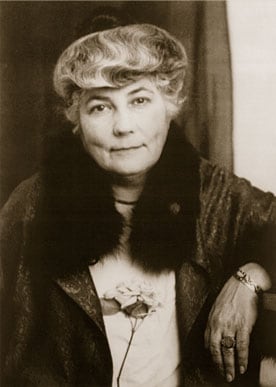
Helena Roerich
इन पर सहमत: मैं कौन हूँ? क्या कोई सच्चा आत्म है? · हम दुःख क्यों भोगते हैं? · मृत्यु के बाद क्या होता है?
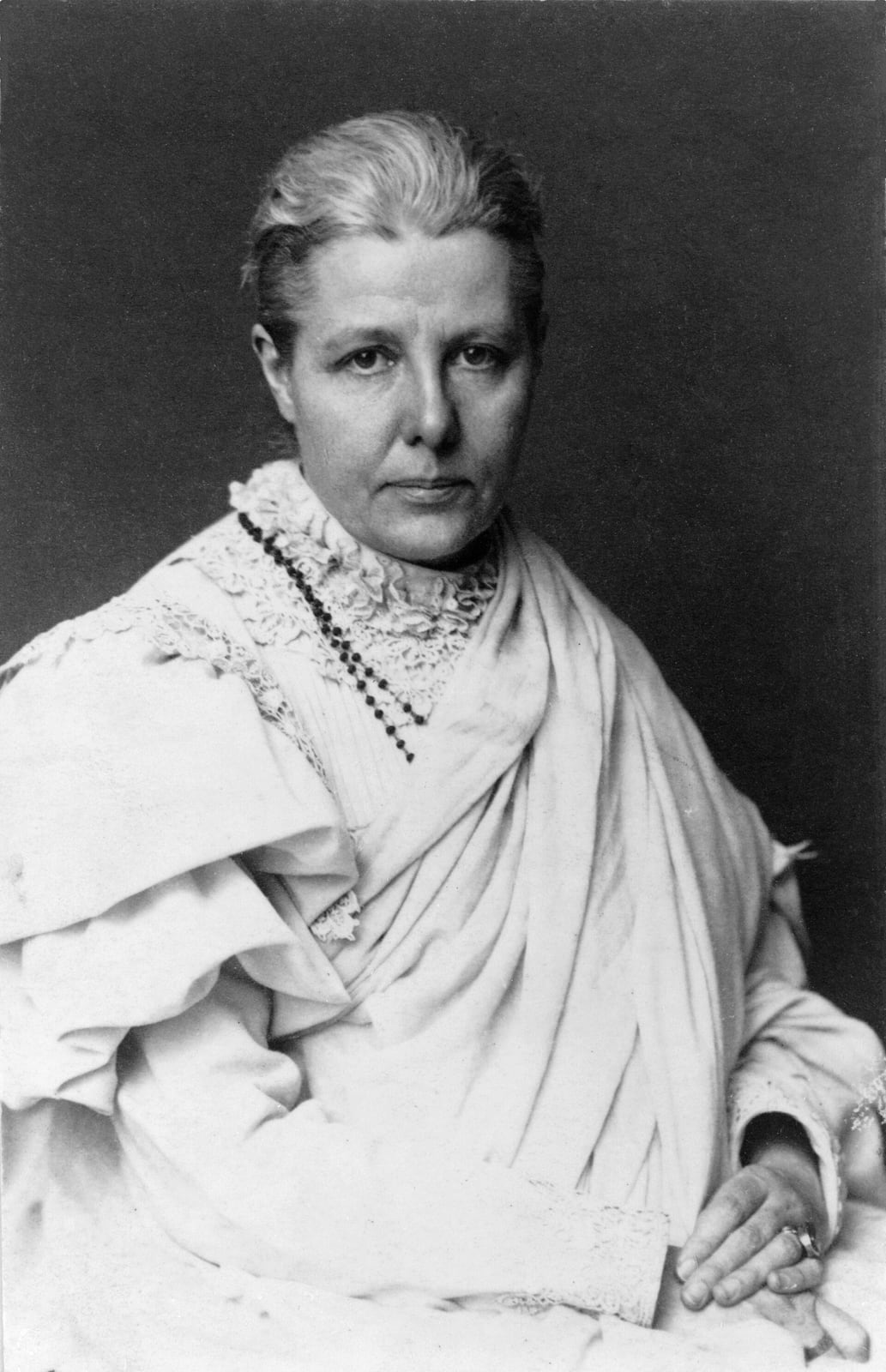
Annie Besant
इन पर सहमत: क्या हम स्वतंत्र हैं, या सब कुछ पूर्वनिर्धारित है? · परम सत्य क्या है? क्या ईश्वर है? · मैं कौन हूँ? क्या कोई सच्चा आत्म है?
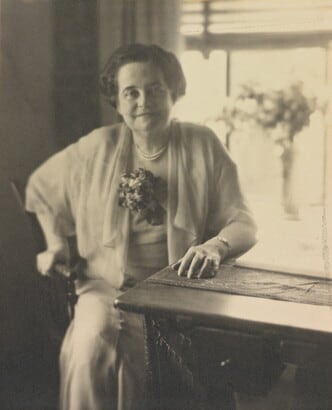
Alice A. Bailey
इन पर सहमत: परम सत्य क्या है? क्या ईश्वर है? · मैं कौन हूँ? क्या कोई सच्चा आत्म है? · हम दुःख क्यों भोगते हैं?
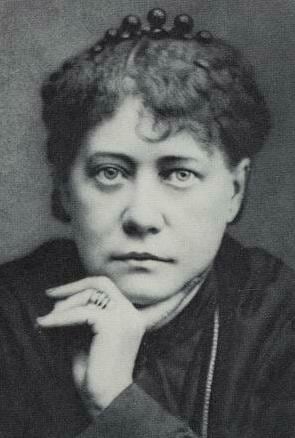
Helena Blavatsky
इन पर सहमत: क्या हम स्वतंत्र हैं, या सब कुछ पूर्वनिर्धारित है? · मैं कौन हूँ? क्या कोई सच्चा आत्म है? · हम दुःख क्यों भोगते हैं?
इनसे भिन्न सोचते हैं
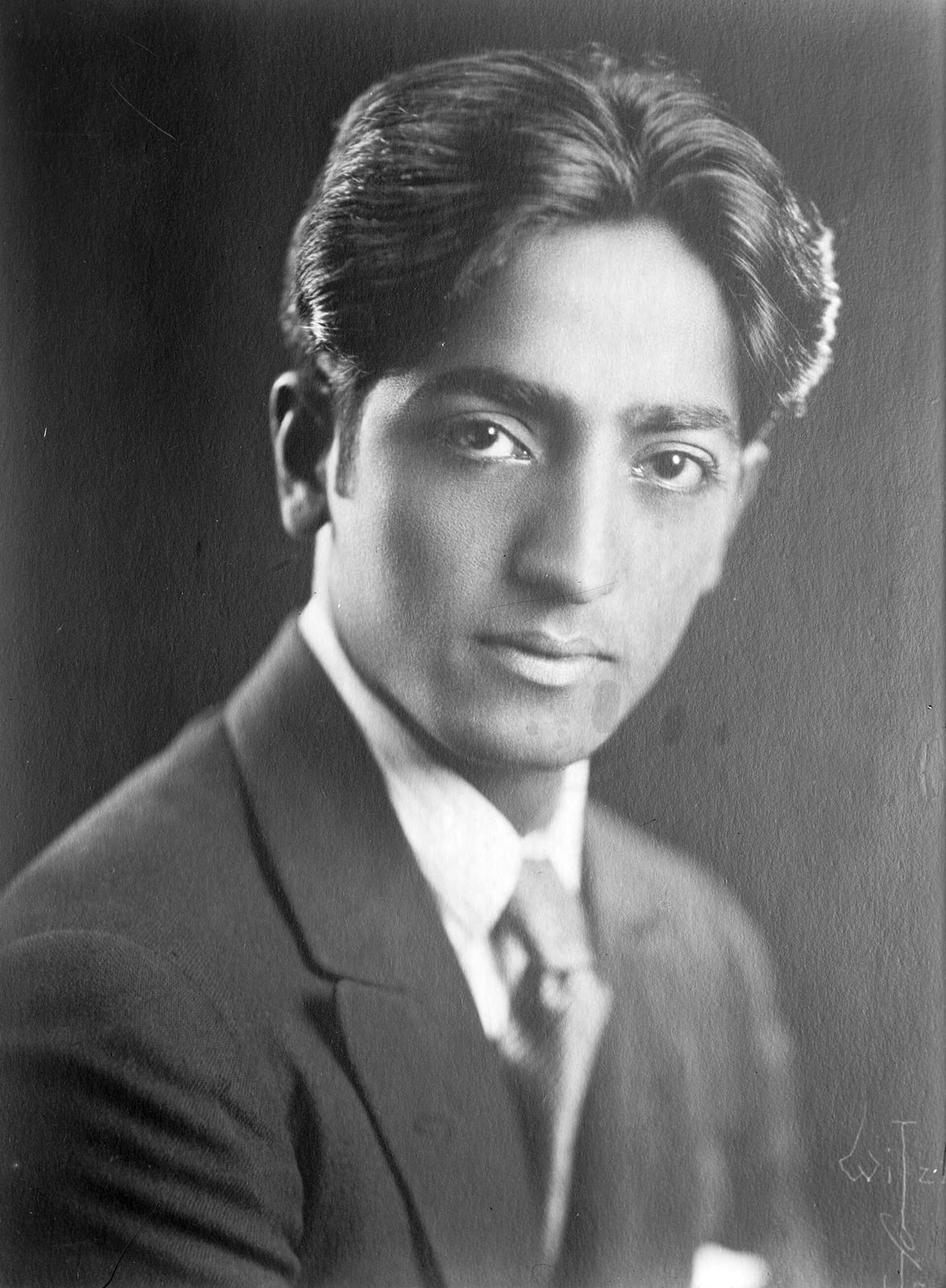
Jiddu Krishnamurti
इन पर टकराव: मुक्ति या उद्धार कैसे प्राप्त होता है? · क्या गुरु आवश्यक है?

Nikolai Berdyaev
इन पर टकराव: मृत्यु के बाद क्या होता है? · क्या गुरु आवश्यक है?
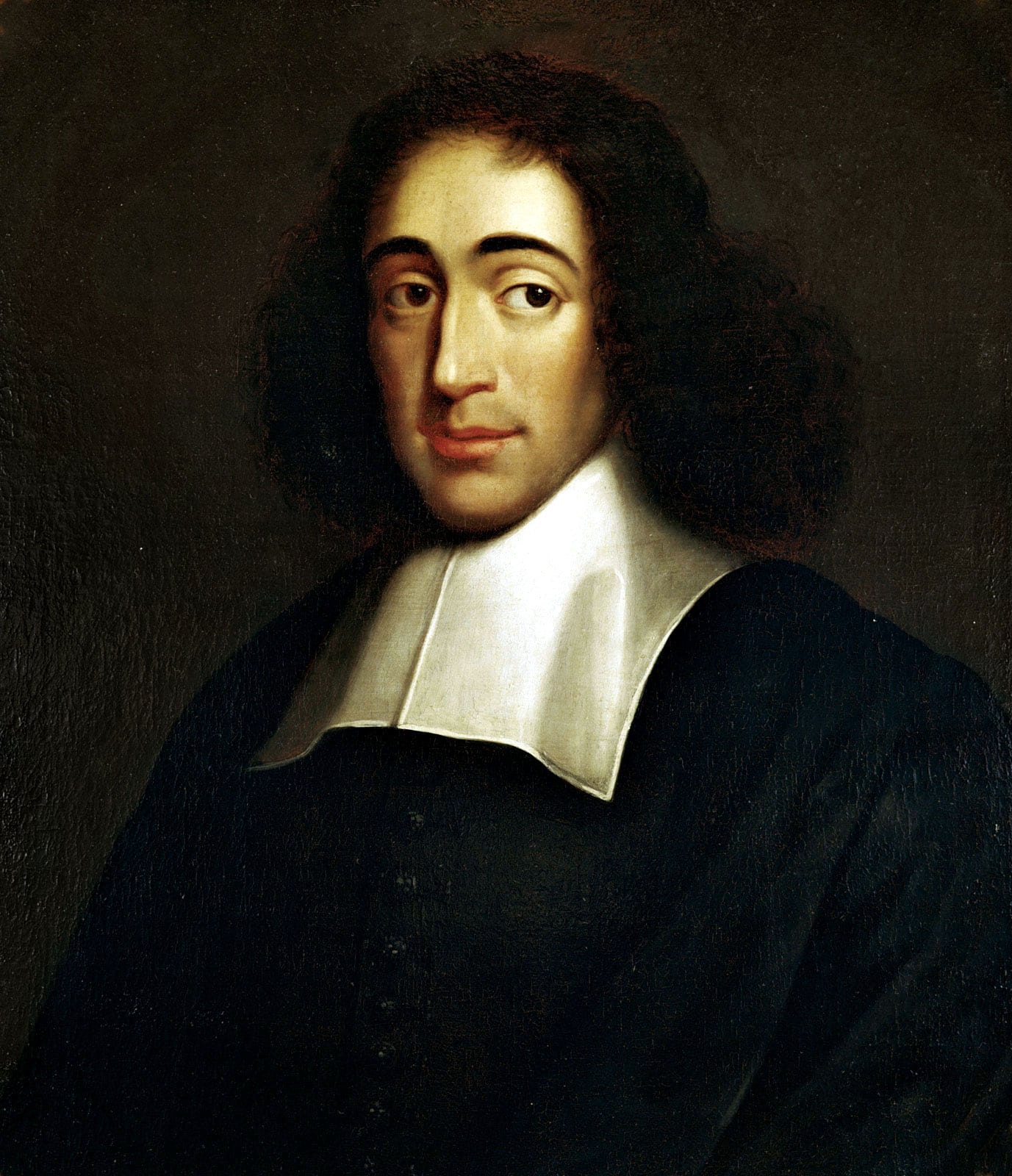
Baruch Spinoza
इन पर टकराव: क्या गुरु आवश्यक है?
Alan Watts
इन पर टकराव: मुक्ति या उद्धार कैसे प्राप्त होता है? · क्या गुरु आवश्यक है?
इन पर टकरावआभासी विरोधाभास
Paramahansa Yogananda · Nisargadatta Maharaj
The lineage that transmits and the guru within: two grateful disciples
क्यों: The contradiction is apparent because both describe the same relationship from opposite ends. Both had a decisive guru and both belonged to a lineage with initiation; they differ in where they place the emphasis. Yogananda writes for Western readers to whom he wants to present a living tradition and an organisation, Self-Realization Fellowship, that guarantees transmission; hence he stresses lineage. Nisargadatta speaks to seekers who came to his home in Bombay with years of accumulated practices, and he urges them not to depend on anyone, himself included. The Hindu tradition knows this double face well: the outer master points to the inner one, which is the Self.
इन पर सहमत
Paramahansa Yogananda · Jesus of Nazareth
Christ consciousness: a yogi comments on the Gospels
क्यों: The relationship is documented in one direction: Yogananda read and commented on the Gospels and presented Jesus as a realised master. His reading, however, is yogic and Vedantic: he distinguishes the historical Jesus from a universal Christ consciousness, reads some passages in terms of reincarnation and meditative technique, and conceives God as having a formless ground besides a personal face. None of this appears in the Synoptics, which present a first-century Jew who presupposes the God of Israel and announces his Kingdom, and Christian theology rejects reincarnation. They agree on the way of praying, not on the doctrine surrounding it.
इन पर सहमत
Paramahansa Yogananda · Sadhguru
Yoga as a testable science: from kriya to inner engineering
क्यों: They converge because they share a strategy for presenting yoga to global audiences, inaugurated at the end of the nineteenth century: translating an initiatory tradition into the language of science and efficacy, for readers who distrust dogma. There is no relation between them and their lineages are different. They differ in theology: Yogananda is intensely devotional, speaks to God as Divine Mother and comments on the Gospels; Sadhguru prefers an impersonal language, in which the ultimate is a dimension of life accessed through experience. The claims of both about the effects of their techniques are doctrinal: the library sets them out, it does not verify them.
प्रसंग और वृत्तांत
प्रसंग और वृत्तांत
साक्ष्य1910
The meeting in a Benares lane
वृत्तांत का स्रोत: Single source: Yogananda himself, Autobiography of a Yogi (1946), ch. 10, "I Meet My Master, Sri Yukteswar". There is no independent testimony of the meeting; the 1910 date is confirmed by the biographies (Goldberg, 2018).
साक्ष्य1935
Gandhi's kriya at Wardha
वृत्तांत का स्रोत: Autobiography of a Yogi (1946), ch. 44, "With Mahatma Gandhi at Wardha", which reproduces Wright's travel notes. Photographs of Yogananda with Gandhi survive (Wikimedia Commons). No mention of the initiation is known in Gandhi's own writings.
साक्ष्य1935
The stigmatic of Konnersreuth
वृत्तांत का स्रोत: Autobiography of a Yogi (1946), ch. 39, "Therese Neumann, the Catholic Stigmatist". The visit is plausible and fits the known itinerary; the claims about inedia are Neumann's and her circle's, unverified.
संत-चरित वृत्तांत1936
Sri Yukteswar's 'resurrection'
वृत्तांत का स्रोत: Autobiography of a Yogi (1946), ch. 43, "The Resurrection of Sri Yukteswar". No other testimony exists; classified as a hagiographic, visionary account.
साक्ष्य1952
'My India' at the Biltmore
वृत्तांत का स्रोत: An account by SRF witnesses published in Self-Realization (May–June 1952) and in Paramahansa Yogananda: In Memoriam (1958); the current institutional version is YSS, "Final Years and Mahasamadhi". The medical cause comes from the death certificate cited by Time.
स्रोत: Self-Realization Fellowship. Paramahansa Yogananda: In Memoriam. Los Ángeles: Self-Realization Fellowship, 1958 (reproduce la carta notarial de Harry T. Rowe, director de la funeraria de Forest Lawn, publicada antes en Self-Realization, mayo-junio de 1952).
विवादित1952
The 'incorrupt' body: origin of the story
वृत्तांत का स्रोत: Primary source: Harry T. Rowe's letter in Self-Realization (May–June 1952) and in Paramahansa Yogananda: In Memoriam (SRF, 1958); reported by Time (4 August 1952). Critique: Harry Edwards (1995) and David C. Lane's summary in Integral World. SRF continues to present the case as a sign of sanctity.
स्रोत: Self-Realization Fellowship. Paramahansa Yogananda: In Memoriam. Los Ángeles: Self-Realization Fellowship, 1958 (reproduce la carta notarial de Harry T. Rowe, director de la funeraria de Forest Lawn, publicada antes en Self-Realization, mayo-junio de 1952).
प्रमाणित1990–2002
SRF v. Ananda: twelve years in court
वृत्तांत का स्रोत: Court decisions: 59 F.3d 902 (9th Cir. 1995) and 206 F.3d 1322 (9th Cir. 2000); 2002 verdict as reported by The Union (Grass Valley). Partisan account: Ananda Sangha. The $29,000 figure comes from the press and Wikipedia ("Kriyananda").
शिक्षाएँ
शिक्षाएँ
वे अवधारणाएँ जो उनके चिंतन को रूप देती हैं, उनके संदर्भ में समझाई गई।
Kriya yogakriya-yoga
Autobiography of a Yogi, ch. 26; God Talks with Arjuna; SRF Lessons.
Self-realizationself-realization
Autobiography of a Yogi; Man's Eternal Quest; SRF v. Ananda litigation.
स्रोत: Self-Realization Fellowship, sitio oficial (biografía, Forest Lawn, publicaciones).
Christ consciousness and the unity of Krishna and Christchrist-consciousness
The Second Coming of Christ; God Talks with Arjuna; The Yoga of Jesus.
Energization (Yogoda)energization
Yogoda booklets (1925); Autobiography of a Yogi; SRF Lessons; Foxen (2017).
स्रोत: Foxen, Anya P. Biography of a Yogi: Paramahansa Yogananda and the Origins of Modern Yoga. Nueva York: Oxford University Press, 2017.
The world as a cosmic motion picturecosmic-motion-picture
Autobiography of a Yogi, ch. 30 ("The Law of Miracles"); Why God Permits Evil and How to Rise Above It.
The SRF line of gurusguru-parampara-srf
Autobiography of a Yogi, chs. 33–36; Goldberg (2018).
साधना-शिविर
साधना-शिविर और केंद्र
उनकी शिक्षा से जुड़े स्थान और समागम। हम आपको उनके आयोजकों से जोड़ते हैं।
Encinitas, California · Estados Unidos
SRF How-to-Live retreats in Encinitas
Self-Realization Fellowship
Encinitas was one of Yogananda's most beloved places: here is the Hermitage where he wrote much of Autobiography of a Yogi, beside gardens on the Pacific cliffs. Self-Realization Fellowship runs its How-to-Live retreat centre in this setting, silent retreats intended, in the teacher's words, as a dynamo of silence where one may be recharged by the Infinite. Guests join the monastics for morning and evening meditation and may attend classes and receive spiritual counselling. There are personal retreats as well as conducted weekends with a more concentrated schedule on the teachings and techniques.
Pacific Palisades, Los Ángeles, California · Estados Unidos
Lake Shrine: SRF meditation gardens
Self-Realization Fellowship
Lake Shrine is the sanctuary Yogananda dedicated in 1950 beside a small natural lake in Pacific Palisades, a few minutes from the Pacific. Its meditation gardens, open to people of every faith, are designed for quiet recollection, and its temple holds Sunday meditation and inspirational services. After the January 2025 fire in the area, the gardens have reopened by advance reservation while recovery continues, but the retreat house remains closed until further notice. It is one of the most visited of the places the teacher founded during his lifetime, and a gentle introduction to his spirit.
Estudio en casa (correo postal y aplicación) · Internacional
Self-Realization Fellowship Lessons
Self-Realization Fellowship
The Self-Realization Fellowship Lessons are the home-study course Yogananda himself prepared to pass on his teaching to those who could not be with him. The basic series teaches three techniques: the Energization Exercises, the Hong-Sau Technique of Concentration and the Aum Technique of Meditation, together with guidance on prayer, affirmation and daily life. After the first months the student may apply for Kriya Yoga initiation. They arrive by post and through an app, and include access to spiritual counselling from the order's monastics, who remain the custodians of his method.
Ranchi, Jharkhand (y ashrams en Dakshineswar, Noida, Dwarahat y Chennai) · India
Yogoda Satsanga Society: Ranchi ashram and sadhana sangams
Yogoda Satsanga Society of India
Yogoda Satsanga Society of India is the organisation Yogananda founded in India in 1917, the sister society of Self-Realization Fellowship. Its Ranchi ashram grew out of the boys' school the young yogi opened there, and preserves places connected with his life. Together with the ashrams at Dakshineswar, Noida, Dwarahat and Chennai, it organises retreats and sadhana sangams, gatherings of intensive practice with group meditations and classes given by monastics of the order. It is the reference path in India for studying his Lessons, which are available in English and in several Indian languages.
वीडियो
वीडियो
रिकॉर्डिंग, साक्षात्कार और वृत्तचित्र। वीडियो YouTube से चलते हैं; वे यहाँ संग्रहीत नहीं हैं।
Paramahansa Yogananda on the Dream-Nature of the World
मूल रिकॉर्डिंग· EN· 5 min
Self-Realization Fellowshipआधिकारिक चैनल
Paramahansa Yogananda on How to Destroy Suffering by Its Roots
मूल रिकॉर्डिंग· EN· 3 min
Self-Realization Fellowshipआधिकारिक चैनल
Paramahansa Yogananda on Karma
मूल रिकॉर्डिंग· EN· 5 min
Self-Realization Fellowshipआधिकारिक चैनल
God Is as Real as You Are | Paramahansa Yogananda
व्याख्यान· EN· 4 min
Self-Realization Fellowshipआधिकारिक चैनल
AWAKE: The Life of Yogananda – Theatrical Trailer
वृत्तचित्र· EN· 2014· 2 min
Self-Realization Fellowshipआधिकारिक चैनल
Trailer Oficial Español – Awake: La Vida de Yogananda
वृत्तचित्र· ES· 2014· 1 min
AntropoDocs & Films
Yogananda // Official Trailer (HD) – French Version
वृत्तचित्र· FR· 2014· 2 min
Jupiter Films
Il Sentiero della Felicità – Awake, The Life of Yogananda – Trailer Ufficiale
वृत्तचित्र· IT· 2014· 2 min
Cineama
Celebrating Yogananda's Founding of the SRF International Headquarters 100 Years Ago
व्याख्यान· EN· 2025· 79 min
Self-Realization Fellowshipआधिकारिक चैनल
«Karunamay Gurudeva» — Kirtan Chanting by the Sannyasis of Yogoda Satsanga Society of India
तृतीय पक्ष की रिकॉर्डिंग· HI· 7 min
Yogoda Satsanga Society of Indiaआधिकारिक चैनल
Energization Exercises of Paramhansa Yogananda
तृतीय पक्ष की रिकॉर्डिंग· EN· 17 min
The Expanding Light Retreat
चित्रशाला
चित्रशाला
सत्यापित लाइसेंस वाले चित्र। प्रत्येक में उसके रचयिता और श्रेय का उल्लेख सुरक्षित है।
संबंध
संबंध
प्रभाव, शिष्यत्व और वैचारिक निकटता। प्रमाणित संबंध को विश्लेषण से पहचानी गई समानता से अलग दर्शाया गया है।
इनके शिष्य
His guru from 1910 to 1936; ordained him swami in 1915 and gave him the title of paramahansa in 1935.
प्रमाणित संबंध
इनसे प्रभावित
Lahiri Mahasaya
Teacher of his parents and of Sri Yukteswar; Yogananda spread his kriya yoga.
प्रमाणित संबंध
इनसे प्रभावित
He devoted his major Gospel commentary to him and placed him in the SRF lineage alongside Krishna.
प्रमाणित संबंध
इनसे प्रभावित
He identifies kriya yoga with the pranayama of the Yoga Sutras and quotes Patañjali when explaining it.
प्रमाणित संबंध
इनसे भेंट
Visited him at Tiruvannamalai in late November 1935 with his secretary C. R. Wright; the visit is recorded in Talks with Sri Ramana Maharshi and in photographs. The first edition of the Autobiography does not mention it.
प्रमाणित संबंध
इनसे भेंट
Mahatma Gandhi
Spent several days at Wardha in August 1935 and, by his account, initiated him into kriya yoga.
प्रमाणित संबंध
इनसे भेंट
Meeting in 1936 in Calcutta, narrated in the Autobiography (ch. 45) and photographed.
प्रमाणित संबंध
इनसे भेंट
Therese Neumann
Visit at Konnersreuth (Bavaria) in July 1935.
प्रमाणित संबंध
इनसे भेंट
Rabindranath Tagore
Meeting at Santiniketan, where they compared their schools (Autobiography, ch. 29).
प्रमाणित संबंध
इनसे भेंट
Luther Burbank
Friendship with the Santa Rosa botanist, who received kriya initiation from him; he dedicated the Autobiography to him (ch. 38 and dedication).
प्रमाणित संबंध
इनके गुरु
Swami Kriyananda (J. Donald Walters)
Disciple from 1948; removed from SRF in 1962, he founded Ananda in 1968.
प्रमाणित संबंध
इनके गुरु
Sri Daya Mata
Disciple from 1931 and president of SRF from 1955 to 2010; witness of his death.
प्रमाणित संबंध
इनसे मिलते-जुलते विचार
Both presented yoga to the West as a universal science of religion; Yogananda reached the United States a quarter of a century later.
विश्लेषण से पहचानी गई समानता
इनके समकालीन
Bengali contemporaries with spiritual readings of the Gita and of the evolution of consciousness; no meeting is recorded.
विश्लेषण से पहचानी गई समानता
अन्य प्रविष्टियों से जुड़ा
स्रोत
स्रोत
इस प्रविष्टि के लिए देखे गए ग्रंथ-सूची और सूचीपत्र।
- Yogananda, Paramhansa. Autobiography of a Yogi. Nueva York: The Philosophical Library, 1946 (1.ª ed.; texto en Project Gutenberg #7452).
- Goldberg, Philip. The Life of Yogananda: The Story of the Yogi Who Became the First Modern Guru. Carlsbad (California): Hay House, 2018.
- Wikidata, «Paramahansa Yogananda» (Q312549): nacimiento 05-01-1893 en Gorakhpur, muerte 07-03-1952 en Los Ángeles, sepultura en Forest Lawn (Glendale); 84 enlaces entre wikis.
- Yogananda, Swami. The Science of Religion. Los Ángeles: Yogoda and Sat-Sanga Headquarters, 4.ª ed., septiembre de 1925 (copyright 1924; 1.ª ed. en la India). Ejemplar digitalizado en Internet Archive.
- Self-Realization Fellowship. Paramahansa Yogananda: In Memoriam. Los Ángeles: Self-Realization Fellowship, 1958 (reproduce la carta notarial de Harry T. Rowe, director de la funeraria de Forest Lawn, publicada antes en Self-Realization, mayo-junio de 1952).
- Time, 4 de agosto de 1952: nota sobre la carta de Harry T. Rowe (Forest Lawn Memorial-Park) acerca del cuerpo de Yogananda.
- Wikipedia (en), «Paramahansa Yogananda», consultada el 2026-10-23 (secciones Death, Lawsuits; resumen de los párrafos de la carta de Rowe sobre el embalsamamiento y la mancha en la nariz).
- Kriyananda, Swami (J. Donald Walters). The Path: Autobiography of a Western Yogi. Nevada City (California): Ananda Publications, 1977; reeditado como The New Path, Crystal Clarity, 2009.
- Self-Realization Fellowship Church v. Ananda Church of Self-Realization, 59 F.3d 902 (9th Cir. 1995), y decisión del Noveno Circuito de 23 de marzo de 2000 (n.º 97-17407) sobre los derechos de autor de las obras de Yogananda.
- «Jury: Copyrights violated by church», The Union (Grass Valley, California), 2002 (veredicto del jurado en el pleito SRF contra Ananda).
- Ananda Sangha, «Self-Realization Fellowship vs. Ananda: Religious Freedom Lawsuit 1990-2002» (versión de una de las partes).
- Self-Realization Fellowship, sitio oficial (biografía, Forest Lawn, publicaciones).
- Yogoda Satsanga Society of India, sitio oficial.
- Open Library, registros de ediciones de Paramahansa Yogananda (consultados por ISBN).
- Foxen, Anya P. Biography of a Yogi: Paramahansa Yogananda and the Origins of Modern Yoga. Nueva York: Oxford University Press, 2017.
- Wikimedia Commons, metadatos de licencia de las fotografías de Paramahansa Yogananda (API imageinfo) y Library of Congress, National Photo Company Collection (LCCN 2016842956).
- Yogananda, Swami. Songs of the Soul. Los Ángeles: Yogoda Sat-Sanga, 1923. Ejemplar digitalizado en Internet Archive.
- Williamson, Lola. Transcendent in America: Hindu-Inspired Meditation Movements as New Religion. Nueva York: New York University Press, 2010.
- Lane, David C. «The Incorruptible Body of Paramahansa Yogananda» (Integral World), que resume y cita el artículo de Harry Edwards «Incorruptibility: Miracle or Myth?» (noviembre de 1995) y las gestiones del profesor Angel ante el registro civil de Los Ángeles (certificado de defunción firmado por el embalsamador Kenneth I. Johnson).
- Self-Realization Fellowship Church v. Ananda Church of Self-Realization, 206 F.3d 1322 (9th Cir., 23 de marzo de 2000): los escritos y conferencias de Yogananda no eran «obras por encargo»; cuestión de las cesiones devuelta a juicio.
- Wikipedia (en), «Kriyananda» (salida de SRF en 1962, fundación de Ananda en 1968, pleito SRF contra Ananda 1990-2002 y su desenlace), consultada el 2026-10-25.
- Wikipedia (en), «Paramahansa Yogananda bibliography» (catálogo de títulos de SRF y YSS), consultada el 2026-10-25.
- Self-Realization Fellowship Bookstore, catálogo de libros de Paramahansa Yogananda.
- Crystal Clarity Publishers (editorial de Ananda), catálogo de obras de Paramhansa Yogananda, incluida la reimpresión de la primera edición de 1946 de Autobiography of a Yogi.
- Yogoda Satsanga Society of India, «Final Years and Mahasamadhi» (versión institucional de los últimos años, del banquete del Biltmore y de la carta de Forest Lawn).
- Venkataramiah, Munagala (Swami Ramanananda Saraswati), ed. Talks with Sri Ramana Maharshi. Tiruvannamalai: Sri Ramanasramam, 1955 (conversaciones anotadas entre 1935 y 1939; incluye la visita de Yogananda y de su secretario C. R. Wright a finales de 1935).
- Yogoda Satsanga Society of India, librería en línea: fichas de «Who Made God?» (ISBN 9788189535360), «Developing Dynamic Will», «Awake in the Cosmic Dream» (grabación del 5 de enero de 1952, ℗ 1987 SRF), «The Great Light of God» (grabación del 23 de diciembre de 1951, ℗ 1993 SRF) y «Self-Realization: The Inner and the Outer Path» (grabación del 25 de diciembre de 1950, ℗ 2002/2004 SRF). Consultadas el 2026-10-25.
- अधिकार-धारक
- Self-Realization Fellowship (Los Ángeles) y, en la India, Yogoda Satsanga Society of India, como herederas de Yogananda; el jurado de 2002 confirmó la titularidad de SRF. La primera edición de 1946 de Autobiography of a Yogi está en dominio público en EE. UU.
- आधिकारिक वेबसाइट
- yogananda.org/
पुष्टि की प्रतीक्षा में
जो यह प्रविष्टि अभी तक निश्चित नहीं कर सकी है। हम उसे भर देने के बजाय कह देना बेहतर समझते हैं।
- Anotado (2026-10-25): Folletos de YSS publicados solo en la India (The Art of Living, Developing Dynamic Will, Man's Greatest Adventure, Nervousness: Cause and Cure, Seek God Now, Who Made God?, Habit—Your Master or Your Slave?, etc.; una decena según Wikipedia «Paramahansa Yogananda bibliography»): no registrados uno a uno. → agrupados en la obra «yss-booklets» con tres ediciones verificadas; faltan ISBN verificados de The Art of Living, Increasing the Power of Initiative, Habit, Man’s Greatest Adventure y Seek God Now (Open Library no los registra y Google Books tenía la cuota agotada).
- Revistas East-West (1925-1934) e Inner Culture (1934-1942): primera publicación de muchos textos; no se tratan como obras.
- Confirmar ISBN de Solving the Mystery of Life (SRF, 2025) y de Cosmic Chants en español.
- Fecha exacta del primer encuentro con Calvin Coolidge (enero o febrero de 1927 según las fuentes).
- Cotejar el texto íntegro de la carta de Harry T. Rowe (In Memoriam, 1958) para citar literalmente la fecha de la carta y la mención del embalsamamiento.
- Obras de Swami Kriyananda basadas en Yogananda (Conversations with Yogananda, The Essence of the Bhagavad Gita, Revelations of Christ): pertenecen a la ficha de Kriyananda, no se registran aquí como obras de Yogananda.
- Sala de lectura (2026-10-25): los cuatro textos registrados (Autobiography 1946, The Science of Religion 1925, Songs of the Soul 1923, Whispers from Eternity 1929) son dominio público en EE. UU. y en la UE, pero no en España hasta el 1-1-2033 (80 años desde 1952): van con caution. Revisar entonces.
- Sala de lectura: Metaphysical Meditations (1932) y Scientific Healing Affirmations (1924) podrían ser dominio público en EE. UU.; no se ha localizado un texto completo con OCR limpio.
- Grabaciones de su voz: además de las tres añadidas y Beholding the One in All, SRF edita otras charlas grabadas (catálogo de la librería de SRF/YSS); inventariar la serie completa.
2026-10-25 को शोधित