हिन्दू धर्म · योग
Patañjali
पतञ्जलि · Patañjali · पातञ्जलयोगशास्त्र · பதஞ்சலி
ऐतिहासिकता विवादित
पातञ्जलयोगशास्त्र के रचयिता का नाम — वह ग्रंथ जिसमें योगसूत्र हैं, शास्त्रीय योग दर्शन का आधारभूत ग्रंथ — और उस वैयाकरण का भी, जिसने पाणिनि पर महान भाष्य, महाभाष्य, लिखा। परंपरा दोनों को एक ही व्यक्ति, शेषनाग का अवतार, मानती है और उन्हें आयुर्वेद के ग्रंथों का रचयिता भी बताती है; आलोचना वैयाकरण (ई.पू. दूसरी शताब्दी) को योग-ग्रंथ के रचयिता से अलग करती है, जिसे फ़िलिप मास 325 और 425 ई. के बीच रखते हैं। दोनों में से किसी की जीवनी ज्ञात नहीं है।
- कृतियाँ
- 11कृतियाँ
- संस्करण
- 30संस्करण
- उद्धरण
- 9उद्धरण
- वीडियो
- 13वीडियो
- चित्र
- 6चित्र

Patañjali como encarnación de Ādiśeṣa (imagen de culto) · CC BY-SA 3.0
उनके अपने शब्दों में
«Now the exposition of yoga [is to be made].»Yogasūtra 1.1; trad. inglesa de James Haughton Woods (1914, dominio público); versión española del investigador

मूल विचार
Stilling of the movements of the mind (cittavṛttinirodha): This is the definition of yoga in the second aphorism.
संदर्भ में देखें
जीवनी
5 मिनट का पाठ
स्पैनिश मूल से सहायता-प्राप्त अनुवाद, मातृभाषी अनुवादक द्वारा समीक्षा लंबित।
एक ग्रंथ के अंत में अंकित नाम
प्राचीन भारत की बहुत कम कृतियों की परंपरा उतनी व्यापक रही है जितनी योगसूत्र की, और बहुत कम कृतियों के रचयिता इतने धुँधले हैं। पतञ्जलि सबसे पहले एक ग्रंथ के अंत में अंकित नाम हैं: उस व्यक्ति का नाम, जिसने पांडुलिपियों की पुष्पिकाओं के अनुसार “पतञ्जलि का योगशास्त्र” (पातञ्जलयोगशास्त्र) रचा। भारतीय परंपरा ने इस नाम को एक त्रिविध व्यक्तित्व बना दिया — पाणिनि पर भाष्य लिखने वाले वैयाकरण, योग के आचार्य और चरक के ग्रंथ का संशोधन करने वाले वैद्य — और उसे उस शेषनाग का अवतार मानकर दैवी पद दिया, जिस पर विष्णु विश्राम करते हैं। तीनों रूपों को एक ही व्यक्ति में जोड़ने वाला पहला स्रोत ग्यारहवीं शताब्दी में धारा के राजा भोज की टीका है; आधुनिक आलोचना ने इस एकता को लगभग पूरी तरह विघटित कर दिया है।
ईसा पूर्व दूसरी शताब्दी के वैयाकरण
सबसे निश्चित रूप से काल-निर्धारित पतञ्जलि महाभाष्य के रचयिता हैं — पाणिनि के व्याकरण और कात्यायन की टिप्पणियों (वार्त्तिक) पर लिखा गया “महान भाष्य”। यह पूर्वपक्ष और उत्तरपक्ष से बना संवादात्मक गद्य है, जो “अथ शब्दानुशासनम्” — “अब शब्दों का अनुशासन” — सूत्र से आरंभ होता है और व्याकरण के प्रयोजनों, शब्द और अर्थ के संबंध तथा भाषा की नित्यता पर विचार करता है। इसके व्याकरणिक उदाहरणों में उस युग की घटनाएँ झलक उठती हैं: “इह पुष्यमित्रं याजयामः” — “यहाँ हम पुष्यमित्र का यज्ञ कराते हैं”, और “अरुणद् यवनः साकेतम्” — “यवन ने साकेत को घेरा”। शुंग वंश के संस्थापक पुष्यमित्र ने लगभग 185–149 ई.पू. शासन किया, और घेराबंदी उन्हीं वर्षों के हिंद-यवन आक्रमणों की ओर संकेत करती है; इसीलिए विद्वान इस कृति को ईसा पूर्व दूसरी शताब्दी के मध्य में रखते हैं। पाँचवीं शताब्दी में भर्तृहरि स्मरण करते हैं कि महाभाष्य का अध्ययन पुनः प्रतिष्ठित होने से पहले लुप्त होने के कगार पर था, और तब से यह संस्कृत व्याकरण का सर्वोच्च प्रमाण बना रहा।
क्या एक ही पतञ्जलि?
वैयाकरण और योग-ग्रंथ के रचयिता का एक ही व्यक्ति होना परंपरा की आस्था है, कोई प्रमाणित तथ्य नहीं। जेम्स हॉटन वुड्स ने पहले संपूर्ण विद्वत्तापूर्ण अनुवाद (1914) में निष्कर्ष निकाला कि महाभाष्य में ऐसा कुछ नहीं है जो इस अभेद को स्वीकार करने के लिए बाध्य करे, और लुई रेनू ने 1940 में दोनों ग्रंथों की शब्दावली की तुलना करने के बाद उसे अस्वीकार कर दिया; इसके विपरीत, सुरेंद्रनाथ दासगुप्त उसके पक्ष में झुके। आज अधिकांश विशेषज्ञ कई शताब्दियों के अंतर से अलग दो रचयिताओं में भेद करते हैं। वुड्स ने यह भी देखा कि योगसूत्र एक प्रत्ययवादी सिद्धांत का खंडन करते हैं, जो बौद्ध विज्ञानवाद का प्रतीत होता है, और इससे वे चौथी शताब्दी के बाद के ठहरते हैं; एडविन ब्रायंट याद दिलाते हैं कि अन्य विद्वानों ने पहले की तिथियाँ प्रस्तावित की हैं, और प्रश्न अभी बंद नहीं हुआ है।
एक ही ग्रंथ: सूत्र और भाष्य
पिछले कुछ दशकों के शोध ने प्रश्न को ही बदल दिया है। प्रथम पाद का पहला समीक्षात्मक संस्करण (2006) तैयार करते हुए फ़िलिप मास ने पाया कि पांडुलिपियाँ सूत्रों और उनके भाष्य को एक ही कृति के रूप में संचरित करती हैं — पातञ्जलयोगशास्त्र, जिसे कभी-कभी “सांख्य का प्रवचन” (सांख्यप्रवचन) भी कहा जाता है। भाष्य को व्यास नामक किसी भिन्न रचयिता का मानना परवर्ती स्रोतों में मिलता है। योहानेस ब्रॉन्कहोर्स्ट के एक सुझाव का अनुसरण करते हुए मास का मत है कि पतञ्जलि ने पूर्ववर्ती परंपराओं से आए सूत्रों का संकलन किया और उनकी व्याख्या स्वयं लिखी; वे पूरी कृति को 325 और 425 ई. के बीच रखते हैं। अनेक अनुवादक पतञ्जलि के सूत्र और व्यास के भाष्य का पारंपरिक भेद बनाए रखते हैं; यह प्रविष्टि दोनों मतों को दर्ज करती है।
ग्रंथ की शिक्षा
संस्करण के अनुसार योगसूत्र में 195 या 196 सूत्र हैं, जो चार पादों में बँटे हैं: समाधि, साधन, विभूति और कैवल्य। दूसरा सूत्र वह परिभाषा देता है जो सारे संसार में फैल गई: योग चित्त की वृत्तियों का निरोध है। जब वे रुक जाती हैं, तब द्रष्टा अपने स्वरूप में स्थित होता है; जब तक वे नहीं रुकतीं, वह उन्हीं से एकरूप हो जाता है। इस अवस्था तक पहुँचने के लिए ग्रंथ निरंतर अभ्यास और वैराग्य का मार्ग सुझाता है, दुःख को पोषित करने वाले क्लेशों का वर्णन करता है और मार्ग को आठ अंगों में व्यवस्थित करता है — नैतिक यमों से लेकर समाधि तक। इसकी तत्त्वमीमांसा द्वैतवादी और सांख्य के निकट है: एक ओर शुद्ध चेतना (पुरुष), दूसरी ओर क्रियाशील प्रकृति; और ईश्वर, एक विशेष पुरुष जिसे क्लेशों ने कभी स्पर्श नहीं किया, जिसके प्रति समर्पण किया जा सकता है। इसकी शब्दावली बौद्ध शास्त्रीय चिंतन की शब्दावली से संवाद करती है, और पाँच यम — अहिंसा, सत्य, अस्तेय, ब्रह्मचर्य, अपरिग्रह — जैनों के महाव्रतों से मेल खाते हैं।
आसन के विषय में ग्रंथ बहुत कम कहता है: बस इतना कि वह “स्थिर और सुखकर” हो। आधुनिक योग के आसन-क्रम अन्य परंपराओं से आए हैं, विशेषकर मध्यकालीन हठयोग और बीसवीं शताब्दी की शारीरिक व्यायाम-संस्कृति से।
किंवदंती
इस नाम के चारों ओर एक परवर्ती संत-चरित विकसित हुआ। एक लोक-व्युत्पत्ति इसे सूर्य को जल अर्पित करती एक स्त्री की अञ्जलि में “गिरा हुआ” (पत) बताती है; चिदंबरम मंदिर की परंपरा उन्हें ऋषि व्याघ्रपाद के साथ शिव नटराज के नृत्य का साक्षी बनाती है; और रामभद्र दीक्षित का पतञ्जलिचरित, जो सत्रहवीं शताब्दी के अंत में तंजौर के दरबार में रचा गया काव्य है, उन्हें एक परदे के पीछे से एक हज़ार शिष्यों को व्याकरण पढ़ाते हुए दिखाता है, ताकि वे उनके हज़ार सर्प-फणों को न देख सकें। ये भक्तिपरक आख्यान रचयिता के प्रति श्रद्धा व्यक्त करते हैं; उनके जीवन के बारे में कोई तथ्य नहीं देते।
ग्रंथ की परवर्ती यात्रा
पातञ्जलयोगशास्त्र सदियों तक दर्शन का एक प्रामाणिक ग्रंथ रहा। इस पर वाचस्पति मिश्र, राजा भोज, शंकर के नाम से जुड़े विवरण के रचयिता और विज्ञानभिक्षु ने टीकाएँ लिखीं, और लगभग 1030 में फ़ारसी विद्वान अल-बीरूनी ने इसे किताब बातंजल नाम से अरबी में रूपांतरित किया। डेविड गॉर्डन व्हाइट ने दिखाया है कि इसके बाद जीवंत साधना में इसका महत्त्व घट गया और इसकी वर्तमान ख्याति बहुत हद तक आधुनिक है: जेम्स बैलेंटाइन का पहला आंशिक अंग्रेज़ी अनुवाद 1852 में प्रकाशित हुआ; 1896 में स्वामी विवेकानंद ने इसे राजयोग में सम्मिलित किया — वह पुस्तक जिसने इसे पश्चिम के सामने योग के विज्ञान के रूप में प्रस्तुत किया — और वुड्स के संस्करण (1914) ने इसे विश्वविद्यालयों में प्रतिष्ठित कर दिया। आज यह वह आधारभूत ग्रंथ है जिसका हवाला संसार भर के योग-विद्यालय देते हैं, यद्यपि उनमें से अनेक उससे बिल्कुल भिन्न चीज़ सिखाते हैं जिसका यह वर्णन करता है।
स्रोत: Maas, Philipp André. Samādhipāda. Das erste Kapitel des Pātañjalayogaśāstra zum ersten Mal kritisch ediert / The First Chapter of the Pātañjalayogaśāstra for the First Time Critically Edited. Aachen: Shaker, 2006 (Geisteskultur Indiens 9). · Woods, James Haughton (trad.). The Yoga-System of Patañjali, or the Ancient Hindu Doctrine of Concentration of Mind, embracing the Mnemonic Rules, called Yoga-sūtras, of Patañjali, and the Comment, called Yoga-bhāshya, attributed to Veda-Vyāsa, and the Explanation, called Tattva-vāiçāradī, of Vāchaspati-Miçra. Cambridge (Mass.): Harvard University Press, 1914 (Harvard Oriental Series 17). Introducción, §§ 3–5, sobre la identidad de los dos Patañjali y las fechas. · Bryant, Edwin F. The Yoga Sūtras of Patañjali: A New Edition, Translation, and Commentary with Insights from the Traditional Commentators. Nueva York: North Point Press, 2009. ISBN 9780865477360. · White, David Gordon. The Yoga Sutra of Patanjali: A Biography. Princeton: Princeton University Press, 2014 (Lives of Great Religious Books). ISBN 9780691143774. · Cardona, George. Pāṇini: A Survey of Research. La Haya / París: Mouton, 1976 (reimpr. Delhi: Motilal Banarsidass, 1980 y 1997); sobre la fecha del Mahābhāṣya y su transmisión.
कालक्रम
जीवन, वर्ष-दर-वर्ष
प्रत्येक बिंदु एक प्रमाणित घटना है। उसे स्रोत और निश्चितता के स्तर सहित पढ़ने के लिए क्लिक करें।
लगभग 150 ई.पू.Norte de la India (reino Śuṅga)
The Mahābhāṣya of Patañjali the grammarian
Composition of the great commentary on Pāṇini and Kātyāyana. Its examples allude to the sacrifice of Puṣyamitra Śuṅga (c. 185–149 BCE) and to the Indo-Greek siege of Sāketa, which date it to the mid-second century BCE.
संभावितCardona, George. Pāṇini: A Survey of Research. La Haya / París: Mouton, 1976 (reimpr. Delhi: Motilal Banarsidass, 1980 y 1997); sobre la fecha del Mahābhāṣya y su transmisión.
लगभग 150 ई.पू.
The Mahābhāṣya of Patañjali the grammarian
Composition of the great commentary on Pāṇini and Kātyāyana. Its examples allude to the sacrifice of Puṣyamitra Śuṅga (c. 185–149 BCE) and to the Indo-Greek siege of Sāketa, which date it to the mid-second century BCE.
संभावित
लगभग 325 – 425
Composition of the Pātañjalayogaśāstra
Date proposed by Philipp Maas for the complete work (aphorisms and commentary) of the yoga Patañjali. Woods (1914) proposed 300–500 for the sūtras; Bryant notes that other scholars argue for earlier dates.
विवादित
लगभग 450
Bhartṛhari and the restoration of the Mahābhāṣya
The grammarian-philosopher Bhartṛhari (5th c.) relates in the Vākyapadīya that the study of the Mahābhāṣya had declined almost to extinction and was then restored; from that time on it is the authority of the grammatical school.
संभावित
लगभग 850
Vācaspati Miśra's Tattvavaiśāradī
The first great surviving sub-commentary on the Pātañjalayogaśāstra, translated by Woods together with the text in 1914. Vācaspati's date ranges, according to different scholars, from the mid-ninth to the late tenth century.
संभावित
लगभग 1030
Al-Bīrūnī renders the yoga text into Arabic
The Persian scholar al-Bīrūnī, who accompanied Maḥmūd of Ghazni in India, composes the Kitāb Bātanjal, an Arabic adaptation of the text with a commentary, before completing his book on India (c. 1030).
प्रमाणित
लगभग 1040
Bhoja and the threefold Patañjali
In the opening verse of his Rājamārtaṇḍa commentary, King Bhoja of Dhārā compares himself to "the lord of serpents" for having written on grammar, yoga and medicine: it is the first source that presupposes a single Patañjali as author in all three fields.
प्रमाणित
लगभग 1575
Vijñānabhikṣu's Yogavārttika
Vijñānabhikṣu, in the sixteenth century, comments on the text from a Vedāntic synthesis; it is the last great premodern exegesis.
संभावित
लगभग 1690
The Patañjalicarita
Rāmabhadra Dīkṣita, a poet at the Tanjore court under Śāhajī I (1683–1712), composes a poem in eight cantos on Patañjali's legendary life as an incarnation of Śeṣa.
संभावित
1852
First English translation
James R. Ballantyne publishes at Allahabad an English translation of the first two chapters of the aphorisms with extracts from Bhoja's commentary.
प्रमाणित
1896
Vivekananda's Raja Yoga
Swami Vivekananda publishes Raja Yoga in London and New York, with his annotated translation of the aphorisms; the book makes the text the reference work of yoga in the West.
प्रमाणित
1914
Woods's translation
James Haughton Woods publishes in the Harvard Oriental Series the first complete scholarly translation of the aphorisms, the commentary and Vācaspati Miśra's gloss, and argues against identifying the two Patañjalis.
प्रमाणित
2006
The first critical edition
Philipp Maas publishes the critical edition of the first chapter, based on more than twenty manuscripts, and argues that aphorisms and commentary form a single work by one author.
प्रमाणित
कृतियाँ
आवश्यक कृतियाँ
वे कृतियाँ जिनके बिना उनकी विरासत को समझा नहीं जा सकता।
लिखित कृति · लगभग 325
Yoga Sūtras (The Aphorisms of Yoga)
योगसूत्र (Yogasūtra), en los colofones पातञ्जलयोगशास्त्र (Pātañjalayogaśāstra)
A treatise in 195 or 196 aphorisms (the number varies in the third chapter) divided into four pādas: Samādhi (51), Sādhana (55), Vibhūti (55 or 56) and Kaivalya (34). It defines yoga as the stilling of the movements of the mind and describes the states of concentration, the afflictions that cause suffering, the eight-limbed path, the powers that accompany absorption and the final isolation of consciousness from nature. It is the base text of the Yoga school, one of the six orthodox "views", and today the founding work invoked by yoga schools throughout the world.
20 संस्करण

पारंपरिक आरोपण · लगभग 325
Yogabhāṣya (Commentary on the Yoga)
योगभाष्य (Yogabhāṣya, también Vyāsabhāṣya)
The prose commentary that accompanies the aphorisms in all manuscripts and without which many of them are unintelligible. It develops the psychology of mental states and latent impressions, quotes earlier masters of Sāṃkhya and yoga such as Pañcaśikha and Jaigīṣavya, and argues with the Buddhist schools. All later exegesis —Vācaspati Miśra, the Vivaraṇa, Vijñānabhikṣu— in fact comments on the combined aphorisms and commentary.
4 संस्करण
Patañjali
Mahābhāṣya (The Great Commentary)
पारंपरिक आरोपण · लगभग 150 ई.पू.
Mahābhāṣya (The Great Commentary)
व्याकरणमहाभाष्य (Vyākaraṇa-Mahābhāṣya)
A commentary in dialogic prose on Pāṇini's grammar (Aṣṭādhyāyī) and on Kātyāyana's critical remarks. It discusses the aims of grammatical study, the eternity of the word, the relation between word and meaning and the notion of sphoṭa, and defends or corrects hundreds of rules. Its examples are a historical source on Śuṅga India. It was the supreme authority of Sanskrit grammar, commented on by Bhartṛhari, Kaiyaṭa and Nāgeśa.
3 संस्करण
संपूर्ण कृतित्व (11)
Patañjali
Samādhipāda (Chapter on Concentration)
The Conscious LibrarySamādhipāda (Chapter on Concentration)
Patañjali
Sādhanapāda (Chapter on Means)
The Conscious LibrarySādhanapāda (Chapter on Means)
Patañjali
Vibhūtipāda (Chapter on Powers)
The Conscious LibraryVibhūtipāda (Chapter on Powers)
Patañjali
Kaivalyapāda (Chapter on Isolation)
The Conscious LibraryKaivalyapāda (Chapter on Isolation)
Patañjali
Revision of Caraka's treatise (lost)
The Conscious LibraryRevision of Caraka's treatise (lost)
Patañjali
Pātañjalatantra (medical treatise)
The Conscious LibraryPātañjalatantra (medical treatise)
Patañjali
Nidānasūtra (aphorisms on Vedic metre)
The Conscious LibraryNidānasūtra (aphorisms on Vedic metre)

Paramārthasāra (The Essence of Supreme Truth)
वचन
किसी निश्चित कृति में स्थित वचन। प्रत्येक के साथ उसका स्रोत और विश्वसनीयता का स्तर है।
Now the exposition of yoga [is to be made].atha yogānuśāsanam
सत्यापितYogasūtra 1.1; trad. inglesa de James Haughton Woods (1914, dominio público); versión española del investigador
अप्रामाणिक या विवादित आरोपण वाले उद्धरण (2)
«When you are inspired by some great purpose, some extraordinary project, all your thoughts break their bonds: your mind transcends limitations, and you discover yourself to be a great person by far.»
It is the line most often quoted under his name on English quotation sites, but it corresponds to no aphorism of the Yogasūtra nor to any passage of the commentary: it does not appear in the complete translations of Woods or Bryant, and its vocabulary ("project", "great person") belongs to modern self-help literature. Its first appearance has not been traced.
«I bow to Patañjali, the noblest of sages, who removed the impurities of the mind by yoga, of speech by grammar and of the body by medicine.»
A Sanskrit verse (yogena cittasya padena vācāṃ…) recited at the start of many yoga classes as if it were an ancient invocation. It is not by Patañjali but in praise of him, and it is late: Meulenbeld places it in a tradition that begins with King Bhoja's commentary (11th c.), the first source to unite the three disciplines in a single person.
अंतिम शब्द
उनके अंतिम शब्दों का कोई सत्यापन-योग्य अभिलेख उपलब्ध नहीं है।
There is no record of his last words or of his death. The biography of none of the authors named Patañjali is known; the Tamil traditions that point to the place of his "samādhi" (Rameswaram, Tirupattur, Chidambaram) are devotional and late.
स्रोत: White, David Gordon. The Yoga Sutra of Patanjali: A Biography. Princeton: Princeton University Press, 2014 (Lives of Great Religious Books). ISBN 9780691143774.
पूछें
उनकी कृतियाँ क्या उत्तर देती हैं
मानवता के बारह महान प्रश्न और उनके ग्रंथ उनका जो उत्तर देने देते हैं, संदर्भों सहित। हम कभी उनके मुख में अपने शब्द नहीं रखते।
परम सत्य क्या है? क्या ईश्वर है?
Ishvara is a special purusha, not a creator; liberation is isolation
कोई सृष्टिकर्ता ईश्वर नहींस्पष्ट रूप से कहा है
The Yoga Sutras start from Samkhya dualism: there are pure consciousnesses (purusha) and a nature (prakriti) that nobody created. Within that frame Patanjali introduces Ishvara in I.23–26 as a special purusha, untouched by the afflictions, by karma and its fruits, the seed of omniscience, teacher even of the ancients and designated by the syllable OM. But Ishvara does not create the world nor is he the ground from which souls proceed, and surrender to him is presented as one path among others: sutra I.23 begins with an ‘or’. The goal, kaivalya, is not union with God but the isolation of consciousness, which rests in its own form. Classical yoga thus admits a Lord worthy of devotion without making either the cosmos or liberation depend on him.
इस प्रश्न की अन्य गुरुओं से तुलना करेंमैं कौन हूँ? क्या कोई सच्चा आत्म है?
I am the seer: pure consciousness, distinct from the mind it observes
आत्मन् ही ब्रह्म हैस्पष्ट रूप से कहा है
For the Yoga Sutras the true self is purusha, the seer (drashtri): pure consciousness that does not change, does not act and does not mix with the contents of the mind. What we ordinarily call the self is a confusion: the sense of ‘I am’ (asmita), one of the five afflictions, consists in identifying the power that sees with the instrument through which it sees (II.6). The mind (citta) belongs to nature and is in itself unconscious; it only seems conscious because it reflects purusha. When its movements cease, the seer rests in its own form (I.3). That rest is the goal of yoga and Patanjali’s answer to the question: I am the witness, not the witnessed.
इस प्रश्न की अन्य गुरुओं से तुलना करेंहम दुःख क्यों भोगते हैं?
The root of pain is avidya: confusing the seer with the seen
हम क्या हैं, इसका अज्ञानस्पष्ट रूप से कहा है
The Yoga Sutras offer one of the most precise aetiologies of suffering in ancient India. There are five afflictions (kleshas): ignorance, sense of self, attachment, aversion and clinging to life (II.3). Ignorance is the field of the others (II.4) and consists in taking the impermanent, impure, painful and not-self for permanent, pure, pleasant and self (II.5). For the discerning, everything is painful, because of change, anxiety and the impressions it leaves (II.15). But future pain can be avoided (II.16), and its cause is the conjunction of seer and seen (II.17), whose origin is ignorance (II.24). When ignorance ceases through discernment, that conjunction ceases too: that is isolation (kaivalya).
इस प्रश्न की अन्य गुरुओं से तुलना करेंमृत्यु के बाद क्या होता है?
The store of karma ripens as birth, lifespan and experience
कर्म के अनुसार पुनर्जन्मस्पष्ट रूप से कहा है
The Yoga Sutras presuppose rebirth and explain it with technical precision. The store of karma (karmashaya), rooted in the afflictions, is experienced in visible and invisible births (II.12); while the root exists, it ripens into three fruits: the type of birth, the length of life and the experience of pleasure or pain (II.13). Among the afflictions is clinging to life (abhinivesha), present even in the wise (II.9), which Vyasa interprets as the trace of previous deaths. Latent impressions (vasanas) persist through lives (IV.8–10). Only when discernment burns the seeds of the afflictions does the cycle cease, and consciousness attains isolation.
इस प्रश्न की अन्य गुरुओं से तुलना करेंमुक्ति या उद्धार कैसे प्राप्त होता है?
Constant practice and detachment: the eight limbs of yoga
अनुशासित साधना सेस्पष्ट रूप से कहा है
The Yoga Sutras are above all a manual of practice. The stilling of the mind’s movements is achieved through practice (abhyasa) and detachment (vairagya) (I.12), and practice becomes firm when cultivated for a long time, without interruption and with devotion (I.14). The second book sets out the eight limbs: ethical restraints (non-harming, truthfulness, non-stealing, chastity, non-possession), observances, posture, regulation of breath, withdrawal of the senses, concentration, meditation and absorption (II.29). Surrender to Ishvara is also offered as a path (I.23), but within a programme of discipline. The fruit is discernment between consciousness and nature, which leads to isolation.
इस प्रश्न की अन्य गुरुओं से तुलना करेंक्या गुरु आवश्यक है?
He names only Ishvara, as teacher of the ancients
इस पर कुछ नहीं कहा
The Yoga Sutras do not deal with the relationship between human master and disciple. The only mention of a teacher is theological: Ishvara, unlimited by time, is the guru even of the ancients (I.26). The text presupposes, without saying so, the context of oral transmission in classical India, in which a sutra was studied with a teacher’s explanation; its very form, aphorisms almost unintelligible without commentary, requires it. Among the observances is study (svadhyaya), which Vyasa’s commentary understands as recitation and study of texts of liberation. But Patanjali does not say whether there is a path without a human teacher; anyone wishing to attribute a doctrine of the guru to him must look for it in later tradition.
इस प्रश्न की अन्य गुरुओं से तुलना करेंक्या संसार वास्तविक है?
Nature is real and changing, and exists for the seer
परिवर्तनशील प्राकृतिक व्यवस्थास्पष्ट रूप से कहा है
The Yoga Sutras are realist: the seen, nature (prakriti) made up of the three qualities (gunas), truly exists and undergoes constant transformation. Its purpose is the experience and liberation of the seer (II.18): nature unfolds for the sake of purusha. When a consciousness is freed, the seen ceases to exist for it, but does not disappear, because it remains common to others (II.22). In the fourth book Patanjali argues against those who reduce objects to mind: the same object is perceived differently by different minds, so it does not depend on a single mind (IV.15–16). The world is not an illusion but a real process to be understood in order to disengage from it.
इस प्रश्न की अन्य गुरुओं से तुलना करेंप्रेम क्या है?
Friendliness, compassion, joy and equanimity clear the mind
असीम करुणास्पष्ट रूप से कहा है
The Yoga Sutras do not treat love as a theme, but they propose cultivating four attitudes towards others: friendliness to the happy, compassion to those who suffer, gladness at the virtuous and equanimity towards wrongdoers. Through them, says sutra I.33, the mind becomes clear and serene. These are the same four abodes known to Buddhism. The first ethical restraint, non-harming (ahimsa), has an effect described in sutra II.35: in the presence of one firmly established in it, hostility ceases. Attachment (raga), by contrast, is listed among the afflictions (II.7). The love that counts for Patanjali is therefore a benevolence without attachment.
इस प्रश्न की अन्य गुरुओं से तुलना करेंक्या हम स्वतंत्र हैं, या सब कुछ पूर्वनिर्धारित है?
Impressions condition, but future pain can be avoided
कर्म और चुनावस्पष्ट रूप से कहा है
The Yoga Sutras describe in detail how the past conditions the present: actions leave impressions (samskaras) and latent tendencies (vasanas) that ripen into birth, lifespan and experience (II.13), and persist even when separated by time, place or birth (IV.9). But the whole system presupposes that this conditioning can be broken. Pain not yet come can be avoided (II.16), constant practice creates new impressions that counteract the old, and discernment burns the seeds of the afflictions until they no longer sprout. The yogi’s karma, says IV.7, is neither white nor black. Freedom is the goal, and practice the means of winning it.
इस प्रश्न की अन्य गुरुओं से तुलना करेंध्यान या प्रार्थना क्यों करें?
Concentration, meditation and absorption until the seer is discerned
यथार्थ को जैसा है वैसा देखनास्पष्ट रूप से कहा है
For the Yoga Sutras meditation is the heart of the method. The last three limbs of yoga, concentration (dharana), meditation (dhyana) and absorption (samadhi), together form samyama (III.1–4). Samadhi has degrees: with and without an object as support, with and without discursive thought (I.17–18, I.42–51). Its fruit is truth-bearing wisdom (I.48) and, above all, discernment (viveka-khyati) between pure consciousness and nature, which is the means of removing ignorance (II.26). Meditation does not serve to obtain pleasant states, nor even the powers listed in the third book, which it regards as obstacles: it serves to see exactly what the seer is and what it is not.
इस प्रश्न की अन्य गुरुओं से तुलना करेंक्या बुद्धि परम को जान सकती है?
Perception, inference and testimony are movements of the mind
परम मन से परे हैस्पष्ट रूप से कहा है
The Yoga Sutras recognise three valid means of knowledge: perception, inference and reliable testimony or scripture (I.7). But they classify them among the movements of the mind (vrittis) that yoga sets out to still (I.6). Above them they place a wisdom that arises in the purest absorption, truth-bearing (ritambhara prajna), whose object differs from that of inference and testimony because it concerns the particular rather than the general (I.48–49). The supreme knowledge is discernment, culminating in an omniscience born of discrimination (III.54). Reason and scripture are valid in their domain, but the ultimate is known only when the mind is stilled.
इस प्रश्न की अन्य गुरुओं से तुलना करेंसंसार से हटें या उसे बदलें?
Detachment, withdrawal of the senses and final isolation
पाने के लिए हटनाउनके सिद्धांत से निष्कर्षित
The Yoga Sutras do not speak of society or politics, nor do they expressly prescribe leaving family life. But their logic is one of withdrawal: detachment (vairagya) is, together with practice, the fundamental means (I.12–16); withdrawal of the senses (pratyahara) draws the mind away from its objects (II.54); and the goal is called kaivalya, isolation, the definitive separation of consciousness from nature. The ethical rules (yamas), such as non-harming or non-possession, have a social reach, but are presented as personal disciplines and, when observed without exception of place, time or circumstance, as a great vow (II.31). Classical yoga looks inward, not towards transforming the world.
इस प्रश्न की अन्य गुरुओं से तुलना करें
निकटता और तनाव
निकटता और तनाव
उनके मतों के आधार पर प्रश्न-दर-प्रश्न आकलित। प्रत्येक सहमति या टकराव का कारण क्लिक करने पर।
इनसे मिलता-जुलता सोचते हैं
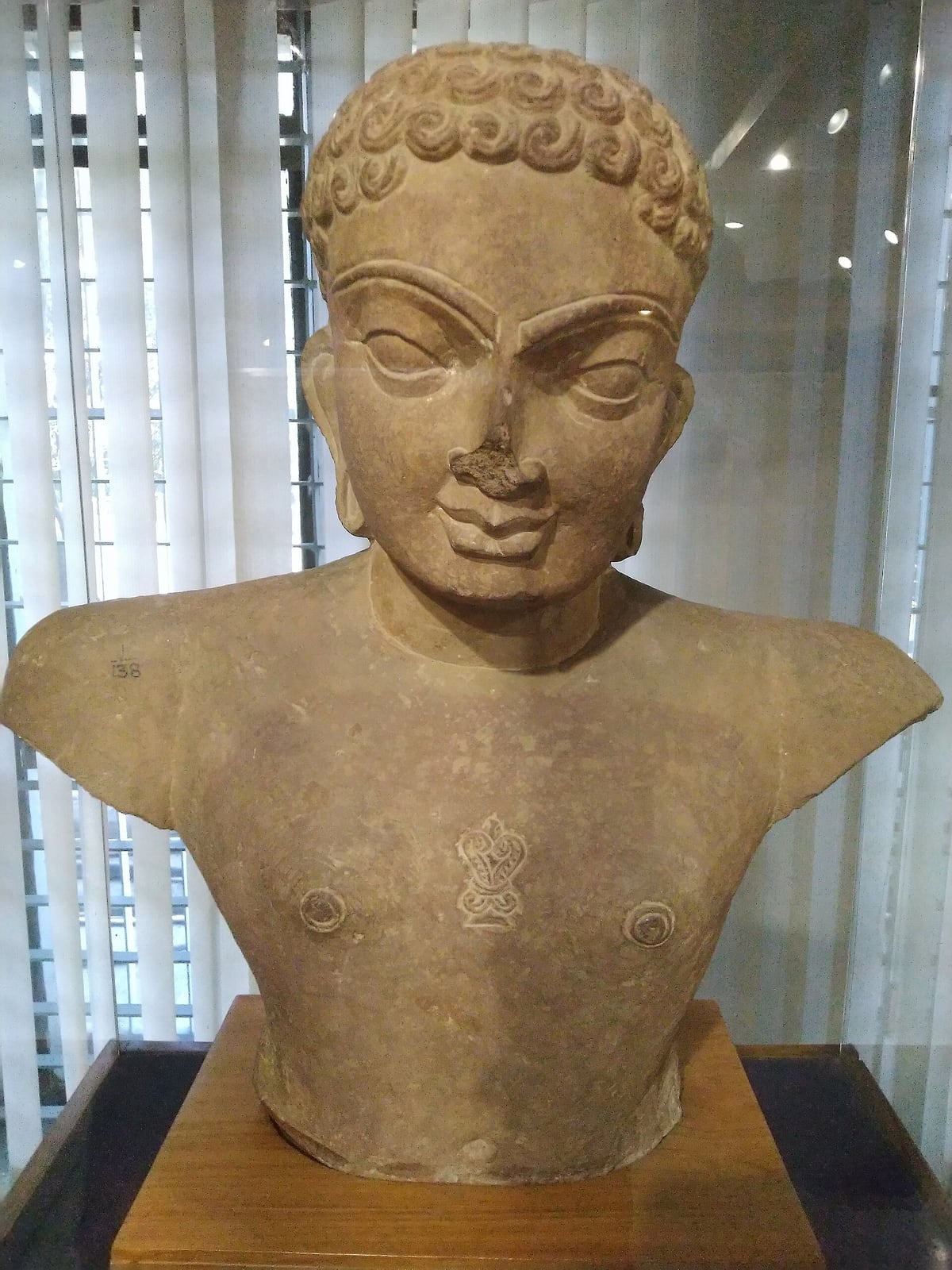
Mahāvīra
इन पर सहमत: परम सत्य क्या है? क्या ईश्वर है? · मृत्यु के बाद क्या होता है? · मुक्ति या उद्धार कैसे प्राप्त होता है?
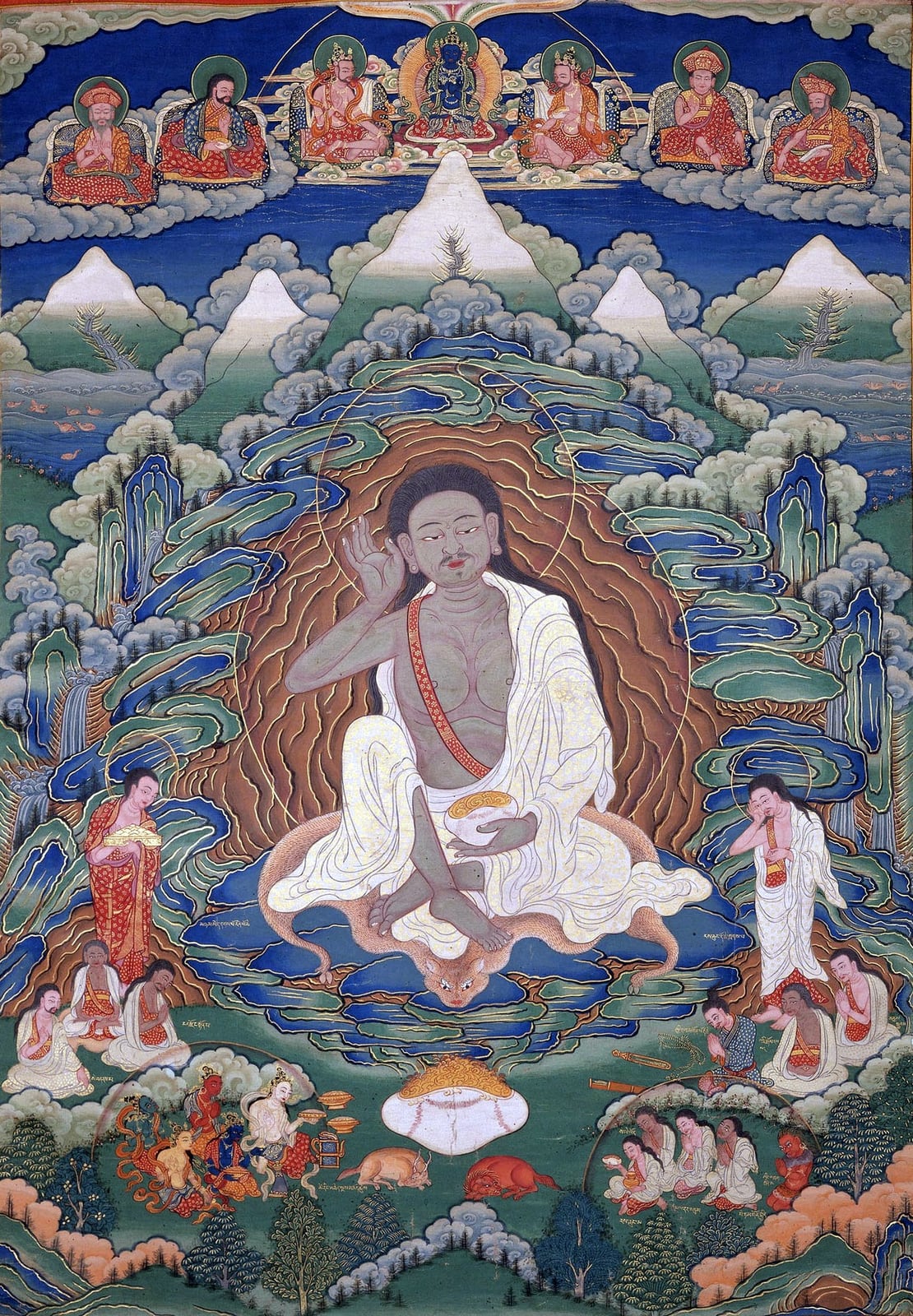
Milarepa
इन पर सहमत: क्या हम स्वतंत्र हैं, या सब कुछ पूर्वनिर्धारित है? · परम सत्य क्या है? क्या ईश्वर है? · मृत्यु के बाद क्या होता है?

Siddhartha Gautama, the Buddha
इन पर सहमत: परम सत्य क्या है? क्या ईश्वर है? · मृत्यु के बाद क्या होता है? · मुक्ति या उद्धार कैसे प्राप्त होता है?
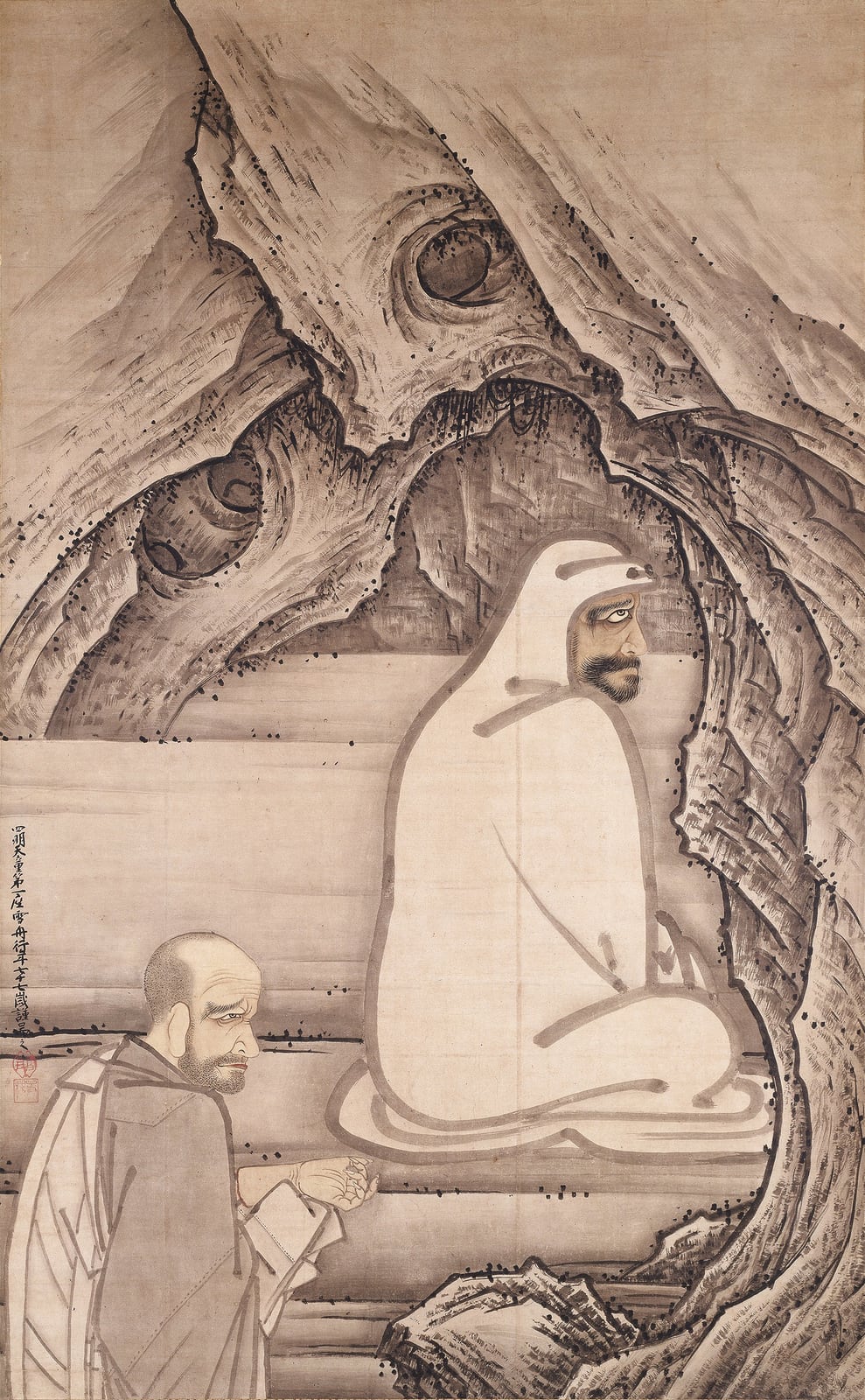
Bodhidharma
इन पर सहमत: मैं कौन हूँ? क्या कोई सच्चा आत्म है? · मृत्यु के बाद क्या होता है? · मुक्ति या उद्धार कैसे प्राप्त होता है?
इनसे भिन्न सोचते हैं

Francis of Assisi
इन पर टकराव: परम सत्य क्या है? क्या ईश्वर है? · मैं कौन हूँ? क्या कोई सच्चा आत्म है? · मृत्यु के बाद क्या होता है?
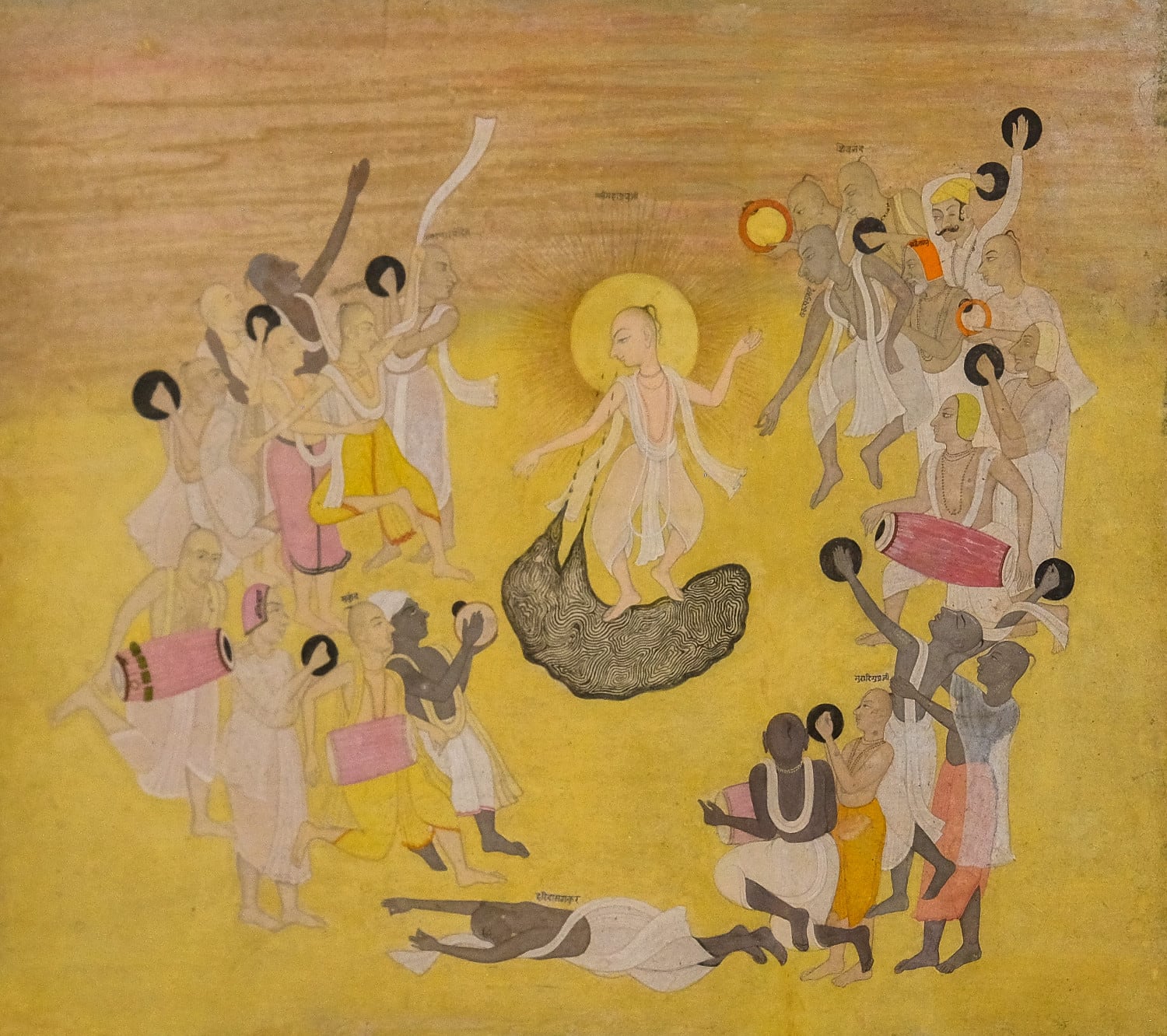
Chaitanya Mahaprabhu
इन पर टकराव: परम सत्य क्या है? क्या ईश्वर है? · मैं कौन हूँ? क्या कोई सच्चा आत्म है? · मृत्यु के बाद क्या होता है?

Emanuel Swedenborg
इन पर टकराव: परम सत्य क्या है? क्या ईश्वर है? · मैं कौन हूँ? क्या कोई सच्चा आत्म है? · मृत्यु के बाद क्या होता है?
Catherine of Siena
इन पर टकराव: परम सत्य क्या है? क्या ईश्वर है? · मैं कौन हूँ? क्या कोई सच्चा आत्म है? · मृत्यु के बाद क्या होता है?
प्रसंग और वृत्तांत
प्रसंग और वृत्तांत
प्रमाणितmediados del s. II a. C.
The Greek who besieged Sāketa
वृत्तांत का स्रोत: Examples from the Mahābhāṣya itself (commentary on Pāṇini 3.2.111 and 3.2.123 in Kielhorn's edition), discussed by Cardona as a dating argument.
स्रोत: Cardona, George. Pāṇini: A Survey of Research. La Haya / París: Mouton, 1976 (reimpr. Delhi: Motilal Banarsidass, 1980 y 1997); sobre la fecha del Mahābhāṣya y su transmisión.
मौखिक परंपराsin fecha
Fallen into the cupped hands
वृत्तांत का स्रोत: A devotional story of modern circulation (biographies of teachers and yoga schools) based on a popular etymology of the name. It has not been located in ancient Sanskrit sources; the Mahābhāṣya quotes a Gonikāputra as an authority distinct from its author, and the identification with him is late and uncertain. The identification of Patañjali with Śeṣa is, however, presupposed in Bhoja's verse (11th c.).
स्रोत: White, David Gordon. The Yoga Sutra of Patanjali: A Biography. Princeton: Princeton University Press, 2014 (Lives of Great Religious Books). ISBN 9780691143774.
संत-चरित वृत्तांतsin fecha (textos medievales)
The dance at Chidambaram
वृत्तांत का स्रोत: The foundation myth of the Chidambaram temple, transmitted in medieval Sanskrit and Tamil texts praising the temple, studied by David Smith (1996). It has no documentary connection with the author of the Mahābhāṣya or that of the Yogasūtra.
स्रोत: Smith, David. The Dance of Siva: Religion, Art and Poetry in South India. Cambridge: Cambridge University Press, 1996. ISBN 9780521482349 (sobre los mitos del templo de Chidambaram, Patañjali y Vyāghrapāda).
संत-चरित वृत्तांतrelato compuesto a finales del s. XVII
A thousand disciples behind a curtain
वृत्तांत का स्रोत: The Patañjalicarita of Rāmabhadra Dīkṣita (Tanjore court, late 17th c.; Kāvyamālā 51). Specialists on the Indology list point out that it is the only written source linking Gauḍapāda with Patañjali. A literary legend with no biographical value.
प्रमाणितc. 1017–1030
Yoga in Arabic
वृत्तांत का स्रोत: Arabic text preserved in an Istanbul manuscript, edited by Hellmut Ritter (Oriens, 1956) and translated and studied by Shlomo Pines and Tuvia Gelblum (BSOAS, 1966–1989).
स्रोत: Pines, Shlomo, y Tuvia Gelblum. «Al-Bīrūnī's Arabic Version of Patañjali's Yogasūtra: A Translation of his First Chapter and a Comparison with Related Sanskrit Texts». Bulletin of the School of Oriental and African Studies 29, n.º 2 (1966): 302–325; continuado en BSOAS 40 (1977), 46 (1983) y 52 (1989).
प्रमाणित1895–1896
Raja Yoga, New York, 1896
वृत्तांत का स्रोत: Preface and text of Raja Yoga (1896) and White's analysis (2014).
स्रोत: White, David Gordon. The Yoga Sutra of Patanjali: A Biography. Princeton: Princeton University Press, 2014 (Lives of Great Religious Books). ISBN 9780691143774.
शिक्षाएँ
शिक्षाएँ
वे अवधारणाएँ जो उनके चिंतन को रूप देती हैं, उनके संदर्भ में समझाई गई।
Stilling of the movements of the mind (cittavṛttinirodha)citta-vritti-nirodha
Yogasūtra 1.2–1.11 and commentary; foundation of the whole classical school.
Practice and detachment (abhyāsa and vairāgya)abhyasa-vairagya
Yogasūtra 1.12–1.16 and commentary.
Afflictions (kleśa)klesha
Yogasūtra 2.2–2.11; the Buddhist parallels are discussed by Maas and Bryant.
स्रोत: Bryant, Edwin F. The Yoga Sūtras of Patañjali: A New Edition, Translation, and Commentary with Insights from the Traditional Commentators. Nueva York: North Point Press, 2009. ISBN 9780865477360.
The eight limbs (aṣṭāṅga)ashtanga-yoga
Yogasūtra 2.28–3.8; on the Jain parallel, Chapple (2003).
स्रोत: Chapple, Christopher Key. Reconciling Yogas: Haribhadra's Collection of Views on Yoga. Albany: State University of New York Press, 2003. ISBN 9780791458990.
Īśvara, the lordishvara
Yogasūtra 1.23–1.29, 2.1, 2.32, 2.45.
स्रोत: Bryant, Edwin F. The Yoga Sūtras of Patañjali: A New Edition, Translation, and Commentary with Insights from the Traditional Commentators. Nueva York: North Point Press, 2009. ISBN 9780865477360.
Absorption (samādhi)samadhi
Yogasūtra 1.17–1.51 and 3.3.
Isolation (kaivalya)kaivalya
Yogasūtra 2.25–2.26, 3.50–3.55 and 4.25–4.34.
वीडियो
वीडियो
रिकॉर्डिंग, साक्षात्कार और वृत्तचित्र। वीडियो YouTube से चलते हैं; वे यहाँ संग्रहीत नहीं हैं।
The Yoga Sutras of Patanjali | Prof. Edwin Bryant
व्याख्यान· EN· 2018· 106 min
Vedanta Society of New Yorkआधिकारिक चैनल
YSP 11 Philipp Maas | The Pātañjalayogaśāstra and its Textual History
साक्षात्कार· EN· 2021· 99 min
Yogic Studies
The Yoga Sutras in Depth - Dr. Philipp Maas
साक्षात्कार· EN· 2022· 51 min
Keen on Yoga
Once More on Postures in the Pātañjala Yogaśāstra by Philipp Maas
व्याख्यान· EN· 2016· 53 min
Loyola Marymount University, BCLA Yoga Studiesआधिकारिक चैनल
Thinking with the Yoga Sūtra, Opening by Dr Christopher Key Chapple, Chair
व्याख्यान· EN· 2016· 39 min
Loyola Marymount University, BCLA Yoga Studiesआधिकारिक चैनल
MIPodcast #13: What's the "Yoga Sutra of Patanjali," featuring David Gordon White
साक्षात्कार· EN· 2015· 67 min
Maxwell Instituteआधिकारिक चैनल
Historical, Popular, and Scholarly Constructions of Yoga with David Gordon White
साक्षात्कार· EN· 2016· 37 min
Religious Studies Project
What is Yoga?
विश्लेषण· EN· 2024· 50 min
Let's Talk Religion
Lecturas en Español. De los Aforismos de Yoga de Patañjali
व्याख्यान· ES· 2017· 87 min
Instituto Cervantes Rio de Janeiroआधिकारिक चैनल
Los Yoga Sutras de Patamjali | Conferencia | 21/11/2024
व्याख्यान· ES· 2024· 58 min
Instituto Cervantes Nueva Delhiआधिकारिक चैनल
Les Yogas-Sutras - Erik Sablé : Les yoga-sutras de Patanjali - Jeudis Philo
व्याख्यान· FR· 2022· 138 min
Ancrages Éditions
Mahābhāṣya of Patañjali, Samarthāhnikam: Lecture-1, Part-2
व्याख्यान· EN· 2019· 116 min
RKMVERI - Deemed Universityआधिकारिक चैनल
Ancient grammatical puzzle solved after 2,500 years
वृत्तचित्र· EN· 2022· 6 min
Cambridge Universityआधिकारिक चैनल
चित्रशाला
चित्रशाला
सत्यापित लाइसेंस वाले चित्र। प्रत्येक में उसके रचयिता और श्रेय का उल्लेख सुरक्षित है।
पांडुलिपियाँ
पांडुलिपियाँ
पांडुलिपि-साक्ष्य और प्राचीन पाठ, उनके संरक्षक और अध्ययन की शर्तों सहित।
SA · Devanagari · c. 325–425 d. C. (Maas)
पातञ्जलयोगशास्त्र (Yogasūtra con bhāṣya)
- संरक्षित पाठ-साक्ष्य
- Manuscrito sin fecha, anterior a 1900
- संरक्षक
- National Library of India, Rare Books Division (Calcuta) · Th 217
SA · Devanagari · mediados del s. II a. C. (Mahābhāṣya); s. XI (Pradīpa)
व्याकरणमहाभाष्य with महाभाष्यप्रदीप (Mahābhāṣya con el Pradīpa de Kaiyaṭa)
- संरक्षित पाठ-साक्ष्य
- Copia sin fecha en formato de «doble libro»
- संरक्षक
- University of Pennsylvania, Kislak Center for Special Collections · Ms. Coll. 390
संबंध
संबंध
प्रभाव, शिष्यत्व और वैचारिक निकटता। प्रमाणित संबंध को विश्लेषण से पहचानी गई समानता से अलग दर्शाया गया है।
इन्हें प्रभावित किया
Vijñānabhikṣu
Author of the Yogavārttika (16th c.), a Vedāntic reading of the text.
प्रमाणित संबंध
इन्हें प्रभावित किया
Bhartṛhari
He commented on the Mahābhāṣya and related its decline and restoration (5th c.).
प्रमाणित संबंध
इनसे प्रभावित
Pāṇini
The grammarian Patañjali's Mahābhāṣya is the great commentary on Pāṇini's grammar.
प्रमाणित संबंध
इनसे प्रभावित
Kātyāyana
The Mahābhāṣya discusses one by one Kātyāyana's critical remarks (vārttika) on Pāṇini.
प्रमाणित संबंध
इनसे मिलते-जुलते विचार
Siddhartha Gautama, the Buddha
The yoga text shares vocabulary and schemes with scholastic Buddhism (afflictions, absorptions, the four attitudes of friendliness, compassion, joy and equanimity) and argues against an idealist Buddhist school; the exact debt is debated (Maas, Bryant).
विश्लेषण से पहचानी गई समानता
इनसे मिलते-जुलते विचार
The five restraints of aphorism 2.30 (non-harming, truthfulness, non-stealing, chastity, non-possession) coincide with the five great vows of Jain monasticism, and the text calls them the "great vow" when kept without exception; Chapple (2003) studies this kinship.
विश्लेषण से पहचानी गई समानता
इनके समकालीन
Woods (1914) noted that Nāgārjuna does not mention Patañjali although he knew a school of yoga; if the Yogasūtra are later than Buddhist idealism, as Woods and Maas argue, Patañjali wrote after him. No contact is documented.
विश्लेषण से पहचानी गई समानता
इन्हें प्रभावित किया
Tradition ascribes to Śaṅkara a sub-commentary on the Pātañjalayogaśāstra (the Vivaraṇa), whose authorship is disputed; in the Brahmasūtra commentary (2.1.3) Śaṅkara refutes the dualist metaphysics of yoga while accepting its techniques.
प्रमाणित संबंध
इन्हें प्रभावित किया
He translated and commented on the aphorisms in Raja Yoga (1896), the book that made the text known in the West.
प्रमाणित संबंध
इन्हें प्रभावित किया
In Autobiography of a Yogi (1946, ch. 26) he quotes the aphorisms on kriyāyoga and breath control to present his lineage's Kriya Yoga as a continuation of Patañjali.
प्रमाणित संबंध
इन्हें प्रभावित किया
Al-Bīrūnī
He adapted the text into Arabic as the Kitāb Bātanjal (c. 1030).
प्रमाणित संबंध
इन्हें प्रभावित किया
Vācaspati Miśra
Author of the Tattvavaiśāradī, the great classical sub-commentary, translated by Woods.
प्रमाणित संबंध
इन्हें प्रभावित किया
Bhoja de Dhārā
King and author of the Rājamārtaṇḍa commentary (11th c.), first source of the threefold Patañjali.
प्रमाणित संबंध
स्रोत
स्रोत
इस प्रविष्टि के लिए देखे गए ग्रंथ-सूची और सूचीपत्र।
- Wikidata, «Patanjali», QID Q231680 (descrito como «autor o autores» de la gramática, del yoga y de tratados médicos; LCCN n80044780; GND 119387077; BnF 121635181).
- Maas, Philipp A. «A Concise Historiography of Classical Yoga Philosophy». En Eli Franco (ed.), Periodization and Historiography of Indian Philosophy. Viena: Sammlung de Nobili, 2013, pp. 53–90.
- Maas, Philipp André. Samādhipāda. Das erste Kapitel des Pātañjalayogaśāstra zum ersten Mal kritisch ediert / The First Chapter of the Pātañjalayogaśāstra for the First Time Critically Edited. Aachen: Shaker, 2006 (Geisteskultur Indiens 9).
- Woods, James Haughton (trad.). The Yoga-System of Patañjali, or the Ancient Hindu Doctrine of Concentration of Mind, embracing the Mnemonic Rules, called Yoga-sūtras, of Patañjali, and the Comment, called Yoga-bhāshya, attributed to Veda-Vyāsa, and the Explanation, called Tattva-vāiçāradī, of Vāchaspati-Miçra. Cambridge (Mass.): Harvard University Press, 1914 (Harvard Oriental Series 17). Introducción, §§ 3–5, sobre la identidad de los dos Patañjali y las fechas.
- Bryant, Edwin F. The Yoga Sūtras of Patañjali: A New Edition, Translation, and Commentary with Insights from the Traditional Commentators. Nueva York: North Point Press, 2009. ISBN 9780865477360.
- White, David Gordon. The Yoga Sutra of Patanjali: A Biography. Princeton: Princeton University Press, 2014 (Lives of Great Religious Books). ISBN 9780691143774.
- Bronkhorst, Johannes. «Patañjali and the Yoga sūtras». Studien zur Indologie und Iranistik 10 (1984 [1985]): 191–212.
- Cardona, George. Pāṇini: A Survey of Research. La Haya / París: Mouton, 1976 (reimpr. Delhi: Motilal Banarsidass, 1980 y 1997); sobre la fecha del Mahābhāṣya y su transmisión.
- Meulenbeld, G. Jan. A History of Indian Medical Literature, vol. IA. Groninga: Egbert Forsten, 1999 (sobre los Patañjali médicos y la estrofa de Bhoja).
- Larson, Gerald James, y Ram Shankar Bhattacharya (eds.). Encyclopedia of Indian Philosophies, vol. XII: Yoga: India's Philosophy of Meditation. Delhi: Motilal Banarsidass, 2008.
- Vivekananda, Swami. Raja Yoga, or Conquering the Internal Nature. Londres / Nueva York: Longmans, Green and Co., 1896. Texto en The Complete Works of Swami Vivekananda, vol. 1 (Wikisource).
- Pines, Shlomo, y Tuvia Gelblum. «Al-Bīrūnī's Arabic Version of Patañjali's Yogasūtra: A Translation of his First Chapter and a Comparison with Related Sanskrit Texts». Bulletin of the School of Oriental and African Studies 29, n.º 2 (1966): 302–325; continuado en BSOAS 40 (1977), 46 (1983) y 52 (1989).
- Renou, Louis. «On the Identity of the Two Patañjalis». En Narendra Nath Law (ed.), Louis de La Vallée Poussin Memorial Volume. Calcuta, 1940.
- Kielhorn, Franz (ed.). The Vyâkaraṇa-Mahâbhâshya of Patañjali. 3 vols. Bombay: Government Central Book Depôt, 1880–1885 (Bombay Sanskrit Series).
- Johnston, Charles (trad.). The Yoga Sutras of Patanjali: «The Book of the Spiritual Man». Nueva York, 1912. Project Gutenberg n.º 2526.
- Dvivedi, Manilal Nabhubhai (trad.). The Yoga-Sutra of Patanjali. Bombay: Bombay Theosophical Publication Fund, 1890.
- Pujol, Óscar (trad.). Yogasūtra. Los aforismos del yoga. Barcelona: Kairós, 2021. ISBN 9788499884981.
- Yogananda, Paramahansa. Autobiography of a Yogi. Nueva York: The Philosophical Library, 1946, cap. 26, «The Science of Kriya Yoga».
- Chapple, Christopher Key. Reconciling Yogas: Haribhadra's Collection of Views on Yoga. Albany: State University of New York Press, 2003. ISBN 9780791458990.
- The Pandit Project, «Rāmabhadra Dīkṣita» (ficha biográfica: nacido en la segunda mitad del siglo XVII cerca de Kumbakonam, protegido de Śāhajī I de Tanjore); el Patañjalicarita está impreso en la serie Kāvyamālā (n.º 51), Bombay, Nirṇaya Sāgara Press.
- Angot, Michel (ed. y trad.). Le Yoga-Sūtra de Patañjali. Le Yoga-Bhāṣya de Vyāsa, avec des extraits du Yoga-Vārttika de Vijñāna-Bhikṣu. París: Les Belles Lettres, 2008. ISBN 9782251720500.
- Ritter, Hellmut. «Al-Bīrūnī's Übersetzung des Yoga-Sūtra des Patañjali». Oriens 9, n.º 2 (1956): 165–200 (edición del texto árabe).
- Wikimedia Commons, ficheros de imagen citados en images[] (licencias comprobadas por la API imageinfo el 2026-10-25).
- Mallinson, James, y Mark Singleton (trads. y eds.). Roots of Yoga. Londres: Penguin Classics, 2017. ISBN 9780241253045.
- Smith, David. The Dance of Siva: Religion, Art and Poetry in South India. Cambridge: Cambridge University Press, 1996. ISBN 9780521482349 (sobre los mitos del templo de Chidambaram, Patañjali y Vyāghrapāda).
- Bhatnagar, K. N. (ed.). Nidāna-sūtra of Patañjali. Delhi: Meharchand Lachhmandas, 1971.
- Danielson, Henrik (trad.). Ādiśeṣa: The Essence of Supreme Truth (Paramārthasāra). Leiden: E. J. Brill, 1980. ISBN 9789004061736.
- Open Library (openlibrary.org), fichas por ISBN y búsquedas por autor y título consultadas el 2026-10-25 para verificar las ediciones.
- अधिकार-धारक
- Textos sánscritos en dominio público (s. II a. C. y s. IV–V d. C.). Las traducciones modernas tienen derechos propios: Kairós (Pujol; Iyengar), Debate (Bahm), Edaf (Desikachar), Oniro (Hartranft), North Point Press / Farrar, Straus and Giroux (Bryant), SUNY Press (Hariharānanda Āraṇya), Les Belles Lettres (Angot), Integral Yoga Publications (Satchidananda), Vedanta Press (Prabhavananda e Isherwood). Las de Woods (1914), Johnston (1912), Vivekananda (1896) y Dvivedi (1890) son de dominio público.
पुष्टि की प्रतीक्षा में
जो यह प्रविष्टि अभी तक निश्चित नहीं कर सकी है। हम उसे भर देने के बजाय कह देना बेहतर समझते हैं।
- Fechas: no hay fecha de nacimiento ni de muerte para ningún Patañjali; se dejan como «unknown» y la línea de tiempo usa las fechas de las obras (Mahābhāṣya, mediados del s. II a. C.; Pātañjalayogaśāstra, c. 325–425 según Maas).
- Comprobar en el texto de Renou (1940) la paginación exacta del artículo «On the Identity of the Two Patañjalis».
- Sala de lectura: la traducción de M. N. Dvivedi (1890) en Internet Archive (b28119411) tiene un OCR inservible (reconocido como devanagari); buscar otro escaneo limpio. El Mahābhāṣya de Kielhorn (1880–1885) solo existe en escaneos con OCR deficiente del devanagari. No se ha encontrado ningún texto en español de dominio público (es.wikisource no tiene ninguno).
- Ediciones: falta ISBN de la edición crítica de Maas (Shaker, 2006) y de las traducciones del Mahābhāṣya de Joshi y Roodbergen; buscar ediciones con ISBN en alemán, italiano, ruso e hindi. La edición española de Raja Yoga (Kier, ISBN 9789501701210) no indica fecha ni traductor en Open Library.
- Obras: Meulenbeld menciona otros textos médicos y alquímicos puestos bajo el nombre de Patañjali que no se han podido verificar; cotejar con su History of Indian Medical Literature, vol. IA.
- Vídeo CS2vRfWeFw4 (Instituto Cervantes Nueva Delhi): identificar al ponente.
- Anécdota del nacimiento en el «añjali» de Gonikā: localizar su primera fuente escrita.
2026-10-25 को शोधित