ईसाई धर्म · ईसाई रहस्यवाद · कैथोलिक धर्म
Francis of Assisi
लगभग 1182 – 1226ऐतिहासिक रूप से प्रमाणित व्यक्ति
असीसी के एक धनी कपड़ा-व्यापारी के पुत्र (लगभग 1182–1226), जिन्होंने पिता का व्यवसाय त्यागकर कुष्ठरोगियों और निर्धनों के बीच सुसमाचार को "अक्षरशः" जीना चुना। उन्होंने लघु भ्राताओं के धर्मसंघ की स्थापना की, असीसी की क्लारा और तृतीय धर्मसंघ को प्रेरणा दी, "प्राणियों का स्तुतिगान" रचा — जो इतालवी भाषा की आरंभिकतम कविताओं में से एक है — और कुछ ही प्रामाणिक रचनाएँ छोड़ीं: नियमावलियाँ, उपदेश, पत्र, स्तुतियाँ और एक वसीयतनामा। 1228 में संत घोषित फ़्रांसिस की ऐतिहासिक छवि एक विशाल संत-चरित साहित्य के साथ-साथ चलती है, जिसे परत-दर-परत पढ़ना उचित है।
- कृतियाँ
- 44कृतियाँ
- संस्करण
- 121संस्करण
- उद्धरण
- 10उद्धरण
- वीडियो
- 14वीडियो
- चित्र
- 8चित्र
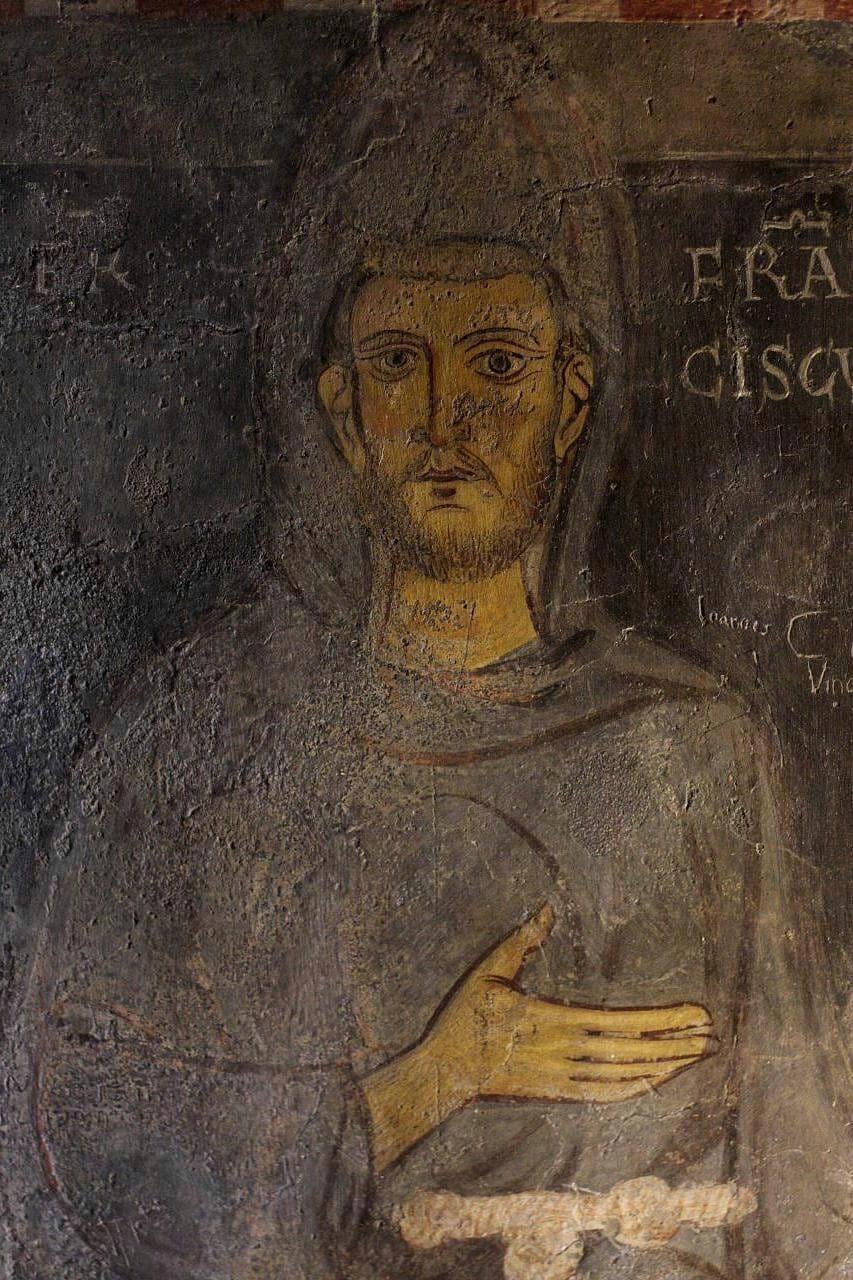
Fresco de «Frater Franciscus» en el Sacro Speco de Subiaco · Public domain
उनके अपने शब्दों में
«Most High, all-powerful, good Lord, yours are the praises, the glory and the honour and all blessing.»Cántico de las criaturas, v. 1 (Asís, Biblioteca del Sacro Convento, cód. 338)

मूल विचार
Living 'without anything of one's own': The formula 'sine proprio', which opens the 1223 Rule alongside obedience and chastity, is broader than material poverty.
संदर्भ में देखें
जीवनी
6 मिनट का पाठ
स्पैनिश मूल से सहायता-प्राप्त अनुवाद, मातृभाषी अनुवादक द्वारा समीक्षा लंबित।
असीसी का एक व्यापारी
जोवान्नी दी पिएत्रो दी बेर्नार्दोने का जन्म लगभग 1181 या 1182 में असीसी में हुआ — उम्ब्रिया का एक नगर, जो सामंती अभिजात वर्ग और सम्राट के प्रभुत्व से मुक्त होने के लिए संघर्षरत था। उनके पिता पिएत्रो कपड़े के व्यापारी थे और शैम्पेन के मेलों में व्यापार करते थे; माता का नाम पीका था। परंपरा के अनुसार, फ़्रांस से लौटकर पिता ने बालक का बपतिस्मा-नाम बदलकर फ़्रांचेस्को रख दिया, जिसका अर्थ है "फ़्रांसीसी"। सान जॉर्जो के पल्ली-विद्यालय में उन्होंने लातीनी की आरंभिक शिक्षा पाई, थोड़ी फ़्रांसीसी सीखी और बेचने का हुनर भी; उनका यौवन उभरते हुए नागर वर्ग के किसी बेटे का यौवन था: धन, उत्सव और शूरवीर बनने की महत्वाकांक्षा।
1202 में उन्होंने कोल्लेस्त्रादा में असीसी की नागरिक सेना के साथ पेरूजा के विरुद्ध युद्ध किया और लगभग एक वर्ष बंदी रहे। वे बीमार होकर लौटे। लगभग 1205 में वे अपूलिया की एक सैन्य मुहिम में भर्ती हुए, किंतु स्पोलेतो पहुँचकर उसे छोड़ दिया; बाद की जीवनियाँ इस वापसी को एक दैवी पुकार का पहला संकेत बना देती हैं। स्रोत जितना कहने की अनुमति देते हैं, वह कहीं अधिक संयत है: एक लंबा संकट, जिसकी कोई निश्चित तिथि नहीं, और जिसमें युवा व्यापारी उस जीवन में स्वयं को पहचानना छोड़ बैठा जो उसकी प्रतीक्षा कर रहा था।
कुष्ठरोगियों के बीच
उनके मन-परिवर्तन का एक प्रत्यक्ष साक्ष्य है — स्वयं फ़्रांसिस का, 1226 के उनके वसीयतनामे में: जब वे "पापों में" थे, तब कुष्ठरोगियों को देखना उन्हें अत्यंत कड़वा लगता था; प्रभु उन्हें उनके बीच ले गए, उन्होंने उन पर दया की, और जो कड़वा था वह उनके लिए आत्मा और शरीर की मधुरता में बदल गया। इस वृत्तांत में कोई आकाशवाणी नहीं, बल्कि एक सामाजिक स्थानांतरण है: व्यापारी का बेटा नगर के बहिष्कृतों के पक्ष में जा खड़ा होता है। बाक़ी सब — दिव्य दर्शन, हथियारों के स्वप्न — उन जीवनीकारों से आता है जिन्होंने उनकी मृत्यु के बाद लिखा।
इसी काल का है सान दामियानो के छोटे-से गिरजाघर का जीर्णोद्धार, जिसे "तीन साथियों की कथा" और चेलानो के थॉमस की दूसरी जीवनी एक क्रूसमूर्ति से जोड़ती हैं, जिसने कथित रूप से उनसे कहा था: "फ़्रांसिस, जाओ और मेरे घर की मरम्मत करो।" काम का ख़र्च उठाने के लिए उन्होंने पिता के कपड़े बेच दिए; पिता ने पहले नगर के कौंसलों के सामने और फिर बिशप गुइदो के सामने उनकी शिकायत की। उसी सुनवाई में, संभवतः 1206 में, फ़्रांसिस ने धन लौटा दिया, अपने वस्त्र उतार दिए और घोषणा की कि अब से वे केवल यही कहेंगे: "हे हमारे पिता, जो स्वर्ग में हैं।" सभी आरंभिक स्रोतों में संरक्षित यह दृश्य व्यापारिक व्यवस्था से उनके निकल जाने का चिह्न है।
1208 या 1209 में, पोर्त्सियुनकोला में वह अंश सुनकर जिसमें ईसा अपने शिष्यों को बिना सोने और बिना झोली के भेजते हैं (मत्ती 10), उन्होंने समझ लिया कि यही उनके जीवन का रूप है। क्विंतावाल्ले के बेर्नार्दो, पिएत्रो कात्तानी और अन्य लोग उनसे आ मिले; लगभग 1209 या 1210 में वे रोम गए, और पोप इनोसेंट तृतीय ने सुसमाचार के उद्धरणों से बनी एक संक्षिप्त नियमावली को मौखिक स्वीकृति दी। स्वयं वसीयतनामा यही कहता है: किसी ने उन्हें नहीं दिखाया कि उन्हें क्या करना है, बल्कि परमप्रधान ने उन पर प्रकट किया कि उन्हें पवित्र सुसमाचार के अनुरूप जीना है।
एक भ्रातृसंघ जो आवश्यकता से अधिक बढ़ गया
1212 में खजूर-रविवार की रात असीसी के एक कुलीन परिवार की बेटी क्लारा अपने घर से भाग निकलीं और फ़्रांसिस के हाथों धर्मसंघी वस्त्र ग्रहण किया; उनके साथ सान दामियानो की "निर्धन महिलाओं" का समुदाय जन्मा। "लघुओं" का भ्रातृसंघ — कम्यूनों की सामाजिक शब्दावली में "नीचे वाले" — ऐसी गति से बढ़ा जिसकी किसी ने कल्पना नहीं की थी: घूम-घूमकर प्रवचन, शारीरिक श्रम, मज़दूरी न मिलने पर भिक्षाटन, पोर्त्सियुनकोला में वार्षिक महासभाएँ और 1217 से इटली के बाहर धर्मप्रचार-यात्राएँ।
1219 में फ़्रांसिस क्रूसयोद्धाओं के साथ मिस्र के दमियेता के लिए जहाज़ से रवाना हुए, युद्ध-रेखाएँ पार कीं और सुल्तान अल-मलिक अल-कामिल ने उनका स्वागत किया। इसका साक्ष्य धर्मसंघ से बाहर के एक समकालीन प्रेक्षक, बिशप ज़ाक द वित्री, ने 1220 के एक पत्र में दिया है: सुल्तान ने कई दिनों तक उनकी बात सुनी और उन्हें सुरक्षित-मार्ग का आश्वासन देकर विदा किया। अग्नि-परीक्षा का प्रस्ताव बहुत बाद में, बोनावेंतूरा में, प्रकट होता है, और वह संत की छवि-रचना का अंश है, भेंट के विवरण का नहीं।
1220 में लौटने पर उन्होंने हज़ारों भ्राताओं वाला एक धर्मसंघ पाया, जो पूर्ण निर्धनता के आदर्श और एक संस्था की आवश्यकताओं के बीच खिंचा हुआ था। उन्होंने शासन का भार पिएत्रो कात्तानी को और उनकी मृत्यु के बाद कोर्तोना के एलिया को सौंप दिया। उन्होंने 1221 की नियमावली लिखी, जिसे "बिना मुहर वाली" कहा जाता है — लंबी और उपदेशात्मक — और 1223 में एक अधिक विधिक रूपांतर, जिसे पोप होनोरियस तृतीय ने 29 नवंबर के पोप-आदेश (बुल्ला) "सोलेत आन्नुएरे" द्वारा स्वीकृत किया। इन दोनों के बीच संस्थागत होने की क़ीमत को मापा जा सकता है।
ला वेर्ना, स्तुतिगान और मृत्यु
1223 के बड़े दिन पर उन्होंने ग्रेच्चो में बैल और गधे वाली एक चरनी के सामने मिस्सा अर्पित किया — यह दृश्य चेलानो एक लोकभक्ति के उद्गम के रूप में वर्णित करते हैं। सितंबर 1224 में, ला वेर्ना पर्वत पर एकांतवास के दौरान, उनके साथियों के अनुसार उन्हें हाथों, पैरों और पसली में मसीह के घाव प्राप्त हुए। जो प्रलेखित है, वह है उनके हाथ से लिखी "कार्तुला", जो उन्होंने वहाँ भ्राता लियो को सौंपी, जिस पर सेराफ़ के दर्शन के विषय में लियो की टिप्पणी है; फिर एलिया का वह पत्र जिसने मृत्यु के बाद पवित्र घावों (स्टिग्माटा) की घोषणा की — जिसकी प्रामाणिकता विवादित है — और चेलानो का वृत्तांत। कियारा फ़्रूगोनी ने दिखाया है कि पाठ और चित्र ने किस प्रकार धीरे-धीरे इस घटना को स्थिर किया; उसका स्वरूप इतिहास की पकड़ से बाहर है।
लगभग दृष्टिहीन और रोगी, कनपटियों पर दाग़ने का उपचार सहते हुए, उन्होंने 1225 में सान दामियानो में उम्ब्रियाई लोकभाषा में "सूर्य भ्राता का स्तुतिगान" रचा: परमप्रधान की स्तुति, सूर्य, चंद्रमा, वायु, जल, अग्नि और पृथ्वी के "साथ" और उनके "द्वारा"; इसमें उन्होंने बिशप और पोदेस्ता (नगर-शासक) के बीच मेल कराने के लिए क्षमा पर कुछ पंक्तियाँ जोड़ीं और अंत में "हमारी बहन, शारीरिक मृत्यु" वाला पद। यह इतालवी साहित्य की आरंभिकतम काव्य-रचनाओं में से एक है।
3 अक्टूबर 1226 की साँझ ढलते समय पोर्त्सियुनकोला के पास उनका देहांत हुआ; अपनी इच्छा से वे नंगी धरती पर लेटे थे, और उससे पहले उन्होंने अपना वसीयतनामा लिखवाया था। पोप ग्रेगरी नवम ने — जो पहले धर्मसंघ के संरक्षक कार्डिनल ऊगोलीनो थे — 16 जुलाई 1228 को असीसी में उन्हें संत घोषित किया और वह महागिरजाघर (बासिलिका) बनवाया जिसमें 1230 में उनका पार्थिव शरीर लाया गया; तब छिपाई गई समाधि 1818 में जाकर फिर से खोजी गई।
एक किंवदंती की परतें
फ़्रांसिस के बारे में जो कुछ कहा जाता है, उसका लगभग सब कुछ एक ऐसे संत-चरित साहित्य से आता है जिसे स्वयं से संघर्षरत एक धर्मसंघ ने लिखा। चेलानो के थॉमस ने पहली जीवनी 1228–1229 में और दूसरी 1246–1247 में साथियों की स्मृतियों के सहारे लिखी; इसी स्मृति से "तीन साथियों की कथा" और "असीसी संकलन" संबंधित हैं। 1260–1263 में बोनावेंतूरा ने "बृहत् कथा" (लेजेंडा मायोर) लिखी, और 1266 की महासभा ने पहले की जीवनियों को नष्ट करने का आदेश दिया। 2014 में ज़ाक दालारूँ ने फ़्रांस की राष्ट्रीय पुस्तकालय की एक पांडुलिपि में चेलानो की एक संक्षिप्त जीवनी पहचानी, जो तब तक अज्ञात थी।
"फ़ियोरेत्ती" (छोटे फूल), जिन्होंने संत की लोकप्रिय छवि को स्थिर किया, "आक्तुस बेआती फ़्रांचिस्की" (धन्य फ़्रांसिस के कार्य) का तोस्कानी रूपांतर हैं, जो उनकी मृत्यु के एक शताब्दी बाद संकलित हुए: वहीं पहली बार गुब्बियो का भेड़िया प्रकट होता है। प्रसिद्ध प्रार्थना "हे प्रभु, मुझे अपनी शांति का साधन बना" उनकी नहीं है: यह 1912 में पेरिस में अनाम रूप से प्रकाशित हुई और 1920 के दशक के अंत से उनके नाम से जोड़ी जाने लगी। मनुष्य को उसकी किंवदंती से अलग करना उसे छोटा नहीं करता; इससे उसे उसके अपने शब्दों में पढ़ना संभव होता है, जो थोड़े हैं, कठोर हैं और प्रकाशमान हैं।
उनकी संस्थागत विरासत — लघु भ्राताओं का धर्मसंघ और उसकी शाखाएँ, क्लारा की धर्मबहनें, तृतीय धर्मसंघ — और उनकी प्रतीकात्मक विरासत कलीसिया की सीमाओं से बहुत आगे निकल गई है। पोप जॉन पॉल द्वितीय ने 1979 में उन्हें पर्यावरण-संरक्षकों का संरक्षक संत घोषित किया; 2013 में पहली बार किसी पोप ने उनका नाम अपनाया, और विश्वपत्र "लाउदातो सी" (2015) उनके स्तुतिगान की पहली पंक्ति से आरंभ हुआ।
स्रोत: Esser, Kajetan, O.F.M. Die Opuscula des hl. Franziskus von Assisi. Neue textkritische Edition. Grottaferrata: Collegium S. Bonaventurae ad Claras Aquas, 1976 (Spicilegium Bonaventurianum 13); editio minor: Opuscula sancti patris Francisci Assisiensis, 1978 (Bibliotheca Franciscana Ascetica Medii Aevi 12). · Armstrong, Regis J.; Hellmann, J. A. Wayne; Short, William J. (eds.). Francis of Assisi: Early Documents. 3 vols. e índice. Nueva York: New City Press, 1999–2002 (vol. 1, The Saint, ISBN 1565481100). · Guerra, José Antonio (ed.). San Francisco de Asís: Escritos, biografías, documentos de la época. Madrid: Biblioteca de Autores Cristianos (BAC 399), 1978; reed. 2003 (ISBN 8479146273). · Vauchez, André. François d'Assise. Entre histoire et mémoire. París: Fayard, 2009. Trad. ingl.: Francis of Assisi. The Life and Afterlife of a Medieval Saint. New Haven: Yale University Press, 2012. · Thompson, Augustine, O.P. Francis of Assisi: A New Biography. Ithaca: Cornell University Press, 2012.
कालक्रम
जीवन, वर्ष-दर-वर्ष
प्रत्येक बिंदु एक प्रमाणित घटना है। उसे स्रोत और निश्चितता के स्तर सहित पढ़ने के लिए क्लिक करें।
लगभग 11820 वर्षAsís
Birth
Giovanni is born to the cloth merchant Pietro di Bernardone and Pica. The sources waver between 1181 and 1182; his father is said to have given him the name Francesco.
प्रमाणितVauchez, André. François d'Assise. Entre histoire et mémoire. París: Fayard, 2009. Trad. ingl.: Francis of Assisi. The Life and Afterlife of a Medieval Saint. New Haven: Yale University Press, 2012.
उनके निधन के बाद
- 16 जुलाई 1228Canonisation
- 25 मई 1230Translation to the basilica
- लगभग 1263Bonaventure's Major Legend
- 29 नवंबर 1979Patron of ecology
- 2014A lost life by Celano
लगभग 1182 · 0 वर्ष
Birth
Giovanni is born to the cloth merchant Pietro di Bernardone and Pica. The sources waver between 1181 and 1182; his father is said to have given him the name Francesco.
प्रमाणित
1202 · 20 वर्ष
War and prison
He fights for Assisi against Perugia at Collestrada; taken prisoner, he spends about a year in jail and comes out ill.
प्रमाणित
लगभग 1205 · 23 वर्ष
Return from Spoleto
He abandons a military expedition to Apulia. Later biographies place here a dream or a voice that made him turn back.
परंपरा
लगभग 1206 · 24 वर्ष
Renunciation before the bishop
Denounced by his father, he gives back money and clothes before Bishop Guido and leaves the merchant life. He repairs San Damiano and other small churches.
प्रमाणित
लगभग 1208 · 26 वर्ष
The Gospel of mission
At the Portiuncula he hears Mt 10 and adopts the poor itinerant life; the first companions join him (1208–1209).
संभावित
लगभग 1209 · 27 वर्ष
Oral approval by Innocent III
Innocent III orally approves the brothers' first form of life (1209 or 1210).
प्रमाणित
मार्च 1212 · 30 वर्ष
Clare of Assisi
On the night of Palm Sunday Clare leaves home and receives the habit; the Poor Ladies of San Damiano are born.
प्रमाणित
1219 · 37 वर्ष
Before the sultan al-Kamil
He accompanies the crusaders and is received by the sultan al-Malik al-Kamil, according to Jacques de Vitry's letter (1220).
प्रमाणित
लगभग 1220 · 38 वर्ष
Resignation from governing the order
Back from the East, he hands the government to Peter Catanii and then to Elias of Cortona.
संभावित
1221 · 39 वर्ष
Earlier Rule (Regula non bullata)
Drafting of the long rule presented at the Pentecost chapter of 1221, never approved by bull.
प्रमाणित
29 नवंबर 1223 · 41 वर्ष
Later Rule (Regula bullata)
Honorius III approves the definitive rule of the Friars Minor with the bull Solet annuere.
प्रमाणित
दिसंबर 1223 · 41 वर्ष
The crib at Greccio
He celebrates Christmas with a manger, an ox and an ass; Celano narrates it in his first life (1C 84–87).
संभावित
सितंबर 1224 · 42 वर्ष
The stigmata
During a Lent on La Verna his companions attest the wounds; he writes for Brother Leo the Praises of God Most High and his blessing (autograph preserved).
विवादित
1225 · 43 वर्ष
The Canticle of Brother Sun
Ill and almost blind, he composes the Canticle of the Creatures in the Umbrian vernacular; he later adds the stanzas on forgiveness and death.
प्रमाणित
1226 · 44 वर्ष
Testaments
He dictates the brief Siena Testament and, shortly before dying, the Testament, a memoir of his conversion and an exhortation to fidelity to the rule.
प्रमाणित
3 अक्टूबर 1226 · 44 वर्ष
Death
He dies at nightfall, laid on the ground, beside the Portiuncula.
प्रमाणित
16 जुलाई 1228
Canonisation
Gregory IX canonises him in Assisi and lays the first stone of the basilica.
प्रमाणित
25 मई 1230
Translation to the basilica
His body is moved to the new basilica and hidden; the tomb would not be rediscovered until 1818.
प्रमाणित
लगभग 1263
Bonaventure's Major Legend
Bonaventure composes the official biography (1260–1263); the chapter of 1266 orders the earlier legends destroyed.
प्रमाणित
29 नवंबर 1979
Patron of ecology
John Paul II proclaims him heavenly patron of those who promote ecology (bull Inter sanctos).
प्रमाणित
2014
A lost life by Celano
Jacques Dalarun identifies at the BnF Thomas of Celano's Vita brevior, published in 2015.
प्रमाणित
कृतियाँ
आवश्यक कृतियाँ
वे कृतियाँ जिनके बिना उनकी विरासत को समझा नहीं जा सकता।
लिखित कृति · 1225
Canticle of the Creatures (Canticle of Brother Sun)
Laudes creaturarum (Cantico di frate Sole)
Thirty-odd lines of rhymed prose praising the Most High 'with all his creatures': Brother Sun, Sister Moon and the stars, Brother Wind, Sister Water, Brother Fire and Sister Mother Earth; then those who forgive for his love and 'Sister bodily Death'. The preposition 'per' admits instrumental, causal or agentive readings, and critics still debate it. It is one of the first poems of Italian literature and the most read Franciscan text.
5 संस्करण · amazon.com
लिखित कृति · लगभग 1220
Admonitions
Admonitiones
Twenty-eight short exhortations, nearly all in the form of beatitudes ('Blessed is the servant who…'), that dismantle the appropriation of one's own will, learning, virtue or office. They contain some of Francis's most quoted formulas: a person is worth what he is worth before God, 'and no more'; where there is poverty with joy there is neither greed nor avarice. They are the core of his spiritual teaching.
4 संस्करण · amazon.com
लिखित कृति · 1226
Testament
Testamentum
A memoir of his own conversion (the lepers, the churches, the first brothers, the revelation to live according to the Gospel, the greeting 'The Lord give you peace') and a final exhortation to keep the Rule 'simply and without gloss', forbidding requests for privileges from the curia. It is Francis's most personal text and the main autobiographical source on his life.
5 संस्करण · amazon.com

पारंपरिक आरोपण · लगभग 1380
The Little Flowers of Saint Francis
Fioretti di san Francesco (de los Actus beati Francisci et sociorum eius)
Fifty-three chapters of stories about Francis and his companions (the wolf of Gubbio, the sermon to the birds, perfect joy, Brother Juniper, Brother Masseo) written with a freshness that has made them a classic of fourteenth-century Italian prose. They are the source of the saint's popular image, but not a record of his life: they should be read as memory and as literature.
6 संस्करण · amazon.com
संपूर्ण कृतित्व (44)
Earlier Rule (Regula non bullata, 1221)
1221
Later Rule (Regula bullata, 1223)
1223
Rule for Hermitages
1218
Earlier Exhortation to the Brothers and Sisters of Penance (First Letter to the Faithful)
1215
Later Admonition and Exhortation to the Brothers and Sisters of Penance (Second Letter to the Faithful)
1220
Exhortation to the Clergy (Letter to the Clergy)
1220
Letters to the Custodians (first and second)
1220
Letter to the Rulers of the Peoples
1220
Letter to the Entire Order
1225
Letter to a Minister
1221
Letter to Brother Anthony of Padua
1223
Letter to Brother Leo
1220
The Praises of God and the Blessing for Brother Leo (Chartula)
1224
The Praises to Be Said at All the Hours
1220
Exhortation to the Praise of God
1220
The Office of the Passion
1220
The Prayer before the Crucifix
1206
A Salutation of the Blessed Virgin Mary
1220
A Salutation of the Virtues
1220
A Prayer Inspired by the Our Father
1215
Form of Life and Last Will for Saint Clare
1212
The Canticle of Exhortation to the Poor Ladies ('Audite, poverelle')
1225
The Testament Written in Siena
1226
Fragments of Another Rule
1222
वचन
किसी निश्चित कृति में स्थित वचन। प्रत्येक के साथ उसका स्रोत और विश्वसनीयता का स्तर है।
Most High, all-powerful, good Lord, yours are the praises, the glory and the honour and all blessing.Altissimu onnipotente bon signore, tue so' le laude la gloria e l'honore et onne benedictione.
सत्यापितCántico de las criaturas, v. 1 (Asís, Biblioteca del Sacro Convento, cód. 338)
अप्रामाणिक या विवादित आरोपण वाले उद्धरण (3)
«Lord, make me an instrument of your peace: where there is hatred, let me sow love; where there is injury, pardon…»
Published anonymously in Paris in December 1912 (La Clochette) and attributed to Francis from 1927. It appears in no manuscript or medieval source. See the work 'Peace Prayer'.
«Preach the Gospel at all times and, if necessary, use words.»
It does not appear in his writings or in the medieval biographies. The closest authentic text is Earlier Rule 17:3, 'All the brothers, however, should preach by their deeds', which does not disparage words (the same rule regulates preaching).
«Start by doing what's necessary; then do what's possible; and suddenly you are doing the impossible.»
A modern phrase circulating online; it is not found in the canon of writings established by Esser or in the Franciscan legends.
अंतिम शब्द
पारंपरिक आरोपण
«I have done what was mine to do; may Christ teach you what is yours.»Ego quod meum est feci; quod vestrum est, Christus vos doceat.
There is no record of his last words, but hagiographic accounts composed from the companions' recollections. Thomas of Celano's second life (2C 214, 1246–1247) puts this sentence in Francis's mouth when, already dying, he asked to be laid naked on the ground; Bonaventure repeats it (Major Legend 14:3). Celano's first life (1C 109–110, 1229) says that in his last hours he intoned Psalm 141 ('Voce mea ad Dominum clamavi') and died on finishing it. Both traditions are compatible, but neither is direct testimony.
स्रोत: Armstrong, Regis J.; Hellmann, J. A. Wayne; Short, William J. (eds.). Francis of Assisi: Early Documents. 3 vols. e índice. Nueva York: New City Press, 1999–2002 (vol. 1, The Saint, ISBN 1565481100).
पूछें
उनकी कृतियाँ क्या उत्तर देती हैं
मानवता के बारह महान प्रश्न और उनके ग्रंथ उनका जो उत्तर देने देते हैं, संदर्भों सहित। हम कभी उनके मुख में अपने शब्द नहीं रखते।
परम सत्य क्या है? क्या ईश्वर है?
God is the Most High, the highest good, to be praised and thanked
साकार, व्यक्तिगत ईश्वरस्पष्ट रूप से कहा है
Francis of Assisi does not argue for God's existence: he sings it. His authentic writings are, to a large extent, praises addressed to a Thou. The Praises of God Most High, an autograph preserved in Assisi, string together attributes in the second person: holy, strong, great, most high, three and one, love, humility, patience, all good. The Canticle of the Creatures opens with the «Most High, all-powerful, good Lord» and ascribes to him all praise, glory and honour. In chapter 23 of the Earlier Rule, the great thanksgiving is addressed to the Father, the Son and the Holy Spirit, creator and saviour. This God chooses, reveals and leads: in the Testament, Francis attributes every step of his conversion to the Lord's initiative. The Absolute is, for him, someone to whom one responds with gratitude.
इस प्रश्न की अन्य गुरुओं से तुलना करेंमैं कौन हूँ? क्या कोई सच्चा आत्म है?
A person is what he is before God, and no more
सृजित, अमर आत्माउनके सिद्धांत से निष्कर्षित
Francis of Assisi does not develop a theory of the self, but his Admonitions contain a precise anthropology. A person's identity lies not in what he owns, knows or appears to be, but in what he is before God: «what a person is before God, that he is, and no more». He places the root of evil in appropriation: Admonition 2 interprets Adam's sin as appropriating one's own will and exalting oneself over the good that God says and does in one. The true self is thus a creature that receives itself and returns every good to its owner; the Earlier Rule asks that one claim nothing as one's own except vices and sins. Like his tradition, he presupposes a created soul destined for eternal life.
इस प्रश्न की अन्य गुरुओं से तुलना करेंहम दुःख क्यों भोगते हैं?
What is bitter turns sweet when embraced for love
ईश्वर से वियोगस्पष्ट रूप से कहा है
Francis of Assisi does not explain the origin of suffering; he shows how it changes sign. The Testament begins with that experience: while he was in sin it seemed very bitter to him to see lepers, but the Lord led him among them and what had been bitter was turned into sweetness of soul and body. The dictation on true and perfect joy places perfect joy not in the order's successes but in being turned away, at night and frozen, at the door of one's own house, without losing patience. The suffering that wounds is that of the soul turned away from God by self-appropriation; that which is embraced in union with Christ's cross purifies and unites.
इस प्रश्न की अन्य गुरुओं से तुलना करेंमृत्यु के बाद क्या होता है?
Bodily death is a sister; only the second death harms
अनंत जीवन और पुनरुत्थानस्पष्ट रूप से कहा है
The last stanza that Francis of Assisi added to the Canticle of the Creatures, in 1226, shortly before his death, praises God for sister bodily death, from whom no living man can escape. The same verse distinguishes two deaths: woe to those who die in mortal sin; blessed those whom death finds in God's most holy will, for the second death will do them no harm. The death of the body is no enemy, but part of the creation that gives praise; what is at stake is the person's eternal destiny. The Letter to All the Faithful describes starkly the death of one who lived clinging to his goods, to move readers to penance while there is time.
इस प्रश्न की अन्य गुरुओं से तुलना करेंमुक्ति या उद्धार कैसे प्राप्त होता है?
The Lord gives the beginning; following the poor Christ is the answer
कृपा और प्रेम सेस्पष्ट रूप से कहा है
In the Testament, Francis of Assisi repeats a formula that says a great deal: «the Lord gave me». The Lord gave him to begin doing penance, gave him faith in churches and priests, gave him brothers, and the Most High himself revealed to him that he should live according to the form of the holy Gospel. Salvation thus begins with a gift. The response is to follow in the footsteps of the poor and humble Christ: the Later Rule sums it up as keeping the Gospel by living in obedience, without anything of one's own and in chastity. The Admonitions insist that every good belongs to God and that the blessed servant is the one who gives it back, without appropriating even his own virtues.
इस प्रश्न की अन्य गुरुओं से तुलना करेंक्या गुरु आवश्यक है?
No one showed him the way: the Most High revealed it, within the Church
संघ और परंपरास्पष्ट रूप से कहा है
Francis of Assisi had no human teacher, and he says so: in the Testament he recalls that, when the Lord gave him brothers, no one showed him what he should do, but the Most High himself revealed to him that he should live according to the form of the holy Gospel. Yet that revelation did not set him apart from ecclesial mediation: in the same Testament he asks that priests and theologians be honoured, he had his form of life approved by the pope and entrusted the brothers to obedience to the minister general and the Roman Church. His school is the fraternity: ministers who serve, brothers who correct one another with mercy, and a common rule. What guides is the Gospel lived in community.
इस प्रश्न की अन्य गुरुओं से तुलना करेंक्या संसार वास्तविक है?
Creatures are siblings, and through them the Most High is praised
शुभ और वास्तविक सृष्टिस्पष्ट रूप से कहा है
The Canticle of the Creatures is Francis of Assisi's answer: the sun, moon, stars, wind, water, fire and earth are brothers and sisters, and through them —or with them, since the Umbrian preposition per admits both readings— the Lord is praised. The world is real, good and beautiful, and bears the meaning of the Most High: brother sun, the text says, is his likeness. But it is not divine: everything comes from God and belongs to him, and praise is due to him alone. The Exhortation to the Praise of God invites heaven, earth, rivers and creatures to bless the Lord, in the line of the Psalms and the canticle of Daniel.
इस प्रश्न की अन्य गुरुओं से तुलना करेंप्रेम क्या है?
Love the brother who sins and do not demand he be better
ईश्वर और पड़ोसी से प्रेमस्पष्ट रूप से कहा है
For Francis of Assisi love is, before any feeling, a concrete way of treating the other. In the Letter to a Minister he asks a superior burdened by his brothers not to want them to be better Christians, to love them as they are, and that there be no brother in the world who, having sinned as much as he could sin, should leave his presence without having obtained mercy. The Admonitions call blessed the one who loves his brother as much when he is ill and can give nothing back as when he is well. Love of God and love of neighbour form a single charity, learned, according to the Testament, among the lepers.
इस प्रश्न की अन्य गुरुओं से तुलना करेंक्या हम स्वतंत्र हैं, या सब कुछ पूर्वनिर्धारित है?
He does not discuss freedom: he denounces appropriating one's own will
इस पर कुछ नहीं कहा
Francis of Assisi did not take up the problem of freedom versus providence or fate; he was no school theologian. What he does treat, insistently, is the use of the will. In Admonition 2 he interprets original sin as appropriating one's own will: to eat of the tree of the knowledge of good is to ascribe to oneself the good that God says and does in one. His whole rule rests on obedience, understood as the free surrender of that will, and Admonition 3 calls true and perfect obedience the giving up of oneself. He thus presupposes a will capable of appropriating or giving back, but does not theorise about its freedom or about predestination.
इस प्रश्न की अन्य गुरुओं से तुलना करेंध्यान या प्रार्थना क्यों करें?
To pray is to praise and make the heart a dwelling for the Lord
ईश्वर से मैत्रीस्पष्ट रूप से कहा है
The writings of Francis of Assisi are full of prayer, and almost always of praise: the Praises of God Most High, the Praises to Be Said at All the Hours, the Office of the Passion composed from verses of the Psalms, the Salutation of the Virgin. His prayer is a relationship with a Thou who is blessed and thanked. The Earlier Rule asks that a home and dwelling place be made in the heart for the Lord, and the Later Rule that the brothers desire above all to have the spirit of the Lord and his holy operation and to pray always with a pure heart; work itself must not extinguish that spirit. The Rule for Hermitages organises retreats of prayer in small groups.
इस प्रश्न की अन्य गुरुओं से तुलना करेंक्या बुद्धि परम को जान सकती है?
He does not theorise about reason: he subordinates study to the spirit of prayer
इस पर कुछ नहीं कहा
Francis of Assisi did not ask whether reason can know God; he asked what knowledge is for. His answer is practical and cautious. Admonition 7 distinguishes between those who study letters only to be thought wiser and to gain riches, whom the letter kills, and those who give back to God what they know by word and example. The Later Rule asks those who do not know letters not to be anxious to learn them. And the short Letter to Saint Anthony authorises him to teach theology to the brothers, provided that study does not extinguish the spirit of prayer and devotion. Reason is no enemy, but neither is it the way.
इस प्रश्न की अन्य गुरुओं से तुलना करेंसंसार से हटें या उसे बदलें?
From hermitage to the roads: preach by deeds
कर्म में ध्यानस्पष्ट रूप से कहा है
Francis of Assisi left the world —in the Testament he says that, after serving the lepers, he left the world behind— but he did not shut himself away. His form of life was itinerant: the brothers go through the world with nothing of their own, work with their hands, serve and proclaim peace. The Earlier Rule asks that all preach by their deeds, and the Letter to the Rulers of the Peoples addresses governors to remind them of judgement and ask them to have God honoured. At the same time, the Rule for Hermitages organises retreats of prayer in which some brothers act as mothers, like Martha, and others as sons, like Mary, taking turns. Contemplation and mission alternate and nourish each other.
इस प्रश्न की अन्य गुरुओं से तुलना करें
निकटता और तनाव
निकटता और तनाव
उनके मतों के आधार पर प्रश्न-दर-प्रश्न आकलित। प्रत्येक सहमति या टकराव का कारण क्लिक करने पर।
इनसे मिलता-जुलता सोचते हैं
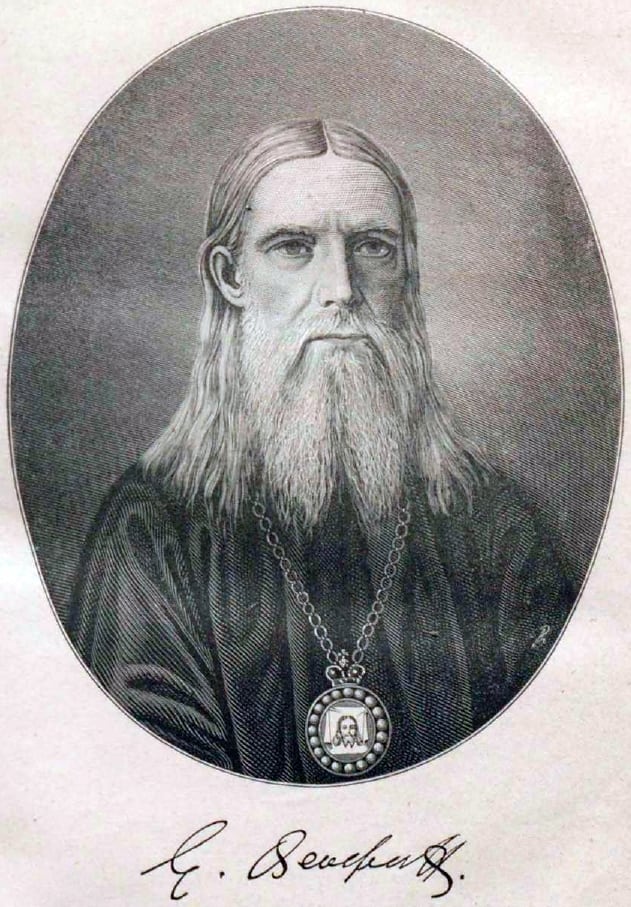
Theophan the Recluse
इन पर सहमत: हम दुःख क्यों भोगते हैं? · परम सत्य क्या है? क्या ईश्वर है? · मैं कौन हूँ? क्या कोई सच्चा आत्म है?
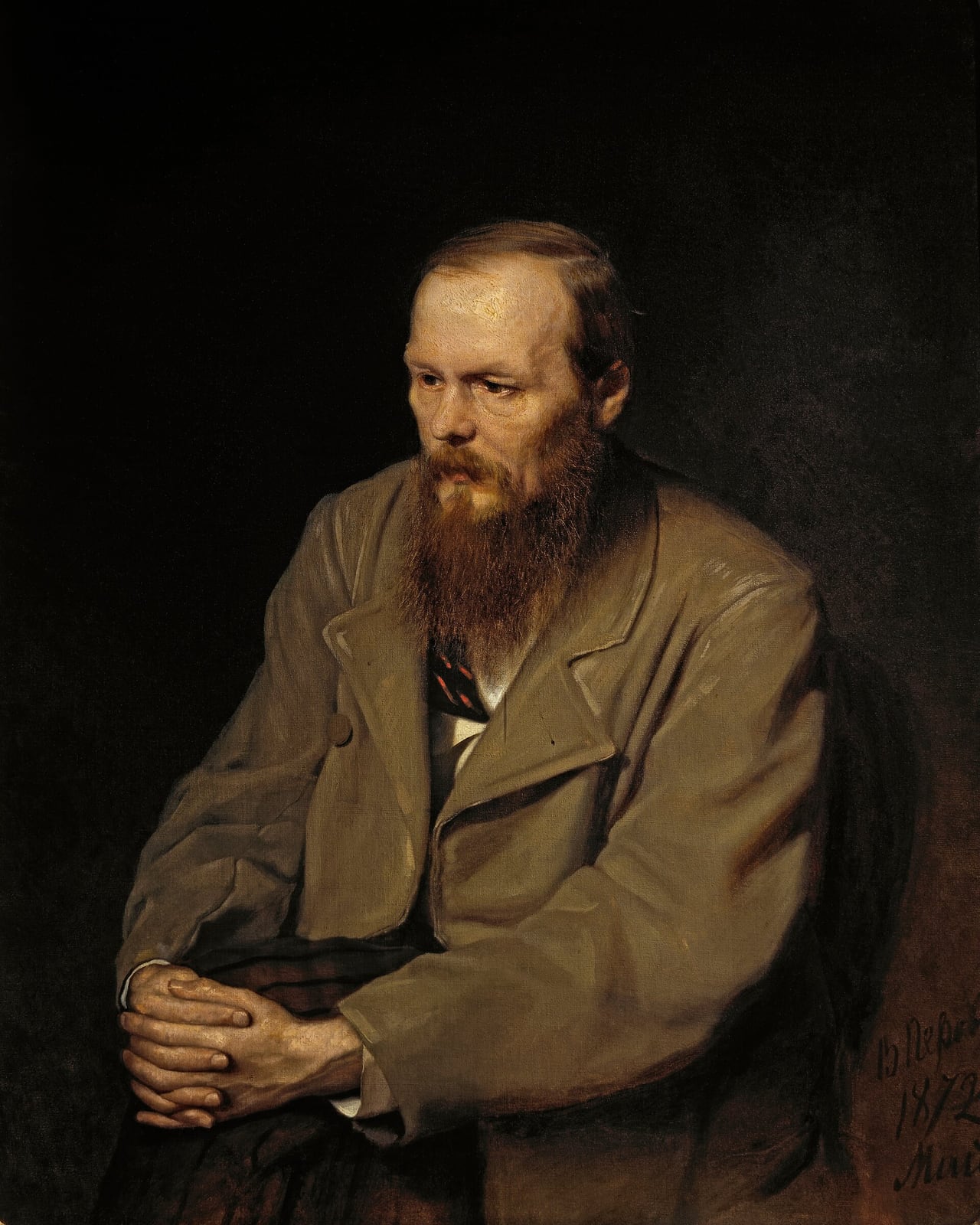
Fyodor Dostoevsky
इन पर सहमत: परम सत्य क्या है? क्या ईश्वर है? · मैं कौन हूँ? क्या कोई सच्चा आत्म है? · हम दुःख क्यों भोगते हैं?
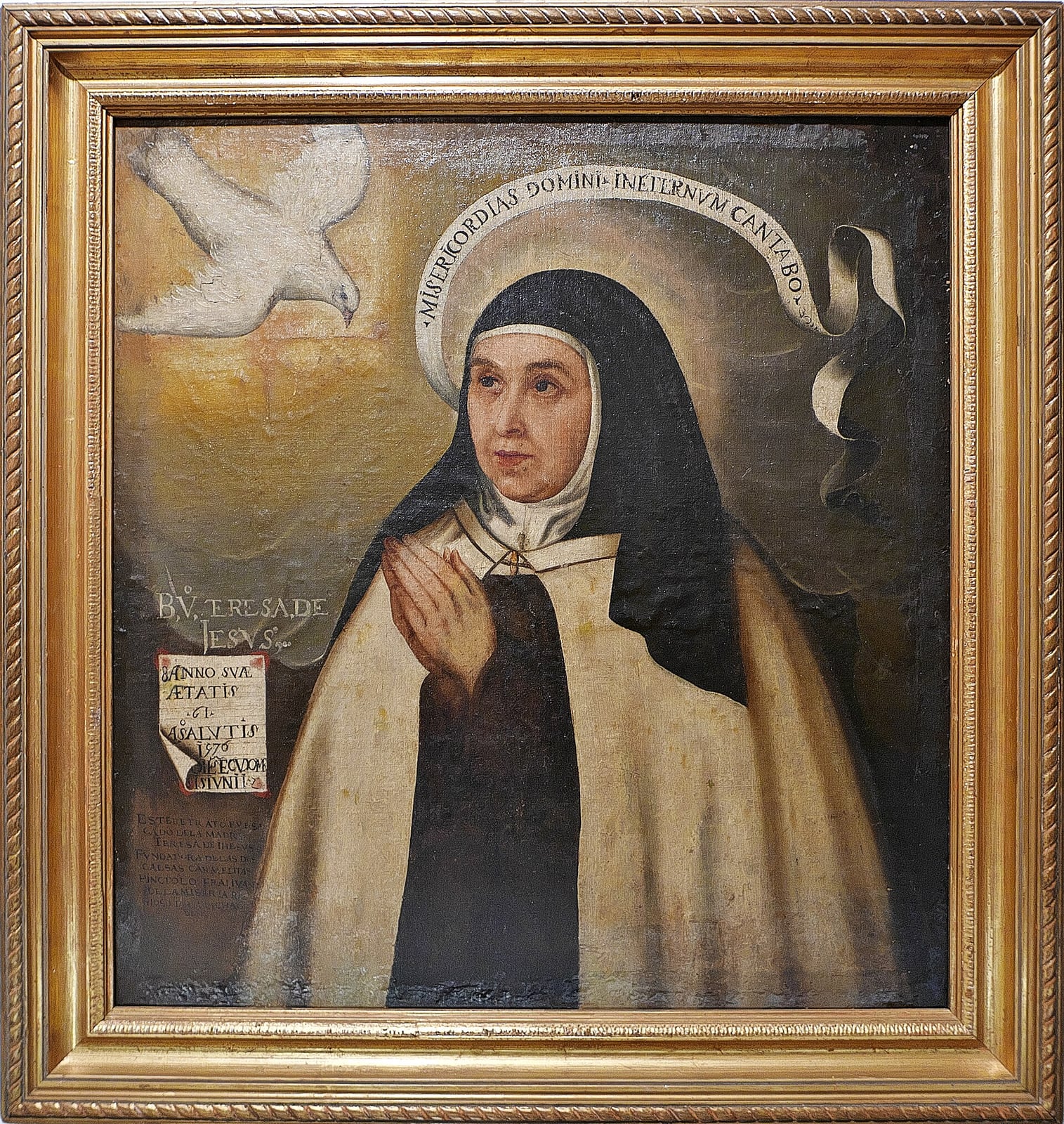
Teresa of Ávila
इन पर सहमत: परम सत्य क्या है? क्या ईश्वर है? · मैं कौन हूँ? क्या कोई सच्चा आत्म है? · हम दुःख क्यों भोगते हैं?
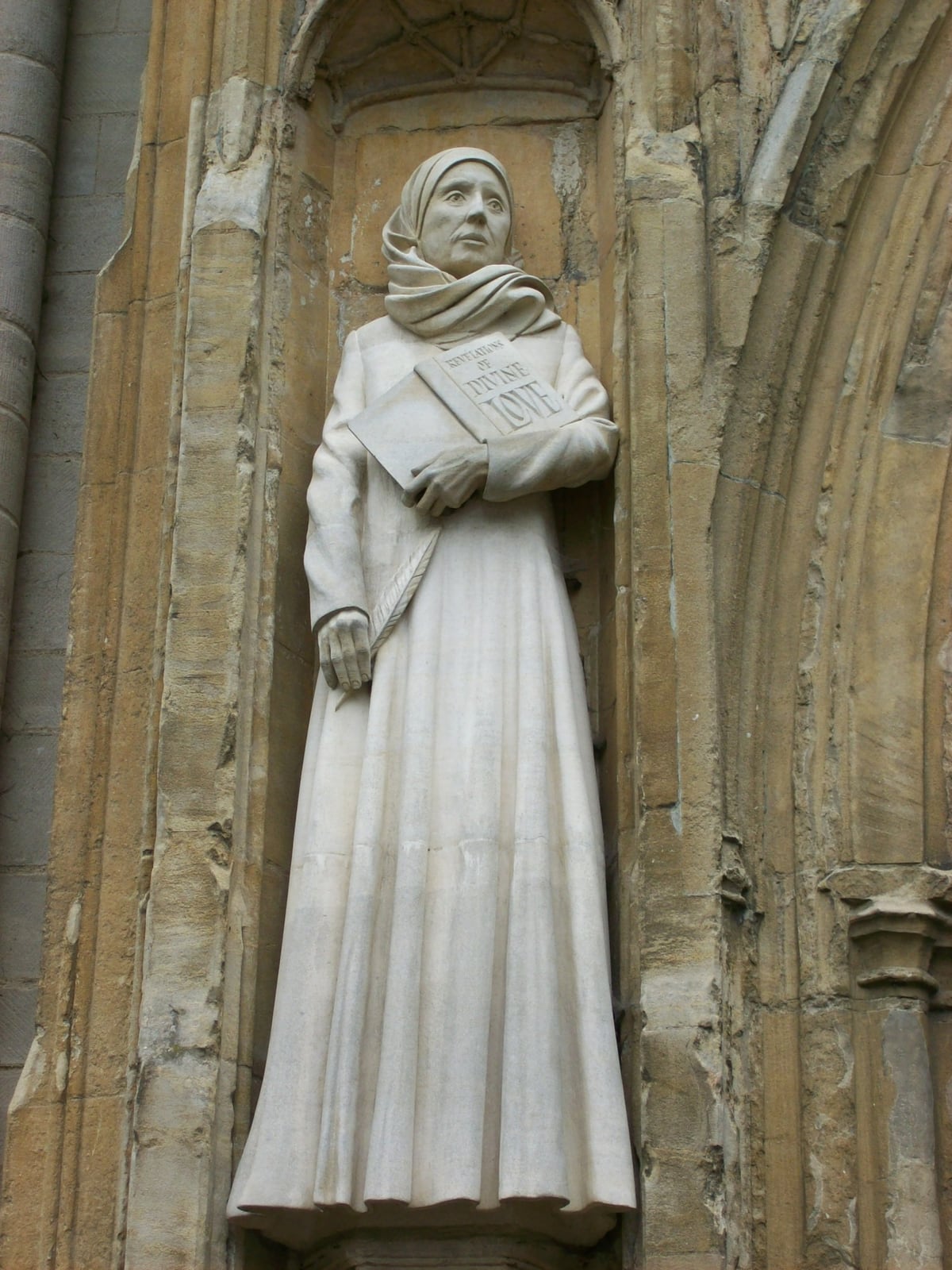
Julian of Norwich
इन पर सहमत: परम सत्य क्या है? क्या ईश्वर है? · मैं कौन हूँ? क्या कोई सच्चा आत्म है? · हम दुःख क्यों भोगते हैं?
इनसे भिन्न सोचते हैं
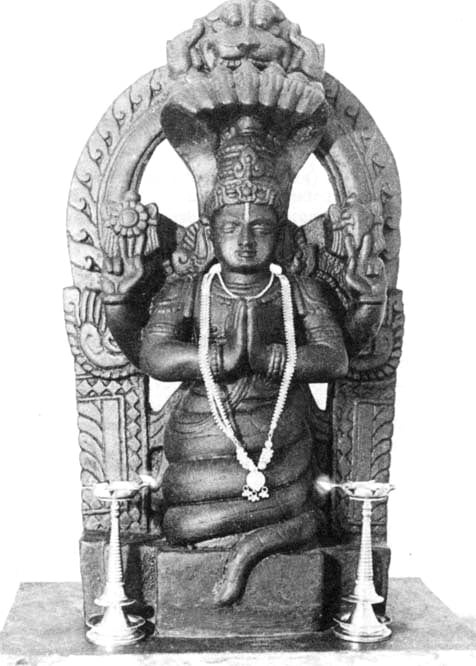
Patañjali
इन पर टकराव: परम सत्य क्या है? क्या ईश्वर है? · मैं कौन हूँ? क्या कोई सच्चा आत्म है? · मृत्यु के बाद क्या होता है?
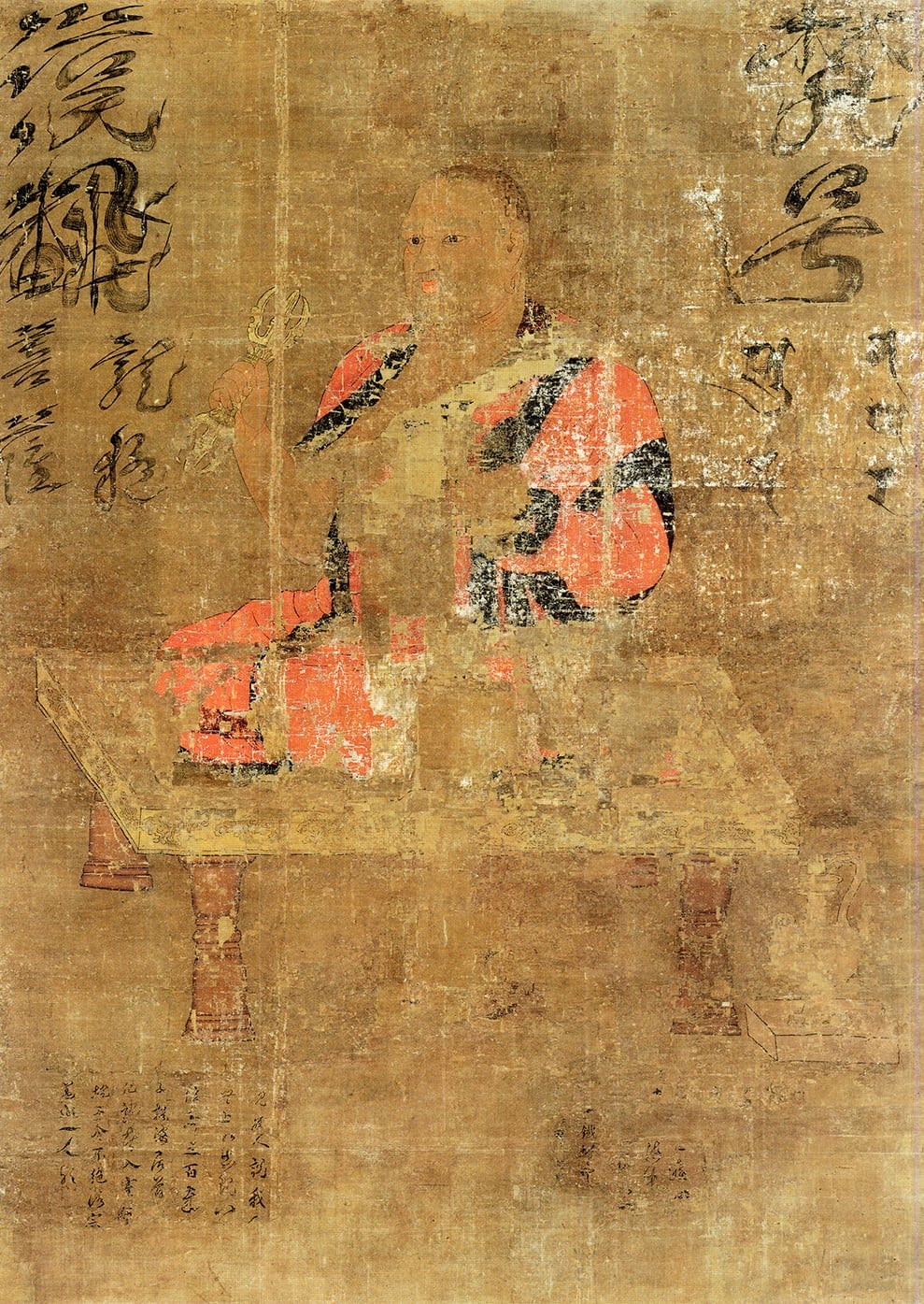
Nāgārjuna
इन पर टकराव: परम सत्य क्या है? क्या ईश्वर है? · मैं कौन हूँ? क्या कोई सच्चा आत्म है? · मृत्यु के बाद क्या होता है?

Pema Chödrön
इन पर टकराव: परम सत्य क्या है? क्या ईश्वर है? · मैं कौन हूँ? क्या कोई सच्चा आत्म है? · मृत्यु के बाद क्या होता है?
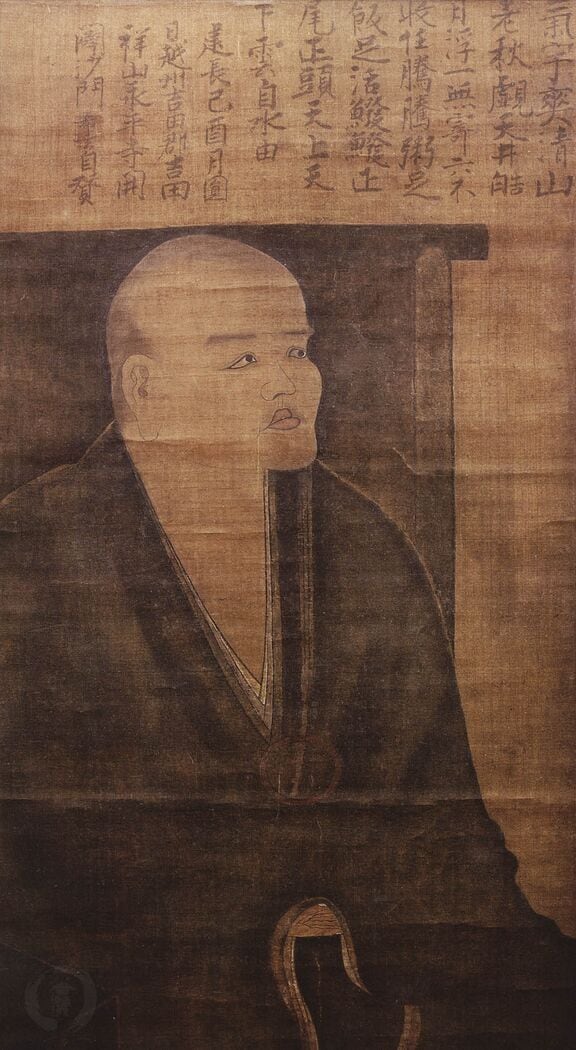
Dōgen
इन पर टकराव: परम सत्य क्या है? क्या ईश्वर है? · मैं कौन हूँ? क्या कोई सच्चा आत्म है? · मृत्यु के बाद क्या होता है?
प्रसंग और वृत्तांत
प्रसंग और वृत्तांत
प्रमाणितc. 1205–1206
The leper
वृत्तांत का स्रोत: Testament 1–3 (authentic text, Esser). The kiss of the leper comes from 2C 9 (Celano, 1246–1247) and the Legend of the Three Companions 11; the leper's disappearance only from the latter.
स्रोत: Esser, Kajetan, O.F.M. Die Opuscula des hl. Franziskus von Assisi. Neue textkritische Edition. Grottaferrata: Collegium S. Bonaventurae ad Claras Aquas, 1976 (Spicilegium Bonaventurianum 13); editio minor: Opuscula sancti patris Francisci Assisiensis, 1978 (Bibliotheca Franciscana Ascetica Medii Aevi 12).
संत-चरित वृत्तांतc. 1205–1206
'Francis, go and repair my house'
वृत्तांत का स्रोत: 2C 10–11 (Celano, 1246–1247) and Legend of the Three Companions 13; absent from 1C (1229), which narrates only the repair (1C 18). Bonaventure incorporates it into the Major Legend 2:1.
स्रोत: Armstrong, Regis J.; Hellmann, J. A. Wayne; Short, William J. (eds.). Francis of Assisi: Early Documents. 3 vols. e índice. Nueva York: New City Press, 1999–2002 (vol. 1, The Saint, ISBN 1565481100).
साक्ष्य1206
Naked before the bishop
वृत्तांत का स्रोत: 1C 14–15 (Celano, 1229); Legend of the Three Companions 19–20; Major Legend 2:4. The words about 'Our Father' come from the Legend of the Three Companions.
स्रोत: Armstrong, Regis J.; Hellmann, J. A. Wayne; Short, William J. (eds.). Francis of Assisi: Early Documents. 3 vols. e índice. Nueva York: New City Press, 1999–2002 (vol. 1, The Saint, ISBN 1565481100).
प्रमाणित1219
Francis and the sultan
वृत्तांत का स्रोत: Jacques de Vitry, letter VI (1220) and Historia occidentalis 32; the chronicle of Ernoul; 1C 57 (1229). The ordeal by fire appears in the Major Legend 9:8 (Bonaventure, 1263). Overall study: Tolan (2009).
स्रोत: Jacques de Vitry. Lettres de Jacques de Vitry (1160/1170–1240), évêque de Saint-Jean-d'Acre. Ed. R. B. C. Huygens. Leiden: Brill, 1960 (carta VI, 1220); y Historia occidentalis, cap. 32.
साक्ष्यNavidad de 1223
The crib at Greccio
वृत्तांत का स्रोत: 1C 84–87 (Celano, 1229); Major Legend 10:7. The vision of the child is attributed to an anonymous witness.
स्रोत: Armstrong, Regis J.; Hellmann, J. A. Wayne; Short, William J. (eds.). Francis of Assisi: Early Documents. 3 vols. e índice. Nueva York: New City Press, 1999–2002 (vol. 1, The Saint, ISBN 1565481100).
संत-चरित वृत्तांतc. 1213–1220
The sermon to the birds
वृत्तांत का स्रोत: 1C 58 (Celano, 1229); Major Legend 12:3; Little Flowers 16. The date is unknown.
स्रोत: Armstrong, Regis J.; Hellmann, J. A. Wayne; Short, William J. (eds.). Francis of Assisi: Early Documents. 3 vols. e índice. Nueva York: New City Press, 1999–2002 (vol. 1, The Saint, ISBN 1565481100).
संत-चरित वृत्तांतsin fecha (relato del siglo XIV)
The wolf of Gubbio
वृत्तांत का स्रोत: Actus beati Francisci 23 (c. 1327–1337) and Little Flowers 21. None of the thirteenth-century biographies (Celano, Julian of Speyer, Three Companions, Bonaventure) mentions it.
स्रोत: Vauchez, André. François d'Assise. Entre histoire et mémoire. París: Fayard, 2009. Trad. ingl.: Francis of Assisi. The Life and Afterlife of a Medieval Saint. New Haven: Yale University Press, 2012.
विवादितseptiembre de 1224
The wounds of La Verna
वृत्तांत का स्रोत: Autograph chartula with Brother Leo's rubric (Sacro Convento, Assisi); Elias's encyclical letter (authenticity debated); 1C 94–95; Major Legend 13. The Considerations on the Stigmata, added to the Little Flowers in the fourteenth century, amplify the account.
स्रोत: Frugoni, Chiara. Francesco e l'invenzione delle stimmate. Una storia per parole e immagini fino a Bonaventura e Giotto. Turín: Einaudi, 1993.
शिक्षाएँ
शिक्षाएँ
वे अवधारणाएँ जो उनके चिंतन को रूप देती हैं, उनके संदर्भ में समझाई गई।
Living 'without anything of one's own'sine-proprio
Twelfth- and thirteenth-century evangelical and poverty movements (Waldensians, Humiliati) within the monetary economy of the Italian communes.
स्रोत: Esser, Kajetan, O.F.M. Die Opuscula des hl. Franziskus von Assisi. Neue textkritische Edition. Grottaferrata: Collegium S. Bonaventurae ad Claras Aquas, 1976 (Spicilegium Bonaventurianum 13); editio minor: Opuscula sancti patris Francisci Assisiensis, 1978 (Bibliotheca Franciscana Ascetica Medii Aevi 12).
Minority (being 'lesser')minoridad
Italian communal society and the spirituality of following the poor and humble Christ.
स्रोत: Esser, Kajetan, O.F.M. Die Opuscula des hl. Franziskus von Assisi. Neue textkritische Edition. Grottaferrata: Collegium S. Bonaventurae ad Claras Aquas, 1976 (Spicilegium Bonaventurianum 13); editio minor: Opuscula sancti patris Francisci Assisiensis, 1978 (Bibliotheca Franciscana Ascetica Medii Aevi 12).
Kinship with creaturesfraternidad-de-las-criaturas
Thirteenth-century vernacular religious poetry; the psalms and the canticle of Daniel (Dan 3) as models of cosmic praise.
स्रोत: Branca, Vittore. Il Cantico di frate Sole. Studio delle fonti e testo critico. Florencia: Olschki, 1950; reimpr. 1994 (ISBN 8822215222).
Doing penancehacer-penitencia
The lay penitential movement of the twelfth and thirteenth centuries and the Fourth Lateran Council (1215).
स्रोत: Esser, Kajetan, O.F.M. Die Opuscula des hl. Franziskus von Assisi. Neue textkritische Edition. Grottaferrata: Collegium S. Bonaventurae ad Claras Aquas, 1976 (Spicilegium Bonaventurianum 13); editio minor: Opuscula sancti patris Francisci Assisiensis, 1978 (Bibliotheca Franciscana Ascetica Medii Aevi 12).
Perfect joyperfecta-alegria
The spirituality of dispossession and patience in Francis's writings.
स्रोत: Armstrong, Regis J.; Hellmann, J. A. Wayne; Short, William J. (eds.). Francis of Assisi: Early Documents. 3 vols. e índice. Nueva York: New City Press, 1999–2002 (vol. 1, The Saint, ISBN 1565481100).
Following in the footprints of Christseguir-las-huellas
Medieval devotion to the humanity of Christ (Bernard of Clairvaux) and the spirituality of the 'vita apostolica'.
स्रोत: Esser, Kajetan, O.F.M. Die Opuscula des hl. Franziskus von Assisi. Neue textkritische Edition. Grottaferrata: Collegium S. Bonaventurae ad Claras Aquas, 1976 (Spicilegium Bonaventurianum 13); editio minor: Opuscula sancti patris Francisci Assisiensis, 1978 (Bibliotheca Franciscana Ascetica Medii Aevi 12).
वीडियो
वीडियो
रिकॉर्डिंग, साक्षात्कार और वृत्तचित्र। वीडियो YouTube से चलते हैं; वे यहाँ संग्रहीत नहीं हैं।
"Francis of Assisi: Lost Between Myth and History," Augustine Thompson, O.P.
व्याख्यान· EN· 2014· 63 min
Lumen Christi Instituteआधिकारिक चैनल
Poverty in the Church & St. Francis of Assisi - Augustine Thompson, OP
व्याख्यान· EN· 2015· 21 min
Dominican School of Philosophy & Theology (DSPT)आधिकारिक चैनल
St. Francis of Assisi: In His Own Words, by Larry Cunningham
व्याख्यान· EN· 2012· 60 min
McGrath Institute for Church Life (University of Notre Dame)आधिकारिक चैनल
The Death of St. Francis in 1226: Looking Back after 800 Years
व्याख्यान· EN· 2026· 39 min
Franciscan School of Theologyआधिकारिक चैनल
Spirituality of Francis and Clare of Assisi
व्याख्यान· EN· 2009· 77 min
Villanova Universityआधिकारिक चैनल
How Francis of Assisi rejected wealth and found purpose
वृत्तचित्र· EN· 2026· 11 min
DW History and Cultureआधिकारिक चैनल
San Francisco de Asís: la búsqueda de la verdad
वृत्तचित्र· ES· 2026· 11 min
DW Españolआधिकारिक चैनल
El año de San Francisco
वृत्तचित्र· ES· 2026· 27 min
EWTN Españolआधिकारिक चैनल
Cántico de las Criaturas de San Francisco de Asís. Cantado por Fr. Ángel Ramón Serrano García
मूल रिकॉर्डिंग· ES· 2020· 4 min
Franciscanos Santo Espíritu del Monte Hospederíaआधिकारिक चैनल
Franz von Assisi - Der Grenzgänger | Doku HD | ARTE
वृत्तचित्र· DE· 2026· 87 min
ARTEdeआधिकारिक चैनल
François d'Assise - L'exigence de la foi | Documentaire | ARTE
वृत्तचित्र· FR· 2026· 87 min
ARTEआधिकारिक चैनल
Francesco d'Assisi | Documentario integrale | ARTE.tv Documentari
वृत्तचित्र· IT· 2026· 87 min
ARTE.tv Documentariआधिकारिक चैनल
Il realismo di San Francesco | Massimo Cacciari | Basilica superiore di Assisi
व्याख्यान· IT· 2023· 70 min
Massimo Cacciari YouTubeआधिकारिक चैनल
Alessandro Baricco: il Testamento di San Francesco - Francesco, il Santo di tutti 04/10/2026
विश्लेषण· IT· 2026· 7 min
Raiआधिकारिक चैनल
चित्रशाला
चित्रशाला
सत्यापित लाइसेंस वाले चित्र। प्रत्येक में उसके रचयिता और श्रेय का उल्लेख सुरक्षित है।
पांडुलिपियाँ
पांडुलिपियाँ
पांडुलिपि-साक्ष्य और प्राचीन पाठ, उनके संरक्षक और अध्ययन की शर्तों सहित।
LA · Latina (minúscula gótica de mano no profesional) · Septiembre de 1224, La Verna
Chartula fratri Leoni data (Laudes Dei altissimi; Benedictio fratri Leoni)
- संरक्षित पाठ-साक्ष्य
- Autógrafo en un pequeño pergamino
- संरक्षक
- Sacro Convento de San Francisco, Asís (capilla de las reliquias)
LA · Latina · c. 1220–1224
Epistola ad fratrem Leonem
- संरक्षित पाठ-साक्ष्य
- Autógrafo
- संरक्षक
- Catedral de Santa María de la Asunción, Espoleto
LA · Latina (gótica) · Mediados del siglo XIII
Codex Assisiensis 338
- संरक्षित पाठ-साक्ष्य
- Testimonio más antiguo del Cántico de las criaturas y de buena parte de los Opuscula
- संरक्षक
- Fondo antiguo de la Biblioteca del Sacro Convento (Biblioteca comunale), Asís · Assisi, cod. 338
LA · Latina (cancilleresca pontificia) · 29 de noviembre de 1223
Regula bullata con la bula «Solet annuere»
- संरक्षित पाठ-साक्ष्य
- Original de la bula de aprobación
- संरक्षक
- Sacro Convento de San Francisco, Asís
LA · Latina · 1232–1239 (copia de c. 1230–1250)
Thomas de Celano, Vita brevior
- संरक्षित पाठ-साक्ष्य
- Único testimonio conocido de la Vita brevior, identificado por Jacques Dalarun en 2014
- संरक्षक
- Bibliothèque nationale de France, París · nouv. acq. lat. 3245
संबंध
संबंध
प्रभाव, शिष्यत्व और वैचारिक निकटता। प्रमाणित संबंध को विश्लेषण से पहचानी गई समानता से अलग दर्शाया गया है।
इनसे मिलते-जुलते विचार
Both celebrate creation as a place of God's presence (Hildegard's viriditas, the Canticle's kinship of creatures) from very different forms of religious life: the Benedictine abbey and mendicant itinerancy.
विश्लेषण से पहचानी गई समानता
इनसे प्रभावित
The 1223 Rule defines the brothers' life as 'to observe the holy Gospel of our Lord Jesus Christ', and the 1221 Rule as following Christ's 'teaching and footprints'. The Testament attributes to divine revelation the decision to live 'according to the form of the holy Gospel'.
प्रमाणित संबंध
इन्हें प्रभावित किया
The unendowed poverty of Teresa's foundations was inspired by the Franciscan ideal through Peter of Alcántara, Franciscan reformer and Teresa's adviser. The relation is one of mediated reception, not contact.
विश्लेषण से पहचानी गई समानता
इनसे मिलते-जुलते विचार
Francis's dispossession ('without anything of one's own', perfect joy) and John of the Cross's 'nada' share the intuition that the self must be emptied of every possession, even spiritual; John systematises it as the dark night.
विश्लेषण से पहचानी गई समानता
इनसे मिलते-जुलते विचार
Eckhart's German Sermon 52 on the poor in spirit radicalises, in a speculative key, an inner poverty (to will nothing, know nothing, have nothing) that engages with the Franciscan poverty controversy of his time.
विश्लेषण से पहचानी गई समानता
अन्य प्रविष्टियों से जुड़ा
- John of the Cross · इनसे मिलते-जुलते विचार
- Shinran · इनसे मिलते-जुलते विचार
- Jesus of Nazareth · इन्हें प्रभावित किया
- Simone Weil · इनसे प्रभावित
- Hildegard of Bingen · इनसे मिलते-जुलते विचार
- Catherine of Siena · इनसे मिलते-जुलते विचार
- Leo Tolstoy · इनसे मिलते-जुलते विचार
- Milarepa · इनसे मिलते-जुलते विचार
- Ignatius of Loyola · इनसे प्रभावित
- Julian of Norwich · इनसे मिलते-जुलते विचार
- Ignatius Brianchaninov · इनसे मतभेद
- Thomas Merton · इनसे प्रभावित
- Thomas à Kempis · इनसे मिलते-जुलते विचार
- Meister Eckhart · इनसे मिलते-जुलते विचार
- Augustine of Hippo · इनसे मिलते-जुलते विचार
- Pierre Teilhard de Chardin · इनसे मिलते-जुलते विचार
- Teresa of Ávila · इनसे प्रभावित
- Baal Shem Tov · इनसे मिलते-जुलते विचार
स्रोत
स्रोत
इस प्रविष्टि के लिए देखे गए ग्रंथ-सूची और सूचीपत्र।
- Wikidata, Q676555 «Francis of Assisi» (P31=Q5; 139 enlaces entre wikis; P569 1182, P570 1226-10-03).
- Esser, Kajetan, O.F.M. Die Opuscula des hl. Franziskus von Assisi. Neue textkritische Edition. Grottaferrata: Collegium S. Bonaventurae ad Claras Aquas, 1976 (Spicilegium Bonaventurianum 13); editio minor: Opuscula sancti patris Francisci Assisiensis, 1978 (Bibliotheca Franciscana Ascetica Medii Aevi 12).
- Armstrong, Regis J.; Hellmann, J. A. Wayne; Short, William J. (eds.). Francis of Assisi: Early Documents. 3 vols. e índice. Nueva York: New City Press, 1999–2002 (vol. 1, The Saint, ISBN 1565481100).
- Guerra, José Antonio (ed.). San Francisco de Asís: Escritos, biografías, documentos de la época. Madrid: Biblioteca de Autores Cristianos (BAC 399), 1978; reed. 2003 (ISBN 8479146273).
- Vauchez, André. François d'Assise. Entre histoire et mémoire. París: Fayard, 2009. Trad. ingl.: Francis of Assisi. The Life and Afterlife of a Medieval Saint. New Haven: Yale University Press, 2012.
- Thompson, Augustine, O.P. Francis of Assisi: A New Biography. Ithaca: Cornell University Press, 2012.
- Frugoni, Chiara. Francesco e l'invenzione delle stimmate. Una storia per parole e immagini fino a Bonaventura e Giotto. Turín: Einaudi, 1993.
- Renoux, Christian. La prière pour la paix attribuée à saint François: une énigme à résoudre. París: Éditions franciscaines, 2001. Resumen del autor: «The Origin of the Peace Prayer of St. Francis», Franciscan Archive.
- Tolan, John. Saint Francis and the Sultan: The Curious History of a Christian-Muslim Encounter. Oxford: Oxford University Press, 2009.
- Branca, Vittore. Il Cantico di frate Sole. Studio delle fonti e testo critico. Florencia: Olschki, 1950; reimpr. 1994 (ISBN 8822215222).
- Dalarun, Jacques. «Thome Celanensis Vita beati patris nostri Francisci (Vita brevior)». Analecta Bollandiana 133 (2015), 23–86; y La Vie retrouvée de François d'Assise. París: Éditions franciscaines, 2015.
- Opuscula sancti patris Francisci Assisiensis sec. codices mss. emendata et denuo edita a PP. Collegii S. Bonaventurae. Quaracchi: Ex typographia Collegii S. Bonaventurae, 1904.
- Juan Pablo II. Litterae apostolicae «Inter sanctos» (29 de noviembre de 1979): S. Franciscus Assisiensis caelestis Patronus oecologiae cultorum eligitur.
- Open Library, registros de edición de las obras de Francisco de Asís y de sus fuentes (consultados por ISBN y por obra).
- Jacques de Vitry. Lettres de Jacques de Vitry (1160/1170–1240), évêque de Saint-Jean-d'Acre. Ed. R. B. C. Huygens. Leiden: Brill, 1960 (carta VI, 1220); y Historia occidentalis, cap. 32.
- Manselli, Raoul. San Francesco d'Assisi. Roma: Bulzoni, 1980 (trad. esp.: San Francisco de Asís, Oñati: Arantzazu, 1997).
- Francisco (papa). Carta encíclica Laudato si' sobre el cuidado de la casa común, 24 de mayo de 2015, n. 1 y 10–12.
- Wikisource (la, it, es): Testamentum, Regula bullata y non bullata, Epistola toti Ordini missa (la); Cantico di Frate Sole y Fioretti di San Francesco, ed. Antonio Cesari (it); Cántico de las criaturas (es).
- अधिकार-धारक
- Dominio público (escritos del siglo XIII). Las ediciones críticas (Esser, Paolazzi), traducciones y aparatos modernos están sujetos a los derechos de sus editores (BAC, New City Press, Paulist Press, Éditions du Cerf, Editrici Francescane, Butzon & Bercker…). Los autógrafos y el códice 338 los custodian el Sacro Convento de Asís y la catedral de Espoleto.
- आधिकारिक वेबसाइट
- www.sanfrancescoassisi.org/
पुष्टि की प्रतीक्षा में
जो यह प्रविष्टि अभी तक निश्चित नहीं कर सकी है। हम उसे भर देने के बजाय कह देना बेहतर समझते हैं।
- Añadir con ISBN la edición crítica de Carlo Paolazzi (Francisci Assisiensis Scripta, Grottaferrata, 2009) y la edición española de Fonti/Escritos de Editorial Arantzazu: no se han localizado en Open Library.
- Identificar al traductor de la versión española del Cántico en Wikisource (es) para poder retirar la marca de precaución.
- Confirmar la fecha de muerte de A. G. Ferrers Howell (traductor de Celano, 1908) y el traductor de la edición Dent de 1904 de la Leyenda mayor (¿E. Gurney Salter?) para la sala de lectura.
- Localizar digitalizaciones oficiales del códice 338 de Asís y del manuscrito de la Vita brevior (BnF, nouv. acq. lat. 3245): no se ha querido inventar una URL.
- Las fechas de subida de los vídeos se han deducido de la fecha relativa que muestra YouTube; conviene fijarlas si se necesitan exactas.
- Programas de afiliación: ninguno verificado para las editoriales listadas.
2026-10-25 को शोधित