ईसाई धर्म · रूढ़िवादी ईसाई धर्म
Fyodor Dostoevsky
Фёдор Михайлович Достоевский
1821 – 1881ऐतिहासिक रूप से प्रमाणित व्यक्ति
रूसी उपन्यासकार (1821–1881), "अपराध और दंड", "द इडियट", "दानव" और "करामाज़ोव बंधु" के रचयिता। पेत्राशेव्स्की मंडली से जुड़ाव के कारण 1849 में उन्हें मृत्युदंड सुनाया गया, गोली चलाने वाले दस्ते के सामने उन्हें क्षमादान मिला और उन्होंने ओम्स्क में चार वर्ष का कठोर कारावास काटा, जहाँ सुसमाचार ही उनकी एकमात्र पुस्तक थी। मिर्गी के रोगी, जुआरी, पत्रकार और संशय से बिंधे आस्थावान, उन्होंने स्वतंत्रता, पीड़ा और बुराई की समस्या को उपन्यास की सामग्री बनाया, और उनके मसीह तथा उनके स्तारेत्स ज़ोसिमा ने बीसवीं शताब्दी की धार्मिकता और दर्शन पर गहरी छाप छोड़ी।
- कृतियाँ
- 52कृतियाँ
- संस्करण
- 176संस्करण
- उद्धरण
- 13उद्धरण
- वीडियो
- 13वीडियो
- चित्र
- 9चित्र
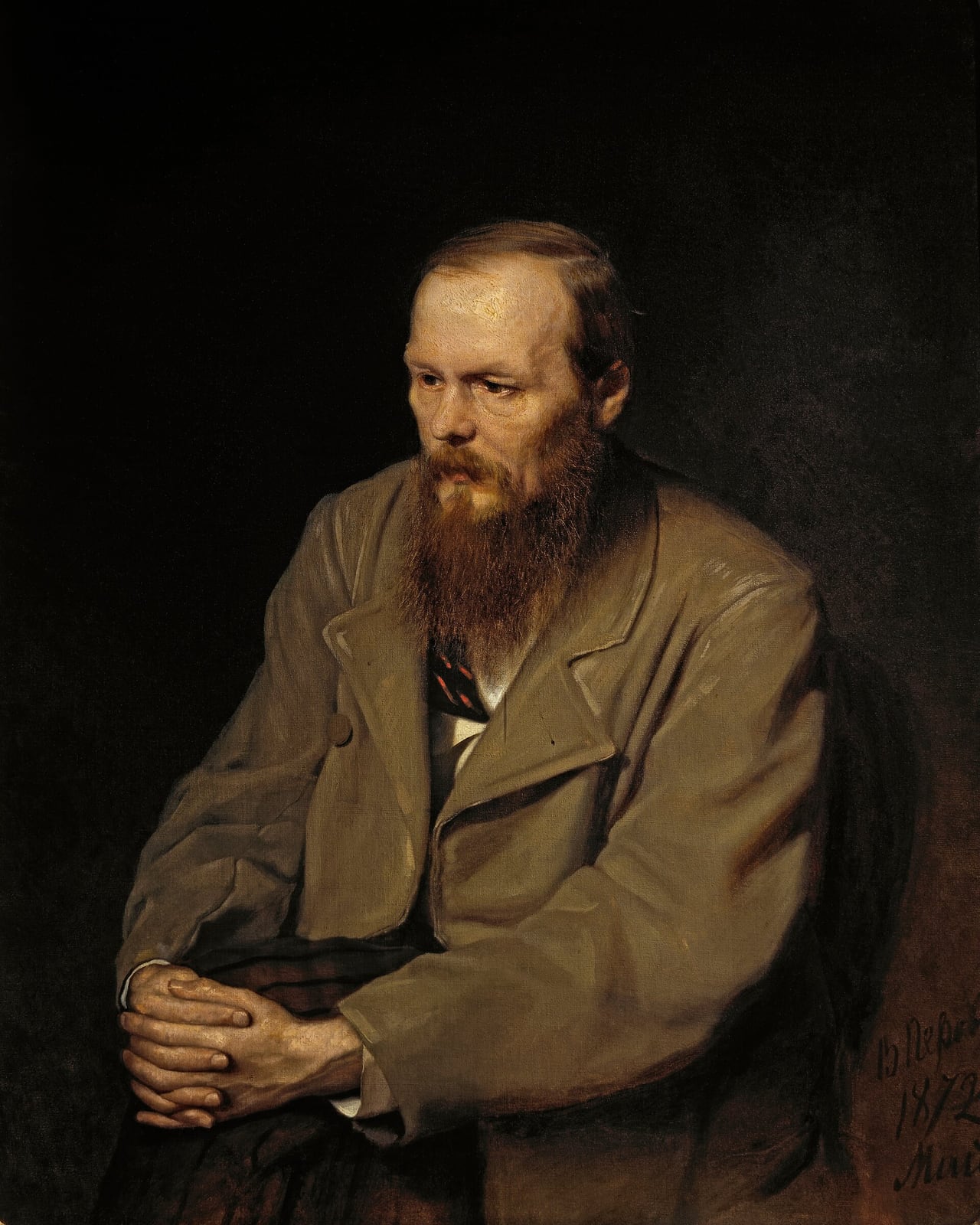
Retrato de Fiódor Dostoievski, por Vasili Perov · Public domain
उनके अपने शब्दों में
«Man is a mystery. It must be solved, and if you spend your whole life solving it, do not say you have wasted your time; I occupy myself with this mystery because I want to be a man.»Carta a su hermano Mijaíl, 16 de agosto de 1839 (Собрание сочинений в 15 томах, t. 15, carta n.º 10). Tenía diecisiete años.

मूल विचार
Freedom and the Grand Inquisitor: For Dostoevsky freedom is a terrible gift before it is a right.
संदर्भ में देखें
जीवनी
7 मिनट का पाठ
स्पैनिश मूल से सहायता-प्राप्त अनुवाद, मातृभाषी अनुवादक द्वारा समीक्षा लंबित।
निर्धनों के अस्पताल की संतान
फ़्योदोर मिख़ाइलोविच दोस्तोयेव्स्की का जन्म 11 नवंबर 1821 (जूलियन पंचांग के अनुसार 30 अक्टूबर) को मॉस्को के निर्धनों के लिए बने मरिइंस्की अस्पताल के एक भाग में हुआ, जहाँ उनके पिता मिख़ाइल आंद्रेयेविच चिकित्सक थे। पिता कठोर, शक्की और मदिरा के आदी व्यक्ति थे; माता मारिया फ़्योदोरोव्ना, जो एक व्यापारी परिवार से थीं, ने बच्चों को पवित्र कथाओं की एक पुस्तक से पढ़ना सिखाया। बाइबिल, संतों के जीवन-चरित, करमज़िन, पुश्किन और गॉथिक उपन्यासों ने किसी भी विद्यालय से बहुत पहले बालक को गढ़ा। 1837 में माता का क्षयरोग से देहांत हुआ; दो वर्ष बाद पिता की मृत्यु दारोवोये की उनकी छोटी-सी जागीर में हुई, और परिवार में यह बात चल पड़ी कि उन्हें उनके अपने भूदासों ने मार डाला था—जिसकी पुष्टि सरकारी जाँच ने नहीं की।
सेंट पीटर्सबर्ग में उन्होंने बिना किसी रुचि के सैन्य अभियांत्रिकी विद्यालय की पढ़ाई की। उनका पहला मुद्रित पाठ एक अनुवाद था—बाल्ज़ाक के यूजेनी ग्रांदे का (1844); उसी वर्ष उन्होंने लेखनी के सहारे जीने के लिए सेवा छोड़ दी। ग़रीब लोग, एक निर्धन प्रतिलिपिक और एक असहाय युवती पर पत्र-शैली का उपन्यास, जनवरी 1846 में प्रकाशित हुआ, और आलोचक विसारियन बेलिंस्की ने इसे एक नए गोगोल के उदय के रूप में सराहा। यश अधिक दिन नहीं टिका: कुछ ही सप्ताह बाद छपे हमशक्ल (द डबल) ने आलोचकों को उलझन में डाल दिया, और उसके बाद की कहानियाँ, सफ़ेद रातें से लेकर एक दुर्बल हृदय तक, प्रारंभिक उत्साह को लौटा नहीं सकीं।
सेम्योनोव्स्की चौक
उन दिनों वे मिख़ाइल पेत्राशेव्स्की की मंडली में जाते थे, जहाँ फ़ूरिये के समाजवाद और भूदास-प्रथा के उन्मूलन पर चर्चा होती थी। 23 अप्रैल 1849 को उन्हें उनके साथियों सहित गिरफ़्तार कर लिया गया; आरोपों में यह भी था कि उन्होंने गोगोल के नाम बेलिंस्की का प्रतिबंधित पत्र ऊँचे स्वर में पढ़ा था। पीटर और पॉल दुर्ग में आठ महीने बिताने के बाद, 22 दिसंबर को उन्हें सेम्योनोव्स्की चौक ले जाया गया, मृत्युदंड का निर्णय सुनाया गया, दंडितों की सफ़ेद क़मीज़ें पहनाई गईं और पहले तीन को खंभों से बाँध दिया गया। पंक्ति में छठे स्थान पर खड़े दोस्तोयेव्स्की ने हिसाब लगाया कि उनके जीवन का बस एक मिनट शेष है। तभी ढोल बजा और ज़ार का क्षमादान पढ़ा गया, जो सबक़ सिखाने के लिए पहले से तय था: चार वर्ष का कठोर श्रम-कारावास और उसके बाद साधारण सैनिक के रूप में सेवा। उसी दोपहर उन्होंने अपने भाई मिख़ाइल को लिखा कि जीवन एक वरदान है, कि हर मिनट सुख की एक पूरी शताब्दी हो सकता था।
साइबेरिया और सुसमाचार
कारावास के मार्ग में, तोबोल्स्क में, निर्वासित दिसंबरवादियों (डिसेम्ब्रिस्टों) की पत्नियों ने क़ैदियों से मिलने की अनुमति पा ली: उन्होंने उन्हें आशीर्वाद दिया और हर एक को एक नया नियम (न्यू टेस्टामेंट) दिया, जो जेल में अनुमत एकमात्र पुस्तक थी। दोस्तोयेव्स्की ने उस प्रति को ओम्स्क के चार वर्षों में भी और शेष जीवन में भी कभी अपने से अलग नहीं किया; वह सदा उनकी मेज़ पर रहती थी, और संशय के क्षणों में वे उसे कहीं से भी खोल लेते थे। चोरों और हत्यारों के बीच उन्होंने पाया—जैसा वे मृतकों के घर के संस्मरण में बताएँगे—कि जिस रूसी जनता का उद्धार बुद्धिजीवी करना चाहते थे, उसके भीतर ऐसी आस्था और करुणा की ऐसी क्षमता थी जिसकी उन्होंने कल्पना भी नहीं की थी।
1854 में, सेमिपलातिन्स्क में सैनिक के रूप में रहते हुए, उन्होंने तोबोल्स्क की उन्हीं स्त्रियों में से एक, नतालिया फ़ोंविज़िना को अपने जीवन की सबसे अधिक उद्धृत स्वीकारोक्ति लिखी: उन्होंने स्वयं को युग की संतान, अविश्वास और संशय की संतान बताया, "ताबूत के ढक्कन तक", और जोड़ा कि यदि कोई उन्हें सिद्ध कर दे कि मसीह सत्य से बाहर हैं, तो वे सत्य के बजाय मसीह के साथ रहना पसंद करेंगे। चुनी हुई आस्था और निरंतर आपत्ति उठाती बुद्धि के बीच के इसी तनाव में उनकी समस्त कृतियों का केंद्र है।
पवित्र रोग
कारावास में ही मिर्गी के वे दौरे प्रकट हुए, या तीव्र हुए, जो अंत तक उनके साथ रहे। उनका मूल अनिश्चित है। सोफ़िया कोवालेव्स्काया को याद था कि वे स्वयं पहला दौरा साइबेरिया की एक ईस्टर-रात्रि में बताते थे, जब वे एक नास्तिक मित्र से ईश्वर के विषय में बहस कर रहे थे: घंटियाँ बजते ही उन्हें लगा "कि स्वर्ग धरती पर उतर आया है" और उन्हें निगल गया। स्वयं कोवालेव्स्काया ने आगाह किया कि उन्होंने एक बिल्कुल भिन्न वृत्तांत भी सुना था। निश्चित इतना है कि दोस्तोयेव्स्की ने दौरे से पहले के आनंद के उस आभामंडल का चिकित्सकीय सूक्ष्मता से वर्णन किया और उसे द इडियट के प्रिंस मिश्किन तथा दानव के किरिलोव को सौंप दिया।
ऋण, रूलेट और महान उपन्यास
दिसंबर 1859 में वे सेंट पीटर्सबर्ग लौटे, विधवा मारिया द्मित्रियेव्ना इसायेवा से विवाह करके। अपने भाई मिख़ाइल के साथ उन्होंने व्रेम्या ("समय") पत्रिका की स्थापना की, जिसमें उन्होंने अपमानित और आहत तथा मृतकों के घर के संस्मरण प्रकाशित किए। आगे के वर्ष चक्करदार रहे: यूरोप की पहली यात्रा, जिसका व्यंग्य उन्होंने ग्रीष्म की छापों पर शीतकालीन टिप्पणियाँ में किया; अपोलिनारिया सुस्लोवा के प्रति आसक्ति; वीसबाडेन और बाडेन-बाडेन का रूलेट; और 1864 में पत्नी और भाई की मृत्यु तथा पत्रिका के ऋणों की विरासत। इसी वर्ष की रचना है तलघर से टिप्पणियाँ, उस व्यक्ति का एकालाप जो हिसाबी बुद्धि के विरुद्ध अपनी स्वेच्छाचारिता का पक्ष लेता है, और 1866 की अपराध और दंड, उस छात्र की कथा जो यह सिद्ध करने के लिए हत्या करता है कि वह असाधारण मनुष्य है, और पाता है कि वह अपने किए के साथ जी नहीं सकता।
आन्ना ग्रिगोरियेव्ना
प्रकाशक स्तेलोव्स्की के साथ एक शोषक अनुबंध के अनुसार उन्हें 1 नवंबर 1866 से पहले एक नया उपन्यास सौंपना था; एक महीने की देरी से उनकी कृतियों के अधिकार सदा के लिए छिन जाते। उन्होंने बीस वर्ष की एक आशुलिपिक, आन्ना ग्रिगोरियेव्ना स्नित्किना, को रखा और छब्बीस दिनों में उन्हें जुआरी लिखवा दिया। फ़रवरी 1867 में दोनों का विवाह हुआ, और अप्रैल में वे लेनदारों से बचकर ड्रेसडेन, जिनेवा और फ़्लोरेंस में चार वर्ष के निर्वासन पर निकल पड़े। बासेल में वे होल्बाइन के मृत ईसा के सामने स्तब्ध खड़े रह गए, जो आगे द इडियट में आया—"एक सकारात्मक रूप से सुंदर मनुष्य" को चित्रित करने का उनका प्रयास। उसी निर्वासन में उनकी पहली बेटी सोफ़िया तीन महीने की आयु में चल बसी। आन्ना ने उनके जीवन में व्यवस्था लाई: उन्होंने वित्त सँभाला, उनकी पुस्तकें प्रकाशित कीं और विधवा होने के बाद वे संस्मरण लिखे जो उन वर्षों का सबसे विश्वसनीय स्रोत हैं।
बुराई की समस्या
लौटने के बाद आए दानव (1871–1872), क्रांतिकारी शून्यवाद के विरुद्ध; किशोर (1875); और एक लेखक की डायरी, एक ही लेखक की मासिक पत्रिका, जिसने उन्हें एक सार्वजनिक स्वर बना दिया—अपनी अंतर्दृष्टियों के साथ-साथ अपने राष्ट्रवादी और यहूदी-विरोधी पूर्वाग्रहों के साथ भी। मई 1878 में उनका लगभग तीन वर्ष का पुत्र अल्योशा मिर्गी के एक दौरे में चल बसा। उन्हें सांत्वना देने के लिए आन्ना ने उन्हें युवा दार्शनिक व्लादिमीर सोलोव्योव के साथ ओप्तिना मठ जाने के लिए मना लिया, जहाँ उन्होंने स्तारेत्स (आध्यात्मिक गुरु) आम्व्रोसी से तीन बार बात की। उसी पीड़ा से करामाज़ोव बंधु का जन्म हुआ। उसमें इवान ईश्वर को अस्वीकार नहीं करता, बल्कि उसे "टिकट लौटा देता है": वह ऐसी अंतिम समरसता स्वीकार नहीं करता जो एक भी यातना-पीड़ित बच्चे के आँसू की क़ीमत पर ख़रीदी गई हो; और ग्रैंड इन्क्विज़िटर पर उसकी काव्य-कथा मसीह पर यह आरोप लगाती है कि उन्होंने मनुष्य पर असहनीय स्वतंत्रता का भार डाल दिया। दोस्तोयेव्स्की जानते थे कि उन्होंने इवान का खंडन नहीं किया है। उन्होंने पोबेदोनोस्त्सेव को लिखा कि उत्तर छठी पुस्तक होगी, स्तारेत्स ज़ोसिमा वाली, और वह अप्रत्यक्ष होगा: बिंदु-दर-बिंदु तर्क नहीं, बल्कि जीवन का एक कलात्मक चित्र।
अंतिम वचन
8 जून 1880 को उन्होंने मॉस्को में पुश्किन पर अपना भाषण दिया, जिसमें कवि को रूसी आत्मा की सार्वभौमिक नियति का मूर्त रूप बताया गया, और उसका स्वागत उन्मत्त तालियों से हुआ। सात महीने बाद, फेफड़ों से कई बार रक्तस्राव होने के पश्चात, उन्होंने तोबोल्स्क वाला सुसमाचार मँगवाया, उसे कहीं से खोला और समझ गए कि उनका अंत निकट है। 9 फ़रवरी 1881 (जूलियन पंचांग से 28 जनवरी) को उनका देहांत हुआ। दसियों हज़ार लोग उनकी अर्थी के पीछे अलेक्सांद्र नेव्स्की लावरा तक गए। लेव तोल्स्तोय ने, जो उनसे कभी नहीं मिले थे, स्त्राख़ोव को लिखा कि उनकी मृत्यु का समाचार पाकर ही उन्होंने समझा कि वे उनके सबसे निकट के व्यक्ति थे।
उनका प्रभाव साहित्य की सीमाओं से कहीं आगे जाता है। नीत्शे ने उन्हें एकमात्र मनोवैज्ञानिक कहा जिनसे उन्हें कुछ सीखने को मिला; सोलोव्योव और बेर्द्यायेव ने उन्हें एक धार्मिक पैग़ंबर बना दिया; फ़्रायड ने उनकी मिर्गी और करामाज़ोव परिवार की पितृहत्या का विश्लेषण किया; बाख़्तिन ने उनके उपन्यासों में स्वरों की ऐसी बहुस्वरता देखी जिसे लेखक अपने अधीन नहीं करता। पूर्वी ईसाई परंपरा के लिए ज़ोसिमा और प्रिंस मिश्किन आज भी वे सबसे उज्ज्वल आकृतियाँ हैं जो आधुनिक उपन्यास ने संतत्व को दी हैं।
स्रोत: Frank, Joseph. Dostoevsky: A Writer in His Time. Ed. Mary Petrusewicz. Princeton: Princeton University Press, 2010 (condensación de la biografía en cinco volúmenes, 1976–2002). · Dostoiévskaya, Anna Grigórievna. Воспоминания [Memorias]. Ed. S. V. Belov y V. A. Tunimánov. Moscú: Judózhestvennaya literatura, 1971 (primera edición, 1925). Texto en Wikisource ruso. · Dostoievski, F. M. Собрание сочинений в 15 томах [Obras reunidas en 15 tomos], t. 15: Письма 1834–1881 [Cartas]. Leningrado/San Petersburgo: Naúka, 1996. Edición digital de la Biblioteca Virtual Rusa (RVB). · Lantz, Kenneth A. The Dostoevsky Encyclopedia. Westport (Connecticut): Greenwood Press, 2004. · Kovalévskaya, Sofía V. Воспоминания детства [Recuerdos de infancia] (1890), en Литературные сочинения. Ed. P. Ya. Kóchina. Moscú: Naúka, 1974, cap. «Fiódor Mijáilovich Dostoievski».
कालक्रम
जीवन, वर्ष-दर-वर्ष
प्रत्येक बिंदु एक प्रमाणित घटना है। उसे स्रोत और निश्चितता के स्तर सहित पढ़ने के लिए क्लिक करें।
11 नवंबर 18210 वर्षMoscú
Birth
He is born in the wing of the Mariinsky Hospital for the Poor, where his father, Mikhail Andreyevich, was a physician; the second of seven surviving children (30 October, Julian calendar).
प्रमाणितWikidata Q991 (Fiódor Dostoievski): nacimiento 11-11-1821 (gregoriano) / 30-10-1821 (juliano) en Moscú; muerte 09-02-1881 (gregoriano) / 28-01-1881 (juliano) en San Petersburgo.
11 नवंबर 1821 · 0 वर्ष
Birth
He is born in the wing of the Mariinsky Hospital for the Poor, where his father, Mikhail Andreyevich, was a physician; the second of seven surviving children (30 October, Julian calendar).
प्रमाणित
फ़रवरी 1837 · 15 वर्ष
Mother's death and move to St Petersburg
His mother, Maria Fyodorovna, dies of tuberculosis; his father takes Fyodor and his brother Mikhail to St Petersburg to prepare for the Main Military Engineering School, which he enters in 1838.
प्रमाणित
जून 1839 · 17 वर्ष
Death of his father
His father dies on his estate. The family story that he was murdered by his serfs is unproven; the official inquiry recorded apoplexy.
विवादित
1844 · 22 वर्ष
Translator of Balzac; resigns from service
He publishes his translation of Eugénie Grandet, his first printed text, and leaves his engineering post to live by writing.
प्रमाणित
जनवरी 1846 · 24 वर्ष
Poor Folk
His first novel appears in Nekrasov's Petersburg Collection; Belinsky hails it as the work of a new Gogol.
प्रमाणित
23 अप्रैल 1849 · 27 वर्ष
Arrest of the Petrashevsky circle
Arrested with other members of the Petrashevsky circle, accused among other things of reading aloud Belinsky's letter to Gogol; eight months in the Peter and Paul Fortress (Julian calendar).
प्रमाणित
22 दिसंबर 1849 · 28 वर्ष
The mock execution
After the death sentence is read and the first three men are tied to the posts, the Tsar's pardon is announced: four years of hard labour followed by service as a private. That afternoon he describes it in a letter to his brother Mikhail (Julian calendar).
प्रमाणित
जनवरी 1850 · 28 वर्ष
The Gospel from the Decembrists' wives
On the way to prison, the wives of exiled Decembrists give him a New Testament, the only book allowed in prison; he keeps it until his death.
प्रमाणित
1850 – 1854 · 28 वर्ष
Four years of penal servitude
Hard labour in the Omsk prison among common criminals; there his epileptic seizures appear or worsen. The experience feeds The House of the Dead.
प्रमाणित
1854 – 1859 · 32 वर्ष
Soldier in Siberia
He serves as a private and later an officer in Semipalatinsk; he writes his 'credo' to Natalya Fonvizina. In 1857 he marries Maria Dmitrievna Isaeva.
प्रमाणित
दिसंबर 1859 · 38 वर्ष
Return to St Petersburg
After a period in Tver, he is allowed back to the capital. With his brother Mikhail he founds the journal Vremya (1861), where he publishes Humiliated and Insulted and The House of the Dead.
प्रमाणित
जून 1862 · 40 वर्ष
First journey to Europe
He travels through Germany, Paris, London, Switzerland and Italy; the trip yields Winter Notes on Summer Impressions (1863). His passion for roulette and his affair with Apollinaria Suslova begin.
प्रमाणित
1864 · 42 वर्ष
A year of grief: Notes from Underground
He publishes Notes from Underground in Epoch. His wife Maria (April) and his brother Mikhail (July) die; he takes on the journal's debts.
प्रमाणित
1866 · 44 वर्ष
Crime and Punishment and The Gambler
Crime and Punishment is serialised in The Russian Messenger. In October he dictates The Gambler in twenty-six days to the stenographer Anna Grigoryevna Snitkina so as not to lose his rights to the publisher Stellovsky.
प्रमाणित
15 फ़रवरी 1867 · 45 वर्ष
Marriage to Anna Grigoryevna
He marries Anna Snitkina (Julian calendar). In April they leave Russia to escape creditors: four years in Dresden, Baden-Baden, Geneva, Florence and Dresden again.
प्रमाणित
अगस्त 1867 · 45 वर्ष
Holbein's Dead Christ
In the Basel museum he stands transfixed before Hans Holbein's Body of the Dead Christ in the Tomb; Anna fears a seizure. The image will pass into The Idiot.
प्रमाणित
1868 – 1869 · 46 वर्ष
The Idiot and the death of Sonya
He writes The Idiot, an attempt to portray a 'positively beautiful man'. In May 1868 his first daughter, Sofya, dies in Geneva at three months.
प्रमाणित
1871 – 1872 · 49 वर्ष
Demons and the return home
He publishes Demons, inspired by the murder of the student Ivanov by Nechayev's group. In July 1871 the family returns to St Petersburg.
प्रमाणित
1873 – 1874 · 51 वर्ष
Editor of The Citizen: A Writer's Diary begins
He edits Prince Meshchersky's conservative weekly, where he publishes the first series of A Writer's Diary and the story Bobok.
प्रमाणित
1876 – 1877 · 54 वर्ष
The monthly Diary
He self-publishes A Writer's Diary as a one-man monthly, including stories such as A Gentle Creature and The Dream of a Ridiculous Man; its success makes him a public voice.
प्रमाणित
16 मई 1878 · 56 वर्ष
Death of Alyosha
His son Alexei, almost three, dies after an epileptic seizure (Julian calendar). Anna's grief and his own pass into The Brothers Karamazov.
प्रमाणित
जून 1878 · 56 वर्ष
Optina with Vladimir Solovyov
He travels with the young philosopher Vladimir Solovyov to Optina monastery and speaks three times with the elder Ambrose, a partial model for Zosima.
प्रमाणित
1879 – 1880 · 57 वर्ष
The Brothers Karamazov
He serialises his last novel in The Russian Messenger, conceived as the first part of a larger work he never wrote.
प्रमाणित
8 जून 1880 · 58 वर्ष
The Pushkin speech
At the celebrations for the Pushkin monument he gives a speech to the Society of Lovers of Russian Literature that provokes a frenzied ovation; that night he describes it in a letter to Anna (Julian calendar).
प्रमाणित
9 फ़रवरी 1881 · 59 वर्ष
Death
He dies at 8.38 p.m. after several pulmonary haemorrhages, with his wife and children beside him (28 January, Julian calendar). That morning he had opened the Tobolsk Gospel at random.
प्रमाणित
13 फ़रवरी 1881
Mass funeral
Tens of thousands accompany the coffin to the Tikhvin cemetery of the Alexander Nevsky monastery (1 February, Julian calendar).
प्रमाणित
कृतियाँ
आवश्यक कृतियाँ
वे कृतियाँ जिनके बिना उनकी विरासत को समझा नहीं जा सकता।
लिखित कृति · 1864
Notes from Underground
Записки из подполья
The monologue of a retired official who lives shut away in a St Petersburg cellar. In the first part he attacks faith in reason, progress and the utopians' 'crystal palace': man prefers his caprice to his interest, and two times two makes four is the beginning of death. In the second, 'Apropos of the Wet Snow', he recalls his humiliations and his cruelty to the prostitute Liza. It is regarded as the founding text of literary existentialism.
7 संस्करण · amazon.com

लिखित कृति · 1866
Crime and Punishment
Преступление и наказание
Rodion Raskolnikov, a poor St Petersburg student, kills an old pawnbroker with an axe — and her sister, an unexpected witness — to prove to himself that he belongs to the class of extraordinary men for whom everything is permitted. The novel is not about finding the culprit but about the inner punishment: the fever, the cat-and-mouse with the investigator Porfiry Petrovich and the love of Sonya Marmeladova, a prostitute out of necessity, who reads him the raising of Lazarus and follows him to Siberia. It is the most widely read of his works.
8 संस्करण · amazon.com

लिखित कृति · 1868
The Idiot
Идиот
Prince Lev Myshkin returns to Russia after years of treatment for epilepsy in Switzerland: a man without guile, compassionate to the point of absurdity, Dostoevsky's attempt to portray 'a positively beautiful man'. In St Petersburg he is caught between two women, the proud Aglaya and the humiliated Nastasya Filippovna, and the passion of the merchant Rogozhin. His goodness saves no one: the novel ends in murder and in the prince's madness. Written abroad between 1867 and 1869.
7 संस्करण · amazon.com

लिखित कृति · 1879
The Brothers Karamazov
Братья Карамазовы
His last novel and his summa. Old Fyodor Karamazov, a lecherous buffoon, is murdered, and suspicion falls on his son Dmitri, his rival for Grushenka. The other sons embody the forces of the soul: Ivan, the intellectual who 'returns the ticket' and writes the poem of the Grand Inquisitor; Alyosha, novice of the elder Zosima; and the bastard Smerdyakov, the real murderer. With the trial, the miscarriage of justice and the final scene of the boys at Ilyusha's stone, it confronts the problem of evil, freedom and each person's responsibility for all.
8 संस्करण · amazon.com
संपूर्ण कृतित्व (52)

Poor Folk
1846
The Double
1846

The Landlady
1847

Netochka Nezvanova
1849

Uncle's Dream
1859

The Village of Stepanchikovo
1859

Humiliated and Insulted
1861

The House of the Dead
1860

The Gambler
1866

The Eternal Husband
1870

Demons
1871

The Adolescent
1875
Fyodor Dostoevsky
Mr. Prokharchin
The Conscious LibraryMr. Prokharchin
1846
Fyodor Dostoevsky
How Dangerous It Is to Indulge in Ambitious Dreams
The Conscious LibraryHow Dangerous It Is to Indulge in Ambitious Dreams
1846
Fyodor Dostoevsky
A Novel in Nine Letters
The Conscious LibraryA Novel in Nine Letters
1847
Fyodor Dostoevsky
A Weak Heart
The Conscious LibraryA Weak Heart
1848
Fyodor Dostoevsky
Polzunkov
The Conscious LibraryPolzunkov
1848
Fyodor Dostoevsky
An Honest Thief
The Conscious LibraryAn Honest Thief
1848
Fyodor Dostoevsky
A Christmas Tree and a Wedding
The Conscious LibraryA Christmas Tree and a Wedding
1848

White Nights
1848
Fyodor Dostoevsky
Another Man's Wife and a Husband Under the Bed
The Conscious LibraryAnother Man's Wife and a Husband Under the Bed
1860
Fyodor Dostoevsky
A Little Hero
The Conscious LibraryA Little Hero
1857
Fyodor Dostoevsky
A Nasty Story
The Conscious LibraryA Nasty Story
1862

The Crocodile
1865
वचन
किसी निश्चित कृति में स्थित वचन। प्रत्येक के साथ उसका स्रोत और विश्वसनीयता का स्तर है।
Man is a mystery. It must be solved, and if you spend your whole life solving it, do not say you have wasted your time; I occupy myself with this mystery because I want to be a man.Человек есть тайна. Ее надо разгадать, и ежели будешь ее разгадывать всю жизнь, то не говори, что потерял время; я занимаюсь этой тайной, ибо хочу быть человеком.
सत्यापितCarta a su hermano Mijaíl, 16 de agosto de 1839 (Собрание сочинений в 15 томах, t. 15, carta n.º 10). Tenía diecisiete años.
अप्रामाणिक या विवादित आरोपण वाले उद्धरण (2)
«"If God does not exist, everything is permitted."»
The formula does not appear in this form in The Brothers Karamazov. In Book II, ch. VI, Miusov summarises an idea of Ivan's: if faith in immortality were destroyed in mankind, 'everything would be permitted', even cannibalism; later Rakitin, Dmitri and Smerdyakov return to 'everything is permitted'. The condensed sentence spread in the twentieth century, above all after Sartre used it in Existentialism Is a Humanism (1946).
«"The degree of civilisation in a society can be judged by entering its prisons."»
It is constantly attributed to Dostoevsky and to The House of the Dead, but the sentence is not found in that book or elsewhere in his published writings; its exact origin has not been established.
अंतिम शब्द
साक्षियों का परवर्ती वृत्तांत
«"Remember, Anya, I have always loved you passionately and never been unfaithful to you, not even in thought."»Помни, Аня, я тебя всегда горячо любил и не изменял тебе никогда, даже мысленно!
His widow, Anna Grigoryevna, records it in her Reminiscences (part XI, 'Death. Funeral'). On the morning of 28 January 1881 (Julian calendar), convinced he would die that day, he asked for a candle and the New Testament he had been given in Tobolsk; he opened it at random, as was his habit, and asked her to read: it fell on Matthew 3, 'Suffer it to be so now: for thus it becometh us to fulfil all righteousness' ('Do not hold me back', in the Russian of his edition). 'Do you hear? “Do not hold me back” — that means I shall die,' he said, and closed the book. He then thanked her for their life together, entrusted the children to her and spoke the words quoted, which tradition remembers as his farewell. During the day he still whispered 'Poor dear… what am I leaving you with', asked several times for the children, and about two hours before the end had the Gospel given to his son Fyodor. He lost consciousness after a final haemorrhage around seven in the evening and died at 8.38 p.m. No other witness contradicts this account; it is that of a wife writing decades later and with veneration, but her memoirs are regarded as the most reliable source on those years.
स्रोत: Dostoiévskaya, Anna Grigórievna. Воспоминания [Memorias]. Ed. S. V. Belov y V. A. Tunimánov. Moscú: Judózhestvennaya literatura, 1971 (primera edición, 1925). Texto en Wikisource ruso.
पूछें
उनकी कृतियाँ क्या उत्तर देती हैं
मानवता के बारह महान प्रश्न और उनके ग्रंथ उनका जो उत्तर देने देते हैं, संदर्भों सहित। हम कभी उनके मुख में अपने शब्द नहीं रखते।
परम सत्य क्या है? क्या ईश्वर है?
Faith in God runs through Christ and passes through the crucible of doubt
साकार, व्यक्तिगत ईश्वरस्पष्ट रूप से कहा है
In his own voice, Dostoevsky offers no proofs of God: he offers a personal attachment to Christ. In the letter to Natalia Fonvizina of 1854, written after prison, he calls himself a child of the age, of unbelief and doubt, and states that if someone proved to him that Christ was outside the truth, he would rather remain with Christ than with the truth. In 1868 he writes that there is only one positively beautiful figure in the world, Christ. The great objections to God he places in the mouths of his characters, above all Ivan Karamazov, who does not deny God but returns him the ticket because of the suffering of children; that revolt is not the author's position, and in a letter to Pobedonostsev he presents book six, the life of the elder Zosima, as his answer, albeit an indirect one. His God is personal, incarnate and crucified.
इस प्रश्न की अन्य गुरुओं से तुलना करेंमैं कौन हूँ? क्या कोई सच्चा आत्म है?
Man is a free mystery whose dignity depends on the immortality of the soul
सृजित, अमर आत्मास्पष्ट रूप से कहा है
At seventeen Dostoevsky wrote to his brother that man is a mystery and that he was devoting his life to deciphering it because he wanted to be a man. His work explores that mystery from within: the overgrown consciousness of the underground man, Raskolnikov's split, Golyadkin's double. But in his own voice, in A Writer's Diary for December 1876, he states that the idea of the immortality of the soul is the supreme idea of human existence and that without it love for humanity becomes impossible. The self, for him, is neither an illusion nor a construction: it is a free person, capable of the worst and the best, whose ultimate meaning is decided before God. The characters who deny the soul, like Ivan or Kirillov, show where that denial leads.
इस प्रश्न की अन्य गुरुओं से तुलना करेंहम दुःख क्यों भोगते हैं?
Suffering springs from misused freedom and can become a path of redemption
ईश्वर से वियोगउनके सिद्धांत से निष्कर्षित
The problem of evil runs through all of Dostoevsky's work, but the voices must be kept apart. The harshest charge against a world in which children suffer belongs to Ivan Karamazov, who returns the ticket; Dostoevsky wrote it with full force and, in a letter to Pobedonostsev, announced that book six, the teachings of the elder Zosima, was his answer, albeit an indirect one. In those pages hell is defined as the suffering of being no longer able to love, and Zosima's dying brother discovers that each is guilty before all for all. In Crime and Punishment suffering accepted in prison opens a new life to Raskolnikov. His own experience, the mock execution and the Omsk prison, confirmed to him that suffering can purify, though he never presents it as a justification of evil.
इस प्रश्न की अन्य गुरुओं से तुलना करेंमृत्यु के बाद क्या होता है?
Without the soul's immortality nothing makes sense; resurrection is a real hope
अनंत जीवन और पुनरुत्थानस्पष्ट रूप से कहा है
Dostoevsky knew death at close range: in December 1849 he was led before the firing squad and only at the last moment was the reprieve read. Hours later he wrote to his brother that life is a gift and that every minute might have been an age of happiness; Prince Myshkin recounts a similar scene in The Idiot. In his own voice, in A Writer's Diary of 1876, he holds that faith in the immortality of the soul is the supreme idea of human existence, and that whoever loses it ends in logical suicide, like the one in his article on a suicide's verdict. At the end of The Brothers Karamazov, by Ilyusha's stone, Alyosha promises the boys that they will rise again and see one another, an answer the author leaves as the close of his last novel.
इस प्रश्न की अन्य गुरुओं से तुलना करेंमुक्ति या उद्धार कैसे प्राप्त होता है?
One is saved through active love and by owning oneself guilty before all
कृपा और प्रेम सेउनके सिद्धांत से निष्कर्षित
Dostoevsky sets out no doctrine of salvation in treatises, but in destinies. Raskolnikov is saved neither by his theory nor by his legal punishment, but by Sonya's love and the Gospel she gives him in prison; the epilogue of Crime and Punishment leaves open a renewal which, the narrator says, will be another story. In The Brothers Karamazov, the elder Zosima, whose discourses the author presented as his answer, recommends active love to a lady who doubts immortality, a love that proves nothing yet convinces, and teaches that each is responsible before all for all. Salvation is the gift of Christ and a work of love received and passed on, not a conquest of will or reason; Ivan's Grand Inquisitor represents precisely its negation, happiness imposed without freedom.
इस प्रश्न की अन्य गुरुओं से तुलना करेंक्या गुरु आवश्यक है?
Christ is the ideal; the living tradition of the elders and believing people hands it on
संघ और परंपराउनके सिद्धांत से निष्कर्षित
For Dostoevsky the only absolute teacher is Christ, the one positively beautiful figure, and his transmission runs through the lived Orthodoxy of the Russian people. In 1878, after the death of his son Alyosha, he visited the Optina monastery with Soloviev and spoke with the elder Ambrose; The Brothers Karamazov devotes a chapter to explaining the institution of the elders, to whom the disciple surrenders his will, and its central figure is Zosima. At the same time, the novel contains the most radical critique of religious authority: Ivan's Grand Inquisitor accuses Christ of having burdened men with freedom and boasts of having corrected it with miracle, mystery and authority. Dostoevsky does not endorse the Inquisitor; his ideal is an authority that does not cancel freedom but awakens it through love.
इस प्रश्न की अन्य गुरुओं से तुलना करेंक्या संसार वास्तविक है?
Love the earth and every leaf: the world is a creation to be loved
शुभ और वास्तविक सृष्टिउनके सिद्धांत से निष्कर्षित
Ivan Karamazov declares that he accepts God but not the world he has created, because of the suffering of the innocent; that is the character's position. The answer Dostoevsky proposed lies in Zosima's teachings, which urge love of all creation, every grain of sand, every leaf, every ray of light, animals and plants, because whoever loves all things will perceive in them the mystery of God. After the elder's death, Alyosha falls to the ground and kisses the earth weeping, in an ecstasy in which he feels the threads of all God's worlds meeting in his soul. In The Dream of a Ridiculous Man, the narrator sees in a dream an earth without sin and returns resolved to love this one. The world is real, good and wounded.
इस प्रश्न की अन्य गुरुओं से तुलना करेंप्रेम क्या है?
To love as Christ did is the ideal; hell is no longer being able to love
ईश्वर और पड़ोसी से प्रेमस्पष्ट रूप से कहा है
In April 1864, beside the body of his first wife, Dostoevsky noted in his notebook that to love one's neighbour as oneself, according to Christ's commandment, is impossible on earth, because the self prevents it; only Christ could do it, and he is the ideal towards which humanity strives. That note, written in his own voice, illuminates the novels. In The Brothers Karamazov, the elder Zosima, whose discourses he presented as his answer, distinguishes dreamy love, which wants quick feats and applause, from active love, hard and patient, and defines hell as the suffering of being no longer able to love. Prince Myshkin in The Idiot was his attempt to portray a positively good man, and his failure in the world shows the price of that love.
इस प्रश्न की अन्य गुरुओं से तुलना करेंक्या हम स्वतंत्र हैं, या सब कुछ पूर्वनिर्धारित है?
Freedom is man's dignity and burden; no one can take it without destroying him
वास्तविक स्वतंत्र इच्छाउनके सिद्धांत से निष्कर्षित
Freedom is perhaps Dostoevsky's central theme, and its most vehement defenders are ambiguous characters. The underground man rebels against those who believe reason and science will end up predicting conduct like a table of logarithms: the human being will always prefer his whim to two times two making four. In Ivan's poem, the Grand Inquisitor reproaches Christ for giving men a freedom they cannot bear. Neither speaks for the author, but both show what he defended in his own voice: that the human being is responsible, that evil is not explained solely by the social environment, as he argued against determinist theories in A Writer's Diary, and that faith in Christ must be free to be worth anything. Freedom can lead to crime; without it there is no love.
इस प्रश्न की अन्य गुरुओं से तुलना करेंध्यान या प्रार्थना क्यों करें?
Prayer is the education of the heart and a bond with other worlds
ईश्वर से मैत्रीउनके सिद्धांत से निष्कर्षित
Dostoevsky hardly speaks of prayer in his own voice, but he places it at the centre of book six of The Brothers Karamazov, which he presented as his answer to Ivan. Among the discourses of the elder Zosima is one devoted to prayer, love and contact with other worlds: it counsels praying every day, remembering that prayer is education, praying for those who die alone with no one to pray for them, and perceiving in prayer the mysterious bond linking this life with God's worlds. The novels also show the prayer of the simple: the mother praying for her dead child, the Gospel of Lazarus read by Sonya to Raskolnikov. It is a prayer of intimacy with a God who listens, but without techniques or methods.
इस प्रश्न की अन्य गुरुओं से तुलना करेंक्या बुद्धि परम को जान सकती है?
He prefers Christ to a truth demonstrated against him
परम मन से परे हैउनके सिद्धांत से निष्कर्षित
Dostoevsky distrusts reason's claim to settle ultimate questions. In his own voice, in the letter to Fonvizina of 1854, he writes that if someone proved to him that Christ is outside the truth, he would rather remain with Christ than with the truth. His characters carry this distrust to extremes that are not his: the underground man rebels against two times two making four, Ivan confesses to a Euclidean mind unable to grasp the final harmony, Raskolnikov and Kirillov die or kill for ideas. What the novels show is that reason severed from heart and faith ends in crime, despair or tyranny, like that of the Grand Inquisitor. Faith is reached through love and experience, and passes through doubt rather than avoiding it.
इस प्रश्न की अन्य गुरुओं से तुलना करेंसंसार से हटें या उसे बदलें?
The monk returns to the world: Zosima sends Alyosha to live among men
कर्म में ध्यानउनके सिद्धांत से निष्कर्षित
In The Brothers Karamazov, the elder Zosima tells Alyosha to leave the monastery after his death and live in the world, beside his brothers, because there he will have to fulfil his service. The novelist thus presents an ideal of holiness that does not flee ordinary life but passes through it with active love; at the end, Alyosha gathers a group of boys around Ilyusha's grave and speaks to them of memory and resurrection. Dostoevsky himself did not withdraw: he was a journalist and polemicist, took part in the public questions of his day in A Writer's Diary and defended an idea of Russia and Orthodoxy with political implications that are debatable today. But he always distrusted revolutionary utopias, which Demons portrays as a path to crime.
इस प्रश्न की अन्य गुरुओं से तुलना करें
निकटता और तनाव
निकटता और तनाव
उनके मतों के आधार पर प्रश्न-दर-प्रश्न आकलित। प्रत्येक सहमति या टकराव का कारण क्लिक करने पर।
इनसे मिलता-जुलता सोचते हैं

Francis of Assisi
इन पर सहमत: परम सत्य क्या है? क्या ईश्वर है? · मैं कौन हूँ? क्या कोई सच्चा आत्म है? · हम दुःख क्यों भोगते हैं?

Theophan the Recluse
इन पर सहमत: हम दुःख क्यों भोगते हैं? · परम सत्य क्या है? क्या ईश्वर है? · मैं कौन हूँ? क्या कोई सच्चा आत्म है?
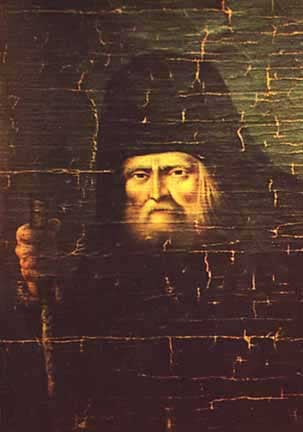
Seraphim of Sarov
इन पर सहमत: परम सत्य क्या है? क्या ईश्वर है? · मैं कौन हूँ? क्या कोई सच्चा आत्म है? · हम दुःख क्यों भोगते हैं?
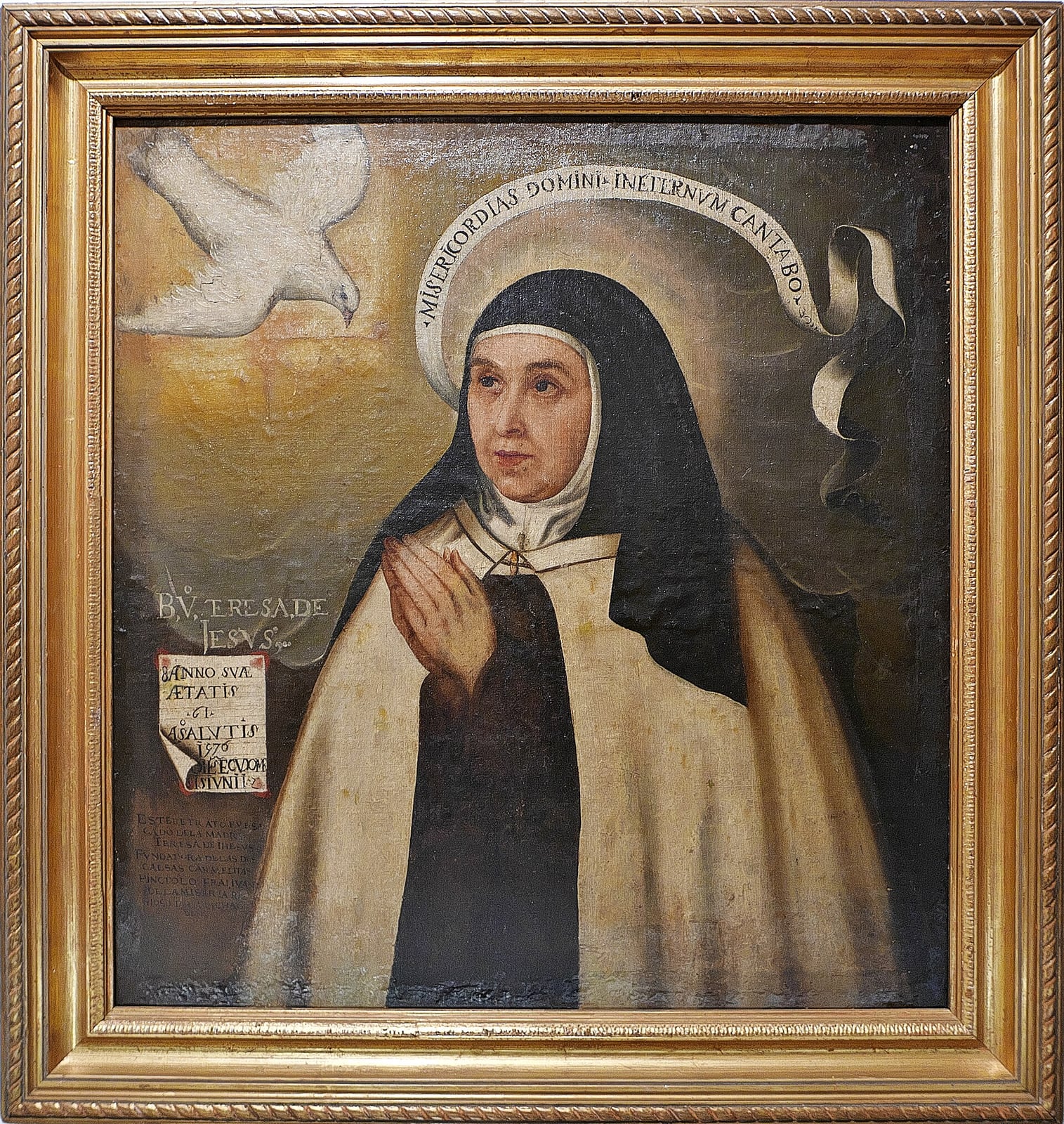
Teresa of Ávila
इन पर सहमत: परम सत्य क्या है? क्या ईश्वर है? · मैं कौन हूँ? क्या कोई सच्चा आत्म है? · हम दुःख क्यों भोगते हैं?
इनसे भिन्न सोचते हैं

Pema Chödrön
इन पर टकराव: परम सत्य क्या है? क्या ईश्वर है? · मैं कौन हूँ? क्या कोई सच्चा आत्म है? · मृत्यु के बाद क्या होता है?

Tsongkhapa
इन पर टकराव: परम सत्य क्या है? क्या ईश्वर है? · मैं कौन हूँ? क्या कोई सच्चा आत्म है? · मृत्यु के बाद क्या होता है?
The 14th Dalai Lama (Tenzin Gyatso)
इन पर टकराव: परम सत्य क्या है? क्या ईश्वर है? · मैं कौन हूँ? क्या कोई सच्चा आत्म है? · मृत्यु के बाद क्या होता है?
Parmenides
इन पर टकराव: क्या संसार वास्तविक है?
प्रसंग और वृत्तांत
प्रसंग और वृत्तांत
प्रमाणित22 de diciembre de 1849
One minute before the firing squad
वृत्तांत का स्रोत: The main source is Dostoevsky's own letter to his brother written that same day (vol. 15, letter no. 37), describing the reading of the sentence, the cross, the swords, the shirts and his place in line. Grigoryev's madness and the advance planning of the pardon come from the trial records used by biographers (Frank). The parallel with Myshkin's story is in The Idiot, part I, ch. V.
प्रमाणितenero de 1850 – 1881
The Tobolsk Gospel
वृत्तांत का स्रोत: Dostoevsky told it in A Writer's Diary for 1873 ('Old People'), and Anna Grigoryevna repeats it in her Reminiscences quoting that text. The copy, with many pencil marks, is kept in the Russian State Library and was published in facsimile in 2010.
साक्ष्यagosto de 1831 (recuerdo) y Pascua de 1850-1853 (presidio)
The peasant Marey
वृत्तांत का स्रोत: Autobiographical account by Dostoevsky himself in A Writer's Diary, February 1876, ch. I, 3, written a quarter of a century later; there is no other witness. He himself notes that in The House of the Dead he had spoken of prison through a fictional narrator.
साक्ष्य1865 (relato); hacia 1854–1857 (suceso)
The night heaven came down to earth
वृत्तांत का स्रोत: Sofya Kovalevskaya tells it in her Memories of Childhood (1890), some twenty-five years after hearing it. She herself warns that she knew a 'completely different' version — that the illness followed a corporal punishment in prison — and that, according to doctors, epileptics often forget how their illness began and fantasise about it. The friend is unidentified. The description of the ecstatic aura matches the one Dostoevsky gives Myshkin in The Idiot (part II, ch. V).
प्रमाणितoctubre de 1866
Twenty-six days
वृत्तांत का स्रोत: Told in detail by Anna Grigoryevna in her Reminiscences (part II), including the contract terms and the delivery at the police station; confirmed by the writer's letters and by biographers. The episode inspired the Soviet film Twenty-Six Days in the Life of Dostoevsky (Alexander Zarkhi, 1981).
साक्ष्यagosto de 1867
Before Holbein's Dead Christ
वृत्तांत का स्रोत: Anna Grigoryevna's testimony in her Reminiscences (part IV), where she herself notes that the impression passed into The Idiot; she also recorded it in her shorthand diary of 1867. Myshkin's remark is in The Idiot, part II, ch. IV.
साक्ष्यmayo – junio de 1878
Optina, after Alyosha's death
वृत्तांत का स्रोत: It comes from Anna Grigoryevna's Reminiscences (part IX), based on what her husband told her and on his letter of 29 June 1878; precisely where she was to reproduce the elder's words there is a gap in the manuscript. That the scene of the 'women who have faith' records Anna's own doubts and even words is her own claim.
प्रमाणित8 de junio de 1880
The Pushkin speech
वृत्तांत का स्रोत: Dostoevsky's letter to Anna of 8 June 1880 (vol. 15, letter no. 235), written that same night, and press reports of the time. The text of the speech was published in the single issue of A Writer's Diary for August 1880.
शिक्षाएँ
शिक्षाएँ
वे अवधारणाएँ जो उनके चिंतन को रूप देती हैं, उनके संदर्भ में समझाई गई।
Freedom and the Grand Inquisitorlibertad-y-gran-inquisidor
A response to Chernyshevsky's rationalist utopia (What Is to Be Done?, 1863) and to the Slavophile critique of Roman Catholicism; the poem occupies Book V, ch. V of the novel.
Ivan's rebellion and the problem of evilrebelion-de-ivan
It argues with the tradition of theodicy (Leibniz) and with the Book of Job; Camus (The Rebel, 1951) read it as the founding of modern metaphysical rebellion.
Each is guilty before all for allculpa-de-todos-ante-todos
Inspired by the spirituality of the startsy (Tikhon of Zadonsk, Ambrose of Optina) and by the Orthodox idea of sobornost; Book VI of The Brothers Karamazov.
The positively beautiful manhombre-positivamente-bello
Letter to Sofya Ivanova of 1 (13) January 1868; The Idiot, parts I–IV.
The polyphonic novelpolifonia
A twentieth-century interpretation, not Dostoevsky's own doctrine: Problems of Dostoevsky's Art (1929) and Problems of Dostoevsky's Poetics (1963).
स्रोत: Bajtín, Mijaíl. Проблемы творчества Достоевского (1929); 2.ª ed. ampliada: Проблемы поэтики Достоевского (1963) [Problemas de la poética de Dostoievski].
The 'return to the soil' (pochvennichestvo)pochvennichestvo
Journalistic movement of the 1860s; the basis of A Writer's Diary and the Pushkin speech (1880).
वीडियो
वीडियो
रिकॉर्डिंग, साक्षात्कार और वृत्तचित्र। वीडियो YouTube से चलते हैं; वे यहाँ संग्रहीत नहीं हैं।
Twenty six days in the life of Dostoevsky (Двадцать шесть дней из жизни Достоевского)
वृत्तचित्र· RU· 1981· 82 min
Mosfilmआधिकारिक चैनल
Лекция протоиерея Геннадия Беловолова «Достоевский и Оптина пустынь»
व्याख्यान· RU· 115 min
Музей Достоевского (San Petersburgo)आधिकारिक चैनल
Лекция Сергея Кибальника «Тайна князя Мышкина»
व्याख्यान· RU· 78 min
Музей Достоевского (San Petersburgo)आधिकारिक चैनल
Жизнь и смерть Достоевского. Родиться в России. Фильм 1-й
YouTube पर देखें
यह वीडियो एम्बेड करने की अनुमति नहीं देता; यह YouTube पर खुलेगा।
Жизнь и смерть Достоевского. Родиться в России. Фильм 1-й
वृत्तचित्र· RU· 2021· 26 min
Телеканал Культураआधिकारिक चैनल
Жизнь и смерть Достоевского. Страна святых чудес. Фильм 5-й
YouTube पर देखें
यह वीडियो एम्बेड करने की अनुमति नहीं देता; यह YouTube पर खुलेगा।
Жизнь и смерть Достоевского. Страна святых чудес. Фильм 5-й
वृत्तचित्र· RU· 2021· 26 min
Телеканал Культураआधिकारिक चैनल
LITERATURE - Fyodor Dostoyevsky
विश्लेषण· EN· 14 min
The School of Lifeआधिकारिक चैनल
Russian Atheism and Russian Faith | Dr. Gary Saul Morson (Northwestern)
व्याख्यान· EN· 90 min
Anselm House
Dostoevsky & The Brothers Karamazov with Dr. Thomas Pfau (Duke)
व्याख्यान· EN· 80 min
North Carolina Study Center
La metafísica de Dostoyevski | Tamara Djermanović | #1 Dostoyevski, pensador
व्याख्यान· ES· 89 min
Institut d'Humanitats de Barcelonaआधिकारिक चैनल
Dostoyevski en el espejo del pensamiento español
व्याख्यान· ES· 59 min
Centro de Culturas Eslavas UGRआधिकारिक चैनल
El universo de Dostoyevski, entre Rusia y España / Мир Достоевского от России до Испании
व्याख्यान· ES· 88 min
Instituto Cervantes Moscúआधिकारिक चैनल
Dostoyevski: El mejor novelista de todos los tiempos, con Eloy Urroz | Sesión 1
व्याख्यान· ES· 109 min
Cultura en Directo. UNAMआधिकारिक चैनल
Dostoievski por Ángel Barahona
व्याख्यान· ES· 33 min
UFV Madridआधिकारिक चैनल
चित्रशाला
चित्रशाला
सत्यापित लाइसेंस वाले चित्र। प्रत्येक में उसके रचयिता और श्रेय का उल्लेख सुरक्षित है।
पांडुलिपियाँ
पांडुलिपियाँ
पांडुलिपि-साक्ष्य और प्राचीन पाठ, उनके संरक्षक और अध्ययन की शर्तों सहित।
RU · Cyrillic · Edición impresa de la primera mitad del siglo XIX; anotaciones de 1850–1881
Новый Завет (экземпляр Ф. М. Достоевского, «Евангелие Достоевского»)
- संरक्षित पाठ-साक्ष्य
- Ejemplar único anotado
- संरक्षक
- Biblioteca Estatal de Rusia (RGB), Departamento de Manuscritos, fondo 93 (Dostoievski)
संबंध
संबंध
प्रभाव, शिष्यत्व और वैचारिक निकटता। प्रमाणित संबंध को विश्लेषण से पहचानी गई समानता से अलग दर्शाया गया है।
इनके समकालीन
The two great Russian novelists of their time never met, though they read each other closely: Dostoevsky devoted pages of A Writer's Diary (1877) to Anna Karenina and Tolstoy admired The House of the Dead. On learning of his death, Tolstoy wrote to their mutual friend Nikolai Strakhov that he had never seen the man and only then understood that he had been the closest, dearest and most necessary person to him.
प्रमाणित संबंध
इनसे भेंट
Friends from 1873 despite a thirty-year age gap. In 1878 Dostoevsky attended his Lectures on Godmanhood and in June they travelled together to Optina monastery, where they spoke with the elder Ambrose, a partial model for Zosima. Solovyov devoted Three Speeches in Memory of Dostoevsky (1881–1883) to him, and critics have seen traits of his in both Alyosha and Ivan Karamazov.
प्रमाणित संबंध
इन्हें प्रभावित किया
In his Three Speeches Solovyov presented Dostoevsky as the religious prophet of a universal Church and of the ideal of 'Godmanhood', a reading that shaped all subsequent Russian religious philosophy.
प्रमाणित संबंध
इन्हें प्रभावित किया
Berdyaev acknowledged Dostoevsky as his spiritual master and devoted to him Dostoevsky's Worldview (1923), reading him as a philosopher of freedom and spirit; 'irrational' freedom and the legend of the Grand Inquisitor are central to his thought.
प्रमाणित संबंध
इनसे प्रभावित
Christ is the centre of his faith and work: the Tobolsk Gospel stayed with him from 1850 until his death; in 1854 he wrote that he would rather remain with Christ than with the truth, and in 1868 that Christ is the only 'positively beautiful' figure, the idea that gave rise to Prince Myshkin. The silent Christ before the Grand Inquisitor and the Gospel epigraph of The Brothers Karamazov (John 12:24), also carved on his tomb, complete that path.
प्रमाणित संबंध
इनसे मिलते-जुलते विचार
There is no record that Dostoevsky wrote about Seraphim of Sarov, and the documented models for the elder Zosima are Tikhon of Zadonsk and Ambrose of Optina. Nonetheless Zosima's joyful spirituality — life as a paradise we fail to see, love for all creation, paschal joy — is very close to that of Seraphim, the great Russian elder of the early nineteenth century, and both embody the same tradition of the startsy.
विश्लेषण से पहचानी गई समानता
अन्य प्रविष्टियों से जुड़ा
स्रोत
स्रोत
इस प्रविष्टि के लिए देखे गए ग्रंथ-सूची और सूचीपत्र।
- Frank, Joseph. Dostoevsky: A Writer in His Time. Ed. Mary Petrusewicz. Princeton: Princeton University Press, 2010 (condensación de la biografía en cinco volúmenes, 1976–2002).
- Dostoiévskaya, Anna Grigórievna. Воспоминания [Memorias]. Ed. S. V. Belov y V. A. Tunimánov. Moscú: Judózhestvennaya literatura, 1971 (primera edición, 1925). Texto en Wikisource ruso.
- Dostoievski, F. M. Собрание сочинений в 15 томах [Obras reunidas en 15 tomos], t. 15: Письма 1834–1881 [Cartas]. Leningrado/San Petersburgo: Naúka, 1996. Edición digital de la Biblioteca Virtual Rusa (RVB).
- «Fyodor Dostoevsky bibliography», Wikipedia en inglés (lista destacada, con primeras ediciones, revistas y primeros traductores) y «Библиография Фёдора Достоевского», Wikipedia en ruso.
- Wikidata Q991 (Fiódor Dostoievski): nacimiento 11-11-1821 (gregoriano) / 30-10-1821 (juliano) en Moscú; muerte 09-02-1881 (gregoriano) / 28-01-1881 (juliano) en San Petersburgo.
- «Fyodor Dostoevsky», Wikipedia en inglés (artículo destacado; consultado para hechos verificables, texto propio).
- Encyclopaedia Britannica, «Fyodor Dostoyevsky».
- Lantz, Kenneth A. The Dostoevsky Encyclopedia. Westport (Connecticut): Greenwood Press, 2004.
- Kovalévskaya, Sofía V. Воспоминания детства [Recuerdos de infancia] (1890), en Литературные сочинения. Ed. P. Ya. Kóchina. Moscú: Naúka, 1974, cap. «Fiódor Mijáilovich Dostoievski».
- Dostoievski, F. M. Дневник писателя [Diario de un escritor], 1873–1881: «Старые люди» (1873), «Мужик Марей» (febrero de 1876), «Пушкин» (agosto de 1880). En Собрание сочинений в 15 томах, t. 12–14. Leningrado: Naúka, 1994–1995 (RVB).
- Open Library, autor OL22242A (Fyodor Dostoyevsky): obras y ediciones con ISBN.
- Project Gutenberg: obras de Fyodor Dostoyevsky (autor 314) e «Index of the Project Gutenberg Works of Fyodor Dostoevsky» (eBook #59196).
- Dostoievski, F. M. Братья Карамазовы [Los hermanos Karamázov] (1879–1880), texto en Wikisource ruso; trad. inglesa de Constance Garnett, The Brothers Karamazov (Londres: Heinemann, 1912), Project Gutenberg #28054.
- Soloviov, Vladímir S. Три речи в память Достоевского [Tres discursos en memoria de Dostoievski], 1881–1883. Moscú, 1884.
- Berdiáev, Nikolái. Миросозерцание Достоевского [La concepción del mundo de Dostoievski]. Praga: YMCA-Press, 1923 (trad. esp. «El credo de Dostoievski»).
- Bajtín, Mijaíl. Проблемы творчества Достоевского (1929); 2.ª ed. ampliada: Проблемы поэтики Достоевского (1963) [Problemas de la poética de Dostoievski].
- «130 лет назад ушел из жизни Федор Михайлович Достоевский», Rossíiskaya Gazeta, 9 de febrero de 2011 (cita la carta de Lev Tolstói a Nikolái Strájov de comienzos de febrero de 1881).
- Biblioteca Estatal de Rusia (RGB), Departamento de Manuscritos: presentación de la edición «Евангелие Ф. М. Достоевского» (2010), ejemplar personal del Nuevo Testamento conservado en el fondo 93.
- Museo Literario-Memorial F. M. Dostoievski de San Petersburgo (casa del callejón Kuznechni 5), biografía y colecciones.
- अधिकार-धारक
- Dominio público (Dostoievski murió en 1881). Las traducciones modernas pertenecen a sus traductores y editoriales.
- आधिकारिक वेबसाइट
- www.md.spb.ru/
पुष्टि की प्रतीक्षा में
जो यह प्रविष्टि अभी तक निश्चित नहीं कर सकी है। हम उसे भर देने के बजाय कह देना बेहतर समझते हैं।
- Ediciones en español con ISBN de «La aldea de Stepánchikovo», «El sueño del tío», «Nétochka Nezvánova», «La patrona» (salvo Losada), la correspondencia y los relatos breves de 1846–1849 por separado: no localizadas en Open Library; el volumen de Alba «Noches blancas y otros relatos (1846-1849)» no detalla en su ficha los once relatos que contiene.
- Ediciones en inglés con ISBN de «La patrona», «Un corazón débil», «Polzunkov», «El señor Projarchin» y de los artículos de 1847 y 1861: sólo se han registrado las traducciones antiguas (Garnett, 1900) sin ISBN.
- Contenido exacto de «Cuentos» (Siruela, 2007, ISBN 9788498410860) y «Cuentos» (Penguin Clásicos, 2015, ISBN 9788491050087), ambos traducidos por Bela Martinova según catálogos de librería: no se han asignado a relatos concretos.
- Confirmar la vía de primera publicación de las tres odas siberianas (1854–1856) y de «De los paseos veraniegos de Kozmá Prutkov» (1878).
- Sala de lectura en español: sólo «El crimen y el castigo» (Pedraza y Páez) está en Gutenberg. Wikisource en español aloja «El jugador» (trad. Alfonso Nadal, Góngora, 1928) y una «Crimen y castigo» de traducción anónima sin edición fuente identificada: no se han incluido hasta verificar la fecha de muerte de Nadal y el origen de la traducción anónima.
- Signatura exacta del Evangelio de Dostoievski en el Departamento de Manuscritos de la Biblioteca Estatal de Rusia (fondo 93) y enlace a su digitalización, si existe.
- Fecha exacta de la carta de Tolstói a Strájov (comienzos de febrero de 1881) y su referencia en las Obras completas de Tolstói (ed. del Jubileo): sólo se ha visto citada en prensa.
- Año de publicación de los vídeos de los canales del Museo Dostoievski y de las conferencias universitarias: no figura en oEmbed; se ha dejado null o el año aproximado indicado por YouTube.
2026-10-25 को शोधित