हिन्दू धर्म · तन्त्र · भक्ति · अद्वैत वेदान्त
Ramakrishna
শ্রীরামকৃষ্ণ পরমহংস · গদাধর চট্টোপাধ্যায় · रामकृष्ण परमहंस
1836 – 1886ऐतिहासिक रूप से प्रमाणित व्यक्ति
बंगाल के रहस्यदर्शी संत, कलकत्ता के निकट दक्षिणेश्वर के काली मंदिर के पुजारी। लगभग निरक्षर होते हुए भी उन्होंने तंत्र, वैष्णव भक्ति और अद्वैत वेदांत के मार्गों की साधना की, और कुछ समय इस्लाम तथा ईसाई धर्म का भी अभ्यास किया, जिससे उनका प्रसिद्ध उपदेश निकला: जितने मत, उतने पथ। उन्होंने कुछ नहीं लिखा: उनकी वाणी हम तक महेंद्रनाथ गुप्त की डायरियों (कथामृत) और उनके शिष्यों के माध्यम से पहुँची है, जिनमें विवेकानंद भी थे, जिन्होंने उनके नाम पर रामकृष्ण मठ और रामकृष्ण मिशन की स्थापना की।
- कृतियाँ
- 18कृतियाँ
- संस्करण
- 48संस्करण
- उद्धरण
- 9उद्धरण
- वीडियो
- 13वीडियो
- चित्र
- 7चित्र
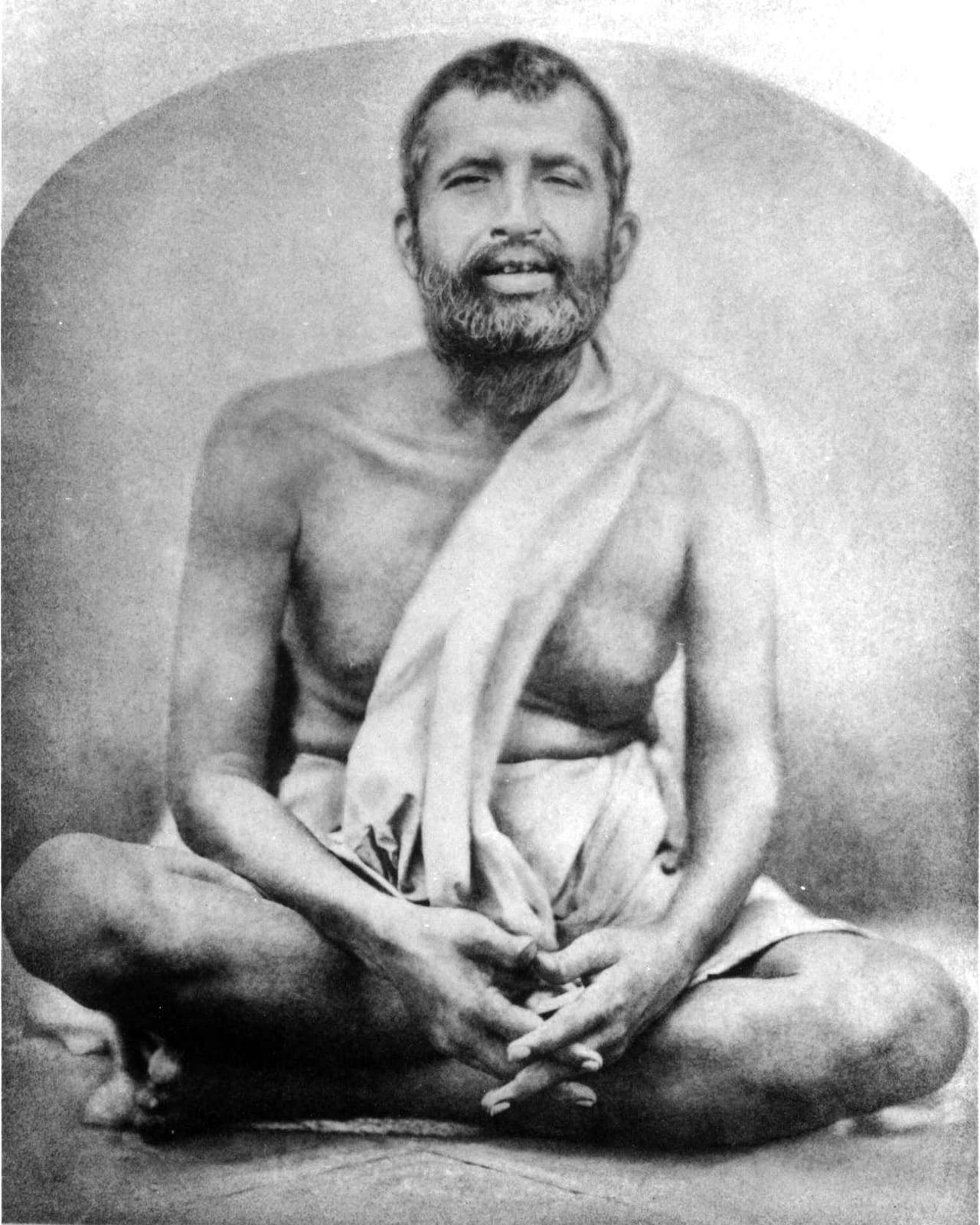
Ramakrishna sentado, la fotografía más difundida · Public domain
उनके अपने शब्दों में
«Thou seest many stars at night in the sky, but findest them not when the sun rises. Canst thou say that there are no stars, then, in the heaven of day? So, O man, because thou beholdest not the Almighty in the days of thy ignorance, say not that there is no God.»Müller, Râmakrishna: His Life and Sayings (1898), dicho n.º 1 (versión inglesa de los discípulos)

शुरुआत के लिए एक रचना
Sri Sri Ramakrishna Kathamrita (The Gospel of Sri Ramakrishna)मूल विचार
As many faiths, so many paths: The Bengali formula yato mat, tato path—as many views, so many paths—sums up Ramakrishna’s most quoted teaching.
संदर्भ में देखें
जीवनी
6 मिनट का पाठ
स्पैनिश मूल से सहायता-प्राप्त अनुवाद, मातृभाषी अनुवादक द्वारा समीक्षा लंबित।
कामारपुकुर का एक निर्धन ब्राह्मण
गदाधर चट्टोपाध्याय का जन्म 18 फ़रवरी 1836 को बंगाल के हुगली ज़िले के गाँव कामारपुकुर में हुआ। वे एक निर्धन ब्राह्मण खुदीराम चट्टोपाध्याय और चंद्रमणि देवी की चौथी संतान थे। उनके बचपन के बारे में हम जो कुछ जानते हैं, वह लगभग सब शिष्यों के बाद के वृत्तांतों से आता है, विशेषकर स्वामी सारदानंद के श्रीश्रीरामकृष्ण लीलाप्रसंग से, जो 1909 से 1919 के बीच लिखा गया। उसमें माता-पिता के पूर्वसूचक स्वप्नों का वर्णन है — गया में विष्णु का पुत्र रूप में जन्म लेने का वचन, गाँव के मंदिर के शिवलिंग से निकलकर माता के भीतर प्रवेश करती एक ज्योति —, जो संत-चरित की विधा से संबंध रखते हैं और उसी रूप में पढ़े जाने चाहिए। अधिक विश्वसनीय, क्योंकि वे स्वयं इसे सुनाते थे, वह प्रसंग है जिसमें छह-सात वर्ष का बालक काले बादल की पृष्ठभूमि में उड़ते सफ़ेद सारसों की पाँत देखकर अचेत होकर गिर पड़ा: यह उनकी पहली भावसमाधि थी। गाँव की पाठशाला में वे थोड़े ही समय रहे, बंगला पढ़ना-लिखना सीखा और गणित से उन्हें अरुचि रही; पुराण, रामायण और महाभारत उन्होंने कथावाचकों से और उन साधुओं से सीखे जो पुरी जाते हुए कामारपुकुर से होकर गुज़रते थे।
काली का पुजारी
उनके पिता का देहांत 1843 में हुआ, और 1852 में बड़े भाई रामकुमार उन्हें अपने पौरोहित्य कर्म में सहायता के लिए कलकत्ता ले गए; गदाधर ने संस्कृत पाठशाला में जाने से इनकार कर दिया — परंपरा के अनुसार यह कहकर कि उन्हें रोटी कमाने वाली विद्या नहीं चाहिए। मई 1855 में रानी रासमणि ने, जो एक धनी विधवा थीं और ऐसी जाति से आती थीं जिसे कट्टर ब्राह्मण नीची मानते थे, हुगली के तट पर दक्षिणेश्वर में काली का एक विशाल मंदिर प्रतिष्ठित किया; रामकुमार ने वहाँ पुजारी का पद स्वीकार किया, और 1856 में उनकी मृत्यु के बाद गदाधर संस्थापिका के दामाद मथुरबाबू के संरक्षण में मंदिर के पुजारी बने रहे। वहाँ वे लगभग तीस वर्ष रहे। इसके बाद जो घटा, वही उनकी किंवदंती और उनकी मौखिक आत्मकथा का केंद्र है: देवी के दर्शन की ऐसी प्रचंड व्याकुलता कि उन्होंने खाना-सोना छोड़ दिया, और जब हताश होकर उन्होंने गर्भगृह की तलवार उठा ली, तब ज्योति के सागर के रूप में काली का दर्शन। मंदिर में लोग उन्हें पागल समझने लगे; उन्हें शांत करने के लिए परिवार ने 1859 में पड़ोसी गाँव जयरामबाटी की पाँच वर्ष की बालिका शारदामणि मुखोपाध्याय से उनका विवाह कर दिया। सभी स्रोत एकमत हैं कि यह विवाह कभी दांपत्य में परिणत नहीं हुआ।
सभी पथ
1861 से 1870 के दशक के आरंभ तक उन्होंने विभिन्न मार्गदर्शकों के साथ भारतीय धार्मिकता के लगभग पूरे विस्तार की साधना की। भैरवी ब्राह्मणी नाम से प्रसिद्ध एक परिव्राजिका ने उन्हें तांत्रिक साधनाओं में दीक्षित किया और पंडितों की एक सभा के सामने सबसे पहले यह घोषणा की कि वे ईश्वर के अवतार हैं। जटाधारी नामक एक वैष्णव साधु ने उन्हें बालक राम की उपासना सिखाई, और वे स्वयं महीनों तक कृष्ण के प्रति राधा के मधुर भाव में रहे। लगभग 1864 या 1865 में शंकराचार्य की परंपरा के परिव्राजक संन्यासी तोतापुरी ने उन्हें संन्यास की दीक्षा दी और अद्वैत वेदांत से परिचित कराया; परंपरा कहती है कि उन्होंने तीन दिनों में निर्विकल्प समाधि प्राप्त कर ली और विस्मित गुरु ग्यारह महीने वहीं रुके रहे। लगभग 1866 में उन्होंने सूफ़ी मत अपनाने वाले एक हिंदू, गोविंद राय, के मार्गदर्शन में इस्लाम की साधना की, और लगभग 1874 में बाइबिल का पाठ सुनने के बाद उन्हें ईसा मसीह का दर्शन हुआ, जो उनमें विलीन हो गए। इसी क्रम से, जिसे हम शिष्यों के सामने दिए गए उनके अपने वर्णन से जानते हैं, वह उपदेश जन्मा जिसने उन्हें प्रसिद्ध किया: जितने मत, उतने पथ। वाल्टर नीवेल और जेफ़री क्रिपाल ने बाद में प्रचलित वेदांती व्याख्या के विपरीत इस साधना-यात्रा में तंत्र के महत्त्व को रेखांकित किया है।
शारदा और ब्राह्मसमाजी
1872 में उनकी युवा पत्नी दक्षिणेश्वर आईं। रामकृष्ण ने उनका स्वागत किया, उन्हें शिक्षा दी और उसी वर्ष देवी के प्रकट रूप में उनकी विधिवत् पूजा की; शारदा देवी अंत तक उनके पास, मंदिर-परिसर की एक छोटी-सी कोठरी में रहीं, और आगे चलकर संघ की श्रीमाँ बनीं। 1875 में उनकी भेंट केशवचंद्र सेन से हुई, जो मूर्तिपूजा को अस्वीकार करने वाले सुधारवादी आंदोलन ब्राह्म समाज की एक शाखा के करिश्माई नेता थे। केशव मुग्ध हो गए और उन्होंने ब्राह्म समाज की पत्रिकाओं में उनकी शिक्षा का एक संक्षिप्त परिचय और उनके कुछ वचन प्रकाशित किए; प्रतापचंद्र मजूमदार ने 1879 में उन पर «The Hindu Saint» (हिंदू संत) शीर्षक लेख लिखा, जिसे वर्षों बाद मैक्स मूलर ने पुनः प्रकाशित किया। इस प्रकार कलकत्ता का शिक्षित मध्यवर्ग दक्षिणेश्वर आने लगा — विद्यार्थी, शिक्षक, चिकित्सक, नाटककार गिरीशचंद्र घोष — और 1881 के अंत में नरेंद्रनाथ दत्त नाम का एक संशयी युवक भी, भावी विवेकानंद, जिसने उनसे पूछा कि क्या उन्होंने ईश्वर को देखा है, और बिना किसी हिचक के «हाँ» उत्तर पाया।
कॉपी वाला साक्षी
फ़रवरी 1882 में एक स्कूल-शिक्षक महेंद्रनाथ गुप्त आए। वे तेरह वर्ष की आयु से डायरी लिखते थे, और घर लौटकर उन्होंने जो देखा-सुना था वह लिखने लगे: तिथि, समय, स्थान, कौन उपस्थित था, कौन-से भजन गाए गए। इन्हीं टिप्पणियों से श्रीश्रीरामकृष्ण कथामृत निकला — पाँच खंड, जो 1902 से 1932 के बीच «श्री म» के नाम से प्रकाशित हुए। यह उनकी शिक्षा का प्रमुख स्रोत है और बंगला गद्य की एक श्रेष्ठ कृति है, पर कोई कार्यवृत्त नहीं: इतिहासकार सुमित सरकार ने ध्यान दिलाया है कि यह अंतिम चार वर्षों के केवल लगभग एक सौ छियासी दिनों को समेटता है, घटनाओं के पंद्रह से पचास वर्ष बाद प्रकाशित हुआ और एक रचा हुआ पाठ है, जिसकी अपनी लेखकीय युक्तियाँ हैं। इसके पन्नों में रामकृष्ण दृष्टांतों, विनोद और घरेलू दृश्यों से भरी ग्रामीण बंगला बोलते हैं; पंडितों का उपहास करते हैं, धन और कामना — «कामिनी-कांचन» — से सावधान रहते हैं और बातचीत के बीच ही समाधि में चले जाते हैं।
काशीपुर
1885 के आरंभ में गले की एक व्याधि कैंसर निकली। शिष्य उन्हें शरद ऋतु में कलकत्ता के श्यामपुकुर के एक मकान में और दिसंबर में काशीपुर के एक उद्यान-भवन में ले गए, जहाँ महेंद्रलाल सरकार जैसे चिकित्सकों ने उनका उपचार किया, जबकि वे सबकी सलाह के विरुद्ध बोलते रहे। वहीं, 1 जनवरी 1886 को, उन्होंने उद्यान में भक्तों के एक समूह को आशीर्वाद दिया — वह दिन जिसे परंपरा मनोकामना पूरी करने वाले वृक्ष के नाम पर कल्पतरु कहती है — और वहीं नरेंद्र के इर्द-गिर्द उन युवकों का केंद्र बना जो पहले संन्यासी बने। 16 अगस्त 1886 को रात एक बजे के कुछ बाद उनका देहावसान हुआ। शिष्यों ने इसे महासमाधि कहा; उनके अंतिम शब्दों के बारे में साक्ष्य एकमत नहीं हैं।
दूसरों द्वारा पढ़ा गया संत
रामकृष्ण परमहंस ने कुछ नहीं लिखा। उनके विषय में हम जो कुछ जानते हैं, वह दूसरों के माध्यम से आता है: श्री म की डायरियाँ, सारदानंद की भक्तिपूर्ण जीवनी, अक्षय कुमार सेन का आख्यान-काव्य, शिष्यों के संस्मरण और विवेकानंद की व्याख्या, जिन्होंने 1897 में रामकृष्ण मिशन की स्थापना की और गुरु को पश्चिम के सामने वेदांत के जीवंत समन्वय के रूप में प्रस्तुत किया। मैक्स मूलर ने 1898 में उनका जीवन और उनके वचन प्रकाशित किए, इससे पहले उन्होंने विवेकानंद से एक वृत्तांत माँगा था जिसे वे स्वयं पारंपरिक तत्त्वों से मुक्त नहीं मानते थे; रोमाँ रोलाँ ने 1929 में उन पर एक और पुस्तक लिखी। स्वामी निखिलानंद द्वारा कथामृत के अंग्रेज़ी अनुवाद (1942) ने, जिसकी भूमिका ऑल्डस हक्सले ने लिखी, इसे एक आध्यात्मिक क्लासिक बना दिया। 1990 के दशक से उनका व्यक्तित्व अकादमिक विवाद का विषय भी रहा है: जेफ़री क्रिपाल की Kali’s Child («काली की संतान», 1995) ने उनकी समाधि-अवस्थाओं की एक मनोविश्लेषणात्मक और तांत्रिक व्याख्या प्रस्तुत की, जिसे संघ ने दृढ़ता से अस्वीकार किया और जिसका उत्तर 2010 में स्वामी त्यागानंद और प्रव्राजिका व्रजप्राणा ने दिया। भक्तों के अवतार और विश्लेषण की कसौटी पर कसे गए रहस्यदर्शी के बीच एक ग्रामीण व्यक्ति बचा रहता है, जिसकी बोली हुई वाणी, उसे सुनने वालों से छनकर, आज भी आधुनिक भारत में सबसे अधिक पढ़ी जाने वाली वाणियों में से है।
स्रोत: Chetanananda, Swami (ed. y trad.). Ramakrishna as We Saw Him. St. Louis: Vedanta Society of St. Louis, 1990. · Isherwood, Christopher. Ramakrishna and His Disciples. Nueva York: Simon & Schuster, 1965. · Gupta, Mahendranath («M.»). Sri Sri Ramakrishna Kathamrita (শ্রীশ্রীরামকৃষ্ণকথামৃত). 5 vols. Calcuta, 1902, 1904, 1908, 1910 y 1932. Trad. inglesa: The Gospel of Sri Ramakrishna, trad. e introd. de Swami Nikhilananda, prólogo de Aldous Huxley. Nueva York: Ramakrishna-Vivekananda Center, 1942. · Saradananda, Swami. Sri Sri Ramakrishna Lilaprasanga. 5 partes. Calcuta: Udbodhan, escrita entre 1909 y 1919. Trad. inglesa: Sri Ramakrishna, the Great Master, trad. de Swami Jagadananda. Madrás: Sri Ramakrishna Math, 1952; y Sri Ramakrishna and His Divine Play, trad. de Swami Chetanananda. St. Louis: Vedanta Society of St. Louis, 2003. · Müller, F. Max. Râmakrishna: His Life and Sayings. Londres / Nueva York: Longmans, Green and Co., 1898 (reimpr. 1899).
कालक्रम
जीवन, वर्ष-दर-वर्ष
प्रत्येक बिंदु एक प्रमाणित घटना है। उसे स्रोत और निश्चितता के स्तर सहित पढ़ने के लिए क्लिक करें।
18 फ़रवरी 18360 वर्षKamarpukur
Birth of Gadadhar
Born in Kamarpukur, fourth child of Khudiram Chattopadhyay and Chandramani Devi, poor Brahmins.
प्रमाणितWikidata, «Ramakrishna» (Q183126): fechas y lugares de nacimiento y muerte, 114 enlaces entre wikis.
उनके निधन के बाद
- अगस्त 1896Max Müller’s “A Real Mahatman”
- 1 मई 1897Founding of the Ramakrishna Mission
- 1902First volume of the Kathamrita
- 1942The Gospel of Sri Ramakrishna
- 1995The Kali’s Child controversy
18 फ़रवरी 1836 · 0 वर्ष
Birth of Gadadhar
Born in Kamarpukur, fourth child of Khudiram Chattopadhyay and Chandramani Devi, poor Brahmins.
प्रमाणित
1843 · 7 वर्ष
Father’s death and first ecstasy
Khudiram dies. Tradition places in these years the boy’s ecstasy at the sight of white cranes against a dark cloud.
परंपरा
1852 · 16 वर्ष
To Calcutta with his brother
His brother Ramkumar takes him to Calcutta to assist him as a priest; he refuses the Sanskrit school.
संभावित
31 मई 1855 · 19 वर्ष
Consecration of the Kali temple
Rani Rasmani consecrates the Dakshineswar temple; Ramkumar is its first priest and Gadadhar accompanies him.
प्रमाणित
1856 · 20 वर्ष
Priest of Kali
Ramkumar dies and Gadadhar becomes priest of the temple. The years of longing follow, and the vision of Kali he would later recount.
संभावित
मई 1859 · 23 वर्ष
Marriage to Saradamani
His family marries him to the five-year-old Saradamani Mukhopadhyay. The marriage is never consummated.
प्रमाणित
1861 · 25 वर्ष
The Bhairavi Brahmani and Tantra
A wandering ascetic initiates him into Tantric practice, which tradition says he completed around 1863.
संभावित
लगभग 1864 · 28 वर्ष
Initiation by Totapuri
The Advaita monk Totapuri gives him monastic initiation (sannyasa) and teaches him non-dual Vedanta; sources waver between late 1864 and 1865.
संभावित
लगभग 1866 · 30 वर्ष
Practice of Islam
Guided by Govinda Ray, a Hindu convert to Sufism, he lives for some days according to Muslim practice.
परंपरा
1872 · 36 वर्ष
Sarada Devi arrives; the shodashi puja
His wife settles at Dakshineswar. Ramakrishna ritually worships her as the Goddess.
प्रमाणित
लगभग 1874 · 38 वर्ष
Vision of Christ
After hearing Shambhu Charan Mallick read the Bible, he recounts a vision of Jesus merging into him.
परंपरा
1875 · 39 वर्ष
Meeting with Keshab Chandra Sen
He meets the Brahmo leader, who spreads his fame in Calcutta’s reformist press.
प्रमाणित
21 सितंबर 1879 · 43 वर्ष
First photograph and Mozoomdar’s article
At Keshab’s house he is photographed in ecstasy; that year Mozoomdar publishes “The Hindu Saint”.
प्रमाणित
नवंबर 1881 · 45 वर्ष
Narendranath Datta arrives
He meets the future Vivekananda, who asks him whether he has seen God.
संभावित
फ़रवरी 1882 · 45 वर्ष
M.’s first visit
Mahendranath Gupta begins noting down the conversations that will become the Kathamrita.
प्रमाणित
11 दिसंबर 1885 · 49 वर्ष
Move to Cossipore
Ill with throat cancer, after some months at Shyampukur, he moves to the garden house at Cossipore.
संभावित
1 जनवरी 1886 · 49 वर्ष
Kalpataru day
He blesses a group of lay devotees in the garden; the order celebrates the date every year.
प्रमाणित
16 अगस्त 1886 · 50 वर्ष
Death
He dies shortly after one in the morning. His disciples call it mahasamadhi.
प्रमाणित
अगस्त 1896
Max Müller’s “A Real Mahatman”
The Indologist introduces Ramakrishna to the British public in The Nineteenth Century; in 1898 he publishes his life and sayings.
प्रमाणित
1 मई 1897
Founding of the Ramakrishna Mission
Vivekananda founds the association that bears his name.
प्रमाणित
1902
First volume of the Kathamrita
M. publishes the first of the five volumes (the last in 1932).
प्रमाणित
1942
The Gospel of Sri Ramakrishna
Swami Nikhilananda publishes the English translation of the Kathamrita, with a foreword by Aldous Huxley.
प्रमाणित
1995
The Kali’s Child controversy
Jeffrey Kripal publishes his psychoanalytic and Tantric reading; Tyagananda and Vrajaprana reply in 2010.
प्रमाणित
कृतियाँ
आवश्यक कृतियाँ
वे कृतियाँ जिनके बिना उनकी विरासत को समझा नहीं जा सकता।
परवर्ती संकलन · 1902
Sri Sri Ramakrishna Kathamrita (The Gospel of Sri Ramakrishna)
শ্রীশ্রীরামকৃষ্ণকথামৃত (Sri Sri Ramakrishna Kathamrita)
The principal source for Ramakrishna’s teaching and a classic of Bengali prose. Every scene is dated and placed: the master’s room at Dakshineswar, visits to devotees’ houses in Calcutta, the last illness at Shyampukur and Cossipore. Brahmos, pandits, actors, schoolboys and widows pass through its pages, and Ramakrishna answers with rustic parables, songs of Ramprasad and sudden ecstasies. Its themes are all there: God-realisation as life’s only goal, the harmony of religions, the divine Mother as identical with Brahman, the danger of “woman and gold”, service and devotion for those who live in the world. Aldous Huxley compared it with Boswell’s Johnson; the historian Sumit Sarkar reads it as a constructed text covering only 186 days.
10 संस्करण

परवर्ती संकलन · लगभग 1909
Sri Ramakrishna, the Great Master (Lilaprasanga)
শ্রীশ্রীরামকৃষ্ণলীলাপ্রসঙ্গ (Sri Sri Ramakrishna Lilaprasanga)
The tradition’s great biography: childhood in Kamarpukur, the years of longing at Dakshineswar, the successive disciplines—Tantra with the Bhairavi Brahmani, Vaishnava devotion, Advaita with Totapuri, Islam and Christianity—, the relationship with Sarada Devi and the arrival of the disciples. Saradananda writes as theologian as well as witness and devotes chapters to explaining the master as a divine incarnation, but his information on the years before 1879, which he did not witness, comes from what Ramakrishna and others told him. Translated into English by Swami Jagadananda (1952) and again by Swami Chetanananda (2003).
5 संस्करण
Ramakrishna
Râmakrishna: His Life and Sayings
परवर्ती संकलन · 1898
Râmakrishna: His Life and Sayings
Müller expands his article “A Real Mahatman” (The Nineteenth Century, August 1896) with a biography, a critical assessment—he warns that Vivekananda’s account is not free of traditional elements and discusses Mozoomdar’s judgement—and a long series of sayings and parables: the water called by many names, the chameleon, the blind men and the elephant, the salt doll, the lamp without oil. It is the channel through which many of Ramakrishna’s images entered European culture.
3 संस्करण
संपूर्ण कृतित्व (18)
Ramakrishna
The Gospel of Sri Ramakrishna according to M. (M.’s own English version)
The Conscious LibraryThe Gospel of Sri Ramakrishna according to M. (M.’s own English version)
1897

The Gospel of Râmakrishna (Abhedananda edition, 1907)
1907

Sayings of Sri Ramakrishna
1903
Ramakrishna
Tales and Parables of Sri Ramakrishna
The Conscious LibraryTales and Parables of Sri Ramakrishna

Teachings of Sri Ramakrishna
1934
Ramakrishna
Words of the Master
The Conscious LibraryWords of the Master
Ramakrishna
Sri Sri Ramakrishna Punthi (A Portrait of Sri Ramakrishna)
The Conscious LibrarySri Sri Ramakrishna Punthi (A Portrait of Sri Ramakrishna)
1901
Ramakrishna
Life of Sri Ramakrishna Paramahamsa (Ramchandra Datta)
The Conscious LibraryLife of Sri Ramakrishna Paramahamsa (Ramchandra Datta)
1890

Ramakrishna as We Saw Him
1990

The Life of Ramakrishna (Romain Rolland)
1929

Ramakrishna and His Disciples (Christopher Isherwood)
1965

Kali’s Child (Jeffrey J. Kripal)
1995
Ramakrishna
Interpreting Ramakrishna (Tyagananda and Vrajaprana)
The Conscious LibraryInterpreting Ramakrishna (Tyagananda and Vrajaprana)
2010
Ramakrishna
Ramakrishna Paramahamsa: Sadhaka of Dakshineswar (Amiya P. Sen)
The Conscious LibraryRamakrishna Paramahamsa: Sadhaka of Dakshineswar (Amiya P. Sen)
2010

Great Swan (Lex Hixon)
1992
वचन
किसी निश्चित कृति में स्थित वचन। प्रत्येक के साथ उसका स्रोत और विश्वसनीयता का स्तर है।
Thou seest many stars at night in the sky, but findest them not when the sun rises. Canst thou say that there are no stars, then, in the heaven of day? So, O man, because thou beholdest not the Almighty in the days of thy ignorance, say not that there is no God.सत्यापितMüller, Râmakrishna: His Life and Sayings (1898), dicho n.º 1 (versión inglesa de los discípulos)
अंतिम शब्द
परस्पर विरोधी संस्करण
«“Kali!” (three times), according to one account; “Ma” (“Mother”), according to another.»কালী
There is no final sentence recorded by M., whose Kathamrita ends on 24 April 1886. The versions come from disciples present at Cossipore on the night of 15–16 August 1886 and were written down years later: according to one, he uttered the name of Kali three times in a clear voice and entered samadhi; according to another, his last word was “Ma”, mother. Swami Chetanananda brings both together in Ramakrishna as We Saw Him (1990, pp. 56 and 408). Both fit his devotion to the divine Mother, but neither can be taken as literal.
स्रोत: Chetanananda, Swami (ed. y trad.). Ramakrishna as We Saw Him. St. Louis: Vedanta Society of St. Louis, 1990.
पूछें
उनकी कृतियाँ क्या उत्तर देती हैं
मानवता के बारह महान प्रश्न और उनके ग्रंथ उनका जो उत्तर देने देते हैं, संदर्भों सहित। हम कभी उनके मुख में अपने शब्द नहीं रखते।
परम सत्य क्या है? क्या ईश्वर है?
Brahman and Shakti are one: the divine with form and without form
साकार भी, निराकार भीस्पष्ट रूप से कहा है
According to the conversations recorded by Mahendranath Gupta (M.) in the Kathamrita, Ramakrishna holds that the motionless Brahman and the active Shakti, the divine Mother he worshipped as Kali, are one and the same reality, like fire and its power to burn. When the divine is inactive it is called Brahman; when it creates, preserves and destroys, Shakti. So he need not choose between a personal God and an impersonal Absolute: the same Sat-chit-ananda appears with form to the devotee and without form to one who follows the path of knowledge. His image of the single substance that some call water and others aqua or pani, recorded among his sayings, also serves to argue that the different names of God point to the same thing. To one who denies God he replies that the stars are still in the sky even though they cannot be seen by day.
इस प्रश्न की अन्य गुरुओं से तुलना करेंमैं कौन हूँ? क्या कोई सच्चा आत्म है?
The salt doll dissolves in the ocean; the servant’s ‘I’ remains
आत्मन् ही ब्रह्म हैस्पष्ट रूप से कहा है
According to the Kathamrita, Ramakrishna teaches that the true self is not the ego that says ‘mine’: in samadhi the individual dissolves into Brahman like the salt doll that went to measure the depth of the ocean and never came back to tell. A human being is like a pillowcase: they come in different colours, but all contain the same cotton. Yet he distinguishes the ‘unripe I’, which thinks itself doer and owner, from the devotee’s ‘ripe I’, which knows itself child or servant of God; this second, harmless self may be kept in order to love and to teach. His ideal of vijnana is to have known the unity and to return to live the relationship with the divine without losing it.
इस प्रश्न की अन्य गुरुओं से तुलना करेंहम दुःख क्यों भोगते हैं?
God is in all, but not all are in God: hence suffering
ईश्वर से वियोगस्पष्ट रूप से कहा है
One of Ramakrishna’s sayings gathered by his disciples sums it up: God is in all men, but not all men are in God, and that is why they suffer. Pain does not come from God’s absence but from the human being living turned towards something else. In the Kathamrita that something else has a name: ‘woman and gold’ (kamini-kanchana), that is, lust and greed, which bind the mind to the world and draw it away from the divine. Ramakrishna compares the attached mind to a damp match that will not light. The remedy is not resignation but longing: to cry for God as a child cries for its mother, until the Mother answers.
इस प्रश्न की अन्य गुरुओं से तुलना करेंमृत्यु के बाद क्या होता है?
One is reborn while desire remains; boiled paddy no longer sprouts
कर्म के अनुसार पुनर्जन्मस्पष्ट रूप से कहा है
In the conversations of the Kathamrita Ramakrishna takes the doctrine of rebirth for granted: as long as desires and attachment to the world remain, the soul is born again. His best-known image is agricultural: paddy in its husk, if sown, will sprout; paddy that has been boiled will not. So whoever has realised God is not reborn, for knowledge has cooked the seed of desire. Ramakrishna does not dwell on describing intermediate worlds or the soul’s fate after death; what matters to him is the urgency of seeking God in this life. His biographers relate that in his last months, ill with throat cancer, he kept speaking of God and entering samadhi.
इस प्रश्न की अन्य गुरुओं से तुलना करेंमुक्ति या उद्धार कैसे प्राप्त होता है?
Cry for God as a child cries for its mother
भक्ति और समर्पण सेस्पष्ट रूप से कहा है
According to his biographers, Ramakrishna practised the disciplines of Tantra, Vedanta, Vaishnava devotion and even Islam and Christianity, and concluded that every sincere path leads to the same goal: as many faiths, so many paths. But for his age he chiefly recommended bhakti. One of his recorded sayings asks where the aspirant’s strength lies and answers: in his tears; just as a mother finally grants the child who cries insistently what it asks for, so God gives himself to one who truly longs for him. In the Kathamrita he advises chanting the Name, the company of holy people and periodic retreat into solitude. What is decisive is not technique but the intensity of longing.
इस प्रश्न की अन्य गुरुओं से तुलना करेंक्या गुरु आवश्यक है?
Sachchidananda alone is the guru; the human is its instrument
गुरु भीतर हैस्पष्ट रूप से कहा है
Ramakrishna had several human teachers, among them the Bhairavi Brahmani, who guided him in Tantra, and the monk Totapuri, who initiated him into Advaita. Yet according to the Kathamrita he resisted being called guru and repeated that Sachchidananda, the Absolute, alone is the guru: if someone in human form awakens another’s spiritual consciousness, it is God who has taken that form. He compared one who thinks himself a teacher of others to a water snake trying to swallow a frog too big for it. For most people a guide is necessary, as on an unknown road; but whoever truly longs will receive teaching from God himself, who speaks from within.
इस प्रश्न की अन्य गुरुओं से तुलना करेंक्या संसार वास्तविक है?
The Mother has become all this: the world is her play (lila)
दिव्य की अभिव्यक्तिस्पष्ट रूप से कहा है
Ramakrishna knew in Advaita the experience in which the world vanishes, but he did not stop there. According to the Kathamrita, one who has attained full knowledge (vijnana) sees that the same Brahman which is motionless has become the universe and living beings: the world is the manifestation and play (lila) of the divine Mother. Hence he can say that God is in everything, and also, with humour, that if God is in the elephant he is also in its driver, who warns people to stand aside: seeing the divine in all does not exempt one from discernment. Against those who call the world illusory, Ramakrishna sometimes describes it as a mansion of mirth for one who has seen God.
इस प्रश्न की अन्य गुरुओं से तुलना करेंप्रेम क्या है?
Love God with the miser’s craving for his gold
विरह और मिलनस्पष्ट रूप से कहा है
In the Kathamrita Ramakrishna describes love of God as a longing that must combine three attractions at once: the miser’s for his money, the faithful wife’s for her husband and the mother’s for her child. When the desire for God reaches that intensity, God reveals himself. He distinguishes formal devotion, governed by rules, from ecstatic love (prema), in which the devotee forgets the world and even his own body, like the gopis of Vrindavan. But that love does not close in on itself: the formula he passed on to Vivekananda, serving beings as forms of Shiva, turns love of God into service of others, not out of condescending pity but out of reverence.
इस प्रश्न की अन्य गुरुओं से तुलना करेंक्या हम स्वतंत्र हैं, या सब कुछ पूर्वनिर्धारित है?
Thou art the operator and I the machine
कोई कर्ता नहींस्पष्ट रूप से कहा है
In the Kathamrita Ramakrishna repeats a formula of surrender in which he addresses the Mother as the operator and calls himself the machine, or the house of which She is the indweller. Whoever has seen God understands that it is He who acts through all, and that the sense of being the author of one’s acts comes from the unripe ego. But he does not preach passivity to one who still feels he chooses: as long as one thinks oneself the doer, one is responsible for what one does and must strive, pray and discern. With realisation that sense of authorship falls away of itself, like the husk of a ripe fruit. True freedom, for him, belongs to one who no longer claims anything.
इस प्रश्न की अन्य गुरुओं से तुलना करेंध्यान या प्रार्थना क्यों करें?
Pray like a child calling its mother, sincerely and with tears
ईश्वर से मैत्रीस्पष्ट रूप से कहा है
Ramakrishna’s prayer, as the Kathamrita and his biographers describe it, was a filial conversation with the divine Mother: he spoke to her, reproached her, begged her to reveal herself and wept when she did not. He advised his visitors to pray sincerely, in solitude, and above all with longing; the aspirant’s strength lies in his tears. Meditation, he said, should be done in the mind, in a corner and in the forest, and should be as continuous as oil flowing without a break. For him praying and meditating serve the same end: to make God cease to be an idea and become someone present.
इस प्रश्न की अन्य गुरुओं से तुलना करेंक्या बुद्धि परम को जान सकती है?
The salt doll never returns to tell how deep the sea is
परम मन से परे हैस्पष्ट रूप से कहा है
Ramakrishna, who could barely read and write, distrusted the bookish learning of scholars (pandits), whom he compared to vultures that soar high but keep their eyes on carrion. According to the Kathamrita, Brahman is the only thing the human tongue has not defiled, because no one has been able to say what it is. His parable of the salt doll that wanted to measure the depth of the ocean and dissolved in it expresses the limit of all conceptual knowledge: whoever arrives does not come back to describe it. Yet he did not despise reflection: he considered it useful for discriminating between the real and the unreal. Reason prepares the ground; knowledge of God comes through direct experience.
इस प्रश्न की अन्य गुरुओं से तुलना करेंसंसार से हटें या उसे बदलें?
Live in the world like a maidservant in another’s house
कर्म में ध्यानस्पष्ट रूप से कहा है
Ramakrishna trained young men who would become monks, but most of his visitors were householders, and he did not ask them to abandon the world. According to the Kathamrita he proposed that they live like the maidservant of a rich house: she looks after the master’s children and calls them ‘my children’, but knows her real home is elsewhere. Or like the mudfish, which lives in the mud without being soiled. He advised withdrawing into solitude from time to time to pray, and then returning to one’s duties with the heart set on God. His formula of serving beings as forms of Shiva inspired Vivekananda’s Ramakrishna Mission, which joined monasticism with social service.
इस प्रश्न की अन्य गुरुओं से तुलना करें
निकटता और तनाव
निकटता और तनाव
उनके मतों के आधार पर प्रश्न-दर-प्रश्न आकलित। प्रत्येक सहमति या टकराव का कारण क्लिक करने पर।
इनसे मिलता-जुलता सोचते हैं
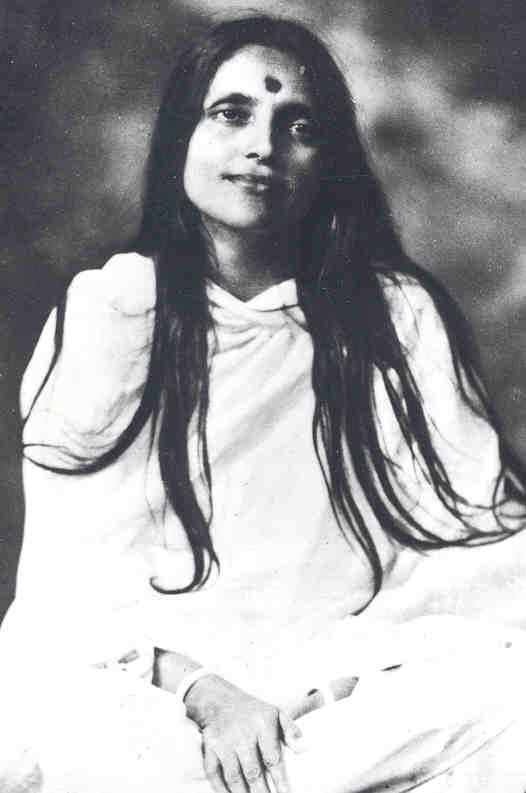
Anandamayi Ma
इन पर सहमत: ध्यान या प्रार्थना क्यों करें? · परम सत्य क्या है? क्या ईश्वर है? · मैं कौन हूँ? क्या कोई सच्चा आत्म है?
Meher Baba
इन पर सहमत: ध्यान या प्रार्थना क्यों करें? · परम सत्य क्या है? क्या ईश्वर है? · मैं कौन हूँ? क्या कोई सच्चा आत्म है?
Ibn Arabi
इन पर सहमत: परम सत्य क्या है? क्या ईश्वर है? · मैं कौन हूँ? क्या कोई सच्चा आत्म है? · हम दुःख क्यों भोगते हैं?
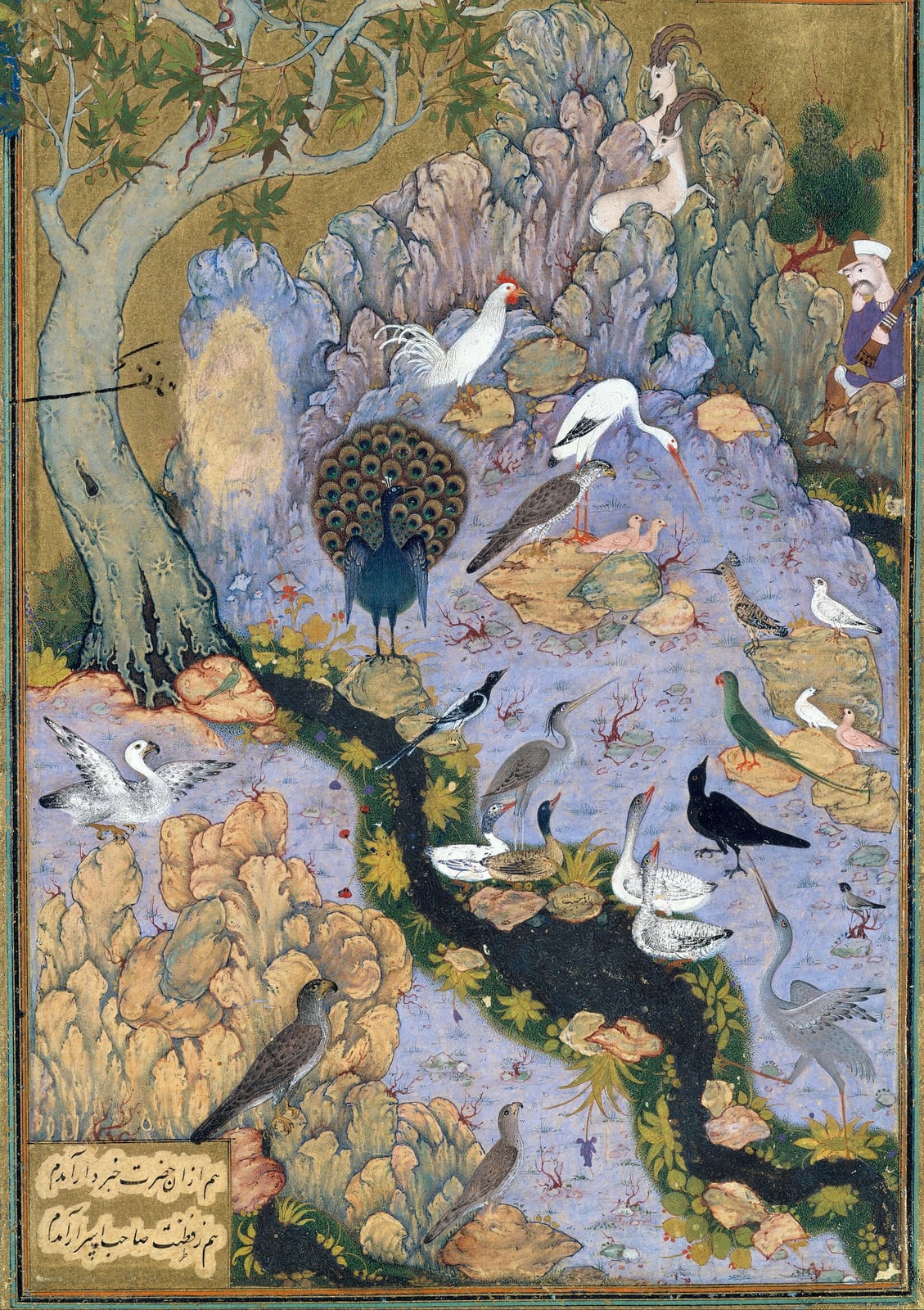
Attar
इन पर सहमत: परम सत्य क्या है? क्या ईश्वर है? · मैं कौन हूँ? क्या कोई सच्चा आत्म है? · हम दुःख क्यों भोगते हैं?
इनसे भिन्न सोचते हैं

Epicurus
इन पर टकराव: मैं कौन हूँ? क्या कोई सच्चा आत्म है? · मृत्यु के बाद क्या होता है?

Emanuel Swedenborg
इन पर टकराव: मैं कौन हूँ? क्या कोई सच्चा आत्म है? · मृत्यु के बाद क्या होता है?
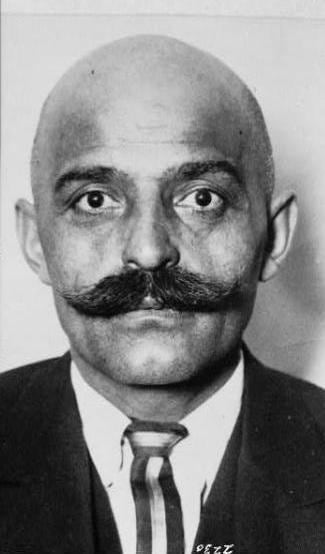
G. I. Gurdjieff
इन पर टकराव: मैं कौन हूँ? क्या कोई सच्चा आत्म है?
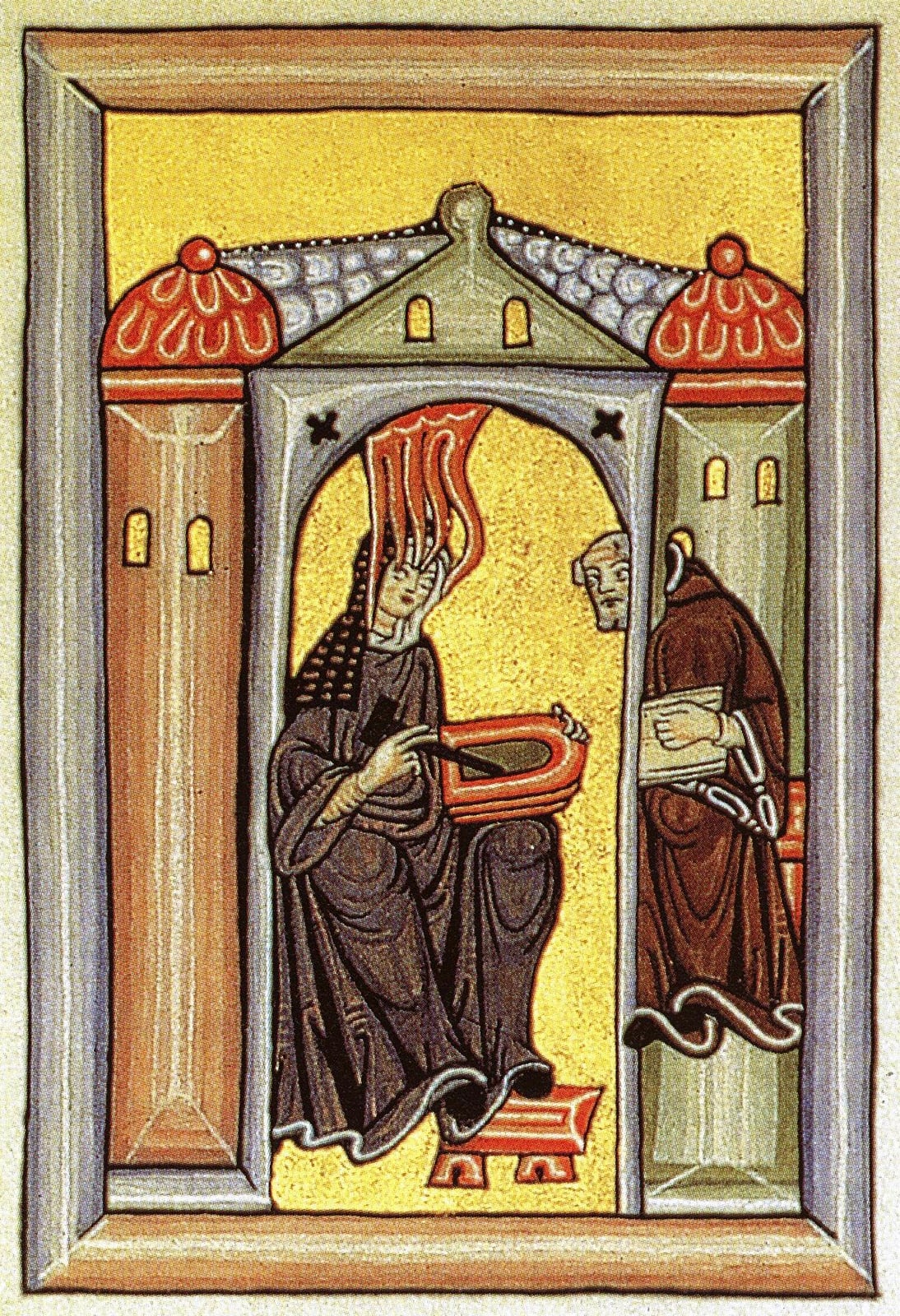
Hildegard of Bingen
इन पर टकराव: मैं कौन हूँ? क्या कोई सच्चा आत्म है? · मृत्यु के बाद क्या होता है?
प्रसंग और वृत्तांत
प्रसंग और वृत्तांत
साक्ष्यc. 1842-1843
The white cranes
वृत्तांत का स्रोत: An autobiographical account Ramakrishna gave his disciples decades later; recorded by Saradananda in the Lilaprasanga and, in short form, by other lives from the Order. There are no independent witnesses.
स्रोत: Saradananda, Swami. Sri Sri Ramakrishna Lilaprasanga. 5 partes. Calcuta: Udbodhan, escrita entre 1909 y 1919. Trad. inglesa: Sri Ramakrishna, the Great Master, trad. de Swami Jagadananda. Madrás: Sri Ramakrishna Math, 1952; y Sri Ramakrishna and His Divine Play, trad. de Swami Chetanananda. St. Louis: Vedanta Society of St. Louis, 2003.
साक्ष्यc. 1856
The sword of the shrine
वृत्तांत का स्रोत: It comes from what Ramakrishna told his disciples; Saradananda fixes it in the Lilaprasanga and it reappears in the Kathamrita in Ramakrishna’s own words. It is testimony of a visionary experience, not a verifiable fact.
स्रोत: Saradananda, Swami. Sri Sri Ramakrishna Lilaprasanga. 5 partes. Calcuta: Udbodhan, escrita entre 1909 y 1919. Trad. inglesa: Sri Ramakrishna, the Great Master, trad. de Swami Jagadananda. Madrás: Sri Ramakrishna Math, 1952; y Sri Ramakrishna and His Divine Play, trad. de Swami Chetanananda. St. Louis: Vedanta Society of St. Louis, 2003.
साक्ष्य1864-1865
The shard of glass
वृत्तांत का स्रोत: Ramakrishna’s own account recorded by Saradananda in the Lilaprasanga; the three days and Totapuri’s reaction belong to the Order’s tradition. There is no independent testimony from Totapuri.
स्रोत: Saradananda, Swami. Sri Sri Ramakrishna Lilaprasanga. 5 partes. Calcuta: Udbodhan, escrita entre 1909 y 1919. Trad. inglesa: Sri Ramakrishna, the Great Master, trad. de Swami Jagadananda. Madrás: Sri Ramakrishna Math, 1952; y Sri Ramakrishna and His Divine Play, trad. de Swami Chetanananda. St. Louis: Vedanta Society of St. Louis, 2003.
साक्ष्य1872
The worship of Sarada
वृत्तांत का स्रोत: Known from what Ramakrishna and Sarada Devi herself later told; Saradananda narrates it in the Lilaprasanga and Rolland repeats it. The exact date within 1872 varies between sources.
स्रोत: Saradananda, Swami. Sri Sri Ramakrishna Lilaprasanga. 5 partes. Calcuta: Udbodhan, escrita entre 1909 y 1919. Trad. inglesa: Sri Ramakrishna, the Great Master, trad. de Swami Jagadananda. Madrás: Sri Ramakrishna Math, 1952; y Sri Ramakrishna and His Divine Play, trad. de Swami Chetanananda. St. Louis: Vedanta Society of St. Louis, 2003.
साक्ष्य1881-1882
“Have you seen God?”
वृत्तांत का स्रोत: It comes from Vivekananda’s own recollection, told on several occasions and recorded by Saradananda (Lilaprasanga) and by the biography of Vivekananda by his disciples. The exact words vary from version to version.
स्रोत: Saradananda, Swami. Sri Sri Ramakrishna Lilaprasanga. 5 partes. Calcuta: Udbodhan, escrita entre 1909 y 1919. Trad. inglesa: Sri Ramakrishna, the Great Master, trad. de Swami Jagadananda. Madrás: Sri Ramakrishna Math, 1952; y Sri Ramakrishna and His Divine Play, trad. de Swami Chetanananda. St. Louis: Vedanta Society of St. Louis, 2003.
साक्ष्य1 de enero de 1886
Kalpataru day
वृत्तांत का स्रोत: Testimonies from several of those present, gathered in Saradananda’s Lilaprasanga and in Ramakrishna as We Saw Him (Chetanananda, 1990). The young monks were not in the garden; the name Kalpataru is later.
स्रोत: Chetanananda, Swami (ed. y trad.). Ramakrishna as We Saw Him. St. Louis: Vedanta Society of St. Louis, 1990.
साक्ष्यfebrero-marzo de 1882
The schoolmaster and the rebuke
वृत्तांत का स्रोत: M.’s own narrative at the opening of the Kathamrita (vol. 1), written from his diary and published twenty years later; it is the only testimony of the meeting.
स्रोत: Gupta, Mahendranath («M.»). Sri Sri Ramakrishna Kathamrita (শ্রীশ্রীরামকৃষ্ণকথামৃত). 5 vols. Calcuta, 1902, 1904, 1908, 1910 y 1932. Trad. inglesa: The Gospel of Sri Ramakrishna, trad. e introd. de Swami Nikhilananda, prólogo de Aldous Huxley. Nueva York: Ramakrishna-Vivekananda Center, 1942.
शिक्षाएँ
शिक्षाएँ
वे अवधारणाएँ जो उनके चिंतन को रूप देती हैं, उनके संदर्भ में समझाई गई।
As many faiths, so many pathsjato-mat-tato-path
Recorded in the Kathamrita in many conversations; historians debate whether it is full pluralism or an inclusion of other religions within a Vedantic frame, as part of the academic critique holds.
स्रोत: Gupta, Mahendranath («M.»). Sri Sri Ramakrishna Kathamrita (শ্রীশ্রীরামকৃষ্ণকথামৃত). 5 vols. Calcuta, 1902, 1904, 1908, 1910 y 1932. Trad. inglesa: The Gospel of Sri Ramakrishna, trad. e introd. de Swami Nikhilananda, prólogo de Aldous Huxley. Nueva York: Ramakrishna-Vivekananda Center, 1942.
Brahman and Shakti: the Motherbrahman-y-shakti
It derives from the Bengali Shakta tradition, from Ramprasad Sen and from the Tantra the Bhairavi Brahmani taught him; Neevel and Kripal see here the Tantric matrix of his thought.
स्रोत: Neevel, Walter G. «The Transformation of Śrī Rāmakrishna». En Bardwell L. Smith (ed.), Hinduism: New Essays in the History of Religions. Leiden: E. J. Brill, 1976, pp. 53–97.
“Woman and gold” (kamini-kanchana)kamini-kanchana
Sumit Sarkar relates the insistence on gold to the experience of the Bengali middle class subject to office work (chakri) in colonial Calcutta; Kripal and Tyagananda debate the scope of the sexual part.
स्रोत: Sarkar, Sumit. «“Kaliyuga”, “Chakri” and “Bhakti”: Ramakrishna and His Times». Economic and Political Weekly 27, n.º 29 (1992): 1543–1566. Ampliado en An Exploration of the Ramakrishna Vivekananda Tradition. Shimla: Indian Institute of Advanced Study, 1993.
Vijnana: knowing God in everythingvijnana
Recent studies from within the Order (Swami Medhananda) propose reading vijnana as a philosophy in its own right, distinct from Shankara’s Advaita; the classic reading subordinates it to non-dual Vedanta.
स्रोत: Gupta, Mahendranath («M.»). Sri Sri Ramakrishna Kathamrita (শ্রীশ্রীরামকৃষ্ণকথামৃত). 5 vols. Calcuta, 1902, 1904, 1908, 1910 y 1932. Trad. inglesa: The Gospel of Sri Ramakrishna, trad. e introd. de Swami Nikhilananda, prólogo de Aldous Huxley. Nueva York: Ramakrishna-Vivekananda Center, 1942.
Samadhi and bhavasamadhi
The vocabulary combines classical yoga, Tantric kundalini and Vaishnava devotion; the debate on the nature of these states is central to Kripal (1995) and to Tyagananda and Vrajaprana’s reply (2010).
स्रोत: Saradananda, Swami. Sri Sri Ramakrishna Lilaprasanga. 5 partes. Calcuta: Udbodhan, escrita entre 1909 y 1919. Trad. inglesa: Sri Ramakrishna, the Great Master, trad. de Swami Jagadananda. Madrás: Sri Ramakrishna Math, 1952; y Sri Ramakrishna and His Divine Play, trad. de Swami Chetanananda. St. Louis: Vedanta Society of St. Louis, 2003.
Serving beings as Shivashiva-jnane-jiva-seva
It comes from the Lilaprasanga, not the Kathamrita; historians stress that the social orientation is chiefly Vivekananda’s work, though the Order traces it back to this episode.
स्रोत: Saradananda, Swami. Sri Sri Ramakrishna Lilaprasanga. 5 partes. Calcuta: Udbodhan, escrita entre 1909 y 1919. Trad. inglesa: Sri Ramakrishna, the Great Master, trad. de Swami Jagadananda. Madrás: Sri Ramakrishna Math, 1952; y Sri Ramakrishna and His Divine Play, trad. de Swami Chetanananda. St. Louis: Vedanta Society of St. Louis, 2003.
वीडियो
वीडियो
रिकॉर्डिंग, साक्षात्कार और वृत्तचित्र। वीडियो YouTube से चलते हैं; वे यहाँ संग्रहीत नहीं हैं।
Ramakrishna | A documentary
वृत्तचित्र· EN· 1990· 78 min
Vedanta Brasília
মানবতার প্রস্ফুটিত শতদল: Documentary on Ramakrishna Mission
वृत्तचित्र· BN· 47 min
Ramakrishna Math & Ramakrishna Mission, Belur Mathआधिकारिक चैनल
BELUR MATH | The heart of Ramakrishna Movement: A Documentary on Belur Math (Full)
वृत्तचित्र· EN· 54 min
Ramakrishna Mission Ashrama, Narendrapurआधिकारिक चैनल
Hindi Version: BELUR MATH | The heart of Ramakrishna Movement
वृत्तचित्र· HI· 54 min
Ramakrishna Mission Ashrama, Narendrapurआधिकारिक चैनल
The Living Photographs of Sri Ramakrishna | Swami Harinamananda
व्याख्यान· EN· 2018· 76 min
Vedanta Society of New Yorkआधिकारिक चैनल
Teachings of Sri Ramakrishna | Swami Sarvapriyananda
व्याख्यान· EN· 77 min
Vedanta Society of New Yorkआधिकारिक चैनल
Glimpses of Sri Ramakrishna | Swami Sarvapriyananda
व्याख्यान· EN· 90 min
Vedanta Society of New Yorkआधिकारिक चैनल
Gospel | Chapter 1: Feb 1882 (Part 1) | Swami Sarvapriyananda
व्याख्यान· EN· 70 min
Vedanta Society of New Yorkआधिकारिक चैनल
Sri Ramakrishna: The Synthesis of Vedanta | Prof. Jeffery Long
व्याख्यान· EN· 89 min
Vedanta Society of New Yorkआधिकारिक चैनल
Kali's Child - Jeffrey Kripal and Host Michael Lerner
साक्षात्कार· EN· 2025· 78 min
CommonwealNewSchool
Sri Ramakrishna & Universal Hinduism
विश्लेषण· EN· 2025· 46 min
Let's Talk Religion
কথামৃত পাঠ ও ব্যাখ্যা (20): স্বামী ঈশাত্মানন্দ
व्याख्यान· BN· 60 min
RAMAKRISHNA ORDER
Una Trinidad Vedántica | Sri Ramakrishna, Vivekananda y la Santa Madre
व्याख्यान· ES· 32 min
Ramakrishna Ashrama Argentinaआधिकारिक चैनल
चित्रशाला
चित्रशाला
सत्यापित लाइसेंस वाले चित्र। प्रत्येक में उसके रचयिता और श्रेय का उल्लेख सुरक्षित है।
संबंध
संबंध
प्रभाव, शिष्यत्व और वैचारिक निकटता। प्रमाणित संबंध को विश्लेषण से पहचानी गई समानता से अलग दर्शाया गया है।
इनके गुरु
Narendranath Datta met him at the end of 1881 and was his disciple until 1886; as Vivekananda he founded the Ramakrishna Order and Mission and spread his message in the West.
प्रमाणित संबंध
इनके परिवार से
Sarada Devi
His wife from 1859, in a marriage never consummated; he worshipped her as the Goddess in 1872 and she later became the Holy Mother of the Order.
प्रमाणित संबंध
इनके गुरु
Mahendranath Gupta («M.»)
Schoolmaster who visited him from 1882 and recorded his conversations in the Kathamrita.
प्रमाणित संबंध
इनके शिष्य
Totapuri
Advaita monk who gave him monastic initiation and taught him non-dual Vedanta around 1864–65.
प्रमाणित संबंध
इनके शिष्य
Bhairavi Brahmani
Wandering ascetic who initiated him into Tantric practice from 1861.
प्रमाणित संबंध
इनसे भेंट
Keshab Chandra Sen
Brahmo leader he met in 1875; Keshab made him known in the Calcutta press, and his New Dispensation shows Ramakrishna’s influence.
प्रमाणित संबंध
इनसे प्रभावित
He revered Chaitanya as an incarnation of devotion and often cites him in the Kathamrita; he lived the devotional attitudes of the Bengali Vaishnavism Chaitanya founded.
प्रमाणित संबंध
इनसे प्रभावित
Around 1874, after hearing the Bible read, he recounted a vision of Christ merging into him; he kept a picture of Jesus in his room.
प्रमाणित संबंध
इन्हें प्रभावित किया
Aurobindo cites Ramakrishna’s life in the introduction to The Synthesis of Yoga as an example of a spiritual capacity that runs through all the disciplines in a short time and unites them. They never met.
प्रमाणित संबंध
इन्हें प्रभावित किया
Indirect influence: as a boy Yogananda frequented Mahendranath Gupta, author of the Kathamrita, to whom he devoted a chapter of his Autobiography of a Yogi; he never met Ramakrishna, who died more than six years before his birth.
प्रमाणित संबंध
इनसे मिलते-जुलते विचार
Similarity identified by the editors: two mystics with almost no schooling whose teaching reaches us through dialogues recorded by disciples, and whom tradition links to Advaita. No personal relationship (Ramana was six when Ramakrishna died).
विश्लेषण से पहचानी गई समानता
इनसे मिलते-जुलते विचार
Similarity identified by the editors: Bengali mystics of frequent ecstasies who did not write and whose words were recorded by devotees; both associated with devotion to the divine Mother. No personal relationship.
विश्लेषण से पहचानी गई समानता
इनसे मिलते-जुलते विचार
He received Advaita through Totapuri, a monk of the order founded by Shankara, but integrated it into a vision that does not deny the reality of the world as the Mother’s play.
विश्लेषण से पहचानी गई समानता
स्रोत
स्रोत
इस प्रविष्टि के लिए देखे गए ग्रंथ-सूची और सूचीपत्र।
- Chetanananda, Swami (ed. y trad.). Ramakrishna as We Saw Him. St. Louis: Vedanta Society of St. Louis, 1990.
- Isherwood, Christopher. Ramakrishna and His Disciples. Nueva York: Simon & Schuster, 1965.
- Gupta, Mahendranath («M.»). Sri Sri Ramakrishna Kathamrita (শ্রীশ্রীরামকৃষ্ণকথামৃত). 5 vols. Calcuta, 1902, 1904, 1908, 1910 y 1932. Trad. inglesa: The Gospel of Sri Ramakrishna, trad. e introd. de Swami Nikhilananda, prólogo de Aldous Huxley. Nueva York: Ramakrishna-Vivekananda Center, 1942.
- Saradananda, Swami. Sri Sri Ramakrishna Lilaprasanga. 5 partes. Calcuta: Udbodhan, escrita entre 1909 y 1919. Trad. inglesa: Sri Ramakrishna, the Great Master, trad. de Swami Jagadananda. Madrás: Sri Ramakrishna Math, 1952; y Sri Ramakrishna and His Divine Play, trad. de Swami Chetanananda. St. Louis: Vedanta Society of St. Louis, 2003.
- Müller, F. Max. Râmakrishna: His Life and Sayings. Londres / Nueva York: Longmans, Green and Co., 1898 (reimpr. 1899).
- Rolland, Romain. La Vie de Ramakrishna (Essai sur la mystique et l’action de l’Inde vivante, I). París: Stock, 1929. Trad. inglesa de E. F. Malcolm-Smith: The Life of Ramakrishna. Almora / Calcuta: Advaita Ashrama, 1930.
- Sarkar, Sumit. «“Kaliyuga”, “Chakri” and “Bhakti”: Ramakrishna and His Times». Economic and Political Weekly 27, n.º 29 (1992): 1543–1566. Ampliado en An Exploration of the Ramakrishna Vivekananda Tradition. Shimla: Indian Institute of Advanced Study, 1993.
- Kripal, Jeffrey J. Kālī’s Child: The Mystical and the Erotic in the Life and Teachings of Ramakrishna. Chicago: University of Chicago Press, 1995 (2.ª ed., 1998).
- Tyagananda, Swami, y Pravrajika Vrajaprana. Interpreting Ramakrishna: Kali’s Child Revisited. Delhi: Motilal Banarsidass, 2010.
- Sen, Amiya P. Ramakrishna Paramahamsa: Sadhaka of Dakshineswar. Nueva Delhi: Viking / Penguin Books India, 2010.
- Neevel, Walter G. «The Transformation of Śrī Rāmakrishna». En Bardwell L. Smith (ed.), Hinduism: New Essays in the History of Religions. Leiden: E. J. Brill, 1976, pp. 53–97.
- Abhedananda, Swami (ed.). The Gospel of Râmakrishna. Nueva York: The Vedanta Society, 1907 (edición autorizada para América de los diarios de M.).
- Wikidata, «Ramakrishna» (Q183126): fechas y lugares de nacimiento y muerte, 114 enlaces entre wikis.
- Wikipedia en inglés, «Sri Sri Ramakrishna Kathamrita»: historia de la publicación (1897–1932), método de M. y juicio de Sumit Sarkar sobre los 186 días que cubre el texto.
- Wikimedia Commons, «Category:Ramakrishna» y fotografías de 1879, 1881 y 1885 (metadatos y licencias consultados por API).
- Mozoomdar, Protap Chunder. «The Hindu Saint». Theistic Quarterly Review (Calcuta), 1879; reproducido en Müller 1898.
- Sen, Akshay Kumar. Sri Sri Ramakrishna Punthi (poema narrativo en bengalí, escrito entre 1887 y 1901). Trad. inglesa en prosa: A Portrait of Sri Ramakrishna. Calcuta: Ramakrishna Mission Institute of Culture, 1999.
- Wikipedia en inglés, «Ramakrishna» (cronología de las sadhanas, últimos días y versiones de sus últimas palabras, con remisión a Chetanananda 1990, pp. 56 y 408).
- Sri Aurobindo. The Synthesis of Yoga, «Introduction: The Conditions of the Synthesis» (Arya, 1914–1921). Complete Works of Sri Aurobindo, vols. 23–24. Pondicherry: Sri Aurobindo Ashram, 1999.
- Yogananda, Paramahansa. Autobiography of a Yogi. Nueva York: The Philosophical Library, 1946, cap. 9 («The Blissful Devotee and His Cosmic Romance»), sobre Mahendranath Gupta.
- अधिकार-धारक
- Las palabras de Ramakrishna (m. 1886) y el texto bengalí del Kathamrita (M., m. 1932) son de dominio público. Las traducciones modernas tienen titulares propios: The Gospel of Sri Ramakrishna de Nikhilananda, el Ramakrishna-Vivekananda Center of New York; Sri Ramakrishna, the Great Master, el Sri Ramakrishna Math de Chennai; la traducción de Dharm Pal Gupta, el Sri Ma Trust.
- आधिकारिक वेबसाइट
- belurmath.org/
पुष्टि की प्रतीक्षा में
जो यह प्रविष्टि अभी तक निश्चित नहीं कर सकी है। हम उसे भर देने के बजाय कह देना बेहतर समझते हैं।
- Traducción española completa del Kathamrita o del Gospel con ISBN: solo se localizó la edición de 144 pp. (Luis Cárcamo, 2020), que es abreviada. Comprobar si existe una traducción íntegra (Kier, Ramakrishna Ashrama Argentina).
- Fecha y datos de la primera edición inglesa del propio M. (Madrás, 1907) y del folleto A Leaf from the Gospel of Sri Ramakrishna (1897).
- Año de las primeras ediciones de Tales and Parables, Teachings of Sri Ramakrishna y Words of the Master (Open Library solo da reimpresiones).
- Datación de la fotografía sentada más difundida: Commons dice octubre de 1885; la Orden, 1883 en Dakshineswar. Confirmar con el estudio de Swami Vidyatmananda o con los archivos de Belur Math.
- Rolland, La Vie de Ramakrishna: dominio público en EE. UU. (1929, desde 2025), la UE y España (Rolland m. 1944). Wikisource francés tiene el índice pero no las páginas transcritas; buscar un texto completo legible para la sala de lectura.
- Kathamrita bengalí: localizar una transcripción completa (no escaneo) para la sala de lectura; los escaneos de Internet Archive no tienen OCR fiable.
- Ramchandra Datta, Jivanvrittanta: confirmar el año (se da 1890) y editorial de la primera edición.
- Cotejar con el texto bengalí la cita exacta de las últimas palabras («Kali» tres veces / «Ma») en el Lilaprasanga y en Ramakrishna as We Saw Him.
- Suresh Chandra Datta publicó en vida de Ramakrishna (c. 1884) una colección de sus enseñanzas (Sri Sri Ramakrishnadever Upadesh); verificar título, año y si debe registrarse como obra aparte.
2026-10-25 को शोधित