यहूदी धर्म · धर्मनिरपेक्ष चिंतन
Martin Buber
מרטין בובר · מארטין בובער
1878 – 1965ऐतिहासिक रूप से प्रमाणित व्यक्ति
मार्टिन बूबर (1878–1965), वियना में जन्मे यहूदी दार्शनिक और धार्मिक चिंतक, ने «मैं और तू» (1923) में दो बातों के बीच भेद स्थापित किया: «मैं-तू» संबंध, जो संपूर्ण अस्तित्व के साथ होने वाला मिलन है, और «मैं-वह» अनुभव, जो दूसरे को वस्तु बना देता है। उन्होंने यूरोपीय पाठकों के लिए हसीदी किंवदंतियाँ फिर से लिखीं, फ़्रांज़ रोज़ेनत्स्वाइग के साथ बाइबल का जर्मन में अनुवाद किया और यरूशलम में एक द्विराष्ट्रीय यहूदी-अरब राज्य का पक्ष लिया।
- कृतियाँ
- 65कृतियाँ
- संस्करण
- 127संस्करण
- उद्धरण
- 8उद्धरण
- वीडियो
- 13वीडियो
- चित्र
- 9चित्र
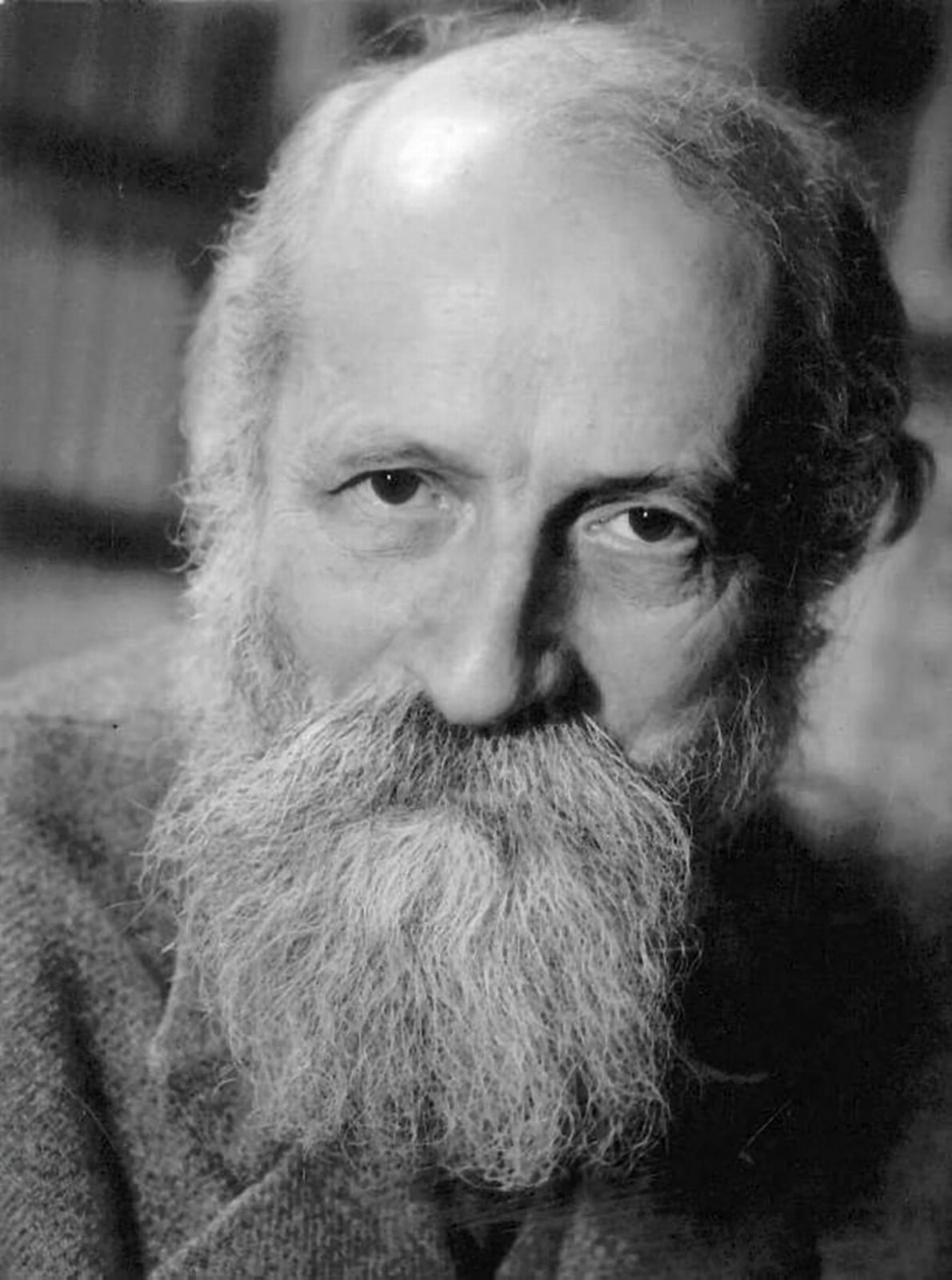
Retrato de Martin Buber · Public domain
उनके अपने शब्दों में
«All real living is meeting.»Ich und Du (1923), primera parte

शुरुआत के लिए एक रचना
I and Thouमूल विचार
The primary word I-It is not an evil: without it there would be no science, technology or social order. The danger is that the world of It grows until it stifles the capacity for relation, and that we treat persons too merely as objects of experience and use.
संदर्भ में देखें
जीवनी
5 मिनट का पाठ
स्पैनिश मूल से सहायता-प्राप्त अनुवाद, मातृभाषी अनुवादक द्वारा समीक्षा लंबित।
बिना विदा का बचपन
मार्टिन बूबर का जन्म 8 फ़रवरी 1878 को वियना में, हैब्सबर्ग राजतंत्र के एक संपन्न यहूदी परिवार में हुआ। वे चार वर्ष के भी नहीं हुए थे कि उनके माता-पिता अलग हो गए और माँ बिना एक शब्द कहे उनके जीवन से ओझल हो गईं; बालक को ऑस्ट्रियाई गैलिसिया के लेमबर्ग (आज का ल्वीव) में उसके दादा-दादी के पास भेज दिया गया। दादा सालोमन बूबर मिद्राश के विद्वान, रब्बीनी ग्रंथों के संपादक और व्यापारी थे; दादी आडेले जर्मन साहित्य की उत्कट पाठिका थीं। मार्टिन यिडिश, जर्मन, स्कूल की पोलिश और सिनेगॉग की हिब्रू के बीच पले-बढ़े, और भाषाओं की इस बहुलता ने, जैसा कि उन्होंने स्वयं बताया, उन पर हमेशा के लिए छाप छोड़ी। अनुपस्थित माँ के अनुभव ने आगे चलकर उन्हें एक शब्द सुझाया — Vergegnung, «अ-मिलन» — दो व्यक्तियों के बीच सच्चे मिलन की विफलता को नाम देने के लिए।
सांस्कृतिक ज़ायनवाद से हसीदवाद तक
उन्होंने वियना, लाइपज़िग, ज़्यूरिख़ और बर्लिन में दर्शनशास्त्र, कला-इतिहास, जर्मन भाषा-साहित्य और मनोविज्ञान का अध्ययन किया — बर्लिन में उन्होंने विल्हेल्म डिल्थाइ और गेओर्ग ज़िमेल को सुना — और 1904 में वियना से निकोलस ऑफ़ क्यूसा और याकोब ब्योमे में व्यक्तिकरण की समस्या पर शोध-प्रबंध लिखकर डॉक्टरेट प्राप्त की। 1898 से वे ज़ायनवादी आंदोलन में सक्रिय रहे: कुछ समय उन्होंने हर्ज़ल के मुखपत्र डी वेल्ट का संपादन किया और उस «लोकतांत्रिक गुट» में शामिल रहे जो केवल कूटनीतिक समाधान से पहले यहूदी सांस्कृतिक पुनर्जागरण की माँग करता था। 1899 में ज़्यूरिख़ में उनकी भेंट पाउला विंकलर से हुई, जो कैथोलिक पृष्ठभूमि की लेखिका थीं, जिन्होंने आगे यहूदी धर्म अपनाया और जीवन भर उनकी संगिनी रहीं। लगभग 1904 में वे सक्रिय राजनीति से हट गए और उन हसीदी ग्रंथों में डूब गए जिनकी झलक उन्होंने बचपन में गैलिसिया में पाई थी: रब्बी नहमान की कहानियाँ (1906) और बाल शेम की किंवदंती (1908) ने उन कथाओं को अत्यंत परिष्कृत जर्मन गद्य में फिर से रचा और यूरोपीय पाठकों के सामने उन्हें एक जीवंत धार्मिकता की अभिव्यक्ति के रूप में प्रस्तुत किया।
रहस्यवाद से संवाद तक
प्रथम विश्वयुद्ध से पहले के वर्ष उनके रहस्यवादी चरण के थे: उन्होंने सभी परंपराओं के रहस्यदर्शियों की आनंदातिरेक की स्वीकारोक्तियाँ (1909) नामक संकलन तैयार किया, च्वांग त्ज़ू का अनुवाद किया और «सिद्धि» पर संवादों की पुस्तक डैनियल (1913) प्रकाशित की। युद्ध छिड़ने पर उन्होंने, बहुत-से जर्मन बुद्धिजीवियों की तरह, उसका ऐसे उत्साह से स्वागत किया जिसके लिए उनके मित्र, अराजकतावादी गुस्ताव लांडाउअर, ने उन्हें कड़ी फटकार लगाई। स्वयं बूबर ने अपने इस मोड़ को एक बहुत छोटी-सी घटना से जोड़ा: धार्मिक भाव-विभोरता की एक सुबह के बाद उनसे परामर्श लेने एक युवक आया; उन्होंने उसका स्नेह से स्वागत तो किया, पर पूरी तरह उपस्थित हुए बिना, और बाद में उन्हें पता चला कि वह आगंतुक, जो तब तक मर चुका था, जीवन-मरण का एक प्रश्न लेकर आया था। तब से, उन्होंने लिखा, उन्होंने अपवाद और आनंदातिरेक के रूप में «धार्मिक» का त्याग कर दिया और उनके पास «दैनंदिन के सिवा कुछ नहीं» रहा।
मैं और तू
1916 में वे सपरिवार बर्गश्त्रासे के पास हेपेनहाइम में बस गए और डेर यूडे पत्रिका की स्थापना की, जिसका संपादन उन्होंने 1924 तक किया। वहीं उन्होंने मैं और तू (Ich und Du, 1923) लिखी, जो सदी की सबसे प्रभावशाली दार्शनिक पुस्तकों में से एक है। इसकी स्थापना कुछ ही पंक्तियों में समा जाती है: संसार के प्रति मनुष्य के दो दृष्टिकोण हैं, जो दो «मूल शब्दों» में व्यक्त होते हैं। मैं-वह (Ich-Es) के द्वारा वह वस्तुओं और व्यक्तियों का अनुभव और उपयोग विषय-वस्तु की तरह करता है; मैं-तू (Ich-Du) के द्वारा वह अपने संपूर्ण अस्तित्व से, बिना किसी माध्यम या प्रयोजन के, उनसे संबंध में प्रवेश करता है। «वह» के बिना मनुष्य जी नहीं सकता, पर जो केवल उसी के साथ जीता है, वह मनुष्य नहीं है। किसी «तू» के साथ हर सच्चा संबंध «शाश्वत तू» — ईश्वर — की झलक देता है, जिसका वर्णन नहीं किया जा सकता, केवल जिसे संबोधित किया जा सकता है।
जर्मन में धर्मग्रंथ
1923 से 1933 तक उन्होंने फ़्रैंकफ़र्ट विश्वविद्यालय में यहूदी दर्शन और नीतिशास्त्र पढ़ाया और फ़्रांज़ रोज़ेनत्स्वाइग के साथ फ़्राइएस यूडिशेस लेहरहाउस (स्वतंत्र यहूदी शिक्षा-गृह) में सहयोग किया। 1925 में दोनों ने हिब्रू बाइबल का एक नया जर्मन अनुवाद आरंभ किया, जो मूल की लय, धातुओं और मौखिकता को बचाए रखने का प्रयास था; रोज़ेनत्स्वाइग की मृत्यु 1929 में हो गई और बूबर ने इसे अकेले, 1961 में यरूशलम में पूरा किया। हिटलर के सत्ता में आने पर उन्होंने अपनी प्रोफ़ेसरी छोड़ दी और जर्मन यहूदियों के प्रौढ़-शिक्षा कार्यालय का संचालन किया, जो उन्हें टिके रहने के लिए आध्यात्मिक संबल देने का प्रयत्न करता था; 1935 में गेस्टापो ने उनके सार्वजनिक रूप से बोलने पर रोक लगा दी। मार्च 1938 में उन्होंने यरूशलम के हिब्रू विश्वविद्यालय में सामाजिक दर्शन की पीठ स्वीकार की; कुछ महीनों बाद नवंबर के नरसंहार में हेपेनहाइम स्थित उनका घर लूट लिया गया।
एक असहज ज़ायनवाद
फ़िलिस्तीन में उन्होंने यहूदा मैग्नेस और इहूद समूह के साथ एक द्विराष्ट्रीय राज्य की वकालत की, जिसमें यहूदी और अरब सत्ता में साझेदार हों, और ज़ायनवादी आंदोलन में बढ़ते राष्ट्रवाद की आलोचना की। 1939 में उन्होंने गांधी को — जिन्होंने जर्मन यहूदियों को अहिंसक प्रतिरोध की सलाह दी थी और फ़िलिस्तीन पर उनके अधिकार को नकारा था — एक खुले पत्र से उत्तर दिया, जिसमें उन्होंने यहूदी पक्ष और अरबों के साथ एक न्यायपूर्ण समझौते की आवश्यकता, दोनों का एक साथ बचाव किया। 1948 के बाद भी वे शरणार्थियों की वापसी और एक क्षेत्रीय महासंघ की माँग करते रहे, जिसके कारण नए राज्य में उन्हें श्रद्धा और अलगाव का मिला-जुला अनुभव हुआ। 1953 में उन्होंने फ़्रैंकफ़र्ट में जर्मन पुस्तक-व्यापार का शांति पुरस्कार स्वीकार किया, जिस पर इस्राएल में तीखा विवाद हुआ, और 1962 में उन्होंने अनुरोध किया कि आडोल्फ़ आइकमान को मृत्युदंड न दिया जाए।
अंतिम वर्ष और विरासत
उनकी परिपक्व अवस्था की पुस्तकों ने संवाद के सिद्धांत को बाइबल (मूसा, नबियों की आस्था), आधुनिक धर्म की आलोचना (ईश्वर का ग्रहण, जिसमें कार्ल गुस्ताव युंग से उनका विवाद है), शिक्षा, मनश्चिकित्सा — 1957 में उन्होंने कार्ल रॉजर्स के साथ सार्वजनिक संवाद किया — और सामाजिक दर्शन (यूटोपिया के पथ) तक विस्तारित किया। उन्हें 1958 में इस्राएल पुरस्कार और 1963 में इरैस्मस पुरस्कार मिला। पाउला का निधन 1958 में वेनिस में हुआ; उनका स्वयं का, 13 जून 1965 को यरूशलम के तालबिये मोहल्ले स्थित उनके घर में। गेर्शोम शोलेम ने उन पर आरोप लगाया कि उन्होंने किंवदंतियों को चुनकर और सिद्धांत की उपेक्षा करके हसीदवाद को एक अस्तित्ववादी दर्शन में बदल दिया; इमैनुएल लेविनास ने मैं-तू की पारस्परिकता पर प्रश्न उठाया। धर्मशास्त्र, शिक्षाशास्त्र और मिलन के मनोविज्ञान पर उनका प्रभाव आज भी जीवित है, और इक्कीस खंडों में उनकी रचनाओं का आलोचनात्मक संस्करण 2019 में पूरा हुआ।
स्रोत: Mendes-Flohr, Paul. Martin Buber: A Life of Faith and Dissent. New Haven/Londres: Yale University Press (Jewish Lives), 2019. · Friedman, Maurice. Martin Buber's Life and Work. 3 vols. (The Early Years 1878–1923; The Middle Years 1923–1945; The Later Years 1945–1965). Nueva York: E. P. Dutton, 1981–1983; reed. Detroit: Wayne State University Press, 1988. · Buber, Martin. Ich und Du. Leipzig: Insel-Verlag, 1923 (ejemplar digitalizado en Internet Archive, «ich-und-du»). · Buber, Martin. Begegnung. Autobiographische Fragmente. Stuttgart: W. Kohlhammer, 1960 (trad. ingl.: Meetings, ed. Maurice Friedman, La Salle, Open Court, 1973). · Martin Buber Werkausgabe (MBW), ed. Paul Mendes-Flohr, Peter Schäfer y Bernd Witte, por encargo de la Academia de Ciencias de Berlín-Brandeburgo, la Israel Academy of Sciences and Humanities y la Universidad Heinrich Heine de Düsseldorf. 21 vols. Gütersloh: Gütersloher Verlagshaus, 2001–2019.
कालक्रम
जीवन, वर्ष-दर-वर्ष
प्रत्येक बिंदु एक प्रमाणित घटना है। उसे स्रोत और निश्चितता के स्तर सहित पढ़ने के लिए क्लिक करें।
8 फ़रवरी 18780 वर्षViena
Birth
Born in Vienna, son of Carl Buber and Elise Wurhaft.
प्रमाणितWikidata, Q84423: «Martin Buber» (8 de febrero de 1878 – 13 de junio de 1965), 79 enlaces entre wikis.
उनके निधन के बाद
- 2019Werkausgabe completed
8 फ़रवरी 1878 · 0 वर्ष
Birth
Born in Vienna, son of Carl Buber and Elise Wurhaft.
प्रमाणित
लगभग 1882 · 4 वर्ष
With his grandparents in Lemberg
After his parents' separation he grows up in the home of his grandparents Solomon and Adele Buber, in Austrian Galicia.
प्रमाणित
1896 – 1899 · 18 वर्ष
Student years
Studies philosophy, art history, German literature and psychology; hears Dilthey and Simmel in Berlin.
प्रमाणित
1898 · 20 वर्ष
Joins the Zionist movement
Joins Zionism and takes part in its congresses; in 1901 he briefly edits Die Welt and joins the "democratic faction".
प्रमाणित
1899 · 21 वर्ष
Meets Paula Winkler
Meets the writer Paula Winkler; Rafael (1900) and Eva (1901) are born. They marry in 1907, after Paula's conversion to Judaism.
प्रमाणित
1904 · 26 वर्ष
Doctorate and retreat into Hasidism
Takes his doctorate with a thesis on individuation in Nicholas of Cusa and Jakob Böhme and withdraws from politics to study Hasidic texts.
प्रमाणित
1906 · 28 वर्ष
The tales of Rabbi Nachman
Publishes Die Geschichten des Rabbi Nachman; in 1908, Die Legende des Baalschem.
प्रमाणित
1909 – 1911 · 31 वर्ष
Addresses on Judaism
Delivers before the Bar Kochba student association in Prague the addresses collected in Drei Reden über das Judentum (1911).
प्रमाणित
1916 · 38 वर्ष
Heppenheim and Der Jude
Settles in Heppenheim and founds the journal Der Jude, which he edits until 1924.
प्रमाणित
1923 · 45 वर्ष
Ich und Du
Publishes Ich und Du with Insel, the statement of his philosophy of dialogue. Begins teaching at the University of Frankfurt (until 1933).
प्रमाणित
1925 · 47 वर्ष
Bible translation begins with Rosenzweig
With Franz Rosenzweig he undertakes Die Schrift, a new German version of the Hebrew Bible; after Rosenzweig's death (1929) he continues alone.
प्रमाणित
1933 · 55 वर्ष
Resigns his chair
After Hitler comes to power he leaves the university and directs the Mittelstelle für jüdische Erwachsenenbildung; in 1935 he is banned from speaking in public.
प्रमाणित
मार्च 1938 · 60 वर्ष
Emigration to Jerusalem
Accepts a chair of social philosophy at the Hebrew University; in November his Heppenheim house is ransacked.
प्रमाणित
फ़रवरी 1939 · 61 वर्ष
Open letter to Gandhi
Answers Gandhi's article "The Jews" (1938) with a letter defending the Jewish claim to Palestine and the need for a just agreement with the Arabs.
प्रमाणित
1942 · 64 वर्ष
Founding of Ihud
With Judah Magnes and others he founds Ihud, advocating a binational Jewish-Arab state.
प्रमाणित
1949 · 71 वर्ष
The Hasidic tales
Publishes Die Erzählungen der Chassidim (Manesse), his great collection of Hasidic tales.
प्रमाणित
1952 · 74 वर्ष
Controversy with Jung
Criticises C. G. Jung's psychology of religion in Merkur; Jung replies, and the debate is collected in Gottesfinsternis (1953).
प्रमाणित
27 सितंबर 1953 · 75 वर्ष
Peace Prize of the German Book Trade
Receives the prize in the Paulskirche and delivers "Das echte Gespräch und die Möglichkeit des Friedens"; his acceptance is much disputed in Israel.
प्रमाणित
अप्रैल 1957 · 79 वर्ष
Public dialogue with Carl Rogers
Holds a public conversation with the psychologist Carl Rogers at the University of Michigan on the therapeutic relationship and encounter.
प्रमाणित
1958 · 80 वर्ष
Paula's death and the Israel Prize
Paula Buber dies in Venice on the way back from a journey; Buber receives the Israel Prize for the humanities.
प्रमाणित
1961 · 83 वर्ष
Die Schrift completed
Completes the German Bible translation begun with Rosenzweig thirty-six years earlier.
प्रमाणित
मई 1962 · 84 वर्ष
Plea for clemency for Eichmann
With Hugo Bergmann, Gershom Scholem and others he asks President Ben-Zvi to commute Adolf Eichmann's death sentence.
प्रमाणित
3 जुलाई 1963 · 85 वर्ष
Erasmus Prize
Prince Bernhard presents him with the Erasmus Prize at the Tropenmuseum in Amsterdam.
प्रमाणित
13 जून 1965 · 87 वर्ष
Death
Dies at his home in Talbiyeh, Jerusalem.
प्रमाणित
2019
Werkausgabe completed
The 21-volume critical edition of his works (Martin Buber Werkausgabe) is completed.
प्रमाणित
कृतियाँ
आवश्यक कृतियाँ
वे कृतियाँ जिनके बिना उनकी विरासत को समझा नहीं जा सकता।
लिखित कृति · 1923
I and Thou
Ich und Du
His principal philosophical work, written in Heppenheim and published by Insel in 1923. In three parts of aphoristic prose it distinguishes two human attitudes, expressed in the "primary words" I-Thou and I-It: relation, which occurs with the whole being and in the present, and experience, which objectifies and uses. It then examines how modern civilisation has hypertrophied the world of It and concludes with the relation to the "eternal Thou", God, who can only be addressed, not described. In 1957 he added an afterword. Translated into dozens of languages, it influenced twentieth-century theology, pedagogy, psychotherapy and philosophy.
11 संस्करण
Martin Buber
Die Schrift (German Bible translation, with Franz Rosenzweig)
लिखित कृति · 1926
Die Schrift (German Bible translation, with Franz Rosenzweig)
Die Schrift (verdeutscht von Martin Buber gemeinsam mit Franz Rosenzweig)
Translation of the Hebrew Bible into German undertaken in 1925 with Franz Rosenzweig and completed by Buber in 1961. It renounces Luther's literary language in order to reproduce the structure of Hebrew: its recurrent roots (*Leitwörter*), its breathing rhythm and its character as a text to be spoken aloud. Fifteen volumes appeared up to 1938; the complete version, in four volumes, between 1954 and 1962. It is, with Moses Mendelssohn's Torah, the great Jewish Bible in German.
3 संस्करण

प्रकाशित व्याख्यान · 1948
The Way of Man according to the Teaching of Hasidism
Der Weg des Menschen nach der chassidischen Lehre
Short book born of a lecture at Bentveld (Netherlands) in 1947. In six chapters (heart-searching, the particular way, resolution, beginning with oneself, not to be preoccupied with oneself, here where one stands) it condenses into Hasidic tales an ethic of personal responsibility; it includes the story of Rabbi Zusya, who in the world to come will not be asked why he was not Moses, but why he was not Zusya. It is his most widely read work outside academia.
5 संस्करण

लिखित कृति · 1949
Tales of the Hasidim
Die Erzählungen der Chassidim (Or ha-ganuz)
His great collection of Hasidic tales, published by Manesse in 1949 (in Hebrew, *Or ha-ganuz*, 1946–1947). Organised by masters, from the Baal Shem Tov to the rabbis of the nineteenth century, it presents hundreds of short anecdotes and sayings rewritten with a sobriety very different from the ornamental style of his first books. It is the way most Western readers have come to know Hasidism, and the main target of Scholem's critique.
7 संस्करण
संपूर्ण कृतित्व (65)
Martin Buber
On the History of the Problem of Individuation (Nicholas of Cusa and Jakob Böhme)
The Conscious LibraryOn the History of the Problem of Individuation (Nicholas of Cusa and Jakob Böhme)
1904

A Jewish University
1902
Martin Buber
Jewish Artists
The Conscious LibraryJewish Artists
1903

The Tales of Rabbi Nachman
1906

The Legend of the Baal-Shem
1908

Ecstatic Confessions
1909
Martin Buber
Sayings and Parables of Zhuangzi
The Conscious LibrarySayings and Parables of Zhuangzi
1910

Chinese Ghost and Love Stories
1911

Three Addresses on Judaism
1911

Daniel: Dialogues on Realization
1913

The Four Branches of the Mabinogi
1914

On the Spirit of Judaism
1916

The Jewish Movement: Collected Essays and Addresses
1916

Events and Meetings
1917
Martin Buber
The Discourse, the Teaching and the Song
The Conscious LibraryThe Discourse, the Teaching and the Song
1917
Martin Buber
My Way to Hasidism
The Conscious LibraryMy Way to Hasidism
1918
Martin Buber
The Holy Way
The Conscious LibraryThe Holy Way
1919

Words to the Time
1919
Martin Buber
The Great Maggid and His Succession
The Conscious LibraryThe Great Maggid and His Succession
1922

The Hidden Light
1924
Martin Buber
The Baal Shem Tov's Instruction in Intercourse with God
The Conscious LibraryThe Baal Shem Tov's Instruction in Intercourse with God
1927
Martin Buber
The Hasidic Books
The Conscious LibraryThe Hasidic Books
1928

Dialogue
1932

Kingship of God
1932
वचन
किसी निश्चित कृति में स्थित वचन। प्रत्येक के साथ उसका स्रोत और विश्वसनीयता का स्तर है।
All real living is meeting.Alles wirkliche Leben ist Begegnung.
सत्यापितIch und Du (1923), primera parte
मूल विचार (संपादकीय सार)
कॉपीराइट के सम्मान में, ये विचार हमारे अपने शब्दों में संक्षेपित हैं और इन्हें शब्दशः उद्धरण के रूप में प्रस्तुत नहीं किया गया है।
- The primary word I-It is not an evil: without it there would be no science, technology or social order. The danger is that the world of It grows until it stifles the capacity for relation, and that we treat persons too merely as objects of experience and use.
- God is not an object that can be spoken about in the third person, but the eternal Thou who can only be spoken to. Every genuine relation with a human being, an animal, a tree or a work of art affords a glimpse of that Thou, who never becomes an It.
- True dialogue does not consist in exchanging opinions but in turning toward the other and accepting him in his uniqueness, even in disagreement. Buber distinguishes genuine dialogue, technical dialogue, which seeks only understanding about something, and monologue disguised as dialogue.
- Buber described his position as that of someone walking a narrow ridge between two abysses: without doctrinal certainties to support him, but with the certainty of meeting what remains inexpressible.
- The modern age has not witnessed the death of God but his eclipse: something has come between man and the divine light, above all the tendency to turn God into an idea, a psychic function or a cultural product.
- Zionism, for Buber, made sense only as Hebrew humanism: the task of building in the land of Israel a just community, which could not be raised on injustice toward the Arabs. Hence his advocacy of a binational state and, after 1948, of a regional federation.
- Education consists neither in imposing nor in letting grow without guidance, but in a relation in which the teacher, while remaining himself, selects the world for the pupil and wins his trust; only thus can character be formed.
- Redemption is not forced through politics or magic: it is prepared in the turning of the heart and the hallowing of everyday life. That is the thesis of his novel Gog and Magog and of his reading of Hasidism.
अंतिम शब्द
उनके अंतिम शब्दों का कोई सत्यापन-योग्य अभिलेख उपलब्ध नहीं है।
No reliable record of his last words is known. He died at his home in Jerusalem on 13 June 1965 after some weeks of illness; the biographies by Friedman and Mendes-Flohr describe his last days without attributing a final sentence to him.
स्रोत: Mendes-Flohr, Paul. Martin Buber: A Life of Faith and Dissent. New Haven/Londres: Yale University Press (Jewish Lives), 2019.
पूछें
उनकी कृतियाँ क्या उत्तर देती हैं
मानवता के बारह महान प्रश्न और उनके ग्रंथ उनका जो उत्तर देने देते हैं, संदर्भों सहित। हम कभी उनके मुख में अपने शब्द नहीं रखते।
परम सत्य क्या है? क्या ईश्वर है?
God is the eternal Thou: not spoken about, but spoken to
साकार, व्यक्तिगत ईश्वरस्पष्ट रूप से कहा है
For Buber, God is the eternal Thou: the one who by essence cannot become an It and in whom the lines of all relations with beings are extended. God cannot be spoken about as an object; He can only be addressed. That is why Buber distrusts both the metaphysics that defines Him and the mysticism that dissolves Him into a unity with no one to address. In the afterword he added to I and Thou in 1957 he admits that calling God a person is indispensable for whoever meets Him, though the word does not exhaust Him: He is the absolute Person, the one without limits who nevertheless enters into direct relation with man. Eclipse of God describes the modern age as a time when the Thou is hidden behind the It that man interposes, not as proof that He does not exist.
इस प्रश्न की अन्य गुरुओं से तुलना करेंमैं कौन हूँ? क्या कोई सच्चा आत्म है?
There is no I as such: man becomes an I through the Thou
संबंधों में विकसित होता आत्मस्पष्ट रूप से कहा है
For Buber there is no I as such, prior to relations. There are two primary words, I-Thou and I-It, and the I of one is not the I of the other: when a man says Thou with his whole being he is a person; when he says It he is a subject who uses and knows things. In the beginning is the relation, and man becomes an I through the Thou: the child discovers his I after having lived the encounter. That is why Buber shifts the question what is man? towards the sphere of the interhuman, the between: human reality lies neither in the isolated individual nor in the collective, but in what happens between one and another. The true self is not discovered by looking inward but by responding.
इस प्रश्न की अन्य गुरुओं से तुलना करेंहम दुःख क्यों भोगते हैं?
We suffer when the It invades everything and God is eclipsed
ईश्वर से वियोगउनके सिद्धांत से निष्कर्षित
Buber answers not with a theory of evil but with a reading of the texts in which the righteous man suffers. In his commentary on the Psalms he dwells on Psalm 73: the psalmist sees the wicked prosper and nearly stumbles, until he enters the sanctuary and understands that his good is nearness to God; suffering is not explained, but relation passes through it. From Job he retains that God gives him not reasons but presence. On the scale of the age, the diagnosis of I and Thou is that the world of It grows without measure and modern man no longer knows how to say Thou; Eclipse of God describes this time in which something interposes itself between heaven and earth. The deepest suffering is broken relation, with God and with others.
इस प्रश्न की अन्य गुरुओं से तुलना करेंमृत्यु के बाद क्या होता है?
Of death we know nothing; the life entrusted to us is enough
मौन या संयमस्पष्ट रूप से कहा है
Buber keeps a deliberate reserve before the hereafter. In a short reply written for a survey on life after death, collected in his last book, he acknowledges that of death we know nothing except that we shall die, and that the fitting thing is to accept it as the limit of what we can imagine, without claiming to picture what lies beyond. This sobriety is consistent with his reading of the Hebrew Bible, which centres faith on the relationship with God in this world, and with all his thought: eternity is touched in the present encounter with the Thou, not in speculation about an afterwards. He does not deny Jewish hope or trust in God in the face of death; he refuses to turn them into knowledge.
इस प्रश्न की अन्य गुरुओं से तुलना करेंमुक्ति या उद्धार कैसे प्राप्त होता है?
The Thou comes by grace, but answering is an act of one's whole being
कृपा और प्रेम सेस्पष्ट रूप से कहा है
Buber distrusts the word salvation understood as flight from the world or as a technique. In I and Thou he puts it precisely: the Thou meets one through grace, it is not found by seeking; but speaking the primary word to it is an act of one's own being. Relation is at once choosing and being chosen, suffering and action. In The Way of Man according to the Teaching of Hasidism he translates this into a practice without method: to examine oneself, to discover the unique way that belongs to each person, to begin with oneself without ending with oneself, and to do things with one's whole being, in the place where one stands. Redemption is not elsewhere: the world is hallowed in dealings with beings and things, and God answers to that.
इस प्रश्न की अन्य गुरुओं से तुलना करेंक्या गुरु आवश्यक है?
The master gives no doctrine: he shows something and helps one find one's way
सहायक, पर अनिवार्य नहींस्पष्ट रूप से कहा है
Buber said of himself that he had no doctrine: he only showed something. That is also his idea of the master. In his Hasidic books he admires the tsaddik as a helper: someone who, through his presence and whole life, helps each person find his unique way without exempting him from travelling it. In The Way of Man he recalls Rabbi Zusya's saying: in the world to come he will not be asked why he was not Moses, but why he was not Zusya. Buber criticised the degeneration of Hasidism into dynasties of righteous men before whom the faithful abdicate their responsibility. In his addresses on education, the good educator influences by what he is, not by what he imposes, and respects the other side of the relation.
इस प्रश्न की अन्य गुरुओं से तुलना करेंक्या संसार वास्तविक है?
The world is not divine play but divine destiny: it is hallowed, not abandoned
शुभ और वास्तविक सृष्टिस्पष्ट रूप से कहा है
Buber affirms the world as real creation, addressed to man like a word. In I and Thou he writes that the world is not divine play but divine destiny, and that God is found neither by abandoning the world nor by staying in it as a possession, but by saying Thou to beings. Things can become It, objects of use and knowledge, and that is not bad in itself; what is grave is that the It should invade everything. Against mysticisms that declare reality illusory, Buber defends the concreteness of this world and this moment. His reading of Hasidism insists on the same thing: meaning is not sought elsewhere but realised by hallowing the everyday, here.
इस प्रश्न की अन्य गुरुओं से तुलना करेंप्रेम क्या है?
Love is not a feeling: it is an I's responsibility for a Thou
ईश्वर और पड़ोसी से प्रेमस्पष्ट रूप से कहा है
Buber carefully distinguishes love from the feelings that accompany it. Feelings are had; love happens: it is not in the I as its content but between the I and the Thou. That is why, he writes in I and Thou, love is the responsibility of an I for a Thou, and in this lies the equality of all who love, from the least to the greatest. Whoever loves in this way can love even someone he does not find agreeable, because he loves not a quality but the whole person. In his Bible translation with Rosenzweig, the commandment in Leviticus asks one to love one's neighbour as one like oneself. Love of God and love of the other are not two loves: the eternal Thou is met in every Thou.
इस प्रश्न की अन्य गुरुओं से तुलना करेंक्या हम स्वतंत्र हैं, या सब कुछ पूर्वनिर्धारित है?
Freedom and destiny embrace: destiny needs the free man
नियति और उत्तरदायित्वस्पष्ट रूप से कहा है
In the second part of I and Thou, Buber writes that freedom and destiny belong to each other. The free man is not the one who does what he likes, but the one who wills without arbitrariness: he believes in reality, in the real bond between I and Thou, and he believes in destiny and that destiny needs him. It does not lead him; it waits for him; he must go out to meet it without knowing where it is, but knowing that he must go with his whole being. The opposite is not determinism but the arbitrariness of one who knows only the world of It, for whom everything is causality or whim. For Buber decision is real, and in it man answers a call he has not chosen.
इस प्रश्न की अन्य गुरुओं से तुलना करेंध्यान या प्रार्थना क्यों करें?
To pray is to say Thou, not to sink into oneself
ईश्वर से मैत्रीस्पष्ट रूप से कहा है
For Buber, prayer is the purest form of the I-Thou relation: speaking to God instead of speaking about Him. In the third part of I and Thou he criticises the doctrines of absorption, which propose sinking into oneself or dissolving the I into the One, because they abolish precisely the two who speak to each other; he himself, in his youth, had sought ecstatic states and abandoned them after an episode he recounts in his autobiographical fragments. From Hasidism he retains prayer with one's whole being, without reserve, and the idea that there is no profane place or hour for turning to God. Eclipse of God laments that modern man no longer knows how to say Thou and merely thinks of God in the third person.
इस प्रश्न की अन्य गुरुओं से तुलना करेंक्या बुद्धि परम को जान सकती है?
God is not thought as an object: He is met in relation
परम मन से परे हैस्पष्ट रूप से कहा है
Buber was a philosopher and a university professor, and he did not despise reason; but he held that the ultimate is not an object of knowledge. In Eclipse of God he analyses how philosophy, by turning God into an idea, concept or postulate, transforms Him into an It and loses precisely what religion affirms: a Thou who can be addressed. Faith is not accepting propositions but trust in Someone within a relationship; in Two Types of Faith he thus distinguishes it from faith as assent to statements. That is why knowledge of God is not the culmination of reasoning but an encounter that cannot be proved or reduced to doctrine. Reason orders the world of It; the Thou is given in another sphere.
इस प्रश्न की अन्य गुरुओं से तुलना करेंसंसार से हटें या उसे बदलें?
The individual is not saved by withdrawing: he answers the world and his people
संसार में जुड़नास्पष्ट रूप से कहा है
Buber explicitly rejected salvation through withdrawal. In The Question to the Single One he argues with Kierkegaard: the Single One does not meet God by turning his back on the crowd but by taking on his responsibility in the world, politics included. His life was consistent with this: he took part in cultural Zionism from 1900, directed Jewish adult education in Nazi Germany, defended in Palestine a binational state and understanding with the Arabs, and in Paths in Utopia proposed a communal socialism of small living communities against centralised socialism. For Buber religion that takes refuge in inwardness is suspect: the holy is realised in common life, in relation to the other.
इस प्रश्न की अन्य गुरुओं से तुलना करें
निकटता और तनाव
निकटता और तनाव
उनके मतों के आधार पर प्रश्न-दर-प्रश्न आकलित। प्रत्येक सहमति या टकराव का कारण क्लिक करने पर।
इनसे मिलता-जुलता सोचते हैं
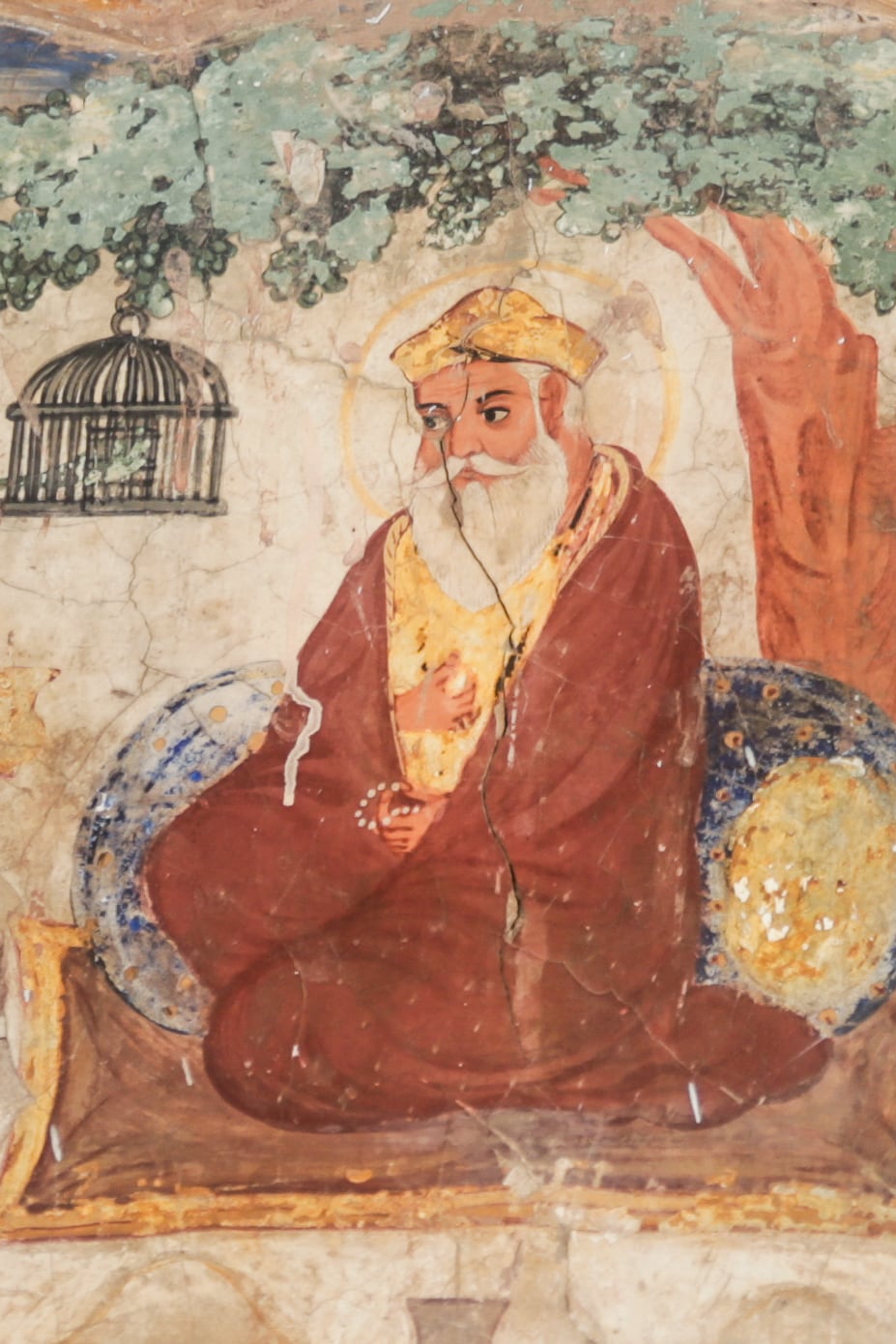
Guru Nanak
इन पर सहमत: ध्यान या प्रार्थना क्यों करें? · परम सत्य क्या है? क्या ईश्वर है? · हम दुःख क्यों भोगते हैं?

Francis of Assisi
इन पर सहमत: परम सत्य क्या है? क्या ईश्वर है? · हम दुःख क्यों भोगते हैं? · मुक्ति या उद्धार कैसे प्राप्त होता है?
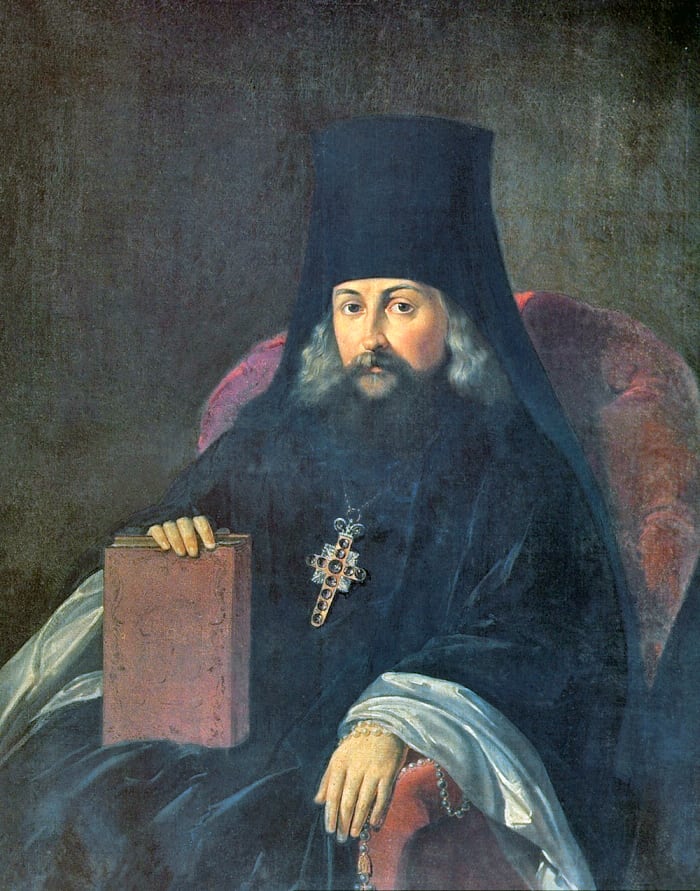
Ignatius Brianchaninov
इन पर सहमत: हम दुःख क्यों भोगते हैं? · परम सत्य क्या है? क्या ईश्वर है? · मुक्ति या उद्धार कैसे प्राप्त होता है?
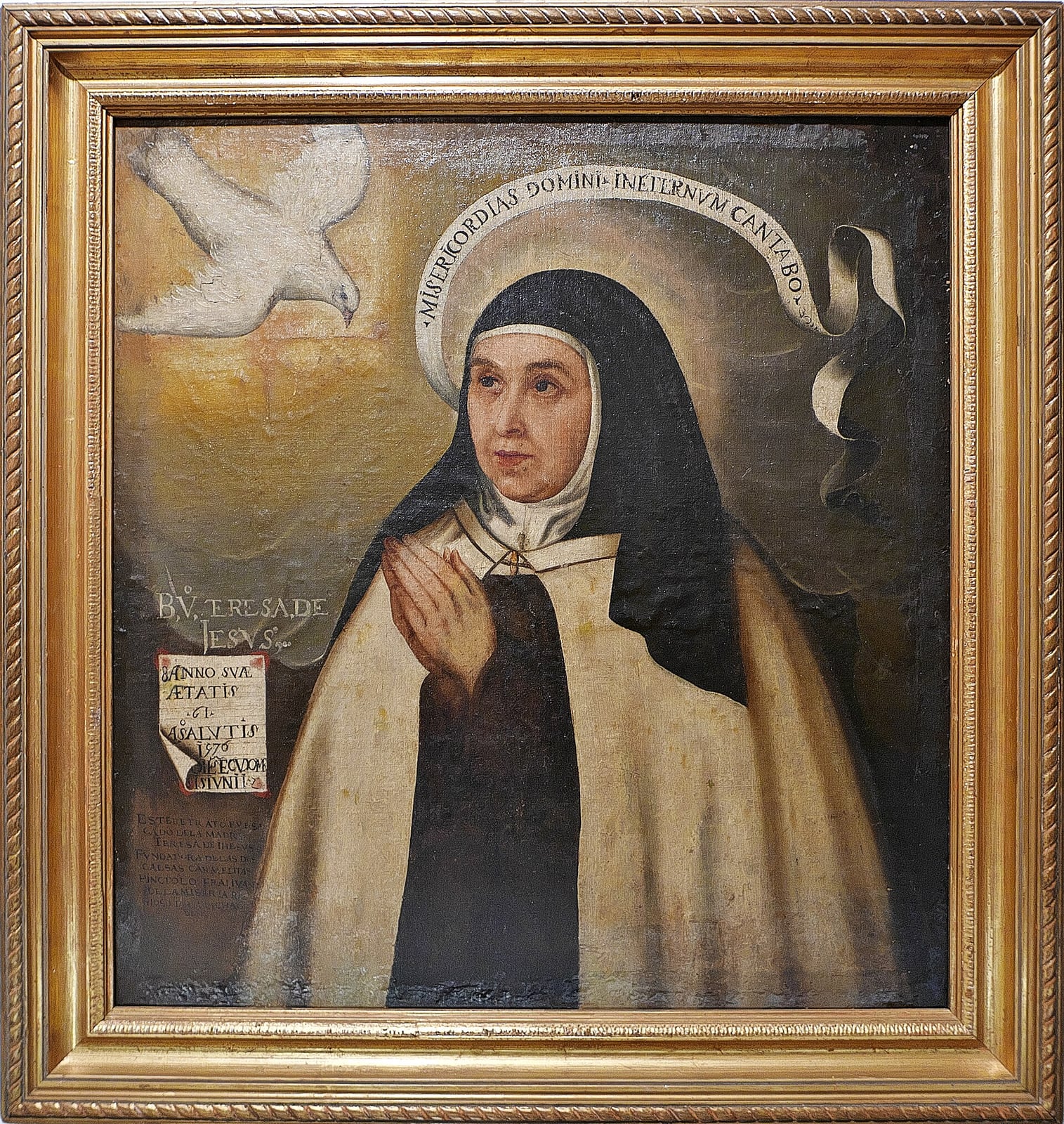
Teresa of Ávila
इन पर सहमत: परम सत्य क्या है? क्या ईश्वर है? · हम दुःख क्यों भोगते हैं? · मुक्ति या उद्धार कैसे प्राप्त होता है?


प्रसंग और वृत्तांत
प्रसंग और वृत्तांत
साक्ष्य1882 y después
"Mismeeting"
वृत्तांत का स्रोत: Begegnung. Autobiographische Fragmente (1960), first fragment; taken up by Friedman and Mendes-Flohr.
स्रोत: Buber, Martin. Begegnung. Autobiographische Fragmente. Stuttgart: W. Kohlhammer, 1960 (trad. ingl.: Meetings, ed. Maurice Friedman, La Salle, Open Court, 1973).
साक्ष्यc. 1889
The dapple-grey horse
वृत्तांत का स्रोत: Zwiesprache (1929/1932) and Begegnung (1960): Buber's own autobiographical account.
स्रोत: Buber, Martin. Zwiesprache. Berlín: Schocken, 1932 (primera publicación en Die Kreatur, 1929); reunido en Das dialogische Prinzip, Heidelberg: Lambert Schneider, 1962.
साक्ष्यc. 1892–1895
Kant in adolescence
वृत्तांत का स्रोत: Begegnung (1960), fragment "Philosophers".
स्रोत: Buber, Martin. Begegnung. Autobiographische Fragmente. Stuttgart: W. Kohlhammer, 1960 (trad. ingl.: Meetings, ed. Maurice Friedman, La Salle, Open Court, 1973).
साक्ष्यc. 1914
A conversion
वृत्तांत का स्रोत: Zwiesprache (1929/1932), section "Eine Bekehrung", and Begegnung (1960). Some biographers identify the young man; Buber does not give his name.
स्रोत: Buber, Martin. Zwiesprache. Berlín: Schocken, 1932 (primera publicación en Die Kreatur, 1929); reunido en Das dialogische Prinzip, Heidelberg: Lambert Schneider, 1962.
प्रमाणित1938–1939
The letter to Gandhi
वृत्तांत का स्रोत: The letter was published in 1939 in the pamphlet Two Letters to Gandhi (with Judah Magnes's) and is included in A Land of Two Peoples (1983).
स्रोत: Mendes-Flohr, Paul R. (ed.). A Land of Two Peoples: Martin Buber on Jews and Arabs. Nueva York: Oxford University Press, 1983.
प्रमाणित1953
In the Paulskirche
वृत्तांत का स्रोत: Official text of the speech "Das echte Gespräch und die Möglichkeit des Friedens" published by the Friedenspreis des Deutschen Buchhandels.
प्रमाणित1962
Against Eichmann's gallows
वृत्तांत का स्रोत: National Library of Israel blog ("Who Opposed Eichmann's Execution?") and Mendes-Flohr's biography (2019).
स्रोत: National Library of Israel Blog. «Who Opposed Eichmann's Execution?».
शिक्षाएँ
शिक्षाएँ
वे अवधारणाएँ जो उनके चिंतन को रूप देती हैं, उनके संदर्भ में समझाई गई।
I-Thou (Ich-Du)ich-du
Set out in I and Thou (1923), in dialogue with Feuerbach, Kierkegaard, Hermann Cohen, Ferdinand Ebner and Franz Rosenzweig.
I-It (Ich-Es)ich-es
Second part of I and Thou, devoted to the critique of modern civilisation.
The eternal Thouewiges-du
Third part of I and Thou; developed in Eclipse of God (1952–1953).
The between (das Zwischen)das-zwischen
What Is Man? (1942/1948) and Elements of the Interhuman (1954).
Genuine dialogueechtes-gespraech
Dialogue (1929/1932) and the 1953 speech.
स्रोत: Buber, Martin. Zwiesprache. Berlín: Schocken, 1932 (primera publicación en Die Kreatur, 1929); reunido en Das dialogische Prinzip, Heidelberg: Lambert Schneider, 1962.
Eclipse of Godgottesfinsternis
Eclipse of God (1952) / Gottesfinsternis (1953).
स्रोत: Buber, Martin. Gottesfinsternis. Betrachtungen zur Beziehung zwischen Religion und Philosophie. Zúrich: Manesse, 1953 (ed. ingl.: Eclipse of God, Nueva York: Harper, 1952), con el debate con C. G. Jung publicado en Merkur (1952).
Vergegnung (mismeeting)vergegnung
Meetings: Autobiographical Fragments (1960).
स्रोत: Buber, Martin. Begegnung. Autobiographische Fragmente. Stuttgart: W. Kohlhammer, 1960 (trad. ingl.: Meetings, ed. Maurice Friedman, La Salle, Open Court, 1973).
वीडियो
वीडियो
रिकॉर्डिंग, साक्षात्कार और वृत्तचित्र। वीडियो YouTube से चलते हैं; वे यहाँ संग्रहीत नहीं हैं।
Martin Buber - Das Wort, das gesprochen wird (Audio)
मूल रिकॉर्डिंग· DE· 61 min
PhilosophieKanal
BUBER - PRIZE - NO SOUND
मूल रिकॉर्डिंग· EN· 1 min
British Movietoneआधिकारिक चैनल
Martin Buber and Martin Heidegger in Dialogue, Paul Mendes-Flohr
व्याख्यान· EN· 80 min
The University of Chicagoआधिकारिक चैनल
Martin Buber: A Life of Faith and Dissent by Paul Mendes-Flohr (Jewish Lives Book Club)
साक्षात्कार· EN· 71 min
Jewish Livesआधिकारिक चैनल
Dissent and Dialogue: On Buber, Faith and Jewish Identity (Paul Mendes-Flohr)
व्याख्यान· EN· 58 min
JBS
Wish You Were Here: Martin Buber
व्याख्यान· EN· 65 min
thejewishmuseumआधिकारिक चैनल
Martin Buber and His Legacy | 08/16 Buber, Levinas, and the Idea of Hebrew... - Guy G. Stroumsa
व्याख्यान· EN· 21 min
The Israel Academy of Sciences and Humanitiesआधिकारिक चैनल
Martin Buber and His Legacy | 10/16 Buber: A Jewish Icon for the World after... - Dominique Bourel
व्याख्यान· EN· 21 min
The Israel Academy of Sciences and Humanitiesआधिकारिक चैनल
On The Life & Philosophy of Martin Buber (1878-1965) With Dr. Zachary J. Braiterman (Syracuse Uni)
साक्षात्कार· EN· 42 min
The Young Idealist
19 - מרטין בובר ופרנץ רוזנצווייג - חלק א
व्याख्यान· HE· 29 min
The Open University of Israelआधिकारिक चैनल
Martin Buber, La révolution hassidique, avec Catherine Chalier, Dominique Bourel et Macha Fogel
व्याख्यान· FR· 32 min
Akademआधिकारिक चैनल
Begegnungen mit Martin Buber
व्याख्यान· DE· 96 min
Katholische Akademie Berlinआधिकारिक चैनल
Martín Buber: El humanismo del encuentro
व्याख्यान· ES· 72 min
Universidad Católica del Uruguayआधिकारिक चैनल
चित्रशाला
चित्रशाला
सत्यापित लाइसेंस वाले चित्र। प्रत्येक में उसके रचयिता और श्रेय का उल्लेख सुरक्षित है।
संबंध
संबंध
प्रभाव, शिष्यत्व और वैचारिक निकटता। प्रमाणित संबंध को विश्लेषण से पहचानी गई समानता से अलग दर्शाया गया है।
इनसे प्रभावित
Buber devoted *Die Legende des Baalschem* (1908) and an anthology of sayings (1927) to the founder of Hasidism, and saw in Hasidism a model of the hallowing of everyday life. Scholem reproached him for a selective reading.
प्रमाणित संबंध
इनसे प्रभावित
He translated and commented on a selection from the *Zhuangzi* in *Reden und Gleichnisse des Tschuang-Tse* (1910), with the afterword "Die Lehre vom Tao".
प्रमाणित संबंध
इनसे प्रभावित
His afterword on the Tao (1910) and the course on the *Tao Te Ching* he gave at Monte Verità in 1924 show his interest in Taoism as a doctrine of realised unity.
प्रमाणित संबंध
इनसे प्रभावित
His doctoral thesis (Vienna, 1904) studied the problem of individuation in Nicholas of Cusa and Jakob Böhme.
प्रमाणित संबंध
इनसे मतभेद
In 1952 Buber accused Jung's psychology in *Merkur* of reducing God to an immanent psychic reality; Jung answered and Buber replied. The debate is collected in *Eclipse of God*.
प्रमाणित संबंध
इनसे मतभेद
Siddhartha Gautama, the Buddha
The third part of *I and Thou* discusses the Buddha at length: it admires his capacity to say Thou to men but rejects the goal of an absorption or extinction that abolishes relation.
प्रमाणित संबंध
इनसे मिलते-जुलते विचार
Buber included medieval mysticism in his *Ecstatic Confessions* and mentions the Eckhartian idea of God's birth in the soul in *I and Thou*, in order to distance himself from every mysticism of immersion.
विश्लेषण से पहचानी गई समानता
इनसे मिलते-जुलते विचार
In the preface to *Two Types of Faith* (1950) Buber declares that since his youth he has felt Jesus to be his "great brother", and places his teaching within Jewish faith-as-trust (*emunah*).
प्रमाणित संबंध
इनसे मिलते-जुलते विचार
Two opposite models of Jewish thought about God: Maimonides's negative theology and intellectualism versus personal relation with the eternal Thou; both deny that God can be an object of description.
विश्लेषण से पहचानी गई समानता
इनसे मिलते-जुलते विचार
Both share the critique of religion reduced to an institution and the pursuit of dialogue between religious traditions; no direct relationship is documented here.
विश्लेषण से पहचानी गई समानता
स्रोत
स्रोत
इस प्रविष्टि के लिए देखे गए ग्रंथ-सूची और सूचीपत्र।
- Mendes-Flohr, Paul. Martin Buber: A Life of Faith and Dissent. New Haven/Londres: Yale University Press (Jewish Lives), 2019.
- Friedman, Maurice. Martin Buber's Life and Work. 3 vols. (The Early Years 1878–1923; The Middle Years 1923–1945; The Later Years 1945–1965). Nueva York: E. P. Dutton, 1981–1983; reed. Detroit: Wayne State University Press, 1988.
- Zank, Michael, y Zachary Braiterman. «Martin Buber». Stanford Encyclopedia of Philosophy (primera publicación 2004; revisión sustancial 2026).
- Buber, Martin. Ich und Du. Leipzig: Insel-Verlag, 1923 (ejemplar digitalizado en Internet Archive, «ich-und-du»).
- Buber, Martin. Begegnung. Autobiographische Fragmente. Stuttgart: W. Kohlhammer, 1960 (trad. ingl.: Meetings, ed. Maurice Friedman, La Salle, Open Court, 1973).
- Wikidata, Q84423: «Martin Buber» (8 de febrero de 1878 – 13 de junio de 1965), 79 enlaces entre wikis.
- Martin Buber Werkausgabe (MBW), ed. Paul Mendes-Flohr, Peter Schäfer y Bernd Witte, por encargo de la Academia de Ciencias de Berlín-Brandeburgo, la Israel Academy of Sciences and Humanities y la Universidad Heinrich Heine de Düsseldorf. 21 vols. Gütersloh: Gütersloher Verlagshaus, 2001–2019.
- Scholem, Gershom. «Martin Buber's Interpretation of Hasidism». Commentary 32 (octubre de 1961); reimpr. en The Messianic Idea in Judaism, Nueva York: Schocken, 1971.
- Cohn, Margot, y Rafael Buber. Martin Buber: A Bibliography of His Writings, 1897–1978. Jerusalén: Magnes Press; Múnich: K. G. Saur, 1980.
- Buber, Martin. Zwiesprache. Berlín: Schocken, 1932 (primera publicación en Die Kreatur, 1929); reunido en Das dialogische Prinzip, Heidelberg: Lambert Schneider, 1962.
- Buber, Martin. «Das echte Gespräch und die Möglichkeit des Friedens», discurso de aceptación del Premio de la Paz del Comercio Librero Alemán, Paulskirche de Fráncfort, 27 de septiembre de 1953 (PDF oficial del Friedenspreis des Deutschen Buchhandels).
- Mendes-Flohr, Paul R. (ed.). A Land of Two Peoples: Martin Buber on Jews and Arabs. Nueva York: Oxford University Press, 1983.
- National Library of Israel Blog. «Who Opposed Eichmann's Execution?».
- Wikimedia Commons, categoría «Martin Buber» (licencias leídas por la API imageinfo).
- Wikipedia en alemán, «Martin Buber» (sección «Schriften»), contrastada con el catálogo de Open Library por autor.
- Anderson, Rob, y Kenneth N. Cissna. The Martin Buber–Carl Rogers Dialogue: A New Transcript with Commentary. Albany: State University of New York Press, 1997.
- Buber, Martin. Gottesfinsternis. Betrachtungen zur Beziehung zwischen Religion und Philosophie. Zúrich: Manesse, 1953 (ed. ingl.: Eclipse of God, Nueva York: Harper, 1952), con el debate con C. G. Jung publicado en Merkur (1952).
- Berlin-Brandenburgische Akademie der Wissenschaften, documento sobre la Martin Buber Werkausgabe que cita «Aus einer philosophischen Rechenschaft» (1961), en Werke I, Múnich/Heidelberg, 1962.
- अधिकार-धारक
- Herederos de Martin Buber (murió en 1965: sus obras están protegidas en la UE hasta el 1 de enero de 2036 y en España hasta 2046). Las primeras ediciones alemanas anteriores a 1930 son de dominio público en EE. UU. El archivo personal se conserva en la Biblioteca Nacional de Israel. Las traducciones tienen derechos propios de sus traductores y editores.
पुष्टि की प्रतीक्षा में
जो यह प्रविष्टि अभी तक निश्चित नहीं कर सकी है। हम उसे भर देने के बजाय कह देना बेहतर समझते हैं।
- Sala de lectura: no se registra ningún texto. Ich und Du (Insel, 1923) está escaneado en Internet Archive (ich-und-du) y es de dominio público en EE. UU., pero no en la UE (hasta 2036) ni en España (hasta 2046); no hay traducciones libres.
- Confirmar en Mendes-Flohr (2019) el mes exacto de la emigración a Jerusalén (marzo de 1938) y la fecha de la carta a Gandhi (24 de febrero de 1939).
- Verificar el editor y el año de la primera edición de Worte an die Zeit (1919) y de Die vier Zweige des Mabinogi (1914) en el catálogo de la DNB.
- Comprobar la titularidad de la grabación sonora «Das Wort, das gesprochen wird» (Sj7Y0cTz3R4); buscar la versión oficial del archivo de la Bayerische Akademie der Schönen Künste o de la radio pública.
- Identificar el premio que muestra el noticiario de British Movietone (k5JMxWWDpGs).
- Ediciones italianas (Il principio dialogico, Il cammino dell'uomo) y árabes sin ISBN verificado en Open Library.
- Localizar el texto alemán exacto de «Ich habe keine Lehre. Ich zeige nur etwas» en Werke I (1962) para pasar la cita de probable a verificada.
2026-10-25 को शोधित