ईसाई धर्म · ईसाई रहस्यवाद · सूफ़ीवाद
Kahlil Gibran
جبران خليل جبران
1883 – 1931ऐतिहासिक रूप से प्रमाणित व्यक्ति
संयुक्त राज्य अमेरिका में प्रवास करने वाले लेबनानी कवि, निबंधकार और चित्रकार (1883–1931)। अरबी में उन्होंने कहानियाँ, गद्य-कविताएँ और निबंध लिखे, जिन्होंने महजर (प्रवासी अरबी) साहित्य का नवीकरण किया, और अंग्रेज़ी में दृष्टांतों और सूक्तियों की पुस्तकें। उनकी सबसे प्रसिद्ध कृति «द प्रॉफ़ेट» (1923) प्रेम, श्रम, स्वतंत्रता और मृत्यु जैसे विषयों पर छब्बीस प्रवचनों का संग्रह है और बीसवीं शताब्दी की सबसे अधिक अनूदित पुस्तकों में से एक है। न्यूयॉर्क में वे लेखनी संघ के अध्यक्ष रहे।
- कृतियाँ
- 24कृतियाँ
- संस्करण
- 65संस्करण
- उद्धरण
- 13उद्धरण
- वीडियो
- 12वीडियो
- चित्र
- 10चित्र
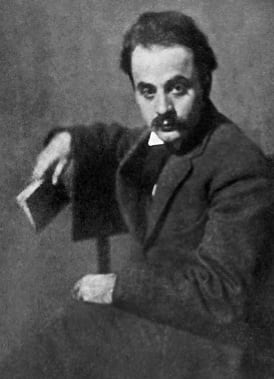
Khalil Gibran en 1913 · Public domain
उनके अपने शब्दों में
«Your children are not your children. They are the sons and daughters of Life’s longing for itself.»The Prophet (1923), «On Children»

मूल विचार
Almustafa and the prophetic voice: Gibran does not present himself as a prophet: he creates one.
संदर्भ में देखें
जीवनी
5 मिनट का पाठ
स्पैनिश मूल से सहायता-प्राप्त अनुवाद, मातृभाषी अनुवादक द्वारा समीक्षा लंबित।
बशर्री, देवदारों की तलहटी में
जिब्रान ख़लील जिब्रान का जन्म 6 जनवरी 1883 को बशर्री में हुआ, जो लेबनान पर्वत में क़ादीशा घाटी के ऊपर बसा एक मारोनी ईसाई गाँव था; यह पर्वतीय प्रदेश उस समय उस्मानी साम्राज्य की एक स्वायत्त मुतसर्रिफ़ात था। उनकी माँ कामिला रहमे, जो एक पादरी की बेटी थीं, पिछले विवाह से हुए एक पुत्र बुतरुस को साथ लेकर आई थीं; उनके पिता ख़लील कठिन स्वभाव के व्यक्ति थे और जुए के कारण कर्ज़ में डूबे थे; कर-संग्राहक के रूप में काम करते हुए 1891 में उन पर ग़बन का आरोप लगा, उन्हें जेल हुई और परिवार की संपत्ति ज़ब्त कर ली गई। भावी कवि का बचपन ग़रीबी, गिरजाघर की पाठशाला — जहाँ उन्होंने अरबी और सीरियाई भाषा की प्रारंभिक शिक्षा पाई — और खाइयों, देवदारों और मठों के उस परिदृश्य के बीच बीता, जो रूपांतरित होकर उनकी लगभग हर रचना में लौट आया।
बॉस्टन और दूसरों की निगाह
जून 1895 में कामिला ने एक ऐसा निर्णय लिया जो उनके परिवेश की किसी स्त्री के लिए असाधारण था: अपने चार बच्चों के साथ संयुक्त राज्य अमेरिका प्रवास करना और पति को पीछे छोड़ देना। परिवार बॉस्टन के साउथ एंड में बस गया, जो देश में सीरियाई-लेबनानी आप्रवासियों की सबसे बड़ी बस्तियों में से एक था। बालक को जोसाया क्विंसी स्कूल में अंग्रेज़ी वर्तनी «Kahlil Gibran» के साथ दाख़िल किया गया, जिसे उन्होंने जीवन भर बनाए रखा, और उन्होंने डेनिसन हाउस नामक सामुदायिक केंद्र में चित्र बनाना शुरू किया। उनकी शिक्षिकाओं ने उनका परिचय फ़ोटोग्राफ़र और प्रकाशक फ़्रेड हॉलैंड डे से कराया, जो बॉस्टन के सौंदर्यवादी आंदोलन की केंद्रीय हस्ती थे; डे ने उन्हें पूर्वी वेशभूषा में चित्रित किया, उन्हें किताबें पढ़ने को दीं और उनके लिए कला की उस दुनिया का द्वार खोला, जहाँ उनकी पृष्ठभूमि का कोई लड़का अपने बूते शायद ही पहुँच पाता।
बेरूत और शोक के बीच
इस डर से कि कहीं वे अपनी जड़ें न भूल जाएँ, परिवार ने 1898 में उन्हें बेरूत के मारोनी विद्यालय «प्रज्ञा महाविद्यालय» (मदरसत अल-हिकमा) में पढ़ने भेजा, जहाँ उन्होंने अरबी भाषा और साहित्य की शिक्षा पाई। 1902 में यह जानकर कि उनकी छोटी बहन सुल्ताना की क्षयरोग से मृत्यु हो गई है, वे बॉस्टन लौट आए। अगले महीनों में उन्होंने अपने सौतेले भाई बुतरुस को उसी रोग में खोया, और फिर अपनी माँ को, जिनकी जून 1903 में कैंसर से मृत्यु हुई। बीस वर्ष की आयु में वे अपनी बहन मरियाना के साथ अकेले रह गए, जिन्होंने दर्ज़ी का काम करके दोनों का भरण-पोषण किया। उनके जीवनीकार एकमत हैं कि इसी तिहरे शोक ने उनकी आरंभिक रचनाओं का शोकगीतात्मक स्वर निर्धारित किया।
मेरी हैस्केल और पेरिस
1904 में उन्होंने पहली बार डे के स्टूडियो में अपने चित्रों की प्रदर्शनी लगाई, और वहीं उनकी भेंट मेरी हैस्केल से हुई, जो बॉस्टन में लड़कियों के एक विद्यालय की प्रधानाचार्या थीं और उनसे नौ वर्ष बड़ी थीं। यह उनके जीवन की निर्णायक भेंट थी: हैस्केल ने उनकी शिक्षा का ख़र्च उठाया, हर विचार पर उनसे चर्चा की और बरसों तक, वाक्य-दर-वाक्य, उनकी किताबों की अंग्रेज़ी सँवारी। उनकी डायरियाँ और दोनों का पत्राचार, जो 1972 में Beloved Prophet शीर्षक से प्रकाशित हुआ, उनके निजी व्यक्तित्व के बारे में सबसे समृद्ध स्रोत है। उन्हीं के सहयोग से उन्होंने 1908 से 1910 तक के वर्ष पेरिस में बिताए, पहले अकादमी जूलियन में और फिर प्रतीकवादी चित्रकार पियेर मार्सेल-बेरोनो के स्टूडियो में। इस बीच वे अरबी में प्रकाशित करते रहे: संगीत पर एक छोटा निबंध (1905), कहानी-संग्रह «घाटी की अप्सराएँ» (1906) और «विद्रोही आत्माएँ» (1908), जो चर्च और सामंती सत्ता के विरुद्ध एक अभियोग था और जिसके बारे में बरसों बाद बारबरा यंग ने बताया कि उसे बेरूत के एक सार्वजनिक चौक में जला दिया गया था।
न्यूयॉर्क और लेखनी संघ
1911 में वे न्यूयॉर्क की टेंथ स्ट्रीट स्टूडियो बिल्डिंग के एक स्टूडियो में रहने लगे, जिसे वे «आश्रम» कहते थे और जहाँ वे मृत्यु तक रहे। अगले वर्ष उन्होंने «टूटे पंख» प्रकाशित किया, पादरियों और कुलीनों द्वारा शासित समाज में असंभव प्रेम पर एक लघु उपन्यास, और काहिरा में रहने वाली लेखिका मै ज़ियादा के साथ उनका पत्र-व्यवहार शुरू हुआ: यह लगभग बीस वर्ष चला, पर दोनों कभी मिल नहीं पाए। 1914 में «एक आँसू और एक मुस्कान» प्रकाशित हुई, जिसमें प्रवासी पत्र-पत्रिकाओं में छपी उनकी गद्य-कविताएँ संकलित थीं। प्रथम विश्वयुद्ध के दौरान उन्होंने लेबनान पर्वत के अकाल-पीड़ितों की सहायता-समिति में काम किया, और 1920 में नसीब अरीदा, अब्द अल-मसीह हद्दाद, मिख़ाइल नुऐमा और अन्य प्रवासी लेखकों के साथ मिलकर लेखनी संघ (अल-राबिता अल-क़लमिय्या) की पुनर्स्थापना की, जिसने अमेरिकी प्रवास से अरबी काव्य-भाषा का नवीकरण किया।
द प्रॉफ़ेट
1918 से वे मुख्यतः अंग्रेज़ी में लिखने लगे। उसी वर्ष अल्फ़्रेड ए. नॉफ़ ने दृष्टांतों का संग्रह «द मैडमैन» (पागल) प्रकाशित किया, और फिर «द फ़ोररनर» (अग्रदूत, 1920)। 1923 में «द प्रॉफ़ेट» आई: काव्यात्मक गद्य में छब्बीस प्रवचन, जिन्हें अल-मुस्तफ़ा — एक ज्ञानी, जो बारह वर्षों से उस जहाज़ की प्रतीक्षा में है जो उसे उसके जन्म-द्वीप वापस ले जाएगा — ऑर्फ़लीज़ नगर के निवासियों को प्रेम, विवाह, संतान, श्रम, पीड़ा, स्वतंत्रता और मृत्यु जैसे विषयों पर संबोधित करता है। आलोचकों ने इसका ठंडा स्वागत किया, पर यह पुस्तक लगातार छपती रही है और सौ से अधिक भाषाओं में अनूदित हो चुकी है। जिब्रान ने स्वयं इसे नग्न देहों और धुँधलके में ढके चेहरों वाले जलरंग चित्रों से सजाया, जिन पर विलियम ब्लेक और रोदाँ का ऋण स्पष्ट है।
अंतिम वर्ष
इसके बाद सूक्तियों की पुस्तक «सैंड एंड फ़ोम» (रेत और झाग, 1926) आई, और «जीसस, द सन ऑफ़ मैन» (1928), जिसमें सतहत्तर काल्पनिक समकालीन — मित्र, शत्रु, शिष्य — ईसा का स्मरण करते हैं। इस दौर में कवयित्री बारबरा यंग उनके साथ रहीं, जिन्होंने बिना पारिश्रमिक उनकी सचिव का काम किया और उनकी मृत्यु के बाद «द गार्डन ऑफ़ द प्रॉफ़ेट» (1933) को पूरा करके प्रकाशित किया। अत्यधिक मदिरापान करने वाले जिब्रान का स्वास्थ्य 1920 के दशक के अंत से बिगड़ता जा रहा था। 10 अप्रैल 1931 को उन्हें न्यूयॉर्क के सेंट विंसेंट अस्पताल में भर्ती कराया गया और उसी दिन, अड़तालीस वर्ष की आयु में, उनका निधन हो गया; मृत्यु-प्रमाणपत्र में यकृत का सिरोसिस और एक फेफड़े में आरंभिक क्षयरोग दर्ज किया गया। उनके जीवनीकार बताते हैं कि उन्होंने अंतिम संस्कार-विधियाँ (अंतिम सैक्रामेंट) स्वीकार करने से इनकार कर दिया था।
पर्वत पर वापसी
1931 की गर्मियों में उनका पार्थिव शरीर लेबनान ले जाया गया और बशर्री के पुराने मार सरकीस मठ में रखा गया, जिसे उनके परिवार ने ख़रीद लिया और जो आज जिब्रान संग्रहालय है। उन्होंने अमेरिका में अपनी पुस्तकों के भावी अधिकार अपने जन्म-गाँव के नाम कर दिए, और मेरी हैस्केल ने 1950 में उनकी लगभग सौ कलाकृतियाँ सवाना के टेलफ़ेयर संग्रहालय को दान कर दीं। अकादमिक आलोचना ने उनकी लोकप्रिय सफलता को संदेह की दृष्टि से देखा है, पर आधुनिक अरबी साहित्य में उनका स्थान निर्विवाद है: सलमा ख़दरा जय्यूसी ने उन्हें बीसवीं शताब्दी के पूर्वार्ध की अरबी कविता पर सबसे महत्त्वपूर्ण प्रभाव माना। पश्चिम में «द प्रॉफ़ेट» साठ के दशक की प्रतिसंस्कृति की प्रिय पुस्तक बनी और आज भी विवाहों और अंत्येष्टियों में पढ़ी जाती है, अक्सर इस तरह कि पाठक उस मारोनी प्रवासी के बारे में कुछ नहीं जानता जिसने इसे लिखा था।
स्रोत: Bushrui, Suheil y Jenkins, Joe. Kahlil Gibran, Man and Poet: A New Biography. Oxford: Oneworld, 1998. · Gibran, Jean y Gibran, Kahlil. Kahlil Gibran: His Life and World. Boston: New York Graphic Society, 1974 (ed. rev. Nueva York: Interlink, 1991). · Waterfield, Robin. Prophet: The Life and Times of Kahlil Gibran. Londres: Allen Lane / Nueva York: St. Martin's Press, 1998. · Hilu, Virginia (ed.). Beloved Prophet: The Love Letters of Kahlil Gibran and Mary Haskell, and Her Private Journal. Nueva York: Alfred A. Knopf, 1972. · Naimy, Mikhail. Kahlil Gibran: A Biography. Nueva York: Philosophical Library, 1950 (orig. árabe, Beirut, 1934).
कालक्रम
जीवन, वर्ष-दर-वर्ष
प्रत्येक बिंदु एक प्रमाणित घटना है। उसे स्रोत और निश्चितता के स्तर सहित पढ़ने के लिए क्लिक करें।
6 जनवरी 18830 वर्षBsharri, Monte Líbano
Birth
Jubran Khalil Jubran is born into a poor Maronite family in Bsharri, son of Khalil Jubran and Kamila Rahmeh.
प्रमाणितBushrui, Suheil y Jenkins, Joe. Kahlil Gibran, Man and Poet: A New Biography. Oxford: Oneworld, 1998.
उनके निधन के बाद
- 1933The Garden of the Prophet
- 1950Gift to the Telfair
- 1972Beloved Prophet
6 जनवरी 1883 · 0 वर्ष
Birth
Jubran Khalil Jubran is born into a poor Maronite family in Bsharri, son of Khalil Jubran and Kamila Rahmeh.
प्रमाणित
1891 · 8 वर्ष
His father's imprisonment
Khalil Jubran is imprisoned for embezzlement and the family property is seized; the mother decides to emigrate.
प्रमाणित
25 जून 1895 · 12 वर्ष
Emigration to the United States
Kamila leaves with Boutros, Jubran, Marianna and Sultana; the family settles in Boston's South End and the boy enters the Josiah Quincy School.
प्रमाणित
1896 · 13 वर्ष
F. Holland Day
Through Denison House he meets the photographer and publisher Fred Holland Day, who photographs him and introduces him to Boston's artistic circles.
प्रमाणित
1898 – 1902 · 15 वर्ष
Studies in Beirut
He enters the Maronite Collège de la Sagesse (Madrasat al-Hikma), studying Arabic and literature until 1902.
प्रमाणित
2 अप्रैल 1902 · 19 वर्ष
Death of Sultana
His younger sister dies of tuberculosis; Gibran returns to Boston. Boutros dies in March 1903 and his mother in June.
प्रमाणित
जनवरी 1904 · 21 वर्ष
First exhibition; Mary Haskell
He exhibits drawings at Day's studio and meets Mary Haskell, who will become his patron, confidante and editor.
प्रमाणित
1905 · 22 वर्ष
First book in Arabic
The press of the newspaper al-Muhajir publishes Nubdha fi fann al-musiqa, a short essay on music.
प्रमाणित
जुलाई 1908 – 1910 · 25 वर्ष
Studies in Paris
With Haskell's financial support he studies at the Académie Julian and then with Pierre Marcel-Béronneau, returning in October 1910. That year Spirits Rebellious is published.
प्रमाणित
1911 · 28 वर्ष
Settles in New York
He settles in the Tenth Street Studio Building, in the studio he will call 'the Hermitage', where he lives until his death.
प्रमाणित
1912 · 29 वर्ष
The Broken Wings and May Ziadeh
He publishes al-Ajniha al-mutakassira and sends a copy to May Ziadeh, beginning a correspondence of nearly twenty years without ever meeting her.
प्रमाणित
1918 · 35 वर्ष
The Madman
His first book in English, published by Alfred A. Knopf, his publisher from then on.
प्रमाणित
1920 · 37 वर्ष
The Pen League
With Nasib Arida, Abd al-Masih Haddad, Mikhail Naimy and other Mahjar writers he refounds the Pen League, of which he is president.
प्रमाणित
सितंबर 1923 · 40 वर्ष
The Prophet
Knopf publishes The Prophet, illustrated by the author. Lukewarm critical reception; enduring readership to this day.
संभावित
1928 · 45 वर्ष
Jesus, the Son of Man
He publishes his choral portrait of Jesus through seventy-seven imagined witnesses.
प्रमाणित
10 अप्रैल 1931 · 48 वर्ष
Death
He dies on the day of his admission; the recorded cause is cirrhosis of the liver with incipient tuberculosis.
प्रमाणित
अगस्त 1931
Burial at Mar Sarkis
His remains reach Bsharri and rest in the former monastery of Mar Sarkis, now the Gibran Museum.
प्रमाणित
1933
The Garden of the Prophet
Barbara Young completes and publishes the posthumous book from the author's manuscripts.
प्रमाणित
1950
Gift to the Telfair
Mary Haskell Minis gives nearly a hundred of Gibran's artworks to the Telfair Museum.
प्रमाणित
1972
Beloved Prophet
Virginia Hilu publishes the letters of Gibran and Haskell and her journals, the principal source for his biography.
प्रमाणित
कृतियाँ
आवश्यक कृतियाँ
वे कृतियाँ जिनके बिना उनकी विरासत को समझा नहीं जा सकता।
लिखित कृति · 1912
The Broken Wings
الأجنحة المتكسرة
A short novel narrated by a young man who at eighteen falls in love with Selma Karamy in Beirut. The archbishop forces her father to marry her to his nephew, and their love burns out in secret meetings until Selma dies in childbirth. Regarded as one of the first modern romantic novels in Arabic, it is both an idealised autobiographical tale and an indictment of women's condition in Lebanese society.
4 संस्करण

लिखित कृति · 1923
The Prophet
Gibran's masterpiece. Almustafa, who has waited twelve years in the city of Orphalese for the ship that will take him home, answers before leaving the questions of the seeress Almitra and the townspeople on twenty-six subjects: love, marriage, children, giving, work, joy and sorrow, freedom, reason and passion, pain, friendship, prayer, beauty, religion and death. Rhythmic prose with biblical resonances, illustrated with twelve drawings by the author. Despite cool reviews it has never gone out of print since 1923 and has been translated into more than a hundred languages.
11 संस्करण

लिखित कृति · 1928
Jesus, the Son of Man
Jesus, the Son of Man: His Words and His Deeds as Told and Recorded by Those Who Knew Him
A choral portrait of Jesus through seventy-seven imagined testimonies—Peter, Mary Magdalene, Caiaphas, Pilate, a Lebanese shepherd, a Greek philosopher. Gibran presents a virile Jesus, poet and rebel, far from the 'lamb' of devotional imagery. Its genesis has been linked to the portrait he drew of ʿAbdu'l-Bahá in New York in 1912.
5 संस्करण

पत्राचार · 1972
Beloved Prophet
Beloved Prophet: The Love Letters of Kahlil Gibran and Mary Haskell, and Her Private Journal
Virginia Hilu's edition of hundreds of letters exchanged by Gibran and Mary Haskell between 1908 and 1931, with extracts from her journal, in which she recorded their conversations word for word. It is the most important documentary source for his life, his working method and the making of The Prophet.
2 संस्करण
संपूर्ण कृतित्व (24)
Kahlil Gibran
Music (A Profile of the Art of Music)
The Conscious LibraryMusic (A Profile of the Art of Music)
1905

Nymphs of the Valley
1906

Spirits Rebellious
1908

A Tear and a Smile
1914

The Madman
1918

The Processions
1919

Twenty Drawings
1919
Kahlil Gibran
The Tempests
The Conscious LibraryThe Tempests
1920

The Forerunner
1920
Kahlil Gibran
The New and the Marvelous
The Conscious LibraryThe New and the Marvelous
1923

Sand and Foam
1926

The Earth Gods
1931

The Wanderer
1932
The Garden of the Prophet
1933

Prose Poems
1934

A Treasury of Kahlil Gibran
1951

Thoughts and Meditations
1960

A Self-Portrait
1959

Lazarus and His Beloved
1973
Kahlil Gibran
Blue Flame: The Love Letters of Kahlil Gibran to May Ziadah
The Conscious LibraryBlue Flame: The Love Letters of Kahlil Gibran to May Ziadah
1979
वचन
किसी निश्चित कृति में स्थित वचन। प्रत्येक के साथ उसका स्रोत और विश्वसनीयता का स्तर है।
Your children are not your children. They are the sons and daughters of Life’s longing for itself.सत्यापितThe Prophet (1923), «On Children»
अप्रामाणिक या विवादित आरोपण वाले उद्धरण (2)
«"If you love somebody, let them go, for if they return, they were always yours. And if they don't, they never were."»
It circulates widely under Gibran's name, but it does not appear in The Prophet, The Madman, The Forerunner or Sand and Foam (checked against Project Gutenberg and Wikisource), nor in the anthologies of his Arabic work. It is an anonymous self-help maxim from the second half of the twentieth century.
«Kennedy's line 'Ask not what your country can do for you…' comes from Gibran.»
In 'The New Frontier' (1925) Gibran contrasts those who ask what their country can do for them with those who ask what they can do for their country. The resemblance to the 1961 inaugural address is real, but there is no documentary proof that Kennedy or his speechwriters knew the text: it is a hypothesis, not a quotation.
अंतिम शब्द
उनके अंतिम शब्दों का कोई सत्यापन-योग्य अभिलेख उपलब्ध नहीं है।
No reliably attested last words exist. He died at St. Vincent's Hospital in New York on the night of 10 April 1931, a few hours after admission; Barbara Young, who was with him, left a devout account of those days (This Man from Lebanon, 1945), and later biographers report that he refused the last rites, but none records a verifiable final sentence.
स्रोत: Young, Barbara. This Man from Lebanon: A Study of Kahlil Gibran. Nueva York: Alfred A. Knopf, 1945.
पूछें
उनकी कृतियाँ क्या उत्तर देती हैं
मानवता के बारह महान प्रश्न और उनके ग्रंथ उनका जो उत्तर देने देते हैं, संदर्भों सहित। हम कभी उनके मुख में अपने शब्द नहीं रखते।
परम सत्य क्या है? क्या ईश्वर है?
A God who plays with children and in whose heart we live
साकार भी, निराकार भीउनके सिद्धांत से निष्कर्षित
Gibran built no theology, but his English work sketches a God at once intimate and cosmic. In The Prophet, Almustafa advises not to seek God as a solver of riddles: it is enough to look around to see Him playing with the children, walking in the clouds, smiling in the flowers and waving His hands in the trees. This God diffused in nature is also Someone in whom one dwells: when you love, the book says, do not say that God is in your heart, but rather that you are in the heart of God. Gibran also speaks of a divine self in each person, greater than the small self, towards which man grows. His Jesus, the Son of Man and his Arabic stories distrust churches that lock God into dogmas at the service of power.
इस प्रश्न की अन्य गुरुओं से तुलना करेंमैं कौन हूँ? क्या कोई सच्चा आत्म है?
A soul that unfolds like a lotus of countless petals
विकसित होती आत्मास्पष्ट रूप से कहा है
In The Prophet, Gibran presents the self as a sea boundless and measureless, impossible to chart: whoever claims to have found the truth should say he has found a truth, because the soul walks upon all paths and unfolds itself like a lotus of countless petals. In man there coexist a divine self, comparable to the ocean or the sun, and a part that is not yet fully human, shapeless and clumsy, seeking its own awakening. Life consists in growing towards that greater self. And this growth does not end with death: in the book's farewell, Almustafa announces that after a brief rest upon the wind another woman shall bear him. Gibran thinks of the self as a process, not a finished substance.
इस प्रश्न की अन्य गुरुओं से तुलना करेंहम दुःख क्यों भोगते हैं?
Pain is the shell that breaks so that understanding may be born
कर्म और आत्मा की सीखस्पष्ट रूप से कहा है
In The Prophet, Gibran gives pain a meaning of growth: pain is the breaking of the shell that encloses understanding, like the stone of the fruit that must break so its heart may stand in the sun. Much of suffering, he adds, is self-chosen: it is the bitter potion by which the physician within heals the sick self. And sorrow enlarges: the deeper it carves into one's being, the more joy one can contain, for joy and sorrow are inseparable. The same Gibran, in his early Arabic stories, denounced the suffering inflicted by the clergy and the feudal lords on the poor and on the women of Lebanon. But in his mature work pain is above all a school of the soul.
इस प्रश्न की अन्य गुरुओं से तुलना करेंमृत्यु के बाद क्या होता है?
To die is to melt into the sun; and another woman shall bear me
कर्म के अनुसार पुनर्जन्मस्पष्ट रूप से कहा है
In The Prophet, when Almitra asks him about death, Almustafa replies that to know its secret one must seek it in the heart of life, for life and death are one, even as the river and the sea are one. To die is not to vanish but to stand naked in the wind and melt into the sun, to let the breath be freed from its restless tides so that it may seek God unencumbered. And in the book's farewell the prophet announces his return: a little while, a moment of rest upon the wind, and another woman shall bear him. Gibran thus combines two images, dissolution into the greater life and return to another existence, without fixing them in a doctrine. What there is not in his work is fear: death belongs to the same movement as life.
इस प्रश्न की अन्य गुरुओं से तुलना करेंमुक्ति या उद्धार कैसे प्राप्त होता है?
Free when we break the chains we ourselves have forged
प्रत्यक्ष ज्ञान सेउनके सिद्धांत से निष्कर्षित
Gibran proposes no doctrine of salvation; what his work describes is an inner liberation. In The Prophet, Almustafa warns those who prostrate themselves before freedom that they will be free not when their days are without a care, but when cares girdle their life and yet they rise above them naked and unbound. The chains that weigh on them, he says, they have forged themselves, and what they would cast off is a fragment of their own self. The path is self-knowledge: the heart knows in silence the secrets of the days and the nights, and that knowledge must be allowed to reach words without trying to measure it. To be freed is to recognise the greater self waiting within and to stop identifying with the small one.
इस प्रश्न की अन्य गुरुओं से तुलना करेंक्या गुरु आवश्यक है?
The teacher only leads to the threshold of one's own mind
गुरु भीतर हैस्पष्ट रूप से कहा है
In The Prophet, when a teacher asks him to speak of teaching, Almustafa replies that no one can reveal to another anything but what already lies half asleep in the dawning of his own knowledge. The teacher who walks in the shadow of the temple among his followers gives not of his wisdom but of his faith and his lovingness; if he is indeed wise he does not bid you enter the house of his wisdom, but leads you to the threshold of your own mind. The vision of one lends not its wings to another: each must stand alone in his knowledge of God. Gibran, who lived surrounded by readers who treated him as a prophet, always distrusted that role; his Almustafa teaches and departs.
इस प्रश्न की अन्य गुरुओं से तुलना करेंक्या संसार वास्तविक है?
God walks in the clouds and waves His hands in the trees
दिव्य की अभिव्यक्तिस्पष्ट रूप से कहा है
Gibran sees the world as a place of the divine. In The Prophet, whoever would know God need only look around: he will see Him playing with the children, walking in the cloud, outstretching His arms in the lightning and descending in rain, smiling in flowers and rising to wave His hands in trees. Daily life is the temple and the religion. This vision, heir to romanticism and mysticism, does not make the world an appearance: the earth, work, the body and love have a sacred value in his work, and beauty is almost a revelation; we live, says one of his aphorisms, only to discover it. What Gibran fights is not the world but the institutions that diminish it.
इस प्रश्न की अन्य गुरुओं से तुलना करेंप्रेम क्या है?
Love neither possesses nor would be possessed: we are in the heart of God
ईश्वर और पड़ोसी से प्रेमस्पष्ट रूप से कहा है
The chapter on love in The Prophet is Gibran's most widely read. Love crowns and crucifies, makes one grow and prunes; it gives naught but itself and takes naught but from itself; it possesses not nor would it be possessed, for love is sufficient unto love. Whoever loves must not think he can direct the course of love: it is love that, if it finds him worthy, directs his. And its origin is divine: when you love, says Almustafa, do not say that God is in your heart, but rather that you are in the heart of God. In marriage he asks that there be spaces in the togetherness. In Jesus, the Son of Man, love is also charity without frontiers towards the other, the poor and the enemy.
इस प्रश्न की अन्य गुरुओं से तुलना करेंक्या हम स्वतंत्र हैं, या सब कुछ पूर्वनिर्धारित है?
You will be free by rising above your bonds, not by lacking them
वास्तविक स्वतंत्र इच्छाउनके सिद्धांत से निष्कर्षित
Gibran does not discuss determinism in philosophical terms, but his work affirms a demanding inner freedom. In The Prophet, freedom does not consist in a life without cares but in rising above them unbound; the chains that weigh are usually those one has forged oneself. In the chapter on reason and passion, the soul is a ship that needs the rudder of reason and the sails of passion: man steers his course, though not the winds. Gibran also insists on shared responsibility: the righteous man is not wholly innocent of the deeds of the wicked, because all are part of one life. Freedom is real, but it is conquered and never purely individual.
इस प्रश्न की अन्य गुरुओं से तुलना करेंध्यान या प्रार्थना क्यों करें?
I cannot teach you to pray in words: prayer is the expansion of oneself
ध्यान कोई तकनीक नहींस्पष्ट रूप से कहा है
In The Prophet, when a priestess asks him to speak of prayer, Almustafa answers that people pray in their distress and need, and he wishes they would pray also in the fullness of their joy. Prayer is not asking: it is the expansion of oneself into the living ether. Whoever enters the temple only to ask will receive nothing; it is enough to enter the temple invisible. And he adds that he cannot teach anyone to pray in words, for God listens to no words save those He Himself utters through our lips. In the chapter on religion he goes further: daily life is the temple and the religion, and whoever sets apart one hour for God and another for himself has understood nothing.
इस प्रश्न की अन्य गुरुओं से तुलना करेंक्या बुद्धि परम को जान सकती है?
The heart knows in silence what reason merely steers
परम मन से परे हैउनके सिद्धांत से निष्कर्षित
Gibran does not despise reason, but he places it. In The Prophet, reason and passion are the rudder and the sails of the seafaring soul: reason alone is a confining force, passion alone a flame that burns itself out; the soul must exalt reason to the height of passion so that it may sing. The deepest knowledge, however, is not reasoned. Your hearts, says Almustafa, know in silence the secrets of the days and the nights, and the ear thirsts to hear that knowledge; but the self is a sea without measure, and one should not try to sound it with a measuring rod. That is why whoever says he has found the truth should say he has found a truth.
इस प्रश्न की अन्य गुरुओं से तुलना करेंसंसार से हटें या उसे बदलें?
Work is love made visible, and tyranny must be denounced
संसार में जुड़नास्पष्ट रूप से कहा है
Gibran never preached withdrawal. His early Arabic stories, such as Spirits Rebellious, denounced the oppression exercised by the clergy and feudal lords over the peasants and women of Lebanon, and the book was badly received by the religious authorities. In New York he took part in the life of the Arab emigration, founded the Pen League with other writers and worked for relief to Syria and Mount Lebanon during the famine of the First World War. In The Prophet, spirituality is lived in work, marriage, the house and trade: work is love made visible, and whoever works without love would do better to sit at the temple gate and take alms.
इस प्रश्न की अन्य गुरुओं से तुलना करें
निकटता और तनाव
निकटता और तनाव
उनके मतों के आधार पर प्रश्न-दर-प्रश्न आकलित। प्रत्येक सहमति या टकराव का कारण क्लिक करने पर।
इनसे मिलता-जुलता सोचते हैं
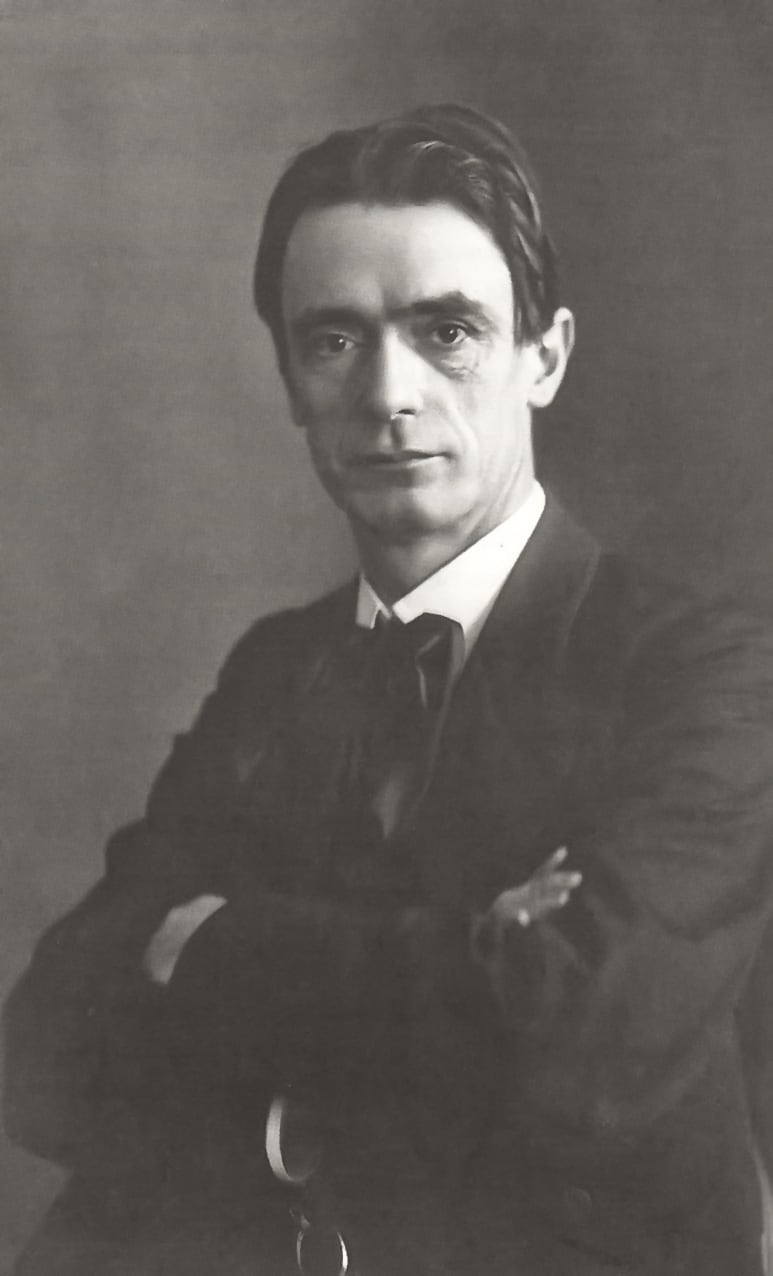
Rudolf Steiner
इन पर सहमत: हम दुःख क्यों भोगते हैं? · परम सत्य क्या है? क्या ईश्वर है? · मैं कौन हूँ? क्या कोई सच्चा आत्म है?
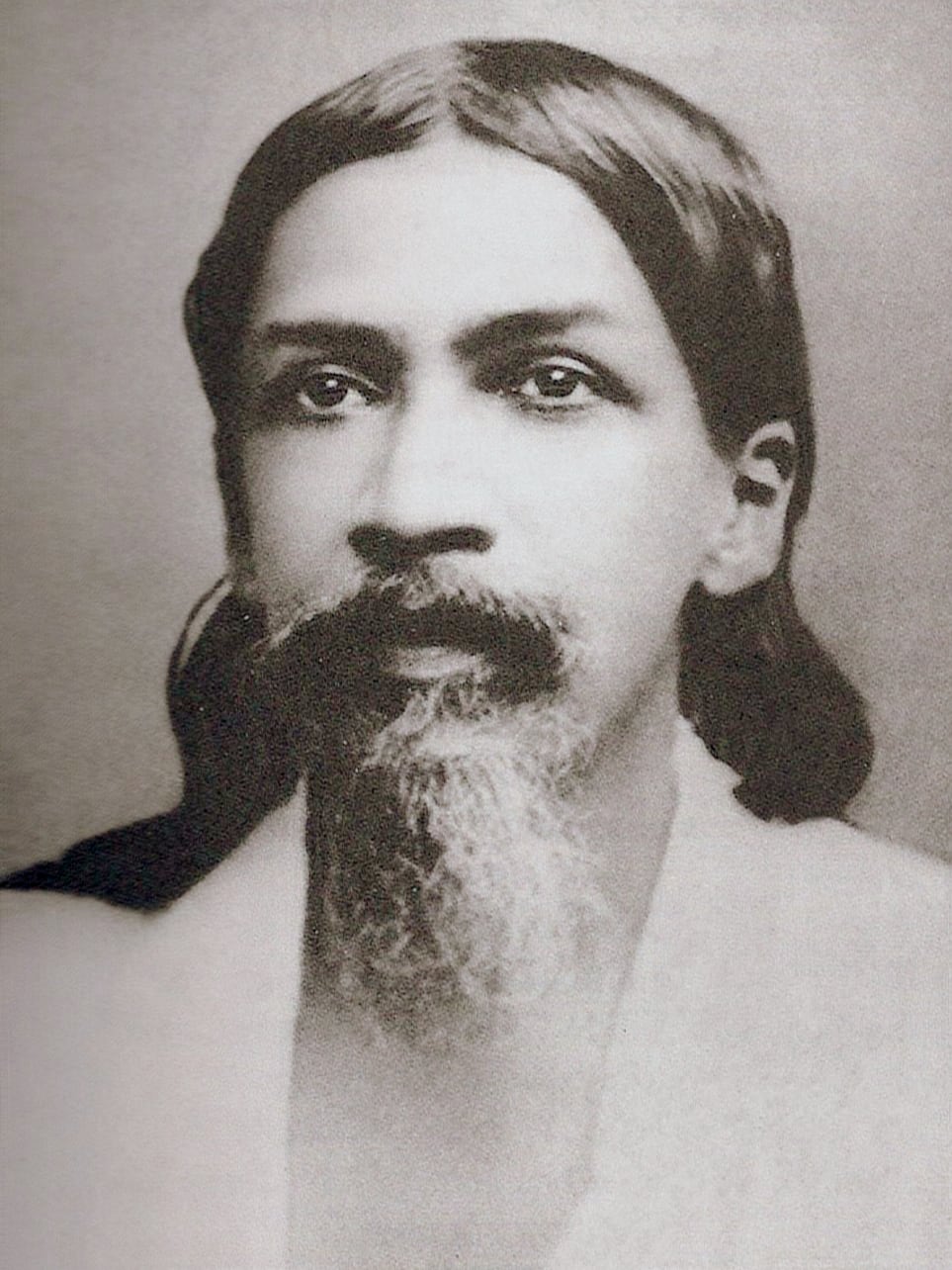
Sri Aurobindo
इन पर सहमत: परम सत्य क्या है? क्या ईश्वर है? · मैं कौन हूँ? क्या कोई सच्चा आत्म है? · मृत्यु के बाद क्या होता है?
Alice A. Bailey
इन पर सहमत: परम सत्य क्या है? क्या ईश्वर है? · मैं कौन हूँ? क्या कोई सच्चा आत्म है? · हम दुःख क्यों भोगते हैं?
Huineng
इन पर सहमत: मुक्ति या उद्धार कैसे प्राप्त होता है? · क्या गुरु आवश्यक है? · क्या संसार वास्तविक है?
इनसे भिन्न सोचते हैं


प्रसंग और वृत्तांत
प्रसंग और वृत्तांत
प्रमाणित1896–1898
The boy in Holland Day's photographs
वृत्तांत का स्रोत: Account reconstructed by Jean and Kahlil Gibran from the correspondence of Day and Jessie Beale; the photographs are held by the Library of Congress (LCCN 95503209) and the Metropolitan Museum.
स्रोत: Gibran, Jean y Gibran, Kahlil. Kahlil Gibran: His Life and World. Boston: New York Graphic Society, 1974 (ed. rev. Nueva York: Interlink, 1991).
विवादित1908
Spirits Rebellious on the bonfire
वृत्तांत का स्रोत: The burning comes from Barbara Young, This Man from Lebanon (1945); Waterfield and Bushrui-Jenkins confirm the scandal but find no record of a formal excommunication.
स्रोत: Young, Barbara. This Man from Lebanon: A Study of Kahlil Gibran. Nueva York: Alfred A. Knopf, 1945.
प्रमाणित1908–1931
The editing evenings with Mary Haskell
वृत्तांत का स्रोत: Mary Haskell's journals and letters, held at the University of North Carolina and edited by Virginia Hilu in Beloved Prophet (1972).
स्रोत: Hilu, Virginia (ed.). Beloved Prophet: The Love Letters of Kahlil Gibran and Mary Haskell, and Her Private Journal. Nueva York: Alfred A. Knopf, 1972.
प्रमाणित1912–1931
Twenty years of letters without a meeting
वृत्तांत का स्रोत: Gibran's letters edited by Salma Haffar al-Kuzbari and Suheil Bushrui (al-Shu'la al-zarqa', 1979; Blue Flame, 1983).
स्रोत: Bushrui, Suheil y Kuzbari, Salma Haffar (eds. y trads.). Blue Flame: The Love Letters of Kahlil Gibran to May Ziadah. Harlow: Longman, 1983.
सत्यापन-योग्य नहीं1908–1910
'The William Blake of the twentieth century'
वृत्तांत का स्रोत: An attribution going back to Gibran himself and Barbara Young (1945); critical biographers find no trace of it in Rodin's papers.
स्रोत: Waterfield, Robin. Prophet: The Life and Times of Kahlil Gibran. Londres: Allen Lane / Nueva York: St. Martin's Press, 1998.
साक्ष्य1912
The portrait of ʿAbdu'l-Bahá
वृत्तांत का स्रोत: Juliet Thompson's diary (published as The Diary of Juliet Thompson, 1983); the portrait survives. The link with Jesus, the Son of Man is an interpretation by later scholars.
शिक्षाएँ
शिक्षाएँ
वे अवधारणाएँ जो उनके चिंतन को रूप देती हैं, उनके संदर्भ में समझाई गई।
Almustafa and the prophetic voicealmustafa-la-voz-profetica
Wisdom literature, Nietzsche and the biblical prophetic tradition read from the Mahjar.
स्रोत: Bushrui, Suheil y Jenkins, Joe. Kahlil Gibran, Man and Poet: A New Biography. Oxford: Oneworld, 1998.
The god-selfel-yo-divino
Romantic pantheism, Blake and Sufi mysticism; an ethics of inwardness.
Reconciled oppositeslos-contrarios-reconciliados
Romanticism and Eastern Christian mysticism.
Love that does not possessel-amor-que-no-posee
A critique of patriarchal marriage in Mount Lebanon; a mysticism of love.
Work as love made visibletrabajo-amor-visible
An ethic of craft; Arts and Crafts; wisdom tradition.
The Mahjar and the Arabic prose poemmahyar-y-poema-en-prosa
Modern Arabic literature; Lebanese emigration to the Americas.
स्रोत: Hawi, Khalil S. Kahlil Gibran: His Background, Character and Works. Beirut: American University of Beirut, 1963 (reed. Londres: Third World Centre, 1982).
वीडियो
वीडियो
रिकॉर्डिंग, साक्षात्कार और वृत्तचित्र। वीडियो YouTube से चलते हैं; वे यहाँ संग्रहीत नहीं हैं।
وثائقي عن جبران خليل جبران (Documental sobre Gibran)
वृत्तचित्र· AR· 26 min
Gibran National Committeeआधिकारिक चैनल
أرواح متمردة – جبران خليل جبران (Espíritus rebeldes)
वृत्तचित्र· AR· 53 min
Al Jazeera Documentary
Khalil Gibran – Une vie, une œuvre (France Culture, 1990)
वृत्तचित्र· FR· 1990· 78 min
ÉCLAIR BRUT
Khalil Gibran
वृत्तचित्र· FR· 52 min
KTO TV
Gibran Khalil Gibran
वृत्तचित्र· ES· 27 min
Canal22आधिकारिक चैनल
Gibran Kahlil Gibran Museum, an in-depth explanation with Mr. Joseph Geagea
वृत्तचित्र· EN· 26 min
Anthony Rahayel
Gibran, Naimy and Afifa Karam: Gender Politics in Mahjar Literature — Elizabeth Saylor
व्याख्यान· EN· 21 min
Gibran Chairआधिकारिक चैनल
In Search of a Prophet — Kahlil Gibran: An Unparalleled Guide for Our Times (Paul-Gordon Chandler)
व्याख्यान· EN· 66 min
The Jerusalem Fund & Palestine Center
Kahlil Gibran ~ with Paul-Gordon Chandler
व्याख्यान· EN· 62 min
Banyen Books & Sound
Interview of Kahlil Gibran, artist, by David Ossman in Boston
साक्षात्कार· EN· 10 min
ArtistKahlil Gibran
Academy Conversations: Khalil Gibran's The Prophet
साक्षात्कार· EN· 2015· 12 min
Oscarsआधिकारिक चैनल
The Madman by Kahlil Gibran (audiolibro)
तृतीय पक्ष की रिकॉर्डिंग· EN· 45 min
LearnOutLoud
चित्रशाला
चित्रशाला
सत्यापित लाइसेंस वाले चित्र। प्रत्येक में उसके रचयिता और श्रेय का उल्लेख सुरक्षित है।
पांडुलिपियाँ
पांडुलिपियाँ
पांडुलिपि-साक्ष्य और प्राचीन पाठ, उनके संरक्षक और अध्ययन की शर्तों सहित।
EN · Latin · 1904–1931
Kahlil Gibran–Mary Haskell papers
- संरक्षित पाठ-साक्ष्य
- Cartas autógrafas y diarios de Mary Haskell
- संरक्षक
- Southern Historical Collection, University of North Carolina at Chapel Hill
संबंध
संबंध
प्रभाव, शिष्यत्व और वैचारिक निकटता। प्रमाणित संबंध को विश्लेषण से पहचानी गई समानता से अलग दर्शाया गया है।
इनसे प्रभावित
He devoted to him one of the portraits in al-Bada'i' wa-l-Tara'if (1923), as part of his interest in Islamic mysticism.
प्रमाणित संबंध
इनसे पत्राचार
Mary Haskell
Patron, editor and confidante from 1904 to 1931; hundreds of letters and her journal document the relationship.
प्रमाणित संबंध
इनसे पत्राचार
May Ziadeh
Literary and amorous correspondence from 1912 to 1931; they never met.
प्रमाणित संबंध
इनसे भेंट
Mijaíl Naimy
Close friend from 1916, fellow member of the Pen League and author of a biography of Gibran (1934).
प्रमाणित संबंध
इनसे भेंट
Fred Holland Day
Boston photographer and publisher who discovered him in 1896 and organised his first exhibition in 1904.
प्रमाणित संबंध
इनसे भेंट
ʿAbdu'l-Bahá
Gibran drew his portrait in New York in 1912; the meeting left a lasting impression.
प्रमाणित संबंध
इनसे प्रभावित
Friedrich Nietzsche
A decisive reading in his Paris and New York years; Thus Spoke Zarathustra is the formal antecedent of The Madman and The Prophet.
प्रमाणित संबंध
इनसे प्रभावित
William Blake
A model as visionary poet-painter, acknowledged by Gibran and noted by all his biographers.
प्रमाणित संबंध
इनसे प्रभावित
Central figure of his religious imagination; he devoted Jesus, the Son of Man (1928) to him, and he is the implicit model for Almustafa.
प्रमाणित संबंध
इन्हें प्रभावित किया
Osho commented on The Prophet in two volumes of talks, The Messiah (1987), and quoted it often.
प्रमाणित संबंध
इनसे मिलते-जुलते विचार
Love as a consuming and transforming force, and poetry as a mystical path, bring Gibran close to Rumi; no direct influence is documented.
विश्लेषण से पहचानी गई समानता
इनके समकालीन
Contemporaries in the United States of the 1890s with no known contact; both contributed to the American reception of Eastern spirituality.
विश्लेषण से पहचानी गई समानता
अन्य प्रविष्टियों से जुड़ा
स्रोत
स्रोत
इस प्रविष्टि के लिए देखे गए ग्रंथ-सूची और सूचीपत्र।
- Bushrui, Suheil y Jenkins, Joe. Kahlil Gibran, Man and Poet: A New Biography. Oxford: Oneworld, 1998.
- Gibran, Jean y Gibran, Kahlil. Kahlil Gibran: His Life and World. Boston: New York Graphic Society, 1974 (ed. rev. Nueva York: Interlink, 1991).
- Waterfield, Robin. Prophet: The Life and Times of Kahlil Gibran. Londres: Allen Lane / Nueva York: St. Martin's Press, 1998.
- Hilu, Virginia (ed.). Beloved Prophet: The Love Letters of Kahlil Gibran and Mary Haskell, and Her Private Journal. Nueva York: Alfred A. Knopf, 1972.
- Naimy, Mikhail. Kahlil Gibran: A Biography. Nueva York: Philosophical Library, 1950 (orig. árabe, Beirut, 1934).
- Young, Barbara. This Man from Lebanon: A Study of Kahlil Gibran. Nueva York: Alfred A. Knopf, 1945.
- Wikidata, «Kahlil Gibran» (Q47737).
- Hawi, Khalil S. Kahlil Gibran: His Background, Character and Works. Beirut: American University of Beirut, 1963 (reed. Londres: Third World Centre, 1982).
- Project Gutenberg: Gibran, Kahlil, The Prophet (Nueva York: Knopf, 1923), ebook n.º 58585; The Madman (1918), n.º 5616; The Forerunner (1920), n.º 54580.
- Gibran National Committee (Comité National Gibran), Museo Gibran, Bsharri.
- Telfair Museums, Savannah: colección Kahlil Gibran (legado de Mary Haskell Minis, 1950).
- Wikipedia (en), «Kahlil Gibran», consultada el 25 de octubre de 2026 (sección «Later years and death»).
- Wikisource en árabe: textos de Yubrán Jalil Yubrán (al-Ajniha al-mutakassira; Dam'a wa-ibtisama, 1914; al-Arwah al-mutamarrida, 1908; Nubdha fi fann al-musiqa, 1905).
- Bushrui, Suheil y Kuzbari, Salma Haffar (eds. y trads.). Blue Flame: The Love Letters of Kahlil Gibran to May Ziadah. Harlow: Longman, 1983.
- Library of Congress, Prints and Photographs Division: F. Holland Day, retratos de Kahlil Gibran (c. 1898), LCCN 95503209.
- Wikisource en inglés: Gibran, Kahlil, Sand and Foam: A Book of Aphorisms (Nueva York: Knopf, 1926).
- Osho (Bhagwan Shree Rajneesh). The Messiah: Commentaries on Kahlil Gibran's The Prophet. 2 vols. Rajneeshpuram / Poona: Rajneesh Foundation International, 1987.
- अधिकार-धारक
- Gibran National Committee (Bsharri), beneficiario por legado testamentario de los derechos de autor del escritor. Las obras publicadas hasta 1930 son de dominio público en EE. UU.; toda la obra del autor (m. 1931) es de dominio público en la UE desde 2002 y en España desde 2012. Las traducciones y ediciones modernas tienen sus propios derechos.
- आधिकारिक वेबसाइट
- www.gibrankhalilgibran.org/
पुष्टि की प्रतीक्षा में
जो यह प्रविष्टि अभी तक निश्चित नहीं कर सकी है। हम उसे भर देने के बजाय कह देना बेहतर समझते हैं।
- Confirmar el día exacto de publicación de The Prophet (septiembre de 1923, según la tradición editorial de Knopf).
- Localizar ISBN verificados de ediciones en árabe moderno, ruso e hindi de The Prophet y de al-Ajniha al-mutakassira (no figuran en Open Library).
- Verificar ISBN de las traducciones inglesas de A Tear and a Smile (Nahmad, 1950) y The Broken Wings (Ferris, 1957).
- Fechar y registrar las piezas dramáticas póstumas (The Blind y las cinco obras breves en árabe publicadas entre 1973 y 1993).
- Comprobar si la Southern Historical Collection (UNC) ofrece digitalización de los papeles Haskell-Gibran y su signatura.
- The Earth Gods (1931), The Wanderer (1932) y The Garden of the Prophet (1933) entrarán en dominio público en EE. UU. en 2027, 2028 y 2029: añadirlos entonces a la sala de lectura si hay texto en línea.
2026-10-25 को शोधित