बौद्ध धर्म · महायान · ज़ेन / चान
Huineng
惠能 / 慧能 · 六祖大鑒禪師 · 慧能 (Enō)
638 – 713ऐतिहासिकता विवादित
तांग राजवंश के चीनी भिक्षु, जिन्हें चान के छठे कुलपति और «आकस्मिक बोध» के सम्प्रदाय के संस्थापक के रूप में पूजा जाता है। परम्परा उन्हें एक निरक्षर लकड़हारे के रूप में प्रस्तुत करती है, जिन्होंने एक कविता से अपने गुरु के प्रमुख शिष्य को परास्त किया और बोधिधर्म का चीवर प्राप्त किया; आधुनिक आलोचना ने दिखाया है कि यह जीवनी उनके अनुयायी शेनहुई ने गढ़ी। उनके नाम से प्रसिद्ध मंच सूत्र चान और ज़ेन का आधारभूत ग्रन्थ है।
- कृतियाँ
- 11कृतियाँ
- संस्करण
- 25संस्करण
- उद्धरण
- 8उद्धरण
- वीडियो
- 12वीडियो
- चित्र
- 5चित्र
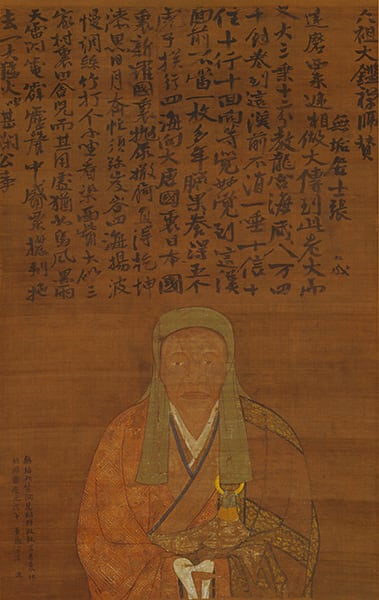
Daikan Zenji (Huineng), templo Shōfukuji · Public domain
उनके अपने शब्दों में
«Among people there are northerners and southerners; in buddha-nature there is neither north nor south. A barbarian's body is not like Your Reverence's, but what difference is there in buddha-nature?»Sūtra de la plataforma, versión de Dunhuang, respuesta a Hongren (§3 de Yampolsky). Traducción propia del chino clásico.

मूल विचार
Buddha-nature is equally present in everyone, regardless of origin, culture or learning: awakening is not a conquest but the recognition of what one already is.
संदर्भ में देखें
जीवनी
6 मिनट का पाठ
स्पैनिश मूल से सहायता-प्राप्त अनुवाद, मातृभाषी अनुवादक द्वारा समीक्षा लंबित।
वह कुलपति जिसका आविष्कार आवश्यक था
बौद्ध धर्म के बहुत कम व्यक्तित्व हुईनेंग जितने प्रसिद्ध और उतने ही अनिश्चित हैं — चान के «छठे कुलपति»। परम्परा उनके बारे में लगभग सब कुछ जानती है: कि वे दक्षिण चीन के एक निरक्षर लकड़हारे थे, कि हीरक सूत्र की एक पंक्ति सुनकर उन्हें बोध हुआ, कि उन्होंने एक कविता से अपने गुरु के प्रमुख शिष्य को परास्त किया और रात के समय बोधिधर्म का चीवर प्राप्त किया। इसके विपरीत, इतिहास बहुत कम जानता है: कि हुईनेंग नाम के एक भिक्षु हुए, जो पाँचवें कुलपति होंगरेन के शिष्य थे, कि उन्होंने ग्वांगदोंग के उत्तर में त्साओशी में शिक्षा दी, और कि सन् 713 में उनकी मृत्यु हुई, तब उनकी ख्याति प्रायः क्षेत्रीय ही थी। शेष सब कुछ बाद में लिखा गया, और बहुत हद तक आवश्यकतावश: एक ऐसे सम्प्रदाय की आवश्यकता से, जो अपने सिद्धान्त के अनुरूप एक संस्थापक खोज रहा था।
सूत्र में वर्णित जीवन
प्रामाणिक वृत्तान्त वह आत्मकथा है जिससे मंच सूत्र आरम्भ होता है। हुईनेंग, जिनका कुलनाम लू था, सन् 638 में वर्तमान ग्वांगदोंग के शिनचओ में जन्मे; उनके पिता, फ़ानयांग के एक अधिकारी जिन्हें पदच्युत करके दक्षिण में निर्वासित किया गया था, जल्दी ही चल बसे, और बालक नानहाई के बाज़ार में लकड़ी बेचकर अपनी माँ का भरण-पोषण करता रहा। एक दिन एक सराय में लकड़ी का गट्ठर पहुँचाते समय उन्होंने एक अतिथि को हीरक सूत्र का पाठ करते सुना, और उनका चित्त «खुल गया»। इसी से उन्हें पता चला कि ह्वांगमेई में होंगरेन शिक्षा देते हैं; वे उनके पास गए, और जब गुरु ने उन्हें «दक्षिण का बर्बर» कहकर तिरस्कृत किया, तो उन्होंने उत्तर दिया कि मनुष्य उत्तर के या दक्षिण के होते हैं, पर बुद्ध-स्वभाव नहीं। होंगरेन ने उन्हें ध्यान-कक्ष से दूर चक्की पर चावल कूटने भेज दिया, और वहाँ उन्होंने आठ महीने बिताए।
दीवार की कविताएँ
केन्द्रीय प्रसंग एक प्रतियोगिता है। होंगरेन अपने शिष्यों से ऐसी कविता माँगते हैं जो उनकी समझ को प्रकट करे, और जिसमें वह समझ हो उसे चीवर देने का वचन देते हैं। सबसे प्रतिष्ठित भिक्षु शेनशिउ रात में गलियारे की दीवार पर लिखते हैं: शरीर बोधि-वृक्ष है, चित्त अपनी चौकी पर रखा दर्पण; उसे निरन्तर पोंछते रहना चाहिए ताकि उस पर धूल न जमे। हुईनेंग, जो पढ़ नहीं सकते, उसे पढ़कर सुनाने को कहते हैं और अपना उत्तर लिखवाते हैं। दुनहुआंग की प्रति में ये दो पद हैं, जिनमें से पहला कहता है कि बोधि का कोई वृक्ष नहीं, दर्पण की कोई चौकी नहीं, और चूँकि बुद्ध-स्वभाव सदा शुद्ध है, धूल के जमने का कोई स्थान ही नहीं। केवल दसवीं से तेरहवीं शताब्दी के संस्करण उनके मुख में वह पंक्ति रखते हैं जिसे सारा संसार जानता है: «मूलतः एक भी वस्तु नहीं है»। यह अन्तर छोटा नहीं: ज़ेन का सबसे अधिक उद्धृत सूत्र-वाक्य सबसे प्राचीन नहीं है।
चीवर और पलायन
वृत्तान्त के अनुसार, होंगरेन रचयिता की रक्षा के लिए कविता मिटा देते हैं, रात में चक्की पर जाते हैं, उन्हें हीरक सूत्र समझाते हैं और संचरण के चिह्न के रूप में चीवर और भिक्षापात्र सौंप देते हैं। वे उन्हें नदी तक छोड़ने जाते हैं और भाग जाने की सलाह देते हैं। दायू दर्रे पर एक पूर्व सेनापति, हुईमिंग, उन्हें आ पकड़ता है, जो उनसे चीवर छीनना चाहता है पर उसे भूमि से उठा भी नहीं पाता; परवर्ती पाठ यह जोड़ता है कि हुईनेंग ने उससे पूछा कि शुभ और अशुभ का विचार करने से पहले उसका मूल मुख क्या था। बाद के संस्करण उन्हें पन्द्रह वर्ष तक शिकारियों के बीच छिपकर रहते दिखाते हैं, जहाँ वे उनके मांस के बर्तनों में पकी सब्ज़ियाँ खाते रहे, फिर वे कैंटन के फ़ाशिंग मन्दिर में प्रकट होते हैं, जहाँ दो भिक्षु बहस कर रहे थे कि ध्वजा हिल रही है या हवा: «न हवा, न ध्वजा; हिल रहा है तुम्हारा मन»। कहा जाता है कि मन्दिर के आचार्य यिनत्सोंग ने तब उन्हें दीक्षा दी।
दाफ़ान का प्रवचन
जिस ग्रन्थ ने उन्हें प्रसिद्ध किया, वह स्वयं को शाओचओ के दाफ़ान मन्दिर में दिए गए एक प्रवचन का लिखित रूप बताता है, जो प्रान्ताधिकारी वेई चू, भिक्षुओं, विद्वानों और एक हज़ार से अधिक श्रोताओं के सामने दिया गया था और जिसे उनके शिष्य फ़ाहाई ने संकलित किया। यह सिखाता है कि बोध आकस्मिक है, क्योंकि स्व-स्वभाव पहले से ही शुद्ध है; कि ध्यान और प्रज्ञा एक ही हैं — जैसे दीपक और उसका प्रकाश —; और कि साधना-विधि का सार है अ-चिन्तन, अ-रूप और अ-स्थिति: विचारों को दबाना नहीं, बल्कि उनमें न फँसना। इसके अतिरिक्त यह «अरूप शील» प्रदान करता है और उस बैठकर किए जाने वाले ध्यान की आलोचना करता है जो केवल निश्चल रहने तक सीमित है। हुईनेंग का देहान्त सन् 713 में उनके जन्म-नगर के गुओएन मन्दिर में हुआ, सूत्र के अनुसार छिहत्तर वर्ष की आयु में, और उनका शरीर त्साओशी ले जाया गया; नानहुआ मन्दिर में जिस देह की उनकी ममी के रूप में पूजा होती है, उसे येसुइट मात्तेओ रिच्ची ने 1589 में ही देख लिया था।
शेनहुई और छठे कुलपति का निर्माण
आधुनिक आलोचना लगभग 1930 में आरम्भ हुई, जब दार्शनिक हू शी को दुनहुआंग की पाण्डुलिपियों में शेनहुई (684–758) की रचनाएँ मिलीं — एक भिक्षु जो स्वयं को हुईनेंग का शिष्य बताते थे। सन् 732 में हुआताई की एक सार्वजनिक सभा में शेनहुई ने शेनशिउ के सम्प्रदाय पर — जो राजधानी में सबसे शक्तिशाली था — उत्तराधिकार हड़पने का आरोप लगाया: होंगरेन के सच्चे उत्तराधिकारी उनके अपने गुरु थे, दक्षिण के वे अज्ञात व्यक्ति, और सच्ची शिक्षा आकस्मिक बोध की थी, क्रमिक की नहीं। हू शी ने निष्कर्ष निकाला कि स्वयं मंच सूत्र शेनहुई या उनके मण्डल की रचना था; दुनहुआंग की प्रति में तो एक भविष्यवाणी तक है कि गुरु की मृत्यु के बीस वर्ष बाद कोई व्यक्ति उनके सिद्धान्त की रक्षा के लिए अपना जीवन दाँव पर लगाएगा — और ठीक यही शेनहुई ने किया। फ़िलिप याम्पोल्स्की ने, जिन्होंने 1967 में दुनहुआंग पाठ का सम्पादन और अनुवाद किया, इस मत को संशोधित किया: सूत्र की रचना लगभग 780 में विविध स्रोतों की सामग्री से हुई; यानागिदा सेइज़ान ने प्रस्ताव रखा कि इसका संकलनकर्ता «बैल-शीर्ष» (निउतोउ) सम्प्रदाय से था, और जॉन मैकरे ने यह विचार अपनाया। मैकरे ने उत्तरी सम्प्रदाय पर अपने अध्ययनों में और Seeing through Zen में दिखाया कि आकस्मिक और क्रमिक का विरोध मुख्यतः एक विवाद-अस्त्र था, और वह नियम प्रतिपादित किया जिससे आज हुईनेंग को पढ़ा जाता है: यह सत्य नहीं है, और इसीलिए यह अधिक महत्त्वपूर्ण है।
एक ग्रन्थ के तीन पाठ
मंच सूत्र किसी आचार्य का एकमात्र चीनी ग्रन्थ है जिसे जिंग, अर्थात् «सूत्र», की उपाधि मिली — जो बुद्ध-वचन के लिए आरक्षित थी — और यह निरन्तर बढ़ता रहा। सबसे प्राचीन सुरक्षित प्रति, जो दुनहुआंग में मिली और आज ब्रिटिश लाइब्रेरी में है, नौवीं शताब्दी के मध्य की है और उसमें लगभग बारह हज़ार अक्षर हैं; चीन में दुनहुआंग की अन्य प्रतियाँ भी सुरक्षित हैं। सन् 967 में भिक्षु हुईशिन ने इसे दो खण्डों और ग्यारह भागों में पुनर्व्यवस्थित किया, और यह पाठ जापान में सुरक्षित रहा; सन् 1056 में चीसोंग ने एक और पाठ तैयार किया, जो लुप्त हो गया; और सन् 1291 में त्सोंगबाओ ने वह पाठ प्रकाशित किया जो प्रामाणिक बनने वाला था — दस अध्यायों में बीस हज़ार से अधिक अक्षर, शिकारियों, ध्वजा और मूल मुख के प्रसंगों सहित। मॉर्टन श्लुटर ने दिखाया है कि ये विस्तार सोंग काल के चान सम्प्रदायों के विवादों के उत्तर थे। तेरहवीं शताब्दी में दोगेन ने इसे अप्रामाणिक कहकर अस्वीकार किया; फिर भी लिनजी की परम्परा, जिससे हाकुइन का ज़ेन निकला, और त्साओदोंग की परम्परा, जिससे दोगेन और शुनरयू सुज़ुकी का ज़ेन निकला, आज भी हुईनेंग को अपना साझा मूल मानती हैं।
स्रोत: Yampolsky, Philip B. (ed. y trad.). The Platform Sutra of the Sixth Patriarch: The Text of the Tun-huang Manuscript. Nueva York: Columbia University Press, 1967; reed. 2012 (ISBN 9780231159562). · McRae, John R. Seeing through Zen: Encounter, Transformation, and Genealogy in Chinese Chan Buddhism. Berkeley: University of California Press, 2003. ISBN 0520237986. · McRae, John R. (trad.). The Platform Sutra of the Sixth Patriarch, translated from the Chinese of Tsung-pao. Berkeley: Numata Center for Buddhist Translation and Research, 2000. ISBN 1886439133. · McRae, John R. The Northern School and the Formation of Early Ch'an Buddhism. Honolulu: University of Hawai'i Press (Kuroda Institute), 1986. · Schlütter, Morten y Stephen F. Teiser (eds.). Readings of the Platform Sūtra. Nueva York: Columbia University Press, 2012. ISBN 9780231158206.
कालक्रम
जीवन, वर्ष-दर-वर्ष
प्रत्येक बिंदु एक प्रमाणित घटना है। उसे स्रोत और निश्चितता के स्तर सहित पढ़ने के लिए क्लिक करें।
6380 वर्षXinzhou (Xinxing, Guangdong)
Birth in Xinzhou
Born in Xinzhou (Guangdong) into the Lu family; his father, an official from Fanyang, had been demoted and banished to the south.
परंपराWikisource en chino: 南宗頓教最上大乘摩訶般若波羅蜜經六祖惠能大師於韶州大梵寺施法壇經 (texto de la copia de Dunhuang, compilado por Fahai).
उनके निधन के बाद
- 732Shenhui at Huatai
- लगभग 780Compilation of the Platform Sūtra
- 796The court recognises the Southern line
- लगभग 816Posthumous title Dajian
- 967Huixin's version
- 1291Zongbao's version
- 1589Matteo Ricci at the Nanhua temple
- 1930Hu Shi and modern criticism
- 1967Yampolsky's edition
638 · 0 वर्ष
Birth in Xinzhou
Born in Xinzhou (Guangdong) into the Lu family; his father, an official from Fanyang, had been demoted and banished to the south.
परंपरा
लगभग 661
Reaches Huangmei and meets Hongren
After hearing the Diamond Sūtra he travels to Mount Huangmei; Hongren sends him to the mill. Date inferred from traditional chronology.
परंपरा
लगभग 661
Poem contest and transmission of the robe
He answers Shenxiu's poem, receives the robe at night and flees south.
परंपरा
लगभग 676
Ordination at the Faxing temple
After years in hiding he appears in Canton during the wind-and-banner dispute and is ordained by Yinzong; Wang Wei's stele already mentions Yinzong.
परंपरा
लगभग 677
Teaches at Caoxi
He settles at the Baolin temple (now Nanhua) at Caoxi, near Shaozhou, where he will teach until his death.
संभावित
लगभग 700
The sermon at the Dafan temple
According to the sūtra, he preaches before prefect Wei Qu and over a thousand listeners; Fahai records the sermon. Date unknown.
परंपरा
713 · 76 वर्ष
Death at the Guoen temple
He dies on the third day of the eighth month of the second Xiantian year, aged seventy-six according to the sūtra; his body is taken to Caoxi.
प्रमाणित
732
Shenhui at Huatai
At a public assembly Shenhui proclaims Huineng sixth patriarch and attacks Shenxiu's school; the construction of the figure begins.
प्रमाणित
लगभग 780
Compilation of the Platform Sūtra
Date proposed by Yampolsky for the composition of the text preserved at Dunhuang.
संभावित
796
The court recognises the Southern line
According to Zongmi, an imperial commission recognises the Southern school as the orthodox transmission and Shenhui as seventh patriarch.
संभावित
लगभग 816
Posthumous title Dajian
Emperor Xianzong grants him the title Chan Master Dajian, “Great Mirror”; Liu Zongyuan composes the stele.
संभावित
967
Huixin's version
Huixin reorganises the sūtra into two fascicles and eleven sections.
प्रमाणित
1291
Zongbao's version
Zongbao publishes the edition that will enter the Ming canon and become canonical.
प्रमाणित
1589
Matteo Ricci at the Nanhua temple
The Jesuit sees the mummified body venerated as Huineng's and describes it in his journals.
प्रमाणित
1930
Hu Shi and modern criticism
Hu Shi publishes Shenhui's works found at Dunhuang and attributes the Platform Sūtra to his circle.
प्रमाणित
1967
Yampolsky's edition
Philip Yampolsky publishes the Dunhuang text with translation and study; the same year Yanagida Seizan's study of early Chan histories appears.
प्रमाणित
कृतियाँ
आवश्यक कृतियाँ
वे कृतियाँ जिनके बिना उनकी विरासत को समझा नहीं जा सकता।
परवर्ती संकलन · लगभग 780
The Platform Sūtra of the Sixth Patriarch
六祖壇經 (Liuzu tanjing) · 六祖大師法寶壇經 (Liuzu dashi fabao tanjing) · título de Dunhuang: 南宗頓教最上大乘摩訶般若波羅蜜經六祖惠能大師於韶州大梵寺施法壇經
The master's autobiography (the woodcutter, the poem contest, the transmission of the robe), a sermon on wisdom (prajñā), the formless precepts, the unity of meditation and wisdom and the triple principle of no-thought, no-form and no-abiding, followed by dialogues with disciples and the account of his death. It is the only text by a Chinese master to bear the title of sūtra and the founding work of all later Chan and Zen.
13 संस्करण

पांडुलिपि · लगभग 780
Platform Sūtra: the Dunhuang version
南宗頓教最上大乘摩訶般若波羅蜜經六祖惠能大師於韶州大梵寺施法壇經一卷 (copia Stein 5475 y otras de Dunhuang)
Some twelve thousand characters in a single fascicle, without chapters (Suzuki and Yampolsky divided it into 57 sections). Huineng answers Shenxiu with two stanzas, not with the famous “from the beginning there is not a single thing”; the episodes of the hunters, the banner and the original face are missing. Its language is full of copying errors that scholars have had to correct.
3 संस्करण
Huineng
Platform Sūtra: the Zongbao version (1291)
समीक्षात्मक संस्करण · 1291
Platform Sūtra: the Zongbao version (1291)
六祖大師法寶壇經 (versión de Zongbao 宗寶, 1291; Taishō n.º 2008)
Ten chapters and over twenty thousand characters: it adds the fifteen years among hunters, the wind-and-banner episode, the question to Huiming about his original face and many dialogues with disciples. It is the basis of the first English translation (Wong Mou-lam, 1930) and of McRae's (2000).
3 संस्करण
संपूर्ण कृतित्व (11)
Huineng
Platform Sūtra: the Huixin version (967)
The Conscious LibraryPlatform Sūtra: the Huixin version (967)
967
Huineng
Platform Sūtra: the Qisong version (1056, lost)
The Conscious LibraryPlatform Sūtra: the Qisong version (1056, lost)
1056
Huineng
Commentary on the Diamond Sūtra (attributed)
The Conscious LibraryCommentary on the Diamond Sūtra (attributed)
Huineng
Treatise Determining the True and False about the Southern School (Shenhui)
The Conscious LibraryTreatise Determining the True and False about the Southern School (Shenhui)
732
Huineng
Stele for Chan Master Neng (Wang Wei)
The Conscious LibraryStele for Chan Master Neng (Wang Wei)
750

Seeing through Zen (John McRae)
2003

Inventing Hui-neng (John Jorgensen)
2005
Huineng
Readings of the Platform Sūtra (Schlütter and Teiser, eds.)
The Conscious LibraryReadings of the Platform Sūtra (Schlütter and Teiser, eds.)
2012
वचन
किसी निश्चित कृति में स्थित वचन। प्रत्येक के साथ उसका स्रोत और विश्वसनीयता का स्तर है।
Among people there are northerners and southerners; in buddha-nature there is neither north nor south. A barbarian's body is not like Your Reverence's, but what difference is there in buddha-nature?人即有南北,佛性即無南北;獵獠身與和尚不同,佛性有何差別?
सत्यापितSūtra de la plataforma, versión de Dunhuang, respuesta a Hongren (§3 de Yampolsky). Traducción propia del chino clásico.
मूल विचार (संपादकीय सार)
कॉपीराइट के सम्मान में, ये विचार हमारे अपने शब्दों में संक्षेपित हैं और इन्हें शब्दशः उद्धरण के रूप में प्रस्तुत नहीं किया गया है।
- Buddha-nature is equally present in everyone, regardless of origin, culture or learning: awakening is not a conquest but the recognition of what one already is.
- Awakening is sudden because there is nothing to build: what gradual practice tries to polish is already pure; the degrees lie in people, not in the truth.
- Meditating is not blanking the mind nor staying motionless: it is not being caught in thoughts while thinking, not stopping at any form while perceiving.
- Meditation and wisdom are not two stages but the substance and function of the same thing, like the lamp and its light.
- The Pure Land, the Buddha and the precepts are not outside: if the mind is pure, the place where one stands is the Pure Land.
अप्रामाणिक या विवादित आरोपण वाले उद्धरण (1)
«From the beginning there is not a single thing.»
Huineng's most famous line does not appear in the oldest copy of the Platform Sūtra (Dunhuang, ninth century), where the third line says that buddha-nature is always pure; it appears in the Huixin (967) and Zongbao (1291) versions. It is not false as a text of the tradition, but it cannot safely be attributed to the historical Huineng.
अंतिम शब्द
पारंपरिक आरोपण
«Stay well; now I take leave of you. When I am gone, do not weep after the fashion of the world… When I am gone, simply practise according to the Dharma and it will be as when I was alive; if I remained in the world and you disobeyed the teaching, there would be no use in my staying.»汝等好住,今共汝別。吾去以後,莫作世情悲泣……吾去以後,但依法修行,共吾在日一種;吾若在世,汝違教法,吾住無益。
Final words that the Dunhuang copy of the Platform Sūtra attributes to Huineng at the Guoen temple in Xinzhou, in the eighth month of the second Xiantian year (713), after reciting the “verse of true liberation in seeing the buddha of one's own nature”; the text adds that he died in the third watch of the night, aged seventy-six. It is an account composed decades later; the Zongbao version expands it. Translation by the researcher from the Chinese.
स्रोत: Wikisource en chino: 南宗頓教最上大乘摩訶般若波羅蜜經六祖惠能大師於韶州大梵寺施法壇經 (texto de la copia de Dunhuang, compilado por Fahai).
पूछें
उनकी कृतियाँ क्या उत्तर देती हैं
मानवता के बारह महान प्रश्न और उनके ग्रंथ उनका जो उत्तर देने देते हैं, संदर्भों सहित। हम कभी उनके मुख में अपने शब्द नहीं रखते।
परम सत्य क्या है? क्या ईश्वर है?
The buddha is in one's own nature, ever pure, not outside
निराकार परम सत्तास्पष्ट रूप से कहा है
The Platform Sūtra, which presents itself as Huineng's sermon recorded by his disciple Fahai but is a later compilation, locates the ultimate in each person's «own nature» (zixing). In the Dunhuang version it invites listeners to take refuge in the three bodies of the buddha within their own body: the buddha is not outside but in one's own nature, which is ever pure. No creator god appears, nor any being who governs the world; nor an Absolute that could be spoken of as an object, since one's own nature is seen, not defined. The most famous verse, in Zongbao's late version, sums it up by saying that from the beginning there is not a single thing.
इस प्रश्न की अन्य गुरुओं से तुलना करेंमैं कौन हूँ? क्या कोई सच्चा आत्म है?
Seeing one's own nature is buddhahood: the original face, prior to good and evil
आत्मन् ही ब्रह्म हैस्पष्ट रूप से कहा है
The Platform Sūtra turns on one formula: seeing one's own nature (jianxing) and attaining buddhahood. That nature does not distinguish between north and south, between a barbarian and an abbot, as Huineng answers Hongren in the Dunhuang version; it is complete in each person and ever pure. What is taken for the self, the one that clings to thoughts and forms, is the confusion that hides it: when one is confused, the buddha is a living being; when one awakens, the living being is buddha. Zongbao's late version condenses the question in the scene at the Dayu pass: without thinking of good or evil, at this very moment, what is your original face? The true self is not the ego but that awakened nature.
इस प्रश्न की अन्य गुरुओं से तुलना करेंहम दुःख क्यों भोगते हैं?
Confused, we are suffering beings; awakened, we are buddhas
हम क्या हैं, इसका अज्ञानउनके सिद्धांत से निष्कर्षित
The Platform Sūtra does not develop a theory of suffering: it locates it in confusion (mi) about one's own nature. In the Dunhuang version, the difference between the ordinary being and the buddha is only one of confusion and awakening; one confused thought suffices to be an ordinary being and one awakened thought to be a buddha. Confusion consists in being caught in thoughts, in stopping at forms and in seeking outside what is within: a buddha, a Pure Land, merit. Hence the method is summed up in no-thought, no-form and no-abiding. We suffer because we do not know what we are and identify with what passes through the mind, not because there is anything to purify in a nature that is already pure.
इस प्रश्न की अन्य गुरुओं से तुलना करेंमृत्यु के बाद क्या होता है?
One's own nature is neither born nor dies; there is no reason to weep
जो मैं हूँ, वह न जन्मता है न मरता हैस्पष्ट रूप से कहा है
The Platform Sūtra narrates Huineng's farewell at its end. When he announces his death and some disciples weep, he rebukes them: if they knew where he was going, they would not weep; the nature of the Dharma has neither birth nor extinction, neither going nor coming. He leaves them a verse and asks that after his departure they hold no lamentations and wear no mourning, since that is not in accord with the teaching. Zongbao's version places the same theme at the beginning: on hearing the Diamond Sūtra, Huineng exclaims that one's own nature is pure from the origin and neither arises nor perishes. Death affects what is composed and dissolves; what the sermon invites one to see never began. The text does not dwell on rebirth, which it takes for granted for those who remain confused.
इस प्रश्न की अन्य गुरुओं से तुलना करेंमुक्ति या उद्धार कैसे प्राप्त होता है?
Sudden awakening: seeing one's own nature, with no degrees in the truth
प्रत्यक्ष ज्ञान सेस्पष्ट रूप से कहा है
The Platform Sūtra defends sudden awakening against gradual practice. In the verse contest that opens the story, Shenxiu compares the mind to a mirror that must be cleaned ceaselessly, and Huineng answers that buddha-nature is always pure: there is no dust to remove. What liberates is seeing one's own nature, and that happens all at once, because there is nothing to build; the degrees, says the sermon, lie in people, not in the teaching. Meditation and wisdom are one body: meditation is the substance of wisdom and wisdom the function of meditation. It is not a matter of emptying the mind, but of not being caught in thoughts while thinking.
इस प्रश्न की अन्य गुरुओं से तुलना करेंक्या गुरु आवश्यक है?
Confused, the master ferries us across; awakened, we cross alone
गुरु भीतर हैस्पष्ट रूप से कहा है
The Platform Sūtra acknowledges the role of the good spiritual friend and at the same time relativises it. The sermon explains that wisdom is in each person from the beginning; if someone cannot awaken by themselves, they should seek a great friend to show them the way to see their nature, but that friend only points to what is already within. Zongbao's version condenses this in the boat scene: when Hongren offers to row him across, Huineng replies that when one is in error the master ferries us to the other shore, and once awakened we cross alone. The story is also a legitimation: Huineng receives Hongren's robe, despite being an illiterate woodcutter, because he has seen his nature.
इस प्रश्न की अन्य गुरुओं से तुलना करेंक्या संसार वास्तविक है?
The myriad phenomena are in one's own nature: not the wind, it is the mind
दिव्य की अभिव्यक्तिस्पष्ट रूप से कहा है
The Platform Sūtra states that the myriad phenomena are in one's own nature, as the sky contains the sun, moon and stars: the nature of mind is vast as space and embraces everything, good and bad, without clinging to anything. The world is not rejected or considered a deception; it is seen from the nature that contains it. Zongbao's version adds the scene at the Faxing temple, where two monks argue whether the wind or the banner is moving, and Huineng tells them that what moves is their mind. What we call the world depends on how the mind looks at it: confused, it scatters into things; awakened, it sees them arise from its own nature without stopping at them.
इस प्रश्न की अन्य गुरुओं से तुलना करेंप्रेम क्या है?
Saving the countless beings of one's own mind: the vow is made within
असीम करुणाउनके सिद्धांत से निष्कर्षित
The Platform Sūtra incorporates the four great bodhisattva vows, the first of which is to save all beings, but gives them a characteristic twist. In the Dunhuang version, Huineng asks the assembly to make the vow to save the countless beings of one's own mind: confused, deceitful, evil or jealous ideas are the beings to be liberated, and each must be liberated by means of one's own nature. Compassion does not disappear, but becomes inseparable from awakening: whoever sees their nature also liberates others. Zongbao's version goes so far as to say that compassion is Avalokiteśvara and generous joy is Mahāsthāmaprāpta: the bodhisattvas are qualities of the mind, not external figures.
इस प्रश्न की अन्य गुरुओं से तुलना करेंक्या हम स्वतंत्र हैं, या सब कुछ पूर्वनिर्धारित है?
He does not debate free will: confusion and awakening are decided in each thought
इस पर कुछ नहीं कहा
The Platform Sūtra does not raise the question of free will or determinism, and hardly deals with karma. What it says nearby is something else: the difference between confusion and awakening is decided in each thought. A confused thought makes one an ordinary being; the next, awakened, makes one a buddha. The practice of no-thought does not consist in suppressing thinking but in not being caught in any thought, so that the mind is not swept along by what arises. From this one can infer a form of freedom that is not choosing between alternatives but not being carried away. But it would be forcing the text to attribute to it a doctrine of will or destiny.
इस प्रश्न की अन्य गुरुओं से तुलना करेंध्यान या प्रार्थना क्यों करें?
Sitting motionless is not meditation: not stopping at any thought is
ध्यान कोई तकनीक नहींस्पष्ट रूप से कहा है
The Platform Sūtra criticises those who believe that meditating is sitting without moving and emptying the mind. According to the sermon, this practice turns meditation into one more form of attachment, and it recalls that Vimalakīrti rebuked Śāriputra for sitting in repose in the forest. Huineng redefines the terms: «sitting» means that no thoughts arise before any external object, and «meditation» means seeing one's own nature within without agitation. Meditation and wisdom are one body, like the lamp and its light. Practice is not a technique repeated to reach another state, but not being caught in thoughts while thinking, in any activity. External prayer does not save either: the Pure Land is in the pure mind.
इस प्रश्न की अन्य गुरुओं से तुलना करेंक्या बुद्धि परम को जान सकती है?
An illiterate woodcutter sees his nature: truth does not depend on letters
परम मन से परे हैस्पष्ट रूप से कहा है
The Platform Sūtra's story is itself an answer: Huineng, a woodcutter from the south who cannot read, hears the Diamond Sūtra recited and awakens; later he dictates his verse because he cannot write it, and surpasses the scholar Shenxiu. The sermon explains that wisdom is in each person from the beginning and that the sūtras are in one's own nature: whoever does not see it, though they recite, does not understand. Zongbao's version formulates it in the dialogue with the nun Wujinzang: the subtle meaning of the buddhas has nothing to do with letters. This does not mean rejecting the scriptures, which the sermon itself comments on; it means that understanding is a direct seeing, not a conclusion of thought.
इस प्रश्न की अन्य गुरुओं से तुलना करेंसंसार से हटें या उसे बदलें?
One can practise at home: there is no need to be in a monastery
कर्म में ध्यानस्पष्ट रूप से कहा है
The Platform Sūtra, preached according to the story before an assembly of monks, officials and laypeople, states that whoever wishes to practise can do so at home: it does not depend on being in a monastery. If one practises at home with an upright mind, one is like the people of the east who do good; if one is in the monastery without practising, one is like the people of the west with a crooked heart. The formless verse Huineng teaches the laity translates the path into ordinary life: gratitude to parents, respect between superiors and inferiors, patience, correction of one's own faults. The practice of no-thought is exercised in the midst of things, without stopping at them. Awakening does not require leaving the world but not being caught in it.
इस प्रश्न की अन्य गुरुओं से तुलना करें
निकटता और तनाव
निकटता और तनाव
उनके मतों के आधार पर प्रश्न-दर-प्रश्न आकलित। प्रत्येक सहमति या टकराव का कारण क्लिक करने पर।
इनसे मिलता-जुलता सोचते हैं
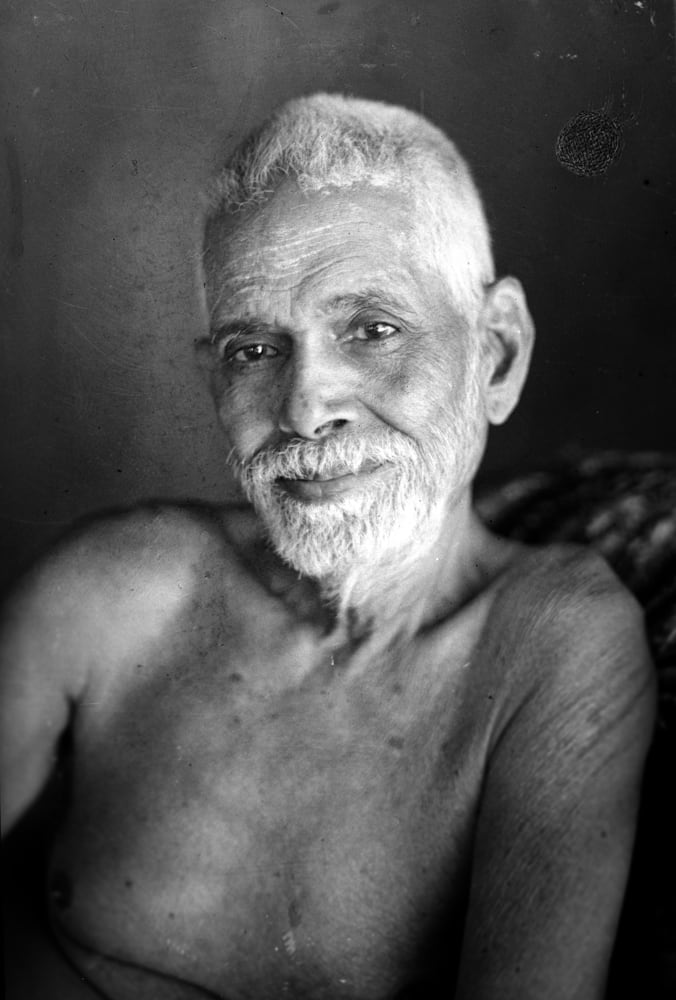
Ramana Maharshi
इन पर सहमत: परम सत्य क्या है? क्या ईश्वर है? · मैं कौन हूँ? क्या कोई सच्चा आत्म है? · हम दुःख क्यों भोगते हैं?
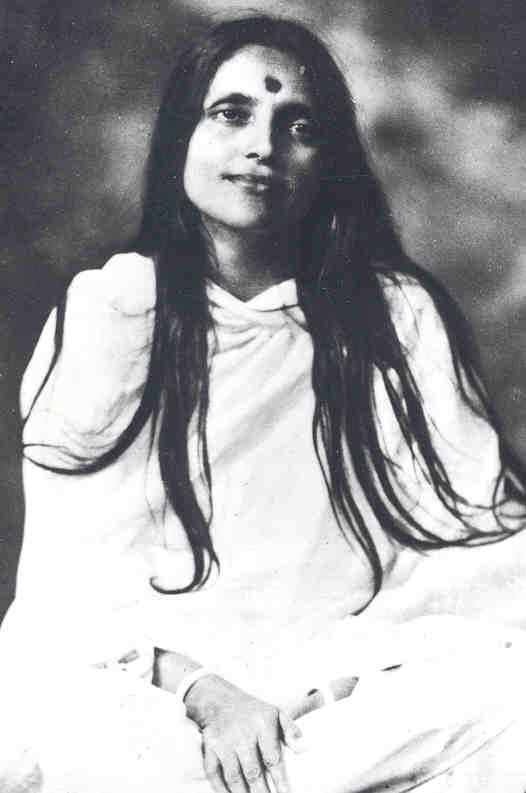
Anandamayi Ma
इन पर सहमत: मैं कौन हूँ? क्या कोई सच्चा आत्म है? · हम दुःख क्यों भोगते हैं? · मृत्यु के बाद क्या होता है?
Nisargadatta Maharaj
इन पर सहमत: मैं कौन हूँ? क्या कोई सच्चा आत्म है? · हम दुःख क्यों भोगते हैं? · मृत्यु के बाद क्या होता है?
Plotinus
इन पर सहमत: मैं कौन हूँ? क्या कोई सच्चा आत्म है? · मृत्यु के बाद क्या होता है? · मुक्ति या उद्धार कैसे प्राप्त होता है?


प्रसंग और वृत्तांत
प्रसंग और वृत्तांत
संत-चरित वृत्तांतc. 660
The woodcutter who heard the Diamond Sūtra
वृत्तांत का स्रोत: Autobiography in the Platform Sūtra, already in the Dunhuang copy (ninth century); there is no independent testimony.
संत-चरित वृत्तांतc. 661
The poem contest
वृत्तांत का स्रोत: Autobiography in the Platform Sūtra, already in the Dunhuang copy (ninth century); there is no independent testimony.
स्रोत: McRae, John R. Seeing through Zen: Encounter, Transformation, and Genealogy in Chinese Chan Buddhism. Berkeley: University of California Press, 2003. ISBN 0520237986.
संत-चरित वृत्तांतc. 661
Three knocks on the mortar
वृत्तांत का स्रोत: Only in the late versions of the Platform Sūtra (Huixin 967 and above all Zongbao 1291) and in Song-period case collections (Wumenguan, 1228); absent from the Dunhuang copy.
स्रोत: Wikisource en chino: 六祖大師法寶壇經 (versión de Zongbao, 1291), con una página por capítulo.
संत-चरित वृत्तांतc. 661
Huiming's original face
वृत्तांत का स्रोत: Only in the late versions of the Platform Sūtra (Huixin 967 and above all Zongbao 1291) and in Song-period case collections (Wumenguan, 1228); absent from the Dunhuang copy.
स्रोत: Wikisource en chino: 六祖大師法寶壇經 (versión de Zongbao, 1291), con una página por capítulo.
संत-चरित वृत्तांत676 (según la tradición)
The wind and the banner
वृत्तांत का स्रोत: Only in the late versions of the Platform Sūtra (Huixin 967 and above all Zongbao 1291) and in Song-period case collections (Wumenguan, 1228); absent from the Dunhuang copy.
स्रोत: Wikisource en chino: 六祖大師法寶壇經 (versión de Zongbao, 1291), con una página por capítulo.
संत-चरित वृत्तांतc. 700
The three blows to Shenhui
वृत्तांत का स्रोत: Dunhuang copy of the Platform Sūtra (§48–49 in Yampolsky); interpretation by Hu Shi (1930) and Yampolsky (1967).
साक्ष्य1589
Matteo Ricci before the sixth patriarch's body
वृत्तांत का स्रोत: Ricci's journals, published in Latin by Nicolas Trigault (1615) and translated by Gallagher (1953); study by Jorgensen (2005).
स्रोत: Ricci, Matteo y Nicolas Trigault. China in the Sixteenth Century: The Journals of Matthew Ricci, 1583–1610. Trad. Louis J. Gallagher. Nueva York: Random House, 1953.
शिक्षाएँ
शिक्षाएँ
वे अवधारणाएँ जो उनके चिंतन को रूप देती हैं, उनके संदर्भ में समझाई गई।
Sudden awakening (dunwu)dunwu
Controversy between the Northern and Southern schools (eighth century).
स्रोत: McRae, John R. Seeing through Zen: Encounter, Transformation, and Genealogy in Chinese Chan Buddhism. Berkeley: University of California Press, 2003. ISBN 0520237986.
No-thought, no-form, no-abidingwunian
Platform Sūtra, section 17 of the Dunhuang copy.
स्रोत: Yampolsky, Philip B. (ed. y trad.). The Platform Sutra of the Sixth Patriarch: The Text of the Tun-huang Manuscript. Nueva York: Columbia University Press, 1967; reed. 2012 (ISBN 9780231159562).
Unity of meditation and wisdom (dinghui)dinghui
A Chinese reinterpretation of the discipline-meditation-wisdom triad.
Seeing one's nature (jianxing)jianxing
Doctrine of buddha-nature (foxing) in Chan.
स्रोत: Dōgen. Shōbōgenzō, fascículo «Shizen biku» (四禪比丘), en la recensión de doce fascículos; trad. inglesa en Nishijima, Gudo y Chodo Cross, Master Dogen's Shobogenzo, vol. 4, Windbell, 1999.
Formless precepts (wuxiang jie)wuxiang-jie
Mass lay ordinations in eighth- and ninth-century Chan.
स्रोत: Yampolsky, Philip B. (ed. y trad.). The Platform Sutra of the Sixth Patriarch: The Text of the Tun-huang Manuscript. Nueva York: Columbia University Press, 1967; reed. 2012 (ISBN 9780231159562).
Transmission of the robe and patriarchal lineagechuanyi
Chan historiography (eighth to eleventh centuries).
स्रोत: McRae, John R. Seeing through Zen: Encounter, Transformation, and Genealogy in Chinese Chan Buddhism. Berkeley: University of California Press, 2003. ISBN 0520237986.
वीडियो
वीडियो
रिकॉर्डिंग, साक्षात्कार और वृत्तचित्र। वीडियो YouTube से चलते हैं; वे यहाँ संग्रहीत नहीं हैं।
The Platform Sutra of Chan Buddhism - Jun Wang
व्याख्यान· EN· 2018
Debashish Banerji
Sixth Patriarch's Dharma Jewel Platform Sutra (1) by Rev. Heng Sure from BRF2018
व्याख्यान· EN· 2019
DharmaRealmLiveआधिकारिक चैनल
Reflections from the Platform Sutra of the Sixth Patriarch - Ven. Dr Juewei
व्याख्यान· EN· 2020
Buddhist Library
The Platform Sutra of the Sixth Patriarch L1
व्याख्यान· EN
Khenpo Sodargye's Teachingsआधिकारिक चैनल
SBZC with Bill Powell "The Platform Sutra" class #1
व्याख्यान· EN· 2021
Santa Barbara Zen Centerआधिकारिक चैनल
Class on the Platform Sutra
व्याख्यान· EN
kansaszencenterआधिकारिक चैनल
The Mind Has No Stand: Zen, Huineng, Teaching & Text
विश्लेषण· EN· 2021
Eric Gerlach
Huineng - The 6th Chinese Ancestor of Zen Buddhism
व्याख्यान· EN
Great Mountain Zen Centerआधिकारिक चैनल
【六祖壇經的生活實踐】 主講:慧知法師
व्याख्यान· ZH
VIBPS 溫哥華佛光山 Vancouver IBPSआधिकारिक चैनल
慧知法師紐約佛學講座-《六祖壇經》的生活智慧
व्याख्यान· ZH
FGS IBPS New Yorkआधिकारिक चैनल
佛教紀錄片:六祖惠能的最後一年 (智慧東方)
वृत्तचित्र· ZH· 2017
佛弟子
¿Quién fue Hui Neng?
तृतीय पक्ष की रिकॉर्डिंग· ES
Cosas del Zen
चित्रशाला
चित्रशाला
सत्यापित लाइसेंस वाले चित्र। प्रत्येक में उसके रचयिता और श्रेय का उल्लेख सुरक्षित है।
पांडुलिपियाँ
पांडुलिपियाँ
पांडुलिपि-साक्ष्य और प्राचीन पाठ, उनके संरक्षक और अध्ययन की शर्तों सहित।
ZH · Chino (escritura regular, copia manuscrita) · c. 780
南宗頓教最上大乘摩訶般若波羅蜜經六祖惠能大師於韶州大梵寺施法壇經
- संरक्षित पाठ-साक्ष्य
- Copia de hacia 830–860, la más antigua conocida, en formato de cuadernillo
- संरक्षक
- British Library (Londres) · Or.8210/S.5475
- डिजिटलीकरण
- idp.bl.uk/…
ZH · Chino · c. 780
六祖壇經 (copia de Dunhuang)
- संरक्षित पाठ-साक्ष्य
- Segunda copia completa de Dunhuang, de mejor calidad textual
- संरक्षक
- Museo de Dunhuang · Dunbo 077
संबंध
संबंध
प्रभाव, शिष्यत्व और वैचारिक निकटता। प्रमाणित संबंध को विश्लेषण से पहचानी गई समानता से अलग दर्शाया गया है।
इनसे प्रभावित
The sūtra presents him as the sixth link of the lineage beginning with Bodhidharma and records his transmission verse.
प्रमाणित संबंध
इनके शिष्य
Hongren (601–674), quinto patriarca
His teacher at Huangmei, according to all sources, including Wang Wei's stele.
प्रमाणित संबंध
इनके समकालीन
Shenxiu (c. 606–706)
Hongren's chief disciple and figure of the Northern school; the poem contest pitting them against each other is legendary.
प्रमाणित संबंध
इनके गुरु
Shenhui (684–758)
He proclaimed himself his disciple and was the architect of his fame; the Dunhuang copy includes him among his ten disciples.
प्रमाणित संबंध
इन्हें प्रभावित किया
Heir of a Caodong lineage going back to Huineng; in the Shōbōgenzō (“Shizen biku”) he rejected the Platform Sūtra as apocryphal.
प्रमाणित संबंध
इन्हें प्रभावित किया
His Rinzai lineage goes back to Huineng through Linji; the kenshō Hakuin demands is the sūtra's “seeing the nature”.
विश्लेषण से पहचानी गई समानता
इन्हें प्रभावित किया
A Sōtō master, of Dōgen's lineage which goes back to Huineng.
विश्लेषण से पहचानी गई समानता
इन्हें प्रभावित किया
His Vietnamese Lâm Tế (Linji) lineage goes back to Huineng.
विश्लेषण से पहचानी गई समानता
इनसे प्रभावित
The sūtra's logic of emptiness—denying tree and mirror—extends the prajñāpāramitā and Madhyamaka; tradition counts Nāgārjuna among the Indian patriarchs.
विश्लेषण से पहचानी गई समानता
इनके समकालीन
Rough contemporaries at the two ends of Asia, both centred on the nature of mind and the wisdom of emptiness.
विश्लेषण से पहचानी गई समानता
इनसे मिलते-जुलते विचार
The sūtra's valuing of flow, non-fixation and immediacy recalls Daoist themes; the influence is debated.
विश्लेषण से पहचानी गई समानता
स्रोत
स्रोत
इस प्रविष्टि के लिए देखे गए ग्रंथ-सूची और सूचीपत्र।
- Wikidata, «Huineng», QID Q345012 (VIAF 32007548; LCCN n50078883).
- Yampolsky, Philip B. (ed. y trad.). The Platform Sutra of the Sixth Patriarch: The Text of the Tun-huang Manuscript. Nueva York: Columbia University Press, 1967; reed. 2012 (ISBN 9780231159562).
- McRae, John R. Seeing through Zen: Encounter, Transformation, and Genealogy in Chinese Chan Buddhism. Berkeley: University of California Press, 2003. ISBN 0520237986.
- McRae, John R. (trad.). The Platform Sutra of the Sixth Patriarch, translated from the Chinese of Tsung-pao. Berkeley: Numata Center for Buddhist Translation and Research, 2000. ISBN 1886439133.
- McRae, John R. The Northern School and the Formation of Early Ch'an Buddhism. Honolulu: University of Hawai'i Press (Kuroda Institute), 1986.
- Schlütter, Morten y Stephen F. Teiser (eds.). Readings of the Platform Sūtra. Nueva York: Columbia University Press, 2012. ISBN 9780231158206.
- Jorgensen, John. Inventing Hui-neng, the Sixth Patriarch: Hagiography and Biography in Early Ch'an. Leiden: Brill (Sinica Leidensia 68), 2005. ISBN 9004145087.
- Thompson, John M. «Huineng (Hui-neng) (638–713)». Internet Encyclopedia of Philosophy.
- Hu Shi 胡適 (ed.). Shenhui heshang yiji 神會和尚遺集 (Obras conservadas del monje Shenhui). Shanghái: Yadong tushuguan, 1930.
- Wang Wei 王維. «Neng chanshi bei» 能禪師碑 (Estela del maestro de chan Neng), mediados del siglo VIII, recogida en el Quan Tang wen; inscripción encargada por Shenhui.
- Schlütter, Morten. «A Study in the Genealogy of the Platform Sūtra». Studies in Central and East Asian Religions 2 (1989): 53–114.
- Wong Mou-lam (trad.). Sutra Spoken by the Sixth Patriarch, Wei Lang, on the High Seat of the Gem of Law. Shanghái: Yu Ching Press, 1930.
- Wikisource en chino: 南宗頓教最上大乘摩訶般若波羅蜜經六祖惠能大師於韶州大梵寺施法壇經 (texto de la copia de Dunhuang, compilado por Fahai).
- Wikisource en chino: 六祖大師法寶壇經 (versión de Zongbao, 1291), con una página por capítulo.
- Huineng (atrib.), Fahai (comp.). 六祖壇經 (Liuzu tanjing), edición de la dinastía Ming colacionada por Deqing. Project Gutenberg, e-book n.º 23844, 2007.
- Ricci, Matteo y Nicolas Trigault. China in the Sixteenth Century: The Journals of Matthew Ricci, 1583–1610. Trad. Louis J. Gallagher. Nueva York: Random House, 1953.
- Dumoulin, Heinrich. Zen Buddhism: A History. Vol. 1: India and China. Nueva York: Macmillan, 1988.
- Red Pine (Bill Porter) (trad.). The Platform Sutra: The Zen Teaching of Hui-neng. Emeryville (CA): Shoemaker & Hoard, 2006. ISBN 9781593760861.
- Dōgen. Shōbōgenzō, fascículo «Shizen biku» (四禪比丘), en la recensión de doce fascículos; trad. inglesa en Nishijima, Gudo y Chodo Cross, Master Dogen's Shobogenzo, vol. 4, Windbell, 1999.
- Yanagida Seizan 柳田聖山. Shoki zenshū shisho no kenkyū 初期禅宗史書の研究. Kioto: Hōzōkan, 1967.
- Yanagida Seizan (ed.). Rokuso dangyō shohon shūsei 六祖壇經諸本集成. Kioto: Chūbun shuppansha, 1976.
- Chan, Wing-tsit (trad.). The Platform Scripture. Nueva York: St. John's University Press, 1963.
- अधिकार-धारक
- Texto chino original en dominio público. Traducciones modernas con derechos: Columbia University Press (Yampolsky), Numata Center/BDK (McRae), Counterpoint (Red Pine), Shambhala (Cleary; Price y Wong), Editorial Kairós (Laureano Ramírez), Edaf.
पुष्टि की प्रतीक्षा में
जो यह प्रविष्टि अभी तक निश्चित नहीं कर सकी है। हम उसे भर देने के बजाय कह देना बेहतर समझते हैं।
- Traducción inglesa de Wong Mou-lam (Shanghái, Yu Ching Press, 1930): es de dominio público en EE. UU. (publicada en 1930, libre desde el 1 de enero de 2026), en la UE y en España (Wong Mou-lam, 1886–1934), pero no se ha localizado un escaneo con OCR limpio de la edición de 1930; las de Luzac (1944, 1953) y Shambhala llevan la revisión de Christmas Humphreys (m. 1983), protegida. Buscar en Internet Archive o HathiTrust la edición de 1930.
- Versión base de la traducción española de Laureano Ramírez (Kairós, 2010; hay ediciones anteriores) — comprobar si es la de Dunhuang o la de Zongbao.
- Signatura y digitalización de la copia del Museo de Dunhuang (Dunbo 077) y de la de Lüshun; no verificadas en un catálogo accesible.
- Fecha y circunstancias exactas del título póstumo (815/816) y de las estelas de Liu Zongyuan y Liu Yuxi: se han tomado de la bibliografía secundaria (Dumoulin), no de las fuentes.
- Vídeos en español: solo se ha encontrado material divulgativo breve; no hay conferencias académicas en español con canal solvente.
- Las ediciones francesas, alemanas e italianas del sūtra no se han cotejado en catálogo.
2026-10-25 को शोधित