बौद्ध धर्म · महायान · ज़ेन / चान · धर्मनिरपेक्ष चिंतन
Thich Nhat Hanh
Thích Nhất Hạnh · 釋一行
1926 – 2022ऐतिहासिक रूप से प्रमाणित व्यक्ति
वियतनामी ज़ेन भिक्षु, कवि और शांति-कार्यकर्ता (1926–2022), प्लम विलेज परंपरा और अंतर्भाव संघ (Order of Interbeing) के संस्थापक। वियतनाम युद्ध के दौरान उन्होंने “संलग्न बौद्ध धर्म” की अभिव्यक्ति गढ़ी, उनतालीस वर्ष निर्वासन में बिताए और सजगता (माइंडफ़ुलनेस) को पश्चिम के लिए सुलभ एक दैनिक साधना बना दिया। सौ से अधिक पुस्तकों के लेखक थे; 1967 में मार्टिन लूथर किंग ने उन्हें नोबेल शांति पुरस्कार के लिए नामांकित किया। उनका निधन ह्वे स्थित उनके मूल मंदिर में हुआ।
- कृतियाँ
- 135कृतियाँ
- संस्करण
- 209संस्करण
- उद्धरण
- 7उद्धरण
- वीडियो
- 12वीडियो
- चित्र
- 7चित्र
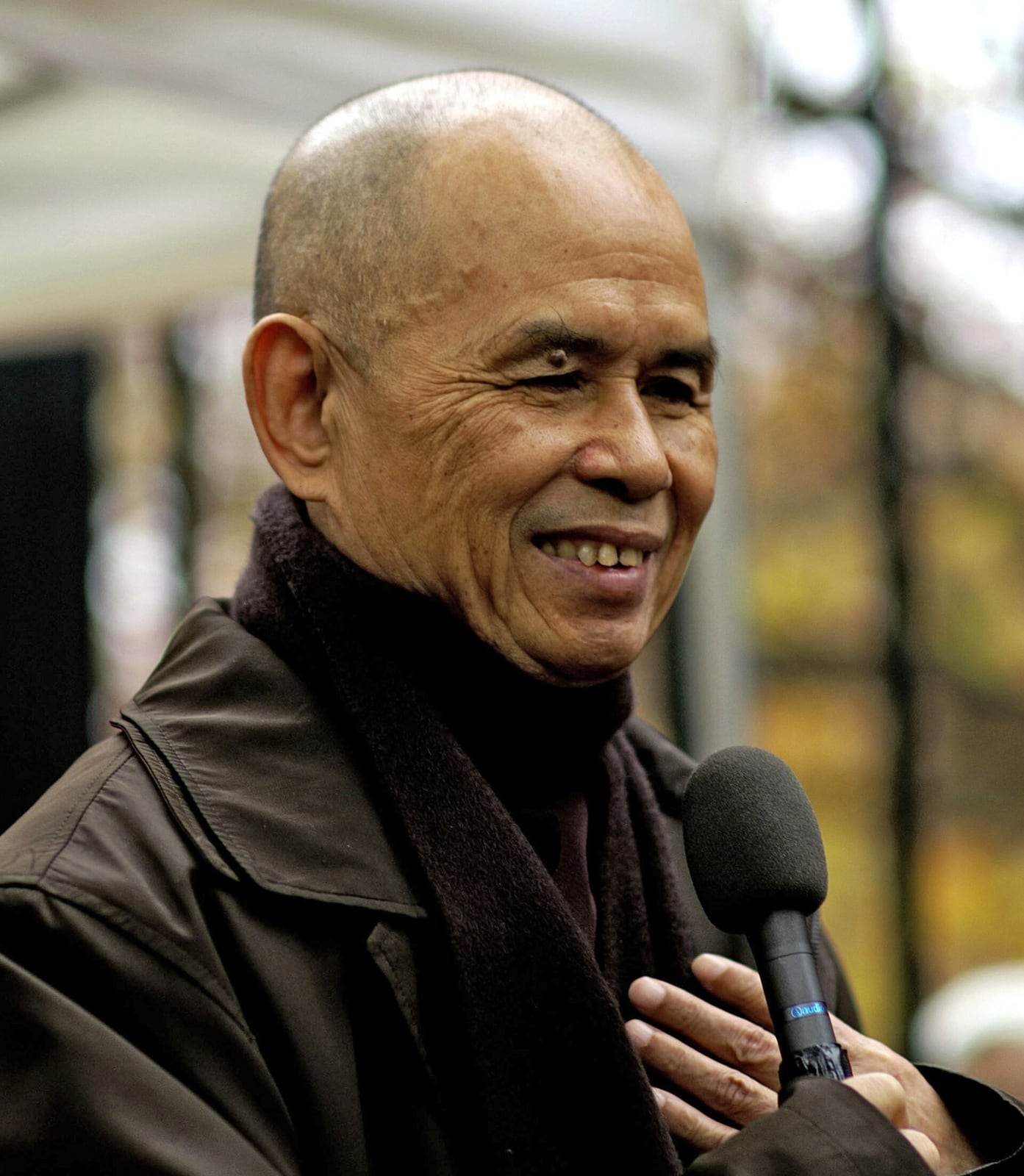
Thich Nhat Hanh en París, 2006 · CC BY-SA 2.0
उनके अपने शब्दों में
«Breathing in, I calm my body. Breathing out, I smile. Dwelling in the present moment, I know this is the only moment.»Being Peace (1987), capítulo 1, «Suffering Is Not Enough»: la gatha de la respiración

मूल विचार
Peace is not the outcome of a negotiation but a way of being: whoever is not peace in their own breath cannot bring it to a conference table. Hence the title Being Peace, which reverses the usual order of means and ends.
संदर्भ में देखें
जीवनी
7 मिनट का पाठ
स्पैनिश मूल से सहायता-प्राप्त अनुवाद, मातृभाषी अनुवादक द्वारा समीक्षा लंबित।
वह बालक जिसने कुएँ से पानी पिया
न्गुयेन सुआन बाओ का जन्म 11 अक्टूबर 1926 को अन्नाम की पुरानी शाही राजधानी ह्वे में अधिकारियों और विद्वानों के एक बड़े परिवार में हुआ, जो स्वयं को कवि न्गुयेन दिन्ह चिउ का वंशज बताता था। अपनी प्रव्रज्या-प्रेरणा का उद्गम उन्होंने स्वयं बचपन की दो छवियों में देखा, जिन्हें वे वृद्धावस्था तक दोहराते रहे: घास पर बैठे बुद्ध का एक चित्र, जो उन्होंने सात-आठ वर्ष की आयु में एक पत्रिका में देखा था, और एक पहाड़ की स्कूली यात्रा, जहाँ एक संन्यासी रहता था जो उन्हें नहीं मिला, किंतु जिसके आसपास बालक ने एक प्राकृतिक कुआँ खोजा और उससे तब तक पानी पिया जब तक वह “पूर्णतः तृप्त” नहीं हो गया। उन्होंने यह कथा अनेक बार सुनाई, और यह कहना उचित है कि इसे सुनाने वाले वे स्वयं थे: कथा का यह अंश उनकी अपनी गवाही पर टिका है, किसी दस्तावेज़ पर नहीं।
सोलह वर्ष की आयु में, 1942 में, वे ह्वे के बाहरी छोर पर स्थित तू हिएउ पगोडा में श्रामणेर के रूप में प्रविष्ट हुए, गुरु थान्ह क्वी चान थात के सान्निध्य में, जो लाम ते ज़ेन संप्रदाय — चीनी लिनजी — की इकतालीसवीं पीढ़ी और उसकी वियतनामी शाखा लिएउ क्वान की सातवीं पीढ़ी के थे। उन्हें वंश-परंपरा का नाम त्रुंग क्वांग (“स्वच्छ और प्रतिबिंबित प्रकाश”) मिला और दीक्षा के समय फुंग सुआन (“वसंत से भेंट”)। न्यात हान्ह (“एक कर्म”) की उपाधि उन्होंने 1949 में साइगॉन जाने पर अपनाई। वहाँ, एक ऐसे बौद्ध संस्थान से असंतुष्ट होकर जो न दर्शन पढ़ाता था न भाषाएँ, उन्होंने वह किया जो उस समय किसी भिक्षु के लिए अभूतपूर्व था: धर्मनिरपेक्ष विश्वविद्यालय में प्रवेश लिया, फ़्रांसीसी और वियतनामी साहित्य पढ़ा और किताबें तथा कविताएँ बेचकर अपना निर्वाह किया। 1951 में आन क्वांग पगोडा में उन्होंने भिक्षु की उपसंपदा ग्रहण की।
सड़क पर उतरता बौद्ध धर्म
पचास का दशक टकराव का दशक था। उन्होंने सामान्य बौद्ध संघ की आधिकारिक पत्रिका का संपादन किया, जिसे वरिष्ठ भिक्षुओं ने वियतनामी संघों के एकीकरण पर उनके आग्रह के कारण बंद कर दिया; आन क्वांग के अभिलेखों से उनका नाम मिटा दिया गया; वे कुछ साथियों के साथ दा लात के निकट एक वन में, फुओंग बोई नामक एक छोटे-से “प्रतिरोध समुदाय” में चले गए। 1961 से 1963 तक उन्होंने प्रिंसटन में तुलनात्मक धर्म का अध्ययन किया और कोलंबिया में बौद्ध धर्म पढ़ाया। उस दौर की डायरियाँ, जो बहुत बाद में सुगंधित ताड़पत्र (Fragrant Palm Leaves) शीर्षक से प्रकाशित हुईं, तीस-पैंतीस वर्ष के एक ऐसे व्यक्ति को दिखाती हैं जो प्रोटेस्टेंट धर्मशास्त्रियों को पढ़ता है, बर्फ़ को निहारता है और जाड़े की एक रात बोध के एक अनुभव को दर्ज करता है, जिसका वर्णन वह उस संयम से करता है जो बड़े शब्दों पर भरोसा न करने वाले में होता है।
दिसंबर 1963 में, न्गो दिन्ह दिएम के पतन के बाद, वियतनामी बौद्ध धर्म के पुनर्गठन में सहायता के लिए बुलाए जाने पर वे साइगॉन लौटे। दो वर्षों से कुछ अधिक समय में उन्होंने वे संस्थाएँ खड़ी कीं जो उनके जीवन को परिभाषित करने वाली थीं: समाज सेवा के लिए युवा विद्यालय, लगभग दस हज़ार स्वयंसेवकों का एक तटस्थ दल जो किसी का पक्ष लिए बिना गाँवों का पुनर्निर्माण करता और औषधालय खोलता था; वान हान्ह बौद्ध विश्वविद्यालय; ला बोई प्रकाशन; और फ़रवरी 1966 में अंतर्भाव संघ (Order of Interbeing, तिएप हिएन), छह सदस्यों — तीन स्त्रियों और तीन पुरुषों — और चौदह नियमों के साथ, जो आग में जलते एक देश के लिए बोधिसत्त्व-व्रतों को नए सिरे से लिखते थे। “संलग्न बौद्ध धर्म” (engaged Buddhism) की अभिव्यक्ति, जिसे उन्होंने स्वयं 1967 में Vietnam: Lotus in a Sea of Fire में गढ़ा, कोई सिद्धांत नहीं थी: वह उस काम का नाम थी जो वे कर रहे थे।
उनतालीस वर्ष बाहर
1 मई 1966 को तू हिएउ में उन्हें चान थात से “दीप-संचरण” प्राप्त हुआ, जिसने उन्हें धर्माचार्य और मंदिर का उत्तराधिकारी बनाया। कुछ दिन बाद वे बमबारी बंद करने की माँग लेकर संयुक्त राज्य अमेरिका रवाना हुए। वे शिकागो में मार्टिन लूथर किंग के साथ सार्वजनिक रूप से प्रकट हुए, पाँच सूत्री शांति-प्रस्ताव रखा, पाँच दिन उपवास किया और गेथसेमनी मठ में थॉमस मर्टन से संवाद किया, जिन्होंने “न्यात हान्ह मेरा भाई है” शीर्षक से एक निबंध लिखा जब साइगॉन ने उन्हें लौटने से रोकने की धमकी दी। धमकी सच हुई, और हनोई ने अपनी ओर से भी वही किया: दोनों सरकारों ने उन्हें प्रवेश देने से इनकार कर दिया। 25 जनवरी 1967 को किंग ने एक पत्र में उन्हें नोबेल शांति पुरस्कार के लिए नामांकित किया, जिसमें उस “सौम्य वियतनामी बौद्ध भिक्षु” को शांति और अहिंसा का प्रेरित कहा गया था; समिति ने उस वर्ष कोई पुरस्कार नहीं दिया।
निर्वासन उनतालीस वर्ष चला। उन्होंने पेरिस वार्ताओं में वियतनामी बौद्ध शांति प्रतिनिधिमंडल का नेतृत्व किया, सोरबोन में पढ़ाया, उपनगरों में शरणार्थियों के साथ रहे और 1975 में त्रोआ के निकट ले पताट दूस (“शकरकंद”) समुदाय की स्थापना की। वहीं उन्होंने वियतनाम में रह गए उन समाज-सेवकों के लिए, जो हर दिन मृत्यु की संभावना के साथ जीते थे, एक छोटी पुस्तिका लिखी, जो अंग्रेज़ी में The Miracle of Mindfulness नाम से प्रकाशित हुई। 1975 में “mindfulness” शब्द आम अंग्रेज़ी में मुश्किल से ही प्रचलित था; उनकी पुस्तक ने उसे प्रचलन में लाने में निर्णायक योगदान दिया। 1976–1977 में स्याम की खाड़ी में “नौका-शरणार्थियों” (boat people) को बचाने के एक मार्मिक और गुप्त प्रयास के बाद — जिसका अंत सिंगापुर से उनके निष्कासन में हुआ — 1978 में एक पत्र ने, जिसमें बारह वर्ष की एक बालिका के बारे में बताया गया था जिसके साथ एक समुद्री डाकू ने बलात्कार किया और जो फिर डूब गई, उन्हें “मुझे मेरे सच्चे नामों से पुकारो” कविता लिखने को प्रेरित किया, जिसमें वे स्वयं को एक साथ वह बालिका, वह डाकू और पोलित ब्यूरो का एक सदस्य पहचानते हैं।
प्लम विलेज
1982 में समुदाय दोर्दोन्य चला गया और प्लम विलेज (लांग माई) का जन्म हुआ; उनके साथ भिक्षुणी चान खोंग थीं, जो युवा विद्यालय के दिनों से उनके साथ थीं। आलूबुख़ारे के पेड़ों वाली एक छोटी-सी बस्ती के रूप में जो शुरू हुआ, वह यूरोप का सबसे बड़ा बौद्ध मठ बन गया, जिसमें दो सौ से अधिक भिक्षु-भिक्षुणियाँ थीं और हर वर्ष हज़ारों आगंतुक आते थे, और वह कैलिफ़ोर्निया, न्यूयॉर्क, मिसिसिपी, जर्मनी, थाईलैंड, हांगकांग, ऑस्ट्रेलिया और कालांतर में वियतनाम तक फैले केंद्रों के जाल का मातृ-केंद्र बना। 1986 से पैरालैक्स प्रेस ने अंग्रेज़ी में उनकी पुस्तकें प्रकाशित कीं — सौ से अधिक, चालीस से अधिक भाषाओं में अनूदित — और वहीं से वे रूप निकले जो आज उनके नाम से जुड़े हैं: सजगता की घंटी जो हर गतिविधि को रोक देती है, चलते हुए ध्यान, सजगता के पाँच प्रशिक्षण जो गृहस्थ-शीलों को नए रूप में कहते हैं, और परिवारों, पूर्व सैनिकों, पुलिसकर्मियों या सांसदों के लिए शिविर। वे अंग्रेज़ी, फ़्रांसीसी और वियतनामी में धीमे स्वर और छोटे वाक्यों में सिखाते थे, और उन्होंने हृदय सूत्र, वज्रच्छेदिका सूत्र और “चित्तमात्र” के मनोविज्ञान पर उसी लहजे में व्याख्यान दिए जिसमें वे बताते थे कि बर्तन कैसे धोए जाएँ।
2005 में, लंबी वार्ताओं के बाद, हनोई ने उन्हें यात्रा पर लौटने, सिखाने और चार पुस्तकें प्रकाशित करने की अनुमति दी; 2007 में वे युद्ध में मारे गए सभी लोगों के लिए, चाहे वे किसी भी पक्ष के हों, बड़े अनुष्ठान करने फिर लौटे। प्रतिबंधित एकीकृत बौद्ध चर्च ने उन यात्राओं को शासन के प्रति नरमी बताया; 2009 में पुलिस और भाड़े के गिरोहों ने बात न्या मठ से उनके सैकड़ों भिक्षुओं और भिक्षुणियों को मार-पीटकर निकाल दिया। एक तरह से निर्वासन कभी पूरी तरह समाप्त नहीं हुआ।
निरंतरता
11 नवंबर 2014 को उन्हें मस्तिष्क-रक्तस्राव हुआ, जिससे उनकी वाणी चली गई। उनका पुनर्वास बोर्दो, सैन फ़्रांसिस्को और थाईलैंड में हुआ, और अक्टूबर 2018 में उन्होंने इशारों से बताया कि वे तू हिएउ लौटकर वहीं रहना चाहते हैं। वे वहाँ तीन वर्ष और रहे, व्हीलचेयर पर, मंदिर के तालाबों तक जाते हुए, सादे कपड़ों में पुलिसकर्मियों की चुपचाप निगरानी में। 22 जनवरी 2022 को आधी रात के कुछ ही बाद, पचानवे वर्ष की आयु में, “गहन श्रवण” की कुटिया में उनका निधन हुआ। उन्होंने अनुरोध किया था कि उनके लिए कोई स्तूप न बनाया जाए; यदि आग्रह हो, तो पट्टिका पर लिखा जाए “मैं यहाँ भीतर नहीं हूँ”, दूसरी पर “मैं वहाँ बाहर भी नहीं हूँ”, और तीसरी पर “शायद तुम मुझे अपने साँस लेने और चलने के ढंग में पाओ”। 29 जनवरी को उनका दाह-संस्कार हुआ और उनचास दिनों के बाद उनकी अस्थियाँ उनके मूल मंदिर और उनके स्थापित केंद्रों के बीच बाँट दी गईं।
उनके बारे में जो प्रलेखित है, वह प्रचुर और सत्यापन-योग्य है: तिथियाँ, संस्थाएँ, पुस्तकें, हज़ारों रिकॉर्ड किए गए प्रवचनों का एक अभिलेखागार। उनके शिष्य जो आगे बढ़ाते हैं — कुएँ का प्रसंग, शिविरों का लहजा, वह सहजता जिससे एक वियतनामी भिक्षु ने “interbeing” (अंतर्भाव) को अंग्रेज़ी का एक शब्द बना दिया — वह अब निरंतरता के उस दूसरे रूप से संबंध रखता है जिसे वे स्वयं अमरता से अधिक पसंद करते थे।
स्रोत: Nhat Hanh, Thich. Being Peace. Berkeley: Parallax Press, 1987. ISBN 9780938077008. · Nhat Hanh, Thich. The Miracle of Mindfulness: A Manual on Meditation. Trad. Mobi Ho. Boston: Beacon Press, 1975 (ed. revisada 1987; ISBN 9780807012390). · Nhat Hanh, Thich. Fragrant Palm Leaves: Journals 1962–1966. Trad. Mobi Warren. Berkeley: Parallax Press, 1998 (reed. 2020, ISBN 9781946764720). · Nhat Hanh, Thich. Vietnam: Lotus in a Sea of Fire. Prólogo de Thomas Merton. Nueva York: Hill and Wang, 1967. Digitalizado en Internet Archive (préstamo). · Nhat Hanh, Thich. The Heart of Understanding: Commentaries on the Prajñaparamita Heart Sutra. Berkeley: Parallax Press, 1988.
कालक्रम
जीवन, वर्ष-दर-वर्ष
प्रत्येक बिंदु एक प्रमाणित घटना है। उसे स्रोत और निश्चितता के स्तर सहित पढ़ने के लिए क्लिक करें।
11 अक्टूबर 19260 वर्षHuế, Annam (Indochina francesa)
Birth in Huế
Nguyễn Xuân Bảo is born, the fifth of six children, in the old imperial capital. His father, Nguyễn Đình Phúc, was an official of the French administration; his mother, Trần Thị Dĩ, came from Gio Linh district.
प्रमाणितWikidata, «Thích Nhất Hạnh», QID Q310913 (VIAF 87670142; LCCN n50006399).
11 अक्टूबर 1926 · 0 वर्ष
Birth in Huế
Nguyễn Xuân Bảo is born, the fifth of six children, in the old imperial capital. His father, Nguyễn Đình Phúc, was an official of the French administration; his mother, Trần Thị Dĩ, came from Gio Linh district.
प्रमाणित
1942 · 16 वर्ष
Enters Từ Hiếu as a novice
At sixteen he enters Từ Hiếu Temple under Zen master Thanh Quý Chân Thật of the Lâm Tế (Linji) school, Liễu Quán branch. He receives the lineage name Trừng Quang and, on ordination, the Dharma name Phùng Xuân.
प्रमाणित
1951 · 25 वर्ष
Full ordination as a bhikshu
Having left the Báo Quốc Buddhist Academy in 1950 over its neglect of philosophy and languages, he receives the bhikshu precepts in Saigon. He studies at a secular university, unusual for a monk, supporting himself by selling books and poems.
प्रमाणित
1961 – 1963 · 35 वर्ष
Princeton and Columbia
On a scholarship he studies comparative religion at Princeton Theological Seminary and in 1962 lectures on Buddhism at Columbia. His journals from these years, published as Fragrant Palm Leaves, record an awakening experience on a winter night.
प्रमाणित
1964 · 38 वर्ष
School of Youth for Social Service, Vạn Hạnh University and Lá Bối press
Back in Vietnam after Diệm's fall, he founds the School of Youth for Social Service (some ten thousand volunteers rebuilding villages without taking sides), co-founds Vạn Hạnh Buddhist University, and his students open the Lá Bối publishing house.
प्रमाणित
फ़रवरी 1966 · 39 वर्ष
The Order of Interbeing (Tiếp Hiện) is founded
He ordains the first six members—three women and three men from the School of Youth—with fourteen precepts that recast the bodhisattva vows for a time of war.
प्रमाणित
1 मई 1966 · 39 वर्ष
Lamp transmission
He receives the “lamp transmission” from his teacher Chân Thật, making him a Dharma teacher and spiritual heir of Từ Hiếu, days before leaving for the United States.
प्रमाणित
31 मई 1966 · 39 वर्ष
Press conference with Martin Luther King Jr. and the start of exile
On his tour of the United States and Europe calling for an end to the war he appears with King in Chicago and visits Thomas Merton at Gethsemani. Both Saigon and Hanoi bar his return: a thirty-nine-year exile begins.
प्रमाणित
25 जनवरी 1967 · 40 वर्ष
King nominates him for the Nobel Peace Prize
Martin Luther King Jr. writes to the Nobel Institute proposing “this gentle Buddhist monk from Vietnam” (1967 nomination no. 48). No prize was awarded that year. He publishes Vietnam: Lotus in a Sea of Fire, coining “engaged Buddhism”.
प्रमाणित
1969 – 1973 · 42 वर्ष
Buddhist Peace Delegation at the Paris talks
He leads the Vietnamese Buddhist Peace Delegation during the negotiations leading to the Paris Accords, lectures at the Sorbonne and lives with Vietnamese refugees on the outskirts of the city.
प्रमाणित
1975 · 49 वर्ष
Sweet Potato community and The Miracle of Mindfulness
He founds the small Sweet Potato community near Troyes. There he writes The Miracle of Mindfulness, conceived as a manual for the social workers still in Vietnam, and The Sun My Heart.
प्रमाणित
1978 · 52 वर्ष
Boat-people rescue and the poem “Please Call Me by My True Names”
With Sister Chân Không he secretly organises relief for refugees at sea until Singapore expels them. After a letter about a twelve-year-old girl raped by a pirate he writes his most famous poem.
प्रमाणित
1982 · 56 वर्ष
Plum Village is founded
The community moves to south-west France and Plum Village (Làng Mai) is born; it will become the largest Buddhist monastery in Europe and the mother house of a network of centres in the United States, Germany, Thailand, Hong Kong, Australia and Vietnam.
प्रमाणित
12 जनवरी 2005 · 78 वर्ष
Return to Vietnam after 39 years
Hanoi allows him to visit, teach and publish four books. He returns in 2007 (great chanting ceremonies for all the war dead) and 2008; in 2009 the authorities violently expel his monastics from Bát Nhã monastery.
प्रमाणित
11 नवंबर 2014 · 88 वर्ष
Severe stroke
A brain haemorrhage leaves him unable to speak for the rest of his life. He undergoes rehabilitation in Bordeaux, San Francisco (2015) and Thailand.
प्रमाणित
28 अक्टूबर 2018 · 92 वर्ष
He returns to his root temple to stay
He signals by gestures his wish to spend his remaining days at Từ Hiếu, which he had entered as a novice seventy-six years earlier.
प्रमाणित
22 जनवरी 2022 · 95 वर्ष
Death
He dies shortly after midnight in the Deep Listening Hut. Five days of funeral rites, cremation on 29 January and, after forty-nine days, his ashes are divided between Từ Hiếu and the Plum Village centres.
प्रमाणित
कृतियाँ
आवश्यक कृतियाँ
वे कृतियाँ जिनके बिना उनकी विरासत को समझा नहीं जा सकता।
लिखित कृति · 1975
The Miracle of Mindfulness
Phép lạ của sự tỉnh thức
The book that carried the word “mindfulness” into everyday English. Simple exercises—washing the dishes in order to wash the dishes, following the breath, the tangerine eaten with attention—and an exposition of the Sutra on the Four Establishments of Mindfulness. It was born of war, not of self-help.
5 संस्करण · amazon.com
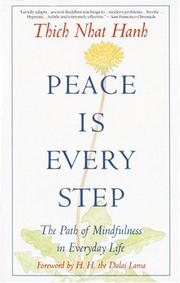
लिखित कृति · 1991
Peace Is Every Step
His most widely read book: short pieces on breathing, smiling, walking, driving, eating, anger and “interbeing”, bringing practice into the gestures of the day. In Spanish it was titled “Hacia la paz interior” and in German “Ich pflanze ein Lächeln”.
4 संस्करण · amazon.com

लिखित कृति · 1988
Old Path White Clouds
Đường xưa mây trắng
A novelised life of the Buddha reconstructed from the Pali and Chinese canons, told in part through the young buffalo-herder Svasti. With no added miracles, in a serene prose, it is his longest work and the one he regarded as his most important.
5 संस्करण · amazon.com

लिखित कृति · 1998
The Heart of the Buddha's Teaching
His most complete doctrinal treatise: the Four Noble Truths, the Eightfold Path, the Three Dharma Seals, the twelve links of dependent arising, read from experience rather than scholasticism. The reference book of his retreats and of his monastics' training.
4 संस्करण · amazon.com
संपूर्ण कृतित्व (135)
Thich Nhat Hanh
Buddhism Enters Life
The Conscious LibraryBuddhism Enters Life
1964

Fragrant Palm Leaves: Journals 1962–1966
1966

Vietnam: Lotus in a Sea of Fire
1967

A Rose for Your Pocket
1962

The Sun My Heart
1982

Being Peace
1987

The Heart of Understanding
1988

Interbeing: Fourteen Guidelines for Engaged Buddhism
1987

Transformation and Healing
1990

Touching Peace
1992
Call Me by My True Names: The Collected Poems
1993

The Blooming of a Lotus
1993

Living Buddha, Living Christ
1995

Cultivating the Mind of Love
1996

Teachings on Love
1997

Going Home: Jesus and Buddha as Brothers
1999

Anger: Wisdom for Cooling the Flames
2001

No Death, No Fear
2002

True Love
1997

Understanding Our Mind
2006

The Art of Power
2007

You Are Here
2001

The Novice: A Story of True Love
2011
Thich Nhat Hanh
Fear
The Conscious LibraryFear
2012
वचन
किसी निश्चित कृति में स्थित वचन। प्रत्येक के साथ उसका स्रोत और विश्वसनीयता का स्तर है।
Breathing in, I calm my body. Breathing out, I smile. Dwelling in the present moment, I know this is the only moment.सत्यापितBeing Peace (1987), capítulo 1, «Suffering Is Not Enough»: la gatha de la respiración
मूल विचार (संपादकीय सार)
कॉपीराइट के सम्मान में, ये विचार हमारे अपने शब्दों में संक्षेपित हैं और इन्हें शब्दशः उद्धरण के रूप में प्रस्तुत नहीं किया गया है।
- Peace is not the outcome of a negotiation but a way of being: whoever is not peace in their own breath cannot bring it to a conference table. Hence the title Being Peace, which reverses the usual order of means and ends.
- Nothing exists by itself. A sheet of paper contains the cloud, the rain, the logger and his breakfast; to be is always to inter-be. The emptiness of the Heart Sutra does not mean that things do not exist but that they are empty of separate existence and therefore full of everything else.
- A cloud does not die when it becomes rain: it changes form. Birth and death are notions, not ultimate realities; what we are continues in our actions, words and thoughts, as he himself wished to be read on his non-existent stupa.
- Consciousness is a storehouse of seeds: anger, fear, joy, compassion. Each time one manifests, it is watered. Practice consists in deliberately watering the wholesome seeds and holding the painful ones without suppressing them, as a mother picks up a crying child.
- Engaged Buddhism does not add social action to Buddhism: it holds that meditating and acting are a single movement. If bombs fall on the village, sitting in the temple doing nothing is not contemplation but evasion; and acting without calm reproduces the violence one hopes to cure.
- Suffering is necessary for understanding, as mud is for the lotus. It is not to be suppressed but looked into deeply until it reveals its causes, and not allowed to grow beyond what it already is.
- Wash the dishes in order to wash the dishes: if one scrubs while thinking of the cup of tea to come, one lives neither the washing nor the tea. Mindfulness is not a concentration technique but the decision to be where one is.
- Deep listening—listening with the sole purpose of relieving the other's suffering, without correcting or judging for that time—is, for him, the political practice par excellence: the one that lets two enemies see each other as human beings again.
अप्रामाणिक या विवादित आरोपण वाले उद्धरण (3)
«There is no way to happiness—happiness is the way.»
Attributed to Thich Nhat Hanh on thousands of pages, but it is a variant of “There is no way to peace; peace is the way”, a line of the pacifist A. J. Muste (1940s), which he occasionally quoted without claiming it. It is not found in any of his works in that wording.
«Smile, breathe and go slowly.»
A card-and-T-shirt motto that sums up his teaching but does not appear as his sentence in any locatable work; probably a condensation of several passages from Peace Is Every Step.
«To be beautiful means to be yourself. You don't need to be accepted by others. You need to accept yourself.»
Widely circulated on social media and in quotation anthologies; it could not be traced to any book or specific talk. Listed here as unverified, not as false.
अंतिम शब्द
उनके अंतिम शब्दों का कोई सत्यापन-योग्य अभिलेख उपलब्ध नहीं है।
There is no reliable record of any last words. After his stroke of November 2014 he lost the ability to speak and communicated by gestures in his final years. The Plum Village announcement of 22 January 2022 says only that he passed away “peacefully” in the Deep Listening Hut at Từ Hiếu Temple shortly after midnight. In place of last words the community cites his 2015 request that no stupa be built for him: “I am not in here… I may be found in your way of breathing and walking.”
स्रोत: PBS NewsHour / Associated Press. «Influential Zen Buddhist monk Thich Nhat Hanh dies at 95», 22 de enero de 2022 (recoge el comunicado de Plum Village).
पूछें
उनकी कृतियाँ क्या उत्तर देती हैं
मानवता के बारह महान प्रश्न और उनके ग्रंथ उनका जो उत्तर देने देते हैं, संदर्भों सहित। हम कभी उनके मुख में अपने शब्द नहीं रखते।
परम सत्य क्या है? क्या ईश्वर है?
God and nirvana belong to the ultimate dimension, which no concept reaches
अनिर्वचनीयस्पष्ट रूप से कहा है
Thich Nhat Hanh does not defend a creator God, consistent with his Vietnamese Zen formation, but neither does he simply deny one. In Living Buddha, Living Christ he proposes reading the word God, when contemplative Christians use it, as a name for the ultimate dimension of reality, comparable to nirvana: the water as opposed to the waves, which rise and fall while the water remains water. That dimension is not described by the notions of being and non-being, birth and death, one and many; nirvana, he insists, is precisely the extinction of all notions. He therefore advises against arguing whether God exists or does not exist: both concepts fall short. What he does propose is touching that dimension here, through mindful breathing, instead of turning it into an object of belief.
इस प्रश्न की अन्य गुरुओं से तुलना करेंमैं कौन हूँ? क्या कोई सच्चा आत्म है?
There is no separate self: we are made of non-self elements
कोई स्थायी आत्म नहींस्पष्ट रूप से कहा है
Thich Nhat Hanh translates the Buddhist doctrine of non-self (anatta) into his notion of interbeing. In The Heart of Understanding, his commentary on the Heart Sutra, he invites us to see in a sheet of paper the cloud, the rain, the tree and the logger: the paper is made entirely of non-paper elements. The same holds for the person: made of ancestors, food, culture, earth and others, and not existing apart from them. In The Heart of the Buddha's Teaching he presents non-self as one of the three Dharma seals, together with impermanence and nirvana. The point is not to deny that there is anyone, but to stop conceiving that someone as an isolated and permanent entity; this view, he insists, reduces fear and makes compassion possible.
इस प्रश्न की अन्य गुरुओं से तुलना करेंहम दुःख क्यों भोगते हैं?
Suffering is fed: understanding what nourishes it begins its healing
तृष्णा और आसक्तिस्पष्ट रूप से कहा है
Thich Nhat Hanh starts from the four noble truths, which he comments on in The Heart of the Buddha's Teaching, but sets them out with his own accent. Suffering does not arise from nothing: it is fed by what we consume — food, sense impressions, intentions and consciousness — the four kinds of nutriment of early Buddhism. In Understanding Our Mind he explains that store consciousness holds seeds of anger, fear or desire that grow when watered; attachment, wrong perceptions and inherited habits keep the cycle going. He therefore insists on recognising suffering, embracing it with mindfulness as a mother embraces a crying child, and looking deeply into its roots. He also stresses that without mud there is no lotus: understood suffering is the material from which understanding and compassion are born.
इस प्रश्न की अन्य गुरुओं से तुलना करेंमृत्यु के बाद क्या होता है?
Nothing is born and nothing dies: there is only manifestation and continuation
जो मैं हूँ, वह न जन्मता है न मरता हैस्पष्ट रूप से कहा है
Thich Nhat Hanh devotes a whole book to death, No Death, No Fear, whose thesis is that birth and death are notions, not ultimate realities. He uses the image of the cloud: when it turns into rain it does not die but continues in another form; nothing passes from being into non-being. Relying on the Heart Sutra — no birth and no death, no increasing and no decreasing — he holds that the person does not disappear either: she continues in her acts, her children, her students, in everything she has touched, because she never existed separately from the rest (interbeing). The practice in the face of death, therefore, is not to believe in a survival but to look deeply until one sees one's own continuation already present, and so to let go of fear. When his mother died, he relates, he recognised her alive in his own hands.
इस प्रश्न की अन्य गुरुओं से तुलना करेंमुक्ति या उद्धार कैसे प्राप्त होता है?
Nirvana is touched here and now through mindfulness practised daily
अनुशासित साधना सेस्पष्ट रूप से कहा है
Thich Nhat Hanh places liberation within the classical framework of the Four Noble Truths and the Noble Eightfold Path, which he sets out in The Heart of the Buddha's Teaching, and organises it around the three trainings: ethics, concentration and insight. His distinctive emphasis is that nirvana is not a future place but the extinction of notions (birth and death, being and non-being) that can be touched in the present moment. The means is mindfulness applied to breathing, walking, eating or washing the dishes, as presented in The Miracle of Mindfulness. Practice is not a means of getting elsewhere: each mindful step is already a fragment of freedom, and it is sustained by the community (sangha).
इस प्रश्न की अन्य गुरुओं से तुलना करेंक्या गुरु आवश्यक है?
The sangha is refuge and teacher: one practises and awakens in community
संघ और परंपरास्पष्ट रूप से कहा है
Thich Nhat Hanh, a teacher of the Vietnamese Linji Zen school, did not deny the role of the teacher, but shifted the weight towards the community. In his account of the Three Refuges, the Buddha, the Dharma and the Sangha, he insists that the Sangha is not an add-on: without a community practising together, individual practice dies out, like an ember separated from the fire. That is why he founded communities, from the Order of Interbeing in the 1960s to Plum Village in France, and proposed the fourteen precepts of Interbeing as a common framework. The teacher transmits and guides, but each person must practise in their own life, and the community sustains and corrects that effort.
इस प्रश्न की अन्य गुरुओं से तुलना करेंक्या संसार वास्तविक है?
Everything inter-is: a cloud floats in this sheet of paper
बिना सार के कारणों का जालस्पष्ट रूप से कहा है
Thich Nhat Hanh renders the Buddhist doctrine of dependent arising with his own term, interbeing. In The Heart of Understanding, his commentary on the Heart Sutra, he invites us to look at a sheet of paper until we see in it the cloud without which there would be no rain, no tree, no paper, and also the logger, the sun and the very mind looking at it. Nothing has a separate, independent existence: each thing is made of elements that are not itself. That is what emptiness means, not non-existence but emptiness of a separate self. The world is not illusion; what is illusory is conceiving things as isolated entities, and that mistaken perception generates suffering.
इस प्रश्न की अन्य गुरुओं से तुलना करेंप्रेम क्या है?
To love is to be present and to understand: kindness, compassion, joy, equanimity
असीम करुणास्पष्ट रूप से कहा है
Thich Nhat Hanh defines true love through the four immeasurables of Buddhism: loving kindness (maitri), the capacity to offer joy; compassion (karuna), the capacity to relieve suffering; sympathetic joy (mudita); and equanimity or inclusiveness (upeksha), which leaves no one out. He holds that love is born of understanding: one cannot love someone one does not understand, and understanding requires looking deeply into the other's suffering. In True Love he makes it concrete in four phrases or mantras, the first of which is to recognise the other's presence: when you love someone, the best thing you can offer is your presence; how can you love if you are not there? Love begins with oneself — tending one's own wounds — and extends to all beings, not excluding the enemy, in whom suffering is also recognised.
इस प्रश्न की अन्य गुरुओं से तुलना करेंक्या हम स्वतंत्र हैं, या सब कुछ पूर्वनिर्धारित है?
We continue our actions, and we choose which seeds to water
कर्म और चुनावउनके सिद्धांत से निष्कर्षित
Thich Nhat Hanh translates the Buddhist doctrine of karma into an agricultural image: store consciousness holds seeds of anger, fear, compassion or joy, inherited from ancestors and from our own acts, and what sprouts depends on which ones are watered. Mindfulness practice consists precisely in selective watering, so that the past conditions but does not decide. At the same time, his teaching of interbeing prevents us from imagining an isolated self choosing from outside the causes: every act is the fruit of countless conditions and, in turn, continues in the world. In *No Death, No Fear* he holds that we are the continuation of our thought, speech and action, which gives each present choice a lasting weight.
इस प्रश्न की अन्य गुरुओं से तुलना करेंध्यान या प्रार्थना क्यों करें?
Stopping and looking deeply: the attention that heals and understands
यथार्थ को जैसा है वैसा देखनास्पष्ट रूप से कहा है
For Thich Nhat Hanh meditation has two inseparable aspects: stopping (*śamatha*), which calms and heals, and looking deeply (*vipaśyanā*), which reveals impermanence, non-self and interbeing. His most widespread teaching, gathered in *The Miracle of Mindfulness*, consists in bringing full attention to the breath and to every daily activity —washing dishes, walking, eating— so that there is no separation between the meditation session and life. The *gathas* he offers, such as breathing in calming the body and breathing out smiling, serve to return to the present moment. But presence is not the end: it is the condition for understanding the nature of things, and from that understanding love and compassion are born.
इस प्रश्न की अन्य गुरुओं से तुलना करेंक्या बुद्धि परम को जान सकती है?
Notions are rafts: they must be let go to touch reality
परम मन से परे हैस्पष्ट रूप से कहा है
Thich Nhat Hanh values study but constantly warns against attachment to ideas. The first training of the Order of Interbeing, which he drafted in the 1960s, asks one not to be idolatrous about any doctrine, theory or ideology, not even Buddhist ones: teachings are means to guide, not absolute truths, like the raft left behind after crossing the river. In *No Death, No Fear* and *The Heart of Understanding* he insists that reality lies beyond notions such as birth and death, being and non-being, one and many, and that nirvana is precisely the extinction of all notions. Conceptual thought can point; what transforms is direct contact, the deep looking born of mindfulness.
इस प्रश्न की अन्य गुरुओं से तुलना करेंसंसार से हटें या उसे बदलें?
Engaged Buddhism: when villages are bombed, meditation goes into the street
संसार में जुड़नास्पष्ट रूप से कहा है
Thich Nhat Hanh is one of the creators of so-called Engaged Buddhism. During the Vietnam War he founded the School of Youth for Social Service, which rebuilt bombed villages and cared for refugees, and in Vietnam: Lotus in a Sea of Fire (1967) he explained to Western readers the position of the Buddhists who supported neither side. He holds that practice cannot be shut up in the temple: when bombs fall, one must go out and help, and do so mindfully so as not to reproduce the violence. That is why the fourteen precepts of the Order of Interbeing, which he founded in 1966, include not closing one's eyes to suffering, not clinging to ideologies and working for peace. At the same time he insists that only one who has peace can make peace: action without practice turns into rage.
इस प्रश्न की अन्य गुरुओं से तुलना करें
निकटता और तनाव
निकटता और तनाव
उनके मतों के आधार पर प्रश्न-दर-प्रश्न आकलित। प्रत्येक सहमति या टकराव का कारण क्लिक करने पर।
इनसे मिलता-जुलता सोचते हैं
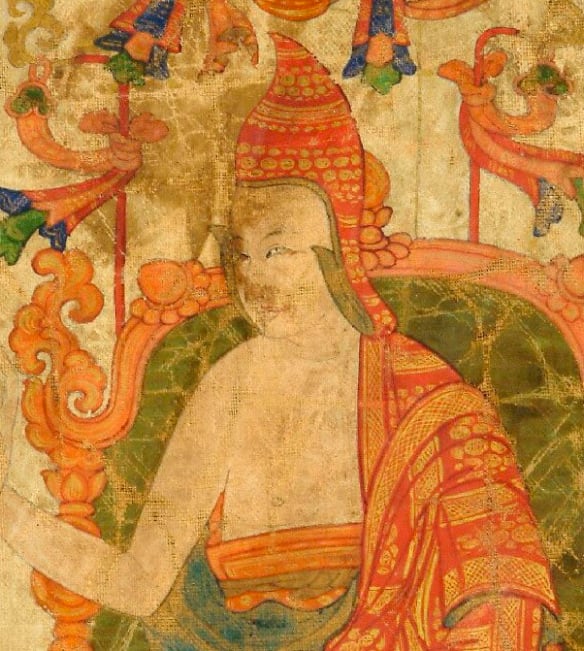
Śāntideva
इन पर सहमत: मैं कौन हूँ? क्या कोई सच्चा आत्म है? · हम दुःख क्यों भोगते हैं? · मुक्ति या उद्धार कैसे प्राप्त होता है?
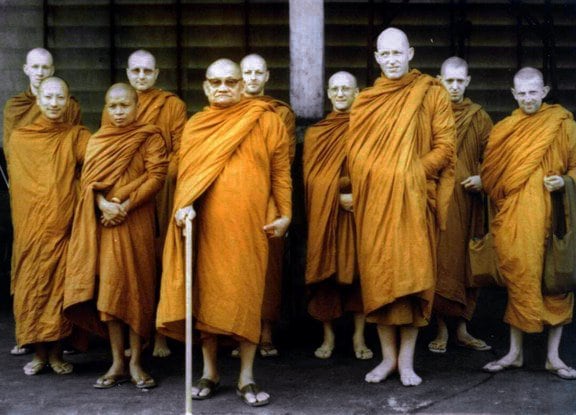
Ajahn Chah
इन पर सहमत: मैं कौन हूँ? क्या कोई सच्चा आत्म है? · हम दुःख क्यों भोगते हैं? · मुक्ति या उद्धार कैसे प्राप्त होता है?
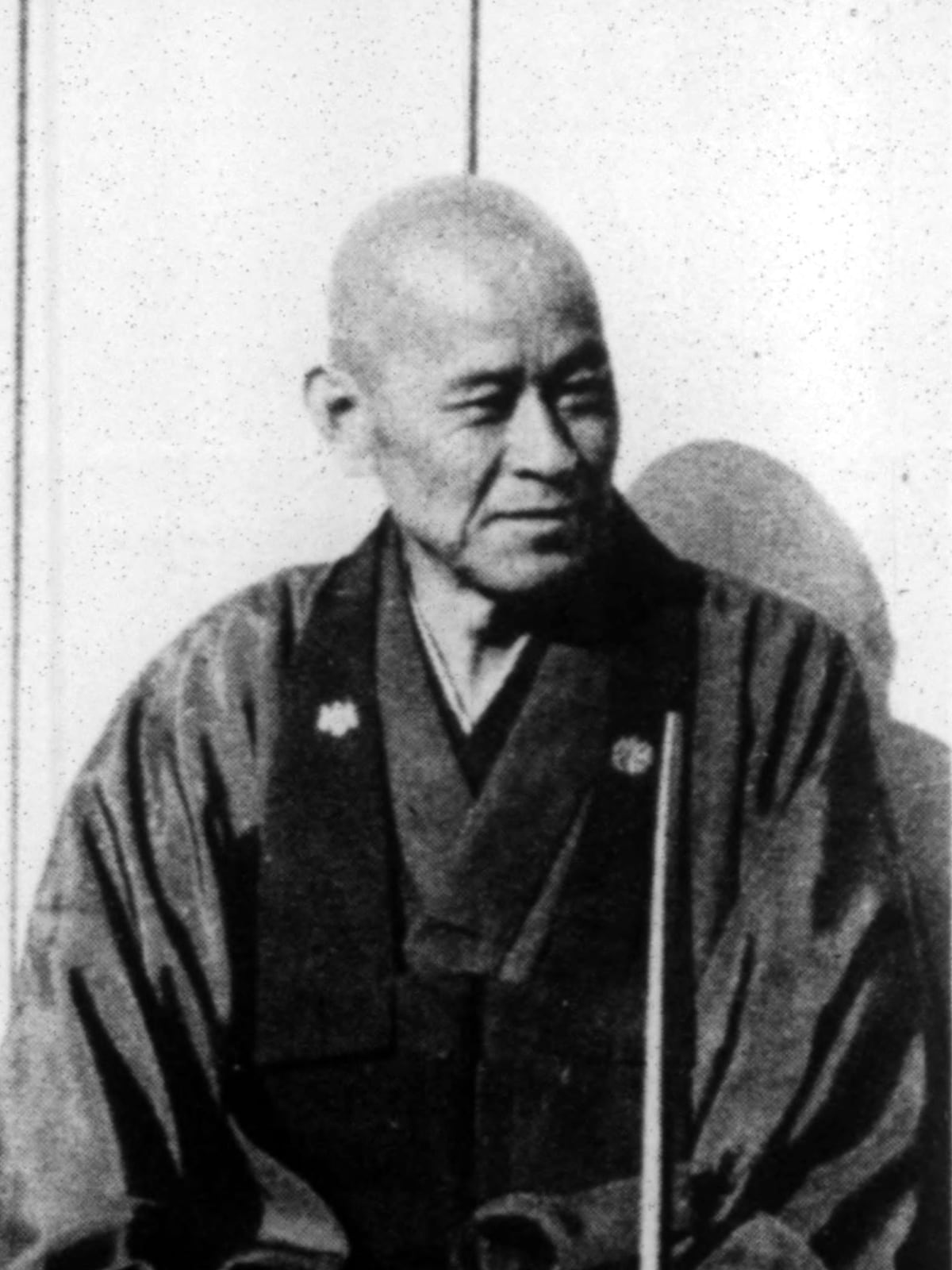
Shunryu Suzuki
इन पर सहमत: परम सत्य क्या है? क्या ईश्वर है? · मैं कौन हूँ? क्या कोई सच्चा आत्म है? · हम दुःख क्यों भोगते हैं?

Siddhartha Gautama, the Buddha
इन पर सहमत: मैं कौन हूँ? क्या कोई सच्चा आत्म है? · हम दुःख क्यों भोगते हैं? · मुक्ति या उद्धार कैसे प्राप्त होता है?

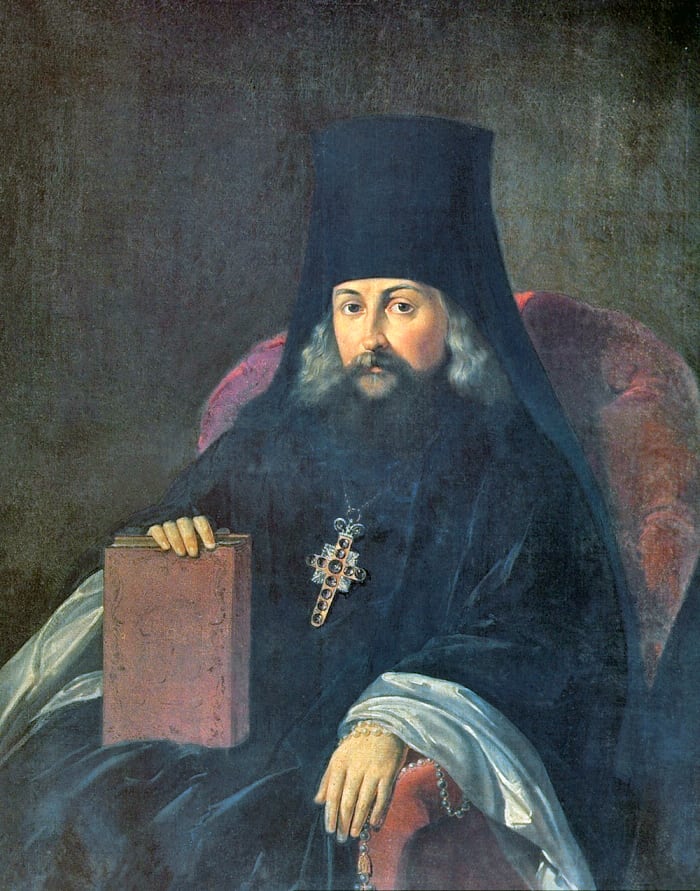
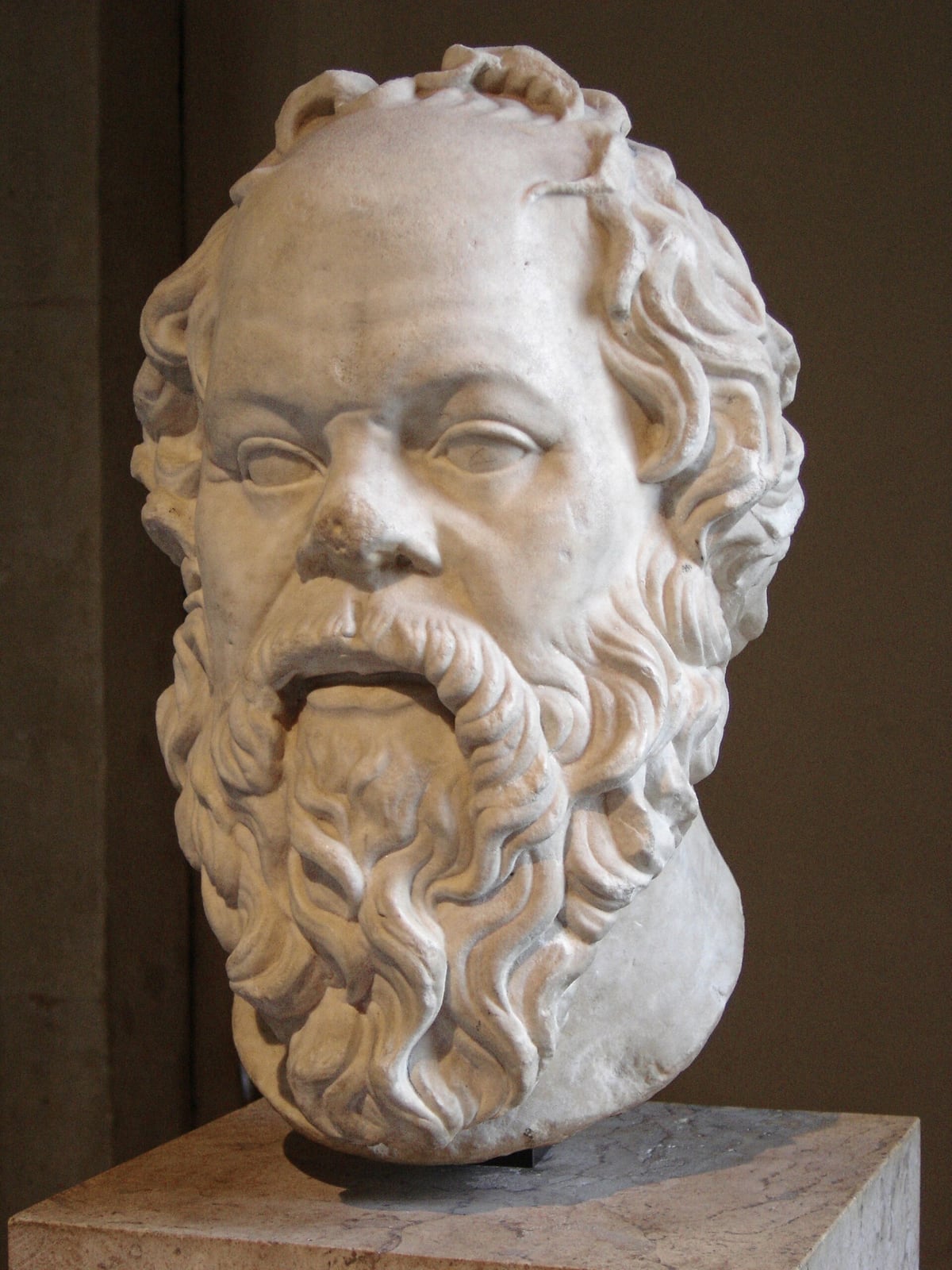
इन पर सहमत
Thich Nhat Hanh · Teresa of Ávila
Among the pots and at the sink: attention in small things
क्यों: The convergence is one of practice, not doctrine. Teresa prays to a personal God present in all things, the kitchen included; Thich Nhat Hanh addresses no one, but looks deeply into the impermanence and interbeing of what he holds in his hands. Yet both face the same difficulty: communities with daily manual work, where contemplation cannot depend on free time. The reformed Carmel and Vietnamese Zen solve it in the same way, making the task the place of presence. No relation between them is recorded; the affinity stems from the community life both organised and from their shared distrust of a merely intellectual spirituality.
इन पर टकरावआभासी विरोधाभास
Thich Nhat Hanh · The 14th Dalai Lama (Tenzin Gyatso)
No birth and no death, or a detailed map of dying: two Buddhists facing the end
क्यों: The opposition is apparent because they speak from the two truths distinguished by Mahayana Buddhism. Thich Nhat Hanh deliberately places himself in the ultimate dimension, where nothing is born or dies because nothing exists by itself; he does not deny rebirth but reformulates it as continuation. The Dalai Lama speaks on the conventional plane, that of experience and practice, and from the Tibetan tantric tradition, which has a meticulous description of dying. Audiences matter too: the Vietnamese monk writes for Western readers who fear annihilation; the Tibetan comments on a classical text for practitioners who must prepare. Each would accept the other's truth at its own level.
इन पर टकरावआभासी विरोधाभास
Thich Nhat Hanh · Jiddu Krishnamurti
No method versus daily practice: two ways of not turning attention into a technique
क्यों: The contradiction is largely apparent: both fight meditation understood as a technique for obtaining a state. Krishnamurti, raised in the occult disciplines of the Theosophical Society, attacks the word method because it implies time, imitation and a progressing self. Thich Nhat Hanh keeps the language of practice because he teaches monastic and lay communities that need a shared discipline, but he insists that peace is not the goal of the path but the path itself. The real difference lies in pedagogy: one trusts immediate perception; the other, the habit that makes it possible. There is no record that they ever met.
इन पर सहमत
Thich Nhat Hanh · Jesus of Nazareth
The Holy Spirit as the energy of mindfulness: a Zen monk before the living Christ
क्यों: The relationship is documented in one sense: Thich Nhat Hanh read and commented on the Gospels, was in dialogue with Thomas Merton and Martin Luther King, and in 1995 published Living Buddha, Living Christ to show convergences. His reading draws on Paul Tillich's theology, which speaks of God as the ground of being. The affinity, however, is asymmetrical: the Gospels present a personal God, the Father who sees, listens and forgives, and Thich Nhat Hanh translates that language into the Buddhist ultimate dimension, in which there is no creator. Many Christian and Buddhist theologians consider that the translation blurs real differences. It is a bridge built from one bank.
प्रसंग और वृत्तांत
प्रसंग और वृत्तांत
साक्ष्यc. 1937
The hermit's well
वृत्तांत का स्रोत: Autobiographical story told by Thich Nhat Hanh himself in Dharma talks and published in At Home in the World (Parallax, 2016). No independent witnesses or documents.
स्रोत: Nhat Hanh, Thich. At Home in the World: Stories and Essential Teachings from a Monk's Life. Berkeley: Parallax Press, 2016 (ISBN 9781941529423).
प्रमाणित1966
Gethsemani: “Nhat Hanh Is My Brother”
वृत्तांत का स्रोत: The meeting and the essay are documented by Merton's own text (1966, in Faith and Violence, 1968) and by the official Plum Village biography.
स्रोत: Merton, Thomas. «Nhat Hanh Is My Brother» (1966), recogido en Faith and Violence. Notre Dame: University of Notre Dame Press, 1968.
प्रमाणित1966–1967
Martin Luther King's letter to Oslo
वृत्तांत का स्रोत: Nomination record in the Nobel Foundation archive (1967, no. 48); letter text transcribed by Buddhistdoor and reproduced by Plum Village. Transcriptions differ in one word (“personally”).
साक्ष्य1978
The girl on the boat and the true names
वृत्तांत का स्रोत: The author's own account in Being Peace (1987) and on the poem's official page at plumvillage.org; the rescue operation and the expulsion from Singapore are documented in the official biography.
प्रमाणित2005–2007
The return: Từ Hiếu, 2005
वृत्तांत का स्रोत: International press coverage of 2005 and 2007 and the official Plum Village biography; the controversy with the UBCV is recorded with statements from its spokesmen.
स्रोत: Wikipedia (en). «Thích Nhất Hạnh». Consultado como índice de hechos y fechas, contrastado con s2.
प्रमाणित2015–2022
“I am not in here”: the stupa he refused
वृत्तांत का स्रोत: Passage published by the author himself in 2015 (quoted in the 2022 obituaries, including PBS/AP) and the Plum Village community's announcement of 22 January 2022.
शिक्षाएँ
शिक्षाएँ
वे अवधारणाएँ जो उनके चिंतन को रूप देती हैं, उनके संदर्भ में समझाई गई।
Interbeing (tiếp hiện)interser
Mahāyāna; Heart Sutra, Avataṃsaka, Huayan school; a modern reformulation of Nāgārjuna's emptiness.
स्रोत: Nhat Hanh, Thich. The Heart of Understanding: Commentaries on the Prajñaparamita Heart Sutra. Berkeley: Parallax Press, 1988.
Mindfulness (chánh niệm)chanh-niem
Satipaṭṭhāna and Ānāpānasati suttas; Vietnamese Zen tradition (Lâm Tế / Liễu Quán); direct precedent of secular mindfulness programmes.
स्रोत: Nhat Hanh, Thich. The Miracle of Mindfulness: A Manual on Meditation. Trad. Mobi Ho. Boston: Beacon Press, 1975 (ed. revisada 1987; ISBN 9780807012390).
Engaged Buddhismbudismo-comprometido
Vietnam War; the Vietnamese Buddhist renewal of the 1950s and 1960s; bodhisattva ethics applied to social action.
The Five Mindfulness Trainingscinco-entrenamientos
Pañcaśīla; bodhisattva vows; applied Mahāyāna ethics.
स्रोत: Nhat Hanh, Thich. The Heart of the Buddha's Teaching. Berkeley: Parallax Press, 1998 (ISBN 9780938077817).
No-birth, no-death (continuation)no-nacimiento-no-muerte
Heart Sutra, Prajñāpāramitā; two-truths doctrine; Mind-Only psychology.
Store consciousness and the seeds (tàng thức)conciencia-deposito
Yogācāra / Mind-Only (Vasubandhu, Xuanzang); Fa-hsiang/Duy thức tradition in Vietnam.
Deep listening and loving speechescucha-profunda
Right speech of the Eightfold Path; Avalokiteśvara of the Lotus Sutra; non-violent communication.
स्रोत: Nhat Hanh, Thich. True Love: A Practice for Awakening the Heart. Boston: Shambhala, 2004 (ISBN 9781590301883).
साधना-शिविर
साधना-शिविर और केंद्र
उनकी शिक्षा से जुड़े स्थान और समागम। हम आपको उनके आयोजकों से जोड़ते हैं।
Thénac (Dordoña), Nueva Aquitania · Francia
Plum Village (France): mindfulness retreats
Plum Village Community of Engaged Buddhism
Plum Village is the monastery Thich Nhat Hanh founded in south-west France in 1982 and the heart of the practice community that bears its name. Its hamlets welcome lay visitors from around the world alongside the monks and nuns who live there. The day revolves around sitting and walking meditation, silent meals, Dharma talks, total relaxation and small-group sharing. It is the place where his understanding of practice is most tangible: not an isolated technique but a way of living each everyday gesture in community, with mindfulness as the thread running through work, rest and meals.
En línea · Internacional
Plum Village: online retreats and courses
Plum Village Community of Engaged Buddhism
For those who cannot travel to France, the Plum Village community offers online retreats and courses led by its monks and nuns. They cover the foundations of the practice Thich Nhat Hanh taught: conscious breathing, walking meditation, caring for strong emotions and deep listening. Alongside them is the free Plum Village App, with guided meditations and recorded talks by the teacher himself. It is a sober entry point that stays faithful to the lineage, designed to support practice at home and, if one wishes, to prepare a later visit to one of the community's monasteries.
Pine Bush, Nueva York · Estados Unidos
Blue Cliff Monastery (New York)
Blue Cliff Monastery – Plum Village Tradition
Blue Cliff is the Plum Village tradition's monastery in the north-eastern United States, in the Hudson Valley about two hours from New York City. Thich Nhat Hanh founded it in 2007, and a monastic community lives there and opens its doors to lay people for retreats, days of practice and stays. Its programme reproduces the way of life the teacher taught: breathing and walking mindfully, eating in silence, listening to the Dharma and sharing experience in small groups. It is an accessible option for people on the East Coast who wish to practise within the lineage.
Waldbröl, Renania del Norte-Westfalia · Alemania
European Institute of Applied Buddhism (EIAB)
Europäisches Institut für Angewandten Buddhismus (EIAB)
The EIAB is the centre Thich Nhat Hanh established in Waldbröl, Germany, in 2008, with the aim of applying Buddhist practice to education, healthcare, business and family life. Part of the Plum Village tradition, it houses a monastic community and offers retreats, courses and mindfulness training for lay people. Its approach of applied Buddhism reflects one of the teacher's central insights: that meditation is not separate from social life but is placed at its service. It is the lineage's main reference point in Central Europe, drawing practitioners from across the German-speaking world and beyond.
Escondido, California · Estados Unidos
Deer Park Monastery (California)
Deer Park Monastery – Plum Village Tradition
Deer Park is one of the Plum Village tradition's monasteries in the United States, founded by Thich Nhat Hanh in 2000 in the hills of southern California. A community of monks and nuns welcomes lay practitioners for retreats, days of mindfulness and longer stays. Practice follows the same framework as in France: sitting and walking meditation among oaks and boulders, silent meals, Dharma talks and mindful work. It is a reference point for anyone seeking the teacher's direct lineage on the American continent, with activities offered both in English and in Vietnamese for the wider community.
वीडियो
वीडियो
रिकॉर्डिंग, साक्षात्कार और वृत्तचित्र। वीडियो YouTube से चलते हैं; वे यहाँ संग्रहीत नहीं हैं।
Where Do We Go When We Die? | Thich Nhat Hanh, 2002.07.22 (Plum Village, France)
मूल रिकॉर्डिंग· EN· 2002
Plum Villageआधिकारिक चैनल
Practicing in a Stressful Environment | Dharma Talk by Thich Nhat Hanh, 2004.02.08
मूल रिकॉर्डिंग· EN· 2004
Plum Villageआधिकारिक चैनल
Through the Insight of Interbeing | Dharma Talk by Thich Nhat Hanh, 2012.10.11
मूल रिकॉर्डिंग· EN· 2012
Plum Villageआधिकारिक चैनल
The Practice of Compassion | Dharma Talk by Thich Nhat Hanh, 2013.11.03
मूल रिकॉर्डिंग· EN· 2013
Plum Villageआधिकारिक चैनल
The Silence of Life | Dharma Talk by Thich Nhat Hanh, April 17, 2014
मूल रिकॉर्डिंग· EN· 2014
Plum Villageआधिकारिक चैनल
Living Deeply - Dharma Talk by Thich Nhat Hanh | Barcelona Educators Retreat, 2014.05.10
मूल रिकॉर्डिंग· EN· 2014
Plum Villageआधिकारिक चैनल
Thich Nhat Hanh - Rare Interview - 1972 Conference on The Human Environment
साक्षात्कार· EN· 1972
Soundings Mindful Media
Thich Nhat Hanh on Compassionate Listening | SuperSoul Sunday | Oprah Winfrey Network
साक्षात्कार· EN· 2010
OWN
Cita con la vida. Charla de Thay, Thich Nhat Hanh, del 6 de julio de 2014
मूल रिकॉर्डिंग· ES· 2014
TnhSpain
Le lâcher-prise des notions - Enseignement de Thich Nhat Hanh sous-titré Français
मूल रिकॉर्डिंग· FR
Village des Pruniersआधिकारिक चैनल
Smettere di Correre - Insegnamento di Thich Nhat Hanh
मूल रिकॉर्डिंग· IT
Plum village Italiaआधिकारिक चैनल
Tình Yêu Chân Thật | Thiền sư Thích Nhất Hạnh (30-07-2004, Làng Mai)
मूल रिकॉर्डिंग· VI· 2004
Làng Mai Officialआधिकारिक चैनल
चित्रशाला
चित्रशाला
सत्यापित लाइसेंस वाले चित्र। प्रत्येक में उसके रचयिता और श्रेय का उल्लेख सुरक्षित है।
संबंध
संबंध
प्रभाव, शिष्यत्व और वैचारिक निकटता। प्रमाणित संबंध को विश्लेषण से पहचानी गई समानता से अलग दर्शाया गया है।
इनके शिष्य
Thanh Quý Chân Thật
His root teacher at Từ Hiếu from 1942; from him he received the lamp transmission on 1 May 1966.
प्रमाणित संबंध
इनसे प्रभावित
Siddhartha Gautama, the Buddha
His whole work is a re-reading of the Buddha's discourses; he devoted to him the novelised biography Old Path White Clouds (1988).
प्रमाणित संबंध
इनसे भेंट
They met at Gethsemani Abbey in May 1966; Merton wrote “Nhat Hanh Is My Brother” in his defence.
प्रमाणित संबंध
इनके समकालीन
The 14th Dalai Lama (Tenzin Gyatso)
They met at interfaith gatherings; the Dalai Lama wrote the foreword to Peace Is Every Step (1991) and sent condolences on his death. Thich Nhat Hanh's remarks on Tibet on Italian television (2008), according to his followers, precipitated the Bát Nhã crisis.
प्रमाणित संबंध
इनसे प्रभावित
A lineage relation, not a historical one: the Lâm Tế (Linji) school in which he was ordained traditionally traces its genealogy to Bodhidharma. Recorded as tradition, not as documented fact.
विश्लेषण से पहचानी गई समानता
इनसे मिलते-जुलते विचार
Both teach holding difficult emotions without suppressing them or being carried away; no documented meeting.
विश्लेषण से पहचानी गई समानता
इनसे मिलते-जुलते विचार
Both centre the present moment, though Tolle belongs to no tradition while Thich Nhat Hanh teaches from the Buddhist canon and the sangha.
विश्लेषण से पहचानी गई समानता
अन्य प्रविष्टियों से जुड़ा
- Siddhartha Gautama, the Buddha · इन्हें प्रभावित किया
- Ajahn Chah · इनके समकालीन
- The 14th Dalai Lama (Tenzin Gyatso) · इनसे मिलते-जुलते विचार
- Hakuin Ekaku · इनसे मिलते-जुलते विचार
- Huineng · इन्हें प्रभावित किया
- Thomas Merton · इनसे भेंट
- Śāntideva · इनसे मिलते-जुलते विचार
- Shunryu Suzuki · इनसे मिलते-जुलते विचार
- Pema Chödrön · इनसे मिलते-जुलते विचार
स्रोत
स्रोत
इस प्रविष्टि के लिए देखे गए ग्रंथ-सूची और सूचीपत्र।
- Wikidata, «Thích Nhất Hạnh», QID Q310913 (VIAF 87670142; LCCN n50006399).
- Plum Village Community of Engaged Buddhism. «Thich Nhat Hanh: Biography». plumvillage.org (biografía oficial).
- Wikipedia (en). «Thích Nhất Hạnh». Consultado como índice de hechos y fechas, contrastado con s2.
- Nobel Prize Nomination Archive. «Nomination for Nobel Peace Prize, 1967, number 48»: nominee Thich Nhat Hanh, nominator Martin Luther King Jr.
- Nhat Hanh, Thich. Being Peace. Berkeley: Parallax Press, 1987. ISBN 9780938077008.
- Nhat Hanh, Thich. The Miracle of Mindfulness: A Manual on Meditation. Trad. Mobi Ho. Boston: Beacon Press, 1975 (ed. revisada 1987; ISBN 9780807012390).
- Nhat Hanh, Thich. Fragrant Palm Leaves: Journals 1962–1966. Trad. Mobi Warren. Berkeley: Parallax Press, 1998 (reed. 2020, ISBN 9781946764720).
- Nhat Hanh, Thich. Vietnam: Lotus in a Sea of Fire. Prólogo de Thomas Merton. Nueva York: Hill and Wang, 1967. Digitalizado en Internet Archive (préstamo).
- Plum Village. «Please Call Me by My True Names (song & poem)», con la explicación del propio autor sobre su origen.
- Merton, Thomas. «Nhat Hanh Is My Brother» (1966), recogido en Faith and Violence. Notre Dame: University of Notre Dame Press, 1968.
- Open Library (Internet Archive). Registros de autor «Thích Nhất Hạnh» y de ISBN de cada edición citada.
- PBS NewsHour / Associated Press. «Influential Zen Buddhist monk Thich Nhat Hanh dies at 95», 22 de enero de 2022 (recoge el comunicado de Plum Village).
- Nhat Hanh, Thich. The Heart of Understanding: Commentaries on the Prajñaparamita Heart Sutra. Berkeley: Parallax Press, 1988.
- Nhat Hanh, Thich. Peace Is Every Step: The Path of Mindfulness in Everyday Life. Nueva York: Bantam Books, 1991 (ISBN 9780553351392).
- Nhat Hanh, Thich. True Love: A Practice for Awakening the Heart. Boston: Shambhala, 2004 (ISBN 9781590301883).
- Nhat Hanh, Thich. The Heart of the Buddha's Teaching. Berkeley: Parallax Press, 1998 (ISBN 9780938077817).
- Nhat Hanh, Thich. At Home in the World: Stories and Essential Teachings from a Monk's Life. Berkeley: Parallax Press, 2016 (ISBN 9781941529423).
- Editorial Kairós. Página de autor «Thich Nhat Hanh» (catálogo en español).
- Wikimedia Commons, API imageinfo (licencia, autor y fecha de cada fichero citado en images[]).
- Plum Village, canal oficial de YouTube (ID de canal UCcv7KJIAsiddB2YRegvrF7g); canales hermanos «Làng Mai Official» (vietnamita), «Village des Pruniers» (francés), «Plum village Italia».
- Buddhistdoor Global. «Martin Luther King Jr.'s nomination for Thich Nhat Hanh as the Nobel Peace Prize recipient» (transcripción de la carta del 25 de enero de 1967).
- Nhat Hanh, Thich. Living Buddha, Living Christ. Nueva York: Riverhead Books, 1995 (ed. 10.º aniversario 2007, ISBN 9781594482397).
- Nhat Hanh, Thich. Call Me by My True Names: The Collected Poems. Berkeley: Parallax Press, 1993 (ISBN 9780938077619).
- Parallax Press. Catálogo de obras de Thich Nhat Hanh (editorial fundada por el autor y la comunidad de Plum Village).
- Open Library: búsqueda por autor y fichas de edición por ISBN (comprobado el 2026-10-25).
- Plum Village. «Ceremonies to Spread Thay's Ashes» (crónica de la recepción de las cenizas en Upper Hamlet y de la ceremonia de dispersión del 13 de marzo de 2022).
- Human Rights Watch. «Vietnam: Sharp Backsliding on Religious Freedom», 18 de octubre de 2009 (expulsión violenta de los monásticos de Plum Village del monasterio de Bát Nhã, 27–28 de septiembre de 2009).
- Wikipedia (vi). «Thích Nhất Hạnh», sección «Tác phẩm» (bibliografía en vietnamita por géneros, con editorial, año y seudónimos). Consultada como índice bibliográfico.
- Penguin Random House (distribuidor de Parallax Press y de Shambhala). Fichas de libro por ISBN de las obras de Thich Nhat Hanh (comprobado el 2026-10-25).
- अधिकार-धारक
- Plum Village Community of Engaged Buddhism (antes Unified Buddhist Church), a través de su editorial sin ánimo de lucro Parallax Press; derechos vigentes (fallecido en 2022)
- आधिकारिक वेबसाइट
- plumvillage.org
पुष्टि की प्रतीक्षा में
जो यह प्रविष्टि अभी तक निश्चित नहीं कर सकी है। हम उसे भर देने के बजाय कह देना बेहतर समझते हैं।
- Comprobar sobre un escaneo la redacción exacta de la carta de nominación de M. L. King (25-01-1967): las transcripciones difieren en «I do not personally know» / «I do not know».
- Ediciones en ruso: ni Open Library ni Google Books (cuota cero sin clave) devolvieron registros con ISBN verificable para «Чудо осознанности» u otros títulos; queda sin edición rusa catalogada.
- Ediciones italianas (Ubaldini: «Il miracolo della presenza mentale», «La pace è ogni passo», «Essere pace»): existen en comercio, pero no se localizó ISBN en catálogo abierto; solo se incluye «Vita di Siddhartha il Buddha» (Ubaldini, 1992), verificada.
- Duraciones de los vídeos: la API oEmbed no las devuelve; quedan en null.
- Localizar página/capítulo exactos de las citas marcadas «probable» (Peace Is Every Step, True Love, Living Buddha Living Christ) sobre el texto impreso.
- Confirmar en catálogo la edición de Zenith de «El milagro de mindfulness» (ISBN 9788408180753, 2019) frente a la de Kairós de 2019 que cita un distribuidor (9788499887210 corresponde en Open Library a «Cómo luchar»): posible confusión del distribuidor.
- Las URL de Parallax Press y Shambhala responden 403 a clientes automáticos; verificadas solo como dominios oficiales, no página a página.
- Obras: publicó más de cien títulos; los libros en vietnamita sin traducción (editados por Lá Bối y por la comunidad de Plum Village) no se han inventariado uno a uno. Catálogo de referencia: Parallax Press (s24) y la bibliografía de plumvillage.org.
- Obras: no se registran como obras los productos derivados (calendarios, barajas, cuadernos y tarjetas de caligrafía, audiocursos de Sounds True como «The Present Moment» o «Mindfulness and Psychotherapy»), ni las antologías de citas que reempaquetan libros ya listados (Be Still and Know, The Pocket Thich Nhat Hanh, Wisdom from Peace Is Every Step).
- Obras: quedan por revisar títulos menores localizados en Open Library sin contenido verificado: «The Pine Gate» (White Pine Press, 1988), «A Joyful Path» (1994), «The Hermit and the Well» (2001), «Where Is the Buddha?» (2021), «Lay Bodhisattva, Monastic Bodhisattva» (2023), «Peacemaking» y «Looking Deeply».
- Obras: «Joyfully Together», «Inside the Now» y «The Mindfulness Survival Kit» registran año aproximado; Open Library solo muestra reediciones.
- Obras vietnamitas registradas en la bibliografía de vi.wikipedia sin año ni datos suficientes para describirlas con rigor, que quedan fuera de works: Tương lai văn hóa Việt Nam, Tương lai Thiền học Việt Nam, Tuổi trẻ tình yêu lý tưởng, Bưởi, Tố (Lá Bối, s. f.), la versión en prosa de Truyện Kiều (Văn hóa Sài Gòn, s. f.), Những con đường đưa về núi Thứu, Làng mai nhìn về núi Thứu, Sen búp từng cánh hé y Con gà đẻ trứng vàng (2018). Localizar año y contenido en un catálogo vietnamita (Thư viện Quốc gia) antes de añadirlas.
- Programas de audio con charlas (Sounds True y otros: The Art of Mindful Living, Mindful Living, The Ultimate Dimension, Looking Deeply, Peacemaking, Mindfulness and Psychotherapy, Drops of Emptiness, Classic Dharma Talks) no se han registrado como obras; decidir si entran con type «audiobook».
- «How to Heal» (Ebury, 2023, ISBN 9781846046551 / 9781473581708 en Open Library) no se ha podido confirmar como título de la serie Mindfulness Essentials ni localizar en el catálogo de Parallax; no se ha añadido.
- Sala de lectura: ninguna obra entra. El autor murió en 2022 y toda su obra (y la de sus traductores) tiene derechos vigentes en EE. UU., la UE y España; reading_texts queda vacío a propósito.
2026-10-22 को शोधित