स्टोइकवाद
Marcus Aurelius
Marcus Aurelius Antoninus Augustus · Μάρκος Αὐρήλιος Ἀντωνῖνος
121 – 180ऐतिहासिक रूप से प्रमाणित व्यक्ति
रोमन सम्राट (121–180 ई.) और स्टोइक दार्शनिक। उन्होंने 161 ई. से शासन किया, आरंभिक वर्षों में लूसियस वेरस के साथ, और अपने शासन का बड़ा भाग डैन्यूब की सीमा पर मार्कोमानी, क्वादी और सार्मेशियन जातियों से युद्ध करते हुए बिताया, जबकि महामारी साम्राज्य को उजाड़ रही थी। अभियानों के दौरान उन्होंने यूनानी में स्वयं के लिए टिप्पणियाँ लिखीं, जिन्हें हम आत्मचिंतन (मेडिटेशन्स) के नाम से जानते हैं — प्राचीन काल की सबसे अधिक पढ़ी जाने वाली पुस्तकों में से एक। उन्नीसवीं शताब्दी में पुनः प्राप्त, वक्ता फ़्रंटो के साथ उनका युवावस्था का पत्राचार उनके चित्र को पूर्ण करता है।
- कृतियाँ
- 9कृतियाँ
- संस्करण
- 24संस्करण
- उद्धरण
- 12उद्धरण
- वीडियो
- 12वीडियो
- चित्र
- 8चित्र
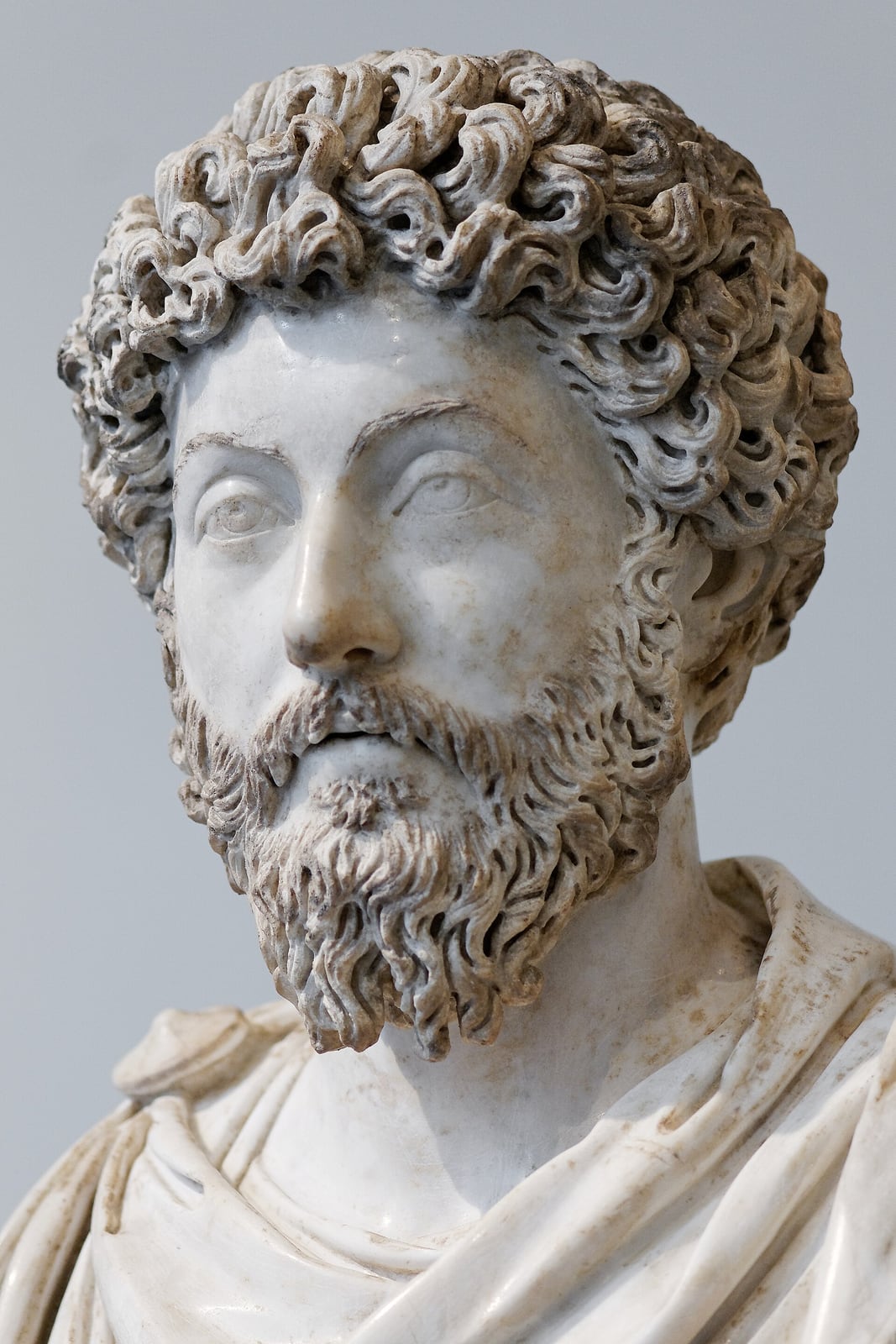
Busto de Marco Aurelio (Louvre, MR 561) · CC BY 2.5
उनके अपने शब्दों में
«Begin the morning by saying to thyself, I shall meet with the busybody, the ungrateful, arrogant, deceitful, envious, unsocial.»Meditaciones II 1. Griego: Wikisource; inglés: George Long (1862); español: traducción propia.

मूल विचार
The inner citadel: The expression comes from Meditations VIII.48: "the mind which is free from passions is a citadel", the place where a person takes refuge and becomes impregnable.
संदर्भ में देखें
जीवनी
6 मिनट का पाठ
स्पैनिश मूल से सहायता-प्राप्त अनुवाद, मातृभाषी अनुवादक द्वारा समीक्षा लंबित।
किसी के लिए नहीं लिखी गई पुस्तक
सम्राट मार्कस ऑरेलियस की मृत्यु के बाद उनके छोड़े काग़ज़ों में यूनानी भाषा में लिखी कुछ बहियाँ थीं, जो किसी पाठक के लिए नहीं थीं। वे न संस्मरण हैं, न कोई शास्त्रीय ग्रंथ; वे अभ्यास, चेतावनियाँ और स्मरण-सूत्र हैं, जिन्हें एक मनुष्य स्वयं को संबोधित करता है — प्रायः मध्यम पुरुष में — ताकि वह भूल न जाए कि वह किसमें विश्वास करता है। पांडुलिपियों में जो शीर्षक मिलता है, Ta eis heautón, उसका अर्थ है «स्वयं के प्रति»; आधुनिक परंपरा उन्हें आत्मचिंतन (मेडिटेशन्स) कहती है। अपने युग के सबसे शक्तिशाली शासक ने सैन्य अभियानों की रातें स्टोइक दर्शन के उपकरणों से अपने आचरण की परीक्षा में बिताईं — यही बात उन्हें पुनर्जागरण काल से एक अनूठा व्यक्तित्व बनाती है: वे एकमात्र रोमन सम्राट हैं जो ऐसे लेखक भी हैं जिन्हें आज भी पढ़ा जाता है।
वेरिसिमस
उनका जन्म 26 अप्रैल 121 ई. को रोम में, सेलियन पहाड़ी पर स्थित एक विला में हुआ। पिता का कुल, आन्नियस वेरस परिवार, बेतिका प्रांत के उकूबी से आया था और कौंसल-पद तथा पेट्रीशियन कुलीनता तक पहुँच चुका था; माता दोमितिया लूसिला एक विशाल संपत्ति की उत्तराधिकारिणी थीं। पिता प्रेटर के पद पर रहते हुए चल बसे, जब बालक लगभग तीन वर्ष का था; उसका पालन-पोषण माता और दादा ने किया। सम्राट हेड्रियन, जो उसे बहुत चाहते थे, उसके नाम से खेलते हुए उसे वेरिसिमस — «सर्वाधिक सत्यवादी» — कहकर पुकारते थे। हिस्टोरिया ऑगस्टा बताती है कि बारह वर्ष की आयु में उसने दार्शनिकों का खुरदुरा लबादा धारण कर लिया और ज़मीन पर सोना चाहा, जब तक कि माँ ने उसे खालों से ढके बिछौने पर सोने के लिए राज़ी नहीं कर लिया। आत्मचिंतन की पहली पुस्तक, जो इस बात की सूची है कि वह अपने प्रत्येक संबंधी और गुरु का किस बात के लिए ऋणी है, ठीक इन्हीं वर्षों से आरंभ होती है।
उत्तराधिकारी
फ़रवरी 138 ई. में रुग्ण और निःसंतान हेड्रियन ने एंटोनिनस को इस शर्त पर गोद लिया कि वह बदले में सोलह वर्षीय मार्कस और छोटे लूसियस वेरस को गोद लेगा। जुलाई में हेड्रियन की मृत्यु के बाद मार्कस बीस से अधिक वर्षों तक एंटोनिनस पायस के साथ घोषित उत्तराधिकारी के रूप में रहे: 139 में सीज़र, 140 में पहली बार कौंसल, और 145 में सम्राट की पुत्री, अपनी फुफेरी बहन फ़ॉस्टीना से विवाह, जिसने उन्हें कम-से-कम तेरह संतानें दीं, जिनमें से कई बचपन में ही चल बसीं। उन्हें अपने समय की सर्वश्रेष्ठ शिक्षा मिली: लैटिन वक्तृत्व-कला मार्कस कॉर्नेलियस फ़्रंटो से, यूनानी हेरोडीस एटिकस से, और दर्शन ख़ाल्सेडन के अपोलोनियस, कीरोनिया के सेक्स्टस जैसे स्टोइक आचार्यों से — और सबसे बढ़कर जूनियस रुस्टिकस से, जिन्होंने अपने निजी पुस्तकालय से उन्हें एपिक्टेटस के प्रवचनों के नोट्स पढ़ने को दिए।
फ़्रंटो के पत्र
उन वर्षों की एक असाधारण साक्षी बची है: मार्कस और फ़्रंटो का पत्राचार — लैटिन में, और कुछ यूनानी में लिखे पत्र — जो 130 के दशक के अंत से 160 के दशक के मध्य तक के हैं। सदियों तक इन्हें खोया हुआ माना गया, जब तक कि आंजेलो माई ने 1815 और 1819 में मिलान की आम्ब्रोज़ियाना लाइब्रेरी और वैटिकन पुस्तकालय में एक पैलिम्पसेस्ट नहीं खोज निकाला, जिसके मूल पाठ को एक भिक्षु ने मिटाकर उसके ऊपर किसी धर्मसभा की कार्यवाही उतार दी थी। ये पत्र एक स्नेही, परिश्रमी और कभी-कभी वक्तृत्व-कला से अधीर युवक को सामने लाते हैं, जो अपनी सर्दी-ज़ुकाम की, अंगूर की फ़सल की, अपनी नवजात बेटियों की और एक ऐसे गुरु की बात करता है जिसे वह संसार में सबसे अधिक प्रेम करने का दावा करता है। लगभग 146 ई. में वह फ़्रंटो के सामने स्वीकार करता है कि स्टोइक अरिस्टोन को पढ़ने से वह वक्तृत्व के अभ्यासों से विमुख हो गया है: यही दर्शन की ओर वह मोड़ है, जिसके लिए सम्राट आत्मचिंतन में रुस्टिकस का आभार मानेंगे।
दो सम्राट और एक महामारी
एंटोनिनस पायस का देहांत 7 मार्च 161 ई. को हुआ। मार्कस ने तुरंत अपने दत्तक भाई लूसियस वेरस को सत्ता में सहभागी बनाया, और पहली बार रोम में समान उपाधियों वाले दो ऑगस्टस हुए। शासन का आरंभ आर्मेनिया और मेसोपोटामिया में पार्थियनों के विरुद्ध युद्ध से हुआ, जिसका नाममात्र का नेतृत्व वेरस के हाथ में था; लगभग 165–166 में लौटती सेना अपने साथ एक महामारी ले आई — तथाकथित एंटोनाइन प्लेग — जिसने वर्षों तक साम्राज्य को उजाड़ा। वेरस की मृत्यु 169 के आरंभ में हुई और मार्कस ने अकेले शासन किया, जब तक कि उन्होंने अपने पुत्र कोमोडस को सहभागी नहीं बना लिया।
डैन्यूब की सीमा
160 के दशक के अंत से मार्कोमानी, क्वादी, इयाज़िगे और अन्य जातियाँ डैन्यूब पार करने लगीं, और एक आक्रमण इटली में अक्विलेया तक पहुँच गया। हिस्टोरिया ऑगस्टा के अनुसार युद्ध का ख़र्च जुटाने के लिए मार्कस ने दो महीने तक त्राजान के फ़ोरम में राजमहल का साज़-सामान और रत्न नीलाम करवाए। आगामी लगभग सभी वर्ष उन्होंने पैनोनिया के शिविरों में, कार्नुंटम और सिर्मियम में बिताए। आत्मचिंतन के एक बड़े भाग का लेखन इसी काल का माना जाता है: दूसरी पुस्तक पर शीर्षक है «क्वादियों के बीच, ग्रानुआ नदी के तट पर», और तीसरी पर «कार्नुंटम में»। इन्हीं अभियानों से चमत्कारी वर्षा का प्रसंग भी जुड़ा है, जिसने प्यास से बेहाल एक रोमन सेना को बचा लिया; मार्कस ऑरेलियस का स्तंभ इसे वर्षा के किसी देवता के हस्तक्षेप के रूप में दिखाता है, जबकि ईसाइयों ने बाद में इसका श्रेय अपने सैनिकों की प्रार्थना को दिया।
विद्रोह और पूर्व की यात्रा
175 ई. के वसंत में सीरिया के राज्यपाल, सेनापति एविडियस कैसियस ने मार्कस की मृत्यु का झूठा समाचार पाकर स्वयं को सम्राट घोषित कर दिया। विद्रोह तीन महीने चला और कैसियस की उसके अपने अधिकारियों द्वारा हत्या के साथ समाप्त हुआ। कैसियस डियो बताते हैं कि मार्कस को इस बात का खेद रहा कि वे उसे क्षमा न कर सके; उन्होंने उसके समर्थकों के साथ दया का व्यवहार किया और आपत्तिजनक पत्राचार को बिना पढ़े जला दिया। इसके बाद वे पूर्व की यात्रा पर गए; यात्रा के दौरान कप्पादोकिया के हालाला में फ़ॉस्टीना का देहांत हो गया। एथेंस में उन्होंने एल्यूसिस के रहस्य-अनुष्ठानों में दीक्षा ली और चार बड़े दार्शनिक संप्रदायों — प्लेटोवादी, अरस्तूवादी, स्टोइक और एपिक्यूरियन — के लिए वेतनभोगी आचार्य-पीठ स्थापित किए। 177 में उन्होंने कोमोडस को, जो उनके पुत्रों में अकेला जीवित बचा था, ऑगस्टस बनाया; उसी वर्ष, उनके शासनकाल में, ल्योन के ईसाई शहीद हुए।
मोर्चे पर मृत्यु
178 में वे दूसरे अभियान के लिए डैन्यूब लौटे। 17 मार्च 180 ई. को अट्ठावन वर्ष की आयु में उनका देहांत हुआ — ऑरेलियस विक्टर के अनुसार विंडोबोना में, जो आज का वियना है, और तर्तुलियन के अनुसार सिर्मियम में। हिस्टोरिया ऑगस्टा वर्णन करती है कि बीमार पड़ने पर उन्होंने खाना-पीना छोड़ दिया, मित्रों से कहा कि उनके लिए न रोएँ, बल्कि महामारी और सबके लिए समान मृत्यु के बारे में सोचें, और सातवें दिन उन्होंने अपना सिर ढक लिया और रात में प्राण त्याग दिए। डियो जोड़ते हैं कि जिस ट्रिब्यून ने उनसे संकेत-शब्द माँगा, उसे उन्होंने उत्तर दिया: «उगते सूर्य के पास जाओ, मैं तो अब अस्त हो रहा हूँ।» उन्हें देवत्व प्रदान किया गया और कोमोडस उनके उत्तराधिकारी बने; उन्हीं के साथ वह युग समाप्त हुआ, जिसे एडवर्ड गिबन ने 1776 में मानव इतिहास का सबसे सुखी और समृद्ध युग कहा।
भीतर का दुर्ग
आत्मचिंतन बड़ी कठिनाई से बच पाया। लगभग 900 ई. में कैसरिया के बिशप एरेथास बताते हैं कि उनके पास इसकी एक पुरानी प्रति है; बाइज़ेंटाइन शब्दकोश सूदा इससे उद्धरण देता है, और विल्हेम ज़ाइलैंडर ने 1558 में ज़्यूरिख़ से, एक ऐसी पांडुलिपि के आधार पर जो आज लुप्त है, लैटिन अनुवाद सहित इसका पहला मुद्रित संस्करण प्रकाशित किया। पियर आदो ने दिखाया कि इसकी पुनरावृत्तियाँ अव्यवस्था नहीं, पद्धति हैं: ये आध्यात्मिक अभ्यास हैं, जिनमें मार्कस एपिक्टेटस के स्टोइक सिद्धांतों — निर्णय, इच्छा और कर्म के अनुशासन — को बार-बार लिखते हैं, ताकि उन्हें आत्मसात कर सकें। 1634 में मेरिक कैसौबॉन और 1862 में जॉर्ज लॉन्ग द्वारा अंग्रेज़ी में अनूदित, जॉन स्टुअर्ट मिल द्वारा ऑन लिबर्टी में उदाहरण के रूप में प्रस्तुत, उस सम्राट की यह पुस्तक, जो स्वयं को «सीज़रमय न हो जाने» की सीख देता था, अठारह शताब्दियों बाद भी प्राचीन दर्शन में प्रवेश के सबसे अधिक आवाजाही वाले द्वारों में से एक बनी हुई है।
स्रोत: Historia Augusta, «Vida de Marco Antonino el Filósofo» (Vita Marci Antonini Philosophi). Trad. inglesa de David Magie, The Scriptores Historiae Augustae, vol. I, Loeb Classical Library 139. Londres: Heinemann, 1921 (texto en LacusCurtius). Fuente tardía (finales del s. IV) y poco fiable en muchos pasajes. · Dion Casio, Historia romana, epítome de los libros LXXI–LXXII. Trad. inglesa de Earnest Cary, Dio's Roman History, vol. IX, Loeb Classical Library 177. Londres: Heinemann, 1927 (texto en LacusCurtius; numeración de Cary). · Birley, Anthony R. Marcus Aurelius: A Biography. Ed. revisada. Londres: B. T. Batsford, 1987 (reimpr. Routledge, 2000). · Hadot, Pierre. La Citadelle intérieure. Introduction aux Pensées de Marc Aurèle. París: Fayard, 1992. Trad. inglesa: The Inner Citadel, Harvard University Press, 1998; trad. española: La ciudadela interior, Alpha Decay, 2013. · Marco Aurelio. Τὰ εἰς ἑαυτόν (Meditaciones). Texto griego en Wikisource en griego; trad. inglesa de George Long, The Thoughts of the Emperor Marcus Aurelius Antoninus (Londres, 1862), en Wikisource en inglés.
कालक्रम
जीवन, वर्ष-दर-वर्ष
प्रत्येक बिंदु एक प्रमाणित घटना है। उसे स्रोत और निश्चितता के स्तर सहित पढ़ने के लिए क्लिक करें।
26 अप्रैल 1210 वर्षRoma (monte Celio)
Birth
Born on 26 April (the sixth day before the Kalends of May) in the family villa on the Caelian, son of Marcus Annius Verus and Domitia Lucilla (Historia Augusta, Marcus 1.5).
प्रमाणितHistoria Augusta, «Vida de Marco Antonino el Filósofo» (Vita Marci Antonini Philosophi). Trad. inglesa de David Magie, The Scriptores Historiae Augustae, vol. I, Loeb Classical Library 139. Londres: Heinemann, 1921 (texto en LacusCurtius). Fuente tardía (finales del s. IV) y poco fiable en muchos pasajes.
उनके निधन के बाद
- लगभग 193The Column of Marcus Aurelius
- 1538The equestrian statue on the Capitoline
- 1558First edition of the Meditations
- 1815Discovery of the letters to Fronto
- 1992Pierre Hadot's The Inner Citadel
26 अप्रैल 121 · 0 वर्ष
Birth
Born on 26 April (the sixth day before the Kalends of May) in the family villa on the Caelian, son of Marcus Annius Verus and Domitia Lucilla (Historia Augusta, Marcus 1.5).
प्रमाणित
लगभग 124 · 3 वर्ष
Death of his father
His father dies as praetor; he is raised by his mother and his grandfather, Marcus Annius Verus, three times consul. Hadrian calls him "Verissimus".
संभावित
लगभग 133 · 12 वर्ष
The philosopher's cloak
At twelve he adopts the Greek cloak and the austere life of the philosophers and sleeps on the ground until his mother persuades him to use a couch with skins (Historia Augusta, Marcus 2.6).
परंपरा
फ़रवरी 138 · 16 वर्ष
Adoption by Antoninus
On 25 February Hadrian adopts Antoninus, who in turn adopts Marcus and Lucius Verus. Hadrian dies on 10 July and Antoninus (Pius) succeeds him.
प्रमाणित
लगभग 139 · 18 वर्ष
Correspondence with Fronto begins
Towards the end of the 130s the letters with his teacher of Latin rhetoric, Marcus Cornelius Fronto, begin; they continue until Fronto's death, around 166–167.
संभावित
140 · 18 वर्ष
First consulship
Consul together with Antoninus Pius, having received the title of Caesar in 139.
प्रमाणित
145 · 24 वर्ष
Marriage to Faustina the Younger
He marries his cousin Faustina, daughter of Antoninus Pius. They will have at least thirteen children; only one son, Commodus, will outlive his father.
प्रमाणित
लगभग 146 · 25 वर्ष
The turn to philosophy
In a letter to Fronto he says that reading the Stoic Aristo has made him lose his taste for rhetorical exercises. His chief teacher of philosophy will be Junius Rusticus, who introduces him to the notes of Epictetus' lectures (Meditations I.7).
संभावित
7 मार्च 161 · 39 वर्ष
Emperor with Lucius Verus
Antoninus Pius dies on 7 March. Marcus takes power and shares the title of Augustus with Lucius Verus: the first time Rome has two emperors with equal prerogatives.
प्रमाणित
लगभग 165 – 180 · 44 वर्ष
The Antonine plague
The army returning from the Parthian war (161–166) brings an epidemic that spreads through the Empire for more than a decade.
प्रमाणित
लगभग 167 – 180 · 46 वर्ष
Marcomannic Wars
The wars against the Marcomanni, Quadi and Iazyges begin. To fund them he auctions the palace furnishings in the Forum of Trajan (Historia Augusta, Marcus 17.4). Lucius Verus dies early in 169.
प्रमाणित
लगभग 172 · 51 वर्ष
The rain miracle
A surrounded and thirsty Roman army is saved by a sudden storm. Cassius Dio credits the spells of the Egyptian Arnuphis; the Column of Marcus Aurelius, a rain god; Christian writers, the prayer of Christian soldiers. The date (172 or 174) is debated.
विवादित
लगभग 172 – 180 · 51 वर्ष
Writing the Meditations
The headings of Books II ("Among the Quadi, on the Granua") and III ("At Carnuntum") place part of the work in the Danube campaigns of the 170s.
संभावित
175 · 54 वर्ष
Revolt of Avidius Cassius
Avidius Cassius proclaims himself emperor; he is murdered by his officers three months later. Marcus treats his supporters with clemency and destroys their papers unread (Cassius Dio LXXII 27–29). Faustina dies at Halala during the journey east.
प्रमाणित
176 · 55 वर्ष
Eleusis and the Athenian chairs
He is initiated into the Eleusinian mysteries and endows salaried chairs for the Platonist, Aristotelian, Stoic and Epicurean schools (Cassius Dio LXXII 31). On 23 December he celebrates a triumph in Rome with Commodus.
प्रमाणित
177 · 56 वर्ष
Commodus Augustus; the martyrs of Lyon
He makes Commodus co-emperor. That year the Christians of Lyon and Vienne are martyred (Eusebius, Ecclesiastical History V.1).
प्रमाणित
17 मार्च 180 · 58 वर्ष
Death
Dies on 17 March during the second Danube expedition (Cassius Dio LXXII 33). The place is uncertain: Vindobona according to Aurelius Victor, Sirmium according to Tertullian.
प्रमाणित
लगभग 193
The Column of Marcus Aurelius
The column commemorating the Marcomannic Wars is completed, with the relief of the rain miracle; it stands today in Piazza Colonna.
संभावित
1538
The equestrian statue on the Capitoline
Michelangelo sets the bronze equestrian statue in the Capitoline square; it had survived the Middle Ages because it was believed to represent Constantine.
प्रमाणित
1558
First edition of the Meditations
Wilhelm Xylander publishes the Greek text with a Latin translation at Andreas Gesner's press, from a Palatine manuscript now lost.
प्रमाणित
1815
Discovery of the letters to Fronto
Angelo Mai identifies the correspondence of Fronto with Marcus in a palimpsest in the Ambrosian Library; in 1819 he publishes the part kept in the Vatican (Vat. lat. 5750).
प्रमाणित
1992
Pierre Hadot's The Inner Citadel
Hadot interprets the Meditations as spiritual exercises organised according to Epictetus' three disciplines, a reading that has shaped later scholarship.
प्रमाणित
कृतियाँ
आवश्यक कृतियाँ
वे कृतियाँ जिनके बिना उनकी विरासत को समझा नहीं जा सकता।
लिखित कृति · लगभग 172
Meditations
Τὰ εἰς ἑαυτόν
Twelve books of short notes, in Koine Greek, in which the emperor urges himself to live according to nature and reason on Stoic principles. Book I differs from the rest: an account of what he learned from his family, his teachers—Rusticus, Apollonius, Sextus, Fronto—and Antoninus Pius, and of what he owes to the gods. Book II is headed "Among the Quadi, on the Granua" and Book III "At Carnuntum". Books IV to XII alternate maxims, meditations on death and transience, the examination of one's own impressions, the view from above on human affairs, patience with others as kin in a common reason, and acceptance of what fate brings. He quotes Heraclitus, Epicurus and above all Epictetus. The first printed edition is Xylander's (Zurich, 1558); the other complete witness is the Vaticanus graecus 1950 (14th century).
10 संस्करण

पत्राचार · लगभग 145
Correspondence with Fronto
Epistulae M. Cornelii Frontonis et M. Aurelii
Letters, many of them fragmentary, exchanged between Marcus and his teacher of Latin rhetoric, Marcus Cornelius Fronto, from the late 130s to the mid-160s. Arranged in books by addressee (Ad M. Caesarem, Ad Antoninum imperatorem, De feriis Alsiensibus, De eloquentia…), they show the heir's rhetorical training, his declared affection for his teacher, the domestic life of the imperial family, everyone's illnesses and Marcus' gradual move away from rhetoric to philosophy, which he confesses around 146 after reading the Stoic Aristo. They were thought lost until Angelo Mai found them in a palimpsest (Ambrosiana, 1815; Vatican, 1819). The standard critical edition is Michel van den Hout's (Teubner, 1988).
7 संस्करण
संपूर्ण कृतित्व (9)
Marcus Aurelius
Letter to the Athenians
The Conscious LibraryLetter to the Athenians
175
Marcus Aurelius
Imperial constitutions and rescripts
The Conscious LibraryImperial constitutions and rescripts
161
Marcus Aurelius
Speech to the troops on Cassius' revolt
The Conscious LibrarySpeech to the troops on Cassius' revolt
175
Marcus Aurelius
Letter to the Senate on the rain miracle
The Conscious LibraryLetter to the Senate on the rain miracle
Marcus Aurelius
Edict to the Assembly of Asia
The Conscious LibraryEdict to the Assembly of Asia
Marcus Aurelius
Letters quoted in the Historia Augusta
The Conscious LibraryLetters quoted in the Historia Augusta

The Golden Book of Marcus Aurelius
1528
वचन
किसी निश्चित कृति में स्थित वचन। प्रत्येक के साथ उसका स्रोत और विश्वसनीयता का स्तर है।
Begin the morning by saying to thyself, I shall meet with the busybody, the ungrateful, arrogant, deceitful, envious, unsocial.Ἕωθεν προλέγειν ἑαυτῷ· συντεύξομαι περιέργῳ, ἀχαρίστῳ, ὑβριστῇ, δολερῷ, βασκάνῳ, ἀκοινωνήτῳ.
सत्यापितMeditaciones II 1. Griego: Wikisource; inglés: George Long (1862); español: traducción propia.
अप्रामाणिक या विवादित आरोपण वाले उद्धरण (4)
«What we do in life echoes in eternity.»
A line spoken by the general Maximus in the film Gladiator (Ridley Scott, 2000). It does not appear in the Meditations or in any ancient text about Marcus Aurelius.
«Live a good life. If there are gods and they are just, then they will not care how devout you have been, but will welcome you based on the virtues you have lived by.»
A modern text circulating online. It is not found in the Meditations; it vaguely recalls the dilemma of providence or atoms (II 11; XII 14), but neither its form nor its meaning is Marcus Aurelius'.
«Everything we hear is an opinion, not a fact. Everything we see is a perspective, not the truth.»
It does not appear in the Meditations. It is usually offered as a paraphrase of passages such as "all is opinion" (II 15; XII 26), which say something different: that our judgement about things is up to us.
«The happiness of your life depends upon the quality of your thoughts.»
A modern paraphrase, not a literal quotation, of Meditations V.16 ("the soul is dyed by the thoughts"). The original passage should be quoted instead.
अंतिम शब्द
परस्पर विरोधी संस्करण
«"Go to the rising sun; I am already setting."»Cassius Dio (LXXII 34.1, in Xiphilinus' epitome) says that, at the point of death, he commended his son to the soldiers and gave this reply to the tribune asking for the day's watchword. The Historia Augusta (Marcus 28) gives another account of the last days: on the sixth day he asked his friends why they wept for him instead of thinking about the plague and the death common to all; on taking leave, that if they gave him leave to go he bade them farewell and went on ahead; on the seventh day he received only Commodus, sent him away for fear of contagion, covered his head as if to sleep and died in the night. Neither author was a witness: Dio wrote a few decades later and the Historia Augusta at the end of the fourth century. Dio's Greek text has not been checked in this pass; the translation follows Earnest Cary.
स्रोत: Dion Casio, Historia romana, epítome de los libros LXXI–LXXII. Trad. inglesa de Earnest Cary, Dio's Roman History, vol. IX, Loeb Classical Library 177. Londres: Heinemann, 1927 (texto en LacusCurtius; numeración de Cary).
पूछें
उनकी कृतियाँ क्या उत्तर देती हैं
मानवता के बारह महान प्रश्न और उनके ग्रंथ उनका जो उत्तर देने देते हैं, संदर्भों सहित। हम कभी उनके मुख में अपने शब्द नहीं रखते।
परम सत्य क्या है? क्या ईश्वर है?
One rational living being and gods who help, or else atoms
साकार भी, निराकार भीस्पष्ट रूप से कहा है
In the Meditations, Marcus Aurelius thinks of the universe in Stoic fashion as a single living being with one substance and one soul, in which everything is interwoven by a common reason. This impersonal ground coexists with a personal dealing with the gods: in book I he thanks them for good parents, teachers and friends, and in book IX he recommends asking them not to be spared something but not to fear it. Most distinctive is the alternative he repeats again and again: either providence, order and unity, or a jumble and scattering of atoms. Marcus chooses the first, but holds that his conduct must not depend on the answer: even if all were chance, he must not act by chance.
इस प्रश्न की अन्य गुरुओं से तुलना करेंमैं कौन हूँ? क्या कोई सच्चा आत्म है?
A rational ruling part born for cooperation
संबंधों में विकसित होता आत्मस्पष्ट रूप से कहा है
Marcus Aurelius describes himself in the Meditations as a little flesh, a little breath and a ruling part, and only the last is properly his own. He also calls that inner reason the daimon Zeus has given each person as guide, a fragment of himself. But he equally insists that this reason is social: we are born to cooperate, like feet, hands or rows of teeth; we are limbs of a single body of rational beings, and what does not benefit the hive does not benefit the bee. His first reflection of the morning already prepares him to deal with difficult people without ceasing to recognise them as kin. Marcus's self is always thought within a community.
इस प्रश्न की अन्य गुरुओं से तुलना करेंहम दुःख क्यों भोगते हैं?
Only the present is lived; picturing all of life at once overwhelms
विचार और मनोवैज्ञानिक समयस्पष्ट रूप से कहा है
Marcus Aurelius returns again and again to two ideas. The first, Stoic, is that what harms us is not things but our opinion about them: remove the opinion and “I have been harmed” is removed. The second is more his own: each person lives only this instant, and the rest has either been lived or is uncertain. Hence he advises not to be troubled by the picture of one's whole life and to ask, before each present thing, what in it is unbearable; isolated, the present becomes small. The Meditations invite one to circumscribe it. Suffering grows when the mind adds to what happens the past it remembers and the future it fears.
इस प्रश्न की अन्य गुरुओं से तुलना करेंमृत्यु के बाद क्या होता है?
Dispersal or transformation: either way, an operation of nature
मौन या संयमस्पष्ट रूप से कहा है
Death is one of the most frequent themes of the Meditations, and Marcus Aurelius approaches it without taking any doctrine for certain. Sometimes he reasons with the alternative between atoms and providence: if we are atoms, dispersal; if we are a unity, extinction or change of abode. At other times he adopts Stoic physics: souls, after a time, are reabsorbed into the seminal reason of the whole, as bodies decompose in the earth; we exist as parts and will vanish into what produced us. In every case the practical conclusion is the same: death is an operation of nature, like birth, and the urgent thing is to become good while one lives.
इस प्रश्न की अन्य गुरुओं से तुलना करेंमुक्ति या उद्धार कैसे प्राप्त होता है?
Enough arguing about what a good man should be: be one
सद्गुण और सामंजस्य सेस्पष्ट रूप से कहा है
The Meditations do not seek to leave the world but to live in it in agreement with common nature and one's own, which is rational and social. Marcus Aurelius often lists the virtues that suffice for him — justice, truth, temperance, courage — and urges himself to act with them in each deed, as if it were the last. The inner strength he seeks is a citadel: a mind free of passions where nothing external can enter. The tone is urgent: do not live as if you were going to live ten thousand years; while you live, become good. And he often reproaches himself for the tendency to theorise instead of practise: enough of arguing about what a good man should be.
इस प्रश्न की अन्य गुरुओं से तुलना करेंक्या गुरु आवश्यक है?
A whole book of gratitude to those who taught him how to live
सहायक, पर अनिवार्य नहींस्पष्ट रूप से कहा है
The first book of the Meditations is an inventory of debts. Marcus Aurelius lists what he learned from his grandfather, his mother, his tutor, Diognetus, Rusticus — who lent him Epictetus' notes —, Apollonius, Sextus, Alexander, Fronto, his brother Severus and his adoptive father Antoninus. Each left him a concrete trait: not being carried away by rhetoric, freedom of judgement, simplicity, gentleness. The teachers were decisive, but he does the work: the rest of the book consists of exercises written for himself, and he repeats that nobody can prevent him from being good. The teacher forms; each person's ruling part decides.
इस प्रश्न की अन्य गुरुओं से तुलना करेंक्या संसार वास्तविक है?
The universe is change: everything flows and nature transforms all
परिवर्तनशील प्राकृतिक व्यवस्थास्पष्ट रूप से कहा है
Marcus Aurelius contemplates the world as ceaseless flux within an order. The universe is change and life is opinion, he writes; the substance of human life is a flux, and time, a river of events. The nature of the whole loves nothing so much as transforming what exists and making new things like them; what decomposes serves as seed for what is born. But that flux is not chance: it is the work of a rational nature in which everything is interwoven and has its place. The resulting attitude is active acceptance: to love what happens, because what suits the world suits each part, and to keep step with the course of things.
इस प्रश्न की अन्य गुरुओं से तुलना करेंप्रेम क्या है?
Love humankind, follow God; love even those who go astray
ईश्वर और पड़ोसी से प्रेमस्पष्ट रूप से कहा है
In book VII of the Meditations Marcus Aurelius gives himself a short watchword: love humankind, follow God. In another passage of the same book he states that it is proper to man to love even those who go astray, and that this is achieved by remembering that they are kin, that they err through ignorance and unwillingly, that soon we shall all be dead, and that they have not harmed us, since they have not made our ruling part worse. The foundation is common reason: all rational beings are limbs of a single body, born to help one another. This love is not a feeling dependent on how we are treated but a disposition of reason imitating the divine order.
इस प्रश्न की अन्य गुरुओं से तुलना करेंक्या हम स्वतंत्र हैं, या सब कुछ पूर्वनिर्धारित है?
Welcome what fate weaves and act justly in what depends on oneself
नियति और उत्तरदायित्वस्पष्ट रूप से कहा है
Marcus Aurelius accepts the Stoic order of fate: everything that happens was woven from the beginning into the fabric of the whole, and one must hand oneself willingly to Clotho to spin with us what she will. Love what befalls you, he tells himself, because it was destined for you and comes from the same source as you. But that consent is not passivity. What depends on him — his judgement, his intention, his just dealing with others — is his responsibility and his field of freedom, and nobody can prevent him from using it well. Even facing the alternative between providence and atoms, he concludes that, even if all were chance, he must not act by chance.
इस प्रश्न की अन्य गुरुओं से तुलना करेंध्यान या प्रार्थना क्यों करें?
Do each act as if it were the last, and retreat into yourself
उपस्थित रहनास्पष्ट रूप से कहा है
The Meditations are themselves an exercise: notes Marcus Aurelius addresses to himself to recall what is essential. His most constant practice is attention to the present: to do each action as if it were the last of one's life, without haste or pretence; to remember that each person lives only this instant; to circumscribe the present so that it does not overwhelm him. To this is added inner retreat: there is no quieter place than one's own soul, and one can withdraw into it whenever one wishes to be renewed. On prayer, he proposes asking the gods not to be spared something but not to fear or desire it. To pray and meditate is to return to what is here and depends on oneself.
इस प्रश्न की अन्य गुरुओं से तुलना करेंक्या बुद्धि परम को जान सकती है?
Defining each thing and knowing the nature of the whole, without thirst for books
अध्ययन और विद्यास्पष्ट रूप से कहा है
Marcus Aurelius trusts that reason, which he shares with the gods, can comprehend the order of the universe: whoever does not know what the cosmos is does not know where he is, he writes. He recommends defining and describing each object that presents itself, breaking it down into its parts and seeing what it is in itself, so as to judge it without deceit. But his study is practical: he urges himself to give up the thirst for books and regrets not having been able to read more, though he decides that living by what he has learned is enough. He also acknowledges that things are wrapped in such a veil that many philosophers find them incomprehensible. Reason knows enough to live well, though not everything.
इस प्रश्न की अन्य गुरुओं से तुलना करेंसंसार से हटें या उसे बदलें?
An emperor writing to himself on campaign: the retreat is within
कर्म में ध्यानस्पष्ट रूप से कहा है
Marcus Aurelius wrote much of the Meditations during the Danube campaigns, amid the duties of government. His answer to the question is explicit: people seek retreats in the country, on the coast or in the mountains, but wishing for that is the mark of an ordinary man, because one can retreat into oneself at any hour one likes, and there is no quieter place than one's own soul. That inner retreat does not take him away from duty: he must rise each morning to do the work of a human being, act justly in the place that has fallen to him and take care not to become a Caesar. Contemplation and action coexist in a single day.
इस प्रश्न की अन्य गुरुओं से तुलना करें
निकटता और तनाव
निकटता और तनाव
उनके मतों के आधार पर प्रश्न-दर-प्रश्न आकलित। प्रत्येक सहमति या टकराव का कारण क्लिक करने पर।
इनसे मिलता-जुलता सोचते हैं
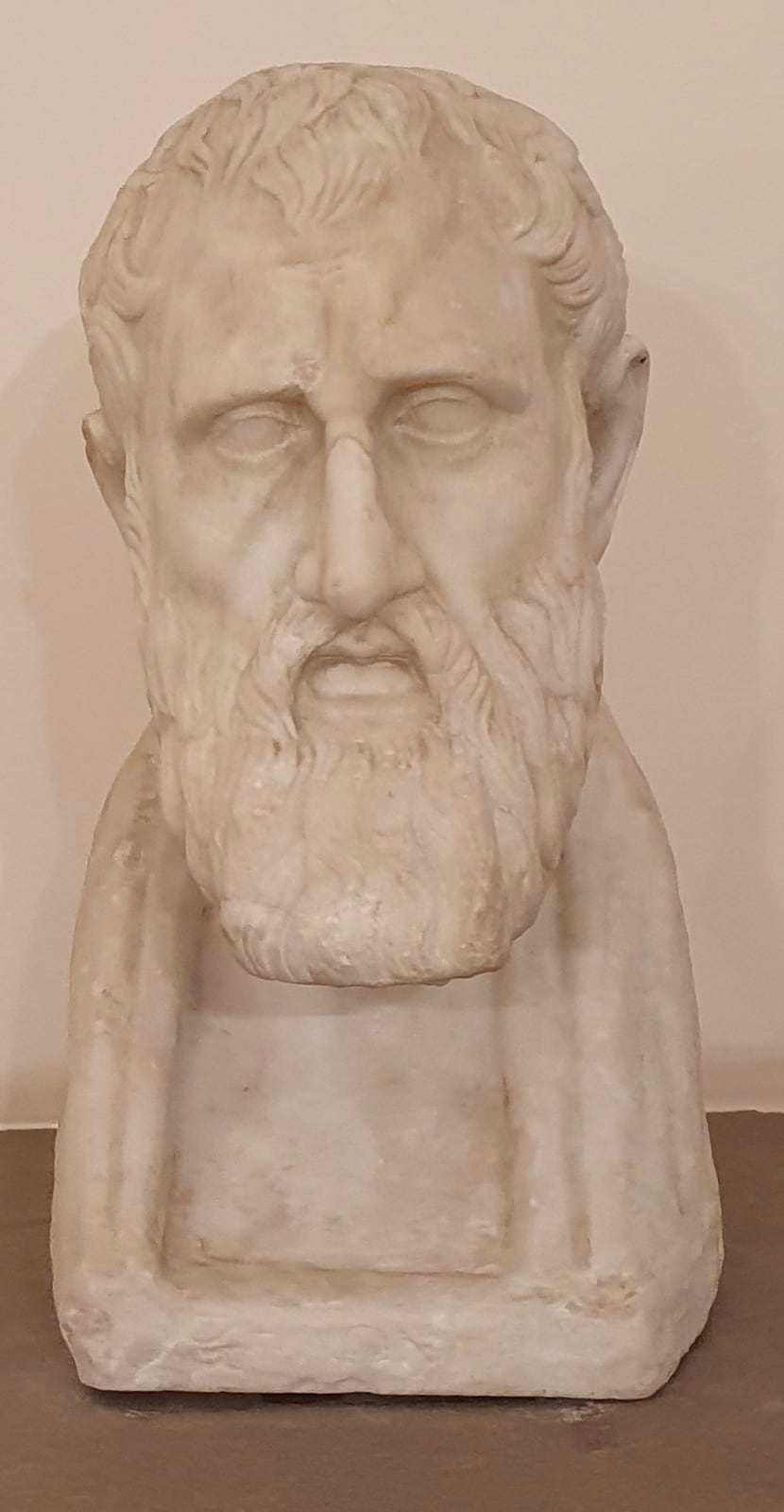
Zeno of Citium
इन पर सहमत: मैं कौन हूँ? क्या कोई सच्चा आत्म है? · मृत्यु के बाद क्या होता है? · मुक्ति या उद्धार कैसे प्राप्त होता है?
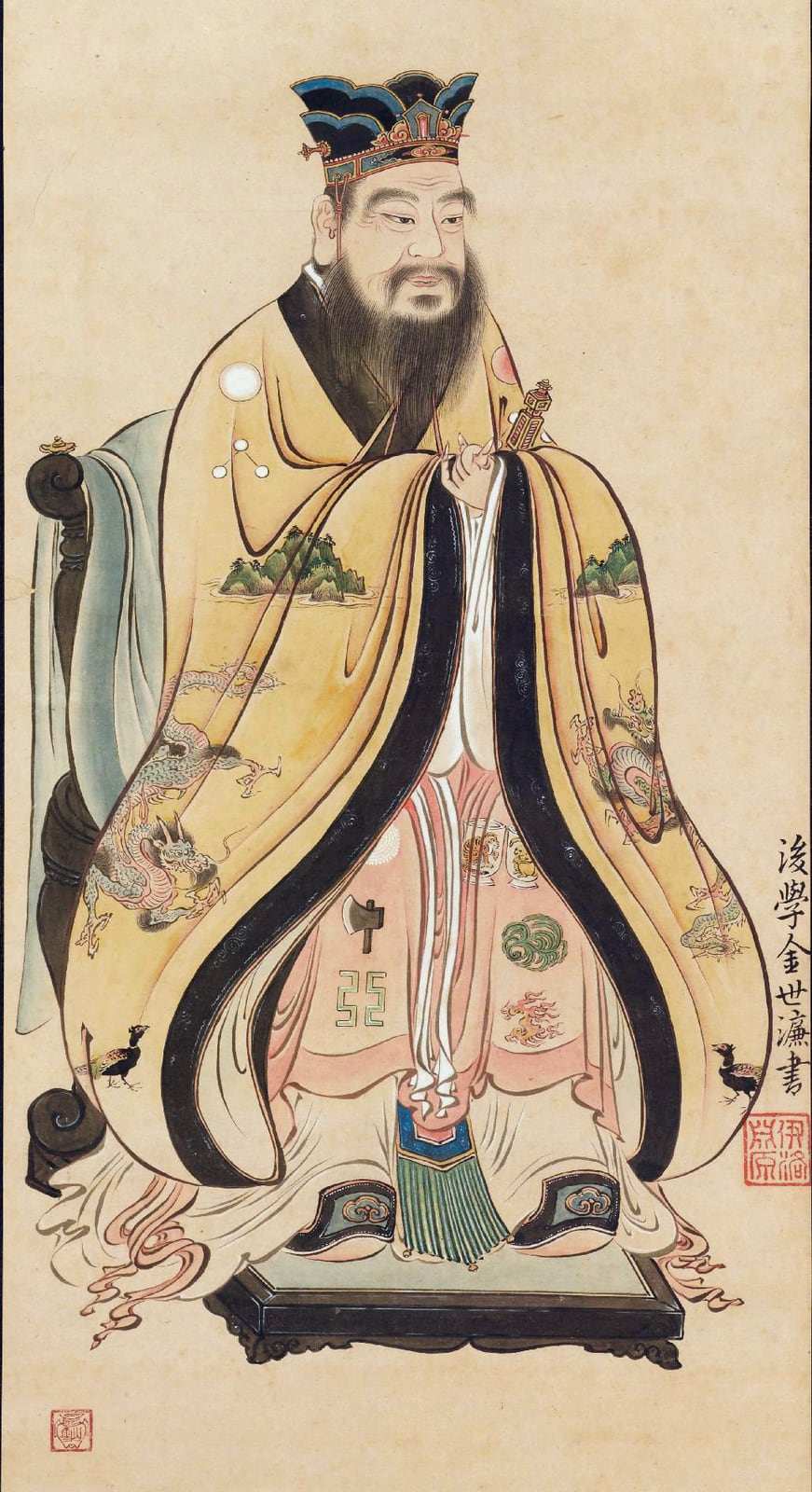
Confucius
इन पर सहमत: क्या हम स्वतंत्र हैं, या सब कुछ पूर्वनिर्धारित है? · मैं कौन हूँ? क्या कोई सच्चा आत्म है? · मृत्यु के बाद क्या होता है?
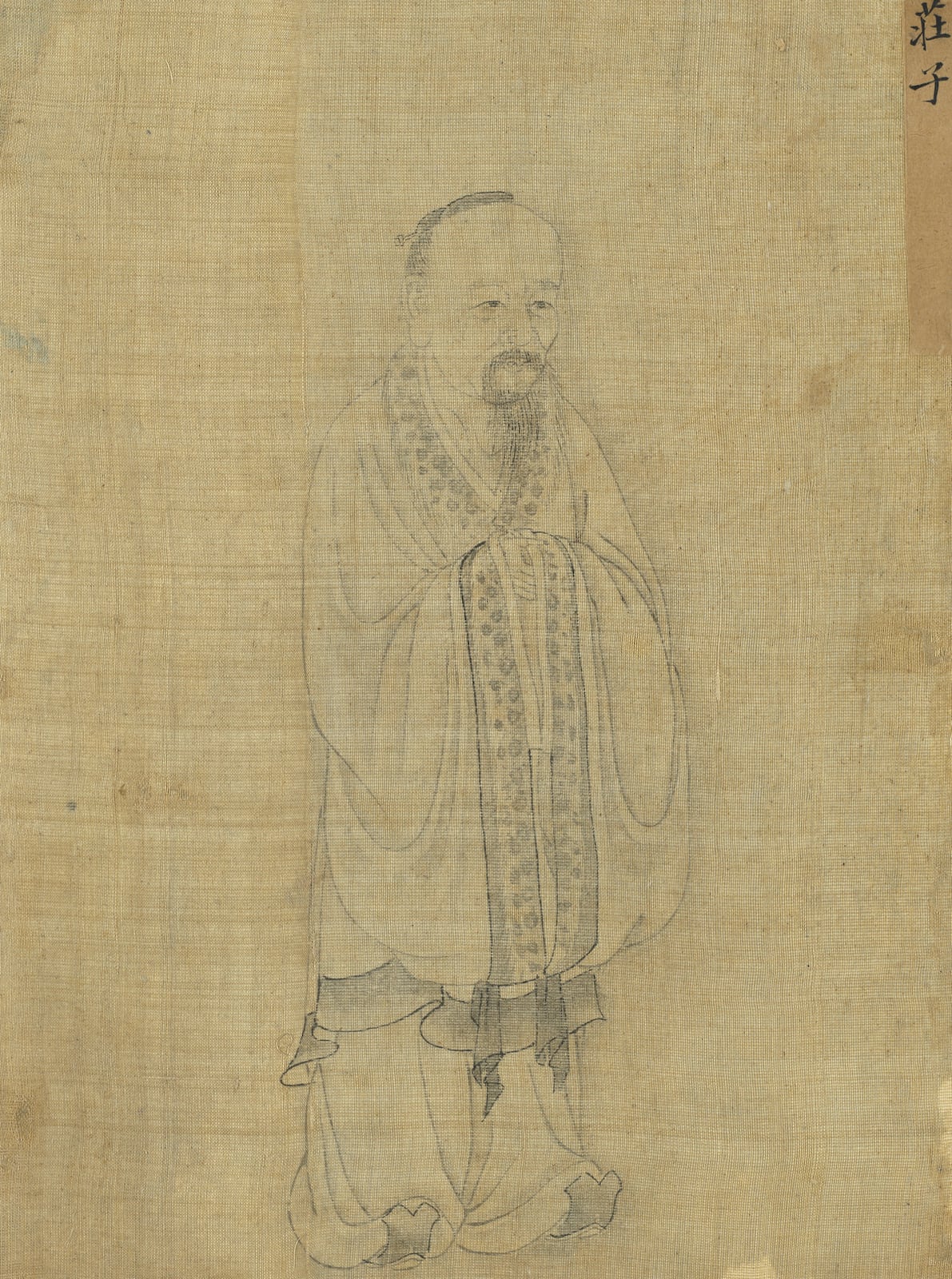
Zhuangzi
इन पर सहमत: मृत्यु के बाद क्या होता है? · मुक्ति या उद्धार कैसे प्राप्त होता है? · क्या गुरु आवश्यक है?
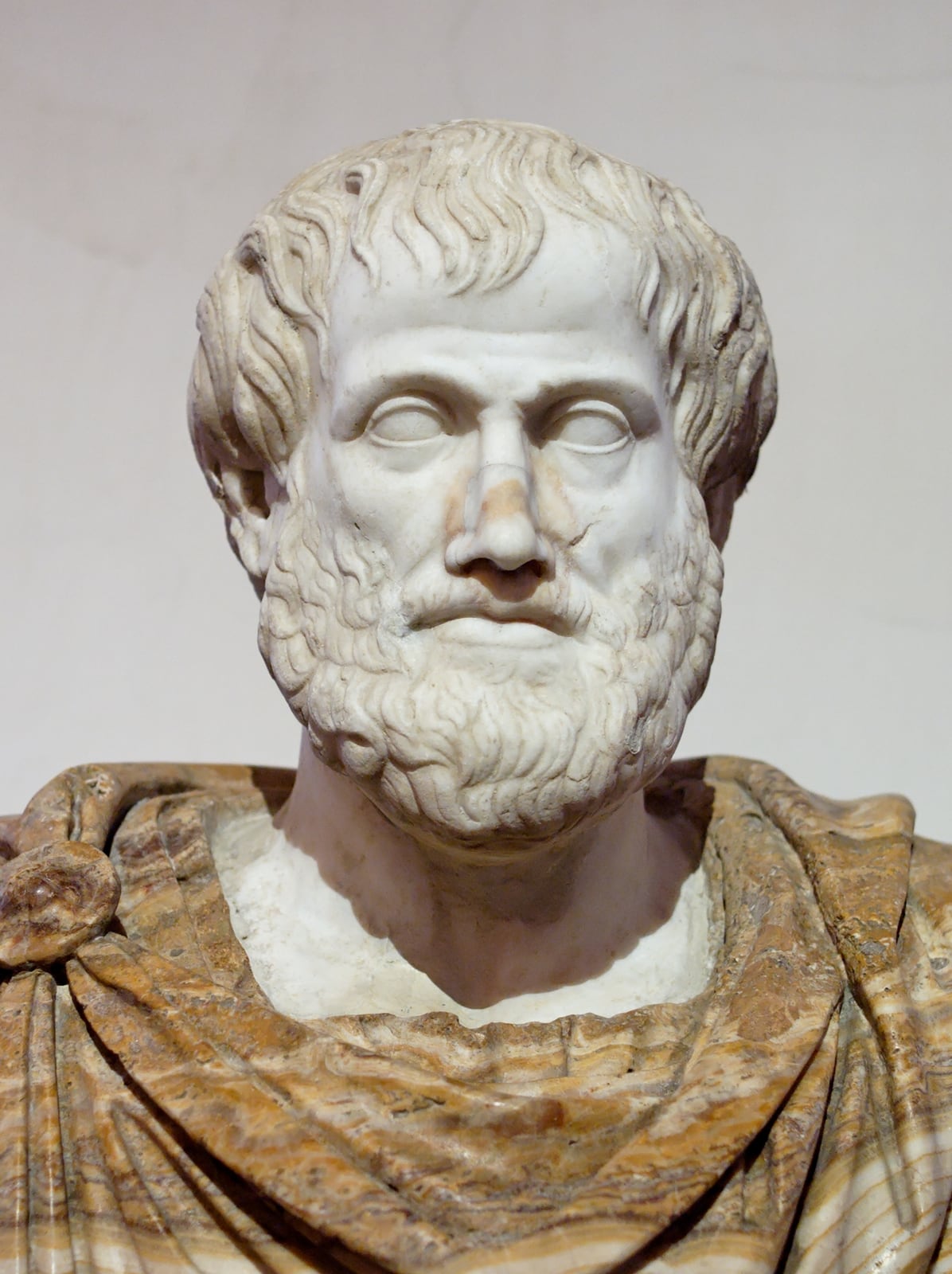
Aristotle
इन पर सहमत: मैं कौन हूँ? क्या कोई सच्चा आत्म है? · मृत्यु के बाद क्या होता है? · मुक्ति या उद्धार कैसे प्राप्त होता है?
इनसे भिन्न सोचते हैं
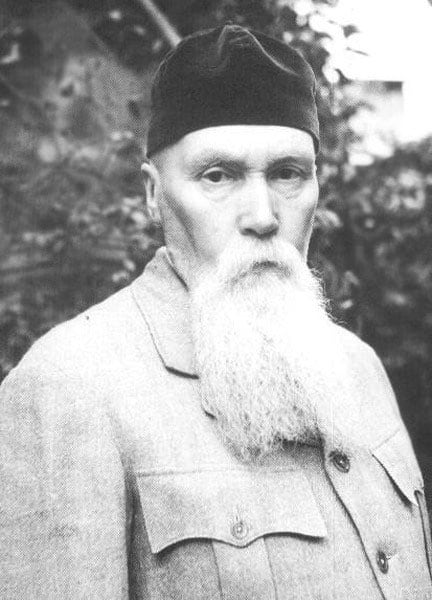
Nicholas Roerich
इन पर टकराव: हम दुःख क्यों भोगते हैं? · क्या गुरु आवश्यक है? · क्या संसार वास्तविक है?

Dōgen
इन पर टकराव: परम सत्य क्या है? क्या ईश्वर है? · मैं कौन हूँ? क्या कोई सच्चा आत्म है? · हम दुःख क्यों भोगते हैं?
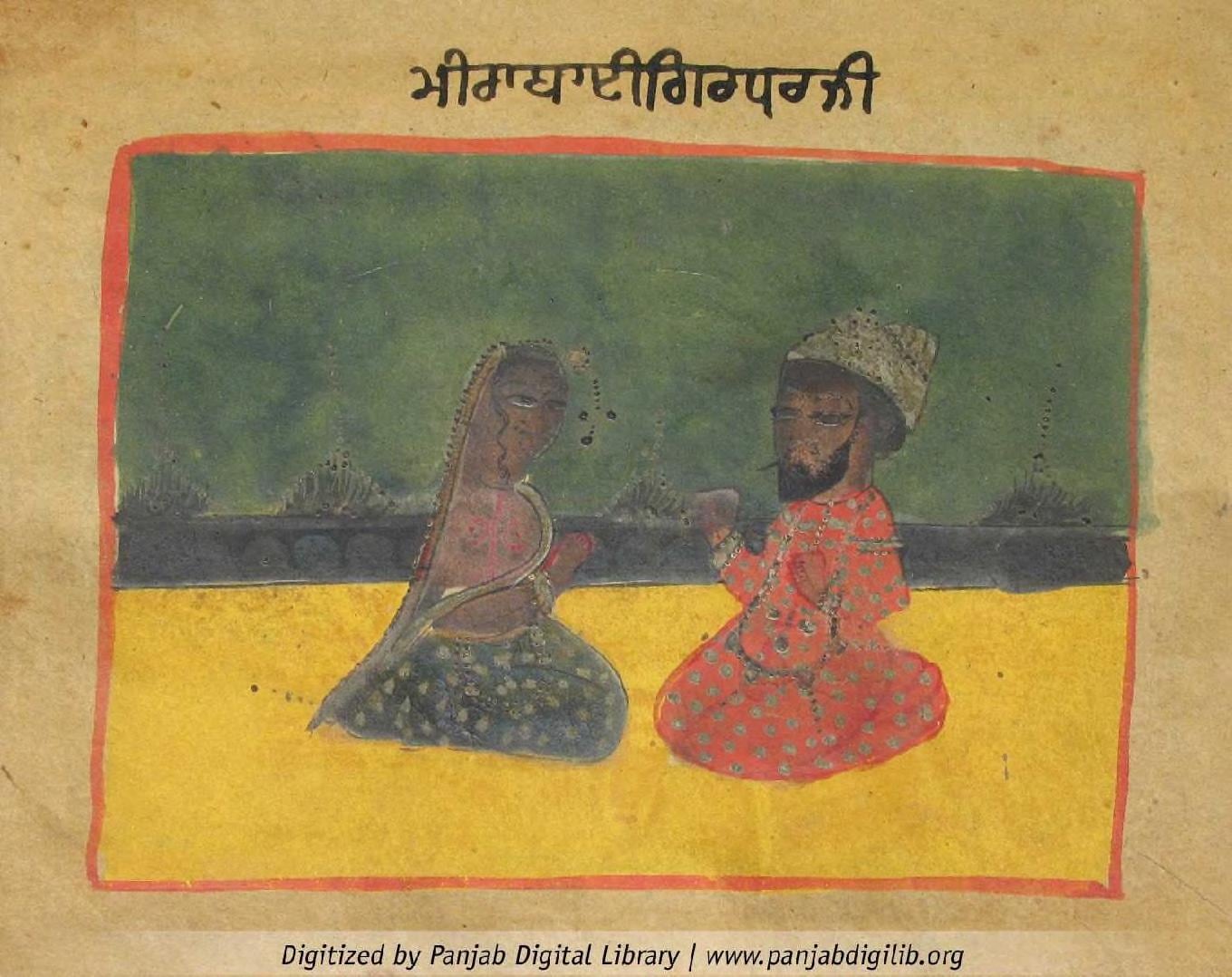
Mirabai
इन पर टकराव: परम सत्य क्या है? क्या ईश्वर है? · हम दुःख क्यों भोगते हैं? · मुक्ति या उद्धार कैसे प्राप्त होता है?
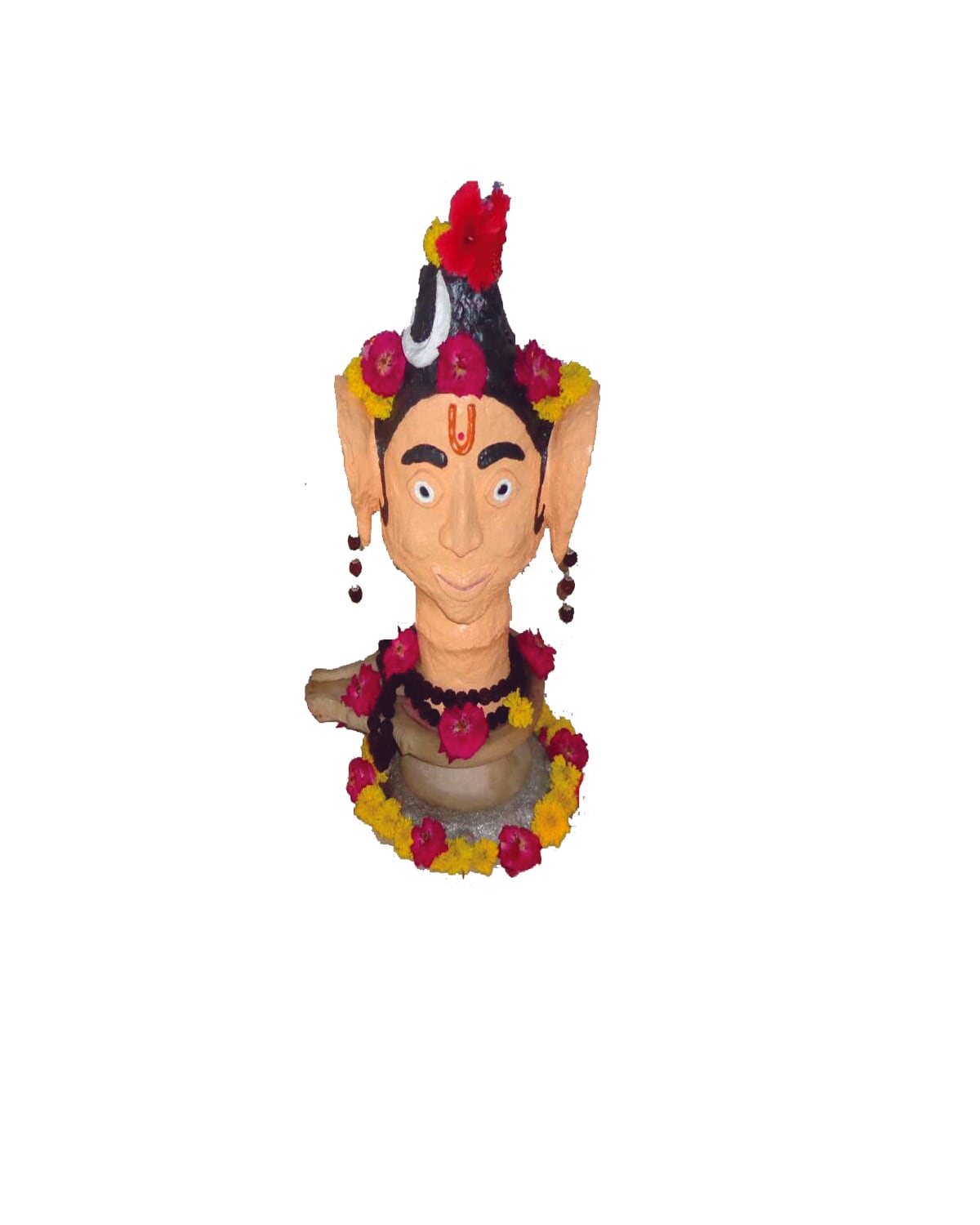
Nisargadatta Maharaj
इन पर टकराव: परम सत्य क्या है? क्या ईश्वर है? · मैं कौन हूँ? क्या कोई सच्चा आत्म है? · हम दुःख क्यों भोगते हैं?
प्रसंग और वृत्तांत
प्रसंग और वृत्तांत
साक्ष्यc. 124–133
Verissimus
वृत्तांत का स्रोत: The nickname is recorded by Cassius Dio (LXIX 21) and the Historia Augusta (Marcus 1.10), and the dedication in Justin, First Apology 1. The episode of the cloak and the couch comes only from the Historia Augusta (Marcus 2.6), a late source; the lines about his mother from Meditations I.3.
साक्ष्यdécada del 160
The emperor who went to school
वृत्तांत का स्रोत: Cassius Dio LXXI (LXXII Cary) 1.2; Historia Augusta, Marcus 3.1–2; Meditations I.8–9. The later anecdote in which a philosopher asks the emperor where he is going with his books and is told that he is going to learn (Philostratus, Lives of the Sophists II.1) has not been checked in this pass.
साक्ष्यc. 169
The palace auction
वृत्तांत का स्रोत: Historia Augusta, Marcus 17.4–5 and 21.9. There is no confirmation in Cassius Dio; Birley considers it plausible, but the source is late and prone to edifying anecdote.
विवादित172 o 174
The miraculous rain
वृत्तांत का स्रोत: Cassius Dio LXXII 8–10 (with the Christian rejoinder of the epitomator Xiphilinus); relief on the Column of Marcus Aurelius; Tertullian, Apology 5; Eusebius, Ecclesiastical History V.5. Péter Kovács (2009) gathers and discusses all the sources and the dating. The rain may have been a real event; its religious interpretation is partisan in every version.
स्रोत: Kovács, Péter. Marcus Aurelius' Rain Miracle and the Marcomannic Wars. Leiden: Brill, 2009.
साक्ष्य175
The letters left unread
वृत्तांत का स्रोत: Cassius Dio LXXII 27–29 (epitome). The Historia Augusta (Marcus 25–26 and Life of Avidius Cassius) repeats the story and embellishes it with letters scholars regard as invented.
प्रमाणितc. 176; 1538
The statue saved by a mistake
वृत्तांत का स्रोत: The identification with Constantine is recorded in medieval documents that call it "the horse of Constantine"; the 1538 move and the relocation of the original are documented by the Capitoline Museums. Summarised from Smarthistory and general scholarship.
शिक्षाएँ
शिक्षाएँ
वे अवधारणाएँ जो उनके चिंतन को रूप देती हैं, उनके संदर्भ में समझाई गई।
The inner citadelciudadela-interior
Pierre Hadot took this image as the title of his 1992 study. It draws on the early Stoic doctrine of the soul as ruling reason and on Epictetus' insistence that only our judgements are up to us.
स्रोत: Hadot, Pierre. La Citadelle intérieure. Introduction aux Pensées de Marc Aurèle. París: Fayard, 1992. Trad. inglesa: The Inner Citadel, Harvard University Press, 1998; trad. española: La ciudadela interior, Alpha Decay, 2013.
The three disciplinestres-disciplinas
The scheme comes from Epictetus' Discourses (III.2), which Marcus knew through Junius Rusticus; Hadot made it the key to reading the Meditations.
स्रोत: Hadot, Pierre. La Citadelle intérieure. Introduction aux Pensées de Marc Aurèle. París: Fayard, 1992. Trad. inglesa: The Inner Citadel, Harvard University Press, 1998; trad. española: La ciudadela interior, Alpha Decay, 2013.
The view from abovemirada-desde-lo-alto
Hadot connected it with a tradition running from Plato (Theaetetus) and Cicero's Dream of Scipio to the Stoics; Marcus uses it as therapy rather than theory.
स्रोत: Hadot, Pierre. La Citadelle intérieure. Introduction aux Pensées de Marc Aurèle. París: Fayard, 1992. Trad. inglesa: The Inner Citadel, Harvard University Press, 1998; trad. española: La ciudadela interior, Alpha Decay, 2013.
The river of time and deathfugacidad
The image of the river comes from Heraclitus, whom Marcus quotes several times; the doctrine that death is not an evil is shared by Stoics and Epicureans.
The city of Zeuscosmopolis
The idea of the cosmopolis goes back to Zeno of Citium and Chrysippus; Marcus gives it a personal and affective inflection, tied to patience with others.
Providence or atoms?providencia-o-atomos
It shows Marcus' free use of tradition: he quotes Epicurus respectfully and adopts his argument against fear when it serves him.
स्रोत: Rutherford, R. B. The Meditations of Marcus Aurelius: A Study. Oxford: Clarendon Press, 1989.
वीडियो
वीडियो
रिकॉर्डिंग, साक्षात्कार और वृत्तचित्र। वीडियो YouTube से चलते हैं; वे यहाँ संग्रहीत नहीं हैं।
Estoicismo romano (III): Marco Aurelio | La March
व्याख्यान· ES· 2023· 56 min
Fundación Juan Marchआधिकारिक चैनल
La filosofía helenística (III): El estoicismo · La March
व्याख्यान· ES· 2022· 59 min
Fundación Juan Marchआधिकारिक चैनल
El estoicismo romano: Marco Aurelio
व्याख्यान· ES· 2023· 17 min
UNED Radioआधिकारिक चैनल
Cynics, Stoics, Epicureans
व्याख्यान· EN· 2021· 45 min
Gresham Collegeआधिकारिक चैनल
Marcus Aurelius' Meditations: The Stoic Ideal
व्याख्यान· EN· 2020· 42 min
Michael Sugrue
A History of Philosophy | 16 Stoicism
व्याख्यान· EN· 2015· 63 min
wheatoncollegeआधिकारिक चैनल
The philosophy of Stoicism - Massimo Pigliucci
विश्लेषण· EN· 2017· 5 min
TED-Edआधिकारिक चैनल
The Equestrian Sculpture of Marcus Aurelius
विश्लेषण· EN· 2026· 7 min
Smarthistoryआधिकारिक चैनल
Equestrian Sculpture of Marcus Aurelius
विश्लेषण· EN· 2010· 3 min
Smarthistoryआधिकारिक चैनल
Bernard Collette | l'action politique de Marc Aurèle à la lumière du stoïcisme
व्याख्यान· FR· 2018· 51 min
Faculté de philosophie - Université Lavalआधिकारिक चैनल
Et si on s'était trompé sur Marc Aurèle ? - Dialogue avec Pierre Vesperini
साक्षात्कार· FR· 2024· 57 min
Dialogues par Fabrice Midal
Marco Aurelio, il principe filosofo. Stoicismo, arte del governo e diritti individuali
व्याख्यान· IT· 2020· 86 min
Istituto Bruno Leoniआधिकारिक चैनल
चित्रशाला
चित्रशाला
सत्यापित लाइसेंस वाले चित्र। प्रत्येक में उसके रचयिता और श्रेय का उल्लेख सुरक्षित है।
पांडुलिपियाँ
पांडुलिपियाँ
पांडुलिपि-साक्ष्य और प्राचीन पाठ, उनके संरक्षक और अध्ययन की शर्तों सहित।
GRC · Minúscula griega · Obra de c. 170–180; copia del s. XIV
Τὰ εἰς ἑαυτόν (en un códice misceláneo)
- संरक्षित पाठ-साक्ष्य
- Único manuscrito medieval que conserva la mayor parte de la obra
- संरक्षक
- Biblioteca Apostólica Vaticana · Vat. gr. 1950
GRC · Minúscula griega · Copia medieval de fecha desconocida
Codex Palatinus (perdido)
- संरक्षित पाठ-साक्ष्य
- Manuscrito usado por Xylander para la editio princeps de 1558; se perdió después
- संरक्षक
- Perdido
LA · Mayúscula latina (texto inferior) · Cartas de c. 139–166; copia de la Antigüedad tardía (s. V–VI)
Palimpsesto de Frontón (Vat. lat. 5750 + Ambrosianus E 147 sup.)
- संरक्षित पाठ-साक्ष्य
- Palimpsesto: el texto de Frontón fue raspado para copiar encima las actas del concilio de Calcedonia
- संरक्षक
- Biblioteca Apostólica Vaticana y Biblioteca Ambrosiana (Milán) · Vat. lat. 5750; Ambr. E 147 sup.
- डिजिटलीकरण
- digi.vatlib.it/view/MSS_Vat.lat.5750…
संबंध
संबंध
प्रभाव, शिष्यत्व और वैचारिक निकटता। प्रमाणित संबंध को विश्लेषण से पहचानी गई समानता से अलग दर्शाया गया है।
इनसे प्रभावित
Junius Rusticus introduced him to the notes of Epictetus' lectures (Meditations I.7). Marcus quotes him often (IV.41, XI.34–39) and adopts his distinction between what is and is not up to us.
प्रमाणित संबंध
इनसे प्रभावित
His teachers of philosophy, Junius Rusticus and Apollonius, "professed Zeno's doctrines" (Cassius Dio LXXII 35). Marcus belongs to the school Zeno founded.
प्रमाणित संबंध
इनसे प्रभावित
Socrates appears in the Meditations as a model of life and death (III.6, VII.66, XI.23–28); Marcus sets him beside Diogenes and Heraclitus against Alexander, Caesar and Pompey (VIII.3).
प्रमाणित संबंध
इनसे प्रभावित
He quotes the Republic and the Apology (VII.35, VII.44–46) and knew the maxim that states prosper if philosophers rule them, which according to the Historia Augusta he often repeated (Marcus 27.7). He endowed a Platonist chair at Athens.
प्रमाणित संबंध
इनसे मिलते-जुलते विचार
He does not quote Aristotle, but studied with the Peripatetic Claudius Severus (Historia Augusta, Marcus 3.3) and endowed an Aristotelian chair at Athens (Cassius Dio LXXII 31). They agree that the human good is activity in accordance with reason and on the social nature of man.
विश्लेषण से पहचानी गई समानता
इनसे प्रभावित
Despite the rivalry between schools, he quotes Epicurus approvingly on how to bear pain and illness (VII.33, VII.64, IX.41) and often poses the dilemma "providence or atoms". He also endowed an Epicurean chair at Athens.
प्रमाणित संबंध
इनसे प्रभावित
He quotes Heraclitus several times (IV.46, VI.42) and adopts his image of time as a river.
प्रमाणित संबंध
इनसे मिलते-जुलते विचार
Plotinus was born around 205, a generation after Marcus' death, and does not mention him. Both practise philosophy as an inner conversion: Marcus' "retire into yourself" and Plotinus' "go back into yourself" (Enneads I.6.9) have been compared by Pierre Hadot.
विश्लेषण से पहचानी गई समानता
इनसे मिलते-जुलते विचार
There is no evidence that Augustine read the Meditations. They are compared as two great ancient writings of self-examination in the second person, although the Confessions are addressed to God and the Meditations to their own author.
विश्लेषण से पहचानी गई समानता
स्रोत
स्रोत
इस प्रविष्टि के लिए देखे गए ग्रंथ-सूची और सूचीपत्र।
- Wikidata, entidad Q1430 «Marcus Aurelius» (176 enlaces entre wikis; P31=Q5). Registra nacimiento el 26-4-121 en Roma y muerte el 17-3-180 en Vindobona.
- Historia Augusta, «Vida de Marco Antonino el Filósofo» (Vita Marci Antonini Philosophi). Trad. inglesa de David Magie, The Scriptores Historiae Augustae, vol. I, Loeb Classical Library 139. Londres: Heinemann, 1921 (texto en LacusCurtius). Fuente tardía (finales del s. IV) y poco fiable en muchos pasajes.
- Dion Casio, Historia romana, epítome de los libros LXXI–LXXII. Trad. inglesa de Earnest Cary, Dio's Roman History, vol. IX, Loeb Classical Library 177. Londres: Heinemann, 1927 (texto en LacusCurtius; numeración de Cary).
- Birley, Anthony R. Marcus Aurelius: A Biography. Ed. revisada. Londres: B. T. Batsford, 1987 (reimpr. Routledge, 2000).
- Hadot, Pierre. La Citadelle intérieure. Introduction aux Pensées de Marc Aurèle. París: Fayard, 1992. Trad. inglesa: The Inner Citadel, Harvard University Press, 1998; trad. española: La ciudadela interior, Alpha Decay, 2013.
- Kamtekar, Rachana. «Marcus Aurelius». Stanford Encyclopedia of Philosophy, ed. Edward N. Zalta (publicada en 2010, revisión sustancial de 2025).
- Marco Aurelio. Τὰ εἰς ἑαυτόν (Meditaciones). Texto griego en Wikisource en griego; trad. inglesa de George Long, The Thoughts of the Emperor Marcus Aurelius Antoninus (Londres, 1862), en Wikisource en inglés.
- Frontón, Marco Cornelio. The Correspondence of Marcus Cornelius Fronto with Marcus Aurelius Antoninus, Lucius Verus, Antoninus Pius, and Various Friends. Ed. y trad. de C. R. Haines. 2 vols., Loeb Classical Library 112–113. Londres: Heinemann, 1919–1920.
- Rutherford, R. B. The Meditations of Marcus Aurelius: A Study. Oxford: Clarendon Press, 1989.
- Hays, Gregory. «Introduction», en Marcus Aurelius, Meditations: A New Translation. Nueva York: Modern Library, 2003.
- «Marcus Aurelius», Wikipedia en inglés, y «Marco Aurelio», Wikipedia en español (consultadas para hechos verificables y bibliografía; texto propio).
- Richlin, Amy. Marcus Aurelius in Love: The Letters of Marcus and Fronto. Chicago: University of Chicago Press, 2006.
- Eusebio de Cesarea. Historia eclesiástica, V 1–5. Trad. inglesa de Kirsopp Lake, Ecclesiastical History, vol. I, Loeb Classical Library 153. Londres: Heinemann, 1926; Tertuliano, Apologético 5.
- Kovács, Péter. Marcus Aurelius' Rain Miracle and the Marcomannic Wars. Leiden: Brill, 2009.
- Gibbon, Edward. The History of the Decline and Fall of the Roman Empire, vol. I, cap. III. Londres: Strahan y Cadell, 1776 (texto en Project Gutenberg).
- Mill, John Stuart. On Liberty, cap. II. Londres: John W. Parker and Son, 1859 (texto en Project Gutenberg).
- Aurelio Víctor, Liber de Caesaribus 16, 14 (muerte en Vindobona); Tertuliano, Apologeticum 25, 5 (muerte en Sirmio). Discusión de ambas noticias en Birley 1987, cap. 10.
- Harris, Beth, y Steven Zucker. «The Equestrian Sculpture of Marcus Aurelius». Smarthistory, 2026 (vídeo).
- Biblioteca Apostólica Vaticana, Vat. lat. 5750 (palimpsesto de Frontón; texto superior: actas del concilio de Calcedonia). Digitalización en DigiVatLib.
- Gill, Christopher. «Introduction», en Marcus Aurelius, Meditations, trad. de Robin Hard. Oxford World's Classics. Oxford: Oxford University Press, 2011.
- Real Academia Española. Antonio de Guevara, Libro áureo de Marco Aurelio, ed. crítica de Emilio Blanco, Biblioteca Clásica de la RAE.
- Oliver, James H. Marcus Aurelius: Aspects of Civic and Cultural Policy in the East. Hesperia Supplements 13. Princeton: American School of Classical Studies at Athens, 1970.
- Justino Mártir, Primera apología, apéndice con la «Carta de Marco Aurelio al Senado». Trad. inglesa en Ante-Nicene Fathers, vol. I, ed. A. Roberts y J. Donaldson. Buffalo: Christian Literature Publishing, 1885.
- अधिकार-धारक
- Textos antiguos en dominio público; cada traducción y edición moderna pertenece a su traductor o editorial
पुष्टि की प्रतीक्षा में
जो यह प्रविष्टि अभी तक निश्चित नहीं कर सकी है। हम उसे भर देने के बजाय कह देना बेहतर समझते हैं।
- Últimas palabras: cotejar el texto griego de Dion Casio LXXII 34, 1 (ed. Boissevain) para rellenar text_original; hoy solo se da la traducción de Cary.
- Manuscrito Vat. gr. 1950: no se ha localizado su digitalización en DigiVatLib (404 el 2026-10-25); comprobar si existe con otra signatura o en otra plataforma.
- Alianza, «Meditaciones o Soliloquios» (ISBN 9788420688466, trad. Antonio Guzmán Guerra): confirmar año en el colofón; la edición de Alianza de 1985 (ISBN 9788420636740) aparece en Open Library sin traductor.
- Libro áureo de Marco Aurelio (RAE, ed. Emilio Blanco): falta año e ISBN verificados.
- Ediciones con ISBN en francés (Les Belles Lettres, Pierre Hadot / A. I. Trannoy), alemán (Reclam, Insel) e italiano no registradas en esta pasada.
- El Digesto de Justiniano (trad. Alan Watson, 1985) se registra sin ISBN; las constituciones de Marco Aurelio no se han inventariado una a una.
- Anécdota de Filóstrato (Vidas de los sofistas II 1) sobre el emperador que va a clase: no cotejada.
- Sin programa de afiliación verificado ni titular de derechos: Marco Aurelio es autor antiguo; las editoriales citadas no se han comprobado como programas de afiliados.
2026-10-25 को शोधित