स्टोइकवाद
Epictetus
Ἐπίκτητος
50 का दशक – लगभग 135ऐतिहासिक रूप से प्रमाणित व्यक्ति
यूनानी स्टोइक दार्शनिक (लगभग 50 – लगभग 135 ई.), जिनका जन्म फ़्रीजिया के हिएरापोलिस में दास के रूप में हुआ। रोम में वे नीरो के मुक्त दास एपाफ़्रोडिटस की सेवा में रहे, मुसोनियस रूफ़स से शिक्षा पाई और स्वतंत्र होकर दर्शन पढ़ाया, जब तक डोमिशियन ने दार्शनिकों को इटली से नहीं निकाला। फिर उन्होंने एपिरस के निकोपोलिस में पाठशाला स्थापित की। उन्होंने कुछ नहीं लिखा: शिष्य एरियन ने उनकी शिक्षाएँ प्रवचन और एन्खिरिडियन में सँजोईं, जिन्होंने आंतरिक स्वतंत्रता तथा जो हमारे वश में है और जो नहीं, उसके भेद को नीतिशास्त्र का केंद्र बना दिया।
- कृतियाँ
- 13कृतियाँ
- संस्करण
- 31संस्करण
- उद्धरण
- 10उद्धरण
- वीडियो
- 11वीडियो
- चित्र
- 8चित्र
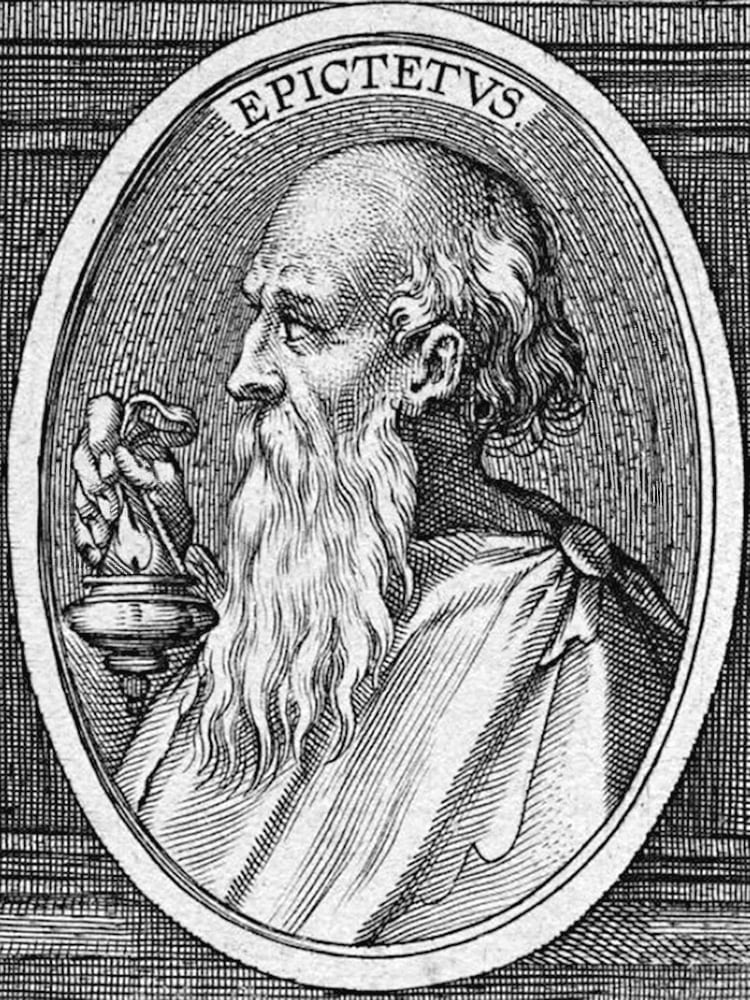
Epicteto en la portada de las obras de Séneca (Amberes, 1605) · Public domain
उनके अपने शब्दों में
«Of things some are in our power, and others are not.»Manual 1, 1. Griego: Wikisource; inglés: George Long (1877); español: traducción propia.

मूल विचार
What is up to us (ta eph' hēmin): It is the starting point of all Epictetus' teaching, with which both the Handbook and the Discourses open.
संदर्भ में देखें
जीवनी
6 मिनट का पाठ
स्पैनिश मूल से सहायता-प्राप्त अनुवाद, मातृभाषी अनुवादक द्वारा समीक्षा लंबित।
स्वतंत्रता सिखाने वाला एक दास
किसी भी प्राचीन दार्शनिक ने स्वतंत्रता के बारे में उतना नहीं कहा जितना एपिक्टेटस ने, और किसी के पास उसका मूल्य जानने के इससे अधिक कारण नहीं थे। वे दास के रूप में जन्मे थे, लँगड़ाकर चलते थे और उन्होंने एक पंक्ति भी नहीं लिखी। उनकी शिक्षा के बारे में हम जो जानते हैं, उसके लिए हम एक शिष्य, फ़्लेवियस एरियन, के ऋणी हैं, जिसने निकोपोलिस की पाठशाला में उनकी कक्षाओं के नोट्स लिए और उन्हें प्रवचन (डिस्कोर्सेज़) के नाम से प्रकाशित किया; और उन नोट्स के एक सार, एन्खिरिडियन या पुस्तिका, के, जो आगे चलकर पश्चिम में सबसे अधिक पढ़ी जाने वाली नीति-पुस्तकों में से एक बनी। उनके जीवन के बारे में, इसके विपरीत, बहुत कम निश्चित तथ्य बचे हैं, जो स्वयं उनके वचनों में, औलस जेलियस में, बाइज़ेंटाइन सूदा में और उस भाष्य में बिखरे हैं जो सिंप्लिसियस ने चार शताब्दियों बाद एन्खिरिडियन पर लिखा।
हिएरापोलिस और रोम
उनका जन्म लगभग 50 ई. में एशिया माइनर के फ़्रीजिया प्रदेश के यूनानी नगर हिएरापोलिस में हुआ, जो अपने गर्म जल-स्रोतों के लिए प्रसिद्ध था। उनका नाम Epíktētos का अर्थ है «अर्जित» या «ख़रीदा हुआ», और यह दासों का एक प्रचलित नाम था; हम नहीं जानते कि पहले उनका नाम क्या था, कोई दूसरा नाम था भी या नहीं, और वे रोम कैसे पहुँचे। वहाँ वे एपाफ़्रोडिटस के स्वामित्व में रहे — एक मुक्त दास, जो नीरो के यहाँ याचिकाओं का सचिव रह चुका था और सूदा के अनुसार उसके अंगरक्षकों में था; एपिक्टेटस प्रवचन में उसे एक दंभी स्वामी के रूप में याद करते हैं, जो एक मोची के आगे केवल इसलिए झुकता था कि वह सम्राट की सेवा में चला गया था। दूसरी शताब्दी में औलस जेलियस उनके दास होने को इतना हाल का और इतना जाना-माना तथ्य मानते थे कि उसके लिए किसी प्रमाण की आवश्यकता नहीं थी।
वे लँगड़े थे। सूदा इसका कारण गठिया जैसा कोई रोग बताता है; मूर्तिपूजक वाद-विवादकर्ता सेल्सस, जिसे ऑरिजेन उद्धृत करते हैं, कहता था कि उनका स्वामी उनकी टाँग मरोड़ता था और एपिक्टेटस ने मुस्कुराते हुए उसे चेताया कि वह उसे तोड़ देगा, और जब टाँग टूट गई, तो बोले: «क्या मैंने तुमसे कहा नहीं था?» दोनों कथाओं में से किसी एक को चुनना संभव नहीं, पर लँगड़ापन उनके अपने दृष्टांतों में आता है: रोग शरीर के लिए बाधा है, संकल्प के लिए नहीं — एन्खिरिडियन कहता है; लँगड़ापन टाँग के लिए बाधा है, संकल्प के लिए नहीं।
मुसोनियस रूफ़स
स्वामी ने उन्हें रोमन स्टोइक गायस मुसोनियस रूफ़स की कक्षाओं में जाने की अनुमति दी, जो नीरो और फ़्लेवियन वंश के रोम के सबसे आदरणीय दार्शनिक थे और कई बार निर्वासित हुए। एपिक्टेटस उन्हें श्रद्धा से याद करते हैं: रूफ़स ऐसे बोलते थे कि हर श्रोता को लगता था कि किसी ने जाकर उन्हें उसके दोष बता दिए हैं; जो उनकी प्रशंसा करता, उससे वे कहते कि यदि तुम्हारे पास प्रशंसा करने का समय है, तो मेरा बोलना व्यर्थ गया। मुसोनियस से उन्हें व्यावहारिक अभ्यास के रूप में समझा गया दर्शन विरासत में मिला, और एक आदर्श — सुकरात — जिन्हें वे किसी भी अन्य लेखक से अधिक उद्धृत करते हैं। यह ज्ञात नहीं कि उन्हें स्वतंत्रता कब मिली; पहली शताब्दी के अंत तक वे रोम में पढ़ाने लगे थे।
निर्वासन और निकोपोलिस की पाठशाला
डोमिशियन ने दार्शनिकों को रोम और इटली से निष्कासित कर दिया, संभवतः 89 ई. में या 93–95 के आसपास; औलस जेलियस स्पष्ट कहते हैं कि एपिक्टेटस निर्वासितों में थे। वे निकोपोलिस में बस गए — वह «विजय-नगरी» जिसे ऑगस्टस ने एपिरस में एक्टियम की विजय की स्मृति में बसाया था, इटली और यूनान के बीच समुद्री मार्ग पर एक समृद्ध नगर। वहाँ उन्होंने एक पाठशाला खोली, जिसमें संपन्न परिवारों के युवक — जिनमें बहुत से रोमन थे — सार्वजनिक जीवन में प्रवेश से पहले तैयारी के लिए आते थे। हिस्टोरिया ऑगस्टा का दावा है कि हेड्रियन उनसे गहरी मित्रता रखते थे, एक ऐसी सूचना जिसे विद्वान सावधानी से स्वीकार करते हैं।
पाठशाला में क्राइसिपस के ग्रंथ पढ़े और समझाए जाते थे और तर्कशास्त्र का अभ्यास होता था, पर प्रवचन कुछ और ही सँजोते हैं: तकनीकी पाठ के बाद होने वाली अनौपचारिक बातचीत, जिसमें गुरु श्रोताओं को सीधे टोकते हैं, व्यंग्य करते हैं, किसी तानाशाह या शिकायत करते शिष्य के साथ संवाद गढ़ते हैं और बार-बार एक ही प्रश्न दोहराते हैं: यह तुम्हारे वश में है या नहीं? «दार्शनिक की पाठशाला एक चिकित्सालय है», वे चेताते हैं; वहाँ से प्रसन्न होकर नहीं, बल्कि पीड़ा लेकर निकलना चाहिए।
एक निर्धन गुरु का जीवन
वे अत्यंत सादगी से रहे और विवाह नहीं किया। सिंप्लिसियस बताते हैं कि वे लंबे समय तक अकेले रहे और बुढ़ापे में उन्होंने एक बच्चे को गोद लिया, जिसे उनका एक मित्र ग़रीबी के कारण त्यागने जा रहा था, और उसे पालने के लिए एक स्त्री को घर में रखा। समोसाता के लूसियन उस संग्राहक का उपहास करते हैं जिसने दार्शनिक के मिट्टी के दीये के लिए तीन हज़ार द्राख़्मे चुकाए, इस आशा में कि रात को उसकी रोशनी में पढ़कर वह उनका ज्ञान पा लेगा। लगभग 135 ई. में निकोपोलिस में उनका देहांत हुआ; सूदा उनके जीवन को मार्कस ऑरेलियस के शासनकाल तक खींच ले जाता है, जिसे विशेषज्ञ असंभाव्य मानते हैं।
एरियन और ग्रंथ
निकोमीडिया के फ़्लेवियस एरियन, जो आगे चलकर कौंसल, कप्पादोकिया के राज्यपाल और सिकंदर महान के इतिहासकार बने, लगभग 108 ई. में इस पाठशाला में आए। प्रवचन से पहले रखे गए लूसियस जेलियस के नाम एक पत्र में वे स्पष्ट करते हैं कि उन्होंने इन्हें किसी साहित्यिक कृति के रूप में नहीं रचा, बल्कि जो सुना उसे शब्दशः लिखने का प्रयास किया, ताकि गुरु के चिंतन और उनकी स्पष्टवादिता की स्मृति बनी रहे, और यह कि वे उनकी अनुमति के बिना प्रकाशित हो गए। नवीं शताब्दी में फ़ोटियस प्रवचन की आठ और वार्तालाप की बारह पुस्तकों से परिचित थे; पहली श्रेणी की केवल चार पुस्तकें हम तक पहुँचीं, बोडलियन पुस्तकालय में सुरक्षित ग्यारहवीं या बारहवीं शताब्दी की एक पांडुलिपि के माध्यम से, जिस पर शेष सभी प्रतियाँ आश्रित हैं। एन्खिरिडियन, जो प्रवचन से चुने गए सूत्रों का संकलन है, भिक्षुओं के कारण बेहतर ढंग से सुरक्षित रहा, जिन्होंने इसके ईसाई रूपांतर तैयार किए।
जो हमारे वश में है
एपिक्टेटस का चिंतन एक विभाजन से आरंभ होता है: «वस्तुओं में से कुछ हमारे वश में हैं और कुछ नहीं।» हमारे वश में हैं निर्णय, प्रवृत्ति, इच्छा और विमुखता; हमारे वश में नहीं हैं शरीर, संपत्ति, प्रतिष्ठा और पद। वास्तव में हमारा अपना केवल प्रोहायरेसिस है — चुनाव की क्षमता — जिसे स्वयं ज़्यूस भी पराजित नहीं कर सकते। हमें वस्तुएँ विचलित नहीं करतीं, बल्कि उनके बारे में हमारे निर्णय। यहीं से तीन क्षेत्रों — इच्छा, कर्म और स्वीकृति — में साधना का वह कार्यक्रम निकलता है, जिसे पियर आदो ने मार्कस ऑरेलियस के आत्मचिंतन की कुंजी सिद्ध किया; मार्कस उनके सबसे प्रसिद्ध पाठक थे, जिन्होंने जूनियस रुस्टिकस के माध्यम से उनकी शिक्षाएँ जानी थीं।
परवर्ती प्रभाव
छठी शताब्दी में सिंप्लिसियस ने एन्खिरिडियन पर भाष्य लिखा, 1479 में आंजेलो पोलित्सियानो ने इसका लैटिन अनुवाद किया, और इसे मोंतेन ने पढ़ा, पास्कल ने — जिन्होंने अपनी मॉन्सियर दे सासी से वार्तालाप में इसे मोंतेन के विपरीत रखा — और सोलहवीं-सत्रहवीं शताब्दी के नव-स्टोइकों ने। कास्तीलियाई स्पेनिश में इसका अनुवाद 1600 में ब्रोसेन्से ने और 1635 में पद्य में फ़्रांसिस्को दे केवेदो ने किया। बीसवीं शताब्दी में मनोवैज्ञानिक अल्बर्ट एलिस ने निर्णयों के बारे में उनके कथन को संज्ञानात्मक चिकित्सा का पूर्वाभास बताया, और अमेरिकी पायलट जेम्स स्टॉकडेल ने बताया कि एपिक्टेटस की जो बातें उन्हें याद थीं, उन्होंने वियतनाम में सात वर्ष से अधिक की क़ैद सहने में उनकी सहायता की।
स्रोत: Epicteto. Disertaciones (por Arriano) y Manual. Texto griego en Wikisource en griego; trad. inglesa de George Long, The Discourses of Epictetus; with the Encheiridion and Fragments (Londres: George Bell, 1877), en Wikisource en inglés. · Long, A. A. Epictetus: A Stoic and Socratic Guide to Life. Oxford: Clarendon Press, 2002. · Aulo Gelio. Noches áticas, I 2; II 18; XV 11; XVII 19; XIX 1. Trad. inglesa de John C. Rolfe, The Attic Nights, Loeb Classical Library 195, 200, 212. Londres: Heinemann, 1927 (libros I–II en LacusCurtius). · Simplicio. Comentario al Manual de Epicteto. Trad. inglesa de Tad Brennan y Charles Brittain, Simplicius: On Epictetus' Handbook, 2 vols. Londres: Duckworth / Ithaca: Cornell University Press, 2002. · Orígenes. Contra Celso, VII 53. Trad. inglesa de Frederick Crombie, Ante-Nicene Fathers, vol. IV. Buffalo: Christian Literature Publishing, 1885.
कालक्रम
जीवन, वर्ष-दर-वर्ष
प्रत्येक बिंदु एक प्रमाणित घटना है। उसे स्रोत और निश्चितता के स्तर सहित पढ़ने के लिए क्लिक करें।
50 का दशक0 वर्षHierápolis (Frigia)
Birth
Born a slave around the year 50 (the date is inferred from his life; there is no direct evidence) in Hierapolis in Phrygia, according to the Suda.
संभावितSuda, s. v. «Epiktetos» (épsilon 2424). Suda On Line, trad. inglesa revisada.
उनके निधन के बाद
- लगभग 140Publication of the Discourses
- लगभग 146Marcus Aurelius reads Epictetus
- लगभग 530Simplicius' commentary
- 1479Poliziano's Latin translation
- 1600El Brocense translates it into Spanish
- 1635Quevedo in verse
- 1758Elizabeth Carter
50 का दशक · 0 वर्ष
Birth
Born a slave around the year 50 (the date is inferred from his life; there is no direct evidence) in Hierapolis in Phrygia, according to the Suda.
संभावित
लगभग 65 · 15 वर्ष
Slave of Epaphroditus
In Rome he belongs to Epaphroditus, a freedman and Nero's secretary for petitions (a libellis), who helped the emperor kill himself in 68 and was executed by Domitian around 95.
संभावित
लगभग 70 · 20 वर्ष
Pupil of Musonius Rufus
Attends the lectures of the Stoic Gaius Musonius Rufus, whom he quotes in the Discourses (I.1.27; I.9.29; III.23.29).
प्रमाणित
लगभग 85 · 35 वर्ष
Freedman and teacher in Rome
He obtains his freedom at an unknown date and begins teaching philosophy in Rome.
संभावित
लगभग 89 · 39 वर्ष
Expulsion of the philosophers
Domitian expels the philosophers from Italy (in 89 or around 93–95). Aulus Gellius (XV.11.5) counts Epictetus among the exiles. He settles in Nicopolis in Epirus and founds his school.
संभावित
लगभग 108 · 58 वर्ष
Arrian at the school
The young Flavius Arrian of Nicomedia attends the lectures and takes the notes that will become the Discourses (date proposed by Fergus Millar).
संभावित
लगभग 125 · 75 वर्ष
Friendship with Hadrian
The Historia Augusta (Hadrian 16.10) states that the emperor treated the philosophers Epictetus and Heliodorus "with the greatest friendship". The report is isolated.
विवादित
लगभग 130 · 80 वर्ष
Adoption of a child
According to Simplicius, in old age he adopts a child whom a friend was going to abandon out of poverty and takes a woman into his house to raise it.
परंपरा
लगभग 135 · 85 वर्ष
Death
Dies in Nicopolis around 135. The Suda extends his life into the reign of Marcus Aurelius, which is considered unlikely.
संभावित
लगभग 140
Publication of the Discourses
Arrian's notes circulate with a letter to Lucius Gellius explaining that they were made public without his consent. Photius (cod. 58) will know eight books of Discourses and twelve of Conversations; four survive.
संभावित
लगभग 146
Marcus Aurelius reads Epictetus
Junius Rusticus lends the young Marcus Aurelius the notes of Epictetus (Meditations I.7); the emperor will quote him often.
प्रमाणित
लगभग 530
Simplicius' commentary
The Neoplatonist Simplicius writes an extensive commentary on the Handbook, the source of several biographical reports.
संभावित
1479
Poliziano's Latin translation
Angelo Poliziano translates the Handbook into Latin and dedicates it to Lorenzo de' Medici.
प्रमाणित
1600
El Brocense translates it into Spanish
Francisco Sánchez de las Brozas publishes "Doctrina del estoico filósofo Epicteto, que se llama comúnmente Enchiridion".
प्रमाणित
1635
Quevedo in verse
Francisco de Quevedo publishes "Epicteto y Phocílides en español con consonantes", a verse paraphrase of the Handbook.
प्रमाणित
1758
Elizabeth Carter
Elizabeth Carter publishes the first complete English translation of Epictetus' works.
प्रमाणित
कृतियाँ
आवश्यक कृतियाँ
वे कृतियाँ जिनके बिना उनकी विरासत को समझा नहीं जा सकता।
संकलित मौखिक शिक्षा · लगभग 108
Discourses (as reported by Arrian)
Ἀρριανοῦ τῶν Ἐπικτήτου διατριβῶν βιβλία
Four surviving books (of the eight Photius knew) containing ninety-five talks given by Epictetus at his school in Nicopolis, preceded by Arrian's letter to Lucius Gellius. They are not treatises but lively conversations in which the master challenges pupils and visitors, invents dialogues, draws on examples from daily life—the bath, the sea voyage, the dinner, the gymnasium—and offers Socrates, Diogenes and Zeno as models. The theme running through them all is the distinction between what is up to us (our judgements, desires, impulses: prohairesis) and what is not (body, goods, reputation, office), and the freedom that comes from applying it. They deal with providence and man's kinship with God, friendship and family, illness, exile and death, the true Cynic and the false philosopher. They are preserved by an eleventh- or twelfth-century Bodleian manuscript on which all other copies depend.
9 संस्करण · amazon.com

परवर्ती संकलन · लगभग 130
Handbook (Enchiridion)
Ἐγχειρίδιον Ἐπικτήτου
Fifty-three short chapters condensing Epictetus' ethics as rules of conduct. It opens with the division "of things, some are up to us and others are not", goes on to the maxim that we are disturbed not by things but by our judgements about them (5), life as a role in a play written by another (17), the banquet at which one takes moderately what comes (15), piety (31) and the signs of one who is making progress (48), and ends with lines of Cleanthes and Euripides and words of Socrates. It has been the most read text of Epictetus since late antiquity: Simplicius commented on it, Byzantine monks adapted it, Poliziano translated it into Latin (1479) and el Brocense (1600) and Quevedo (1635) into Spanish.
10 संस्करण · amazon.com
संपूर्ण कृतित्व (13)
Discourses, Book I
108
Discourses, Book II
108
Discourses, Book III
108
Discourses, Book IV
108
Fragments
Epictetus
Discourses, Books V–VIII (lost)
The Conscious LibraryDiscourses, Books V–VIII (lost)
108
Epictetus
Conversations (lost)
The Conscious LibraryConversations (lost)
Epictetus
Life and Death of Epictetus (by Arrian, lost)
The Conscious LibraryLife and Death of Epictetus (by Arrian, lost)
Epictetus
Debate of the Emperor Hadrian and the Philosopher Epictetus
The Conscious LibraryDebate of the Emperor Hadrian and the Philosopher Epictetus
Epictetus
Christian paraphrases of the Handbook
The Conscious LibraryChristian paraphrases of the Handbook
Epictetus
Simplicius' Commentary on the Handbook
The Conscious LibrarySimplicius' Commentary on the Handbook
530
वचन
किसी निश्चित कृति में स्थित वचन। प्रत्येक के साथ उसका स्रोत और विश्वसनीयता का स्तर है।
Of things some are in our power, and others are not.Τῶν ὄντων τὰ μέν ἐστιν ἐφ’ ἡμῖν, τὰ δὲ οὐκ ἐφ’ ἡμῖν.
सत्यापितManual 1, 1. Griego: Wikisource; inglés: George Long (1877); español: traducción propia.
अप्रामाणिक या विवादित आरोपण वाले उद्धरण (3)
«We have two ears and one mouth so that we can listen twice as much as we speak.»
Often attributed to Epictetus, but Diogenes Laertius (VII.23) gives it to Zeno of Citium, founder of Stoicism, addressing a young man who would not stop talking.
«It's not what happens to you, but how you react to it that matters.»
A modern paraphrase, not a literal quotation, of Handbook 5. The original speaks not of "reactions" but of the judgements (dogmata) we form about things.
«I was Epictetus, a slave, maimed in body, poor as Irus, and dear to the immortals.»
An anonymous epigram in the Palatine Anthology (VII.676), sometimes presented as an epitaph Epictetus composed for himself. There is no basis for attributing it to him; it is a eulogy written by someone else.
अंतिम शब्द
उनके अंतिम शब्दों का कोई सत्यापन-योग्य अभिलेख उपलब्ध नहीं है।
No account of his death or of his last words survives. The biography Arrian wrote, according to Simplicius, the Life and Death of Epictetus, is lost.
पूछें
उनकी कृतियाँ क्या उत्तर देती हैं
मानवता के बारह महान प्रश्न और उनके ग्रंथ उनका जो उत्तर देने देते हैं, संदर्भों सहित। हम कभी उनके मुख में अपने शब्द नहीं रखते।
परम सत्य क्या है? क्या ईश्वर है?
God is a father: he gave us reason, sees us, assigns our role
साकार, व्यक्तिगत ईश्वरस्पष्ट रूप से कहा है
Epictetus, whose lectures Arrian transcribed, is the Stoic who speaks most of God in a personal tone. In the Discourses he calls him father of gods and men, holds that being a son of Zeus should be enough never to think meanly of oneself, and asserts that God sees each of our movements because souls are joined to him as parts. God has given us the faculty that uses impressions and has brought us into the world as spectators and interpreters of his works; hence the fitting response is gratitude and hymn. The background remains the Stoic physics of an immanent god, but the language is relational: filial obedience, trust and thanksgiving.
इस प्रश्न की अन्य गुरुओं से तुलना करेंमैं कौन हूँ? क्या कोई सच्चा आत्म है?
You are not your body: you are your choice, a fragment of God
आत्मन् ही ब्रह्म हैस्पष्ट रूप से कहा है
The first line of the Handbook divides things into those that depend on us and those that do not, and all of Epictetus rests on that border. Body, property, reputation or office are not ours; the only thing truly our own is the faculty of choice (prohairesis), which uses impressions and decides about them, and which not even Zeus can overcome. In the Discourses he goes further: each person is a fragment of God and carries a part of him within, and should therefore be ashamed to defile with impure thoughts the god he carries inside. The true self is not the one that can be imprisoned or fall ill, but that free reason akin to the divine.
इस प्रश्न की अन्य गुरुओं से तुलना करेंहम दुःख क्यों भोगते हैं?
Things do not disturb us, but our judgements about what is not ours
हम क्या हैं, इसका अज्ञानस्पष्ट रूप से कहा है
Epictetus' most quoted sentence sums up his diagnosis: it is not things that disturb people but the judgements they form about them. Death is not terrible; terrible is the opinion that it is. The underlying error concerns identity: we take as ours what does not depend on us — body, possessions, reputation, the lives of those we love — and invest it with desire and aversion. Whoever desires what belongs to another will be hindered and will lament. The Handbook proposes correcting that judgement from the start, examining each impression and asking whether it concerns what depends on us; if not, it is nothing to us.
इस प्रश्न की अन्य गुरुओं से तुलना करेंमृत्यु के बाद क्या होता है?
There is no Hades: we return to the elements we came from
मौन या संयमस्पष्ट रूप से कहा है
Epictetus treats death as the prime example of what does not depend on us. It is not terrible; terrible is the judgement that it is. In the Discourses he describes dying as a return to what is friendly and akin, to the elements we are made of, and specifies that there is no Hades or Acheron or Pyriphlegethon, but everything is full of gods and daimons. He recommends remembering, when kissing a child, that it is mortal, and regards death as an act of obedience to the one who gave us life: I must die, but I need not do so lamenting. There is no personal reward beyond death in his work.
इस प्रश्न की अन्य गुरुओं से तुलना करेंमुक्ति या उद्धार कैसे प्राप्त होता है?
Watching oneself like an enemy in ambush: the school is a hospital
सचेत आंतरिक कार्य सेस्पष्ट रूप से कहा है
Epictetus organises moral progress into three fields of exercise: desire and aversion, so as not to desire what does not depend on us; impulses and duties, so as to act in keeping with one's relationships; and assent, so as not to accept impressions without examination. None of this is done by reading: whoever boasts of understanding Chrysippus has not progressed, and the philosopher's school is a hospital one should leave in pain, not pleased. He demands constant attention, because a moment's carelessness loses what was gained, and asks the one who progresses to watch himself like an enemy lying in wait. Freedom is the fruit of conscious, daily work on oneself.
इस प्रश्न की अन्य गुरुओं से तुलना करेंक्या गुरु आवश्यक है?
The teacher heals like a physician, but progress is each person's own
सहायक, पर अनिवार्य नहींस्पष्ट रूप से कहा है
Epictetus was a pupil of Musonius Rufus and ran a school in Nicopolis, and he conceives the teacher as a physician: the school is a hospital and the philosopher should discomfort, not please. He holds up Socrates and Diogenes as models to keep in mind. Yet he insists that no one can progress for another: the teacher cannot will in the disciple's place, and whoever seeks applause for his lectures has confused philosophy with oratory. Moreover, God has placed beside each person a guardian daimon who never sleeps and cannot be deceived, so that we are never alone. Outer guidance orients; the task belongs to each one's faculty of choice.
इस प्रश्न की अन्य गुरुओं से तुलना करेंक्या संसार वास्तविक है?
Everything that happens praises providence, for those who know how to look
शुभ और वास्तविक सृष्टिस्पष्ट रूप से कहा है
Epictetus hardly deals with physics, but he treats the world in a language of creation and providence. In the Discourses he holds that, for anyone with two qualities — the ability to see the whole and gratitude —, every single thing in the world is enough to praise providence: the sheep's wool, milk, the harmony between the sexes. God has made man a spectator and interpreter of his works, and it would be shameful to die without having contemplated them. Even what seems adverse has its place in the government of the whole. The world is real, good and ordered, and the fitting response to it is gratitude and song to God.
इस प्रश्न की अन्य गुरुओं से तुलना करेंप्रेम क्या है?
Only one who does not place his good in externals truly loves
मर्यादित सद्भावस्पष्ट रूप से कहा है
Epictetus gives great importance to natural affection for one's own — children, parents, siblings, fellow citizens —, but wants to order it by reason. In the Discourses he criticises a father who abandoned his sick daughter because he could not bear to see her suffer: what he called love was inability to bear his own distress. In the discourse on friendship he holds that only the wise can love, because whoever places his good in money, fame or pleasure will end up in conflict with his friend, brother or father when interests collide. He advises remembering, when kissing a child, that it is mortal. It is affection without attachment, ordered by the duties of each relationship.
इस प्रश्न की अन्य गुरुओं से तुलना करेंक्या हम स्वतंत्र हैं, या सब कुछ पूर्वनिर्धारित है?
You will chain my leg, but not even Zeus can overcome my will
वास्तविक स्वतंत्र इच्छास्पष्ट रूप से कहा है
For Epictetus freedom is the centre of philosophy. Free is the one who lives as he wills, who cannot be compelled, hindered or forced, and only the one who places his desire in what depends on him achieves this. What depends on us is judgement, impulse, desire and aversion: in a word, our faculty of choice (prohairesis), which not even Zeus can overcome. Body, property and life can be chained; the will cannot. Epictetus at the same time accepts that the role we play in the drama is decided by another, like an actor receiving his part: ours is to play it well.
इस प्रश्न की अन्य गुरुओं से तुलना करेंध्यान या प्रार्थना क्यों करें?
Before each impression: “You are an appearance, not what you seem”
यथार्थ को जैसा है वैसा देखनास्पष्ट रूप से कहा है
Epictetus' central practice is to examine impressions before assenting to them. The Handbook advises saying to each harsh impression that it is an appearance and not the thing it represents, and testing it by the rule of whether it concerns what depends on us. That vigilance must be constant: a moment's carelessness is enough to lose what was gained. To this are added the morning and evening review, for which he quotes the Golden Verses, and gratitude: if we were nightingales we would do what nightingales do; being rational, we must sing hymns to God. To meditate is to see things as they are and not as hasty judgement paints them.
इस प्रश्न की अन्य गुरुओं से तुलना करेंक्या बुद्धि परम को जान सकती है?
Reason examines itself, but reading Chrysippus is not enough
अध्ययन और विद्यास्पष्ट रूप से कहा है
For Epictetus reason is the only faculty that examines itself and all the others, and it is the gift by which God made us spectators and interpreters of his work. It can know what is necessary: what depends on us, what our nature is, how the whole is governed. Hence it demands study, beginning with logic, which teaches how to examine impressions. But study is not an end in itself: whoever boasts of being able to interpret Chrysippus' books should remember that had Chrysippus written clearly, he would have nothing to boast of. What matters is living according to what has been learned; knowledge that does not transform conduct has not truly been learned.
इस प्रश्न की अन्य गुरुओं से तुलना करेंसंसार से हटें या उसे बदलें?
Play well the role assigned to you: son, brother, citizen
कर्म में ध्यानस्पष्ट रूप से कहा है
Epictetus advises neither withdrawing from the world nor reforming it, but rightly occupying the place that belongs to each. In the Handbook he compares life to a play: the author decides whether the part is long or short, a beggar's or a king's; ours is to play it well. Duties are measured by relationships — father, brother, neighbour, citizen —, and in the Discourses he lists what being a human, a son, a brother or a councillor requires. All this without setting one's heart on what does not depend on oneself: acting in the world with attention turned to one's own faculty of choice. Only for the ideal Cynic, God's messenger, does he reserve a life without family or city.
इस प्रश्न की अन्य गुरुओं से तुलना करें
निकटता और तनाव
निकटता और तनाव
उनके मतों के आधार पर प्रश्न-दर-प्रश्न आकलित। प्रत्येक सहमति या टकराव का कारण क्लिक करने पर।
इनसे मिलता-जुलता सोचते हैं
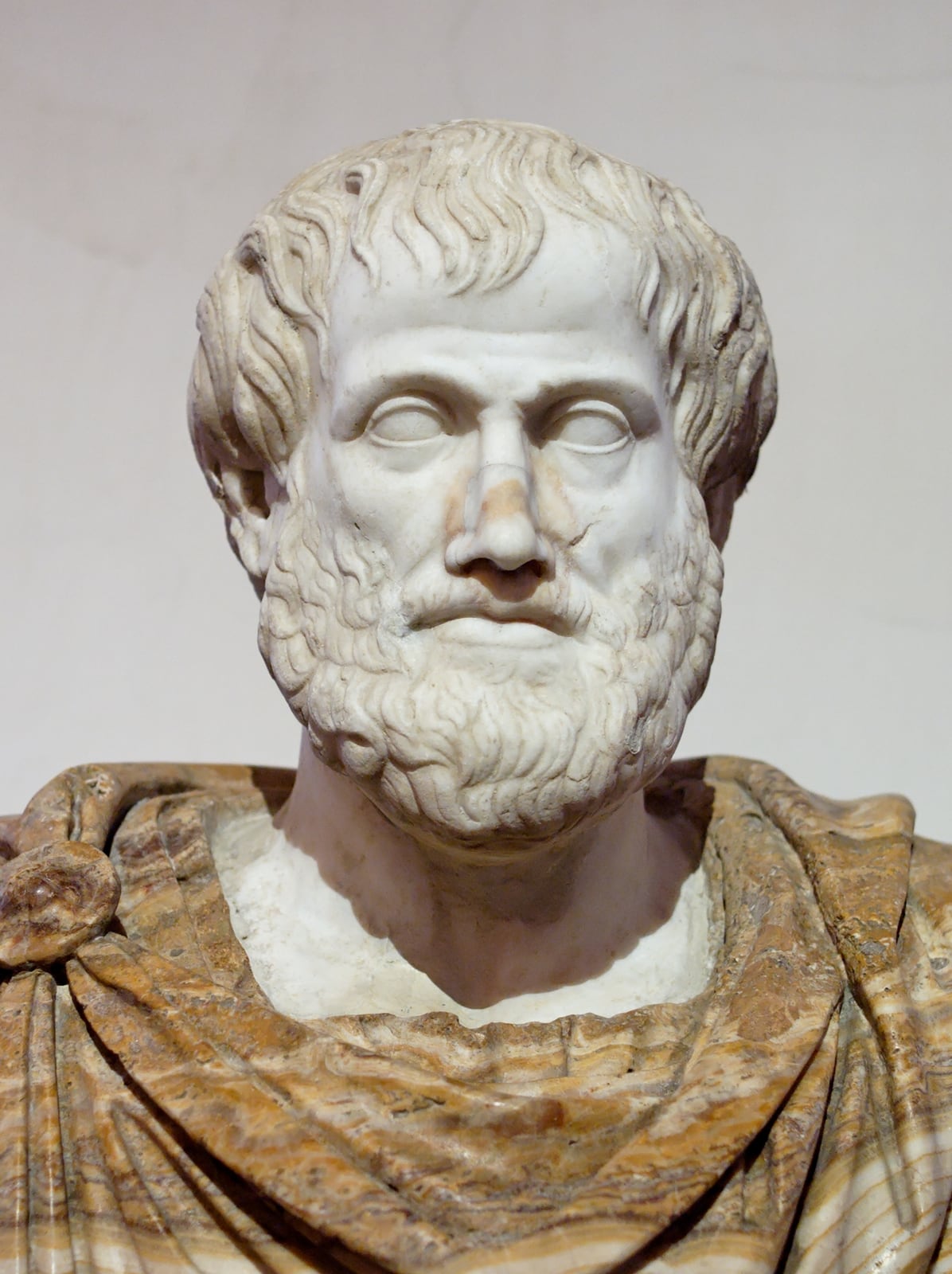
Aristotle
इन पर सहमत: मृत्यु के बाद क्या होता है? · क्या गुरु आवश्यक है? · प्रेम क्या है?

Thomas Merton
इन पर सहमत: परम सत्य क्या है? क्या ईश्वर है? · हम दुःख क्यों भोगते हैं? · क्या गुरु आवश्यक है?
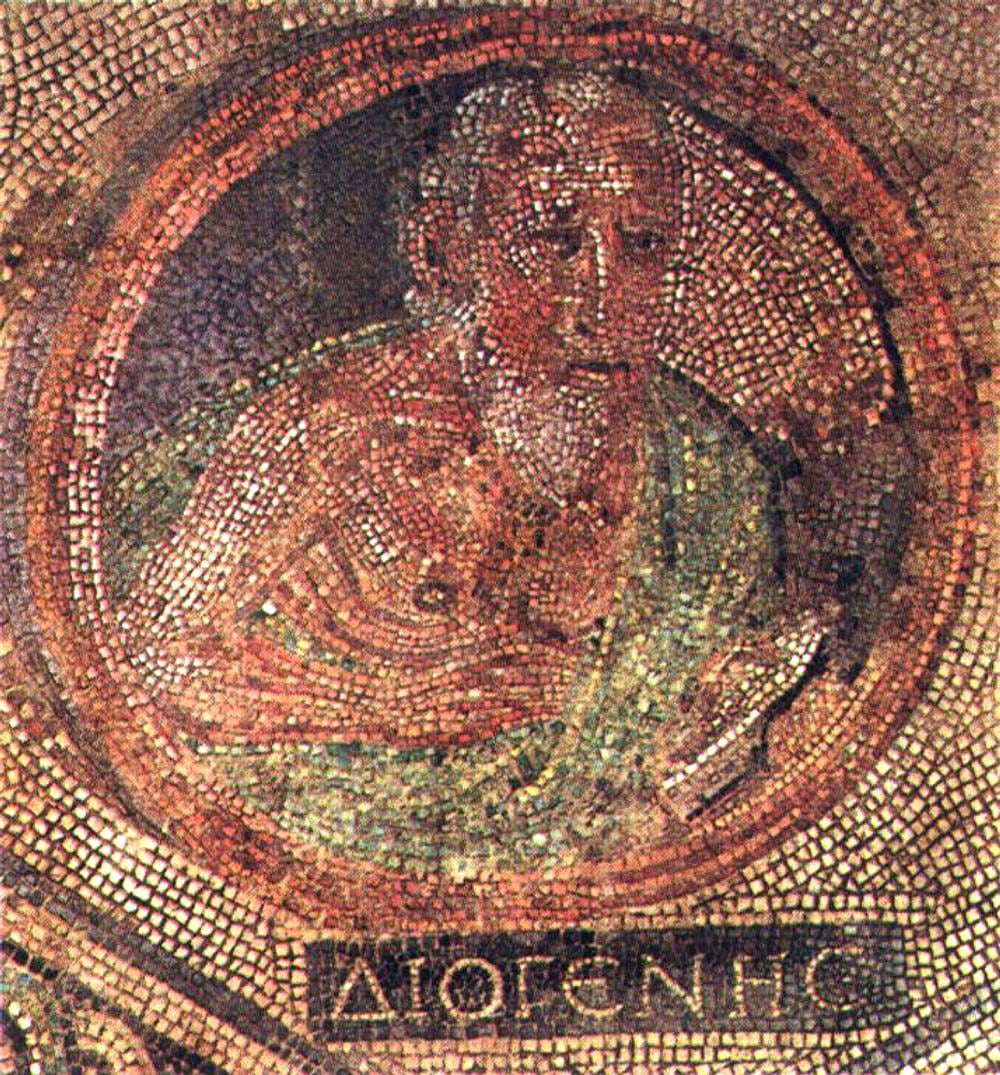
Diogenes of Sinope
इन पर सहमत: मृत्यु के बाद क्या होता है? · क्या गुरु आवश्यक है? · क्या हम स्वतंत्र हैं, या सब कुछ पूर्वनिर्धारित है?
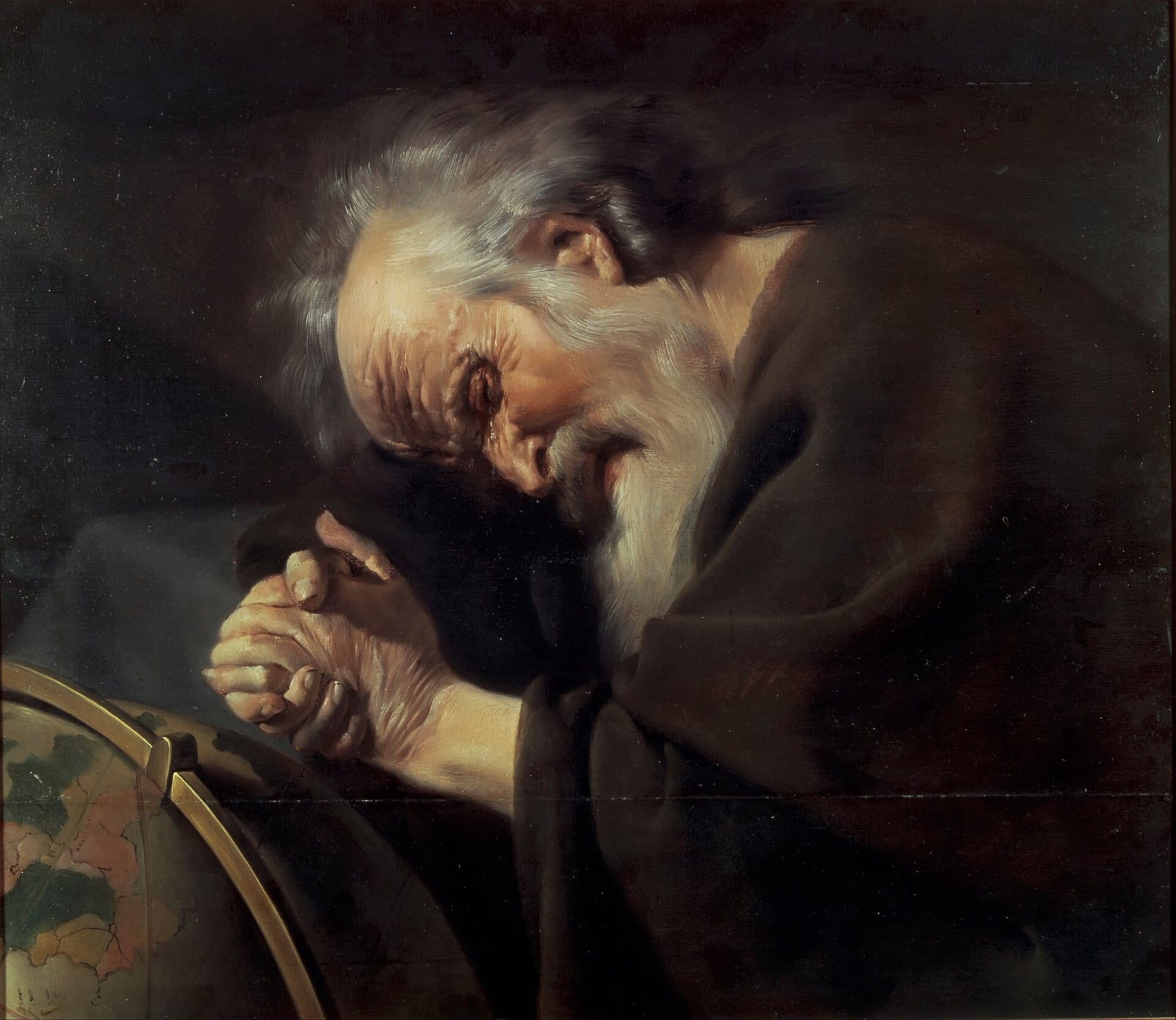
Heraclitus
इन पर सहमत: मैं कौन हूँ? क्या कोई सच्चा आत्म है? · हम दुःख क्यों भोगते हैं? · मृत्यु के बाद क्या होता है?
इनसे भिन्न सोचते हैं

Dōgen
इन पर टकराव: परम सत्य क्या है? क्या ईश्वर है? · मैं कौन हूँ? क्या कोई सच्चा आत्म है?

Nikolai Berdyaev
इन पर टकराव: मैं कौन हूँ? क्या कोई सच्चा आत्म है? · क्या संसार वास्तविक है?

Nāgārjuna
इन पर टकराव: परम सत्य क्या है? क्या ईश्वर है? · मैं कौन हूँ? क्या कोई सच्चा आत्म है?
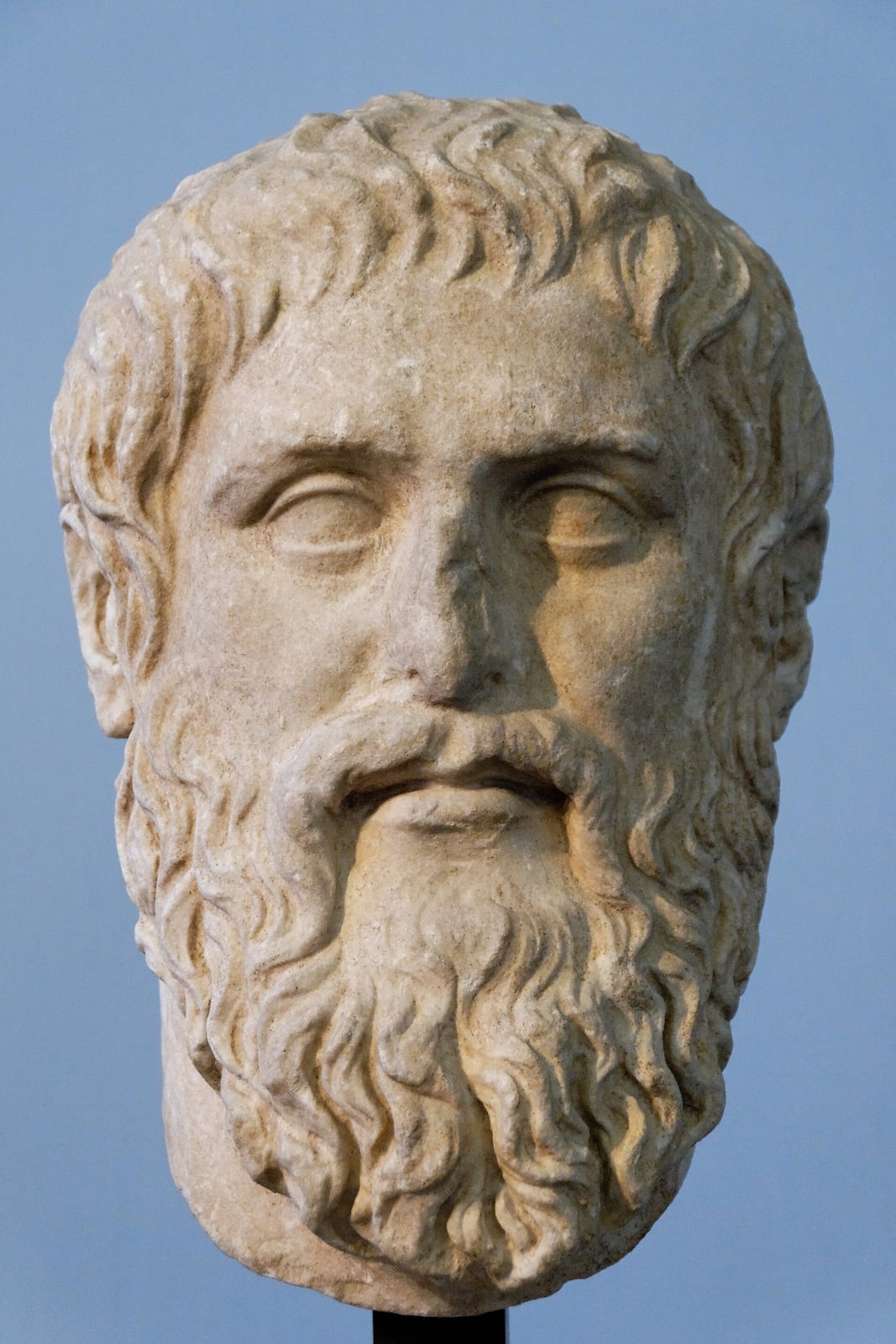
Plato
इन पर टकराव: मैं कौन हूँ? क्या कोई सच्चा आत्म है? · क्या संसार वास्तविक है?
प्रसंग और वृत्तांत
प्रसंग और वृत्तांत
विवादितsegunda mitad del s. I
The broken leg
वृत्तांत का स्रोत: Origen, Against Celsus VII.53, quoting Celsus' True Doctrine (c. 178). It is a polemical account, written a century later with an apologetic purpose; the Suda (epsilon 2424) gives another cause. It cannot be verified.
स्रोत: Orígenes. Contra Celso, VII 53. Trad. inglesa de Frederick Crombie, Ante-Nicene Fathers, vol. IV. Buffalo: Christian Literature Publishing, 1885.
प्रमाणितc. 100–170
The iron lamp and the clay lamp
वृत्तांत का स्रोत: The theft is told by Epictetus himself in Discourses I.18.15. The purchase of the lamp comes from Lucian, The Ignorant Book-Collector 13, a satire: the price may be exaggerated.
प्रमाणितc. 65–68
The master and the shoemaker
वृत्तांत का स्रोत: Discourses I.19.19–22, in Epictetus' own words as transmitted by Arrian.
साक्ष्यmediados del s. II
The philosopher in the storm
वृत्तांत का स्रोत: Aulus Gellius, Attic Nights XIX.1, in the first person; Augustine summarises it in The City of God IX.4. It is fragment 9 in Schenkl's edition.
साक्ष्यc. 125–135
The adopted child
वृत्तांत का स्रोत: Simplicius, Commentary on the Handbook (on the chapter about marriage), four centuries later; there is no other source. Discourses I.11 and III.22.67–82 for the doctrinal context.
स्रोत: Simplicio. Comentario al Manual de Epicteto. Trad. inglesa de Tad Brennan y Charles Brittain, Simplicius: On Epictetus' Handbook, 2 vols. Londres: Duckworth / Ithaca: Cornell University Press, 2002.
विवादितc. 117–135; leyenda medieval
The emperor and the philosopher
वृत्तांत का स्रोत: Historia Augusta, Life of Hadrian 16.10 (a late source, end of the fourth century). The Altercatio Hadriani Augusti et Epicteti philosophi is a late, spurious anonymous work.
शिक्षाएँ
शिक्षाएँ
वे अवधारणाएँ जो उनके चिंतन को रूप देती हैं, उनके संदर्भ में समझाई गई।
What is up to us (ta eph' hēmin)lo-que-depende-de-nosotros
Already formulated by the early Stoics in the debate on fate and responsibility, Epictetus makes it the practical axis of ethics and a daily exercise: before each impression, ask whether it is up to oneself or not.
Prohairesis (the faculty of choice)proairesis
Margaret Graver and A. A. Long stress that it is Epictetus' most original contribution to Stoic vocabulary; it influenced Marcus Aurelius and, through the Christian versions, the idea of free will.
स्रोत: Long, A. A. Epictetus: A Stoic and Socratic Guide to Life. Oxford: Clarendon Press, 2002.
The use of impressionsuso-de-las-representaciones
Part of Stoic epistemology, which distinguished impression from assent; Epictetus turns it into moral practice. Modern cognitive psychotherapy (Albert Ellis, Aaron Beck) has claimed it as a precedent.
The three fields of trainingtres-campos
Pierre Hadot related these three fields to the three parts of Stoic philosophy (physics, ethics, logic) and showed that they structure Marcus Aurelius' Meditations as disciplines of desire, action and assent.
स्रोत: Hadot, Pierre. La Citadelle intérieure. Introduction aux Pensées de Marc Aurèle. París: Fayard, 1992 (cap. sobre las tres disciplinas de Epicteto).
The role in the playpapel-en-el-drama
The theory of roles derives from Panaetius (via Cicero, On Duties I), but Epictetus gives it a religious accent: the author of the play is God.
Kinship with Godparentesco-con-dios
The personal tone of his theology made Christians read him sympathetically and adapt the Handbook for monasteries; some moderns have looked, without success, for direct Christian influence.
स्रोत: Long, A. A. Epictetus: A Stoic and Socratic Guide to Life. Oxford: Clarendon Press, 2002.
वीडियो
वीडियो
रिकॉर्डिंग, साक्षात्कार और वृत्तचित्र। वीडियो YouTube से चलते हैं; वे यहाँ संग्रहीत नहीं हैं।
Estoicismo romano (II): Epicteto | La March
व्याख्यान· ES· 2023· 60 min
Fundación Juan Marchआधिकारिक चैनल
La filosofía helenística (III): El estoicismo · La March
व्याख्यान· ES· 2022· 59 min
Fundación Juan Marchआधिकारिक चैनल
Cynics, Stoics, Epicureans
व्याख्यान· EN· 2021· 45 min
Gresham Collegeआधिकारिक चैनल
The Slave Who Was Free | Berkeley's AA Long on Epictetus
साक्षात्कार· EN· 2025· 65 min
Johnathan Bi
Stoicon 2018: Tony Long "Stoicism Ancient and Modern"
व्याख्यान· EN· 2018· 49 min
Modern Stoicismआधिकारिक चैनल
The philosophy of Stoicism - Massimo Pigliucci
विश्लेषण· EN· 2017· 5 min
TED-Edआधिकारिक चैनल
A History of Philosophy | 16 Stoicism
व्याख्यान· EN· 2015· 63 min
wheatoncollegeआधिकारिक चैनल
Epictetus, the Enchiridion - Introduction to Philosophy
व्याख्यान· EN· 2011· 56 min
Gregory B. Sadler - That Philosophy Guy
Epictetus, Discourses | Habits and Practice | Philosophy Core Concepts
व्याख्यान· EN· 2015· 14 min
Gregory B. Sadler - That Philosophy Guy
Geschichte der Philosophie (5): Stoa, Epikureer und pyrrhonische Skepsis, Prof. Dr. Torsten Wilholt
व्याख्यान· DE· 2013· 76 min
InstPhilआधिकारिक चैनल
Monografia su EPITTETO
विश्लेषण· IT· 2021· 97 min
Rick DuFer
चित्रशाला
चित्रशाला
सत्यापित लाइसेंस वाले चित्र। प्रत्येक में उसके रचयिता और श्रेय का उल्लेख सुरक्षित है।
पांडुलिपियाँ
पांडुलिपियाँ
पांडुलिपि-साक्ष्य और प्राचीन पाठ, उनके संरक्षक और अध्ययन की शर्तों सहित।
GRC · Minúscula griega · Lecciones de c. 108; copia de los ss. XI–XII
Ἀρριανοῦ τῶν Ἐπικτήτου διατριβῶν
- संरक्षित पाठ-साक्ष्य
- Arquetipo del que dependen todos los demás manuscritos de las Disertaciones
- संरक्षक
- Bodleian Library, Oxford · MS. Auct. T. 4. 13 (Misc. gr. 251)
संबंध
संबंध
प्रभाव, शिष्यत्व और वैचारिक निकटता। प्रमाणित संबंध को विश्लेषण से पहचानी गई समानता से अलग दर्शाया गया है।
इनसे प्रभावित
Socrates is his constant model: he quotes him more than any other author, takes from the Apology and the Crito the idea that "Anytus and Meletus can kill me, but they cannot harm me" (Handbook 53) and proposes imitating his answer "I am a citizen of the world" (Discourses I.9).
प्रमाणित संबंध
इनसे प्रभावित
He belongs to the school Zeno founded, and names him among his models alongside Socrates and Diogenes (Discourses III.23.32).
प्रमाणित संबंध
इनसे प्रभावित
Diogenes is for him the example of the true Cynic and the free man; he devotes much of the discourse "About Cynism" (III.22) to him.
प्रमाणित संबंध
इनसे प्रभावित
He frequently quotes Plato's Socratic dialogues (Apology, Crito, Gorgias) as the source for the figure of Socrates.
प्रमाणित संबंध
इनसे मतभेद
He argues against Epicurus and the Epicureans in several discourses (I.23 "Against Epicurus"; II.20; III.7), reproaching them for denying man's natural sociability.
प्रमाणित संबंध
इन्हें प्रभावित किया
Marcus Aurelius came to know the notes of his lectures through Junius Rusticus (Meditations I.7), quotes him repeatedly and organises his Meditations according to his three fields of training.
प्रमाणित संबंध
इनसे मिलते-जुलते विचार
There is no evidence he read Aristotle, but his key term, prohairesis, comes from Aristotle's vocabulary of deliberate decision, which Epictetus turns into the name of the moral self.
विश्लेषण से पहचानी गई समानता
इन्हें प्रभावित किया
Augustine summarises in The City of God (IX.4) Aulus Gellius' story of the Stoic philosopher who, in a storm, justified his fear with a book of Epictetus, and uses it to discuss the Stoic doctrine of the passions.
प्रमाणित संबंध
इनसे मिलते-जुलते विचार
There is no evidence that Plotinus read him. His fullest commentator, Simplicius, was a sixth-century Neoplatonist who read the Handbook as ethical preparation for Platonic philosophy.
विश्लेषण से पहचानी गई समानता
स्रोत
स्रोत
इस प्रविष्टि के लिए देखे गए ग्रंथ-सूची और सूचीपत्र।
- Wikidata, entidad Q183144 «Epictetus» (117 enlaces entre wikis; P31=Q5). Registra nacimiento hacia el 50 en Hierápolis y muerte en el 135 o el 138 en Nicópolis.
- Graver, Margaret. «Epictetus». Stanford Encyclopedia of Philosophy, ed. Edward N. Zalta (publicada en 2008, revisión sustancial de 2025).
- Epicteto. Disertaciones (por Arriano) y Manual. Texto griego en Wikisource en griego; trad. inglesa de George Long, The Discourses of Epictetus; with the Encheiridion and Fragments (Londres: George Bell, 1877), en Wikisource en inglés.
- Long, A. A. Epictetus: A Stoic and Socratic Guide to Life. Oxford: Clarendon Press, 2002.
- Aulo Gelio. Noches áticas, I 2; II 18; XV 11; XVII 19; XIX 1. Trad. inglesa de John C. Rolfe, The Attic Nights, Loeb Classical Library 195, 200, 212. Londres: Heinemann, 1927 (libros I–II en LacusCurtius).
- Simplicio. Comentario al Manual de Epicteto. Trad. inglesa de Tad Brennan y Charles Brittain, Simplicius: On Epictetus' Handbook, 2 vols. Londres: Duckworth / Ithaca: Cornell University Press, 2002.
- Orígenes. Contra Celso, VII 53. Trad. inglesa de Frederick Crombie, Ante-Nicene Fathers, vol. IV. Buffalo: Christian Literature Publishing, 1885.
- Luciano de Samósata. Contra un ignorante que compraba muchos libros, 13. Trad. inglesa de A. M. Harmon, Lucian, vol. III, Loeb Classical Library 130. Londres: Heinemann, 1921.
- Historia Augusta, «Vida de Adriano» 16, 10. Trad. inglesa de David Magie, Loeb Classical Library 139, 1921 (texto en LacusCurtius).
- Millar, Fergus. «Epictetus and the Imperial Court». Journal of Roman Studies 55 (1965): 141–148.
- Oldfather, W. A. «Introduction», en Epictetus: The Discourses as Reported by Arrian, the Manual, and Fragments, vol. I. Loeb Classical Library 131. Londres: Heinemann / Nueva York: Putnam, 1925.
- Seddon, Keith H. «Epictetus (55–135 C.E.)». Internet Encyclopedia of Philosophy.
- «Epictetus», Wikipedia en inglés, y «Epicteto», Wikipedia en español (consultadas para hechos verificables y bibliografía; texto propio).
- Focio. Biblioteca, códice 58 (sobre Arriano). Trad. inglesa de J. H. Freese, The Library of Photius, vol. I. Londres: SPCK, 1920.
- Marco Aurelio. Meditaciones, I 7. Trad. inglesa de George Long (1862), Wikisource.
- Suda, s. v. «Epiktetos» (épsilon 2424). Suda On Line, trad. inglesa revisada.
- Hadot, Pierre. La Citadelle intérieure. Introduction aux Pensées de Marc Aurèle. París: Fayard, 1992 (cap. sobre las tres disciplinas de Epicteto).
- Antología Palatina, VII 676 (epigrama anónimo sobre Epicteto). Texto griego en Wikisource en griego.
- Bodleian Library, MS. Auct. T. 4. 13 (Arriano, Disertaciones de Epicteto; s. XI–XII). Ficha del catálogo de manuscritos medievales.
- Dobbin, Robert F. Epictetus: Discourses, Book I. Clarendon Later Ancient Philosophers. Oxford: Clarendon Press, 1998.
- Open Library: registros de las traducciones españolas antiguas del Manual — Francisco Sánchez de las Brozas, «Dotrina del estoico filosofo Epicteto, que se llama comunmente Enchiridion» (1600), y Francisco de Quevedo, «Epicteto y Phocilides en español con consonantes» (Madrid, 1635).
- Diógenes Laercio. Vidas de los filósofos ilustres, VII 23 («Zenón»). Trad. inglesa de R. D. Hicks, Lives of Eminent Philosophers, vol. II, Loeb Classical Library 185. Londres: Heinemann, 1925 (texto en Wikisource).
- Agustín de Hipona. La ciudad de Dios, IX 4. Trad. inglesa de Marcus Dods, Nicene and Post-Nicene Fathers, serie I, vol. II. Buffalo: Christian Literature Publishing, 1887 (texto en New Advent).
- अधिकार-धारक
- Textos antiguos en dominio público; cada traducción y edición moderna pertenece a su traductor o editorial
पुष्टि की प्रतीक्षा में
जो यह प्रविष्टि अभी तक निश्चित नहीं कर सकी है। हम उसे भर देने के बजाय कह देना बेहतर समझते हैं।
- Antonio Brum (o Brun), traductor del Enquiridión en «Obras de los moralistas griegos» (1888): identificar y fechar su muerte para confirmar el dominio público.
- Loeb de Oldfather: el ISBN 9780674992405 figura en Open Library sin número de volumen; confirmar que corresponde al vol. II (LCL 218).
- Pláticas por Arriano (trad. Pablo Jordán de Urríes, 1957–1973): confirmar volúmenes y editorial de cada tomo.
- Simplicio, On Epictetus' Handbook (Brennan y Brittain, 2002): falta ISBN verificado.
- Ediciones con ISBN en francés (Les Belles Lettres, Souilhé), alemán e italiano no registradas en esta pasada.
- Fragmentos: no se han inventariado uno a uno los fragmentos de la edición de Schenkl.
- Fecha de nacimiento: solo «hacia el 50»; la de muerte, hacia el 135 (Wikidata da también 125 y 138).
- Sin programa de afiliación verificado ni titular de derechos: autor antiguo; las editoriales citadas no se han comprobado como programas de afiliados.
2026-10-25 को शोधित