हिन्दू धर्म · भक्ति · वैदिक परंपरा
Narada
नारद
पौराणिक व्यक्तित्व
हिंदू परंपरा के देवर्षि, देवताओं और मनुष्यों के बीच के संदेशवाहक और वीणा-वादक। वे ऋग्वेद, ऐतरेय ब्राह्मण, छांदोग्य उपनिषद् (सनत्कुमार के साथ उनका संवाद), महाभारत, रामायण — जहाँ वे वाल्मीकि को राम की कथा सुनाते हैं — और पुराणों में आते हैं, जिन्होंने उन्हें भक्त का आदर्श बनाया। उनसे जोड़े जाने वाले ग्रंथ हैं: अनिश्चित मध्यकालीन तिथि का नारद भक्ति सूत्र; नारद स्मृति, ईसवी सन् की प्रारंभिक शताब्दियों का विधि-ग्रंथ (ओलिवेल के अनुसार पाँचवीं-छठी शताब्दी), जिसे आलोचना किसी अन्य लेखक की रचना मानती है; नारद पुराण और नारद पंचरात्र।
- कृतियाँ
- 12कृतियाँ
- संस्करण
- 29संस्करण
- उद्धरण
- 7उद्धरण
- वीडियो
- 13वीडियो
- चित्र
- 8चित्र
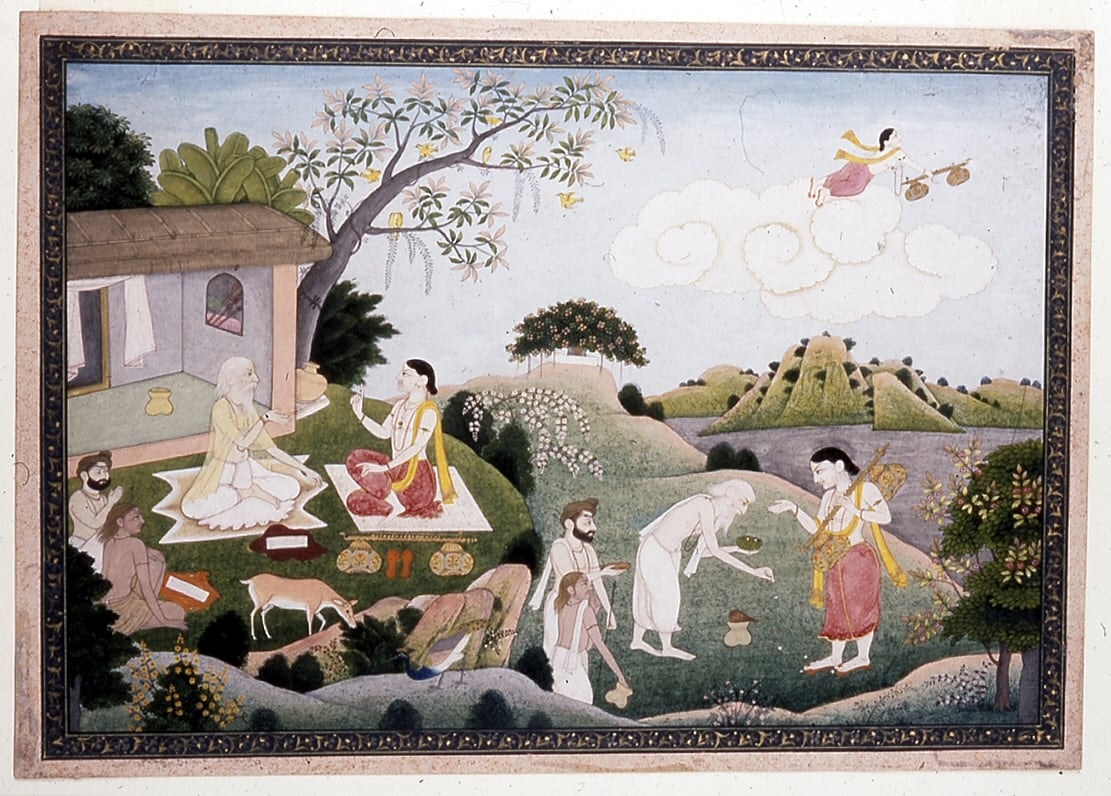
Nārada visita a Vālmīki · Public domain
उनके अपने शब्दों में
«Sir, I am only a knower of mantras, not a knower of the Self.»Chāndogya Upaniṣad VII.1.3, palabras de Nārada a Sanatkumāra; sánscrito de Wikisource; traducciones del investigador.

मूल विचार
Parabhakti (supreme love): The Nārada Bhakti Sūtra defines devotion as “supreme love” (paramaprema) directed to God and immortal in nature.
संदर्भ में देखें
जीवनी
6 मिनट का पाठ
स्पैनिश मूल से सहायता-प्राप्त अनुवाद, मातृभाषी अनुवादक द्वारा समीक्षा लंबित।
लोकों के बीच का संदेशवाहक
नारद संस्कृत साहित्य के सबसे सर्वव्यापी और साथ ही सबसे पकड़ में न आने वाले पात्रों में से हैं। वे वैदिक सूक्तों में, उपनिषदों में, दोनों महाकाव्यों में और लगभग सभी पुराणों में दिखाई देते हैं, और सदा गतिमान: एक देवर्षि, जो अपनी वीणा लिए तीनों लोकों में विचरते हैं, देवताओं का समाचार मनुष्यों तक और मनुष्यों का समाचार देवताओं तक पहुँचाते हैं, राजाओं को परामर्श देते हैं, कवियों को उपदेश देते हैं और प्रायः ऐसे कलह भी जगा देते हैं जो अंततः किसी उच्चतर विधान की पूर्ति करते हैं। किसी भी प्रमाणित अर्थ में वे ऐतिहासिक व्यक्ति नहीं हैं; वे एक साहित्यिक और धार्मिक प्रतिरूप हैं, जिसे परंपरा दो सहस्राब्दियों से अधिक समय तक समृद्ध करती रही और जिनके नाम के नीचे अत्यंत भिन्न युगों और विधाओं की रचनाएँ एकत्र होती गईं।
वैदिक सूक्त से उपनिषद् तक
ऋग्वेद के ऋषियों की पारंपरिक अनुक्रमणियाँ कण्व कुल के एक नारद को सूक्त 8.13 का और पर्वत के साथ सोम को समर्पित सूक्त 9.104 और 9.105 का द्रष्टा बताती हैं; ये परवर्ती आरोपण हैं जिन्हें जीवनी-संबंधी तथ्य के रूप में नहीं पढ़ा जा सकता। ऐतरेय ब्राह्मण में नारद और पर्वत निःसंतान राजा हरिश्चंद्र के घर रहते हैं, और नारद ही दस गाथाओं में पुत्र की महिमा पर उनके प्रश्न का उत्तर देते हैं और उन्हें पुत्र को वरुण को अर्पित करने का वचन देने की सलाह देते हैं — "वरुणं राजानमुपधाव पुत्रो मे जायतां तेन त्वा यजा इति" — और यहीं से शुनःशेप का प्रसिद्ध आख्यान आरंभ होता है। और छांदोग्य उपनिषद् (सप्तम अध्याय) में वे इस वाङ्मय के सबसे सुंदर संवादों में से एक के नायक हैं: अपने युग की सारी विद्याओं में पारंगत ऋषि सनत्कुमार के पास जाते हैं और स्वीकार करते हैं कि वे केवल शब्दों को जानते हैं और शोक में हैं — "सोऽहं भगवो मन्त्रविदेवास्मि नात्मवित्" — मैं मंत्रवित् हूँ, आत्मवित् नहीं; गुरु उन्हें सोपान-दर-सोपान भूमा तक ले जाते हैं, जिसमें ही सुख है: "यो वै भूमा तत्सुखं नाल्पे सुखमस्ति"।
महाकाव्य के परामर्शदाता
महाभारत में नारद वे अतिथि हैं जो पांडवों की सभा में पहुँचते हैं और युधिष्ठिर से "कच्चित्" से आरंभ होने वाले प्रश्नों की एक लंबी शृंखला में राजधर्म की परीक्षा लेते हैं — कोश, सेना, मंत्री, न्याय, कृषकों की देखभाल — और फिर उन्हें देवताओं की सभाओं का वर्णन सुनाते हैं; शांतिपर्व में वे नारायण के दर्शन के लिए श्वेतद्वीप जाते हैं, जो नारायणीय और पांचरात्र धर्मतत्त्व का केंद्रीय प्रसंग है। भगवद्गीता में कृष्ण कहते हैं कि देवर्षियों में वे नारद हैं: "देवर्षीणां च नारदः"। रामायण में नारद ही हैं जो वाल्मीकि के पूछने पर कि इस समय लोक में गुणवान और वीर्यवान पुरुष कौन है — "को न्वस्मिन् साम्प्रतं लोके गुणवान् कश्च वीर्यवान्" — उन्हें राम की कथा संक्षेप में सुनाते हैं: स्वयं इस काव्य के कथनानुसार, संपूर्ण रामायण इसी संवाद से जन्म लेती है।
पुराणों के भक्त
वैष्णव पुराणों ने उन्हें भक्त का आदर्श बना दिया। भागवत पुराण उनके पूर्वजन्म का वर्णन करता है, जब वे एक दासी के पुत्र थे और कुछ मुनियों की सेवा करते हुए उनसे विष्णु की कथाएँ सुनकर उन्हें भगवान के क्षणिक दर्शन हुए; ब्रह्मा के पुत्र के रूप में पुनः जन्म लेकर वे भगवन्नाम का कीर्तन करते हुए समस्त ब्रह्मांड में विचरते हैं। वे ही महाभारत की रचना के बाद खिन्न बैठे व्यास को पाते हैं और उन्हें कृष्ण के यश का गान करने की प्रेरणा देते हैं, जो परंपरा के अनुसार स्वयं भागवत का उद्गम है; वे ही प्रह्लाद को माता के गर्भ में उपदेश देते हैं और बालक ध्रुव को तपस्या की ओर उन्मुख करते हैं। किंतु वही ग्रंथ एक अभिमानी नारद को भी सहेजते हैं, जिन्हें विष्णु की माया छल लेती है, और लोक-कल्पना ने उन्हें ऐसे हस्तक्षेपी ऋषि के रूप में चित्रित किया है जो देवताओं और राजाओं के बीच कलह के बीज बोते हैं। यह द्वैधता इस पात्र का अभिन्न अंग है।
दिव्य प्रेम के सूत्र
उनके नाम से जुड़ी सबसे अधिक पढ़ी जाने वाली रचना नारद भक्ति सूत्र है — भक्ति पर चौरासी सूत्र। यह भक्ति को ईश्वर के प्रति परम प्रेम के रूप में परिभाषित करता है — "सा त्वस्मिन् परमप्रेमरूपा" — और अपनी परिभाषा देने से पहले पाराशर्य, गर्ग और शांडिल्य के मत प्रस्तुत करता है; नारद का अपना मत है कि समस्त आचरण ईश्वर को अर्पित करना और उनके विस्मरण पर परम व्याकुलता का अनुभव करना ही भक्ति है: "नारदस्तु तदर्पिताखिलाचारता तद्विस्मरणे परमव्याकुलतेति"। यह ग्रंथ व्रज की गोपियों को आदर्श के रूप में रखता है — "यथा व्रजगोपिकानाम्" —, कहता है कि भक्ति कर्म, ज्ञान और योग से भी श्रेष्ठ है क्योंकि वह स्वयं फलरूपा है — "सा तु कर्मज्ञानयोगेभ्योऽप्यधिकतरा", "फलरूपत्वात्" — और उसे गूँगे के स्वाद की भाँति अनिर्वचनीय घोषित करता है: "अनिर्वचनीयं प्रेमस्वरूपम्", "मूकास्वादनवत्"। इसकी तिथि अनिश्चित है: कृष्ण-उपासना पर इसकी निर्भरता इसे मध्यकाल में रखती है, और गेविन फ़्लड इसे संभवतः बारहवीं शताब्दी का मानते हैं। रामकृष्ण परमहंस नारद द्वारा उपदिष्ट भक्ति को इस युग का अपना मार्ग बताते थे, और विवेकानंद ने अमेरिका-प्रवास के वर्षों में इस ग्रंथ का मुक्त अनुवाद किया।
अनेक ग्रंथों के लिए एक नाम
उनके प्रमाण के अंतर्गत अत्यंत भिन्न प्रकृति के ग्रंथ एकत्र हुए। नारद स्मृति धर्मशास्त्रीय ग्रंथों में सबसे अधिक विधिपरक है: वह कर्मकांड और प्रायश्चित्त को छोड़कर केवल व्यवहार, अर्थात् न्यायिक प्रक्रिया, और विवाद के अठारह पदों — ऋणादान, निक्षेप, संविदा, दाय-विभाग, वाक्पारुष्य आदि — पर ही विचार करती है। विद्वानों के अनुसार इसकी तिथि ईसवी सन् की प्रारंभिक शताब्दियों से लेकर ओलिवेल द्वारा प्रस्तावित पाँचवीं-छठी शताब्दी के बीच है, और आलोचना इसे महाकाव्य के ऋषि की नहीं, बल्कि उनके नाम का आश्रय लेने वाले किसी धर्मशास्त्री की रचना मानती है। नारद पुराण (अथवा नारदीय) और उसका लघु रूप बृहन्नारदीय अपना नाम इस कारण पाते हैं कि उनमें संवाद नारद के साथ चलता है; नारदीय शिक्षा सामवेद के गान की ध्वनि और संगीत का विवेचन करती है; संगीतमकरंद संगीत का; और तथाकथित नारद पंचरात्र एक परवर्ती भक्ति-संकलन है, जिसे ओटो श्रादर प्राचीन पांचरात्र संहिताओं में नहीं गिनते थे।
आदि संगीतज्ञ
भारतीय कल्पना में नारद सबसे बढ़कर देवताओं के संगीतज्ञ हैं: श्वेत दाढ़ी वाले वे ऋषि जो वीणा लिए — परंपरा में जिसे महती कहा गया है — "नारायण, नारायण" का गान करते हुए विचरते हैं। परंपरा इस वाद्य के आविष्कार का श्रेय उन्हें देती है, और संगीतशास्त्र के ग्रंथों पर उनका नाम अंकित है। प्रतिमा-विधान और चित्रकला — मुग़ल और राजपूत लघुचित्र, कांगड़ा शैली के चित्र, जावा के वायंग की कठपुतलियाँ, जहाँ बतारा नारद देवताओं के परामर्शदाता हैं — दिखाती हैं कि यह संदेशवाहक कितनी दूर तक गया। उनका जन्मोत्सव, नारद जयंती, ज्येष्ठ मास में मनाया जाता है, और भारतीय पत्रकारिता कभी-कभी विनोद में उन्हें आदि पत्रकार कहकर स्मरण करती है।
यात्रा में रहने वाला एक प्रमाण
नारद की कोई जीवनी नहीं है, क्योंकि उनका कर्तव्य ही यात्रा में रहना है। जहाँ भी किसी कथा को किसी समाचार, परामर्श या प्रेरणा की आवश्यकता होती है, वहाँ वे प्रकट हो जाते हैं। परंपरा ने इस गतिशीलता को भक्त-हृदय का प्रतीक बना दिया, जो किसी लोक में ठहरता नहीं और सभी लोकों में गाता है; आलोचना इसमें एक ऐसे पात्र की छाप पढ़ती है जिसे शताब्दियों में अनेक हाथों ने गढ़ा। इन दोनों दृष्टियों के बीच वह विशेषता बनी रहती है जो उन्हें भारत के महान पौराणिक आचार्यों से जोड़ती है: उनका प्रमाण उसमें निहित है जो उनसे जोड़ा जाता है, उसमें नहीं जो प्रमाणित रूप से उन्होंने किया।
स्रोत: Vivekananda, Swami. «Narada-Bhakti-Sutras (a free translation dictated by Swamiji in America)», en The Complete Works of Swami Vivekananda, vol. 6 (Notes of Class Talks and Lectures). Texto en Wikisource. · Sturdy, E. T. (trad.). Nârada Sûtra: An Inquiry into Love (Bhakti-jijnâsâ). Londres: Longmans, Green & Co., 1896. · Sinha, Nandalal (trad.). The Bhakti Sûtras of Nârada. Allahabad: Pāṇini Office (Sacred Books of the Hindus 7, parte 1); ejemplar digitalizado fechado en 1917. · Jolly, Julius (trad.). The Minor Law-Books, parte I: Nârada, Brihaspati. Oxford: Clarendon Press, 1889 (Sacred Books of the East 33). Introducción sobre la Nāradasmṛti. · Lariviere, Richard W. (ed. y trad.). The Nāradasmṛti. 2 partes. Filadelfia: Department of South Asia Regional Studies, University of Pennsylvania, 1989 (University of Pennsylvania Studies on South Asia 4–5); reimpr. Delhi: Motilal Banarsidass, 2003 (ISBN 9788120818040).
कालक्रम
जीवन, वर्ष-दर-वर्ष
प्रत्येक बिंदु एक प्रमाणित घटना है। उसे स्रोत और निश्चितता के स्तर सहित पढ़ने के लिए क्लिक करें।
Xवीं सदी ई.पू.
Nārada in the lists of Ṛgvedic poets
The Anukramaṇī ascribes hymn 8.13 to Nārada Kāṇva and, with Parvata, hymns 9.104 and 9.105. A traditional ascription later than the hymns themselves.
परंपराJamison, Stephanie W. y Joel P. Brereton (trads.). The Rigveda: The Earliest Religious Poetry of India. 3 vols. Nueva York: Oxford University Press, 2014. Introducciones a RV 8.13 y 9.104–105.
Xवीं सदी ई.पू.
Nārada in the lists of Ṛgvedic poets
The Anukramaṇī ascribes hymn 8.13 to Nārada Kāṇva and, with Parvata, hymns 9.104 and 9.105. A traditional ascription later than the hymns themselves.
परंपरा
लगभग 700 ई.पू.
Counsellor of Hariścandra (Aitareya Brāhmaṇa)
In the story of Śunaḥśepa (AB VII.13–14), Nārada answers King Hariścandra in ten stanzas on the worth of a son and advises him to ask Varuṇa for one. The text’s date is approximate (late Vedic period).
परंपरा
VIवीं सदी ई.पू.
Nārada before Sanatkumāra (Chāndogya Upaniṣad VII)
A dialogue in which Nārada, master of all learning, confesses that he knows only words and is led to the infinite (bhūman). The Upaniṣad’s date is approximate.
परंपरा
लगभग 200 ई.पू. – 400
The sage of the epic
The Mahābhārata presents him as Yudhiṣṭhira’s counsellor (Sabhāparvan 5) and the seer of Nārāyaṇa in Śvetadvīpa (Nārāyaṇīya); the Rāmāyaṇa, as the one who tells Vālmīki the story of Rāma. The epics took shape between c. 300 BCE and 400 CE.
संभावित
लगभग 500
The Nārada Smṛti
A legal treatise devoted to procedure and the eighteen titles of litigation. Olivelle places it around the 5th–6th centuries; other scholars, in the first centuries CE. Scholars do not ascribe it to the sage of the epic.
विवादित
लगभग 850
The Bṛhannāradīya Purāṇa
Hazra dates this upapurāṇa centred on devotion to Viṣṇu to around the 9th century; the major Nāradīya would be later, with parts earlier than the 11th century.
विवादित
लगभग 900
Teacher of Vyāsa in the Bhāgavata Purāṇa
The Bhāgavata (I.4–6) gives him a previous life as the son of a maidservant and shows him advising Vyāsa to sing the glories of Kṛṣṇa. The Purāṇa’s date is debated (c. 9th–10th centuries).
विवादित
XIIवीं सदी
The Nārada Bhakti Sūtra
Composition of the 84 aphorisms on devotion ascribed to Nārada. Uncertain date; Flood considers it possibly twelfth-century.
विवादित
1865
Edition of the Nārada Pañcarātra
K. M. Banerjea publishes in Calcutta, in the Bibliotheca Indica, the Sanskrit text of the Jñānāmṛtasāra, known as the Nārada Pañcarātra.
प्रमाणित
1889
Jolly translates the Nārada Smṛti
Julius Jolly publishes the English translation in the Sacred Books of the East (vol. 33).
प्रमाणित
1896
First English translation of the Bhakti Sūtra
E. T. Sturdy publishes in London “Nârada Sûtra: An Inquiry into Love”.
प्रमाणित
1989
Critical edition of the Nārada Smṛti
Richard W. Lariviere publishes the critical edition and annotated translation in Philadelphia.
प्रमाणित
कृतियाँ
आवश्यक कृतियाँ
वे कृतियाँ जिनके बिना उनकी विरासत को समझा नहीं जा सकता।
पारंपरिक आरोपण · लगभग 1150
Nārada Bhakti Sūtra (Nārada’s Aphorisms on Devotion)
नारदभक्तिसूत्र
Eighty-four aphorisms defining devotion (bhakti) as supreme love for God, immortal in nature. After quoting the definitions of Pārāśarya (worship), Garga (sacred stories) and Śāṇḍilya (delight in the Self), it gives Nārada’s own: to consecrate every act to God and to feel extreme anguish at forgetting Him, like the gopīs of Vraja. It holds that bhakti is superior to action, knowledge and yoga because it is its own fruit; teaches its means —renunciation, ceaseless worship, hearing and singing the divine qualities and, above all, the grace of great souls—; declares it ineffable, “like taste for a mute”; distinguishes secondary from supreme devotion and lists eleven forms of attachment to God.
12 संस्करण

पारंपरिक आरोपण · लगभग 500
Nārada Smṛti (Nārada’s Treatise on Law)
नारदस्मृति
The only treatise on dharma devoted entirely to procedural and substantive law, without rules on rites or penances. After an introduction on procedure (the plaint, the answer, evidence, witnesses, documents and ordeals), it sets out the eighteen titles of litigation: debts, deposits, partnerships, resumption of gifts, service, wages, sale without ownership, non-delivery and rescission of purchase, conventions, boundary disputes, relations between husband and wife, inheritance, violence, verbal and physical assault, gambling and betting, and miscellaneous cases. It survives in two recensions; the shorter was commented on by Asahāya and revised by Kalyāṇabhaṭṭa.
6 संस्करण
Narada
Nārada Purāṇa (Nāradīya Purāṇa)
परवर्ती संकलन · लगभग 1000
Nārada Purāṇa (Nāradīya Purāṇa)
नारदपुराण (नारदीयपुराण)
A Vaiṣṇava Purāṇa in two parts: the first (125 chapters, in four sections) deals with devotion to Viṣṇu, the duties of classes and stages of life, rites and vows and the auxiliary sciences of the Veda, and devotes a chapter to summarising each of the eighteen major Purāṇas, which makes it a valuable document for their history; the second (82 chapters) includes the story of King Rukmāṅgada and long glorifications of pilgrimage places along the Ganges. It is distinguished from the shorter Bṛhannāradīya.
3 संस्करण
संपूर्ण कृतित्व (12)
Narada
Bṛhannāradīya Purāṇa
The Conscious LibraryBṛhannāradīya Purāṇa
850
Narada
Nārada Pañcarātra (Jñānāmṛtasāra Saṃhitā)
The Conscious LibraryNārada Pañcarātra (Jñānāmṛtasāra Saṃhitā)
Narada
Nāradīya Śikṣā
The Conscious LibraryNāradīya Śikṣā
Narada
Saṅgītamakaranda
The Conscious LibrarySaṅgītamakaranda
Narada
Ṛgvedic hymns ascribed to Nārada (8.13; 9.104–105)
The Conscious LibraryṚgvedic hymns ascribed to Nārada (8.13; 9.104–105)
1000
Narada
Nārada’s stanzas on the son (Aitareya Brāhmaṇa VII.13)
The Conscious LibraryNārada’s stanzas on the son (Aitareya Brāhmaṇa VII.13)
700
Narada
Nārada’s abridged Rāmāyaṇa (Rāmāyaṇa I.1)
The Conscious LibraryNārada’s abridged Rāmāyaṇa (Rāmāyaṇa I.1)
100
Narada
Nārada’s questionnaire on government (Mahābhārata, Sabhāparvan 5)
The Conscious LibraryNārada’s questionnaire on government (Mahābhārata, Sabhāparvan 5)
Narada
Nāradaparivrājaka Upaniṣad
The Conscious LibraryNāradaparivrājaka Upaniṣad
वचन
किसी निश्चित कृति में स्थित वचन। प्रत्येक के साथ उसका स्रोत और विश्वसनीयता का स्तर है।
Sir, I am only a knower of mantras, not a knower of the Self.so 'haṃ bhagavo mantravid evāsmi nātmavit
सत्यापितChāndogya Upaniṣad VII.1.3, palabras de Nārada a Sanatkumāra; sánscrito de Wikisource; traducciones del investigador.
अप्रामाणिक या विवादित आरोपण वाले उद्धरण (1)
«“The best path to union with God is to follow the way of divine love as taught by Narada.”»
It circulates attributed to Ramakrishna without a specific reference. What is documented in the 1911 English Gospel is the idea —the devotion taught by Nārada is the path suited to this age—, not this literal sentence.
अंतिम शब्द
उनके अंतिम शब्दों का कोई सत्यापन-योग्य अभिलेख उपलब्ध नहीं है।
Nārada is a mythical figure to whom tradition ascribes no death: the texts present him as a divine sage who travels the worlds in every age. There are no last words to record.
पूछें
उनकी कृतियाँ क्या उत्तर देती हैं
मानवता के बारह महान प्रश्न और उनके ग्रंथ उनका जो उत्तर देने देते हैं, संदर्भों सहित। हम कभी उनके मुख में अपने शब्द नहीं रखते।
परम सत्य क्या है? क्या ईश्वर है?
God is the beloved Lord to whom every act is consecrated
साकार, व्यक्तिगत ईश्वरस्पष्ट रूप से कहा है
The Nārada Bhakti Sūtra does not discuss God's existence: it takes it for granted and deals with how to love him. It defines devotion as supreme love directed to him (sūtra 2) and its sign as the surrender of all acts to the Lord and extreme anguish at the slightest forgetting (sūtra 19). This God is personal: he has qualities that are heard and sung (sūtra 37), he grants grace (sūtra 40) and he can be loved as master, friend, child or lover (sūtra 82). The model it proposes is the cowherd women of Vraja, in love with Kṛṣṇa (sūtra 21). The text does not deny ultimate unity, for it goes so far as to say that between God and his own there is no difference (sūtra 41), but the Absolute is reached here as a relationship of love, not as an abstract principle.
इस प्रश्न की अन्य गुरुओं से तुलना करेंमैं कौन हूँ? क्या कोई सच्चा आत्म है?
He does not theorise the self: he describes how love of God transforms it
इस पर कुछ नहीं कहा
The Nārada Bhakti Sūtra does not ask what the self is: its subject is devotion. It does describe what happens to one who attains it: he becomes perfect, immortal and satisfied (sūtra 4), ceases to desire, to grieve and to hate, and becomes intoxicated, still and delighting in himself (sūtra 6). The question appears more clearly elsewhere in the tradition, in the Chāndogya Upaniṣad, where Nārada is the disciple who confesses to Sanatkumāra that he knows the mantras but not the Self, and learns that the infinite is the ātman, the only source of happiness. But that passage presents him as a pupil, not as a teacher, and cannot be taken as his doctrine.
इस प्रश्न की अन्य गुरुओं से तुलना करेंहम दुःख क्यों भोगते हैं?
Forgetting God hurts, and bad company multiplies the passions
ईश्वर से वियोगउनके सिद्धांत से निष्कर्षित
The Nārada Bhakti Sūtra offers no theory of suffering, but one can be deduced from its doctrine. The sign of true love is to feel extreme anguish at the slightest forgetting of God (sūtra 19), and full devotion is described as a state in which one no longer desires, grieves or hates (sūtra 5): ordinary pain thus comes from living turned towards something else. The text also points to its mechanism: bad company arouses desire, anger, confusion, forgetfulness of the goal, loss of judgement and ruin; the passions, which at first are ripples, become an ocean (sūtras 43–45). In the Chāndogya Upaniṣad, Nārada comes to his teacher in sorrow and learns that there is no happiness in the small.
इस प्रश्न की अन्य गुरुओं से तुलना करेंमृत्यु के बाद क्या होता है?
The sūtra promises the immortality of love; it does not describe the beyond
इस पर कुछ नहीं कहा
The Nārada Bhakti Sūtra is not concerned with what happens after death. It says that devotion is immortal in nature (sūtra 3) and that one who attains it becomes perfect, immortal and satisfied (sūtra 4), but it does not clarify whether that immortality is a state of the soul after death, a life in God's presence, or the fullness that love already gives in this life, which is what the context suggests. Nor does it discuss rebirth, which the culture of its time took for granted. The Vaiṣṇava traditions that read it place the devotee, after death, in God's world and at his service; the Purāṇic stories about Nārada himself, who remembers a previous life, belong to legend, not to the sūtra.
इस प्रश्न की अन्य गुरुओं से तुलना करेंमुक्ति या उद्धार कैसे प्राप्त होता है?
Devotion surpasses action, knowledge and yoga: it is its own fruit
भक्ति और समर्पण सेस्पष्ट रूप से कहा है
The Nārada Bhakti Sūtra places devotion above the other paths: it is greater than action, knowledge and yoga (sūtra 25), because it is not a means to anything else but its own fruit (sūtras 26 and 30). It reviews the opinions of other teachers —that knowledge is its means, or that the two support each other— and concludes that devotion needs no other foundation. Its means are renunciation of objects and of company, unbroken worship and the hearing and singing of God's qualities (sūtras 35–37), but the principal one is the grace of great souls or a drop of divine grace (sūtra 38). The goal is neither a knowledge nor an absorption but love itself, which leaves the devotee satisfied and immortal.
इस प्रश्न की अन्य गुरुओं से तुलना करेंक्या गुरु आवश्यक है?
The principal means is the company of great souls; flee bad company
संघ और परंपरास्पष्ट रूप से कहा है
The Nārada Bhakti Sūtra speaks not of an individual guru but of the company of saints. It declares that the principal means of attaining devotion is the grace of great souls or a drop of divine grace (sūtra 38); that company is hard to obtain, unattainable by one's own effort and unfailing in its effects (sūtra 39), and is gained only by God's grace, since between him and his own there is no difference (sūtras 40–41). Hence the exhortation: seek that, seek that alone (sūtra 42). The reverse is equally sharp: bad company must always be avoided (sūtra 43). The text closes by invoking a long series of teachers of devotion, from the Kumāras and Vyāsa to Hanumān (sūtra 83), as guarantors of the tradition.
इस प्रश्न की अन्य गुरुओं से तुलना करेंक्या संसार वास्तविक है?
The world is not denied: it is offered to God with all it contains
दिव्य की अभिव्यक्तिउनके सिद्धांत से निष्कर्षित
The Nārada Bhakti Sūtra has no cosmology, but neither does it treat the world as an illusion to escape from. It asks the devotee not to be troubled by worldly losses, since he has surrendered to God his own self, the world and the Veda (sūtra 61), and specifies that, once devotion is attained, activity in the world is not to be abandoned, but its fruit renounced (sūtra 62). The world is thus the field in which love is exercised and consecrated. The Purāṇic literature associated with Nārada and the Vaiṣṇava theology in which the sūtra is read complete the picture: the universe is the Lord's work and manifestation, real and dependent on him, and not an appearance superimposed on an impersonal absolute.
इस प्रश्न की अन्य गुरुओं से तुलना करेंप्रेम क्या है?
Intense love for God, inexpressible like taste for a mute
विरह और मिलनस्पष्ट रूप से कहा है
Love is the whole subject of the Nārada Bhakti Sūtra. It defines it as supreme love for God (sūtra 2), immortal in nature, and says it begins when all thoughts, words and deeds are surrendered to the Lord and the slightest forgetting brings extreme anguish (sūtra 19). Its nature is inexpressible: as the mute cannot say what he tastes, but his gestures betray it (sūtras 51–52). The model is the cowherd women of Vraja, who loved Kṛṣṇa without forgetting his greatness (sūtras 21–24). That love, though one, takes eleven forms, from servanthood and friendship to the love of a lover and the supreme pain of separation (sūtra 82). And it knows no human boundaries: among those who love thus there is no distinction of caste, learning, form or wealth (sūtra 72).
इस प्रश्न की अन्य गुरुओं से तुलना करेंक्या हम स्वतंत्र हैं, या सब कुछ पूर्वनिर्धारित है?
Keep acting, renounce the fruit and surrender everything to God
कर्म और चुनावउनके सिद्धांत से निष्कर्षित
The Nārada Bhakti Sūtra does not pose the problem of determinism, but a position can be deduced from its counsels. The devotee goes on acting: once devotion is attained, activity in the world is not to be abandoned, but its fruit renounced (sūtra 62), and even once conviction is firm the rules of scripture must be respected (sūtras 12–13). What is decisive is a sustained choice: to consecrate all acts to God (sūtra 19) and to direct towards him even desire, anger and pride (sūtra 65). At the same time, the principal means does not depend on one's own effort: it is the grace of great souls or of God (sūtras 38–40). Human freedom is real, but its highest use is to surrender to another.
इस प्रश्न की अन्य गुरुओं से तुलना करेंध्यान या प्रार्थना क्यों करें?
Remembering unceasingly, hearing and singing the Beloved's qualities
ईश्वर से मैत्रीउनके सिद्धांत से निष्कर्षित
For the Nārada Bhakti Sūtra spiritual practice is a form of loving intercourse with God. Its means are unbroken worship (sūtra 36) and, even amid ordinary life, the hearing and singing of the Lord's qualities (sūtra 37). The mark of true love is constant remembrance: consecrating all acts to him and suffering at the slightest forgetting (sūtra 19). The relationship can take eleven forms, from service to friendship, filial affection, the love of a lover and total absorption (sūtra 82), and the devotee who surrenders thus does not do so to obtain anything: devotion is its own fruit. To pray is neither to ask nor to train, but to keep alive a personal relationship that fills the whole of existence.
इस प्रश्न की अन्य गुरुओं से तुलना करेंक्या बुद्धि परम को जान सकती है?
One must not enter into disputes: love is not explained, it is tasted
परम मन से परे हैस्पष्ट रूप से कहा है
The Nārada Bhakti Sūtra relativises discursive knowledge in two ways. First, it places devotion above knowledge (sūtra 25) and, against those who hold that knowledge is its means, affirms that it is its own fruit (sūtras 28–30), like a king or a banquet, which are enjoyed not by knowing about them but by having them (sūtras 31–32). Second, it advises against dispute: one should not resort to argument, because it leads to excess and has no end (sūtras 74–75). The nature of love is inexpressible, like taste for a mute (sūtras 51–52). Study is not excluded —the texts that nourish devotion are recommended (sūtra 76)— but the ultimate is known by loving.
इस प्रश्न की अन्य गुरुओं से तुलना करेंसंसार से हटें या उसे बदलें?
Not abandoning life in the world: renouncing the fruit and offering everything
कर्म में ध्यानस्पष्ट रूप से कहा है
The Nārada Bhakti Sūtra expressly rejects withdrawal as a condition of devotion. Once devotion is attained, activity in the world is not to be abandoned, but its fruit renounced, and the means that sustain it are to be kept up (sūtra 62); the devotee should not be troubled by worldly losses, since he has surrendered to God his self, the world and the Veda (sūtra 61). What it asks is to transform motivation: to direct towards God even desire, anger and pride (sūtra 65). Ordinary life thus becomes the place of love. The renunciation the sūtra does demand is of bad company and of talk about women, wealth, unbelievers and enemies (sūtras 43 and 63).
इस प्रश्न की अन्य गुरुओं से तुलना करें
निकटता और तनाव
निकटता और तनाव
उनके मतों के आधार पर प्रश्न-दर-प्रश्न आकलित। प्रत्येक सहमति या टकराव का कारण क्लिक करने पर।
इनसे मिलता-जुलता सोचते हैं

Rabia al-Adawiyya
इन पर सहमत: परम सत्य क्या है? क्या ईश्वर है? · हम दुःख क्यों भोगते हैं? · मुक्ति या उद्धार कैसे प्राप्त होता है?
Rumi
इन पर सहमत: परम सत्य क्या है? क्या ईश्वर है? · हम दुःख क्यों भोगते हैं? · मुक्ति या उद्धार कैसे प्राप्त होता है?

Chaitanya Mahaprabhu
इन पर सहमत: परम सत्य क्या है? क्या ईश्वर है? · हम दुःख क्यों भोगते हैं? · मुक्ति या उद्धार कैसे प्राप्त होता है?
Al-Hallaj
इन पर सहमत: परम सत्य क्या है? क्या ईश्वर है? · हम दुःख क्यों भोगते हैं? · मुक्ति या उद्धार कैसे प्राप्त होता है?
इनसे भिन्न सोचते हैं
Kapila
इन पर टकराव: परम सत्य क्या है? क्या ईश्वर है?
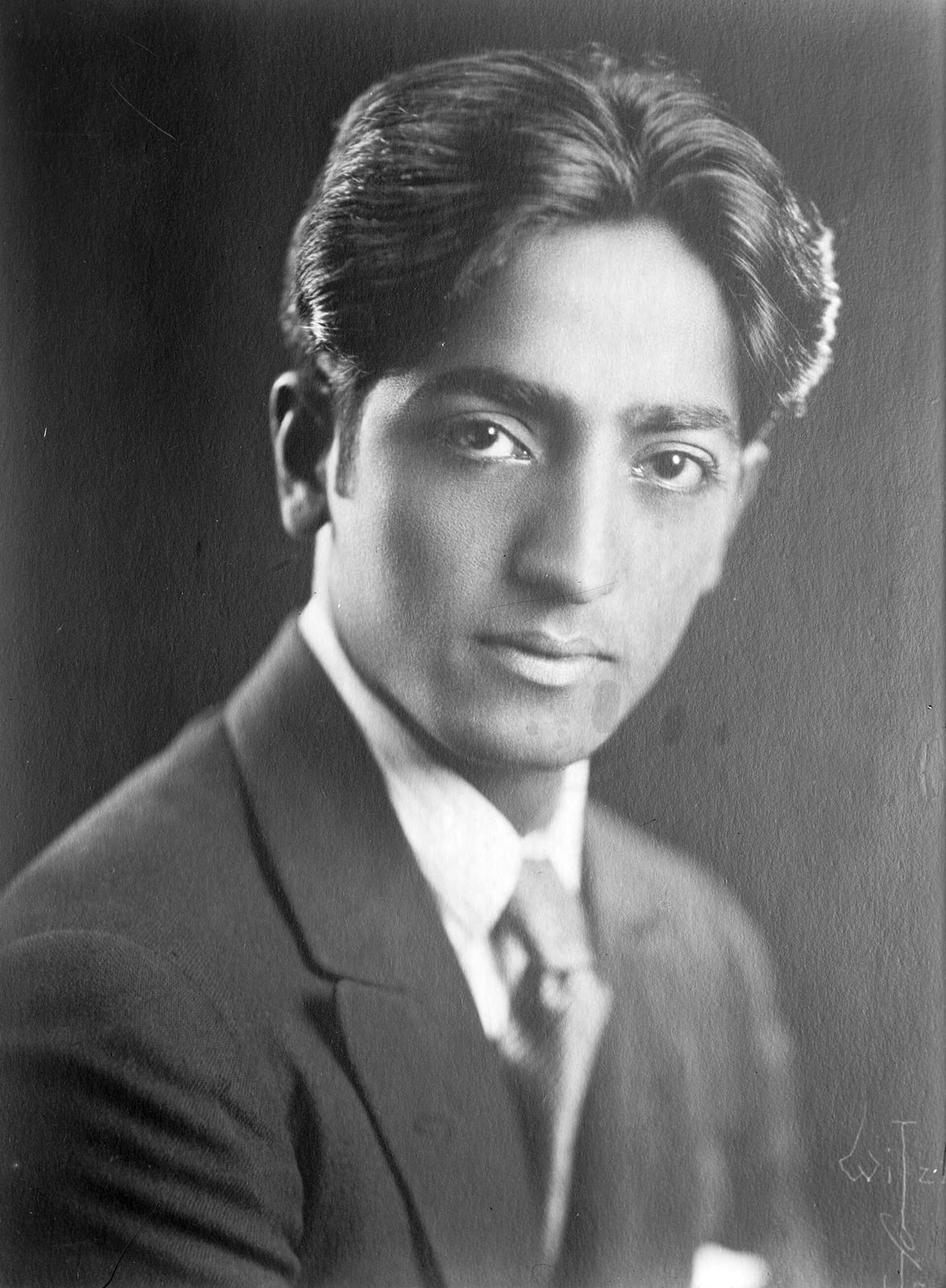
Jiddu Krishnamurti
इन पर टकराव: मुक्ति या उद्धार कैसे प्राप्त होता है?
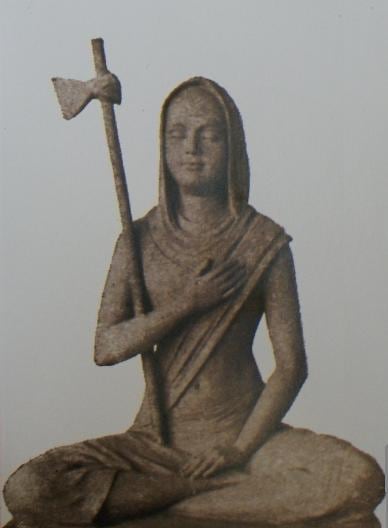
Gaudapada
इन पर टकराव: परम सत्य क्या है? क्या ईश्वर है? · हम दुःख क्यों भोगते हैं? · मुक्ति या उद्धार कैसे प्राप्त होता है?
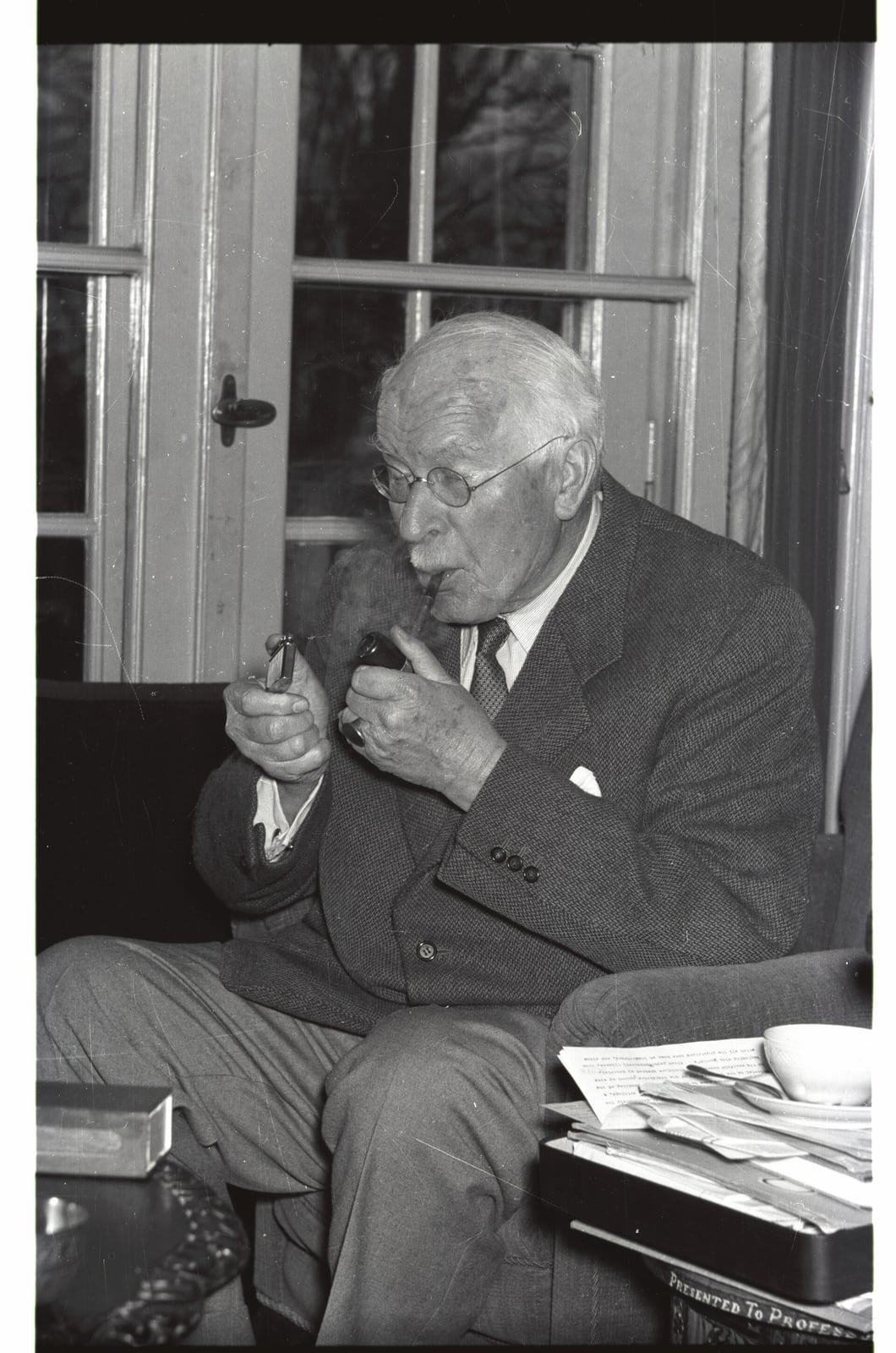
Carl Gustav Jung
इन पर टकराव: परम सत्य क्या है? क्या ईश्वर है? · हम दुःख क्यों भोगते हैं? · मुक्ति या उद्धार कैसे प्राप्त होता है?
प्रसंग और वृत्तांत
प्रसंग और वृत्तांत
मौखिक परंपराperiodo upaniṣádico
“I know mantras, not the Self”
वृत्तांत का स्रोत: Chāndogya Upaniṣad VII.1–26, checked against the Sanskrit on Wikisource. A didactic dialogue in an early Upaniṣad; not a historical event but a teaching in narrative form. The translations of the sentences quoted are the researcher’s.
मौखिक परंपराperiodo védico tardío
The childless king and the promise to Varuṇa
वृत्तांत का स्रोत: Aitareya Brāhmaṇa VII.13–18, checked in Martin Haug’s translation (1863; repr. 1922). The story was recited at the royal consecration (rājasūya). A ritual text, not a chronicle.
संत-चरित वृत्तांतtiempo legendario
Vālmīki asks about the perfect man
वृत्तांत का स्रोत: Rāmāyaṇa, Bālakāṇḍa, sargas 1–2 (critical ed.; trans. Robert P. Goldman, 1984). The first two sargas belong to the layers of the poem considered later; the story is an aetiology of poetry, not a historical event.
स्रोत: Goldman, Robert P. (trad.). The Rāmāyaṇa of Vālmīki: An Epic of Ancient India, vol. I: Bālakāṇḍa. Princeton: Princeton University Press, 1984. Sarga 1–2 (Nārada narra a Vālmīki la historia de Rāma).
संत-चरित वृत्तांतtiempo mítico
The son of the maidservant
वृत्तांत का स्रोत: Bhāgavata Purāṇa I.4–6, a devotional text of debated date (c. 9th–10th centuries), checked in Burnouf’s French translation (1840). The scene works as a foundation story for the Bhāgavata itself.
संत-चरित वृत्तांतtiempo mítico
Kubera’s sons turned into trees
वृत्तांत का स्रोत: Bhāgavata Purāṇa X.10 (Sanskrit on Wikisource), taken up in Kṛṣṇaite iconography as the episode of the yamalārjuna trees. A devotional story with no historical basis.
मौखिक परंपराtiempo mítico
The water Viṣṇu asked for
वृत्तांत का स्रोत: A Purāṇic story with many variants: in the Devī-Bhāgavata Purāṇa (book VI) Nārada is turned into a woman by bathing in a pond; the version with the village and the flood is the one popularised by Heinrich Zimmer (1946), who drew it from Purāṇic sources. Details (twelve years, half an hour) vary between versions; Zimmer’s is followed here.
स्रोत: Zimmer, Heinrich. Myths and Symbols in Indian Art and Civilization, ed. Joseph Campbell. Nueva York: Pantheon Books, 1946 (Bollingen Series VI). Capítulo I, relato de Nārada y la māyā de Viṣṇu.
विवादितtradición medieval y moderna
The highwayman who became a poet
वृत्तांत का स्रोत: The highwayman legend is later than the Rāmāyaṇa. In the Adhyātma Rāmāyaṇa it is the seven sages (saptarṣi) who convert the highwayman; the figure of Nārada as initiator belongs to later popular versions. No ancient source supports it.
शिक्षाएँ
शिक्षाएँ
वे अवधारणाएँ जो उनके चिंतन को रूप देती हैं, उनके संदर्भ में समझाई गई।
Parabhakti (supreme love)para-bhakti
It is the central notion of the Vaiṣṇava theology of devotion, later developed by the schools of Rāmānuja, Madhva and Caitanya; the Nārada Bhakti Sūtra and the Śāṇḍilya Bhakti Sūtra are its two aphoristic manuals.
स्रोत: Wikisource en sánscrito: «नारदभक्तिसूत्रम्» (Nārada Bhakti Sūtra, 84 aforismos).
Bhūman (the infinite)bhuman
It is one of the Upaniṣadic texts most quoted by Vedānta; the Brahmasūtra (I.3.8–9) discuss whether bhūman denotes breath or Brahman.
Mahatsaṅga (the company of great souls)mahat-sanga
The value placed on the company of the saintly (satsaṅga) is a feature common to Hindu devotional movements, from the Bhāgavata to the medieval poet-saints.
स्रोत: Wikisource en sánscrito: «नारदभक्तिसूत्रम्» (Nārada Bhakti Sūtra, 84 aforismos).
The eleven forms of attachment to Godekadasha-asakti
The classification anticipates the theory of devotional sentiments (bhakti-rasa) systematised in the sixteenth century by Rūpa Gosvāmī, a disciple of Caitanya.
स्रोत: Wikisource en sánscrito: «नारदभक्तिसूत्रम्» (Nārada Bhakti Sūtra, 84 aforismos).
Vyavahāra (litigation and its eighteen titles)vyavahara
It is the only dharmaśāstra that entirely excludes ritual and penance; scholars ascribe it to a jurist distinct from the sage of the epic.
स्रोत: Lariviere, Richard W. (ed. y trad.). The Nāradasmṛti. 2 partes. Filadelfia: Department of South Asia Regional Studies, University of Pennsylvania, 1989 (University of Pennsylvania Studies on South Asia 4–5); reimpr. Delhi: Motilal Banarsidass, 2003 (ISBN 9788120818040).
Devarṣi (divine sage)devarshi
The category brings together a small group of figures in the Purāṇas; Nārada is the only one who became a recurring character throughout narrative literature.
वीडियो
वीडियो
रिकॉर्डिंग, साक्षात्कार और वृत्तचित्र। वीडियो YouTube से चलते हैं; वे यहाँ संग्रहीत नहीं हैं।
“Learning from the Sage Narada” | Swami Sarvapriyananda
व्याख्यान· EN· 51 min
Ramakrishna Vedanta Society of North Texasआधिकारिक चैनल
Nārada Bhakti Sūtra 1/5 | Pravrajika Divyanandaprana
व्याख्यान· EN· 82 min
Ramakrishna Vedanta Society of North Texasआधिकारिक चैनल
Narada Bhakti Sutra by Swami Mitrananda | Day 1 | Narada Jayanthi 2021
व्याख्यान· EN· 43 min
Chinmaya Mission Chennaiआधिकारिक चैनल
Narada Bhakti Sutra | Day 1 | Swami Abhedananda
व्याख्यान· EN· 57 min
Chinmaya Mission South Africaआधिकारिक चैनल
The 3 Qualities Of Divine Love | Excerpts From Narad Bhakti Sutra Discourse By Gurudev
व्याख्यान· EN· 9 min
Gurudev Sri Sri Ravi Shankarआधिकारिक चैनल
2. Narada Bhakti Sutras || Swami Ishadhyanananda
YouTube पर देखें
यह वीडियो एम्बेड करने की अनुमति नहीं देता; यह YouTube पर खुलेगा।
2. Narada Bhakti Sutras || Swami Ishadhyanananda
व्याख्यान· EN· 71 min
Vedanta Society of Sacramentoआधिकारिक चैनल
भक्त को संसार में कैसे जीना चाहिए? नारद भक्ति दर्शन - 21/37 (1990)
व्याख्यान· HI· 20 min
Jagadguru Shri Kripalu Ji Maharaj - Officialआधिकारिक चैनल
Narada Bhakti Sutram - 84 Sutrams - Recited by Smt. Vidhya Ramesh
तृतीय पक्ष की रिकॉर्डिंग· SA· 12 min
Nivedita R
Swami Brahmarupananda - True Happiness, Sanatkumara’s instruction to Narada in the Chandogya Upanishad
व्याख्यान· EN· 80 min
Ramakrishna Vedanta Society of North Carolina (Vedanta NC)आधिकारिक चैनल
Dialogue between Narada and Sanatkumar. Chandogya Upanishad Chapter 7. - Prof. Rambachan
व्याख्यान· EN· 75 min
Discourse on Hinduism
Sarga 1.1 - HOW did Narada DESCRIBE Shri Rama to Sage Valmiki! - #ValmikiRamayanam
विश्लेषण· EN· 28 min
The Sanskrit Channel
Understanding the Dharma Shastras: A Conversation with Dr. Patrick Olivelle and Dr. Donald Davis
साक्षात्कार· EN· 113 min
Meru Media
EPISODIO 5: EL PASADO DE UN SABIO - La historia de Narada Muni
तृतीय पक्ष की रिकॉर्डिंग· ES· 11 min
Historias del Srimad Bhagavatam
चित्रशाला
चित्रशाला
सत्यापित लाइसेंस वाले चित्र। प्रत्येक में उसके रचयिता और श्रेय का उल्लेख सुरक्षित है।
संबंध
संबंध
प्रभाव, शिष्यत्व और वैचारिक निकटता। प्रमाणित संबंध को विश्लेषण से पहचानी गई समानता से अलग दर्शाया गया है।
इनके गुरु
According to the Bhāgavata Purāṇa (I.4–6), Nārada advises Vyāsa, dissatisfied after composing the Mahābhārata, to sing the glories of Kṛṣṇa; the Bhagavad Gītā (10.13) names them together among those who proclaimed God. A narrative relation within the tradition.
प्रमाणित संबंध
इन्हें प्रभावित किया
In the first sarga of the Rāmāyaṇa, Nārada tells Vālmīki the story of Rāma, the kernel from which the poem arises. The later legend making Nārada the initiator of the highwayman Ratnākara does not come from the Rāmāyaṇa.
प्रमाणित संबंध
इन्हें प्रभावित किया
Vivekananda dictated in the United States a free translation of the Nārada Bhakti Sūtra, included in volume 6 of his complete works.
प्रमाणित संबंध
इन्हें प्रभावित किया
Ramakrishna recommended the devotion “of the Rishi Narada” as the path suited to the present age, according to the 1911 English edition of the Gospel.
प्रमाणित संबंध
इनसे मिलते-जुलते विचार
The Bhagavad Gītā (10.26) names in the same verse Nārada, foremost of divine sages, and Kapila, foremost of the perfected; the Mahābhārata presents Nārada as versed in Sāṃkhya.
विश्लेषण से पहचानी गई समानता
इनसे मिलते-जुलते विचार
The Chāndogya Upaniṣad brings together, in consecutive chapters, Uddālaka’s teaching to Śvetaketu (VI) and Sanatkumāra’s to Nārada (VII): two paths to knowledge of the Self.
विश्लेषण से पहचानी गई समानता
इनसे मिलते-जुलते विचार
The Nārada Smṛti and the Yājñavalkya Smṛti are the two great dharmaśāstras after Manu; Olivelle places Nārada’s after Yājñavalkya’s and regards it as the most specialised in law.
विश्लेषण से पहचानी गई समानता
इनसे मिलते-जुलते विचार
Caitanya’s Gauḍīya school inherits the theology of devotion of the Bhāgavata, where Nārada is Vyāsa’s teacher, and its authors quote definitions of bhakti under the name Nārada Pañcarātra.
विश्लेषण से पहचानी गई समानता
इनसे मिलते-जुलते विचार
Mīrābāī’s love for Kṛṣṇa, with its pain of separation, corresponds to the forms of attachment that the Nārada Bhakti Sūtra (82) recognises as full devotion, following the model of the gopīs.
विश्लेषण से पहचानी गई समानता
अन्य प्रविष्टियों से जुड़ा
स्रोत
स्रोत
इस प्रविष्टि के लिए देखे गए ग्रंथ-सूची और सूचीपत्र।
- Wikidata, «Narada» (santo de la clase celestial), QID Q844066; GND 118818422; VIAF 193295452.
- Wikisource en sánscrito: «नारदभक्तिसूत्रम्» (Nārada Bhakti Sūtra, 84 aforismos).
- Vivekananda, Swami. «Narada-Bhakti-Sutras (a free translation dictated by Swamiji in America)», en The Complete Works of Swami Vivekananda, vol. 6 (Notes of Class Talks and Lectures). Texto en Wikisource.
- Sturdy, E. T. (trad.). Nârada Sûtra: An Inquiry into Love (Bhakti-jijnâsâ). Londres: Longmans, Green & Co., 1896.
- Sinha, Nandalal (trad.). The Bhakti Sûtras of Nârada. Allahabad: Pāṇini Office (Sacred Books of the Hindus 7, parte 1); ejemplar digitalizado fechado en 1917.
- Jolly, Julius (trad.). The Minor Law-Books, parte I: Nârada, Brihaspati. Oxford: Clarendon Press, 1889 (Sacred Books of the East 33). Introducción sobre la Nāradasmṛti.
- Lariviere, Richard W. (ed. y trad.). The Nāradasmṛti. 2 partes. Filadelfia: Department of South Asia Regional Studies, University of Pennsylvania, 1989 (University of Pennsylvania Studies on South Asia 4–5); reimpr. Delhi: Motilal Banarsidass, 2003 (ISBN 9788120818040).
- Olivelle, Patrick. «Dharmaśāstra: A Textual History». En Timothy Lubin, Donald R. Davis Jr. y Jayanth K. Krishnan (eds.), Hinduism and Law: An Introduction. Cambridge: Cambridge University Press, 2010, pp. 28–57.
- Wikisource en sánscrito: «छान्दोग्योपनिषद्/अध्यायः ७» (Chāndogya Upaniṣad VII, diálogo de Nārada y Sanatkumāra).
- Goldman, Robert P. (trad.). The Rāmāyaṇa of Vālmīki: An Epic of Ancient India, vol. I: Bālakāṇḍa. Princeton: Princeton University Press, 1984. Sarga 1–2 (Nārada narra a Vālmīki la historia de Rāma).
- Burnouf, Eugène (trad.). Le Bhâgavata Purâna, ou Histoire poétique de Krĭchṇa, tome premier. París: Imprimerie royale, 1840. Libro I, caps. 4–6 (Nārada y Vyāsa; la vida anterior de Nārada).
- Arnold, Edwin (trad.). The Song Celestial, or Bhagavad-Gîtâ. Londres: Trübner, 1885. Capítulo X, versos 13 y 26. Project Gutenberg n.º 2388.
- M. [Mahendranath Gupta]. The Gospel of Sri Ramakrishna (According to M., a Son of the Lord and Disciple). Edición inglesa condensada del autor. Madrás: Ramakrishna Math, 1911.
- Rocher, Ludo. The Purāṇas. Wiesbaden: Otto Harrassowitz, 1986 (A History of Indian Literature II.3). Entradas sobre el Nāradīya y el Bṛhannāradīya.
- Tagare, Ganesh Vasudeo (trad.). The Nārada-Purāṇa. 5 vols. Delhi: Motilal Banarsidass, 1980–1982 (Ancient Indian Tradition and Mythology 15–19).
- Haug, Martin (trad.). The Aitareya Brahmanam of the Rigveda. Bombay, 1863; reimpr. Allahabad: Pāṇini Office, 1922. VII.13–14 (Hariścandra y Nārada).
- Schrader, F. Otto. Introduction to the Pāñcarātra and the Ahirbudhnya Saṃhitā. Madrás: Adyar Library, 1916.
- Flood, Gavin. An Introduction to Hinduism. Cambridge: Cambridge University Press, 1996 (capítulo sobre la devoción vaiṣṇava).
- Wikisource en sánscrito: «नारदीयशिक्षा» (Nāradīya Śikṣā).
- Telang, M. R. (ed.). Saṅgīta-makaranda of Nārada. Baroda: Central Library, 1920 (Gaekwad's Oriental Series 16).
- Zimmer, Heinrich. Myths and Symbols in Indian Art and Civilization, ed. Joseph Campbell. Nueva York: Pantheon Books, 1946 (Bollingen Series VI). Capítulo I, relato de Nārada y la māyā de Viṣṇu.
- Jamison, Stephanie W. y Joel P. Brereton (trads.). The Rigveda: The Earliest Religious Poetry of India. 3 vols. Nueva York: Oxford University Press, 2014. Introducciones a RV 8.13 y 9.104–105.
- van Buitenen, J. A. B. (trad.). The Mahābhārata, vol. 2: The Book of the Assembly Hall; The Book of the Forest. Chicago: University of Chicago Press, 1975 (Sabhāparvan 5–11); y The Mahābhārata, edición crítica, Śāntiparvan (Nārāyaṇīya), Poona: BORI, 1949–1966.
- Banerjea, K. M. (ed.). Śrī Nārada Pañcarātram: the Jñānāmṛtasāra Saṃhitā. Calcuta: Asiatic Society, 1865 (Bibliotheca Indica); trad. inglesa de Swami Vijnanananda, Allahabad, 1921 (Sacred Books of the Hindus 23).
- Wikisource en sánscrito: «नारदस्मृतिः» y «नारदपुराणम्» (textos sánscritos con subpáginas).
- Hazra, Rajendra Chandra. Studies in the Upapurāṇas, vol. I. Calcuta: Sanskrit College, 1958 (sobre el Bṛhannāradīya).
- Wikipedia en inglés, «Narada» (consultada para la iconografía, el culto, Nārada Jayantī y la imagen popular; contrastada con las fuentes primarias).
- Wereldmuseum Amsterdam (antiguo Tropenmuseum), marioneta de wayang golek «Batara Narada», inv. TM-4283-48; descripción en Wikimedia Commons.
- Wikisource en sánscrito: «श्रीमद्भागवतपुराणम्» (Bhāgavata Purāṇa; libros IV, VII y X para Dhruva, Prahlāda y los hijos de Kubera).
- Wikipedia en inglés, «Valmiki» (versiones de la leyenda del bandolero Ratnākara: los siete sabios en el Adhyātma Rāmāyaṇa, Nārada en los relatos populares).
- अधिकार-धारक
- Textos sánscritos en dominio público. Las traducciones de Vivekananda (m. 1902), Jolly (m. 1932), Haug (m. 1876) y Burnouf (m. 1852) son de dominio público; la de E. T. Sturdy (1896; m. 1957) solo lo es en EE. UU. Las ediciones modernas (Sri Ramakrishna Math, Vedanta Press, Bhaktivedanta Book Trust, Art of Living, Advaita Ashrama, Inner Traditions, Motilal Banarsidass, University of Pennsylvania) tienen derechos propios.
पुष्टि की प्रतीक्षा में
जो यह प्रविष्टि अभी तक निश्चित नहीं कर सकी है। हम उसे भर देने के बजाय कह देना बेहतर समझते हैं।
- Ediciones en español con ISBN del Nārada Bhakti Sūtra, de la Nārada Smṛti y del Nārada Purāṇa: no localizadas (Open Library sin resultados; Google Books devolvió error 429). Revisar BNE e Iberlibro.
- Comprobar en Flood (1996) la página exacta de la datación «posiblemente del siglo XII» del Nārada Bhakti Sūtra, tomada de una referencia secundaria.
- Comprobar la fecha de muerte de Nandalal Sinha y la fecha original (1911 o 1917) de su traducción en la serie Sacred Books of the Hindus.
- Verificar la referencia exacta de la versión de Zimmer del relato de la māyā (capítulo y fuente purāṇica que él cita).
- Localizar una edición con ISBN de la Nāradaparivrājaka Upaniṣad (p. ej., en las Saṃnyāsa Upaniṣads de Olivelle) y del Saṅgītamakaranda.
- Los vídeos no traen año de publicación en oEmbed; se dejó year en null. El vídeo de la Vedanta Society of Sacramento devuelve 401 (no insertable).
2026-10-26 को शोधित