हिन्दू धर्म · भक्ति · वैदिक परंपरा
Valmiki
वाल्मीकि · Vālmīki · रामायण · வால்மீகி
पौराणिक व्यक्तित्व
पौराणिक कवि, जिन्हें परंपरा रामायण का रचयिता मानती है और आदिकवि, अर्थात् “पहला कवि”, कहती है। उनके विषय में जो कुछ ज्ञात है वह काव्य से आता है — जहाँ वे मारे गए क्रौंच के शोक को श्लोक में ढालने वाले मुनि, सीता के रक्षक और उनके पुत्रों के गुरु के रूप में दिखते हैं — और डाकू से संत बनने जैसी परवर्ती किंवदंतियों से। भाषाशास्त्र महाकाव्य के मूल भाग को आठवीं से पाँचवीं शताब्दी ई.पू. का मानता है और पहले तथा अंतिम काण्ड को परवर्ती। योग वासिष्ठ के वक्ता भी उन्हीं को माना जाता है।
- कृतियाँ
- 12कृतियाँ
- संस्करण
- 24संस्करण
- उद्धरण
- 4उद्धरण
- वीडियो
- 14वीडियो
- चित्र
- 8चित्र
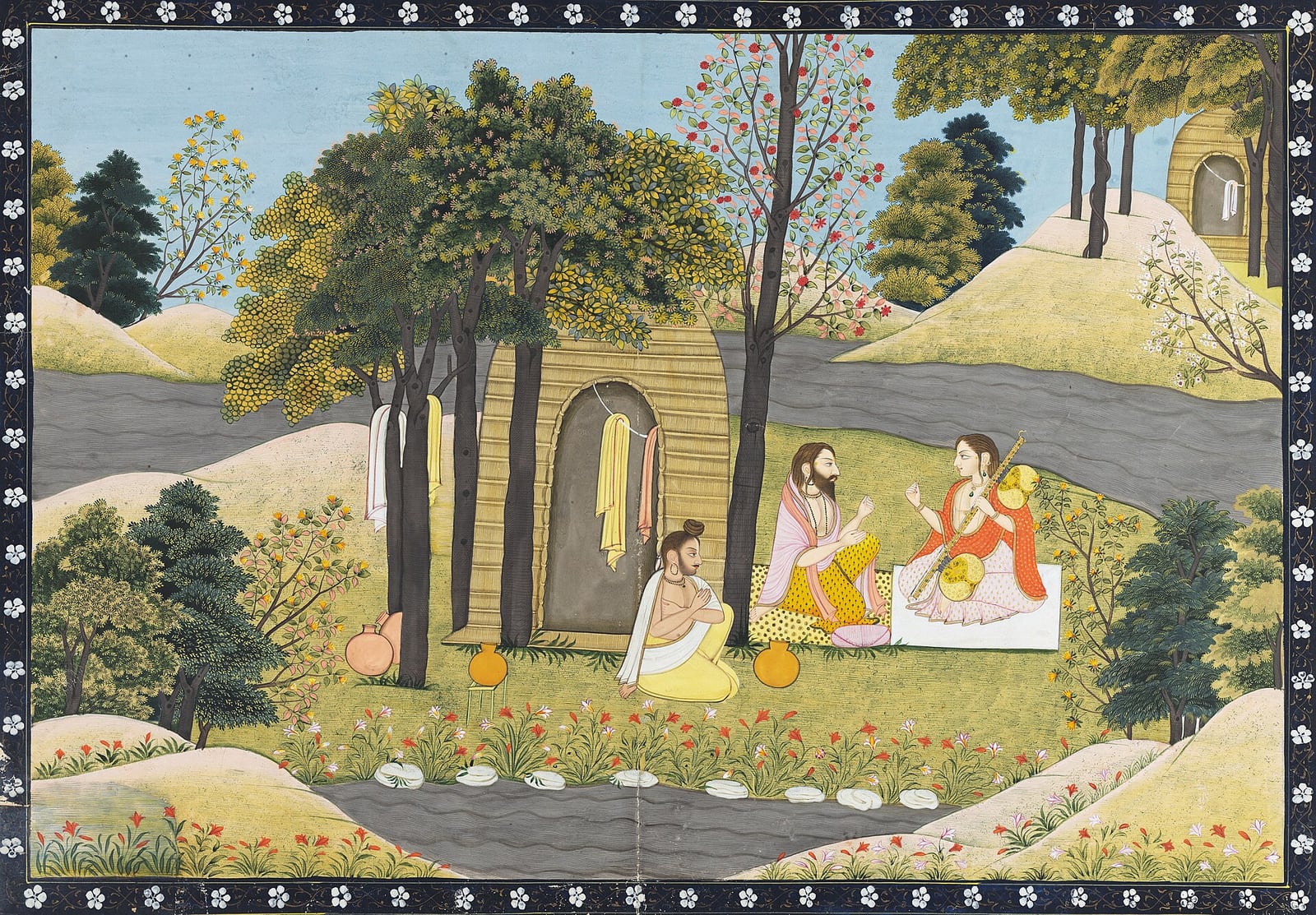
Nārada en la ermita de Vālmīki · Public domain
उनके अपने शब्दों में
«No fame be thine for endless time, / Because, base outcast, of thy crime, / Whose cruel hand was fain to slay / One of this gentle pair at play!»Rāmāyaṇa, Bālakāṇḍa, canto II (1.2.14 de la edición crítica); trad. en verso de R. T. H. Griffith (1870, dominio público); versión española del investigador

मूल विचार
Śloka (the stanza born of grief): The śloka is the stanza of two lines of sixteen syllables, divided into four feet of eight (anuṣṭubh), which became the metre par excellence of the epic and of classical Sanskrit literature.
संदर्भ में देखें
जीवनी
5 मिनट का पाठ
स्पैनिश मूल से सहायता-प्राप्त अनुवाद, मातृभाषी अनुवादक द्वारा समीक्षा लंबित।
आदिकवि
भारतीय परंपरा वाल्मीकि को आदिकवि, अर्थात् “पहला कवि”, और उनकी रामायण को आदिकाव्य, अर्थात् “पहली कविता”, कहती है: वह कृति जिसके साथ संस्कृत की शिष्ट कविता का जन्म हुआ माना जाता है। यह एक विधा के उद्गम के विषय में कथन है, किसी मनुष्य की जीवनी के विषय में नहीं। वाल्मीकि का ग्रंथों से बाहर कोई प्रमाण नहीं मिलता; जो कुछ ज्ञात है वह स्वयं काव्य से आता है, जिसमें वे एक पात्र के रूप में आते हैं, और कहीं परवर्ती किंवदंतियों से। भाषाशास्त्र उन्हें वह नाम मानता है जो परंपरा ने अनेक शताब्दियों में रचे और बढ़ाए गए एक महाकाव्य के रचयिता — या रचयिताओं — को दिया।
अपने ही जन्म की कथा कहता काव्य
रामायण स्वयं अपनी कथा से आरम्भ होती है। वाल्मीकि मुनि नारद से पूछते हैं कि क्या संसार में कोई ऐसा मनुष्य है जो गुणवान, वीर, सत्यवादी और करुणामय हो — “को न्वस्मिन् साम्प्रतं लोके गुणवान् कश्च वीर्यवान्” — और नारद उन्हें राम का जीवन संक्षेप में सुनाते हैं। कुछ ही समय बाद तमसा नदी के तट पर कवि देखते हैं कि एक व्याध ने क्रौंच पक्षियों के जोड़े में से नर को मार गिराया है और मादा उसके शव के पास विलाप कर रही है। द्रवित होकर वे व्याध को शाप देते हैं, और उनके शब्द छन्दोबद्ध होकर निकलते हैं, आठ-आठ अक्षरों के चरणों वाली दो पंक्तियों में — “मा निषाद प्रतिष्ठां त्वमगमः शाश्वतीः समाः। यत्क्रौञ्चमिथुनादेकमवधीः काममोहितम्॥” — शोक श्लोक बन गया है। ब्रह्मा उनके सामने प्रकट होते हैं और उन्हें इसी छन्द में राम की कथा कहने का आदेश देते हैं। रॉबर्ट गोल्डमैन ने दिखाया है कि ये आरम्भिक सर्ग एक परवर्ती ढाँचा हैं, जो महाकाव्य को कविता की उत्पत्ति का मिथक बना देता है; शताब्दियों बाद आनन्दवर्धन ने इसी दृश्य को इस बात का प्रमाण बनाया कि काव्य की आत्मा भाव है — “क्रौञ्चद्वन्द्ववियोगोत्थः शोकः श्लोकत्वमागतः”।
अपनी ही कृति के पात्र
अंतिम काण्ड, उत्तरकाण्ड, में कवि स्वयं कथा में प्रवेश करते हैं। अयोध्या के राजा बन चुके राम प्रजा के लोकापवाद के कारण सीता का परित्याग कर देते हैं, और गर्भवती सीता वाल्मीकि के आश्रम में शरण पाती हैं, जहाँ उनके जुड़वाँ पुत्र कुश और लव जन्म लेते हैं। मुनि उनका पालन करते हैं और उन्हें काव्य सिखाते हैं, जिसे ये बालक अश्वमेध यज्ञ के अवसर पर स्वयं राम के सामने गाएँगे। तब वाल्मीकि सीता को सभा के सम्मुख ले आते हैं और अपनी तपस्या की शपथ लेकर उनकी निर्दोषता की घोषणा करते हैं: “प्रचेतसोऽहं दशमः पुत्रः” — मैं प्रचेता का दसवाँ पुत्र हूँ, और असत्य मेरे मन में अंकुरित तक नहीं होता। सीता धरती से प्रार्थना करती हैं कि यदि वे पतिव्रता रही हों तो वह उन्हें अपनी गोद में ले ले, और धरती फट जाती है। इस प्रकार कवि अपने ही आख्यान के सत्य के साक्षी, रक्षक और प्रतिभू बन जाते हैं।
अनेक शताब्दियों का ग्रंथ
परंपरा के अनुसार रामायण में लगभग चौबीस हज़ार श्लोक हैं, जो सात काण्डों में बँटे हैं, और यह दो बड़े पाठों — उत्तरी और दक्षिणी — तथा अनेक क्षेत्रीय पाठभेदों के साथ संचरित हुई है। 1960 से 1975 के बीच बड़ौदा के प्राच्य विद्या संस्थान ने इसका समीक्षात्मक संस्करण प्रकाशित किया, जो प्राप्य सबसे प्राचीन पाठ के पुनर्निर्माण का प्रयास है। इस पर सहमति है कि दूसरे से छठे काण्ड तक इसका मूल भाग है और पहला तथा सातवाँ काण्ड बाद के जोड़ हैं: राल्फ़ ग्रिफ़िथ ने 1874 में ही लिखा था कि उत्तरकाण्ड “मात्र एक परिशिष्ट है”। तिथियाँ विद्वानों के अनुसार बदलती हैं: गोल्डमैन मूल भाग की रचना आठवीं से छठी शताब्दी ई.पू. के बीच रखते हैं; जॉन ब्रॉकिंगटन विकास की एक ऐसी प्रक्रिया का वर्णन करते हैं जो पाँचवीं शताब्दी ई.पू. से ईसवी सन् की आरम्भिक शताब्दियों तक चलती है। यदि कोई ऐतिहासिक वाल्मीकि हुए भी, तो वे इसी मूल भाग के कवि होंगे, जिनकी पहचान आज असंभव है।
डाकू जो संत बन गया
वाल्मीकि के बारे में सबसे लोकप्रिय कथा रामायण में नहीं है। अध्यात्म रामायण जैसे परवर्ती भक्ति-ग्रंथों के अनुसार वे एक बटमार थे, जिन्होंने कुछ मुनियों से भेंट होने पर जाना कि उनका परिवार उनके अपराधों के पाप में भागीदार नहीं होगा; राम का नाम उच्चारित न कर पाने के कारण उन्हें मरा जपने का उपदेश मिला, जो उलटने पर वही नाम बन जाता है, और वे इतने लंबे समय तक निश्चल ध्यानमग्न रहे कि उन्हें दीमक की बाँबी (वल्मीक) ने ढक लिया — यहीं से उनका नाम पड़ा। जूलिया लेस्ली ने अध्ययन किया है कि रूपांतरण की यह कथा, जो मान्य बन चुकी है, उन समुदायों की श्रद्धा से कैसे टकराती है जो वाल्मीकि को अपना आध्यात्मिक मार्गदर्शक मानकर पूजते हैं और डाकू की छवि को अस्वीकार करते हैं।
एक नाम की प्रामाणिकता
व्यास की भाँति वाल्मीकि का नाम भी अन्य कृतियों को प्रामाणिकता देने के काम आया। उन्हें योग वासिष्ठ — वह विशाल मध्यकालीन संवाद जिसमें वसिष्ठ राम को उपदेश देते हैं — का वक्ता माना जाता है; अद्भुत रामायण और आनन्द रामायण जैसे राम-कथा के परवर्ती पुनर्लेखन, और गङ्गाष्टक जैसे कुछ स्तोत्र भी उनके नाम से जुड़े हैं। नाटककारों ने उन्हें पात्र बनाया: आठवीं शताब्दी में भवभूति अपने उत्तररामचरित में उनसे नाटक के भीतर एक नाटक की रचना करवाते हैं।
प्रभाव और परंपरा
वाल्मीकि की रामायण भारत और दक्षिण-पूर्व एशिया की भाषाओं में सैकड़ों रूपांतरों का स्रोत है — तमिल में कम्बन की रामायण से लेकर अवधी में तुलसीदास के रामचरितमानस तक — और एक लंबी चित्र-परंपरा का भी: मुग़ल चित्रशालाओं ने सोलहवीं शताब्दी के अंत में इसे चित्रित किया। 1881 में युवा रवीन्द्रनाथ ठाकुर ने कवि के हृदय-परिवर्तन पर एक गीतिनाट्य, वाल्मीकि प्रतिभा, लिखा और उसमें स्वयं अभिनय किया। पहला अंग्रेज़ी पद्यानुवाद राल्फ़ ग्रिफ़िथ का था (1870–1874), जिसमें अंतिम काण्ड छोड़ दिया गया था; मन्मथनाथ दत्त के गद्यानुवाद (1891–1894) में वह सम्मिलित किया गया; और प्रिंसटन विश्वविद्यालय का अनुवाद, रॉबर्ट और सैली गोल्डमैन के निर्देशन में, चार दशकों के श्रम के बाद 2016 में उत्तरकाण्ड के खंड के साथ पूर्ण हुआ।
जो कहा जा सकता है
इतिहासकार इतना कह सकता है कि राम पर एक महान महाकाव्य, जो ईसवी सन् के आरम्भ से पहले और बाद की कई शताब्दियों में संस्कृत में रचा गया, वाल्मीकि के नाम से संचरित हुआ, और उसके कथा-ढाँचे ने इस नाम को कविता के आविष्कारक का नाम बना दिया। उस मनुष्य का, यदि वह था, कुछ भी प्रमाणित करने योग्य शेष नहीं: न तिथियाँ, न स्थान, न ऐसी कोई कृति जिसे उसका विस्तार करने वाले हाथों से निश्चयपूर्वक अलग किया जा सके।
स्रोत: Goldman, Robert P. (trad. e introd.). The Rāmāyaṇa of Vālmīki: An Epic of Ancient India. Vol. I: Bālakāṇḍa. Princeton: Princeton University Press, 1984. Introducción (autor, fecha, el episodio de las grullas y el marco del poema). · Brockington, John. The Sanskrit Epics. Leiden: Brill, 1998 (Handbuch der Orientalistik, 2. Abt., Bd. 12). Capítulos sobre el Rāmāyaṇa: transmisión, recensiones, estratos y datación. · Brockington, John. Righteous Rāma: The Evolution of an Epic. Delhi: Oxford University Press, 1984. · Griffith, Ralph T. H. (trad.). The Rámáyan of Válmíki, translated into English verse. 5 vols. Londres: Trübner; Benarés: E. J. Lazarus, 1870–1874. Project Gutenberg n.º 24869 (cantos I–II del libro I; nota sobre el Uttarakáṇḍa). · Bhatt, G. H., y U. P. Shah (eds. gen.). The Vālmīki-Rāmāyaṇa: Critical Edition. 7 vols. Baroda: Oriental Institute, 1960–1975.
कालक्रम
जीवन, वर्ष-दर-वर्ष
प्रत्येक बिंदु एक प्रमाणित घटना है। उसे स्रोत और निश्चितता के स्तर सहित पढ़ने के लिए क्लिक करें।
लगभग 500 ई.पू. – 100 ई.पू.Norte de la India
The core of the Rāmāyaṇa
Composition of books II to VI, the core of the epic, orally transmitted. Brockington describes growth in stages from the fifth century BCE; Goldman proposes older dates for the core (eighth to sixth centuries BCE). If there was a historical Vālmīki, he would be its poet.
विवादितBrockington, John. The Sanskrit Epics. Leiden: Brill, 1998 (Handbuch der Orientalistik, 2. Abt., Bd. 12). Capítulos sobre el Rāmāyaṇa: transmisión, recensiones, estratos y datación.
लगभग 500 ई.पू. – 100 ई.पू.
The core of the Rāmāyaṇa
Composition of books II to VI, the core of the epic, orally transmitted. Brockington describes growth in stages from the fifth century BCE; Goldman proposes older dates for the core (eighth to sixth centuries BCE). If there was a historical Vālmīki, he would be its poet.
विवादित
लगभग 100 – 300
The first and last books are added
The Bālakāṇḍa, with the account of the birth of poetry, and the Uttarakāṇḍa, where Vālmīki shelters Sītā and teaches the poem to her sons, are incorporated as late strata. Griffith already considered the last book an appendix in 1874.
विवादित
1597 – 1605
The illustrated Freer Rāmāyaṇa
Painters of the Mughal workshop illustrate a Persian manuscript of Vālmīki's Rāmāyaṇa, now in the Freer Gallery in Washington, with scenes such as that of the hunter and the cranes.
प्रमाणित
1870 – 1874
Griffith's verse translation
Ralph T. H. Griffith publishes in five volumes the first English verse translation of the first six books, with a summary of the Uttarakāṇḍa.
प्रमाणित
1881
Tagore's Vālmīki Pratibhā
Rabindranath Tagore writes and performs Vālmīki Pratibhā, a Bengali opera on the conversion of the bandit into a poet.
प्रमाणित
1891 – 1894
M. N. Dutt's prose translation
Manmatha Nath Dutt publishes the complete English prose translation, including the Uttarakāṇḍa (1894).
प्रमाणित
1900
Vivekananda speaks on the Rāmāyaṇa
Swami Vivekananda devotes a lecture to the Rāmāyaṇa before an American audience and presents Vālmīki as India's first poet.
प्रमाणित
1960 – 1975
The critical edition
The Oriental Institute of Baroda publishes in seven volumes the critical edition of Vālmīki's Rāmāyaṇa, based on the collation of the northern and southern recensions.
प्रमाणित
1984 – 2016
The Princeton translation
The first volume of the annotated translation directed by Robert P. Goldman, based on the critical edition, appears; the seventh, the Uttarakāṇḍa, completes the work in 2016.
प्रमाणित
कृतियाँ
आवश्यक कृतियाँ
वे कृतियाँ जिनके बिना उनकी विरासत को समझा नहीं जा सकता।
पारंपरिक आरोपण · लगभग 500 ई.पू.
Rāmāyaṇa (The Journey of Rāma)
रामायण (Rāmāyaṇa)
Sanskrit epic of some twenty-four thousand stanzas, according to tradition, in seven books: Bāla, Ayodhyā, Araṇya, Kiṣkindhā, Sundara, Yuddha and Uttara. It narrates the life of Rāma, prince of Ayodhyā: his fourteen-year exile, the abduction of his wife Sītā by Rāvaṇa, king of Laṅkā, the alliance with the monkeys and with Hanumān, the war and the return to the throne. A model of learned poetry (kāvya) and of the ideal of dharma, it is the source of hundreds of versions across Asia.
12 संस्करण

पारंपरिक आरोपण · लगभग 1100
Yoga Vāsiṣṭha (Mahārāmāyaṇa)
योगवासिष्ठ (Yogavāsiṣṭha), también महारामायण
A great philosophical dialogue in six books in which Vasiṣṭha teaches the young Rāma that the world is a projection of the mind and that liberation is possible in life. Vālmīki appears as narrator within a chain of frames, which made it possible to present the work as a 'Great Rāmāyaṇa' complementing the epic poem. Its main entry is under Vasiṣṭha.
2 संस्करण
संपूर्ण कृतित्व (12)

Bālakāṇḍa (Book of Childhood)
Valmiki
Ayodhyākāṇḍa (Book of Ayodhyā)
The Conscious LibraryAyodhyākāṇḍa (Book of Ayodhyā)
Valmiki
Araṇyakāṇḍa (Book of the Forest)
The Conscious LibraryAraṇyakāṇḍa (Book of the Forest)

Kiṣkindhākāṇḍa (Book of Kiṣkindhā)
Valmiki
Sundarakāṇḍa (The Beautiful Book)
The Conscious LibrarySundarakāṇḍa (The Beautiful Book)
Valmiki
Yuddhakāṇḍa (Book of the War)
The Conscious LibraryYuddhakāṇḍa (Book of the War)
Valmiki
Uttarakāṇḍa (The Last Book)
The Conscious LibraryUttarakāṇḍa (The Last Book)
Valmiki
Adbhuta Rāmāyaṇa (The Wondrous Rāmāyaṇa)
The Conscious LibraryAdbhuta Rāmāyaṇa (The Wondrous Rāmāyaṇa)
Valmiki
Ānanda Rāmāyaṇa
The Conscious LibraryĀnanda Rāmāyaṇa
Valmiki
Gaṅgāṣṭaka (Eight Stanzas to the Ganges)
The Conscious LibraryGaṅgāṣṭaka (Eight Stanzas to the Ganges)
वचन
किसी निश्चित कृति में स्थित वचन। प्रत्येक के साथ उसका स्रोत और विश्वसनीयता का स्तर है।
No fame be thine for endless time, / Because, base outcast, of thy crime, / Whose cruel hand was fain to slay / One of this gentle pair at play!mā niṣāda pratiṣṭhāṃ tvam agamaḥ śāśvatīḥ samāḥ / yat krauñcamithunād ekam avadhīḥ kāmamohitam
सत्यापितRāmāyaṇa, Bālakāṇḍa, canto II (1.2.14 de la edición crítica); trad. en verso de R. T. H. Griffith (1870, dominio público); versión española del investigador
अप्रामाणिक या विवादित आरोपण वाले उद्धरण (1)
«Mother and motherland are greater than heaven (jananī janmabhūmiś ca svargād api garīyasī).»
It is constantly quoted as a verse of Vālmīki's, spoken by Rāma before Laṅkā, but it does not appear in the Baroda critical edition; it circulates in some late versions and anthologies. It should be regarded as of doubtful attribution.
अंतिम शब्द
उनके अंतिम शब्दों का कोई सत्यापन-योग्य अभिलेख उपलब्ध नहीं है।
There is no record of his death. Vālmīki is a legendary figure whose only 'biography' comes from the Rāmāyaṇa and later legends; none of them narrates his end.
स्रोत: Goldman, Robert P. (trad. e introd.). The Rāmāyaṇa of Vālmīki: An Epic of Ancient India. Vol. I: Bālakāṇḍa. Princeton: Princeton University Press, 1984. Introducción (autor, fecha, el episodio de las grullas y el marco del poema).
पूछें
उनकी कृतियाँ क्या उत्तर देती हैं
मानवता के बारह महान प्रश्न और उनके ग्रंथ उनका जो उत्तर देने देते हैं, संदर्भों सहित। हम कभी उनके मुख में अपने शब्द नहीं रखते।
परम सत्य क्या है? क्या ईश्वर है?
The gods act in history, and Rāma is finally revealed as Viṣṇu
साकार, व्यक्तिगत ईश्वरउनके सिद्धांत से निष्कर्षित
The Rāmāyaṇa does not formulate a theology, but its world is peopled by personal gods who deliberate, ask for help and grant boons: Brahmā grants Rāvaṇa invulnerability against gods and demons, and the gods turn to Viṣṇu so that he may be born as a man and kill him. In the Bālakāṇḍa that incarnation is explicit, and in the Yuddhakāṇḍa, after Sītā's ordeal by fire, Brahmā reveals to Rāma that he is Nārāyaṇa. The divine thus appears as someone who intervenes to restore dharma. The core of the poem, however, tells the life of a prince who suffers, doubts and weeps as a man, and its opening question is not who God is, but whether there exists in the world a fully virtuous man.
इस प्रश्न की अन्य गुरुओं से तुलना करेंमैं कौन हूँ? क्या कोई सच्चा आत्म है?
The poem shows characters and duties, not a doctrine of the self
इस पर कुछ नहीं कहा
The Rāmāyaṇa does not ask who the self is. Its interest lies in what a person does with his position and his word: Rāma accepts exile so that his father may not break a promise, Sītā keeps her fidelity in captivity, Bharata rules in his brother's name with his sandals on the throne. The self that appears in the poem is that of a character tested in duty and in grief, not a substance to be discovered. When later tradition sought to give Rāma's story a doctrine of the Self, it did so in other texts: the Adhyātma Rāmāyaṇa or the Yoga Vāsiṣṭha, in which Vālmīki appears only as narrator and the teaching on the Self is given by Vasiṣṭha.
इस प्रश्न की अन्य गुरुओं से तुलना करेंहम दुःख क्यों भोगते हैं?
Pain comes when dharma is broken; the poem is born of grief
सामाजिक और नैतिक अव्यवस्थाउनके सिद्धांत से निष्कर्षित
The Rāmāyaṇa begins with grief: Vālmīki sees a hunter kill one of a pair of cranes and, moved, utters a curse that comes out metrical; he calls it śloka because it was born of śoka, sorrow. The whole poem rests on that emotion. The misfortunes it narrates almost always originate in a breach of order: the promise Kaikeyī extracts from Daśaratha, Sītā's abduction by Rāvaṇa. Daśaratha attributes his own death to an old fault, the accidental killing of an ascetic's son. Rāma, consoling his brother Bharata, adds a sober teaching: all that is accumulated is exhausted, every union ends in separation and every life in death. The remedy is to restore dharma, and Rāma's Ayodhyā is the image of a kingdom where no one weeps.
इस प्रश्न की अन्य गुरुओं से तुलना करेंमृत्यु के बाद क्या होता है?
Every life ends in death; what matters is keeping one's word
मौन या संयमउनके सिद्धांत से निष्कर्षित
The Rāmāyaṇa is full of deaths, funeral rites and heavens, but it develops no doctrine of the beyond. Its most explicit teaching on death is given by Rāma to Bharata, who comes to the forest after their father's death to ask him to return: everything accumulated is exhausted, everything raised falls, every union ends in separation and every life in death; man is not his own master, and grieving for the dead is useless. The consequence is not speculation about the fate of the dead, but a demand on the living: Rāma refuses to return, so that his father's word may not be broken. The poem takes for granted that the virtuous reach heaven, and the last book ends with Rāma entering the river Sarayū and returning to the form of Viṣṇu.
इस प्रश्न की अन्य गुरुओं से तुलना करेंमुक्ति या उद्धार कैसे प्राप्त होता है?
The ideal is the virtuous man who never strays from dharma
सद्गुण और सामंजस्य सेउनके सिद्धांत से निष्कर्षित
The Rāmāyaṇa is not about liberation from the cycle of rebirth, but about how to live rightly. Its opening question, which Vālmīki addresses to Nārada, is whether there exists in the world a man who is virtuous, brave, truthful, firm in his vows, grateful and benevolent to every creature (Bālakāṇḍa 1). Rāma is the answer: he accepts exile so that his father may not break his word, treats allies and enemies with respect, and places his duty as king above his own happiness. What the poem proposes is not to flee the world, but to embody dharma in it, and the reward it promises the virtuous is heaven and fame. In the frame of the Yoga Vāsiṣṭha, which tradition has him narrate, the sage Agastya says that knowledge and action lead to the goal like the two wings of a bird.
इस प्रश्न की अन्य गुरुओं से तुलना करेंक्या गुरु आवश्यक है?
The word is received, learned by heart and sung to others
संघ और परंपराउनके सिद्धांत से निष्कर्षित
The Rāmāyaṇa presents itself as the fruit of a transmission. Vālmīki receives Rāma's story from Nārada, Brahmā commissions him to compose it, and he teaches it to Kuśa and Lava, Sītā's twin sons who grow up in his hermitage, who later recite it before the assembly and before Rāma himself (Bālakāṇḍa 1–4). The poem is also full of teachers: Vasiṣṭha, preceptor of the royal house, and Viśvāmitra, who instructs Rāma in arms and entrusts him with secret knowledge. Knowledge, in this world, passes from mouth to mouth within a community of sages, reciters and disciples. The text does not ask whether one can do without a teacher; what it shows is that what is valuable is learned from another and sung to others.
इस प्रश्न की अन्य गुरुओं से तुलना करेंक्या संसार वास्तविक है?
The poem celebrates the visible world, but does not ask whether it is real
इस पर कुछ नहीं कहा
The Rāmāyaṇa does not raise the question of the world's reality. On the contrary, it is one of the great poems of the visible: it describes in detail forests, rivers, the seasons —the coming of the rains and of autumn in Kiṣkindhā—, cities, palaces and the emotions of its characters, and Indian poetics took it as the model of cultivated poetry precisely for that richness. Its world is a real stage, governed by dharma and by time, in which acts have consequences. The thesis that the world is an appearance is developed by the Yoga Vāsiṣṭha, which tradition has Vālmīki narrate, but there the doctrine is Vasiṣṭha's, not the poet's.
इस प्रश्न की अन्य गुरुओं से तुलना करेंप्रेम क्या है?
Poetry is born of compassion for a wounded crane
असीम करुणाउनके सिद्धांत से निष्कर्षित
The Rāmāyaṇa places an act of compassion at the origin of poetry. Vālmīki sees a hunter shoot one of two cranes in love, hears the female's lament and, moved, utters a stanza that becomes the first śloka. The whole epic is thus marked by love and separation: that of Rāma and Sītā, parted by abduction, exile and finally repudiation, and Rāma's grief for his lost wife, which fills entire books. Its hero answers Vālmīki's opening question about a man «benevolent to every creature», and his dealings with allies of other species —the vulture Jaṭāyu, the monkeys, the demon Vibhīṣaṇa— extend that benevolence beyond his own.
इस प्रश्न की अन्य गुरुओं से तुलना करेंक्या हम स्वतंत्र हैं, या सब कुछ पूर्वनिर्धारित है?
Fate brings the blows; keeping dharma is each person's task
नियति और उत्तरदायित्वउनके सिद्धांत से निष्कर्षित
The Rāmāyaṇa dramatises the debate between fate and effort at the moment Rāma learns of his exile. Lakṣmaṇa, furious, argues that only the weak submit to fate and proposes seizing the kingdom by force; Rāma replies that what has happened, Kaikeyī's sudden demand, can only be explained by fate (daiva), and that no one can oppose it. Later, consoling Bharata, he adds that man is not his own master and that time drags him hither and thither. But this acceptance exempts him from nothing: what Rāma does control is his conduct, and he chooses to keep his father's word though no one compels him. Circumstances are given; the rectitude with which one responds to them is one's own responsibility.
इस प्रश्न की अन्य गुरुओं से तुलना करेंध्यान या प्रार्थना क्यों करें?
Sacrifice, austerity and daily rites order the life of the poem
अनुष्ठान और आत्म-संस्कारउनके सिद्धांत से निष्कर्षित
The Rāmāyaṇa teaches no meditation technique, but its world is organised by religious practice. Daśaratha obtains his sons through a sacrifice; Rāma and Lakṣmaṇa perform the dawn and dusk rites; the forest sages live devoted to austerity (tapas), and Rāma comes to defend their hermitages from the demons who defile their rites. Vālmīki himself appears as an ascetic by the river Tamasā, and the poem ends with Rāma's great horse sacrifice (aśvamedha), during which his sons recite the epic. Practice here is not an inner path to transform consciousness, but the cultivation of order: rite, asceticism and right conduct sustain both the person and the world.
इस प्रश्न की अन्य गुरुओं से तुलना करेंक्या बुद्धि परम को जान सकती है?
Rāma rejects the reasoning that mocks the Veda and dharma
शास्त्र और तर्कउनके सिद्धांत से निष्कर्षित
The Rāmāyaṇa is not a treatise, but it contains an episode in which it confronts sceptical reason. In the Ayodhyākāṇḍa, the brahmin Jābāli tries to persuade Rāma to return and reign with materialist arguments: ties of kinship are fleeting, there is no other world, offerings to the dead are a waste, and the precepts of the texts were invented by clever men to obtain gifts. Rāma rejects him harshly: whoever abandons truth and dharma for such reasonings is lost, and he will not break his father's word. The poem places authority in the Veda, in dharma and in the promised truth; the reasoning that undermines them is, for it, a straying.
इस प्रश्न की अन्य गुरुओं से तुलना करेंसंसार से हटें या उसे बदलें?
Rāma's kingdom: wisdom is realised in good government
समाज को व्यवस्थित करनाउनके सिद्धांत से निष्कर्षित
The Rāmāyaṇa is, among other things, a treatise in narrative form on the just king. Rāma places duty above happiness, protects ascetics, keeps his father's word and, once restored to the throne, governs in such a way that his reign becomes proverbial: the poem describes a kingdom without weeping widows, without disease or thieves, where rain falls in its season and no one dies before their time. Tradition calls Rāma maryādā-puruṣottama, the best of men in respecting limits. Withdrawal appears in the poem —the exile, the hermitages, Vālmīki's own hermitage—, but as trial or refuge, not as goal: the ideal is a just order embodied in the ruler.
इस प्रश्न की अन्य गुरुओं से तुलना करें
निकटता और तनाव
निकटता और तनाव
उनके मतों के आधार पर प्रश्न-दर-प्रश्न आकलित। प्रत्येक सहमति या टकराव का कारण क्लिक करने पर।
इनसे मिलता-जुलता सोचते हैं
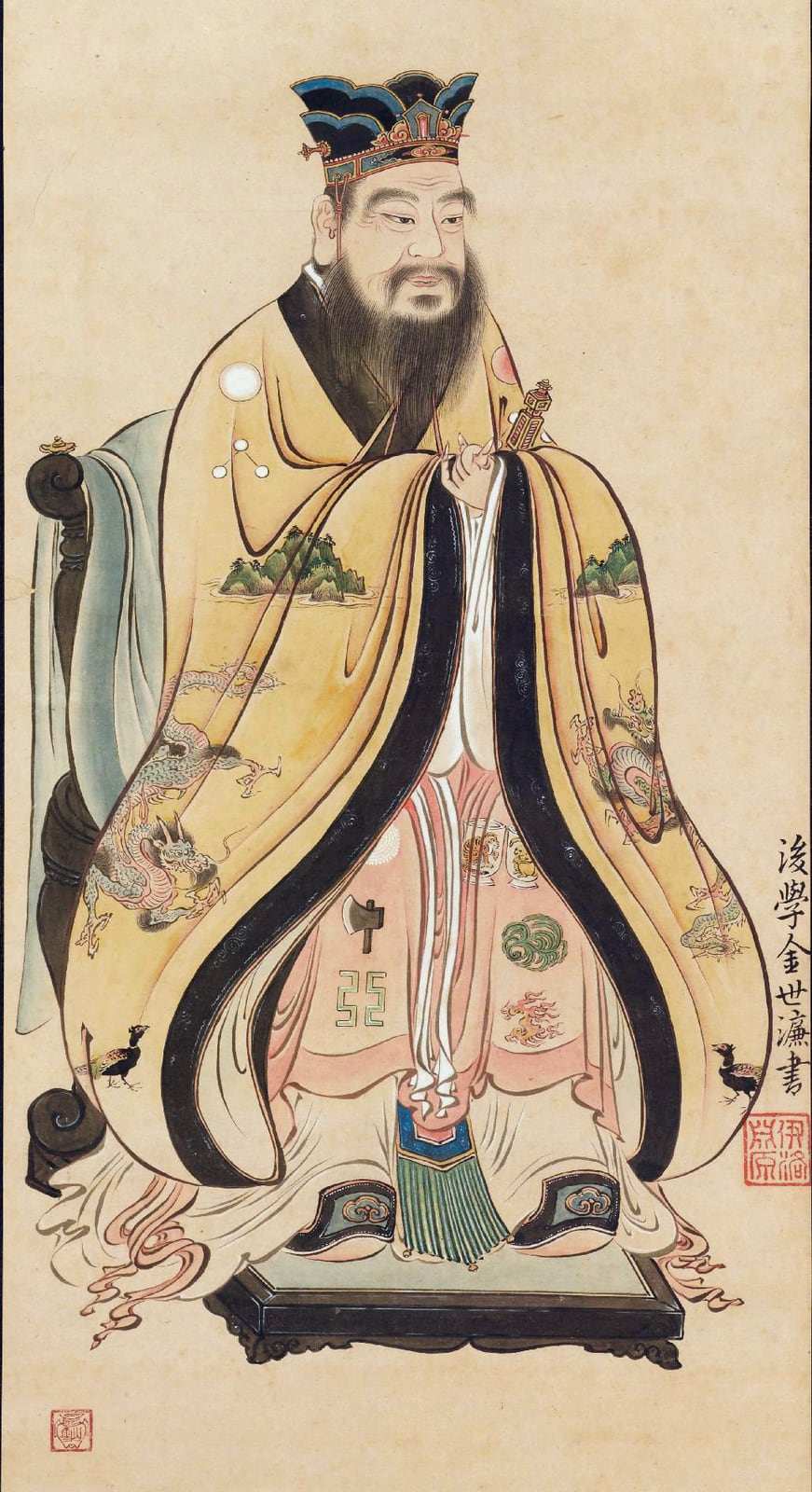
Confucius
इन पर सहमत: हम दुःख क्यों भोगते हैं? · मृत्यु के बाद क्या होता है? · मुक्ति या उद्धार कैसे प्राप्त होता है?
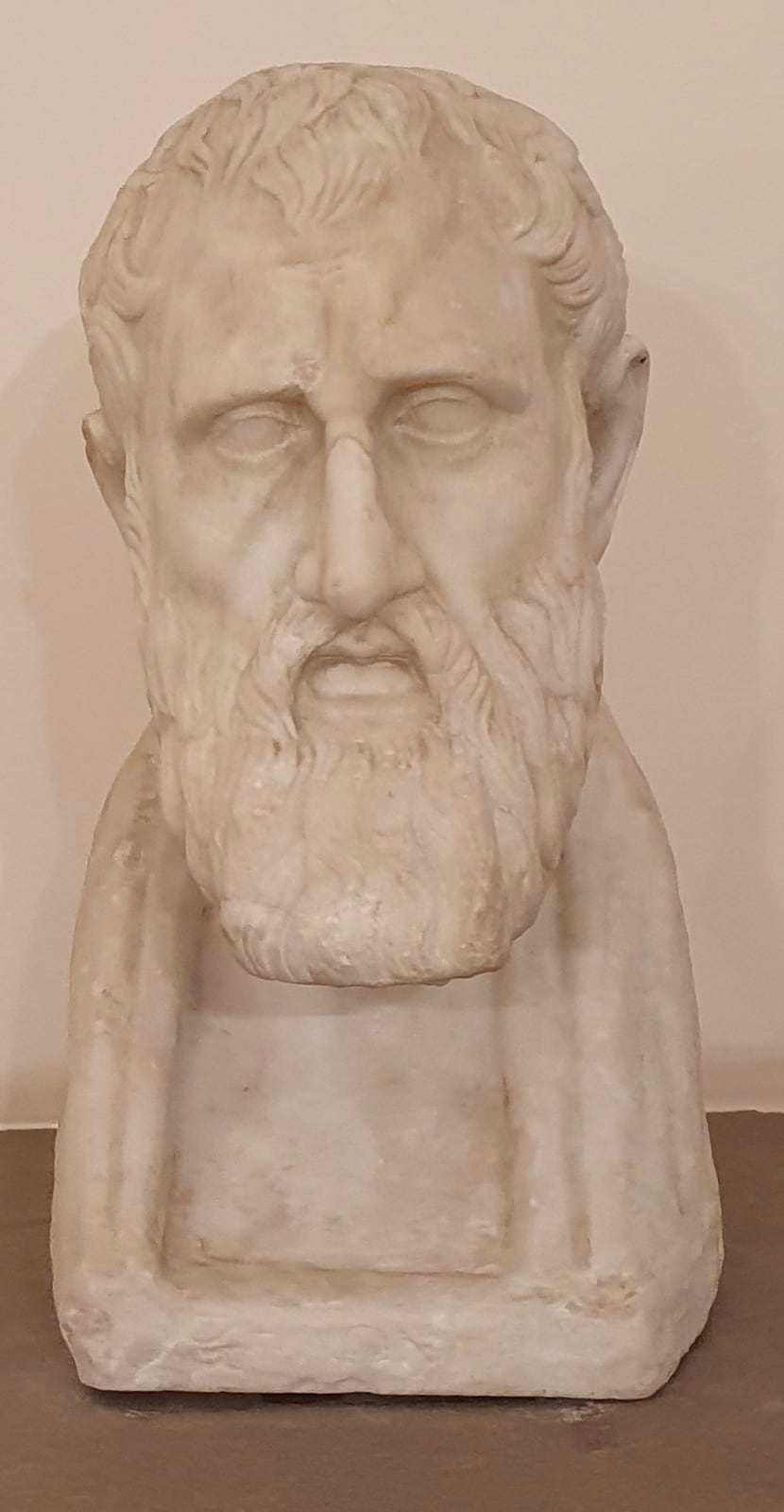
Zeno of Citium
इन पर सहमत: हम दुःख क्यों भोगते हैं? · मृत्यु के बाद क्या होता है? · मुक्ति या उद्धार कैसे प्राप्त होता है?
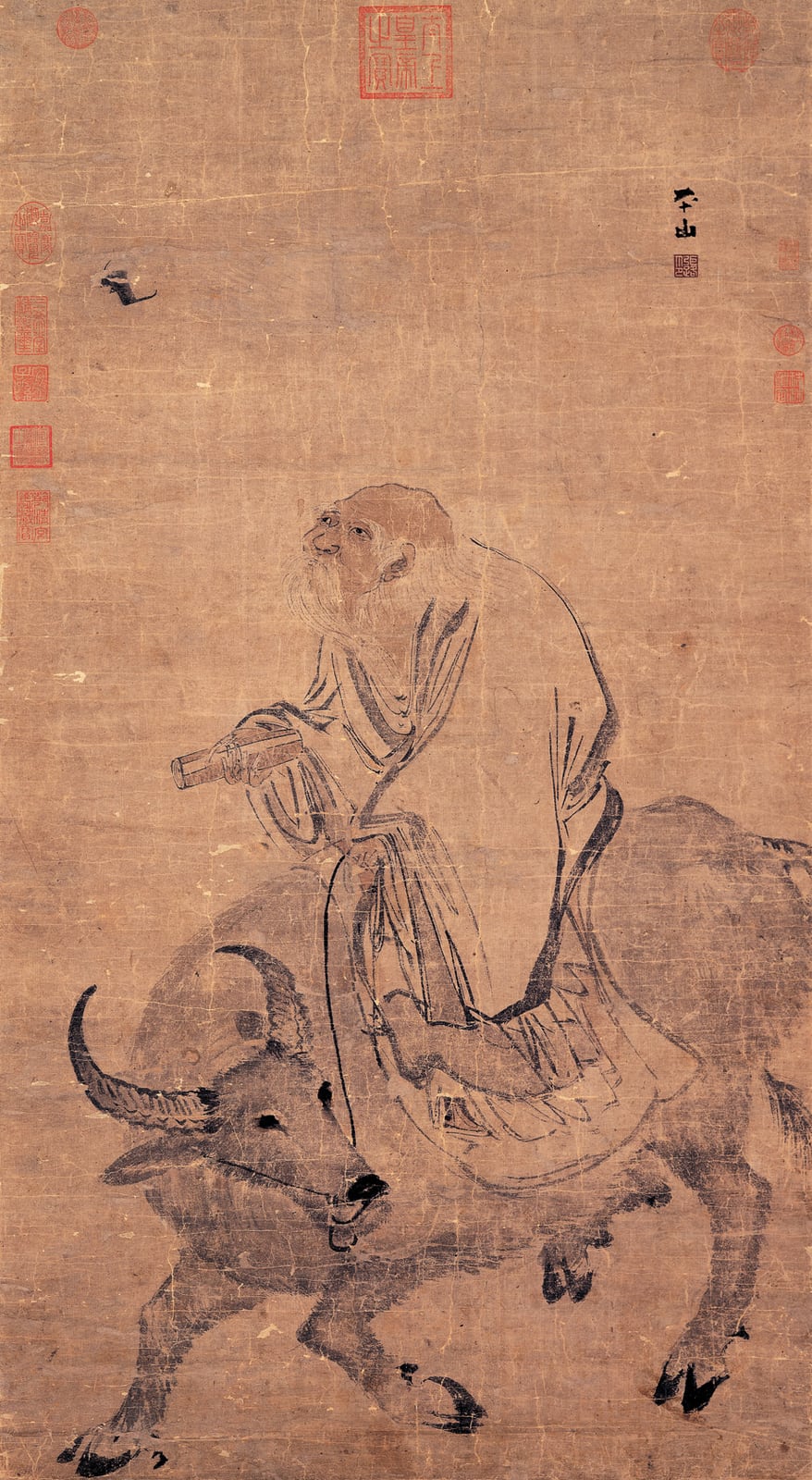
Laozi
इन पर सहमत: हम दुःख क्यों भोगते हैं? · मृत्यु के बाद क्या होता है? · मुक्ति या उद्धार कैसे प्राप्त होता है?

Emanuel Swedenborg
इन पर सहमत: परम सत्य क्या है? क्या ईश्वर है? · मुक्ति या उद्धार कैसे प्राप्त होता है? · ध्यान या प्रार्थना क्यों करें?
इनसे भिन्न सोचते हैं
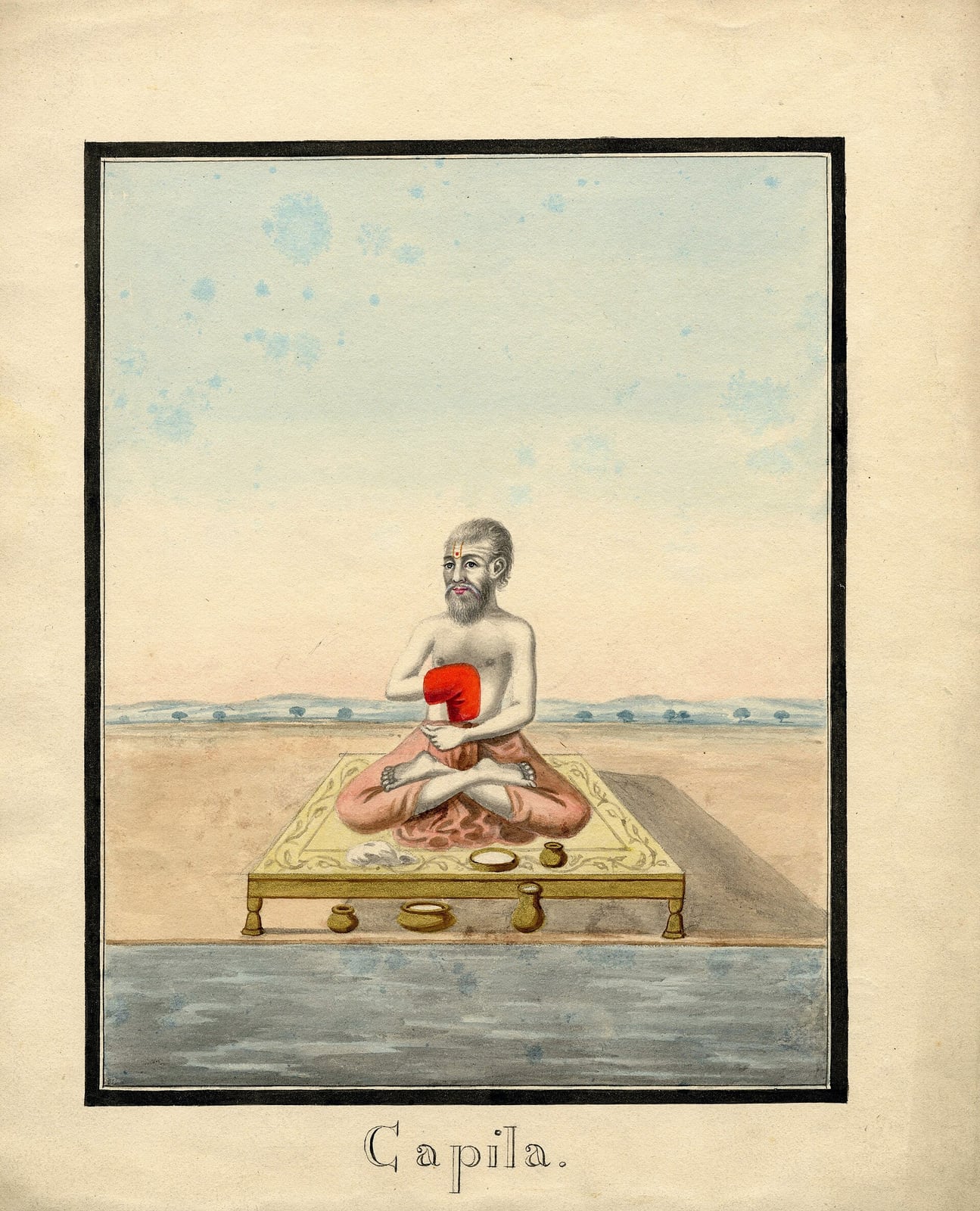
Kapila
इन पर टकराव: परम सत्य क्या है? क्या ईश्वर है?
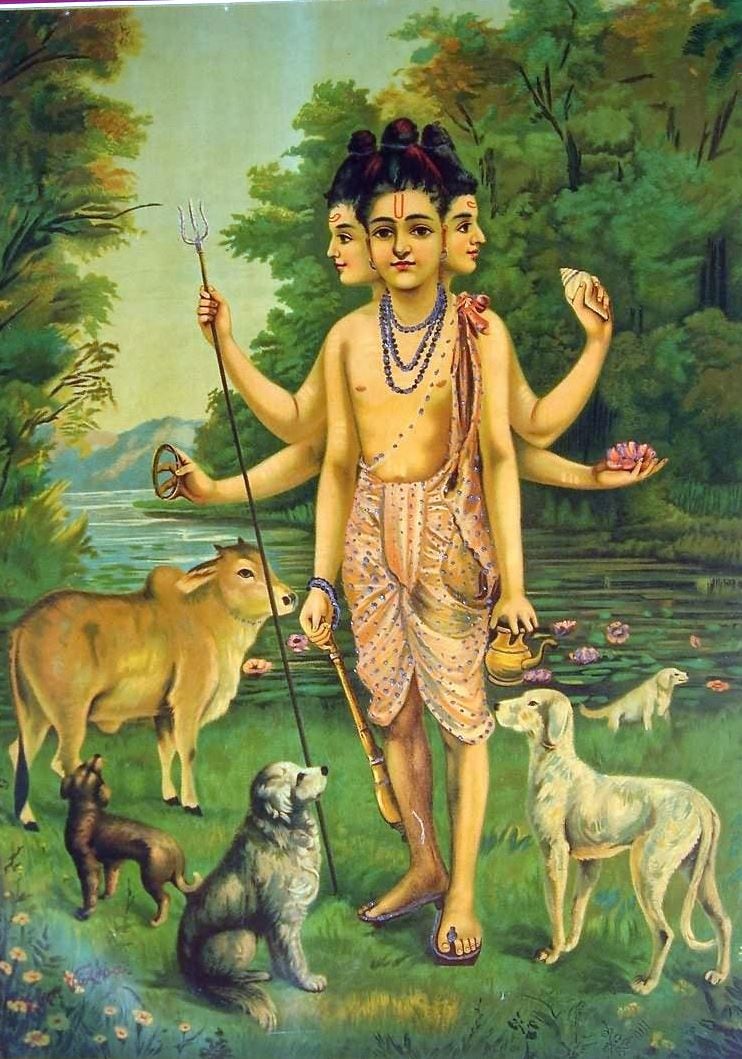
Dattatreya
इन पर टकराव: परम सत्य क्या है? क्या ईश्वर है? · हम दुःख क्यों भोगते हैं? · मृत्यु के बाद क्या होता है?
Uddalaka Aruni
इन पर टकराव: परम सत्य क्या है? क्या ईश्वर है? · मृत्यु के बाद क्या होता है? · मुक्ति या उद्धार कैसे प्राप्त होता है?
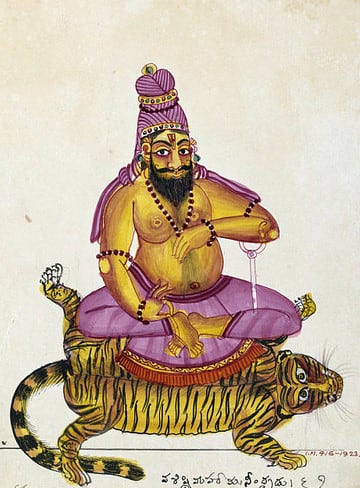
Vasishtha
इन पर टकराव: परम सत्य क्या है? क्या ईश्वर है? · हम दुःख क्यों भोगते हैं? · मृत्यु के बाद क्या होता है?
प्रसंग और वृत्तांत
प्रसंग और वृत्तांत
संत-चरित वृत्तांतrelato épico
The grief that became verse
वृत्तांत का स्रोत: Rāmāyaṇa, Bālakāṇḍa, sarga 2 (Griffith's translation, canto II). Goldman regards it as part of the poem's late frame. Ānandavardhana (9th c.) cites it in the Dhvanyāloka as an example that the soul of poetry is emotion.
संत-चरित वृत्तांतrelato épico
The question to Nārada
वृत्तांत का स्रोत: Rāmāyaṇa, Bālakāṇḍa, sarga 1 (Griffith's translation, canto I). It belongs to the poem's late frame.
संत-चरित वृत्तांतrelato épico
The hermitage that sheltered Sītā
वृत्तांत का स्रोत: Rāmāyaṇa, Uttarakāṇḍa (Dutt's translation, vol. 4). It is a late stratum of the poem, which philology regards as an addition.
संत-चरित वृत्तांतrelato épico
The poet's oath
वृत्तांत का स्रोत: Rāmāyaṇa, Uttarakāṇḍa, section CIX of M. N. Dutt's translation (1894), checked against the text.
संत-चरित वृत्तांतleyenda medieval y moderna
The bandit of the anthill
वृत्तांत का स्रोत: It does not appear in Vālmīki's Rāmāyaṇa. It is documented in the Adhyātma Rāmāyaṇa (Ayodhyākāṇḍa) and in later texts and vernacular versions; the name Ratnākara belongs to late versions. Julia Leslie (2003) studied its history and its rejection by the Vālmīki community.
स्रोत: Leslie, Julia. Authority and Meaning in Indian Religions: Hinduism and the Case of Vālmīki. Aldershot: Ashgate, 2003.
प्रमाणित1881
Tagore in the role of Vālmīki
वृत्तांत का स्रोत: A fact documented by the history of Bengali theatre and by the photograph of the performance (Commons, from Indira Devi Chaudhurani's memoirs, Visva-Bharati, 1974). The exact date of the premiere should be confirmed in a Tagore biography.
शिक्षाएँ
शिक्षाएँ
वे अवधारणाएँ जो उनके चिंतन को रूप देती हैं, उनके संदर्भ में समझाई गई।
Śloka (the stanza born of grief)sloka
Sanskrit metrics; Bālakāṇḍa, sarga 2.
Ādikāvya and ādikavi (the first poem, the first poet)adikavya
Sanskrit poetics and literary genres.
स्रोत: Goldman, Robert P. (trad. e introd.). The Rāmāyaṇa of Vālmīki: An Epic of Ancient India. Vol. I: Bālakāṇḍa. Princeton: Princeton University Press, 1984. Introducción (autor, fecha, el episodio de las grullas y el marco del poema).
Karuṇa rasa (the compassionate sentiment)karuna-rasa
Ānandavardhana's Dhvanyāloka (9th c.), 1.5.
स्रोत: Goldman, Robert P. (trad. e introd.). The Rāmāyaṇa of Vālmīki: An Epic of Ancient India. Vol. I: Bālakāṇḍa. Princeton: Princeton University Press, 1984. Introducción (autor, fecha, el episodio de las grullas y el marco del poema).
The recensions and the critical editionrecensiones-ramayana
Textual criticism of the Rāmāyaṇa.
स्रोत: Bhatt, G. H., y U. P. Shah (eds. gen.). The Vālmīki-Rāmāyaṇa: Critical Edition. 7 vols. Baroda: Oriental Institute, 1960–1975.
Rāma, the ideal man of dharmamaryada-purushottama
Ethics and theology of the Rāmāyaṇa.
स्रोत: Brockington, John. Righteous Rāma: The Evolution of an Epic. Delhi: Oxford University Press, 1984.
वीडियो
वीडियो
रिकॉर्डिंग, साक्षात्कार और वृत्तचित्र। वीडियो YouTube से चलते हैं; वे यहाँ संग्रहीत नहीं हैं।
Robert Goldman sings from the Ramayana
व्याख्यान· SA· 2016· 2 min
UC Berkeleyआधिकारिक चैनल
Famous Ramayana epic now in modern English
वृत्तचित्र· EN· 2016· 4 min
UC Berkeleyआधिकारिक चैनल
CMTC workshop (02.06.2021) Mary Brockington (Oriental Studies, Oxford)
व्याख्यान· EN· 2021· 53 min
CMTC Media
Reading Ramayana in the 21st Century | Arshia Sattar | India ki Khoj
व्याख्यान· EN· 2019· 52 min
IIT Gandhinagarआधिकारिक चैनल
A critical edition of the Valmiki Ramayana
व्याख्यान· HI· 2025· 11 min
Pandulipi Sanvadah
Bharat Ek Khoj | Episode-7 | Ramayana, Part-I
वृत्तचित्र· HI· 1988· 48 min
Prasar Bharati Archivesआधिकारिक चैनल
Bharat Ek Khoj | Episode-8 | Ramayana, Part II
वृत्तचित्र· HI· 1988· 44 min
Prasar Bharati Archivesआधिकारिक चैनल
Mewar Ramayana brought alive
वृत्तचित्र· EN· 2014· 5 min
Chhatrapati Shivaji Maharaj Vastu Sangrahalayaआधिकारिक चैनल
Ramayana Storytelling Performance
तृतीय पक्ष की रिकॉर्डिंग· EN· 2016· 93 min
Asian Art Museumआधिकारिक चैनल
Rama and the Ramayana: Crash Course World Mythology #27
विश्लेषण· EN· 2017· 13 min
CrashCourseआधिकारिक चैनल
Complete Chant of SundaraKanda from Valmiki Ramayanam in Sanskrit
तृतीय पक्ष की रिकॉर्डिंग· SA· 2021· 693 min
The Sanskrit Channel
Life and Teachings of Maharishi Valmiki, Author of Ramayana also known as Adi Kavi
विश्लेषण· HI· 2020· 21 min
StudyIQ IAS
RAMAYANA
तृतीय पक्ष की रिकॉर्डिंग· ES· 2020· 18 min
Casa de la India in Spainआधिकारिक चैनल
Râmâyana : la légende de Rama, avatar de Vishnou - Mythologie hindoue
विश्लेषण· FR· 2020· 20 min
Arcana les Mystères du Monde
चित्रशाला
चित्रशाला
सत्यापित लाइसेंस वाले चित्र। प्रत्येक में उसके रचयिता और श्रेय का उल्लेख सुरक्षित है।
पांडुलिपियाँ
पांडुलिपियाँ
पांडुलिपि-साक्ष्य और प्राचीन पाठ, उनके संरक्षक और अध्ययन की शर्तों सहित।
FA · Nastaʿlīq (persa) · Texto épico sánscrito (s. V a. C.–III d. C. aprox.); traducción persa de época de Akbar
Rāmāyaṇa de Vālmīki (traducción persa), copia ilustrada conocida como «Freer Ramayana»
- संरक्षित पाठ-साक्ष्य
- Manuscrito ilustrado de 1597–1605
- संरक्षक
- Freer Gallery of Art, Smithsonian National Museum of Asian Art (Washington) · F1907.271
- डिजिटलीकरण
- www.asia.si.edu/collections/singleObject.cfm?Obj…
संबंध
संबंध
प्रभाव, शिष्यत्व और वैचारिक निकटता। प्रमाणित संबंध को विश्लेषण से पहचानी गई समानता से अलग दर्शाया गया है।
इनसे भेंट
In the first canto of the Rāmāyaṇa, Nārada answers Vālmīki's question and tells him the life of Rāma. A textual, not a historical, relation.
प्रमाणित संबंध
इनके समकालीन
In the Rāmāyaṇa, Vasiṣṭha is the purohita of Ayodhyā in Rāma's time; the Yoga Vāsiṣṭha puts in Vālmīki's mouth the narration of Vasiṣṭha's dialogue with Rāma. A literary relation.
प्रमाणित संबंध
इनसे मिलते-जुलते विचार
The two 'authors' of the Sanskrit epics are at once characters in their works and names that authorise whole corpora; tradition pairs them as the first poet and the compiler of history.
विश्लेषण से पहचानी गई समानता
इन्हें प्रभावित किया
In 1900 Vivekananda devoted a lecture to the Rāmāyaṇa, in which he presents Vālmīki as India's first poet.
प्रमाणित संबंध
इन्हें प्रभावित किया
Tulsīdās
Tulsīdās's Rāmcaritmānas (16th c.), in Awadhi, is the great devotional rewriting of the story told in the Rāmāyaṇa; it also draws on the Adhyātma Rāmāyaṇa.
प्रमाणित संबंध
इनसे मिलते-जुलते विचार
The repetition of Rāma's name as a path of salvation, central to the late legend of Vālmīki, is also the core of Kabīr's devotion; the affinity is thematic.
विश्लेषण से पहचानी गई समानता
अन्य प्रविष्टियों से जुड़ा
स्रोत
स्रोत
इस प्रविष्टि के लिए देखे गए ग्रंथ-सूची और सूचीपत्र।
- Wikidata, «Valmiki», QID Q715607 (LCCN n80036601; GND 118840274; BnF 11927528q; VIAF 288016626).
- Goldman, Robert P. (trad. e introd.). The Rāmāyaṇa of Vālmīki: An Epic of Ancient India. Vol. I: Bālakāṇḍa. Princeton: Princeton University Press, 1984. Introducción (autor, fecha, el episodio de las grullas y el marco del poema).
- Brockington, John. The Sanskrit Epics. Leiden: Brill, 1998 (Handbuch der Orientalistik, 2. Abt., Bd. 12). Capítulos sobre el Rāmāyaṇa: transmisión, recensiones, estratos y datación.
- Brockington, John. Righteous Rāma: The Evolution of an Epic. Delhi: Oxford University Press, 1984.
- Griffith, Ralph T. H. (trad.). The Rámáyan of Válmíki, translated into English verse. 5 vols. Londres: Trübner; Benarés: E. J. Lazarus, 1870–1874. Project Gutenberg n.º 24869 (cantos I–II del libro I; nota sobre el Uttarakáṇḍa).
- Bhatt, G. H., y U. P. Shah (eds. gen.). The Vālmīki-Rāmāyaṇa: Critical Edition. 7 vols. Baroda: Oriental Institute, 1960–1975.
- Goldman, Robert P., y Sally J. Sutherland Goldman (trads.). The Rāmāyaṇa of Vālmīki: An Epic of Ancient India. Vol. VII: Uttarakāṇḍa. Princeton: Princeton University Press, 2016; edición completa en un volumen: The Rāmāyaṇa of Vālmīki: The Complete English Translation, 2021.
- Leslie, Julia. Authority and Meaning in Indian Religions: Hinduism and the Case of Vālmīki. Aldershot: Ashgate, 2003.
- Dutt, Manmatha Nath (trad.). The Rāmāyaṇa. 4 vols. Calcuta: edición y publicación del traductor, 1891–1894. Vol. 4: Uttara Kāṇḍa, sección CIX (el juramento de Vālmīki). Project Gutenberg n.º 57265, 57826, 60188, 62496.
- Wikipedia (inglés), «Valmiki», sobre la leyenda de Ratnākara en el Adhyātma Rāmāyaṇa y otras fuentes tardías, y sobre la comunidad que lo venera.
- Mitra, Vihari-Lala (trad.). The Yoga-Vásishtha Mahárámáyana of Válmiki. 4 vols. en 7 partes. Calcuta: Bonnerjee & Co., 1891–1899. Project Gutenberg n.º 71326 y siguientes.
- Smithsonian, National Museum of Asian Art, Freer Gallery of Art: Rāmāyaṇa de Vālmīki ilustrado (la «Freer Ramayana»), taller mogol, 1597–1605, F1907.271.
- Wikipedia (inglés), «Valmiki Pratibha» (ópera de Rabindranath Tagore, 1881) y «Uttararamacharita» (drama de Bhavabhūti, s. VIII).
- Vivekananda, Swami. «The Ramayana», conferencia en Pasadena, 31 de enero de 1900. The Complete Works of Swami Vivekananda, vol. 4 (Wikisource).
- अधिकार-धारक
- Texto sánscrito de dominio público. Traducciones con derechos propios: Princeton University Press (Goldman et al.), Penguin India (Debroy; Sattar), Gallimard (Pléiade), Diederichs, Clásicos Bergua, Iberia. Son de dominio público las de Griffith (1870–1874), Dutt (1891–1894) y Fauche (1854–1858).
पुष्टि की प्रतीक्षा में
जो यह प्रविष्टि अभी तक निश्चित नहीं कर सकी है। हम उसे भर देने के बजाय कह देना बेहतर समझते हैं।
- Fechas: no hay nacimiento ni muerte; la línea de tiempo usa las fechas de la composición del Rāmāyaṇa. Precisar con la introducción de Goldman (1984) la horquilla que propone para el núcleo y con Brockington (1998) las etapas.
- Ediciones en español: las de Clásicos Bergua (2001), Iberia (1990) y Juventud (1984) no indican traductor en Open Library; identificarlo y comprobar si son traducciones íntegras o adaptaciones. Buscar ediciones en italiano, ruso e hindi (Gita Press) con ISBN.
- Obras atribuidas (Adbhuta Rāmāyaṇa, Ānanda Rāmāyaṇa, Gaṅgāṣṭaka): falta fuente académica propia y ediciones; precisar fechas.
- Anécdota de Vālmīki Pratibhā: confirmar la fecha exacta del estreno (febrero de 1881) en una biografía de Tagore.
- Cita apócrifa «jananī janmabhūmiś ca…»: localizar en qué manuscritos o versiones aparece y citar el aparato de la edición crítica.
- Mitra (Yoga Vāsiṣṭha): fecha de muerte del traductor sin verificar (caution en la sala de lectura).
- Manuscritos: añadir el Rāmāyaṇa de Mewar (British Library y CSMVS, s. XVII) con signaturas verificadas.
2026-10-26 को शोधित