हिन्दू धर्म · योग · अद्वैत वेदान्त · वैदिक परंपरा
Vasishtha
वसिष्ठ · Vasiṣṭha · योगवासिष्ठ
पौराणिक व्यक्तित्व
वैदिक ऋषि, जिन्हें परंपरा ऋग्वेद के सातवें मण्डल का रचयिता मानती है — वह मण्डल जिसे दूसरी सहस्राब्दी ई.पू. के उत्तरार्ध में कवि-पुरोहितों के एक कुल ने रचा। सूक्तों में वे दाशराज्ञ युद्ध में राजा सुदास के साथ दिखाई देते हैं; रामायण में वे अयोध्या के राजवंश के कुलपुरोहित, विश्वामित्र के प्रतिद्वंद्वी और राम के गुरु हैं, और महाभारत में व्यास के प्रपितामह। वसिष्ठ धर्मसूत्र और योग वासिष्ठ — कश्मीरी मोक्षोपाय से पुनर्रचित एक मध्यकालीन वेदान्ती संवाद — उनके नाम से जुड़े हैं। वे कोई प्रमाणित व्यक्ति नहीं, बल्कि एक वंश और एक पौराणिक व्यक्तित्व हैं।
- कृतियाँ
- 10कृतियाँ
- संस्करण
- 15संस्करण
- उद्धरण
- 6उद्धरण
- वीडियो
- 13वीडियो
- चित्र
- 9चित्र
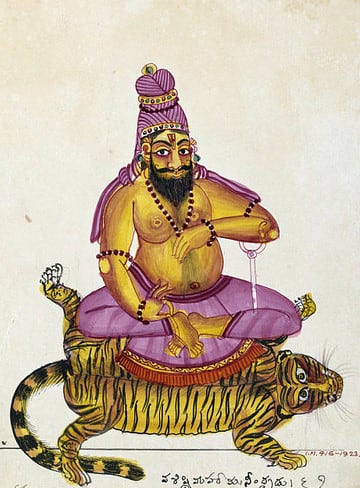
Maharishi Vasiṣṭha sentado sobre una piel de tigre · Public domain
उनके अपने शब्दों में
«Free us from sins committed by our fathers, from those wherein we have ourselves offended. O King, loose, like a thief who feeds the cattle, as from the cord a calf, set free Vasistha.»Ṛgveda 7.86.5; trad. inglesa de R. T. H. Griffith (1896, dominio público); versión española del investigador

मूल विचार
The world as a projection of the mind: The Yoga Vāsiṣṭha maintains that the whole universe is a creation of the mind (manas) or of consciousness (cit), comparable to a dream or an imagined city: it exists while it is thought and ceases to exist when thought is stilled.
संदर्भ में देखें
जीवनी
5 मिनट का पाठ
स्पैनिश मूल से सहायता-प्राप्त अनुवाद, मातृभाषी अनुवादक द्वारा समीक्षा लंबित।
तीन हज़ार वर्षों को लाँघता एक नाम
संस्कृत साहित्य में बहुत कम व्यक्तित्व ऐसे हैं जो वसिष्ठ की भाँति उसकी इतनी परतों में बार-बार प्रकट होते हों। वे वह कवि-पुरोहित हैं जिन्हें परंपरा ऋग्वेद के सातवें मण्डल का रचयिता मानती है; रामायण में अयोध्या के सूर्यवंश के कुलपुरोहित; विश्वामित्र के प्रतिद्वंद्वी; महाभारत में व्यास के प्रपितामह; सप्तर्षि-मण्डल के एक तारे; और मध्यकाल में वे आचार्य जो योग वासिष्ठ में राम को उपदेश देते हैं। वैदिक सूक्तों से आगे किसी ऐतिहासिक व्यक्ति की बात करने का कोई प्रमाण उपलब्ध नहीं है: यह नाम एक साथ पुरोहितों के एक वंश — वसिष्ठ, एक ब्राह्मण गोत्र जो आज भी विद्यमान है — और आकाश के सात ऋषियों में गिने जाने वाले एक पौराणिक मुनि का बोध कराता है। जो तिथियाँ दी जा सकती हैं, वे ग्रंथों की हैं, व्यक्ति की कभी नहीं।
सातवें मण्डल के कवि
ऋग्वेद के दूसरे से सातवें मण्डल, जिन्हें “वंश-मण्डल” कहा जाता है, कवियों के विभिन्न कुलों के संग्रह हैं। सातवाँ मण्डल, जिसमें 104 सूक्त हैं, वसिष्ठ मैत्रावरुणि और उनके वंशजों का माना जाता है और संहिता के सबसे प्राचीन अंशों में से है; सर्वाधिक स्वीकृत काल-निर्धारण के अनुसार इसकी रचना पंजाब में दूसरी सहस्राब्दी ई.पू. के उत्तरार्ध में हुई। इसमें अग्नि, इन्द्र और उषा के सूक्त हैं, और सबसे बढ़कर वरुण को संबोधित सूक्तों की एक शृंखला (7.86–89), जिसका स्वर असाधारण रूप से निजी है: कवि स्वयं से पूछता है कि उससे कौन-सा अपराध हुआ, और देवता से प्रार्थना करता है कि उसे वैसे ही छोड़ दे जैसे “बछड़े को रस्सी से” — “अव राजन् पशुतृपं न तायुं सृजा वत्सं न दाम्नो वसिष्ठम्”। सूक्त 7.33 वसिष्ठ के जन्म की कथा कहता है: वे मित्र और वरुण के पुत्र हैं, अप्सरा उर्वशी के प्रति उनकी कामना से उत्पन्न — “उतासि मैत्रावरुणो वसिष्ठोर्वश्या ब्रह्मन् मनसोऽधि जातः” — एक कुंभ में संचित बीज से, जिससे अगस्त्य भी प्रकट हुए। इन वंशावलियों की पुष्टि असंभव है; पर ये इतना अवश्य दर्शाती हैं कि दिव्य उत्पत्ति का दावा करने वाला एक पुरोहित-कुल स्वयं को किस रूप में देखता था।
सुदास और दाशराज्ञ युद्ध
सूक्त 7.18, 7.33 और 7.83 तृत्सु-भरतों के राजा सुदास की उस विजय का गुणगान करते हैं जो उन्होंने परुष्णी नदी — आज की रावी — के तट पर दस राजाओं के संघ पर प्राप्त की। वसिष्ठ इसका श्रेय स्वयं लेते हैं: वे कहते हैं कि इन्द्र ने उनकी प्रार्थना सुनी और तृत्सुओं को “विस्तार और मुक्ति” दी — “वसिष्ठस्य स्तुवत इन्द्रो अश्रोदुरुं तृत्सुभ्यो अकृणोदु लोकम्”। माइकल विट्ज़ेल ने इन सूक्तों को मध्य वैदिक काल की एक वास्तविक घटना का प्रतिबिंब माना है — उन भरतों का उत्कर्ष, जिनके नाम पर आगे चलकर भारत कहलाया — और यह भी लक्षित किया है कि तीसरा मण्डल, विश्वामित्र का मण्डल, भी सुदास से परिचित है। संभवतः यहीं से दोनों पुरोहित-कुलों की वह प्रतिद्वंद्विता उपजी, जिसे महाकाव्यों ने अपने बड़े विषयों में से एक बना दिया।
विश्वामित्र से प्रतिद्वंद्विता
रामायण इस स्मृति को नाटकीय रूप देती है। बालकाण्ड में राजा विश्वामित्र वसिष्ठ के आश्रम में आते हैं, और वसिष्ठ कामधेनु शबला की कृपा से उनका भव्य सत्कार करते हैं; राजा उसे ले जाना चाहते हैं, गाय सेनाएँ उत्पन्न करती है, और क्षत्रिय का बल ब्राह्मण के तेज से टकराकर चूर हो जाता है — यहाँ तक कि विश्वामित्र राज्य त्यागकर सहस्रों वर्षों तक तप करते हैं ताकि उन्हें ब्रह्मर्षि माना जाए। महाभारत इसमें सबसे अंधकारमय प्रसंग जोड़ता है: राक्षस बन गए राजा कल्माषपाद वसिष्ठ के ज्येष्ठ पुत्र शक्ति को खा जाते हैं; मुनि प्राण त्यागने का प्रयास करते हैं और नदियाँ उन्हें डुबोने से इनकार कर देती हैं; जीने की इच्छा उन्हें केवल अपने पौत्र पराशर की वाणी लौटाती है, जो माता के गर्भ से ही वेद-पाठ कर रहा है। यही पराशर आगे चलकर व्यास के पिता होंगे।
इक्ष्वाकुओं के कुलपुरोहित और राम के गुरु
महाकाव्य में वसिष्ठ अयोध्या के राजाओं के वंशानुगत पुरोहित हैं: वे दशरथ के अनुष्ठान संपन्न कराते हैं, राजकुमारों को शिक्षा देते हैं, राजा की मृत्यु के बाद भरत को बुलवाते हैं, और चित्रकूट के वन में राम को उस परंपरा का स्मरण कराते हैं जो ज्येष्ठ पुत्र को राज करने के लिए बाध्य करती है। उनकी पत्नी अरुन्धती दाम्पत्य निष्ठा का आदर्श बन गईं; उनका नाम छोटे-से तारे अल्कोर को दिया गया है, जो सप्तर्षि-मण्डल में वसिष्ठ के तारे मिज़ार के पास है और जिसे विवाह-संस्कार में नववधू को दिखाया जाता है। भारतविद् गेओर्ग ब्यूलर ने 1882 में ही लक्षित किया था कि “ब्राह्मणधर्म के अग्रणी” इस वसिष्ठ की प्रतिष्ठा ही बताती है कि इतनी रचनाएँ उनके नाम के अंतर्गत क्यों रखी गईं।
योग वासिष्ठ
उनके नाम से जुड़ी सबसे प्रभावशाली कृति योग वासिष्ठ या महारामायण है — परंपरा के अनुसार लगभग तीस हज़ार श्लोकों का एक विराट संवाद, जो छह प्रकरणों में विभक्त है। किशोर राम तीर्थयात्रा से वैराग्य में डूबे लौटते हैं; विश्वामित्र दरबार में आते हैं और वसिष्ठ उनका उपदेश आरम्भ करते हैं, जो कथा-ढाँचों की एक शृंखला में गुँथा है जिसके वक्ता वाल्मीकि हैं। इसका सिद्धान्त एक मौलिक आदर्शवाद है: जगत मन का प्रक्षेपण है, और जो चेतना उसका स्वप्न देखती है वह जीते-जी जाग सकती है (जीवन्मुक्ति)। वसिष्ठ इसे अविस्मरणीय कथाओं — लीला, राजा लवण, ब्राह्मण गाधि, रानी चूडाला — के माध्यम से और भाग्य के विरुद्ध मानवीय पुरुषार्थ पर एक विलक्षण आग्रह के साथ सिखाते हैं। प्रस्तावित तिथियाँ छठी से चौदहवीं शताब्दी तक फैली हैं; वाल्टर स्लाये और यूर्गन हानेडर ने दिखाया है कि यह ग्रंथ एक पूर्ववर्ती कश्मीरी कृति, लगभग दसवीं शताब्दी के मोक्षोपाय, का वेदान्ती पुनर्लेखन है। इसके अतिरिक्त गौड अभिनन्द को श्रेय दिया जाने वाला एक संक्षिप्त रूप, लघु योग वासिष्ठ, भी है, और मुग़ल दरबार में किया गया एक फ़ारसी अनुवाद, जिसकी 1602 की सचित्र पाण्डुलिपि डब्लिन में सुरक्षित है।
धर्मशास्त्र, योग, शिक्षा और ज्योतिष
यह नाम प्रामाणिकता की मुहर भी बन गया। वसिष्ठ धर्मसूत्र, धर्म पर गद्य में रचित उन चार ग्रंथों में से एक जो बचे रहे, ब्यूलर के लिए एक लुप्त वैदिक शाखा का अंतिम अवशेष है और पैट्रिक ओलिवेल के लिए इस समूह का सबसे परवर्ती ग्रंथ, जिसमें बाद के प्रक्षेप भी हैं; स्वयं ग्रंथ तीन बार वसिष्ठ का स्मरण करता है और “मित्र, वरुण और उर्वशी के पुत्र” को प्रणाम के साथ समाप्त होता है। उनके नाम से योग पर एक वसिष्ठ संहिता, एक वसिष्ठ स्मृति, वैदिक ध्वनिशास्त्र पर एक ग्रंथ (वासिष्ठी शिक्षा), धनुर्विद्या पर दूसरा (धनुर्वेद संहिता) और एक ज्योतिषीय पद्धति, वसिष्ठ सिद्धान्त, भी जुड़ी है, जिसका सार छठी शताब्दी में वराहमिहिर ने प्रस्तुत किया। इनमें से कोई भी किसी एक व्यक्ति की रचना नहीं मानी जा सकती: यह आरोपण बताता है कि किस प्रामाणिकता का आह्वान अभीष्ट था।
जो कहा जा सकता है
इतिहासकार इतना कह सकता है कि वैदिक काल में कवियों और पुरोहितों का एक कुल था जो स्वयं को वसिष्ठ कहता था, जिसने ऋग्वेद के सातवें मण्डल की रचना या संचरण किया और जो सुदास के दरबार से जुड़ा था। शेष सब — कुंभ से जन्म, चमत्कारी गाय, सौ पुत्रों की मृत्यु, राम का गुरुत्व — उस साहित्यिक परंपरा का अंग है जो दो हज़ार से अधिक वर्षों तक लिखी जाती रही और जिसने वसिष्ठ को ज्ञानी ब्राह्मण का साक्षात् रूप बना दिया: बल के समक्ष शांत, वचन के प्रति निष्ठावान और राजाओं के गुरु।
स्रोत: Jamison, Stephanie W., y Joel P. Brereton (trads.). The Rigveda: The Earliest Religious Poetry of India. 3 vols. Nueva York: Oxford University Press, 2014. Introducción general e introducción al libro VII. · Griffith, Ralph T. H. (trad.). The Hymns of the Rigveda. 2.ª ed. Benarés: E. J. Lazarus, 1896–1897. Libro VII (himnos 18, 33, 59, 83, 86–89), texto en Wikisource. · Goldman, Robert P. (trad. e introd.). The Rāmāyaṇa of Vālmīki: An Epic of Ancient India. Vol. I: Bālakāṇḍa. Princeton: Princeton University Press, 1984 (episodio de Vasiṣṭha y Viśvāmitra, sargas 50–64 de la edición crítica). · Mitra, Vihari-Lala (trad.). The Yoga-Vásishtha Mahárámáyana of Válmiki. 4 vols. en 7 partes. Calcuta: Bonnerjee & Co., 1891–1899. Edición digital en Project Gutenberg (n.º 71326 y siguientes). · Slaje, Walter. Vom Mokṣopāya-Śāstra zum Yogavāsiṣṭha-Mahārāmāyaṇa. Philologische Untersuchungen zur Entwicklungs- und Überlieferungsgeschichte eines indischen Lehrwerks mit Anspruch auf Heilsrelevanz. Viena: Verlag der Österreichischen Akademie der Wissenschaften, 1994.
कालक्रम
जीवन, वर्ष-दर-वर्ष
प्रत्येक बिंदु एक प्रमाणित घटना है। उसे स्रोत और निश्चितता के स्तर सहित पढ़ने के लिए क्लिक करें।
लगभग 1300 ई.पू. – 1000 ई.पू.Panyab (Sapta Sindhu)
The hymns of the seventh book of the Ṛgveda
Composition, by the priestly family of the Vasiṣṭhas, of the 104 hymns of maṇḍala VII, one of the 'family books' that form the ancient core of the Ṛgveda. The range is that of the composition of the corpus, not of a person.
संभावितJamison, Stephanie W., y Joel P. Brereton (trads.). The Rigveda: The Earliest Religious Poetry of India. 3 vols. Nueva York: Oxford University Press, 2014. Introducción general e introducción al libro VII.
लगभग 1300 ई.पू. – 1000 ई.पू.
The hymns of the seventh book of the Ṛgveda
Composition, by the priestly family of the Vasiṣṭhas, of the 104 hymns of maṇḍala VII, one of the 'family books' that form the ancient core of the Ṛgveda. The range is that of the composition of the corpus, not of a person.
संभावित
लगभग 1200 ई.पू.
The Battle of the Ten Kings
Hymns 7.18, 7.33 and 7.83 celebrate the victory of King Sudās of the Tṛtsu-Bharatas over a coalition of ten kings and ascribe Indra's favour to the prayer of the Vasiṣṭhas. Witzel interprets it as a real event of the Vedic period; the date is approximate.
विवादित
लगभग 500 ई.पू. – 300
Vasiṣṭha in the Rāmāyaṇa
In the Rāmāyaṇa, whose composition spans centuries (the Bālakāṇḍa and the Uttarakāṇḍa are late strata), Vasiṣṭha is Daśaratha's purohita, the teacher of the princes and the protagonist of the conflict with Viśvāmitra over the cow Śabalā.
संभावित
लगभग 300 ई.पू. – 300
Vasiṣṭha in the Mahābhārata
The Ādiparvan narrates the death of Śakti at the hands of King Kalmāṣapāda, Vasiṣṭha's attempts at suicide frustrated by the rivers Vipāśā and Śatadru, and the birth of his grandson Parāśara, father of Vyāsa.
परंपरा
लगभग 100 ई.पू. – 100
The Vasiṣṭha Dharmasūtra
Redaction of the treatise on dharma that bears his name, the latest of the four surviving dharmasūtras according to Olivelle, with later additions. The range is approximate.
विवादित
लगभग 950
The Mokṣopāya
Composition in Kashmir of the Mokṣopāya, the dialogue between Vasiṣṭha and Rāma that Slaje and Hanneder have identified as the basis of the Yoga Vāsiṣṭha.
संभावित
लगभग 1100 – 1400
The Vedāntic version: the Yoga Vāsiṣṭha
Reworking of the Mokṣopāya in a Vedāntic key and spread of the Yoga Vāsiṣṭha or Mahārāmāyaṇa, together with the abridgement ascribed to Gauḍa Abhinanda (Laghu Yoga Vāsiṣṭha). The dates are still debated.
विवादित
1602
The illustrated Jūg Bāsisht
For Prince Salīm, the future emperor Jahāngīr, an illustrated copy of the Persian translation of the Yoga Vāsiṣṭha is completed at Allahabad, with paintings by Bishan Das and others; it is now in the Chester Beatty Library, Dublin.
प्रमाणित
1882
Bühler translates the Vasiṣṭha Dharmasūtra
Georg Bühler publishes the English translation of the Vasiṣṭha Dharmasūtra in volume 14 of the Sacred Books of the East.
प्रमाणित
1891 – 1899
Vihari-Lala Mitra's translation
The first complete English translation of the Yoga Vāsiṣṭha, in four volumes, by Vihari-Lala Mitra, appears in Calcutta.
प्रमाणित
1896
Griffith publishes the Ṛgveda in English
Second edition of Ralph T. H. Griffith's The Hymns of the Rigveda, the complete public-domain English translation in which Vasiṣṭha's hymns are read today.
प्रमाणित
कृतियाँ
आवश्यक कृतियाँ
वे कृतियाँ जिनके बिना उनकी विरासत को समझा नहीं जा सकता।
परवर्ती संकलन · लगभग 1200 ई.पू.
Ṛgveda, Book VII (hymns of the Vasiṣṭhas)
ऋग्वेद, सप्तमं मण्डलम् (Ṛgveda, saptamaṃ maṇḍalam)
The 104 hymns of the seventh book of the Ṛgveda, one of the 'family books'. They include hymns to Agni, Indra, Uṣas, the Maruts and Mitra-Varuṇa; the chronicle of the Battle of the Ten Kings (7.18, 7.33, 7.83); the account of Vasiṣṭha's birth (7.33); the confessional hymns to Varuṇa (7.86–89); the mantra to Tryambaka (7.59.12), still recited as the 'mahāmṛtyuñjaya', and the hymn of the frogs (7.103). It is one of the oldest strata of Indian literature.
4 संस्करण

पारंपरिक आरोपण · लगभग 1100
Yoga Vāsiṣṭha (Mahārāmāyaṇa)
योगवासिष्ठ (Yogavāsiṣṭha), también महारामायण (Mahārāmāyaṇa), आर्षरामायण, वासिष्ठरामायण
A dialogue of some thirty thousand verses, according to tradition, in six books (prakaraṇa): Vairāgya (Rāma's disenchantment), Mumukṣu (the seeker of liberation), Utpatti (creation), Sthiti (persistence), Upaśama (quiescence) and Nirvāṇa (extinction). Vasiṣṭha teaches Rāma that the world is a projection of the mind and that liberation is possible in life, through dozens of nested tales —Līlā, Lavaṇa, Gādhi, Cūḍālā and Śikhidhvaja, the crow Bhuśuṇḍa— and a constant defence of human effort (pauruṣa) against fate.
6 संस्करण

पारंपरिक आरोपण · लगभग 100 ई.पू.
Vasiṣṭha Dharmasūtra (The Sacred Law of Vasiṣṭha)
वासिष्ठधर्मसूत्र / वासिष्ठधर्मशास्त्र (Vāsiṣṭha Dharmasūtra / Dharmaśāstra)
A prose manual with interspersed verses, in thirty chapters, on the rules of conduct: the sources of dharma, the four social classes, the stages of life (student, householder, hermit, ascetic), purity, women, inheritance, adoption, lawful interest on loans, the king and penances. It ends with a chapter of maxims and a salutation to Vasiṣṭha, 'son of Mitra and Varuṇa and of Urvaśī'.
3 संस्करण
संपूर्ण कृतित्व (10)
Vasishtha
Mokṣopāya ('The Means to Liberation')
The Conscious LibraryMokṣopāya ('The Means to Liberation')
950

Laghu Yoga Vāsiṣṭha (The Shorter Yoga Vāsiṣṭha)
Vasishtha
Vasiṣṭha Saṃhitā (Yoga section)
The Conscious LibraryVasiṣṭha Saṃhitā (Yoga section)
Vasishtha
Vasiṣṭha Smṛti
The Conscious LibraryVasiṣṭha Smṛti
Vasishtha
Vāsiṣṭhī Śikṣā (treatise on Vedic phonetics)
The Conscious LibraryVāsiṣṭhī Śikṣā (treatise on Vedic phonetics)
Vasishtha
Vasiṣṭha's Dhanurveda Saṃhitā (treatise on archery)
The Conscious LibraryVasiṣṭha's Dhanurveda Saṃhitā (treatise on archery)
Vasishtha
Vasiṣṭha Siddhānta (astronomical system)
The Conscious LibraryVasiṣṭha Siddhānta (astronomical system)
वचन
किसी निश्चित कृति में स्थित वचन। प्रत्येक के साथ उसका स्रोत और विश्वसनीयता का स्तर है।
Free us from sins committed by our fathers, from those wherein we have ourselves offended. O King, loose, like a thief who feeds the cattle, as from the cord a calf, set free Vasistha.áva drugdhā́ni pítryā sṛjā nó, áva yā́ vayáṃ cakṛmā́ tanū́bhiḥ / áva rājan paśutṛ́paṃ ná tāyúṃ sṛjā́ vatsáṃ ná dā́mno vásiṣṭham
सत्यापितṚgveda 7.86.5; trad. inglesa de R. T. H. Griffith (1896, dominio público); versión española del investigador
अंतिम शब्द
उनके अंतिम शब्दों का कोई सत्यापन-योग्य अभिलेख उपलब्ध नहीं है।
There is no record of his death or of any last words. Vasiṣṭha is a lineage name and a legendary figure; tradition places him among the seven sages who dwell as stars in the Great Bear.
स्रोत: Jamison, Stephanie W., y Joel P. Brereton (trads.). The Rigveda: The Earliest Religious Poetry of India. 3 vols. Nueva York: Oxford University Press, 2014. Introducción general e introducción al libro VII.
पूछें
उनकी कृतियाँ क्या उत्तर देती हैं
मानवता के बारह महान प्रश्न और उनके ग्रंथ उनका जो उत्तर देने देते हैं, संदर्भों सहित। हम कभी उनके मुख में अपने शब्द नहीं रखते।
परम सत्य क्या है? क्या ईश्वर है?
The only reality is pure consciousness; the universe is its imagining
निराकार परम सत्तास्पष्ट रूप से कहा है
In the Yoga Vāsiṣṭha, Vasiṣṭha teaches Rāma that the ultimate is brahman, pure consciousness (cit) without form, beginning or second. Worlds, bodies and the gods themselves appear in that consciousness like the images of a dream or an imagined city, and have no substance other than it. The work's stories —Līlā, who traverses her husband's successive lives within the space of a single room; King Lavaṇa, who lives a whole existence as an outcaste in an instant— serve to dissolve the solidity of what is taken to be real. Brahmā, Viṣṇu and Śiva appear in the text, but as figures within that consciousness, not as its ground. The question of a creator God is thus absorbed into another: what is the consciousness that represents the world to itself.
इस प्रश्न की अन्य गुरुओं से तुलना करेंमैं कौन हूँ? क्या कोई सच्चा आत्म है?
The suffering self is a product of the mind; the Self is pure consciousness
आत्मन् ही ब्रह्म हैस्पष्ट रूप से कहा है
In the Yoga Vāsiṣṭha, Vasiṣṭha distinguishes between the ego (ahaṃkāra), which arises when consciousness thinks itself to be a particular body and mind, and the Self, which is unbounded consciousness (cit) itself. The ego has no more reality than a dream: it arises with accumulated impressions and desires (vāsanā) and dissolves when they are extinguished. What remains is not nothingness, but the consciousness that always was, identical with brahman. The work does not present this identity as a dogma, but as the result of an enquiry: Rāma must examine who it is that suffers until he finds that he cannot find him. Whoever understands this is liberated while living (jīvanmukta), and goes on acting in the world without identifying with any of it.
इस प्रश्न की अन्य गुरुओं से तुलना करेंहम दुःख क्यों भोगते हैं?
We suffer because the mind takes as real the world it imagines
हम क्या हैं, इसका अज्ञानस्पष्ट रूप से कहा है
The Yoga Vāsiṣṭha opens with Rāma's despondency: back from a pilgrimage, the young prince stops eating and acting, because he has seen the transience of youth, wealth and the body, and the thirst (tṛṣṇā) that is never quenched. Vasiṣṭha does not deny that diagnosis, but takes it deeper. Suffering arises because consciousness identifies with a body and a mind and takes as solid the world the mind itself projects, like someone suffering within a dream. What sustains that identification are accumulated impressions and desires (vāsanā). That is why the remedy is not to flee the world, but to understand its nature: when the vāsanās are extinguished and the mind grows still, suffering loses the ground it stood on.
इस प्रश्न की अन्य गुरुओं से तुलना करेंमृत्यु के बाद क्या होता है?
Death is a change of dream; consciousness is neither born nor dies
जो मैं हूँ, वह न जन्मता है न मरता हैस्पष्ट रूप से कहा है
In the Yoga Vāsiṣṭha, death interrupts nothing essential. The story of Līlā shows it: at the death of her husband Padma, the queen discovers that he goes on living, in the same instant and within the space of her own chamber, the life of King Vidūratha, who in turn dies and finds himself again in another world. For Vasiṣṭha, what we call dying is the mind, laden with its impressions (vāsanā), ceasing to represent one body and beginning to represent another, like passing from one dream to the next. As long as those impressions persist, the round of births continues. But consciousness itself, which is brahman, is neither born nor dies; whoever recognises it is liberated while still living and has nowhere to go.
इस प्रश्न की अन्य गुरुओं से तुलना करेंमुक्ति या उद्धार कैसे प्राप्त होता है?
Enquiry, sustained by one's own effort, liberates in this life
प्रत्यक्ष ज्ञान सेस्पष्ट रूप से कहा है
For the Vasiṣṭha of the Yoga Vāsiṣṭha, liberation results from knowledge gained through enquiry (vicāra): examining who I am, what the world is and where suffering arises, until impressions and desires (vāsanā) are extinguished and the mind grows still. It is not a gift nor the fruit of a rite, and it demands personal effort (pauruṣa): Vasiṣṭha holds that what is called fate is nothing but past action, and that present effort can overcome it as the stronger ram overcomes the weaker. The work describes seven stages of knowledge, from the wish for the good to a state with no trace of duality. Its ideal is the one liberated while living (jīvanmukta): not someone who abandons the world, but someone who lives in it without bonds.
इस प्रश्न की अन्य गुरुओं से तुलना करेंक्या गुरु आवश्यक है?
The teacher and the texts guide; one's own understanding liberates
सहायक, पर अनिवार्य नहींस्पष्ट रूप से कहा है
The Yoga Vāsiṣṭha takes the form of a teaching: Vasiṣṭha, teacher of the royal house, instructs Rāma for days before the court. But the text stresses that neither the teacher nor the scriptures suffice without the disciple's own understanding. Vasiṣṭha even says that reasonable words should be accepted even if spoken by a child, and that what does not accord with reason should be discarded like straw even if Brahmā himself had said it. His praise of personal effort (pauruṣa) points the same way: fate saves no one, and neither does the mere presence of a sage. The teacher awakens, reasons and offers stories that make one see; the disciple must enquire for himself until the teaching becomes his own evidence.
इस प्रश्न की अन्य गुरुओं से तुलना करेंक्या संसार वास्तविक है?
The world is like a dream: it exists while the mind thinks it
एक सत्य पर आभासस्पष्ट रूप से कहा है
The central thesis of the Yoga Vāsiṣṭha is that the entire universe is a creation of the mind (manas) or of consciousness (cit), comparable to a dream, an imagined city or the sky that looks blue without being so. It exists while it is thought and ceases to exist when thought grows still. Vasiṣṭha demonstrates this with stories of worlds within worlds: Līlā visits, within the space of a room, lives that last for years, and King Lavaṇa lives in an instant an entire existence as an outcaste, which he later finds confirmed in a real village. Time and space thus lose their solidity. The world is nothing in itself, but neither is it an absolute nothing: it is consciousness appearing to itself in forms.
इस प्रश्न की अन्य गुरुओं से तुलना करेंप्रेम क्या है?
The Yoga Vāsiṣṭha does not make love a path; the hymns seek divine friendship
इस पर कुछ नहीं कहा
The Yoga Vāsiṣṭha has no doctrine of love. Its affective vocabulary revolves around attachment (rāga) and thirst (tṛṣṇā), which it treats as bonds, and its ideal is the one liberated while living, who acts with equanimity and without aversion to anyone. The story of Cūḍālā and Śikhidhvaja, in which an awakened queen patiently guides her husband to liberation and both return to rule together, shows a bond in the service of awakening, but the text does not raise it to a theory. The closest thing to love in the work ascribed to Vasiṣṭha lies in another place and age: in Ṛgveda VII, the poet ponders in his own heart how he may again be united with Varuṇa and find him gracious (7.86.2), and recalls an ancient friendship with the god.
इस प्रश्न की अन्य गुरुओं से तुलना करेंक्या हम स्वतंत्र हैं, या सब कुछ पूर्वनिर्धारित है?
Fate is past action; present effort can overcome it
कर्म और चुनावस्पष्ट रूप से कहा है
One of the most characteristic theses of the Yoga Vāsiṣṭha is the primacy of human effort (pauruṣa) over fate (daiva). In the opening chapters of the book of the seeker, Vasiṣṭha holds that what is called fate is not an external force, but the subject's own past action. Fate and effort, he says, contend with each other like two rams of unequal strength, in which the mightier overcomes the other, and present effort, well directed, can prevail. Fatalism is the excuse of the lazy. The thesis is striking in a work that also holds that the world is a mental projection: the effort it demands is, above all, that of the enquiry that leads to recognising the illusory nature of one's bonds.
इस प्रश्न की अन्य गुरुओं से तुलना करेंध्यान या प्रार्थना क्यों करें?
Enquire who I am until the mind comes to rest in its source
'मैं' के स्रोत पर लौटनास्पष्ट रूप से कहा है
The Yoga Vāsiṣṭha makes enquiry (vicāra) its central practice: asking who I am, what this world is and where suffering arises, until the mind, deprived of the objects with which it identified, comes to rest in the consciousness from which it arises. Vasiṣṭha recognises two means of stilling the mind's agitation: yoga, understood as mastery of the breath, and knowledge; and although he devotes stories to the first —that of the immortal crow Bhusuṇḍa, who lives through control of the breath—, he prefers the second. Meditation does not mean withdrawing from life, but seeing through it: the one liberated while living meditates while ruling, conversing or fighting, because he no longer takes as real what the mind projects.
इस प्रश्न की अन्य गुरुओं से तुलना करेंक्या बुद्धि परम को जान सकती है?
Reasoning guides to the threshold; the mind is extinguished in crossing it
परम मन से परे हैस्पष्ट रूप से कहा है
Few Indian works grant reasoning as much value as the Yoga Vāsiṣṭha. Vasiṣṭha even says that reasonable words (yukti) should be accepted even if spoken by a child, and that what does not accord with reason must be discarded like straw even if Brahmā himself had said it. His stories work as arguments that dismantle the solidity of time and space. But reasoning is not the goal: it is the instrument of an enquiry that ends when the mind itself is extinguished (manonāśa). The ultimate is not a true thought about consciousness, but the objectless consciousness that remains when thinking ceases. Reason, well used, leads beyond itself.
इस प्रश्न की अन्य गुरुओं से तुलना करेंसंसार से हटें या उसे बदलें?
Rāma must not withdraw: the one liberated in life rules without bonds
कर्म में ध्यानस्पष्ट रूप से कहा है
The whole Yoga Vāsiṣṭha answers a temptation to withdraw. Rāma, disillusioned with the world, wants to abandon his princely duties, and Viśvāmitra needs him to protect a sacrifice. Vasiṣṭha's teaching does not invite him to renounce, but to understand: whoever has seen the nature of the world can go on acting in it without identifying with anything. That is the one liberated while living (jīvanmukta). The work illustrates this with kings: Janaka attains knowledge on hearing the song of some sages and goes on reigning; Queen Cūḍālā, awakened, guides her husband Śikhidhvaja, who had withdrawn to the forest, and both return to rule. Liberation lies not in the place where one lives, but in the manner of being there.
इस प्रश्न की अन्य गुरुओं से तुलना करें
निकटता और तनाव
निकटता और तनाव
उनके मतों के आधार पर प्रश्न-दर-प्रश्न आकलित। प्रत्येक सहमति या टकराव का कारण क्लिक करने पर।
इनसे मिलता-जुलता सोचते हैं
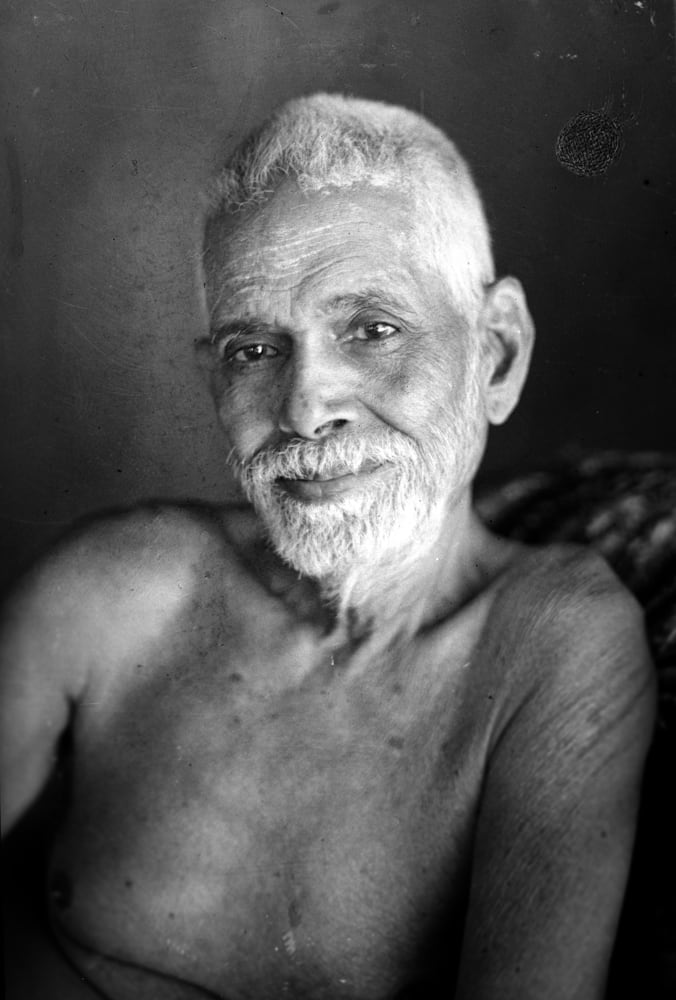
Ramana Maharshi
इन पर सहमत: परम सत्य क्या है? क्या ईश्वर है? · क्या संसार वास्तविक है? · मैं कौन हूँ? क्या कोई सच्चा आत्म है?
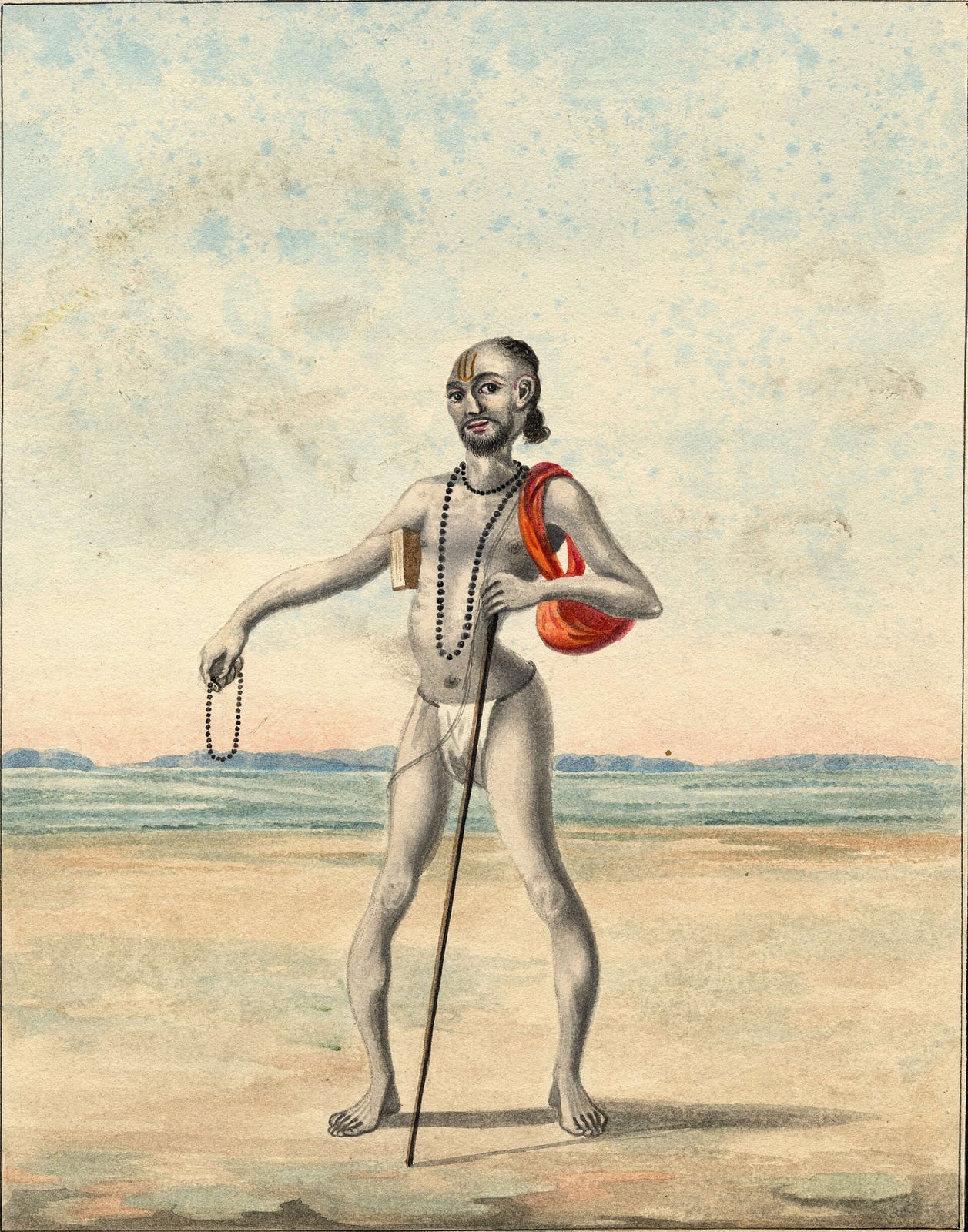
Ashtavakra
इन पर सहमत: परम सत्य क्या है? क्या ईश्वर है? · मैं कौन हूँ? क्या कोई सच्चा आत्म है? · हम दुःख क्यों भोगते हैं?
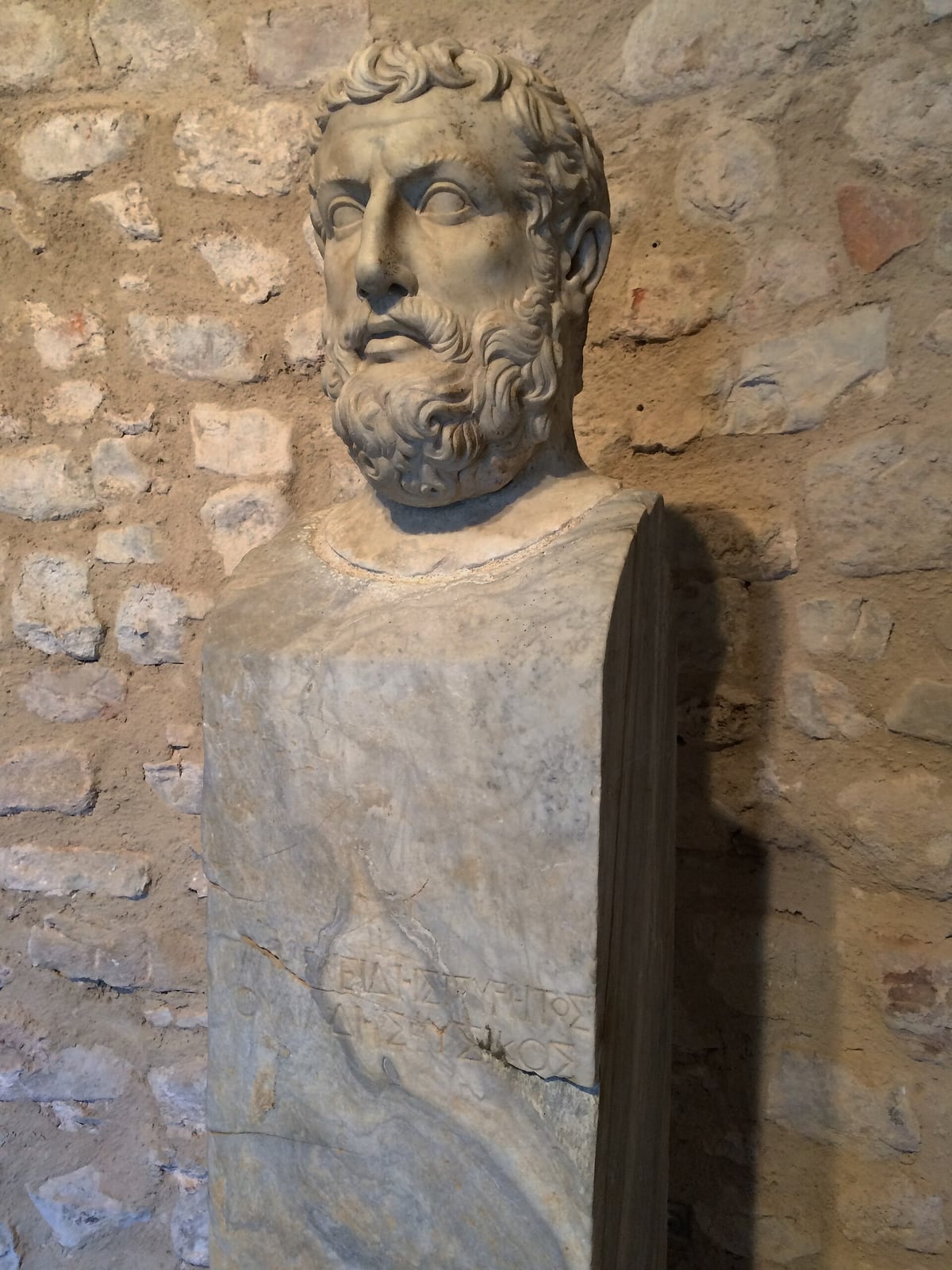
Parmenides
इन पर सहमत: परम सत्य क्या है? क्या ईश्वर है? · मुक्ति या उद्धार कैसे प्राप्त होता है? · क्या गुरु आवश्यक है?
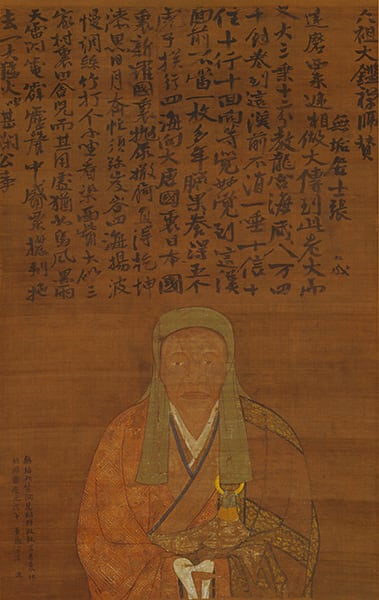
Huineng
इन पर सहमत: परम सत्य क्या है? क्या ईश्वर है? · मैं कौन हूँ? क्या कोई सच्चा आत्म है? · हम दुःख क्यों भोगते हैं?
इनसे भिन्न सोचते हैं
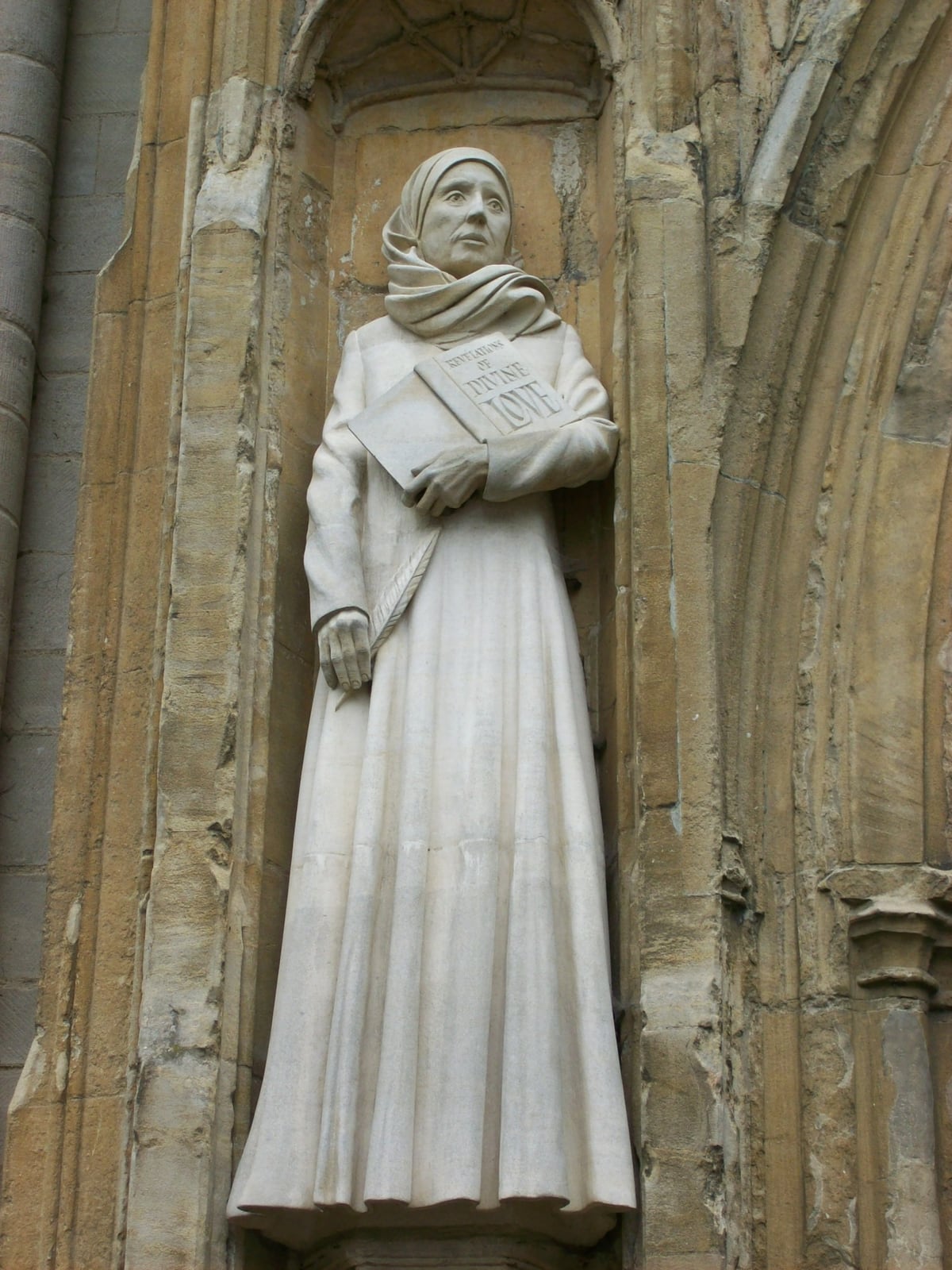
Julian of Norwich
इन पर टकराव: मैं कौन हूँ? क्या कोई सच्चा आत्म है? · क्या संसार वास्तविक है?
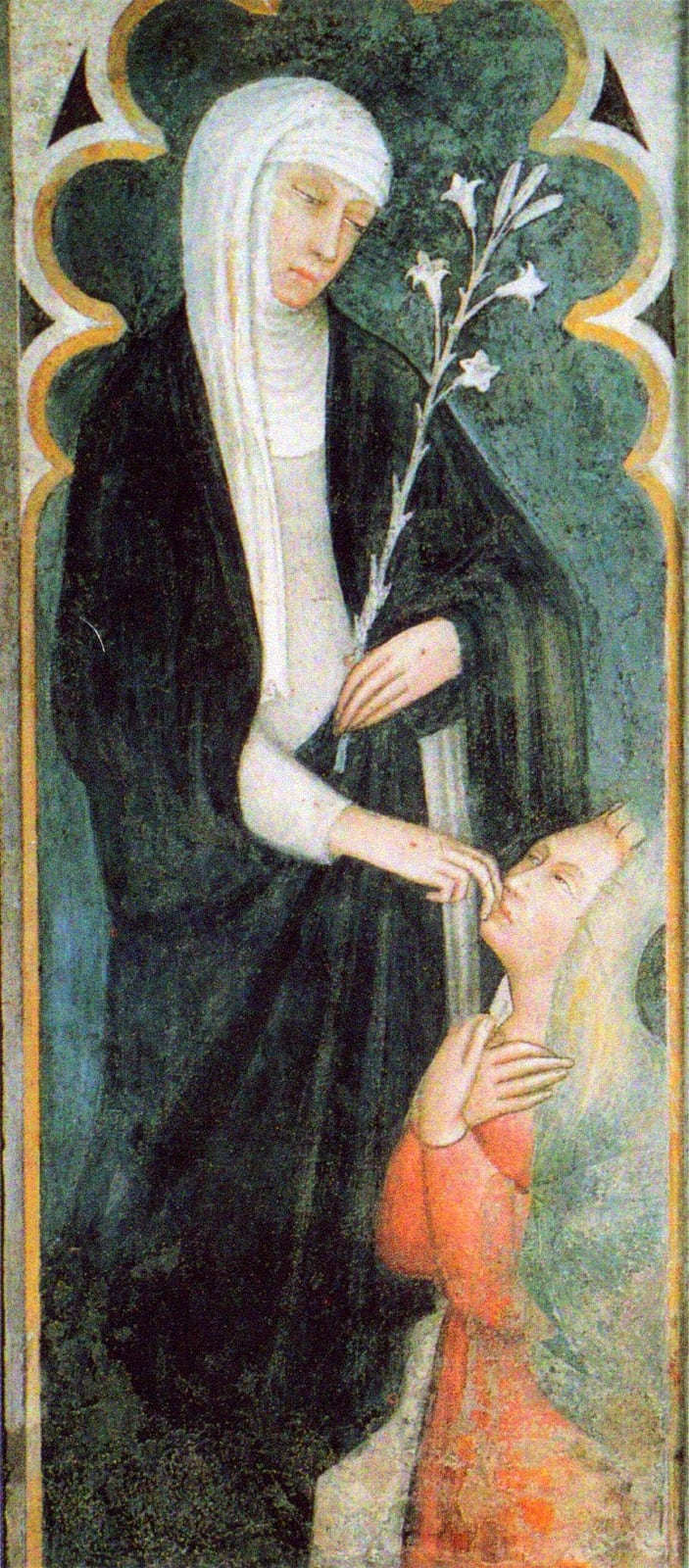
Catherine of Siena
इन पर टकराव: मैं कौन हूँ? क्या कोई सच्चा आत्म है? · क्या संसार वास्तविक है?
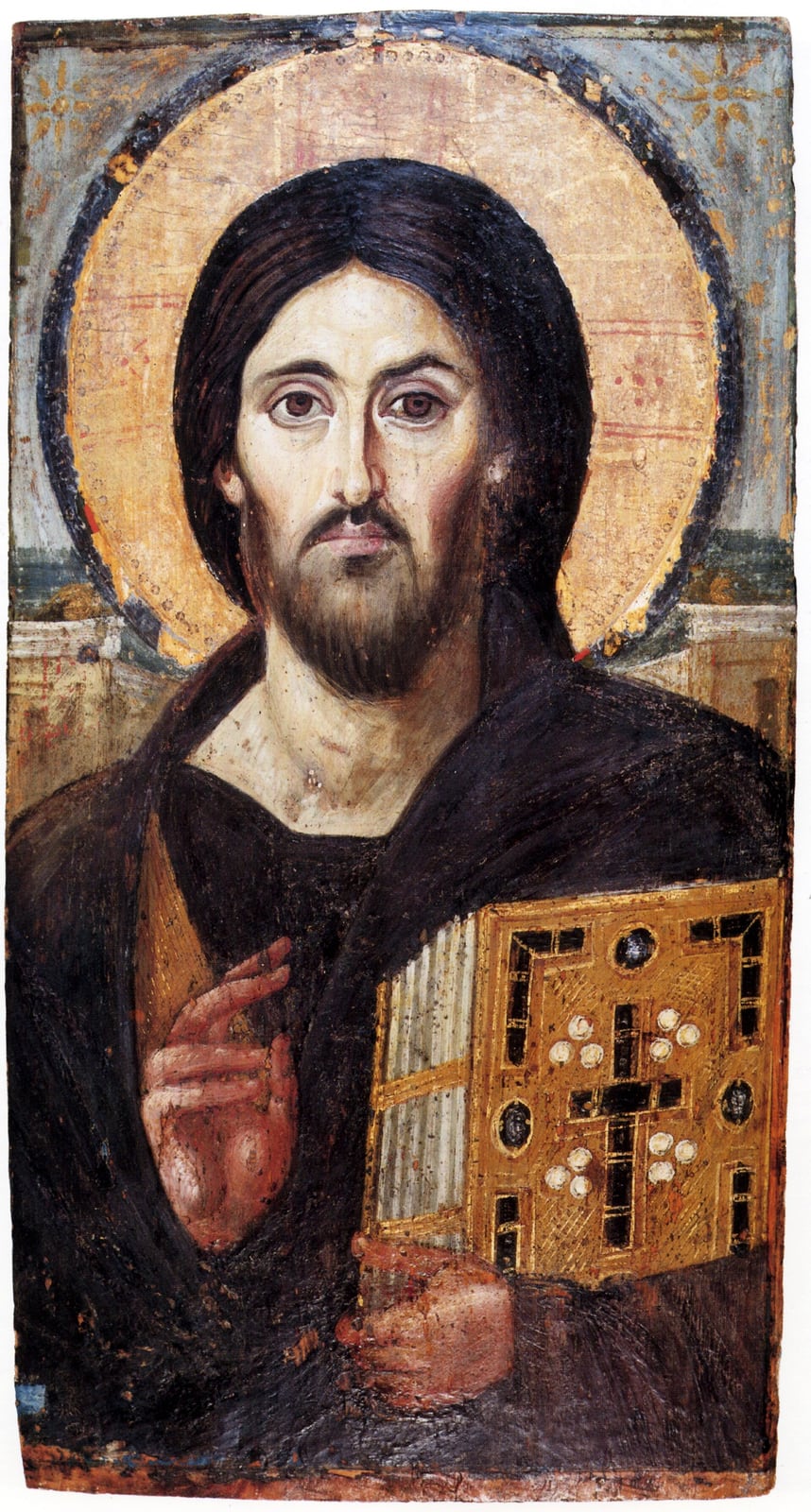
Jesus of Nazareth
इन पर टकराव: क्या संसार वास्तविक है? · मैं कौन हूँ? क्या कोई सच्चा आत्म है?

Francis of Assisi
इन पर टकराव: मैं कौन हूँ? क्या कोई सच्चा आत्म है? · क्या संसार वास्तविक है?
प्रसंग और वृत्तांत
प्रसंग और वृत्तांत
मौखिक परंपराperiodo védico
Born from a pitcher
वृत्तांत का स्रोत: Ṛgveda 7.33.9–13 (Griffith's translation, Wikisource), from Vedic oral transmission. The Vasiṣṭha Dharmasūtra (30.11) preserves the same genealogy in its final salutation.
मौखिक परंपराperiodo védico
'Set Vasiṣṭha free like a calf'
वृत्तांत का स्रोत: Ṛgveda 7.86 (Griffith's translation). The attribution to Vasiṣṭha comes from the anukramaṇī and from the hymn itself, which names him in verse 5.
संत-चरित वृत्तांतrelato épico
The cow of plenty
वृत्तांत का स्रोत: Rāmāyaṇa, Bālakāṇḍa, sargas 50–55 of the critical edition (Goldman's translation, 1984). The Mahābhārata (Ādiparvan) tells a version in which the cow is called Nandinī. It is epic legend with no verifiable historical basis, though it probably remembers the real rivalry of two priestly families.
स्रोत: Goldman, Robert P. (trad. e introd.). The Rāmāyaṇa of Vālmīki: An Epic of Ancient India. Vol. I: Bālakāṇḍa. Princeton: Princeton University Press, 1984 (episodio de Vasiṣṭha y Viśvāmitra, sargas 50–64 de la edición crítica).
संत-चरित वृत्तांतrelato épico
The rivers that would not drown him
वृत्तांत का स्रोत: Mahābhārata, Ādiparvan (Caitraratha), in K. M. Ganguli's translation, sections CLXXVIII–CLXXIX. It is an epic aetiology of the names of the rivers Beas (Vipāśā) and Sutlej (Śatadru), with no historical basis.
संत-चरित वृत्तांतYoga Vāsiṣṭha (s. X–XIV)
The queen who taught her husband
वृत्तांत का स्रोत: A didactic tale from book VI (Nirvāṇa-prakaraṇa, first half) of the Yoga Vāsiṣṭha, put in Vasiṣṭha's mouth (Mitra's translation, 1891–1899). It is a parable, not an event: the work presents it as an example.
मौखिक परंपराtradición ritual
Arundhatī, the star shown to the bride
वृत्तांत का स्रोत: Astronomical and ritual tradition recorded in the gṛhyasūtras (wedding rites) and in the Mahābhārata (episode of Agni and the wives of the ṛṣis); summary after the bibliography cited in s14. It is not a historical fact about Vasiṣṭha but a documented practice around his figure.
शिक्षाएँ
शिक्षाएँ
वे अवधारणाएँ जो उनके चिंतन को रूप देती हैं, उनके संदर्भ में समझाई गई।
The world as a projection of the mindmundo-como-mente
Central doctrine of the Yoga Vāsiṣṭha and the Mokṣopāya.
स्रोत: Hanneder, Jürgen. Studies on the Mokṣopāya. Wiesbaden: Harrassowitz, 2006 (Abhandlungen für die Kunde des Morgenlandes 58).
Purohita (royal chaplain)purohita
Vedic and epic society; relation between Brahmins and kings.
स्रोत: Witzel, Michael. «Rigvedic History: Poets, Chieftains and Polities». En George Erdosy (ed.), The Indo-Aryans of Ancient South Asia: Language, Material Culture and Ethnicity. Berlín y Nueva York: Walter de Gruyter, 1995, pp. 307–352.
Saptarṣi (the seven sages)saptarshi
Mythology, astronomy and Brahmin kinship.
Pauruṣa (human effort versus fate)paurusha
Yoga Vāsiṣṭha, Mumukṣu-prakaraṇa, chaps. IV–IX.
Jīvanmukti (liberation while living)jivanmukti
Yoga Vāsiṣṭha and later Vedāntic tradition.
Dharma in the dharmasūtrasdharma
Brahmin normative literature (3rd c. BCE–1st c. CE).
स्रोत: Olivelle, Patrick (trad.). Dharmasūtras: The Law Codes of Āpastamba, Gautama, Baudhāyana, and Vasiṣṭha. Oxford: Oxford University Press (Oxford World's Classics), 1999. Introducción, sobre la fecha y la composición del Vasiṣṭha Dharmasūtra.
वीडियो
वीडियो
रिकॉर्डिंग, साक्षात्कार और वृत्तचित्र। वीडियो YouTube से चलते हैं; वे यहाँ संग्रहीत नहीं हैं।
Dream, Reality, and Love in Yoga Vasistha | Prof. Arindam Chakrabarti
व्याख्यान· EN· 2019· 96 min
Vedanta Society of New Yorkआधिकारिक चैनल
Inside the Dream of Vasistha | Prof. Sthaneshwar Timalsina
व्याख्यान· EN· 2026· 62 min
Vedanta Society of New Yorkआधिकारिक चैनल
On Freedom and Fatalism: The Yogavasistha and Arthur Schopenhauer | Dr. Aleksandar Uskokov
व्याख्यान· EN· 2026· 85 min
Vedanta Society of New Yorkआधिकारिक चैनल
Swami Sarvapriyananda - The Serene Light of the Yoga Vasistha
व्याख्यान· EN· 2025· 51 min
Theosophical Society in England & Walesआधिकारिक चैनल
Elizabeth Crofts - The teaching on Liberation in The Yoga Vasistha
व्याख्यान· EN· 2025· 56 min
Theosophical Society in England & Walesआधिकारिक चैनल
Sampoorna Yoga Vasishtha | सत्र 1 | स्वामी अभेदानन्द
व्याख्यान· HI· 2025· 89 min
Chinmaya Mission South Africaआधिकारिक चैनल
Dashrajna War of the Rigveda - The First Epochal War of India
व्याख्यान· EN· 2021· 33 min
Bhandarkar Oriental Research Instituteआधिकारिक चैनल
Bharat Ek Khoj | Episode-3 | The Vedic People and The Rigveda
वृत्तचित्र· HI· 1988· 52 min
Prasar Bharati Archivesआधिकारिक चैनल
Introduction to the Rig Veda and Upanishads | Kendall Sharp | First Friday Lecture
व्याख्यान· EN· 2024· 78 min
The University of Chicago Graham Schoolआधिकारिक चैनल
Introduction to the Rig Veda | Swami Tattwamayananda
व्याख्यान· EN· 2022· 77 min
Vedanta Society of New Yorkआधिकारिक चैनल
Vedic Chanting | Vedamu | Rig Veda | Samhitapatha | Mandala 7 (7.1.1–7.67.10)
तृतीय पक्ष की रिकॉर्डिंग· SA· 2023· 134 min
Vedamu org
Complete Rigveda Recitation - Part 28; Mandala 7 Sookta 1 to Mandala 7 Sookta 20
तृतीय पक्ष की रिकॉर्डिंग· SA· 2021· 44 min
Vedokhilo Dharmamoolam
Yoga Vasishtha: La enseñanza de la no dualidad | Introducción al retiro
व्याख्यान· ES· 2023· 8 min
Advaitavidya Vídeos
चित्रशाला
चित्रशाला
सत्यापित लाइसेंस वाले चित्र। प्रत्येक में उसके रचयिता और श्रेय का उल्लेख सुरक्षित है।
पांडुलिपियाँ
पांडुलिपियाँ
पांडुलिपि-साक्ष्य और प्राचीन पाठ, उनके संरक्षक और अध्ययन की शर्तों सहित।
FA · Nastaʿlīq (persa) · Copia terminada en Allahabad en 1602
Jūg Bāsisht (traducción persa del Yoga Vāsiṣṭha), copia ilustrada
- संरक्षित पाठ-साक्ष्य
- Manuscrito ilustrado de 1602
- संरक्षक
- Chester Beatty Library, Dublín · In 05
संबंध
संबंध
प्रभाव, शिष्यत्व और वैचारिक निकटता। प्रमाणित संबंध को विश्लेषण से पहचानी गई समानता से अलग दर्शाया गया है।
इनके परिवार से
According to the Mahābhārata, Vyāsa is the son of Parāśara, grandson of Śakti and great-grandson of Vasiṣṭha. It is a textual genealogy, not a historical one.
प्रमाणित संबंध
इनके समकालीन
In the Rāmāyaṇa both are contemporaries of Rāma; the Yoga Vāsiṣṭha puts its teachings in Vasiṣṭha's mouth and the narration in Vālmīki's. A literary relationship.
प्रमाणित संबंध
इनसे मिलते-जुलते विचार
The Yoga Vāsiṣṭha was read as an Advaita Vedānta text because of its doctrine of the world as an appearance of consciousness; there is no documented relation between the work and Śaṅkara.
विश्लेषण से पहचानी गई समानता
इनसे मिलते-जुलते विचार
Affinity between the Yoga Vāsiṣṭha's thesis (the world as the mind's dream) and the non-origination of the Māṇḍūkya-kārikā.
विश्लेषण से पहचानी गई समानता
इनसे मिलते-जुलते विचार
The enquiry and liberation in life of the Yoga Vāsiṣṭha come close to Ramana's teaching; the affinity is doctrinal.
विश्लेषण से पहचानी गई समानता
इनसे मिलते-जुलते विचार
The Vasiṣṭha Saṃhitā sets out an eight-limbed yoga related to that of the Yogasūtras; there is no documented relation between the figures.
विश्लेषण से पहचानी गई समानता
इनसे मिलते-जुलते विचार
Both are Vedic sages to whom treatises on dharma and texts on yoga and knowledge are ascribed alike.
विश्लेषण से पहचानी गई समानता
इनसे मिलते-जुलते विचार
The Yoga Vāsiṣṭha's exaltation of human effort (pauruṣa) matches the tone of Vivekananda's Vedāntic preaching; no documented link is recorded in this entry.
विश्लेषण से पहचानी गई समानता
अन्य प्रविष्टियों से जुड़ा
स्रोत
स्रोत
इस प्रविष्टि के लिए देखे गए ग्रंथ-सूची और सूचीपत्र।
- Jamison, Stephanie W., y Joel P. Brereton (trads.). The Rigveda: The Earliest Religious Poetry of India. 3 vols. Nueva York: Oxford University Press, 2014. Introducción general e introducción al libro VII.
- Wikidata, «Vasiṣṭha», QID Q241900 (sabio de la India antigua; LCCN n85108214; GND 139310479; BnF 10636717x).
- Griffith, Ralph T. H. (trad.). The Hymns of the Rigveda. 2.ª ed. Benarés: E. J. Lazarus, 1896–1897. Libro VII (himnos 18, 33, 59, 83, 86–89), texto en Wikisource.
- Witzel, Michael. «Rigvedic History: Poets, Chieftains and Polities». En George Erdosy (ed.), The Indo-Aryans of Ancient South Asia: Language, Material Culture and Ethnicity. Berlín y Nueva York: Walter de Gruyter, 1995, pp. 307–352.
- Goldman, Robert P. (trad. e introd.). The Rāmāyaṇa of Vālmīki: An Epic of Ancient India. Vol. I: Bālakāṇḍa. Princeton: Princeton University Press, 1984 (episodio de Vasiṣṭha y Viśvāmitra, sargas 50–64 de la edición crítica).
- Mitra, Vihari-Lala (trad.). The Yoga-Vásishtha Mahárámáyana of Válmiki. 4 vols. en 7 partes. Calcuta: Bonnerjee & Co., 1891–1899. Edición digital en Project Gutenberg (n.º 71326 y siguientes).
- Slaje, Walter. Vom Mokṣopāya-Śāstra zum Yogavāsiṣṭha-Mahārāmāyaṇa. Philologische Untersuchungen zur Entwicklungs- und Überlieferungsgeschichte eines indischen Lehrwerks mit Anspruch auf Heilsrelevanz. Viena: Verlag der Österreichischen Akademie der Wissenschaften, 1994.
- Hanneder, Jürgen. Studies on the Mokṣopāya. Wiesbaden: Harrassowitz, 2006 (Abhandlungen für die Kunde des Morgenlandes 58).
- Chapple, Christopher. «Introduction». En Swami Venkatesananda (trad.), The Concise Yoga Vāsiṣṭha. Albany: State University of New York Press, 1984 (resumen de las dataciones propuestas, del s. VI al XIV).
- Olivelle, Patrick (trad.). Dharmasūtras: The Law Codes of Āpastamba, Gautama, Baudhāyana, and Vasiṣṭha. Oxford: Oxford University Press (Oxford World's Classics), 1999. Introducción, sobre la fecha y la composición del Vasiṣṭha Dharmasūtra.
- Bühler, Georg (trad.). The Sacred Laws of the Âryas as Taught in the Schools of Âpastamba, Gautama, Vâsishtha, and Baudhâyana. Part II: Vâsishtha and Baudhâyana. Oxford: Clarendon Press, 1882 (Sacred Books of the East 14). Introducción a Vasiṣṭha, pp. ix–xxviii; cap. XXX.
- Ganguli, Kisari Mohan (trad.). The Mahabharata of Krishna-Dwaipayana Vyasa. Calcuta: Bharata Press / P. C. Roy, 1883–1896. Ādi Parva (Caitraratha Parva), secciones CLXXIV–CLXXXIII (Vasiṣṭha, Viśvāmitra, Kalmāṣapāda y el nacimiento de Parāśara). Project Gutenberg n.º 15474.
- Leach, Linda York. Mughal and Other Indian Paintings from the Chester Beatty Library. 2 vols. Londres: Scorpion Cavendish, 1995 (el Jūg Bāsisht ilustrado para el príncipe Salīm, Allahabad, 1602, CBL In 05).
- Wikipedia (inglés), «Vasishtha», con sus referencias sobre Arundhatī, el saptarṣi y las obras atribuidas.
- Wikisource en sánscrito: «वासिष्ठधर्मशास्त्रम्» (texto del Vasiṣṭha Dharmasūtra) y relación de textos atribuidos a Vasiṣṭha (Vasiṣṭha Smṛti, Vāsiṣṭhī Śikṣā, Vasiṣṭha Dhanurveda Saṃhitā).
- Wikisource en sánscrito: «योगवासिष्ठः» y «लघुयोगवासिष्ठः» (texto sánscrito por libros y cantos).
- अधिकार-धारक
- Textos sánscritos de dominio público. Traducciones con derechos propios: Oxford University Press (Jamison y Brereton; Olivelle), Penguin Classics (Doniger), State University of New York Press y Timeless Books (Venkatesananda), Theosophical Publishing House (Aiyer, reimpr.), Collège de France (Chenet). Son de dominio público las de Griffith (1896), Bühler (1882) y, en EE. UU., Mitra (1891–1899).
पुष्टि की प्रतीक्षा में
जो यह प्रविष्टि अभी तक निश्चित नहीं कर सकी है। हम उसे भर देने के बजाय कह देना बेहतर समझते हैं।
- Fechas: no hay nacimiento ni muerte; la línea de tiempo usa las fechas de los textos. La horquilla del Vasiṣṭha Dharmasūtra (c. 100 a. C.–100 d. C.) es aproximada: precisar con la introducción de Olivelle (1999/2000).
- Yoga Vāsiṣṭha: precisar con Slaje (1994) y Hanneder (2006) la fecha de la reelaboración vedántica y la del Laghu Yoga Vāsiṣṭha de Gauḍa Abhinanda.
- Sala de lectura: la traducción de Mitra queda con caution por desconocerse la fecha de muerte del traductor; buscar una autoridad bibliográfica (VIAF, Biblioteca Nacional de la India) que la fije. La traducción de K. N. Aiyer del Laghu Yoga Vāsiṣṭha (1896) también tiene traductor de fecha de muerte no verificada; no se ha registrado.
- Ediciones: no se han encontrado en Open Library ediciones en español con ISBN del Yoga Vāsiṣṭha ni del Ṛgveda completo; buscar las de Kairós, Trotta o Siruela, y ediciones en alemán e italiano.
- Obras atribuidas menores (Vasiṣṭha Saṃhitā, Vasiṣṭha Smṛti, Vāsiṣṭhī Śikṣā, Dhanurveda Saṃhitā, Vasiṣṭha Siddhānta): faltan ediciones con ISBN (p. ej., la de Kaivalyadhama de la Vasiṣṭha Saṃhitā) y fuente académica propia para cada una.
- Imagen y manuscrito: localizar la URL del visor digital de la Chester Beatty Library para el Jūg Bāsisht (In 05).
2026-10-26 को शोधित