हिन्दू धर्म · अद्वैत वेदान्त · वैदिक परंपरा
Uddalaka Aruni
उद्दालक आरुणि
ऐतिहासिकता विवादित
कुरु-पांचाल के वैदिक ऋषि, गौतम गोत्र के, जिन्हें उपनिषद् अपने पुत्र श्वेतकेतु और याज्ञवल्क्य के गुरु के रूप में प्रस्तुत करते हैं। छान्दोग्य उपनिषद् के छठे अध्याय में वे प्रयोगों के माध्यम से — मिट्टी, न्यग्रोध का बीज, जल में घुला नमक — सिखाते हैं कि सब कुछ सत् से उत्पन्न होता है, जो "एकमेवाद्वितीयम्" है, और इसे "तत्त्वमसि" की टेक में समेटते हैं। उन्होंने कुछ नहीं लिखा; उनकी छवि, जिसकी ऐतिहासिकता विवादित है, शतपथ ब्राह्मण और लगभग सातवीं-छठी शताब्दी ई.पू. के सबसे प्राचीन उपनिषदों से आती है।
- कृतियाँ
- 9कृतियाँ
- संस्करण
- 24संस्करण
- उद्धरण
- 7उद्धरण
- वीडियो
- 12वीडियो
- चित्र
- 4चित्र
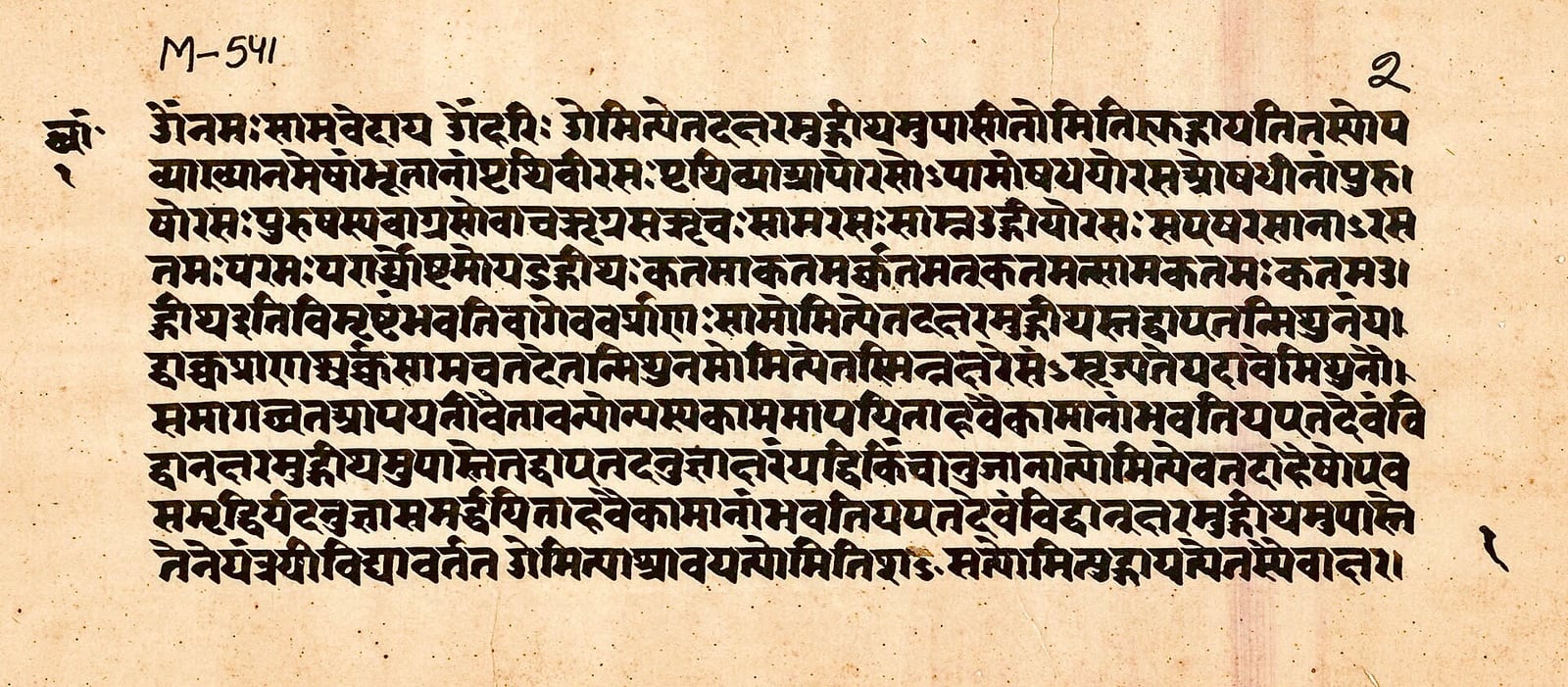
Manuscrito de la Chāndogya Upaniṣad (1849) · CC BY-SA 4.0
उनके अपने शब्दों में
«In the beginning, my dear, this was being alone, one only, without a second.»Chāndogya Upaniṣad 6.2.1 (traducción propia)

मूल विचार
Tat tvam asi ("you are that"): The refrain that closes nine of Uddālaka's lessons to Śvetaketu in the Chāndogya (6.8.7–6.16.3): that subtle essence (aṇiman) is what all this has as its self; that is the real; that is the ātman; tat tvam asi.
संदर्भ में देखें
जीवनी
5 मिनट का पाठ
स्पैनिश मूल से सहायता-प्राप्त अनुवाद, मातृभाषी अनुवादक द्वारा समीक्षा लंबित।
गुरु-परंपराओं की सूचियों में एक गुरु
उद्दालक आरुणि ने कोई ग्रंथ नहीं छोड़ा। उनका नाम उत्तरवैदिक गद्य में बार-बार आता है — शतपथ ब्राह्मण, बृहदारण्यक और छान्दोग्य उपनिषद्, कौषीतकि, जैमिनीय उपनिषद् ब्राह्मण में — कर्मकांड के प्रमाण के रूप में, शास्त्रार्थों में एक पक्ष के रूप में और, सबसे बढ़कर, एक गुरु के रूप में। ग्रंथ उन्हें उनके गोत्र के कारण गौतम भी कहते हैं, और उनके पिता का नाम अरुण औपवेशि तथा पुत्र का नाम श्वेतकेतु आरुणेय बताते हैं; इन्हीं उल्लेखों से माइकल विट्ज़ेल ने चार पीढ़ियों का एक वंशवृक्ष पुनर्निर्मित किया है। वे कुरु-पांचाल के ब्राह्मण थे, जो पश्चिमी गंगा के मैदान में वैदिक जगत का हृदय था, और बृहदारण्यक की गुरु-सूचियाँ उन्हें याज्ञवल्क्य का गुरु बताती हैं: "याज्ञवल्क्य उद्दालक से; उद्दालक अरुण से" — "याज्ञवल्क्य उद्दालकादुद्दालकोऽरुणात्"।
उत्तर का यात्री
शतपथ ब्राह्मण में एक प्रसंग सुरक्षित है जो उन्हें एक घुमंतू पुरोहित के रूप में चित्रित करता है। उद्दालक ऋत्विज के रूप में उत्तर देश में विचरते थे और अपने साथ सोने का एक निष्क रखते थे, क्योंकि प्राचीन काल में, ग्रंथ कहता है, इस प्रकार यात्रा करने वाला दूसरों को शास्त्रार्थ के लिए ललकारने हेतु पुरस्कार रखता था। उत्तर के ब्राह्मणों ने इस भय से कि कुरु-पांचाल का यह ब्राह्मण उनका क्षेत्र छीन लेगा, स्वैदायन शौनक को भेजा। उन्होंने उद्दालक से दर्श और पूर्णमास इष्टियों के गूढ़ अर्थ पर प्रश्नों की एक शृंखला रखी; उद्दालक ने उन्हें निष्क सौंप दिया, उनके ज्ञान को स्वीकार किया और बाद में हाथ में समिधा लेकर लौटे — शिष्य बनने की याचना करने वाले की मुद्रा — ताकि वे उन्हें उन प्रश्नों का अर्थ समझा दें। एक अन्य प्रसंग में स्वयं वे शौचेय प्राचीनयोग्य के अग्निहोत्र-विषयक प्रश्नों का एक-एक कर उत्तर देते हैं।
पिता और गुरु
जिस उपदेश ने उन्हें प्रसिद्ध किया, वह छान्दोग्य के छठे अध्याय में है। उनका पुत्र श्वेतकेतु, जिसे बारह वर्ष की आयु में अध्ययन के लिए भेजा गया था, ग्रंथ के अनुसार चौबीस वर्ष की आयु में "गर्वित, अपने को विद्वान मानने वाला, अकड़ा हुआ" — "महामना अनूचानमानी स्तब्धः" — लौटता है। पिता उससे पूछते हैं कि क्या वह वह आदेश जानता है जिससे अनसुना सुना हुआ, अचिंतित चिंतित और अविज्ञात विज्ञात हो जाता है — "येनाश्रुतं श्रुतं भवत्यमतं मतमविज्ञातं विज्ञातम्"। उसके अज्ञान को देखकर वे उसे यह उपदेश देते हैं: जैसे मिट्टी के एक ढेले से मिट्टी से बनी हर वस्तु जानी जाती है — और पात्र केवल "वाणी का आश्रय, विकार, नाम" हैं, "वाचारम्भणं विकारो नामधेयम्" — वैसे ही सत् से वह सब जाना जाता है जो अस्तित्व में है। "हे सौम्य, आरंभ में यह केवल सत् ही था, एक और अद्वितीय" — "सदेव सोम्येदमग्र आसीदेकमेवाद्वितीयम्"। उससे तेज, अप् और अन्न उत्पन्न होते हैं, जो मिलकर सब वस्तुएँ बनाते हैं।
नौ पाठ और एक टेक
उद्दालक प्रयोगों से सिखाते हैं। वे पुत्र से पंद्रह दिन तक केवल जल पीकर उपवास करवाते हैं और देखते हैं कि वह वेदों का पाठ नहीं कर पाता; जब वह फिर भोजन करता है, तो स्मृति वैसे ही लौट आती है जैसे तिनकों से सुलगाया गया अंगारा। इसके बाद नौ पाठ आते हैं: मधु, जो अनेक वृक्षों के रस को इस तरह एकत्र करता है कि कोई बूँद नहीं जानती कि वह किस वृक्ष की है; नदियाँ, जो समुद्र में विलीन हो जाती हैं; वृक्ष, जो तब तक जीवित रहता है जब तक जीव उसमें व्याप्त रहता है; न्यग्रोध (बरगद) का बीज, जिसे तोड़ने पर कुछ दिखाई नहीं देता और फिर भी जिससे महान वृक्ष उगता है; जल में घुला नमक, जो दिखता नहीं पर हर जगह चखा जाता है; आँखों पर पट्टी बँधा वह व्यक्ति, जो गांधार का रास्ता इसलिए पा लेता है कि कोई उसे बता देता है। हर पाठ एक ही टेक पर समाप्त होता है: वह सूक्ष्म तत्त्व ही इस सबका आत्मस्वरूप है; वही सत्य है; वही आत्मा है; तत्त्वमसि, श्वेतकेतु — "स य एषोऽणिमैतदात्म्यमिदं सर्वं तत्सत्यं स आत्मा तत्त्वमसि श्वेतकेतो"।
"तत्त्वमसि" का अर्थ
शंकराचार्य से आरंभ होने वाली अद्वैत परंपरा ने इस वाक्य को तादात्म्य के रूप में पढ़ा है — "तुम वह हो": जीवात्मा ही ब्रह्म है — और इसे उपनिषदों के चार "महावाक्यों" में गिना है। जोएल ब्रेरेटन ने 1986 में व्याकरण और संदर्भ पर ध्यान देने वाला एक दूसरा पाठ प्रस्तावित किया: नपुंसकलिंग सर्वनाम उस सूक्ष्म तत्त्व की ओर संकेत करता है जिसकी अभी बात हुई है, और वाक्य का अर्थ कुछ ऐसा होगा — "तुम ऐसे ही हो"। इसी के अनुरूप पैट्रिक ओलिवेल अनुवाद करते हैं: "और तुम ऐसे ही हो, श्वेतकेतु"। दोनों पाठ मूल बात पर सहमत हैं — पुत्र उसी अदृश्य सत्ता से बना है जिससे बाक़ी सब कुछ — पर इस पर भिन्न हैं कि ग्रंथ किसी तात्त्विक तादात्म्य का प्रतिपादन करता है या व्यक्ति के स्वरूप की व्याख्या।
सीखने को तत्पर एक ब्राह्मण
ग्रंथ उनके स्वभाव की एक विशेषता पर बल देते हैं: उद्दालक फिर से शिष्य बनने से नहीं डरते। जनक की सभा में वे याज्ञवल्क्य से उस "सूत्र" के बारे में पूछते हैं जो लोकों को जोड़ता है और उस "अंतर्यामी" के बारे में, स्मरण करते हैं कि उन्होंने मद्र देश में पतंचल काप्य से क्या सीखा था, और उत्तर पाकर मौन हो जाते हैं। जब राजा प्रवाहण जैवलि मृत्यु के बाद की गति पर पाँच प्रश्नों से श्वेतकेतु को लज्जित करते हैं, तो पिता स्वयं सभा में जाते हैं, उपदेश की याचना करते हैं और पंचाग्नि विद्या प्राप्त करते हैं, जिसके बारे में राजा घोषित करते हैं कि यह विद्या इससे पहले कभी किसी ब्राह्मण तक नहीं पहुँची थी — "यथेयं न प्राक् त्वत्तः पुरा विद्या ब्राह्मणान्गच्छति"। जब अन्य ब्राह्मण उनसे वैश्वानर आत्मा के बारे में पूछते हैं, तो वे स्वीकार करते हैं कि वे पूरा उत्तर नहीं दे सकेंगे, और उन्हें राजा अश्वपति कैकेय के पास ले जाते हैं। ब्रायन ब्लैक ने इन प्रसंगों का अध्ययन किया है, जिनमें ज्ञान राजाओं से पुरोहितों तक पहुँचता है।
क्या ज्ञात है और क्या नहीं
कोई तिथियाँ नहीं हैं: उद्दालक की ऐतिहासिकता उतनी ही विवादित है जितनी प्रारंभिक उपनिषदों की पूरी पीढ़ी की, जिसे ओलिवेल लगभग सातवीं और छठी शताब्दी ई.पू. में और विट्ज़ेल उत्तरवैदिक काल में, बुद्ध से पहले, रखते हैं। बेन-अमी शार्फ़स्टाइन उन्हें इतिहास के पहले दार्शनिकों में गिनते हैं, और मार्क्सवादी देबीप्रसाद चट्टोपाध्याय ने अवलोकन और प्रयोग की उनकी पद्धति के कारण उनमें पहला "प्राकृतिक वैज्ञानिक" देखा। कठ उपनिषद् नचिकेता के पिता औद्दालकि आरुणि का उल्लेख करता है, जिनकी पहचान शंकराचार्य ने उनसे की; मैक्स मूलर ने ध्यान दिलाया कि नाम का रूप संदेह उत्पन्न करता है।
महाकाव्य के आरुणि
महाभारत ने उन्हें एक पौराणिक यौवन प्रदान किया। पांचाल के आरुणि, ऋषि आयोद धौम्य के शिष्य, को एक खेत की मेड़ में पड़ी दरार बंद करने भेजा गया; सफल न होने पर वे स्वयं उसमें लेट गए और अपने शरीर से पानी रोक दिया। जब गुरु ने उन्हें पुकारा, तो वे मेड़ को तोड़ते हुए उठ खड़े हुए, और धौम्य ने उन्हें उद्दालक नाम दिया — "जो मेड़ को विदीर्ण करके उठा"। वही महाकाव्य उनकी पुत्री सुजाता को अष्टावक्र की माता बनाता है और श्वेतकेतु को दांपत्य निष्ठा की मर्यादा का प्रवर्तक बताता है। संन्यास-विषयक एक परवर्ती उपनिषद् उनके नाम से है, आरुणि उपनिषद्, और मध्वाचार्य एक "आरुणि-श्रुति" उद्धृत करते थे जो आज लुप्त है। इस बीच छान्दोग्य की वह टेक भारतीय अध्यात्म के सबसे अधिक दोहराए जाने वाले वाक्यों में से एक बन गई है।
स्रोत: Olivelle, Patrick (ed. y trad.). The Early Upaniṣads: Annotated Text and Translation. Nueva York: Oxford University Press, 1998. Chāndogya 5.3–5.24 y 6; Bṛhadāraṇyaka 3.7, 6.2, 6.3.7 y 6.5; Kauṣītaki 1.1. · Olivelle, Patrick (trad.). Upaniṣads. Oxford World's Classics. Oxford: Oxford University Press, 1996 (traducción «And that's how you are, Śvetaketu» de Chāndogya 6.8.7 y ss.). · Müller, F. Max (trad.). The Upanishads, Part I (Sacred Books of the East, vol. 1). Oxford: Clarendon Press, 1879 (Khândogya y Kaushîtaki-brâhmaṇa-upanishad); y Part II (SBE 15), 1884, nota a Kaṭha 1.11. · Eggeling, Julius (trad.). The Śatapatha-Brāhmaṇa, Part V (Sacred Books of the East, vol. 44). Oxford: Clarendon Press, 1900. XI.4.1 (Uddālaka Āruṇi y Svaidāyana) y XI.5.3 (Śauceya Prācīnayogya y Uddālaka Āruṇi sobre el agnihotra). · Chattopadhyaya, Debiprasad. Science and Society in Ancient India. Calcuta: Research India Publications, 1977.
कालक्रम
जीवन, वर्ष-दर-वर्ष
प्रत्येक बिंदु एक प्रमाणित घटना है। उसे स्रोत और निश्चितता के स्तर सहित पढ़ने के लिए क्लिक करें।
VIIIवीं सदी ई.पू. – 600 ई.पू.Kuru-Pañcāla
Ritual authority of the Śatapatha Brāhmaṇa
His opinions and debates appear in the later books of the Śatapatha (XI.4.1, XI.5.3) and in the Jaiminīya Upaniṣad Brāhmaṇa. The range is an estimate of the period of the texts.
संभावितEggeling, Julius (trad.). The Śatapatha-Brāhmaṇa, Part V (Sacred Books of the East, vol. 44). Oxford: Clarendon Press, 1900. XI.4.1 (Uddālaka Āruṇi y Svaidāyana) y XI.5.3 (Śauceya Prācīnayogya y Uddālaka Āruṇi sobre el agnihotra).
VIIIवीं सदी ई.पू. – 600 ई.पू.
Ritual authority of the Śatapatha Brāhmaṇa
His opinions and debates appear in the later books of the Śatapatha (XI.4.1, XI.5.3) and in the Jaiminīya Upaniṣad Brāhmaṇa. The range is an estimate of the period of the texts.
संभावित
VIIवीं सदी ई.पू.
Svaidāyana's challenge
Travelling in the north as an officiant, he loses a disputation to Svaidāyana Śaunaka and returns with firewood in hand to be instructed (Śatapatha XI.4.1).
परंपरा
VIIवीं सदी ई.पू.
The teaching to Śvetaketu
Chāndogya 6: being, one without a second, the experiments and the refrain "tat tvam asi".
परंपरा
VIIवीं सदी ई.पू.
Pupil of King Pravāhaṇa Jaivali
After his son's humiliation at the Pañcāla assembly, he receives from the king the doctrine of the five fires (Chāndogya 5.3–10; Bṛhadāraṇyaka 6.2).
परंपरा
VIIवीं सदी ई.पू.
He questions Yājñavalkya
He asks about the "thread" and the "inner controller" and falls silent after the answer (Bṛhadāraṇyaka 3.7).
परंपरा
IIवीं सदी ई.पू. – 400
The Āruṇi of the Mahābhārata
The epic, fixed between the third century BCE and the fourth century CE, tells the episode of the dyke and how his teacher Dhaumya gave him the name Uddālaka.
संभावित
1862
First English translation of the Chāndogya
Rājendralāla Mitra publishes the Chāndogya with extracts from Śaṅkara's commentary in the Bibliotheca Indica.
प्रमाणित
1879
The Chāndogya in the Sacred Books of the East
Max Müller opens the series with the Chāndogya and popularizes the rendering "Thou art that".
प्रमाणित
1986
Brereton rereads "tat tvam asi"
Joel Brereton proposes reading the refrain in its grammatical context as "that's how you are", a reading Olivelle adopts.
प्रमाणित
कृतियाँ
आवश्यक कृतियाँ
वे कृतियाँ जिनके बिना उनकी विरासत को समझा नहीं जा सकता।
पारंपरिक आरोपण · VIIवीं सदी ई.पू.
The teaching to Śvetaketu (Chāndogya Upaniṣad, book VI)
छान्दोग्योपनिषद् षष्ठोऽध्यायः (Chāndogya Upaniṣad VI)
Sixteen prose sections. Śvetaketu returns conceited after twelve years of study, and his father teaches him what he did not learn: how, by knowing one thing, everything is known. He sets out the origin of the world from being (sat), "one without a second", which produces heat, water and food; the threefold composition of all things; the experiment of fasting; and nine illustrations — honey, rivers, the tree, the fig seed, salt in water, the man from Gandhāra, the dying man, the thief put to the ordeal of the axe — ending with the refrain "tat tvam asi, Śvetaketu". It is one of the founding texts of Vedānta.
9 संस्करण
Uddalaka Aruni
Chāndogya Upaniṣad (passages of Uddālaka Āruṇi)
परवर्ती संकलन · VIIवीं सदी ई.पू.
Chāndogya Upaniṣad (passages of Uddālaka Āruṇi)
छान्दोग्योपनिषद् (Chāndogya Upaniṣad)
Together with the Bṛhadāraṇyaka, the oldest of the Upaniṣads. Its first books interpret the chants (sāman) and the syllable Om; the following ones contain teachings on the ātman and brahman attributed to various masters. In book 5 Uddālaka receives from King Pravāhaṇa the doctrine of the five fires and the two paths of the dead, and accompanies other brahmins to Aśvapati Kaikeya to learn the universal ātman (vaiśvānara). Book 6 is his teaching to Śvetaketu.
6 संस्करण
संपूर्ण कृतित्व (9)
The question of the thread and the inner controller (Bṛhadāraṇyaka 3.7)
650
The doctrine of the five fires (pañcāgni-vidyā), received from Pravāhaṇa Jaivali
650
The teaching of the universal ātman (vaiśvānara-vidyā), before Aśvapati Kaikeya
650
Uddalaka Aruni
Uddālaka's debates in the Śatapatha Brāhmaṇa
The Conscious LibraryUddālaka's debates in the Śatapatha Brāhmaṇa
700
Kauṣītaki Upaniṣad, chapter 1: Āruṇi and Citra Gāṅgyāyani
500

Āruṇi Upaniṣad (Āruṇeyī Upaniṣad)
Uddalaka Aruni
Āruṇi-śruti (lost text)
The Conscious LibraryĀruṇi-śruti (lost text)
वचन
किसी निश्चित कृति में स्थित वचन। प्रत्येक के साथ उसका स्रोत और विश्वसनीयता का स्तर है।
In the beginning, my dear, this was being alone, one only, without a second.सदेव सोम्येदमग्र आसीदेकमेवाद्वितीयम् ।
सत्यापितChāndogya Upaniṣad 6.2.1 (traducción propia)
अंतिम शब्द
उनके अंतिम शब्दों का कोई सत्यापन-योग्य अभिलेख उपलब्ध नहीं है।
There is no account of his death or last words in the Vedic texts, the epic or the Purāṇas. The only words of his that survive are the teachings and dialogues attributed to him by the Śatapatha Brāhmaṇa and the Upaniṣads.
स्रोत: Olivelle, Patrick (ed. y trad.). The Early Upaniṣads: Annotated Text and Translation. Nueva York: Oxford University Press, 1998. Chāndogya 5.3–5.24 y 6; Bṛhadāraṇyaka 3.7, 6.2, 6.3.7 y 6.5; Kauṣītaki 1.1.
पूछें
उनकी कृतियाँ क्या उत्तर देती हैं
मानवता के बारह महान प्रश्न और उनके ग्रंथ उनका जो उत्तर देने देते हैं, संदर्भों सहित। हम कभी उनके मुख में अपने शब्द नहीं रखते।
परम सत्य क्या है? क्या ईश्वर है?
In the beginning there was only being, one without a second
निराकार परम सत्तास्पष्ट रूप से कहा है
In the sixth book of the Chāndogya Upaniṣad, Uddālaka Āruṇi teaches his son Śvetaketu that in the beginning there was only being (sat), one without a second, and rejects those who held that being was born from non-being. From that principle come heat, water and food, and from their mixture all things. He does not describe a god who judges or loves: he describes a single substance, so subtle that it is not perceived, which is the ātman of all that exists. His examples —the clay of which all pots are made, the dissolved salt that is unseen yet present in every sip, the invisible seed from which the fig tree grows— aim to make the disciple recognise that principle in things and in himself.
इस प्रश्न की अन्य गुरुओं से तुलना करेंमैं कौन हूँ? क्या कोई सच्चा आत्म है?
The subtle essence of all is the ātman, «and that's how you are»
आत्मन् ही ब्रह्म हैस्पष्ट रूप से कहा है
Nine of Uddālaka's lessons to Śvetaketu in the Chāndogya end with the same refrain: that subtle essence (aṇiman) is what all this has as its ātman; that is the real; that is the ātman; tat tvam asi (6.8.7–6.16.3). Śvetaketu's self is therefore not something apart: like the river that returns to the sea and no longer knows it was that river, or like honey made from different flowers, the individual comes from being and shares its essence. The Advaita tradition read the refrain as the great saying «you are that», a strict identity between the individual and brahman. The lesson is not presented as a theory, but as something the disciple must verify in things and recognise in himself.
इस प्रश्न की अन्य गुरुओं से तुलना करेंहम दुःख क्यों भोगते हैं?
He does not analyse pain; he speaks of one lost who needs guidance
इस पर कुछ नहीं कहा
The teachings the Chāndogya puts in Uddālaka Āruṇi's mouth contain no diagnosis of suffering. Their subject is the origin and essence of things, not the cause of pain. The closest is a parable (6.14): a man is blindfolded, led far from his land of Gandhāra and abandoned in a deserted place; he cries out that he has been brought there blindfolded, until someone removes the blindfold and points out the way, and he, asking from village to village, returns home. So, says Uddālaka, one who has a teacher knows that he will remain here only as long as he is not set free. The image suggests that the human condition is a disorientation that knowledge corrects, but the text does not formulate it as a theory of suffering.
इस प्रश्न की अन्य गुरुओं से तुलना करेंमृत्यु के बाद क्या होता है?
The body deprived of life dies; life does not die
जो मैं हूँ, वह न जन्मता है न मरता हैउनके सिद्धांत से निष्कर्षित
Uddālaka explains death to Śvetaketu with the image of a great tree: if its root, trunk or crown is struck, it bleeds but lives, because life pervades it; if life leaves a branch, the branch withers. So, he concludes, it is the body deprived of life that dies; life does not die (Chāndogya 6.11.3). In another passage he describes the process: in the dying person, speech is gathered into the mind, the mind into breath, breath into heat and heat into the highest deity, the being from which all proceeds (6.8.6; 6.15). Death is thus a return to the subtle essence that never ceased to be. Uddālaka also appears, in book V, receiving from a king the doctrine of the five fires and of the paths beyond.
इस प्रश्न की अन्य गुरुओं से तुलना करेंमुक्ति या उद्धार कैसे प्राप्त होता है?
To know that by which the unheard is heard and the unthought is thought
प्रत्यक्ष ज्ञान सेउनके सिद्धांत से निष्कर्षित
Uddālaka's teaching in the Chāndogya begins with a reproach: Śvetaketu returns proud after twelve years of Vedic study, and his father asks whether he knows the teaching by which the unheard becomes heard, the unthought thought and the unknown known (6.1.2–3). The goal is that knowledge of the being from which everything proceeds, and what follows are the lessons through which it is reached: clay, salt, the fig seed. The parable of the man from Gandhāra shows where it leads: one who has a teacher knows that he will remain here only as long as he is not set free, and then he will arrive (6.14.2). In the last lesson, the one who speaks the truth is not burned when he grasps the red-hot axe (6.16). Known truth protects and frees.
इस प्रश्न की अन्य गुरुओं से तुलना करेंक्या गुरु आवश्यक है?
One who has a teacher knows the way home
अनिवार्यस्पष्ट रूप से कहा है
Uddālaka is, in the Chāndogya, the figure of the father who teaches: his entire sixth book is an instruction to his son Śvetaketu, made of questions, examples and small tests. And it is in that book that the need for a teacher is most clearly formulated. A blindfolded man is abandoned far from his land of Gandhāra; only when someone removes the blindfold and points out the direction can he return, asking from village to village. So, Uddālaka concludes, one who has a teacher (ācāryavān) knows: I remain here only as long as I am not set free, and then I shall arrive (6.14.2). The teacher does not replace the path, which the disciple walks himself, but without him one does not know which way to go.
इस प्रश्न की अन्य गुरुओं से तुलना करेंक्या संसार वास्तविक है?
Being became many: heat, water and food, and entered into them
दिव्य की अभिव्यक्तिस्पष्ट रूप से कहा है
For Uddālaka, the world comes from being (sat), which, wishing to be many, emitted heat; heat, water; and water, food (Chāndogya 6.2.3–4). It then entered those three «deities» with the living ātman and made them threefold, so that each thing contains all three: the red of fire is that of heat, the white that of water, the black that of food (6.3–4). His most famous example is clay: by one lump everything made of clay is known, because the modification is «a matter of words», a name, and the real is the substance (6.1.4). The world is not a dream, but being itself under names and forms; what dissolves on understanding it is the belief that things are something apart from their source.
इस प्रश्न की अन्य गुरुओं से तुलना करेंप्रेम क्या है?
His lessons concern being, not love; they ask for trust
इस पर कुछ नहीं कहा
The teachings the Chāndogya and the Bṛhadāraṇyaka put in Uddālaka Āruṇi's mouth do not address love. Their subject is the origin of things, the subtle essence that sustains them and the relation between that essence and the disciple. The closest thing to an affective dimension lies in the tone of the teaching: he is a father instructing his son, calls him «dear one» (somya) again and again and, when Śvetaketu cannot see the invisible essence of the fig seed, asks him for trust (śraddhā). But the trust he asks for is that of a disciple who accepts what he does not yet understand, not a love directed to God or to one's neighbour, and the text does not develop it as a teaching.
इस प्रश्न की अन्य गुरुओं से तुलना करेंक्या हम स्वतंत्र हैं, या सब कुछ पूर्वनिर्धारित है?
He does not treat freedom; his last lesson is about truth
इस पर कुछ नहीं कहा
The teachings ascribed to Uddālaka Āruṇi do not address the question of freedom or fate. Their interest lies in the origin of things and in the subtle essence that sustains them, not in human action or its consequences. The doctrine of rebirth according to deeds, which the Chāndogya sets out in book V, Uddālaka receives from a king, Pravāhaṇa Jaivali, who warns him that this knowledge had not previously reached the brahmins. The closest thing to an ethic in his teaching is the last lesson to Śvetaketu (6.16): a man accused of theft is made to grasp a red-hot axe; if he has lied he is burned, and if he speaks the truth, protected by it, he is not. Truth is what frees, not a choice between alternatives.
इस प्रश्न की अन्य गुरुओं से तुलना करेंध्यान या प्रार्थना क्यों करें?
He teaches no meditation: he teaches looking and verifying
इस पर कुछ नहीं कहा
Uddālaka's lessons in the Chāndogya contain no practice of meditation or prayer. His method is different: questions, observation and small tests. He has Śvetaketu fast for fifteen days so that he finds that, without food, he cannot recall the Vedas, and that on eating he remembers them again (6.7); he asks him to dissolve salt in water and look for it by sight and by taste (6.13); he has him split a fig fruit and then a seed until he sees nothing inside (6.12). What is sought is not an induced inner state, but that the disciple should see for himself the subtle essence in things. When observation no longer reaches, Uddālaka proposes not a technique, but trust: «have faith, my dear».
इस प्रश्न की अन्य गुरुओं से तुलना करेंक्या बुद्धि परम को जान सकती है?
Observe, compare, verify; and where sight fails, trust
श्रद्धा और तर्क एक-दूसरे के सहायकउनके सिद्धांत से निष्कर्षित
Uddālaka's method in the Chāndogya is almost experimental. To teach Śvetaketu, who returns proud after twelve years of study, he does not cite texts: he has him fast for fifteen days to verify the relation between food and mind (6.7), dissolve salt in water and taste it (6.13), split a fig seed until he sees nothing (6.12). He reasons by analogies drawn from clay, copper and iron, and argues against those who said that being was born from non-being: how could that happen? (6.2.2). But observation has a limit: when the essence of the seed cannot be seen, Uddālaka asks for trust (śraddhā). Reason prepares and trust completes, in a knowledge the disciple must end up recognising in himself.
इस प्रश्न की अन्य गुरुओं से तुलना करेंसंसार से हटें या उसे बदलें?
A householder who teaches his son; he does not raise renunciation
इस पर कुछ नहीं कहा
Uddālaka Āruṇi's teachings do not address the choice between withdrawing from the world and transforming it. His figure, as presented by the Śatapatha Brāhmaṇa and the Upaniṣads, is that of a brahmin householder, an expert in ritual, who debates in assemblies, travels to learn from others —including kings such as Pravāhaṇa Jaivali and Aśvapati Kaikeya— and passes his knowledge on to his son and his disciples. He sends Śvetaketu to study with a teacher, receives him on his return and instructs him at home. The knowledge of being that he teaches does not require leaving that life, but the text does not raise it as a question either. The renunciation associated with his name belongs to the Āruṇi Upaniṣad, a much later text.
इस प्रश्न की अन्य गुरुओं से तुलना करें
निकटता और तनाव
निकटता और तनाव
उनके मतों के आधार पर प्रश्न-दर-प्रश्न आकलित। प्रत्येक सहमति या टकराव का कारण क्लिक करने पर।
इनसे मिलता-जुलता सोचते हैं
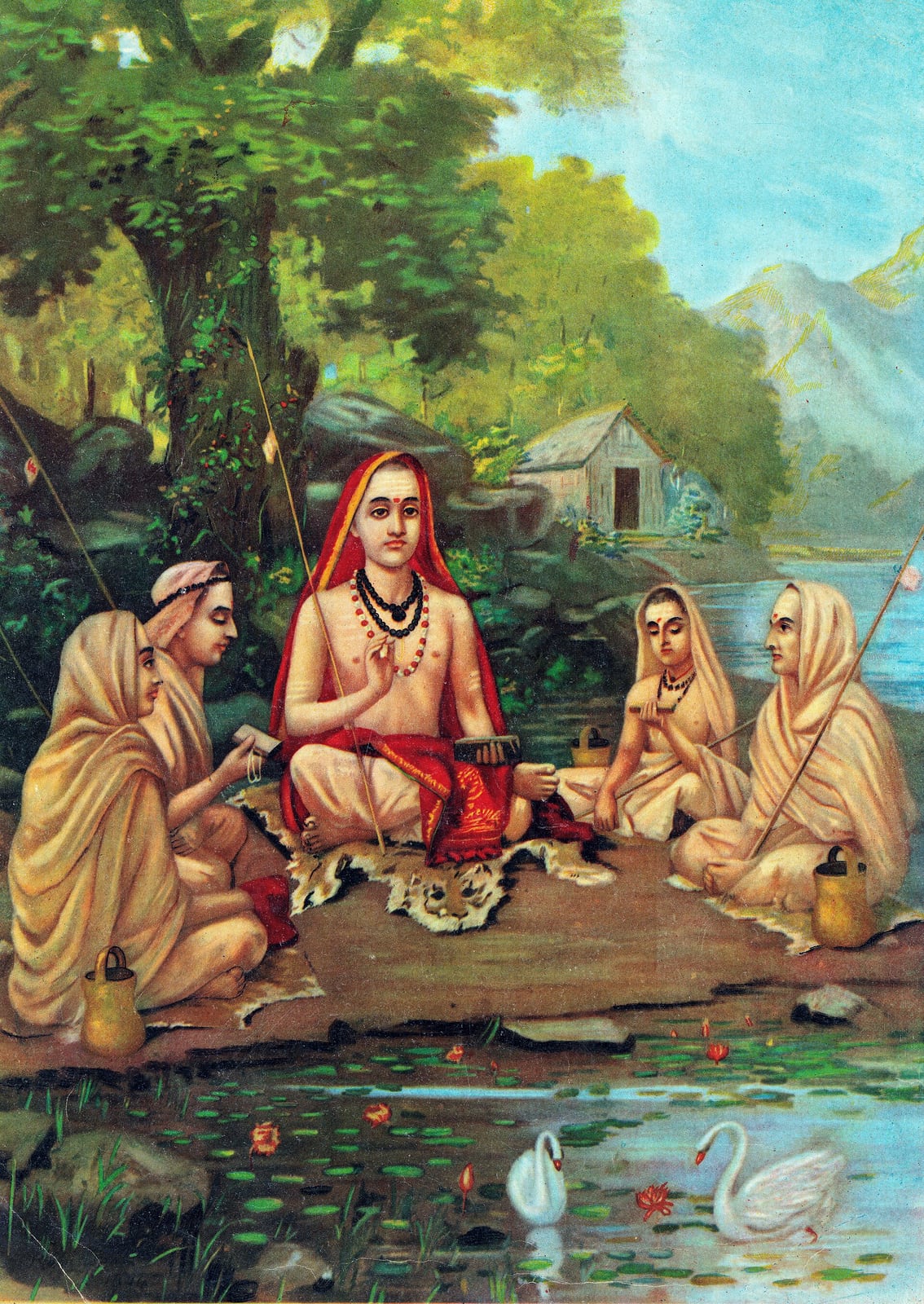
Adi Shankara
इन पर सहमत: परम सत्य क्या है? क्या ईश्वर है? · मैं कौन हूँ? क्या कोई सच्चा आत्म है? · मृत्यु के बाद क्या होता है?
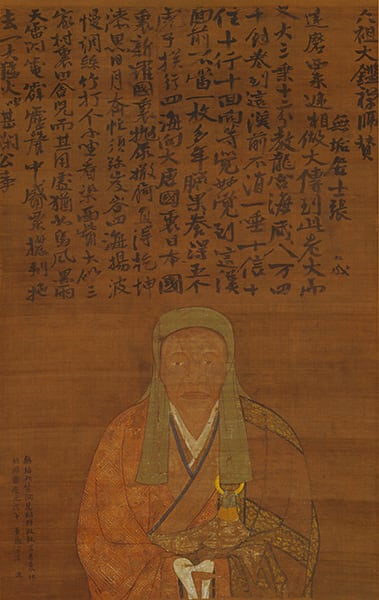
Huineng
इन पर सहमत: परम सत्य क्या है? क्या ईश्वर है? · मैं कौन हूँ? क्या कोई सच्चा आत्म है? · मृत्यु के बाद क्या होता है?
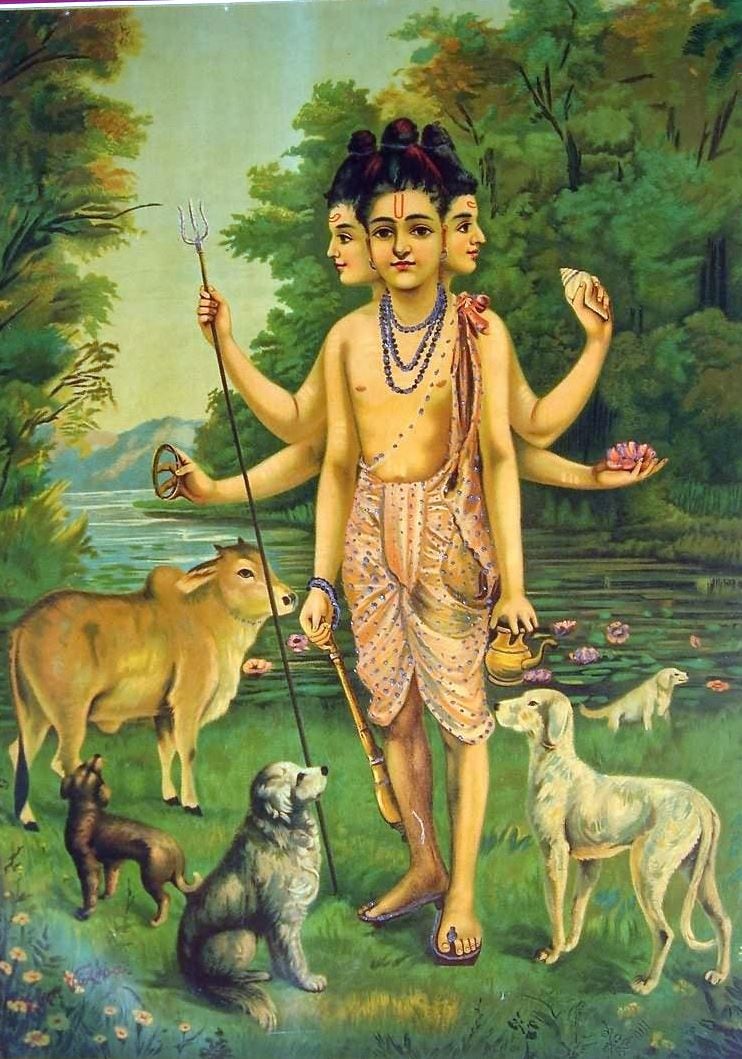
Dattatreya
इन पर सहमत: परम सत्य क्या है? क्या ईश्वर है? · मैं कौन हूँ? क्या कोई सच्चा आत्म है? · मृत्यु के बाद क्या होता है?
Leo Tolstoy
इन पर सहमत: परम सत्य क्या है? क्या ईश्वर है? · मैं कौन हूँ? क्या कोई सच्चा आत्म है? · मृत्यु के बाद क्या होता है?
इनसे भिन्न सोचते हैं




प्रसंग और वृत्तांत
प्रसंग और वृत्तांत
प्रमाणितépoca védica tardía (Chāndogya, ss. VII–VI a. C.)
Salt in water
वृत्तांत का स्रोत: Chāndogya Upaniṣad 6.13. "Documented" indicates that the story is in the text, not that the scene is historical.
स्रोत: Olivelle, Patrick (ed. y trad.). The Early Upaniṣads: Annotated Text and Translation. Nueva York: Oxford University Press, 1998. Chāndogya 5.3–5.24 y 6; Bṛhadāraṇyaka 3.7, 6.2, 6.3.7 y 6.5; Kauṣītaki 1.1.
प्रमाणितépoca védica tardía
The fifteen-day fast
वृत्तांत का स्रोत: Chāndogya Upaniṣad 6.7. The "scientific" reading is Chattopadhyaya's (1977).
स्रोत: Chattopadhyaya, Debiprasad. Science and Society in Ancient India. Calcuta: Research India Publications, 1977.
प्रमाणितépoca védica tardía
The gold coin and the firewood
वृत्तांत का स्रोत: Śatapatha Brāhmaṇa XI.4.1.1–10 (Eggeling's translation, SBE 44, pp. 50–54), with a parallel version in Gopatha Brāhmaṇa 1.3.6. The exact meaning of some phrases (the coin, the "head that splits") is disputed, as Eggeling notes.
प्रमाणितépoca védica tardía
The king's five questions
वृत्तांत का स्रोत: Chāndogya Upaniṣad 5.3 (with another version in Bṛhadāraṇyaka 6.2). Black (2007) analyses these scenes of knowledge passing from kings to brahmins.
स्रोत: Black, Brian. The Character of the Self in Ancient India: Priests, Kings, and Women in the Early Upaniṣads. Albany: State University of New York Press, 2007.
संत-चरित वृत्तांतrelato épico (Mahābhārata, ss. III a. C.–IV d. C.)
The pupil who lay down in the dyke
वृत्तांत का स्रोत: Mahābhārata 1.3 (Pauṣya-parvan; section 3 of Ganguli's translation). There is no Vedic parallel; the relation between this Āruṇi and the Uddālaka of the Upaniṣads is a traditional identification.
मौखिक परंपराrelato épico
Śvetaketu and the law of marriage
वृत्तांत का स्रोत: Mahābhārata 1.113 of the critical edition (section 122 of Ganguli's translation). It is an epic legend with no basis in the Vedic texts.
शिक्षाएँ
शिक्षाएँ
वे अवधारणाएँ जो उनके चिंतन को रूप देती हैं, उनके संदर्भ में समझाई गई।
Tat tvam asi ("you are that")tat-tvam-asi
Chāndogya Upaniṣad 6; Brereton 1986; Olivelle 1996.
स्रोत: Brereton, Joel P. «Tat Tvam Asi in Context». Zeitschrift der Deutschen Morgenländischen Gesellschaft 136 (1986): 98–109.
Sat (being, one without a second)sat
Chāndogya 6.2.
स्रोत: Olivelle, Patrick (ed. y trad.). The Early Upaniṣads: Annotated Text and Translation. Nueva York: Oxford University Press, 1998. Chāndogya 5.3–5.24 y 6; Bṛhadāraṇyaka 3.7, 6.2, 6.3.7 y 6.5; Kauṣītaki 1.1.
Trivṛtkaraṇa (the triplication of the elements)trivrtkarana
Chāndogya 6.3–6.6.
स्रोत: Chattopadhyaya, Debiprasad. Science and Society in Ancient India. Calcuta: Research India Publications, 1977.
Aṇiman (the subtle essence)animan
Chāndogya 6.8–6.16.
स्रोत: Olivelle, Patrick (ed. y trad.). The Early Upaniṣads: Annotated Text and Translation. Nueva York: Oxford University Press, 1998. Chāndogya 5.3–5.24 y 6; Bṛhadāraṇyaka 3.7, 6.2, 6.3.7 y 6.5; Kauṣītaki 1.1.
Vācārambhaṇa (modification is only a name)vacarambhana
Chāndogya 6.1.4–6; Brahmasūtra 2.1.14 and its commentaries.
स्रोत: Olivelle, Patrick (ed. y trad.). The Early Upaniṣads: Annotated Text and Translation. Nueva York: Oxford University Press, 1998. Chāndogya 5.3–5.24 y 6; Bṛhadāraṇyaka 3.7, 6.2, 6.3.7 y 6.5; Kauṣītaki 1.1.
वीडियो
वीडियो
रिकॉर्डिंग, साक्षात्कार और वृत्तचित्र। वीडियो YouTube से चलते हैं; वे यहाँ संग्रहीत नहीं हैं।
Tat Tvam Asi (That Thou Art) | Swami Sarvapriyananda
व्याख्यान· EN· 2021· 101 min
Vedanta Society of New Yorkआधिकारिक चैनल
Talk on Tat Tvam Asi - The Ultimate Equation by Swami Sarvapriyananda
व्याख्यान· EN· 2026· 115 min
Ramakrishna Vedanta Centre U.K.आधिकारिक चैनल
The Story of Svetaketu - Thou Art That - Chandogya Upanishad | Pravrajika Divyanandaprana
व्याख्यान· EN· 2018· 20 min
VivekaVani
Chandogya Upanishad Chapter-6 01
व्याख्यान· EN· 2022· 74 min
Chinmaya Mission San Joseआधिकारिक चैनल
Chandogya Upanishad Ch 6 – An Exposition of Tat Tvam Asi | Swami Ramakrishnananda | Dis 01
व्याख्यान· EN· 2026· 68 min
Shravana Mangalam
Chandogya Upanishad Lecture - 1 (Chapter 6 - 1 - 1 to 6 - 1 - 4)
व्याख्यान· EN· 2026· 76 min
Vedanta Students
श्वेतकेतु और उद्दालक, उपनिषद की कहानी, छान्द्योग्यापनिषद
व्याख्यान· HI· 2020· 35 min
G.V.B. The University of Veda
CHANDOGYA. VER LO INVISIBLE
विश्लेषण· ES· 2022· 14 min
Vedanta en Español
El pensamiento en la India: Hinduismo
वृत्तचित्र· ES· 2017· 25 min
UNED Documentosआधिकारिक चैनल
The Upanishads: The Sacred Text that Changed India and the West | Jeffery Long, Ph.D.
व्याख्यान· EN· 2022· 56 min
Theosophical Societyआधिकारिक चैनल
Introduction to the Rig Veda and Upanishads | Kendall Sharp | First Friday Lecture
व्याख्यान· EN· 2024· 78 min
The University of Chicago Graham Schoolआधिकारिक चैनल
The Central Doctrines of the Upanishads
व्याख्यान· EN· 2016· 37 min
Vidya-mitraआधिकारिक चैनल
चित्रशाला
चित्रशाला
सत्यापित लाइसेंस वाले चित्र। प्रत्येक में उसके रचयिता और श्रेय का उल्लेख सुरक्षित है।
पांडुलिपियाँ
पांडुलिपियाँ
पांडुलिपि-साक्ष्य और प्राचीन पाठ, उनके संरक्षक और अध्ययन की शर्तों सहित।
SA · Devanagari · c. ss. VII–VI a. C. (Olivelle)
छान्दोग्योपनिषद् (1.1.1–1.1.9)
- संरक्षित पाठ-साक्ष्य
- Manuscrito fechado en 1849
- डिजिटलीकरण
- commons.wikimedia.org/wiki/File:Chandogya_Upanis…
SA · Grantha
छान्दोग्योपनिषद्विवरण
- संरक्षित पाठ-साक्ष्य
- Hoja de palma adquirida en julio de 1836
- संरक्षक
- Kahle-Austin Foundation (según la descripción de Commons)
- डिजिटलीकरण
- commons.wikimedia.org/wiki/File:1836_CE_July_pur…
संबंध
संबंध
प्रभाव, शिष्यत्व और वैचारिक निकटता। प्रमाणित संबंध को विश्लेषण से पहचानी गई समानता से अलग दर्शाया गया है।
इनके गुरु
The Bṛhadāraṇyaka's lists of teachers make Yājñavalkya Uddālaka's pupil ("Yājñavalkya from Uddālaka; Uddālaka from Aruṇa").
प्रमाणित संबंध
इनसे मतभेद
He questions him at Janaka's court about the thread and the inner controller and falls silent after his answer (Bṛhadāraṇyaka 3.7).
प्रमाणित संबंध
इनके परिवार से
Śvetaketu Āruṇeya
His son and pupil, recipient of the teaching of Chāndogya 6.
प्रमाणित संबंध
इनके परिवार से
According to the Mahābhārata (3.132–134), Aṣṭāvakra was the son of Sujātā, Uddālaka's daughter, and of his pupil Kahoḍa; that is, his grandson. A legendary, not Vedic, relationship.
विश्लेषण से पहचानी गई समानता
इनके शिष्य
Pravāhaṇa Jaivali
The king of the Pañcālas teaches him the doctrine of the five fires (Chāndogya 5.3–10; Bṛhadāraṇyaka 6.2).
प्रमाणित संबंध
इन्हें प्रभावित किया
Śaṅkara commented on the Chāndogya and made "tat tvam asi" one of the great sayings of Advaita; he analyses it at length in the Upadeśasāhasrī.
प्रमाणित संबंध
इनसे मिलते-जुलते विचार
Inquiry into the self as the substratum of all experience extends the Advaita reading of "tat tvam asi".
विश्लेषण से पहचानी गई समानता
इनसे मिलते-जुलते विचार
Comparative philosophy (Scharfstein) has linked Uddālaka's search for a single principle behind change with that of the first Greek philosophers.
विश्लेषण से पहचानी गई समानता
इनसे मिलते-जुलते विचार
The theory of three elements combining in all things has been compared with Empedocles' roots.
विश्लेषण से पहचानी गई समानता
इनसे मिलते-जुलते विचार
The rejection of being arising from non-being (Chāndogya 6.2.2) is a frequent parallel in comparative philosophy.
विश्लेषण से पहचानी गई समानता
इन्हें प्रभावित किया
Gauḍapāda's Kārikā develops, in terms of non-origination, the thesis that the effect is not different from its cause, illustrated by the clay of Chāndogya 6.1.
विश्लेषण से पहचानी गई समानता
स्रोत
स्रोत
इस प्रविष्टि के लिए देखे गए ग्रंथ-सूची और सूचीपत्र।
- Wikidata, «Aruni» (Uddālaka Āruṇi), QID Q2724299.
- Olivelle, Patrick (ed. y trad.). The Early Upaniṣads: Annotated Text and Translation. Nueva York: Oxford University Press, 1998. Chāndogya 5.3–5.24 y 6; Bṛhadāraṇyaka 3.7, 6.2, 6.3.7 y 6.5; Kauṣītaki 1.1.
- Olivelle, Patrick (trad.). Upaniṣads. Oxford World's Classics. Oxford: Oxford University Press, 1996 (traducción «And that's how you are, Śvetaketu» de Chāndogya 6.8.7 y ss.).
- Müller, F. Max (trad.). The Upanishads, Part I (Sacred Books of the East, vol. 1). Oxford: Clarendon Press, 1879 (Khândogya y Kaushîtaki-brâhmaṇa-upanishad); y Part II (SBE 15), 1884, nota a Kaṭha 1.11.
- Brereton, Joel P. «Tat Tvam Asi in Context». Zeitschrift der Deutschen Morgenländischen Gesellschaft 136 (1986): 98–109.
- Eggeling, Julius (trad.). The Śatapatha-Brāhmaṇa, Part V (Sacred Books of the East, vol. 44). Oxford: Clarendon Press, 1900. XI.4.1 (Uddālaka Āruṇi y Svaidāyana) y XI.5.3 (Śauceya Prācīnayogya y Uddālaka Āruṇi sobre el agnihotra).
- Chattopadhyaya, Debiprasad. Science and Society in Ancient India. Calcuta: Research India Publications, 1977.
- Witzel, Michael. «Yājñavalkya as Ritualist and Philosopher, and His Personal Language». En S. Adhami (ed.), Paitimāna: Essays in Iranian, Indo-European, and Indian Studies in Honor of Hanns-Peter Schmidt. Costa Mesa: Mazda, 2003, pp. 103–143 (n. 13: árbol genealógico Upaveśi – Aruṇa Aupaveśi – Uddālaka Āruṇi Gautama – Śvetaketu Āruṇeya).
- Black, Brian. The Character of the Self in Ancient India: Priests, Kings, and Women in the Early Upaniṣads. Albany: State University of New York Press, 2007.
- Ganguli, Kisari Mohan (trad.). The Mahabharata of Krishna-Dwaipayana Vyasa, vol. 1: Adi Parva. Calcuta, 1883–1896; Project Gutenberg n.º 15474 (sección 3, Āruṇi y Dhaumya; sección 122 de la vulgata, Śvetaketu). Para Aṣṭāvakra, Vana Parva 132–134 de la edición crítica.
- Olivelle, Patrick (trad.). The Saṃnyāsa Upaniṣads: Hindu Scriptures on Asceticism and Renunciation. Nueva York: Oxford University Press, 1992 (Āruṇi Upaniṣad).
- Scharfstein, Ben-Ami. A Comparative History of World Philosophy: From the Upanishads to Kant. Albany: State University of New York Press, 1998.
- Wikisource en sánscrito, «छान्दोग्योपनिषद्» (texto por adhyāya; adhyāya 5 y 6) y «बृहदारण्यकोपनिषद्» (6.5).
- Wikipedia (en inglés), «Uddalaka Aruni», consultada el 26 de octubre de 2026 (Āruṇi Upaniṣad, Āruṇi-śruti citada por Madhva, episodio de Dhaumya).
- Hume, Robert Ernest (trad.). The Thirteen Principal Upanishads. Londres: Oxford University Press, 1921.
- Ilárraz, Félix G., y Óscar Pujol (trads.). La sabiduría del bosque: antología de las principales Upaniṣad. Madrid: Trotta, 2003.
- Wikimedia Commons, ficheros y metadatos de licencia consultados mediante la API (imageinfo/extmetadata).
- Mitra, Rājendralāla (trad.). The Chhándogya Upanishad of the Sáma Veda, with Extracts from the Commentary of Śankara Áchárya. Calcuta: Baptist Mission Press (Bibliotheca Indica), 1862.
- Gambhirananda, Swami (trad.). Chāndogya Upaniṣad, with the Commentary of Śaṅkarācārya. Calcuta: Advaita Ashrama, 1983 (reimpr. 2006).
- Deussen, Paul (trad.). Sechzig Upanishad's des Veda. Leipzig: F. A. Brockhaus, 1897.
- अधिकार-धारक
- Los textos sánscritos son de dominio público. Las traducciones modernas tienen derechos propios: Oxford University Press (Olivelle; Hume hasta 2029 en España), Trotta (Ilárraz y Pujol), Penguin (Roebuck), Advaita Ashrama (Gambhirananda), Hastinapura (versión española de Nikhilananda). Las de Mitra (1862), Müller (1879), Eggeling (1900) y Deussen (1897) son de dominio público.
पुष्टि की प्रतीक्षा में
जो यह प्रविष्टि अभी तक निश्चित नहीं कर सकी है। हम उसे भर देने के बजाय कह देना बेहतर समझते हैं।
- Mahābhārata: comprobar en la edición crítica las referencias 1.3 (Āruṇi y Dhaumya), 1.113 (Śvetaketu) y 3.132–134 (Aṣṭāvakra) frente a la numeración de Ganguli.
- Kaṭha Upaniṣad 1.11: localizar la nota exacta de Max Müller (SBE 15) sobre «Auddālaki Āruṇi» y la identificación de Śaṅkara.
- Chattopadhyaya, Science and Society in Ancient India: confirmar paginación del capítulo sobre Uddālaka y la editorial de la primera edición (Calcuta, 1977; reimpresión de B. R. Grüner, Ámsterdam).
- Āruṇi-śruti citada por Madhva: localizar la referencia en las obras de Madhva o en un estudio especializado.
- Ediciones: buscar ISBN de traducciones de la Chāndogya al francés, alemán, ruso e hindi; identificar al traductor español de la edición de Hastinapura (ISBN 9789509102699).
- Relaciones: los slugs svetaketu y pravahana-jaivali no existen en el Atlas.
- Vídeos: no se ha encontrado un documental de televisión pública ni una clase universitaria monográfica sobre Uddālaka; los vídeos registrados son conferencias de instituciones vedánticas y clases generales sobre las Upaniṣad.
2026-10-26 को शोधित