Bouddhisme · Theravāda · Mahāyāna · Zen / Chan · Bouddhisme tibétain
Siddhartha Gautama, the Buddha
Siddhattha Gotama · सिद्धार्थ गौतम · 𑀲𑀓𑁆𑀬𑀫𑀼𑀦𑀻 (sakyamunī) · 釋迦牟尼
v. 480 av. J.-C. – v. 400 av. J.-C.Récit mêlant histoire, théologie et tradition
Ascète et maître de l'Inde du Nord, né dans le clan des Sakya, que la tradition appelle le Bouddha, « celui qui s'est éveillé ». Les sources canoniques, mises par écrit des siècles après sa mort, le montrent renonçant à une vie aisée, atteignant l'éveil à Bodh-Gaya et enseignant pendant quarante-cinq ans une voie du milieu pour éteindre la souffrance. Son existence historique est admise par la critique ; presque tous les détails de sa vie relèvent d'une biographie religieuse élaborée par la communauté.
- œuvres
- 24œuvres
- éditions
- 62éditions
- citations
- 11citations
- vidéos
- 9vidéos
- images
- 10images
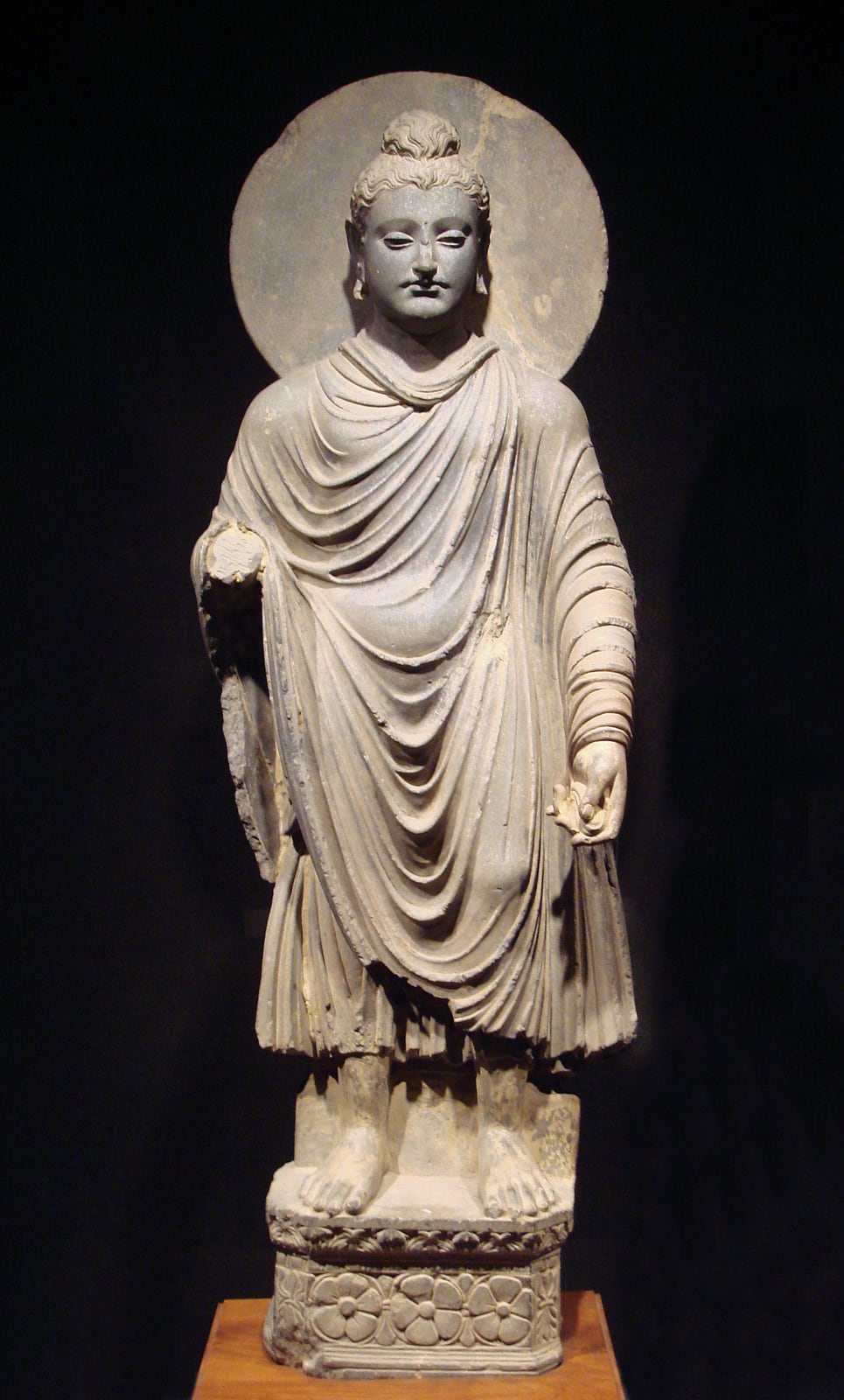
Buda de pie, arte de Gandhara · Public domain
Dans ses propres mots
«All that we are is the result of what we have thought: it is founded on our thoughts, it is made up of our thoughts. If a man speaks or acts with an evil thought, pain follows him, as the wheel follows the foot of the ox that draws the carriage.»Dhammapada 1 (trad. inglesa de Max Müller, SBE X, 1881; texto pali en SuttaCentral)

Son idée centrale
The four noble truths: Formulated in the first sermon (SN 56.11), they organise the whole teaching on the model of a medical diagnosis.
Le voir en contexte
Biographie
6 min de lecture
Traduction assistée à partir de l'original espagnol, en attente de relecture par un traducteur natif.
Un homme derrière un titre
« Bouddha » n'est pas un nom mais un participe : buddha, en pali comme en sanskrit, signifie « éveillé », celui qui est sorti du sommeil. L'homme qui reçut ce titre s'appelait, selon les sources, Gotama (en sanskrit, Gautama), nom de lignée d'une famille du clan des Sakya ; le nom personnel Siddhattha (« celui qui a accompli son but ») n'apparaît que dans des textes postérieurs au canon le plus ancien, lequel l'appelle presque toujours Gotama, « l'ascète Gotama » ou, dans la bouche de ses disciples, Bhagavā, le Bienheureux. La tradition ajouta ensuite le titre de Sakyamuni, « le sage des Sakya », qui est précisément le mot gravé sur le premier témoignage matériel que nous ayons de lui.
Ce témoignage est une colonne de pierre. Vers 249 av. J.-C., la vingtième année de son règne, l'empereur Ashoka visita le village de Lumbini, sur l'actuelle frontière entre le Népal et l'Inde, et y fit graver en écriture brahmi que là était né « le Bouddha, le sage des Sakya », et qu'il exemptait pour cette raison le village d'impôts. La colonne, redécouverte en 1896, est l'ancrage documentaire de toute la biographie : elle ne prouve pas les détails, mais elle montre qu'un siècle et demi après sa mort une communauté puissante vénérait ce lieu comme son berceau.
Quand il vécut
Les dates sont le premier problème. La tradition theravada de Sri Lanka situa sa mort en 544 ou 543 av. J.-C. ; l'historiographie européenne du XIXe siècle, à partir des chroniques cinghalaises corrigées, proposa vers 563-483 av. J.-C. (la « chronologie longue »). Les colloques de Göttingen dirigés par Heinz Bechert (1988-1997) ont déplacé le consensus : la plupart des spécialistes placent aujourd'hui sa mort autour de 400 av. J.-C., avec une marge de deux ou trois décennies, en s'appuyant sur les listes de maîtres du Vinaya et sur l'intervalle que les sources indiennes établissent entre la mort du Bouddha et Ashoka. S'il mourut à quatre-vingts ans, comme l'affirme le canon, il serait né vers 480 av. J.-C. Toutes les dates de cette fiche sont donc approximatives et conventionnelles.
L'étoffe de la légende
La vie du Bouddha telle qu'on la raconte — le songe de sa mère Maya et l'éléphant blanc, la naissance dans un bosquet de Lumbini, les sept pas du nouveau-né, le palais où son père Suddhodana le préserve de la douleur, les quatre rencontres avec un vieillard, un malade, un cadavre et un ascète, la fuite nocturne à cheval — ne provient pas du canon ancien, mais de biographies composées entre le Ier siècle av. J.-C. et le Ve siècle apr. J.-C. : le Mahavastu, le Lalitavistara, le poème Buddhacarita d'Ashvaghosha et la Nidanakatha de la tradition palie. Dans les sermons anciens, les quatre rencontres sont racontées à propos d'un bouddha mythique du passé, Vipassi (Digha Nikaya 14), et ne furent transférées que plus tard à Gotama. Ce que le canon met dans sa bouche est plus sobre : il se souvient d'avoir été élevé avec délicatesse, avec trois résidences pour les trois saisons (Anguttara Nikaya 3.38), et d'avoir vu clairement que lui aussi était sujet à la vieillesse, à la maladie et à la mort.
Sa famille n'était pas une maison royale au sens strict. Les Sakya formaient une république oligarchique à la périphérie du royaume de Kosala, et Suddhodana était probablement l'un de leurs chefs. Sa mère mourut peu après l'accouchement et il fut élevé par sa tante, Mahapajapati Gotami. Il se maria et eut un fils, Rahula ; le nom de son épouse, Yasodhara, apparaît dans la littérature postérieure, tandis que le canon ancien l'appelle simplement « la mère de Rahula ».
La quête et l'éveil
Vers vingt-neuf ans, il quitta la vie de famille pour devenir samana, l'un de ces ascètes errants qui, dans l'Inde gangétique en voie d'urbanisation, contestaient l'autorité du rituel védique. L'Ariyapariyesana Sutta (Majjhima Nikaya 26) lui fait raconter qu'il étudia auprès de deux maîtres de méditation, Alara Kalama et Uddaka Ramaputta, atteignit les états d'absorption qu'ils enseignaient et les abandonna parce qu'ils ne menaient pas à la libération. Suivirent des années de mortification extrême — jeûnes, rétention du souffle —, décrites crûment dans le Mahasaccaka Sutta (MN 36), jusqu'à ce qu'il y renonce aussi, accepte de la nourriture et se rappelle un état de calme vécu dans l'enfance sous un pommier rose. Au bord de la rivière Neranjara, à Uruvela, assis sous un figuier assattha — l'arbre que la tradition appellera bodhi —, il parvint à ce que les textes décrivent comme la compréhension directe de la souffrance, de son origine, de sa cessation et du chemin qui y mène. Il avait, selon le canon, trente-cinq ans.
Quarante-cinq ans d'enseignement
Il hésita, disent les textes, à enseigner une chose si subtile ; puis il se rendit au parc des Gazelles d'Isipatana, près de Bénarès, et exposa à cinq anciens compagnons d'ascèse la « voie du milieu » entre la complaisance et la mortification, ainsi que les quatre nobles vérités (Samyutta Nikaya 56.11). Dès lors il parcourut à pied les royaumes de Magadha et de Kosala, séjournant longuement pendant la saison des pluies dans les parcs offerts par des rois et des marchands — le Bois des Bambous de Bimbisara à Rajagaha, le Jetavana d'Anathapindika à Savatthi. Il fonda un ordre de moines (bhikkhu) et, après une résistance que les textes consignent, un ordre de moniales (bhikkhuni), conduit par Mahapajapati ; il eut des disciples laïcs de toutes conditions. Les sermons le montrent en dialecticien patient, qui adapte l'enseignement à son auditeur, écarte les spéculations métaphysiques qui ne mènent pas à la libération et invite à juger les doctrines à leurs fruits plutôt qu'à l'autorité de qui les enseigne. Il connut aussi des conflits, dont le plus grave fut la tentative de son cousin Devadatta de s'emparer de la direction de la communauté.
La mort à Kusinara
Le récit le plus développé de sa vie est précisément celui de sa fin, le Mahaparinibbana Sutta (Digha Nikaya 16). À quatre-vingts ans, malade, il voyage vers le nord ; il mange chez le forgeron Cunda un plat dont le nom, sukaramaddava, n'était déjà plus interprété avec certitude par les commentateurs ; il est pris d'une grave dysenterie et parvient à un bosquet d'arbres sala à Kusinara, en pays malla. Là, il refuse de désigner un successeur — « l'enseignement et la discipline seront votre maître » —, ordonne son dernier disciple, l'ascète Subhadda, invite les moines à lui soumettre leurs doutes et prononce une ultime exhortation à la vigilance. Ses restes furent incinérés et les reliques partagées en huit portions entre les peuples de la région.
Ce qui nous est parvenu
Le Bouddha n'a rien écrit. Son enseignement fut transmis oralement par des récitants spécialisés pendant plusieurs siècles ; selon les chroniques cinghalaises, le canon pali fut mis par écrit à Sri Lanka au Ier siècle av. J.-C., et les autres canons — sanskrits, chinois, tibétains — conservent des collections parallèles qui concordent sur l'essentiel et divergent sur bien des points. Les sutras du Mahayana, composés à partir des derniers siècles avant notre ère, placent eux aussi leurs paroles dans la bouche du Bouddha, mais la critique les tient pour des compositions plus tardives. Distinguer le Gotama historique du Bouddha de la foi relève donc de la conjecture : l'archéologie confirme les lieux — Lumbini, Bodh-Gaya, Sarnath, Kusinara — et la comparaison des canons permet d'isoler un noyau ancien d'enseignements. Le reste est la figure que deux mille cinq cents ans de dévotion ont façonnée et que vénèrent aujourd'hui des centaines de millions de personnes, de Sri Lanka au Japon.
Sources: Walshe, Maurice (trad.). The Long Discourses of the Buddha: A Translation of the Dīgha Nikāya. Wisdom Publications, Boston, 1995 (DN 14 Mahāpadāna Sutta; DN 16 Mahāparinibbāna Sutta). ISBN 9780861711031. · Ñāṇamoli, Bhikkhu y Bodhi, Bhikkhu (trads.). The Middle Length Discourses of the Buddha: A Translation of the Majjhima Nikāya. Wisdom Publications, Boston, 1995 (MN 26 Ariyapariyesana; MN 36 Mahāsaccaka; MN 22 Alagaddūpama; MN 63 Cūḷamālukya). ISBN 9780861710720. · Bodhi, Bhikkhu (trad.). The Connected Discourses of the Buddha: A Translation of the Saṃyutta Nikāya. Wisdom Publications, Boston, 2000 (SN 56.11 Dhammacakkappavattana Sutta). ISBN 9780861713318. · Gombrich, Richard F. What the Buddha Thought. Equinox (Oxford Centre for Buddhist Studies Monographs), Londres y Oakville, 2009. · Bechert, Heinz (ed.). The Dating of the Historical Buddha / Die Datierung des historischen Buddha. 3 vols. Vandenhoeck & Ruprecht, Gotinga, 1991–1997 (Symposien zur Buddhismusforschung IV, 1–3).
Chronologie
La vie, année après année
Chaque point est un événement documenté. Cliquez pour le lire, avec sa source et son degré de certitude.
v. 480 av. J.-C.0 ansLumbini, territorio de los sakyas (hoy Nepal)
Birth at Lumbini
Conventional date derived from the "short chronology" (death c. 400 BCE, at eighty). Theravada tradition gives 624 BCE and nineteenth-century historiography c. 563 BCE. The place, Lumbini, is confirmed by Ashoka's inscription. Years BCE are expressed as negative numbers.
ProbableBechert, Heinz (ed.). The Dating of the Historical Buddha / Die Datierung des historischen Buddha. 3 vols. Vandenhoeck & Ruprecht, Gotinga, 1991–1997 (Symposien zur Buddhismusforschung IV, 1–3).
Après sa mort
- v. 249 av. J.-C.Ashoka marks his birthplace
- v. 100 av. J.-C.Ashvaghosha composes the Buddhacarita
- Ie siècle av. J.-C.First human images of the Buddha
- v. 25 av. J.-C.The Pali canon is written down
- décembre 1896Rediscovery of the Lumbini pillar
- 1997Lumbini, World Heritage Site
- 2013Excavation of the earliest shrine
v. 480 av. J.-C. · 0 ans
Birth at Lumbini
Conventional date derived from the "short chronology" (death c. 400 BCE, at eighty). Theravada tradition gives 624 BCE and nineteenth-century historiography c. 563 BCE. The place, Lumbini, is confirmed by Ashoka's inscription. Years BCE are expressed as negative numbers.
Probable
v. 480 av. J.-C. · 0 ans
His mother dies; Mahapajapati raises him
According to the canon (MN 123) and later biographies, Maya died seven days after the birth; the child was raised by her sister Mahapajapati Gotami, who would later become the first nun.
Tradition
v. 451 av. J.-C. · 29 ans
The going forth: he becomes a wandering ascetic
At twenty-nine he leaves household life "while his mother and father wept" (MN 26). The night flight on the horse Kanthaka with the charioteer Channa belongs to later biographies.
Tradition
v. 451 av. J.-C. · 29 ans
Pupil of Alara Kalama and Uddaka Ramaputta
He learns from two meditation teachers the states of "nothingness" and "neither perception nor non-perception", and abandons them because they do not lead to liberation (MN 26, MN 36).
Tradition
v. 445 av. J.-C. · 35 ans
Awakening under the bodhi tree
After six years of search and extreme asceticism, which he abandons, he attains awakening by the Neranjara river, seated beneath an assattha fig. He was thirty-five according to the canon.
Tradition
v. 445 av. J.-C. · 35 ans
First sermon: setting the wheel in motion
He sets out for five former companions in asceticism the middle way and the four noble truths (SN 56.11). Kondañña is the first to understand; the monastic community is born.
Tradition
v. 440 av. J.-C.
Royal and merchant patronage
King Bimbisara of Magadha donates the Bamboo Grove (Veluvana) and the merchant Anathapindika buys Jeta's park at Savatthi, where the Buddha will spend most of his rains retreats. The exact chronology is traditional.
Tradition
v. 440 av. J.-C.
Founding of the order of nuns
At Mahapajapati's request and through Ananda's mediation, the Buddha admits women to the order with eight special rules (AN 8.51; Vinaya, Cullavagga X). Several scholars regard the account, and especially the eight rules, as a later elaboration.
Contesté
v. 408 av. J.-C. · 72 ans
Devadatta's schism
His cousin Devadatta asks to lead the community, attempts according to the texts to take his life and provokes a split that Sariputta and Moggallana bring back (Vinaya, Cullavagga VII). Tradition places it at the beginning of Ajatasattu's reign, some eight years before the Buddha's death.
Tradition
v. 400 av. J.-C. · 80 ans
Parinirvana at Kusinara
At eighty, after a meal at the house of the smith Cunda and severe dysentery, he dies between two sala trees. He is cremated and his relics divided into eight portions (DN 16). The date is the one most widely accepted today, within a margin of several decades.
Probable
v. 400 av. J.-C.
First council
According to the Vinaya (Cullavagga XI), five hundred monks under Mahakassapa recite together the doctrine (Ananda) and the discipline (Upali). Many historians regard it as a later projection legitimising the canon.
Tradition
v. 249 av. J.-C.
Ashoka marks his birthplace
In the twentieth year of his reign the Mauryan emperor visits Lumbini, erects a pillar inscribed "hida budhe jāte sakyamunī" ("here the Buddha, the sage of the Sakyas, was born") and exempts the village from taxes. It is the first epigraphic witness to the Buddha.
Documenté
v. 100 av. J.-C.
Ashvaghosha composes the Buddhacarita
The poet Ashvaghosha writes in Sanskrit the first complete biography of the Buddha as an epic poem, with the four encounters and the night flight.
Probable
Ie siècle av. J.-C.
First human images of the Buddha
After centuries of aniconic art (footprints, tree, wheel, empty throne), the Buddha appears in human form in Gandhara and Mathura. The Bimaran reliquary (British Museum, 1900,0209.1), of the first century, is among the earliest datable representations.
Documenté
v. 25 av. J.-C.
The Pali canon is written down
According to the Dipavamsa and Mahavamsa, under King Vattagamani Abhaya (first century BCE) the monks commit to writing the canon, transmitted until then by memory.
Tradition
décembre 1896
Rediscovery of the Lumbini pillar
Alois Anton Führer and Khadga Shumsher Rana uncover Ashoka's pillar and its inscription, making it possible to identify the traditional birthplace.
Documenté
1997
Lumbini, World Heritage Site
UNESCO inscribes "Lumbini, the Birthplace of the Lord Buddha" on the World Heritage List.
Documenté
2013
Excavation of the earliest shrine
A team led by Robin Coningham documents beneath the Maya Devi temple a timber structure it dates to the sixth century BCE and interprets as a Buddhist tree shrine; the dating and its relation to the Buddha remain debated.
Contesté
Œuvres
Œuvres essentielles
Les œuvres sans lesquelles on ne comprend pas son héritage.
Compilation postérieure · v. 25 av. J.-C.
Tipitaka, the Pali Canon ("Three Baskets")
Tipiṭaka
The only complete collection of early Buddhist scripture preserved in an Indic language, canonical for the Theravada tradition. It is divided into three "baskets": the Vinaya Pitaka (monastic discipline), the Sutta Pitaka (the discourses, arranged in five nikayas: Digha, Majjhima, Samyutta, Anguttara and Khuddaka) and the Abhidhamma Pitaka (systematic analysis, clearly later). Its language, Pali, is a literary Prakrit close to the dialects the Buddha may have spoken, but not identical to them. The Burmese Sixth Council edition (1954–1956) and that of the Pali Text Society are the standard ones.
4 éditions · amazon.es

Compilation postérieure · v. 25 av. J.-C.
Dhammapada (Verses on the Dhamma)
Dhammapada
The most widely read and translated Buddhist text. Its short, memorable verses condense the ethics of the path: the primacy of mind ("Phenomena are preceded by the mind"), hatred that ceases only through non-hatred, vigilance against heedlessness, the sage likened to a deep and serene lake, the summary of the teaching of all buddhas (do no evil, cultivate the good, purify the mind). It is recited in Theravada countries and was among the first Buddhist texts translated in the West (Fausbøll into Latin, 1855; Max Müller into English, 1870 and 1881).
10 éditions · amazon.com

Compilation postérieure · v. 25 av. J.-C.
Sutta Nipata (The Group of Discourses)
Suttanipāta
A collection of seventy-two poems and verse dialogues in five chapters, from the Khuddaka Nikaya. It includes the Metta Sutta on boundless goodwill, the Rhinoceros Sutta ("let one wander alone like the rhinoceros"), the account of the sage Asita's visit to the newborn and the meeting with King Bimbisara. Its ideal is the wandering sage, without possessions or opinions to cling to: an image of Buddhism before monastic institutionalisation.
5 éditions · amazon.com

Attribution traditionnelle · v. 100
The Lotus Sutra (Saddharmapundarika)
Saddharmapuṇḍarīka Sūtra (妙法蓮華經)
One of the most influential texts of East Asian Buddhism, the basis of the Tiantai/Tendai and Nichiren schools. It proclaims that the different vehicles are "skilful means" (upaya) of a single vehicle leading everyone to buddhahood, and reveals a Buddha whose life is immeasurably long: the Gotama who was born and died would be a pedagogical manifestation. Its parables—the burning house, the prodigal son, the phantom city—are among the most celebrated in religious literature.
3 éditions · amazon.com
Toute son œuvre (24)

Digha Nikaya (The Long Discourses)
25

Majjhima Nikaya (The Middle Length Discourses)
25

Samyutta Nikaya (The Connected Discourses)
25

Anguttara Nikaya (The Numerical Discourses)
25
Siddhartha Gautama, the Buddha
Udana (Inspired Utterances)
The Conscious LibraryUdana (Inspired Utterances)
25
Siddhartha Gautama, the Buddha
Vinaya Pitaka (The Basket of Discipline)
The Conscious LibraryVinaya Pitaka (The Basket of Discipline)
25
Siddhartha Gautama, the Buddha
The Discourse on Setting the Wheel of the Dhamma in Motion
The Conscious LibraryThe Discourse on Setting the Wheel of the Dhamma in Motion
25
Siddhartha Gautama, the Buddha
Mahaparinibbana Sutta (The Great Discourse on the Final Extinguishment)
The Conscious LibraryMahaparinibbana Sutta (The Great Discourse on the Final Extinguishment)
25
Siddhartha Gautama, the Buddha
The Sutra in Forty-Two Sections
The Conscious LibraryThe Sutra in Forty-Two Sections
150

The Diamond Sutra
300

The Heart Sutra
650

The Lankavatara Sutra
400

Itivuttaka (Thus It Was Said)
25
Siddhartha Gautama, the Buddha
Khuddakapatha (The Minor Readings)
The Conscious LibraryKhuddakapatha (The Minor Readings)
25
Siddhartha Gautama, the Buddha
Jataka (Stories of the Buddha's Former Births)
The Conscious LibraryJataka (Stories of the Buddha's Former Births)
25

Satipatthana Sutta (Discourse on the Foundations of Mindfulness)
25
Anattalakkhana Sutta (Discourse on the Characteristic of Not-Self)
25
Kalama Sutta (Discourse to the Kalamas)
25

Pure Land Sutras (Sukhavativyuha)
150

Avatamsaka Sutra (Flower Ornament Sutra)
400
Citations
Citations localisées dans une œuvre précise. Chacune porte sa provenance et son degré de fiabilité.
All that we are is the result of what we have thought: it is founded on our thoughts, it is made up of our thoughts. If a man speaks or acts with an evil thought, pain follows him, as the wheel follows the foot of the ox that draws the carriage.Manopubbaṅgamā dhammā, manoseṭṭhā manomayā; manasā ce paduṭṭhena, bhāsati vā karoti vā; tato naṁ dukkhamanveti, cakkaṁva vahato padaṁ.
VérifiéeDhammapada 1 (trad. inglesa de Max Müller, SBE X, 1881; texto pali en SuttaCentral)
Citations apocryphes ou d'attribution contestée (5)
«Holding on to anger is like grasping a hot coal with the intent of throwing it at someone else; you are the one who gets burned.»
It does not appear in the canon. According to Bodhipaksa's research, it is a modern reworking of an image used by the commentator Buddhaghosa (5th century) in the Visuddhimagga, comparing the angry person to someone who picks up embers or excrement to strike another.
«Peace comes from within. Do not seek it without.»
It has not been located in the Pali canon or in the Mahayana texts consulted; it circulates in quotation collections with no reference to any text. Its origin could not be traced.
«What we think, we become.»
It is a simplification of Max Müller's Victorian rendering of Dhammapada 1 ("All that we are is the result of what we have thought"), itself a free translation; the Pali says that phenomena are preceded by mind and that suffering follows action done with a corrupted mind.
«Three things cannot be long hidden: the sun, the moon, and the truth.»
A distortion of Anguttara Nikaya 3.131, which contrasts three things that shine openly (the moon, the sun and the Tathagata's teaching) with three that work in secret (women, the brahmins' hymns and wrong views). The popular version drops the second half.
«Believe nothing, no matter where you read it, or who said it, no matter if I have said it, unless it agrees with your own reason and your own common sense.»
A modern paraphrase of the Kalama Sutta (AN 3.65). The text does not appeal to "one's own reason": it lists logic and inference among the insufficient criteria and proposes judging doctrines by whether they lead to harm or well-being, as confirmed by the wise.
Dernières paroles
Versions contradictoires
«"Come now, mendicants, I say to you all: 'Conditions fall apart. Persist with diligence.'"»handa dāni, bhikkhave, āmantayāmi vo: vayadhammā saṅkhārā, appamādena sampādethā
Pali version: the Mahaparinibbana Sutta (DN 16, 6.7) gives these words and adds "these were the Tathagata's last words"; before them the Buddha has asked the monks three times whether any doubt remains and declared that the teaching and the discipline will be their teacher. Chinese version: the Dirgha Agama parallel (Youxing jing, T1 no. 1, fasc. 4) presents a different scene—the Buddha uncovers his golden arm and recalls that buddhas appear as rarely as the udumbara flower—and closes with another formula: "Therefore, monks, do not be heedless: through heedfulness I attained perfect awakening by myself… None of the ten thousand things endures: this is the last thing the Tathagata said" (是故,比丘!無為放逸,我以不放逸故,自致正覺……一切萬物無常存者,此是如來末後所說). The Sanskrit parallel edited by Waldschmidt also preserves the exhortation to diligence, with variants. Finally, the Mahayana tradition places in the final days whole teachings of different content: the Mahayana Mahaparinirvana Sutra proclaims the permanence of the Tathagata and buddha-nature, and the Sutra of the Bequeathed Teaching (Yijiao jing) ascribes to him a long farewell discourse. All versions were composed by the community; none is a direct testimony.
Source: Walshe, Maurice (trad.). The Long Discourses of the Buddha: A Translation of the Dīgha Nikāya. Wisdom Publications, Boston, 1995 (DN 14 Mahāpadāna Sutta; DN 16 Mahāparinibbāna Sutta). ISBN 9780861711031.
Interroger
Ce que répond son œuvre
Douze grandes questions de l'humanité et ce que ses textes permettent d'y répondre, références à l'appui. Nous ne lui prêtons jamais de paroles.
Qu'est-ce que l'Absolu ? Dieu existe-t-il ?
Liberation does not depend on a creator, nor does the question lead to it
Pas de Dieu créateurIl le dit expressément
In the Pali canon, the Buddha does not deny the existence of gods (devas), but places them within the cycle of rebirth, subject to impermanence. The Brahmajala Sutta (DN 1) explains, almost ironically, how the god Brahma, the first being to appear in a new cycle, comes to believe himself creator of the world, and how others give him credence. The Kevaddha Sutta (DN 11) shows Brahma unable to answer a fundamental question and sending the monk back to the Buddha. Faced with metaphysical questions — whether the world is eternal, whether the Tathagata exists after death — the Buddha keeps silent and, in the Cula-Malunkya Sutta (MN 63), compares one who demands answers to a wounded man who refuses to have the arrow removed until he knows who shot it. What matters is the end of suffering, not a creator.
Comparer cette question avec d'autres maîtresQui suis-je ? Existe-t-il un vrai soi ?
Nothing observed in oneself is «I» or «mine»
Il n'y a pas de soi permanentIl le dit expressément
In the Pali canon, the Buddha examines the person as five aggregates: form, feeling, perception, mental formations and consciousness. In the Anattalakkhana Sutta (SN 22.59), addressed to his first five disciples, he shows that none of them can be a self, since all are impermanent, produce dissatisfaction and do not obey our will; of none can one say «this is mine, this I am, this is my self». The Alagaddupama Sutta (MN 22) explicitly rejects the idea of an eternal self identical with the world, the Upanishadic thesis. What we call a person is a process of conditioned elements arising and ceasing. Clinging to the idea of a self, whether to affirm it or to deny it with attachment, is a source of suffering; seeing the absence of self in the aggregates leads to detachment and liberation.
Comparer cette question avec d'autres maîtresPourquoi souffrons-nous ?
Suffering has a cause, craving, and therefore an end
Le désir et l'attachementIl le dit expressément
In the Pali canon, the Buddha's first discourse, the Dhammacakkappavattana Sutta (SN 56.11), formulates the four noble truths: conditioned existence is unsatisfactory (dukkha); its origin is thirst or craving (tanha), craving for pleasures, for being and for non-being; its cessation is possible when that craving is extinguished; and there is a path, the noble eightfold path, leading to it. The Mahanidana Sutta (DN 15) develops dependent origination, the chain of conditions in which ignorance, mental formations, contact, feeling and craving lead to clinging, becoming, birth, ageing and death. Suffering is neither punishment nor mystery: it has observable causes, and what has a cause can cease. That is why the Buddha presents himself as a physician rather than a theologian.
Comparer cette question avec d'autres maîtresQue se passe-t-il après la mort ?
As long as there is craving there is rebirth; on the liberated one after death, silence
Renaissance selon le karmaIl le dit expressément
In the Pali canon the Buddha affirms rebirth as part of what he saw on the night of awakening: he recalled his former lives and saw beings dying and being reborn according to their deeds. As long as ignorance and craving persist, death gives way to a new existence in one of the possible destinations; liberation (nibbāna) is precisely the end of that cycle. But rebirth does not imply a soul passing from one body to another: the canon denies a permanent self and describes a conditioned process. And there is one question the Buddha expressly leaves unanswered: whether the Tathāgata, the liberated one, exists or does not exist after death. In the dialogues with Māluṅkyaputta and with Vacchagotta he declares that such theses do not lead to awakening and that, like an extinguished fire, the liberated one cannot be said to go in any direction.
Comparer cette question avec d'autres maîtresComment atteint-on la libération ou le salut ?
The Eightfold Path: ethics, concentration and wisdom extinguish the craving that causes suffering
Par une pratique disciplinéeIl le dit expressément
In the Pali Canon, the Buddha's answer is formulated from his first discourse (Samyutta Nikaya 56.11): there is suffering, it originates in craving, it ceases with the extinction of that craving, and the path leading to cessation is the Noble Eightfold Path, a middle way between indulgence and mortification. Tradition groups it into three trainings: ethical conduct, meditative concentration and wisdom, understood as direct insight into impermanence, suffering and the absence of a permanent self. Nirvana is not received from a god nor obtained through rites: each person attains it by their own effort. According to the Mahaparinibbana Sutta, his last words urge perseverance with diligence, since all compounded things are subject to passing away.
Comparer cette question avec d'autres maîtresFaut-il un maître ?
Buddhas only point the way; the effort belongs to each person
Utile mais pas indispensableIl le dit expressément
In the Pali Canon, the Buddha presents himself as one who has discovered and shows a path, not as one who walks it for others: the Tathagatas only point the way, each must make the effort (Dhammapada 276). Before dying, according to the Mahaparinibbana Sutta, he urges his disciples to be an island and refuge to themselves, with the Dhamma as island and refuge, and declares that after his death the Dhamma and the discipline will be their teacher. This does not make the guide superfluous: in the Samyutta Nikaya he states that noble friendship, the company of admirable people, is not half but the whole of the holy life. The teacher and community are valuable conditions, but each person realises liberation.
Comparer cette question avec d'autres maîtresLe monde est-il réel ?
Neither existence nor non-existence: everything arises dependent on conditions
Un réseau de causes sans substanceIl le dit expressément
In the Pali Canon, the Buddha avoids asserting either that the world exists in an absolute sense or that it does not exist. In the Kaccanagotta Sutta (Samyutta Nikaya 12.15) he explains that whoever sees with wisdom the arising of the world does not hold to its non-existence, and whoever sees its ceasing does not hold to its existence: the Tathagata teaches by the middle, through dependent arising, the chain of conditions by which, this being, that arises. Moreover, the Buddha brings the question back to experience: in the Sabba Sutta (SN 35.23) he defines «the all» as the senses and their objects, setting aside what lies beyond as an object of useless speculation. The world is a conditioned, impermanent process without a substantial self.
Comparer cette question avec d'autres maîtresQu'est-ce que l'amour ?
Goodwill towards all beings, like a mother towards her only child
Une compassion sans limitesIl le dit expressément
The Pali canon carefully distinguishes two forms of love. The first is clinging affection (pema, piya), which the Dhammapada identifies as a source of grief and fear: from what is dear, sorrow is born. The second are the four sublime abidings (brahmavihāra): goodwill (mettā), compassion (karuṇā), sympathetic joy (muditā) and equanimity (upekkhā), which are cultivated in meditation by radiating them without limit in all directions. The Karaṇīya Metta Sutta asks one to wish for the well-being of all beings, seen and unseen, near and far, and to guard that goodwill as a mother guards her only child with her life. In the simile of the saw, the Buddha demands that the mind remain benevolent even if bandits were to sever one limb by limb. This love is not attachment to particular persons but a boundless disposition that frees the one who cultivates it.
Comparer cette question avec d'autres maîtresSommes-nous libres ou tout est-il déterminé ?
Intention is karma: not everything comes from past, god or chance
Le karma et le choixIl le dit expressément
In the Pali canon the Buddha explicitly rejects three doctrines that, in his view, nullify moral life: that everything experienced is due to past actions, that it is due to the creation of a supreme god, or that it happens without any cause. Were any of them true, he argues, there would be no desire or effort to do what should be done (AN 3.61). His position is that intention (*cetanā*) is karma itself (AN 6.63): the past conditions, but every present intentional act is a new cause. The simile of the salt crystal (AN 3.100) refines this: the same act weighs differently depending on who bears it; a pinch of salt makes a cup of water undrinkable, not a river.
Comparer cette question avec d'autres maîtresPourquoi méditer ou prier ?
Establishing mindfulness of body, feelings, mind and phenomena to see impermanence
Voir la réalité telle qu'elle estIl le dit expressément
In the Pali canon meditation is the central means of liberation, and its purpose is to see things as they are. The *Satipaṭṭhāna Sutta* (MN 10) presents it as the direct path for the purification of beings: establishing mindfulness of the body, feelings, mind and phenomena, observing how they arise and cease. The *Ānāpānasati Sutta* (MN 118) guides practice from the breath, in sixteen steps that end in contemplating impermanence, dispassion, cessation and relinquishment. Calm (*samatha*) prepares the mind, but what liberates is clear seeing (*vipassanā*) that everything conditioned is impermanent, unsatisfactory and without a self.
Comparer cette question avec d'autres maîtresLa raison peut-elle connaître l'ultime ?
A Dhamma profound and beyond reasoning, which each one verifies
L'ultime est au-delà du mentalIl le dit expressément
In the Pali canon, after the awakening, the Buddha hesitates to teach because the Dhamma he has understood is profound, hard to see, peaceful, sublime and beyond the scope of mere reasoning (*atakkāvacara*), to be experienced only by the wise (MN 26). He also rejects metaphysical speculation: whoever demands to know whether the world is eternal or whether the Tathāgata exists after death he likens to a man struck by an arrow who will not be treated until he knows who shot it (MN 63). This does not lead him to ask for blind faith. He advises the Kālāmas to accept nothing on tradition, logic or a teacher's authority, but to verify for themselves what leads to harm and what to well-being (AN 3.65). Discernment prepares; liberation is direct seeing.
Comparer cette question avec d'autres maîtresSe retirer du monde ou le transformer ?
Household life is dust; going forth into homelessness is open air
Se retirer pour trouverIl le dit expressément
In the Pali canon the Buddha left his home, his wife and his son to seek awakening, and founded a community of monks and nuns (saṅgha) who renounced household life. Several discourses repeat the formula according to which domestic life is cramped, a path of dust, while going forth into homelessness is like the open air, and it is not easy, living in a house, to lead the holy life, complete and pure. Renunciation is the ideal framework of practice. But the canon does not despise the world: the Buddha teaches lay people and kings, gives in the Sigālovāda Sutta a detailed ethic for the householder — duties towards parents, teachers, wife, friends and workers — and in the Mahāparinibbāna Sutta lists the conditions for the welfare of a republic. The monastic community also depends on the laity, whom it repays with teaching.
Comparer cette question avec d'autres maîtres
Affinités et tensions
Affinités et tensions
Calculées question par question à partir de ses positions. La raison de chaque accord ou de chaque désaccord s'affiche d'un clic.
Pense comme

Pema Chödrön
Ils concordent sur: Qu'est-ce que l'Absolu ? Dieu existe-t-il ? · Qui suis-je ? Existe-t-il un vrai soi ? · Pourquoi souffrons-nous ?
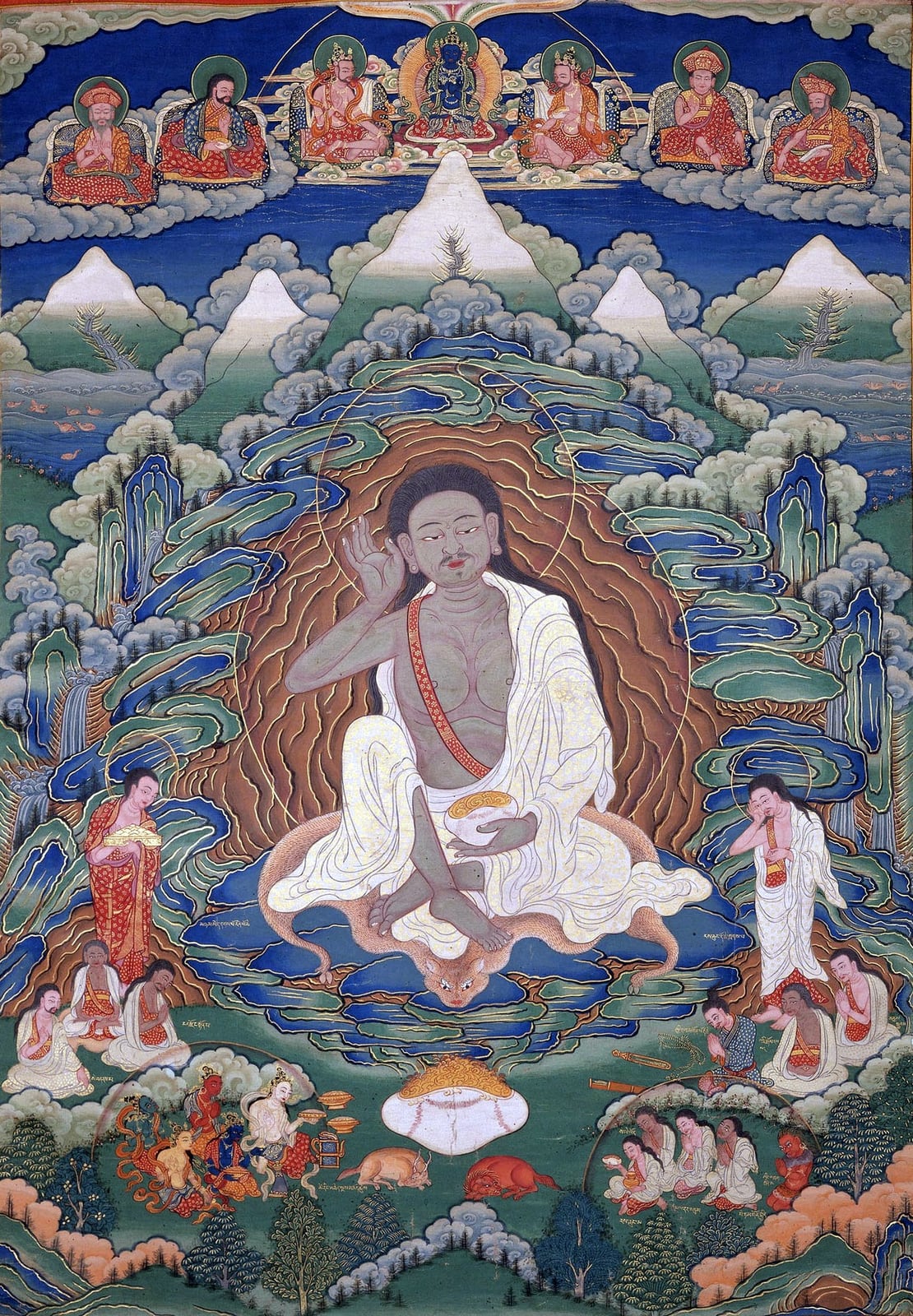
Milarepa
Ils concordent sur: Sommes-nous libres ou tout est-il déterminé ? · Qu'est-ce que l'Absolu ? Dieu existe-t-il ? · Qui suis-je ? Existe-t-il un vrai soi ?
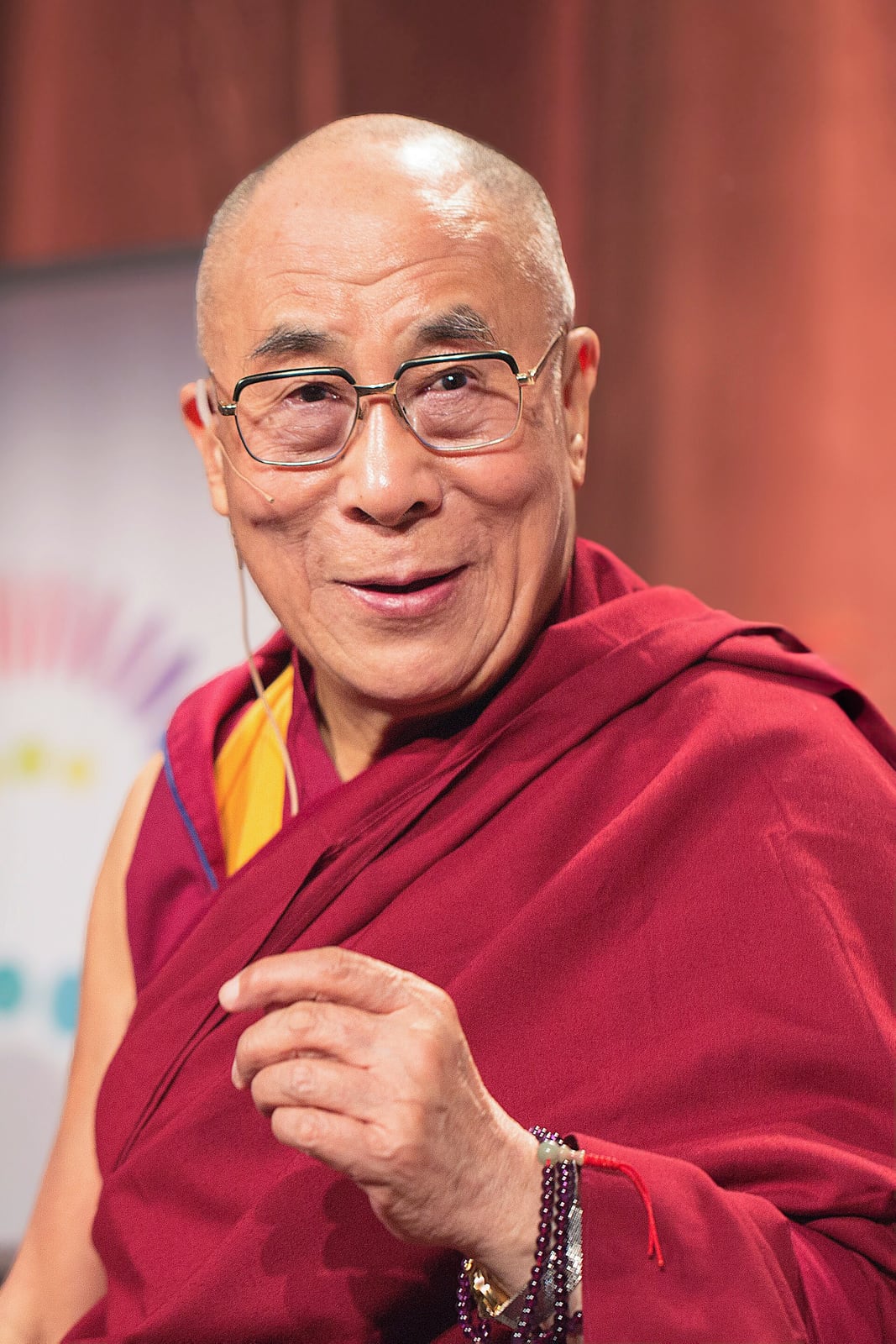
The 14th Dalai Lama (Tenzin Gyatso)
Ils concordent sur: Comment atteint-on la libération ou le salut ? · Qu'est-ce que l'Absolu ? Dieu existe-t-il ? · Qui suis-je ? Existe-t-il un vrai soi ?
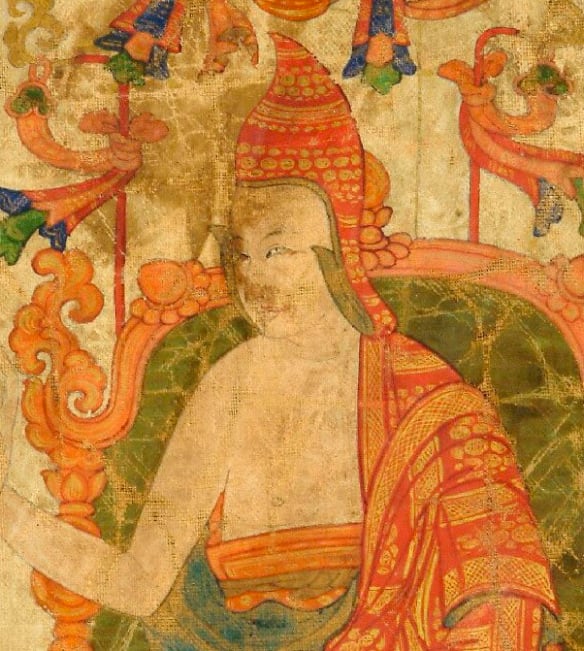
Śāntideva
Ils concordent sur: Comment atteint-on la libération ou le salut ? · Qu'est-ce que l'Absolu ? Dieu existe-t-il ? · Qui suis-je ? Existe-t-il un vrai soi ?
Pense autrement que

Francis of Assisi
Ils s'opposent sur: Qu'est-ce que l'Absolu ? Dieu existe-t-il ? · Qui suis-je ? Existe-t-il un vrai soi ? · Que se passe-t-il après la mort ?
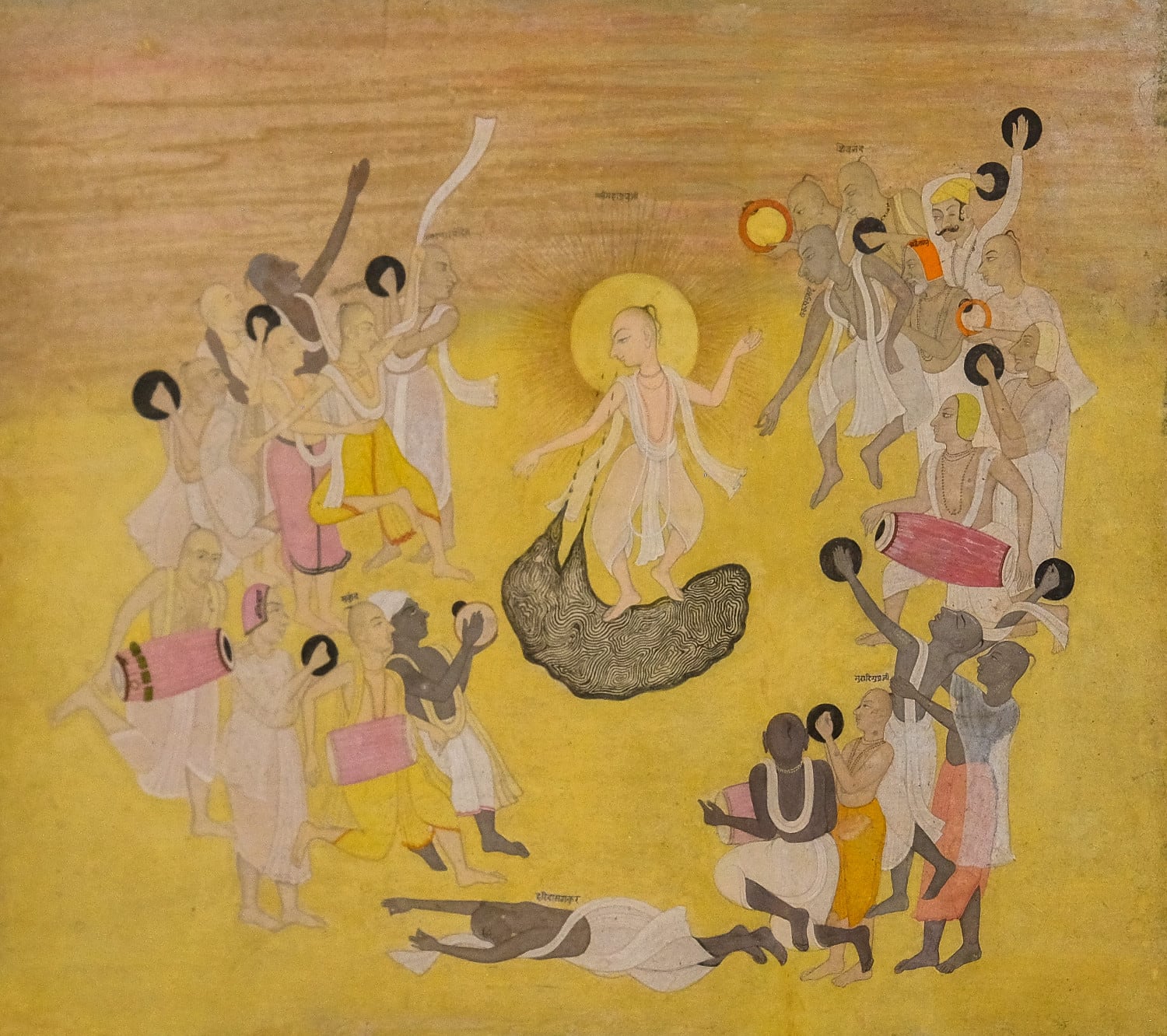
Chaitanya Mahaprabhu
Ils s'opposent sur: Qu'est-ce que l'Absolu ? Dieu existe-t-il ? · Qui suis-je ? Existe-t-il un vrai soi ? · Que se passe-t-il après la mort ?

Emanuel Swedenborg
Ils s'opposent sur: Qu'est-ce que l'Absolu ? Dieu existe-t-il ? · Qui suis-je ? Existe-t-il un vrai soi ? · Que se passe-t-il après la mort ?
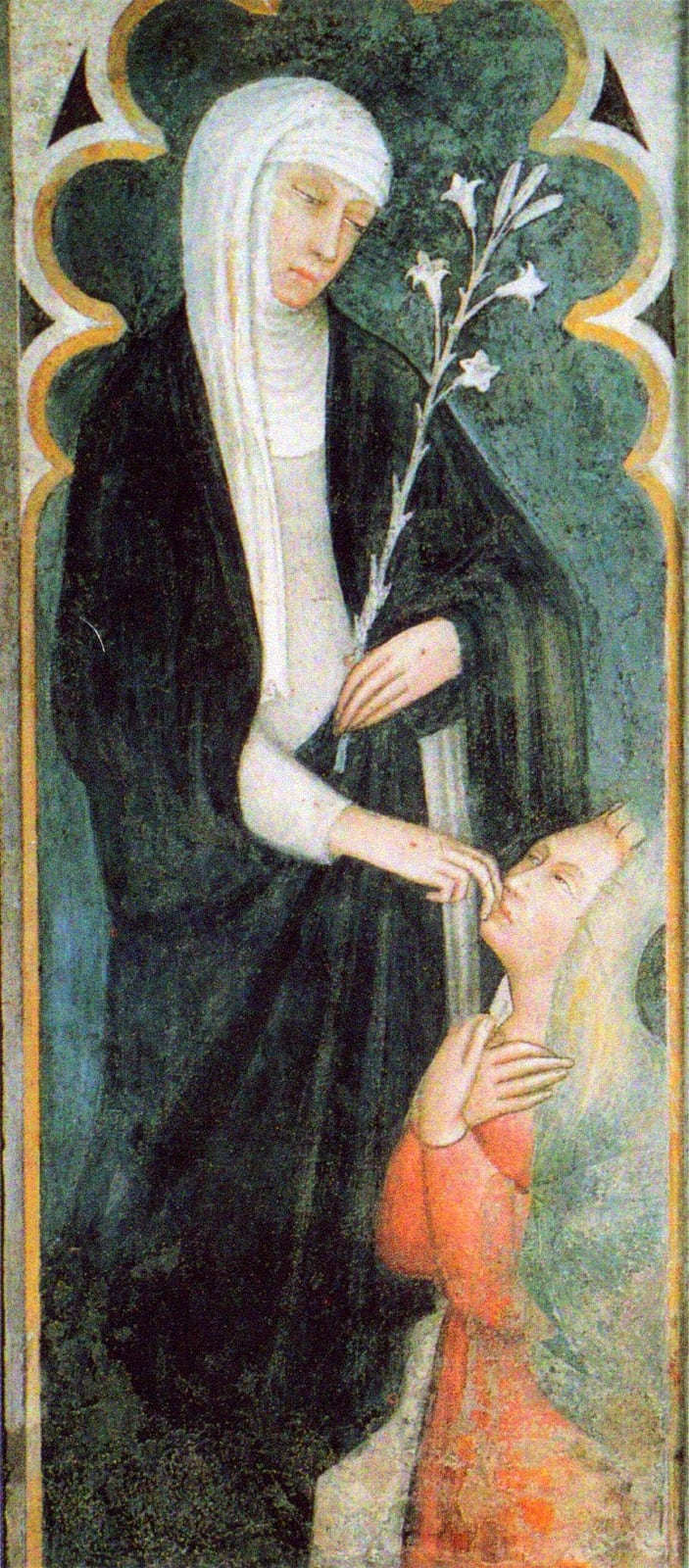
Catherine of Siena
Ils s'opposent sur: Qu'est-ce que l'Absolu ? Dieu existe-t-il ? · Qui suis-je ? Existe-t-il un vrai soi ? · Que se passe-t-il après la mort ?
Ils s'opposent surDésaccord de fond
Siddhartha Gautama, the Buddha · Adi Shankara
The Self that is Brahman versus the absence of self: India's great controversy
Pourquoi: The clash is not a modern construction: Shankara devotes sutras 2.2.18–32 of his Brahma Sutra commentary to refuting the Buddhist schools, realist, idealist and those of emptiness, and concludes that the Buddha's teaching is incoherent. Some scholars argue that no-self denies the empirical self rather than the atman, so the distance would be smaller than both believed; but the canon itself rejects the eternal self in MN 22, and Shankara held that denying a permanent subject made memory and liberation impossible. The two traditions start from a similar analysis of experience and reach incompatible metaphysical conclusions, which is why they treated each other as rivals for centuries.
Ils s'opposent surDésaccord de fond
Siddhartha Gautama, the Buddha · Confucius
Filial piety as the root, or leaving home as open air
Pourquoi: The contradiction is real and had historical consequences: when Buddhism reached China, Confucian scholars reproached it for centuries because monks abandoned their parents and left no descendants, and Chinese Buddhists answered by stressing the filial duties found in the canon. The two masters never met; the clash arises from their aims. Confucius seeks the harmony of a society at war and sees in the family the model of the state. The Buddha seeks the end of suffering, which arises from attachment, and sees in domestic ties one more attachment. Neither despises what the other values: one leaves renunciation as an exception; the other, the household as a stage.
Ils s'opposent surDésaccord de fond
Siddhartha Gautama, the Buddha · Jesus of Nazareth
Abba versus the arrow: a Father who listens and a question that leads nowhere
Pourquoi: The contradiction is real, but it should be framed carefully. Jesus is a first-century Jew who does not argue for God's existence but radicalises it as a filial relationship; the Buddha teaches in an India full of speculation about the creator and the atman, and deliberately sets those questions aside because they do not lead to the end of suffering. They do not, then, answer exactly the same question: one announces whom to turn to; the other, how to extinguish the cause of pain. Both reach us, moreover, through texts of faith fixed decades or centuries later. The difference over a personal God, however, is not apparent: the Buddhist tradition has always maintained it.
Ils s'opposent surDésaccord de fond
Siddhartha Gautama, the Buddha · Helena Blavatsky
A Theosophist who took refuge in the Buddha, and an Ego that reincarnates
Pourquoi: The relationship is documented: in 1880, in Ceylon, Blavatsky and Henry Olcott publicly took the Buddhist refuges and precepts, and Theosophy contributed to the island's Buddhist revival. Her Buddhism, however, was esoteric: Theosophists held that what the Buddha denies is the passing personality and not a higher individuality, a reading the Theravada tradition does not accept. The tension is real because no-self, in the canon, also extends to any entity that transmigrates. It is explained by Blavatsky's project, which sought a primordial wisdom common to all traditions and read each of them through her own scheme of principles and planes.
Ils concordent sur
Siddhartha Gautama, the Buddha · Jiddu Krishnamurti
A bundle of processes without a centre: no-self and the observer who is the observed
Pourquoi: The relationship is documented in a precise sense: in the late 1970s Krishnamurti held conversations at Brockwood Park with the monk and scholar Walpola Rahula and other Buddhists, later published as Can Humanity Change?, in which they discussed whether his teaching coincided with the Buddha's. Rahula saw a great affinity; Krishnamurti declined any comparison, because comparing seemed to him another form of authority. The real difference lies in the path: the canon proposes a gradual path of ethics, concentration and wisdom, with teacher and community, while Krishnamurti rejects every method. The diagnosis of the self brings them close; pedagogy separates them.
Anecdotes et récits
Anecdotes et récits
Récit hagiographiques. V a. C. (tradicional)
Kisa Gotami and the mustard seed
Origine du récit: The mustard episode is not in the canon: it comes from the fifth-century Pali commentaries, chiefly the Dhammapada commentary (story of verse 114) and the Therigatha commentary ascribed to Dhammapala. Kisa Gotami's verses (Therigatha 213–223) speak of the loss of her children but do not mention mustard.
Source: Buddhaghosa (atrib.). Dhammapada-aṭṭhakathā (comentario al Dhammapada, s. V). Trad. E. W. Burlingame, Buddhist Legends, 3 vols., Harvard Oriental Series 28–30, Harvard University Press, Cambridge (Mass.), 1921. Dominio público.
Tradition orales. V a. C. (tradicional)
Angulimala: "I have stopped"
Origine du récit: Majjhima Nikaya 86 (Angulimala Sutta), with parallels in the Chinese Samyukta Agama (SA 1077) and Ekottarika Agama (EA 38.6); the commentaries add the backstory (the teacher who demands a thousand fingers). It is a canonical narrative of oral transmission; the details cannot be verified.
Source: Ñāṇamoli, Bhikkhu y Bodhi, Bhikkhu (trads.). The Middle Length Discourses of the Buddha: A Translation of the Majjhima Nikāya. Wisdom Publications, Boston, 1995 (MN 26 Ariyapariyesana; MN 36 Mahāsaccaka; MN 22 Alagaddūpama; MN 63 Cūḷamālukya). ISBN 9780861710720.
Récit hagiographiques. V a. C. (tradicional)
The four encounters
Origine du récit: In the canon, Digha Nikaya 14 (Mahapadana Sutta) applies the four encounters to the buddha Vipassi. Referred to Gotama they appear in later biographies: Mahavastu, Lalitavistara, Ashvaghosha's Buddhacarita (cantos 3–5) and the Nidanakatha. In AN 3.38 the Buddha only recalls his comfortable life and his reflection on ageing, sickness and death.
Source: Walshe, Maurice (trad.). The Long Discourses of the Buddha: A Translation of the Dīgha Nikāya. Wisdom Publications, Boston, 1995 (DN 14 Mahāpadāna Sutta; DN 16 Mahāparinibbāna Sutta). ISBN 9780861711031.
Récit hagiographiquec. 445 a. C. (tradicional)
Mara and the earth as witness
Origine du récit: Canonical version: Padhana Sutta (Sutta Nipata 3.2, vv. 425–449). The assault of the armies and the earth's testimony appear in the Lalitavistara, the Buddhacarita (canto 13) and the Nidanakatha; the gesture becomes fixed in Gandharan art and widespread in Gupta and Pala sculpture.
Tradition orales. V a. C. (tradicional)
The poisoned arrow
Origine du récit: Majjhima Nikaya 63 (Culamalunkya Sutta), with a parallel in the Chinese Madhyama Agama (MA 221). It is one of the classic sources for the Buddha's attitude to metaphysical speculation.
Source: Ñāṇamoli, Bhikkhu y Bodhi, Bhikkhu (trads.). The Middle Length Discourses of the Buddha: A Translation of the Majjhima Nikāya. Wisdom Publications, Boston, 1995 (MN 26 Ariyapariyesana; MN 36 Mahāsaccaka; MN 22 Alagaddūpama; MN 63 Cūḷamālukya). ISBN 9780861710720.
Tradition orales. V a. C. (tradicional)
The blind men and the elephant
Origine du récit: Udana 6.4 (Titthasutta). The parable also exists in Jain and Hindu sources and spread in the Islamic world (Sanai, Rumi), so its Buddhist origin cannot be established.
Récit hagiographiques. V a. C. (tradicional); relato del s. XI d. C.
Mahakasyapa's smile
Origine du récit: It exists in no Indian source nor in the early canons. It appears in Chinese texts of the Song dynasty: first in the Tiansheng guangdeng lu (1036) and then, in its classic form, in the Wumenguan (1228, case 6). Albert Welter has studied its formation as the founding myth of the Chan school.
Source: Welter, Albert. «Mahākāśyapa's Smile: Silent Transmission and the Kung-an (Kōan) Tradition», en S. Heine y D. S. Wright (eds.), The Kōan: Texts and Contexts in Zen Buddhism, Oxford University Press, Nueva York, 2000.
Enseignements
Enseignements
Les notions qui structurent sa pensée, expliquées dans leur contexte.
The four noble truthscuatro-nobles-verdades
Doctrinal core shared by all Buddhist schools; the Mahayana reinterprets it from emptiness (the Heart Sutra goes so far as to deny its own-existence).
Source: Bodhi, Bhikkhu (trad.). The Connected Discourses of the Buddha: A Translation of the Saṃyutta Nikāya. Wisdom Publications, Boston, 2000 (SN 56.11 Dhammacakkappavattana Sutta). ISBN 9780861713318.
The middle way and the eightfold pathsendero-octuple
It is the fourth noble truth and the practical scheme of all early Buddhism; tradition links it to the Buddha's biography, since he is said to have tried both extremes.
Source: Bodhi, Bhikkhu (trad.). The Connected Discourses of the Buddha: A Translation of the Saṃyutta Nikāya. Wisdom Publications, Boston, 2000 (SN 56.11 Dhammacakkappavattana Sutta). ISBN 9780861713318.
Not-self (anatta) and the three characteristicsanatta
A distinctive feature of Buddhism compared with contemporary Brahmanical and Jain traditions.
Source: Gombrich, Richard F. What the Buddha Thought. Equinox (Oxford Centre for Buddhist Studies Monographs), Londres y Oakville, 2009.
Dependent origination (paticca-samuppada)paticca-samuppada
A causal formulation underpinning the not-self doctrine and the possibility of liberation.
Source: Gombrich, Richard F. What the Buddha Thought. Equinox (Oxford Centre for Buddhist Studies Monographs), Londres y Oakville, 2009.
Nirvana (nibbana)nirvana
Soteriological goal of all Buddhist schools; in the West, since the nineteenth century, the subject of debate over whether Buddhism was a nihilism.
Source: Gombrich, Richard F. What the Buddha Thought. Equinox (Oxford Centre for Buddhist Studies Monographs), Londres y Oakville, 2009.
Karma as intentionkarma
A concept shared with Hinduism and Jainism, reinterpreted by the Buddha in terms of intention.
Source: Gombrich, Richard F. What the Buddha Thought. Equinox (Oxford Centre for Buddhist Studies Monographs), Londres y Oakville, 2009.
Retraites
Retraites et centres
Lieux et rencontres liés à son enseignement. Nous vous mettons en relation avec ceux qui les organisent.
Centros en todos los continentes (sede histórica: Dhamma Giri, Igatpuri, India) · Internacional
Vipassana meditation courses (Dhamma.org)
Vipassana Meditation – centros de la tradición de S. N. Goenka
The Vipassana courses taught by S. N. Goenka, in the line of Sayagyi U Ba Khin, pass on a technique of observing bodily sensations that this tradition traces back to the Buddha himself. The format is demanding and sober: ten residential days of silence, with a daily discipline of many hours of meditation and recorded talks explaining the method. Nothing is charged, not even food or lodging; everything is sustained by donations from those who have already completed a course. There are centres on every continent, and the website, in dozens of languages, lists each centre's calendar.
Lumbini, provincia de Lumbini · Nepal
Lumbini, birthplace of the Buddha
Lumbini Development Trust (Gobierno de Nepal)
Lumbini, on the plains of southern Nepal, is where tradition places the birth of Siddhartha Gautama. The Maya Devi Temple shelters the archaeological remains associated with that moment, beside the sacred pool and the pillar the emperor Ashoka had raised in the third century BCE with an inscription commemorating it. The World Heritage site is managed by the Lumbini Development Trust, a Nepali government body that also looks after the monastic zone, where various Buddhist countries have built monasteries, and other places linked to the Buddha's life such as Kapilvastu, Ramagrama and Devadaha.
Bodh Gaya, Bihar · India
Bodh Gaya: the Mahabodhi Temple
Bodhgaya Temple Management Committee
Bodh Gaya is the place where, according to tradition, Siddhartha Gautama attained awakening beneath the Bodhi tree, and the most important of the four great Buddhist pilgrimage sites. The Mahabodhi Temple, a World Heritage Site, stands beside a descendant of that tree and the stone platform marking the Buddha's seat. It is run by a management committee that holds daily sessions of chanting and meditation at dawn and evening chanting, in Pali and in the Mahayana tradition. Around the temple, monasteries from many Buddhist countries welcome pilgrims and students throughout the year.
Vidéos
Vidéos
Enregistrements, entretiens et documentaires. Les vidéos sont lues depuis YouTube ; elles ne sont pas hébergées ici.
Towards a sustainable Lumbini, the birthplace of Lord Buddha
Documentaire· EN· 2014· 20 min
UNESCOChaîne officielle
The oldest, dateable depiction of the Buddha in human form | Curator's Corner S4 Ep7
Analyse· EN· 2018· 8 min
The British MuseumChaîne officielle
Curators' tour of Ancient India: living traditions
Analyse· EN· 2025· 17 min
The British MuseumChaîne officielle
A Short Introduction to Buddhism Course by Ven. Bhikkhu Bodhi - 1 (July 15th, 2018)
Conférence· EN· 2018· 56 min
BAUS Chuang Yen MonasteryChaîne officielle
Distinguished Lecture by Richard Francis Gombrich
Conférence· EN· 2013· 104 min
UoH VisualDossiersChaîne officielle
New Discoveries about the Origins of the Buddhist Order of Nuns
Conférence· EN· 2017· 66 min
Oxford Centre for Buddhist StudiesChaîne officielle
Buda, su enseñanza y la comunidad con Agustín Pániker
Conférence· ES· 2020· 55 min
Librería PorrúaChaîne officielle
[PHILO] Bouddha et le Bouddhisme avec Frédéric Lenoir
Conférence· FR· 2017· 61 min
PhiloCloud
Documentary - The Buddha - PBS Documentary (Narrated by Richard Gere)
Documentaire· EN· 2010· 161 min
Dhamma in English
Galerie
Galerie
Images dont la licence a été vérifiée. Chacune conserve son auteur et son attribution.
Manuscrits
Manuscrits
Témoins manuscrits et textes anciens, avec leur dépositaire et leurs conditions de consultation.
PRA · Brahmi · c. 249 a. C. (vigésimo año de reinado de Ashoka)
Lumbini (Rummindei) pillar inscription
- Témoin conservé
- Inscripción de cinco líneas grabada en el fuste de una columna de arenisca pulida
- Dépositaire
- Departamento de Arqueología del Gobierno de Nepal / Lumbini Development Trust (in situ)
- Numérisation
- commons.wikimedia.org/wiki/File:Lumbini_inscript…
PGD · Kharoshthi · primera mitad del s. I d. C. (copia)
Khaggavisāṇa-sutra (Gandhari)
- Témoin conservé
- Fragmento de rollo de corteza de abedul, parte de un conjunto de unos ochenta fragmentos conservados en vasijas de barro
- Dépositaire
- British Library, Londres · British Library Kharoṣṭhī Fragment 5B
ZH · Han (impresión xilográfica) · Colofón fechado el 11 de mayo de 868
金剛般若波羅蜜經 (Vajracchedikā, versión de Kumarajiva)
- Témoin conservé
- Rollo impreso de unos cinco metros, con frontispicio grabado del Buda predicando a Subhuti; el libro impreso fechado más antiguo que se conserva
- Dépositaire
- British Library, Londres · Or.8210/P.2
- Numérisation
- www.bl.uk/collection-items/the-diamond-sutra…
Relations
Relations
Influences, filiations et affinités. On distingue la relation documentée de la similitude identifiée par analyse.
Contemporain de
The Pali canon mentions Nigantha Nataputta, identified with Mahavira, as a contemporary rival teacher and relates the quarrel among his followers after his death (DN 29, DN 33). There is no record of their meeting.
Relation documentée
A influencé
Nagarjuna opens his Verses on the Middle Way with homage to the Buddha as teacher of dependent origination and develops his doctrine of emptiness as an interpretation of the Buddha's teaching.
Relation documentée
A influencé
Chan tradition makes Bodhidharma the twenty-eighth patriarch of a lineage beginning with the Buddha's transmission to Mahakasyapa; the lineage is a construction of the school.
Similitude identifiée par analyse
A influencé
Thich Nhat Hanh wrote a biography of the Buddha based on the canonical sources, Old Path White Clouds (1991), and presented his teaching as a continuation of the Buddha's.
Relation documentée
Idées proches de
Since the nineteenth century their teachings on renunciation, compassion and love of enemies have been compared; there is no documented historical link between them.
Similitude identifiée par analyse
Idées proches de
Chinese Buddhism often read the Dao in the light of emptiness and vice versa; the Taoist legend of the "conversion of the barbarians" even claimed that Laozi had taught in India. It is a late polemic, not a historical link.
Similitude identifiée par analyse
Lié depuis d'autres fiches
- Thich Nhat Hanh · A reçu l'influence de
- Aristotle · Idées proches de
- Heraclitus · Idées proches de
- Laozi · Idées proches de
- Ajahn Chah · A reçu l'influence de
- The 14th Dalai Lama (Tenzin Gyatso) · A reçu l'influence de
- Jesus of Nazareth · Idées proches de
- Bodhidharma · A reçu l'influence de
- Carl Gustav Jung · Idées proches de
- Leo Tolstoy · A reçu l'influence de
- Martin Buber · En désaccord avec
- Osho · A reçu l'influence de
- Epicurus · Idées proches de
- Jiddu Krishnamurti · Idées proches de
- Mahāvīra · Contemporain de
- Nāgārjuna · A reçu l'influence de
- Patañjali · Idées proches de
- Padmasambhava · A reçu l'influence de
- Pythagoras · Idées proches de
- Helena Roerich · Idées proches de
- Śāntideva · A reçu l'influence de
- Shunryu Suzuki · A reçu l'influence de
- Tsongkhapa · A reçu l'influence de
- Confucius · Contemporain de
Sources
Sources
Bibliographie et catalogues consultés pour cette fiche.
- Wikidata, entidad Q9441 «The Buddha / Buda Gautama» (P31=Q5; 277 enlaces entre wikis). Registra como nacimiento -563, -623 y c. -500, y como muerte -483, -543 y c. -500; lugar de nacimiento Q9213 (Lumbini), de muerte Q825673 (Kushinagar).
- Walshe, Maurice (trad.). The Long Discourses of the Buddha: A Translation of the Dīgha Nikāya. Wisdom Publications, Boston, 1995 (DN 14 Mahāpadāna Sutta; DN 16 Mahāparinibbāna Sutta). ISBN 9780861711031.
- Ñāṇamoli, Bhikkhu y Bodhi, Bhikkhu (trads.). The Middle Length Discourses of the Buddha: A Translation of the Majjhima Nikāya. Wisdom Publications, Boston, 1995 (MN 26 Ariyapariyesana; MN 36 Mahāsaccaka; MN 22 Alagaddūpama; MN 63 Cūḷamālukya). ISBN 9780861710720.
- Bodhi, Bhikkhu (trad.). The Connected Discourses of the Buddha: A Translation of the Saṃyutta Nikāya. Wisdom Publications, Boston, 2000 (SN 56.11 Dhammacakkappavattana Sutta). ISBN 9780861713318.
- Gombrich, Richard F. What the Buddha Thought. Equinox (Oxford Centre for Buddhist Studies Monographs), Londres y Oakville, 2009.
- Bechert, Heinz (ed.). The Dating of the Historical Buddha / Die Datierung des historischen Buddha. 3 vols. Vandenhoeck & Ruprecht, Gotinga, 1991–1997 (Symposien zur Buddhismusforschung IV, 1–3).
- Hultzsch, E. Inscriptions of Asoka (Corpus Inscriptionum Indicarum, vol. I). Clarendon Press, Oxford, 1925: «Rummindei pillar inscription», pp. 164–165.
- Strong, John S. The Buddha: A Short Biography. Oneworld, Oxford, 2001.
- Ñāṇamoli, Bhikkhu. The Life of the Buddha according to the Pali Canon. Buddhist Publication Society, Kandy, 1972 (reed. Pariyatti, 2001).
- Carrithers, Michael. The Buddha. Oxford University Press (Past Masters), Oxford, 1983 (trad. esp.: Buda, Alianza Editorial).
- Coningham, R. A. E., Acharya, K. P., Strickland, K. M., et al. «The earliest Buddhist shrine: excavating the birthplace of the Buddha, Lumbini (Nepal)». Antiquity 87 (338), 2013, pp. 1104–1123.
- Waldschmidt, Ernst. Das Mahāparinirvāṇasūtra: Text in Sanskrit und Tibetisch, verglichen mit dem Pāli nebst einer Übersetzung der chinesischen Entsprechung im Vinaya der Mūlasarvāstivādins. 3 vols. Akademie-Verlag, Berlín, 1950–1951.
- Max Müller, F. (trad. Dhammapada) y Fausbøll, V. (trad. Sutta-Nipāta). The Dhammapada and the Sutta-Nipāta. Sacred Books of the East, vol. X. Clarendon Press, Oxford, 1881. Dominio público.
- Rhys Davids, T. W. (trad.). Buddhist Suttas. Sacred Books of the East, vol. XI. Clarendon Press, Oxford, 1881 (incluye Mahāparinibbāna Suttanta y Dhammacakkappavattana Sutta). Dominio público.
- Kern, H. (trad.). The Saddharma-puṇḍarîka, or The Lotus of the True Law. Sacred Books of the East, vol. XXI. Clarendon Press, Oxford, 1884. Dominio público.
- Cowell, E. B., Max Müller, F. y Takakusu, J. (trads.). Buddhist Mahâyâna Texts. Sacred Books of the East, vol. XLIX. Clarendon Press, Oxford, 1894 (Buddhacarita de Aśvaghoṣa; Vajracchedikā; Prajñāpāramitā-hṛdaya; Sukhāvatīvyūha). Dominio público.
- SuttaCentral. Textos pali con traducciones de Bhikkhu Sujato (CC0) y paralelos en chino, sánscrito y tibetano. Consultados: DN 16, MN 22, MN 26, MN 63, SN 56.11, AN 3.38, AN 3.65, AN 3.131, Ud 1.10, Dhp, Snp 1.8.
- UNESCO, Centro del Patrimonio Mundial. «Lumbini, the Birthplace of the Lord Buddha» (inscrito en 1997, n.º 666).
- Bodhipaksa. Fake Buddha Quotes (base de datos de citas falsamente atribuidas al Buda, con su origen documentado).
- Norman, K. R. Pāli Literature, Including the Canonical Literature in Prakrit and Sanskrit of All the Hīnayāna Schools of Buddhism. A History of Indian Literature, vol. VII, fasc. 2. Otto Harrassowitz, Wiesbaden, 1983.
- Williams, Paul. Mahāyāna Buddhism: The Doctrinal Foundations. Routledge, Londres, 1989 (2.ª ed. 2009).
- Pániker, Agustín. El budismo: historia, doctrinas, prácticas. Kairós, Barcelona, 2018.
- British Museum. Ficha de colección: «Bimaran casket» (n.º de registro 1900,0209.1), Gandhara, s. I d. C.
- Ashvaghosha. Buddhacarita (Acts of the Buddha). Ed. y trad. E. H. Johnston, 3 partes, Lahore, 1935–1936; trad. Patrick Olivelle, Life of the Buddha, Clay Sanskrit Library, New York University Press, 2008.
- Taishō shinshū daizōkyō, vol. 1, n.º 1: Chang ahan jing (Dirgha Agama), trad. Buddhayaśas y Zhu Fonian (413), fasc. 2–4, «Youxing jing» (paralelo chino del Mahaparinibbana Sutta). Texto digital CBETA.
- Buddhaghosa (atrib.). Dhammapada-aṭṭhakathā (comentario al Dhammapada, s. V). Trad. E. W. Burlingame, Buddhist Legends, 3 vols., Harvard Oriental Series 28–30, Harvard University Press, Cambridge (Mass.), 1921. Dominio público.
- Welter, Albert. «Mahākāśyapa's Smile: Silent Transmission and the Kung-an (Kōan) Tradition», en S. Heine y D. S. Wright (eds.), The Kōan: Texts and Contexts in Zen Buddhism, Oxford University Press, Nueva York, 2000.
- Nhat Hanh, Thich. Old Path White Clouds: Walking in the Footsteps of the Buddha. Parallax Press, Berkeley, 1991 (trad. esp.: Camino viejo, nubes blancas, Oniro).
- Salomon, Richard. Ancient Buddhist Scrolls from Gandhāra: The British Library Kharoṣṭhī Fragments. University of Washington Press / British Library, Seattle y Londres, 1999; y A Gāndhārī Version of the Rhinoceros Sūtra: British Library Kharoṣṭhī Fragment 5B, University of Washington Press, 2000.
- British Library. «The Diamond Sutra» (Or.8210/P.2), ficha de la colección, Dunhuang, 868.
- Ayant droit
- Textos antiguos en dominio público; cada traducción pertenece a su traductor o editorial (las de Bhikkhu Sujato en SuttaCentral, CC0)
En attente de confirmation
Ce que cette fiche n'a pas encore pu établir. Nous préférons le dire plutôt que de combler.
- No se ha encontrado ninguna traducción española del Sutta Nipata con ISBN en Open Library (Google Books no estaba disponible: cuota agotada). Buscar en el catálogo de ISBN de España y en editoriales como Kairós, Trotta, Etnos o Dharma.
- Sutra del diamante y Sutra Lankavatara: falta una edición española con ISBN verificado.
- Ediciones francesas e italianas del Dhammapada: Open Library solo ofrece ediciones antiguas sin ISBN o autoediciones; no se han incluido. Revisar catálogos de Gallimard, Seuil, Adelphi.
- Trotta, «Diálogos mayores de Buda» (2010): la ficha de la editorial no permitió confirmar si traduce el Dīgha Nikāya completo o una selección.
- Confirmar la signatura de la colección de fragmentos gandhari de la British Library (citada en una leyenda como Or. 14915) y si existe digitalización pública del Fragmento 5B.
- La fecha de nacimiento (c. 480 a. C.) es convencional, derivada de la cronología corta; Wikidata recoge -563, -623 y c. -500. La de muerte (c. 400 a. C.) es la más aceptada hoy, con un margen de unas tres décadas.
- Programas de afiliación: ninguno verificado (Wisdom Publications, Trotta, Kairós, Penguin no publican uno accesible). Lista vacía.
- El documental de PBS «The Buddha» (2010) solo se ha encontrado en subidas de terceros; buscar una versión oficial de PBS insertable.
- Sala de lectura: no hay en línea ninguna traducción española de dominio público comprobable del Dhammapada ni de otros textos del canon pali (búsqueda en Gutenberg, Wikisource e Internet Archive, 2026-10-25).
- Sala de lectura: la traducción francesa del Dhammapada de Fernand Hû (Leroux, 1878) está en Wikisource por capítulos, pero no se ha podido acreditar la fecha de muerte del traductor (Wikidata trae un dato erróneo); la del Sutra del diamante de William Gemmell (Kegan Paul, 1912; Gutenberg #64623), tampoco. Registrarlas cuando se confirme.
- Sala de lectura: las traducciones de dominio público del Mahaparinibbana Sutta y del Dhammacakkappavattana Sutta (Rhys Davids, SBE XI, 1881), del Sutta Nipata (Fausbøll, SBE X, 1881; Chalmers, 1932), del Udana (Strong, 1902) y del Sutra del diamante y del Corazón (Max Müller, SBE XLIX) solo están en Internet Archive como volúmenes enteros o con OCR defectuoso (el control de calidad del ingestor rechaza el Sutta Nipata de Chalmers y el de Coomaraswamy). El Sutra del loto íntegro de Kern (SBE XXI) está en Wikisource, pero sus subpáginas se ordenan alfabéticamente (1, 10, 11…) y los versos numerados se parten; por eso se ha registrado la versión abreviada de Soothill.
- Sala de lectura: Dialogues of the Buddha (Rhys Davids, 1899–1921, Digha) y Further Dialogues (Chalmers, 1926–27, Majjhima) están en Internet Archive en varios volúmenes; el ingestor guarda un solo texto por obra e idioma, así que no se registran hasta poder unir volúmenes. Lo mismo con Die Reden Gotamo Buddhos de K. E. Neumann (Gutenberg #48345, #48901, #49044).
- Obras: el inventario de sutras mahayana atribuidos al Buda es inabarcable (miles de textos en los cánones chino y tibetano); se registran los de mayor difusión (Loto, Diamante, Corazón, Lankavatara, Tierra Pura, Avatamsaka). Faltan, entre otros, el Mahaparinirvana Sutra mahayana, el Sutra de la luz dorada y el Sutra del Buda de la Medicina.
Recherche effectuée le 2026-10-23