Tantra · Zen / Chan · Jaïnisme · Non-dualité contemporaine
Osho
चन्द्र मोहन जैन · ओशो
1931 – 1990Personne historiquement documentée
Maître spirituel indien (1931-1990), connu successivement sous les noms d'Acharya Rajneesh, de Bhagwan Shree Rajneesh et d'Osho. Professeur de philosophie devenu gourou, il créa la méditation dynamique et un mouvement international de néo-sannyasins. Sa communauté de l'Oregon, Rajneeshpuram, prit fin en 1985, après l'attaque bioterroriste commise en 1984 par des membres dirigés par sa secrétaire et son départ des États-Unis pour fraude à l'immigration. Ses plus de six cents titres sont des transcriptions de causeries.
- œuvres
- 54œuvres
- éditions
- 95éditions
- citations
- 8citations
- vidéos
- 14vidéos
- images
- 6images
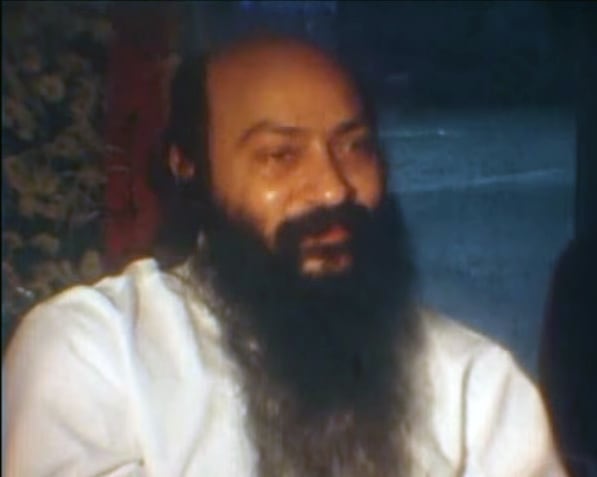
Osho en 1972 · CC BY-SA 3.0
Dans ses propres mots
«Never Born – Never Died. Only visited this planet Earth between December 11, 1931 and January 19, 1990»Epitafio de su samadhi en la casa Lao Tzu, Pune; texto dictado por él semanas antes de morir

Pour commencer, une œuvre
From Sex to SuperconsciousnessSon idée centrale
Enlightenment is not the preserve of exceptional saints: every human being is a potential buddha, and what prevents it is the ego, formed by social conditioning.
Le voir en contexte
Biographie
5 min de lecture
Traduction assistée à partir de l'original espagnol, en attente de relecture par un traducteur natif.
Un enfant jaïn du Madhya Pradesh
Chandra Mohan Jain naît le 11 décembre 1931 à Kuchwada, un village de l'actuel district de Raisen (Madhya Pradesh), chez ses grands-parents maternels. Il est l'aîné des onze enfants de Babulal, marchand de tissus issu d'une famille jaïne digambara, et de Saraswati. Il vit chez ses grands-parents jusqu'à sept ans, âge auquel la mort de son grand-père le ramène auprès de ses parents, à Gadarwara. Dès l'enfance, on l'appelle Rajneesh, « seigneur de la nuit ». Il attribuera lui-même la racine de son caractère à cette enfance libre de toute discipline imposée et à une confrontation précoce avec la mort — celle de son grand-père puis, à quinze ans, celle de son amie Shashi. Élève brillant et redoutable polémiste, il lit Marx et les anarchistes russes et se défie tôt des religions établies.
Le professeur rebelle
En 1951, il entreprend des études universitaires à Jabalpur. D'après son propre récit, le 21 mars 1953, à vingt et un ans, il connaît une expérience d'illumination, assis sous un arbre du jardin de Bhanvartal ; il n'en existe pas d'autre témoignage que le sien. Licencié en philosophie en 1955, titulaire d'une maîtrise de l'université de Sagar en 1957, il enseigne au Sanskrit College de Raipur puis, à partir de 1958, à l'université de Jabalpur. Parallèlement, il parcourt l'Inde sous le nom d'« Acharya Rajneesh », critiquant le socialisme, Gandhi et les religions institutionnelles, et dirige à partir de 1962 des camps de méditation. En 1966, il quitte l'université.
Ses conférences de 1968 sur la sexualité, publiées ensuite sous le titre Du sexe à la superconscience, lui valent dans la presse indienne le surnom de « gourou du sexe ». À la deuxième Conférence hindoue mondiale, en 1969, il soutient qu'une religion qui enseigne à haïr la vie n'est pas une véritable religion, et scandalise les dignitaires traditionnels.
Bombay et Pune : le néo-sannyas
En 1970, il présente la méditation dynamique — respiration rapide, catharsis, sauts, immobilité et danse — et, le 26 septembre, initie ses premiers disciples, les néo-sannyasins, qui reçoivent un nouveau nom, s'habillent de couleur safran et portent un mala orné de son portrait, sans qu'on leur demande pour autant de renoncer au monde. Installé à Bombay, il adopte en 1971 le titre de Bhagwan Shree Rajneesh. En 1974, il s'établit à Koregaon Park, à Pune, où l'ashram finit par accueillir quelque trente mille visiteurs par an, occidentaux pour la plupart. Il parle chaque matin, alternant des séries en hindi et en anglais sur le Bouddha, Lao-tseu, Jésus, les soufis, le tantra ou le zen ; ces causeries, enregistrées et transcrites, sont à l'origine de presque toute son œuvre. L'ashram associe la méditation aux thérapies de groupe du mouvement du potentiel humain, dont certaines étaient si violentes que l'ashram lui-même les supprima en 1979.
L'Oregon : Rajneeshpuram
En 1981, il entre dans un long silence public, et sa secrétaire, Ma Anand Sheela, prend la direction de l'organisation. La même année, il se rend aux États-Unis avec un visa de touriste pour raisons médicales, et la fondation achète le Big Muddy Ranch, dans l'Oregon, où les disciples bâtissent une ville, Rajneeshpuram, érigée en municipalité en 1982. Les litiges avec les voisins, l'État et la justice au sujet de l'occupation des sols sont constants, et sa collection de plus de quatre-vingt-dix Rolls-Royce devient l'emblème médiatique de la communauté.
En septembre 1984, des membres de la communauté dirigés par Sheela contaminent à la salmonelle les buffets de salades de dix restaurants de The Dalles afin d'empêcher les habitants de voter aux élections du comté. 751 personnes tombent malades et 45 sont hospitalisées, sans aucun décès : c'est la plus grave attaque bioterroriste de l'histoire des États-Unis. L'origine délibérée de l'intoxication n'est confirmée qu'en septembre 1985 lorsque, après la fuite de Sheela et de son équipe en Europe, Rajneesh lui-même les accuse en conférence de presse de ce crime et d'autres délits, et demande qu'une enquête soit ouverte. Sheela et plusieurs de ses collaborateurs sont condamnés. Les procureurs reconnaissent ne disposer que de peu de preuves d'une participation directe de Rajneesh, même si certains affirment publiquement que sa responsabilité dépassait ce qui avait été jugé.
En octobre 1985, un grand jury fédéral l'inculpe de fraude à l'immigration. Arrêté à Charlotte (Caroline du Nord) alors qu'il s'envolait pour les Bermudes, il plaide coupable, en vertu d'un accord avec le parquet, de deux chefs d'accusation — avoir dissimulé son intention de rester dans le pays et avoir encouragé des mariages blancs — au moyen d'un plaidoyer Alford, qui n'implique pas la reconnaissance des faits. Il est condamné à dix ans de prison avec sursis, cinq ans de mise à l'épreuve et 400 000 dollars d'amende et de frais de justice, et quitte les États-Unis en s'engageant à ne pas y revenir pendant cinq ans. La communauté se dissout peu après.
Tournée mondiale et retour à Pune
Il arrive à Delhi le 17 novembre 1985. Dans les mois qui suivent, il passe par le Népal, la Grèce, l'Uruguay et d'autres pays, dont beaucoup lui refusent l'entrée ou le séjour ; en juillet 1986, il regagne Bombay et, en janvier 1987, l'ashram de Pune. Il attribue la dégradation de sa santé à un empoisonnement subi dans les prisons américaines, accusation que le parquet qualifie de fiction et qui n'a jamais été prouvée. Il abandonne le titre de Bhagwan et adopte en 1989 le nom d'Osho. Il meurt à Pune le 19 janvier 1990, à cinquante-huit ans ; la cause officielle est une insuffisance cardiaque. Ses cendres reposent dans la maison Lao Tzu de l'ashram, sous une épitaphe affirmant qu'il n'est jamais né ni mort et qu'il a seulement visité la Terre entre ces deux dates.
Une œuvre parlée et un héritage disputé
Osho n'a guère écrit de livres au sens strict : les plus de six cents titres qui portent son nom sont, pour la plupart, des transcriptions éditées de causeries, auxquelles s'ajoutent des lettres, des dialogues de darshan et des recueils thématiques préparés après sa mort par l'Osho International Foundation, établie à Zurich, qui gère ses droits et la marque OSHO ; le Tribunal de l'Union européenne a confirmé en 2017 sa titularité face à un autre groupe de disciples. L'ashram de Pune fonctionne aujourd'hui sous le nom d'Osho International Meditation Resort.
Le jugement porté sur sa figure reste partagé. L'écrivain Khushwant Singh et le philosophe Peter Sloterdijk ont vu en lui un penseur original ; des chercheurs comme Hugh B. Urban soulignent l'éclectisme de ses idées et leur affinité avec la culture de consommation, et le professeur d'études religieuses Ronald O. Clarke lui a prêté des traits de personnalité narcissique. Depuis 2022, d'anciennes disciples ont dénoncé dans des livres, des podcasts et des documentaires des abus sexuels qu'il aurait commis lors de rencontres privées, et une enquête documentaire de 2024 a recueilli des témoignages d'abus sur des mineurs au sein du mouvement ; ces accusations, postérieures à sa mort, n'ont jamais été jugées.
Sources: Joshi, Vasant. The Awakened One: The Life and Work of Bhagwan Shree Rajneesh. San Francisco: Harper & Row, 1982 (ISBN 006064205X). Biografía escrita por un discípulo. · Fox, Judith M. Osho Rajneesh. Studies in Contemporary Religion, 4. Salt Lake City: Signature Books, 2002 (ISBN 1560851562). · Carter, Lewis F. Charisma and Control in Rajneeshpuram: A Community without Shared Values. Cambridge: Cambridge University Press, 1990 (ISBN 0521385547). · Urban, Hugh B. Zorba the Buddha: Sex, Spirituality, and Capitalism in the Global Osho Movement. Oakland: University of California Press, 2015. · Gordon, James S. The Golden Guru: The Strange Journey of Bhagwan Shree Rajneesh. Lexington (Massachusetts): The Stephen Greene Press, 1987 (ISBN 0828906300).
Chronologie
La vie, année après année
Chaque point est un événement documenté. Cliquez pour le lire, avec sa source et son degré de certitude.
11 décembre 19310 ansKuchwada, Madhya Pradesh
Born in Kuchwada
Chandra Mohan Jain is born on 11 December in Kuchwada (Madhya Pradesh) into a Jain family.
DocumentéWikidata, «Osho» (Q148285).
Après sa mort
- 11 octobre 2017Ruling on the OSHO trademark
- 2022Abuse allegations
11 décembre 1931 · 0 ans
Born in Kuchwada
Chandra Mohan Jain is born on 11 December in Kuchwada (Madhya Pradesh) into a Jain family.
Documenté
1939 · 7 ans
Move to Gadarwara
After his maternal grandfather's death he goes to live with his parents in Gadarwara.
Probable
21 mars 1953 · 21 ans
Enlightenment experience
By his own account, on 21 March he attains enlightenment under a tree in the Bhanvartal garden, Jabalpur.
Tradition
1957 · 25 ans
Master's in philosophy
Gains his master's in philosophy at the University of Sagar and begins teaching in Raipur.
Documenté
1958 · 26 ans
Lecturer at Jabalpur
Teaches philosophy at the University of Jabalpur, where he is made professor in 1960.
Documenté
1966 · 34 ans
Leaves the university
After a controversial lecture tour he leaves his university post.
Documenté
1968 · 36 ans
Talks on sex
The Bombay lectures later published as From Sex to Superconsciousness earn him the nickname 'sex guru'.
Documenté
26 septembre 1970 · 38 ans
Dynamic Meditation and first sannyasins
Introduces Dynamic Meditation and on 26 September initiates his first neo-sannyasins.
Documenté
1971 · 39 ans
Bhagwan Shree Rajneesh
Adopts the title Bhagwan Shree Rajneesh.
Documenté
1974 · 42 ans
Pune ashram
Settles in Koregaon Park (Pune), where he founds the ashram.
Documenté
mai 1980 · 48 ans
Attack during a talk
In May a young Hindu fundamentalist attempts to attack him during a discourse.
Documenté
1981 · 49 ans
Silence and move to the United States
On 10 April he begins a public silence; on 1 June he travels to the United States and in August settles on the Oregon ranch.
Documenté
mai 1982 · 50 ans
Rajneeshpuram
Ranch residents vote to incorporate it as the city of Rajneeshpuram.
Documenté
septembre 1984 · 52 ans
The Dalles bioterror attack
Commune members led by Ma Anand Sheela contaminate restaurants in The Dalles with salmonella: 751 people fall ill.
Documenté
16 septembre 1985 · 53 ans
Accusation against Sheela
On 16 September he accuses Sheela and her team of serious crimes at a press conference and asks for an investigation.
Documenté
28 octobre 1985 · 53 ans
Arrest and departure from the United States
Arrested on 28 October in Charlotte; in November he accepts a plea deal for immigration fraud and leaves the country. He lands in Delhi on 17 November.
Documenté
1986 · 54 ans
World tour
Travels through several countries that refuse him entry or residence; returns to Bombay on 30 July.
Documenté
janvier 1987 · 55 ans
Return to Pune
In January he returns to the Pune ashram and resumes his talks.
Documenté
1989 · 57 ans
Takes the name Osho
Drops the title Bhagwan and adopts the name Osho; in April he gives his last public discourse.
Documenté
19 janvier 1990 · 58 ans
Death in Pune
Dies on 19 January at the Pune ashram; official cause, heart failure.
Documenté
11 octobre 2017
Ruling on the OSHO trademark
The EU General Court upholds the Osho International Foundation's ownership of the OSHO trademark.
Documenté
2022
Abuse allegations
Former disciples publicly allege sexual abuse by Osho; the accusations have not been tried.
Contesté
Œuvres
Œuvres essentielles
Les œuvres sans lesquelles on ne comprend pas son héritage.
Conférences publiées · 1968
From Sex to Superconsciousness
संभोग से समाधि की ओर (Sambhog se samadhi ki or)
Series of talks given in Hindi in Bombay in 1968 that caused the scandal that made him famous in India. It argues that religious repression of sex produces sex-obsessed societies and that sexual energy, lived with full awareness, can be transformed into meditation and lead to samadhi. It is probably the best-selling and most controversial title of his Indian period.
5 éditions

Conférences publiées · 1974
The Book of Secrets
Vigyan Bhairav Tantra
Commentary, in eighty talks given in Bombay and Pune in 1972–1973, on the 112 meditation techniques of the Vigyan Bhairav Tantra, a Kashmir Shaivite text framed as a dialogue between Shiva and Devi. Osho explains each technique — attention to breath, the senses, sound, emptiness — and relates it to modern psychology. His followers regard it as his central work on meditation.
2 éditions

Compilation postérieure · 1988
Meditation: The First and Last Freedom
Practical handbook gathering, from his talks, the active meditations Osho created — dynamic, kundalini, nadabrahma, nataraj — and techniques from various traditions, with instructions and answers to practitioners' questions. It is the Osho International Foundation's reference guide to his methods and one of his most translated works.
4 éditions

Œuvre posthume · 2000
Autobiography of a Spiritually Incorrect Mystic
Account of his life assembled posthumously by the Osho International Foundation from excerpts of hundreds of talks in which he spoke of his childhood, student and teaching years, the 1953 experience, Pune, Oregon and his arrest. It is not a written autobiography but an editorial selection that presents events from his point of view and omits or softens the most controversial episodes.
3 éditions
Toute son œuvre (54)

Glimpses of a Golden Childhood
1985

Notes of a Madman
1985
Osho
Books I Have Loved
The Conscious LibraryBooks I Have Loved
1985

The Mustard Seed
1975
Osho
Come Follow Me
The Conscious LibraryCome Follow Me
1976

Tantra: The Supreme Understanding
1975

The Tantra Vision
1978

Tao: The Three Treasures
1975

The Empty Boat
1976

When the Shoe Fits
1976

The Hidden Harmony
1976

No Water, No Moon
1975

And the Flowers Showered
1975

Neither This Nor That
1975
Osho
This Very Body the Buddha
The Conscious LibraryThis Very Body the Buddha
1978

The Heart Sutra
1977

The Diamond Sutra
1979
Osho
The Dhammapada
The Conscious LibraryThe Dhammapada
1979

The Discipline of Transcendence
1976
Osho
Yoga: The Alpha and the Omega
The Conscious LibraryYoga: The Alpha and the Omega
1976

The Ultimate Alchemy
1974
Osho
I Am That
The Conscious LibraryI Am That
1980

Until You Die
1976

Unio Mystica
1980
Citations
Citations localisées dans une œuvre précise. Chacune porte sa provenance et son degré de fiabilité.
Never Born – Never Died. Only visited this planet Earth between December 11, 1931 and January 19, 1990VérifiéeEpitafio de su samadhi en la casa Lao Tzu, Pune; texto dictado por él semanas antes de morir
Idées essentielles (résumé éditorial)
Par respect du droit d'auteur, ces idées sont résumées avec nos propres mots et ne sont pas présentées comme des citations littérales.
- Enlightenment is not the preserve of exceptional saints: every human being is a potential buddha, and what prevents it is the ego, formed by social conditioning.
- Repressing desires — especially sex — does not eliminate them but displaces them and makes them obsessive; accepted and lived with awareness, they transform of their own accord.
- Modern people are too tense to sit in silence; they first need to discharge their emotions physically before they can meditate, hence the active meditations.
- Spirituality does not require renouncing the world or wealth: the ideal is a human being who unites the sensual fullness of Zorba the Greek with the Buddha's inner silence.
- Organised religions, political ideologies, the traditional family and the nation are structures of control that keep people in obedience and fear.
- Meditation is not a practice confined to a moment of the day but a state of witnessing awareness that can be maintained in any activity.
- Truth cannot be transmitted as doctrine; the master only creates situations — talks, jokes, contradictions, silences — to shake the disciple's mind.
Citations apocryphes ou d'attribution contestée (2)
«If you love a flower, don't pick it up. Because if you pick it up it dies and it ceases to be what you love. Love is not about possession; love is about appreciation.»
Probably the most widely shared line under his name on social media, but it has not been located in the published transcripts consulted or in the Osho International Foundation's talk archive; its wording looks like a modern paraphrase.
«'The most beautiful sayings of Osho' on Italian politics.»
Since 2016 an Italian satirical page, Le più belle frasi di Osho, has put humorous comments on current affairs into Osho's mouth over photographs of him. It passed a million followers and its lines have sometimes been quoted as genuine: none is.
Dernières paroles
Il n'existe aucun témoignage vérifiable de ses dernières paroles.
There is no independent record of his last words. He died on 19 January 1990 in Pune and his physician, Swami Amrito, announced the death that afternoon in Buddha Hall. Several versions circulate in the movement — instructions about his belongings, a sentence naming a disciple as his 'medium', the title 'I Leave You My Dream' of the commemorative video — all from internal sources and unconfirmed. The epitaph text was dictated a few weeks before his death, according to his press secretary Swami Chaitanya Keerti.
Source: «Osho», «1984 Rajneeshee bioterror attack» y «Ma Anand Sheela», Wikipedia en inglés (consultadas para cotejar hechos y bibliografía secundaria; texto propio).
Interroger
Ce que répond son œuvre
Douze grandes questions de l'humanité et ce que ses textes permettent d'y répondre, références à l'appui. Nous ne lui prêtons jamais de paroles.
Qu'est-ce que l'Absolu ? Dieu existe-t-il ?
There is no personal God: only the godliness of existence itself
Un Absolu impersonnelIl le dit expressément
Osho rejects the creator and personal God of organised religions, which he regards as a projection of fear and an instrument of priests. In its place he speaks of godliness as a quality of existence: there is no God but life itself, in one of his most repeated formulas. The ultimate is not someone who judges or rewards but the living totality in which one dissolves when the ego disappears, an experience reached through meditation and not through belief. In his commentaries on the Upanishads, Zen or Tantra he renders that totality in each tradition’s vocabulary: Brahman, emptiness, consciousness. What remains constant is the denial of a separate God and the affirmation of the sacred in what exists.
Comparer cette question avec d'autres maîtresQui suis-je ? Existe-t-il un vrai soi ?
The ego is a social product; behind it is the witness, the potential buddha
L'ego est une construction de la penséeIl le dit expressément
Osho describes the ego as a construction: an image manufactured by parents, school, religion and society so that the individual will be useful and obedient. It is not an enemy to be defeated, since fighting it strengthens it, but an illusion that vanishes when observed. What observes is the witnessing consciousness (sakshi), which is neither a thing nor an idea and which he identifies with the buddha-nature every human being carries in potential. In The Book of the Ego and in his commentaries on the Heart Sutra he sets out this double thesis: the social self is fictitious, and what remains when its fiction is seen is not a sad void but consciousness itself, free and joyful.
Comparer cette question avec d'autres maîtresPourquoi souffrons-nous ?
Misery is made by the mind: repression, ego and living outside the now
La pensée et le temps psychologiqueIl le dit expressément
Osho holds that human misery is largely manufactured: it is produced by a mind that lives in past and future, compares, desires and fears, and that, as one of his recorded sayings puts it, has no capacity of its own for joy but only thinks about joy. To this cause he adds another he regards as social: religions and morality have taught people to repress the body, sex and emotions, and what is repressed becomes obsessive and painful. Hence his criticism of any religion that teaches hatred of life. The way out he proposes is not a doctrine but meditation: first releasing what is repressed through active techniques, then watching the mind until it loses its hold.
Comparer cette question avec d'autres maîtresQue se passe-t-il après la mort ?
Never born, never died: death is a threshold crossed awake
Ce que je suis ne naît ni ne meurtIl le dit expressément
The epitaph Osho dictated weeks before his death says that he was never born and never died, and only visited this planet between 1931 and 1990. That formula sums up the thesis he develops in The Art of Dying and in his commentaries on the Upanishads: what dies is body and mind; witnessing consciousness has no beginning or end. Hence his proposal to learn to die before dying, through a meditation that allows one to watch the dissolution of the ego, so that physical death is lived lucidly. In certain contexts he accepted rebirth: he even claimed that in a previous life he had died seven hundred years earlier, during a long fast, without completing his path.
Comparer cette question avec d'autres maîtresComment atteint-on la libération ou le salut ?
Techniques to reach witnessing awareness, then dropping them
Sans méthode : l'attention totaleIl le dit expressément
For Osho enlightenment is not an achievement reserved for saints: it is the nature of every human being, hidden by ego and conditioning. What reveals it is witnessing awareness: watching body, mind and emotions without identifying with them. Unlike Krishnamurti, whom he both admired and criticised, Osho defended the use of techniques: he commented on the 112 of the Vigyan Bhairav Tantra in The Book of Secrets and created active meditations, such as Dynamic Meditation, for modern people too tense to sit in silence. But he insisted that techniques are provisional devices to be dropped: meditation itself is not a method but a state of effortless attention.
Comparer cette question avec d'autres maîtresFaut-il un maître ?
The master shares his being; but obey nothing that does not arise in you
Le maître est à l'intérieurIl le dit expressément
Osho holds two claims that pull in opposite directions. On the one hand he initiated thousands into neo-sannyas and spoke of surrender to the master as the condition of transformation: a master, as one of his recorded sayings has it, shares his being, not his philosophy, and transmission happens through closeness rather than words. On the other he repeated that no one should obey an order that does not also come from within, criticised all religious authority, and in his last years presented himself as a friend rather than a guru. What reconciles the two, in his account, is that the master serves only to awaken the inner witness.
Comparer cette question avec d'autres maîtresLe monde est-il réel ?
No need to flee the world: existence itself is the divine
Manifestation du divinIl le dit expressément
Osho fights the Indian tradition that declares the world illusory and counsels renouncing it. For him there is no God but life itself, and the world, with its beauty, pleasures and wealth, is the expression of that godliness. His ideal of ‘Zorba the Buddha’ joins the sensual fullness of Kazantzakis’s character with the Buddha’s inner silence: the point is not to choose between world and spirit but to live both consciously. Hence he criticises religions that teach hatred of life and defines religion as the art of enjoying it. What is illusory for Osho is not the world but the mind that interprets it and turns it into a problem.
Comparer cette question avec d'autres maîtresQu'est-ce que l'amour ?
Love is a state of being, not a relationship: it flowers without ego
Ce qui apparaît quand le moi cesseIl le dit expressément
Osho distinguishes love as need, which seeks to possess and turns into jealousy and dependence, from love as overflowing, which is only possible when the ego has quietened. In Love, Freedom, Aloneness he holds that only someone who can be alone without feeling isolated is able to love without chaining the other, and that love and freedom are inseparable. His approach also has an energetic trajectory: in From Sex to Superconsciousness he argues that sexual energy, accepted and lived consciously rather than repressed, is transformed into love and, in its highest form, into prayer and meditation. Love is not cultivated as a virtue: it appears when the self is absent.
Comparer cette question avec d'autres maîtresSommes-nous libres ou tout est-il déterminé ?
The sleeping man is a robot; awareness is the only freedom
Nous sommes des machines jusqu'à l'éveilCela se déduit de sa doctrine
Osho often takes up the diagnosis of Gurdjieff, whom he commented on and admired: ordinary human beings live asleep, reacting mechanically according to their conditioning, like robots. What he calls freedom is not the capacity to choose between options but the awareness that watches the mechanisms without identifying with them; only one who is awake acts instead of reacting. But this view coexists with another, equally insistent, that recommends letting go of control and being carried by existence, floating with the river rather than swimming against it. The two theses meet in witnessing consciousness: one who watches without choosing is no longer a mechanism, and has no need to impose a will either.
Comparer cette question avec d'autres maîtresPourquoi méditer ou prier ?
Meditation is not concentration: it is being present, a witness, without mind
Être présentIl le dit expressément
Osho distinguishes meditation from concentration and contemplation: to concentrate is to narrow the mind, to contemplate is to think about something, and to meditate is a state of no-mind, of pure attention to the present. Hence it can be done while walking, eating or working, and its goal is not to achieve anything in the future but to be wholly here. To reach that state he designed active meditations, such as Dynamic or Kundalini, which begin with movement, catharsis or dance and end in silence, because he held that modern people are too tense to sit still. Prayer, in his devotional talks, is the same state lived as gratitude towards existence.
Comparer cette question avec d'autres maîtresLa raison peut-elle connaître l'ultime ?
The mind only thinks about joy; truth lies in no-mind
La pensée est limitéeIl le dit expressément
Osho, who was a philosophy lecturer before becoming a spiritual teacher, uses reason with polemical skill, but holds that thought cannot reach truth. The mind works with memory and language, repeats the known and cannot touch the new; according to one of his recorded sayings it has no capacity of its own for joy, it only thinks about joy. Hence he sets mind against no-mind, the meditative state in which thought falls quiet and reality is perceived directly. He does not, however, ask for faith: he sharply criticises beliefs and encourages doubting everything, himself included. Reason serves to dismantle beliefs; truth appears when the mind falls silent.
Comparer cette question avec d'autres maîtresSe retirer du monde ou le transformer ?
The rebel, not the revolutionary: change consciousness, not the system
La révolution est intérieureIl le dit expressément
Osho rejected traditional renunciation: his sannyasins wore orange but kept working, earning money and living in the world, following the ideal of Zorba the Buddha. At the same time he distrusted projects of social transformation. In The Rebel he distinguishes the revolutionary, who wants to change society and ends up reproducing the power he fights, from the rebel, who transforms himself and, by contagion, creates a new human being. He criticised Gandhi, socialism and organised religions as ways of imposing ideals. The only thing that truly changes the world, he held, is individual consciousness, and a new society can only be born of meditative individuals.
Comparer cette question avec d'autres maîtres
Affinités et tensions
Affinités et tensions
Calculées question par question à partir de ses positions. La raison de chaque accord ou de chaque désaccord s'affiche d'un clic.
Pense comme
Eckhart Tolle
Ils concordent sur: Qu'est-ce que l'Absolu ? Dieu existe-t-il ? · Qui suis-je ? Existe-t-il un vrai soi ? · Pourquoi souffrons-nous ?
- BKByron Katie
Byron Katie
Ils concordent sur: Qu'est-ce que l'Absolu ? Dieu existe-t-il ? · Qui suis-je ? Existe-t-il un vrai soi ? · Pourquoi souffrons-nous ?
Alan Watts
Ils concordent sur: Qu'est-ce que l'Absolu ? Dieu existe-t-il ? · Pourquoi souffrons-nous ? · Que se passe-t-il après la mort ?
Jiddu Krishnamurti
Ils concordent sur: Qui suis-je ? Existe-t-il un vrai soi ? · Pourquoi souffrons-nous ? · Comment atteint-on la libération ou le salut ?
Pense autrement que
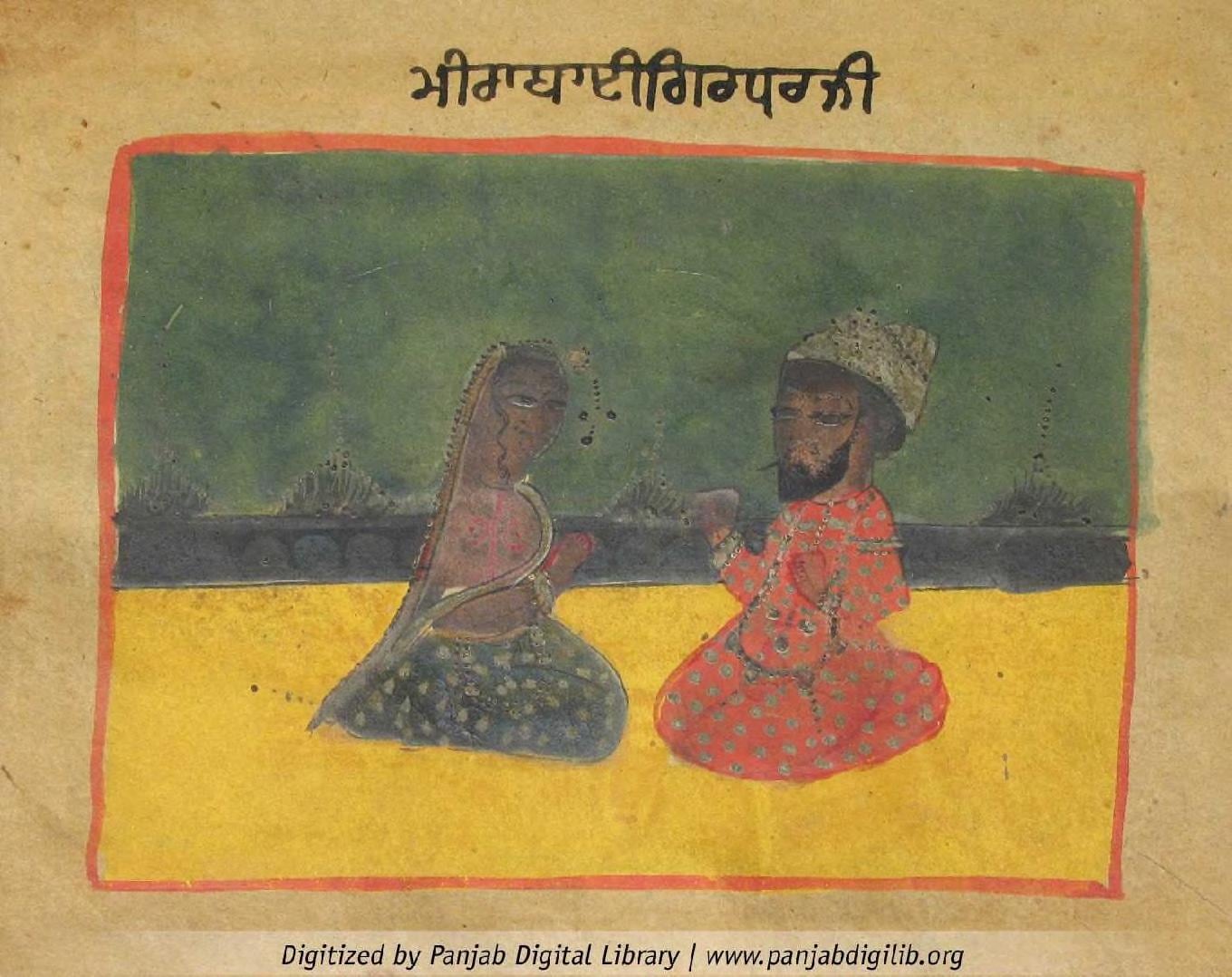
Mirabai
Ils s'opposent sur: Comment atteint-on la libération ou le salut ?

Rabia al-Adawiyya
Ils s'opposent sur: Comment atteint-on la libération ou le salut ?

Al-Hallaj
Ils s'opposent sur: Comment atteint-on la libération ou le salut ?
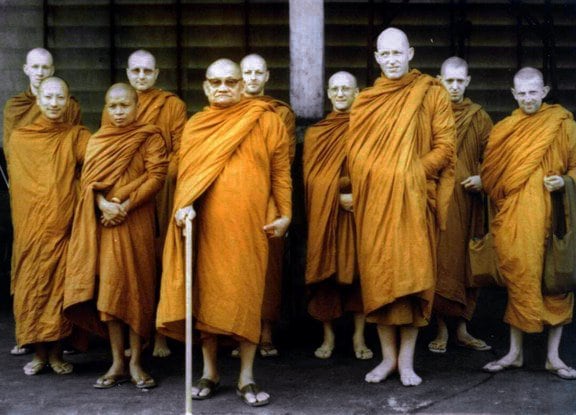
Ajahn Chah
Ils s'opposent sur: Comment atteint-on la libération ou le salut ?
Anecdotes et récits
Anecdotes et récits
Témoignage1953
Under a tree in Jabalpur
Origine du récit: The only testimony is his own, in later talks; it is recorded in the biography by his disciple Vasant Joshi (1982) and repeated in the movement's publications.
Source: Joshi, Vasant. The Awakened One: The Life and Work of Bhagwan Shree Rajneesh. San Francisco: Harper & Row, 1982 (ISBN 006064205X). Biografía escrita por un discípulo.
Documenté1970
The first sannyasins
Origine du récit: Facts recorded by Judith M. Fox, Bob Mullan and Vasant Joshi; the description of the stages comes from the instructions published by the movement itself.
Source: Fox, Judith M. Osho Rajneesh. Studies in Contemporary Religion, 4. Salt Lake City: Signature Books, 2002 (ISBN 1560851562).
Documenté1980
A knife in Buddha Hall
Origine du récit: Recorded in the literature on the movement (Fox, Carter) and in the Indian press of the time; the attacker's motives come from his own statement.
Documenté1981–1985
Ninety-three Rolls-Royces
Origine du récit: Documented by Lewis F. Carter, Frances FitzGerald and the Oregon press; the figure of 93 vehicles comes from the inventory of the owning company.
Source: Carter, Lewis F. Charisma and Control in Rajneeshpuram: A Community without Shared Values. Cambridge: Cambridge University Press, 1990 (ISBN 0521385547).
Documentéseptiembre de 1985
The press conference and the bonfire
Origine du récit: Press conference reported by the Oregon press and by Frances FitzGerald (The New Yorker, 1986); the booklet burning was reported by international agencies and is recorded in the academic literature.
Témoignage1990
'Never born, never died'
Origine du récit: The plaque text can be verified on site; the circumstances of its dictation come from the testimony of his press secretary, Swami Chaitanya Keerti (The Indian Express, 2024), and the cremation is described by Judith M. Fox and the Indian press.
Source: Fox, Judith M. Osho Rajneesh. Studies in Contemporary Religion, 4. Salt Lake City: Signature Books, 2002 (ISBN 1560851562).
Enseignements
Enseignements
Les notions qui structurent sa pensée, expliquées dans leur contexte.
Dynamic Meditationmeditacion-dinamica
Osho's active meditations (dynamic, kundalini, nadabrahma, nataraj), described in Meditation: The First and Last Freedom.
Source: Fox, Judith M. Osho Rajneesh. Studies in Contemporary Religion, 4. Salt Lake City: Signature Books, 2002 (ISBN 1560851562).
Neo-sannyasneo-sannyas
Neo-sannyasin movement (1970–1990); studied by Carter, Mullan and Palmer.
Source: Mullan, Bob. Life as Laughter: Following Bhagwan Shree Rajneesh. Londres: Routledge & Kegan Paul, 1983 (ISBN 0710200439).
Zorba the Buddhazorba-el-buda
Pune talks (1970s and 1987–1989); critical analysis in Urban, Zorba the Buddha (2015).
Source: Urban, Hugh B. Zorba the Buddha: Sex, Spirituality, and Capitalism in the Global Osho Movement. Oakland: University of California Press, 2015.
Witnessing awarenessconciencia-testigo
Present in almost all his talk series, especially The Book of Secrets.
Source: Fox, Judith M. Osho Rajneesh. Studies in Contemporary Religion, 4. Salt Lake City: Signature Books, 2002 (ISBN 1560851562).
From sex to superconsciousnessdel-sexo-a-la-superconsciencia
Bombay talks of 1968 (Sambhog se samadhi ki or); later commentaries on Tilopa and Saraha.
Source: Urban, Hugh B. Zorba the Buddha: Sex, Spirituality, and Capitalism in the Global Osho Movement. Oakland: University of California Press, 2015.
Silence and heart-to-heart communionsilencio-y-comunion
Rajneeshpuram, 1981–1984; assessment in Carter (1990) and FitzGerald (1986).
Source: Carter, Lewis F. Charisma and Control in Rajneeshpuram: A Community without Shared Values. Cambridge: Cambridge University Press, 1990 (ISBN 0521385547).
Vidéos
Vidéos
Enregistrements, entretiens et documentaires. Les vidéos sont lues depuis YouTube ; elles ne sont pas hébergées ici.
OSHO: Waking Up the World
Enregistrement original· EN· 14 min
OSHO InternationalChaîne officielle
OSHO: The Greatest Courage Is Being Capable of Change
Enregistrement original· EN· 22 min
OSHO InternationalChaîne officielle
OSHO: Sheela Never Even Listened
Enregistrement original· EN· 1985· 21 min
OSHO InternationalChaîne officielle
OSHO: Ateet Aur Bhavishya Se Mukti (अतीत और भविष्य से मुक्ति)
Enregistrement original· HI· 15 min
OSHO InternationalChaîne officielle
OSHO: Nacho, Gao, Dhyan Mein Dubo
Enregistrement original· HI· 7 min
OSHO InternationalChaîne officielle
OSHO Dynamic Meditation – a revolution in consciousness
Documentaire· EN· 24 min
OSHO InternationalChaîne officielle
Bhagwan Shree Rajneesh Interview - July 1985 | KATU In The Archives
Entretien· EN· 1985· 13 min
KATU NewsChaîne officielle
Rajneeshpuram: Paradise Lost? - November 2nd, 1985 - KATU In The Archives
Documentaire· EN· 1985· 23 min
KATU NewsChaîne officielle
Rajneeshpuram - News Footage (KGW, 1985)
Documentaire· EN· 1985· 52 min
Oregon Historical SocietyChaîne officielle
Update: Rajneesh | KGW 1984 award-winning documentary
Documentaire· EN· 1984· 59 min
KGW NewsChaîne officielle
How the Rajneesh Cult Overran This Oregon Town
Documentaire· EN· 1 min
Smithsonian ChannelChaîne officielle
Wild Wild Country | Official Trailer | Netflix
Documentaire· EN· 2018· 3 min
NetflixChaîne officielle
Bhagwan - Die Deutschen und der Guru | Dokumentarfilm | Trailer
Documentaire· DE· 11 min
ARDChaîne officielle
Einblicke in Oshos umstrittenen Kult - Die dunkle Seite der Rajneesh-Bewegung (Dokumentation, 2013)
Documentaire· DE· 2013· 97 min
wocomoDEUTSCH
Galerie
Galerie
Images dont la licence a été vérifiée. Chacune conserve son auteur et son attribution.
Relations
Relations
Influences, filiations et affinités. On distingue la relation documentée de la similitude identifiée par analyse.
A reçu l'influence de
He commented on the Japji in The True Name.
Relation documentée
A reçu l'influence de
He commented on the Yoga Sutras in Yoga: The Alpha and the Omega.
Relation documentée
Maître de
Ma Anand Sheela
His secretary from 1981 to 1985 and manager of Rajneeshpuram; she led the 1984 bioterror attack and was convicted. Osho accused her publicly in September 1985.
Relation documentée
A reçu l'influence de
The Pune ashram's work regime was consciously modelled on Gurdjieff's community in France.
Relation documentée
Contemporain de
Krishnamurti disapproved of Rajneesh, though similarities between their teachings have been noted; Osho commented on him often.
Relation documentée
A reçu l'influence de
Siddhartha Gautama, the Buddha
He devoted long cycles of talks to the Dhammapada and the Mahayana sutras.
Relation documentée
A reçu l'influence de
He commented on the Tao Te Ching in Tao: The Three Treasures.
Relation documentée
A reçu l'influence de
He commented on his stories in The Empty Boat and When the Shoe Fits.
Relation documentée
A reçu l'influence de
He commented on his fragments in The Hidden Harmony.
Relation documentée
A reçu l'influence de
He devoted several talk cycles to him, such as The Divine Melody.
Relation documentée
A reçu l'influence de
He commented on the Gospel of Thomas and the canonical Gospels in The Mustard Seed and Come Follow Me.
Relation documentée
A reçu l'influence de
He commented on his Song of Meditation in This Very Body the Buddha.
Relation documentée
A reçu l'influence de
During his 1981 silence The Prophet was read at satsangs; he commented on it in several talks.
Relation documentée
Maître de
Peter Sloterdijk
The German philosopher lived at the Pune ashram from 1978 to 1980 and called him 'a Wittgenstein of religions'.
Relation documentée
Contemporain de
Both spread Zen, Tantra and Taoism in the West in a free and provocative style; there is no record that they met.
Similitude identifiée par analyse
Idées proches de
The emphasis on witnessing awareness recalls Ramana's self-enquiry, though their teaching styles are opposite.
Similitude identifiée par analyse
Lié depuis d'autres fiches
Sources
Sources
Bibliographie et catalogues consultés pour cette fiche.
- Wikidata, «Osho» (Q148285).
- Joshi, Vasant. The Awakened One: The Life and Work of Bhagwan Shree Rajneesh. San Francisco: Harper & Row, 1982 (ISBN 006064205X). Biografía escrita por un discípulo.
- Fox, Judith M. Osho Rajneesh. Studies in Contemporary Religion, 4. Salt Lake City: Signature Books, 2002 (ISBN 1560851562).
- Carter, Lewis F. Charisma and Control in Rajneeshpuram: A Community without Shared Values. Cambridge: Cambridge University Press, 1990 (ISBN 0521385547).
- FitzGerald, Frances. «Rajneeshpuram», The New Yorker, 22 y 29 de septiembre de 1986 (recogido en Cities on a Hill, Nueva York: Simon & Schuster, 1986).
- Török, Thomas J. et al. «A Large Community Outbreak of Salmonellosis Caused by Intentional Contamination of Restaurant Salad Bars». JAMA 278, n.º 5 (1997): 389–395.
- Urban, Hugh B. Zorba the Buddha: Sex, Spirituality, and Capitalism in the Global Osho Movement. Oakland: University of California Press, 2015.
- Gordon, James S. The Golden Guru: The Strange Journey of Bhagwan Shree Rajneesh. Lexington (Massachusetts): The Stephen Greene Press, 1987 (ISBN 0828906300).
- «Osho», «1984 Rajneeshee bioterror attack» y «Ma Anand Sheela», Wikipedia en inglés (consultadas para cotejar hechos y bibliografía secundaria; texto propio).
- OSHO International Foundation, web oficial (biblioteca de charlas, meditaciones y catálogo).
- Open Library: obras y ediciones atribuidas a Osho / Bhagwan Shree Rajneesh (búsqueda por autor y por título).
- Carus, W. Seth. «The Rajneeshees (1984)», en Jonathan B. Tucker (ed.), Toxic Terror: Assessing Terrorist Use of Chemical and Biological Weapons. Cambridge (Massachusetts): MIT Press, 2000, pp. 115–137.
- Goldman, Marion S. «Rajneesh/Osho», en James R. Lewis (ed.), Controversial New Religions. Nueva York: Oxford University Press, 2004.
- Mullan, Bob. Life as Laughter: Following Bhagwan Shree Rajneesh. Londres: Routledge & Kegan Paul, 1983 (ISBN 0710200439).
- Richter, Anke. Cult Trip: Inside the World of Coercion and Control. Auckland: HarperCollins New Zealand, 2022.
- Tribunal General de la Unión Europea, sentencia de 11 de octubre de 2017, asunto T-670/15, Osho Lotus Commune contra EUIPO (marca denominativa «OSHO»).
- Milne, Hugh. Bhagwan: The God That Failed. Londres: Caliban Books, 1986 (ISBN 1850660069). Memorias de su antiguo guardaespaldas.
- Abbott, Carl. «Utopia and Bureaucracy: The Fall of Rajneeshpuram, Oregon». Pacific Historical Review 59, n.º 1 (1990): 77–103.
- Children of the Cult (documental, 2024), investigación periodística sobre abusos a menores dentro del movimiento Rajneesh.
- Archivo audiovisual de KGW y KATU (Portland) y Oregon Historical Society: reportajes y entrevistas sobre Rajneeshpuram, 1984–1985.
- Chryssides, George D. Exploring New Religions. Londres y Nueva York: Cassell, 1999, cap. «New Forms of Buddhism: Osho/Rajneesh».
- Clarke, Ronald O. «The Narcissistic Guru: A Profile of Bhagwan Shree Rajneesh». Free Inquiry, primavera de 1988, pp. 33–45 (reimpr. en Harry Aveling, ed., Osho Rajneesh and His Disciples, Delhi: Motilal Banarsidass, 1999).
- Ayant droit
- OSHO International Foundation (Zúrich); marca OSHO registrada en la Unión Europea (confirmada por el Tribunal General en 2017)
- Site officiel
- www.osho.com
En attente de confirmation
Ce que cette fiche n'a pas encore pu établir. Nous préférons le dire plutôt que de combler.
- Obra: más de 600 títulos atribuidos (transcripciones de charlas en hindi e inglés, cartas, diarios de darshan y recopilaciones póstumas de la Osho International Foundation). Se registran 54 principales; el resto son compilaciones de discursos editadas por la OIF. Pendiente cotejar el catálogo completo de la OIF y la lista de series en hindi (Geeta Darshan, Shiv Sutra, Mahavir Vani, etc.) con su año y su ISBN.
- ISBN sin verificar en catálogo: Geeta Darshan, The True Name, Yoga: The Alpha and the Omega, The Silent Explosion; ediciones en español de El libro de los secretos posteriores a 2003 y de los ciclos sobre Tao y zen.
- Localizar en la transcripción original (archivo de la OIF) las citas marcadas como «probable», hoy tomadas de fuentes secundarias (Joshi, Fox, Goldman, Gordon).
- Acusaciones de abusos (2022–2024): seguir la bibliografía y la prensa de referencia; hoy se apoyan en el libro de Anke Richter (2022), pódcasts de antiguas discípulas y el documental Children of the Cult (2024). Confirmar la ficha técnica completa del documental.
- Coordenadas exactas de Kuchwada (distrito de Raisen) sin verificar.
- Vídeos: no hay en YouTube un canal oficial de Osho en español ni documentales en castellano de televisiones públicas; los vídeos en español disponibles son de canales de terceros sin garantías.
Recherche effectuée le 2026-10-25