Non-dualité contemporaine · Contemplation séculière
Eckhart Tolle
1948 –En viePersonne historiquement documentée
Maître spirituel et écrivain né en Allemagne en 1948 et établi à Vancouver. Après une crise dépressive vécue en 1977 comme un éveil, il passa des années de silence à Londres avant d'enseigner. « Le Pouvoir du moment présent » (1997) et « Nouvelle Terre » (2005), portés par Oprah Winfrey, firent de lui l'auteur spirituel le plus lu de son temps. Il enseigne la présence à l'instant et la désidentification de la pensée, sans se réclamer d'aucune religion.
- œuvres
- 39œuvres
- éditions
- 52éditions
- citations
- 3citations
- vidéos
- 14vidéos
- images
- 2images
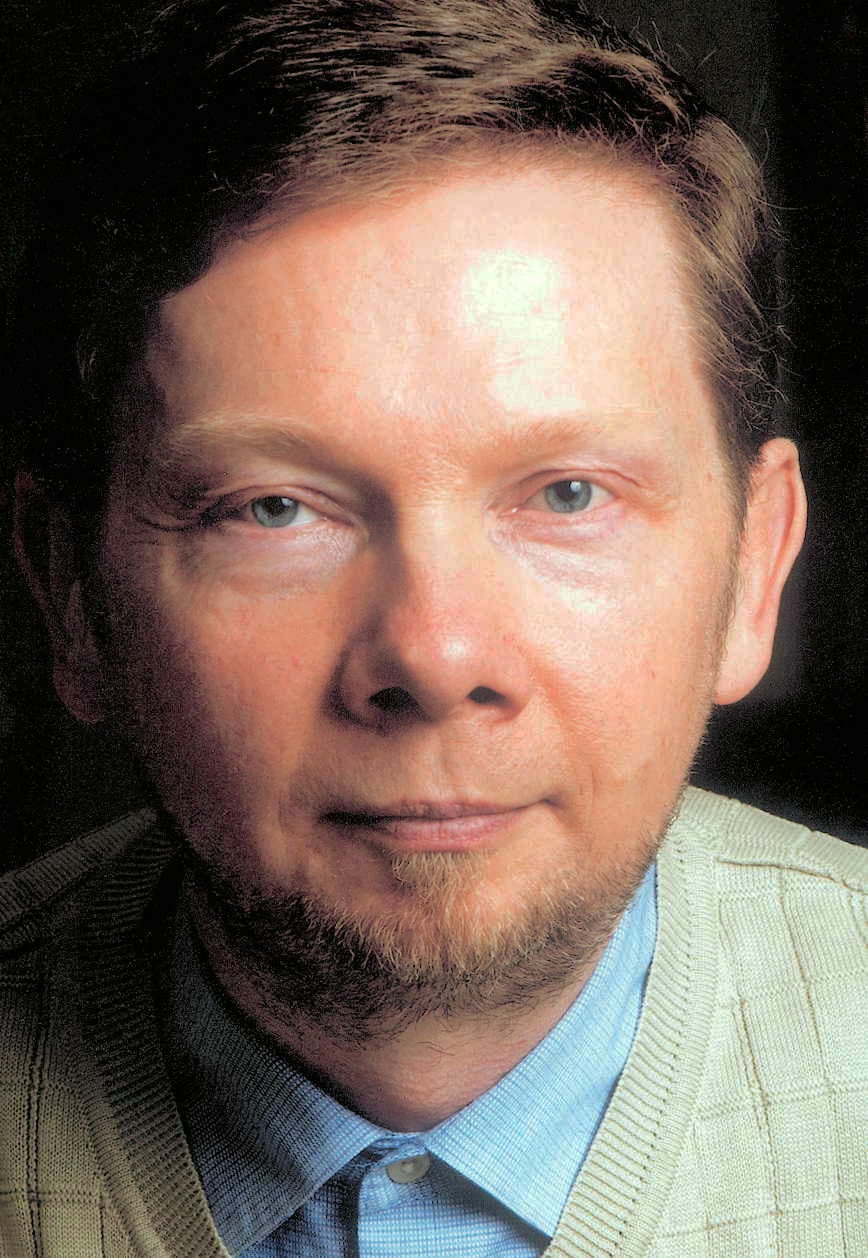
Eckhart Tolle · CC BY-SA 3.0
Dans ses propres mots
«You are not your mind.»The Power of Now (1997), título del capítulo 1

Son idée centrale
Psychological suffering comes from identifying with thought: the inner voice that comments, judges and anticipates is not who one is, and simply watching it begins the release.
Le voir en contexte
Biographie
5 min de lecture
Traduction assistée à partir de l'original espagnol, en attente de relecture par un traducteur natif.
Un enfant de la Ruhr qui refusa l'école
Ulrich Leonard Tölle naît le 16 février 1948 à Lünen, petite ville industrielle au nord de Dortmund, dans la zone d'occupation britannique de l'Allemagne d'après-guerre. Il grandit parmi les décombres encore visibles du conflit, dans un foyer qu'il a lui-même décrit comme difficile : ses parents se disputaient souvent et finirent par se séparer. À treize ans, il part vivre avec son père en Espagne, où il passe le reste de son adolescence. Il y prend une décision peu commune : de treize à vingt-deux ans, il refuse toute scolarité et apprend seul les langues, la littérature et l'astronomie, avec l'aide de quelques cours particuliers.
Son premier contact avec la spiritualité survient vers quinze ans, lorsqu'on lui offre les livres du mystique allemand Joseph Anton Schneiderfranken, connu sous le nom de Bô Yin Râ. Il a reconnu que ces pages l'avaient marqué, même s'il ne sut pas alors qu'en faire.
Londres, la dépression et la nuit de 1977
À dix-neuf ans, il s'installe en Angleterre. Pendant trois ans, il enseigne l'allemand et l'espagnol dans une école de langues londonienne, puis étudie à l'université de Londres et entame en 1977 un troisième cycle à l'université de Cambridge. Intérieurement, pourtant, une angoisse tenace l'habite : de longues périodes d'anxiété et une dépression qu'il qualifie de presque insupportable.
Une nuit de 1977, peu après ses vingt-neuf ans, il s'éveille en proie à un désespoir plus aigu que jamais. Selon son propre récit, qui ouvre son premier livre, une phrase s'impose à lui — il ne peut plus vivre avec lui-même — et, avec elle, une question : qui est ce « je » qui ne supporte pas le « moi » ? Il raconte s'être senti aspiré dans un vide et, au réveil le lendemain matin, avoir trouvé toute chose en paix. Il sort marcher dans Londres et tout lui paraît miraculeux, jusqu'à la circulation. Il interprétera plus tard cette nuit comme l'effondrement du moi construit par le mental, ce moi prisonnier d'un passé insatisfaisant et d'un avenir redouté.
Ce qui suit n'est pas une carrière, mais une longue parenthèse. Il abandonne son doctorat et passe près de deux ans assis sur les bancs de Russell Square, au cœur de Londres, dans ce qu'il décrit comme un état de félicité profonde, à regarder passer le monde. Il vit chez des amis, séjourne par moments dans un monastère bouddhiste et dort parfois à la belle étoile sur Hampstead Heath. Sa famille le juge irresponsable, voire dérangé.
Du conseiller discret à l'auteur mondial
D'anciens camarades de Cambridge viennent le trouver pour l'interroger. Sans l'avoir cherché, il devient conseiller puis, peu à peu, maître spirituel de petits groupes. C'est alors qu'il prend le prénom d'Eckhart. Les versions divergent : certains y voient un hommage à Maître Eckhart, le mystique rhénan ; lui-même a raconté en 2012 qu'il avait rêvé de ce nom sur la couverture d'un livre qu'il savait être le sien, et que peu après une amie l'avait appelé ainsi sans raison apparente.
Après un séjour à Glastonbury, petit foyer anglais de la contre-culture, et plusieurs voyages sur la côte ouest de l'Amérique du Nord, il s'établit en 1995 à Vancouver, au Canada, où il rencontre Kim Eng, sa compagne depuis lors et sa collaboratrice dans l'enseignement.
En 1997, une minuscule maison d'édition de Vancouver, Namaste Publishing, publie The Power of Now (Le Pouvoir du moment présent) à quelque trois mille exemplaires. Le livre, conçu comme une suite de questions et de réponses, circule de main en main jusqu'à ce que New World Library le réédite à grande échelle en 1999. En 2000, Oprah Winfrey le recommande dans son magazine ; l'été suivant, il entre dans la liste des meilleures ventes du New York Times, dont il prend la tête deux ans plus tard. En 2008, il est déjà traduit dans plus de trente langues.
Viennent ensuite Stillness Speaks (Quiétude, 2003), distillation presque aphoristique de son enseignement, et A New Earth (Nouvelle Terre, 2005), qui élargit le regard de l'individu à l'humanité : l'ego comme dysfonctionnement collectif, l'éveil de la conscience comme issue. Lorsque Winfrey choisit ce second livre pour son club de lecture en janvier 2008, 3,5 millions d'exemplaires sont diffusés en quatre semaines. Les séminaires en ligne qu'ils enregistrent ensemble, chapitre après chapitre, totalisent des dizaines de millions de connexions, et le New York Times le qualifie alors d'auteur spirituel le plus populaire des États-Unis.
Ce qu'il enseigne
L'enseignement de Tolle se veut délibérément simple et ne relève d'aucune religion. Il soutient que la souffrance psychologique naît de l'identification à la pensée, à cette voix incessante qui commente, compare et redoute ; que le seul moment réel est le présent ; et qu'observer le mental, au lieu de se laisser emporter par lui, ouvre un espace de calme qu'il nomme présence. Il a forgé l'expression « corps de souffrance » (pain-body) pour désigner le résidu émotionnel accumulé qui se réactive et cherche à se nourrir de conflit. Il puise librement dans le bouddhisme zen, le Vedanta, le soufisme et les mystiques chrétiens, et cite volontiers les Évangiles.
Réception et héritage
Son succès divise la critique. Les uns saluent son talent pour dire en langage simple ce que les traditions contemplatives avaient exprimé sous forme chiffrée ; le théologien franciscain Richard Rohr lui sait gré d'avoir ramené bien des chrétiens à leur propre mystique. D'autres lui reprochent son manque d'originalité, un mélange de pseudo-science et de traditions empruntées ou, du point de vue de la théologie évangélique, une vision incompatible avec la distinction chrétienne entre Dieu et l'homme. On a aussi relevé l'écart entre son refus affiché de bâtir « une lourde structure commerciale » et le vaste catalogue de produits vendus sur son site.
En 2009, il partage la scène avec le dalaï-lama lors du Sommet pour la paix de Vancouver. Il a publié des livres illustrés — Guardians of Being, avec Patrick McDonnell — et un conte pour enfants, Milton's Secret, porté à l'écran en 2016. En 2022, le rappeur Kendrick Lamar le présente comme son guide sur l'album Mr. Morale & the Big Steppers, où sa voix se fait entendre sur plusieurs titres. En janvier 2025, Oprah Winfrey choisit de nouveau Nouvelle Terre pour son club : c'est la seule fois qu'un livre y a été sélectionné deux fois. Il continue d'enseigner depuis la Colombie-Britannique, lors de retraites, de rencontres en ligne et par l'intermédiaire de sa fondation.
Sources: Tolle, Eckhart. The Power of Now: A Guide to Spiritual Enlightenment. Vancouver: Namaste Publishing, 1997 (introducción autobiográfica).
Chronologie
La vie, année après année
Chaque point est un événement documenté. Cliquez pour le lire, avec sa source et son degré de certitude.
16 février 19480 ansLünen (Alemania)
Birth
Ulrich Leonard Tölle is born in Lünen, north of Dortmund, in the British occupation zone.
Documenté«Eckhart Tolle», Wikipedia en inglés (consultada para hechos verificables; texto propio).
16 février 1948 · 0 ans
Birth
Ulrich Leonard Tölle is born in Lünen, north of Dortmund, in the British occupation zone.
Documenté
1961 · 13 ans
To Spain with his father
After his parents separate he moves to Spain with his father and refuses formal schooling until twenty-two.
Documenté
1963 · 15 ans
The books of Bô Yin Râ
He is given the books of the German mystic Joseph Anton Schneiderfranken, which he says influenced him deeply.
Probable
1967 · 19 ans
Language teacher in London
He moves to England and teaches German and Spanish for three years at a language school, then studies at the University of London.
Probable
1977 · 29 ans
The night of transformation
He begins postgraduate study at Cambridge. One night, in deep depression, he experiences what he describes as the collapse of the mental self; he abandons his studies.
Documenté
1978 · 30 ans
The benches of Russell Square
He spends about two years on the benches of Russell Square in deep peace, sleeping at friends', in a Buddhist monastery or rough on Hampstead Heath.
Documenté
1982 · 34 ans
Counsellor and teacher
Former acquaintances consult him; he begins working as a counsellor and teacher of small groups and takes the name Eckhart. He later lives in Glastonbury.
Probable
1995 · 47 ans
Settles in Vancouver
He settles in British Columbia, where he meets Kim Eng, his partner and collaborator.
Documenté
1997 · 49 ans
The Power of Now
Namaste Publishing brings out his first book in a small run; New World Library reissues it widely in 1999.
Documenté
2000 · 52 ans
Oprah's recommendation
Oprah Winfrey recommends The Power of Now in her magazine; in August it enters The New York Times bestseller list, which it tops in 2002.
Documenté
2003 · 55 ans
Stillness Speaks
He publishes his second book, a brief distillation of his teaching.
Documenté
2005 · 57 ans
A New Earth
Dutton publishes A New Earth, on the collective ego and the awakening of consciousness.
Documenté
janvier 2008 · 60 ans
The book club and the webinars with Oprah
Oprah picks A New Earth for her club; 3.5 million copies in four weeks and a webinar series accessed tens of millions of times.
Documenté
septembre 2009 · 61 ans
Peace Summit with the Dalai Lama
He shares the stage with the Dalai Lama at the Vancouver Peace Summit. Publishes Guardians of Being with Patrick McDonnell.
Documenté
2011 · 63 ans
First on the Watkins list
Watkins magazine ranks him first in its inaugural list of the 100 most spiritually influential living people.
Documenté
2016 · 68 ans
Milton's Secret on film
His children's story is filmed with Donald Sutherland and Michelle Rodriguez.
Documenté
2022 · 74 ans
Kendrick Lamar
The album Mr. Morale & the Big Steppers presents him as the rapper's spiritual guide, with his voice on several tracks.
Documenté
janvier 2025 · 76 ans
Back in Oprah's club
Oprah chooses A New Earth again, the only book ever selected twice in the club's history.
Documenté
Œuvres
Œuvres essentielles
Les œuvres sans lesquelles on ne comprend pas son héritage.
Œuvre écrite · 1997
The Power of Now
The Power of Now: A Guide to Spiritual Enlightenment
His first and most read book: a guide in question-and-answer form for stepping out of identification with the mind and living in the present moment. It explains the pain-body, acceptance of the now and presence, and since 1999 has been translated into over thirty languages.
7 éditions · amazon.fr

Œuvre écrite · 2003
Stillness Speaks
Tolle's second book, made of short texts, almost aphorisms, grouped in ten chapters on inner silence, thought, the body, nature, relationships and death. It seeks to transmit stillness rather than explain it, and is read slowly, like a meditation book.
2 éditions · amazon.com

Œuvre écrite · 2005
A New Earth
A New Earth: Awakening to Your Life's Purpose
Widens his teaching from the individual to humanity: it describes the ego as a collective dysfunction expressed in violence and greed, and presents the awakening of consciousness as the species' next step. Chosen twice by Oprah Winfrey's book club (2008 and 2025).
5 éditions · amazon.com
Toute son œuvre (39)

Practicing the Power of Now
2001

Oneness with All Life
2008

Milton's Secret
2008

Guardians of Being
2009

Findhorn Retreat
2006

Peace in the Present Moment
2010

The Power of Now Journal
2019

Living the Liberated Life and Dealing with the Pain-Body
2001

The Realization of Being
2001

Even the Sun Will Die
2002

Realizing the Power of Now
2003

Entering the Now
2003

Gateways to Now
2003

The Flowering of Human Consciousness
2004

Through the Open Door to the Vastness of Your True Being
2005

In the Presence of a Great Mystery
2006

Touching the Eternal: India Retreat
2007

The Art of Presence
2007

Finding Your Life's Purpose
2015
Eckhart Tolle
Breitenbush 01: The "Rains" Retreat — The Journey Home
The Conscious LibraryBreitenbush 01: The "Rains" Retreat — The Journey Home
2001

Know That "I Am"
2002

May the Mind Be the Servant of Awareness
2002
Eckhart Tolle
The Journey into Yourself
The Conscious LibraryThe Journey into Yourself
2003

Practicing Presence: A Guide for the Spiritual Teacher and Health Practitioner
2004
Citations
Citations localisées dans une œuvre précise. Chacune porte sa provenance et son degré de fiabilité.
You are not your mind.VérifiéeThe Power of Now (1997), título del capítulo 1
Idées essentielles (résumé éditorial)
Par respect du droit d'auteur, ces idées sont résumées avec nos propres mots et ne sont pas présentées comme des citations littérales.
- Psychological suffering comes from identifying with thought: the inner voice that comments, judges and anticipates is not who one is, and simply watching it begins the release.
- The present is the only real moment; past and future exist only as thought. Fully accepting the now is not resignation but ceasing inner resistance to it.
- The pain-body is the accumulation of old painful emotion that reawakens and feeds on conflict; seeing it arise with attention removes its power.
- The ego is not only a personal problem: it is a collective dysfunction of humanity, expressed in violence, greed and the destruction of the planet.
- Inner stillness is not achieved but discovered by allowing space between thoughts; in that space is presence, which is consciousness itself.
- A life's primary purpose is inner — being awake in what one does; the outer purpose, what one does, is secondary and changes.
Interroger
Ce que répond son œuvre
Douze grandes questions de l'humanité et ce que ses textes permettent d'y répondre, références à l'appui. Nous ne lui prêtons jamais de paroles.
Qu'est-ce que l'Absolu ? Dieu existe-t-il ?
He prefers to speak of Being: the one formless life beyond forms
Un Absolu impersonnelIl le dit expressément
Eckhart Tolle does not deny God, but he distrusts the word. In the first chapter of The Power of Now he explains that the term God has been emptied by centuries of misuse, associated with a separate, often male, entity placed outside; he proposes instead to speak of Being, the one eternal life underlying the countless forms subject to birth and death. That Being is not an object of knowledge or belief: it is felt as one's own presence when the mind grows quiet. In A New Earth he keeps the same approach: the divine is not someone judging from outside but formless consciousness recognising itself in the human being. His language is therefore that of an impersonal absolute, though immediate and inward.
Comparer cette question avec d'autres maîtresQui suis-je ? Existe-t-il un vrai soi ?
You are not your thoughts: the ego is identification with mind
L'ego est une construction de la penséeIl le dit expressément
Eckhart Tolle defines the ego as identification with the mind: with thoughts, emotions, personal history and the forms by which the self reinforces itself, such as possessions, opinions or the victim role. In A New Earth (2005) he devotes whole chapters to describing its structure and its need to compare, be right and feel separate. The key of his teaching is that simply observing thought is enough to stop identifying with it: the one who observes is not what is observed. Unlike Krishnamurti, Tolle does affirm a deeper identity, formless presence or awareness, which he calls Being and which is recognised when the mind falls silent. His practical emphasis, however, is on unmasking the ego as a mental construction, and on the claim that seeing it is already the beginning of liberation.
Comparer cette question avec d'autres maîtresPourquoi souffrons-nous ?
Suffering needs time: it cannot survive in the now
La pensée et le temps psychologiqueIl le dit expressément
Eckhart Tolle locates the origin of suffering in the mind living in psychological time: the past, from which it draws identity and grievances, and the future, onto which it projects its salvation or its fear. In the opening chapters of The Power of Now he holds that almost all human pain is unnecessary, created by mental resistance to what is, and that suffering cannot survive in full presence to the moment. He adds the notion of the pain-body: a field of accumulated emotional energy, personal and collective, which reactivates periodically and feeds on thoughts and conflict; in A New Earth he devotes a whole chapter to it. The remedy is not to analyse the story of pain but to observe it without identifying with it and to accept the present moment, which, he says, cuts off the supply that keeps it alive.
Comparer cette question avec d'autres maîtresQue se passe-t-il après la mort ?
The opposite of death is birth; life has no opposite
Ce que je suis ne naît ni ne meurtIl le dit expressément
Eckhart Tolle distinguishes between form, which is born and dies, and the life or consciousness expressed in it, which has no opposite. What dissolves at death is form and the mental identity built upon it; what one essentially is, conscious presence, neither begins nor ends. That is why, he holds, the death of a loved one or the nearness of one's own can open a door: when one stops resisting the loss of form, a space of peace appears that does not depend on it. In Stillness Speaks he devotes a chapter to death and the eternal, and in The Power of Now he presents surrender to what is as a way of dying before dying. Tolle avoids describing states after death; what he affirms is the timelessness of what we are, accessible now.
Comparer cette question avec d'autres maîtresComment atteint-on la libération ou le salut ?
Awakening is not in time: it is presence, ceasing to identify with the mind
Sans méthode : l'attention totaleIl le dit expressément
Eckhart Tolle holds in The Power of Now that suffering arises from identification with the mind and with psychological time, that is, with the continuous projection into past and future. Liberation is not a future state conquered through progressive effort, because seeking it in time reinforces the very mechanism that prevents it: it can only happen now. It consists in being aware of thoughts without identifying with them, in «watching the thinker», and in accepting what is in the present moment. In A New Earth he extends this idea to a collective scale: the ego is a structure of identification with form, and awakening is the emergence of a consciousness that recognises itself beyond that form.
Comparer cette question avec d'autres maîtresFaut-il un maître ?
The teacher's words are signposts; what matters is presence within oneself
Le maître est à l'intérieurCela se déduit de sa doctrine
In the introduction to The Power of Now, Eckhart Tolle recounts that his inner transformation happened without a teacher, after a personal crisis, and that he later recognised in various traditions what had happened to him. Consistently, he presents his own books and talks as pointers: words are signposts pointing to something that is not a word, and readers should attend to what the words awaken in them rather than to their conceptual content. The true teacher would be presence itself, the state of consciousness that recognises itself. He does not deny that the company of someone present helps, but avoids presenting himself as a guru and demands neither membership nor devotion.
Comparer cette question avec d'autres maîtresLe monde est-il réel ?
The unmanifested expresses itself in form; the universe awakens to itself
Manifestation du divinCela se déduit de sa doctrine
Eckhart Tolle does not consider the world an illusion. In The Power of Now he distinguishes between the manifested, the world of forms, and the unmanifested, the formless source from which they arise, accessed through portals such as silence, space or attention to the inner body. What is illusory is not form but identification with it: the ego, which takes itself to be one form among forms. In A New Earth he holds that the purpose of the universe is for consciousness to awaken in form, and that each thing, a flower or a stone, can be recognised as an expression of that consciousness. The world is thus the realm in which the formless recognises itself.
Comparer cette question avec d'autres maîtresQu'est-ce que l'amour ?
To love is to recognise oneself in the other beyond form and ego
Ce qui apparaît quand le moi cesseIl le dit expressément
Eckhart Tolle separates true love from the relationships the ego calls love. In the chapter on relationships in The Power of Now he describes the love-hate relationship: need, attachment and the search in the other for what is lacking in oneself, which turn love into addiction and soon alternate with resentment and conflict. Real love, he holds, is not an emotion or something obtained from another person: it is the recognition of oneself in the other, of the same presence or consciousness beyond form. It appears when one is present and does not project the mind's past and expectations onto the other. In A New Earth he adds that this recognition extends to all beings and to nature, and that a relationship can become a spiritual practice if it is used to become conscious of the ego.
Comparer cette question avec d'autres maîtresSommes-nous libres ou tout est-il déterminé ?
While the mind runs on automatic there is no choice; presence makes it possible
Nous sommes des machines jusqu'à l'éveilCela se déduit de sa doctrine
Tolle describes the ordinary human being as identified with a mind that thinks compulsively and with a «pain-body» that reacts through inherited patterns. In that state, he holds in *The Power of Now*, what look like decisions are conditioned reactions: the unconscious person does not choose but repeats. Hence his advice towards someone who harms us is to understand that they could not have acted otherwise from their level of consciousness. True choice appears with presence, when one becomes the observer of the mind and stops being dragged along by it. In *A New Earth* he extends this to humanity: collective consciousness runs in a dysfunctional egoic mode from which only an awakening can free it.
Comparer cette question avec d'autres maîtresPourquoi méditer ou prier ?
Stepping out of compulsive thinking into the now, where stillness arises
Être présentIl le dit expressément
Tolle is the reference for this key. In *The Power of Now* (1997) he holds that most human suffering comes from identification with a mind that thinks ceaselessly and lives in the past or the future. Practice does not consist in a formal method, although he offers exercises —watching the thinker, feeling the inner body, attending to the gaps between thoughts—, but in returning again and again to the present moment, the only thing that exists. When attention leaves thought, a conscious stillness arises that he identifies with one's own being. In *A New Earth* (2005) he adds that this presence also transforms everyday action, which stops serving the ego.
Comparer cette question avec d'autres maîtresLa raison peut-elle connaître l'ultime ?
You are not your mind: being is known in stillness, not in thought
L'ultime est au-delà du mentalIl le dit expressément
The first chapter of *The Power of Now* is titled «You Are Not Your Mind», and it sums up his stance: thought is a useful instrument, but identification with it is the great human dysfunction, and through it one does not reach what Tolle calls Being. Words and concepts, he insists, are signposts pointing to reality, not reality itself, and most religious disputes arise from confusing the one with the other. True knowledge arises when the mind falls quiet and a space of awareness appears in which thought is observed. In *A New Earth* he puts it as the shift from a consciousness centred on thought to one centred on presence, not as a new doctrine.
Comparer cette question avec d'autres maîtresSe retirer du monde ou le transformer ?
A new world is born of a new consciousness, not of new ideologies
La révolution est intérieureIl le dit expressément
Eckhart Tolle holds in A New Earth that humanity faces a choice: either it transforms its consciousness or it destroys itself. Wars, exploitation and the ecological crisis are, for him, collective manifestations of the ego, identification with a mind that feels separate and threatened; that is why solutions that do not touch this root — new ideologies, systems or struggles against an enemy — end up reproducing the same pattern. The change that matters is the flowering of consciousness in individuals. He does not advise abandoning the world: in the last chapter he describes «awakened doing», action springing from presence, in three modalities — acceptance, enjoyment and enthusiasm — and speaks of people whose role is to hold a frequency of consciousness amid ordinary life. Outward action is valid if it flows from presence and not from the ego.
Comparer cette question avec d'autres maîtres
Affinités et tensions
Affinités et tensions
Calculées question par question à partir de ses positions. La raison de chaque accord ou de chaque désaccord s'affiche d'un clic.
Pense comme
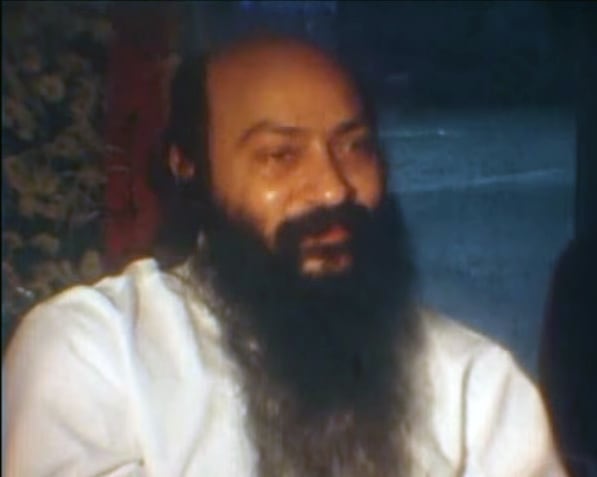
Osho
Ils concordent sur: Qu'est-ce que l'Absolu ? Dieu existe-t-il ? · Qui suis-je ? Existe-t-il un vrai soi ? · Pourquoi souffrons-nous ?
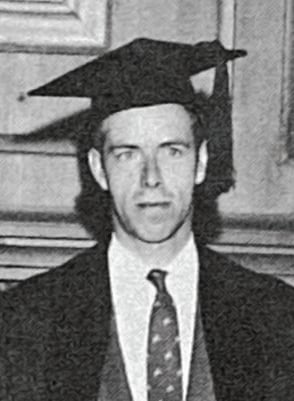
Alan Watts
Ils concordent sur: Qu'est-ce que l'Absolu ? Dieu existe-t-il ? · Pourquoi souffrons-nous ? · Que se passe-t-il après la mort ?
- BKByron Katie
Byron Katie
Ils concordent sur: Qu'est-ce que l'Absolu ? Dieu existe-t-il ? · Qui suis-je ? Existe-t-il un vrai soi ? · Pourquoi souffrons-nous ?
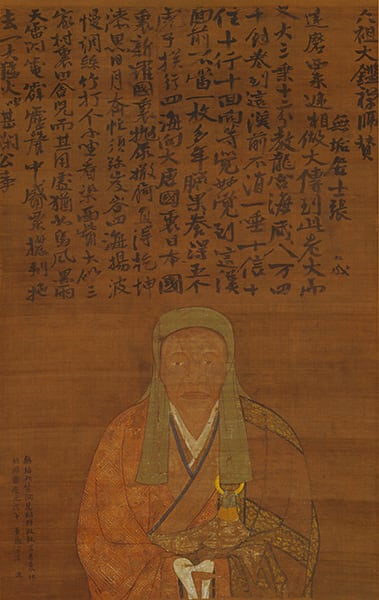
Huineng
Ils concordent sur: Qu'est-ce que l'Absolu ? Dieu existe-t-il ? · Que se passe-t-il après la mort ? · Faut-il un maître ?
Pense autrement que

Mirabai
Ils s'opposent sur: Comment atteint-on la libération ou le salut ?

Rabia al-Adawiyya
Ils s'opposent sur: Comment atteint-on la libération ou le salut ?

Epicurus
Ils s'opposent sur: Comment atteint-on la libération ou le salut ?
Ignatius of Loyola
Ils s'opposent sur: Comment atteint-on la libération ou le salut ?
Ils concordent sur
Eckhart Tolle · Ramana Maharshi
You are not what you think: the shift of the subject on the hill and in the now
Pourquoi: The affinity has a contextual explanation: Tolle writes in a contemporary Western milieu that had received Advaita, among other sources, through Ramana and his popularisers, and he adopts a vocabulary without scriptures or gods. The differences are of register and audience. Ramana speaks from the Vedantic tradition, with an explicit metaphysical horizon, since the Self is identical with the Absolute, and with a very precise question-method; Tolle addresses readers without religious training, stresses the now and the inner body, and extends the diagnosis to a collective scale. One asks who; the other asks one to be present. Both point to the same shift of the subject.
Ils concordent sur
Eckhart Tolle · P. D. Ouspensky
Waking from automatic pilot: self-remembering and the power of now
Pourquoi: There is no documented relationship between them, although the vocabulary of awakening and automatic pilot found in contemporary spirituality owes much to the Fourth Way. The affinity has clear limits. Self-remembering demands effort, a deliberate division of attention and a system of group work, and its goal is to form a permanent self that does not yet exist; Tolle's presence is presented as something not manufactured or reached in time but recognised as one's own being. Ouspensky writes for a school with discipline and hierarchy; Tolle, for individual readers without a tradition. They agree on the first step, not on the path or the goal.
Ils concordent sur
Eckhart Tolle · Jiddu Krishnamurti
Suffering needs time: thought projecting past and future
Pourquoi: No relationship between them is documented in this library, although Tolle writes in a milieu that knew Krishnamurti's work well, published and circulated for decades. The differences are real. Krishnamurti rejects any metaphysics of a true Being, which he considers another projection of thought, and any exercise, which he considers a method; Tolle affirms a presence or formless consciousness he calls Being, proposes concrete exercises such as feeling the inner body and adds the notion of the pain-body. Krishnamurti speaks harshly of conditioning and revolution; Tolle, in a tone of accompaniment. They agree on the diagnosis of psychological time, not on what they find on the other side.
Ils s'opposent surContradiction apparente
Eckhart Tolle · Adi Shankara
Is the world an illusion? Superimposition on Brahman or form in which consciousness awakens
Pourquoi: The contradiction is largely apparent: both distinguish two levels, a formless source and a world dependent on it, and both locate the error in the subject who confuses the levels, ignorance in Shankara, identification in Tolle. Vocabulary separates them more than structure: maya sounds like negation to a modern reader, although in Shankara it does not amount to a subjective dream. A real difference of evaluation remains. For Shankara multiplicity has no purpose and vanishes for one who knows; for Tolle, along a line closer to manifestation than to illusion, form is the place where consciousness recognises itself, and the universe has an evolutionary meaning.
Anecdotes et récits
Anecdotes et récits
Témoignage1977
The night he could not live with himself
Origine du récit: Autobiographical account in the introduction to The Power of Now (1997) and later interviews.
Source: Tolle, Eckhart. The Power of Now: A Guide to Spiritual Enlightenment. Vancouver: Namaste Publishing, 1997 (introducción autobiográfica).
Témoignage1977–1979
Two years on a bench in Russell Square
Origine du récit: Tolle's own testimony from interviews, summarised in the Wikipedia biography; no independent sources.
Source: «Eckhart Tolle», Wikipedia en inglés (consultada para hechos verificables; texto propio).
Contesté1980s
A name seen in a dream
Origine du récit: Two versions: the homage (attributed by others) and the dream (2012 interview cited by Wikipedia).
Source: «Eckhart Tolle», Wikipedia en inglés (consultada para hechos verificables; texto propio).
Documenté2008
Eleven million people in one class
Origine du récit: Figures published in the press and collected by Wikipedia.
Source: «Eckhart Tolle», Wikipedia en inglés (consultada para hechos verificables; texto propio).
Enseignements
Enseignements
Les notions qui structurent sa pensée, expliquées dans leur contexte.
Pain-bodycuerpo-del-dolor
Developed in The Power of Now (ch. 2) and expanded in A New Earth (chs. 5 and 6).
Source: Tolle, Eckhart. The Power of Now: A Guide to Spiritual Enlightenment. Vancouver: Namaste Publishing, 1997 (introducción autobiográfica).
Presencepresencia
Central concept of The Power of Now and Stillness Speaks.
Source: Tolle, Eckhart. The Power of Now: A Guide to Spiritual Enlightenment. Vancouver: Namaste Publishing, 1997 (introducción autobiográfica).
Retraites
Retraites et centres
Lieux et rencontres liés à son enseignement. Nous vous mettons en relation avec ceux qui les organisent.
En línea · Internacional
Eckhart Tolle: membership community and online courses
Eckhart Teachings
Besides his public gatherings, Eckhart Tolle runs a private online membership community which, according to his website, includes quarterly live teachings, monthly video practices and access to more than four hundred hours of recorded teachings, with a free seven-day trial. His shop also offers online courses. It is the most continuous way to follow his teaching from home, with a regular rhythm of practice rather than a one-off event. As in his books, the emphasis is on attention to the present moment and on observing the mind without identifying with it.
Sede variable (retiros recientes en Whistler, Canadá) y en línea · Internacional
Eckhart Tolle: retreats, events and livestreams
Eckhart Teachings
Eckhart Tolle, author of The Power of Now, teaches mainly through public gatherings: multi-day in-person retreats, weekend intensives and evening talks in different cities. His official website publishes the calendar, and many of these events can also be followed live online, so those who cannot get a seat in the hall can take part remotely. The content centres on presence, observing thought and accepting the present moment, without affiliation to any religion. In-person places tend to sell out, so it is worth checking well in advance.
Vidéos
Vidéos
Enregistrements, entretiens et documentaires. Les vidéos sont lues depuis YouTube ; elles ne sont pas hébergées ici.
Eckhart Tolle: “A New Earth” | Oprah’s Book Club
Entretien· EN· 2025· 53 min
OprahChaîne officielle
Eckhart Tolle: Author of 'A New Earth' | Super Soul Sunday S8E9 | Full Episode
Entretien· EN· 42 min
OWNChaîne officielle
Understanding the Pain-Body | A Special 3 Part Compilation from Eckhart Tolle
Conférence· EN· 40 min
Eckhart TolleChaîne officielle
Why You Don’t Need to Fear Death | Eckhart Tolle Foundation
Conférence· EN· 2026· 11 min
Eckhart TolleChaîne officielle
What being awake actually means
Conférence· EN· 2026· 10 min
Eckhart TolleChaîne officielle
Eckhart Tolle Reveals the Secret to Fulfillment Through Stillness and Action
Conférence· EN· 95 min
Eckhart TolleChaîne officielle
Eckhart Tolle interview with host Nina Rhodes 1998
Entretien· EN· 1998· 27 min
Craig Delahunt
Eckhart Tolle at the Omega Institute 2001, Session 2
Conférence· EN· 2001· 73 min
Namaste PublishingChaîne officielle
Eckhart Tolle — Reality Is Beyond Thought
Conférence· EN· 87 min
Namaste PublishingChaîne officielle
Eckhart Tolle on The Hour with George Stroumboulopoulos
Entretien· EN· 2009· 13 min
Strombo
Eckhart Tolle and Tami Simon | Conscious Manifestation and The Present Moment
Entretien· EN· 2019· 27 min
Sounds TrueChaîne officielle
Eckhart Tolle on Finding Your Identity, Meaning & Purpose in Life
Entretien· EN· 2024· 90 min
Tony Robbins
Eckhart Tolle: Spirituelles Erwachen, das wahre Selbst und die Überwindung des Egos
Entretien· DE· 2024· 81 min
Laura Malina Seiler
Eckhart Tolle: El 99 % de las Personas MANIFIESTA de Forma Incorrecta (Así Puedes Solucionarlo)
Entretien· ES· 2026· 95 min
Lewis Howes Español
Galerie
Galerie
Images dont la licence a été vérifiée. Chacune conserve son auteur et son attribution.
Relations
Relations
Influences, filiations et affinités. On distingue la relation documentée de la similitude identifiée par analyse.
A rencontré
The 14th Dalai Lama (Tenzin Gyatso)
They shared the stage at the Vancouver Peace Summit (September 2009).
Relation documentée
Idées proches de
Choiceless observation of thought and the rejection of spiritual authority bring the two teachings close; Tolle names him among his references.
Similitude identifiée par analyse
Idées proches de
The question 'who is this I?' of his 1977 night matches Ramana's self-enquiry.
Similitude identifiée par analyse
Sources
Sources
Bibliographie et catalogues consultés pour cette fiche.
- «Eckhart Tolle», Wikipedia en inglés (consultada para hechos verificables; texto propio).
- Eckhart Tolle — web oficial (biografía, libros y enseñanzas).
- Open Library: obras y ediciones de Eckhart Tolle.
- Tolle, Eckhart. The Power of Now: A Guide to Spiritual Enlightenment. Vancouver: Namaste Publishing, 1997 (introducción autobiográfica).
- Goodreads: ediciones por idioma de las obras de Eckhart Tolle.
- Wikidata Q60137 (Eckhart Tolle).
- Sounds True, fichas de producto de los programas de audio de Eckhart Tolle (At the Source of Being, The Illusion of Time, The Secret of Happiness, Entering the Now, Discovering the Essential Self, Journeys into Stillness, Eckhart Tolle Learning Intensive, Beyond the Thinking Mind).
- Ayant droit
- Eckhart Tolle / Eckhart Teachings Inc.
- Site officiel
- eckharttolle.com
En attente de confirmation
Ce que cette fiche n'a pas encore pu établir. Nous préférons le dire plutôt que de combler.
- Localizar capítulo y página de las citas marcadas como «probable» en una edición impresa de The Power of Now.
- Ediciones en español de «Milton's Secret», «Oneness with All Life» y de las enseñanzas en audio: no verificadas en catálogo.
- Fecha exacta del cambio de nombre a Eckhart y del traslado a Glastonbury.
- Obra (2026-10-25): cotejada con Wikipedia (en) y Open Library; todos los libros están registrados. Se añadieron 16 programas de audio/vídeo con ISBN y la recopilación alemana Lebendige Beziehungen JETZT! (2013). Quedan fuera, sin ISBN confirmado o por no ser obras: Companion to the Power of Now (casete de Namaste, 2001, contenido sin confirmar), Meditations on the Now: 365 Inspirational Selections from The Power of Now (Hodder & Stoughton, ISBN 9780340919682, año no fiable en el catálogo), The Eckhart Tolle Audio Collection (Sounds True, 2002, reúne programas ya registrados), barajas de cartas (Power of Now Meditation Deck, 2003; Stillness Speaks Inspiration Deck, 2004) y calendarios. El catálogo de audio de Sounds True y Eckhart Teachings es más amplio: Discovering the Essential Self, Journeys into Stillness, Eckhart Tolle Learning Intensive, Beyond the Thinking Mind, Intelligence Beyond the Mind y otros retiros grabados están por registrar con su ISBN. Los prólogos a libros ajenos (Steve Taylor, Peter Russell, Michael Brown, Kim Eng) no son obras suyas.
- Vídeos (2026-10-25): no existe en YouTube ninguna charla o entrevista oficial de Tolle en español; el único vídeo en castellano registrado es un doblaje del canal en español de Lewis Howes.
Recherche effectuée le 2026-10-25