Épicurisme
Epicurus
Ἐπίκουρος
341 av. J.-C. – 270 av. J.-C.Personne historiquement documentée
Philosophe grec (341-270 av. J.-C.), fondateur de l'école du Jardin à Athènes. Il unit une physique atomiste héritée de Démocrite à une éthique qui fait du plaisir, entendu comme absence de douleur dans le corps et de trouble dans l'âme, la fin de la vie. Il enseigna à ne craindre ni les dieux ni la mort et à cultiver l'amitié. De ses quelque trois cents rouleaux ne restent que trois lettres, deux recueils de maximes et des fragments de son œuvre majeure, De la nature.
- œuvres
- 49œuvres
- éditions
- 58éditions
- citations
- 13citations
- vidéos
- 15vidéos
- images
- 6images

Cabeza de Epicuro (Metropolitan Museum) · CC0
Dans ses propres mots
«Let no one be slow to seek wisdom when he is young nor weary in the search thereof when he is grown old. For no age is too early or too late for the health of the soul.»Carta a Meneceo, en Diógenes Laercio X 122. Griego: Diógenes Laercio X, ed. de Wikisource griega; inglés: R. D. Hicks (Loeb, 1925, dominio público); español: traducción propia.

Son idée centrale
Pleasure (hedone) as the end: For Epicurus pleasure is "the beginning and end of the blessed life": the first good, innate in every living being, and the rule by which we judge each choice.
Le voir en contexte
Biographie
5 min de lecture
Traduction assistée à partir de l'original espagnol, en attente de relecture par un traducteur natif.
Trois cents rouleaux et trois lettres
Épicure fut l'un des auteurs les plus féconds de l'Antiquité : Diogène Laërce lui attribue quelque trois cents rouleaux, sans une seule citation d'autrui. Presque tout est perdu. Ce que nous conservons nous parvient par trois voies. Le livre X des Vies de Laërce recopie intégralement trois lettres — à Hérodote, à Pythoclès et à Ménécée —, les quarante Maximes capitales et son testament. Les nuées brûlantes du Vésuve ensevelirent en 79, dans une villa d'Herculanum, la bibliothèque de l'épicurien Philodème, avec des rouleaux carbonisés de son grand traité De la nature. Et en 1888 apparut dans un manuscrit de la Bibliothèque vaticane un autre recueil de sentences. Autour subsistent les témoignages, souvent hostiles, des stoïciens, des académiciens et des chrétiens, et les échos fidèles de disciples comme Lucrèce.
Samos, Colophon et Téos
Il naquit en 341 av. J.-C. à Samos, où Athènes avait installé des colons ; son père, Néoclès, était maître d'école et citoyen athénien du dème de Gargettos, et sa mère s'appelait Chérestraté. Selon l'épicurien Apollodore, il se tourna vers la philosophie à quatorze ans, agacé que ses maîtres ne sachent lui expliquer ce qu'était le « chaos » d'Hésiode. À dix-huit ans, il vint à Athènes accomplir son service d'éphèbe, alors que Xénocrate enseignait à l'Académie et qu'Aristote s'était retiré à Chalcis. Après la mort d'Alexandre, Perdiccas expulsa les Athéniens de Samos, et Épicure rejoignit sa famille à Colophon. Non loin de là, à Téos, il suivit l'enseignement du démocritéen Nausiphane, auteur d'un Trépied d'où il aurait tiré son Canon ; lui le nia toujours, se dit autodidacte et couvrit d'injures son ancien maître.
De l'Égée au Jardin
À trente-deux ans, il commença à enseigner à Mytilène, dans l'île de Lesbos, puis peu après à Lampsaque, sur l'Hellespont, où il réunit les disciples qui l'accompagneraient toute sa vie : Métrodore, Polyène, Idoménée, Colotès, Léontée et sa femme, Thémista. Vers 307 av. J.-C., il revint à Athènes et acheta pour quatre-vingts mines un jardin, le Jardin (Kêpos), qui donna son nom à l'école. C'était une communauté d'amis plus qu'une salle de cours : y vivaient ses frères, des femmes comme Léontion ou Thémista, l'esclave Mys, qui prenait part aux études ; on y mangeait simplement, on se contentait de pain, d'eau et d'un peu de vin coupé, et l'on ne mettait pas les biens en commun, car cela, disait Épicure, eût supposé de la défiance entre amis. Des siècles plus tard, Sénèque rappelait l'inscription de la porte : « Étranger, tu seras bien ici ; ici le souverain bien est le plaisir. »
Une médecine contre la peur
Épicure divisait la philosophie en canonique, physique et éthique, et subordonnait les deux premières à la troisième : étudier la nature n'a de sens que si cela délivre de la peur. Tout ce qui existe se réduit à des atomes indivisibles qui se meuvent dans le vide ; l'âme aussi est un composé d'atomes qui se dissout avec le corps ; les dieux existent, mais vivent bienheureux et indifférents, et ne punissent ni ne récompensent personne. De là la sentence la plus célèbre : la mort n'est rien pour nous, car tant que nous sommes, elle n'est pas là, et quand elle est là, nous ne sommes plus. Le plaisir est le principe et la fin de la vie heureuse, non pas celui des débauchés, mais l'absence de douleur dans le corps (aponie) et de trouble dans l'âme (ataraxie). Pour y parvenir, il faut distinguer les désirs naturels et nécessaires des désirs vains, et choisir avec prudence, laquelle vaut mieux que la philosophie elle-même. L'amitié est le plus grand bien que procure la sagesse, et la vie retirée — « vis caché », résumeraient les épicuriens — protège de l'ambition et de la politique.
Sensations, atomes et déclinaison
La théorie de la connaissance, exposée dans le Canon perdu, soutient que toutes les sensations sont vraies et que l'erreur naît de l'opinion que nous y ajoutons ; avec elles, les prénotions (prolêpseis) et les affections de plaisir et de douleur sont les critères de vérité. La physique suit de près Démocrite, à qui Épicure devait plus qu'il ne l'avouait, mais s'en écarte sur un point décisif : pour sauver la liberté face à la nécessité, les atomes peuvent dévier très légèrement de leur trajectoire. Cette déviation, le clinamen des Latins, n'apparaît pas dans les textes conservés d'Épicure et nous la connaissons par Lucrèce et Cicéron, bien que la Lettre à Ménécée préfère déjà les mythes sur les dieux à la nécessité inflexible des physiciens et affirme que quelque chose dépend de nous.
Calomnies et défenseurs
Aucune école antique ne fut autant calomniée. Timocrate, frère de Métrodore et transfuge du Jardin, raconta qu'Épicure vomissait deux fois par jour à force de manger et dépensait une mine par jour pour sa table ; le stoïcien Diotime fit circuler cinquante lettres obscènes faussement attribuées à lui. Épictète le traita de prédicateur de la mollesse, et les Pères de l'Église firent d'« épicurien » le synonyme d'athée et de jouisseur. Diogène Laërce, qui rapporte les accusations, les réfute par le témoignage de son testament, de la fidélité de ses amis et de la frugalité du Jardin. Épicure lui-même, il est vrai, méprisa sans ménagement Platon, Aristote, les cyniques et les dialecticiens.
Le jour le plus heureux
Il mourut en 270 av. J.-C., à soixante-douze ans, après quatorze jours de souffrance causée par un calcul qui l'empêchait d'uriner, selon le récit de son successeur Hermarque. Ce dernier jour, il écrivit à Idoménée qu'aux douleurs de la vessie et des entrailles, qui ne pouvaient être plus grandes, il opposait la joie de l'âme au souvenir de leurs conversations, et il le chargeait de veiller sur les enfants de Métrodore. Le biographe Hermippe ajoutait qu'il entra dans une baignoire de bronze emplie d'eau tiède, demanda du vin pur, le but et mourut après avoir prié ses amis de se souvenir de ses enseignements. Dans son testament, il léguait le Jardin à l'école, affranchissait ses esclaves Mys, Nicias, Lycon et Phédrion, et fixait une réunion le vingtième jour de chaque mois en mémoire de lui et de Métrodore.
La longue postérité
Le Jardin survécut des siècles avec une fidélité extraordinaire à son fondateur. Au Ier siècle av. J.-C., Philodème enseigna l'épicurisme en Italie et Lucrèce le mit en vers dans les six livres De la nature des choses ; au IIe siècle apr. J.-C., Diogène d'Œnoanda fit graver ses doctrines sur un mur de sa cité, en Lycie, pour qui voudrait les lire. Le christianisme l'ensevelit ; la découverte du manuscrit de Lucrèce par le Pogge en 1417 amorça son retour, et au XVIIe siècle Pierre Gassendi réconcilia l'atomisme épicurien avec la foi et le plaça à l'origine de la science moderne. Aujourd'hui, avec les papyrus d'Herculanum déchiffrés peu à peu, Épicure reste le philosophe qui proposa la sérénité comme une technique qui s'apprend.
Sources: Diógenes Laercio. Vidas y opiniones de los filósofos ilustres, libro X (Epicuro: vida, testamento, cartas a Heródoto, Pitocles y Meneceo, Máximas capitales), s. III d. C. Trad. inglesa de R. D. Hicks, Loeb Classical Library 185, 1925 (Wikisource en inglés); texto griego en Wikisource griega; trad. de C. D. Yonge, Bohn, 1853 (Project Gutenberg n.º 57342). · Diógenes Laercio. Los diez libros de Diógenes Laercio sobre las vidas, opiniones y sentencias de los filósofos más ilustres, trad. de José Ortiz y Sanz, tomo II (libros VI–X). Imprenta Real, Madrid, 1792 (Internet Archive). · Usener, Hermann (ed.). Epicurea. Teubner, Leipzig, 1887 (Internet Archive). Edición clásica de los textos y testimonios; numeración «Us.» de los fragmentos. · Bailey, Cyril (ed. y trad.). Epicurus: The Extant Remains. Clarendon Press, Oxford, 1926 (Internet Archive). · Arrighetti, Graziano (ed. y trad.). Epicuro. Opere. Einaudi, Turín, 1960; 2.ª ed. 1973 (incluye los libros de Sobre la naturaleza conservados en Herculano).
Chronologie
La vie, année après année
Chaque point est un événement documenté. Cliquez pour le lire, avec sa source et son degré de certitude.
341 av. J.-C.0 ansSamos
Birth
Born on Samos on the 7th of the month Gamelion in the third year of the 109th Olympiad, archonship of Sosigenes (January–February 341 BCE), according to Apollodorus' chronology in Diogenes Laertius X 14. Son of Neocles and Chaerestrate, Athenian citizens. Wikidata records 342 and 341. Years BCE are expressed as negative numbers.
DocumentéDiógenes Laercio. Vidas y opiniones de los filósofos ilustres, libro X (Epicuro: vida, testamento, cartas a Heródoto, Pitocles y Meneceo, Máximas capitales), s. III d. C. Trad. inglesa de R. D. Hicks, Loeb Classical Library 185, 1925 (Wikisource en inglés); texto griego en Wikisource griega; trad. de C. D. Yonge, Bohn, 1853 (Project Gutenberg n.º 57342).
Après sa mort
- v. 150 av. J.-C.The inscription of Diogenes of Oenoanda
- 79 av. J.-C.The Herculaneum library
- v. 55 av. J.-C.Lucretius, On the Nature of Things
- 1417Poggio finds Lucretius
- 1888The Vatican Sayings
341 av. J.-C. · 0 ans
Birth
Born on Samos on the 7th of the month Gamelion in the third year of the 109th Olympiad, archonship of Sosigenes (January–February 341 BCE), according to Apollodorus' chronology in Diogenes Laertius X 14. Son of Neocles and Chaerestrate, Athenian citizens. Wikidata records 342 and 341. Years BCE are expressed as negative numbers.
Documenté
v. 327 av. J.-C. · 14 ans
Hesiod's chaos
By his own account he comes to philosophy at fourteen; Apollodorus the Epicurean says it was out of contempt for teachers who could not explain Hesiod's "chaos" to him (Diogenes Laertius X 2).
Tradition
323 av. J.-C. · 18 ans
Ephebe in Athens
Comes to Athens at eighteen for his ephebic service, when Xenocrates heads the Academy and Aristotle is in Chalcis (Diogenes Laertius X 1).
Documenté
v. 321 av. J.-C. · 20 ans
Colophon and Nausiphanes
With the Athenian settlers expelled from Samos by Perdiccas, he joins his father in Colophon. At Teos he hears the Democritean Nausiphanes, though he later denied having had teachers (Diogenes Laertius X 1, 13–14).
Probable
v. 311 av. J.-C.
First school
Around 311 BCE—Laertius says at thirty-two—he begins teaching at Mytilene and then at Lampsacus, where Metrodorus, Polyaenus, Idomeneus, Colotes, Leonteus and Themista join him (Diogenes Laertius X 15).
Probable
v. 307 av. J.-C. · 34 ans
Return to Athens and purchase of the Garden
Returns to Athens in the archonship of Anaxicrates (307/306 BCE) and buys for eighty minae the garden that gives the school its name (Diogenes Laertius X 2, 11).
Documenté
v. 277 av. J.-C.
Death of Metrodorus
Metrodorus of Lampsacus, his closest disciple, dies seven years before Epicurus (Diogenes Laertius X 23); the master's will provides for his children.
Probable
270 av. J.-C. · 71 ans
Death
Dies in the second year of the 127th Olympiad, archonship of Pytharatus (271/270 BCE), aged seventy-two (ancient reckoning), after fourteen days of illness from a urinary stone. Hermarchus of Mytilene succeeds him (Diogenes Laertius X 15–22).
Documenté
v. 150 av. J.-C.
The inscription of Diogenes of Oenoanda
A citizen of Oenoanda, Diogenes, has a great inscription with Epicurus' doctrines carved on a stoa of his city, of which hundreds of fragments have been recovered. Approximate date (second century CE).
Documenté
79 av. J.-C.
The Herculaneum library
The eruption of Vesuvius buries the Villa of the Papyri and Philodemus' library, with rolls of Epicurus' On Nature; the papyri will be found carbonised in the eighteenth century.
Documenté
v. 55 av. J.-C.
Lucretius, On the Nature of Things
Lucretius composes in Latin hexameters the six books of his poem, the fullest surviving exposition of the Epicurean system.
Probable
1417
Poggio finds Lucretius
The humanist Poggio Bracciolini discovers a manuscript of On the Nature of Things in a German monastery and has it copied; the poem reintroduces Epicureanism into European culture.
Documenté
1888
The Vatican Sayings
Karl Wotke publishes, with Hermann Usener's help, the collection of 81 Epicurean sayings he had found in the codex Vaticanus graecus 1950.
Documenté
Œuvres
Œuvres essentielles
Les œuvres sans lesquelles on ne comprend pas son héritage.
Correspondance
Letter to Menoeceus
Ἐπιστολὴ πρὸς Μενοικέα
Epicurus' most widely read text: a short moral treatise in the form of a letter. It opens by urging philosophy at any age, since it is never too early or too late for the health of the soul; recalls that the gods are immortal and blessed and do not concern themselves with men; shows that death is nothing to us; classifies desires as natural and necessary, natural and unnecessary, and empty; defines pleasure as the absence of pain in the body and of disturbance in the soul, not the enjoyment of the profligate; places prudence above philosophy; and closes with the portrait of the sage, who lives "like a god among men".
10 éditions · amazon.com
Correspondance
Letter to Herodotus
Ἐπιστολὴ πρὸς Ἡρόδοτον
A summary of Epicurean physics addressed to a disciple. It sets out the principles: nothing comes from nothing or perishes into nothing; the whole consists of bodies and void; compound bodies are made of indivisible atoms, of varied though not infinite shapes, moving ceaselessly at equal speed; there are infinitely many worlds. It explains perception through the images (eidola) that flow from things, the bodily nature of the soul and its dispersal at death, and ends by showing that the study of celestial phenomena serves to free us from fear, not to foretell.
9 éditions · amazon.com
Compilation postérieure
Principal Doctrines (Kyriai Doxai)
Κύριαι δόξαι
The forty maxims condense the system into short formulas meant to be learned by heart. The first four contain the so-called "fourfold remedy": the blessed and immortal being neither has troubles nor causes them; death is nothing to us; the limit of pleasure is the removal of all pain; intense pain is brief and prolonged pain is bearable. Then come maxims on prudence and justice, on desires, on the security friendship brings and, at the end, a theory of justice as a compact neither to harm nor be harmed.
9 éditions · amazon.com
Compilation postérieure
Vatican Sayings
Ἐπικούρου προσφώνησις (Gnomologium Vaticanum Epicureum)
A collection of moral maxims at times more poetic and personal in tone than the Principal Doctrines. They include the most quoted sayings on friendship—"friendship dances around the world", calling everyone to wake to happiness—on gratitude for past goods, the simplicity of what is necessary, independence from fame and politics, and preparation for death. Together with the Principal Doctrines, it was the school's instrument for memorisation.
6 éditions · amazon.com

Œuvre écrite · v. 300 av. J.-C.
On Nature
Περὶ φύσεως
Epicurus' major work: a series of lectures in thirty-seven rolls that set out, completely and polemically, the physics, theory of knowledge and psychology of the system. The scholia to the Letter to Herodotus refer to it for the thesis that the whole consists of bodies and void or for the variety of shapes of worlds. The Herculaneum papyri, deciphered with difficulty since the eighteenth century and today with imaging techniques, preserve discussions of moral responsibility (Book XXV) and of language and error (Book XXVIII), in a dense style very different from that of the letters.
3 éditions · amazon.com
Toute son œuvre (49)
Letter to Pythocles

Last Will
270
Letter to Idomeneus (on his last day)
270
Epicurus
Letters (fragments)
The Conscious LibraryLetters (fragments)
Epicurus
On Atoms and Void
The Conscious LibraryOn Atoms and Void
Epicurus
On Love
The Conscious LibraryOn Love
Epicurus
Epitome of Objections to the Physicists
The Conscious LibraryEpitome of Objections to the Physicists
Epicurus
Against the Megarians
The Conscious LibraryAgainst the Megarians
Epicurus
Problems
The Conscious LibraryProblems
Epicurus
On Choice and Avoidance
The Conscious LibraryOn Choice and Avoidance
Epicurus
On the End
The Conscious LibraryOn the End
Epicurus
On the Criterion, or Canon
The Conscious LibraryOn the Criterion, or Canon
Epicurus
Chaeredemus
The Conscious LibraryChaeredemus
Epicurus
On the Gods
The Conscious LibraryOn the Gods
Epicurus
On Piety
The Conscious LibraryOn Piety
Epicurus
Hegesianax
The Conscious LibraryHegesianax
Epicurus
On Lives (4 books)
The Conscious LibraryOn Lives (4 books)
Epicurus
On Just Dealing
The Conscious LibraryOn Just Dealing
Epicurus
Neocles, to Themista
The Conscious LibraryNeocles, to Themista
Epicurus
Symposium
The Conscious LibrarySymposium
Epicurus
Eurylochus, to Metrodorus
The Conscious LibraryEurylochus, to Metrodorus
Epicurus
On Vision
The Conscious LibraryOn Vision
Epicurus
On the Angle in the Atom
The Conscious LibraryOn the Angle in the Atom
Epicurus
On Touch
The Conscious LibraryOn Touch
Citations
Citations localisées dans une œuvre précise. Chacune porte sa provenance et son degré de fiabilité.
Let no one be slow to seek wisdom when he is young nor weary in the search thereof when he is grown old. For no age is too early or too late for the health of the soul.Μήτε νέος τις ὢν μελλέτω φιλοσοφεῖν, μήτε γέρων ὑπάρχων κοπιάτω φιλοσοφῶν· οὔτε γὰρ ἄωρος οὐδείς ἐστιν οὔτε πάρωρος πρὸς τὸ κατὰ ψυχὴν ὑγιαῖνον.
VérifiéeCarta a Meneceo, en Diógenes Laercio X 122. Griego: Diógenes Laercio X, ed. de Wikisource griega; inglés: R. D. Hicks (Loeb, 1925, dominio público); español: traducción propia.
Citations apocryphes ou d'attribution contestée (3)
«Is God willing to prevent evil, but not able? Then he is impotent. Is he able, but not willing? Then he is malevolent. Is he both able and willing? Whence then is evil?»
The so-called "Epicurean paradox" appears in no surviving text of Epicurus. Its source is the Christian apologist Lactantius (On the Anger of God 13, c. 314), who attributes it to Epicurus in order to refute it; many scholars think it comes from the sceptical Academy (Carneades) rather than the Garden, and the modern question form is owed mainly to Hume.
«I was not; I was; I am not; I do not care.»
A Latin funerary formula (non fui, fui, non sum, non curo) attested in Roman epitaphs of the imperial age, Epicurean in inspiration. It circulates attributed to Epicurus, but it is not in his texts nor in Greek.
«The fourfold remedy: God presents no fears; death no worries; the good is easy to get; the terrible is easy to endure.»
The doctrine is Epicurus' (Principal Doctrines I–IV), but the compact formula of the "tetrapharmakos" is by his follower Philodemus (first century BCE), in a Herculaneum papyrus. Presenting it as a literal quotation from Epicurus is inaccurate.
Dernières paroles
Attribution traditionnelle
«"Remember the doctrines" (according to Hermippus, he bade his friends remember his doctrines and so died).»τοῖς τε φίλοις παραγγείλαντα τῶν δογμάτων μεμνῆσθαι οὕτω τελευτῆσαι
Diogenes Laertius X 15–16 records the account of the biographer Hermippus (third century BCE): ill with a stone for fourteen days, he got into a bronze bath of warm water, asked for unmixed wine, drank it, bade his friends remember his doctrines and died. Laertius' own epigram puts in his mouth "χαίρετε, καὶ μέμνησθε τὰ δόγματα" ("farewell, and remember the doctrines"), a literary version. The most reliable testimony of his last hours is not spoken words but the last-day letter to Idomeneus (X 22), which Cicero knows as addressed to Hermarchus (De finibus II 96): "I write this on the blissful day that is also the last of my life…". English: R. D. Hicks; Spanish: own translation.
Source: Diógenes Laercio. Vidas y opiniones de los filósofos ilustres, libro X (Epicuro: vida, testamento, cartas a Heródoto, Pitocles y Meneceo, Máximas capitales), s. III d. C. Trad. inglesa de R. D. Hicks, Loeb Classical Library 185, 1925 (Wikisource en inglés); texto griego en Wikisource griega; trad. de C. D. Yonge, Bohn, 1853 (Project Gutenberg n.º 57342).
Interroger
Ce que répond son œuvre
Douze grandes questions de l'humanité et ce que ses textes permettent d'y répondre, références à l'appui. Nous ne lui prêtons jamais de paroles.
Qu'est-ce que l'Absolu ? Dieu existe-t-il ?
The gods exist, happy and indifferent: they neither made the world nor govern it
Pas de Dieu créateurIl le dit expressément
Epicurus is no atheist: in the Letter to Menoeceus he affirms that the gods exist and that knowledge of them is evident, and he defines them as incorruptible and happy beings. But precisely for that reason they cannot concern themselves with the world: the first Principal Doctrine says that the happy and incorruptible being neither has troubles nor causes them, and is subject neither to anger nor to favour. The cosmos is not their work but that of atoms combining in the void, and celestial phenomena must not be ascribed to their government. Human happiness therefore depends on no God: freedom from fear of the gods is one of the first remedies of his philosophy.
Comparer cette question avec d'autres maîtresQui suis-je ? Existe-t-il un vrai soi ?
The soul is a compound of atoms that disperses with the body
Il n'y a pas de soi permanentIl le dit expressément
In the Letter to Herodotus Epicurus describes the soul as a body of fine parts spread throughout the organism, resembling breath with an admixture of heat, and adds that it cannot feel apart from the body's covering: when the body dissolves, its atoms scatter and it ceases to exist. To call the soul incorporeal, he says, is to speak idly. There is therefore no permanent self surviving the composition that forms it. Ethics rests on this physics: fear of death arises from imagining that we will still be there to suffer it, and vanishes once one understands that, the compound dissolved, nobody remains to be affected.
Comparer cette question avec d'autres maîtresPourquoi souffrons-nous ?
Empty desires and groundless fears disturb us
Le désir et l'attachementIl le dit expressément
Epicurus identifies the good with pleasure, understood above all as absence of pain in the body and of disturbance in the soul, and explains unhappiness by two causes. The first is ill-ordered desires: some are natural and necessary, others natural and unnecessary, and others empty, like those for wealth or glory, which have no limit and are therefore never sated. The second is false opinions that breed fear, above all of the gods and of death. The Letter to Menoeceus teaches how to classify desires and weigh pleasures and pains, and physics dissolves the fears. We suffer by desiring what we do not need and fearing what should not be feared.
Comparer cette question avec d'autres maîtresQue se passe-t-il après la mort ?
Death is nothing to us: where it is, we are not
La mort est la fin de la personneIl le dit expressément
Epicurus keeps no reserve: he states with confidence that death is the dissolution of the compound of atoms we are and that no one remains to undergo it. Hence his most famous argument, in the Letter to Menoeceus: good and evil lie in sensation, and death is the privation of sensation; so when we are, death is not, and when death is, we are no longer. The second Principal Doctrine reduces it to one line. The fear of death is thus an error, and its remedy is not a hope but physics properly understood. What matters is the quality of present life, not its length.
Comparer cette question avec d'autres maîtresComment atteint-on la libération ou le salut ?
Meditating day and night on the truths that heal the soul
Par une pratique disciplinéeIl le dit expressément
For Epicurus philosophy is medicine for the soul, and its goal, ataraxia, is reached by sustained work. The Letter to Menoeceus begins by saying that no one is too young or too old to philosophise and ends with a watchword: meditate on these things day and night, by oneself and with someone like oneself, so as to live like a god among humans. The content of that meditation is fixed: the gods are not to be feared, death is nothing, the good is easy to obtain and pain easy to endure. The Principal Doctrines and the epitomes were written to be memorised. To this is added the study of nature, without which fears are not dissolved.
Comparer cette question avec d'autres maîtresFaut-il un maître ?
The Garden: learning among friends, with someone like oneself
La communauté et la traditionIl le dit expressément
Epicurus presented himself as self-taught and denied owing anything to his teachers, but the way he proposed is communal. In the Garden at Athens men and women, free and slave, lived together, united by friendship, which according to Principal Doctrine XXVII is the greatest thing wisdom provides for happiness. The Letter to Menoeceus recommends meditating on the doctrine alone and with someone like oneself, and the school cultivated the founder's memory with feasts and portraits. Seneca transmits an Epicurean counsel: choose a good man and keep him always before your eyes, acting as if he saw you. One learns in a community of friends and with its texts.
Comparer cette question avec d'autres maîtresLe monde est-il réel ?
Atoms and void: infinite worlds that arise and dissolve without design
Un ordre naturel en transformationIl le dit expressément
In the Letter to Herodotus Epicurus sets out an atomist physics: nothing comes from nothing nor is destroyed into nothing; the whole consists of bodies and void, and compound bodies result from indivisible and indestructible atoms in perpetual motion. There are infinite worlds, like and unlike ours, which form by aggregation and dissolve over time, without the gods' intervention or any purpose. The senses are reliable: they are the final criterion of truth, and what is not perceived is inferred from what is. The world is real, material and changing; knowing its natural causes is what frees from fears.
Comparer cette question avec d'autres maîtresQu'est-ce que l'amour ?
Friendship, the greatest good wisdom provides; falling in love, a risk
Une bienveillance ordonnéeIl le dit expressément
Epicurus carefully distinguishes erotic love from friendship. The first he distrusts: the sage will not fall in love, because love is not sent by the gods and usually brings more disturbance than pleasure. Friendship, by contrast, is at the centre of his ethics: of all that wisdom provides for happiness, by far the greatest is the possession of friendship. One Vatican Saying states that every friendship is desirable in itself, though it began in utility; another, that friendship dances around the inhabited world announcing to all to wake up to happiness. It is an affection cultivated with measure, among equals, sustaining the life of the Garden.
Comparer cette question avec d'autres maîtresSommes-nous libres ou tout est-il déterminé ?
What depends on us has no master: better myth than fate
Un libre arbitre réelIl le dit expressément
Epicurus is the first philosopher to state clearly the risk that a deterministic physics might cancel responsibility. In the Letter to Menoeceus he describes the sage as one who laughs at the fate some present as master of all, knows that some things happen by necessity, others by chance and others depend on us, and that what depends on us has no master, so that blame and praise follow from it. He adds that it would be better to follow the myths about the gods than to be enslaved to the fate of the natural philosophers. The doctrine of the swerve of atoms, known chiefly through Lucretius, was devised to save that freedom.
Comparer cette question avec d'autres maîtresPourquoi méditer ou prier ?
Honouring the gods without fear and repeating daily the truths that calm
Le rite et la culture de soiCela se déduit de sa doctrine
Epicurus did not pray to the gods to obtain favours, because they do not intervene in the world, but neither did he abandon cult. According to Philodemus, he took part in civic festivals and the mysteries, and honoured the gods for their perfection, as models of an undisturbed happiness. His characteristic practice is another: the repetition of doctrine. The Letter to Menoeceus asks one to meditate on his teachings day and night, alone and with a friend; the epitomes and Principal Doctrines were composed to be memorised. Thus the truths that free from fear are fixed in the soul. Serene rite, repeated study and daily conduct make up the life of the Garden.
Comparer cette question avec d'autres maîtresLa raison peut-elle connaître l'ultime ?
No one is too young or too old to study nature
L'étude et le savoirIl le dit expressément
For Epicurus reason, resting on the senses, can know the ultimate constitution of things: atoms and void. His theory of knowledge, set out in the Canon, takes sensations, preconceptions and feelings as criteria of truth; what is not directly perceived is inferred from what is evident, provided nothing contradicts it. Philosophy is a lifelong task: no one is too young or too old to philosophise, begins the Letter to Menoeceus. And study has a practical aim: without knowing the nature of the universe it is impossible to dissolve fear about the most important matters. Learning is the way to serenity.
Comparer cette question avec d'autres maîtresSe retirer du monde ou le transformer ?
Live unnoticed: the sage will not engage in politics, unless needed
Se retirer pour trouverIl le dit expressément
Epicurus advised standing apart from public life. The maxim “live unnoticed”, transmitted by Plutarch, who attacked it in a whole essay, sums up his position; Diogenes Laertius adds that the sage will not engage in politics, and a Vatican Saying urges freeing oneself from the prison of business and politics. The reason is that ambition for fame and power brings disturbance, and the security that truly matters comes from the quiet life and withdrawal from the crowd. But that withdrawal is not solitude: Epicurus founded the Garden, a community of friends living together on the outskirts of Athens. It is about withdrawing from the city in order to live with friends.
Comparer cette question avec d'autres maîtres
Affinités et tensions
Affinités et tensions
Calculées question par question à partir de ses positions. La raison de chaque accord ou de chaque désaccord s'affiche d'un clic.
Pense comme
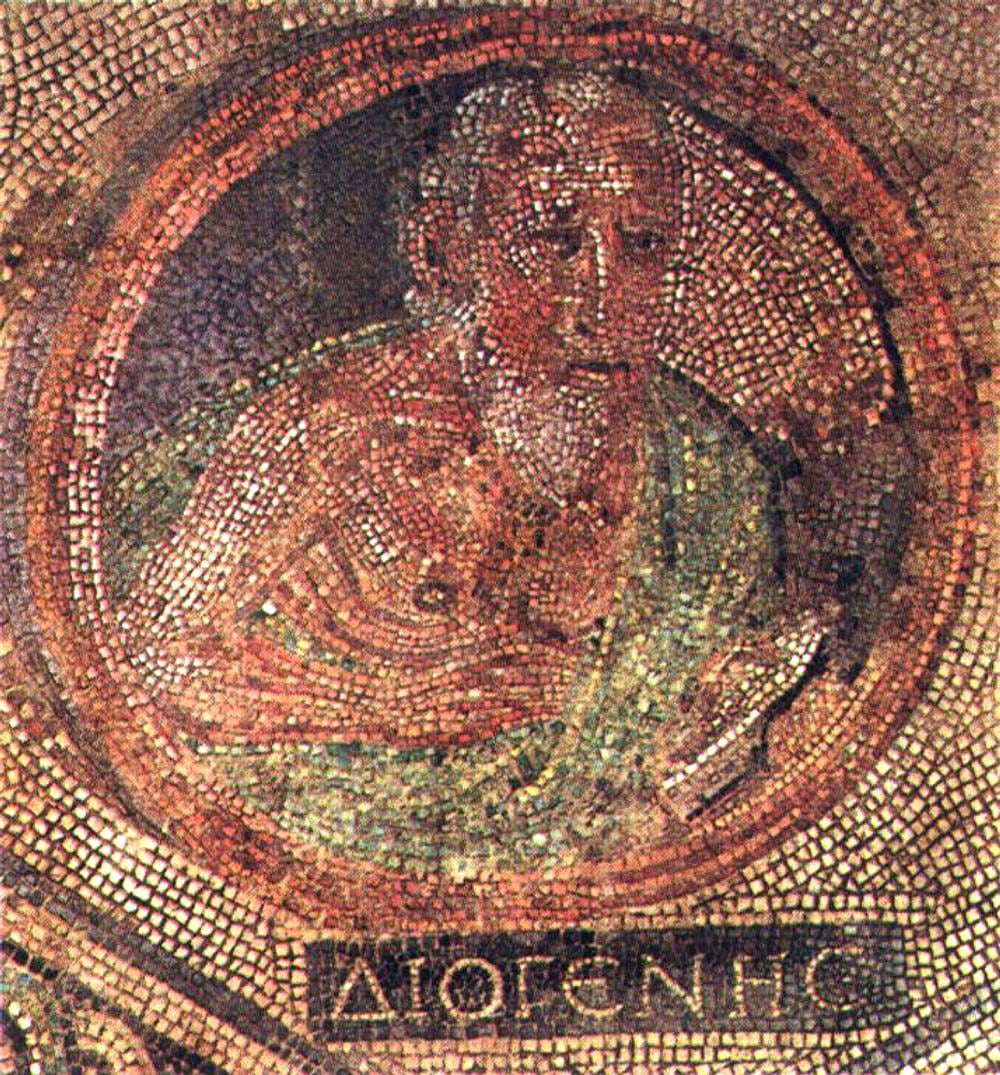
Diogenes of Sinope
Ils concordent sur: Pourquoi souffrons-nous ? · Comment atteint-on la libération ou le salut ? · Le monde est-il réel ?
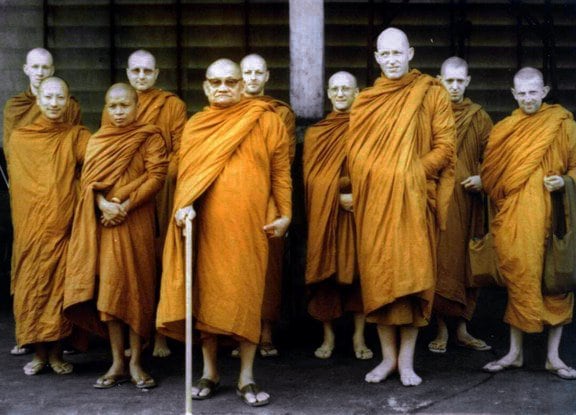
Ajahn Chah
Ils concordent sur: Qu'est-ce que l'Absolu ? Dieu existe-t-il ? · Qui suis-je ? Existe-t-il un vrai soi ? · Pourquoi souffrons-nous ?
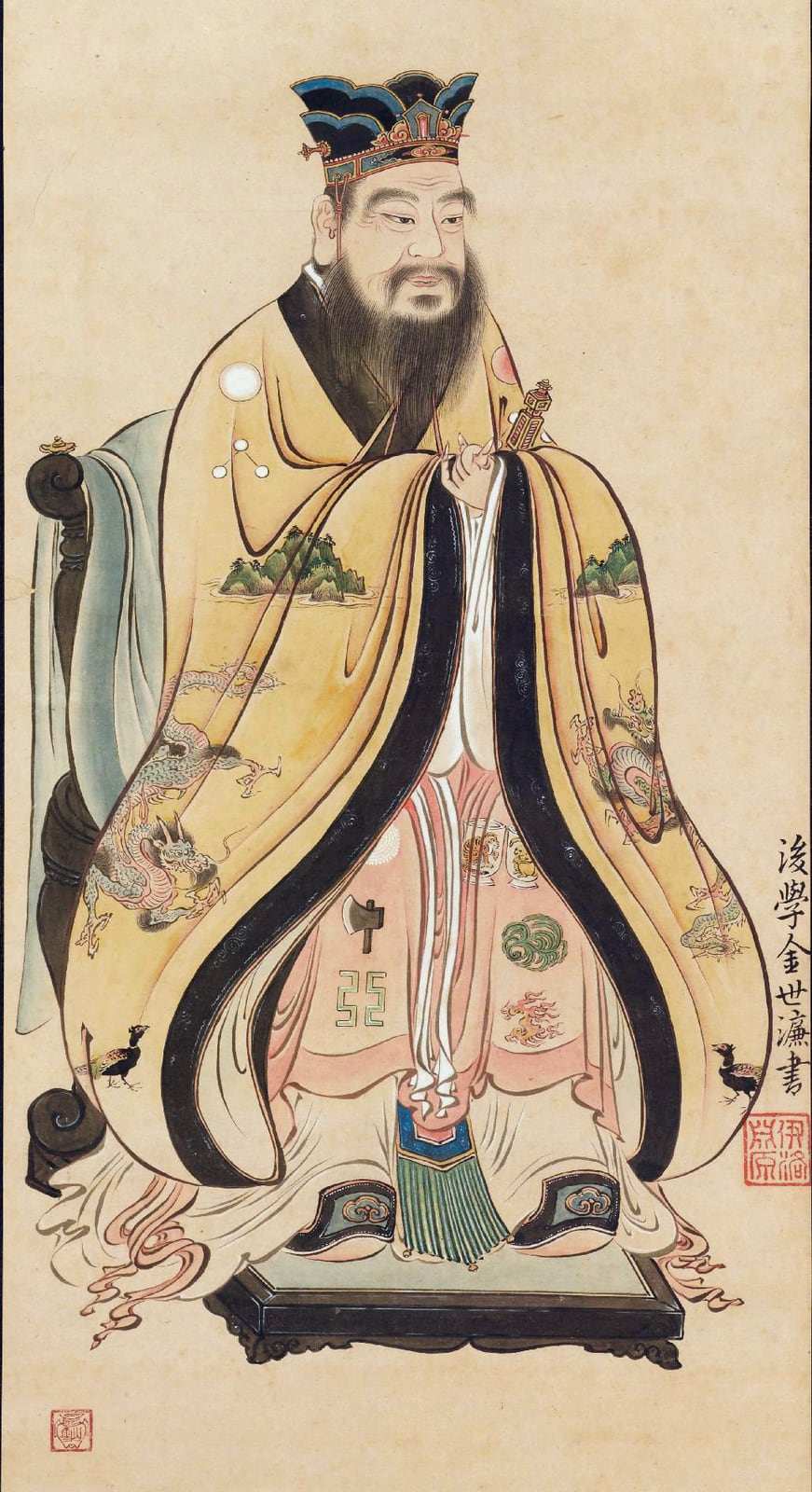
Confucius
Ils concordent sur: Faut-il un maître ? · Le monde est-il réel ? · Qu'est-ce que l'amour ?
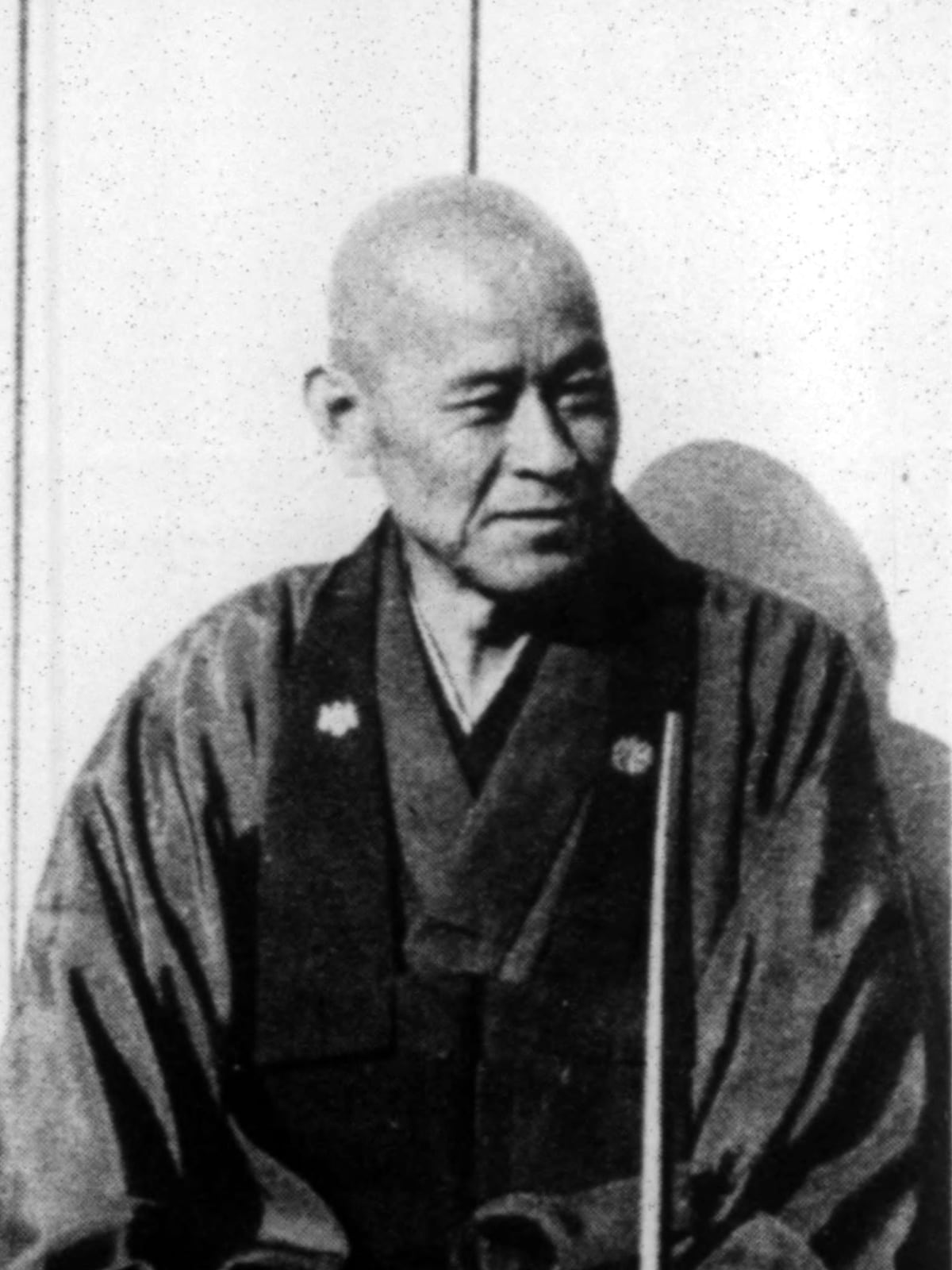
Shunryu Suzuki
Ils concordent sur: Qui suis-je ? Existe-t-il un vrai soi ? · Pourquoi souffrons-nous ? · Comment atteint-on la libération ou le salut ?
Pense autrement que

Al-Hallaj
Ils s'opposent sur: Qu'est-ce que l'Absolu ? Dieu existe-t-il ? · Qui suis-je ? Existe-t-il un vrai soi ? · Que se passe-t-il après la mort ?
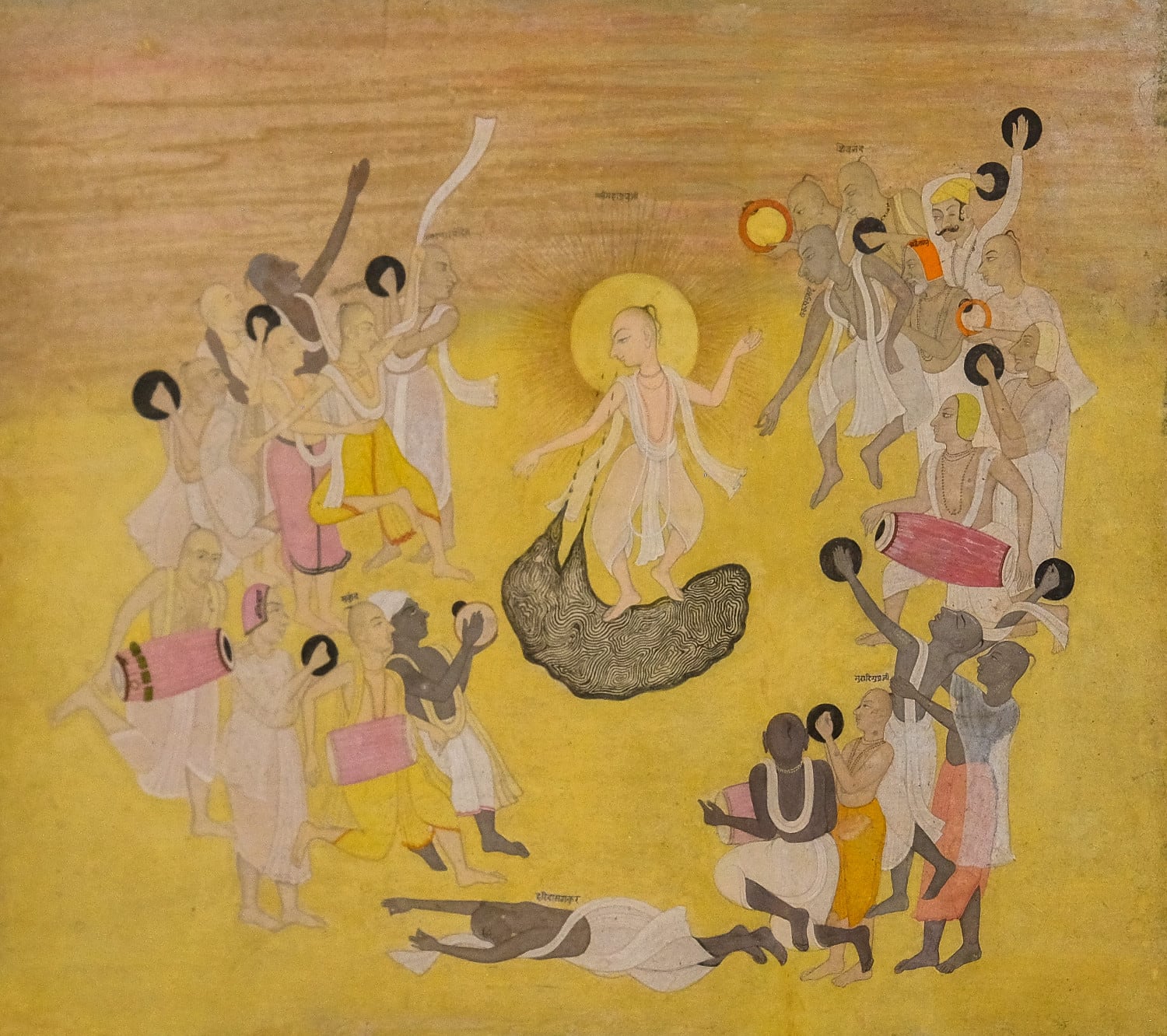
Chaitanya Mahaprabhu
Ils s'opposent sur: Qu'est-ce que l'Absolu ? Dieu existe-t-il ? · Qui suis-je ? Existe-t-il un vrai soi ? · Que se passe-t-il après la mort ?
Hafez
Ils s'opposent sur: Qu'est-ce que l'Absolu ? Dieu existe-t-il ? · Qui suis-je ? Existe-t-il un vrai soi ? · Que se passe-t-il après la mort ?
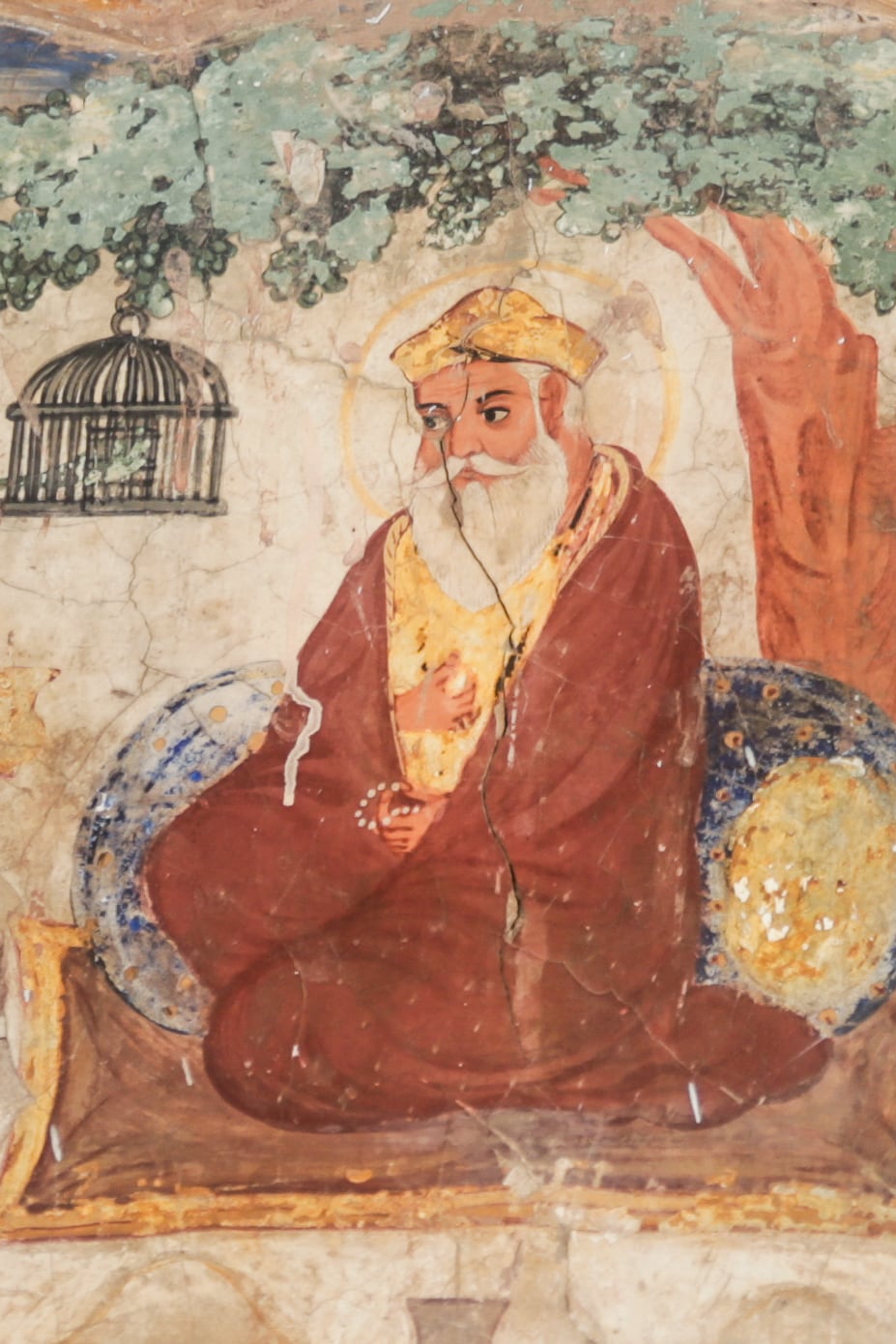
Guru Nanak
Ils s'opposent sur: Qu'est-ce que l'Absolu ? Dieu existe-t-il ? · Qui suis-je ? Existe-t-il un vrai soi ? · Que se passe-t-il après la mort ?
Anecdotes et récits
Anecdotes et récits
Témoignagec. 307–270 a. C.
The Garden and its gate
Origine du récit: Diogenes Laertius X 3, 10–11 (citing Apollodorus and Diocles); Seneca, Letters to Lucilius 21.10. The inscription is Seneca's testimony, four centuries later, and there is no evidence that it was already there in Epicurus' time.
Documentéc. 307–270 a. C.
A little pot of cheese
Origine du récit: Diogenes Laertius X 11, quoting verbatim a now-lost letter of Epicurus; the theory, in the Letter to Menoeceus (X 130–131).
Contestés. III a. C. en adelante
The slanders of Timocrates
Origine du récit: Diogenes Laertius X 3–9. These are accusations by opponents or by a deserter from the school, transmitted together with their refutation; no modern historian takes them as fact, but they show the hostility that surrounded Epicureanism from the start.
Témoignage270 a. C.
The last day
Origine du récit: Diogenes Laertius X 15–16 and 22 (Hermarchus, Hermippus and the text of the letter); Cicero, De finibus II 96. The letter survives by quotation and its authenticity is not seriously disputed; the bath scene comes from a Hellenistic biographer fond of exemplary deaths.
Tradition oralec. 327 a. C.
Hesiod's chaos
Origine du récit: Diogenes Laertius X 2, with two versions (Apollodorus the Epicurean and Hermippus). It is a school anecdote, transmitted by a sympathetic biographer; its value is illustrative rather than documentary.
Documenté1417–1888
How Epicurus came back
Origine du récit: Greenblatt (2011) for the finding of Lucretius; Konstan (Stanford Encyclopedia of Philosophy) for Herculaneum and Oenoanda; Wotke (1888) for the Vatican Sayings. These are well-documented facts of the history of transmission.
Enseignements
Enseignements
Les notions qui structurent sa pensée, expliquées dans leur contexte.
Pleasure (hedone) as the endhedone
Letter to Menoeceus (X 128–132), Principal Doctrines III–V and Diogenes Laertius X 136. The confusion with vulgar hedonism began with his Stoic and Christian opponents.
Ataraxia and aponiaataraxia
Letter to Menoeceus (X 128, 131), Letter to Pythocles (X 85), Principal Doctrine IV, Diogenes Laertius X 118. The term was shared by Sceptics and Epicureans, with different meanings.
The classification of desiresdeseos
Letter to Menoeceus (X 127–131), Principal Doctrines XV, XXVI, XXIX–XXX and the scholion to XXIX (X 149).
The fourfold remedy (tetrapharmakos)tetrafarmaco
Principal Doctrines I–IV (Diogenes Laertius X 139–140); Philodemus, PHerc. 1005; Long and Sedley (1987), ch. 25.
Source: Long, A. A. y Sedley, D. N. The Hellenistic Philosophers, vol. 1: Translations of the Principal Sources with Philosophical Commentary. Cambridge University Press, Cambridge, 1987.
Atoms, void and the swerve (clinamen)atomismo
Letter to Herodotus (X 38–68); Lucretius II 216–293; Cicero, On Fate and De finibus I. The swerve does not appear in Epicurus' surviving texts.
The canon: criteria of truthcanon
Diogenes Laertius X 31–34; Letter to Herodotus (X 37–38, 50–52).
Friendship (philia) and "live unnoticed"philia
Principal Doctrines XXVII–XXVIII; Vatican Sayings 23, 52 and 56–57; Diogenes Laertius X 119; Plutarch, Moralia 1128a–1130e.
Epicurus' godsdioses-epicureos
Letter to Menoeceus (X 123–124), Principal Doctrine I and its scholion (X 139); Cicero, On the Nature of the Gods I.
Vidéos
Vidéos
Enregistrements, entretiens et documentaires. Les vidéos sont lues depuis YouTube ; elles ne sont pas hébergées ici.
La filosofía helenista (II): Los epicúreos · La March
Conférence· ES· 2022· 53 min
Fundación Juan MarchChaîne officielle
13ª . 14ª. La Filosofía de Epicuro y su escuela
Conférence· ES· 2022· 114 min
Fundación Universitaria EspañolaChaîne officielle
"La biblioteca de los papiros de Herculano y el gran muro epicúreo de Enoanda", C. García Gual
Conférence· ES· 2016· 65 min
GipuzkoaKulturaChaîne officielle
La filosofía helenística (I) · La March
Conférence· ES· 2022· 57 min
Fundación Juan MarchChaîne officielle
Diógenes, Epicuro y Crisipo | Historia de la filosofía (8/61)
Conférence· ES· 2017· 87 min
Ernesto Castro
Cynics, Stoics, Epicureans
Conférence· EN· 2021· 46 min
Gresham CollegeChaîne officielle
A History of Philosophy | 15 Epicurean Philosophy
Conférence· EN· 2015· 63 min
wheatoncollegeChaîne officielle
Epicureanism - David Sedley, Angie Hobbs, James Warren
Documentaire· EN· 2021· 42 min
PhilosophyHub
Stoics vs. Skeptics vs. Epicureans | AA Long on Hellenistic Philosophy
Entretien· EN· 2025· 86 min
Johnathan Bi
Catherine Wilson - How To Be an Epicurean
Conférence· EN· 2019· 43 min
UNE Center for Global HumanitiesChaîne officielle
PHILOSOPHY - History: Epicurus’ Cure for Unhappiness [HD]
Analyse· EN· 2014· 10 min
Wireless PhilosophyChaîne officielle
Epicurus and the Epicureans in the Ancient World | Philosophers in the Midst of History
Conférence· EN· 2020· 86 min
Gregory B. Sadler - That Philosophy Guy
« Montaigne & Épicure : grandeur et limites de l'hédonisme » - André Comte-Sponville | ENS-PSL
Conférence· FR· 2016· 61 min
École normale supérieure - PSLChaîne officielle
Ringvorlesung "Philosophie im Garten: von Epikur bis Foucault"
Conférence· DE· 2021· 71 min
Uni Erfurt LiveChaîne officielle
Geschichte der Philosophie (5): Stoa, Epikureer und pyrrhonische Skepsis, Prof. Dr. Torsten Wilholt
Conférence· DE· 2013· 76 min
InstPhilChaîne officielle
Galerie
Galerie
Images dont la licence a été vérifiée. Chacune conserve son auteur et son attribution.
Manuscrits
Manuscrits
Témoins manuscrits et textes anciens, avec leur dépositaire et leurs conditions de consultation.
GRC · Minúscula griega · Sentencias de los ss. IV–III a. C.; copia del s. XIV
Gnomologium Vaticanum Epicureum (Ἐπικούρου προσφώνησις)
- Témoin conservé
- Único testimonio de la colección, dentro de un códice misceláneo.
- Dépositaire
- Biblioteca Apostólica Vaticana, Ciudad del Vaticano · Vat. gr. 1950
GRC · Mayúscula griega (papiro) · Obra de fines del s. IV–comienzos del III a. C.; copias de época helenística tardía
Περὶ φύσεως (papiros de Herculano)
- Témoin conservé
- Rollos carbonizados de la biblioteca de Filodemo en la Villa de los Papiros, sepultada por el Vesubio en el 79 d. C.
- Dépositaire
- Biblioteca Nazionale «Vittorio Emanuele III», Officina dei Papiri Ercolanesi, Nápoles · PHerc. (varios números; p. ej. PHerc. 1479/1417 para el libro XXVIII)
Relations
Relations
Influences, filiations et affinités. On distingue la relation documentée de la similitude identifiée par analyse.
A reçu l'influence de
Demócrito
His atomist physics derives from Democritus, whose books reportedly led him to philosophy according to Hermippus (Diogenes Laertius X 2); Epicurus played down the debt and called him "Lerocritus" (X 8).
Relation documentée
Disciple de
Nausífanes de Teos
Apollodorus names him as Epicurus' teacher; Epicurus denied it and insulted him (Diogenes Laertius X 7–8, 13–14).
Relation documentée
En désaccord avec
Epicurus called the Platonists "toadies of Dionysius" and Plato "the golden" (Diogenes Laertius X 8); his physics and theology oppose those of the Timaeus.
Relation documentée
En désaccord avec
He reached Athens when Aristotle was in Chalcis (X 1) and scorned him as a profligate who squandered his patrimony (X 8).
Relation documentée
En désaccord avec
There is no direct testimony from Epicurus about Socrates; his disciple Colotes attacked the Socratics, and Plutarch answered him in Against Colotes.
Similitude identifiée par analyse
Contemporain de
Epicurus came to Athens as an ephebe around 323, the year Diogenes died; there is no record that they met. He called the Cynics "foes of Greece" (Diogenes Laertius X 8) and taught that the sage will not play the Cynic (X 119).
Similitude identifiée par analyse
Contemporain de
Both taught in Athens at the same time, the Garden and the Stoa, from the late fourth century until Epicurus' death in 270; their schools were rivals for centuries (Diogenes Laertius VII and X).
Relation documentée
A influencé
Lucrecio
Lucretius set out Epicurus' doctrine in De rerum natura and celebrates him as the liberator of humankind.
Relation documentée
En désaccord avec
Epictetus repeatedly argues against Epicurus, whom he calls a preacher of effeminacy (Discourses I 23, II 20, III 7; Diogenes Laertius X 6).
Relation documentée
A influencé
Though a Stoic, he quotes Epicurus approvingly on pain, which is neither unbearable nor everlasting (Meditations VII 64), and on his serenity in illness (IX 41).
Relation documentée
A influencé
Séneca
Seneca quotes Epicurus in almost all of his early Letters to Lucilius and describes the inscription of the Garden (21.10).
Relation documentée
Idées proches de
Siddhartha Gautama, the Buddha
A frequent typological parallel: both conceive wisdom as therapy against the suffering produced by desires and false opinions, and seek a state of peace (ataraxia, nirvana); there is no historical contact.
Similitude identifiée par analyse
Sources
Sources
Bibliographie et catalogues consultés pour cette fiche.
- Wikidata, entidad Q43216 «Epicurus» (150 enlaces entre wikis; P31=Q5). Registra nacimiento en 342 o 341 a. C. y muerte en 270 a. C.; lugar de nacimiento, Samos; de muerte, Atenas.
- Diógenes Laercio. Vidas y opiniones de los filósofos ilustres, libro X (Epicuro: vida, testamento, cartas a Heródoto, Pitocles y Meneceo, Máximas capitales), s. III d. C. Trad. inglesa de R. D. Hicks, Loeb Classical Library 185, 1925 (Wikisource en inglés); texto griego en Wikisource griega; trad. de C. D. Yonge, Bohn, 1853 (Project Gutenberg n.º 57342).
- Diógenes Laercio. Los diez libros de Diógenes Laercio sobre las vidas, opiniones y sentencias de los filósofos más ilustres, trad. de José Ortiz y Sanz, tomo II (libros VI–X). Imprenta Real, Madrid, 1792 (Internet Archive).
- Usener, Hermann (ed.). Epicurea. Teubner, Leipzig, 1887 (Internet Archive). Edición clásica de los textos y testimonios; numeración «Us.» de los fragmentos.
- Bailey, Cyril (ed. y trad.). Epicurus: The Extant Remains. Clarendon Press, Oxford, 1926 (Internet Archive).
- Arrighetti, Graziano (ed. y trad.). Epicuro. Opere. Einaudi, Turín, 1960; 2.ª ed. 1973 (incluye los libros de Sobre la naturaleza conservados en Herculano).
- Konstan, David. «Epicurus». The Stanford Encyclopedia of Philosophy, ed. Edward N. Zalta; primera publicación 2005, revisión sustancial del 8 de julio de 2022.
- Inwood, Brad y Gerson, Lloyd P. (trads.). The Epicurus Reader: Selected Writings and Testimonia, introd. de D. S. Hutchinson. Hackett, Indianápolis, 1994.
- García Gual, Carlos. Epicuro. Alianza Editorial, Madrid, 1981.
- Séneca. Epístolas morales a Lucilio 21.10 (inscripción del Jardín), c. 64 d. C. Texto latino en The Latin Library.
- Plutarco. «Si está bien dicho “vive oculto”» (Εἰ καλῶς εἴρηται τὸ λάθε βιώσας), Moralia 1128a–1130e, s. I–II d. C. Texto griego en Wikisource griega.
- Lucrecio. De rerum natura, s. I a. C. Trad. inglesa de William Ellery Leonard, On the Nature of Things, Dutton, 1916 (Project Gutenberg n.º 785).
- Long, A. A. y Sedley, D. N. The Hellenistic Philosophers, vol. 1: Translations of the Principal Sources with Philosophical Commentary. Cambridge University Press, Cambridge, 1987.
- Sedley, David. Lucretius and the Transformation of Greek Wisdom. Cambridge University Press, Cambridge, 1998.
- Warren, James (ed.). The Cambridge Companion to Epicureanism. Cambridge University Press, Cambridge, 2009.
- «Epicurus», Wikipedia en inglés, y «Epicuro», Wikipedia en español (consultadas para contrastar datos y bibliografía; texto propio).
- Wotke, Karl. «Epikurische Spruchsammlung», con notas de Hermann Usener. Wiener Studien 10 (1888). Primera edición de las Sentencias vaticanas a partir del Vaticanus graecus 1950.
- Smith, Martin Ferguson (ed.). Diogenes of Oenoanda: The Epicurean Inscription. Bibliopolis, Nápoles, 1993.
- O'Keefe, Tim. «Epicurus (341–271 B.C.E.)». Internet Encyclopedia of Philosophy (ISSN 2161-0002).
- Open Library (Internet Archive): ediciones de Epicuro y de Diógenes Laercio verificadas por ISBN.
- Marco Aurelio. Meditaciones VII 64 y IX 41 (numeración estándar; en la traducción de Casaubon, VII 35 y IX 41), c. 170–180 d. C. Trad. inglesa de Meric Casaubon (1634) (Project Gutenberg n.º 2680).
- Epicteto. Disertaciones recogidas por Arriano, I 23, II 20 y III 7 (polémica contra Epicuro), c. 108 d. C. Trad. inglesa de George Long (Project Gutenberg n.º 10661).
- Lactancio. Sobre la ira de Dios 13, c. 314 d. C. Trad. inglesa de William Fletcher, Ante-Nicene Fathers, vol. VII, 1886 (Wikisource en inglés).
- Greenblatt, Stephen. The Swerve: How the World Became Modern. W. W. Norton, Nueva York, 2011 (trad. esp. El giro, Crítica, 2012).
- Wilson, Catherine. Epicureanism at the Origins of Modernity. Oxford University Press, Oxford, 2008.
- Cicerón. Del supremo bien y del supremo mal (De finibus) I–II y Sobre la naturaleza de los dioses I, 45 a. C. Trad. inglesa de C. D. Yonge (Project Gutenberg n.º 29247).
- Ayant droit
- Textos antiguos en dominio público; cada traducción y edición moderna pertenece a su traductor o editorial
En attente de confirmation
Ce que cette fiche n'a pas encore pu établir. Nous préférons le dire plutôt que de combler.
- Tradiciones: el catálogo (content/traditions.json) no tiene «epicureísmo»; se asigna provisionalmente «secular-contemplative». Valorar dar de alta una tradición «epicureanism».
- Traductores de las ediciones españolas de Cátedra (Obras completas, ISBN 9788437613307) y Tecnos (Obras, ISBN 9788430942572): no comprobados en catálogo; añadirlos cuando se verifiquen.
- Arrighetti, Epicuro. Opere (Einaudi): no se ha localizado ISBN en Open Library; registrado sin ISBN.
- Sentencias vaticanas: el texto griego de la n.º 52 se ha tomado de la edición corriente y cotejado solo en su comienzo; cotejar con la edición de Arrighetti. Localizar una traducción española de dominio público de las Sentencias vaticanas.
- Manuscritos: verificar la digitalización del Vat. gr. 1950 en DigiVatLib (la URL probada devolvió 404) y los números de inventario de los papiros de Herculano de Sobre la naturaleza (libros II, XI, XIV, XV, XXV, XXVIII, XXXIV) con el Catalogo dei Papiri Ercolanesi.
- Libros de Sobre la naturaleza conservados: se citan con seguridad el XV, el XXV y el XXVIII; confirmar la lista completa con Arrighetti y Sedley.
- Programas de afiliación: ninguno verificado. Lista vacía.
- Vídeos: el programa In Our Time de la BBC está subido por un canal no oficial; no se ha encontrado la versión oficial en YouTube.
Recherche effectuée le 2026-10-25