Stoïcisme
Marcus Aurelius
Marcus Aurelius Antoninus Augustus · Μάρκος Αὐρήλιος Ἀντωνῖνος
121 – 180Personne historiquement documentée
Empereur romain (121-180) et philosophe stoïcien. Il régna à partir de 161, d'abord aux côtés de Lucius Verus, et passa une grande partie de son règne sur la frontière du Danube, en guerre contre les Marcomans, les Quades et les Sarmates, tandis que la peste ravageait l'Empire. En campagne, il rédigea en grec des notes pour lui-même, connues sous le titre de Pensées pour moi-même, l'un des livres les plus lus de l'Antiquité. Sa correspondance de jeunesse avec le rhéteur Fronton, retrouvée au XIXe siècle, complète son portrait.
- œuvres
- 9œuvres
- éditions
- 24éditions
- citations
- 12citations
- vidéos
- 12vidéos
- images
- 8images
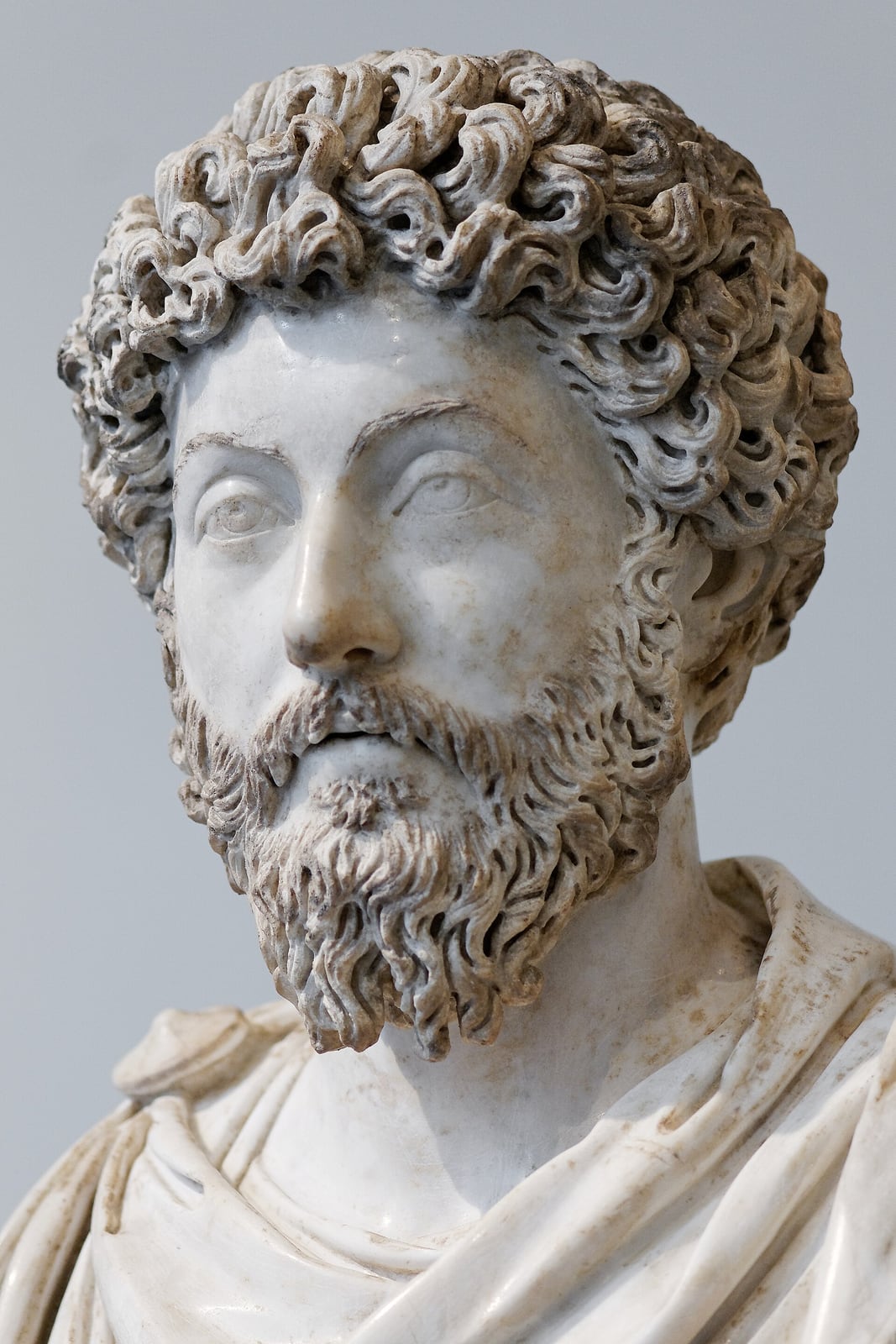
Busto de Marco Aurelio (Louvre, MR 561) · CC BY 2.5
Dans ses propres mots
«Begin the morning by saying to thyself, I shall meet with the busybody, the ungrateful, arrogant, deceitful, envious, unsocial.»Meditaciones II 1. Griego: Wikisource; inglés: George Long (1862); español: traducción propia.

Son idée centrale
The inner citadel: The expression comes from Meditations VIII.48: "the mind which is free from passions is a citadel", the place where a person takes refuge and becomes impregnable.
Le voir en contexte
Biographie
6 min de lecture
Traduction assistée à partir de l'original espagnol, en attente de relecture par un traducteur natif.
Un livre écrit pour personne
Parmi les papiers que l'empereur Marc Aurèle laissa à sa mort se trouvaient des carnets rédigés en grec, qui n'étaient destinés à aucun lecteur. Ce ne sont ni des mémoires ni un traité, mais des exercices, des mises en garde et des rappels qu'un homme s'adresse à lui-même, souvent à la deuxième personne, pour ne pas oublier ce qu'il croit. Le titre transmis par les manuscrits, Ta eis heauton, signifie « À soi-même » ; la tradition française les appelle Pensées pour moi-même. Que le souverain le plus puissant de son temps ait consacré ses nuits de campagne à examiner sa conduite avec les instruments de la philosophie stoïcienne, voilà ce qui a fait de lui, depuis la Renaissance, une figure à part : le seul empereur romain qui soit aussi un auteur que l'on continue de lire.
Verissimus
Il naquit à Rome le 26 avril 121, dans une villa du mont Caelius. La famille paternelle, les Annii Veri, était originaire d'Ucubi, en Bétique, et s'était élevée jusqu'au consulat et au patriciat ; sa mère, Domitia Lucilla, était l'héritière d'une immense fortune. Son père mourut préteur alors que l'enfant avait environ trois ans, et il fut élevé par sa mère et par son grand-père. Hadrien, qui l'aimait, jouait sur son nom en l'appelant Verissimus, « le très véridique ». L'Histoire Auguste rapporte qu'à douze ans il adopta le manteau rugueux des philosophes et voulut dormir à même le sol, jusqu'à ce que sa mère le persuade d'accepter un lit couvert de peaux. Le premier livre des Pensées, inventaire de ce qu'il doit à chacun de ses proches et de ses maîtres, commence précisément avec ces années-là.
L'héritier
En février 138, Hadrien, malade et sans enfant, adopta Antonin à condition que celui-ci adopte à son tour Marc, alors âgé de seize ans, et le jeune Lucius Verus. Hadrien mort en juillet, Marc vécut plus de vingt ans aux côtés d'Antonin le Pieux en successeur désigné : César en 139, consul pour la première fois en 140, marié en 145 à sa cousine Faustine, fille de l'empereur, qui lui donna au moins treize enfants, dont beaucoup moururent en bas âge. Il reçut la meilleure éducation de son époque : la rhétorique latine auprès de Marcus Cornelius Fronton, la grecque auprès d'Hérode Atticus, la philosophie auprès de stoïciens comme Apollonios de Chalcédoine, Sextus de Chéronée et surtout Junius Rusticus, qui lui prêta, tirées de sa propre bibliothèque, les notes des leçons d'Épictète.
Les lettres de Fronton
De ces années subsiste un témoignage exceptionnel : la correspondance entre Marc et Fronton, des lettres en latin — et quelques-unes en grec — écrites entre la fin des années 130 et le milieu des années 160. On les crut perdues pendant des siècles, jusqu'à ce qu'Angelo Mai découvre en 1815 et en 1819, à la Bibliothèque ambrosienne de Milan et à la Vaticane, un palimpseste dont un moine avait effacé le texte pour copier par-dessus les actes d'un concile. Les lettres révèlent un jeune homme affectueux, appliqué, parfois impatient devant la rhétorique, qui parle de ses rhumes, des vendanges, de ses filles nouveau-nées et d'un maître qu'il dit aimer plus que tout. Vers 146, il avoue à Fronton que la lecture du stoïcien Ariston l'a détourné des exercices oratoires : c'est le tournant vers la philosophie dont l'empereur remerciera Rusticus dans les Pensées.
Deux empereurs et une peste
Antonin le Pieux mourut le 7 mars 161. Marc associa aussitôt au pouvoir son frère adoptif, Lucius Verus, et, pour la première fois, Rome eut deux augustes aux titres égaux. Le règne s'ouvrit sur une guerre contre les Parthes en Arménie et en Mésopotamie, conduite nominalement par Verus ; à son retour, vers 165-166, l'armée rapporta une épidémie, la peste dite antonine, qui décima l'Empire pendant des années. Verus mourut au début de 169 et Marc régna seul jusqu'à ce qu'il associe son fils Commode.
La frontière du Danube
Dès la fin des années 160, Marcomans, Quades, Iazyges et d'autres peuples franchirent le Danube, et une incursion poussa jusqu'à Aquilée, en Italie. Pour financer la guerre, selon l'Histoire Auguste, Marc fit vendre aux enchères pendant deux mois, sur le forum de Trajan, le mobilier et les joyaux du palais. Il passa presque toutes les années suivantes dans les camps de Pannonie, à Carnuntum et à Sirmium. C'est de cette période que date la rédaction d'une bonne partie des Pensées : le deuxième livre porte la mention « Chez les Quades, au bord du Granua », et le troisième, « À Carnuntum ». De ces campagnes provient aussi l'épisode de la pluie miraculeuse qui sauva une armée romaine assoiffée, que la colonne de Marc Aurèle figure comme l'intervention d'un dieu de la pluie et que les chrétiens attribuèrent plus tard à la prière de leurs soldats.
La révolte et le voyage en Orient
Au printemps 175, le général Avidius Cassius, gouverneur de Syrie, se proclama empereur sur la foi d'une fausse nouvelle annonçant la mort de Marc. La rébellion dura trois mois et s'acheva par l'assassinat de Cassius par ses propres officiers. Dion Cassius raconte que Marc regretta de n'avoir pu lui pardonner, traita ses partisans avec clémence et brûla sans la lire la correspondance compromettante. Il se rendit ensuite en Orient ; Faustine mourut pendant le voyage, à Halala, en Cappadoce. À Athènes, il se fit initier aux mystères d'Éleusis et fonda des chaires rémunérées pour les quatre grandes écoles philosophiques : platonicienne, aristotélicienne, stoïcienne et épicurienne. En 177, il fit auguste Commode, le seul de ses fils qui lui survivait ; cette même année, sous son règne, furent martyrisés les chrétiens de Lyon.
La mort au front
En 178, il retourna sur le Danube pour une seconde expédition. Il mourut le 17 mars 180, à cinquante-huit ans, à Vindobona — l'actuelle Vienne — selon Aurelius Victor, à Sirmium selon Tertullien. L'Histoire Auguste rapporte que, malade, il cessa de manger et de boire, demanda à ses amis de ne pas pleurer sur lui mais de songer plutôt à la peste et à la mort commune à tous, et qu'au septième jour il se couvrit la tête et mourut dans la nuit. Dion ajoute qu'au tribun venu lui demander le mot d'ordre il répondit : « Va vers le soleil levant ; moi, je suis déjà à mon couchant. » Il fut divinisé et Commode lui succéda ; avec lui prit fin l'époque qu'Edward Gibbon, en 1776, décrirait comme la plus heureuse et la plus prospère de l'histoire humaine.
La citadelle intérieure
Les Pensées n'ont survécu qu'à grand-peine. Vers l'an 900, l'évêque Aréthas de Césarée dit en posséder un vieil exemplaire ; le lexique byzantin de la Souda les cite, et Guilielmus Xylander publia à Zurich, en 1558, l'édition princeps, accompagnée d'une traduction latine, d'après un manuscrit aujourd'hui perdu. Pierre Hadot a montré que leurs répétitions ne relèvent pas du désordre mais d'une méthode : ce sont des exercices spirituels dans lesquels Marc réécrit inlassablement les principes du stoïcisme d'Épictète — la discipline du jugement, du désir et de l'action — afin de les faire siens. Traduit en anglais par Meric Casaubon en 1634 et par George Long en 1862, donné en exemple par John Stuart Mill dans De la liberté, le livre d'un empereur qui s'exhortait à ne pas « se césariser » demeure, dix-huit siècles plus tard, l'une des portes d'entrée les plus fréquentées de la philosophie antique.
Sources: Historia Augusta, «Vida de Marco Antonino el Filósofo» (Vita Marci Antonini Philosophi). Trad. inglesa de David Magie, The Scriptores Historiae Augustae, vol. I, Loeb Classical Library 139. Londres: Heinemann, 1921 (texto en LacusCurtius). Fuente tardía (finales del s. IV) y poco fiable en muchos pasajes. · Dion Casio, Historia romana, epítome de los libros LXXI–LXXII. Trad. inglesa de Earnest Cary, Dio's Roman History, vol. IX, Loeb Classical Library 177. Londres: Heinemann, 1927 (texto en LacusCurtius; numeración de Cary). · Birley, Anthony R. Marcus Aurelius: A Biography. Ed. revisada. Londres: B. T. Batsford, 1987 (reimpr. Routledge, 2000). · Hadot, Pierre. La Citadelle intérieure. Introduction aux Pensées de Marc Aurèle. París: Fayard, 1992. Trad. inglesa: The Inner Citadel, Harvard University Press, 1998; trad. española: La ciudadela interior, Alpha Decay, 2013. · Marco Aurelio. Τὰ εἰς ἑαυτόν (Meditaciones). Texto griego en Wikisource en griego; trad. inglesa de George Long, The Thoughts of the Emperor Marcus Aurelius Antoninus (Londres, 1862), en Wikisource en inglés.
Chronologie
La vie, année après année
Chaque point est un événement documenté. Cliquez pour le lire, avec sa source et son degré de certitude.
26 avril 1210 ansRoma (monte Celio)
Birth
Born on 26 April (the sixth day before the Kalends of May) in the family villa on the Caelian, son of Marcus Annius Verus and Domitia Lucilla (Historia Augusta, Marcus 1.5).
DocumentéHistoria Augusta, «Vida de Marco Antonino el Filósofo» (Vita Marci Antonini Philosophi). Trad. inglesa de David Magie, The Scriptores Historiae Augustae, vol. I, Loeb Classical Library 139. Londres: Heinemann, 1921 (texto en LacusCurtius). Fuente tardía (finales del s. IV) y poco fiable en muchos pasajes.
Après sa mort
- v. 193The Column of Marcus Aurelius
- 1538The equestrian statue on the Capitoline
- 1558First edition of the Meditations
- 1815Discovery of the letters to Fronto
- 1992Pierre Hadot's The Inner Citadel
26 avril 121 · 0 ans
Birth
Born on 26 April (the sixth day before the Kalends of May) in the family villa on the Caelian, son of Marcus Annius Verus and Domitia Lucilla (Historia Augusta, Marcus 1.5).
Documenté
v. 124 · 3 ans
Death of his father
His father dies as praetor; he is raised by his mother and his grandfather, Marcus Annius Verus, three times consul. Hadrian calls him "Verissimus".
Probable
v. 133 · 12 ans
The philosopher's cloak
At twelve he adopts the Greek cloak and the austere life of the philosophers and sleeps on the ground until his mother persuades him to use a couch with skins (Historia Augusta, Marcus 2.6).
Tradition
février 138 · 16 ans
Adoption by Antoninus
On 25 February Hadrian adopts Antoninus, who in turn adopts Marcus and Lucius Verus. Hadrian dies on 10 July and Antoninus (Pius) succeeds him.
Documenté
v. 139 · 18 ans
Correspondence with Fronto begins
Towards the end of the 130s the letters with his teacher of Latin rhetoric, Marcus Cornelius Fronto, begin; they continue until Fronto's death, around 166–167.
Probable
140 · 18 ans
First consulship
Consul together with Antoninus Pius, having received the title of Caesar in 139.
Documenté
145 · 24 ans
Marriage to Faustina the Younger
He marries his cousin Faustina, daughter of Antoninus Pius. They will have at least thirteen children; only one son, Commodus, will outlive his father.
Documenté
v. 146 · 25 ans
The turn to philosophy
In a letter to Fronto he says that reading the Stoic Aristo has made him lose his taste for rhetorical exercises. His chief teacher of philosophy will be Junius Rusticus, who introduces him to the notes of Epictetus' lectures (Meditations I.7).
Probable
7 mars 161 · 39 ans
Emperor with Lucius Verus
Antoninus Pius dies on 7 March. Marcus takes power and shares the title of Augustus with Lucius Verus: the first time Rome has two emperors with equal prerogatives.
Documenté
v. 165 – 180 · 44 ans
The Antonine plague
The army returning from the Parthian war (161–166) brings an epidemic that spreads through the Empire for more than a decade.
Documenté
v. 167 – 180 · 46 ans
Marcomannic Wars
The wars against the Marcomanni, Quadi and Iazyges begin. To fund them he auctions the palace furnishings in the Forum of Trajan (Historia Augusta, Marcus 17.4). Lucius Verus dies early in 169.
Documenté
v. 172 · 51 ans
The rain miracle
A surrounded and thirsty Roman army is saved by a sudden storm. Cassius Dio credits the spells of the Egyptian Arnuphis; the Column of Marcus Aurelius, a rain god; Christian writers, the prayer of Christian soldiers. The date (172 or 174) is debated.
Contesté
v. 172 – 180 · 51 ans
Writing the Meditations
The headings of Books II ("Among the Quadi, on the Granua") and III ("At Carnuntum") place part of the work in the Danube campaigns of the 170s.
Probable
175 · 54 ans
Revolt of Avidius Cassius
Avidius Cassius proclaims himself emperor; he is murdered by his officers three months later. Marcus treats his supporters with clemency and destroys their papers unread (Cassius Dio LXXII 27–29). Faustina dies at Halala during the journey east.
Documenté
176 · 55 ans
Eleusis and the Athenian chairs
He is initiated into the Eleusinian mysteries and endows salaried chairs for the Platonist, Aristotelian, Stoic and Epicurean schools (Cassius Dio LXXII 31). On 23 December he celebrates a triumph in Rome with Commodus.
Documenté
177 · 56 ans
Commodus Augustus; the martyrs of Lyon
He makes Commodus co-emperor. That year the Christians of Lyon and Vienne are martyred (Eusebius, Ecclesiastical History V.1).
Documenté
17 mars 180 · 58 ans
Death
Dies on 17 March during the second Danube expedition (Cassius Dio LXXII 33). The place is uncertain: Vindobona according to Aurelius Victor, Sirmium according to Tertullian.
Documenté
v. 193
The Column of Marcus Aurelius
The column commemorating the Marcomannic Wars is completed, with the relief of the rain miracle; it stands today in Piazza Colonna.
Probable
1538
The equestrian statue on the Capitoline
Michelangelo sets the bronze equestrian statue in the Capitoline square; it had survived the Middle Ages because it was believed to represent Constantine.
Documenté
1558
First edition of the Meditations
Wilhelm Xylander publishes the Greek text with a Latin translation at Andreas Gesner's press, from a Palatine manuscript now lost.
Documenté
1815
Discovery of the letters to Fronto
Angelo Mai identifies the correspondence of Fronto with Marcus in a palimpsest in the Ambrosian Library; in 1819 he publishes the part kept in the Vatican (Vat. lat. 5750).
Documenté
1992
Pierre Hadot's The Inner Citadel
Hadot interprets the Meditations as spiritual exercises organised according to Epictetus' three disciplines, a reading that has shaped later scholarship.
Documenté
Œuvres
Œuvres essentielles
Les œuvres sans lesquelles on ne comprend pas son héritage.
Œuvre écrite · v. 172
Meditations
Τὰ εἰς ἑαυτόν
Twelve books of short notes, in Koine Greek, in which the emperor urges himself to live according to nature and reason on Stoic principles. Book I differs from the rest: an account of what he learned from his family, his teachers—Rusticus, Apollonius, Sextus, Fronto—and Antoninus Pius, and of what he owes to the gods. Book II is headed "Among the Quadi, on the Granua" and Book III "At Carnuntum". Books IV to XII alternate maxims, meditations on death and transience, the examination of one's own impressions, the view from above on human affairs, patience with others as kin in a common reason, and acceptance of what fate brings. He quotes Heraclitus, Epicurus and above all Epictetus. The first printed edition is Xylander's (Zurich, 1558); the other complete witness is the Vaticanus graecus 1950 (14th century).
10 éditions

Correspondance · v. 145
Correspondence with Fronto
Epistulae M. Cornelii Frontonis et M. Aurelii
Letters, many of them fragmentary, exchanged between Marcus and his teacher of Latin rhetoric, Marcus Cornelius Fronto, from the late 130s to the mid-160s. Arranged in books by addressee (Ad M. Caesarem, Ad Antoninum imperatorem, De feriis Alsiensibus, De eloquentia…), they show the heir's rhetorical training, his declared affection for his teacher, the domestic life of the imperial family, everyone's illnesses and Marcus' gradual move away from rhetoric to philosophy, which he confesses around 146 after reading the Stoic Aristo. They were thought lost until Angelo Mai found them in a palimpsest (Ambrosiana, 1815; Vatican, 1819). The standard critical edition is Michel van den Hout's (Teubner, 1988).
7 éditions
Toute son œuvre (9)
Marcus Aurelius
Letter to the Athenians
The Conscious LibraryLetter to the Athenians
175
Marcus Aurelius
Imperial constitutions and rescripts
The Conscious LibraryImperial constitutions and rescripts
161
Marcus Aurelius
Speech to the troops on Cassius' revolt
The Conscious LibrarySpeech to the troops on Cassius' revolt
175
Marcus Aurelius
Letter to the Senate on the rain miracle
The Conscious LibraryLetter to the Senate on the rain miracle
Marcus Aurelius
Edict to the Assembly of Asia
The Conscious LibraryEdict to the Assembly of Asia
Marcus Aurelius
Letters quoted in the Historia Augusta
The Conscious LibraryLetters quoted in the Historia Augusta

The Golden Book of Marcus Aurelius
1528
Citations
Citations localisées dans une œuvre précise. Chacune porte sa provenance et son degré de fiabilité.
Begin the morning by saying to thyself, I shall meet with the busybody, the ungrateful, arrogant, deceitful, envious, unsocial.Ἕωθεν προλέγειν ἑαυτῷ· συντεύξομαι περιέργῳ, ἀχαρίστῳ, ὑβριστῇ, δολερῷ, βασκάνῳ, ἀκοινωνήτῳ.
VérifiéeMeditaciones II 1. Griego: Wikisource; inglés: George Long (1862); español: traducción propia.
Citations apocryphes ou d'attribution contestée (4)
«What we do in life echoes in eternity.»
A line spoken by the general Maximus in the film Gladiator (Ridley Scott, 2000). It does not appear in the Meditations or in any ancient text about Marcus Aurelius.
«Live a good life. If there are gods and they are just, then they will not care how devout you have been, but will welcome you based on the virtues you have lived by.»
A modern text circulating online. It is not found in the Meditations; it vaguely recalls the dilemma of providence or atoms (II 11; XII 14), but neither its form nor its meaning is Marcus Aurelius'.
«Everything we hear is an opinion, not a fact. Everything we see is a perspective, not the truth.»
It does not appear in the Meditations. It is usually offered as a paraphrase of passages such as "all is opinion" (II 15; XII 26), which say something different: that our judgement about things is up to us.
«The happiness of your life depends upon the quality of your thoughts.»
A modern paraphrase, not a literal quotation, of Meditations V.16 ("the soul is dyed by the thoughts"). The original passage should be quoted instead.
Dernières paroles
Versions contradictoires
«"Go to the rising sun; I am already setting."»Cassius Dio (LXXII 34.1, in Xiphilinus' epitome) says that, at the point of death, he commended his son to the soldiers and gave this reply to the tribune asking for the day's watchword. The Historia Augusta (Marcus 28) gives another account of the last days: on the sixth day he asked his friends why they wept for him instead of thinking about the plague and the death common to all; on taking leave, that if they gave him leave to go he bade them farewell and went on ahead; on the seventh day he received only Commodus, sent him away for fear of contagion, covered his head as if to sleep and died in the night. Neither author was a witness: Dio wrote a few decades later and the Historia Augusta at the end of the fourth century. Dio's Greek text has not been checked in this pass; the translation follows Earnest Cary.
Source: Dion Casio, Historia romana, epítome de los libros LXXI–LXXII. Trad. inglesa de Earnest Cary, Dio's Roman History, vol. IX, Loeb Classical Library 177. Londres: Heinemann, 1927 (texto en LacusCurtius; numeración de Cary).
Interroger
Ce que répond son œuvre
Douze grandes questions de l'humanité et ce que ses textes permettent d'y répondre, références à l'appui. Nous ne lui prêtons jamais de paroles.
Qu'est-ce que l'Absolu ? Dieu existe-t-il ?
One rational living being and gods who help, or else atoms
À la fois personnel et impersonnelIl le dit expressément
In the Meditations, Marcus Aurelius thinks of the universe in Stoic fashion as a single living being with one substance and one soul, in which everything is interwoven by a common reason. This impersonal ground coexists with a personal dealing with the gods: in book I he thanks them for good parents, teachers and friends, and in book IX he recommends asking them not to be spared something but not to fear it. Most distinctive is the alternative he repeats again and again: either providence, order and unity, or a jumble and scattering of atoms. Marcus chooses the first, but holds that his conduct must not depend on the answer: even if all were chance, he must not act by chance.
Comparer cette question avec d'autres maîtresQui suis-je ? Existe-t-il un vrai soi ?
A rational ruling part born for cooperation
Un soi cultivé dans la relationIl le dit expressément
Marcus Aurelius describes himself in the Meditations as a little flesh, a little breath and a ruling part, and only the last is properly his own. He also calls that inner reason the daimon Zeus has given each person as guide, a fragment of himself. But he equally insists that this reason is social: we are born to cooperate, like feet, hands or rows of teeth; we are limbs of a single body of rational beings, and what does not benefit the hive does not benefit the bee. His first reflection of the morning already prepares him to deal with difficult people without ceasing to recognise them as kin. Marcus's self is always thought within a community.
Comparer cette question avec d'autres maîtresPourquoi souffrons-nous ?
Only the present is lived; picturing all of life at once overwhelms
La pensée et le temps psychologiqueIl le dit expressément
Marcus Aurelius returns again and again to two ideas. The first, Stoic, is that what harms us is not things but our opinion about them: remove the opinion and “I have been harmed” is removed. The second is more his own: each person lives only this instant, and the rest has either been lived or is uncertain. Hence he advises not to be troubled by the picture of one's whole life and to ask, before each present thing, what in it is unbearable; isolated, the present becomes small. The Meditations invite one to circumscribe it. Suffering grows when the mind adds to what happens the past it remembers and the future it fears.
Comparer cette question avec d'autres maîtresQue se passe-t-il après la mort ?
Dispersal or transformation: either way, an operation of nature
Silence ou réserveIl le dit expressément
Death is one of the most frequent themes of the Meditations, and Marcus Aurelius approaches it without taking any doctrine for certain. Sometimes he reasons with the alternative between atoms and providence: if we are atoms, dispersal; if we are a unity, extinction or change of abode. At other times he adopts Stoic physics: souls, after a time, are reabsorbed into the seminal reason of the whole, as bodies decompose in the earth; we exist as parts and will vanish into what produced us. In every case the practical conclusion is the same: death is an operation of nature, like birth, and the urgent thing is to become good while one lives.
Comparer cette question avec d'autres maîtresComment atteint-on la libération ou le salut ?
Enough arguing about what a good man should be: be one
Par la vertu et l'harmonieIl le dit expressément
The Meditations do not seek to leave the world but to live in it in agreement with common nature and one's own, which is rational and social. Marcus Aurelius often lists the virtues that suffice for him — justice, truth, temperance, courage — and urges himself to act with them in each deed, as if it were the last. The inner strength he seeks is a citadel: a mind free of passions where nothing external can enter. The tone is urgent: do not live as if you were going to live ten thousand years; while you live, become good. And he often reproaches himself for the tendency to theorise instead of practise: enough of arguing about what a good man should be.
Comparer cette question avec d'autres maîtresFaut-il un maître ?
A whole book of gratitude to those who taught him how to live
Utile mais pas indispensableIl le dit expressément
The first book of the Meditations is an inventory of debts. Marcus Aurelius lists what he learned from his grandfather, his mother, his tutor, Diognetus, Rusticus — who lent him Epictetus' notes —, Apollonius, Sextus, Alexander, Fronto, his brother Severus and his adoptive father Antoninus. Each left him a concrete trait: not being carried away by rhetoric, freedom of judgement, simplicity, gentleness. The teachers were decisive, but he does the work: the rest of the book consists of exercises written for himself, and he repeats that nobody can prevent him from being good. The teacher forms; each person's ruling part decides.
Comparer cette question avec d'autres maîtresLe monde est-il réel ?
The universe is change: everything flows and nature transforms all
Un ordre naturel en transformationIl le dit expressément
Marcus Aurelius contemplates the world as ceaseless flux within an order. The universe is change and life is opinion, he writes; the substance of human life is a flux, and time, a river of events. The nature of the whole loves nothing so much as transforming what exists and making new things like them; what decomposes serves as seed for what is born. But that flux is not chance: it is the work of a rational nature in which everything is interwoven and has its place. The resulting attitude is active acceptance: to love what happens, because what suits the world suits each part, and to keep step with the course of things.
Comparer cette question avec d'autres maîtresQu'est-ce que l'amour ?
Love humankind, follow God; love even those who go astray
L'amour de Dieu et du prochainIl le dit expressément
In book VII of the Meditations Marcus Aurelius gives himself a short watchword: love humankind, follow God. In another passage of the same book he states that it is proper to man to love even those who go astray, and that this is achieved by remembering that they are kin, that they err through ignorance and unwillingly, that soon we shall all be dead, and that they have not harmed us, since they have not made our ruling part worse. The foundation is common reason: all rational beings are limbs of a single body, born to help one another. This love is not a feeling dependent on how we are treated but a disposition of reason imitating the divine order.
Comparer cette question avec d'autres maîtresSommes-nous libres ou tout est-il déterminé ?
Welcome what fate weaves and act justly in what depends on oneself
Le destin et la responsabilitéIl le dit expressément
Marcus Aurelius accepts the Stoic order of fate: everything that happens was woven from the beginning into the fabric of the whole, and one must hand oneself willingly to Clotho to spin with us what she will. Love what befalls you, he tells himself, because it was destined for you and comes from the same source as you. But that consent is not passivity. What depends on him — his judgement, his intention, his just dealing with others — is his responsibility and his field of freedom, and nobody can prevent him from using it well. Even facing the alternative between providence and atoms, he concludes that, even if all were chance, he must not act by chance.
Comparer cette question avec d'autres maîtresPourquoi méditer ou prier ?
Do each act as if it were the last, and retreat into yourself
Être présentIl le dit expressément
The Meditations are themselves an exercise: notes Marcus Aurelius addresses to himself to recall what is essential. His most constant practice is attention to the present: to do each action as if it were the last of one's life, without haste or pretence; to remember that each person lives only this instant; to circumscribe the present so that it does not overwhelm him. To this is added inner retreat: there is no quieter place than one's own soul, and one can withdraw into it whenever one wishes to be renewed. On prayer, he proposes asking the gods not to be spared something but not to fear or desire it. To pray and meditate is to return to what is here and depends on oneself.
Comparer cette question avec d'autres maîtresLa raison peut-elle connaître l'ultime ?
Defining each thing and knowing the nature of the whole, without thirst for books
L'étude et le savoirIl le dit expressément
Marcus Aurelius trusts that reason, which he shares with the gods, can comprehend the order of the universe: whoever does not know what the cosmos is does not know where he is, he writes. He recommends defining and describing each object that presents itself, breaking it down into its parts and seeing what it is in itself, so as to judge it without deceit. But his study is practical: he urges himself to give up the thirst for books and regrets not having been able to read more, though he decides that living by what he has learned is enough. He also acknowledges that things are wrapped in such a veil that many philosophers find them incomprehensible. Reason knows enough to live well, though not everything.
Comparer cette question avec d'autres maîtresSe retirer du monde ou le transformer ?
An emperor writing to himself on campaign: the retreat is within
La contemplation dans l'actionIl le dit expressément
Marcus Aurelius wrote much of the Meditations during the Danube campaigns, amid the duties of government. His answer to the question is explicit: people seek retreats in the country, on the coast or in the mountains, but wishing for that is the mark of an ordinary man, because one can retreat into oneself at any hour one likes, and there is no quieter place than one's own soul. That inner retreat does not take him away from duty: he must rise each morning to do the work of a human being, act justly in the place that has fallen to him and take care not to become a Caesar. Contemplation and action coexist in a single day.
Comparer cette question avec d'autres maîtres
Affinités et tensions
Affinités et tensions
Calculées question par question à partir de ses positions. La raison de chaque accord ou de chaque désaccord s'affiche d'un clic.
Pense comme
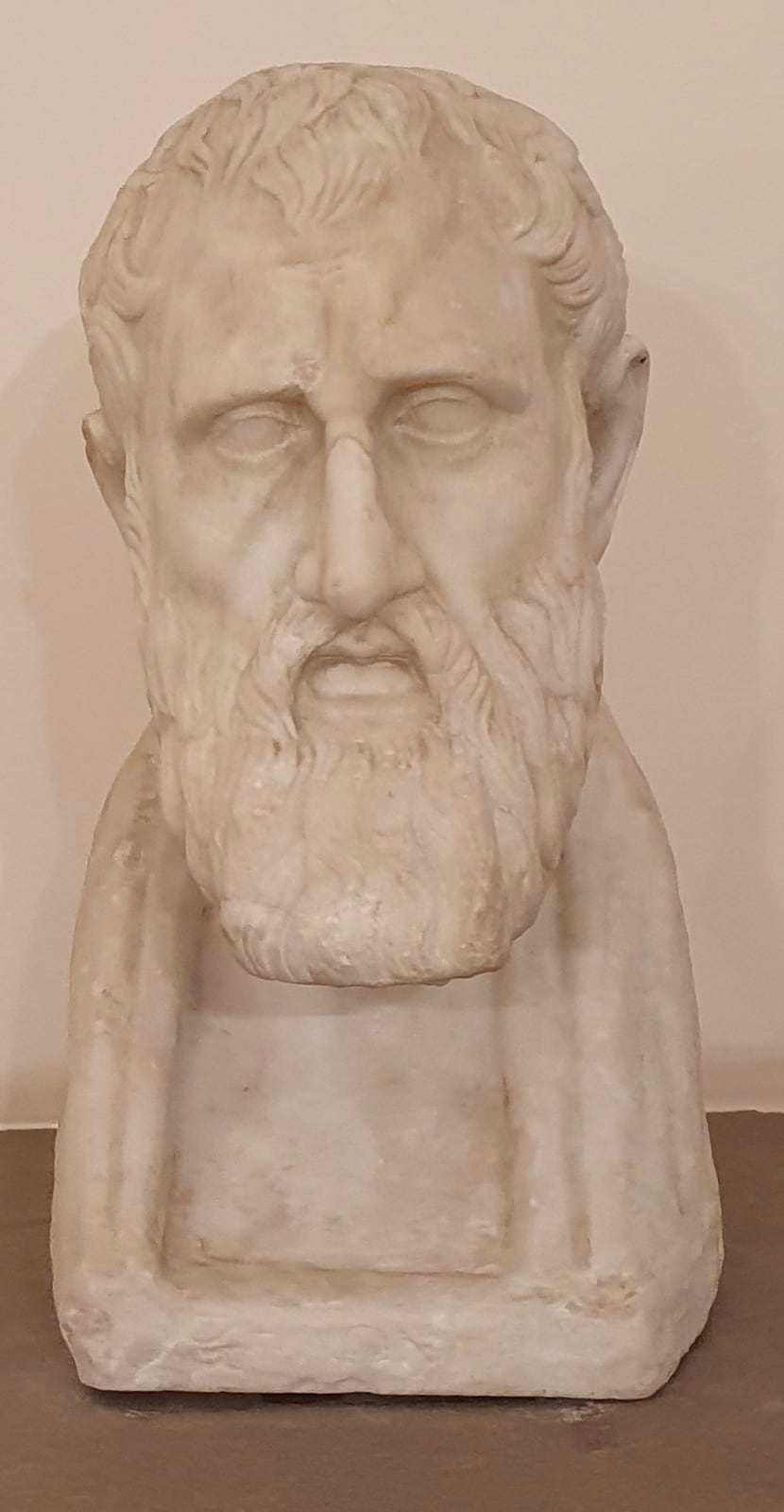
Zeno of Citium
Ils concordent sur: Qui suis-je ? Existe-t-il un vrai soi ? · Que se passe-t-il après la mort ? · Comment atteint-on la libération ou le salut ?
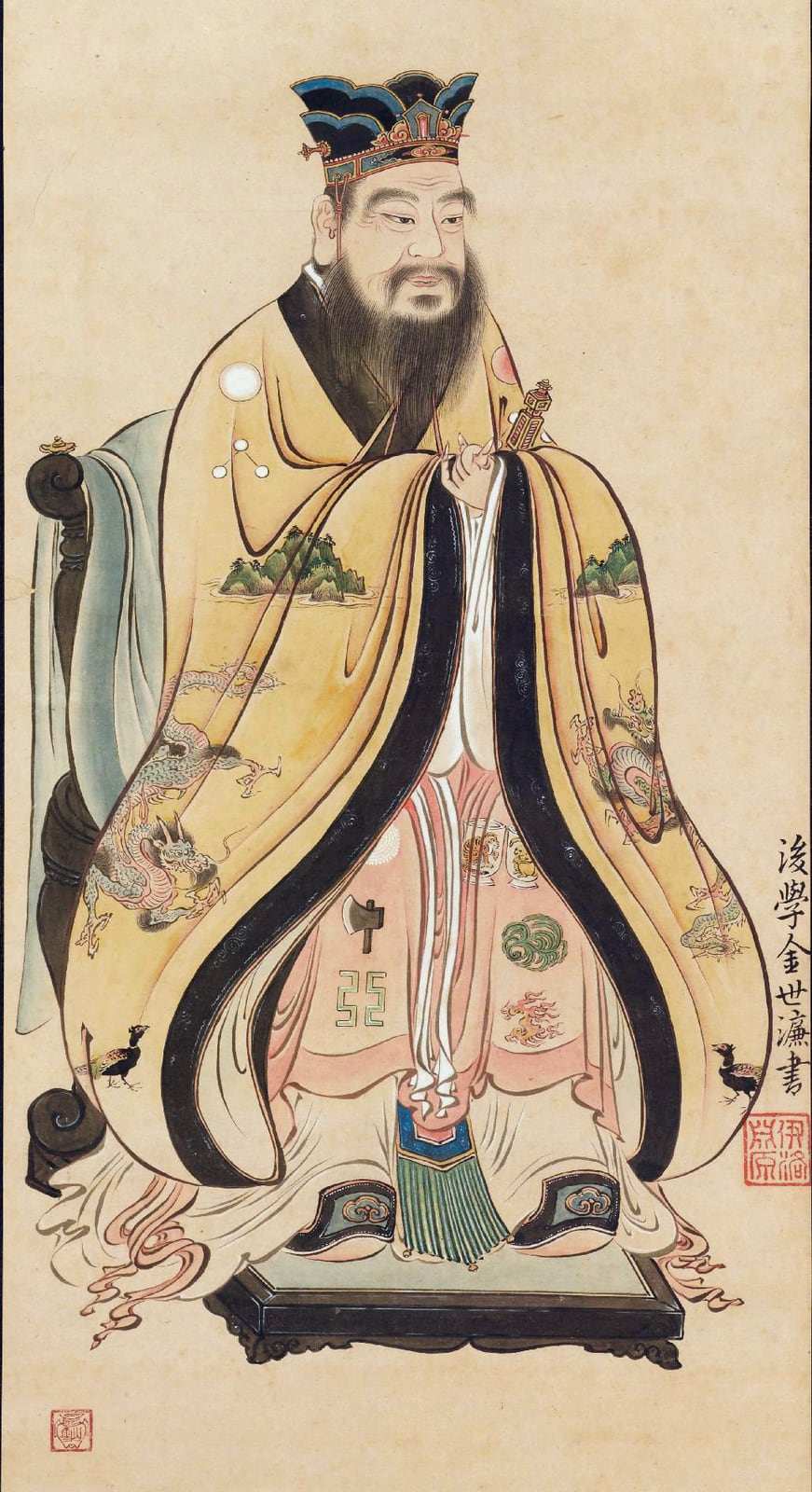
Confucius
Ils concordent sur: Sommes-nous libres ou tout est-il déterminé ? · Qui suis-je ? Existe-t-il un vrai soi ? · Que se passe-t-il après la mort ?
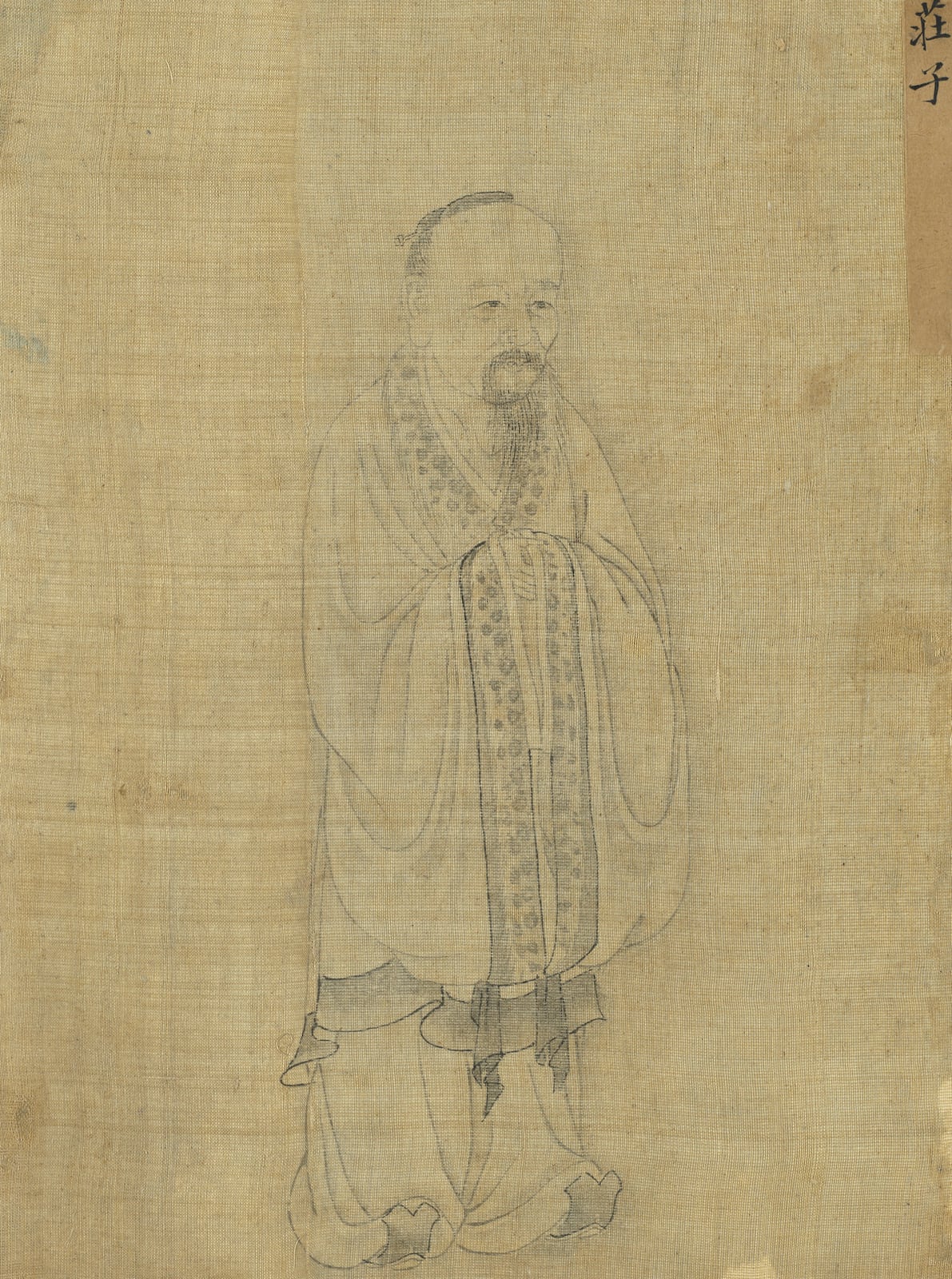
Zhuangzi
Ils concordent sur: Que se passe-t-il après la mort ? · Comment atteint-on la libération ou le salut ? · Faut-il un maître ?
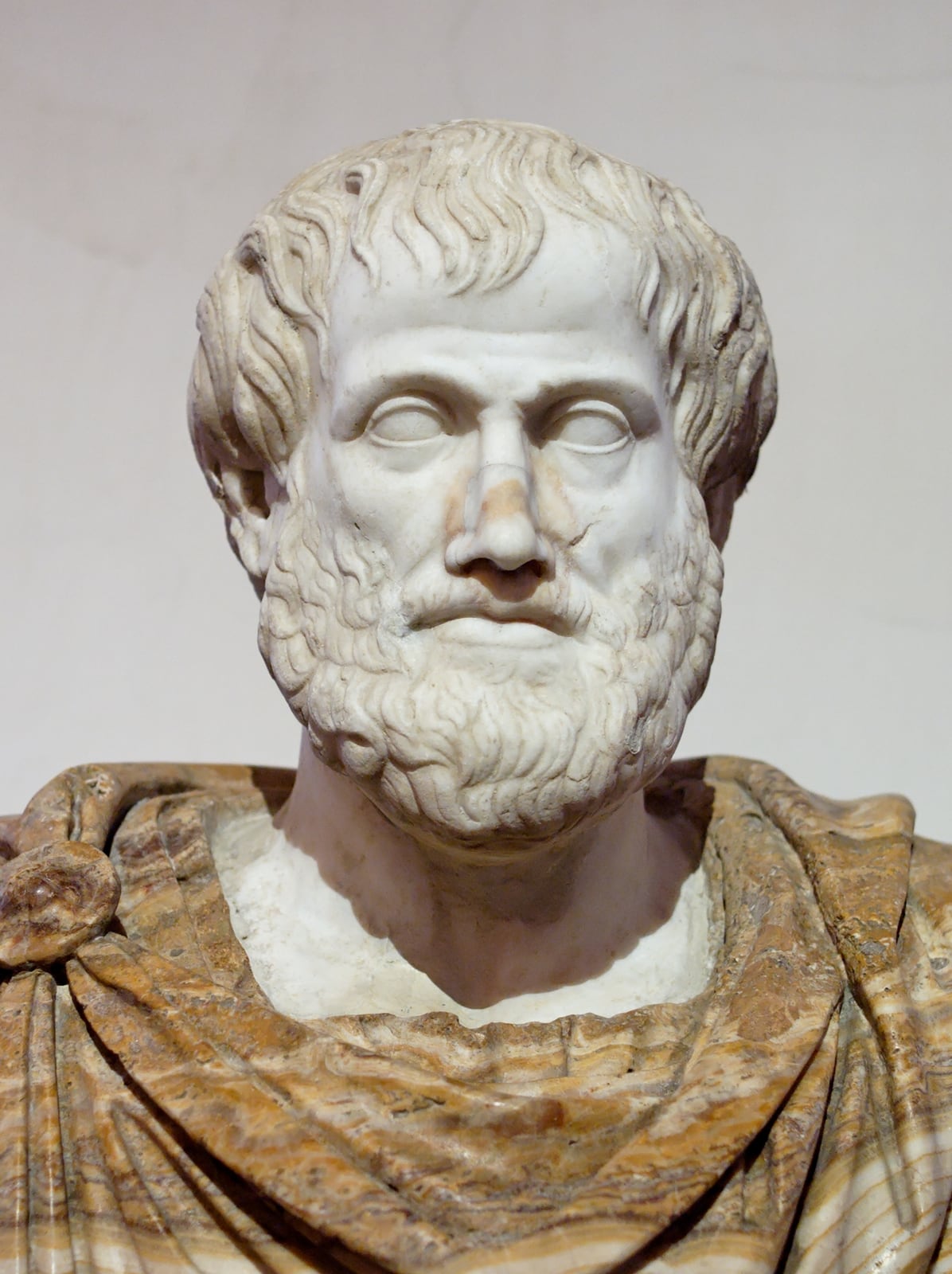
Aristotle
Ils concordent sur: Qui suis-je ? Existe-t-il un vrai soi ? · Que se passe-t-il après la mort ? · Comment atteint-on la libération ou le salut ?
Pense autrement que
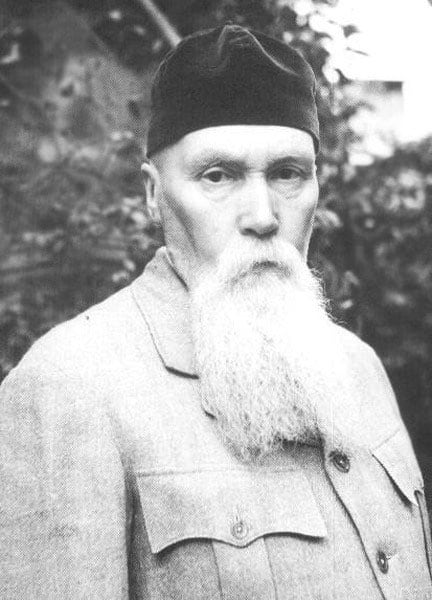
Nicholas Roerich
Ils s'opposent sur: Pourquoi souffrons-nous ? · Faut-il un maître ? · Le monde est-il réel ?
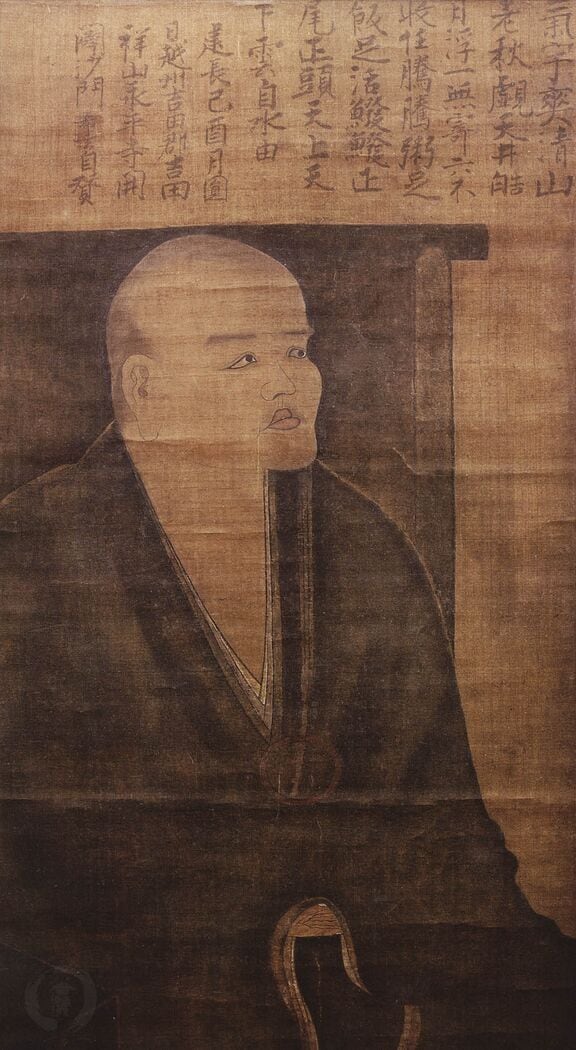
Dōgen
Ils s'opposent sur: Qu'est-ce que l'Absolu ? Dieu existe-t-il ? · Qui suis-je ? Existe-t-il un vrai soi ? · Pourquoi souffrons-nous ?
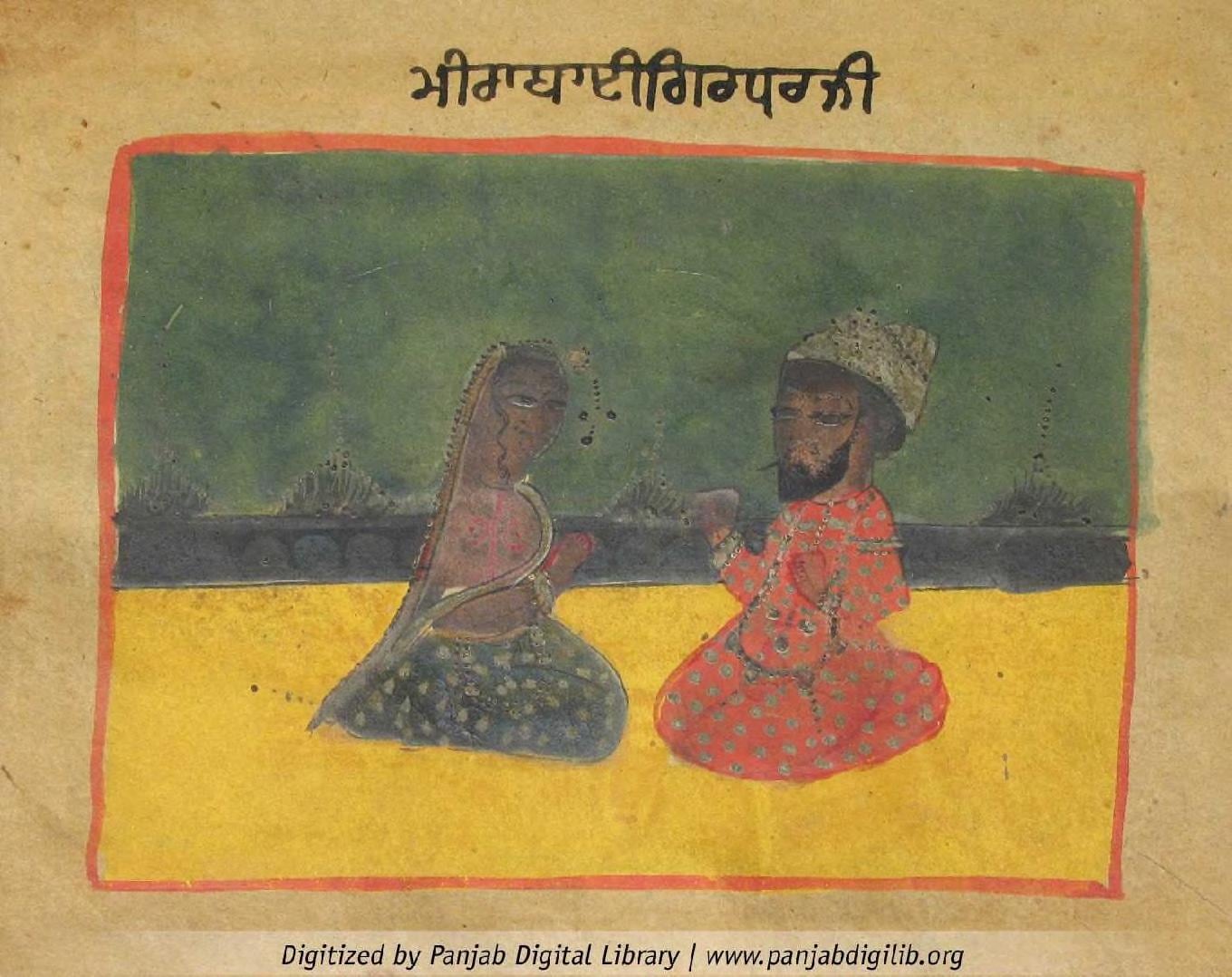
Mirabai
Ils s'opposent sur: Qu'est-ce que l'Absolu ? Dieu existe-t-il ? · Pourquoi souffrons-nous ? · Comment atteint-on la libération ou le salut ?

Nisargadatta Maharaj
Ils s'opposent sur: Qu'est-ce que l'Absolu ? Dieu existe-t-il ? · Qui suis-je ? Existe-t-il un vrai soi ? · Pourquoi souffrons-nous ?
Anecdotes et récits
Anecdotes et récits
Témoignagec. 124–133
Verissimus
Origine du récit: The nickname is recorded by Cassius Dio (LXIX 21) and the Historia Augusta (Marcus 1.10), and the dedication in Justin, First Apology 1. The episode of the cloak and the couch comes only from the Historia Augusta (Marcus 2.6), a late source; the lines about his mother from Meditations I.3.
Témoignagedécada del 160
The emperor who went to school
Origine du récit: Cassius Dio LXXI (LXXII Cary) 1.2; Historia Augusta, Marcus 3.1–2; Meditations I.8–9. The later anecdote in which a philosopher asks the emperor where he is going with his books and is told that he is going to learn (Philostratus, Lives of the Sophists II.1) has not been checked in this pass.
Témoignagec. 169
The palace auction
Origine du récit: Historia Augusta, Marcus 17.4–5 and 21.9. There is no confirmation in Cassius Dio; Birley considers it plausible, but the source is late and prone to edifying anecdote.
Contesté172 o 174
The miraculous rain
Origine du récit: Cassius Dio LXXII 8–10 (with the Christian rejoinder of the epitomator Xiphilinus); relief on the Column of Marcus Aurelius; Tertullian, Apology 5; Eusebius, Ecclesiastical History V.5. Péter Kovács (2009) gathers and discusses all the sources and the dating. The rain may have been a real event; its religious interpretation is partisan in every version.
Source: Kovács, Péter. Marcus Aurelius' Rain Miracle and the Marcomannic Wars. Leiden: Brill, 2009.
Témoignage175
The letters left unread
Origine du récit: Cassius Dio LXXII 27–29 (epitome). The Historia Augusta (Marcus 25–26 and Life of Avidius Cassius) repeats the story and embellishes it with letters scholars regard as invented.
Documentéc. 176; 1538
The statue saved by a mistake
Origine du récit: The identification with Constantine is recorded in medieval documents that call it "the horse of Constantine"; the 1538 move and the relocation of the original are documented by the Capitoline Museums. Summarised from Smarthistory and general scholarship.
Enseignements
Enseignements
Les notions qui structurent sa pensée, expliquées dans leur contexte.
The inner citadelciudadela-interior
Pierre Hadot took this image as the title of his 1992 study. It draws on the early Stoic doctrine of the soul as ruling reason and on Epictetus' insistence that only our judgements are up to us.
Source: Hadot, Pierre. La Citadelle intérieure. Introduction aux Pensées de Marc Aurèle. París: Fayard, 1992. Trad. inglesa: The Inner Citadel, Harvard University Press, 1998; trad. española: La ciudadela interior, Alpha Decay, 2013.
The three disciplinestres-disciplinas
The scheme comes from Epictetus' Discourses (III.2), which Marcus knew through Junius Rusticus; Hadot made it the key to reading the Meditations.
Source: Hadot, Pierre. La Citadelle intérieure. Introduction aux Pensées de Marc Aurèle. París: Fayard, 1992. Trad. inglesa: The Inner Citadel, Harvard University Press, 1998; trad. española: La ciudadela interior, Alpha Decay, 2013.
The view from abovemirada-desde-lo-alto
Hadot connected it with a tradition running from Plato (Theaetetus) and Cicero's Dream of Scipio to the Stoics; Marcus uses it as therapy rather than theory.
Source: Hadot, Pierre. La Citadelle intérieure. Introduction aux Pensées de Marc Aurèle. París: Fayard, 1992. Trad. inglesa: The Inner Citadel, Harvard University Press, 1998; trad. española: La ciudadela interior, Alpha Decay, 2013.
The river of time and deathfugacidad
The image of the river comes from Heraclitus, whom Marcus quotes several times; the doctrine that death is not an evil is shared by Stoics and Epicureans.
The city of Zeuscosmopolis
The idea of the cosmopolis goes back to Zeno of Citium and Chrysippus; Marcus gives it a personal and affective inflection, tied to patience with others.
Providence or atoms?providencia-o-atomos
It shows Marcus' free use of tradition: he quotes Epicurus respectfully and adopts his argument against fear when it serves him.
Source: Rutherford, R. B. The Meditations of Marcus Aurelius: A Study. Oxford: Clarendon Press, 1989.
Vidéos
Vidéos
Enregistrements, entretiens et documentaires. Les vidéos sont lues depuis YouTube ; elles ne sont pas hébergées ici.
Estoicismo romano (III): Marco Aurelio | La March
Conférence· ES· 2023· 56 min
Fundación Juan MarchChaîne officielle
La filosofía helenística (III): El estoicismo · La March
Conférence· ES· 2022· 59 min
Fundación Juan MarchChaîne officielle
El estoicismo romano: Marco Aurelio
Conférence· ES· 2023· 17 min
UNED RadioChaîne officielle
Cynics, Stoics, Epicureans
Conférence· EN· 2021· 45 min
Gresham CollegeChaîne officielle
Marcus Aurelius' Meditations: The Stoic Ideal
Conférence· EN· 2020· 42 min
Michael Sugrue
A History of Philosophy | 16 Stoicism
Conférence· EN· 2015· 63 min
wheatoncollegeChaîne officielle
The philosophy of Stoicism - Massimo Pigliucci
Analyse· EN· 2017· 5 min
TED-EdChaîne officielle
The Equestrian Sculpture of Marcus Aurelius
Analyse· EN· 2026· 7 min
SmarthistoryChaîne officielle
Equestrian Sculpture of Marcus Aurelius
Analyse· EN· 2010· 3 min
SmarthistoryChaîne officielle
Bernard Collette | l'action politique de Marc Aurèle à la lumière du stoïcisme
Conférence· FR· 2018· 51 min
Faculté de philosophie - Université LavalChaîne officielle
Et si on s'était trompé sur Marc Aurèle ? - Dialogue avec Pierre Vesperini
Entretien· FR· 2024· 57 min
Dialogues par Fabrice Midal
Marco Aurelio, il principe filosofo. Stoicismo, arte del governo e diritti individuali
Conférence· IT· 2020· 86 min
Istituto Bruno LeoniChaîne officielle
Galerie
Galerie
Images dont la licence a été vérifiée. Chacune conserve son auteur et son attribution.
Manuscrits
Manuscrits
Témoins manuscrits et textes anciens, avec leur dépositaire et leurs conditions de consultation.
GRC · Minúscula griega · Obra de c. 170–180; copia del s. XIV
Τὰ εἰς ἑαυτόν (en un códice misceláneo)
- Témoin conservé
- Único manuscrito medieval que conserva la mayor parte de la obra
- Dépositaire
- Biblioteca Apostólica Vaticana · Vat. gr. 1950
GRC · Minúscula griega · Copia medieval de fecha desconocida
Codex Palatinus (perdido)
- Témoin conservé
- Manuscrito usado por Xylander para la editio princeps de 1558; se perdió después
- Dépositaire
- Perdido
LA · Mayúscula latina (texto inferior) · Cartas de c. 139–166; copia de la Antigüedad tardía (s. V–VI)
Palimpsesto de Frontón (Vat. lat. 5750 + Ambrosianus E 147 sup.)
- Témoin conservé
- Palimpsesto: el texto de Frontón fue raspado para copiar encima las actas del concilio de Calcedonia
- Dépositaire
- Biblioteca Apostólica Vaticana y Biblioteca Ambrosiana (Milán) · Vat. lat. 5750; Ambr. E 147 sup.
- Numérisation
- digi.vatlib.it/view/MSS_Vat.lat.5750…
Relations
Relations
Influences, filiations et affinités. On distingue la relation documentée de la similitude identifiée par analyse.
A reçu l'influence de
Junius Rusticus introduced him to the notes of Epictetus' lectures (Meditations I.7). Marcus quotes him often (IV.41, XI.34–39) and adopts his distinction between what is and is not up to us.
Relation documentée
A reçu l'influence de
His teachers of philosophy, Junius Rusticus and Apollonius, "professed Zeno's doctrines" (Cassius Dio LXXII 35). Marcus belongs to the school Zeno founded.
Relation documentée
A reçu l'influence de
Socrates appears in the Meditations as a model of life and death (III.6, VII.66, XI.23–28); Marcus sets him beside Diogenes and Heraclitus against Alexander, Caesar and Pompey (VIII.3).
Relation documentée
A reçu l'influence de
He quotes the Republic and the Apology (VII.35, VII.44–46) and knew the maxim that states prosper if philosophers rule them, which according to the Historia Augusta he often repeated (Marcus 27.7). He endowed a Platonist chair at Athens.
Relation documentée
Idées proches de
He does not quote Aristotle, but studied with the Peripatetic Claudius Severus (Historia Augusta, Marcus 3.3) and endowed an Aristotelian chair at Athens (Cassius Dio LXXII 31). They agree that the human good is activity in accordance with reason and on the social nature of man.
Similitude identifiée par analyse
A reçu l'influence de
Despite the rivalry between schools, he quotes Epicurus approvingly on how to bear pain and illness (VII.33, VII.64, IX.41) and often poses the dilemma "providence or atoms". He also endowed an Epicurean chair at Athens.
Relation documentée
A reçu l'influence de
He quotes Heraclitus several times (IV.46, VI.42) and adopts his image of time as a river.
Relation documentée
Idées proches de
Plotinus was born around 205, a generation after Marcus' death, and does not mention him. Both practise philosophy as an inner conversion: Marcus' "retire into yourself" and Plotinus' "go back into yourself" (Enneads I.6.9) have been compared by Pierre Hadot.
Similitude identifiée par analyse
Idées proches de
There is no evidence that Augustine read the Meditations. They are compared as two great ancient writings of self-examination in the second person, although the Confessions are addressed to God and the Meditations to their own author.
Similitude identifiée par analyse
Sources
Sources
Bibliographie et catalogues consultés pour cette fiche.
- Wikidata, entidad Q1430 «Marcus Aurelius» (176 enlaces entre wikis; P31=Q5). Registra nacimiento el 26-4-121 en Roma y muerte el 17-3-180 en Vindobona.
- Historia Augusta, «Vida de Marco Antonino el Filósofo» (Vita Marci Antonini Philosophi). Trad. inglesa de David Magie, The Scriptores Historiae Augustae, vol. I, Loeb Classical Library 139. Londres: Heinemann, 1921 (texto en LacusCurtius). Fuente tardía (finales del s. IV) y poco fiable en muchos pasajes.
- Dion Casio, Historia romana, epítome de los libros LXXI–LXXII. Trad. inglesa de Earnest Cary, Dio's Roman History, vol. IX, Loeb Classical Library 177. Londres: Heinemann, 1927 (texto en LacusCurtius; numeración de Cary).
- Birley, Anthony R. Marcus Aurelius: A Biography. Ed. revisada. Londres: B. T. Batsford, 1987 (reimpr. Routledge, 2000).
- Hadot, Pierre. La Citadelle intérieure. Introduction aux Pensées de Marc Aurèle. París: Fayard, 1992. Trad. inglesa: The Inner Citadel, Harvard University Press, 1998; trad. española: La ciudadela interior, Alpha Decay, 2013.
- Kamtekar, Rachana. «Marcus Aurelius». Stanford Encyclopedia of Philosophy, ed. Edward N. Zalta (publicada en 2010, revisión sustancial de 2025).
- Marco Aurelio. Τὰ εἰς ἑαυτόν (Meditaciones). Texto griego en Wikisource en griego; trad. inglesa de George Long, The Thoughts of the Emperor Marcus Aurelius Antoninus (Londres, 1862), en Wikisource en inglés.
- Frontón, Marco Cornelio. The Correspondence of Marcus Cornelius Fronto with Marcus Aurelius Antoninus, Lucius Verus, Antoninus Pius, and Various Friends. Ed. y trad. de C. R. Haines. 2 vols., Loeb Classical Library 112–113. Londres: Heinemann, 1919–1920.
- Rutherford, R. B. The Meditations of Marcus Aurelius: A Study. Oxford: Clarendon Press, 1989.
- Hays, Gregory. «Introduction», en Marcus Aurelius, Meditations: A New Translation. Nueva York: Modern Library, 2003.
- «Marcus Aurelius», Wikipedia en inglés, y «Marco Aurelio», Wikipedia en español (consultadas para hechos verificables y bibliografía; texto propio).
- Richlin, Amy. Marcus Aurelius in Love: The Letters of Marcus and Fronto. Chicago: University of Chicago Press, 2006.
- Eusebio de Cesarea. Historia eclesiástica, V 1–5. Trad. inglesa de Kirsopp Lake, Ecclesiastical History, vol. I, Loeb Classical Library 153. Londres: Heinemann, 1926; Tertuliano, Apologético 5.
- Kovács, Péter. Marcus Aurelius' Rain Miracle and the Marcomannic Wars. Leiden: Brill, 2009.
- Gibbon, Edward. The History of the Decline and Fall of the Roman Empire, vol. I, cap. III. Londres: Strahan y Cadell, 1776 (texto en Project Gutenberg).
- Mill, John Stuart. On Liberty, cap. II. Londres: John W. Parker and Son, 1859 (texto en Project Gutenberg).
- Aurelio Víctor, Liber de Caesaribus 16, 14 (muerte en Vindobona); Tertuliano, Apologeticum 25, 5 (muerte en Sirmio). Discusión de ambas noticias en Birley 1987, cap. 10.
- Harris, Beth, y Steven Zucker. «The Equestrian Sculpture of Marcus Aurelius». Smarthistory, 2026 (vídeo).
- Biblioteca Apostólica Vaticana, Vat. lat. 5750 (palimpsesto de Frontón; texto superior: actas del concilio de Calcedonia). Digitalización en DigiVatLib.
- Gill, Christopher. «Introduction», en Marcus Aurelius, Meditations, trad. de Robin Hard. Oxford World's Classics. Oxford: Oxford University Press, 2011.
- Real Academia Española. Antonio de Guevara, Libro áureo de Marco Aurelio, ed. crítica de Emilio Blanco, Biblioteca Clásica de la RAE.
- Oliver, James H. Marcus Aurelius: Aspects of Civic and Cultural Policy in the East. Hesperia Supplements 13. Princeton: American School of Classical Studies at Athens, 1970.
- Justino Mártir, Primera apología, apéndice con la «Carta de Marco Aurelio al Senado». Trad. inglesa en Ante-Nicene Fathers, vol. I, ed. A. Roberts y J. Donaldson. Buffalo: Christian Literature Publishing, 1885.
- Ayant droit
- Textos antiguos en dominio público; cada traducción y edición moderna pertenece a su traductor o editorial
En attente de confirmation
Ce que cette fiche n'a pas encore pu établir. Nous préférons le dire plutôt que de combler.
- Últimas palabras: cotejar el texto griego de Dion Casio LXXII 34, 1 (ed. Boissevain) para rellenar text_original; hoy solo se da la traducción de Cary.
- Manuscrito Vat. gr. 1950: no se ha localizado su digitalización en DigiVatLib (404 el 2026-10-25); comprobar si existe con otra signatura o en otra plataforma.
- Alianza, «Meditaciones o Soliloquios» (ISBN 9788420688466, trad. Antonio Guzmán Guerra): confirmar año en el colofón; la edición de Alianza de 1985 (ISBN 9788420636740) aparece en Open Library sin traductor.
- Libro áureo de Marco Aurelio (RAE, ed. Emilio Blanco): falta año e ISBN verificados.
- Ediciones con ISBN en francés (Les Belles Lettres, Pierre Hadot / A. I. Trannoy), alemán (Reclam, Insel) e italiano no registradas en esta pasada.
- El Digesto de Justiniano (trad. Alan Watson, 1985) se registra sin ISBN; las constituciones de Marco Aurelio no se han inventariado una a una.
- Anécdota de Filóstrato (Vidas de los sofistas II 1) sobre el emperador que va a clase: no cotejada.
- Sin programa de afiliación verificado ni titular de derechos: Marco Aurelio es autor antiguo; las editoriales citadas no se han comprobado como programas de afiliados.
Recherche effectuée le 2026-10-25