Hindouisme · Bouddhisme · Christianisme orthodoxe · Théosophie
Nicholas Roerich
Николай Константинович Рерих
1874 – 1947Personne historiquement documentée
Nicolas Roerich (1874-1947), peintre, écrivain, archéologue et décorateur de théâtre russe, fut l'un des grands symbolistes de son pays : il conçut Le Sacre du printemps avec Stravinsky, peignit plus de sept mille œuvres — souvent consacrées à l'Himalaya — et dirigea l'expédition d'Asie centrale (1925-1928). Il inspira le Pacte Roerich (1935), l'un des premiers traités de protection du patrimoine culturel en temps de guerre, et fonda avec son épouse Helena l'enseignement de l'Agni Yoga. Il mourut dans la vallée de Kullu, en Inde.
- œuvres
- 33œuvres
- éditions
- 77éditions
- citations
- 6citations
- vidéos
- 15vidéos
- images
- 10images
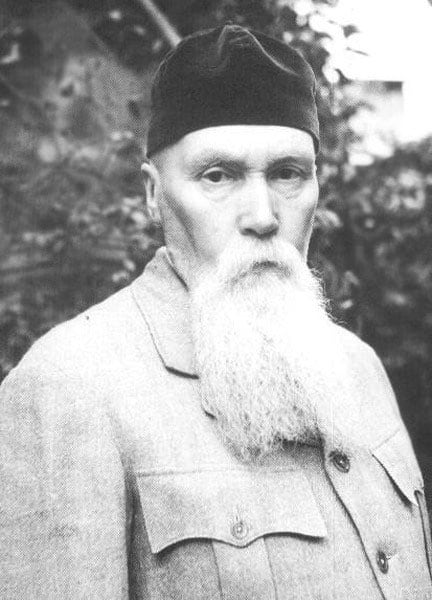
Nicolás Roerich en la India, década de 1940 · Public domain
Dans ses propres mots
«Simplicity — Beauty — Fearlessness: so it is ordained! Fearlessness is our guide. Beauty is the ray of comprehension and upliftment.»Shambhala (Nueva York: Stokes, 1930), ensayo «Star of the Mother of the World» (Talai-Pho-Brang, 1924), p. 141

Pour commencer, une œuvre
Altai-HimalayaSon idée centrale
Peace through Culture: A formula summing up Roerich's public programme from the 1920s on: culture—art, science, education, heritage—is not an ornament of civilisation but its moral foundation, and defending it is the surest road to peace between peoples.
Le voir en contexte
Biographie
6 min de lecture
Traduction assistée à partir de l'original espagnol, en attente de relecture par un traducteur natif.
Des archives de pierres et de légendes
Nikolaï Konstantinovitch Roerich naquit à Saint-Pétersbourg le 9 octobre 1874 (27 septembre selon le calendrier julien), fils aîné du notaire Konstantin Roerich, d'origine germano-balte, et de Maria Kalachnikova, issue d'une famille de marchands. Dans la maison familiale et dans le domaine d'Izvara, au sud de la capitale, l'enfant collectionna minéraux et monnaies et, à neuf ans, accompagna un archéologue dans la fouille des tumulus de la région : le passé enfoui serait la matière de toute son œuvre. En 1893, il s'inscrivit à la fois à la faculté de droit de l'université de Saint-Pétersbourg et à l'Académie impériale des beaux-arts, et à partir de 1895 il travailla dans l'atelier du paysagiste Arkhip Kouïndji.
En 1897, il acheva l'Académie avec Le Messager, une scène de la Russie primitive que Pavel Tretiakov acheta pour sa galerie. Selon le récit que Roerich lui-même écrivit des décennies plus tard, le critique Vladimir Stassov l'envoya alors rendre visite à Léon Tolstoï, qui lui conseilla de toujours gouverner la barque au-dessus du point qu'on veut atteindre, parce que le courant emporte. Dans le même temps, il fouillait dans les gouvernements de Saint-Pétersbourg, de Novgorod et de Tver et publiait ses premiers rapports de terrain ; sa collection d'objets de l'âge de pierre, qui finit par dépasser les trente mille pièces, est aujourd'hui conservée à l'Ermitage.
Le peintre de l'ancienne Russie
En 1901, il épousa Elena (Helena) Ivanovna Chapochnikova, fille d'un architecte et apparentée à Moussorgski par sa mère, pianiste et lectrice insatiable, qui serait sa collaboratrice en toute chose ; en 1902 naquit Iouri (George), le futur tibétologue, et en 1904 Sviatoslav, peintre lui aussi. En 1903 et 1904, le couple parcourut plus de quarante villes anciennes de Russie ; de ce voyage sortirent quelque quatre-vingt-dix études d'architecture et une campagne pionnière pour la défense d'églises, de remparts et d'icônes laissés à l'abandon. À partir de 1906, il dirigea l'école de la Société impériale d'encouragement des arts, dont il fit un atelier réunissant tous les arts sous un même toit, et en 1910 il prit la présidence du groupe Mir iskousstva (« Le Monde de l'art »).
Sa renommée européenne lui vint du théâtre. Pour les Ballets russes de Serge de Diaghilev, il conçut en 1909 les Danses polovtsiennes du Prince Igor et, en 1913, les décors et les costumes du Sacre du printemps, dont il imagina l'argument — un sacrifice rituel dans la Russie païenne — avec Igor Stravinsky. La première du 29 mai 1913, au Théâtre des Champs-Élysées, s'acheva en tumulte. Il travailla aussi pour des sanctuaires : la fresque et la mosaïque de l'église du Saint-Esprit de la princesse Maria Tenicheva à Talachkino, et les vitraux du temple bouddhique de Saint-Pétersbourg.
La guerre et le tournant vers l'Orient
Vers 1905, les motifs de l'Inde apparaissent dans ses essais et sur ses toiles. Les Roerich lisaient Ramakrishna et Vivekananda, la Bhagavad-Gîtâ, Tagore et la littérature théosophique ; Helena traduirait en russe, des années plus tard, La Doctrine secrète de Blavatsky. En 1916, atteint de pneumonie, il s'installa avec sa famille à Serdobol (Sortavala), dans la Carélie finlandaise ; après la révolution d'Octobre, dont il redoutait la violence surtout pour le sort du patrimoine artistique, la famille se retrouva du côté finlandais de la frontière et ne revint plus.
Par la Suède, ils gagnèrent Londres en 1919, où Roerich travailla comme décorateur pour Thomas Beecham. C'est là qu'au printemps 1920 commencèrent des séances spirites familiales — de tables tournantes et d'écriture automatique — au cours desquelles, selon les Roerich, se manifesta le mahatma Morya : le noyau de ce qui deviendrait l'Agni Yoga ou « Éthique vivante », qu'Helena recevrait ensuite par « clairaudience ». Le cycle de poèmes Fleurs de Morya, commencé en 1907, parut à Berlin en 1921. Comme l'a reconstitué Alexandre Andreyev à partir de leurs carnets, ces messages guidèrent dès lors les décisions de la famille.
New York et l'expédition en Asie centrale
Invité par l'Art Institute de Chicago, Roerich arriva aux États-Unis en octobre 1920 avec une exposition qui fit le tour du pays. À New York, il fonda le Master Institute of United Arts (1921), le centre Corona Mundi (1922) et, en novembre 1923, le premier Roerich Museum, financé par l'agent de change Louis Horch ; en 1929, toutes ces institutions s'installèrent dans le Master Building, un gratte-ciel de Riverside Drive. En mai 1923, la famille partit pour l'Inde et s'établit à Darjeeling.
De 1925 à 1928, les Roerich parcoururent le Cachemire, le Ladakh, le Turkestan chinois, l'Altaï, la Mongolie et le Tibet au cours de ce qu'on appelle l'expédition d'Asie centrale. Présentée comme une entreprise artistique et scientifique sous pavillon américain, elle poursuivait un dessein propre : une « Union sacrée de l'Orient », fédération bouddhique de l'Asie intérieure annoncée par la venue de Maitreya et du royaume de Shambhala. À l'été 1926, Roerich fit halte à Moscou, remit au commissariat aux Affaires étrangères un message attribué aux mahatmas et un coffret de terre himalayenne destiné au tombeau de Lénine, et demanda un appui pour le projet ; les Soviétiques lui accordèrent des facilités, mais ne s'engagèrent pas. En octobre 1927, les autorités tibétaines arrêtèrent la caravane au nord de Nagchu : elle passa cinq mois sous des tentes d'été, à quelque quatre mille cinq cents mètres, et cinq de ses membres y moururent.
Le Pacte et la rupture américaine
En 1928, la famille s'établit dans la vallée de Kullu, à Naggar, où elle fonda l'Institut d'études himalayennes Urusvati. L'année suivante, Roerich présenta, avec les juristes Georges Chklaver et Albert de La Pradelle, le projet d'un traité destiné à protéger les monuments et les institutions culturelles en temps de guerre, doté d'un emblème propre, la Bannière de la Paix : trois sphères dans un cercle. Le 15 avril 1935, à la Maison-Blanche, les États-Unis et vingt autres républiques américaines signèrent le Traité pour la protection des institutions artistiques et scientifiques et des monuments historiques, connu sous le nom de Pacte Roerich. Son promoteur fut proposé pour le prix Nobel de la paix en 1929, 1932 et 1935.
Le secrétaire à l'Agriculture Henry A. Wallace, admirateur de Roerich, lui confia en 1934-1935 une expédition en Mandchourie et en Mongolie-Intérieure pour recueillir des semences de plantes résistantes à la sécheresse. La mission s'acheva sur des tensions diplomatiques ; Wallace rompit avec lui en 1935 et, la même année, Louis Horch et d'autres administrateurs l'écartèrent de ses institutions new-yorkaises ; un procès leur attribua ensuite la propriété du Master Building. Les lettres dans lesquelles Wallace appelait Roerich « cher Gourou », divulguées par la presse en 1948, poursuivirent l'homme politique pendant sa campagne présidentielle.
Kullu
À partir de la fin de 1935, Roerich ne quitta plus l'Inde. À Naggar, il peignit des milliers d'études de l'Himalaya et des séries consacrées à Shambhala, au Tibet et à Kullu. Il publia des recueils d'essais à Riga et en Inde — Portes vers l'avenir, L'Indestructible, Himavat, Himalaya, demeure de lumière — et écrivit presque chaque jour ses « feuillets de journal ». En 1942, il reçut Jawaharlal Nehru et sa fille Indira. Ses demandes de retour en Union soviétique, réitérées depuis 1936, restèrent sans réponse. Il mourut à Naggar le 13 décembre 1947 et fut incinéré deux jours plus tard ; une pierre gravée marque l'endroit.
Le documenté et le transmis
Ce qui est documenté, c'est un peintre de plus de sept mille œuvres, un archéologue et un décorateur de premier plan dans la Russie du tournant du siècle, un infatigable fondateur d'institutions et l'inspirateur de l'un des premiers traités internationaux consacrés au patrimoine culturel. Ce que transmettent les mouvements roerichiens — que le mahatma Morya guidait ses pas, que l'expédition cherchait Shambhala ou que des lamas le reconnurent comme l'incarnation du cinquième dalaï-lama — provient des journaux de la famille et de ses fidèles ; la recherche récente l'étudie comme partie de sa biographie sans le tenir pour vérifié. Sa peinture est aujourd'hui répartie entre New York, Moscou, Saint-Pétersbourg, l'Inde, la Lettonie et la Bulgarie.
Sources: Decter, Jacqueline (con el Nicholas Roerich Museum). Nicholas Roerich: The Life and Art of a Russian Master. Rochester (Vermont): Park Street Press, 1989. · McCannon, John. Nicholas Roerich: The Artist Who Would Be King. Pittsburgh: University of Pittsburgh Press, 2022. · Andreyev, Alexandre. The Myth of the Masters Revived: The Occult Lives of Nikolai and Elena Roerich. Leiden/Boston: Brill, 2014 (Aries Book Series, 18). · Znamenski, Andrei. Red Shambhala: Magic, Prophecy, and Geopolitics in the Heart of Asia. Wheaton (Illinois): Quest Books, 2011. · Roerich, Nicholas. Altai-Himalaya: A Travel Diary. Introducción de Claude Bragdon. Nueva York: Frederick A. Stokes, 1929.
Chronologie
La vie, année après année
Chaque point est un événement documenté. Cliquez pour le lire, avec sa source et son degré de certitude.
9 octobre 18740 ansSan Petersburgo
Birth
Nikolai Konstantinovich Rerikh is born, son of the notary Konstantin Rerikh and Maria Kalashnikova. The date corresponds to 27 September in the Julian calendar.
DocumentéNicholas Roerich Museum (Nueva York). «Nicholas Roerich: biographical outline» (Early Years, The Theatrical Years, The Clouds of War, Travel to Other Shores, America, India).
Après sa mort
- 1949The museum refounded
9 octobre 1874 · 0 ans
Birth
Nikolai Konstantinovich Rerikh is born, son of the notary Konstantin Rerikh and Maria Kalashnikova. The date corresponds to 27 September in the Julian calendar.
Documenté
1893 · 18 ans
Law and Fine Arts
He enrols simultaneously in the University's Faculty of Law and the Imperial Academy of Arts; from 1895 he studies in Arkhip Kuindzhi's studio.
Documenté
1897 · 23 ans
The Messenger
His graduation picture, The Messenger, is bought by Pavel Tretyakov. According to his own later account, he visits Leo Tolstoy on Stasov's advice.
Documenté
28 octobre 1901 · 27 ans
Marriage to Helena Shaposhnikova
He marries Helena Ivanovna Shaposhnikova in the church of the Academy of Arts (date in the Julian calendar). Their sons Yuri (1902) and Svetoslav (1904) will follow.
Documenté
1903 – 1904 · 28 ans
Journey through ancient Russia
With Helena he visits more than forty historic towns, paints some ninety architectural studies and begins his campaign for the preservation of monuments.
Documenté
1906 · 31 ans
Director of the School of the Society for the Encouragement of the Arts
He takes over the school, reorganising it with workshops for icons, ceramics, weaving and engraving; he will direct it until the revolution.
Documenté
29 mai 1913 · 38 ans
Premiere of The Rite of Spring
The Ballets Russes premiere at the Théâtre des Champs-Élysées the ballet whose scenario he conceived with Stravinsky and whose sets and costumes he designed. The performance ends in uproar.
Documenté
1916 · 41 ans
Move to Karelia
Ill with pneumonia, he settles with his family on the shore of Lake Ladoga. After the October Revolution the family remains on the Finnish side and will never return to Russia.
Documenté
mars 1920 · 45 ans
Beginning of Agni Yoga
In family spiritualist sessions the first messages attributed to the Mahatma Morya are recorded—the origin of the Living Ethics teaching.
Documenté
octobre 1920 · 46 ans
Arrival in the United States
Invited by the Art Institute of Chicago, he begins a touring exhibition across the country. In 1921 he founds the Master Institute of United Arts.
Documenté
novembre 1923 · 49 ans
Founding of the Roerich Museum
The first museum devoted to his work opens on Riverside Drive, financed by Louis Horch. The family had already left for India in May.
Documenté
1925 – 1928 · 50 ans
The Central Asian Expedition
The family's crossing of Inner Asia begins; it will last until 1928 and Roerich will narrate it in Altai-Himalaya and Heart of Asia.
Documenté
juin 1926 · 51 ans
The Moscow visit
He hands the Soviet authorities a message attributed to the Mahatmas and a casket of Himalayan earth for Lenin's tomb, and seeks support for his project of a Buddhist federation in Asia.
Documenté
6 octobre 1927 · 52 ans
Detention in Tibet
The Tibetan authorities halt the caravan; it spends five months in summer tents at high altitude and five of its members die. In March 1928 it is allowed to leave for Sikkim.
Documenté
juillet 1928 · 53 ans
The Urusvati Institute
The family settles in the Kullu valley and founds the Urusvati Himalayan Research Institute, directed by their son George.
Documenté
1929 · 54 ans
Draft Pact and Nobel nomination
He presents the draft treaty for the protection of cultural heritage, prepared with Georges Chklaver and Albert de La Pradelle. He is nominated for the Nobel Peace Prize, and will be again in 1932 and 1935.
Documenté
1934 – 1935 · 59 ans
The Manchurian expedition
He leads, for the US Department of Agriculture, an expedition in search of drought-resistant plants commissioned by Henry A. Wallace. It ends in diplomatic friction.
Documenté
15 avril 1935 · 60 ans
Signing of the Roerich Pact
The United States and twenty other American republics sign the Treaty on the Protection of Artistic and Scientific Institutions and Historic Monuments, in the presence of Franklin D. Roosevelt.
Documenté
1935 · 61 ans
Break with Louis Horch and with Wallace
The trustees of his New York institutions, led by Horch, remove him from them; a later lawsuit gives them ownership of the Master Building. Wallace also breaks with him.
Documenté
1942 · 67 ans
Visit of Nehru and Indira
He receives Jawaharlal Nehru and his daughter Indira in Kullu; they discuss an Indo-Russian cultural association.
Documenté
13 décembre 1947 · 73 ans
Death
He dies at his house in Naggar. He is cremated on 15 December; an inscribed stone marks the place of cremation.
Documenté
1949
The museum refounded
Sina Fosdick and other associates open the Nicholas Roerich Museum on West 107th Street, which remains open.
Documenté
Œuvres
Œuvres essentielles
Les œuvres sans lesquelles on ne comprend pas son héritage.
Œuvre écrite · 1927
Altai-Himalaya
Алтай — Гималаи (Мысли на коне и в шатре)
Travel diary of the Central Asian Expedition from the voyage to India (1923) to Mongolia (1926), written 'on horseback and in the tent'. It alternates landscape notes, observations on monasteries, legends of Shambhala and Maitreya, stories of Issa gathered in Ladakh, political remarks and reflections on culture. It is the main source for reconstructing Roerich's itinerary and thought in those years, and contains his description of the shining object the caravan saw in the sky over Kukunor on 5 August 1927.
7 éditions

Œuvre écrite · 1929
Heart of Asia
Сердце Азии
A concise account of the Central Asian Expedition written after it ended: the route from Sikkim to Tibet, the detention at Chunargen, the monasteries, the prophecies of Shambhala and Maitreya that Roerich gathered among Buddhists and Old Believers, and a closing essay on the teaching of Shambhala. Shorter and more orderly than Altai-Himalaya, it was the book with which Roerich presented to Western readers the meaning he gave his journey. It was translated into English and Spanish in 1930.
6 éditions

Œuvre écrite · 1930
Shambhala
A book of essays dated between 1925 and 1929 at the places of the expedition, opened by 'Shambhala the Resplendent', a dialogue with a lama about the hidden kingdom of the Kalachakra tradition, and followed by texts on Tibetan Buddhism and art, the 'subterranean dwellers', the 'Star of the Mother of the World', the Urusvati institute, the gods of Kullu and the guru. It is the text in which Roerich sets out most clearly his reading of Shambhala as both symbol and reality, and the one that fixed the Western image of the subject for decades. It should be read as the work of a believer, not as a study of Tibetan Buddhism.
6 éditions

Œuvre écrite · 1921
Flowers of Morya
Цветы Мории
Roerich's only book of poetry: short unrhymed poems grouped in cycles—one of them 'To the Boy'—written between pre-war Russia and emigration. Their tone is that of parable and exhortation; already present are the inner master, the path, the light and the expectation of a new era that would later dominate Agni Yoga. The title alludes to Morya, the Mahatma to whom the family attributed its communications. It has been included in anthologies of Russian free verse.
5 éditions
Toute son œuvre (33)

Realm of Light
1931
Nicholas Roerich
Gates into the Future
The Conscious LibraryGates into the Future
1936

The Invincible
1936

Himavat: Diary Leaves
1946

Himalayas — Abode of Light
1947

Beautiful Unity
1946

Fiery Stronghold
1932

Adamant
1923

Paths of Blessing
1924
Nicholas Roerich
Sacred Vigil
The Conscious LibrarySacred Vigil
1934
Nicholas Roerich
Banner of Peace
The Conscious LibraryBanner of Peace
1934
Nicholas Roerich
To the Woman's Heart
The Conscious LibraryTo the Woman's Heart
1931
Nicholas Roerich
Maitreya
The Conscious LibraryMaitreya
1932
Nicholas Roerich
La Joie de l'Art. L'Âge de pierre. À travers le Thibet
The Conscious LibraryLa Joie de l'Art. L'Âge de pierre. À travers le Thibet
1928
Nicholas Roerich
Collected Works, Book One
The Conscious LibraryCollected Works, Book One
1914
Nicholas Roerich
The Rite of Spring (scenario)
The Conscious LibraryThe Rite of Spring (scenario)
1913
Nicholas Roerich
Violators of Art
The Conscious LibraryViolators of Art
1919
Nicholas Roerich
Tales and Parables
The Conscious LibraryTales and Parables
1916
Nicholas Roerich
Art and Archaeology
The Conscious LibraryArt and Archaeology
1898
Nicholas Roerich
Some Antiquities of the Shelon Pyatina and the Bezhetsk End
The Conscious LibrarySome Antiquities of the Shelon Pyatina and the Bezhetsk End
1899
Nicholas Roerich
The 1899 Excursion of the Archaeological Institute and the Finnic Burials of Saint Petersburg Province
The Conscious LibraryThe 1899 Excursion of the Archaeological Institute and the Finnic Burials of Saint Petersburg Province
1900
Nicholas Roerich
Some Antiquities of the Derevskaya and Bezhetsk Pyatinas
The Conscious LibrarySome Antiquities of the Derevskaya and Bezhetsk Pyatinas
1903
Nicholas Roerich
Through the Old Days
The Conscious LibraryThrough the Old Days
1904
Nicholas Roerich
The Stone Age on Lake Piros
The Conscious LibraryThe Stone Age on Lake Piros
1905
Citations
Citations localisées dans une œuvre précise. Chacune porte sa provenance et son degré de fiabilité.
Simplicity — Beauty — Fearlessness: so it is ordained! Fearlessness is our guide. Beauty is the ray of comprehension and upliftment.VérifiéeShambhala (Nueva York: Stokes, 1930), ensayo «Star of the Mother of the World» (Talai-Pho-Brang, 1924), p. 141
Citations apocryphes ou d'attribution contestée (1)
«'Art will unify all humanity.'»
A widely circulated phrase, used by the Nicholas Roerich Museum itself in its presentation, but quoted without reference to a specific work. It has not been found in the texts consulted (Altai-Himalaya, Shambhala, Heart of Asia, Himalayas—Abode of Light); it is recorded as of unverified origin until the source essay is found.
Dernières paroles
Il n'existe aucun témoignage vérifiable de ses dernières paroles.
There is no reliable record of his last words. He died at his house in Naggar on 13 December 1947 surrounded by his family; what survives from those days are Helena Roerich's letters, which describe the day of the cremation—windless, the mountains freshly covered in snow—and the inscription on the stone raised at the spot.
Source: «Nicholas Roerich», Wikipedia en inglés (Biography, Asian expedition, Manchurian expedition, Later life, Cultural legacy), revisión consultada el 2026-10-25.
Interroger
Ce que répond son œuvre
Douze grandes questions de l'humanité et ce que ses textes permettent d'y répondre, références à l'appui. Nous ne lui prêtons jamais de paroles.
Qu'est-ce que l'Absolu ? Dieu existe-t-il ?
He does not theorise about God: he speaks of Beauty, Knowledge and the mahatmas
Ne s'est pas prononcé
Nicholas Roerich left no explicit doctrine of the Absolute. His essays in Shambhala, Altai-Himalaya or Heart of Asia speak of Beauty as a ray of understanding and elevation, of Knowledge, of the mahatmas said to have lived in Sikkim and of the expectation of Maitreya, and they treat Orthodox saints, Tibetan Buddhism and Hindu traditions with equal respect. The question of God's nature is, in his work, absorbed into a religiosity of culture and sacred landscape. The metaphysical formulation of the family circle belongs to Agni Yoga, written down by his wife Helena and presented as dictated by the mahatma Morya; ascribing that theology to Nicholas would go beyond what he signed.
Comparer cette question avec d'autres maîtresQui suis-je ? Existe-t-il un vrai soi ?
He left no doctrine of the self; his work looks to culture and landscape
Ne s'est pas prononcé
Nicholas Roerich did not address the question of the self systematically. His books of essays and travel diaries, such as Altai-Himalaya, Heart of Asia or Shambhala, collect legends, conversations with lamas and reflections on art, beauty and peace, but do not propose an anthropology. He shares with his wife the general framework of Theosophy and Agni Yoga, in which the human being is a soul evolving through many lives, and he mentions Asian beliefs in rebirth as a matter of course; but that doctrine is formulated in Helena's books, not in his. The nearest thing to an answer of his own is his insistence that the human being is raised by beauty and culture, which he considers the way to the best in oneself.
Comparer cette question avec d'autres maîtresPourquoi souffrons-nous ?
Ignorance and the destruction of culture breed war and pain
Le désordre social et moralCela se déduit de sa doctrine
Nicholas Roerich did not elaborate a theory of individual suffering, but he did offer a diagnosis of collective pain. A witness of the First World War and the revolution, he attributed barbarism to ignorance and to the loss of the sense of beauty and the sacred, and saw in culture, which he understood as the cult of light, the remedy against violence. From that conviction arose his campaign for an international treaty protecting monuments, museums and scientific institutions in wartime, with the Banner of Peace as its emblem, signed in 1935 as the Roerich Pact. His essays, gathered in books such as Banner of Peace, repeat that where culture degrades, hatred and destruction grow. Suffering is, in his work, above all a disorder of civilisation.
Comparer cette question avec d'autres maîtresQue se passe-t-il après la mort ?
He wrote no doctrine of the afterlife; he leaves it to Agni Yoga
Ne s'est pas prononcé
Nicholas Roerich devoted no writings of his own to explaining what happens after death. In his travel diaries through Central Asia he records with interest Tibetan and Mongolian beliefs about rebirth, reincarnated lamas and subtle worlds, and his painting often depicts saints, ascetics and heavenly dwellings; but these are the materials of a chronicler and an artist, not a systematic teaching. The doctrinal framework in which the family moved, that of Theosophy and Agni Yoga, teaches reincarnation according to karma and life in the subtle and fiery worlds, and it is formulated in the books Helena Roerich wrote down. Ascribing that doctrine to him as a position he wrote would go beyond what his texts allow us to state.
Comparer cette question avec d'autres maîtresComment atteint-on la libération ou le salut ?
He does not speak of personal salvation: his horizon is raising human culture
Ne s'est pas prononcé
Nicholas Roerich formulated no doctrine of liberation or individual salvation. His essays speak of elevation, of ascent towards light and of a better future, which he associates with the coming of Maitreya and the tradition of Shambhala, but that hope is collective and bound up with culture, beauty and peace among peoples. Labour, simplicity and fearlessness appear as virtues of the way, and beauty as a ray of understanding, without being ordered into a method. The disciplines of thought and heart the family followed are set out in Agni Yoga, written down by Helena Roerich. His painting and writings prefer to show the horizon rather than trace the path.
Comparer cette question avec d'autres maîtresFaut-il un maître ?
He reveres the Asian figure of the Teacher and the mahatmas of the Himalaya
IndispensableCela se déduit de sa doctrine
In his travel books and essays, Nicholas Roerich treats with reverence the relation between teacher and disciple as he saw it in India, Tibet and Mongolia, and proposes it as a model against Western individualism. His pages on Sikkim recall that the mahatmas were said to have been there, and the Central Asian Expedition was presented in part as a mission connected with them; Helena and he regarded themselves as disciples of the mahatma Morya, from whom the teaching of Agni Yoga was said to come. He also admired the Russian saintly teachers, such as Sergius of Radonezh, whom he painted repeatedly. His work sets out no theory of initiation, but it takes for granted that the highest knowledge is received from those who guard it and is not improvised.
Comparer cette question avec d'autres maîtresLe monde est-il réel ?
Behind the visible mountains lies a subtler reality: Shambhala
Des plans d'existenceCela se déduit de sa doctrine
Nicholas Roerich's painting and writing present the visible world as the veil of a subtler one. His Himalayan pictures, with almost transparent mountains and figures of saints and messengers, and his books Shambhala and Heart of Asia, which gather Tibetan and Mongolian legends about a hidden kingdom of sages, suggest a reality in planes, in which the highest exists but reveals itself only to those who are prepared. In Altai-Himalaya he also records phenomena he interpreted as signs of that other reality. He built no cosmology of his own: the framework of planes of existence he takes from Theosophy and Agni Yoga. His contribution is that of an artist who sought to show the invisible through the visible, without denying the latter its beauty and worth.
Comparer cette question avec d'autres maîtresQu'est-ce que l'amour ?
He left no reflection of his own on love; he speaks of beauty, peace and brotherhood
Ne s'est pas prononcé
Nicholas Roerich did not write on love as a theme of its own. His essays insist on related values, beauty that unites, peace among peoples, respect for the work and culture of others, the brotherhood of those who seek the light, and his campaign for the Pact that bears his name can be read as a form of care for humanity's common heritage. But his books contain no doctrine of love like those of the mystics or the philosophers of his generation, nor any reflection on personal love. Agni Yoga, written down by his wife, treats the heart and love as energy, and its book Brotherhood develops the idea of community, but these are Helena's texts, not Nicholas's.
Comparer cette question avec d'autres maîtresSommes-nous libres ou tout est-il déterminé ?
He did not address the question; his work speaks of duty, labour and fearlessness
Ne s'est pas prononcé
Nicholas Roerich did not write on the problem of freedom and determinism. His essays constantly urge action, work, fearlessness and the building of a better future, which presupposes a practical confidence in the human capacity to choose and transform one's surroundings; and his idea that the past is good as long as it does not hinder the future expresses that orientation. At the same time, he shares with Theosophy and Agni Yoga the belief in a cosmic plan and in the law of karma, which his wife sets out in the books she wrote down. There is no attempt in his writings to articulate the two, nor any reflection on individual destiny. The question lies outside his field, which is culture.
Comparer cette question avec d'autres maîtresPourquoi méditer ou prier ?
He painted ascetics and saints, but did not write on prayer or meditation
Ne s'est pas prononcé
Nicholas Roerich depicted many people at prayer in his painting: Saint Sergius of Radonezh, Himalayan ascetics, Tibetan monks, lamas in meditation. In his travel diaries he describes Central Asian monasteries, rites and practices with respect. But he left no reflection of his own on the meaning of prayer or meditation, nor did he prescribe practices. His essays suggest that the contemplation of beauty, nature and art raises the human being, and that the thought of beauty is so powerful it cannot be kept in silence, but that idea does not become a doctrine of prayer. The indications on communion with the Master and the discipline of the heart belong to Agni Yoga, written down by his wife.
Comparer cette question avec d'autres maîtresLa raison peut-elle connaître l'ultime ?
Beauty and knowledge united; the highest knowledge is kept by hidden sages
Une connaissance ésotériqueCela se déduit de sa doctrine
Nicholas Roerich placed great value on knowledge: he was an archaeologist, founded educational and scientific institutions, such as the Himalayan research institute Urusvati, and in his essays joined science, art and spirituality in a single quest. In Heart of Asia he notes that in Asia, if one speaks in the name of Beauty and Knowledge, one is immediately asked which Beauty and which Knowledge: not just any learning, but the kind that elevates. His books on Shambhala gather the tradition of a kingdom of sages who guard a higher knowledge, and he regarded himself as the bearer of a teaching received from the mahatmas. He wrote no theory of knowledge, but his work assumes that ultimate knowledge exists, is transmitted and can be verified through inner experience.
Comparer cette question avec d'autres maîtresSe retirer du monde ou le transformer ?
Peace through culture: the Roerich Pact and the Banner of Peace
S'engager dans le mondeIl le dit expressément
Nicholas Roerich made cultural action his way of transforming the world. From 1929 he promoted an international treaty to protect monuments, museums and scientific and artistic institutions in time of war and peace, with its own emblem, the Banner of Peace: three spheres within a circle. The Roerich Pact was signed in Washington in 1935 by some twenty American countries and is one of the precedents of the Hague Convention of 1954. His essays, gathered in books such as Banner of Peace or Fiery Stronghold, argue that culture is the path to peace among peoples. He also founded museums, schools and a research institute in the Himalaya. His spirituality did not draw him away from the world: it committed him to the preservation of its beauty.
Comparer cette question avec d'autres maîtres
Affinités et tensions
Affinités et tensions
Calculées question par question à partir de ses positions. La raison de chaque accord ou de chaque désaccord s'affiche d'un clic.
Pense comme
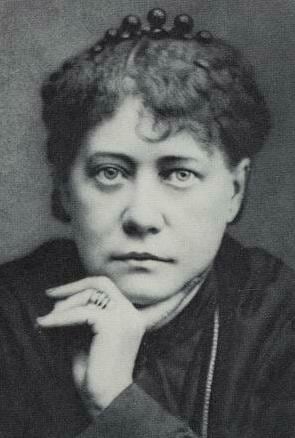
Helena Blavatsky
Ils concordent sur: Faut-il un maître ? · Le monde est-il réel ? · La raison peut-elle connaître l'ultime ?
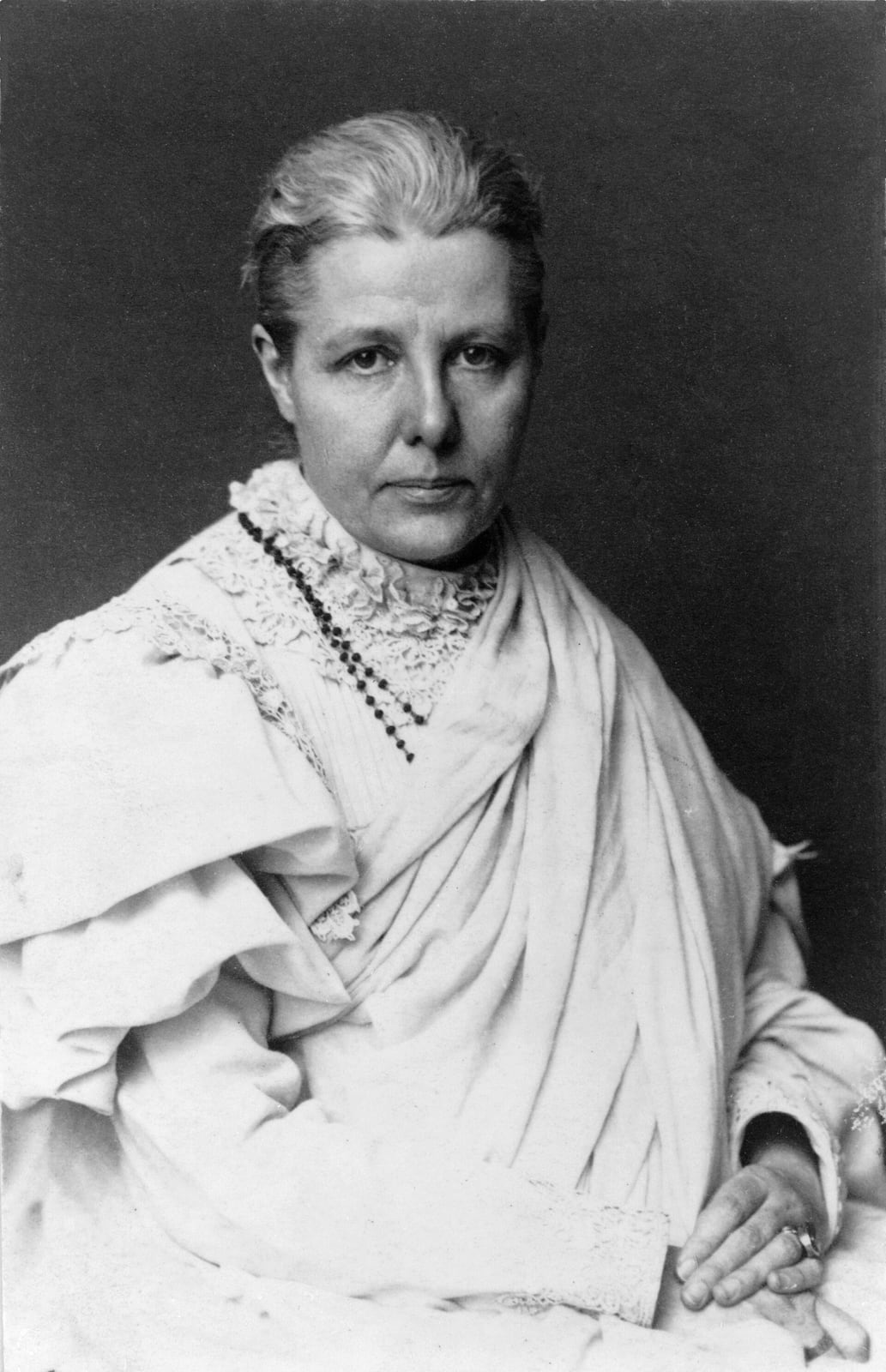
Annie Besant
Ils concordent sur: Faut-il un maître ? · Le monde est-il réel ? · La raison peut-elle connaître l'ultime ?
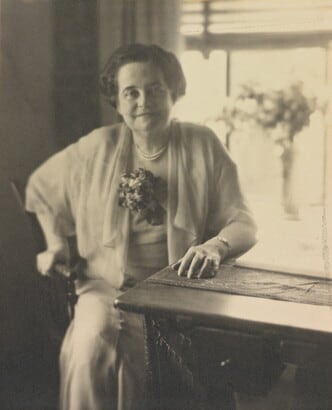
Alice A. Bailey
Ils concordent sur: Faut-il un maître ? · Le monde est-il réel ? · La raison peut-elle connaître l'ultime ?
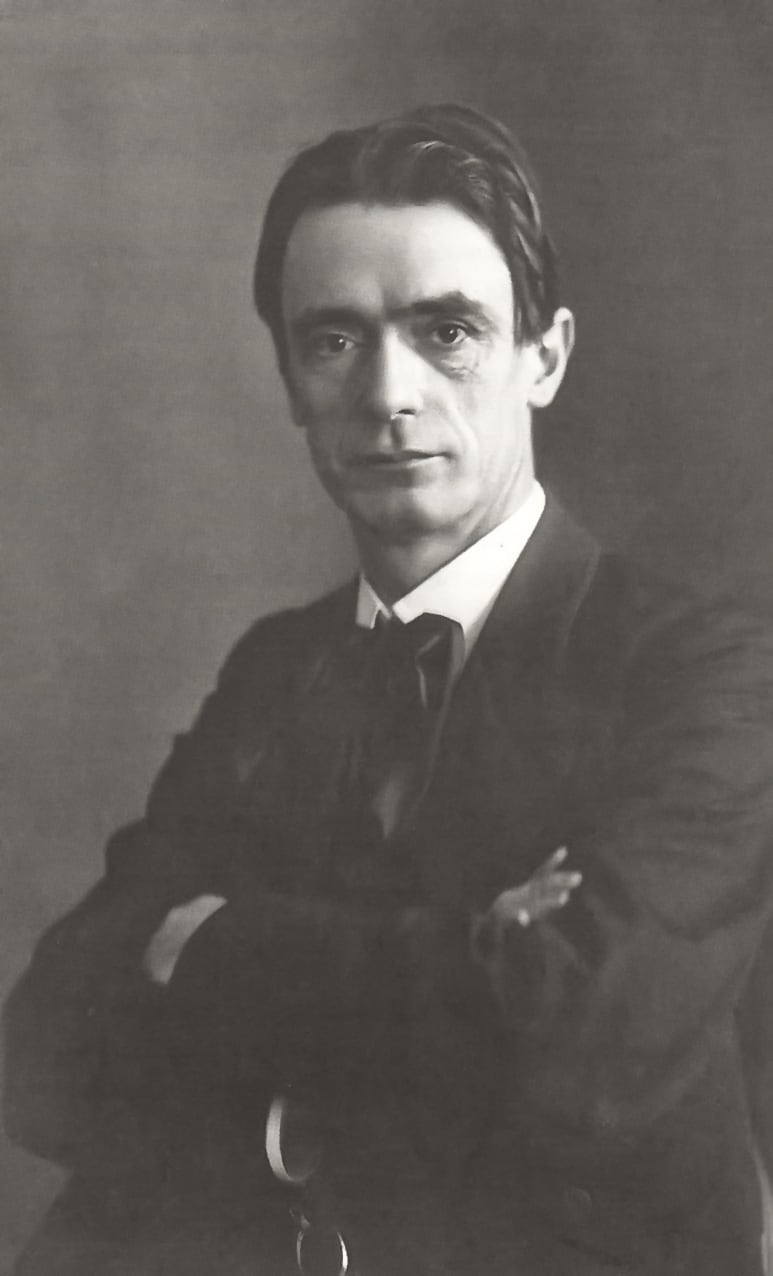
Rudolf Steiner
Ils concordent sur: Le monde est-il réel ? · La raison peut-elle connaître l'ultime ? · Se retirer du monde ou le transformer ?

Anecdotes et récits
Anecdotes et récits
Témoignage1897
'Steer higher': the visit to Tolstoy
Origine du récit: We know it only from Roerich's own account, written decades later in his autobiographical essays and repeated by his biographers (Belikov and Kniazeva, 1972). There is no testimony from Tolstoy or third parties about the conversation; the visit itself is plausible and dated to 1897.
Documenté1911–1913
The premiere of The Rite
Origine du récit: The uproar at the premiere is documented by the Paris press and numerous witnesses. The shared authorship of the scenario has been debated ever since: Taruskin (1996) reconstructs the collaboration from the correspondence; Roerich's reflection comes from his writings, quoted by the Nicholas Roerich Museum.
Source: Taruskin, Richard. Stravinsky and the Russian Traditions: A Biography of the Works through Mavra. 2 vols. Berkeley: University of California Press, 1996.
Documenté1926
A casket for Lenin's tomb
Origine du récit: Documented in the Soviet archives and studied by Rosov (2002–2004), Andreyev (2014), Znamenski (2011) and McCannon (2022). The text of the Mahatmas' message has been published; the Roerich movements dispute its political interpretation.
Source: Znamenski, Andrei. Red Shambhala: Magic, Prophecy, and Geopolitics in the Heart of Asia. Wheaton (Illinois): Quest Books, 2011.
Témoignage1927
The shining oval over Kukunor
Origine du récit: Altai-Himalaya (1929), p. 361, entry for 5 August. It is the only written testimony; since the 1950s UFO literature has presented it as a 'flying saucer' sighting, an interpretation not found in the text.
Documenté1927–1928
Five months at Chunargen
Origine du récit: Telegram of 24 May 1928 reproduced in the publisher's note to Altai-Himalaya (1929) and George N. Roerich's detailed account in Trails to Inmost Asia (1931). The figure of five dead comes from those family sources.
Contesté1925
The legends of Issa in Ladakh
Origine du récit: Roerich tells it in Altai-Himalaya (1929) and Heart of Asia (1929–1930). The source of the story is Notovitch's book (1894), refuted by Max Müller (The Nineteenth Century, 1894) and J. Archibald Douglas (The Nineteenth Century, 1896). That Roerich heard oral versions in Ladakh does not prove the manuscript existed.
Documenté1929–1948
'Dear Guru'
Origine du récit: Culver and Hyde, American Dreamer (2000), reconstruct the episode from the correspondence and the press of the time; Wallace never fully denied authorship of the letters.
Source: Culver, John C., y John Hyde. American Dreamer: The Life and Times of Henry A. Wallace. Nueva York: W. W. Norton, 2000.
Enseignements
Enseignements
Les notions qui structurent sa pensée, expliquées dans leur contexte.
Peace through Culturepaz-por-la-cultura
Set out in Realm of Light, Fiery Stronghold and Gates into the Future; its legal expression is the Roerich Pact.
Source: McCannon, John. Nicholas Roerich: The Artist Who Would Be King. Pittsburgh: University of Pittsburgh Press, 2022.
Roerich Pact and Banner of Peacepacto-roerich
Legal culmination of the 'Peace through Culture' programme; text in the ICRC database.
Shambhalashambhala
Central theme of Shambhala (1930), Heart of Asia and Altai-Himalaya.
Source: Znamenski, Andrei. Red Shambhala: Magic, Prophecy, and Geopolitics in the Heart of Asia. Wheaton (Illinois): Quest Books, 2011.
Maitreya and the 'Great Plan'maitreya-gran-plan
Reconstructed by Rosov, Andreyev, Znamenski and McCannon from Russian and American archives.
Source: Znamenski, Andrei. Red Shambhala: Magic, Prophecy, and Geopolitics in the Heart of Asia. Wheaton (Illinois): Quest Books, 2011.
Unity of the artssintesis-de-las-artes
Developed in Adamant and Beautiful Unity.
Vidéos
Vidéos
Enregistrements, entretiens et documentaires. Les vidéos sont lues depuis YouTube ; elles ne sont pas hébergées ici.
«Рерих. Искусство возрождать» (documental)
Documentaire· RU· 2026· 27 min
Третьяковская галерея (Galería Tretiakov)Chaîne officielle
Интервью с куратором выставки Николая Рериха
Entretien· RU· 43 min
Третьяковская галерея (Galería Tretiakov)Chaîne officielle
«Неизвестный художник Николай Рерих»: «Чудо» (1923)
Conférence· RU· 38 min
Музей Востока (Museo Estatal de Arte Oriental, Moscú)Chaîne officielle
«Неизвестный художник Николай Рерих. Священный дар (1924)»
Conférence· RU· 38 min
Музей Востока (Museo Estatal de Arte Oriental, Moscú)Chaîne officielle
Онлайн-лекция «Мемориальный кабинет Н. К. Рериха»
Conférence· RU· 43 min
Музей Востока (Museo Estatal de Arte Oriental, Moscú)Chaîne officielle
Круглый стол «Актуальность пакта Рериха в XXI веке»
Conférence· RU· 56 min
Музей Востока (Museo Estatal de Arte Oriental, Moscú)Chaîne officielle
Honoring a Legacy of Peace: The 90th Anniversary of the Roerich Pact
Conférence· EN· 2025· 25 min
Nicholas Roerich Museum - New YorkChaîne officielle
Street scenes — Nicholas Roerich in Darjeeling, West Bengal, India, 1928
Enregistrement original· 1928· 5 min
Nicholas Roerich Museum - New YorkChaîne officielle
Николай Рерих. Фильм (1976)
Documentaire· RU· 1976· 54 min
Международный Центр Рерихов
Roerich. The Call of Cosmic Evolution (2013)
Documentaire· EN· 2013· 69 min
Международный Центр РериховChaîne officielle
Фильм Татьяны Борщ «Николай Рерих. Под Знаменем Мира» (2019)
Documentaire· RU· 2019· 51 min
Международный Центр РериховChaîne officielle
Nicholas Roerich (UNED, emitido en TVE-2)
Documentaire· ES· 2008· 23 min
UNED DocumentosChaîne officielle
SER Historia: Nicolás Roerich, un místico pacifista
Analyse· ES· 110 min
SER Podcast (Cadena SER)Chaîne officielle
Shambhala. Nicholas Roerich and the Tibetan Buddhism (Guido Ferrari, 2012)
Documentaire· EN· 2012· 58 min
Guido Ferrari
«Николай и Елена Рерих. Больше, чем любовь»
Voir sur YouTube
Cette vidéo ne peut pas être intégrée ; elle s'ouvre sur YouTube.
«Николай и Елена Рерих. Больше, чем любовь»
Documentaire· RU· 39 min
Телеканал КультураChaîne officielle
Galerie
Galerie
Images dont la licence a été vérifiée. Chacune conserve son auteur et son attribution.
Manuscrits
Manuscrits
Témoins manuscrits et textes anciens, avec leur dépositaire et leurs conditions de consultation.
1897–1901
«Гонец» (1897) y la serie «Начало Руси. Славяне» (1901)
- Témoin conservé
- Cuadros de historia de la Rus primitiva: «El mensajero», «Huéspedes de ultramar» y otros.
- Dépositaire
- Galería Tretiakov, Moscú (también Museo Estatal Ruso, San Petersburgo, para otras obras de la serie)
- Numérisation
- commons.wikimedia.org/wiki/Category:Paintings_by…
1903–1904
Архитектурные этюды (1903–1904)
- Témoin conservé
- Unos noventa estudios de iglesias, monasterios y fortalezas pintados durante el viaje por más de cuarenta ciudades antiguas de Rusia.
- Dépositaire
- Repartidos entre museos rusos; custodia actual no verificada
1910–1914
Fresco «Царица Небесная» y mosaico «Спас Нерукотворный», iglesia del Espíritu Santo de Talashkino (1910–1914)
- Témoin conservé
- Pintura mural y mosaico del pórtico.
- Dépositaire
- In situ: iglesia del Espíritu Santo, Flyónovo, cerca de Talashkino (región de Smolensk)
- Numérisation
- commons.wikimedia.org/wiki/Category:Holy_Spirit_…
1924–1925
Серия «Знамёна Востока» (Banners of the East, 1924–1925)
- Témoin conservé
- Diecinueve lienzos sobre maestros de las tradiciones religiosas —Buda, Moisés, san Sergio, Confucio, Mahoma en el monte Hira, Milarepa, Lao-Tse, Tsongkhapa, Padmasambhava, la «Madre del Mundo», los «Signos de Cristo»—, enumerados por el propio Roerich en «Altái-Himalaya».
- Dépositaire
- Mayoritariamente en Moscú, en la colección vinculada al Centro Internacional de los Roerich; tras el cierre de su museo en 2017, la custodia ha sido objeto de litigio
1925
Серия «Майтрейя» (1925)
- Témoin conservé
- Ocho lienzos sobre la venida de Maitreya, el buda futuro.
- Dépositaire
- Museo Estatal de Arte de Nizhni Nóvgorod
c. 1933–1947
Серия «Гималаи» (1933–1947) y series «Шамбала», «Тибет», «Кулута»
- Témoin conservé
- Más de dos mil estudios de montaña del periodo indio, además de series temáticas sobre Shambhala, el Tíbet y el valle de Kullu.
- Dépositaire
- Museo Estatal de Arte Oriental, Moscú (y su filial Museo de los Roerich); Nicholas Roerich Museum, Nueva York; Karnataka Chitrakala Parishath, Bangalore (36 estudios); Roerich Hall, Naggar
- Numérisation
- www.roerich.org/museum-paintings-catalogue.php…
1900–1947
Colección del Nicholas Roerich Museum (Nueva York)
- Témoin conservé
- Obras de todos los periodos, con especial peso del americano y el indio, como «Madonna Oriflamma» (1932); archivo de cartas, fotografías, filmaciones de 1928 y primeras ediciones.
- Dépositaire
- Nicholas Roerich Museum, 319 West 107th Street, Nueva York
- Numérisation
- www.roerich.org/museum-paintings-catalogue.php…
Relations
Relations
Influences, filiations et affinités. On distingue la relation documentée de la similitude identifiée par analyse.
Famille de
His wife from 1901 and collaborator in all his undertakings; co-founder of Agni Yoga, of which she was the recipient and writer.
Relation documentée
Famille de
Sviatoslav Roerich
Younger son (1904–1993), a painter; he lived with his parents in India, married the actress Devika Rani and gave part of his father's artistic legacy to the Soviet Union.
Relation documentée
Famille de
George (Yuri) Roerich
Elder son (1902–1960), a Tibetologist; he took part in the Central Asian expedition, directed the Urusvati Institute and returned to Moscow in 1957.
Relation documentée
A reçu l'influence de
Blavatsky's Theosophy—the Mahatmas Morya and Koot Hoomi, the hidden wisdom of Asia—is the main source of the Roerichs' spiritual universe; Helena translated The Secret Doctrine into Russian.
Relation documentée
Contemporain de
In July 1920, in London, the Roerichs received membership certificates of the Theosophical Society signed by Besant as president; Agni Yoga then developed outside that organisation.
Relation documentée
Idées proches de
Both movements were born from Theosophy in the 1920s and presented books dictated by Himalayan masters—the 'Tibetan' for Bailey, Morya for the Roerichs—with a shared expectation of a new era.
Similitude identifiée par analyse
A rencontré
He visited him in 1897 on Stasov's advice; the writer's advice to 'steer higher' is known from Roerich's own account.
Relation documentée
A reçu l'influence de
The Roerichs avidly read Vivekananda and Ramakrishna in the years before emigration.
Relation documentée
A reçu l'influence de
A key reading for the Roerichs in Saint Petersburg, together with Vivekananda and the Bhagavad Gita.
Relation documentée
A rencontré
Ígor Stravinski
Together they conceived the scenario of The Rite of Spring (1913), whose designs were Roerich's.
Relation documentée
A rencontré
Serguéi Diáguilev
Fellow members of Mir iskusstva; Diaghilev commissioned from him the designs for Prince Igor (1909) and The Rite (1913).
Relation documentée
A rencontré
Rabindranath Tagore
They met in London in 1920 and remained friends; Tagore's grand-niece Devika Rani married Svetoslav Roerich.
Relation documentée
A correspondu avec
Henry A. Wallace
The American politician was his admirer and correspondent ('Dear Guru'), commissioned the Manchurian expedition and broke with him in 1935.
Relation documentée
A rencontré
Jawaharlal Nehru
He visited him in Kullu in 1942 with his daughter Indira.
Relation documentée
Lié depuis d'autres fiches
Sources
Sources
Bibliographie et catalogues consultés pour cette fiche.
- Decter, Jacqueline (con el Nicholas Roerich Museum). Nicholas Roerich: The Life and Art of a Russian Master. Rochester (Vermont): Park Street Press, 1989.
- McCannon, John. Nicholas Roerich: The Artist Who Would Be King. Pittsburgh: University of Pittsburgh Press, 2022.
- Andreyev, Alexandre. The Myth of the Masters Revived: The Occult Lives of Nikolai and Elena Roerich. Leiden/Boston: Brill, 2014 (Aries Book Series, 18).
- Znamenski, Andrei. Red Shambhala: Magic, Prophecy, and Geopolitics in the Heart of Asia. Wheaton (Illinois): Quest Books, 2011.
- Wikidata, entidad Q208993 («Nicholas Roerich»): fechas (gregorianas y julianas), lugares, identificadores de autoridad (VIAF 14852765, Open Library OL47610A).
- Nicholas Roerich Museum (Nueva York). «Nicholas Roerich: biographical outline» (Early Years, The Theatrical Years, The Clouds of War, Travel to Other Shores, America, India).
- Nicholas Roerich Museum (Nueva York), Archivo: «Nicholas Roerich's writings / Книги Николая Рериха», reproducciones digitales de las primeras ediciones (1899–1974) y de artículos en revistas (1904–1947).
- Roerich, Nicholas. Altai-Himalaya: A Travel Diary. Introducción de Claude Bragdon. Nueva York: Frederick A. Stokes, 1929.
- Roerich, Nicholas. Shambhala. Nueva York: Frederick A. Stokes, 1930.
- Roerich, Nicholas. Heart of Asia. Nueva York: Roerich Museum Press, 1930 (1.ª ed. rusa: Сердце Азии, Southbury, Alatas, 1929).
- Roerich, Nicholas. Himalayas — Abode of Light. Bombay: Nalanda Publications, 1947.
- Treaty on the Protection of Artistic and Scientific Institutions and Historic Monuments (Roerich Pact). Washington, 15 de abril de 1935. Texto y estados parte en la base de datos de derecho internacional humanitario del Comité Internacional de la Cruz Roja.
- Culver, John C., y John Hyde. American Dreamer: The Life and Times of Henry A. Wallace. Nueva York: W. W. Norton, 2000.
- Open Library, autor Nicholas Roerich (OL47610A): registros de obras y ediciones con ISBN consultados el 2026-10-25.
- «Рерих, Николай Константинович», Wikipedia en ruso (secciones de biografía, «Основные труды», «Наследство» y «Музеи Рериха»), revisión consultada el 2026-10-25.
- «Nicholas Roerich», Wikipedia en inglés (Biography, Asian expedition, Manchurian expedition, Later life, Cultural legacy), revisión consultada el 2026-10-25.
- Rosov, Vladímir A. Николай Рерих — Вестник Звенигорода: экспедиции Н. К. Рериха по окраинам пустыни Гоби. 2 vols. San Petersburgo/Moscú, 2002–2004.
- Belikov, P. F., y V. P. Kniázeva. Рерих. Moscú: Molodaya Gvardiya (serie Жизнь замечательных людей), 1972.
- Roerich, George N. Trails to Inmost Asia: Five Years of Exploration with the Roerich Central Asian Expedition. New Haven: Yale University Press, 1931.
- Taruskin, Richard. Stravinsky and the Russian Traditions: A Biography of the Works through Mavra. 2 vols. Berkeley: University of California Press, 1996.
- Международный Центр Рерихов. «Картины Н. К. Рериха из серии „Знамена Востока“ в экспозиции зала „Живая Этика“» (conferencia en vídeo, YouTube).
- Wikimedia Commons, «Category:Paintings by Nicholas Roerich» y fichas de las obras «Guests from Overseas» (institución: Galería Tretiakov) y «Messenger» (1897).
- Рерих, Н. К. «Алтай — Гималаи. Путевой дневник», texto íntegro en ruso en Lib.ru/Классика (az.lib.ru).
- Ayant droit
- Roerich murió en 1947: su obra es de dominio público en la Unión Europea y en Rusia desde 2018, pero en España (80 años) solo lo será desde el 1 de enero de 2028. Las traducciones inglesas posteriores y las ediciones del Nicholas Roerich Museum (Nueva York), que renovó en Estados Unidos los derechos de varias ediciones, tienen derechos propios; el museo y el Centro Internacional de los Roerich (Moscú) gestionan reproducciones de su pintura.
- Site officiel
- www.roerich.org/
En attente de confirmation
Ce que cette fiche n'a pas encore pu établir. Nous préférons le dire plutôt que de combler.
- Obra pictórica: el contrato de la ficha (SCHEMA.md) no tiene un apartado para pintura; las series principales y sus museos se han registrado en manuscripts[]. Proponer un campo propio (p. ej. artworks[] con serie, fechas, técnica, número de obras y custodio).
- Ediciones en español: solo se ha localizado «El corazón de Asia» (Nueva York, Ediciones del Museo Roerich, 1930), sin ISBN. Open Library, Google Books (cuota agotada) y búsquedas generales no devuelven ediciones españolas modernas de Altái-Himalaya, Shambhala o Flores de Moria; consultar la base del ISBN de España y catálogos argentinos.
- Comprobar «Знамя Мира» (Harbin, 1934) y «Сказки и притчи» (Petrogrado, 1916), que figuran en la Wikipedia rusa pero no en el archivo del Nicholas Roerich Museum.
- Identificar «Roerich Essays: One hundred essays» (2 vols., India, 1937), citado en la Wikipedia rusa; podría coincidir con el manuscrito de «Vigil» (cien ensayos de 1934–1938).
- Los cientos de artículos de revista (el archivo del museo enumera más de trescientos, 1904–1947) no se registran uno a uno: quedan dentro de las colecciones y de «Hojas de diario».
- Fechas y editoriales sin confirmar: año de las ediciones del NRM de «Vigil» y «Diary Leaves»; editorial de «Fiery Stronghold» (1933) y de «Beautiful Unity» (1946); contenido del folleto «Maitreya» (1932).
- Custodia de la serie «Banderas de Oriente» tras el cierre del museo del Centro Internacional de los Roerich (2017); custodia de los estudios de arquitectura de 1903–1904 y de los diseños escénicos.
- Localizar el ensayo original en que Roerich relata la visita a Tolstói (se cita en la Wikipedia rusa y en Belikov y Kniázeva, sin referencia exacta).
- Origen de la frase «Art will unify all humanity», usada por el Nicholas Roerich Museum, sin localizar en las obras consultadas.
- Vídeo de Guido Ferrari (5A5M9EzENNk): comprobar el idioma del audio.
Recherche effectuée le 2026-10-25