Hindouisme · Bouddhisme · Théosophie
Helena Roerich
Елена Ивановна Рерих
1879 – 1955Personne historiquement documentée
Helena Roerich (1879-1955), écrivaine et traductrice russe, épouse du peintre Nicolas Roerich, est la figure centrale de l'Agni Yoga ou « Éthique vivante », enseignement néothéosophique en quatorze livres (1924-1938) qu'elle présenta comme dicté par le mahatma Morya. Elle traduisit en russe La Doctrine secrète de Blavatsky, écrivit Les Fondements du bouddhisme et laissa des milliers de lettres. Elle prit part à l'expédition d'Asie centrale et à la campagne du Pacte Roerich, et mourut à Kalimpong, en Inde.
- œuvres
- 25œuvres
- éditions
- 81éditions
- citations
- 6citations
- vidéos
- 12vidéos
- images
- 8images
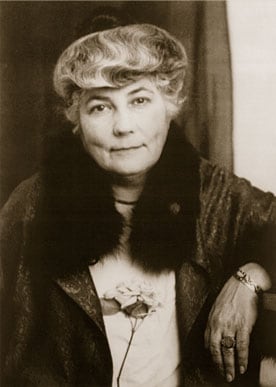
Helena Roerich en Naggar, hacia 1940 · Public domain
Dans ses propres mots
«Wayfarer, friend, let us travel together. Night is drawing near, wild beasts are all about, and our campfire may go out.»«Община» (Comunidad), párrafo inicial; Texto de la Agni Yoga, atribuido por la tradición al mahatma Morya y recibido y redactado por Helena Roerich. Versión inglesa de la Agni Yoga Society.

Son idée centrale
Agni Yoga presents itself as a yoga for daily life: it does not demand withdrawal from the world, but the transformation of work, thought and relationships into spiritual exercise.
Le voir en contexte
Biographie
5 min de lecture
Traduction assistée à partir de l'original espagnol, en attente de relecture par un traducteur natif.
La fille de l'architecte
Elena Ivanovna Chapochnikova naquit à Saint-Pétersbourg le 12 février 1879 (31 janvier selon le calendrier julien). Son père, Ivan Ivanovitch Chapochnikov, était un architecte connu de la capitale ; sa mère, Ekaterina Vassilievna, était issue de l'ancienne famille Golenichtchev-Koutouzov, à laquelle était apparenté le compositeur Modeste Moussorgski. Elle grandit parmi les musiciens et les livres, apprit les langues dès l'enfance et termina en 1895, avec une médaille d'or, le gymnase Mariinski. Elle étudia le piano à l'école privée de Iossif Borovka, mais sa famille l'empêcha d'entrer au conservatoire, par crainte des milieux étudiants révolutionnaires.
À l'été 1899, dans le domaine du prince Pavel Poutiatine à Bologoïe, elle rencontra le peintre et archéologue Nicolas Roerich. Ils se marièrent en 1901, contre l'avis de ses proches, dans l'église de l'Académie des beaux-arts. Deux fils naquirent : George (Iouri) en 1902, futur tibétologue, et Sviatoslav en 1904, peintre. Nicolas lui dédierait ses livres — « à Helena, mon épouse, amie, compagne et inspiratrice » — et irait jusqu'à écrire que nombre de ses œuvres auraient dû porter deux signatures.
Une vie partagée
Durant les années pétersbourgeoises, elle accompagna son mari dans les voyages de 1903 et 1904 à travers plus de quarante villes anciennes, photographia églises et ornements, participa à des fouilles dans les gouvernements de Novgorod et de Tver et constitua avec lui une collection de peinture européenne ancienne qui passa en partie, plus tard, à l'Ermitage. Valentin Serov fit son portrait en 1909. Elle lisait Ramakrishna, Vivekananda et Tagore, et c'est dans ces années qu'elle découvrit la théosophie d'Helena Blavatsky, qui allait marquer le reste de sa vie.
Londres, 1920
En 1916, la famille s'installa en Carélie en raison de la maladie pulmonaire de Nicolas ; l'indépendance de la Finlande la laissa hors de Russie et, en 1919, elle s'établit à Londres. Là, les Roerich se rapprochèrent de la Société théosophique : en juillet 1920, ils reçurent des diplômes de membres signés par sa présidente, Annie Besant. Depuis le printemps de cette année-là, ils tenaient chez eux des séances spirites de tables et d'écriture automatique, où écrivaient surtout Nicolas et George. Au fil de ces séances, selon les journaux de la famille, se manifesta un « Maître » qu'ils identifièrent à Morya, l'un des mahatmas de Blavatsky. Helena affirma toujours qu'elle ne pratiquait pas l'écriture automatique : vers 1923, elle se mit à recevoir les messages par « clairaudience » et à les consigner dans ses carnets.
L'Éthique vivante
De ces carnets sortirent les quatorze livres de l'Agni Yoga ou « Enseignement de l'Éthique vivante » : les deux Feuilles du jardin de Morya (1924 et 1925), Communauté (1926), Agni Yoga (1929), les deux Infini (1930), Hiérarchie (1931), Cœur (1932), les trois Monde ardent (1933-1935), Aum (1936), Fraternité (1937) et Supraterrestre, achevé en 1938 et publié un demi-siècle plus tard. Ils parurent sans nom d'auteur, à Paris, Ourga et Riga, présentés comme les paroles du Maître. Ce sont des suites de paragraphes numérotés qui proposent une synthèse des yogas fondée sur le « feu » intérieur, l'énergie psychique, le cœur, la coopération et l'obéissance à la Hiérarchie de la Lumière.
Les premières éditions portent la marque de leur temps. Communauté, conçu pour les lecteurs de la Russie soviétique, fut imprimé à Ourga en 1927 — avec la date de 1926 sur la couverture — et réédité à Riga en 1936 avec des modifications et des ajouts ; Les Fondements du bouddhisme, publié anonymement à Ourga en 1926, s'ouvre sur l'affirmation que « le grand Gautama a donné au monde un enseignement achevé du communisme », phrase que l'édition anglaise de 1930 transforma en « un enseignement parfait de la construction de la vie ». Le premier livre s'ouvre en russe sur « À la Russie nouvelle, mon premier message » ; la version anglaise dit « Au Nouveau Monde ».
L'Asie, Blavatsky et le Pacte
À partir de 1923, elle vécut en Inde. Entre 1924 et 1928, ayant dépassé la quarantaine, elle fit à cheval toute l'expédition d'Asie centrale, y compris l'hiver de détention sur le plateau tibétain ; son mari nota qu'avec un pouls à cent quarante elle était encore la première à donner du courage à la caravane. Pendant le voyage, elle traduisit en russe un large choix des lettres des mahatmas (La Coupe de l'Orient, 1925, sous le pseudonyme d'Iskander Khanum), écrivit Les Fondements du bouddhisme et, une fois à Kullu, publia Cryptogrammes de l'Orient (1929) sous le nom de Josephine Saint-Hilaire. Au début des années 1930, elle traduisit les deux premiers volumes de La Doctrine secrète de Blavatsky, publiés à Riga en 1937.
Elle fut présidente d'honneur de l'Institut Urusvati et du comité permanent du Pacte Roerich. Pendant l'expédition de Mandchourie, elle tint la correspondance avec les sociétés qui soutenaient le traité et, de 1933 à 1936, écrivit à Franklin D. Roosevelt des lettres allégoriques où elle lui parlait de « conditions cosmiques » ; le président ne les prit pas autant au sérieux que son secrétaire à l'Agriculture, Henry A. Wallace. Elle écrivit des milliers de lettres à plus de cent quarante correspondants sur plusieurs continents ; un choix en parut à Riga en 1940.
Kalimpong
Après la mort de Nicolas, en décembre 1947, elle se rendit avec George à Delhi puis à Khandala, près de Bombay, dans l'attente de visas pour retourner en Union soviétique, qui n'arrivèrent jamais. Elle s'établit à Kalimpong, au pied de l'Himalaya oriental, où elle passa ses dernières années, consacrées à sa correspondance et à la mise en ordre de ses papiers. Elle mourut le 5 octobre 1955. Sur le lieu de la crémation, les lamas élevèrent un stupa blanc portant cette inscription : « Helena Roerich, épouse de Nicolas Roerich, penseuse et écrivaine, vieille amie de l'Inde ».
Autrice et réceptrice
Ce qui est documenté, c'est une femme cultivée et polyglotte qui traduisit Blavatsky, écrivit sur le bouddhisme, soutint les entreprises de sa famille et laissa une correspondance immense. Ce qui relève de la foi de ses adeptes, c'est l'origine de l'Agni Yoga : elle se présenta comme réceptrice et rédactrice des paroles de Morya, et les livres furent publiés sans signature. La recherche, avec Alexandre Andreyev en tête, lit ces textes comme l'œuvre d'Helena et de son entourage, nés de la théosophie et du spiritisme, et montre comment la famille soumettait ses décisions à ces communications. Après la chute de l'Union soviétique, les livres de l'Éthique vivante connurent une immense diffusion en Russie ; en 1994, le concile des évêques de l'Église orthodoxe russe condamna cet enseignement comme incompatible avec le christianisme.
Sources: Decter, Jacqueline (con el Nicholas Roerich Museum). Nicholas Roerich: The Life and Art of a Russian Master. Rochester (Vermont): Park Street Press, 1989. · Andreyev, Alexandre. The Myth of the Masters Revived: The Occult Lives of Nikolai and Elena Roerich. Leiden/Boston: Brill, 2014 (Aries Book Series, 18). · McCannon, John. Nicholas Roerich: The Artist Who Would Be King. Pittsburgh: University of Pittsburgh Press, 2022. · Znamenski, Andrei. Red Shambhala: Magic, Prophecy, and Geopolitics in the Heart of Asia. Wheaton (Illinois): Quest Books, 2011. · [Рерих, Е. И.] Основы буддизма. Urga, 1926 (anónimo). Texto íntegro en Wikisource en ruso.
Chronologie
La vie, année après année
Chaque point est un événement documenté. Cliquez pour le lire, avec sa source et son degré de certitude.
12 février 18790 ansSan Petersburgo
Birth
Elena Ivanovna Shaposhnikova is born, daughter of the architect Ivan Shaposhnikov and Yekaterina Golenishcheva-Kutuzova. The date corresponds to 31 January in the Julian calendar.
Documenté«Рерих, Елена Ивановна», Wikipedia en ruso (secciones de biografía, «Спиритические сеансы», «Живая Этика», «Написание книг и переводы», «Эпистолярное наследие», «Последние годы»), revisión consultada el 2026-10-25.
Après sa mort
- 1994Condemnation by the Russian Orthodox Church
- 2005Museum at Crookety House
12 février 1879 · 0 ans
Birth
Elena Ivanovna Shaposhnikova is born, daughter of the architect Ivan Shaposhnikov and Yekaterina Golenishcheva-Kutuzova. The date corresponds to 31 January in the Julian calendar.
Documenté
1895 · 16 ans
Gold medal at the Mariinsky gymnasium
She finishes secondary school with a gold medal and studies piano at Iosif Borovka's school; her family prevents her from entering the conservatory.
Documenté
1899 · 20 ans
Meeting Nicholas Roerich
At Prince Putyatin's estate she meets the painter and archaeologist Nicholas Roerich.
Documenté
28 octobre 1901 · 22 ans
Marriage
She marries Nicholas Roerich in the church of the Academy of Arts (Julian date). George (1902) and Svetoslav (1904) will be born.
Documenté
1909 · 30 ans
Serov's portrait
Valentin Serov paints her portrait.
Documenté
juillet 1920 · 41 ans
Joining the Theosophical Society
The Roerichs receive membership certificates signed by Annie Besant. Since the spring they have been holding spiritualist sessions in which they identify a 'Master' as the Mahatma Morya.
Documenté
décembre 1923 · 44 ans
Arrival in India
The family settles in India. From then on Helena records by 'clairaudience' the messages she attributes to Morya.
Documenté
1924 · 45 ans
Leaves of Morya's Garden: The Call
The first book of Agni Yoga is published without an author's name; in Russian it opens with 'To the New Russia, my first message'.
Documenté
1924 – 1928 · 45 ans
The Central Asian expedition
She takes part for four years in the family expedition, including the winter detention on the Tibetan plateau (1927–1928).
Documenté
23 avril 1925 · 46 ans
Translating the Mahatma letters
She begins translating into Russian a selection of The Mahatma Letters to A. P. Sinnett, published that year as Chalice of the East under the pseudonym Iskander Khanum.
Documenté
1926 · 47 ans
Foundations of Buddhism
Her anonymous essay on Buddhism is printed in Urga during the expedition, presenting the Buddha as a teacher of communism and building a 'bridge' to Lenin; the 1930 English edition will drop those formulas. The following year Community is printed there.
Documenté
1928 · 49 ans
Honorary president of the Urusvati Institute
The Urusvati Himalayan Research Institute is founded, with her as honorary president-founder.
Documenté
1929 · 50 ans
Agni Yoga and Cryptograms of the East
The book that gives the teaching its name appears and, under the pseudonym Josephine Saint-Hilaire, her collection of legends Cryptograms of the East.
Documenté
18 novembre 1933 · 54 ans
Honorary president of the Pact committee
She is elected, with her husband, honorary president of the Permanent Committee of the Roerich Pact and Banner of Peace. That year she begins writing to Franklin D. Roosevelt.
Documenté
1937 · 58 ans
Translation of The Secret Doctrine
The Uguns press publishes in two volumes her Russian translation of Blavatsky's work. That year Brotherhood appears, the last book of Agni Yoga published in her lifetime.
Documenté
1940 · 61 ans
The Letters of Helena Roerich
The Latvian Roerich Society publishes a two-volume selection of her letters from 1929 to 1938.
Documenté
13 décembre 1947 · 68 ans
Death of Nicholas Roerich
Her husband dies. In January 1948 she moves with George to Delhi and Khandala to wait for Soviet visas that never come.
Documenté
5 octobre 1955 · 76 ans
Death
She dies in Kalimpong. The lamas raise a white stupa at the place of cremation.
Documenté
1994
Condemnation by the Russian Orthodox Church
The Bishops' Council declares the Agni Yoga teaching incompatible with Christianity, at the height of the spread of the Living Ethics books in post-Soviet Russia.
Documenté
2005
Museum at Crookety House
A museum devoted to Helena Roerich opens in the Kalimpong house where she spent her last years.
Documenté
Œuvres
Œuvres essentielles
Les œuvres sans lesquelles on ne comprend pas son héritage.
Attribution traditionnelle · 1924
Leaves of Morya's Garden I: The Call
Листы Сада Мории. Зов
The first book of the series: short aphorisms, sometimes verses, in which a voice presenting itself as the Master calls the disciple, demands discipline, joy and labour, and announces a new epoch. Its form—fragments dated between 1920 and 1923—bears the trace of the family sessions. The Russian original opens with 'To the New Russia, my first message'; the Agni Yoga Society's English translation reads 'Into the New World'.
5 éditions · amazon.com

Attribution traditionnelle · 1929
Agni Yoga
Агни Йога
The book that gives the teaching its name. It defines Agni Yoga as the yoga of 'fire', a synthesis of all the yogas adapted to daily life rather than withdrawal from the world, and develops its central notions: psychic energy, the discipline of thought, the purification of the subtle centres, collaboration with the Master and preparation for an age of 'fiery energies'. It is the reference text for anyone wishing to know the doctrine in a single volume.
4 éditions · amazon.com

Œuvre écrite · 1926
Foundations of Buddhism
Основы буддизма
A short exposition of the Buddha's life and the central notions of his teaching—karma, rebirth, nirvana, the community—presented as a rational Buddhism without idols. The Urga edition, intended for Soviet readers, opens by stating that Gotama gave the world 'a complete teaching of communism' and draws a 'bridge' between the Buddha and Lenin; the 1930 English edition removed those formulas. It is one of the first handbooks of Buddhism written in Russian for a general public.
8 éditions · amazon.com
Helena Roerich
The Secret Doctrine (Russian translation)
Œuvre écrite · 1937
The Secret Doctrine (Russian translation)
Тайная Доктрина (перевод Е. И. Рерих)
The first complete Russian translation of the two main volumes of Blavatsky's magnum opus, made in under two years according to her biographers. For decades it was the only Russian version of those volumes, and the Russian Wikisource now offers it in full. It is Helena Roerich's most lasting contribution to the spread of Theosophy in her language.
1 édition
Toute son œuvre (25)
Helena Roerich
Leaves of Morya's Garden II: Illumination
The Conscious LibraryLeaves of Morya's Garden II: Illumination
1925
Helena Roerich
Community (New Era Community)
The Conscious LibraryCommunity (New Era Community)
1927
Helena Roerich
Infinity I
The Conscious LibraryInfinity I
1930
Helena Roerich
Infinity II
The Conscious LibraryInfinity II
1930
Helena Roerich
Hierarchy
The Conscious LibraryHierarchy
1931
Helena Roerich
Heart
The Conscious LibraryHeart
1932
Helena Roerich
Fiery World I
The Conscious LibraryFiery World I
1933
Helena Roerich
Fiery World II
The Conscious LibraryFiery World II
1934

Fiery World III
1935
Helena Roerich
Aum
The Conscious LibraryAum
1936
Helena Roerich
Brotherhood
The Conscious LibraryBrotherhood
1937

Supermundane
1938

Cryptograms of the East (On Eastern Crossroads)
1929
Helena Roerich
Chalice of the East: Letters of the Mahatma
The Conscious LibraryChalice of the East: Letters of the Mahatma
1925
Helena Roerich
St Sergius of Radonezh
The Conscious LibrarySt Sergius of Radonezh
1934

Letters of Helena Roerich
1940
Helena Roerich
Letters to America
The Conscious LibraryLetters to America
1996
Helena Roerich
On the Threshold of the New World
The Conscious LibraryOn the Threshold of the New World
1993
Helena Roerich
Diary Leaves
The Conscious LibraryDiary Leaves
2006
Helena Roerich
Three Keys
The Conscious LibraryThree Keys
2009
Helena Roerich
The Better Country
The Conscious LibraryThe Better Country
2017
Citations
Citations localisées dans une œuvre précise. Chacune porte sa provenance et son degré de fiabilité.
Wayfarer, friend, let us travel together. Night is drawing near, wild beasts are all about, and our campfire may go out.Путник-друг, пойдём вместе. Ночь близка, звери кругом, и огонь костра может потухнуть.
Vérifiée«Община» (Comunidad), párrafo inicial; Texto de la Agni Yoga, atribuido por la tradición al mahatma Morya y recibido y redactado por Helena Roerich. Versión inglesa de la Agni Yoga Society.
Idées essentielles (résumé éditorial)
Par respect du droit d'auteur, ces idées sont résumées avec nos propres mots et ne sont pas présentées comme des citations littérales.
- Agni Yoga presents itself as a yoga for daily life: it does not demand withdrawal from the world, but the transformation of work, thought and relationships into spiritual exercise.
- Thought is energy: every idea acts on the one who thinks it and on his surroundings, and so the discipline of thought is the disciple's first task.
- The heart, not the intellect, is the organ that unites the human being with the subtle worlds and with the Master.
Dernières paroles
Il n'existe aucun témoignage vérifiable de ses dernières paroles.
There is no reliable record of her last words. She died in Kalimpong on 5 October 1955, cared for by her son George; the available sources are limited to the date, the cremation and the stupa the lamas raised at the spot.
Source: «Рерих, Елена Ивановна», Wikipedia en ruso (secciones de biografía, «Спиритические сеансы», «Живая Этика», «Написание книг и переводы», «Эпистолярное наследие», «Последние годы»), revisión consultada el 2026-10-25.
Interroger
Ce que répond son œuvre
Douze grandes questions de l'humanité et ce que ses textes permettent d'y répondre, références à l'appui. Nous ne lui prêtons jamais de paroles.
Qu'est-ce que l'Absolu ? Dieu existe-t-il ?
An infinite, impersonal Absolute, served by a Hierarchy of higher beings
Un Absolu impersonnelIl le dit expressément
Helena Roerich inherits from Blavatsky, whose Secret Doctrine she translated into Russian, the idea of an infinite and ineffable ultimate principle, of which the cosmos is the manifestation through energy and fire. The Agni Yoga books, which she presented as received from the mahatma Morya, speak of the Infinite, of psychic energy and of cosmic Fire, and concentrate the religious relationship on the Hierarchy: a chain of more evolved beings linking the human being to that principle. In her letters she rejects the idea of an anthropomorphic God who rewards and punishes, which she considers a distortion of institutional religions, and proposes instead the law of karma and cooperation with the Hierarchy. The personal does not vanish, but is displaced onto the Masters and the figure of the Mother of the World.
Comparer cette question avec d'autres maîtresQui suis-je ? Existe-t-il un vrai soi ?
A spiritual spark perfecting itself life after life, gathering into its chalice
Une âme en évolutionIl le dit expressément
In Agni Yoga, which Helena Roerich presented as teaching received from the mahatma Morya, the human being is composed of several principles, from the dense body to the subtle and fiery bodies, around an immortal spiritual spark. That spark perfects itself over numerous incarnations, and what each life conquers is stored in what the texts call the chalice, the repository of the spirit's accumulations. The decisive organ is not the intellect but the heart, which unites the person with the subtle worlds and with the Master, and psychic energy, which each must purify through the discipline of thought. In Fiery World the aim is to transmute the subtle body until one can live consciously in the world of fire. The self is thus a soul in cosmic evolution.
Comparer cette question avec d'autres maîtresPourquoi souffrons-nous ?
Pain is karmic consequence and a school for the evolving spirit
Le karma et l'apprentissage de l'âmeIl le dit expressément
In Agni Yoga, suffering is explained by the law of karma: every thought and every act is energy that returns to its author, in this life or in others, and present pain is largely the harvest of earlier sowing. But the texts present it not as punishment but as trial and learning: difficulties temper the spirit, widen consciousness and prepare the disciple to cooperate with the Hierarchy. In her letters Helena Roerich insists that thought is the most powerful force and that thoughts of hatred, fear or irritation poison both the one who harbours them and their surroundings; hence the importance of mental discipline. Foundations of Buddhism, her exposition of Gotama's teaching, also places the origin of suffering in ignorance and desire.
Comparer cette question avec d'autres maîtresQue se passe-t-il après la mort ?
After death, the subtle world; then new incarnations up to the fiery world
Renaissance selon le karmaIl le dit expressément
Agni Yoga, which Helena Roerich wrote down as the teaching of the mahatma Morya, describes death as a passage: the human being leaves the dense body and comes to live in the subtle world, where his state depends on the quality of his thoughts and the accumulations of his spirit. There he remains for a time before incarnating again, according to the law of karma, until the purification of the subtle body allows him to rise to the fiery world, the higher plane that gives its title to the three volumes of Fiery World. That is why the texts insist on preparing in life: a consciousness accustomed to the lofty is not lost at death, and whoever has lived in fear or hatred carries those states along. In her letters Helena Roerich often treats the death of loved ones within this same framework.
Comparer cette question avec d'autres maîtresComment atteint-on la libération ou le salut ?
Through devotion to the Hierarchy, the fire of the heart and daily labour
Par la dévotion et l'abandonIl le dit expressément
Agni Yoga presents itself as a yoga of fire for the present age, without withdrawal from the world. Its way combines several elements, but the book Hierarchy orders them around one: devotion to the Master and to the chain of higher beings linking the disciple to the highest; without that connection, it holds, personal effort is scattered. The organ of that union is the heart, which gives its title to another of the books and which the teaching considers more reliable than the intellect. To devotion are added the discipline of thought, because thought is energy; daily work turned into an offering; and the accumulation of purified psychic energy. The goal is not dissolution into the Absolute, but the widening of consciousness and conscious cooperation with cosmic evolution.
Comparer cette question avec d'autres maîtresFaut-il un maître ?
Without the Master and the chain of the Hierarchy there is no safe ascent
IndispensableIl le dit expressément
Agni Yoga is built on the figure of the Master: Helena Roerich presented its fourteen books as the teaching of the mahatma Morya, received and written down by her, and the volume Hierarchy sets out the doctrine of a chain of more evolved beings stretching from the disciple to the highest. Joining that chain through the devotion of the heart is, according to the texts, the condition of all progress; breaking it through pride or betrayal is the greatest danger. The Master does not replace the disciple's work, who must discipline his thought and serve, but guides and protects him. In her letters Helena Roerich warns both against false masters and against those who believe they can do without any higher guidance.
Comparer cette question avec d'autres maîtresLe monde est-il réel ?
Three worlds, dense, subtle and fiery, joined by energy and thought
Des plans d'existenceIl le dit expressément
Agni Yoga, written down by Helena Roerich as the teaching of the mahatma Morya, describes reality as a hierarchy of planes: the dense world, in which we live with the physical body; the subtle world, which we inhabit in dreams and after death; and the fiery world, the higher plane of spirit, which gives its title to the three volumes of Fiery World. All three are crossed by a single energy, the fire of space, and human thought acts in all of them. The visible world is real, but it is neither the only nor the most important one; the human being is called to live consciously in all three and to contribute to their harmonisation. This cosmology derives from Blavatsky's Secret Doctrine, which Helena Roerich translated into Russian, and reorients it towards daily practice.
Comparer cette question avec d'autres maîtresQu'est-ce que l'amour ?
Love is the heart's fire and a magnet drawing towards the Hierarchy of light
Le désir ardent et l'unionCela se déduit de sa doctrine
In Agni Yoga, which Helena Roerich wrote down as the teaching of the mahatma Morya, love is presented not as a moral commandment but as energy. The book Heart places it at the centre: the heart is the organ uniting the human being with the subtle worlds and with the Master, and its fire, once kindled, draws upward like a magnet. The highest love is ardent devotion to the Hierarchy, which leads the soul towards the source from which it comes, and is expressed in self-denial and service. The texts also insist on compassion and brotherhood, to which they devote the book Brotherhood, and on reverence for the Mother of the World as the feminine principle of cosmic love. The affinity with the mystics of longing is real, though the language is energetic.
Comparer cette question avec d'autres maîtresSommes-nous libres ou tout est-il déterminé ?
Karma conditions, but present thought and will transform it
Le karma et le choixIl le dit expressément
In Agni Yoga, written down by Helena Roerich as the teaching of the mahatma Morya, the law of karma explains the circumstances of each life as the consequence of earlier thoughts and acts, in this and other existences. But the teaching is not fatalistic: it insists that thought is creative energy, and that each present thought and act sows the future and can change the course of karma. The disciple is responsible for what he thinks, because his thoughts act on him and his surroundings. At the same time, individual freedom is inscribed in a cosmic plan and in cooperation with the Hierarchy, which guides but does not force. In her letters Helena Roerich warns against passive resignation and against the idea that everything is written.
Comparer cette question avec d'autres maîtresPourquoi méditer ou prier ?
Communion of the heart with the Master, amid daily work and without forced techniques
L'amitié avec DieuCela se déduit de sa doctrine
Agni Yoga, written down by Helena Roerich as the teaching of the mahatma Morya, discourages mechanical practices and forced breathing exercises, which it considers dangerous for the unprepared, and proposes a yoga of daily life. Its centre is communion with the Master through the heart: turning to him in thought, keeping his inner image, sensing his presence in work and in difficulties. The book Heart returns again and again to that relationship, presenting it as a source of energy and protection and asking that it be continuous and simple. To this is added the discipline of thought, vigilance against irritation and attention to psychic energy. The goal is not stillness of mind, but conscious cooperation with the Hierarchy.
Comparer cette question avec d'autres maîtresLa raison peut-elle connaître l'ultime ?
A wisdom transmitted by the Masters, which the heart verifies
Une connaissance ésotériqueIl le dit expressément
Helena Roerich translated Blavatsky's Secret Doctrine into Russian and wrote down the fourteen books of Agni Yoga as the teaching of the mahatma Morya: her whole work assumes that there is an ancient wisdom, kept by a Brotherhood of Masters and communicated to humanity in a form suited to each age. That wisdom is not opposed to science; the texts announce that future science will confirm psychic energy, the subtle worlds and the action of thought, and Helena Roerich followed the discoveries of her time with interest. But the decisive organ of knowledge is not the intellect, which they regard as limited and cold, but the heart, able to perceive what the mind cannot reach. Verification is inward: the teaching is tested by living it.
Comparer cette question avec d'autres maîtresSe retirer du monde ou le transformer ?
A yoga of daily life: work and community are spiritual exercise
La contemplation dans l'actionIl le dit expressément
Agni Yoga, written down by Helena Roerich as the teaching of the mahatma Morya, presents itself expressly as a yoga for life in the world, not for retreat: it demands not abandoning family or work, but transforming them into spiritual exercise. Labour is one of its central words; disciplined thought and an ardent heart must accompany the most ordinary tasks, and cooperation with others is as important as the relationship with the Master. The book Community develops the idea of a human community based on common work and knowledge, and Brotherhood that of a fraternity of those who serve the good. Helena Roerich herself took part in the Central Asian expedition and in the campaign for the Pact that bears her husband's name.
Comparer cette question avec d'autres maîtres
Affinités et tensions
Affinités et tensions
Calculées question par question à partir de ses positions. La raison de chaque accord ou de chaque désaccord s'affiche d'un clic.
Pense comme
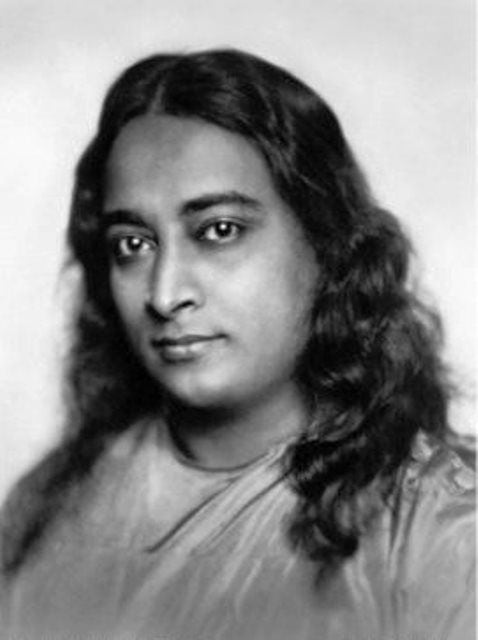
Paramahansa Yogananda
Ils concordent sur: Qui suis-je ? Existe-t-il un vrai soi ? · Pourquoi souffrons-nous ? · Que se passe-t-il après la mort ?
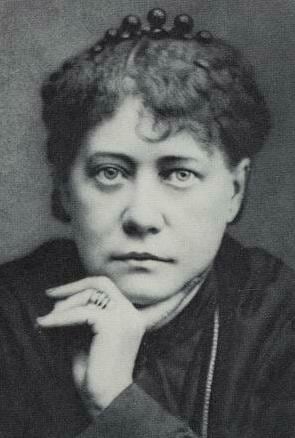
Helena Blavatsky
Ils concordent sur: Qu'est-ce que l'Absolu ? Dieu existe-t-il ? · Le monde est-il réel ? · Qui suis-je ? Existe-t-il un vrai soi ?
Meher Baba
Ils concordent sur: Pourquoi souffrons-nous ? · Que se passe-t-il après la mort ? · Comment atteint-on la libération ou le salut ?
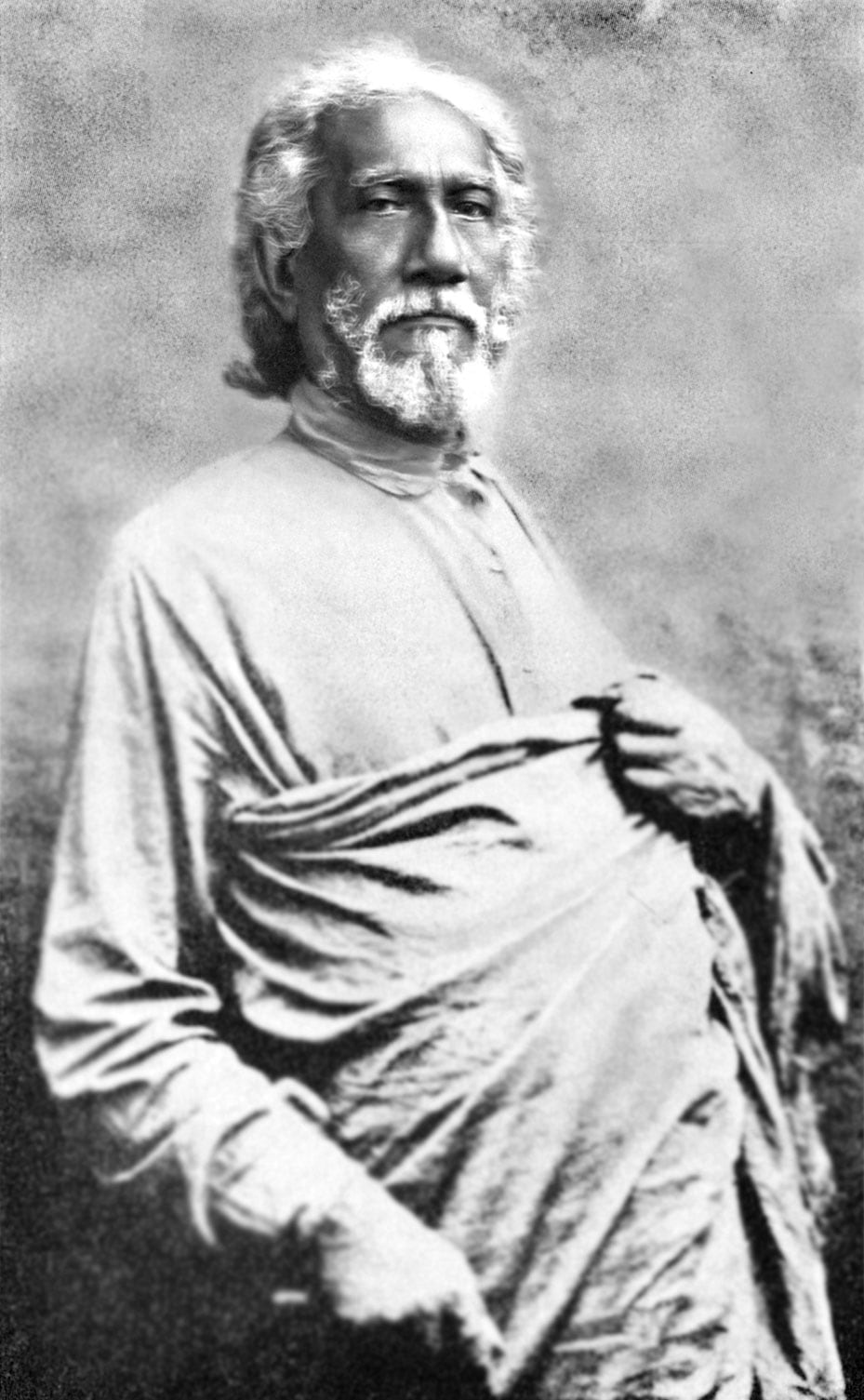
Sri Yukteswar
Ils concordent sur: Qu'est-ce que l'Absolu ? Dieu existe-t-il ? · Que se passe-t-il après la mort ? · Faut-il un maître ?
Pense autrement que

Nikolai Berdyaev
Ils s'opposent sur: Que se passe-t-il après la mort ? · Faut-il un maître ?
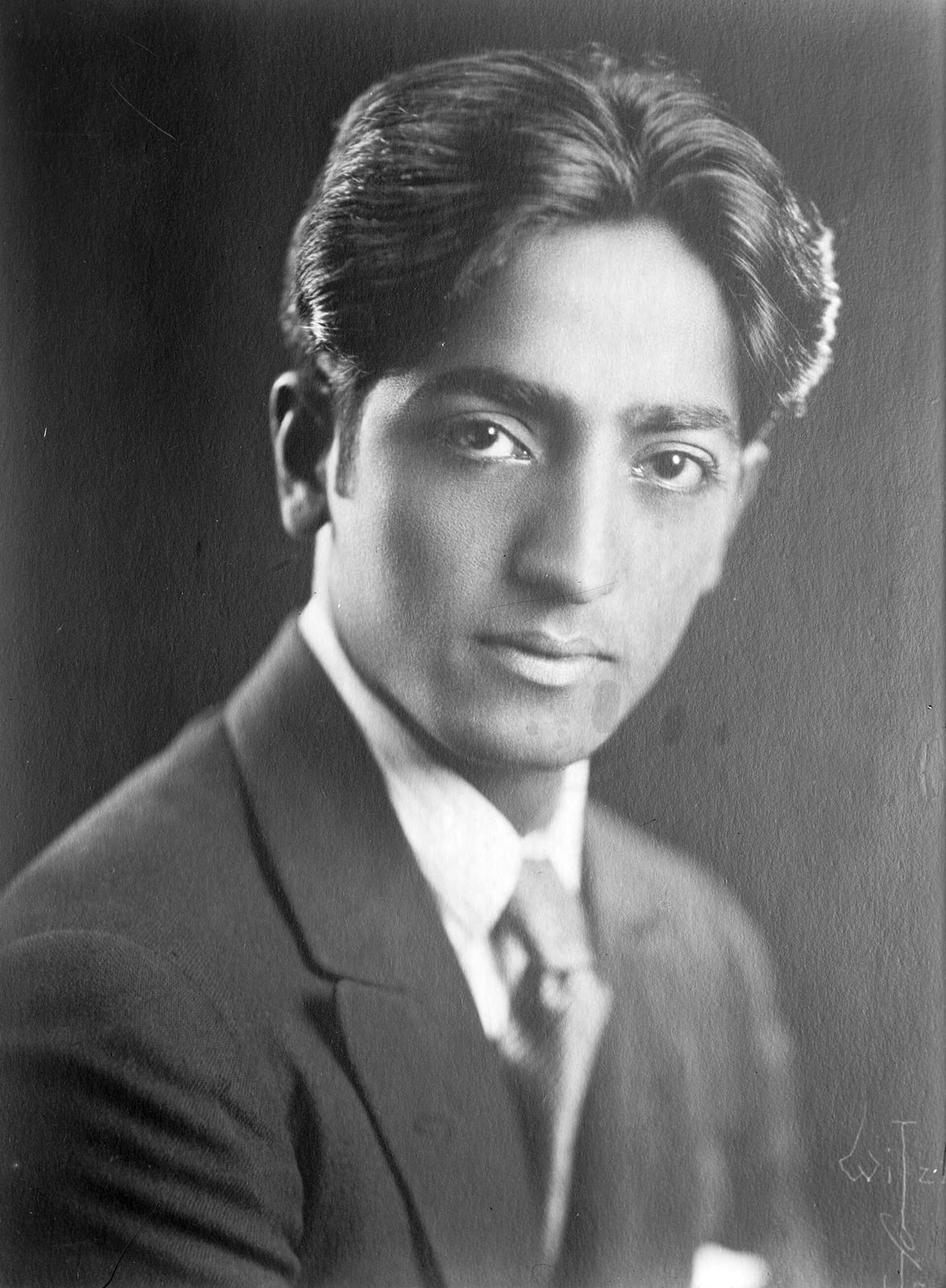
Jiddu Krishnamurti
Ils s'opposent sur: Comment atteint-on la libération ou le salut ? · Faut-il un maître ?

Epicurus
Ils s'opposent sur: Que se passe-t-il après la mort ?
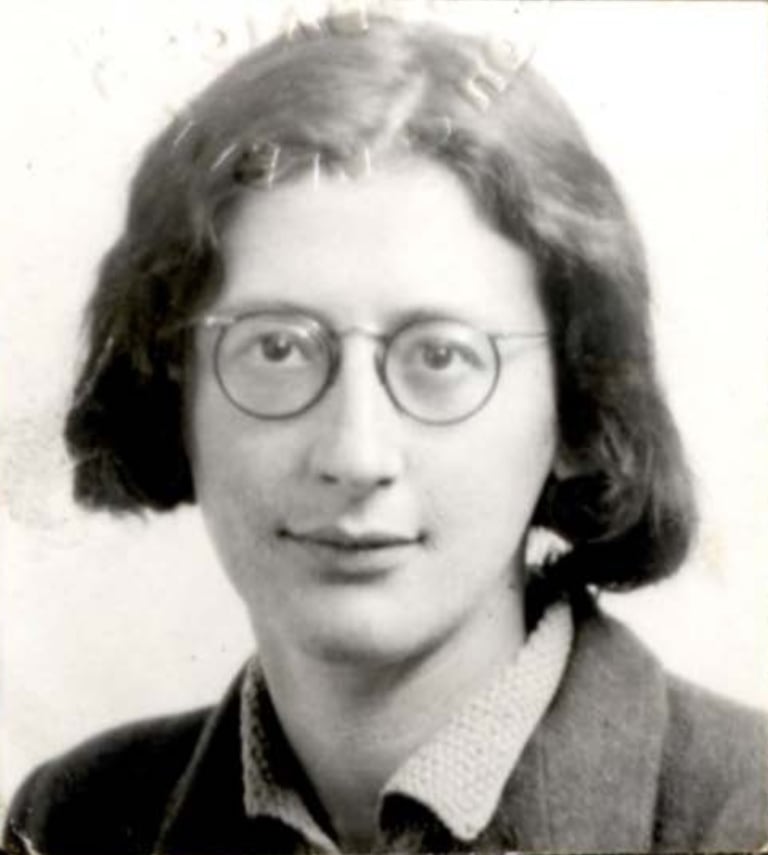
Simone Weil
Ils s'opposent sur: Faut-il un maître ?
Anecdotes et récits
Anecdotes et récits
Témoignage1899–1901
Bologoye, 1899
Origine du récit: The meeting is documented; the sentence comes from Nicholas Roerich's essay 'University', written in old age and reproduced on the Bologoye monument (2001).
Documenté1920–1921
The London sessions
Origine du récit: The sessions are documented by the family diaries and correspondence, studied by Andreyev (2014) and summarised in the Russian Wikipedia. What is documented is the practice; the identity of the 'Master' belongs to the faith of the family and their followers.
Source: Andreyev, Alexandre. The Myth of the Masters Revived: The Occult Lives of Nikolai and Elena Roerich. Leiden/Boston: Brill, 2014 (Aries Book Series, 18).
Documenté1924–1936
Two versions of the same book
Origine du récit: Direct comparison of the Urga edition (1926) on Wikisource, the 1930 English edition on the Internet Archive and the Russian and English texts of the Agni Yoga Society. Andreyev, Znamenski and McCannon place these changes within the evolution of the family's relationship with the USSR.
Source: [Рерих, Е. И.] Основы буддизма. Urga, 1926 (anónimo). Texto íntegro en Wikisource en ruso.
Témoignage1927–1928
A pulse of a hundred and forty
Origine du récit: Testimony of Nicholas Roerich, quoted in the Russian Wikipedia from his writings. The conditions of the detention are documented by the 1928 telegram and by George Roerich's Trails to Inmost Asia (1931).
Documenté1933–1936
Letters to the President
Origine du récit: Walker, 'The New Deal and the Guru', American Heritage (1989); photocopies of the letters at Rutgers University Libraries (1933–1936).
Source: Walker, J. Samuel. «The New Deal and the Guru». American Heritage, vol. 40, n.º 2 (marzo de 1989).
Documenté1948–1955
The white stupa of Kalimpong
Origine du récit: Data from the Russian and English Wikipedias (stupa inscription, Crookety House museum, George's return in 1957).
Enseignements
Enseignements
Les notions qui structurent sa pensée, expliquées dans leur contexte.
Agni Yoga (Living Ethics)agni-yoga
Inter-war neo-Theosophy; mass diffusion in post-Soviet Russia.
Psychic energyenergia-psiquica
Developed above all in Agni Yoga, Infinity and Fiery World.
Hierarchy of Lightjerarquia
Inherited from Theosophy; basis of Helena's spiritual authority within the movement.
Source: Andreyev, Alexandre. The Myth of the Masters Revived: The Occult Lives of Nikolai and Elena Roerich. Leiden/Boston: Brill, 2014 (Aries Book Series, 18).
The heartcorazon
Theme of the book Heart (1932), present throughout the series.
Subtle World and Fiery Worldmundo-ardiente
Core of the Fiery World trilogy; taken up again in Supermundane.
The Mother of the Worldmadre-del-mundo
A theme shared by Agni Yoga, Nicholas Roerich's painting and the address 'To Women' (1931).
Vidéos
Vidéos
Enregistrements, entretiens et documentaires. Les vidéos sont lues depuis YouTube ; elles ne sont pas hébergées ici.
«Николай и Елена Рерих. Больше, чем любовь»
Voir sur YouTube
Cette vidéo ne peut pas être intégrée ; elle s'ouvre sur YouTube.
«Николай и Елена Рерих. Больше, чем любовь»
Documentaire· RU· 39 min
Телеканал КультураChaîne officielle
«Елена Рерих» (Женщины в русской истории, n.º 100)
Documentaire· RU· 2013· 15 min
365 Дней ТВChaîne officielle
Лекция «Елена Ивановна Рерих»
Conférence· RU· 2017· 77 min
RoerichSpb Museum (Museo-Instituto de la Familia Roerich, San Petersburgo)Chaîne officielle
Онлайн-лекция «Елена Ивановна Рерих – философ реального Космоса»
Conférence· RU· 2026· 99 min
Международный Центр РериховChaîne officielle
«Елена Ивановна Рерих. Эпистолярное наследие и переводы» (E. G. Petrenko)
Conférence· RU· 2023· 135 min
Лига Культуры Одесского Дома-Музея РерихаChaîne officielle
«Портреты Елены Ивановны Рерих» (E. G. Petrenko)
Conférence· RU· 2022· 95 min
Лига Культуры Одесского Дома-Музея РерихаChaîne officielle
«Елена Рерих о приходе Нового мира и новой науки» (145.º aniversario)
Conférence· RU· 2024· 112 min
Лига Культуры Одесского Дома-Музея РерихаChaîne officielle
Nicholas and Helena Roerich: Life, Vision, and a Shared Quest for the Spirit (Alex Audziayuk)
Conférence· EN· 2026· 51 min
Theosophical SocietyChaîne officielle
Helena Roerich
Conférence· EN· 2023· 59 min
Brisbane Theosophical SocietyChaîne officielle
Helena Roerich's Contribution to the Object of Theosophical Science (Martha M. Libster)
Conférence· EN· 2025· 74 min
European School of TheosophyChaîne officielle
Nicholas y Helena Roerich, El Sendero del Agni Yoga
Conférence· ES· 2022· 96 min
America Teosofica - FTI OficialChaîne officielle
Matrimonio Roerich. El camino hacia Shamballa (José Rubio Sánchez)
Conférence· ES· 2017· 104 min
Grupo de Estudios Teosóficos de Valencia
Galerie
Galerie
Images dont la licence a été vérifiée. Chacune conserve son auteur et son attribution.
Manuscrits
Manuscrits
Témoins manuscrits et textes anciens, avec leur dépositaire et leurs conditions de consultation.
RU · Cyrillic · 1920–1955
Дневники и записные книжки Е. И. Рерих
- Témoin conservé
- Cuadernos de diario manuscritos, fuente de los libros de la Agni Yoga.
- Dépositaire
- Museo Estatal de Arte Oriental, Moscú (edición «Листы дневника», 2006–) y otras colecciones; reparto exacto no verificado
RU · Cyrillic · 1920–1955
Эпистолярное наследие Е. И. Рерих
- Témoin conservé
- Originales y copias de cartas.
- Dépositaire
- Centro Internacional de los Roerich (Moscú)
EN · Latin · 1933–1936
Letters from Helena Roerich to Franklin D. Roosevelt (photocopies), 1933–1936
- Témoin conservé
- Fotocopias
- Dépositaire
- Rutgers University Libraries, Special Collections and University Archives (New Brunswick, Nueva Jersey)
- Numérisation
- archives.libraries.rutgers.edu/repositories/11/a…
Relations
Relations
Influences, filiations et affinités. On distingue la relation documentée de la similitude identifiée par analyse.
Famille de
Her husband from 1901; she shared all his undertakings, from archaeology to the Central Asian expedition and the Pact.
Relation documentée
Famille de
Sviatoslav Roerich
Younger son (1904–1993), a painter; in 1990 he gave his mother's correspondence to the International Centre of the Roerichs.
Relation documentée
Famille de
George (Yuri) Roerich
Elder son (1902–1960), a Tibetologist; he stayed with her in Kalimpong until her death and returned to Moscow in 1957.
Relation documentée
A reçu l'influence de
She translated into Russian the two volumes of The Secret Doctrine (Riga, 1937) and a selection of the Mahatma letters (1925); the figure of Morya and the notion of Hierarchy come from Blavatsky's Theosophy.
Relation documentée
Contemporain de
In July 1920 the Roerichs received in London membership certificates of the Theosophical Society signed by Besant as president.
Relation documentée
Idées proches de
Contemporaries and heirs of Theosophy, both published between the 1920s and 1940s long series of books presented as dictated by a Himalayan master—Morya in one case, 'the Tibetan' Djwal Khul in the other—and announced a new era. The English Wikipedia associates them in its 'See also' section.
Similitude identifiée par analyse
A reçu l'influence de
From her youth she read Vivekananda and Ramakrishna, together with Tagore.
Relation documentée
A reçu l'influence de
A youthful reading, according to her biographers.
Relation documentée
Idées proches de
Siddhartha Gautama, the Buddha
She wrote Foundations of Buddhism (1926), and Agni Yoga incorporates Buddhist notions—karma, rebirth, Maitreya—though reinterpreted through Theosophy.
Similitude identifiée par analyse
A correspondu avec
Franklin D. Roosevelt
She wrote him allegorical letters between 1933 and 1936; Roosevelt apparently answered some.
Relation documentée
Lié depuis d'autres fiches
Sources
Sources
Bibliographie et catalogues consultés pour cette fiche.
- Decter, Jacqueline (con el Nicholas Roerich Museum). Nicholas Roerich: The Life and Art of a Russian Master. Rochester (Vermont): Park Street Press, 1989.
- Andreyev, Alexandre. The Myth of the Masters Revived: The Occult Lives of Nikolai and Elena Roerich. Leiden/Boston: Brill, 2014 (Aries Book Series, 18).
- McCannon, John. Nicholas Roerich: The Artist Who Would Be King. Pittsburgh: University of Pittsburgh Press, 2022.
- Znamenski, Andrei. Red Shambhala: Magic, Prophecy, and Geopolitics in the Heart of Asia. Wheaton (Illinois): Quest Books, 2011.
- Wikidata, entidad Q271493 («Helena Roerich»): fechas, lugares e identificadores (VIAF 7396456, Open Library OL267680A).
- «Рерих, Елена Ивановна», Wikipedia en ruso (secciones de biografía, «Спиритические сеансы», «Живая Этика», «Написание книг и переводы», «Эпистолярное наследие», «Последние годы»), revisión consultada el 2026-10-25.
- «Helena Roerich», Wikipedia en inglés, revisión consultada el 2026-10-25.
- Agni Yoga Society (Nueva York): textos íntegros de la serie Agni Yoga, «Letters of Helena Roerich», «On Eastern Crossroads» y «Foundations of Buddhism», con avisos de copyright y datos de edición, en inglés, ruso y español.
- Sociedad Agni Yoga Hispana (Caguas, Puerto Rico): traducciones españolas de la serie Agni Yoga (1994–2012), publicadas en el sitio de la Agni Yoga Society.
- Wikisource en ruso, «Автор:Елена Ивановна Рерих»: bibliografía (Учение Живой Этики con lugares y años de primera edición, obras, traducciones, cartas, ediciones póstumas).
- [Рерих, Е. И.] Основы буддизма. Urga, 1926 (anónimo). Texto íntegro en Wikisource en ruso.
- Rokotoff, Natalie [Helena Roerich]. Foundations of Buddhism. Nueva York: Roerich Museum Press, 1930.
- Walker, J. Samuel. «The New Deal and the Guru». American Heritage, vol. 40, n.º 2 (marzo de 1989).
- Rutgers University Libraries, Special Collections (New Brunswick): fotocopias de cartas de Helena Roerich a Franklin D. Roosevelt, 1933–1936.
- Open Library, autora Helena Roerich (OL267680A) y registros de la Agni Yoga Society como editorial, consultados el 2026-10-25.
- Рерих, Е. И. Община (Рига, 1936): nota editorial sobre la primera edición de Urga (1927, con fecha de 1926 en la portada) y la reedición de Riga con párrafos añadidos en diciembre de 1935, en la ficha de LitRes.
- Nicholas Roerich Museum (Nueva York). «Nicholas Roerich: biographical outline», con la semblanza de Helena Roerich.
- Ayant droit
- Helena Roerich murió en 1955: sus textos son de dominio público en la Unión Europea y en Rusia desde el 1 de enero de 2026, pero en España (80 años) no lo serán hasta 2036, y en Estados Unidos las ediciones originales posteriores a 1930 siguen protegidas 95 años desde su publicación. Las traducciones inglesas son propiedad de la Agni Yoga Society (Nueva York) y las españolas de la Sociedad Agni Yoga Hispana, que las ofrecen gratis en línea con restricciones de uso; el Centro Internacional de los Roerich (Moscú) edita el epistolario completo.
- Site officiel
- www.agniyoga.org/
En attente de confirmation
Ce que cette fiche n'a pas encore pu établir. Nous préférons le dire plutôt que de combler.
- Los textos íntegros de los catorce libros de la Agni Yoga en ruso están en agniyoga.org (copyright de la Agni Yoga Society) y no en Wikisource: buscar una fuente de los originales rusos (ediciones de París y Riga, 1924–1937) apta para la sala de lectura; los anteriores a 1931 ya son de dominio público en EE. UU. y, desde 2026, en Rusia y la UE.
- ISBN de ediciones impresas en español: la Sociedad Agni Yoga Hispana publica sus traducciones sin ISBN visible en línea; comprobar ediciones impresas (y las de editoriales argentinas o españolas) en la base del ISBN de España y de Argentina.
- ISBN de las ediciones de 2017 de «Hierarchy», «Aum», «Brotherhood» y de los volúmenes I, III y IV de «Supermundane» (Agni Yoga Society): no localizados en Open Library.
- Confirmar la primera edición de «Hojas del jardín de Moria I»: la Agni Yoga Society da 1923 para la edición inglesa y Wikisource 1924 (París) para la rusa.
- Verificar el contenido y la autoría de «Огонь Неопаляющий» (MCR, 2004), citado en Wikisource como obra de Helena Roerich; no se ha registrado.
- Comprobar el reparto actual de los diarios manuscritos (Museo Estatal de Arte Oriental, Centro Internacional de los Roerich, colecciones privadas).
- Localizar el texto del ensayo «Университет» de Nicolás Roerich con la frase sobre el encuentro de Bologoye, y el escrito en que describe el pulso de Helena en el Tíbet.
- Fecha exacta del traslado a Kalimpong (entre 1948 y 1949) y fecha de la cremación.
Recherche effectuée le 2026-10-25