Théosophie
Alice A. Bailey
1880 – 1949Personne historiquement documentée
Alice A. Bailey (1880–1949), écrivaine ésotérique britannique établie aux États-Unis, signa vingt-quatre livres qui forment l'un des corpus les plus influents de la théosophie postérieure à Blavatsky. Elle en présenta dix-neuf comme des dictées télépathiques d'un maître qu'elle appela « le Tibétain » (plus tard Djwhal Khul), et cinq comme son œuvre propre. Avec son mari, Foster Bailey, elle fonda Lucis Trust et l'École arcane, diffusa la Grande Invocation et popularisa l'expression « Nouvel Âge ». Son héritage est aussi vaste que discuté.
- œuvres
- 33œuvres
- éditions
- 55éditions
- citations
- 8citations
- vidéos
- 9vidéos
- images
- 3images
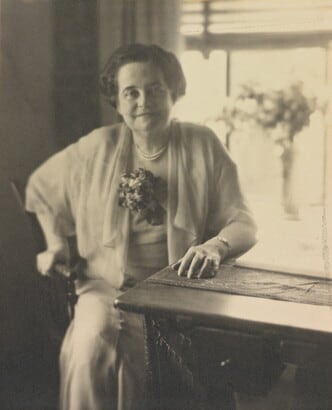
Alice A. Bailey en la década de 1940 · Public domain
Dans ses propres mots
«From the point of Light within the Mind of God / Let light stream forth into the minds of men.»La Gran Invocación (versión de 1945), en The Reappearance of the Christ, páginas preliminares

Son idée centrale
Bailey distinguishes automatic writing, which she considers dangerous because it requires passivity, from the conscious telepathy she claimed to practise: positive attention, full control of the senses and faithful transcription, correcting only the English.
Le voir en contexte
Biographie
5 min de lecture
Traduction assistée à partir de l'original espagnol, en attente de relecture par un traducteur natif.
Une enfant de la grande bourgeoisie victorienne
Alice La Trobe-Bateman naquit à Manchester le 16 juin 1880, dans une famille d'ingénieurs. Son grand-père, John Frederic La Trobe-Bateman, était l'un des grands bâtisseurs de barrages et d'adductions d'eau de l'Angleterre industrielle ; son père, Frederic Foster La Trobe-Bateman, travaillait pour l'entreprise familiale et emmena l'enfant, âgée de quelques mois, à Montréal, où il participa aux travaux du pont Victoria sur le Saint-Laurent. Tout ce que nous savons de ces années provient d'un témoignage unique : l'Autobiographie inachevée qu'elle rédigea elle-même entre 1945 et 1948 et que son veuf publia en 1951. C'est une source précieuse et, en même temps, une source intéressée, écrite par une femme qui lisait sa propre vie à la lumière de la mission qu'elle croyait avoir reçue.
Dans ce récit, l'enfance apparaît entourée de luxe et d'une tristesse persistante. Sa mère mourut à vingt-neuf ans, quand Alice en avait six ; son père, malade, mourut peu après au cours d'une traversée vers la Tasmanie. Les deux sœurs grandirent chez leurs grands-parents à Moor Park (Surrey) puis, après la mort du grand-père, entre gouvernantes et longs séjours à Castramont, la maison écossaise d'une tante, Margaret Maxwell. L'autrice ne cache pas ce que bien des biographes auraient tu : avant d'avoir quinze ans, dit-elle, elle tenta trois fois de se donner la mort.
Le visiteur au turban
L'épisode qui ordonne toute son autobiographie eut lieu le dimanche 30 juin 1895, à Castramont. Seule au salon tandis que la famille était à l'église, elle vit entrer — selon son récit — un homme de haute taille, vêtu à l'européenne et coiffé d'un turban, qui lui annonça qu'un travail l'attendait dans le monde si elle parvenait à maîtriser son caractère. Des années plus tard, dans la salle des portraits de la section ésotérique de la Société théosophique, à Krotona, elle crut le reconnaître dans l'image du maître Koot Hoomi. Aucun autre témoin ne corrobore la scène ; c'est, au sens strict, un témoignage personnel.
Évangéliste, épouse, ouvrière
La jeune anglicane trouva d'abord sa vocation dans l'évangélisation. Elle travailla dans les foyers du soldat qu'Elise Sandes dirigeait en Irlande puis, dans l'Inde britannique, où elle ouvrit des centres à Umballa et à Ranikhet. Elle y rencontra Walter Evans, un soldat qui aspirait au sacerdoce ; ils se marièrent en Grande-Bretagne vers 1907 et s'installèrent à Cincinnati, où il étudia au séminaire théologique de Lane avant d'être ordonné dans l'Église épiscopalienne. Le mariage, qu'elle raconte avec dureté, fut une suite de privations et de violences. Trois filles naquirent — Dorothy, Mildred et Ellison — et en 1915, alors à Pacific Grove (Californie), le couple se sépara. Pour faire vivre ses filles, la petite-fille de l'ingénieur de Manchester travailla dans une conserverie de sardines.
Théosophie et rupture
À Pacific Grove, deux Anglaises l'emmenèrent à la loge théosophique locale. La lecture de La Doctrine secrète de Blavatsky chassa la Bible de sa table de chevet et, vers 1917-1918, elle s'installa à Krotona, le siège californien de la Société théosophique, où elle dirigea la cafétéria, entra dans la section ésotérique et finit par éditer la revue The Messenger. En janvier 1919, elle rencontra Foster Bailey, nommé la même année secrétaire national ; une fois le divorce obtenu, ils se marièrent en 1921.
Le couple prit la tête d'un courant critique envers la direction d'Adyar et envers l'emprise de la section ésotérique sur la société, en pleine controverse sur les prophéties d'Annie Besant concernant Krishnamurti. La convention de Chicago de 1920 se solda par leur éviction à tous deux de leurs fonctions. Les historiens — Bruce F. Campbell, Olav Hammer — ajoutent un motif de fond : la méfiance de Besant envers les communications qu'Alice disait recevoir.
La voix du Tibétain
En novembre 1919, assise sur une colline près de sa maison d'Hollywood, Bailey entendit, à l'en croire, une note de musique et une voix qui lui demandait d'écrire des livres pour le public. Elle refusa ; la voix revint trois semaines plus tard et elle accepta d'essayer. Ainsi naquirent les premiers chapitres d'Initiation humaine et solaire (1922). Pendant trente ans, elle prit sous la dictée — en insistant toujours sur le fait qu'il ne s'agissait pas d'écriture automatique, mais d'une télépathie consciente — dix-neuf volumes attribués au « Tibétain », qu'elle finit par identifier comme Djwhal Khul, un maître de la tradition théosophique. Elle signa cinq livres comme siens. La paternité de l'œuvre est donc la question centrale : les lecteurs théosophes l'acceptent comme transmission ; les historiens la traitent comme une production littéraire de Bailey qui adopte la forme de la révélation. Elle-même rapporte, avec ironie, que Jung aurait vu dans le Tibétain la personnification de son moi supérieur.
Lucis Trust et l'École arcane
Installés à New York, les Bailey fondèrent en 1922 la maison d'édition qui publierait toute son œuvre — d'abord Lucifer Publishing Company, nom qui fait allusion à la lumière et qu'ils changèrent bientôt en Lucis — et, en avril 1923, l'École arcane, une formation par correspondance à la méditation et au service qui n'exigeait aucun serment d'obéissance. Autour d'elle se développèrent la revue The Beacon, World Goodwill (qui soutenait explicitement les Nations unies) et le réseau des Triangles, groupes de trois personnes qui méditent chaque jour. En 1937 parut une première strophe de la Grande Invocation, et en 1945 la version qui circule aujourd'hui dans des dizaines de langues.
Doctrine, influence et controverse
Son système réélabore la théosophie de Blavatsky et de Leadbeater : une hiérarchie de maîtres qui guide l'évolution, sept rayons d'énergie qui qualifient les personnes et les nations, une astrologie et une guérison « ésotériques », et l'attente d'une réapparition du Christ qui fonderait une religion universelle. Son usage insistant de l'expression « Nouvel Âge » explique que de nombreux spécialistes la comptent parmi les précurseurs du mouvement du même nom, par l'intermédiaire de Findhorn et d'autres groupes.
La controverse fait partie de l'héritage et doit être consignée sans être atténuée. Des textes comme L'Éducation dans le Nouvel Âge et La Destinée des nations contiennent une théorie des races spirituelles et des passages sur le judaïsme que des auteurs comme Yonassan Gershom, Hannah Newman et Victor Shnirelman ont qualifiés d'antisémites ou de racistes. Lucis Trust soutient que ces lectures sortent de son contexte un langage évolutif et symbolique ; le lecteur trouvera les deux arguments.
Fin
Malade du cœur et du sang, Bailey refusa l'invalidité à partir de 1946 et continua de dicter des lettres depuis l'hôpital. Elle mourut à New York le 15 décembre 1949. Son autobiographie resta interrompue ; Les Rayons et les initiations, dernier volume du Traité sur les sept rayons, parut en 1960. Lucis Trust conserve les droits et maintient ses livres disponibles en ligne et traduits en de nombreuses langues.
Sources: Bailey, Alice A. The Unfinished Autobiography. Nueva York: Lucis Publishing Company, 1951 (© 1951, renovado 1979, Lucis Trust). · Campbell, Bruce F. Ancient Wisdom Revived: A History of the Theosophical Movement. Berkeley: University of California Press, 1980. · Hammer, Olav. Claiming Knowledge: Strategies of Epistemology from Theosophy to the New Age. Leiden: Brill, 2001. · Sutcliffe, Steven J. Children of the New Age: A History of Spiritual Practices. Londres: Routledge, 2003. · Bailey, Alice A. The Reappearance of the Christ. Nueva York: Lucis Publishing Company, 1948 (texto de la Gran Invocación en las páginas preliminares).
Chronologie
La vie, année après année
Chaque point est un événement documenté. Cliquez pour le lire, avec sa source et son degré de certitude.
16 juin 18800 ansMánchester
Born in Manchester
Alice La Trobe-Bateman is born, daughter of the engineer Frederic Foster La Trobe-Bateman and Alice Hollinshead, granddaughter of the waterworks builder John Frederic La Trobe-Bateman.
DocumentéBailey, Alice A. The Unfinished Autobiography. Nueva York: Lucis Publishing Company, 1951 (© 1951, renovado 1979, Lucis Trust).
Après sa mort
- 1951The Unfinished Autobiography published
- 1960Last volume of the dictation
16 juin 1880 · 0 ans
Born in Manchester
Alice La Trobe-Bateman is born, daughter of the engineer Frederic Foster La Trobe-Bateman and Alice Hollinshead, granddaughter of the waterworks builder John Frederic La Trobe-Bateman.
Documenté
v. 1886 · 6 ans
Death of her mother
Her mother dies at twenty-nine, when Alice is six; soon after, her father dies on a voyage to Tasmania and the girls are left with their grandparents at Moor Park, Surrey.
Documenté
30 juin 1895 · 15 ans
The visitor in the turban
According to her autobiography, a stranger in a turban visits her at her aunt's house and announces a future task. She later identifies him with the Master Koot Hoomi. It is uncorroborated personal testimony.
Contesté
v. 1900 – 1906
Evangelist in the Soldiers' Homes
She works with Elise Sandes in the evangelical homes for British soldiers, first in Ireland and then in India, where she opens homes at Umballa and Ranikhet and meets Walter Evans.
Documenté
v. 1907 · 27 ans
Marriage to Walter Evans
She marries Walter Evans in a private chapel in Britain and moves with him to Cincinnati, where he studies at Lane Theological Seminary before being ordained an Episcopal priest.
Probable
1915 · 35 ans
Separation and the sardine cannery
She separates definitively from Walter Evans and, with three young daughters (Dorothy, Mildred and Ellison), works in a sardine cannery to support them.
Documenté
v. 1918 · 38 ans
Esoteric Section of the Theosophical Society
Having discovered Theosophy in Pacific Grove she settles at Krotona, joins the Esoteric Section and, in the shrine room, believes she recognises her 1895 visitor as the Master K. H.
Documenté
novembre 1919 · 39 ans
First contact with 'the Tibetan'
According to her account, a voice asks her to write books for the public. After refusing once, she agrees to try and receives the first chapters of Initiation, Human and Solar.
Contesté
1920 · 40 ans
Break at the Chicago convention
The 1920 American Theosophical convention seals the confrontation between Adyar loyalists and the Baileys' group, who lose their posts and leave the Society.
Documenté
1921 · 41 ans
Marriage to Foster Bailey
Her divorce from Walter Evans granted, she marries Foster Bailey (1888–1977), who will be her partner in every later undertaking.
Documenté
1922 · 42 ans
First book and own press
Initiation, Human and Solar, Letters on Occult Meditation and The Consciousness of the Atom are published. The Baileys found the Lucifer Publishing Company, soon renamed Lucis.
Documenté
avril 1923 · 42 ans
Founding of the Arcane School
They organise the Arcane School, a correspondence training in meditation and service, with no vows of obedience to any person.
Documenté
1925 · 45 ans
A Treatise on Cosmic Fire
Her longest and most technical work appears, dedicated to H. P. Blavatsky.
Documenté
1936 · 56 ans
A Treatise on the Seven Rays begins
Esoteric Psychology I is published, the first of the treatise's five volumes; the last will appear in 1960.
Documenté
1945 · 65 ans
The Great Invocation
She circulates the version of the Great Invocation now used in many languages ('From the point of Light within the Mind of God…'); a first stanza had appeared in 1937.
Documenté
15 décembre 1949 · 69 ans
Death in New York
She dies after years of heart and blood disease. Foster Bailey announces the news by letter to students around the world.
Documenté
1951
The Unfinished Autobiography published
Foster Bailey edits the autobiography left off in 1948, with a foreword and appendices on the Arcane School.
Documenté
1960
Last volume of the dictation
Lucis publishes The Rays and the Initiations, closing A Treatise on the Seven Rays and the cycle of twenty-four books.
Documenté
Œuvres
Œuvres essentielles
Les œuvres sans lesquelles on ne comprend pas son héritage.
Attribution traditionnelle · 1922
Initiation, Human and Solar
An account of the Hierarchy of masters that, in Theosophy, guides human evolution, and of the five initiations through which the disciple is said to pass. It describes the organisation of that Hierarchy, the role of the Lords of the Flame and the meaning of solar initiation. It is the classic entry point to Bailey's corpus.
4 éditions · amazon.com

Attribution traditionnelle · 1925
A Treatise on Cosmic Fire
The longest and most technical work in the corpus: a cosmology of over a thousand pages on the three fires (by friction, solar and electric), the planes, the devas and the evolution of solar systems, conceived as a psychological development of The Secret Doctrine. It is the reference text for advanced students of Bailey.
2 éditions · amazon.com

Attribution traditionnelle · 1934
A Treatise on White Magic
A Treatise on White Magic, or The Way of the Disciple
A commentary on fifteen 'rules for magic' concerning the creation of thought-forms by the soul: 'white magic' here means the soul's creative work through the personality, in service of the group. It contains the formula that energy follows thought and extensive practical advice for the disciple.
2 éditions · amazon.com

Attribution traditionnelle · 1936
Esoteric Psychology I
A Treatise on the Seven Rays, Vol. I: Esoteric Psychology I
First volume of A Treatise on the Seven Rays: it presents the seven fundamental energies (will, love-wisdom, active intelligence, harmony through conflict, concrete knowledge, devotion and ceremonial order) and their action on the kingdoms of nature. It is the foundation of 'ray psychology'.
2 éditions · amazon.com

Œuvre posthume · 1951
The Unfinished Autobiography
A first-person account of childhood in the English upper middle class, evangelism in India, the unhappy marriage to Walter Evans, poverty in California, the discovery of Theosophy, the break with Adyar and the beginning of the work with the Tibetan. It is the indispensable primary source on her life.
2 éditions · amazon.com
Toute son œuvre (33)

Letters on Occult Meditation
1922

The Consciousness of the Atom
1922

The Light of the Soul
1927

The Soul and Its Mechanism
1930

From Intellect to Intuition
1932

From Bethlehem to Calvary
1937

Esoteric Psychology II
1942
Alice A. Bailey
Between War and Peace
The Conscious LibraryBetween War and Peace
1942

Discipleship in the New Age I
1944

The Problems of Humanity
1947

The Reappearance of the Christ
1948

The Destiny of the Nations
1949

Glamour: A World Problem
1950

Telepathy and the Etheric Vehicle
1950

Esoteric Astrology
1951

Esoteric Healing
1953

Education in the New Age
1954

Discipleship in the New Age II
1955

The Externalisation of the Hierarchy
1957

The Rays and the Initiations
1960

Ponder on This
1971

Serving Humanity
1972

The Soul: The Quality of Life
1974

The Labours of Hercules
1974
Citations
Citations localisées dans une œuvre précise. Chacune porte sa provenance et son degré de fiabilité.
From the point of Light within the Mind of God / Let light stream forth into the minds of men.VérifiéeLa Gran Invocación (versión de 1945), en The Reappearance of the Christ, páginas preliminares
Idées essentielles (résumé éditorial)
Par respect du droit d'auteur, ces idées sont résumées avec nos propres mots et ne sont pas présentées comme des citations littérales.
- Bailey distinguishes automatic writing, which she considers dangerous because it requires passivity, from the conscious telepathy she claimed to practise: positive attention, full control of the senses and faithful transcription, correcting only the English.
- The Tibetan's books are presented without any claim to authority: readers should accept them only if their intuition and practice confirm them, not out of devotion to a master.
- Service to humanity, rather than personal devotion, is for Bailey the soul's own instinct and the way of approach to the spiritual Hierarchy.
- All religions spring from one spiritual source; humanity will come to recognise this in a universal religion that does not abolish the traditions but gathers them.
- Illness has its ultimate root in a blocked soul life; healing consists in restoring the right relation between soul and personality.
Dernières paroles
Récit postérieur de témoins
«I have much to be thankful for. I have had a rich and full life.»I have much to be thankful for. I have had a rich and full life.
Words spoken, according to Foster Bailey, 'that last afternoon' in the New York hospital; he reproduces them in the letter sent to students the morning after her death, included in the foreword to the Unfinished Autobiography. The sentence goes on to thank the many people around the world who had been kind to her. They are not necessarily her last words in a literal sense, but the last her husband recorded. The same letter says her Master K. H. came for her, a statement of faith rather than verifiable testimony.
Source: Bailey, Alice A. The Unfinished Autobiography. Nueva York: Lucis Publishing Company, 1951 (© 1951, renovado 1979, Lucis Trust).
Interroger
Ce que répond son œuvre
Douze grandes questions de l'humanité et ce que ses textes permettent d'y répondre, références à l'appui. Nous ne lui prêtons jamais de paroles.
Qu'est-ce que l'Absolu ? Dieu existe-t-il ?
An Absolute of which nothing can be said, and conscious Logoi animating the worlds
À la fois personnel et impersonnelIl le dit expressément
Alice Bailey, who attributes most of her books to a Tibetan master, Djwhal Khul, proposes a hierarchical theology. At the summit she places the One About Whom Naught May Be Said, an unknowable absolute. Below are the entities she calls Logoi: the Solar Logos, whose body of manifestation is the solar system, and the Planetary Logos, the life animating the Earth, whom she identifies with Sanat Kumara. These Logoi are conscious, purposeful and manifest as will, love-wisdom and active intelligence, so that to speak of God is to speak of real beings in evolution, in whose life, in the Pauline formula she takes up (Acts 17:28), «we live and move and have our being». In A Treatise on Cosmic Fire she develops this cosmology in detail. The divine thus has an ineffable ground and conscious faces at different scales, though none is the creator God of the Abrahamic religions.
Comparer cette question avec d'autres maîtresQui suis-je ? Existe-t-il un vrai soi ?
Monad, soul and personality: a soul learning to govern its vehicle
Une âme en évolutionIl le dit expressément
Alice Bailey describes the human being on three levels: the Monad, a spiritual spark of the Logos; the soul or Ego, dwelling on the higher mental plane; and the personality, made up of the physical, emotional and mental bodies, which is the soul's vehicle in each incarnation. The everyday self is the personality, which over many lives believes itself independent and pursues its own ends. Evolution consists in the soul taking control of that vehicle, until the personality is integrated and becomes the soul's instrument, and later the soul itself merges with the Monad. In A Treatise on White Magic (1934) she presents this process as the disciple's great work, and in The Light of the Soul (1927), her commentary on the Yoga Sutras, she links it to meditation.
Comparer cette question avec d'autres maîtresPourquoi souffrons-nous ?
Illness and pain have karmic roots, individual and collective
Le karma et l'apprentissage de l'âmeIl le dit expressément
Alice Bailey addresses suffering mainly in Esoteric Healing (1953), where she sets out the causes of disease. She distinguishes individual causes, arising from the person's emotional and mental life and karma; group causes, inherited from humanity as a whole; and planetary causes, linked to the evolution of the Earth's Logos. Pain results from friction between the soul, which seeks expression, and a personality that resists or is still unintegrated. In her framework suffering is not punishment but the consequence of causes and a means of learning: it forces the personality to reorient towards the soul and prepares the disciple for service. Bailey insists that karma is also collective, and that much of an individual's pain comes from debts of the humanity they share.
Comparer cette question avec d'autres maîtresQue se passe-t-il après la mort ?
Dying is withdrawing consciousness from the body; the soul incarnates again
Renaissance selon le karmaIl le dit expressément
Alice Bailey treats death as a technical process of the soul's withdrawal. In Esoteric Healing, in the section on the art of dying, she describes how the soul withdraws the thread of consciousness and the thread of life, from the head and the heart, and leaves the physical body; it then sheds the etheric, astral and mental bodies in what she calls the elimination of the vehicles. The freed soul remains on its own plane assimilating experience and then incarnates again according to the law of rebirth and karma, until it completes its evolutionary and initiatory cycle. Bailey criticises the fear of death, which she attributes to identification with form and to materialism, and proposes that it should become a conscious and orderly transition. She also announces that future humanity will understand death as a mere change of state.
Comparer cette question avec d'autres maîtresComment atteint-on la libération ou le salut ?
Discipleship, meditation and group service lead to the initiations under the Hierarchy
Par une pratique disciplinéeIl le dit expressément
Alice Bailey, who attributes most of her work to a Tibetan master named Djwhal Khul, describes liberation as the result of a long evolution through successive initiations. In Initiation, Human and Solar she presents those initiations as expansions of consciousness the disciple attains after purifying the personality and placing it at the service of the soul. The method is occult meditation, control of the mind and, characteristically, service to humanity carried out in groups rather than individual perfection. A Treatise on White Magic develops the rules of that inner work. The last stage is not escape from the world but incorporation into the spiritual Hierarchy which, according to her system, guides planetary evolution.
Comparer cette question avec d'autres maîtresFaut-il un maître ?
The Masters of the Hierarchy guide the disciple, but are found through the soul
IndispensableIl le dit expressément
In Alice Bailey's system, spiritual evolution is guided by a Hierarchy of Masters, and discipleship consists in entering into conscious relationship with it. Initiation, Human and Solar describes initiations as events in which those Masters intervene, and Discipleship in the New Age gathers instructions she attributes to one of them, the Tibetan, addressed to groups of disciples. At the same time, Bailey insists that contact with the Master is not sought for the personality nor brought about by fascination with a figure: it is reached through the soul, once the disciple has become useful for service. The outer teacher is structural, but the way to him passes through the interior.
Comparer cette question avec d'autres maîtresLe monde est-il réel ?
Cosmic and systemic planes: the physical world is the densest of seven
Des plans d'existenceIl le dit expressément
Alice Bailey inherited and expanded Theosophical cosmology. In A Treatise on Cosmic Fire she describes a universe organised into seven planes, each divided into seven subplanes, which in turn form part of the cosmic physical plane of a still greater reality. All of it is the body of manifestation of a great Entity, the Solar Logos, just as the human body is the vehicle of the soul. The physical world is real, but it is the densest of these levels and a limited expression of higher energies. Bailey understands evolution as the process by which consciousness ascends through these planes, and matter is the necessary medium of that expression.
Comparer cette question avec d'autres maîtresQu'est-ce que l'amour ?
Love-wisdom is God's nature and the principle of the new age
L'amour de Dieu et du prochainIl le dit expressément
Alice Bailey places love at the centre of her cosmology. In Esoteric Psychology she describes seven rays or qualities of divine energy, and the second, that of love-wisdom, is for her the dominant quality of our solar system: God is love in a literal, energetic sense. Christ is the embodiment of that principle, and his reappearance, which she announces in The Reappearance of the Christ, would consist in the manifestation of that love in humanity. Bailey insists that this is not personal affection or sentimentality, but an impersonal, inclusive and lucid love, expressed as goodwill towards the whole and as group service. The disciple moves from love of self and of one's own to love of the group, of humanity and of the divine plan.
Comparer cette question avec d'autres maîtresSommes-nous libres ou tout est-il déterminé ?
The soul chooses to incarnate and the personality learns to answer it
Le karma et le choixCela se déduit de sa doctrine
Bailey inherits from theosophy the law of karma as the law of cause and effect, but articulates it around the relation between soul and personality. In *Esoteric Psychology* and *A Treatise on White Magic* the soul chooses its conditions of incarnation according to its purpose and karma, while the personality at first lives ruled by its desires and environment, without true freedom. As contact with the soul is established through meditation and service, the person moves from being driven by forces to directing them consciously. Freedom, then, is not a starting point but an evolutionary achievement: it grows as personal will aligns with the soul's will and, beyond it, with the Plan.
Comparer cette question avec d'autres maîtresPourquoi méditer ou prier ?
Meditating to align personality with soul and place oneself in service
Revenir à la source du jeIl le dit expressément
Bailey devoted her early books to meditation, *Letters on Occult Meditation* (1922) and *From Intellect to Intuition* (1932). There she presents it as a gradual process: concentration, meditation and contemplation, whose aim is to establish conscious contact between the personality (body, emotions and mind) and the soul, and then to receive by intuition impressions from higher planes. But unlike other paths, contact with the soul is not the end: it must be translated into service to humanity. Hence her insistence on group meditation and on the *Great Invocation*, a prayer she spread from 1945 to be recited by people of any creed.
Comparer cette question avec d'autres maîtresLa raison peut-elle connaître l'ultime ?
From intellect to intuition: the trained mind opens the way to higher knowledge
Une connaissance ésotériqueIl le dit expressément
Bailey does not set reason against spiritual knowledge: she orders them. In *From Intellect to Intuition* (1932) she holds that the concrete mind must be educated and disciplined, because only a trained intellect can, through meditation, open to intuition, which she defines as direct apprehension of truth coming from the soul. That intuition gives access to a wisdom which, according to her, is guarded by a hierarchy of masters and revealed gradually to humanity according to its capacity. Her own books are presented as telepathic transmission from one of those masters, the Tibetan. Reason is a necessary stage of the path, not its end, and esoteric knowledge is tested in the disciple's own experience.
Comparer cette question avec d'autres maîtresSe retirer du monde ou le transformer ?
The modern disciple serves in the world: goodwill as a spiritual task
S'engager dans le mondeIl le dit expressément
Alice Bailey holds that the disciple of the new age does not withdraw to an ashram or a monastery but serves in the midst of modern life, in politics, education, science or finance. In the 1930s she launched the idea of the New Group of World Servers, an invisible network of people of goodwill working, each in their own field, for human unity, and created activities such as Triangles and World Goodwill within the Lucis Trust. In The Problems of Humanity (1947) she analyses issues of her time — post-war reconstruction, relations between races and nations, capital and labour, the churches, education — and proposes tackling them through goodwill. For her, meditation is itself a form of service, since it channels spiritual energy into the world, but it must be translated into concrete action.
Comparer cette question avec d'autres maîtres
Affinités et tensions
Affinités et tensions
Calculées question par question à partir de ses positions. La raison de chaque accord ou de chaque désaccord s'affiche d'un clic.
Pense comme
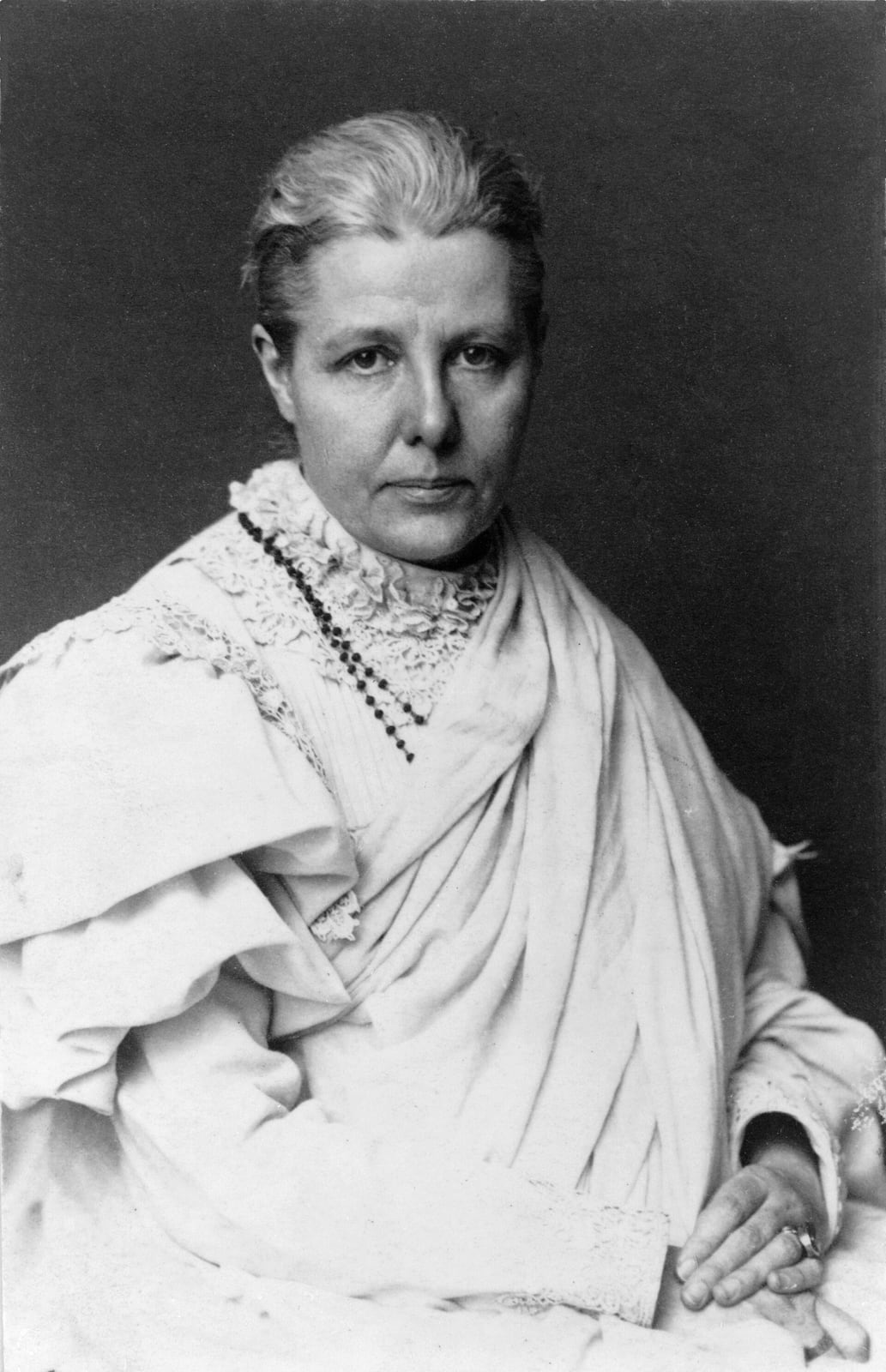
Annie Besant
Ils concordent sur: Sommes-nous libres ou tout est-il déterminé ? · Qu'est-ce que l'Absolu ? Dieu existe-t-il ? · Qui suis-je ? Existe-t-il un vrai soi ?
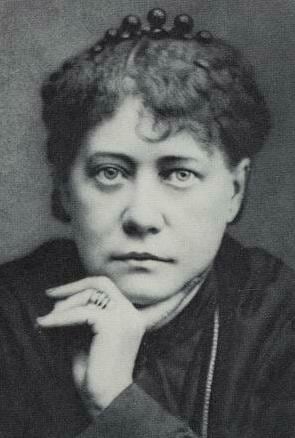
Helena Blavatsky
Ils concordent sur: Sommes-nous libres ou tout est-il déterminé ? · Qui suis-je ? Existe-t-il un vrai soi ? · Pourquoi souffrons-nous ?
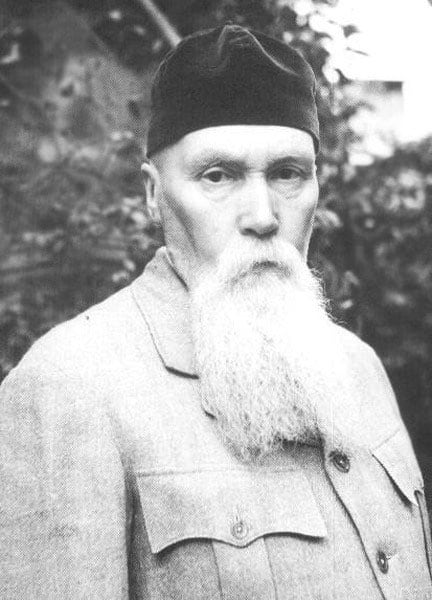
Nicholas Roerich
Ils concordent sur: Faut-il un maître ? · Le monde est-il réel ? · La raison peut-elle connaître l'ultime ?
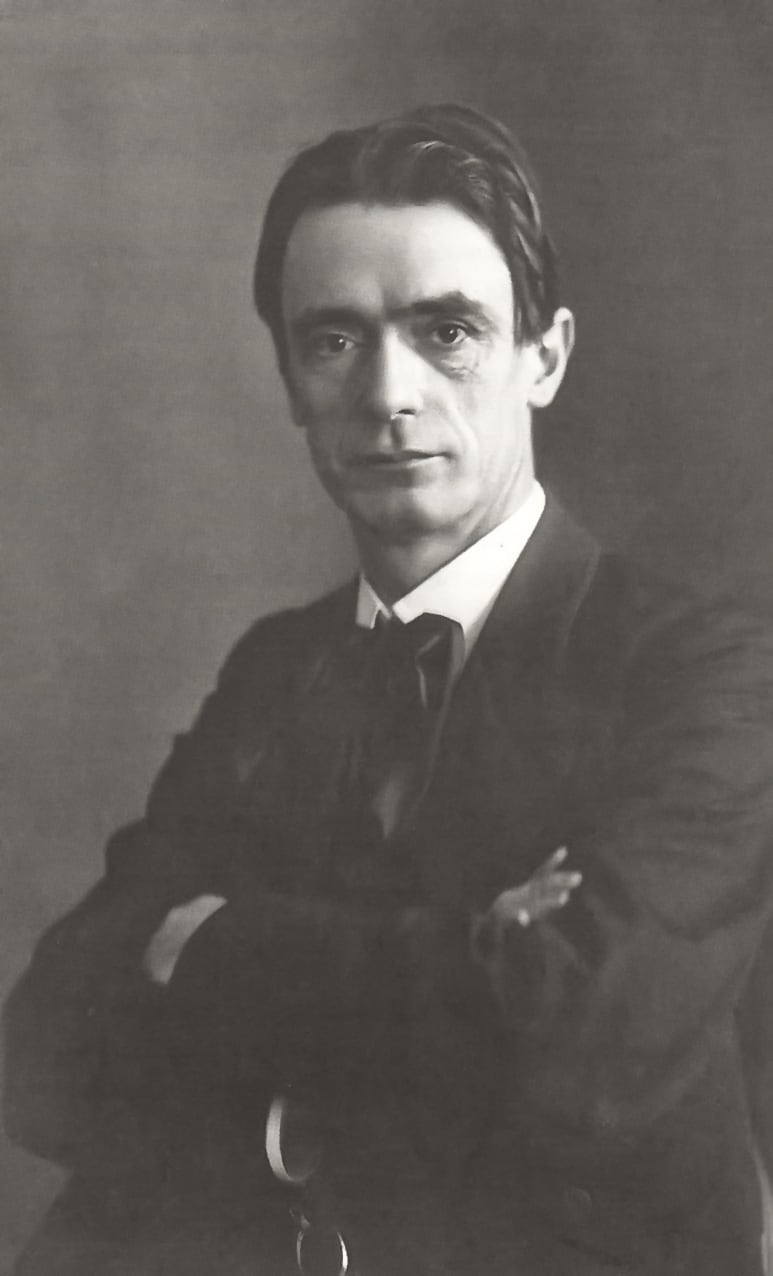
Rudolf Steiner
Ils concordent sur: Pourquoi souffrons-nous ? · Qu'est-ce que l'Absolu ? Dieu existe-t-il ? · Qui suis-je ? Existe-t-il un vrai soi ?
Pense autrement que
Alan Watts
Ils s'opposent sur: Comment atteint-on la libération ou le salut ? · Faut-il un maître ?
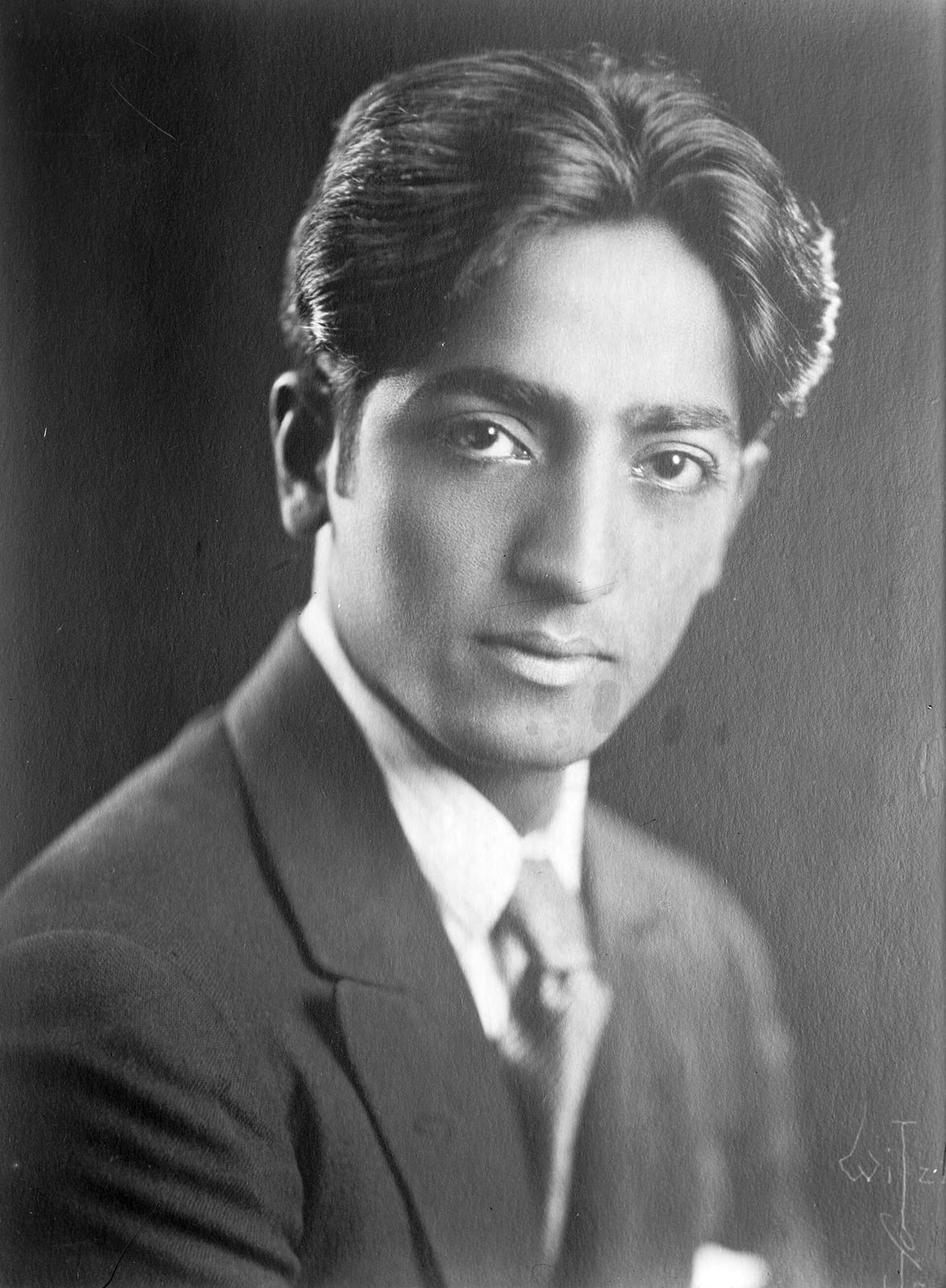
Jiddu Krishnamurti
Ils s'opposent sur: Comment atteint-on la libération ou le salut ? · Faut-il un maître ?

Rabia al-Adawiyya
Ils s'opposent sur: Que se passe-t-il après la mort ?
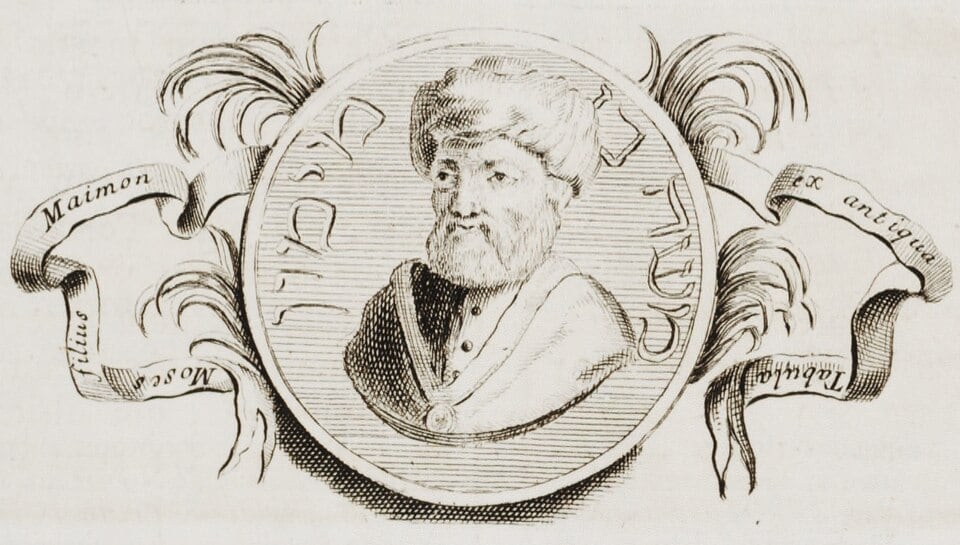
Maimonides
Ils s'opposent sur: Que se passe-t-il après la mort ?
Ils concordent sur
Alice A. Bailey · Helena Blavatsky
Seven planes and a nameless Principle: Theosophical cosmology and its second generation
Pourquoi: The affinity is one of direct inheritance: Bailey was formed in the Theosophical Society, where she worked in California until her break with its leadership around 1920, and she presented her work as a continuation of the line opened by The Secret Doctrine. She attributes most of her books to a Tibetan master, Djwhal Khul, a claim of hers that cannot be verified, just as the existence of Blavatsky's Mahatmas could not be verified. The differences are of emphasis and period: Blavatsky polemicises against the dogma and materialism of the nineteenth century; Bailey writes in the interwar years, with a strong emphasis on service, goodwill and the preparation of a new age.
Anecdotes et récits
Anecdotes et récits
Témoignage1895
The man in the turban at Castramont
Origine du récit: Sole source: The Unfinished Autobiography, ch. I, written fifty years later. There are no other witnesses.
Témoignage1918
The portrait in the Krotona shrine room
Origine du récit: The Unfinished Autobiography, ch. IV. Bailey's own account; the person who answered her is not named.
Témoignage1919
'I'm not a darned psychic'
Origine du récit: The Unfinished Autobiography, ch. IV. Bailey says she did not even tell Foster Bailey about the first episode at the time.
Témoignage1915
The engineer's granddaughter in the cannery
Origine du récit: The Unfinished Autobiography, chs. I and III. Autobiographical account, consistent with the known chronology but without independent documentation.
Invérifiabledécada de 1930–1940
The parcels from India
Origine du récit: The Unfinished Autobiography, ch. IV. Jung's opinion is hearsay ('I have been told'); it has not been located in his published work.
Enseignements
Enseignements
Les notions qui structurent sa pensée, expliquées dans leur contexte.
The Tibetan (Djwhal Khul) and telepathic impressionel-tibetano-djwhal-khul
It extends the Theosophical figure of the Masters of Wisdom and the practice of receiving teachings from them, which with Blavatsky took the form of letters.
The seven rayssiete-rayos
It reworks Theosophical notions and the image of the 'seven spirits before the throne' found in several traditions.
Source: Campbell, Bruce F. Ancient Wisdom Revived: A History of the Theosophical Movement. Berkeley: University of California Press, 1980.
The Great Invocationgran-invocacion
It belongs to the public, service-oriented side of Bailey's work, alongside World Goodwill and Triangles.
Trianglestriangulos
It is one of the Lucis Trust's services alongside the Arcane School and World Goodwill.
The New Group of World Serversnuevo-grupo-de-servidores-del-mundo
It translates into social and political language the Theosophical idea of universal brotherhood.
The reappearance of the Christreaparicion-de-cristo
It inherits the Theosophical expectation of a world teacher that Besant and Leadbeater had projected onto Krishnamurti.
Retraites
Retraites et centres
Lieux et rencontres liés à son enseignement. Nous vous mettons en relation avec ceux qui les organisent.
Por correspondencia y en línea (sede en Asheville, Carolina del Norte) · Estados Unidos
School for Esoteric Studies
School for Esoteric Studies
The School for Esoteric Studies offers what it calls training in purposeful living based on the Ageless Wisdom, a distance school of meditation and study that works with the teachings transmitted through Alice Bailey alongside other sources of the esoteric tradition. The work is done by correspondence and online, in English, Spanish and Italian, with a quarterly newsletter and video materials. Together with the Arcane School, it is one of the two best-known organised routes for studying Bailey's books under guidance, and it is particularly accessible to Spanish-speaking students.
Por correspondencia (oficinas en Nueva York, Londres y Ginebra) · Internacional
The Arcane School (Lucis Trust)
Lucis Trust – Arcane School
The Arcane School began in 1923, when Alice Bailey, helped by her husband Foster Bailey, started answering by correspondence the questions of readers of her books. It is part of the Lucis Trust, the organisation the couple created, and offers training in meditation and study based on the teachings set out in Bailey's work, with personal written work and guidance at a distance. The Lucis Trust also keeps up activities such as full-moon meditation meetings. Its official website sometimes rejects automated requests, but it is the organisation's known website.
Vidéos
Vidéos
Enregistrements, entretiens et documentaires. Les vidéos sont lues depuis YouTube ; elles ne sont pas hébergées ici.
Life of Alice Bailey Part 1 of 3
Documentaire· EN· 10 min
Lucis TrustChaîne officielle
The Life of Alice Bailey Part 2 of 3
Documentaire· EN· 10 min
Lucis TrustChaîne officielle
Life of Alice Bailey Part 3 of 3
Documentaire· EN· 10 min
Lucis TrustChaîne officielle
The Great Invocation - A World Prayer
Enregistrement original· EN· 2 min
Lucis TrustChaîne officielle
Great Invocation Video
Enregistrement original· EN· 5 min
Lucis TrustChaîne officielle
Triangles Meditation Group Webinar - Alice Bailey's first recitation of The Great Invocation in 1945
Conférence· EN· 64 min
Lucis TrustChaîne officielle
The Great Invocation in Greek
Enregistrement original· EL· 3 min
Lucis TrustChaîne officielle
La Gran Invocación (voces)
Enregistrement original· ES· 4 min
Fundación LucisChaîne officielle
La Gran Invocación – 01. Introducción
Conférence· ES· 9 min
Fundación LucisChaîne officielle
Galerie
Galerie
Images dont la licence a été vérifiée. Chacune conserve son auteur et son attribution.
Relations
Relations
Influences, filiations et affinités. On distingue la relation documentée de la similitude identifiée par analyse.
A reçu l'influence de
Bailey discovered Theosophy through The Secret Doctrine, dedicated A Treatise on Cosmic Fire to Blavatsky and presented herself as continuing her teaching.
Relation documentée
En désaccord avec
The Baileys clashed with the leadership of Besant and the Esoteric Section in 1920; according to Hammer and Campbell, Besant distrusted the Tibetan communications.
Relation documentée
Contemporain de
Bailey cites Besant's pronouncements about Krishnamurti as one of the factors dividing the Theosophical Society when she left it.
Relation documentée
A reçu l'influence de
The Light of the Soul (1927) is an annotated paraphrase of the Yoga Sutras.
Relation documentée
A reçu l'influence de
From Bethlehem to Calvary interprets Jesus' life as five initiations; her esoteric Christology distinguishes Jesus from the Christ.
Relation documentée
Idées proches de
Both left the Adyar Theosophical Society and built their own systems with an esoteric Christology; no direct relationship between them is recorded.
Similitude identifiée par analyse
Sources
Sources
Bibliographie et catalogues consultés pour cette fiche.
- Bailey, Alice A. The Unfinished Autobiography. Nueva York: Lucis Publishing Company, 1951 (© 1951, renovado 1979, Lucis Trust).
- Wikidata, «Alice Bailey» (Q260575): fechas y lugares de nacimiento y muerte.
- Lucis Trust. Catálogo de libros de Alice A. Bailey y biblioteca en línea.
- Open Library, autora OL2328289A (Alice A. Bailey): obras y ediciones con ISBN.
- Campbell, Bruce F. Ancient Wisdom Revived: A History of the Theosophical Movement. Berkeley: University of California Press, 1980.
- Hammer, Olav. Claiming Knowledge: Strategies of Epistemology from Theosophy to the New Age. Leiden: Brill, 2001.
- Sutcliffe, Steven J. Children of the New Age: A History of Spiritual Practices. Londres: Routledge, 2003.
- Bailey, Alice A. The Reappearance of the Christ. Nueva York: Lucis Publishing Company, 1948 (texto de la Gran Invocación en las páginas preliminares).
- Bailey, Alice A. Glamour: A World Problem. Nueva York: Lucis Publishing Company, 1950 (incluye «Extract from a Statement by the Tibetan», agosto de 1934).
- Bailey, Alice A. A Treatise on White Magic, or The Way of the Disciple. Nueva York: Lucis Publishing Company, 1934.
- Wikipedia (en), «Alice Bailey» (bibliografía, recepción y críticas, con referencias a Gershom, Newman, Shnirelman y Lubelsky).
- Blackthorn, Isobel. Alice A. Bailey: Life and Legacy. Edición independiente, 2020.
- Newman, Hannah. «Invocation, The Great», en Richard S. Levy (ed.), Antisemitism: A Historical Encyclopedia of Prejudice and Persecution. Santa Bárbara: ABC-CLIO, 2005, pp. 351–352.
- Gershom, Yonassan. «Antisemitic Stereotypes in Alice Bailey's Writings», 1997 (revisado en 2005); copia de archivo de 2007.
- Shnirelman, Victor A. Russian Neo-pagan Myths and Antisemitism. Acta, n.º 13: Analysis of Current Trends in Antisemitism. Jerusalén: Vidal Sassoon International Center for the Study of Antisemitism, Universidad Hebrea, 1998.
- Ayant droit
- Lucis Trust (Nueva York, Londres, Ginebra). Bailey murió en 1949: sus obras son de dominio público en los países con plazo de 70 años post mortem, pero los libros publicados en Estados Unidos después de 1930 y las recopilaciones póstumas siguen protegidos allí.
- Site officiel
- www.lucistrust.org
En attente de confirmation
Ce que cette fiche n'a pas encore pu établir. Nous préférons le dire plutôt que de combler.
- Ediciones españolas con ISBN de Cartas sobre meditación ocultista, Tratado sobre fuego cósmico, La luz del alma, El alma y su mecanismo, Del intelecto a la intuición, De Belén al Calvario, Psicología esotérica II, Curación esotérica, La exteriorización de la Jerarquía, El discipulado II y la Autobiografía inconclusa (Fundación Lucis las publica, pero no se han visto en catálogo).
- Años de las ediciones españolas de Fundación Lucis, Sirio y Cárcamo (el catálogo de Open Library no los consigna).
- Folletos no registrados como obra: The Next Three Years (1934), The Present World Crisis, Today (1940), The Coming World Order, The Immediate Plans, The Interlude between War and Peace y otros mensajes de guerra, absorbidos después en La exteriorización de la Jerarquía (fuente: Open Library OL2328289A).
- Fecha original de The Labours of Hercules (1974 en libro; Wikipedia cita 1957).
- Fecha exacta y lugar del matrimonio con Walter Evans (hacia 1907) y año exacto de la muerte del padre.
- Comprobar el estatus de dominio público de la fotografía de Clara E. Sipprell (fallecida en 1975) declarada PD en Commons.
- No se ha encontrado grabación sonora ni filmada verificada de Alice Bailey; confirmar si el webinario de Lucis Trust sobre 1945 contiene audio de archivo.
- Programa de afiliación: no localizado para Lucis Trust ni Editorial Sirio.
- Sala de lectura (2026-10-25): también son de dominio público en EE. UU. y en la UE (no en España hasta 2030) A Treatise on Cosmic Fire (1925), The Light of the Soul (1927) y The Soul and Its Mechanism (1930, libre en EE. UU. desde el 1 de enero de 2026), pero no se ha localizado texto completo limpio: el ejemplar de 1925 en archive.org (treatiseoncosmic0001alic) no tiene OCR y la biblioteca en línea de Lucis Trust está tras un control de Cloudflare que impide la descarga automática. Las obras publicadas desde 1931 pueden conservar derechos en EE. UU. si se renovaron (consta la renovación de la autobiografía, 1979); comprobar renovación por título.
- Sala de lectura: los tres textos registrados llevan «caution»: entran en la sala el 1 de enero de 2030, cuando expiren los derechos en España.
- Comprobar en la Autobiografía inconclusa la participación del padre en «las obras del puente Victoria» de Montreal hacia 1880: el puente se construyó en 1854–1859 y se reconstruyó en 1897–1898 (señalado al traducir, 2026-10-25).
Recherche effectuée le 2026-10-25