Christianisme · Mystique chrétienne · Christianisme orthodoxe
Nikolai Berdyaev
Николай Александрович Бердяев
1874 – 1948Personne historiquement documentée
Philosophe russe (1874-1948), penseur de la liberté, de la personne et de la création. Passé du marxisme à l'idéalisme puis à un christianisme prophétique et hétérodoxe, il fut poursuivi pour blasphème sous le tsar, interrogé par Dzerjinski sous les Soviets et expulsé sur le « bateau des philosophes » en 1922. Depuis Paris, à la tête de la revue « Put », il devint la voix la plus connue de la pensée religieuse russe en Europe : « Le Sens de la création », « Un nouveau Moyen Âge », « De la destination de l'homme », « Essai d'autobiographie spirituelle ».
- œuvres
- 51œuvres
- éditions
- 96éditions
- citations
- 8citations
- vidéos
- 13vidéos
- images
- 8images

Nikolái Berdiáyev en 1912 · Public domain
Dans ses propres mots
«The human spirit is in captivity. This captivity I call 'the world', the world's givenness, necessity.»«Смысл творчества» (1916), Introducción, primeras líneas.

Son idée centrale
Freedom was not created by God: it springs from an abyss prior to being, Böhme's Ungrund, and so God is not responsible for the evil man chooses; God suffers with man instead of ruling him as a master.
Le voir en contexte
Biographie
5 min de lecture
Traduction assistée à partir de l'original espagnol, en attente de relecture par un traducteur natif.
Un aristocrate parmi les militaires
Nicolas Alexandrovitch Berdiaev naquit le 18 mars 1874 (le 6 selon le calendrier julien) sur le domaine familial d'Oboukhovo, dans le gouvernement de Kiev. Son père, Alexandre Mikhaïlovitch, ancien officier de la garde, fut maréchal de la noblesse du district et président de la Banque foncière de Kiev ; sa mère, Alina Sergueïevna, née princesse Koudacheva, était à moitié française — sa propre mère était une comtesse de Choiseul —, n'écrivait qu'en français et, orthodoxe de naissance, se sentait plutôt catholique. Il fut élevé à la maison puis au corps des cadets de Kiev, où il se sentit dès l'enfance, écrirait-il, « étranger au monde ». Il renonça à la carrière militaire pour préparer le baccalauréat et entrer à l'université, avec l'intention avouée de devenir professeur de philosophie.
Du marxisme à l'idéalisme
À l'université de Kiev, d'abord en sciences naturelles puis en droit, il rejoignit les cercles sociaux-démocrates. Arrêté en 1897, puis de nouveau en 1898, exclu de l'université, il fut relégué en 1900 à Vologda, où il passa près de deux ans, puis onze mois encore à Jitomir. Mais son marxisme ne fut jamais orthodoxe : il voulut le concilier avec l'éthique de Kant, et dans son premier livre, « Subjectivisme et individualisme dans la philosophie sociale » (1901), préfacé par Pierre Struve, perçait déjà l'idéaliste. Avec Struve, Serge Boulgakov et Simon Frank, il forma le groupe qui, dans « Problèmes de l'idéalisme » (1902), rompit avec le positivisme de l'intelligentsia révolutionnaire.
Les années de Pétersbourg et de Moscou
En 1904, il unit sa vie à celle de la poétesse Lydia Troucheva, née Rapp, qui l'accompagna jusqu'à sa mort en 1945. À Pétersbourg, il dirigea avec Boulgakov la revue « Voprossy jizni » (« Questions de la vie ») et fréquenta les Merejkovski et les réunions religieuses et philosophiques ; en 1908, il s'installa à Moscou et rejoignit la Société religieuse et philosophique qui portait le nom de Soloviev. En 1909, il signa l'article d'ouverture de « Vekhi » (« Jalons »), le recueil qui accusait l'intelligentsia russe d'avoir sacrifié la vérité à la justice égalitaire. En 1913, il publia « Les Éteigneurs de l'esprit », une attaque contre le Saint-Synode pour la répression des moines de l'Athos partisans du « culte du Nom » ; poursuivi pour blasphème, délit passible de la relégation à vie en Sibérie, il vit la guerre ajourner le procès et la révolution l'éteindre.
Le sens de la création
Dans « Philosophie de la liberté » (1911) et surtout dans « Le Sens de la création. Essai de justification de l'homme » (1916), il formula l'intuition qui allait gouverner toute son œuvre : l'homme n'est pas seulement une créature déchue qui doit être rachetée, mais un être appelé à créer, à prolonger l'œuvre de Dieu en un « huitième jour » de la création. L'époque de la Loi et celle de la Rédemption devaient s'ouvrir sur une troisième, celle de l'Esprit et de la créativité. La liberté, qu'il emprunta à Jakob Böhme sous le nom d'Ungrund, le « sans-fond », précède l'être même.
Sous les Soviets
Il accueillit la révolution de Février avec enthousiasme et celle d'Octobre avec une hostilité lucide : dans « Les Esprits de la révolution russe » (1918), il la lut à la lumière de Gogol et de Dostoïevski. Il fonda en 1919 l'Académie libre de culture spirituelle, dernier foyer de pensée libre à Moscou, et fut élu en 1920 professeur à l'université. La même année, il fut arrêté et, comme il le raconte dans son « Essai d'autobiographie spirituelle », interrogé tard dans la nuit par Félix Dzerjinski en personne, à qui il exposa pendant trois quarts d'heure pourquoi il était l'ennemi du communisme ; on le relâcha. En août 1922, on l'arrêta de nouveau, on lui annonça son expulsion et on lui fit signer l'engagement, s'il revenait, d'être fusillé. Le 29 septembre, il quitta Petrograd à bord de l'« Oberbürgermeister Haken », le « bateau des philosophes ».
Paris et la revue « Put »
Après deux ans à Berlin, où il fonda une Académie religieuse et philosophique et publia « Le Sens de l'histoire » et « Un nouveau Moyen Âge », il s'établit en 1924 à Paris. Il y dirigea de 1925 à 1940 la revue « Put » (« La Voie ») et les éditions YMCA-Press, participa au Mouvement chrétien des étudiants russes et noua un dialogue suivi avec Maritain, Mounier, Gabriel Marcel et Karl Barth. « Un nouveau Moyen Âge » (1924), vite traduit, lui valut une renommée européenne par son diagnostic : le jour rationnel de la modernité déclinait, et l'humanité entrait dans une « nuit » où elle chercherait de nouveau le sacré. Suivirent « De la destination de l'homme » (1931), son éthique paradoxale, « Les Sources et le sens du communisme russe » (1937), qui expliquait le bolchevisme comme un messianisme russe sécularisé, et « De l'esclavage et de la liberté de l'homme » (1939).
Clamart
L'héritage d'une amie d'origine anglaise, Florence West, lui permit de posséder pour la première fois une maison : un pavillon avec jardin à Clamart, aux portes de Paris, où il recevait chaque dimanche amis et disciples. Il y passa l'Occupation et y vit mourir sa femme en 1945 ; il lui resta la compagnie de sa belle-sœur, Evguénia Rapp. Après la victoire, il accepta la citoyenneté soviétique, mais ne revint jamais. En 1947, l'université de Cambridge le fit docteur honoris causa en théologie, et entre 1942 et 1948 il fut proposé sept fois pour le prix Nobel de littérature. Il mourut d'une crise cardiaque, assis à son bureau de Clamart, le 24 mars 1948 ; il avait achevé deux semaines plus tôt « Royaume de l'Esprit et royaume de César ». Il repose au cimetière de Clamart.
Héritage
Berdiaev ne se considéra jamais comme un théologien ni comme un homme d'Église, mais comme un « philosophe de la liberté » qui avait choisi le christianisme parce qu'il n'y trouvait fondée que la dignité de la personne. Son influence fut plus grande hors de Russie qu'en Russie : le personnalisme français de Mounier et l'existentialisme chrétien lui doivent des idées et des formules, et en Russie, où il fut interdit pendant la période soviétique, il devint à partir de la fin des années 1980 l'un des auteurs les plus réédités. Son autobiographie philosophique, « Essai d'autobiographie spirituelle », publiée à titre posthume en 1949, est l'une des grandes confessions intellectuelles du XXᵉ siècle.
Sources: Berdiáyev, N. A. Самопознание. Опыт философской автобиографии [Autoconocimiento. Ensayo de autobiografía filosófica]. París: YMCA-Press, 1949. Texto en la Biblioteca «Vejí» (vehi.net). · Berdiáyev, N. A. Смысл творчества. Опыт оправдания человека [El sentido de la creación]. Moscú: G. A. Lemán y S. I. Sajárov, 1916. Texto en la Biblioteca «Vejí». · Lowrie, Donald A. Rebellious Prophet: A Life of Nicolai Berdyaev. Nueva York: Harper, 1960. · Berdiáyev, N. A. Истоки и смысл русского коммунизма [Las fuentes y el sentido del comunismo ruso]. París: YMCA-Press, 1955 (ed. alemana y ed. inglesa, 1937). Texto en Wikisource ruso. · Berdiáyev, N. A. Новое средневековье. Размышление о судьбе России и Европы [Una nueva Edad Media]. Berlín: Obelisk, 1924. Texto en Azbuka.
Chronologie
La vie, année après année
Chaque point est un événement documenté. Cliquez pour le lire, avec sa source et son degré de certitude.
18 mars 18740 ansObújovo (gobierno de Kiev)
Birth
Born on the family estate (6 March Old Style), son of Alexander Mikhailovich Berdyaev and Princess Alina Kudasheva.
DocumentéWikidata, Q184656: Nikolai Berdyaev, filósofo ruso (1874–1948). P31=Q5; 74 enlaces entre wikis.
Après sa mort
- 1949Self-Knowledge
18 mars 1874 · 0 ans
Birth
Born on the family estate (6 March Old Style), son of Alexander Mikhailovich Berdyaev and Princess Alina Kudasheva.
Documenté
1894 · 20 ans
Kiev University
Having left the Cadet Corps, he enrols in Natural Sciences and then moves to Law; he joins the Marxist circles.
Probable
1898 · 24 ans
Arrest and expulsion
Arrested for the second time, for distributing illegal literature, and expelled from the university.
Documenté
1900 – 1902 · 26 ans
Exile in Vologda
Almost two years of exile in Vologda and a further eleven months in Zhitomir.
Documenté
1901 · 27 ans
First book
Publishes Subjectivism and Individualism in Social Philosophy, with a preface by Pyotr Struve.
Documenté
1904 · 30 ans
Lydia Rapp
Begins his life with the poet Lydia Trusheva (Rapp); works with Bulgakov on the journals Novyi put' and Voprosy zhizni.
Documenté
1909 · 35 ans
Vekhi
His essay 'Philosophical Truth and the Truth of the Intelligentsia' opens the collective volume Vekhi (Landmarks).
Documenté
1913 · 39 ans
Blasphemy trial
For 'Quenchers of the Spirit', against the Synod and the repression of the Athonite monks, he is prosecuted for blasphemy; the case is postponed by the war and dropped in 1917.
Documenté
1916 · 42 ans
The Meaning of the Creative Act
Publishes his first major work, 'An Essay in the Justification of Man'.
Documenté
1919 – 1922 · 45 ans
Free Academy of Spiritual Culture
Founds and chairs the Free Academy of Spiritual Culture (1919–1922), which grew out of meetings at his home.
Documenté
1920 · 46 ans
Interrogated by Dzerzhinsky
Elected professor at Moscow University; arrested in connection with the 'Tactical Centre' case, he is interrogated in person by Felix Dzerzhinsky and released.
Documenté
29 septembre 1922 · 48 ans
The philosophers' ship
Expelled from Soviet Russia, he leaves Petrograd for Stettin on the steamer Oberbürgermeister Haken with some twenty-five intellectuals and their families.
Documenté
1923 · 49 ans
Berlin
Publishes The Meaning of History and The Philosophy of Inequality in Berlin, and Dostoevsky's Worldview in Prague; heads the Religious-Philosophical Academy.
Documenté
1924 · 50 ans
Paris and The End of Our Time
Settles in Paris; The End of Our Time (The New Middle Ages) brings him European fame.
Documenté
1925 – 1940 · 51 ans
The journal Put'
Founds and edits until 1940 Put', the organ of Russian religious thought in emigration.
Documenté
1931 · 57 ans
The Destiny of Man
Publishes On the Destiny of Man: An Essay in Paradoxical Ethics.
Documenté
1937 · 63 ans
The Origin of Russian Communism
The book appears first in German and English; the Russian version is not published until 1955.
Documenté
1939 · 65 ans
Slavery and Freedom
Publishes his 'essay in personalist philosophy'; he is already living in his house at Clamart.
Documenté
1942 – 1948 · 68 ans
Nobel nominee
The first of seven nominations for the Nobel Prize in Literature (1942–1948).
Documenté
1945 · 71 ans
Death of Lydia
His wife, Lydia Yudifovna, dies; her sister Evgenia Rapp stays with him.
Probable
1946 · 72 ans
The Russian Idea and a Soviet passport
Publishes The Russian Idea and accepts Soviet citizenship, though he never returns.
Documenté
1947 · 73 ans
Honorary doctorate from Cambridge
Receives an honorary Doctor of Divinity from the University of Cambridge.
Documenté
24 mars 1948 · 74 ans
Death
Dies of a heart attack at his desk in Clamart (some sources give 23 March). He is buried in the Clamart cemetery.
Documenté
1949
Self-Knowledge
YMCA Press posthumously publishes his philosophical autobiography.
Documenté
Œuvres
Œuvres essentielles
Les œuvres sans lesquelles on ne comprend pas son héritage.
Œuvre écrite · 1916
The Meaning of the Creative Act
Смысл творчества. Опыт оправдания человека
His first major work, written in 1911–1914 and published in 1916. Against a Christianity centred only on law and redemption, it argues that man is the image of the Creator and is called to create: human creativity continues God's work and opens a third epoch, that of the Spirit. It examines the relation of creativity to redemption, knowledge, freedom, asceticism and holiness, sex and love, beauty, morality, society and mysticism.
3 éditions · amazon.com
Nikolai Berdyaev
The End of Our Time (The New Middle Ages)
Œuvre écrite · 1924
The End of Our Time (The New Middle Ages)
Новое средневековье. Размышление о судьбе России и Европы
An essay published in Berlin in 1924 that brought him European fame. History has a rhythm of daytime and night-time epochs: the rational day of modernity, of humanism, liberalism and formal democracy, is setting; humanity is entering a new Middle Ages in which the religious returns to the centre of life, for good or ill. Communism and fascism are already forms of that inverted sacredness. Translated into French in 1927 (Un nouveau Moyen Âge) and English in 1933.
4 éditions · amazon.fr

Œuvre écrite · 1931
The Destiny of Man
О назначении человека. Опыт парадоксальной этики
His great work of ethics, published in Paris in 1931. It distinguishes three ethics — of law, of redemption and of creativity — and argues that the good itself, when it becomes an imposed norm, can turn into evil; true ethics is creative and personal, and culminates in an eschatological ethics facing death, hell and the Kingdom. In Self-Knowledge he calls it his 'most perfect' and 'most systematic' work; the plan of the book, he says, came to him all at once at a Diaghilev ballet.
5 éditions · amazon.fr

Œuvre écrite · 1937
The Origin of Russian Communism
Истоки и смысл русского коммунизма
Published first in German and English (1937) and in Russian in 1955. It explains Bolshevism not merely as an import of Marxism but as a secularised transformation of Russian messianism — the Third Rome turned Third International — heir to the schism, to nihilism and to the populism of the intelligentsia. It is his most read book outside Russia.
4 éditions · amazon.com

Œuvre posthume · 1949
Self-Knowledge: An Essay in Autobiography (Dream and Reality)
Самопознание. Опыт философской автобиографии
Written in 1940 and completed with additions until 1947, published posthumously in 1949. It is not a chronological autobiography but a 'history of the spirit and of self-consciousness': the sense of estrangement from the world, loneliness, freedom, rebellion, eros, conversion, revolution, exile, encounters with Blok, Bely, Ivanov, Rozanov or Bulgakov, and his vision of the end of history.
4 éditions · amazon.fr
Toute son œuvre (51)
Nikolai Berdyaev
F. A. Lange and Critical Philosophy in Their Relation to Socialism
The Conscious LibraryF. A. Lange and Critical Philosophy in Their Relation to Socialism
1899
Nikolai Berdyaev
Subjectivism and Individualism in Social Philosophy: A Critical Study of N. K. Mikhailovsky
The Conscious LibrarySubjectivism and Individualism in Social Philosophy: A Critical Study of N. K. Mikhailovsky
1901
Nikolai Berdyaev
The Ethical Problem in the Light of Philosophical Idealism
The Conscious LibraryThe Ethical Problem in the Light of Philosophical Idealism
1902
Nikolai Berdyaev
Sub specie aeternitatis: Philosophical, Social and Literary Essays (1900–1906)
The Conscious LibrarySub specie aeternitatis: Philosophical, Social and Literary Essays (1900–1906)
1907
Nikolai Berdyaev
The New Religious Consciousness and Society
The Conscious LibraryThe New Religious Consciousness and Society
1907
Nikolai Berdyaev
The Grand Inquisitor
The Conscious LibraryThe Grand Inquisitor
1907

Philosophical Truth and the Truth of the Intelligentsia
1909
Nikolai Berdyaev
The Spiritual Crisis of the Intelligentsia
The Conscious LibraryThe Spiritual Crisis of the Intelligentsia
1910

The Philosophy of Freedom
1911
Nikolai Berdyaev
The Old and New Testaments in the Religious Consciousness of L. Tolstoy
The Conscious LibraryThe Old and New Testaments in the Religious Consciousness of L. Tolstoy
1912

Aleksei Stepanovich Khomyakov
1912
Nikolai Berdyaev
Quenchers of the Spirit
The Conscious LibraryQuenchers of the Spirit
1913
Nikolai Berdyaev
Stylised Orthodoxy (Father Pavel Florensky)
The Conscious LibraryStylised Orthodoxy (Father Pavel Florensky)
1914
Nikolai Berdyaev
Stavrogin
The Conscious LibraryStavrogin
1914
Nikolai Berdyaev
The Soul of Russia
The Conscious LibraryThe Soul of Russia
1915
Nikolai Berdyaev
Theosophy and Anthroposophy in Russia
The Conscious LibraryTheosophy and Anthroposophy in Russia
1916

The Fate of Russia
1918

The Crisis of Art
1918
Nikolai Berdyaev
The Spirits of the Russian Revolution
The Conscious LibraryThe Spirits of the Russian Revolution
1918
Nikolai Berdyaev
The Revelation about Man in Dostoevsky's Work
The Conscious LibraryThe Revelation about Man in Dostoevsky's Work
1918
Nikolai Berdyaev
The Spiritual Foundations of the Russian Revolution
The Conscious LibraryThe Spiritual Foundations of the Russian Revolution
1918

Dostoevsky's Worldview (Dostoevsky: An Interpretation)
1923

The Philosophy of Inequality
1923

The Meaning of History
1923
Citations
Citations localisées dans une œuvre précise. Chacune porte sa provenance et son degré de fiabilité.
The human spirit is in captivity. This captivity I call 'the world', the world's givenness, necessity.Дух человеческий – в плену. Плен этот я называю «миром», мировой данностью, необходимостью.
Vérifiée«Смысл творчества» (1916), Introducción, primeras líneas.
Idées essentielles (résumé éditorial)
Par respect du droit d'auteur, ces idées sont résumées avec nos propres mots et ne sont pas présentées comme des citations littérales.
- Freedom was not created by God: it springs from an abyss prior to being, Böhme's Ungrund, and so God is not responsible for the evil man chooses; God suffers with man instead of ruling him as a master.
- All culture is an objectification that cools and fixes the creative impulse; authentic creativity aspires to transfigure the world, not merely to produce works, and in that sense is eschatological.
- Russian communism is the secularised transformation of Russian messianism: the Third Rome becomes the Third International, and militant atheism is a faith that keeps the religious structure of the Russian soul.
Dernières paroles
Il n'existe aucun témoignage vérifiable de ses dernières paroles.
There is no record of any last words. He died of a heart attack on 24 March 1948 (some sources give the 23rd), seated at his desk in Clamart, while working; two weeks earlier he had finished The Realm of Spirit and the Realm of Caesar and already had the plan of a new book in mind.
Source: «Бердяев, Николай Александрович». Wikipedia en ruso (biografía y bibliografía detallada).
Interroger
Ce que répond son œuvre
Douze grandes questions de l'humanité et ce que ses textes permettent d'y répondre, références à l'appui. Nous ne lui prêtons jamais de paroles.
Qu'est-ce que l'Absolu ? Dieu existe-t-il ?
Before God the creator lies an abyss of freedom; God is not a master
À la fois personnel et impersonnelIl le dit expressément
Berdyaev rejects both the God of school theology, conceived as monarch and cause of the world, and the idea of an indifferent Absolute. Following Böhme and the Eckhart of the Gottheit, he distinguishes between the groundless Divinity, the Ungrund, which no category reaches, and the Trinitarian God who arises from that abyss and creates. From the same ground springs an uncreated freedom, which God did not make and for which he is not responsible; hence he is not the author of evil, and instead of ruling man like a master he suffers with him. He insists that God is not an object nor a being among beings: every objectification falsifies him. In The Destiny of Man and Spirit and Reality he describes him as Spirit and as personality, yet reachable only by the apophatic way and by the experience of freedom.
Comparer cette question avec d'autres maîtresQui suis-je ? Existe-t-il un vrai soi ?
The person is free spirit, not a part of the world nor an object
Une âme créée et immortelleIl le dit expressément
Berdyaev opens Slavery and Freedom by stating that man is an enigma in the world, perhaps the greatest of all. He distinguishes carefully between the individual, a biological and social category forming part of the species and the State, and the person, a spiritual category which is part of nothing, but a whole containing the universal within itself. The person is not a fixed given but a task: it is realised in freedom and in the creative act, and may be lost in the slavery of objectification, when the human being treats himself or others as things. In The Destiny of Man he links it to the image of God and to immortality, which he conceives not as the soul's natural survival but as a personal victory over death. The true self is personal, unique and unrepeatable.
Comparer cette question avec d'autres maîtresPourquoi souffrons-nous ?
Evil springs from a freedom prior to God; God suffers with man
La séparation d'avec DieuIl le dit expressément
Berdyaev rejects both theodicies that justify suffering as a divine plan and the idea that God inflicts it as punishment. Following Böhme, he places the root of evil in an uncreated freedom, prior to being, of which God is not the author: man can choose non-being, and that choice introduces the rift. To it is added objectification, the process by which spirit cools into necessity, State, class and thing; the introduction to The Meaning of the Creative Act describes the human spirit as captive to the givenness of the world. In Dostoevsky's World-View he reads the tragedy of freedom as the key to the novels. God does not watch from outside: in Christ he suffers with man, and suffering can be transfigured into creation, though it is never fully explained.
Comparer cette question avec d'autres maîtresQue se passe-t-il après la mort ?
Immortality is the person's conquest, not a natural fact; against eternal hell
Vie éternelle et résurrectionIl le dit expressément
In the third part of The Destiny of Man, devoted to eschatological ethics, Berdyaev holds that death is the deepest evil and, at the same time, the only thing that gives life its tragic meaning: endless life in time would be a nightmare. Immortality does not seem to him a natural property of the soul, but a spiritual conquest of the person in union with Christ, who overcomes death through resurrection. He is repelled by the idea of eternal hell as punishment, which he regards as a sadistic objectification of human justice; he prefers to think of hell as a subjective state of closure and hopes for the salvation of all, though without making it dogma. His vision is active: the human being must cooperate creatively in the transfiguration of the world, not wait passively for judgement.
Comparer cette question avec d'autres maîtresComment atteint-on la libération ou le salut ?
Redemption is not enough: man answers God with the creative act
Par la grâce et l'amourIl le dit expressément
Berdyaev accepts redemption in Christ, but considers that historical Christianity reduced it to an ethics of obedience and fear centred on the individual salvation of the soul. In The Meaning of the Creative Act he holds that creativity is not only a struggle against evil and sin, but creates another world and continues the work of creation: God expects from man a free and creative answer, not merely his repentance. In The Destiny of Man he distinguishes three ethics, of law, of redemption and of creativity, and asks that the third complete the other two. The goal is not to escape the world, but to cooperate in its eschatological transfiguration. Grace does not cancel freedom: God and man need each other, and a forced salvation would be a form of slavery.
Comparer cette question avec d'autres maîtresFaut-il un maître ?
Religious authority is objectification; spirit is passed on only in freedom
Aucune autorité spirituelleIl le dit expressément
Berdyaev is one of the most tenacious critics of authority in religion. In Freedom and the Spirit he argues that faith imposed from outside, by an institution or a teacher, is a form of objectification that turns the truth of the spirit into external law and the believer into a subject. He was raised in Orthodoxy and defended it as a mystical tradition, but rejected its clerical and authoritarian version, which earned him a blasphemy trial in 1913 for defending the monks of Mount Athos against the Synod. In Self-Knowledge he confesses that he could never submit to any authority and that freedom was the theme of his whole life. He acknowledges masters, Böhme, Dostoevsky, Soloviev, but as interlocutors, not as guides to be obeyed: spiritual truth passes from freedom to freedom.
Comparer cette question avec d'autres maîtresLe monde est-il réel ?
The world of objects is objectified, fallen spirit; spirit is what is real
Apparence sur l'unique réalitéIl le dit expressément
Berdyaev distinguishes between the world as it is given to us, the world of objects, necessity and causality, and primary reality, which is spirit, freedom and person. In Solitude and Society and Spirit and Reality he argues that the objective world is not ultimate reality, but the result of a process of objectification in which spirit is alienated, cools and becomes subject to necessity; the introduction to The Meaning of the Creative Act calls that state the captivity of spirit. He does not deny its existence, but considers it a fallen and provisional state of existence, which human creativity and God's action must transfigure at the end of time. True reality is deeper than the objectified world.
Comparer cette question avec d'autres maîtresQu'est-ce que l'amour ?
Love is directed to the person and affirms it for eternity
L'amour de Dieu et du prochainIl le dit expressément
Berdyaev thinks of love from his philosophy of the person. In The Destiny of Man he distinguishes love, which is directed to the image of God in the other and affirms it for eternity, from compassion, which is directed to the other's suffering; both are necessary and neither suffices alone. Authentic love is always personal and free: it cannot be imposed or turned into law, and love for an abstract idea, be it humanity or the State, can become cruel to concrete persons. In The Meaning of the Creative Act he devotes pages to erotic love, in Soloviev's wake, and considers it a form of creativity transcending family and procreation. Love, like creativity, is man's answer to God, and a force against the objectification that turns the other into a thing.
Comparer cette question avec d'autres maîtresSommes-nous libres ou tout est-il déterminé ?
Freedom is uncreated, prior to being; it is the first truth of spirit
Un libre arbitre réelIl le dit expressément
Few thinkers have given freedom so radical a place as Berdyaev. In The Philosophy of Freedom, Freedom and the Spirit and The Destiny of Man he holds that freedom was not created by God, but springs from an abyss prior to being, Böhme's Ungrund; hence it is not an attribute God grants and can withdraw, but the very ground of existence. Three theses follow: God is not responsible for evil, which arises from freedom; the human being is capable of creating something really new, not contained in what came before; and every form of determinism, natural, social or theological, is an objectification that enslaves. In Self-Knowledge he says freedom was the fundamental intuition of his life and that he preferred freedom with suffering to imposed happiness.
Comparer cette question avec d'autres maîtresPourquoi méditer ou prier ?
He left no doctrine of prayer; he prefers mysticism as experience of spirit
Ne s'est pas prononcé
Berdyaev did not write on prayer as a practice nor propose a method of meditation. In Freedom and the Spirit he devotes a chapter to mysticism and the spiritual path, where he distinguishes authentic mysticism, a free encounter of the human spirit with God, from forms that dissolve the person into the impersonal, and he warns against an asceticism reduced to technique or fear. In The Meaning of the Creative Act he holds that ascesis is necessary but not sufficient, and that the creative act is also a form of relation to God that monastic spirituality ignored. In Self-Knowledge he acknowledges that his religious life was more one of thought and inner struggle than of regular practice. No precise position on why to pray can therefore be attributed to him.
Comparer cette question avec d'autres maîtresLa raison peut-elle connaître l'ultime ?
Objectifying knowledge cannot reach spirit; knowing is a creative act
L'ultime est au-delà du mentalIl le dit expressément
Berdyaev is no irrationalist: he wrote demanding philosophical works and argued with Kant, Hegel and phenomenology. But he holds that rational knowledge, as science practises it, is a form of objectification: it turns what it knows into an object separated from the subject, subject to categories and necessity, and hence cannot reach spirit, freedom or the person, which are never objects. In Solitude and Society and Truth and Revelation he proposes an existential knowledge in which the subject participates in the known and which is a creative act of spirit, not a passive reflection. Revelation, too, is not a set of objective propositions: it is given in spiritual experience and is deformed when dogmatised. The ultimate is known from within.
Comparer cette question avec d'autres maîtresSe retirer du monde ou le transformer ?
No kingdom of Caesar is sacred; the true revolution is of the spirit
La révolution est intérieureIl le dit expressément
Berdyaev lived political history at close range: he was a Marxist, exiled by the tsar, a witness of the revolution, which he said he lived as part of his own destiny, interrogated by the Cheka and expelled in 1922. He never preached withdrawal from the world, and from Paris he defended a personalist socialism and criticised both capitalism and communism. But his conclusion, in The Spiritual Foundations of the Russian Revolution, The Origin of Russian Communism and The Realm of Spirit and the Realm of Caesar, is that no political order can be sacred, and that social revolution without a transformation of spirit reproduces slavery in another form: Russian communism is for him secularised Russian messianism. The task is a personalist and spiritual revolution, transfiguring the world through freedom and creativity.
Comparer cette question avec d'autres maîtres
Affinités et tensions
Affinités et tensions
Calculées question par question à partir de ses positions. La raison de chaque accord ou de chaque désaccord s'affiche d'un clic.
Pense comme
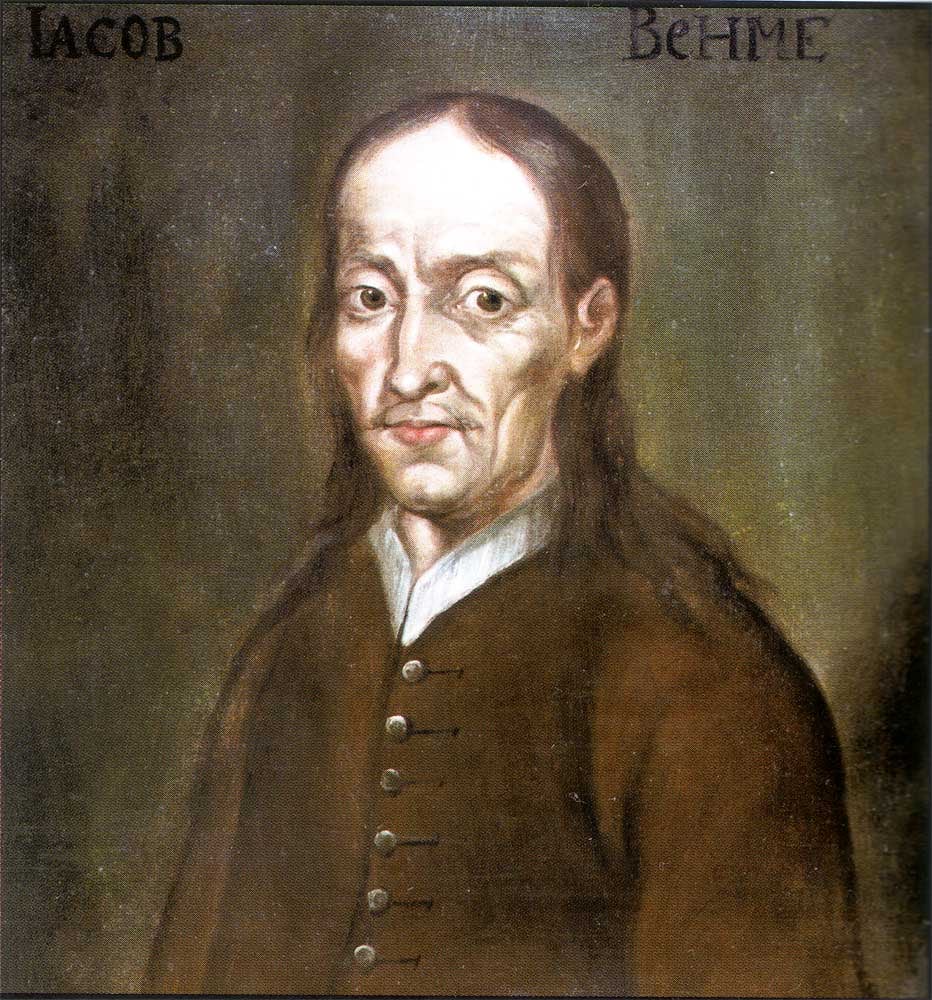
Jakob Böhme
Ils concordent sur: Qu'est-ce que l'Absolu ? Dieu existe-t-il ? · Qui suis-je ? Existe-t-il un vrai soi ? · Pourquoi souffrons-nous ?
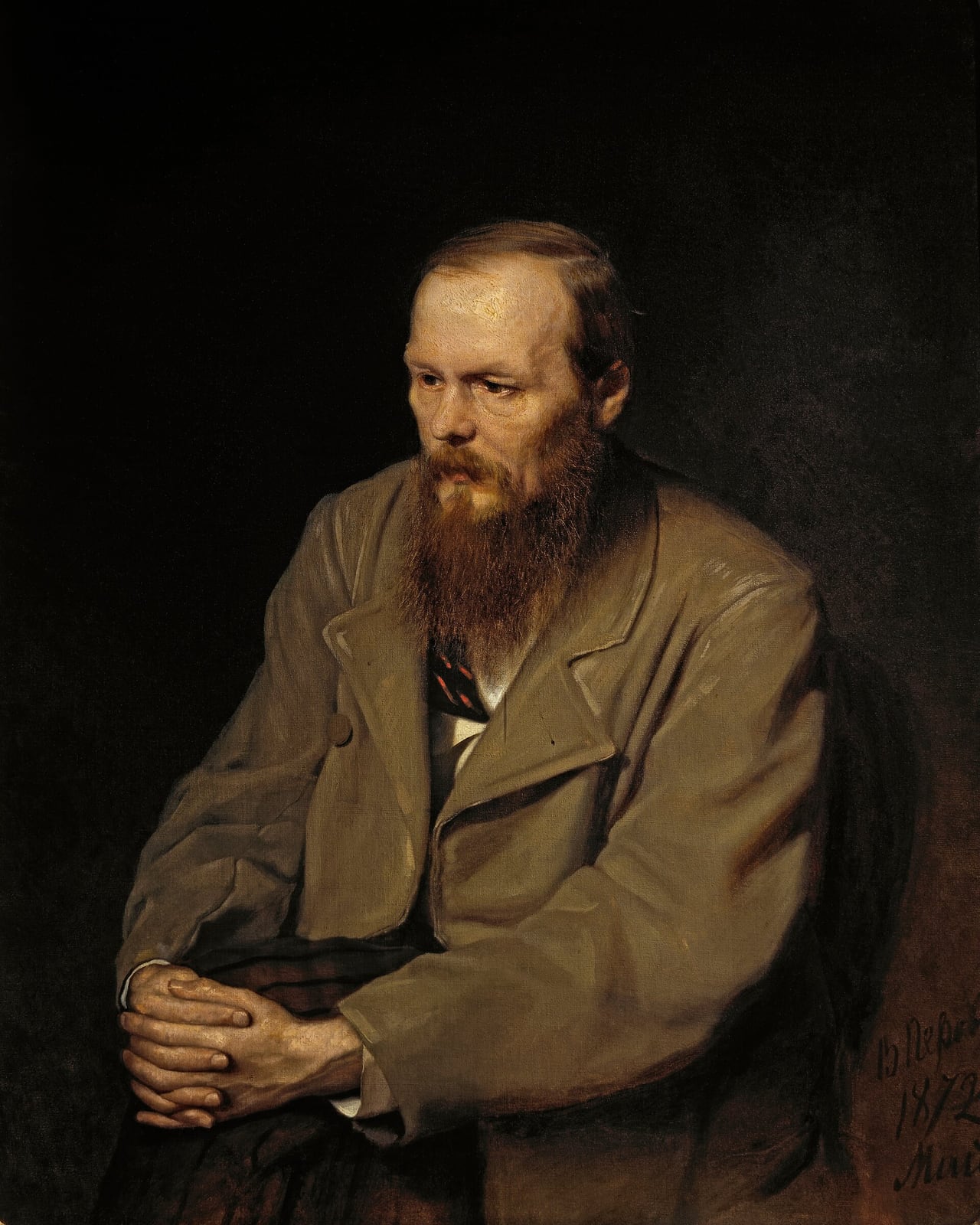
Fyodor Dostoevsky
Ils concordent sur: Qui suis-je ? Existe-t-il un vrai soi ? · Pourquoi souffrons-nous ? · Que se passe-t-il après la mort ?
Seraphim of Sarov
Ils concordent sur: Qui suis-je ? Existe-t-il un vrai soi ? · Pourquoi souffrons-nous ? · Que se passe-t-il après la mort ?
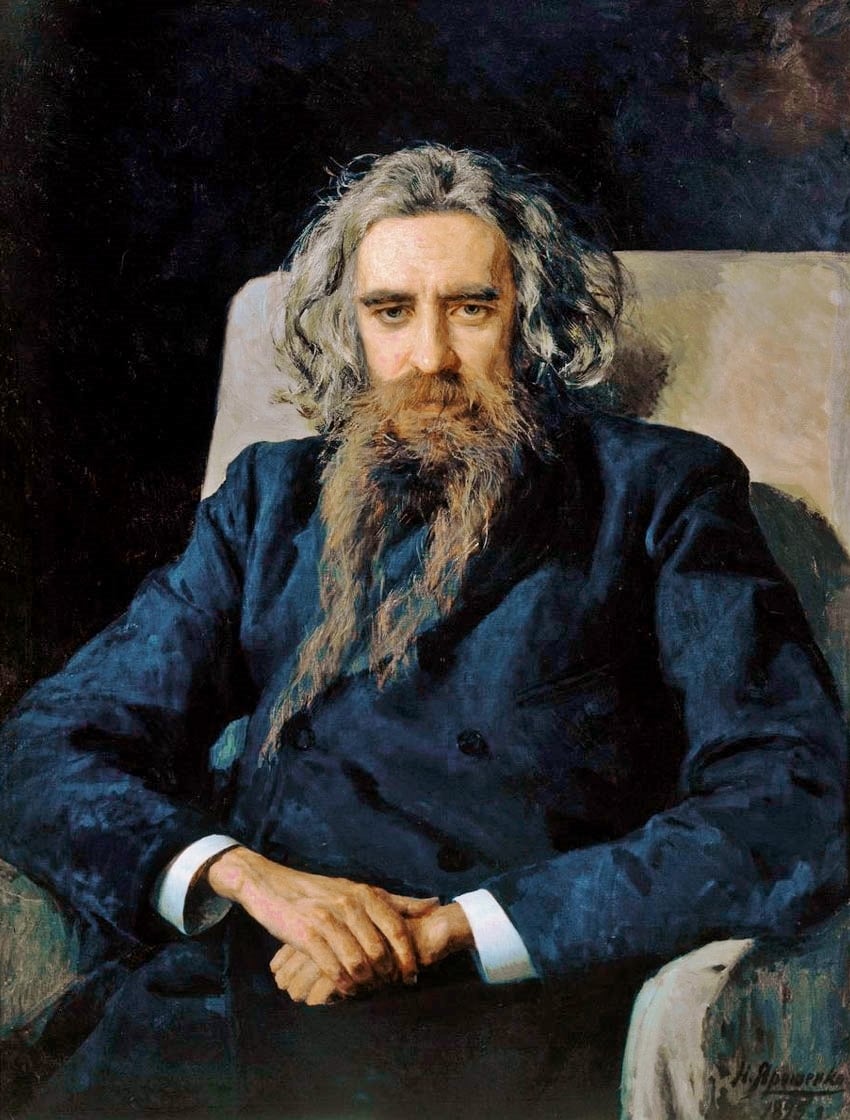
Vladimir Solovyov
Ils concordent sur: Qu'est-ce que l'Absolu ? Dieu existe-t-il ? · Qui suis-je ? Existe-t-il un vrai soi ? · Pourquoi souffrons-nous ?
Pense autrement que
Uddalaka Aruni
Ils s'opposent sur: Qui suis-je ? Existe-t-il un vrai soi ? · Faut-il un maître ?
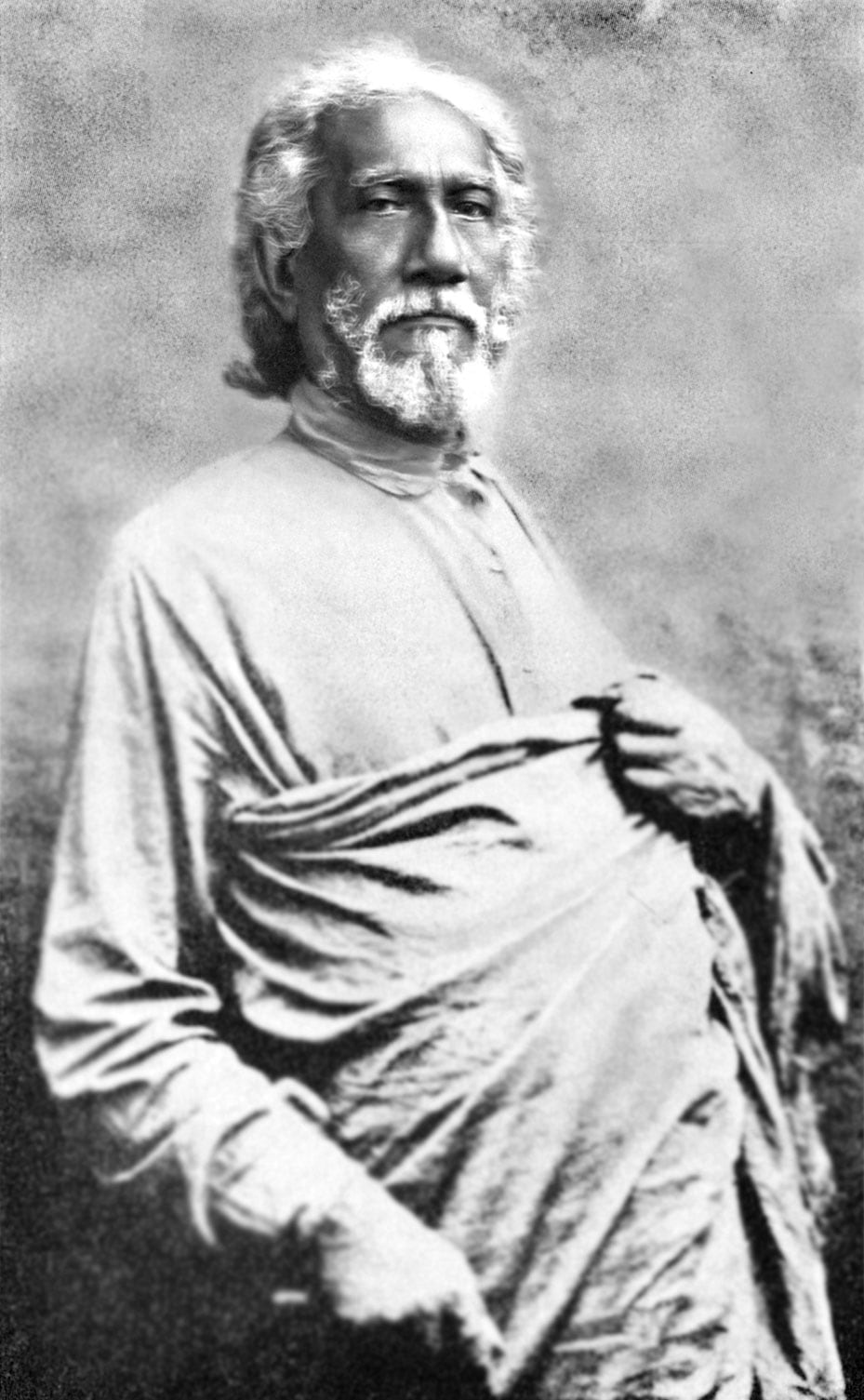
Sri Yukteswar
Ils s'opposent sur: Qui suis-je ? Existe-t-il un vrai soi ? · Que se passe-t-il après la mort ? · Faut-il un maître ?

Tsongkhapa
Ils s'opposent sur: Qui suis-je ? Existe-t-il un vrai soi ? · Que se passe-t-il après la mort ? · Faut-il un maître ?
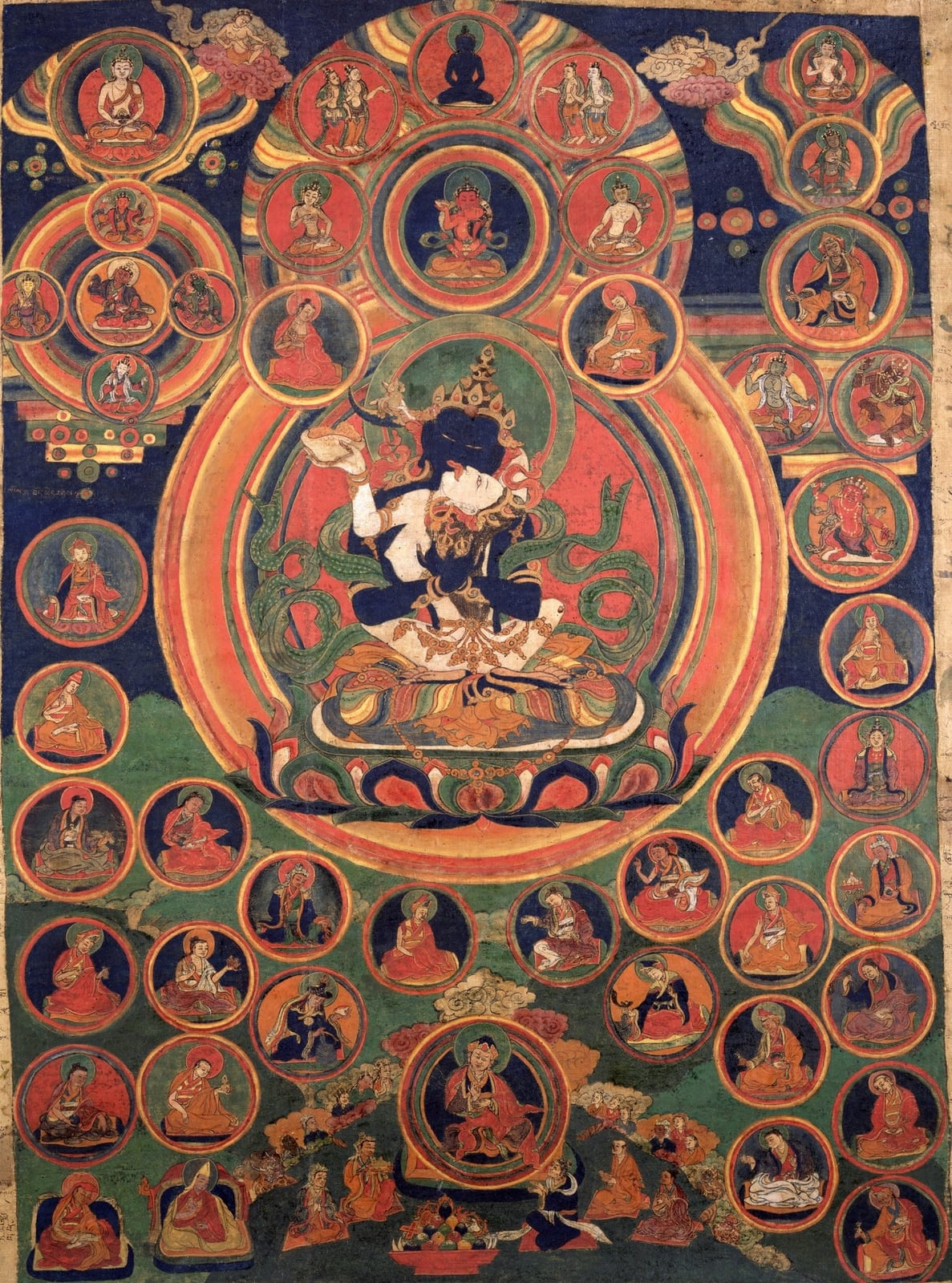
Padmasambhava
Ils s'opposent sur: Qui suis-je ? Existe-t-il un vrai soi ? · Que se passe-t-il après la mort ? · Faut-il un maître ?
Anecdotes et récits
Anecdotes et récits
Témoignage1920
A lecture for Dzerzhinsky
Origine du récit: Berdyaev's own account in Self-Knowledge, ch. IX, written some twenty years later. There is no other published testimony of the interrogation.
Témoignageagosto–septiembre de 1922
The philosophers' ship
Origine du récit: Self-Knowledge, chs. IX and X. The departure date (29 September 1922) and the context of the expulsions of intellectuals, decided by the Bolshevik leadership, are documented by historians.
Documenté1913–1917
Tried for blasphemy
Origine du récit: Self-Knowledge, ch. VII; the trial and its dismissal in February 1917 are also recorded in the Russian Wikipedia biography and in studies of imyaslavie.
Témoignagedécada de 1940
Muri the cat
Origine du récit: Self-Knowledge, 'Additions'. The sentence about Muri and eternal life is a summary, not a literal quotation.
Documenté1947
Cambridge doctor and Nobel candidate
Origine du récit: Self-Knowledge, 'Additions'; the seven Nobel nominations are recorded in the Russian Wikipedia biography, based on the Nobel Foundation's nomination archive.
Enseignements
Enseignements
Les notions qui structurent sa pensée, expliquées dans leur contexte.
Uncreated freedom (Ungrund)libertad-increada
Developed from Böhme, Schelling and Dostoevsky; Berdyaev himself points out in Self-Knowledge that in Böhme the Ungrund is in God, while in his own thought it is outside God.
Creativity as the eighth daycreacion
The core of The Meaning of the Creative Act and of the 'ethics of creativity' in The Destiny of Man.
Objectificationobjetivacion
He himself regarded it as his 'central philosophical idea' (Self-Knowledge, Additions).
Person and personalismpersona
Set out systematically in Slavery and Freedom (1939), which he regarded as his most radical book.
The new Middle Agesnueva-edad-media
It extends the theses of The Meaning of History (1923) and of the article 'The End of the Renaissance'.
The Russian idea and secularised messianismmesianismo-ruso
In dialogue with the Slavophiles, Dostoevsky and Solovyov, and with the historiography of the schism.
Vidéos
Vidéos
Enregistrements, entretiens et documentaires. Les vidéos sont lues depuis YouTube ; elles ne sont pas hébergées ici.
Николай Бердяев. «Я лишь бунтарь, искатель истины и правды…»
Documentaire· RU· 2008
Мудрый Философ
История Западной философии. Лекция №43. «Николай Бердяев и философия духа»
Conférence· RU
Лекции А.Б. ЗубоваChaîne officielle
Философия свободы и творчества Бердяева — Алексей Козырев
Conférence· RU
ПостНаукаChaîne officielle
Лекция Бердниковой А. Ю. «„Новое Средневековье“ Н. Бердяева: кризис ренессансной культуры»
Conférence· RU· 2022
Институт философии РАНChaîne officielle
Николай Александрович Бердяев: Философия эротической революции
Conférence· RU· 2024
ИНИОН РАНChaîne officielle
Лекция Л. Люкса «Николай Бердяев о „духах“ Русской революции и о духовном кризисе Европы»
Conférence· RU· 2020
МЛРИД HSEChaîne officielle
Бердяевские среды 08. А. И. Резниченко «Николай Бердяев о себе и о мире объектов»
Conférence· RU· 2024
Библиотека-Музей Дом ЛосеваChaîne officielle
Бердяевские среды 09. В. В. Кравченко «Н. А. Бердяев как мистический философ»
Conférence· RU· 2024
Библиотека-Музей Дом ЛосеваChaîne officielle
Философский пароход: Николай Бердяев / Священник Георгий Кочетков
Conférence· RU· 2022
Свято-Филаретовский институтChaîne officielle
Nikolai Berdyaev: On Freedom and Responsibility
Conférence· EN· 2021
Wirth Institute (University of Alberta)Chaîne officielle
The Harry Murray Sessions: Nikolai Berdyaev (segment)
Conférence· EN
The Maurin Academy
Religion and the State in Russian Philosophy (Vladimir Soloviev and Nikolai Berdiaev)
Conférence· EN· 2021
REES Queens (Queen's University)Chaîne officielle
Marie Denieuil-Hovanessian : Digressions autour du concept d'amour chez Nicolas Berdiaev
Conférence· FR
Philosophie russe
Galerie
Galerie
Images dont la licence a été vérifiée. Chacune conserve son auteur et son attribution.
Relations
Relations
Influences, filiations et affinités. On distingue la relation documentée de la similitude identifiée par analyse.
A reçu l'influence de
He never met him but regarded him as the founder of Russian religious philosophy. He devoted 'The Problem of East and West in the Religious Consciousness of Vl. Solovyov' (1911) and 'Vladimir Solovyov and Us' (1937) to him; he took from him the idea of Godmanhood, though he reproached him for an over-rational system, a naive theocracy and a sophiology that in Self-Knowledge he judges to contradict The Meaning of Love, 'perhaps the best thing ever written about love'.
Relation documentée
A reçu l'influence de
He acknowledged him as his spiritual master and devoted Dostoevsky's Worldview (1923) to him, as well as essays on the Grand Inquisitor (1907) and Stavrogin (1914). From Dostoevsky he took irrational freedom, capable of evil, and the critique of all imposed happiness.
Relation documentée
A reçu l'influence de
In Self-Knowledge he acknowledges that Tolstoy was of great importance in his first revolt against society: he was never a Tolstoyan, but the 'Tolstoyan inoculation' lasted all his life, in his contempt for the false greatness of history; he links War and Peace to his only feeling for the homeland.
Relation documentée
En désaccord avec
In 'The Old and New Testaments in the Religious Consciousness of L. Tolstoy' (1912) and 'The Spirits of the Russian Revolution' (1918) he reproaches him for a rationalist moralism that ignores grace and redemption, and makes him partly responsible for the levelling spirit of the revolution.
Relation documentée
En désaccord avec
They shared in the Moscow religious renaissance, but Berdyaev reviewed The Pillar and Ground of the Truth harshly in 'Stylised Orthodoxy' (1914), reproaching it for aestheticism, magic, fear of freedom and an Orthodoxy of style. In Self-Knowledge he calls Florensky 'alien and hostile' to him, though he acknowledges they shared the hope of a new outpouring of the Spirit.
Relation documentée
A reçu l'influence de
Böhme was, with Kant, the thinker to whom he said he owed most. From him he took the notion of the Ungrund, which he reinterpreted as uncreated freedom, and that of the androgyne; he devoted two studies in Put' (1930) to him and the introduction to the French translation of Mysterium magnum (1945).
Relation documentée
Idées proches de
In The Meaning of the Creative Act (ch. VII, 'Creativity and Asceticism. Genius and Holiness') he contrasts Seraphim of Sarov, 'the greatest Russian saint', with Pushkin, 'the greatest Russian genius', contemporaries who never met: two incommensurable greatnesses of which the Russian soul may be equally proud. The comparison sums up his thesis that holiness does not exhaust the Christian vocation, which includes creativity.
Relation documentée
En désaccord avec
He criticised the modern Theosophy founded by Blavatsky — and Steiner's Anthroposophy — as a naturalistic evolutionism that dissolves the person and freedom: in The Meaning of the Creative Act (ch. XIII) he judges it far inferior to Böhme's 'theosophy', and in 'Theosophy and Anthroposophy in Russia' he examined its spread in Russian circles.
Relation documentée
En désaccord avec
In Self-Knowledge he presents his philosophy of freedom as a break with the ontological tradition of Parmenides, Plato, Aristotle and Thomas Aquinas, which places being above freedom; and in The Meaning of the Creative Act he rejects the Platonic doctrine of a world perfected in the ideas, which would turn the world process into a comedy.
Relation documentée
Sources
Sources
Bibliographie et catalogues consultés pour cette fiche.
- Wikidata, Q184656: Nikolai Berdyaev, filósofo ruso (1874–1948). P31=Q5; 74 enlaces entre wikis.
- Berdiáyev, N. A. Самопознание. Опыт философской автобиографии [Autoconocimiento. Ensayo de autobiografía filosófica]. París: YMCA-Press, 1949. Texto en la Biblioteca «Vejí» (vehi.net).
- «Бердяев, Николай Александрович». Wikipedia en ruso (biografía y bibliografía detallada).
- Berdiáyev, N. A. Смысл творчества. Опыт оправдания человека [El sentido de la creación]. Moscú: G. A. Lemán y S. I. Sajárov, 1916. Texto en la Biblioteca «Vejí».
- Lowrie, Donald A. Rebellious Prophet: A Life of Nicolai Berdyaev. Nueva York: Harper, 1960.
- Open Library, autor OL52926A: Nikolaĭ Berdi͡aev (1874–1948), obras y ediciones.
- Klépinine, Tamara. Bibliographie des œuvres de Nicolas Berdiaev. París: Institut d'études slaves, 1978.
- Berdiáyev, N. A. Истоки и смысл русского коммунизма [Las fuentes y el sentido del comunismo ruso]. París: YMCA-Press, 1955 (ed. alemana y ed. inglesa, 1937). Texto en Wikisource ruso.
- Berdiáyev, N. A. Новое средневековье. Размышление о судьбе России и Европы [Una nueva Edad Media]. Berlín: Obelisk, 1924. Texto en Azbuka.
- Berdiáyev, N. A. О рабстве и свободе человека. Опыт персоналистической философии [Esclavitud y libertad del hombre]. París: YMCA-Press, 1939. Texto en Azbuka.
- Berdiáyev, N. A. Русская идея. Основные проблемы русской мысли XIX века и начала XX века [La idea rusa]. París: YMCA-Press, 1946. Texto en Azbuka.
- Berdiáyev, N. A. «Стилизованное православие (о. Павел Флоренский)» [Ortodoxia estilizada]. Русская мысль, 1914, n.º 1. Texto en la Biblioteca «Vejí».
- Berdiáyev, N. A. «Проблема Востока и Запада в религиозном сознании Вл. Соловьева» [El problema de Oriente y Occidente en la conciencia religiosa de Vl. Soloviov], en Сборник первый. О Владимире Соловьеве. Moscú: Put, 1911. Texto en la Biblioteca «Vejí».
- Berdiáyev, N. A. Миросозерцание Достоевского [La concepción del mundo de Dostoievski]. Praga: YMCA-Press, 1923. Texto en la Biblioteca «Vejí».
- Berdiáyev, N. A. «Ветхий и Новый Завет в религиозном сознании Л. Толстого» [El Antiguo y el Nuevo Testamento en la conciencia religiosa de L. Tolstói], en О религии Льва Толстого. Moscú: Put, 1912. Texto en la Biblioteca «Vejí».
- Berdiáyev, N. A. «Из этюдов о Я. Беме. Этюд I: Учение об Ungrund и свободе; Этюд II: Учение о Софии и андрогине». Путь, 1930, n.os 20–21.
- Ayant droit
- Berdiáyev murió en 1948: su obra es de dominio público en la Unión Europea desde 2019 (70 años), pero en España no lo será hasta el 1 de enero de 2029 (80 años para autores fallecidos antes de 1987), y en EE. UU. las obras publicadas a partir de 1930 pueden seguir protegidas. Las traducciones pertenecen a sus traductores y editoriales.
En attente de confirmation
Ce que cette fiche n'a pas encore pu établir. Nous préférons le dire plutôt que de combler.
- Ediciones españolas modernas con ISBN de «El sentido de la creación», «Una nueva Edad Media», «El destino del hombre», «Autoconocimiento», «Esclavitud y libertad del hombre» y «La idea rusa»: no localizadas (Open Library sin datos; Google Books sin cuota; catálogo de la BNE inaccesible). Sólo constan ediciones antiguas sin ISBN (Losada 1938, Janés 1947, Emecé 1955) y las de Encuentro, Sígueme y Nuevo Inicio.
- Identificar la obra original de «El cristianismo y el problema del comunismo» (Espasa-Calpe Argentina, 1937) y registrarla.
- Registrar uno por uno los varios cientos de artículos de Berdiáyev (Put, Sovremennye zapiski, Rússkaia mysl, Vopros zhizni, Novi Grad…); hoy figuran sólo los de mayor entidad. La bibliografía de referencia es la de T. Klépinine (1978).
- Confirmar fecha y revista de «Teosofía y antroposofía en Rusia» (hacia 1916) y de «Verdad y mentira del comunismo» (1931).
- Fecha exacta de la muerte: 24 de marzo de 1948 según Wikidata y la mayoría de las fuentes; 23 de marzo según otras (Open Library, parte de la bibliografía rusa).
- Año de la edición de Encuentro de «El sentido de la historia» (ISBN 9788474900170).
- Duración de los vídeos y año de los no fechados: oEmbed no los proporciona.
- No se ha encontrado en YouTube ninguna grabación de la voz ni imágenes filmadas de Berdiáyev.
Recherche effectuée le 2026-10-25