Christianisme · Mystique chrétienne · Christianisme orthodoxe
Theophan the Recluse
Феофан Затворник · Георгий Васильевич Говоров
1815 – 1894Personne historiquement documentée
Évêque, théologien et écrivain spirituel russe (1815-1894). Professeur puis recteur de l'Académie de Saint-Pétersbourg, membre de la mission russe de Jérusalem et évêque de Tambov puis de Vladimir, il renonça à sa charge en 1866 et vécut vingt-deux ans en réclusion au monastère de Vycha, d'où il écrivit des commentaires de tout saint Paul, « Le Chemin du salut », des milliers de lettres de direction spirituelle et la version russe de la Philocalie en cinq tomes. Maître de la prière du cœur, il fut canonisé en 1988.
- œuvres
- 80œuvres
- éditions
- 65éditions
- citations
- 10citations
- vidéos
- 14vidéos
- images
- 8images
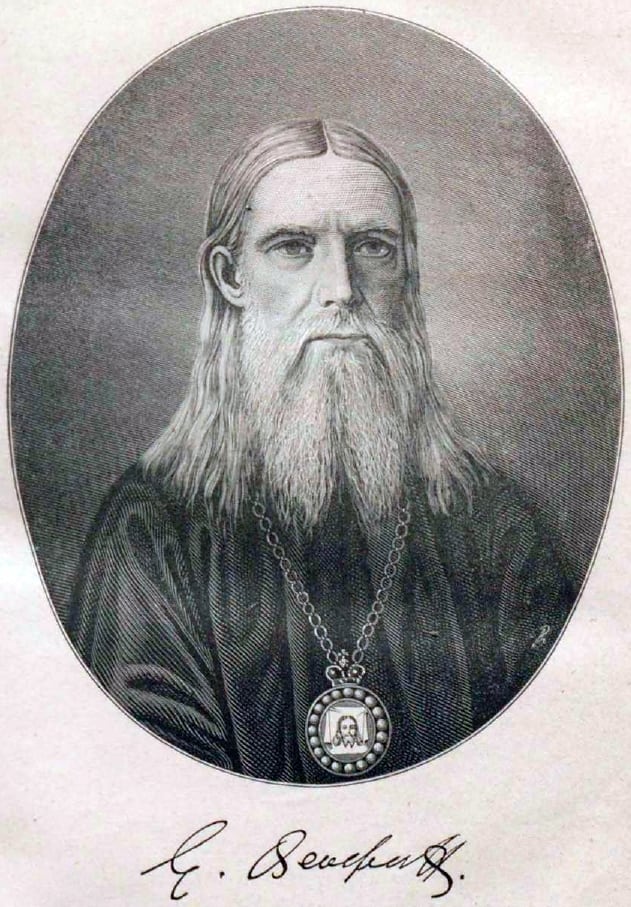
Teófano el Recluso en 1891 · Public domain
Dans ses propres mots
«The Christian life is zeal and strength to abide in active communion with God, through faith in our Lord Jesus Christ, with the help of God's grace, by fulfilling His holy will, to the glory of His most holy name.»«Путь ко спасению», sección I, «Как начинается в нас христианская жизнь?».
Theophan the Recluse
The Philokalia (Dobrotolubie) in Russian translation, enlarged, 5 vols
Pour commencer, une œuvre
The Philokalia (Dobrotolubie) in Russian translation, enlarged, 5 volsSon idée centrale
The mind in the heart: The centre of Theophan's teaching is a hesychast formula he repeats in a thousand ways: one must 'descend with the mind into the heart' and 'stand there before the Lord'.
Le voir en contexte
Biographie
6 min de lecture
Traduction assistée à partir de l'original espagnol, en attente de relecture par un traducteur natif.
Le fils du prêtre de Tchernava
Gueorgui Vassilievitch Govorov naquit le 10 janvier 1815 selon le calendrier julien (22 du grégorien) à Tchernava, un village du district d'Ielets, dans le gouvernement d'Orel, fils du prêtre rural Vassili Timofeïevitch et de Tatiana Ivanovna, elle aussi issue d'une famille cléricale. Il suivit le chemin ordinaire des fils du clergé russe : l'école ecclésiastique de Livny à partir de 1823, le séminaire d'Orel à partir de 1829 — où les rapports le décrivent comme « enclin à la solitude », « doux et silencieux » — puis, en 1837, comme meilleur élève de sa promotion, l'Académie théologique de Kiev. C'est là, entre la science académique et la vie de la laure des Grottes, et après la mort de sa mère en 1838 et de son père en 1839, qu'il décida de se faire moine.
Professeur, voyageur, recteur
Le 15 février 1841, il reçut l'habit sous le nom de Théophane, en l'honneur de Théophane le Confesseur ; la même année, il fut ordonné diacre et prêtre et obtint le grade de magistère avec une étude sur la religion de la Loi mosaïque que le métropolite Philarète de Moscou loua. Suivirent des années d'enseignement : recteur de l'école Sainte-Sophie de Kiev, inspecteur du séminaire de Novgorod et, à partir de 1844, professeur de théologie morale à l'Académie de Saint-Pétersbourg. La charge lui pesait ; il écrivit à son père spirituel que la fonction académique commençait à lui devenir insupportable et qu'il préférerait s'asseoir dans une église. En 1847, il obtint d'être affecté à la Mission ecclésiastique russe de Jérusalem, où il apprit à peindre des icônes, perfectionna son grec et son français, étudia l'hébreu et l'arabe et découvrit dans les monastères d'Orient les manuscrits ascétiques qu'il traduirait le reste de sa vie. La guerre de Crimée obligea à rappeler la mission en 1854 ; le retour par l'Europe comporta une audience auprès de Pie IX.
En Russie, il fut recteur du séminaire d'Olonets, aumônier de l'ambassade à Constantinople — chargé de rendre compte du schisme gréco-bulgare — puis, à partir de 1857, recteur de l'Académie théologique de Saint-Pétersbourg, où il présida en outre le comité pour la traduction de la Bible en russe.
Évêque prédicateur
Le 1er juin 1859, il fut sacré évêque de Tambov, un diocèse immense, comptant plus de mille prêtres et quantité de sectes et de vieux-croyants. Théophane fit de la prédication le centre de son ministère : il accompagnait presque chaque office d'un sermon, publia un bref traité sur la manière de composer une homélie et expliquait que les siennes n'étaient pas rédigées, mais des « improvisations écrites ». C'est là aussi que parurent les « Lettres sur la vie chrétienne » (1860). En 1863, il passa au siège de Vladimir, où il ouvrit une confrérie orthodoxe et une école diocésaine pour jeunes filles. Mais dès mai 1865, il confiait à Ignace Briantchaninov, retiré depuis 1861, qu'il était souvent tenté de suivre son exemple. En mars 1866, il demanda au Synode sa mise à la retraite. Au métropolite de Saint-Pétersbourg, surpris, il expliqua qu'il ne cherchait pas le repos pour s'adonner au dilettantisme, mais pour un travail utile à l'Église : « J'ai en vue de servir l'Église de Dieu, seulement d'une autre manière. »
Vycha
En juin 1866, il se retira dans le petit monastère de Vycha, dans le gouvernement de Tambov ; trois mois plus tard, il renonça aussi à le diriger. Pendant six ans, il vécut à l'écart mais non cloîtré, et on lui proposa même en 1872 le diocèse de Moscou. Cette année-là, il se retira définitivement dans un pavillon de bois à deux étages, où il installa une chapelle de la Théophanie ; il y célébra la liturgie d'abord les dimanches et jours de fête, puis, durant ses onze dernières années, chaque jour. Il ôtait lui-même toute solennité au geste : « De ma clôture, on a fait une réclusion. Il n'y a là rien d'un reclus. Je me suis enfermé pour qu'on ne me dérange pas […], pour me consacrer sans entraves aux livres. » Dans sa cellule, il peignait des icônes, sculptait le bois, cousait ses vêtements, observait le ciel et écrivait.
Une bibliothèque pour les laïcs
À Vycha, il écrivit presque toute son œuvre : des commentaires de toutes les épîtres de saint Paul, appuyés surtout sur Jean Chrysostome ; « Le Chemin du salut » (1868-1869), qu'il tenait pour son livre principal ; « Qu'est-ce que la vie spirituelle et comment s'y disposer » (1878), né de lettres à une jeune fille qu'un bal à Moscou avait laissée s'interrogeant sur le sens de la vie ; une harmonie des quatre Évangiles, des commentaires des psaumes et les « Pensées pour chaque jour de l'année ». Il répondait chaque jour à vingt à quarante lettres, et sa correspondance, publiée après sa mort en huit volumes, fit de lui le directeur spirituel de milliers de personnes qui ne le virent jamais.
Son entreprise majeure fut la « Philocalie » russe, le Dobrotolioubié en cinq gros tomes, dont le premier volume parut en 1877. Ce n'est pas une traduction littérale : Théophane lui-même reconnaissait que, dans « Le Combat invisible » de Nicodème l'Hagiorite, il ne traduisait pas, mais remaniait librement, « en ajoutant, en retranchant et en modifiant », et il fit de même avec la Philocalie, qu'il abrégea tout en l'augmentant d'auteurs absents de l'original grec. Les patrologues ultérieurs, de l'évêque Veniamine (Milov) en 1922 à Alexeï Sidorov, ont souligné qu'il s'agit d'une paraphrase pastorale plutôt que d'une édition critique, tout en en soulignant l'immense valeur. Il traduisit en outre d'anciennes règles monastiques, les homélies de Syméon le Nouveau Théologien, un patérikon palestinien et une anthologie d'Éphrem le Syrien.
L'homme aux principes fermes
La doctrine de Théophane est une pédagogie du cœur. La prière n'est pas la récitation de formules, mais « l'éveil dans le cœur de sentiments de révérence envers Dieu » ; le chemin consiste à descendre avec l'intellect dans le cœur et à s'y tenir devant le Seigneur ; la vie spirituelle naît d'un « éveil » de la grâce que la liberté humaine doit accueillir avec zèle. Cette intériorité coexistait avec des convictions rigides : il défendit la Septante contre la traduction synodale faite sur le texte hébreu, combattit les évangéliques de Radstock et de Pachkov, traita Léon Tolstoï de « bachi-bouzouk » qui « a débité un tas de sottises », et, dans une lettre de 1881, redoutant une révolution comme la française, demanda que l'on bâillonne la presse et que l'incroyance soit punie comme un crime d'État. Il polémiqua aussi avec Ignace Briantchaninov sur la nature des âmes et des anges, tout en estimant ses écrits. Berdiaev le jugea peu original comme penseur et lui reprocha des opinions morales et sociales « révoltantes » ; Florovsky l'étudia, aux côtés de Jean de Cronstadt, dans « Les Voies de la théologie russe » (1937).
Il mourut seul dans sa cellule le 6 janvier 1894 (18 du calendrier grégorien), en la fête de la Théophanie, le mystère qui donnait son nom à sa chapelle. Il fut inhumé dans la cathédrale de Kazan de Vycha. Le concile de l'Église russe de 1988, celui du millénaire du baptême de la Rous', le canonisa en affirmant que ses écrits peuvent se lire comme un développement de l'enseignement des Pères. En 2002, ses reliques revinrent à Vycha, redevenu monastère. Par « L'Art de la prière », l'anthologie de l'higoumène Chariton (1936) traduite en anglais en 1966, il atteignit un large public occidental.
Sources: Teófano el Recluso. Что есть духовная жизнь и как на нее настроиться. 1.ª ed. 1878; ed. Moscú: Otchi dom, 2012 (ISBN 5-87301-120-6). Ochenta cartas a E. A. Arnoldi. Texto en Azbuka very. · Teófano el Recluso. Путь ко спасению. Краткий очерк аскетики. 1868–1869 (5 ediciones en vida). Texto en Azbuka very; facsímil de la ed. de 1899 en Wikimedia Commons. · Teófano el Recluso. Четыре слова о молитве. 1872. Texto en Azbuka very. · Teófano el Recluso. Избранные письма о сектах и ересях (selección del Собрание писем, con las cartas sobre Tolstói, Radstock y Páshkov, n.º 1171 y otras). Texto en Azbuka very. · Gueorgui (Tertýshnikov), archimandrita. Святитель Феофан Затворник и его учение о спасении. Moscú: Pravilo very, 1999. ISBN 9785753300782.
Chronologie
La vie, année après année
Chaque point est un événement documenté. Cliquez pour le lire, avec sa source et son degré de certitude.
22 janvier 18150 ansChernava (prov. de Oriol)
Birth
Georgy Govorov is born, son of the priest Vasily Timofeyevich (10 January, Julian calendar).
Documenté«Феофан Затворник», Wikipedia en ruso (biografía, carta a Ignati Brianchanínov de mayo de 1865, carta al metropolita Isidoro de 30-5-1866, reclusión, carta de 3-5-1881, canonización, juicio de Berdiáev, obras y bibliografía). Consultada el 25-10-2026.
Après sa mort
- juin 1988Canonisation
- 29 juin 2002Translation of the relics
22 janvier 1815 · 0 ans
Birth
Georgy Govorov is born, son of the priest Vasily Timofeyevich (10 January, Julian calendar).
Documenté
1829 · 14 ans
Oryol seminary
After six years at the Livny church school he enters the Oryol seminary.
Documenté
1837 · 22 ans
Kiev Theological Academy
He enters as the best pupil of his year; his mother (1838) and father (1839) die.
Documenté
27 février 1841 · 26 ans
Monastic tonsure: Theophan
He is tonsured with the name Theophan (15 February, Julian); in April and July he is ordained deacon and priest; he takes his master's degree.
Documenté
octobre 1844 · 29 ans
Lecturer at the St Petersburg Academy
He teaches moral and pastoral theology; his lectures are the basis of The Path to Salvation.
Documenté
août 1847 – 1854 · 32 ans
Ecclesiastical mission in Jerusalem
A member of the mission led by Porphyry Uspensky; he learns icon painting and languages and begins translating ascetic texts.
Documenté
1854 · 39 ans
Audience with Pius IX
With the mission recalled because of the Crimean War, he returns through Europe and is received with Porphyry by the Pope.
Documenté
mai 1857 · 42 ans
Rector of the St Petersburg Academy
After Olonets and Constantinople he heads the Academy and chairs the committee for translating the Bible into Russian (1858).
Documenté
1 juin 1859 · 44 ans
Bishop of Tambov
Consecrated in the Trinity Cathedral of the Alexander Nevsky Lavra; he takes up the see on 5 July.
Documenté
1860 · 45 ans
Letters on the Christian Life
He publishes the four parts of Letters on the Christian Life.
Documenté
22 juillet 1863 · 48 ans
Bishop of Vladimir
Transferred to the see of Vladimir, where he publishes his instruction for preaching (1864).
Documenté
17 juin 1866 · 51 ans
Resignation and retirement to Vysha
The Synod accepts his retirement; in September he also gives up the direction of the monastery.
Documenté
1868 – 1869 · 53 ans
The Path to Salvation
He publishes his synthesis of the spiritual life, which will go through five editions in his lifetime.
Documenté
1872 · 57 ans
Seclusion
He shuts himself in his wing with a chapel of the Theophany; he begins the commentaries on St Paul (1872–1882).
Documenté
1877 · 62 ans
First volume of the Russian Philokalia
The first volume of the Dobrotolubie appears, published by the Russian monastery of St Panteleimon on Athos.
Documenté
1878 · 63 ans
What Is the Spiritual Life
He publishes the eighty letters to E. A. Arnoldi.
Documenté
1888 · 73 ans
Blind in one eye
Cataracts leave him blind in the right eye; he also suffers from rheumatism, neuralgia and arrhythmia.
Documenté
18 janvier 1894 · 79 ans
Death
He dies alone in his cell on the feast of the Theophany (6 January, Julian); funeral on 11 January.
Documenté
juin 1988
Canonisation
The council of the millennium of the baptism of Rus proclaims him a saint.
Documenté
29 juin 2002
Translation of the relics
The relics, kept at Emmanuilovka since 1988, return to Vysha monastery.
Documenté
Œuvres
Œuvres essentielles
Les œuvres sans lesquelles on ne comprend pas son héritage.
Theophan the Recluse
The Philokalia (Dobrotolubie) in Russian translation, enlarged, 5 vols
Compilation postérieure · 1877
The Philokalia (Dobrotolubie) in Russian translation, enlarged, 5 vols
Добротолюбие в русском переводе, дополненное
A Russian version, in five volumes (some 3,143 pages), of the great anthology of ascetic and mystical texts by Fathers of the fourth to fifteenth centuries on watchfulness, pure prayer and the Jesus Prayer, compiled by Nicodemus the Hagiorite and Macarius of Corinth (Venice, 1782) and put into Slavonic by Paisius Velichkovsky (1793). Theophan does not simply translate: he abridges many texts and adds others absent from the original—such as the teachings of Dorotheus of Gaza, in volume II—to give the Russian reader, monk or layperson, a complete manual of inner warfare. The first volume appeared in 1877, published by the Russian monastery of St Panteleimon on Athos; the work went through several editions and was for a century the Russians' Philokalia.
2 éditions
Œuvre écrite · 1868
The Path to Salvation: A Brief Outline of Ascetics
Путь ко спасению. Краткий очерк аскетики
Theophan regarded it as his main book. Born of his lectures in moral theology at St Petersburg and conceived as the third part of his Outline of Christian Moral Teaching, it describes in three sections how the Christian life begins—through baptism and through repentance—how the sinner is awakened by grace from his 'sleep' and comes to the decision to give himself to God, and how the new life then matures through zeal, the discipline of the faculties of soul and body, and prayer. Its opening definition, 'the Christian life is zeal and strength to abide in communion with God', sums up his whole method: a systematic asceticism meant for laypeople as much as for monks.
4 éditions
Correspondance · 1878
What Is the Spiritual Life and How to Be Attuned to It
Что есть духовная жизнь и как на нее настроиться
Eighty letters to a young woman, E. A. Arnoldi, daughter of an estate manager from Tula, who after a ball began to wonder about the meaning of life. Theophan first sets out the three dimensions of the human being—body, soul and spirit, the last shown in the fear of God, conscience and thirst for God—explains the Fall and the grace of baptism, and then guides his correspondent step by step: preparing for confession and communion, unceasing remembrance of God, prayer with the mind in the heart, the struggle with the passions, reading, household tasks, music and amusements. It is the author's most widely read book and a classic of spiritual direction for laypeople.
3 éditions

Correspondance · 1898
Collected Letters (8 parts)
Собрание писем святителя Феофана (вып. 1–8)
The letters of spiritual direction Theophan wrote from Vysha—twenty to forty a day in his last years—to monks, nuns, priests, laypeople of every station, families and the sick. They deal with prayer and the Jesus Prayer, confession and communion, marriage and education, sickness and death, the sects and atheism of his day, with a characteristic mixture of tenderness, practical sense and doctrinal severity. Published after his death in eight parts (1898–1901), with over 1,400 pieces, they remain the main route by which he is read in Russia.
3 éditions
Toute son œuvre (80)
Theophan the Recluse
Letters on the Christian Life
The Conscious LibraryLetters on the Christian Life
1860
Theophan the Recluse
Letters on the Spiritual Life
The Conscious LibraryLetters on the Spiritual Life
1870
Theophan the Recluse
Letters to Various Persons on Various Matters of Faith and Life
The Conscious LibraryLetters to Various Persons on Various Matters of Faith and Life
1880
Theophan the Recluse
On the Jesus Prayer, in Letters to Schema-Igumen Herman and Schemamonk Agapius
The Conscious LibraryOn the Jesus Prayer, in Letters to Schema-Igumen Herman and Schemamonk Agapius
1880
Theophan the Recluse
Selected Letters on Sects and Heresies
The Conscious LibrarySelected Letters on Sects and Heresies
Theophan the Recluse
Last Counsels and Correspondence of the Last Year
The Conscious LibraryLast Counsels and Correspondence of the Last Year
1894
Theophan the Recluse
Letters to Tatiana Vladimirovna Netsvetaeva
The Conscious LibraryLetters to Tatiana Vladimirovna Netsvetaeva
1887
Theophan the Recluse
Letters to Archpriest Mikhail Kheraskov
The Conscious LibraryLetters to Archpriest Mikhail Kheraskov
1892
Theophan the Recluse
Unpublished letters (to I. D. Andreyev, to 'S. V.' and others)
The Conscious LibraryUnpublished letters (to I. D. Andreyev, to 'S. V.' and others)
Theophan the Recluse
Four Homilies on Prayer
The Conscious LibraryFour Homilies on Prayer
1872
Theophan the Recluse
Outline of Christian Moral Teaching
The Conscious LibraryOutline of Christian Moral Teaching
1891
Theophan the Recluse
Survey of the Religion under the Law
The Conscious LibrarySurvey of the Religion under the Law
1841
Theophan the Recluse
Sermons of the Rector of the St Petersburg Academy
The Conscious LibrarySermons of the Rector of the St Petersburg Academy
1859
Theophan the Recluse
Sermons to the Flock of Tambov
The Conscious LibrarySermons to the Flock of Tambov
1861
Theophan the Recluse
Nine Homilies on the Fires in Tambov
The Conscious LibraryNine Homilies on the Fires in Tambov
1860
Theophan the Recluse
Sermons to the Flock of Vladimir
The Conscious LibrarySermons to the Flock of Vladimir
1863
Theophan the Recluse
The Inner Life (collected sermons)
The Conscious LibraryThe Inner Life (collected sermons)
1859
Theophan the Recluse
The Heavenly Protection over Us
The Conscious LibraryThe Heavenly Protection over Us
1865
Theophan the Recluse
On Orthodoxy, with Warnings against Errors
The Conscious LibraryOn Orthodoxy, with Warnings against Errors
1863
Theophan the Recluse
Reminder to Nuns of What Monasticism Requires of Them
The Conscious LibraryReminder to Nuns of What Monasticism Requires of Them
1892
Theophan the Recluse
On Complete Conversion to God from the Seductions of the World and Sin
The Conscious LibraryOn Complete Conversion to God from the Seductions of the World and Sin
1867
Theophan the Recluse
On Repentance, Communion and Amendment of Life
The Conscious LibraryOn Repentance, Communion and Amendment of Life
1869
Theophan the Recluse
Resolving Perplexities on the Parable of the Unjust Steward
The Conscious LibraryResolving Perplexities on the Parable of the Unjust Steward
1869
Theophan the Recluse
Lessons from the Deeds and Words of the Lord
The Conscious LibraryLessons from the Deeds and Words of the Lord
1870
Citations
Citations localisées dans une œuvre précise. Chacune porte sa provenance et son degré de fiabilité.
The Christian life is zeal and strength to abide in active communion with God, through faith in our Lord Jesus Christ, with the help of God's grace, by fulfilling His holy will, to the glory of His most holy name.Христианская жизнь есть ревность и сила пребывать в общении с Богом, деятельном, по вере в Господа нашего Иисуса Христа, при помощи благодати Божией, исполнением святой воли Его, во славу пресвятого имени Его.
Vérifiée«Путь ко спасению», sección I, «Как начинается в нас христианская жизнь?».
Citations apocryphes ou d'attribution contestée (2)
«"To pray is to descend with the mind into the heart, and there to stand before the face of the Lord, ever-present, all-seeing, within you."»
Widely circulated in English, it comes from the anthology The Art of Prayer (1936; English translation 1966), which assembles and sometimes condenses fragments of his letters. The idea is his and appears in letters 45 and 58 of What Is the Spiritual Life; the exact Russian wording has not been located.
«Prophecies about the Russian revolution and the Antichrist attributed to him in devotional compilations.»
There is an authentic letter of 3 May 1881 in which, comparing Russia with pre-revolutionary France, he concludes that 'we too are on the road to revolution'; the 'prophecies' circulating under his name expand and dramatise passages like this, and many cannot be found in his writings.
Dernières paroles
Il n'existe aucun témoignage vérifiable de ses dernières paroles.
He died alone in his cell at Vysha on 6 January 1894 (Julian), the feast of the Theophany, and no one witnessed his death, so no last words are recorded. The pious biographies (Khitrov, 1905) describe how he was found but ascribe no words to him.
Source: «Феофан Затворник», Wikipedia en ruso (biografía, carta a Ignati Brianchanínov de mayo de 1865, carta al metropolita Isidoro de 30-5-1866, reclusión, carta de 3-5-1881, canonización, juicio de Berdiáev, obras y bibliografía). Consultada el 25-10-2026.
Interroger
Ce que répond son œuvre
Douze grandes questions de l'humanité et ce que ses textes permettent d'y répondre, références à l'appui. Nous ne lui prêtons jamais de paroles.
Qu'est-ce que l'Absolu ? Dieu existe-t-il ?
God is the Trinitarian Lord with whom the Christian lives in active communion
Un Dieu personnelIl le dit expressément
Theophan the Recluse writes not as a philosopher but as a bishop and spiritual director. In the Outline of Christian Moral Teaching he starts from the God of Orthodox faith, one in three persons, creator and provident, and derives all of moral life from him. In The Path to Salvation he defines Christian life as zeal and strength to remain in active communion with God through faith in Jesus Christ, with the help of grace and by fulfilling his will. God is for him someone who listens: in one of his letters he affirms that there is no interval between prayer and its hearing, provided the prayer comes from the heart. The question of God's existence barely concerns him; what matters is how he is found, and his answer is the prayer of the heart, attention and the sacraments of the Church.
Comparer cette question avec d'autres maîtresQui suis-je ? Existe-t-il un vrai soi ?
Body, soul and spirit: the spirit is the power that seeks God
Une âme créée et immortelleIl le dit expressément
Theophan the Recluse develops a tripartite anthropology that fills the first letters of What Is Spiritual Life and returns in the Outline of Christian Moral Teaching. The human being has a body, a soul with its faculties of thinking, willing and feeling, and a spirit, the power God breathed into him, which shows itself as fear of God, conscience and thirst for God. When the spirit governs, soul and body live in order; when the psychic or the carnal dominates, the person is scattered. In his controversy with Ignatius Brianchaninov, set out in The Soul and the Angel Are Not Body but Spirit, he maintained that the soul is purely spiritual, without any subtle matter. The true self is a created, immortal soul that is realised by turning to God from the heart.
Comparer cette question avec d'autres maîtresPourquoi souffrons-nous ?
Passions arise from turning away from God; sorrows are medicine for the soul
La séparation d'avec DieuIl le dit expressément
Theophan the Recluse explains suffering within Orthodox ascetic anthropology. In The Path to Salvation he describes the man who lives without God as one ruled by passions, which arise from egoism and branch out into the pursuit of pleasure, greed and vainglory; that state is in itself restlessness and pain, even if the one inside it does not perceive it. Conversion begins when grace awakens the sinner and makes him see his state. As for outward afflictions, his letters of spiritual direction treat them as medicine and as a cross: God permits them to heal, humble or purify, and bearing them patiently unites the Christian with Christ. In his homilies on the cross he distinguishes the cross of sorrows, that of the struggle against the passions and that of obedience to the divine will.
Comparer cette question avec d'autres maîtresQue se passe-t-il après la mort ?
Death opens the particular judgement; one must live preparing for it
Vie éternelle et résurrectionIl le dit expressément
Theophan the Recluse teaches Orthodox eschatology without altering it: after death the soul appears at a particular judgement and awaits, in a state of anticipated joy or of pain, the resurrection of bodies and the last judgement, after which comes eternal life. In his commentary on Psalm 118 he also records the tradition of the trials the soul passes through on leaving the body. His main interest is pastoral: in his letters of direction he recommends keeping death in mind, not as terror but as a reminder that orders life and stirs vigilance, and he consoles the bereaved by recalling that prayer for the departed reaches them. In his last letters, secluded at Vysha, he speaks of his own end with serenity and asks for prayers.
Comparer cette question avec d'autres maîtresComment atteint-on la libération ou le salut ?
Grace awakens the sinner; yet without his effort there is no salvation
Par la grâce et l'amourIl le dit expressément
The Path to Salvation, Theophan's most widely read book, describes the whole itinerary in three moments: conversion, purification and perfection. Everything begins with grace, which awakens the sinner asleep in his passions and makes him see his state; but grace does not act without the person's free decision, who must repent, confess, receive communion and take up the struggle against the passions. Hence the title of one of his writings, Without Effort You Will Not Be Saved. Christian life is defined as active communion with God through faith in Christ, with the help of grace and by fulfilling his will, and its centre is the prayer of the heart. This is the Orthodox doctrine of synergy: salvation is a gift, but a gift welcomed through constant labour.
Comparer cette question avec d'autres maîtresFaut-il un maître ?
A spiritual father, the sacraments and the Fathers: guidance lies in the Church
La communauté et la traditionIl le dit expressément
Theophan the Recluse was, during twenty-two years of seclusion, spiritual director by letter to hundreds of people, and his whole work is an exercise in guidance. He recommends having a spiritual father, confessing and receiving communion regularly and submitting one's inner movements to his judgement, especially in prayer, where lack of direction exposes one to errors. But he knows experienced guides are scarce, and that is why he translated and enlarged the Philokalia in five volumes and edited Unseen Warfare: so that the Fathers may guide whoever has no elder at hand. The authority is not that of a charismatic master, but that of the Church's tradition, to which he himself submits and in whose name he counsels, adapting his advice to each correspondent's situation.
Comparer cette question avec d'autres maîtresLe monde est-il réel ?
God's good creation, which the Christian uses without clinging to it
Une création bonne et réelleCela se déduit de sa doctrine
Theophan the Recluse teaches the Orthodox doctrine of creation without speculative elaboration: the world is God's free work, good, sustained by his providence, and the human being holds a central place in it as a creature endowed with spirit. In his Outline of Christian Moral Teaching created things appear as means the Christian must use with gratitude and measure, not as ends; the danger lies not in the world but in the attachment that turns it into an idol. When his letters speak of the world as something to turn away from, they mean the passions and customs estranged from God, not material creation. In his commentaries on Saint Paul he also takes up the hope that the whole of creation, which groans, will be set free with the children of God.
Comparer cette question avec d'autres maîtresQu'est-ce que l'amour ?
Love of God and neighbour, born together from a heart warmed by grace
L'amour de Dieu et du prochainIl le dit expressément
Theophan the Recluse places love at the centre of the Christian morality he sets out in his Outline: the double commandment of love of God and neighbour sums up the whole law, and the other virtues are its forms. But, as a master of the prayer of the heart, he insists that such love is not manufactured by will: it is born when grace warms the heart, and that is why attentive prayer is its root. In his letters he is very concrete: love of neighbour is exercised in patience with one's household, in not judging, in almsgiving and in humble service, and whoever claims to love God without loving those close by deceives himself. His four homilies on prayer describe prayer itself as the rising in the heart of feelings of humility, gratitude and self-surrender, which are already forms of love.
Comparer cette question avec d'autres maîtresSommes-nous libres ou tout est-il déterminé ?
Grace awakens, but the decision to turn to God belongs to the person
Un libre arbitre réelIl le dit expressément
Theophan the Recluse sets out in The Path to Salvation a psychology of conversion in which freedom holds a decisive place. The sinner lives asleep in his passions and would not wake by himself; grace shakes him, shows him his state and offers him the possibility of change. But at that moment everything depends on the person's decision: he can accept the awakening and set out, or fall asleep again. Once the decision is made, the struggle continues daily, and freedom must be exercised against the inclinations that keep pulling backwards; hence the title of his writing Without Effort You Will Not Be Saved. In the Outline of Christian Moral Teaching he defends freedom as the condition of all morality: without it there would be neither merit nor guilt.
Comparer cette question avec d'autres maîtresPourquoi méditer ou prier ?
To stand before the Lord with the mind in the heart, conversing with him
L'amitié avec DieuIl le dit expressément
Prayer is the centre of Theophan the Recluse's work. In his Four Homilies on Prayer he calls it the first task of Christian life and the breath of the spirit: where there is prayer, the spirit lives; where there is none, there is no life in it. He defines it as the rising in the heart of reverent feelings towards God, humility, self-surrender, gratitude, praise, contrition. His most famous formula, repeated in the letters of What Is Spiritual Life, is to stand always before the Lord with the mind in the heart, to bring back thoughts when they wander and make them stay in the cell of the heart conversing with the sweetest Lord. Through his translation of the Philokalia he became the great Russian popularizer of the Jesus Prayer and hesychasm for monks and lay people alike.
Comparer cette question avec d'autres maîtresLa raison peut-elle connaître l'ultime ?
Scripture, read with the Fathers, guides a reason that must descend into the heart
L'Écriture et le raisonnementIl le dit expressément
Theophan the Recluse was professor and rector of the St Petersburg Theological Academy, and devoted his years of seclusion to commenting on all of Saint Paul's epistles and translating the Fathers: his work is that of an interpreter of Scripture within the Church's tradition. Reason has a legitimate role in it, that of understanding and ordering what is revealed, and he himself wrote a systematic Outline of Christian Moral Teaching. But he distinguishes between rational knowledge about God, which can remain in the head, and living knowledge, which is given when the mind descends into the heart and unites with it in prayer. His letters warn against the rationalism that submits revelation to reason's judgement and against sects that interpret Scripture outside the Church.
Comparer cette question avec d'autres maîtresSe retirer du monde ou le transformer ?
One can live in the world with the mind in the heart, before God
La contemplation dans l'actionIl le dit expressément
Theophan the Recluse spent his last twenty-two years secluded in the monastery of Vysha, but explained that he did not shut himself away for extreme ascesis, but to devote himself to books without hindrance and serve the Church in another way. From his cell he directed hundreds of lay people by letter, and much of his work is written for them. What Is Spiritual Life and How to Attune Oneself to It consists of letters to a young woman living in society who wishes to lead a Christian life without becoming a nun, and his answer is that it is possible: it is enough to keep the mind in the heart before the Lord amid one's occupations, to fulfil faithfully the duties of one's state and to order the day around prayer. What must be abandoned is not the world, but its passions.
Comparer cette question avec d'autres maîtres
Affinités et tensions
Affinités et tensions
Calculées question par question à partir de ses positions. La raison de chaque accord ou de chaque désaccord s'affiche d'un clic.
Pense comme
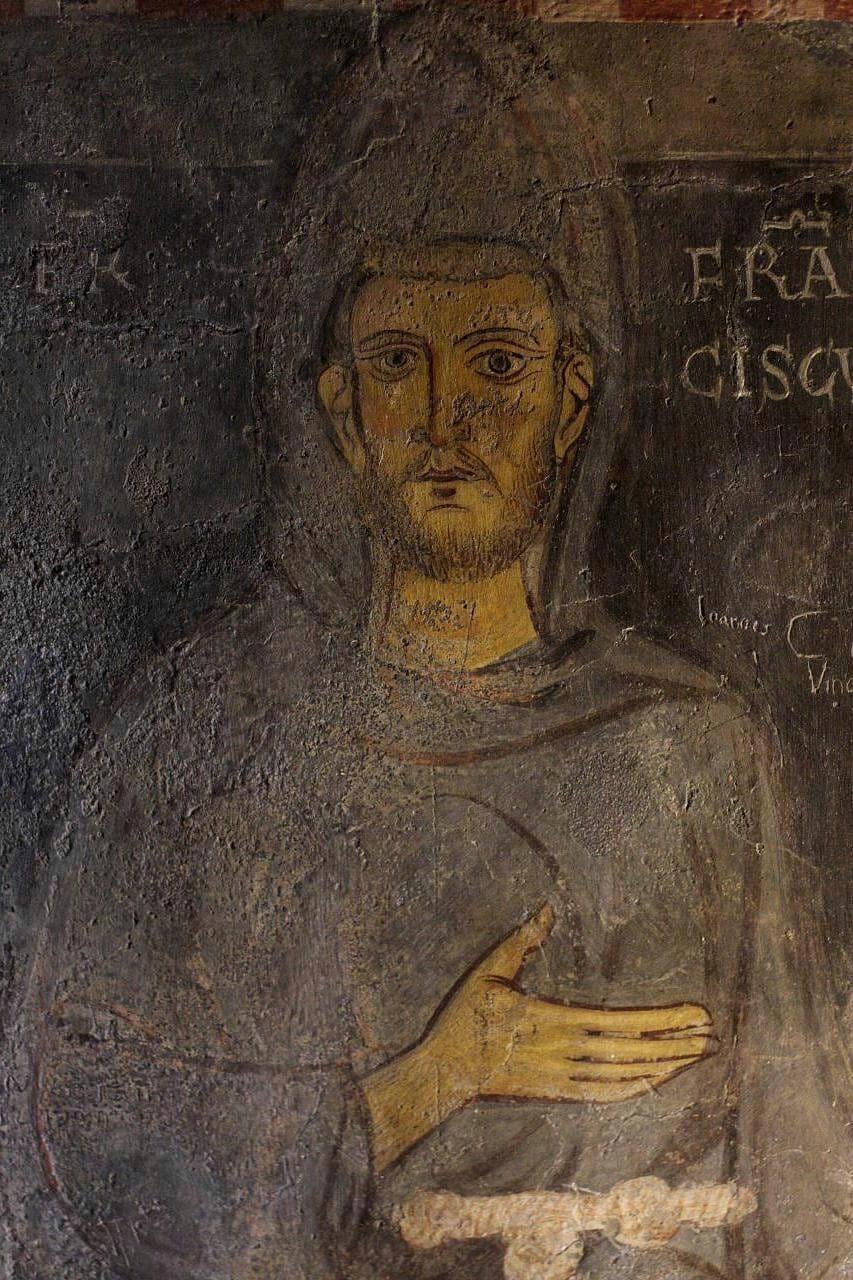
Francis of Assisi
Ils concordent sur: Qu'est-ce que l'Absolu ? Dieu existe-t-il ? · Qui suis-je ? Existe-t-il un vrai soi ? · Pourquoi souffrons-nous ?
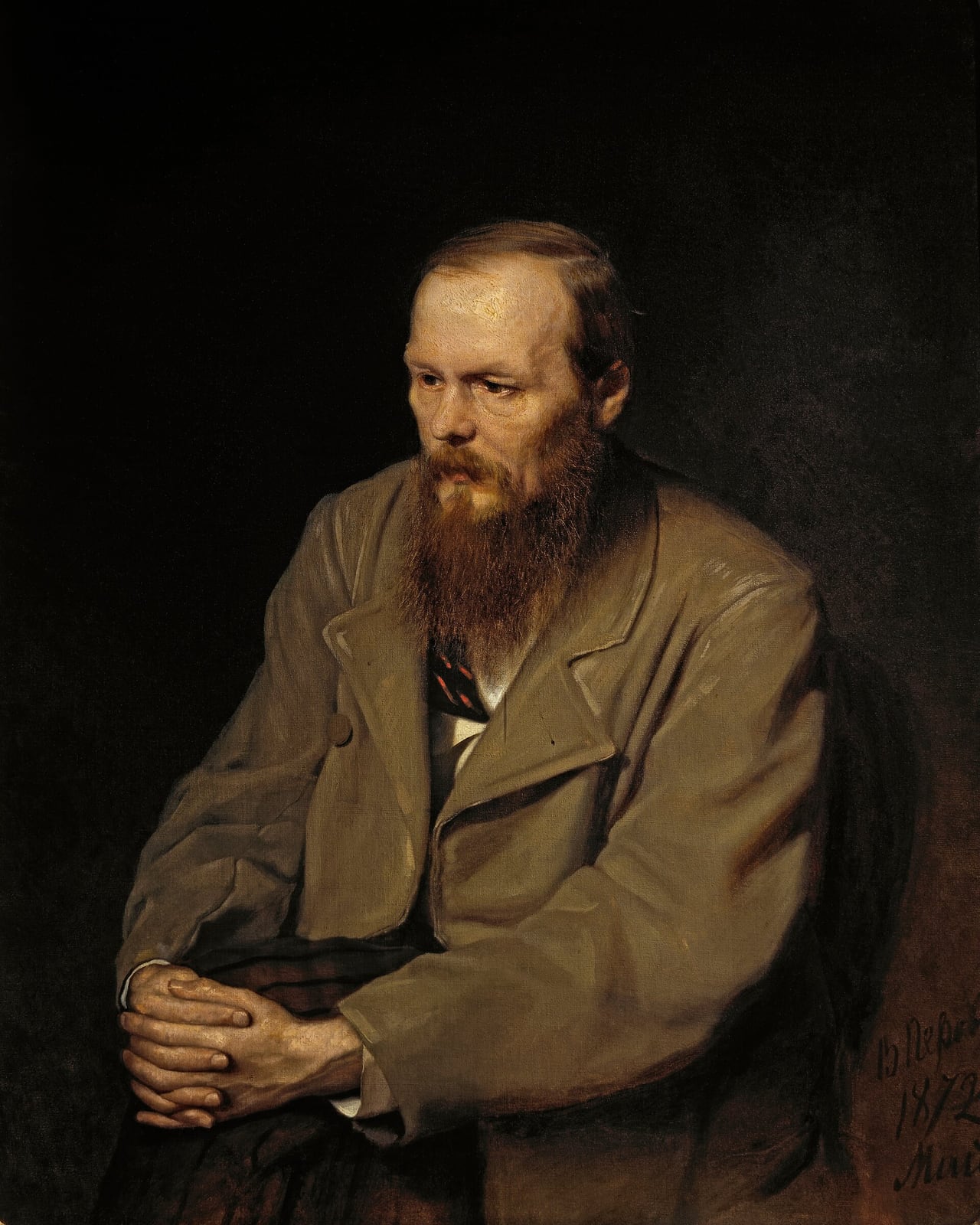
Fyodor Dostoevsky
Ils concordent sur: Qu'est-ce que l'Absolu ? Dieu existe-t-il ? · Qui suis-je ? Existe-t-il un vrai soi ? · Pourquoi souffrons-nous ?
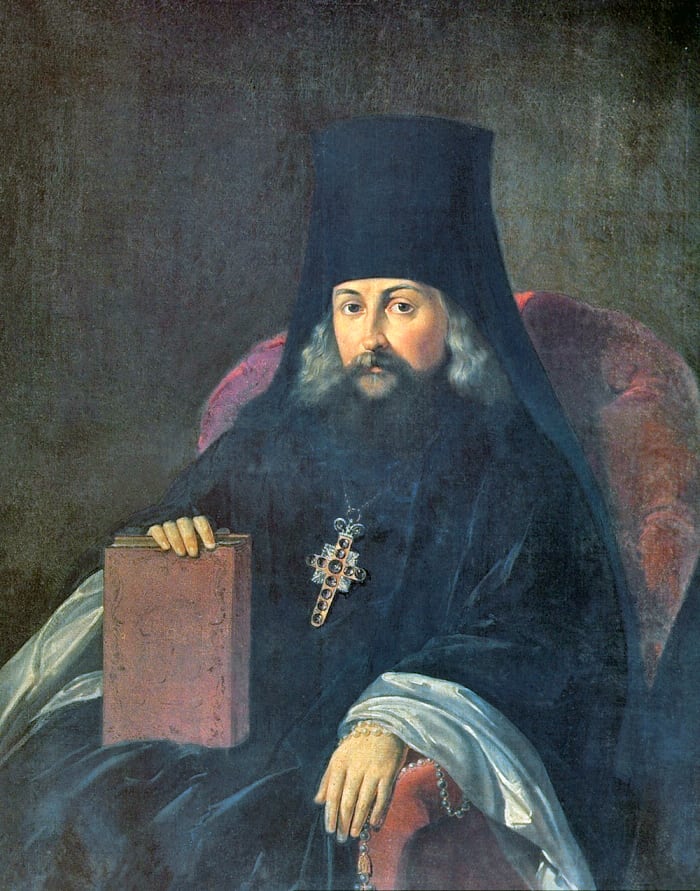
Ignatius Brianchaninov
Ils concordent sur: Pourquoi souffrons-nous ? · Qu'est-ce que l'Absolu ? Dieu existe-t-il ? · Qui suis-je ? Existe-t-il un vrai soi ?
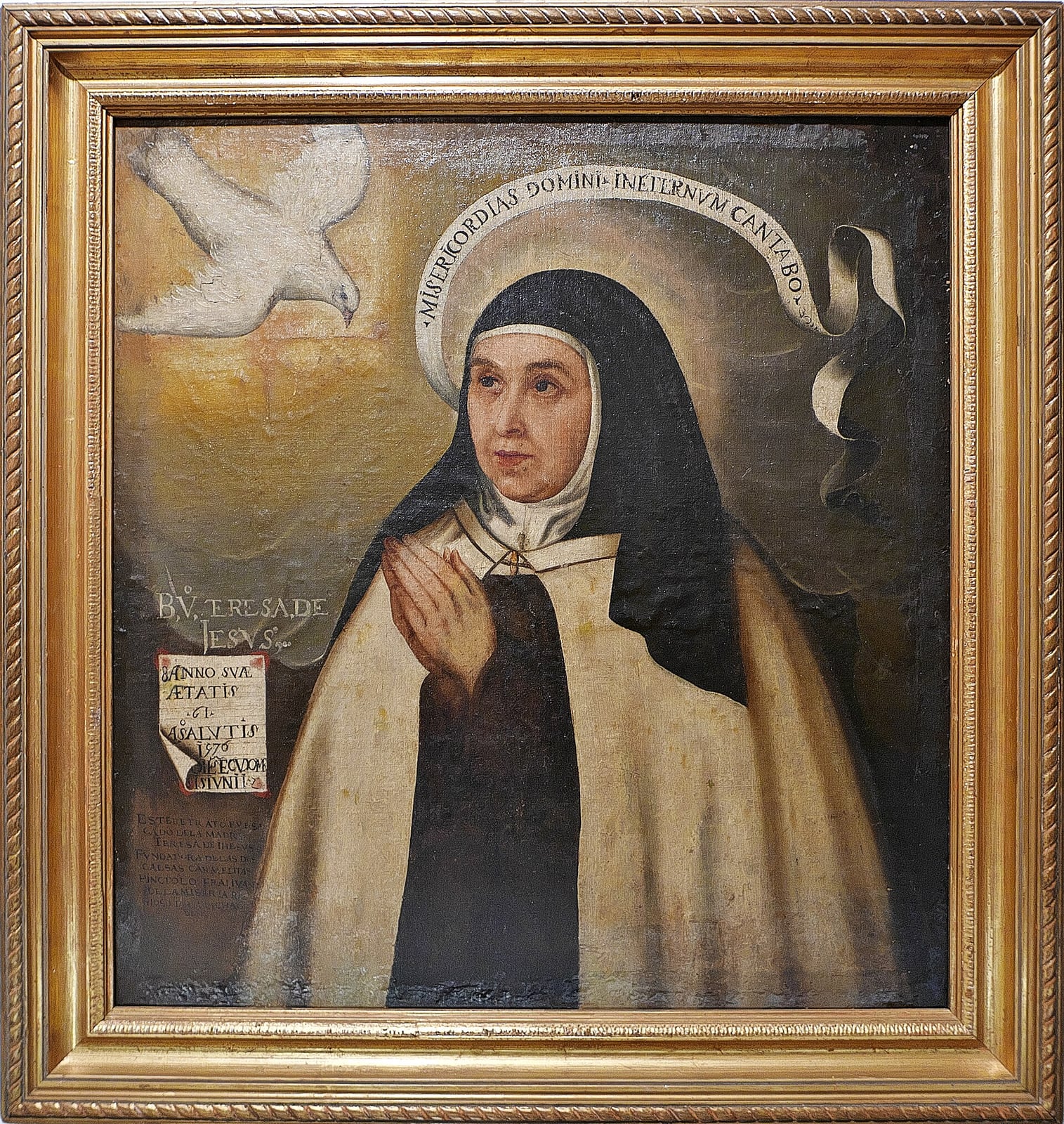
Teresa of Ávila
Ils concordent sur: Qu'est-ce que l'Absolu ? Dieu existe-t-il ? · Qui suis-je ? Existe-t-il un vrai soi ? · Pourquoi souffrons-nous ?
Pense autrement que
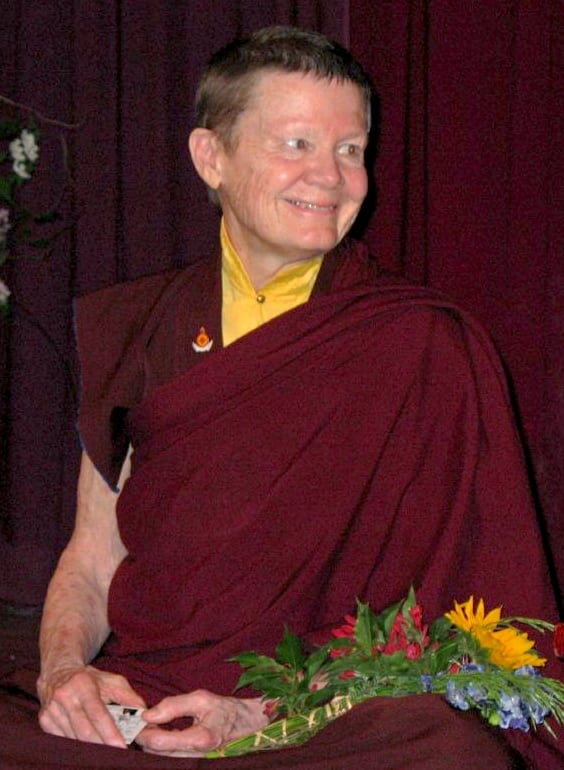
Pema Chödrön
Ils s'opposent sur: Qu'est-ce que l'Absolu ? Dieu existe-t-il ? · Qui suis-je ? Existe-t-il un vrai soi ? · Que se passe-t-il après la mort ?
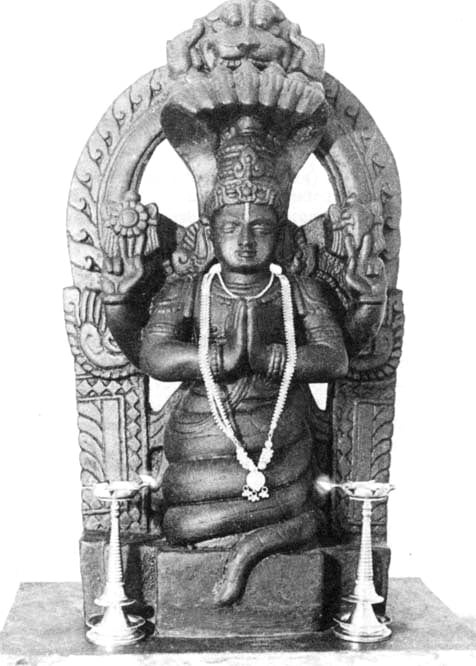
Patañjali
Ils s'opposent sur: Qu'est-ce que l'Absolu ? Dieu existe-t-il ? · Qui suis-je ? Existe-t-il un vrai soi ? · Que se passe-t-il après la mort ?
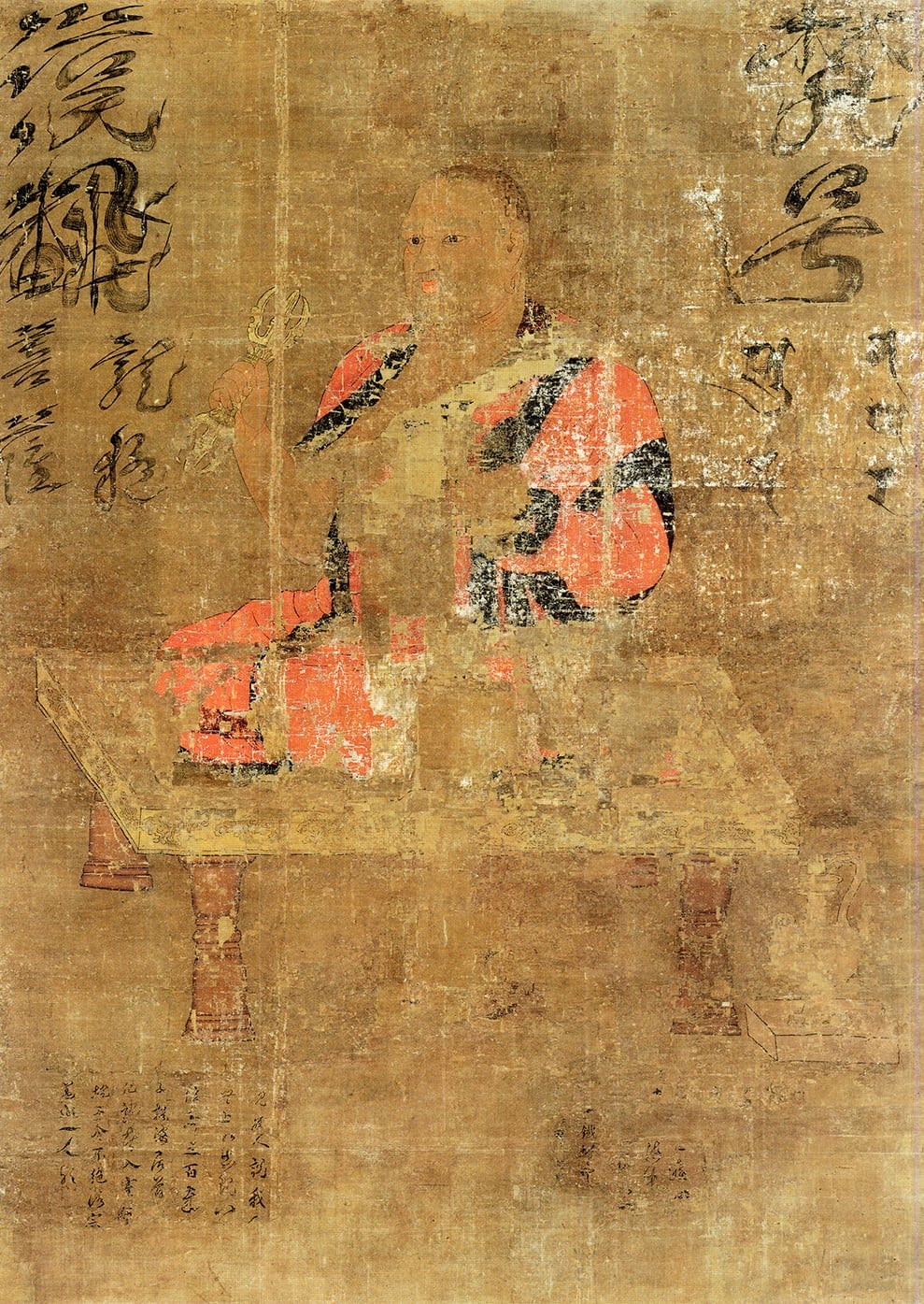
Nāgārjuna
Ils s'opposent sur: Qu'est-ce que l'Absolu ? Dieu existe-t-il ? · Qui suis-je ? Existe-t-il un vrai soi ? · Que se passe-t-il après la mort ?
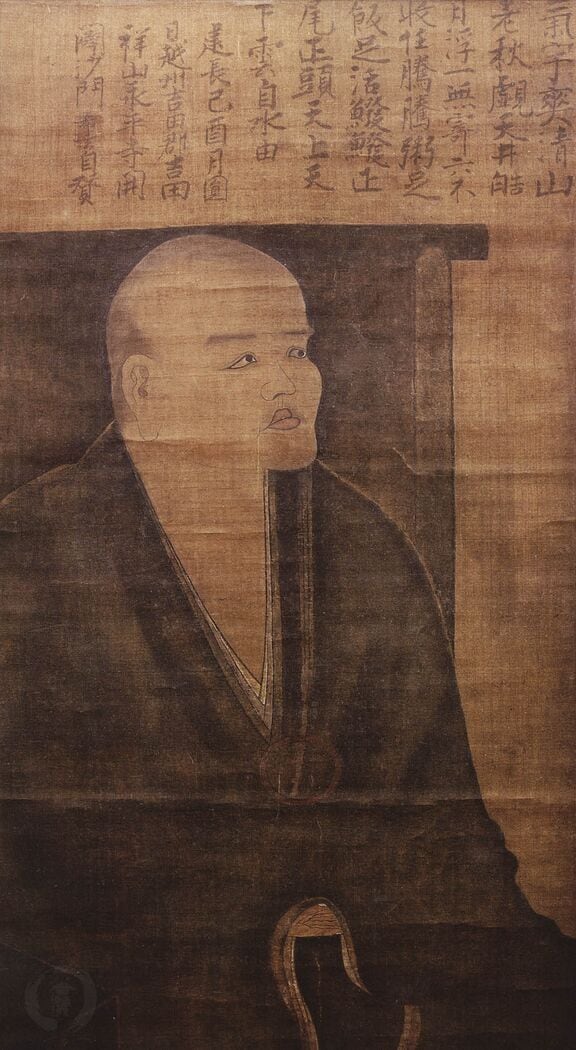
Dōgen
Ils s'opposent sur: Qu'est-ce que l'Absolu ? Dieu existe-t-il ? · Qui suis-je ? Existe-t-il un vrai soi ? · Que se passe-t-il après la mort ?
Anecdotes et récits
Anecdotes et récits
Témoignagedécada de 1870
The girl from the ball
Origine du récit: The addressee's identity and the quotation come from a letter of Theophan reproduced in Azbuka very's presentation of the work; the ball episode is handed down by the publishing tradition (the St Herman Brotherhood's preface to the English edition).
Documenté1865–1866
Serving in another way
Origine du récit: Theophan's letters to Ignatius (May 1865), to N. V. Elagin (11 March 1866) and to Metropolitan Isidore (30 May 1866), cited in the biographical literature and gathered in the Russian Wikipedia.
Témoignage1872–1894
Locked in for the books
Origine du récit: The sayings come from his letters as cited by biographers; the manual crafts, from the monastery's biography and Azbuka very.
Documenté1872–1894
Forty letters a day
Origine du récit: The daily number of letters is given by the Azbuka very biography and the Russian Wikipedia; the posthumous publication, by the catalogues of the 1898–1901 editions (Open Library, Wikimedia Commons).
Documentédécada de 1880
'That bashi-bazouk Leo Tolstoy'
Origine du récit: Collected Letters, nos. 1171, 1172, 1175, 1359 and 1413, and letters 281–285 of the 1899 collection cited in Selected Letters on Sects and Heresies.
Documentédécada de 1860
Two bishops and the nature of angels
Origine du récit: The controversy is documented by Azbuka very and the studies of D. Predein (Feofanovskie chteniya, 2011) and D. Rogozhin; the dream, letter 239 cited in Selected Letters on Sects and Heresies.
Documenté1854
An audience with Pius IX
Origine du récit: The audience is recorded in the biographies (Russian and English Wikipedia); the detail about his library, in the posthumous presentation of letter 228 on Tolstoy.
Enseignements
Enseignements
Les notions qui structurent sa pensée, expliquées dans leur contexte.
The mind in the heartmente-en-el-corazon
It gathers the tradition of the Philokalia (Symeon the New Theologian, Gregory of Sinai, Nicephorus the Solitary) that he himself translated, and spread it among laypeople through his letters and Chariton's anthology.
Prayer as reverent feelingoracion-como-sentimiento
A pedagogy designed for the nineteenth-century Orthodox layperson, who knew the Church's prayers but often recited them without attention.
Source: Teófano el Recluso. Четыре слова о молитве. 1872. Texto en Azbuka very.
Body, soul and spiritcuerpo-alma-espiritu
Formulated from St Paul and the Alexandrian tradition and developed at the Kiev Academy; P. Khondzinsky has related it to the Kiev school of Pamfil Yurkevich.
The awakening of grace and zealdespertar-de-la-gracia
An original systematisation of patristic asceticism in an anthropological scheme; later criticism (Florovsky) placed it in the context of the Russian academic moral theology of his century.
Translating as reworkingtraducir-como-reelaborar
It continues the practice of Paisius Velichkovsky and Nicodemus, who also adapted their sources; it contrasts with the modern critical edition of ascetic texts.
Vidéos
Vidéos
Enregistrements, entretiens et documentaires. Les vidéos sont lues depuis YouTube ; elles ne sont pas hébergées ici.
Феофан Затворник / Острова / Телеканал Культура
Voir sur YouTube
Cette vidéo ne peut pas être intégrée ; elle s'ouvre sur YouTube.
Феофан Затворник / Острова / Телеканал Культура
Documentaire· RU· 2020· 39 min
Телеканал КультураChaîne officielle
Русский мир. Святитель Феофан (1994)
Documentaire· RU· 1994· 26 min
History Lab
Святитель Феофан Затворник
Documentaire· RU· 2015· 30 min
Феофан Затворник. Свято-Успенский Вышенский монастырьChaîne officielle
Вышенская обитель
Documentaire· RU· 2015· 4 min
Феофан Затворник. Свято-Успенский Вышенский монастырьChaîne officielle
Празднование 200-летия Феофана, Затворника Вышенского
Documentaire· RU· 2015· 4 min
Феофан Затворник. Свято-Успенский Вышенский монастырьChaîne officielle
Святитель Феофан, затворник Вышенский. Эфир от 24 апреля 2014 г.
Documentaire· RU· 2014· 56 min
tvsoyuzChaîne officielle
Лекции в Сретенской духовной семинарии. Святитель Феофан Затворник. Часть 1
Conférence· RU· 2019· 43 min
tvsoyuzChaîne officielle
Лекция 1. Введение в предмет. Свт. Феофан Затворник и его антропологическая модель
Conférence· RU· 2020· 62 min
Елена Никулина. ПСТГУ. Нравственное богословиеChaîne officielle
Святитель Феофан Затворник и антропология Киевской духовной школы
Conférence· RU· 2019· 19 min
Научный центр истории богословия и богословского образованияChaîne officielle
Русская патрология. 14. Святитель Феофан Затворник Вышенский
Conférence· RU· 2026· 27 min
Школа Православия София
Почему свт. Феофан Затворник запрещал читать «Откровенные рассказы странника»? — Осипов А. И.
Conférence· RU· 2017· 18 min
Алексей Ильич ОсиповChaîne officielle
The Life of St. Theophan the Recluse
Enregistrement de tiers· EN· 2022· 32 min
Orthodox Hagiography
The Path of Prayer by Saint Theophan the Recluse
Conférence· EN· 2014· 42 min
Fr Deacon Charles Joiner
San Teófano el recluso (Parte I)
Conférence· ES· 2020· 16 min
Catedral Ortodoxa San JorgeChaîne officielle
Galerie
Galerie
Images dont la licence a été vérifiée. Chacune conserve son auteur et son attribution.
Manuscrits
Manuscrits
Témoins manuscrits et textes anciens, avec leur dépositaire et leurs conditions de consultation.
RU · Cyrillic · Siglos XIX y anteriores
Книги из келейной библиотеки Феофана Затворника
- Témoin conservé
- Colección dispersa
- Dépositaire
- Biblioteca Estatal de Rusia (RGB), Departamento de Manuscritos (parcialmente)
Relations
Relations
Influences, filiations et affinités. On distingue la relation documentée de la similitude identifiée par analyse.
A correspondu avec
They corresponded; in May 1865 Theophan confided to him that he thought of following his road and retiring. Theophan valued his works and recalled him later in his letters.
Relation documentée
En désaccord avec
He argued against Ignatius's thesis (Word on Death) that souls and angels have an ethereal body, in The Soul and the Angel Are Not Body but Spirit.
Relation documentée
En désaccord avec
In many letters of the 1880s he fought Tolstoy's religious teachings, calling him a 'bashi-bazouk' who 'has blurted out a heap of nonsense', and encouraged their refutation.
Relation documentée
A influencé
Florensky cites him in The Pillar and Ground of the Truth (1914) as a witness to the experience of Christ as centre, as translator of the Philokalia, for his letters on spiritual delusion and for his commentary on 1 Corinthians.
Relation documentée
A reçu l'influence de
Paisi Velichkovski
His Russian Philokalia continues and enlarges Paisius's Slavonic translation (1793), the basis of the Russian hesychast revival.
Relation documentée
A reçu l'influence de
Nicodemo el Hagiorita
He translated and reworked two works by Nicodemus: the Greek Philokalia (1782) and Unseen Warfare (1796).
Relation documentée
A reçu l'influence de
Padres del desierto
He translated the ancient paterikon and the rules of Pachomius, Basil and Cassian; his teaching constantly draws on the apophthegms.
Relation documentée
A reçu l'influence de
Simeón el Nuevo Teólogo
He translated his discourses into Russian; Theophan cites his teaching on the conscious experience of grace.
Relation documentée
A reçu l'influence de
Juan Crisóstomo
The main source of his commentaries on the epistles of St Paul.
Relation documentée
Idées proches de
Both brought the hesychast teaching on the prayer of the heart and the acquisition of grace to laypeople; in 1861 Theophan was for a few months in charge of the Diveyevo convent founded by Seraphim, to settle its disorders.
Similitude identifiée par analyse
En désaccord avec
Berdyaev judged him 'unoriginal as a thinker', untouched by problems and the author of 'outrageous' moral and social views.
Relation documentée
Contemporain de
Contemporaries; no documented mutual mention has been found.
Similitude identifiée par analyse
Sources
Sources
Bibliographie et catalogues consultés pour cette fiche.
- Wikidata, «Theophan the Recluse» (Q980914): P31=Q5, nacimiento 10/22-1-1815, muerte 6/18-1-1894, 21 enlaces entre wikis.
- «Феофан Затворник», Wikipedia en ruso (biografía, carta a Ignati Brianchanínov de mayo de 1865, carta al metropolita Isidoro de 30-5-1866, reclusión, carta de 3-5-1881, canonización, juicio de Berdiáev, obras y bibliografía). Consultada el 25-10-2026.
- «Theophan the Recluse», Wikipedia en inglés (biografía, traducciones inglesas). Consultada el 25-10-2026.
- Azbuka very, «святитель Феофан Затворник»: biografía, «Творческое наследие» (traducciones, juicio de Veniamín (Milov) y A. I. Sídorov, polémica con Ignati, Septuaginta) y catálogo de obras con sus fechas.
- Teófano el Recluso. Что есть духовная жизнь и как на нее настроиться. 1.ª ed. 1878; ed. Moscú: Otchi dom, 2012 (ISBN 5-87301-120-6). Ochenta cartas a E. A. Arnoldi. Texto en Azbuka very.
- Teófano el Recluso. Путь ко спасению. Краткий очерк аскетики. 1868–1869 (5 ediciones en vida). Texto en Azbuka very; facsímil de la ed. de 1899 en Wikimedia Commons.
- Teófano el Recluso. Четыре слова о молитве. 1872. Texto en Azbuka very.
- Teófano el Recluso. Избранные письма о сектах и ересях (selección del Собрание писем, con las cartas sobre Tolstói, Radstock y Páshkov, n.º 1171 y otras). Texto en Azbuka very.
- Gueorgui (Tertýshnikov), archimandrita. Святитель Феофан Затворник и его учение о спасении. Moscú: Pravilo very, 1999. ISBN 9785753300782.
- Florovski, Gueorgui. Пути русского богословия. París: YMCA-Press, 1937 (cap. «Влияние философского кризиса 60-х гг. на богословие: Феофан Затворник и Иоанн Кронштадтский»).
- Florenski, Pável. Столп и утверждение истины. Moscú: Put', 1914 (cita a Teófano en las cartas primera, cuarta, novena, décima y undécima). Texto en Azbuka very.
- Jítrov, Mijaíl, arcipreste. Житие святителя Феофана, Затворника Вышенского. Moscú: Tipo-litografía I. Efímov, 1905.
- Wikimedia Commons, «Category:Literary works by St. Theophan the Recluse» (facsímiles de ediciones de 1890–1901).
- Open Library, registros de autor «Saint Ḟeofan, Bishop of Tambov and Shatsk» (ediciones rusas de 1860–1901 y traducciones inglesas con ISBN).
- Chariton de Valaam, higúmeno (comp.). The Art of Prayer: An Orthodox Anthology. Trad. E. Kadloubovsky y E. M. Palmer; ed. e introd. Timothy Ware. Londres: Faber & Faber, 1966 (ISBN 9780571068999). Original: Умное делание. О молитве Иисусовой, Sortavala, 1936.
- Ayant droit
- Dominio público: Teófano murió en 1894. Las traducciones y ediciones modernas pertenecen a sus traductores y editoriales.
En attente de confirmation
Ce que cette fiche n'a pas encore pu établir. Nous préférons le dire plutôt que de combler.
- Ediciones españolas con ISBN de «El camino de la salvación», «Qué es la vida espiritual», las cartas y «El combate invisible»: no localizadas en Open Library ni en la búsqueda web; sólo se ha verificado «El arte de la oración» (Lumen, 2006).
- Años exactos de los tomos II–V de la Filocalía rusa (el I es de 1877) y de la primera edición de «El combate invisible», los «Discursos» de Simeón el Nuevo Teólogo, el «Miterikon» y los comentarios paulinos (se han dejado sin año salvo Romanos, 1890, y Hebreos, 1896).
- Fecha y destinatario de la carta «Из моего запора сделали затвор…» y su número en el Собрание писем.
- Año de redacción de «Душа и ангел — не тело, а дух» (Azbuka very indica 1891, probablemente fecha de edición).
- Las fechas que Azbuka very asigna a varias obras pueden ser de edición y no de redacción; no se han contrastado una por una con la «Летопись жизни и творений святителя Феофана» (2016–).
- Traducciones inglesas de dominio público: ninguna localizada (las de Kadloubovsky y Palmer, Seraphim Rose y otras están protegidas).
- Relación con Fiódor Dostoievski y Vladímir Soloviov: no se ha encontrado ninguna mención documentada; Dostoievski figura sólo como contemporáneo.
- ISBN de «Psalm 118: A Commentary» (St. John of Kronstadt Press, 2014) y de «Now is the Accepted Time» (Holy Trinity Publications) citados en Wikipedia: no confirmados en Open Library, no registrados.
- Atribución del «Слово перед отпеванием архим. Иннокентия» (1847), que Azbuka very da a Teófano pese a que entonces no era archimandrita: comprobar si es de Teófano (Alexándrov).
Recherche effectuée le 2026-10-25