Christianisme · Mystique chrétienne · Christianisme orthodoxe
Pavel Florensky
Павел Александрович Флоренский
1882 – 1937Personne historiquement documentée
Prêtre orthodoxe, théologien, philosophe, mathématicien et ingénieur russe (1882-1937), souvent appelé « le Léonard de Vinci russe ». Sa « Colonne et le Fondement de la vérité » (1914) renouvela la théologie orthodoxe par une sophiologie et une théorie de l'antinomie ; « L'Iconostase » et « La Perspective inversée » fondèrent une philosophie de l'icône. Il travailla en soutane à l'électrification soviétique, fut déporté au Goulag en 1933, écrivit à ses enfants depuis les Solovki et fut fusillé par le NKVD le 8 décembre 1937.
- œuvres
- 43œuvres
- éditions
- 69éditions
- citations
- 6citations
- vidéos
- 13vidéos
- images
- 7images
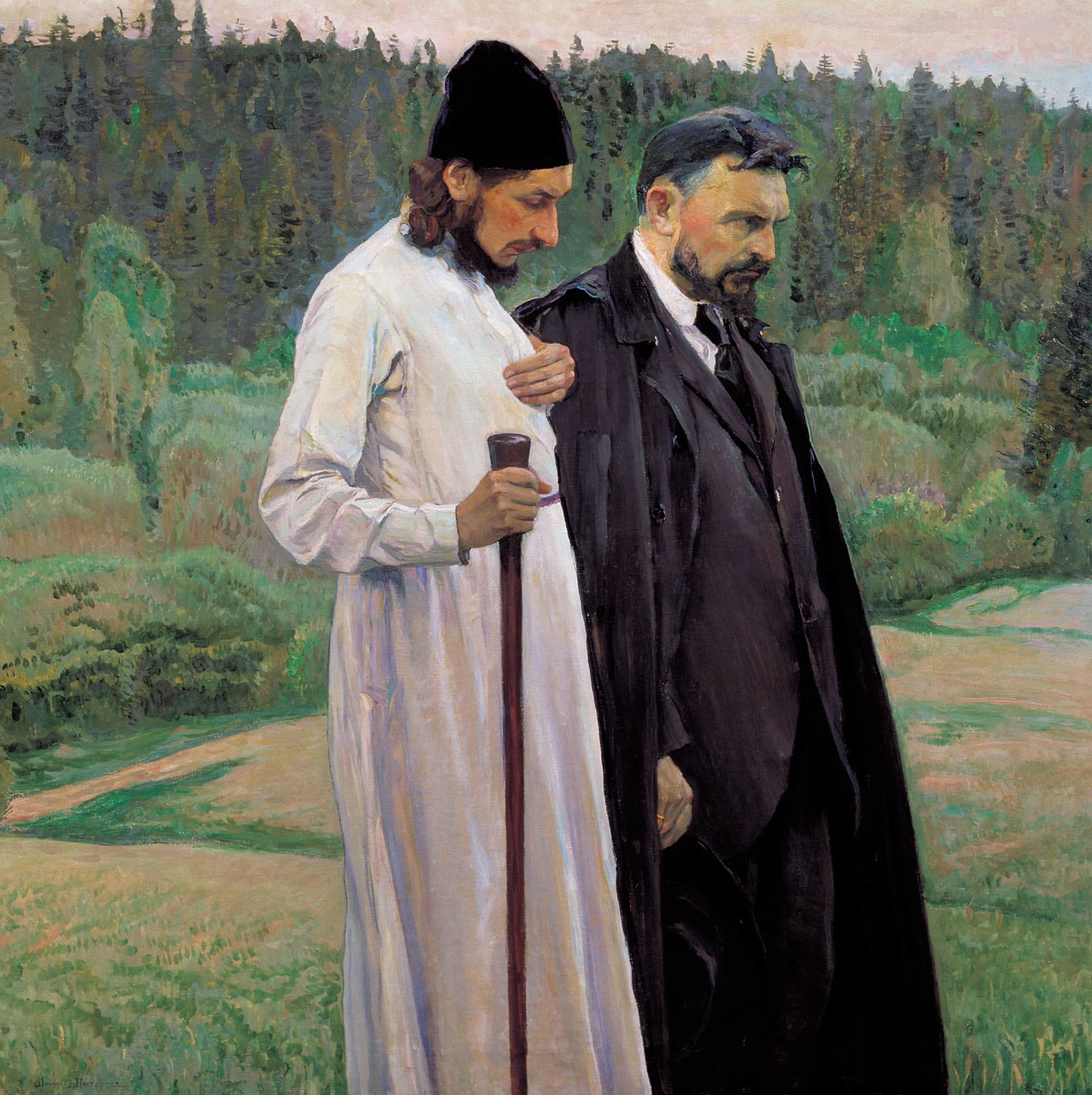
«Filósofos»: Florenski y Bulgákov, por Mijaíl Nésterov · Public domain
Dans ses propres mots
«Living religious experience as the sole legitimate way of knowing dogmas.»«Столп и утверждение истины» (1914), «К читателю», primera frase: así resume el autor la intención de todo el libro.

Pour commencer, une œuvre
The Pillar and Ground of the Truth: An Essay in Orthodox Theodicy in Twelve LettersSon idée centrale
Antinomy: For Florensky religious truth is antinomic: it can be stated only through pairs of contradictory propositions, equally true, which discursive reason cannot reconcile.
Le voir en contexte
Biographie
5 min de lecture
Traduction assistée à partir de l'original espagnol, en attente de relecture par un traducteur natif.
Un enfant du Caucase
Pavel Alexandrovitch Florensky naquit le 21 janvier 1882 (le 9 selon le calendrier julien) à Evlakh, dans l'actuel Azerbaïdjan, où son père, Alexandre Ivanovitch, ingénieur issu d'une famille de clercs mais éloigné de l'Église, travaillait à la construction du chemin de fer transcaucasien. Sa mère, Olga (Salomé) Pavlovna Saparova, appartenait à une vieille famille arménienne du Karabagh. Aîné de sept enfants, il grandit entre Tiflis et Batoumi, dans une maison cultivée et religieusement indifférente. Il raconterait lui-même dans « À mes enfants » qu'enfant il vivait dans un « éden » de phénomènes naturels — la mer, les pierres, les plantes — et que Goethe fut sa nourriture intellectuelle avant tout philosophe.
Mathématicien à Moscou
En 1900, il acheva ses études au deuxième gymnase de Tiflis et entra à la faculté de physique et de mathématiques de l'université de Moscou. Il s'y forma auprès de Nikolaï Bougaïev, se lia d'amitié avec Andreï Biély et, par lui, avec Brioussov, Balmont, les Merejkovski et Blok, et publia dans « Novy Pout » et « Vessy » des essais comme « Sur les symboles de l'infini » (1904), consacré à la théorie des ensembles de Cantor. Ces années-là, il fut attiré par Vladimir Soloviev et par l'archimandrite Sérapion (Machkine). En 1904, il obtint son diplôme avec la mention la plus haute, mais, au lieu de poursuivre une carrière scientifique, il entra, avec la bénédiction de l'évêque Antoine (Florensov), à l'Académie de théologie de Moscou, à Serguiev Possad.
L'Académie de théologie
En mars 1906, encore étudiant, il prononça dans l'église de l'Académie un sermon contre la peine de mort, « Le Cri du sang », qui fut imprimé sans passer par la censure ; il fut arrêté et passa quelque temps en prison. Il acheva ses études en 1908 et resta à l'Académie comme professeur d'histoire de la philosophie. En 1910, il épousa Anna Mikhaïlovna Giatsintova, dont il eut cinq enfants — Vassili, Kirill, Olga, Mikhaïl et Maria —, et en 1911 il fut ordonné prêtre. De 1912 à 1917, il dirigea la revue de l'Académie, « Bogoslovski Vestnik », et servit comme aumônier dans l'église de l'hospice de la Croix-Rouge de Serguiev Possad.
La colonne et le fondement de la vérité
En 1914, il publia, augmentée, l'œuvre commencée sur les bancs de l'Académie : « La Colonne et le Fondement de la vérité. Essai de théodicée orthodoxe en douze lettres ». Rédigée comme une correspondance avec un ami, elle mêle théologie, mathématiques, philologie, histoire de l'art et expérience mystique. Il y soutient que la vérité ne se démontre pas mais se vit dans l'Église, que le dogme est antinomique — il ne peut s'énoncer qu'en thèses contraires que la raison ne réconcilie pas — et que la Sagesse divine, Sophia, est la racine de la création. Le livre, couronné par l'Académie, fascina les uns et scandalisa les autres : Berdiaev le qualifia d'« orthodoxie stylisée ».
Une ombre : l'affaire Beilis
Ces mêmes années, Florensky laissa des écrits que ses admirateurs préfèrent oublier. Pendant le procès intenté en 1913 à Menahem Beilis, un Juif de Kiev faussement accusé de meurtre rituel, il envoya à Vassili Rozanov deux articles anonymes qui tenaient l'accusation pour fondée ; Rozanov les publia en annexe de son livre sur le rapport des Juifs au sang. La critique y a vu le passage d'un antijudaïsme chrétien à un antisémitisme de type racial.
Révolution, icônes et perspective
Il accueillit la révolution comme une apocalypse et pencha vers une monarchie théocratique, mais n'émigra pas. De 1918 à 1920, il fut secrétaire scientifique de la Commission pour la protection des monuments de la laure de la Trinité-Saint-Serge, en catalogua les icônes et plaida pour que le monastère ne devienne pas un « musée mort ». C'est alors qu'il écrivit ses textes sur le culte et l'art : « La Perspective inversée » (1919), où il explique la perspective de l'icône comme une autre manière de représenter un espace spirituel, et « L'Iconostase » (1922), selon lequel l'icône est une fenêtre et l'iconostase la frontière entre le monde visible et le monde invisible.
Le prêtre ingénieur
À partir de 1919, il travailla comme scientifique au service de l'État soviétique, sans jamais quitter la soutane : à l'usine de plastiques Karbolit, au département de science des matériaux du Glavenergo et au plan d'électrification GOELRO. Il écrivit une monographie sur les diélectriques (1924), déposa des brevets, enseigna de 1921 à 1927 aux ateliers d'art Vkhoutemas et fut l'un des rédacteurs de l'« Encyclopédie technique », pour laquelle il écrivit quelque cent cinquante articles. En 1922, il publia « Les Imaginaires en géométrie », qui, s'appuyant sur Dante et sur la relativité, défendait une cosmologie géocentrique et fut attaqué comme obscurantiste.
La Sibérie et les Solovki
En 1928, il fut relégué à Nijni Novgorod ; grâce à Ekaterina Pechkova, il put revenir et se vit proposer d'émigrer à Prague, mais préféra rester. Le 26 février 1933, il fut arrêté dans une affaire montée de toutes pièces contre une prétendue organisation contre-révolutionnaire et, le 26 juillet, condamné à dix ans de camp de travail. Il passa par le camp de Svobodny, en Extrême-Orient, et par la station expérimentale du pergélisol de Skovorodino, puis fut transféré à l'automne 1934 aux îles Solovki, où il étudia l'extraction de l'iode et de l'agar-agar à partir des algues. De là, il écrivit à sa femme, à sa mère et à ses enfants plus d'une centaine de lettres pleines de science, de poésie et de tendresse.
Le 8 décembre 1937
Le 25 novembre 1937, pendant la Grande Terreur, une troïka du NKVD de la région de Leningrad le condamna à mort. Le 8 décembre, il fut fusillé avec d'autres détenus transférés des Solovki ; le lieu de l'exécution et de la fosse n'a pas été établi, et l'on évoque Levachovo et d'autres terrains des environs de Leningrad. Pendant des années, on communiqua à la famille une fausse date de décès, le 15 décembre 1943. Les pièces du dossier, conservées dans les archives des services de sécurité et ouvertes après la perestroïka, établirent la sentence et la date de l'exécution. Il fut réhabilité en 1958 et en 1959.
Héritage
Florensky fut redécouvert dans les années 1960 et 1970, lorsque la revue du Patriarcat de Moscou commença à publier ses inédits, et ses œuvres complètes furent éditées en Russie à partir de 1994. Sa théorie de la perspective inversée et sa philosophie de l'icône ont marqué l'histoire de l'art et la sémiotique, et sa synthèse de la science et de la foi a fait de lui un symbole de l'intelligentsia religieuse détruite par le régime soviétique. Son petit-fils, l'higoumène Andronik (Troubatchev), a édité ses œuvres et fondé le musée qui porte son nom à Serguiev Possad.
Sources: Pyman, Avril. Pavel Florensky: A Quiet Genius. The Tragic and Extraordinary Life of Russia's Unknown da Vinci. Nueva York y Londres: Continuum, 2010. · Florenski, P. A. Столп и утверждение истины. Опыт православной феодицеи в двенадцати письмах [La columna y el fundamento de la verdad]. Moscú: Put, 1914. Texto en Azbuka. · Florenski, P. A. Иконостас [El iconostasio] (1922). Богословские труды, n.º 9 (1972), pp. 83–148. Texto en Azbuka. · Florenski, P. A. Письма с Соловков [Cartas desde las Solovkí], en Сочинения в 4 томах, t. 4: Письма с Дальнего Востока и Соловков, ed. igumeno Andronik (Trubachov) et al. Moscú: Mysl, 1998, pp. 139–781. Texto en Azbuka. · Florenski, P. A. Детям моим. Воспоминания прошлых дней [A mis hijos. Recuerdos de días pasados] (1916–1926). Moscú: Moskovski rabochi, 1992. Texto en Azbuka.
Chronologie
La vie, année après année
Chaque point est un événement documenté. Cliquez pour le lire, avec sa source et son degré de certitude.
21 janvier 18820 ansYevlaj
Birth
Born (9 January Old Style), the first of seven children of the railway engineer Alexander Florensky and Olga Saparova.
DocumentéWikidata, Q336769: Pavel Florensky (1882–1937). P31=Q5; 47 enlaces entre wikis.
Après sa mort
- 5 mai 1958Rehabilitation
- 1972Iconostasis published
21 janvier 1882 · 0 ans
Birth
Born (9 January Old Style), the first of seven children of the railway engineer Alexander Florensky and Olga Saparova.
Documenté
1900 · 18 ans
Moscow University
Finishes at the Second Tiflis Gymnasium and enters Physics and Mathematics at Moscow University.
Documenté
1904 · 22 ans
From mathematics to theology
Graduates with a first-class diploma and, with Bishop Antony (Florensov)'s blessing, enters the Moscow Theological Academy. Publishes 'On the Symbols of Infinity'.
Documenté
mars 1906 · 24 ans
'The Cry of Blood'
His sermon against the death penalty, printed without censorship, leads to his arrest and a short spell in prison.
Probable
1908 · 26 ans
Academy lecturer
Completes his studies and begins teaching the history of philosophy at the Theological Academy.
Documenté
1910 · 28 ans
Marriage
Marries Anna Mikhailovna Giatsintova (1889–1973); they will have five children.
Documenté
1911 · 29 ans
Ordination
He is ordained priest; from 1912 to 1917 he edits Bogoslovsky vestnik.
Documenté
1913 · 31 ans
The Beilis articles
Sends Rozanov two anonymous articles that treat as true the ritual-murder accusation against Menahem Beilis.
Documenté
1914 · 32 ans
The Pillar and Ground of the Truth
The Put publishing house issues his major work, an enlargement of his master's thesis.
Documenté
1918 – 1920 · 36 ans
The Lavra Commission
Scientific secretary of the Commission for the Protection of the Monuments of the Trinity–St Sergius Lavra (1918–1920).
Documenté
1919 · 37 ans
Reverse Perspective and scientific work
Writes 'Reverse Perspective' and begins working as a scientist at the Karbolit plant and then at Glavenergo.
Documenté
1921 – 1927 · 39 ans
Professor at VKhUTEMAS
At Vladimir Favorsky's recommendation he teaches at the VKhUTEMAS art workshops until 1927.
Documenté
1922 · 40 ans
Iconostasis and Imaginaries in Geometry
Writes Iconostasis (published 1972) and publishes Imaginaries in Geometry at his own expense.
Documenté
1924 · 42 ans
Dielectrics
Publishes Dielectrics and Their Technical Application.
Documenté
1927 · 45 ans
Technical Encyclopedia
Joins the editorial board of the Technical Encyclopedia, for which he writes some 150 articles.
Documenté
1928 · 46 ans
Exile and refusal to emigrate
Exiled to Nizhny Novgorod; thanks to Ekaterina Peshkova he returns and is offered emigration to Prague, but decides to stay.
Documenté
26 février 1933 · 51 ans
Arrest
Arrested by the OGPU; on 26 July he is sentenced to ten years in a labour camp.
Documenté
1 décembre 1933 · 51 ans
Svobodny camp
Arrives at the BAMLAG camp at Svobodny; in February 1934 he moves to the experimental permafrost station at Skovorodino.
Documenté
15 novembre 1934 · 52 ans
Solovki
Begins work at the iodine factory of the Solovki camp, to which he had been moved in the autumn.
Documenté
18 juin 1937 · 55 ans
Last surviving letter
Date of letter no. 103 to his wife, the last of those published in his Letters from Solovki.
Probable
25 novembre 1937 · 55 ans
Death sentence
A special NKVD troika of the Leningrad region sentences him to death.
Documenté
8 décembre 1937 · 55 ans
Execution
Shot by the NKVD; the site of the grave remains unestablished. The family was given a false date (15 December 1943).
Documenté
5 mai 1958
Rehabilitation
Rehabilitated for the 1933 conviction; on 5 March 1959, for that of 1937.
Documenté
1972
Iconostasis published
Bogoslovskie trudy, a journal of the Moscow Patriarchate, publishes Iconostasis, fifty years after it was written.
Documenté
Œuvres
Œuvres essentielles
Les œuvres sans lesquelles on ne comprend pas son héritage.
Œuvre écrite · 1914
The Pillar and Ground of the Truth: An Essay in Orthodox Theodicy in Twelve Letters
Столп и утверждение истины. Опыт православной феодицеи в двенадцати письмах
His capital work, published by Put in 1914. Twelve letters to a friend — doubt, the Trinity, the light of truth, the Comforter, contradiction, sin, Gehenna, the creature, Sophia, friendship and jealousy — with extensive mathematical, philological and iconographic appendices. It holds that truth is reached by living religious experience rather than deduction; that dogma is antinomic; that the Trinity is the foundation of all truth; that Sophia is the root of creation; and that friendship, the 'we' of two, is the cell of the Church. It influenced Bulgakov and Losev and was criticised by Berdyaev and Florovsky.
8 éditions

Œuvre posthume · 1922
Iconostasis
Иконостас
Written in 1922 and published in 1972 in Bogoslovskie trudy. Starting from the experience of dreams, which separate and join two worlds, it defines the icon as a window onto the invisible and the iconostasis as the boundary between the visible and invisible worlds, formed by the saints themselves. It defends the technique of the icon — egg tempera, gold, construction in layers of light — as the expression of an ontology of light, against the oil painting and perspective of Western art.
5 éditions
Pavel Florensky
Imaginaries in Geometry
Œuvre écrite · 1922
Imaginaries in Geometry
Мнимости в геометрии. Расширение области двухмерных образов геометрии (Опыт нового истолкования мнимостей)
A short treatise published at the author's expense in 1922. It proposes interpreting imaginary numbers as the reverse side of a surface, and applies this to relativity: beyond the speed of light an 'imaginary' space, the invisible world, would begin. Drawing on Dante's Paradiso, it defends a geocentric cosmology and places the boundary between Earth and Heaven between the orbits of Uranus and Neptune. Its cover was designed by Vladimir Favorsky.
3 éditions

Correspondance · 1998
Letters from the Far East and Solovki
Письма с Дальнего Востока и Соловков
Letters written between 1933 and 1937 from the camps of Svobodny, Skovorodino and Solovki to his wife, his mother and his five children, to whom he gave lessons in physics, chemistry, botany, poetry and music. Published in part from the 1980s and complete in 1998 (vol. 4 of his Works). They are one of the great spiritual testimonies of the Gulag.
6 éditions
Toute son œuvre (43)
Pavel Florensky
The Idea of Discontinuity as an Element of a Worldview
The Conscious LibraryThe Idea of Discontinuity as an Element of a Worldview
1904
Pavel Florensky
On the Symbols of Infinity (An Essay on the Ideas of G. Cantor)
The Conscious LibraryOn the Symbols of Infinity (An Essay on the Ideas of G. Cantor)
1904
Pavel Florensky
On One Premise of a Worldview
The Conscious LibraryOn One Premise of a Worldview
1904
Pavel Florensky
Spiritualism as Anti-Christianity
The Conscious LibrarySpiritualism as Anti-Christianity
1904
Pavel Florensky
The Cry of Blood
The Conscious LibraryThe Cry of Blood
1906

Salt of the Earth: A Narrative on the Life of the Elder of Gethsemane Skete, Hieromonk Abba Isidore
1909
Pavel Florensky
Anthony of the Novel and Anthony of Tradition
The Conscious LibraryAnthony of the Novel and Anthony of Tradition
1907
Pavel Florensky
The Author of Life
The Conscious LibraryThe Author of Life
1907
Pavel Florensky
Joy Forever
The Conscious LibraryJoy Forever
1907
Pavel Florensky
In the Eternal Azure
The Conscious LibraryIn the Eternal Azure
1907
Pavel Florensky
The Cosmological Antinomies of Immanuel Kant
The Conscious LibraryThe Cosmological Antinomies of Immanuel Kant
1909
Pavel Florensky
The Universal Human Roots of Idealism
The Conscious LibraryThe Universal Human Roots of Idealism
1909
Pavel Florensky
On Spiritual Truth: An Essay in Orthodox Theodicy
The Conscious LibraryOn Spiritual Truth: An Essay in Orthodox Theodicy
1912
Pavel Florensky
The Meaning of Idealism
The Conscious LibraryThe Meaning of Idealism
1914
Pavel Florensky
Reason and Dialectic
The Conscious LibraryReason and Dialectic
1914
Pavel Florensky
Articles on the Beilis Case
The Conscious LibraryArticles on the Beilis Case
1913
Pavel Florensky
Did Not Count It Robbery (Towards a Judgement on Mysticism)
The Conscious LibraryDid Not Count It Robbery (Towards a Judgement on Mysticism)
1916
Pavel Florensky
Around Khomyakov: Critical Notes
The Conscious LibraryAround Khomyakov: Critical Notes
1916
Pavel Florensky
The Reduction of Numbers
The Conscious LibraryThe Reduction of Numbers
1916
Pavel Florensky
To My Children: Memories of Days Past
The Conscious LibraryTo My Children: Memories of Days Past
1992
Pavel Florensky
The Philosophy of Cult
The Conscious LibraryThe Philosophy of Cult
1977
Pavel Florensky
The Trinity–St Sergius Lavra and Russia
The Conscious LibraryThe Trinity–St Sergius Lavra and Russia
1919

Reverse Perspective
1919
Pavel Florensky
Celestial Signs (On the Symbolism of Colours)
The Conscious LibraryCelestial Signs (On the Symbolism of Colours)
1919
Citations
Citations localisées dans une œuvre précise. Chacune porte sa provenance et son degré de fiabilité.
Living religious experience as the sole legitimate way of knowing dogmas.Живой религиозный опыт, как единственный законный способ познания догматов.
Vérifiée«Столп и утверждение истины» (1914), «К читателю», primera frase: así resume el autor la intención de todo el libro.
Dernières paroles
Il n'existe aucun témoignage vérifiable de ses dernières paroles.
His last words are not known. He was shot by the NKVD on 8 December 1937, together with other prisoners transferred from Solovki, at an unestablished place outside Leningrad; there were no witnesses who left an account. His last known letter to his family, no. 103 in the 1998 edition, is dated 18 June 1937: it speaks of the lack of work in the Solovki Kremlin, of his corner with a view of the sea in the monastery museum and of how much he would regret leaving the sea.
Source: Florenski, P. A. Письма с Соловков [Cartas desde las Solovkí], en Сочинения в 4 томах, t. 4: Письма с Дальнего Востока и Соловков, ed. igumeno Andronik (Trubachov) et al. Moscú: Mysl, 1998, pp. 139–781. Texto en Azbuka.
Interroger
Ce que répond son œuvre
Douze grandes questions de l'humanité et ce que ses textes permettent d'y répondre, références à l'appui. Nous ne lui prêtons jamais de paroles.
Qu'est-ce que l'Absolu ? Dieu existe-t-il ?
The truth that proves itself is the Trinity, and the icon bears witness to it
Un Dieu personnelIl le dit expressément
Florensky starts, in The Pillar and Ground of the Truth, from living religious experience as the only legitimate way of knowing dogmas. In the letter on doubt he follows scepticism to its end and concludes that only a truth that is at once subject and relation, an I that gives itself to a Thou and recognises itself in a He, can stand: the Trinity. His God is personal and tri-personal, and his inner life is self-giving love. To this speculative path he adds an aesthetic one: in Iconostasis he asserts that, since Rublev's Trinity exists, God exists, and presents this as the most convincing proof, one the textbooks never mention. For him the icon does not illustrate an idea: it is a window through which the invisible lets itself be seen.
Comparer cette question avec d'autres maîtresQui suis-je ? Existe-t-il un vrai soi ?
The self finds itself only in love and in friendship
Un soi cultivé dans la relationIl le dit expressément
Florensky criticises the identity of the self conceived as the logical law A is A. In The Pillar and Ground of the Truth, such closed self-affirmation is the very form of sin and death: a self that only repeats itself becomes empty. True personal identity is reached by going out of oneself, when the self gives itself to another and receives itself from him; its model is Trinitarian life, in which each person is what it is through its relation to the others. That is why he devotes an entire letter to friendship, which he understands from the tradition of spiritual brotherhood in the early Church, as the experience in which two persons become consubstantial without being confused. The self is real and immortal, but it is found only in communion.
Comparer cette question avec d'autres maîtresPourquoi souffrons-nous ?
Sin is self-assertion that disintegrates; the true gift is paid for in pain
La séparation d'avec DieuIl le dit expressément
In The Pillar and Ground of the Truth, Florensky defines sin as the self-assertion of an I that shuts itself into its empty identity and breaks communion; its consequence is inner disintegration, the loss of the person's integrity, and its end is gehenna, the loneliness of one who can no longer go out of himself. Suffering is the fruit of that separation, but love also includes it: in the letter on Sophia he writes that love eternally takes away in order eternally to give, and puts to death in order to bring to life. His own life confirmed it: from Solovki, shortly before he was shot, he wrote to his wife that the more selfless the gift, the harsher the persecution and the more severe the suffering, and called this the law of life.
Comparer cette question avec d'autres maîtresQue se passe-t-il après la mort ?
Before gehenna, an antinomy: salvation of all and eternal damnation at once
Vie éternelle et résurrectionIl le dit expressément
Florensky addresses what happens after death in the letter on gehenna in The Pillar and Ground of the Truth, and he does so with his method of antinomy. On one hand, God's love demands that all be saved; on the other, the creature's freedom makes eternal damnation possible. Neither thesis can be eliminated without betraying faith, and reason must accept holding them together. His solution points to a distinction within the person: what in it is the image of God is saved, while what sin has built, its caricature, burns and is separated. Beyond speculation, his faith in the resurrection is that of the Orthodox Church, which he lived until his execution in 1937, as his letters from Solovki show.
Comparer cette question avec d'autres maîtresComment atteint-on la libération ou le salut ?
Salvation is lived in the Church: ascesis, sacrament and transfiguring love
Par la grâce et l'amourIl le dit expressément
Florensky presents salvation as incorporation into the life of truth, reached not by reasoning but by experience: the living religious experience he defines at the start of The Pillar and Ground of the Truth as the only legitimate path to the dogmas. That experience is given in the Church, through ascesis, which restores the integrity of the person broken up by sin, through the sacraments and through brotherly love. Its fruit is transfiguration: in the letter on the light of truth he reproduces the passage where Motovilov sees Seraphim illumined, as an example of what grace does in the flesh. In The Philosophy of Cult he adds that liturgical worship is the place where the human and the divine meet and where the whole of reality is sanctified.
Comparer cette question avec d'autres maîtresFaut-il un maître ?
Truth is received in the Church and in the spiritual fatherhood of an elder
La communauté et la traditionIl le dit expressément
Florensky came to faith as an adult, from science, and his path was marked by concrete figures: Bishop Antony Florensov, whom he regarded as his spiritual father, and the elder Isidore of Gethsemane, to whom he devoted The Salt of the Earth, a portrait of an elder's simple holiness. His theology holds that truth is not passed on as information, but by incorporation into the living experience of the Church, its sacraments, its worship and its saints. In The Pillar and Ground of the Truth, written as letters to a friend, the genre itself expresses this conviction: truth is sought in dialogue and friendship, not in self-sufficient solitude. The teacher is necessary, but within a community of faith that precedes and sustains him.
Comparer cette question avec d'autres maîtresLe monde est-il réel ?
The creature is rooted in God through Sophia; the visible borders the invisible
Une création bonne et réelleIl le dit expressément
Florensky, theologian and scientist at once, does not doubt the reality of the created world, but thinks of it as open from above. In The Pillar and Ground of the Truth he devotes one letter to the creature and another to Sophia, which he defines as the great root of all creation, through which the creature enters Trinitarian life and receives eternal life. The world is good because it is rooted in God. In Iconostasis he describes the boundary between the visible and the invisible world, which dreams, art and liturgy allow one to cross, and the icon as its witness. In Imaginaries in Geometry he went so far as to propose, on the basis of relativity, a model of the cosmos in which the visible world borders a space of another nature.
Comparer cette question avec d'autres maîtresQu'est-ce que l'amour ?
Love is consubstantiality: it takes in order to give and makes two one unconfused
L'amour de Dieu et du prochainIl le dit expressément
In The Pillar and Ground of the Truth, love is the key to Trinitarian life and therefore to truth itself: God is love because each divine person gives itself to the others. Florensky describes it with paradoxical formulas: love eternally takes away in order eternally to give, eternally puts to death in order eternally to give life. In the letter on friendship and the letter on jealousy he studies it in its most concrete human form, friendship between two persons, which the early Church blessed with a rite of brother-making of its own, and which makes two one without confusing them, in the image of the Trinity's consubstantiality. Jealousy, in this sense, can be the face of love defending its unique object. Love of neighbour in general is first learned in love for one concrete friend.
Comparer cette question avec d'autres maîtresSommes-nous libres ou tout est-il déterminé ?
Freedom and grace form an antinomy that reason does not solve but accepts
Un libre arbitre réelCela se déduit de sa doctrine
Florensky does not treat freedom as an isolated problem, but as one of the cases of antinomy he considers proper to all religious truth. In the letter on contradiction in The Pillar and Ground of the Truth he holds that truth, seen from finite reason, appears as a pair of opposed affirmations that must be held together: providence that disposes all things and freedom that responds, grace that saves and human effort. In the letter on gehenna he applies the same scheme: God's love wills the salvation of all, but the creature's freedom can refuse it, and both theses are true. Human freedom is therefore real, and the human being answers for his acts, though his relation to providence cannot be reduced to a formula.
Comparer cette question avec d'autres maîtresPourquoi méditer ou prier ?
Worship is the root of culture and the place where reality is sanctified
Le rite et la culture de soiIl le dit expressément
Florensky, a priest as well as a scientist, thought of prayer above all from liturgical worship. In the lectures gathered as The Philosophy of Cult he maintains that worship is the centre from which all culture springs, as the word itself indicates, and that in it material reality, water, bread, oil, word and gesture, is sanctified and opened to the divine. In Church Ritual as a Synthesis of the Arts and in Iconostasis he describes the liturgy as a total work of art involving architecture, candlelight, incense smoke, chant and the icon, and the icon as a window onto the invisible world. His interest in the divine name, in the context of the name-glorifying controversy, shows that personal prayer is not separated from rite.
Comparer cette question avec d'autres maîtresLa raison peut-elle connaître l'ultime ?
Religious truth is antinomic: reason touches it only as contradiction
L'ultime est au-delà du mentalIl le dit expressément
Florensky was a mathematician by training and never despised reason: he studied Cantor's set theory, wrote on the infinite and worked as an engineer. Precisely for that reason he knew its limits. In The Pillar and Ground of the Truth he holds that reason, governed by the law of identity, cannot by itself find a truth that proves itself: it leads to scepticism. And when it approaches the mysteries of faith, it meets them as antinomies, pairs of contradictory affirmations equally true, such as God's unity and trinity or freedom and grace. The letter on contradiction makes antinomy the seal of religious truth. Knowledge of the ultimate is possible only through living religious experience, in which reason is transfigured without being abolished.
Comparer cette question avec d'autres maîtresSe retirer du monde ou le transformer ?
A priest in a cassock at the technical office: serving through science without leaving faith
La contemplation dans l'actionCela se déduit de sa doctrine
Florensky embodied a singular way of living in the world. After the revolution, when the Theological Academy closed, he neither emigrated nor withdrew: he worked on the commission for the protection of the monuments of the Lavra of Saint Sergius and later on the country's electrification plan, where he attended meetings in cassock and pectoral cross. He published studies on dielectrics and wrote articles for the technical encyclopaedia. Deported to Solovki, he researched the extraction of iodine and agar from seaweed. In his letters to his children from the camp he teaches them to observe nature attentively and to work well, as a form of service. Science, art and liturgy were for him expressions of one and the same vision of the world, and none required renouncing the others.
Comparer cette question avec d'autres maîtres
Affinités et tensions
Affinités et tensions
Calculées question par question à partir de ses positions. La raison de chaque accord ou de chaque désaccord s'affiche d'un clic.
Pense comme
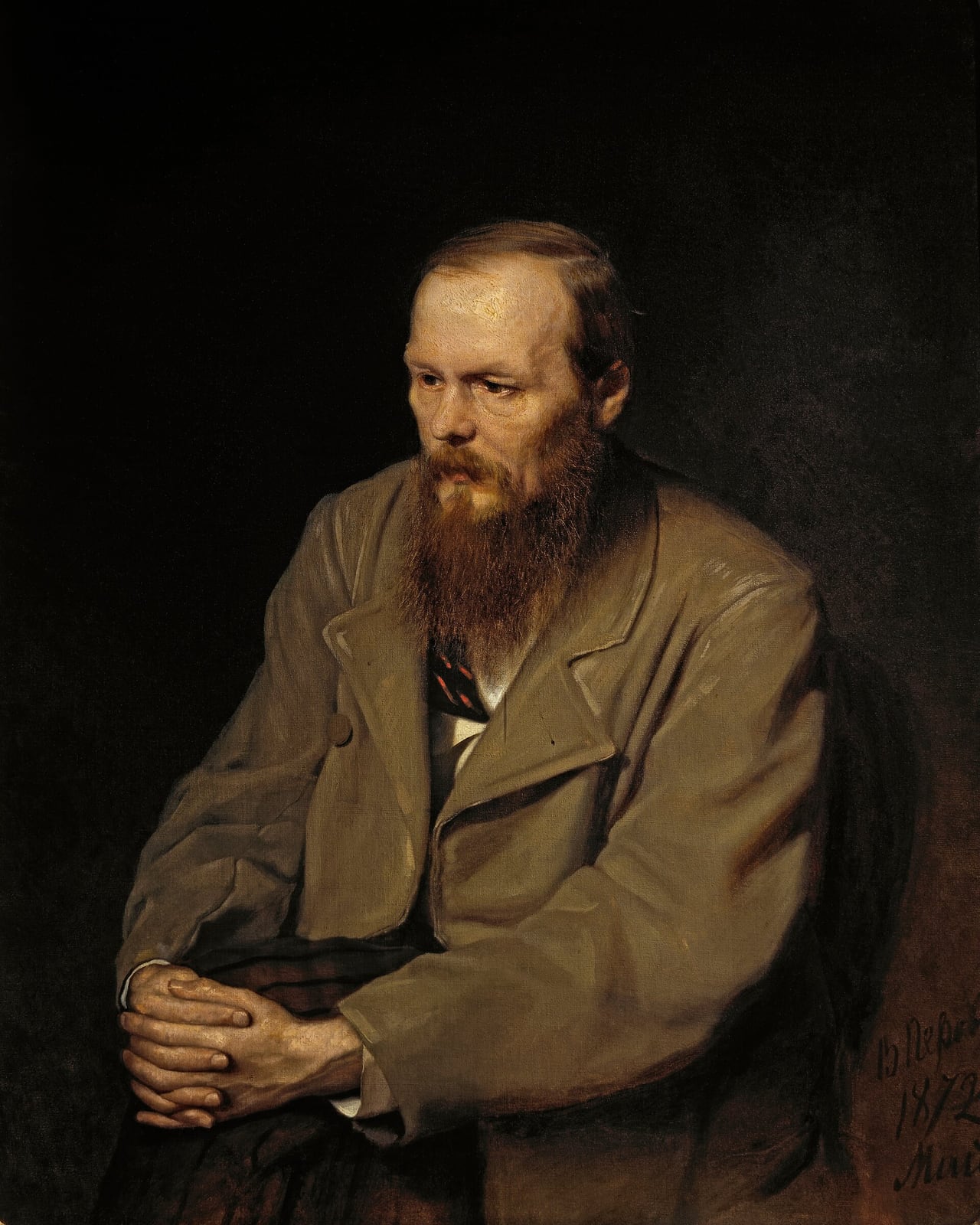
Fyodor Dostoevsky
Ils concordent sur: Qu'est-ce que l'Absolu ? Dieu existe-t-il ? · Pourquoi souffrons-nous ? · Que se passe-t-il après la mort ?

Francis of Assisi
Ils concordent sur: Qu'est-ce que l'Absolu ? Dieu existe-t-il ? · Pourquoi souffrons-nous ? · Que se passe-t-il après la mort ?
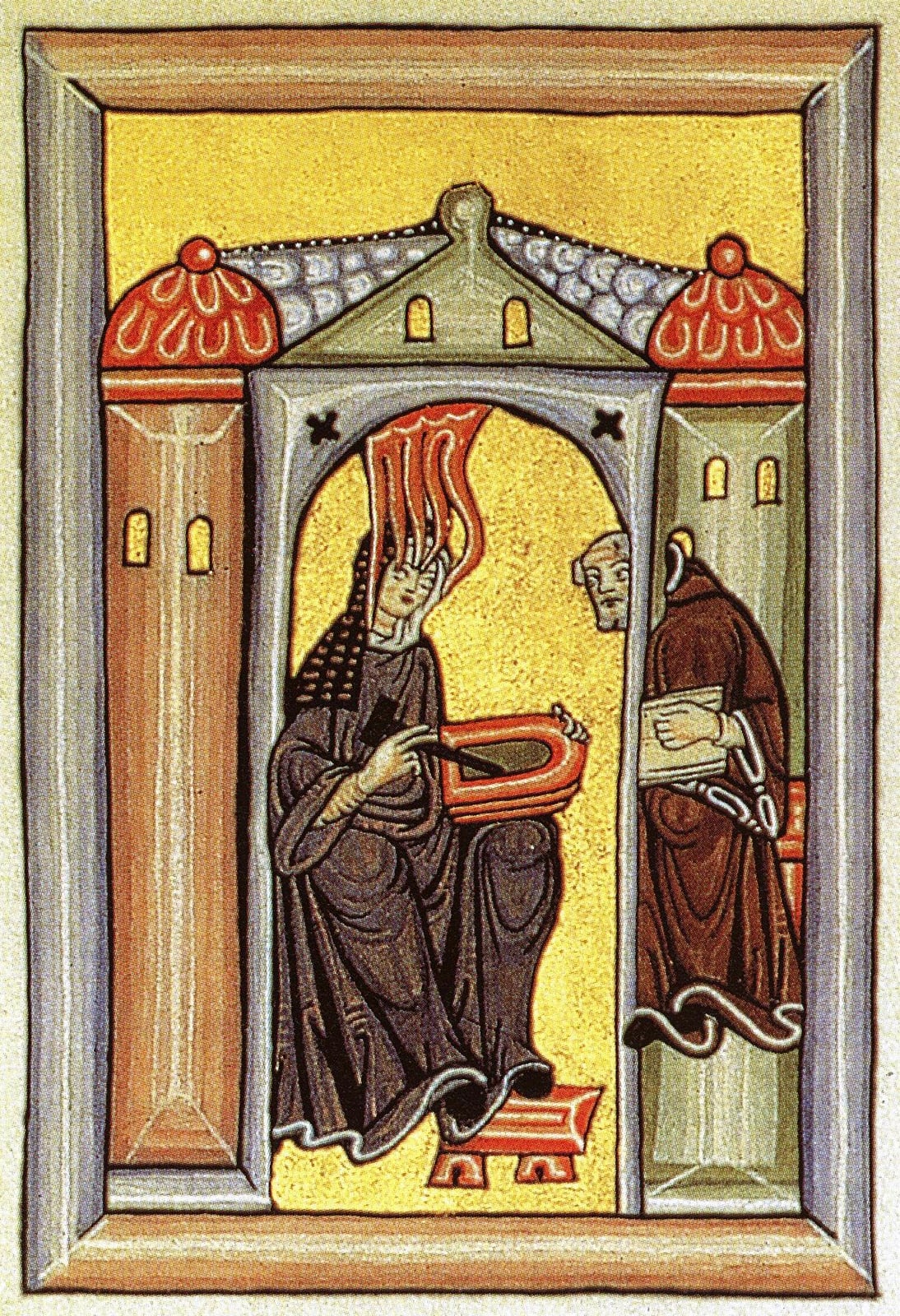
Hildegard of Bingen
Ils concordent sur: Qu'est-ce que l'Absolu ? Dieu existe-t-il ? · Que se passe-t-il après la mort ? · Comment atteint-on la libération ou le salut ?
Seraphim of Sarov
Ils concordent sur: Qu'est-ce que l'Absolu ? Dieu existe-t-il ? · Pourquoi souffrons-nous ? · Que se passe-t-il après la mort ?
Pense autrement que
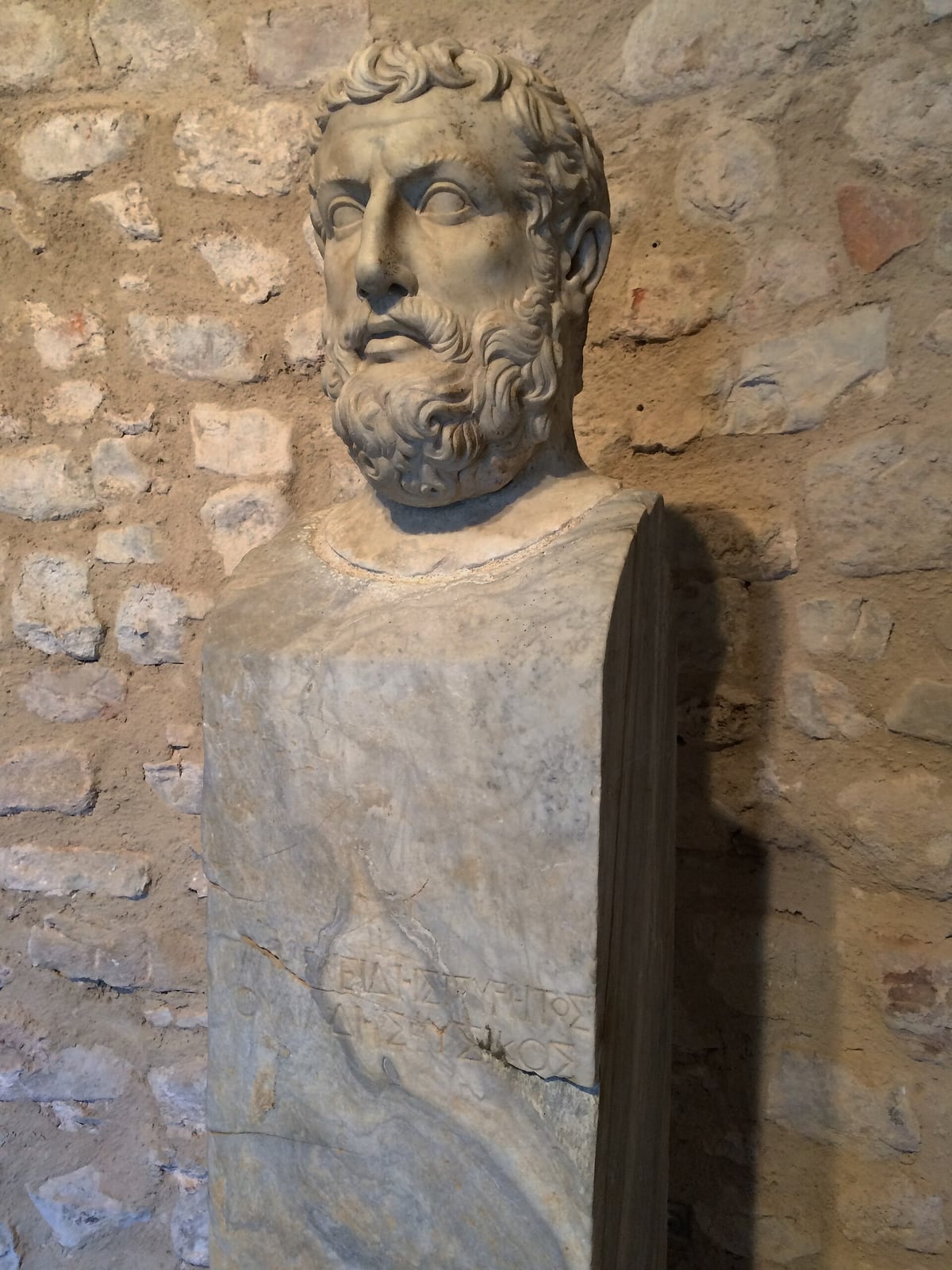
Parmenides
Ils s'opposent sur: Le monde est-il réel ?
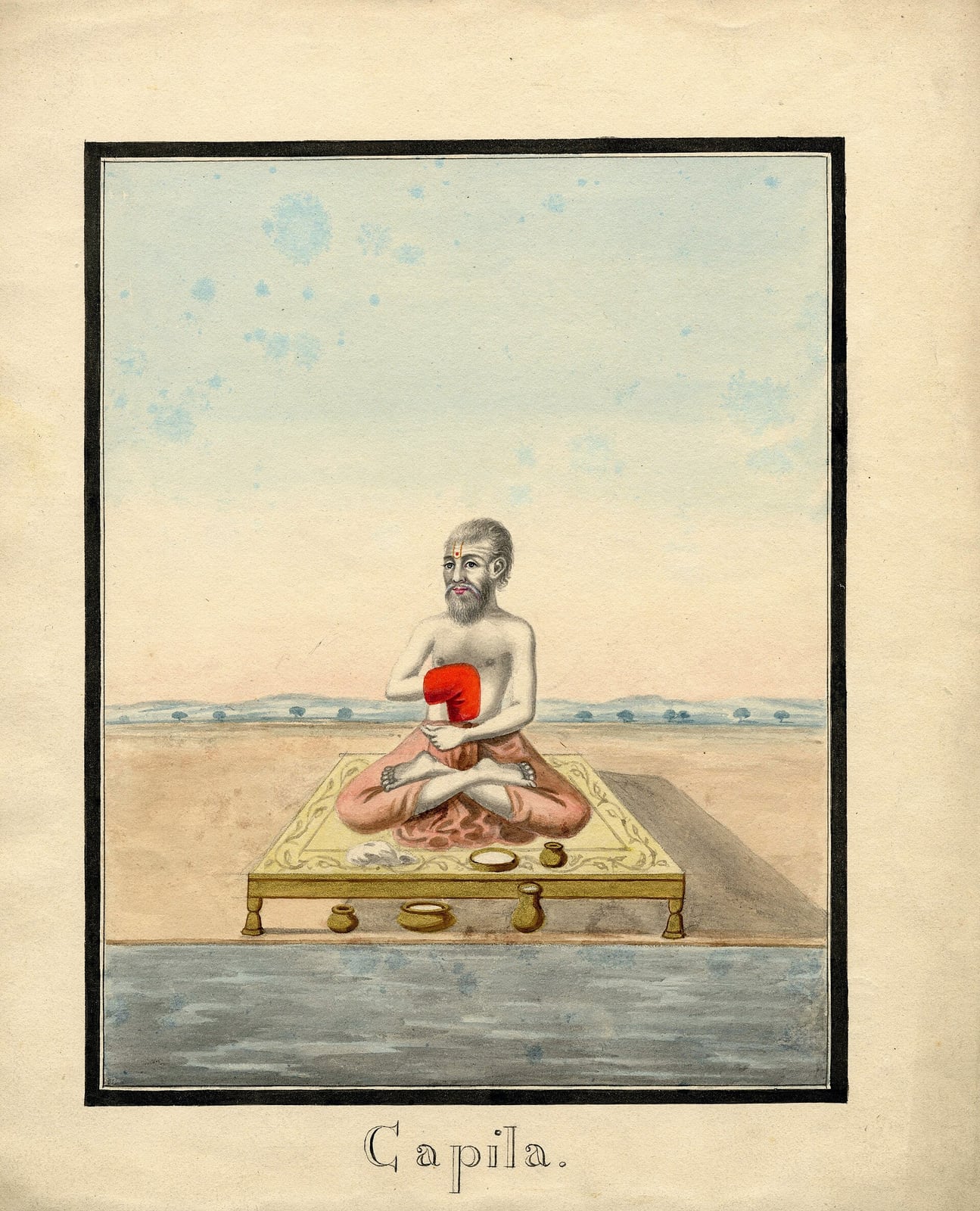
Kapila
Ils s'opposent sur: Qu'est-ce que l'Absolu ? Dieu existe-t-il ? · Que se passe-t-il après la mort ?

Pema Chödrön
Ils s'opposent sur: Qu'est-ce que l'Absolu ? Dieu existe-t-il ? · Que se passe-t-il après la mort ?

Tsongkhapa
Ils s'opposent sur: Qu'est-ce que l'Absolu ? Dieu existe-t-il ? · Que se passe-t-il après la mort ?
Anecdotes et récits
Anecdotes et récits
Documentémarzo de 1906
The cry of blood
Origine du récit: The sermon and the prosecution are recorded in his biographies; the detail of the sentence imposed and its remission comes from the Ekzeget.ru biography. That the sermon responded specifically to the execution of Lieutenant Pyotr Schmidt (March 1906) is held by several biographers but has not been verified here.
Tradition orale1919–1946
The head of St Sergius
Origine du récit: It comes from late memories transmitted in the Florensky family and by Ekaterina Vasilchikova, Olsufyev's niece, and by Archbishop Sergei (Golubtsov); it was published in the 1990s. The opening of the relics on 11 April 1919 is documented; the substitution of the head has no independent documentary confirmation. A later legend even attributes Florensky's death sentence to his refusal to reveal the hiding place, without any evidence.
Documenté1928
Staying
Origine du récit: Recorded in the Russian Wikipedia biography and in A. Pyman's biography, on the basis of the Political Red Cross and family documentation.
Documenté1934–1937
Chemistry lessons from Solovki
Origine du récit: The letters themselves, published in full in vol. 4 of his Works (Mysl, 1998).
Documenté1937–1989
An invented date of death
Origine du récit: The sentence, the date of execution and the falsity of the date given to the family are recorded in the case-file documents published after perestroika; the research on the burial site is that of Anatoly Razumov (Leningradsky martirolog).
Enseignements
Enseignements
Les notions qui structurent sa pensée, expliquées dans leur contexte.
Antinomyantinomia
Sixth letter ('Contradiction') of The Pillar and Ground of the Truth; antecedents in The Cosmological Antinomies of Kant (1909).
Sophia and sophiologysofia
Heir to Solovyov; in critical dialogue with Böhme's sophiology, which Berdyaev compared with the Russian one in 1930.
Reverse perspectiveperspectiva-invertida
Later developed in the VKhUTEMAS course on spatiality (1924–1925).
The icon and the iconostasisicono
Written in 1922, at the height of the Soviet campaign against the Church; published in 1972.
Imaginaries and the space beyondimaginarios
It joins his mathematical training with his theology of the icon and of the boundary between worlds.
The name and the magic of the wordnombre
Part of his 'concrete metaphysics' of the 1920s.
Vidéos
Vidéos
Enregistrements, entretiens et documentaires. Les vidéos sont lues depuis YouTube ; elles ne sont pas hébergées ici.
«Почаще смотрите на звёзды»
Documentaire· RU
ТК ТОНУС
Жизнь замечательных семей. Флоренский
Documentaire· RU
Радость мояChaîne officielle
о. Павел Флоренский
Documentaire· RU
Игорь ШтернбергChaîne officielle
Павел Флоренский. От геометрии мнимостей к топологии духа (часть 1)
Conférence· RU· 2018
Калининградская областная научная библиотекаChaîne officielle
Обратная перспектива в эстетике и космологии отца Павла Флоренского. Лекция Оксаны Седых
Conférence· RU· 2020
nffedorov
Reverse Perspective, the Politics of Space, and Contemporary Art Practice
Conférence· EN
IWMVienna (Institut für die Wissenschaften vom Menschen)Chaîne officielle
Philosophy of Love in the Context of Russian Philosophy. V. Solovyov and P. Florensky
Conférence· EN
Studium Europy Wschodniej (Universidad de Varsovia)Chaîne officielle
Ciclo de Charlas — Pavel Florenski: filósofo, historiador del arte, matemático y sacerdote ruso
Conférence· ES
cursosoficialesderusoChaîne officielle
Vita e pensiero di Pavel Florenskij — Prof.ssa A. Marcuccini
Conférence· IT
Filippo Tassi
Nulla va perduto. L'esperienza di Pavel Florenskij
Conférence· IT· 2013
Filosofia Tor VergataChaîne officielle
Il respiro della vita. Pavel A. Florenskij testimone della verità (con Massimo Cacciari)
Conférence· IT
icaroplay
La testimonianza di Pavel Florenskij
Documentaire· IT
12PorteChaîne officielle
Benedetto XVI cita Florenskij: «Quando avrete un peso nell'animo, guardate le stelle…»
Enregistrement de tiers· IT
raffaellablogpapa1
Galerie
Galerie
Images dont la licence a été vérifiée. Chacune conserve son auteur et son attribution.
Relations
Relations
Influences, filiations et affinités. On distingue la relation documentée de la similitude identifiée par analyse.
A reçu l'influence de
In his university years he was drawn to Solovyov's teaching, and his sophiology, in the tenth letter of The Pillar and Ground of the Truth, starts from Solovyov's, which he corrects with Russian liturgy and iconography. He belongs to the generation that made Solovyov its starting point.
Relation documentée
En désaccord avec
Berdyaev reviewed The Pillar and Ground of the Truth harshly in 'Stylised Orthodoxy' (1914) and argued against 'Around Khomyakov' (1916); in Self-Knowledge he would call him 'alien and hostile', a 'refined reactionary' indifferent to ethics. For him Florensky represented the aesthetic and magical Orthodoxy that freedom had to overcome.
Relation documentée
A reçu l'influence de
In The Pillar and Ground of the Truth he quotes, in the fourth letter, 'The Light of Truth', Seraphim's conversation with Motovilov on the acquisition of the Holy Spirit, and in the tenth, 'Sophia', he recalls that the saint called the icon of Tenderness, the only one in his cell, 'Joy of all joys'.
Relation documentée
A reçu l'influence de
He devoted to Plato his lectures 'The Universal Human Roots of Idealism' (1909) and 'The Meaning of Idealism' (1914), in which he interprets the doctrine of ideas as the philosophical elaboration of a universal religious and magical experience. In To My Children he describes his youthful search for Goethe's 'primal phenomenon' in an ontological density 'after Plato'.
Relation documentée
Contemporain de
In To My Children he recalls that as an adolescent he read Tolstoy's philosophical writings and found them 'mostly tedious', though he was interested in Carpenter's article on science translated by Tolstoy; Merezhkovsky's study of Tolstoy and Dostoevsky marked him more.
Relation documentée
Idées proches de
No detailed influence is recorded, but Florensky draws on Dostoevsky in Iconostasis — Stavrogin's 'mask' as a face petrified by passion — and shares with him the vision of the elder and of Russian holiness as the centre of spiritual life.
Similitude identifiée par analyse
Idées proches de
Berdyaev, in 'The Doctrine of Sophia and the Androgyne in J. Böhme and the Russian Sophiological Currents' (1930), compared Böhme's Sophia with that of Russian sophiology, from Solovyov to Florensky and Bulgakov, and noted their differences: in Böhme Sophia is virginity and freedom; in the Russians, a more cosmic and Platonic idea.
Relation documentée
Sources
Sources
Bibliographie et catalogues consultés pour cette fiche.
- Wikidata, Q336769: Pavel Florensky (1882–1937). P31=Q5; 47 enlaces entre wikis.
- «Флоренский, Павел Александрович». Wikipedia en ruso (biografía, «Столп», caso Beilis, arresto y fusilamiento, publicaciones).
- Pyman, Avril. Pavel Florensky: A Quiet Genius. The Tragic and Extraordinary Life of Russia's Unknown da Vinci. Nueva York y Londres: Continuum, 2010.
- Florenski, P. A. Столп и утверждение истины. Опыт православной феодицеи в двенадцати письмах [La columna y el fundamento de la verdad]. Moscú: Put, 1914. Texto en Azbuka.
- Florenski, P. A. Иконостас [El iconostasio] (1922). Богословские труды, n.º 9 (1972), pp. 83–148. Texto en Azbuka.
- Florenski, P. A. Письма с Соловков [Cartas desde las Solovkí], en Сочинения в 4 томах, t. 4: Письма с Дальнего Востока и Соловков, ed. igumeno Andronik (Trubachov) et al. Moscú: Mysl, 1998, pp. 139–781. Texto en Azbuka.
- Florenski, P. A. Детям моим. Воспоминания прошлых дней [A mis hijos. Recuerdos de días pasados] (1916–1926). Moscú: Moskovski rabochi, 1992. Texto en Azbuka.
- Open Library, autor OL54367A: Pavel Florensky (1882–1937), obras y ediciones.
- Berdiáyev, N. A. «Стилизованное православие (о. Павел Флоренский)». Русская мысль, 1914, n.º 1. Texto en la Biblioteca «Vejí».
- Razumov, Anatoli Ya. (entrevista). «Соловецкие этапы. Где расстрелян священник Павел Флоренский?». Radio Grad Petrov, 2017 (archivada en Internet Archive). Razumov es el compilador del «Ленинградский мартиролог» de la Biblioteca Nacional de Rusia.
- «Павел Флоренский, священник». Ekzeget.ru (biografía: el sermón de 1906, la detención de 1933, las Solovkí).
- Berdiáyev, N. A. «Из этюдов о Я. Беме. Этюд II: Учение о Софии и андрогине Я. Беме и русские софиологические течения». Путь, 1930, n.º 21, pp. 34–62.
- «Pavel Florensky». Wikipedia en inglés (traslado desde las Solovkí y ejecución, con referencias a A. Maccioni, eSamizdat, 2007).
- Ayant droit
- Florenski murió en 1937: sus obras publicadas en vida son de dominio público en EE. UU. (anteriores a 1930), en la UE (desde 2008) y en España (desde 2018). Las obras póstumas publicadas desde 1967 pueden estar protegidas en EE. UU.; en Rusia, por su rehabilitación póstuma, el plazo se cuenta desde 1958. Las traducciones pertenecen a sus traductores y editoriales.
En attente de confirmation
Ce que cette fiche n'a pas encore pu établir. Nous préférons le dire plutôt que de combler.
- Edición española de «Los imaginarios en geometría» y de «Los nombres»: no localizadas.
- Confirmar la vinculación del sermón «El clamor de la sangre» (marzo de 1906) con la ejecución del teniente Piotr Schmidt, y la pena exacta impuesta.
- Confirmar fechas y revistas de «El sentido del idealismo» (1914), «Razón y dialéctica» (1914), «Signos celestes» y «La acción del templo» (en «Makovets», 1922).
- Registrar uno por uno sus artículos de la «Enciclopedia técnica» (unos 150), sus escritos teológicos publicados en «Bogoslovskie trudy» (1972–2007) y sus poemas; hoy figuran agrupados o sólo los principales.
- Lugar de la ejecución y de la fosa: no establecido (Levashovo, polígono de Rzhevka/Koirangakangas o una fosa del campo de Lodéinoye Pole, según las hipótesis de A. Razumov y A. Maccioni).
- Contenido exacto de «Early Religious Writings, 1903–1909» (Eerdmans, 2017): no se ha asignado a obras concretas.
- Verificar en el texto de su «Testamento» la frase sobre mirar las estrellas que citó Benedicto XVI (no se ha podido cotejar).
- Duración y año de la mayoría de los vídeos: oEmbed no los proporciona.
Recherche effectuée le 2026-10-25