Hindouisme · Yoga · Tradition védique · Sâmkhya
Kapila
कपिल
Figure légendaire
Sage de la tradition indienne à qui l'on attribue la fondation du Sâmkhya, le dualisme de la conscience (puruṣa) et de la nature (prakṛti) qui sert de fondement métaphysique au Yoga. Aucune œuvre de lui n'a été conservée : le plus ancien texte de l'école est la Sāṃkhya Kārikā d'Īśvarakṛṣṇa (IVe-Ve siècle), et les Sāṃkhya Sūtra qui portent son nom datent des XIVe-XVe siècles. Les Purāṇa en firent une incarnation de Viṣṇu et le maître de sa mère Devahūti ; l'épopée, l'ascète qui consuma les fils de Sagara.
- œuvres
- 13œuvres
- éditions
- 22éditions
- citations
- 6citations
- vidéos
- 14vidéos
- images
- 5images
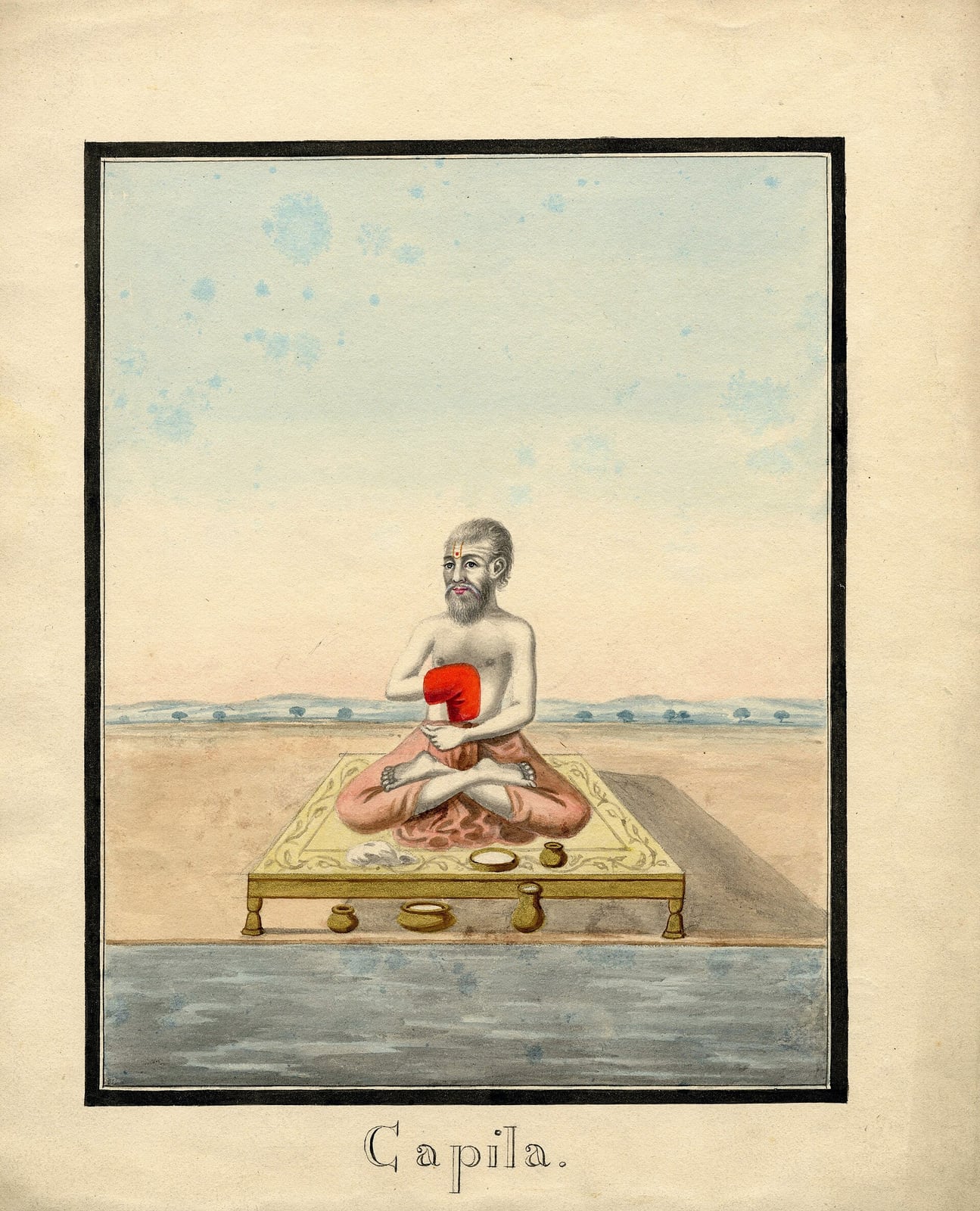
Kapila, sabio védico (pintura de la Company School) · Public domain
Dans ses propres mots
«Well, the complete cessation of pain, [which is] of three kinds, is the complete end of man.»Sāṃkhya Sūtra I.1 (obra atribuida, s. XIV–XV); trad. inglesa de Ballantyne (1885, dominio público); versión española del investigador.

Son idée centrale
Puruṣa (witnessing consciousness): In Sāṃkhya, puruṣa is pure consciousness: it does not act, change or produce anything and has no qualities; it merely witnesses.
Le voir en contexte
Biographie
6 min de lecture
Traduction assistée à partir de l'original espagnol, en attente de relecture par un traducteur natif.
Un nom au seuil de la philosophie
Peu de noms de l'Inde ancienne portent un tel poids avec si peu de biographie. Pour la tradition, Kapila est le « premier sage » (ādividvān), celui qui révéla le Sâmkhya, la plus ancienne des écoles philosophiques brahmaniques parvenues à se constituer en système ; pour l'histoire critique, il est avant tout une autorité invoquée par des textes bien postérieurs à lui. Aucune œuvre ne peut lui être attribuée avec certitude, sa vie n'a pas de date ni sa mort de lieu, et le nom lui-même — qui signifie en sanskrit « fauve », « roussâtre » — désigne dans la littérature indienne plusieurs figures distinctes. Ce que l'on peut raconter de lui est donc l'histoire d'une mémoire : comment une école, un culte et une géographie sacrée ont peu à peu donné corps à un nom.
Les premières traces
Le passage le plus ancien que l'on invoque d'ordinaire est un vers de la Śvetāśvatara Upaniṣad (5.2), qui parle d'un « voyant roux » (ṛṣiṃ prasūtaṃ kapilam) engendré au commencement et nourri de connaissances. La philologie moderne doute qu'il s'agisse d'une personne : Larson et Bhattacharya y lisent une épithète du principe cosmique Hiraṇyagarbha, et dès le VIIIe siècle Śaṅkara faisait observer que le texte mentionne « le simple nom » sans préciser de quel Kapila il s'agit. Le Mahābhārata, en revanche, est explicite : dans le Mokṣadharma, la section du Śāntiparvan consacrée à la délivrance, Kapila est le sage suprême qui proclama le Sâmkhya, comme Hiraṇyagarbha est celui du Yoga, et on le voit débattre avec l'ascète Syūmaraśmi de la valeur du sacrifice védique face au renoncement et à la non-violence.
Le maître d'Āsuri
La lignée de transmission que l'école reconnut comme la sienne fut fixée dans la Sāṃkhya Kārikā d'Īśvarakṛṣṇa, composée vers les IVe-Ve siècles et qui est, à proprement parler, le plus ancien texte conservé du Sâmkhya classique. Ses dernières strophes déclarent que le sage transmit par compassion cette doctrine purificatrice à Āsuri, qu'Āsuri l'enseigna à Pañcaśikha et que celui-ci la répandit largement, jusqu'à ce qu'Īśvarakṛṣṇa la résume en strophes de mètre āryā. Le commentaire du Yoga (Yoga-bhāṣya) cite un fragment attribué à Pañcaśikha où Kapila est « le Premier Connaissant » qui, assumant par compassion un esprit créé, exposa la doctrine à Āsuri, désireux de savoir. Dans cette formule se trouve déjà l'ambiguïté qui accompagnera toujours Kapila : maître humain et, en même temps, figure cosmique qui enseigne à l'aube d'un cycle du monde.
Ce qu'enseignait le Sâmkhya
Le système qu'on lui attribue est un dualisme rigoureux. D'un côté, le puruṣa, la conscience pure, multiple, inactive, simple témoin ; de l'autre, la prakṛti, la nature primordiale, une et dynamique, tissée de trois qualités (guṇa) — sattva, rajas et tamas — dont l'équilibre, en se rompant, déploie par évolution les principes (tattva) du monde : l'intellect, le sens du moi, le mental, les sens, les éléments subtils et les éléments grossiers. La souffrance naît de la confusion du témoin avec ce qu'il contemple ; la délivrance (kaivalya, « isolement ») vient avec la connaissance discriminante qui les sépare. Le premier aphorisme des Sāṃkhya Sūtra le résume avec une sobriété presque médicale : la cessation complète des trois sortes de douleur est la fin suprême de l'homme. Sur ce fondement s'est édifié le Yoga de Patañjali, dont le cadre métaphysique est, pour l'essentiel, celui du Sâmkhya.
Un livre tardif sous son nom
Les textes qui portent aujourd'hui le nom de Kapila sont très postérieurs à toute date raisonnable qu'on puisse lui assigner. Les Sāṃkhya Sūtra, appelés aussi Sāṃkhya-pravacana Sūtra — un peu plus de cinq cents aphorismes répartis en six livres —, n'apparaissent pas dans l'exposé du Sâmkhya que Mādhava rédigea au XIVe siècle à partir de la Kārikā, et leurs premiers commentateurs connus sont Aniruddha et Vijñānabhikṣu, ce dernier de la seconde moitié du XVIe siècle. Garbe les tenait déjà pour très tardifs, et Larson et Bhattacharya les situent vers les XIVe-XVe siècles. Plus incertaine est la date du Tattva Samāsa, bref catalogue de principes que Max Müller jugeait très ancien et que la critique ultérieure tient lui aussi pour tardif dans la forme où il nous est parvenu. Aucune de ces deux œuvres ne peut se lire comme la parole de Kapila : elles sont la mémoire scolaire d'un enseignement qu'on lui attribuait.
L'avatar et la mère
Dans la littérature dévotionnelle, Kapila devint une forme de Viṣṇu. Le Bhāgavata Purāṇa le compte parmi les incarnations du dieu — la cinquième, seigneur des parfaits, qui enseigna à Āsuri le Sâmkhya perdu avec le temps — et lui consacre dans son livre III un long récit : fils du sage Kardama et de Devahūti, fille de Manu, Kapila instruit sa mère, après que l'époux de celle-ci s'est retiré dans la vie ascétique, d'un Sâmkhya théiste où la connaissance des principes culmine dans la dévotion à Dieu. C'est une strate distincte de la tradition, composée probablement vers les IXe-Xe siècles, qui fait du philosophe du dualisme un maître de bhakti. La Bhagavad-Gītā avait annoncé cette sanctification : parmi les parfaits, dit Kṛṣṇa, il est le sage Kapila.
Le sage qui consuma les fils de Sagara
Un autre courant narratif, celui de l'épopée, fit de Kapila un ascète redoutable. Selon le Rāmāyaṇa et le Mahābhārata, les soixante mille fils du roi Sagara, partis à la recherche du cheval d'un sacrifice, creusèrent la terre jusqu'à le trouver auprès de Kapila, qu'ils prirent pour le voleur ; le sage les réduisit en cendres, et seule la descente du Gange, obtenue des générations plus tard par l'ascèse de Bhagīratha, devait purifier leurs restes. De ce récit est né le pèlerinage de Gaṅgāsāgar, à l'embouchure du Gange, où un temple de Kapila accueille chaque janvier des foules immenses. Śaṅkara tira parti de ce dédoublement pour refuser au Sâmkhya toute autorité védique : la tradition, écrivit-il, connaît « un autre Kapila », celui qui consuma les fils de Sagara.
Kapilavastu et autres héritages
La tradition bouddhique rattache le nom de Kapilavastu, la cité des Śākya où grandit Siddhārtha Gautama, à l'ermitage d'un sage Kapila : c'est ce que raconte Aśvaghoṣa dans le premier chant du Saundarananda. Il s'agit d'une étymologie populaire, d'une valeur historique incertaine, qui en dit plus sur le prestige du nom que sur la géographie ancienne. Le jaïnisme connaît lui aussi un Kapila, auteur des « Strophes de Kapila » de l'Uttarādhyayana, mais c'est une autre figure. Cette prolifération d'homonymes, de généalogies incompatibles — fils de Brahmā, de Kardama, de Kaśyapa — et de lieux sacrés est le trait le plus caractéristique de sa postérité.
Une autorité sans texte
Il reste une autorité sans œuvre. Vivekananda l'appela en 1897 le plus grand nom, peut-être, de l'histoire de l'Inde dans le domaine psychologique et philosophique, et les savants modernes, plus sobres, reconnaissent dans le Sâmkhya la première grande tentative indienne de penser la nature comme un processus causal sans recourir à un dieu créateur : les Sūtra eux-mêmes refusent d'admettre un Seigneur « parce qu'il n'est pas prouvé ». Kapila est le nom que l'Inde a donné à l'origine de cette tentative ; le reste — ses paroles, son siècle, son visage — appartient à la légende ou au silence.
Sources: Larson, Gerald James y Ram Shankar Bhattacharya (eds.). Sāṃkhya: A Dualist Tradition in Indian Philosophy. Encyclopedia of Indian Philosophies, vol. IV. Princeton: Princeton University Press / Delhi: Motilal Banarsidass, 1987. · Larson, Gerald James. Classical Sāṃkhya: An Interpretation of its History and Meaning. Delhi: Motilal Banarsidass, 1969; 2.ª ed. revisada, 1979 (ISBN 9788120805033). · Jacobsen, Knut A. Kapila, Founder of Sāṃkhya and Avatāra of Viṣṇu: With a Translation of Kapilāsurisaṃvāda. Nueva Delhi: Munshiram Manoharlal, 2008 (ISBN 9788121511940). · Ballantyne, James Robert (trad.). The Sánkhya Aphorisms of Kapila, with Illustrative Extracts from the Commentaries. 3.ª ed., ed. Fitzedward Hall. Londres: Trübner & Co., 1885 (Trübner's Oriental Series). Texto consultado en el OCR de Internet Archive. · Colebrooke, Henry Thomas (trad.) y Horace Hayman Wilson (trad. y coment.). The Sánkhya Káriká, or Memorial Verses on the Sánkhya Philosophy, by Íswara Krishna; also the Bháshya or Commentary of Gaurapáda. Oxford: Oriental Translation Fund, 1837. Estrofas LXIX–LXXI y comentario de Wilson, pp. 188–191.
Chronologie
La vie, année après année
Chaque point est un événement documenté. Cliquez pour le lire, avec sa source et son degré de certitude.
IVe siècle av. J.-C.
A “reddish seer” in the Śvetāśvatara Upaniṣad
Verse 5.2 mentions a ṛṣi kapila begotten in the beginning. The Upaniṣad’s date is uncertain (last centuries BCE) and scholars doubt that the word names a person rather than an epithet of Hiraṇyagarbha.
ContestéLarson, Gerald James y Ram Shankar Bhattacharya (eds.). Sāṃkhya: A Dualist Tradition in Indian Philosophy. Encyclopedia of Indian Philosophies, vol. IV. Princeton: Princeton University Press / Delhi: Motilal Banarsidass, 1987.
IVe siècle av. J.-C.
A “reddish seer” in the Śvetāśvatara Upaniṣad
Verse 5.2 mentions a ṛṣi kapila begotten in the beginning. The Upaniṣad’s date is uncertain (last centuries BCE) and scholars doubt that the word names a person rather than an epithet of Hiraṇyagarbha.
Contesté
v. 200 av. J.-C. – 400
Kapila, proclaimer of Sāṃkhya in the Mahābhārata
The Mokṣadharma of the Śāntiparvan presents him as the supreme sage who taught Sāṃkhya and records his dialogues with Āsuri and Syūmaraśmi. The epic took shape between c. 300 BCE and 400 CE; the dating of these sections is approximate.
Probable
Ie siècle
Kapilavastu, city of the sage Kapila
Aśvaghoṣa relates in the Saundarananda (canto I) that the Śākya princes founded their city beside the hermitage of Kapila Gautama and named it Kapilavastu. It is a folk etymology.
Tradition
v. 350 – 450
The Sāṃkhya Kārikā fixes the line Kapila–Āsuri–Pañcaśikha
Īśvarakṛṣṇa composes the oldest surviving text of classical Sāṃkhya; stanzas 69–71 ascribe the doctrine to the “sage” who taught it to Āsuri. Before 569 Paramārtha translated it into Chinese with a commentary.
Probable
v. 400
The “First Knower” in the Yoga-bhāṣya
The commentary on the Yogasūtra (I.25) quotes a fragment of Pañcaśikha: the First Knower, assuming a created mind out of compassion, declared the doctrine to Āsuri.
Probable
VIIIe siècle
Śaṅkara distinguishes “another Kapila”
In the Brahmasūtra-bhāṣya (II.1.1) Śaṅkara denies Vedic authority to Kapila’s smṛti and recalls that tradition knows another Kapila, the one who burned the sons of Sagara.
Documenté
v. 900
Kapila, avatar of Viṣṇu and teacher of Devahūti
The Bhāgavata Purāṇa (I.3.10 and III.24–33) counts him as Viṣṇu’s fifth incarnation and narrates his teaching of a devotional Sāṃkhya to his mother. The Purāṇa’s date is debated (c. 9th–10th centuries).
Contesté
v. 1400 – 1500
The Sāṃkhya Sūtra
The aphorisms that tradition calls the “sūtras of Kapila” are fixed. Larson and Bhattacharya place them around the 14th–15th centuries; their earliest known commentator is Aniruddha.
Probable
1837
First European translation of the Kārikā
Colebrooke and Wilson publish the Sāṃkhya Kārikā with Gauḍapāda’s commentary in Oxford; Wilson summarises the traditions about Kapila.
Documenté
1852
Ballantyne translates the Sāṃkhya Sūtra
James R. Ballantyne publishes in India his English version of the aphorisms with extracts from the commentaries; the third edition, revised by Fitzedward Hall, appears in London in 1885.
Documenté
1897
Vivekananda praises Kapila
In a lecture in Calcutta he calls him perhaps the greatest name in Indian history in psychology and philosophy.
Documenté
Œuvres
Œuvres essentielles
Les œuvres sans lesquelles on ne comprend pas son héritage.
Attribution traditionnelle · v. 1400
Sāṃkhya Sūtra (Sāṃkhya-pravacana Sūtra)
सांख्यसूत्र (साङ्ख्यप्रवचनसूत्र)
Some five hundred aphorisms (527 in the Wikisource numbering; editions vary by one or two) in six books: the first sets out the doctrine and the theory of knowledge, the second and third the evolution of nature and the means of liberation, the fourth a series of illustrative parables, the fifth refutes rival schools and the sixth recapitulates. It defends the dualism of puruṣa and prakṛti, the pre-existence of the effect in its cause and the impossibility of proving the existence of a Lord (I.92). It was commented on by Aniruddha (c. 1500), Vijñānabhikṣu (second half of the 16th century), who read it in a theistic and Vedāntic key, and Mahādeva Vedāntin.
6 éditions

Attribution traditionnelle · v. 900
Kapila’s teaching to Devahūti (Kapila-gītā, Bhāgavata Purāṇa III.25–33)
कपिलगीता (भागवतपुराण ३.२५–३३)
Nine chapters in which Kapila, presented as an incarnation of Viṣṇu, answers his mother Devahūti, who asks him to free her from attachment to the body and to “mine”. He expounds the Sāṃkhya principles, nature and puruṣa, the practice of yoga and meditation on the divine form, the kinds of devotion according to the three qualities, the cycle of transmigration and the fate of those who live for pleasure. Its thesis is that the mind bound to the qualities enslaves and the mind fixed on God liberates. It ends with Devahūti’s liberation.
4 éditions
Kapila
Tattva Samāsa
Attribution traditionnelle
Tattva Samāsa
तत्त्वसमास (तत्त्वसमाससूत्र)
A very brief list of some twenty-two to twenty-five statements that enumerates, without argument, the categories of the system: the eight “producers” (nature, intellect, the sense of self and the five subtle elements), the sixteen modifications, puruṣa, the three qualities, the processes of manifestation and dissolution, the dispositions of the intellect, the forms of error and of perfection, and liberation. It works as a mnemonic index of the doctrine, and its meaning depends entirely on the accompanying commentary.
3 éditions
Toute son œuvre (13)

Dialogue of Kapila and Āsuri (Kapilāsurisaṃvāda)
Kapila
Dialogue of Kapila and Syūmaraśmi (Gokapilīya)
The Conscious LibraryDialogue of Kapila and Syūmaraśmi (Gokapilīya)
Kapila
Ṣaṣṭitantra (“Treatise of Sixty Topics”)
The Conscious LibraryṢaṣṭitantra (“Treatise of Sixty Topics”)

Sāṃkhya Kārikā (a work by Īśvarakṛṣṇa, not by Kapila)
350
Kapila
Kapila Purāṇa
The Conscious LibraryKapila Purāṇa
Kapila
Kapila Saṃhitā
The Conscious LibraryKapila Saṃhitā
Kapila
Kapila Smṛti
The Conscious LibraryKapila Smṛti
Kapila
Kapila Pañcarātra
The Conscious LibraryKapila Pañcarātra
Kapila, Founder of Sāṃkhya and Avatāra of Viṣṇu (Knut A. Jacobsen)
2008

Classical Sāṃkhya (Gerald James Larson)
1969
Citations
Citations localisées dans une œuvre précise. Chacune porte sa provenance et son degré de fiabilité.
Well, the complete cessation of pain, [which is] of three kinds, is the complete end of man.atha trividhaduḥkhātyantanivṛttir atyantapuruṣārthaḥ
VérifiéeSāṃkhya Sūtra I.1 (obra atribuida, s. XIV–XV); trad. inglesa de Ballantyne (1885, dominio público); versión española del investigador.
Dernières paroles
Il n'existe aucun témoignage vérifiable de ses dernières paroles.
There is no record of Kapila’s last words: he is a legendary figure without a documented biography, and the traditional sources do not narrate his death.
Interroger
Ce que répond son œuvre
Douze grandes questions de l'humanité et ce que ses textes permettent d'y répondre, références à l'appui. Nous ne lui prêtons jamais de paroles.
Qu'est-ce que l'Absolu ? Dieu existe-t-il ?
The existence of a Lord is not proven: there are consciousnesses and nature
Pas de Dieu créateurIl le dit expressément
The Sāṃkhya tradition that goes back to Kapila explains reality by two uncreated principles: consciousness (puruṣa), plural, inactive and witnessing, and primordial nature (prakṛti), single, unconscious and active, from which everything else proceeds. It needs no creator God: nature unfolds by itself for the sake of the consciousnesses, as milk flows for the calf. The Sāṃkhya Sūtras that bear his name dismiss the theistic objection with a terse formula, «because the existence of a Lord is not proven» (1.92), and in book V they examine and reject the arguments for a governor of the world. The ultimate is not a being to be worshipped but pure consciousness, which has never been mixed with what it beholds.
Comparer cette question avec d'autres maîtresQui suis-je ? Existe-t-il un vrai soi ?
The «I» is a product of nature; the witnessing consciousness is not
L'ego est une construction de la penséeIl le dit expressément
In Sāṃkhya, everything we usually call «I» —thinking, deciding, feeling, saying «this is mine»— belongs to nature (prakṛti). The sense of I (ahaṃkāra) is one of its products: it arises from the intellect and gives rise to the mind and the senses. The true self is something else: puruṣa, pure consciousness that does not act or change and merely witnesses, illumining these processes without mixing with them. The fundamental illusion is to ascribe the states of the mind to oneself, and liberating knowledge is formulated as a triple negation: «I am not, nothing is mine, there is no I» (Sāṃkhya Kārikā, verse 64). Unlike non-dual Vedānta, the puruṣas are many, one for each conscious being, and none merges into a common Absolute.
Comparer cette question avec d'autres maîtresPourquoi souffrons-nous ?
The threefold pain arises from not distinguishing consciousness from nature
L'ignorance de ce que nous sommesIl le dit expressément
Sāṃkhya begins with pain. The Sāṃkhya Sūtras open by declaring that the complete cessation of pain, which is of three kinds, is the complete end of man (1.1): the pain that arises from oneself, that which comes from other beings and that which proceeds from supernatural forces. Neither ordinary remedies nor Vedic rites remove it, because their effect is temporary. Its cause is lack of discrimination (aviveka): consciousness, which merely witnesses, ascribes to itself the states of nature, in which the quality rajas is activity and pain. As long as puruṣa believes itself the one who suffers, suffering belongs to it; when it recognises that it was never mind or body, nature ceases to act with respect to it.
Comparer cette question avec d'autres maîtresQue se passe-t-il après la mort ?
The subtle body transmigrates, not consciousness, until discrimination
Renaissance selon le karmaIl le dit expressément
The Sāṃkhya tradition accepts rebirth, but explains it with technical precision. What passes from one body to another is the subtle body (liṅga), made up of intellect, the sense of I, mind, senses and subtle elements, which carries acquired dispositions as an actor changes roles (Kārikā, verses 40–42). Consciousness, puruṣa, never transmigrates: strictly speaking, says verse 62, no puruṣa is bound, liberated or wanders from life to life; it is nature that transmigrates, is bound and is freed. When discriminating knowledge matures, the body continues for a time by inertia, like the potter's wheel that keeps turning after the hand is withdrawn (verse 67), and at its fall comes final isolation (kaivalya).
Comparer cette question avec d'autres maîtresComment atteint-on la libération ou le salut ?
Through discrimination between consciousness and nature, which leaves the witness alone
Par la connaissance directeIl le dit expressément
Sāṃkhya is above all a path of knowledge. Since neither ordinary remedies nor Vedic rites end the threefold pain, only discriminating knowledge (viveka) achieves it: understanding that puruṣa is not nature nor any of its products. The Kārikā sums it up in the formula «I am not, nothing is mine, there is no I» (verse 64). The Sāṃkhya Sūtras illustrate it with the parable of the king's son raised among hunters, who knows himself a prince only when someone tells him: discrimination arises from teaching about the truth (4.1). Its purpose fulfilled, nature withdraws like the dancer who has finished her dance (3.69), and consciousness remains in kaivalya, isolated and free from all experience.
Comparer cette question avec d'autres maîtresFaut-il un maître ?
Discrimination arises from teaching, like the prince unaware he is one
Utile mais pas indispensableCela se déduit de sa doctrine
Sāṃkhya grants teaching a decisive role but does not turn it into submission to a person. The Sāṃkhya Sūtras open their fourth book with the parable of the king's son, raised among humble people, who knows himself a prince only when someone reveals his origin: likewise, discrimination between consciousness and nature arises from teaching about the truth (4.1). The school also preserves a lineage of transmission: the Sāṃkhya Kārikā relates that the sage Kapila compassionately imparted this doctrine to Āsuri, he to Pañcaśikha, and from him it spread (verse 70). But taught knowledge must become one's own discernment, and Kapila himself is for the tradition the «first knower», born already with wisdom.
Comparer cette question avec d'autres maîtresLe monde est-il réel ?
The world is real: nature unfolding from three qualities
Un ordre naturel en transformationIl le dit expressément
For Sāṃkhya the world is neither an illusion nor a divine creation, but the real transformation of primordial nature (prakṛti). Its theory of causation holds that the effect pre-exists in the cause —the oil in the sesame seed, the pot in the clay— so that nothing arises from nothing: the universe is the manifestation of what was latent, and dissolution is its return to that state (Kārikā, verse 9). Nature unfolds in twenty-four principles, from intellect to the gross elements, and its diversity is explained by the varying proportion of three qualities: sattva, rajas and tamas. Unconscious yet ordered, it acts with a purpose: to offer consciousness experience and, afterwards, the discrimination that frees it.
Comparer cette question avec d'autres maîtresQu'est-ce que l'amour ?
Sāṃkhya is silent; the Bhāgavata's Kapila makes attachment to saints a door
Ne s'est pas prononcé
The Sāṃkhya tradition has no doctrine of love. Its theme is the separation of consciousness from nature, and affection appears in it as one more modification of the mind, which belongs to prakṛti and binds as long as consciousness ascribes it to itself. It is otherwise with the Kapila of the Bhāgavata Purāṇa, an avatar of Viṣṇu, who in his teaching to his mother Devahūti says that the mind is the cause of bondage and liberation: attached to the qualities it binds, enamoured of the supreme Person it frees (3.25.15); and that attachment, the unageing chain of the soul, when placed in the saints is the open door to liberation (3.25.20). But that is the voice of a later devotional figure, not of Sāṃkhya.
Comparer cette question avec d'autres maîtresSommes-nous libres ou tout est-il déterminé ?
Nature acts; consciousness only seems an agent through proximity
Il n'y a pas d'agentIl le dit expressément
In Sāṃkhya action is real, but it does not belong to whom we think. All doing —deciding, desiring, moving the body— is the activity of nature, of its three qualities and of the instruments it produces: intellect, sense of I, mind and senses. Consciousness (puruṣa) is by essence inactive, witnessing and indifferent; through its union with nature, says the Kārikā, the unconscious seems conscious and, although the agent is nature, consciousness seems to be the one who acts (verse 20). The merits, demerits and dispositions that condition each new life reside in the intellect, not in puruṣa. To be liberated is not to conquer free will, but to recognise that the witness was never the author of anything.
Comparer cette question avec d'autres maîtresPourquoi méditer ou prier ?
Meditating in order to discern: seeing that consciousness is not the mind
Voir la réalité telle qu'elle estIl le dit expressément
The Sāṃkhya tradition knows no prayer, since there is no Lord to address, but it does know meditation. The Sāṃkhya Sūtras, in their third book, define it as the means that removes attachment and list a stable and comfortable posture and the performance of one's own duties among its conditions; Patañjali's Yoga, which adopts Sāṃkhya metaphysics, develops these techniques in detail. But in Sāṃkhya meditation serves a knowledge: the discernment (viveka) that puruṣa is not nature nor any of its products. The Kārikā says that through the repeated practice of the true principles there arises a complete, pure and unerring knowledge: «I am not, nothing is mine, there is no I» (verse 64).
Comparer cette question avec d'autres maîtresLa raison peut-elle connaître l'ultime ?
Perception, inference and testimony: reason reaches the unmanifest
L'Écriture et le raisonnementIl le dit expressément
Sāṃkhya is probably the most rationalist of the classical Indian schools. It admits three means of knowledge: perception, inference and reliable testimony, which includes revelation (Kārikā, verses 4–6). But it gives inference a decisive role: what is not perceived —unmanifest nature, consciousness— is known by reasoning, and the existence of puruṣa is proven because every aggregate exists for another and someone must experience. With the same tool the Sāṃkhya Sūtras deny that a Lord is proven (1.92). Revelation is accepted, but its ritual part is criticised, which the Kārikā judges impure and ineffective (verse 2). The ultimate, liberating discrimination, is a knowledge that ripens with practice, not a leap beyond reason.
Comparer cette question avec d'autres maîtresSe retirer du monde ou le transformer ?
Detachment and isolation: the goal is for nature to cease acting
Se retirer pour trouverCela se déduit de sa doctrine
Sāṃkhya offers no programme for the world, because its goal is the isolation (kaivalya) of consciousness from nature. The path runs through detachment (vairāgya) and renunciation: the Sāṃkhya Sūtras illustrate in their fourth book, with a series of parables, the wisdom of living without hopes, without distracting company and without accumulating, like the courtesan Piṅgalā, who was happy once she stopped expecting. The Kārikā warns that not even the Vedic rites, which promise better worlds, free from pain (verse 2). Life in the world is not condemned, but it is regarded as a field of experiences that consciousness, once satisfied, leaves behind, like the spectator who has already seen the dance (verse 59).
Comparer cette question avec d'autres maîtres
Affinités et tensions
Affinités et tensions
Calculées question par question à partir de ses positions. La raison de chaque accord ou de chaque désaccord s'affiche d'un clic.
Pense comme
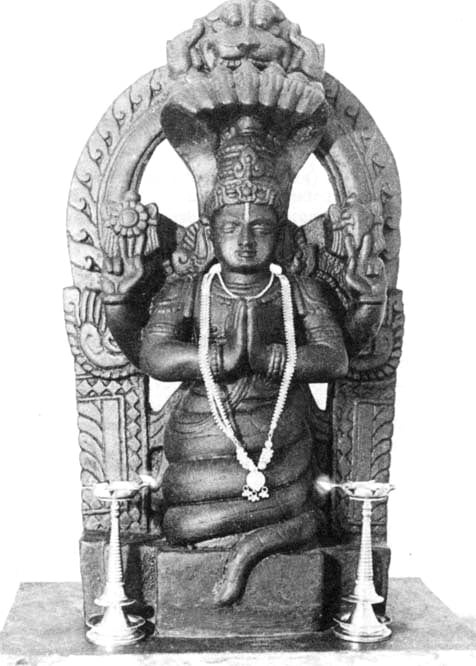
Patañjali
Ils concordent sur: Qu'est-ce que l'Absolu ? Dieu existe-t-il ? · Pourquoi souffrons-nous ? · Que se passe-t-il après la mort ?
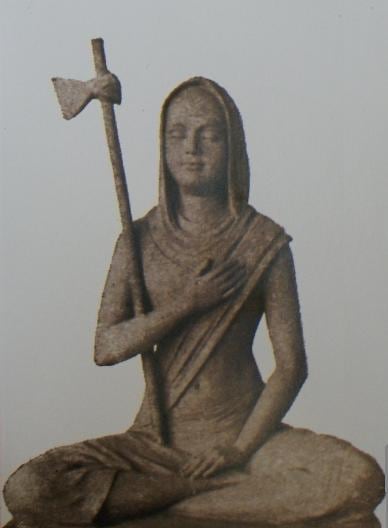
Gaudapada
Ils concordent sur: Pourquoi souffrons-nous ? · Comment atteint-on la libération ou le salut ? · Sommes-nous libres ou tout est-il déterminé ?

Nāgārjuna
Ils concordent sur: Comment atteint-on la libération ou le salut ? · Qu'est-ce que l'Absolu ? Dieu existe-t-il ? · Que se passe-t-il après la mort ?

Siddhartha Gautama, the Buddha
Ils concordent sur: Qu'est-ce que l'Absolu ? Dieu existe-t-il ? · Que se passe-t-il après la mort ? · Faut-il un maître ?
Pense autrement que

Francis of Assisi
Ils s'opposent sur: Qu'est-ce que l'Absolu ? Dieu existe-t-il ? · Que se passe-t-il après la mort ?
Hafez
Ils s'opposent sur: Qu'est-ce que l'Absolu ? Dieu existe-t-il ? · Que se passe-t-il après la mort ?
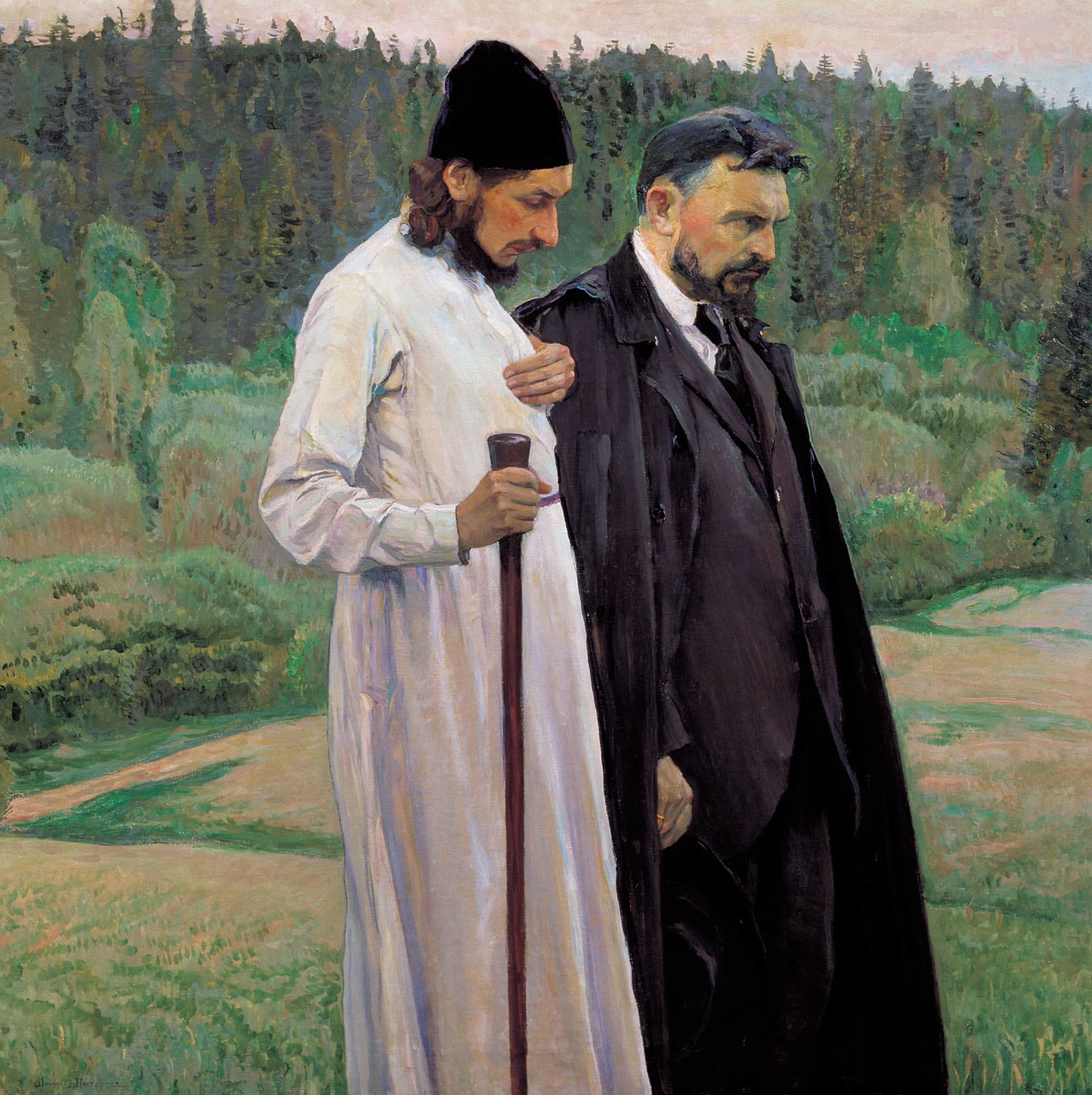
Pavel Florensky
Ils s'opposent sur: Qu'est-ce que l'Absolu ? Dieu existe-t-il ? · Que se passe-t-il après la mort ?
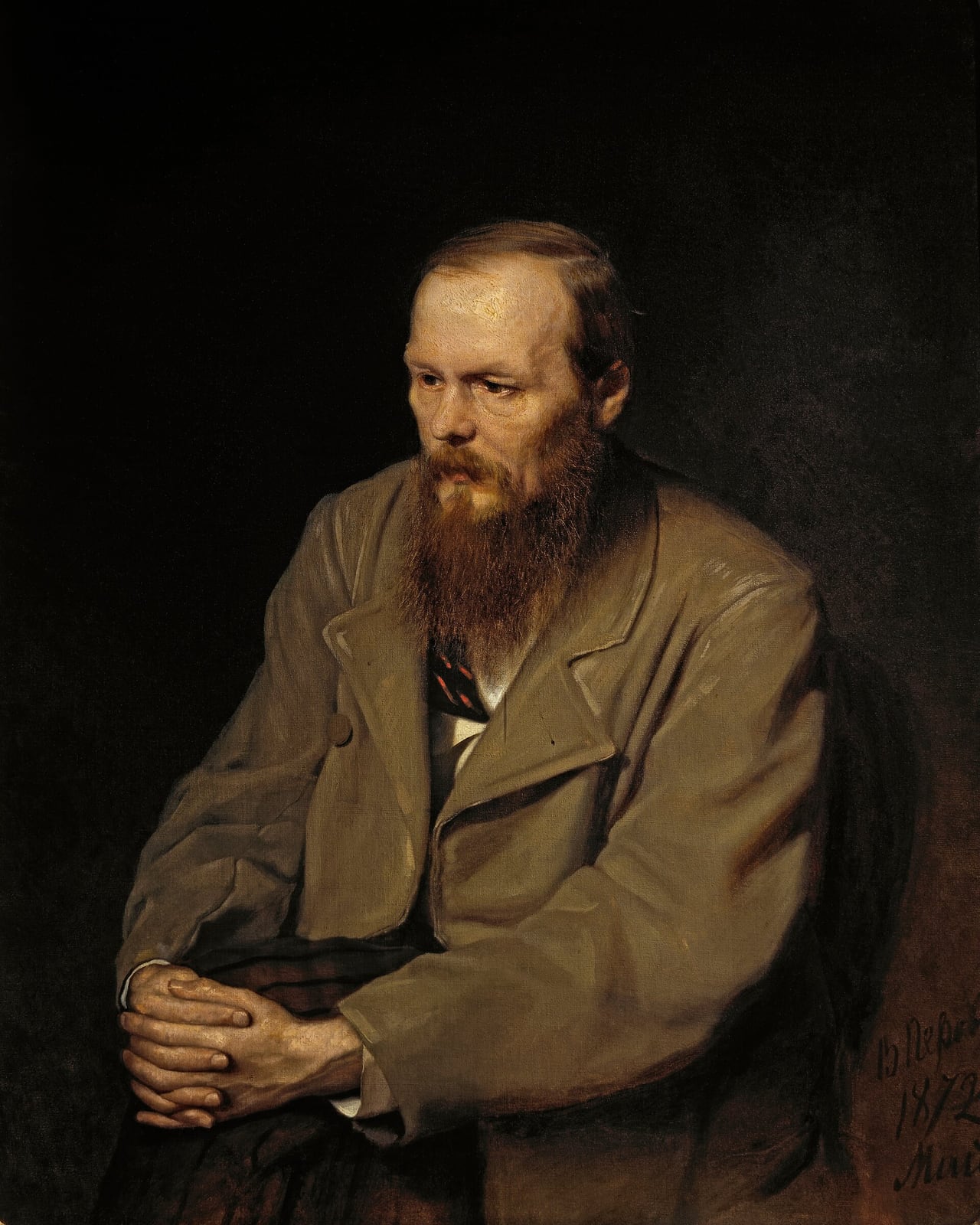
Fyodor Dostoevsky
Ils s'opposent sur: Qu'est-ce que l'Absolu ? Dieu existe-t-il ? · Que se passe-t-il après la mort ?
Anecdotes et récits
Anecdotes et récits
Récit hagiographiquetiempo mítico
The sixty thousand sons of Sagara
Origine du récit: An epic narrative of the Rāmāyaṇa (Bālakāṇḍa) and the Mahābhārata (Āraṇyakaparvan), taken up by the Bhāgavata Purāṇa (IX.8). Wilson (1837) already noted that the Rāmāyaṇa identifies this Kapila with Vāsudeva; Śaṅkara (8th c.) distinguished him from the founder of Sāṃkhya. The link with Gaṅgāsāgar is a pilgrimage tradition studied by Jacobsen (2013).
Récit hagiographiquetiempo mítico
The mother who asked to be set free
Origine du récit: Bhāgavata Purāṇa III.21–33, a devotional text of debated date (c. 9th–10th centuries). Burnouf (1840) already noted that this story is not found elsewhere and turns Kapila into a form of Bhagavat. The identification with Siddhpur is a pilgrimage tradition studied by Jacobsen (2013).
Tradition oraletiempo épico
The sage and the sacrificial cow
Origine du récit: Mahābhārata, Śāntiparvan (Mokṣadharma), the episode called Gokapilīya in the Poona critical edition. It is a didactic epic narrative, not a historical testimony. Kapila’s exact exclamation varies among translations; the content is summarised here without quoting it.
Source: The Mahābhārata. Edición crítica, vols. 13–16: Śāntiparvan, ed. S. K. Belvalkar. Poona: Bhandarkar Oriental Research Institute, 1949–1966 (Mokṣadharma; diálogos de Kapila con Syūmaraśmi y con Āsuri; XII.337.60 sobre Kapila como proclamador del Sāṃkhya).
Tradition orales. XIV–XVI (texto y comentario)
The prince raised by a forester
Origine du récit: Sāṃkhya Sūtra IV.1 (a text ascribed to Kapila, 14th–15th c.) and Vijñānabhikṣu’s commentary (16th c.), in Ballantyne’s translation (1885), pp. 284–285. It is a didactic parable, not an episode in Kapila’s life.
Documentés. VIII
Śaṅkara and “the other Kapila”
Origine du récit: Brahmasūtra-bhāṣya II.1.1, in Thibaut’s translation (SBE 34, 1890), checked against the OCR of the volume. Śaṅkara’s date (c. 8th century) is the usual scholarly one.
Récit hagiographiquetiempo legendario (texto del s. I–II)
Kapilavastu, the city beside the hermitage
Origine du récit: Aśvaghoṣa, Saundarananda, canto I (1st–2nd c. CE), ed. and trans. E. H. Johnston. An aetiological story; the Pali tradition preserves other versions of the origin of the Śākyas.
Source: Johnston, E. H. (ed. y trad.). The Saundarananda of Aśvaghoṣa. Oxford University Press / Panjab University, 1928 (texto) y 1932 (traducción). Canto I, sobre la fundación de Kapilavastu junto a la ermita del sabio Kapila Gautama.
Récit hagiographiqueépoca de Prasenajit (s. VI–V a. C., según el relato)
The other Kapila: two gold coins
Origine du récit: Jain commentary on Uttarādhyayana VIII, summarised by Hermann Jacobi in his translation (SBE 45, 1895, p. 31, note 1); verse 17 is the one the story places in Kapila’s mouth before the king. It is included to dispel the homonymy: this is another Kapila.
Enseignements
Enseignements
Les notions qui structurent sa pensée, expliquées dans leur contexte.
Puruṣa (witnessing consciousness)purusha
It is one of the two irreducible principles of Sāṃkhya and the point at which it diverges most from Vedānta, which affirms a single consciousness. Patañjali’s Yoga inherits the notion (as draṣṭṛ, “the seer”).
Source: Larson, Gerald James. Classical Sāṃkhya: An Interpretation of its History and Meaning. Delhi: Motilal Banarsidass, 1969; 2.ª ed. revisada, 1979 (ISBN 9788120805033).
Prakṛti (primordial nature)prakriti
The theory of prakṛti was adopted by Yoga, by much of Purāṇic cosmology and by Āyurvedic medicine, although Vedānta reinterpreted it as the power (māyā) of a single Brahman.
Source: Larson, Gerald James. Classical Sāṃkhya: An Interpretation of its History and Meaning. Delhi: Motilal Banarsidass, 1969; 2.ª ed. revisada, 1979 (ISBN 9788120805033).
The three qualities (guṇa)gunas
The guṇas already appear in the epic and are systematised in the Kārikā (stanzas 12–13). They are one of the notions most widely shared among Indian schools.
The twenty-five principles (tattva)tattvas
The list of twenty-five principles is the classical form fixed in the Kārikā; in the epic there are different counts (twenty-six or seventeen), a sign of a doctrine still in formation. The Tattva Samāsa is essentially an index of these categories.
Source: Larson, Gerald James y Ram Shankar Bhattacharya (eds.). Sāṃkhya: A Dualist Tradition in Indian Philosophy. Encyclopedia of Indian Philosophies, vol. IV. Princeton: Princeton University Press / Delhi: Motilal Banarsidass, 1987.
Satkāryavāda (the effect pre-exists in the cause)satkaryavada
It is one of the logical pillars of the system and the reason why Sāṃkhya can dispense with a creator god. The Sāṃkhya Sūtra defend it in book I.
Viveka and kaivalya (discrimination and isolation)kaivalya
The term kaivalya passed into Patañjali’s Yoga, which names its fourth chapter after it (Kaivalya-pāda). The devotional version of the Bhāgavata replaces isolation with loving union with God.
Vidéos
Vidéos
Enregistrements, entretiens et documentaires. Les vidéos sont lues depuis YouTube ; elles ne sont pas hébergées ici.
Kapila of Sāṃkhya: Manifestations and interpretations by Prof. Knut Axel Jacobsen
Conférence· EN· 93 min
Bhaktivedanta Research Center
Sāṃkhya philosophy and Yoga practice: how are they related? - Dr Mikel Burley
Conférence· EN· 76 min
SOAS Centre Of Yoga StudiesChaîne officielle
Samkhya Karikas (Part 1) - Edwin Bryant
Conférence· EN· 139 min
Edwin Bryant OfficialChaîne officielle
Hindu Philosophy Introduction 7: Yoga and Sāṃkhya - Edwin Bryant
Conférence· EN· 60 min
Edwin Bryant OfficialChaîne officielle
“Concept of Mind in Yoga and Sankhya Philosophy" Lecture with Dr. N. Ganesh Rao
Conférence· EN· 75 min
Loyola Marymount University, BCLA Yoga StudiesChaîne officielle
Revisiting Sāṃkhya Kārikās 25-31: The Determinative Nature of the Guṇas
Conférence· EN· 49 min
Loyola Marymount University, BCLA Yoga StudiesChaîne officielle
Saga of the Soul 065 - Samkhya Darshan (Kapila School Of Philosophy)
Conférence· EN· 64 min
Chicago VedantaChaîne officielle
Swami Purnananda explains the 24 elements of the Sankhya philosophy and verses from Katha Upanishad
Conférence· EN· 60 min
Éire Vedanta SocietyChaîne officielle
Know our Shastras: Essentials of Sankhya Philosophy
Conférence· EN· 84 min
MIT IIKS
Samkhya-Sutra, El hilo de oro del Indo, por Ibn Asad y Fernando Sánchez Dragó (1ª Parte - Ponencia)
Conférence· ES· 56 min
LaDanzaFinaldeKali
Introducción a la filosofía Samkhya. Yogacharya Emiliano Crivellari
Conférence· ES· 37 min
Emiliano CrivellariChaîne officielle
कपिल अवतार और सांख्य शास्त्र के प्रवर्तक कपिल मुनि अलग थे
Analyse· HI· 2 min
Govardhan Math, PuriChaîne officielle
सांख्य दर्शन SANKHYA DARSHAN की सरल और व्यावहारिक व्याख्या - DR HIMMAT SINGH SINHA
Conférence· HI· 14 min
The Quest
সাগরের জল স্পর্শ করে, কপিল মুনির আশীর্বাদের আশা, এর পেছনে পৌরাণিক ঘটনা, শুনব| ABP Ananda
Documentaire· BN· 2 min
ABP ANANDAChaîne officielle
Galerie
Galerie
Images dont la licence a été vérifiée. Chacune conserve son auteur et son attribution.
Relations
Relations
Influences, filiations et affinités. On distingue la relation documentée de la similitude identifiée par analyse.
En désaccord avec
Śaṅkara refuted Sāṃkhya in his Brahmasūtra-bhāṣya (II.1.1 and II.2) and denied Vedic authority to “Kapila’s smṛti”, also distinguishing “another Kapila”, the one who burned the sons of Sagara.
Relation documentée
A influencé
Patañjali’s Yoga adopts the metaphysical framework of Sāṃkhya (puruṣa, prakṛti, guṇa, kaivalya), and its commentary (Yoga-bhāṣya I.25) quotes the Pañcaśikha fragment presenting Kapila as the “First Knower”.
Relation documentée
A influencé
The Yoga-bhāṣya, traditionally ascribed to Vyāsa, quotes Kapila’s teaching to Āsuri; the Bhagavad Gītā, in the Mahābhārata ascribed to Vyāsa, names Kapila among the perfected. A textual, not historical, relation.
Relation documentée
A influencé
A commentary on the Sāṃkhya Kārikā bears Gauḍapāda’s name and quotes a verse counting Kapila among the sons of Brahmā. Whether its author is the Gauḍapāda of the Māṇḍūkya-kārikā is doubtful.
Relation documentée
A influencé
In 1897 he called him “perhaps the greatest name in the history of India in psychological and philosophical lines” and devoted several lectures to Sāṃkhya.
Relation documentée
Idées proches de
Siddhartha Gautama, the Buddha
Buddhist tradition associates Kapilavastu, the Buddha’s city, with the hermitage of a sage Kapila (a folk etymology). Since Max Müller the Sāṃkhya and Buddhist diagnoses of suffering have been compared, though their paths differ.
Similitude identifiée par analyse
Idées proches de
The Bhagavad Gītā (10.26) has Kṛṣṇa say in the same verse that among divine sages he is Nārada and among the perfected, Kapila; the Mahābhārata presents Nārada as versed in Sāṃkhya.
Similitude identifiée par analyse
Idées proches de
Uddālaka’s teaching in the Chāndogya Upaniṣad (VI), with its analysis of effects as modifications of one substance (clay and its pots), anticipates themes of Sāṃkhya’s satkāryavāda.
Similitude identifiée par analyse
Idées proches de
The figure of the witness that cannot be seen, in Yājñavalkya’s teachings in the Bṛhadāraṇyaka Upaniṣad, is one of the Upaniṣadic antecedents of the notion of puruṣa.
Similitude identifiée par analyse
Idées proches de
The Gauḍīya tradition founded by Caitanya reads Kapila’s teaching to Devahūti as a devotional Sāṃkhya; Bhaktivedanta Swami’s commentary (Teachings of Lord Kapila) comes from it.
Similitude identifiée par analyse
Sources
Sources
Bibliographie et catalogues consultés pour cette fiche.
- Wikidata, «Kapila» (sabio védico de la tradición hindú), QID Q574355; LCCN n50059441; GND 119244233; BnF 11909405v; VIAF 9848428.
- Larson, Gerald James y Ram Shankar Bhattacharya (eds.). Sāṃkhya: A Dualist Tradition in Indian Philosophy. Encyclopedia of Indian Philosophies, vol. IV. Princeton: Princeton University Press / Delhi: Motilal Banarsidass, 1987.
- Larson, Gerald James. Classical Sāṃkhya: An Interpretation of its History and Meaning. Delhi: Motilal Banarsidass, 1969; 2.ª ed. revisada, 1979 (ISBN 9788120805033).
- Jacobsen, Knut A. Kapila, Founder of Sāṃkhya and Avatāra of Viṣṇu: With a Translation of Kapilāsurisaṃvāda. Nueva Delhi: Munshiram Manoharlal, 2008 (ISBN 9788121511940).
- Ballantyne, James Robert (trad.). The Sánkhya Aphorisms of Kapila, with Illustrative Extracts from the Commentaries. 3.ª ed., ed. Fitzedward Hall. Londres: Trübner & Co., 1885 (Trübner's Oriental Series). Texto consultado en el OCR de Internet Archive.
- Colebrooke, Henry Thomas (trad.) y Horace Hayman Wilson (trad. y coment.). The Sánkhya Káriká, or Memorial Verses on the Sánkhya Philosophy, by Íswara Krishna; also the Bháshya or Commentary of Gaurapáda. Oxford: Oriental Translation Fund, 1837. Estrofas LXIX–LXXI y comentario de Wilson, pp. 188–191.
- Woods, James Haughton (trad.). The Yoga-System of Patañjali. Cambridge (Mass.): Harvard University Press, 1914 (Harvard Oriental Series 17). Yoga-bhāṣya I.25, con la cita de Pañcaśikha sobre el «Primer Conocedor».
- Thibaut, George (trad.). The Vedânta-Sûtras with the Commentary by Sankarâkârya, parte I. Oxford: Clarendon Press, 1890 (Sacred Books of the East 34). Brahmasūtra-bhāṣya II.1.1, sobre la «smṛti de Kapila».
- Jacobi, Hermann (trad.). Gaina Sûtras, parte II: The Uttarâdhyayana Sûtra, The Sûtrakritâṅga Sûtra. Oxford: Clarendon Press, 1895 (Sacred Books of the East 45). Lección VIII, «Kapila's Verses», con la nota sobre el relato del comentario.
- Burnouf, Eugène (trad.). Le Bhâgavata Purâna, ou Histoire poétique de Krĭchṇa, tome premier. París: Imprimerie royale, 1840. Libros I–III; prefacio sobre el relato de Kapila y Devahūti; I.3.10 (Kapila, quinta encarnación).
- Wikisource en sánscrito: «साङ्ख्यसूत्राणि» (Sāṃkhya Sūtra, 527 aforismos numerados) y «श्रीमद्भागवतपुराणम्/स्कन्धः ३/अध्यायः २५» (Bhāgavata Purāṇa III.25).
- Arnold, Edwin (trad.). The Song Celestial, or Bhagavad-Gîtâ. Londres: Trübner, 1885. Capítulo X (verso 26: «Kapila of Munis»). Project Gutenberg n.º 2388.
- Vivekananda, Swami. «The Vedanta in all its phases» (Calcuta, 1897), en Lectures from Colombo to Almora; The Complete Works of Swami Vivekananda, vol. 3. Texto en Wikisource.
- Ballantyne, James Robert. A Lecture on the Sánkhya Philosophy, embracing the Text of the Tattwa Samása. Mirzapur: Orphan School Press, 1850.
- Sinha, Nandalal (trad.). The Sāmkhya Philosophy: containing Sāmkhya-pravachana Sūtram, with the Vritti of Aniruddha and the Bhāsya of Vijñāna Bhiksu…; Tattva Samāsa; Sāmkhya Kārikā; Panchaśikha Sūtram. Allahabad: Pāṇini Office, 1915 (Sacred Books of the Hindus 11).
- Johnston, E. H. (ed. y trad.). The Saundarananda of Aśvaghoṣa. Oxford University Press / Panjab University, 1928 (texto) y 1932 (traducción). Canto I, sobre la fundación de Kapilavastu junto a la ermita del sabio Kapila Gautama.
- Garbe, Richard. Die Sâṃkhya-Philosophie: eine Darstellung des indischen Rationalismus. Leipzig: H. Haessel, 1894 (2.ª ed. 1917).
- The Mahābhārata. Edición crítica, vols. 13–16: Śāntiparvan, ed. S. K. Belvalkar. Poona: Bhandarkar Oriental Research Institute, 1949–1966 (Mokṣadharma; diálogos de Kapila con Syūmaraśmi y con Āsuri; XII.337.60 sobre Kapila como proclamador del Sāṃkhya).
- Müller, F. Max. The Six Systems of Indian Philosophy. Londres: Longmans, Green & Co., 1899. Capítulo sobre el Sāṃkhya y el Tattva-samāsa.
- Jacobsen, Knut A. Pilgrimage in the Hindu Tradition: Salvific Space. Londres y Nueva York: Routledge, 2013 (lugares de Kapila, entre ellos Gaṅgāsāgar).
- Wikipedia en inglés, «Kapila» (consultada para la lista de obras menores atribuidas y las genealogías purāṇicas; contrastada con Larson y Bhattacharya, 1987).
- Ayant droit
- Textos sánscritos en dominio público. Las traducciones de Ballantyne (1852, 1885), Colebrooke y Wilson (1837), Burnouf (1840) y Woods (1914) son de dominio público; las ediciones modernas (Routledge, Munshiram Manoharlal, Motilal Banarsidass, Bhaktivedanta Book Trust, Agamat) tienen derechos propios.
En attente de confirmation
Ce que cette fiche n'a pas encore pu établir. Nous préférons le dire plutôt que de combler.
- Ediciones en español con ISBN de los Sāṃkhya Sūtra, de la Sāṃkhya Kārikā y del canto III del Bhāgavata (Bhaktivedanta Book Trust): no localizadas en Open Library; Google Books devolvió error 429 durante la investigación.
- Verificar la numeración exacta (edición crítica de Poona) del Gokapilīya y del Kapilāsurisaṃvāda en el Śāntiparvan, y la cita del Mokṣadharma (XII.337.60) sobre Kapila como proclamador del Sāṃkhya.
- Comprobar la fecha de muerte de Nandalal Sinha para decidir el dominio público de su traducción de 1915 en la UE y España.
- Confirmar en Jacobsen (2008, 2013) los datos sobre Siddhpur (Bindu Sarovar) y Gaṅgāsāgar.
- Localizar manuscritos digitalizados de los Sāṃkhya Sūtra con signatura (campo manuscripts vacío).
- Los vídeos no traen año de publicación en oEmbed; se dejó year en null.
Recherche effectuée le 2026-10-26