Hindouisme · Advaita Vedanta · Tradition védique
Uddalaka Aruni
उद्दालक आरुणि
Historicité débattue
Sage védique des Kuru-Pañcāla, de la lignée des Gautama, que les Upaniṣad présentent comme le maître de son fils Śvetaketu et de Yâjñavalkya. Au sixième livre de la Chāndogya, il enseigne par des expériences — l'argile, la graine du banian, le sel dissous dans l'eau — que tout procède de l'être, « un sans second », et le résume dans le refrain « tat tvam asi ». Il n'a rien écrit ; sa figure, d'historicité discutée, provient du Śatapatha Brāhmaṇa et des plus anciennes Upaniṣad, des VIIe–VIe siècles av. J.-C. environ.
- œuvres
- 9œuvres
- éditions
- 24éditions
- citations
- 7citations
- vidéos
- 12vidéos
- images
- 4images
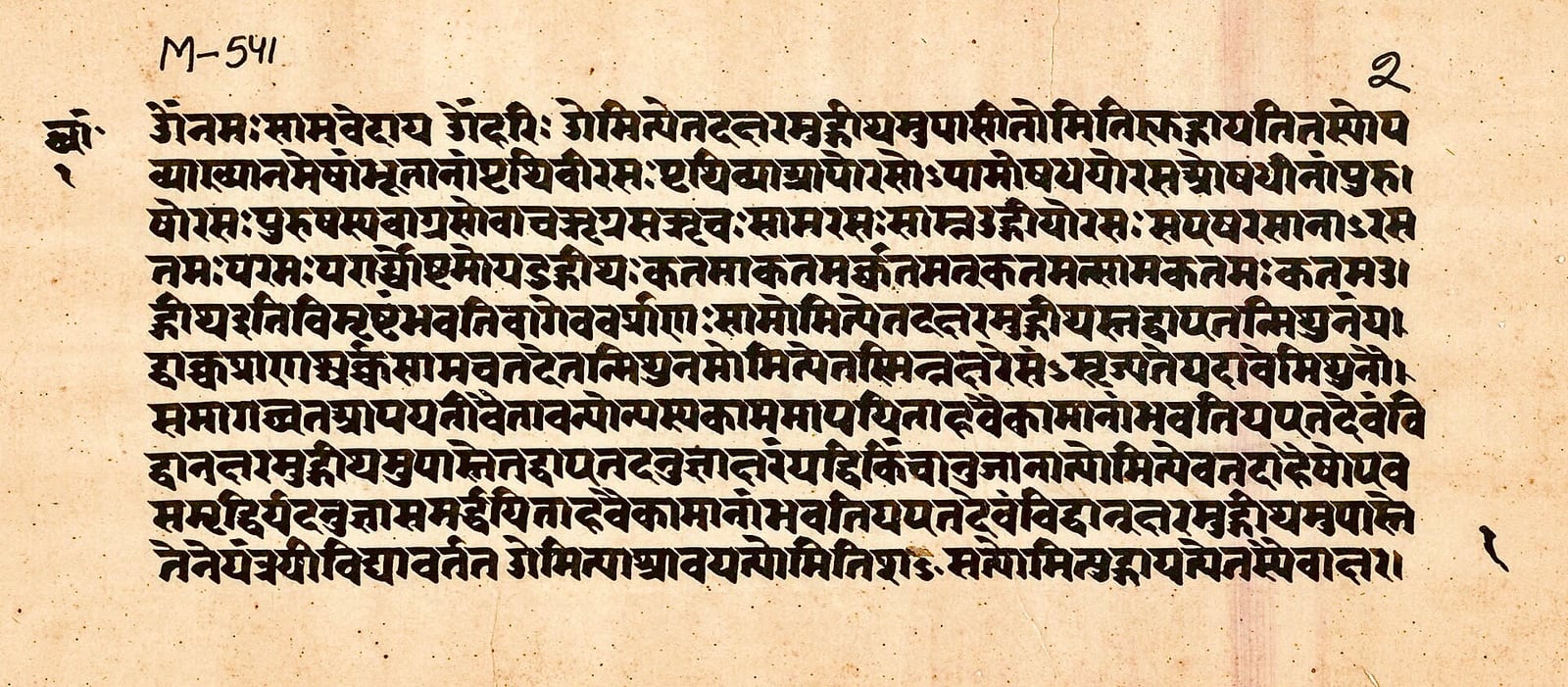
Manuscrito de la Chāndogya Upaniṣad (1849) · CC BY-SA 4.0
Dans ses propres mots
«In the beginning, my dear, this was being alone, one only, without a second.»Chāndogya Upaniṣad 6.2.1 (traducción propia)

Pour commencer, une œuvre
The teaching to Śvetaketu (Chāndogya Upaniṣad, book VI)Son idée centrale
Tat tvam asi ("you are that"): The refrain that closes nine of Uddālaka's lessons to Śvetaketu in the Chāndogya (6.8.7–6.16.3): that subtle essence (aṇiman) is what all this has as its self; that is the real; that is the ātman; tat tvam asi.
Le voir en contexte
Biographie
5 min de lecture
Traduction assistée à partir de l'original espagnol, en attente de relecture par un traducteur natif.
Un maître dans les listes de maîtres
Uddālaka Āruṇi n'a laissé aucun écrit. C'est un nom qui revient sans cesse dans la prose védique tardive — le Śatapatha Brāhmaṇa, la Bṛhadāraṇyaka et la Chāndogya Upaniṣad, la Kauṣītaki, le Jaiminīya Upaniṣad Brāhmaṇa — comme autorité rituelle, comme interlocuteur dans des débats et, surtout, comme maître. Les textes l'appellent aussi Gautama, du nom de sa lignée, et lui donnent un père, Aruṇa Aupaveśi, et un fils, Śvetaketu Āruṇeya ; à partir de ces mentions, Michael Witzel a reconstitué un arbre sur quatre générations. C'était un brahmane des Kuru-Pañcāla, le cœur du monde védique dans la plaine du Gange occidental, et les listes de maîtres de la Bṛhadāraṇyaka font de lui le maître de Yâjñavalkya : « Yâjñavalkya, d'Uddālaka ; Uddālaka, d'Aruṇa ».
Le voyageur du Nord
Le Śatapatha Brāhmaṇa conserve un épisode qui le dépeint en prêtre itinérant. Uddālaka parcourait le pays du Nord comme officiant et portait sur lui une pièce d'or, car autrefois, dit le texte, celui qui voyageait ainsi offrait un prix pour défier les autres à la dispute. Les brahmanes du Nord, craignant que ce brahmane des Kuru-Pañcāla ne leur ravisse leur terrain, envoyèrent Svaidāyana Śaunaka. Celui-ci lui posa une série de questions sur le sens caché des offrandes de la nouvelle et de la pleine lune ; Uddālaka lui remit la pièce, reconnut son savoir et revint ensuite, du bois à brûler à la main — le geste de celui qui demande à devenir disciple —, pour qu'il les lui explique. Dans un autre passage, c'est lui qui répond, une à une, aux questions de Śauceya Prācīnayogya sur l'agnihotra.
Père et maître
L'enseignement qui l'a rendu célèbre est celui du sixième livre de la Chāndogya. Son fils Śvetaketu, envoyé étudier à douze ans, revient à vingt-quatre, raconte le texte, « plein de lui-même, présomptueux, se croyant instruit ». Le père lui demande s'il connaît l'enseignement par lequel on entend le non-entendu, on pense le non-pensé et on connaît le non-connu. Devant son ignorance, il le lui offre : de même que par une seule motte d'argile on connaît tout ce qui est fait d'argile — et les vases ne sont qu'« une affaire de mots, une modification, un nom » —, par l'être (sat) on connaît tout ce qui existe. « Au commencement, mon cher, ceci était l'être seul, un sans second. » De lui naissent la chaleur, l'eau et la nourriture, qui se combinent en toutes choses.
Neuf leçons et un refrain
Uddālaka enseigne par l'expérience. Il fait jeûner son fils quinze jours, en ne buvant que de l'eau, et constate qu'il ne peut plus réciter les Veda ; lorsqu'il recommence à manger, la mémoire revient comme une braise ranimée avec de la paille. Suivent neuf leçons : le miel qui réunit le nectar de nombreux arbres sans que chaque goutte sache de quel arbre elle provient, les fleuves qui se perdent dans la mer, l'arbre qui vit tant que la vie l'imprègne, la graine du figuier banian qui, une fois fendue, ne laisse rien voir et dont naît pourtant le grand arbre, le sel dissous dans l'eau, qu'on ne voit pas et qu'on goûte partout, l'homme aux yeux bandés qui retrouve le chemin du Gandhāra parce que quelqu'un le lui indique. Chaque leçon se clôt sur le même refrain : cette essence subtile, c'est elle que tout ceci a pour être ; c'est cela le réel ; c'est cela l'ātman ; tat tvam asi, Śvetaketu.
Ce que signifie « tat tvam asi »
La tradition advaita, à partir de Śaṅkara, a lu la phrase comme une identité — « tu es cela » : l'ātman individuel est le brahman — et l'a comptée parmi les quatre « grandes paroles » des Upaniṣad. Joel Brereton a proposé en 1986 une autre lecture, attentive à la grammaire et au contexte : le pronom neutre renvoie à l'essence subtile dont il vient d'être question, et la phrase signifierait quelque chose comme « ainsi es-tu ». Patrick Olivelle traduit en conséquence « et c'est ainsi que tu es, Śvetaketu ». Les deux lectures s'accordent sur l'essentiel — le fils est fait de la même réalité invisible que tout le reste —, mais divergent sur la question de savoir si le texte formule une identité métaphysique ou une explication de la nature de la personne.
Un brahmane prêt à apprendre
Les textes insistent sur un trait de son caractère : Uddālaka ne craint pas de redevenir élève. À la cour de Janaka, il interroge Yâjñavalkya sur le « fil » qui relie les mondes et le « régent intérieur », rappelle ce qu'il a appris auprès de Patañcala Kāpya au pays des Madra et, après la réponse, se tait. Lorsque le roi Pravāhaṇa Jaivali humilie Śvetaketu avec cinq questions sur la destinée après la mort, le père se rend à la cour, demande à être instruit et reçoit la doctrine des cinq feux, dont le roi déclare qu'elle n'était encore jamais parvenue à un brahmane. Devant d'autres brahmanes qui l'interrogent sur l'ātman universel, il reconnaît qu'il ne saura pas répondre pleinement et les conduit chez le roi Aśvapati Kaikeya. Brian Black a étudié ces scènes, où le savoir passe des rois aux prêtres.
Ce que l'on sait et ce que l'on ignore
Il n'y a pas de dates : l'historicité d'Uddālaka est discutée comme celle de toute la génération des premières Upaniṣad, qu'Olivelle situe vers les VIIe et VIe siècles av. J.-C., et Witzel à l'époque védique tardive, avant le Bouddha. Ben-Ami Scharfstein le compte parmi les premiers philosophes de l'histoire, et le marxiste Debiprasad Chattopadhyaya a vu en lui le premier « savant naturaliste », pour sa méthode d'observation et d'expérience. La Kaṭha Upaniṣad mentionne un Auddālaki Āruṇi, père de Naciketas, que Śaṅkara identifia à lui ; Max Müller fit remarquer que la forme du nom soulève des doutes.
L'Āruṇi de l'épopée
Le Mahābhārata lui a prêté une jeunesse légendaire. Āruṇi de Pañcāla, disciple du sage Āyoda Dhaumya, fut envoyé colmater une brèche dans la digue d'un champ ; n'y parvenant pas, il s'y étendit et arrêta l'eau de son corps. Quand le maître l'appela, il se releva en rompant la digue, et Dhaumya lui donna le nom d'Uddālaka, « celui qui s'est levé de la digue ». La même épopée fait de sa fille Sujātā la mère d'Aṣṭāvakra et attribue à Śvetaketu l'institution de la fidélité conjugale. Une Upaniṣad tardive du renoncement porte son nom, l'Āruṇi Upaniṣad, et Madhva citait une « Āruṇi-śruti » aujourd'hui perdue. Le refrain de la Chāndogya, pendant ce temps, est devenu l'une des phrases les plus répétées de la spiritualité indienne.
Sources: Olivelle, Patrick (ed. y trad.). The Early Upaniṣads: Annotated Text and Translation. Nueva York: Oxford University Press, 1998. Chāndogya 5.3–5.24 y 6; Bṛhadāraṇyaka 3.7, 6.2, 6.3.7 y 6.5; Kauṣītaki 1.1. · Olivelle, Patrick (trad.). Upaniṣads. Oxford World's Classics. Oxford: Oxford University Press, 1996 (traducción «And that's how you are, Śvetaketu» de Chāndogya 6.8.7 y ss.). · Müller, F. Max (trad.). The Upanishads, Part I (Sacred Books of the East, vol. 1). Oxford: Clarendon Press, 1879 (Khândogya y Kaushîtaki-brâhmaṇa-upanishad); y Part II (SBE 15), 1884, nota a Kaṭha 1.11. · Eggeling, Julius (trad.). The Śatapatha-Brāhmaṇa, Part V (Sacred Books of the East, vol. 44). Oxford: Clarendon Press, 1900. XI.4.1 (Uddālaka Āruṇi y Svaidāyana) y XI.5.3 (Śauceya Prācīnayogya y Uddālaka Āruṇi sobre el agnihotra). · Chattopadhyaya, Debiprasad. Science and Society in Ancient India. Calcuta: Research India Publications, 1977.
Chronologie
La vie, année après année
Chaque point est un événement documenté. Cliquez pour le lire, avec sa source et son degré de certitude.
VIIIe siècle av. J.-C. – 600 av. J.-C.Kuru-Pañcāla
Ritual authority of the Śatapatha Brāhmaṇa
His opinions and debates appear in the later books of the Śatapatha (XI.4.1, XI.5.3) and in the Jaiminīya Upaniṣad Brāhmaṇa. The range is an estimate of the period of the texts.
ProbableEggeling, Julius (trad.). The Śatapatha-Brāhmaṇa, Part V (Sacred Books of the East, vol. 44). Oxford: Clarendon Press, 1900. XI.4.1 (Uddālaka Āruṇi y Svaidāyana) y XI.5.3 (Śauceya Prācīnayogya y Uddālaka Āruṇi sobre el agnihotra).
VIIIe siècle av. J.-C. – 600 av. J.-C.
Ritual authority of the Śatapatha Brāhmaṇa
His opinions and debates appear in the later books of the Śatapatha (XI.4.1, XI.5.3) and in the Jaiminīya Upaniṣad Brāhmaṇa. The range is an estimate of the period of the texts.
Probable
VIIe siècle av. J.-C.
Svaidāyana's challenge
Travelling in the north as an officiant, he loses a disputation to Svaidāyana Śaunaka and returns with firewood in hand to be instructed (Śatapatha XI.4.1).
Tradition
VIIe siècle av. J.-C.
The teaching to Śvetaketu
Chāndogya 6: being, one without a second, the experiments and the refrain "tat tvam asi".
Tradition
VIIe siècle av. J.-C.
Pupil of King Pravāhaṇa Jaivali
After his son's humiliation at the Pañcāla assembly, he receives from the king the doctrine of the five fires (Chāndogya 5.3–10; Bṛhadāraṇyaka 6.2).
Tradition
VIIe siècle av. J.-C.
He questions Yājñavalkya
He asks about the "thread" and the "inner controller" and falls silent after the answer (Bṛhadāraṇyaka 3.7).
Tradition
IIe siècle av. J.-C. – 400
The Āruṇi of the Mahābhārata
The epic, fixed between the third century BCE and the fourth century CE, tells the episode of the dyke and how his teacher Dhaumya gave him the name Uddālaka.
Probable
1862
First English translation of the Chāndogya
Rājendralāla Mitra publishes the Chāndogya with extracts from Śaṅkara's commentary in the Bibliotheca Indica.
Documenté
1879
The Chāndogya in the Sacred Books of the East
Max Müller opens the series with the Chāndogya and popularizes the rendering "Thou art that".
Documenté
1986
Brereton rereads "tat tvam asi"
Joel Brereton proposes reading the refrain in its grammatical context as "that's how you are", a reading Olivelle adopts.
Documenté
Œuvres
Œuvres essentielles
Les œuvres sans lesquelles on ne comprend pas son héritage.
Attribution traditionnelle · VIIe siècle av. J.-C.
The teaching to Śvetaketu (Chāndogya Upaniṣad, book VI)
छान्दोग्योपनिषद् षष्ठोऽध्यायः (Chāndogya Upaniṣad VI)
Sixteen prose sections. Śvetaketu returns conceited after twelve years of study, and his father teaches him what he did not learn: how, by knowing one thing, everything is known. He sets out the origin of the world from being (sat), "one without a second", which produces heat, water and food; the threefold composition of all things; the experiment of fasting; and nine illustrations — honey, rivers, the tree, the fig seed, salt in water, the man from Gandhāra, the dying man, the thief put to the ordeal of the axe — ending with the refrain "tat tvam asi, Śvetaketu". It is one of the founding texts of Vedānta.
9 éditions
Uddalaka Aruni
Chāndogya Upaniṣad (passages of Uddālaka Āruṇi)
Compilation postérieure · VIIe siècle av. J.-C.
Chāndogya Upaniṣad (passages of Uddālaka Āruṇi)
छान्दोग्योपनिषद् (Chāndogya Upaniṣad)
Together with the Bṛhadāraṇyaka, the oldest of the Upaniṣads. Its first books interpret the chants (sāman) and the syllable Om; the following ones contain teachings on the ātman and brahman attributed to various masters. In book 5 Uddālaka receives from King Pravāhaṇa the doctrine of the five fires and the two paths of the dead, and accompanies other brahmins to Aśvapati Kaikeya to learn the universal ātman (vaiśvānara). Book 6 is his teaching to Śvetaketu.
6 éditions
Toute son œuvre (9)
The question of the thread and the inner controller (Bṛhadāraṇyaka 3.7)
650
The doctrine of the five fires (pañcāgni-vidyā), received from Pravāhaṇa Jaivali
650
The teaching of the universal ātman (vaiśvānara-vidyā), before Aśvapati Kaikeya
650
Uddalaka Aruni
Uddālaka's debates in the Śatapatha Brāhmaṇa
The Conscious LibraryUddālaka's debates in the Śatapatha Brāhmaṇa
700
Kauṣītaki Upaniṣad, chapter 1: Āruṇi and Citra Gāṅgyāyani
500

Āruṇi Upaniṣad (Āruṇeyī Upaniṣad)
Uddalaka Aruni
Āruṇi-śruti (lost text)
The Conscious LibraryĀruṇi-śruti (lost text)
Citations
Citations localisées dans une œuvre précise. Chacune porte sa provenance et son degré de fiabilité.
In the beginning, my dear, this was being alone, one only, without a second.सदेव सोम्येदमग्र आसीदेकमेवाद्वितीयम् ।
VérifiéeChāndogya Upaniṣad 6.2.1 (traducción propia)
Dernières paroles
Il n'existe aucun témoignage vérifiable de ses dernières paroles.
There is no account of his death or last words in the Vedic texts, the epic or the Purāṇas. The only words of his that survive are the teachings and dialogues attributed to him by the Śatapatha Brāhmaṇa and the Upaniṣads.
Source: Olivelle, Patrick (ed. y trad.). The Early Upaniṣads: Annotated Text and Translation. Nueva York: Oxford University Press, 1998. Chāndogya 5.3–5.24 y 6; Bṛhadāraṇyaka 3.7, 6.2, 6.3.7 y 6.5; Kauṣītaki 1.1.
Interroger
Ce que répond son œuvre
Douze grandes questions de l'humanité et ce que ses textes permettent d'y répondre, références à l'appui. Nous ne lui prêtons jamais de paroles.
Qu'est-ce que l'Absolu ? Dieu existe-t-il ?
In the beginning there was only being, one without a second
Un Absolu impersonnelIl le dit expressément
In the sixth book of the Chāndogya Upaniṣad, Uddālaka Āruṇi teaches his son Śvetaketu that in the beginning there was only being (sat), one without a second, and rejects those who held that being was born from non-being. From that principle come heat, water and food, and from their mixture all things. He does not describe a god who judges or loves: he describes a single substance, so subtle that it is not perceived, which is the ātman of all that exists. His examples —the clay of which all pots are made, the dissolved salt that is unseen yet present in every sip, the invisible seed from which the fig tree grows— aim to make the disciple recognise that principle in things and in himself.
Comparer cette question avec d'autres maîtresQui suis-je ? Existe-t-il un vrai soi ?
The subtle essence of all is the ātman, «and that's how you are»
Le Soi est l'AbsoluIl le dit expressément
Nine of Uddālaka's lessons to Śvetaketu in the Chāndogya end with the same refrain: that subtle essence (aṇiman) is what all this has as its ātman; that is the real; that is the ātman; tat tvam asi (6.8.7–6.16.3). Śvetaketu's self is therefore not something apart: like the river that returns to the sea and no longer knows it was that river, or like honey made from different flowers, the individual comes from being and shares its essence. The Advaita tradition read the refrain as the great saying «you are that», a strict identity between the individual and brahman. The lesson is not presented as a theory, but as something the disciple must verify in things and recognise in himself.
Comparer cette question avec d'autres maîtresPourquoi souffrons-nous ?
He does not analyse pain; he speaks of one lost who needs guidance
Ne s'est pas prononcé
The teachings the Chāndogya puts in Uddālaka Āruṇi's mouth contain no diagnosis of suffering. Their subject is the origin and essence of things, not the cause of pain. The closest is a parable (6.14): a man is blindfolded, led far from his land of Gandhāra and abandoned in a deserted place; he cries out that he has been brought there blindfolded, until someone removes the blindfold and points out the way, and he, asking from village to village, returns home. So, says Uddālaka, one who has a teacher knows that he will remain here only as long as he is not set free. The image suggests that the human condition is a disorientation that knowledge corrects, but the text does not formulate it as a theory of suffering.
Comparer cette question avec d'autres maîtresQue se passe-t-il après la mort ?
The body deprived of life dies; life does not die
Ce que je suis ne naît ni ne meurtCela se déduit de sa doctrine
Uddālaka explains death to Śvetaketu with the image of a great tree: if its root, trunk or crown is struck, it bleeds but lives, because life pervades it; if life leaves a branch, the branch withers. So, he concludes, it is the body deprived of life that dies; life does not die (Chāndogya 6.11.3). In another passage he describes the process: in the dying person, speech is gathered into the mind, the mind into breath, breath into heat and heat into the highest deity, the being from which all proceeds (6.8.6; 6.15). Death is thus a return to the subtle essence that never ceased to be. Uddālaka also appears, in book V, receiving from a king the doctrine of the five fires and of the paths beyond.
Comparer cette question avec d'autres maîtresComment atteint-on la libération ou le salut ?
To know that by which the unheard is heard and the unthought is thought
Par la connaissance directeCela se déduit de sa doctrine
Uddālaka's teaching in the Chāndogya begins with a reproach: Śvetaketu returns proud after twelve years of Vedic study, and his father asks whether he knows the teaching by which the unheard becomes heard, the unthought thought and the unknown known (6.1.2–3). The goal is that knowledge of the being from which everything proceeds, and what follows are the lessons through which it is reached: clay, salt, the fig seed. The parable of the man from Gandhāra shows where it leads: one who has a teacher knows that he will remain here only as long as he is not set free, and then he will arrive (6.14.2). In the last lesson, the one who speaks the truth is not burned when he grasps the red-hot axe (6.16). Known truth protects and frees.
Comparer cette question avec d'autres maîtresFaut-il un maître ?
One who has a teacher knows the way home
IndispensableIl le dit expressément
Uddālaka is, in the Chāndogya, the figure of the father who teaches: his entire sixth book is an instruction to his son Śvetaketu, made of questions, examples and small tests. And it is in that book that the need for a teacher is most clearly formulated. A blindfolded man is abandoned far from his land of Gandhāra; only when someone removes the blindfold and points out the direction can he return, asking from village to village. So, Uddālaka concludes, one who has a teacher (ācāryavān) knows: I remain here only as long as I am not set free, and then I shall arrive (6.14.2). The teacher does not replace the path, which the disciple walks himself, but without him one does not know which way to go.
Comparer cette question avec d'autres maîtresLe monde est-il réel ?
Being became many: heat, water and food, and entered into them
Manifestation du divinIl le dit expressément
For Uddālaka, the world comes from being (sat), which, wishing to be many, emitted heat; heat, water; and water, food (Chāndogya 6.2.3–4). It then entered those three «deities» with the living ātman and made them threefold, so that each thing contains all three: the red of fire is that of heat, the white that of water, the black that of food (6.3–4). His most famous example is clay: by one lump everything made of clay is known, because the modification is «a matter of words», a name, and the real is the substance (6.1.4). The world is not a dream, but being itself under names and forms; what dissolves on understanding it is the belief that things are something apart from their source.
Comparer cette question avec d'autres maîtresQu'est-ce que l'amour ?
His lessons concern being, not love; they ask for trust
Ne s'est pas prononcé
The teachings the Chāndogya and the Bṛhadāraṇyaka put in Uddālaka Āruṇi's mouth do not address love. Their subject is the origin of things, the subtle essence that sustains them and the relation between that essence and the disciple. The closest thing to an affective dimension lies in the tone of the teaching: he is a father instructing his son, calls him «dear one» (somya) again and again and, when Śvetaketu cannot see the invisible essence of the fig seed, asks him for trust (śraddhā). But the trust he asks for is that of a disciple who accepts what he does not yet understand, not a love directed to God or to one's neighbour, and the text does not develop it as a teaching.
Comparer cette question avec d'autres maîtresSommes-nous libres ou tout est-il déterminé ?
He does not treat freedom; his last lesson is about truth
Ne s'est pas prononcé
The teachings ascribed to Uddālaka Āruṇi do not address the question of freedom or fate. Their interest lies in the origin of things and in the subtle essence that sustains them, not in human action or its consequences. The doctrine of rebirth according to deeds, which the Chāndogya sets out in book V, Uddālaka receives from a king, Pravāhaṇa Jaivali, who warns him that this knowledge had not previously reached the brahmins. The closest thing to an ethic in his teaching is the last lesson to Śvetaketu (6.16): a man accused of theft is made to grasp a red-hot axe; if he has lied he is burned, and if he speaks the truth, protected by it, he is not. Truth is what frees, not a choice between alternatives.
Comparer cette question avec d'autres maîtresPourquoi méditer ou prier ?
He teaches no meditation: he teaches looking and verifying
Ne s'est pas prononcé
Uddālaka's lessons in the Chāndogya contain no practice of meditation or prayer. His method is different: questions, observation and small tests. He has Śvetaketu fast for fifteen days so that he finds that, without food, he cannot recall the Vedas, and that on eating he remembers them again (6.7); he asks him to dissolve salt in water and look for it by sight and by taste (6.13); he has him split a fig fruit and then a seed until he sees nothing inside (6.12). What is sought is not an induced inner state, but that the disciple should see for himself the subtle essence in things. When observation no longer reaches, Uddālaka proposes not a technique, but trust: «have faith, my dear».
Comparer cette question avec d'autres maîtresLa raison peut-elle connaître l'ultime ?
Observe, compare, verify; and where sight fails, trust
La foi et la raison s'entraidentCela se déduit de sa doctrine
Uddālaka's method in the Chāndogya is almost experimental. To teach Śvetaketu, who returns proud after twelve years of study, he does not cite texts: he has him fast for fifteen days to verify the relation between food and mind (6.7), dissolve salt in water and taste it (6.13), split a fig seed until he sees nothing (6.12). He reasons by analogies drawn from clay, copper and iron, and argues against those who said that being was born from non-being: how could that happen? (6.2.2). But observation has a limit: when the essence of the seed cannot be seen, Uddālaka asks for trust (śraddhā). Reason prepares and trust completes, in a knowledge the disciple must end up recognising in himself.
Comparer cette question avec d'autres maîtresSe retirer du monde ou le transformer ?
A householder who teaches his son; he does not raise renunciation
Ne s'est pas prononcé
Uddālaka Āruṇi's teachings do not address the choice between withdrawing from the world and transforming it. His figure, as presented by the Śatapatha Brāhmaṇa and the Upaniṣads, is that of a brahmin householder, an expert in ritual, who debates in assemblies, travels to learn from others —including kings such as Pravāhaṇa Jaivali and Aśvapati Kaikeya— and passes his knowledge on to his son and his disciples. He sends Śvetaketu to study with a teacher, receives him on his return and instructs him at home. The knowledge of being that he teaches does not require leaving that life, but the text does not raise it as a question either. The renunciation associated with his name belongs to the Āruṇi Upaniṣad, a much later text.
Comparer cette question avec d'autres maîtres
Affinités et tensions
Affinités et tensions
Calculées question par question à partir de ses positions. La raison de chaque accord ou de chaque désaccord s'affiche d'un clic.
Pense comme
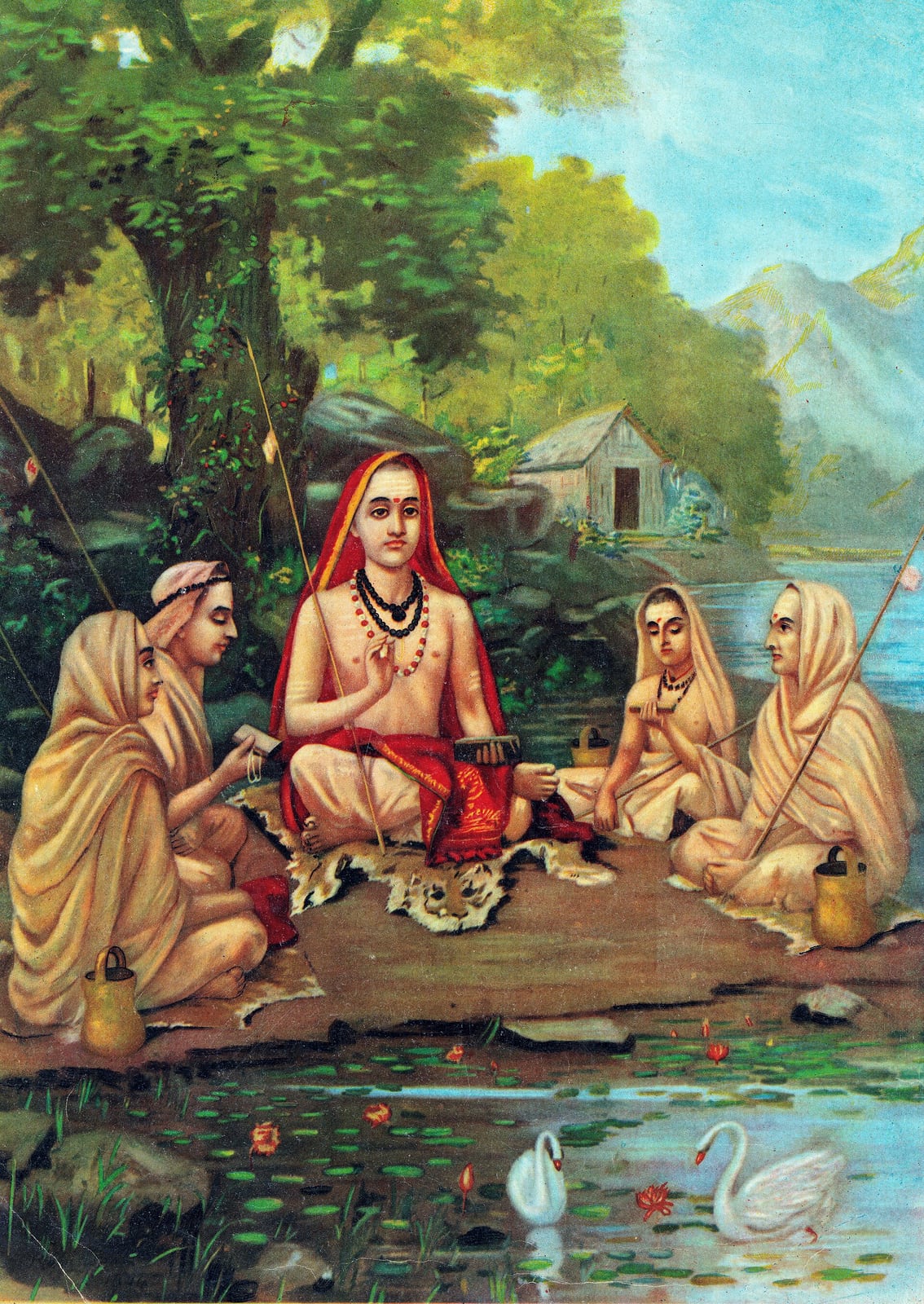
Adi Shankara
Ils concordent sur: Qu'est-ce que l'Absolu ? Dieu existe-t-il ? · Qui suis-je ? Existe-t-il un vrai soi ? · Que se passe-t-il après la mort ?
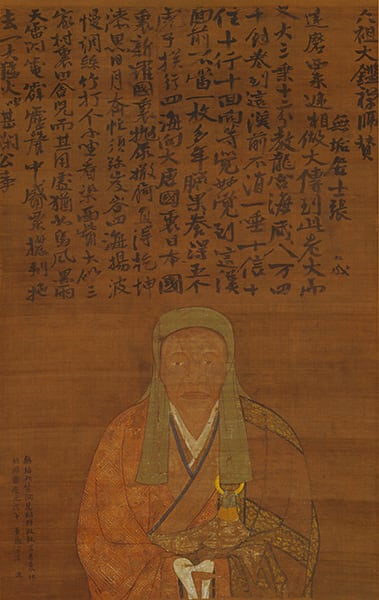
Huineng
Ils concordent sur: Qu'est-ce que l'Absolu ? Dieu existe-t-il ? · Qui suis-je ? Existe-t-il un vrai soi ? · Que se passe-t-il après la mort ?
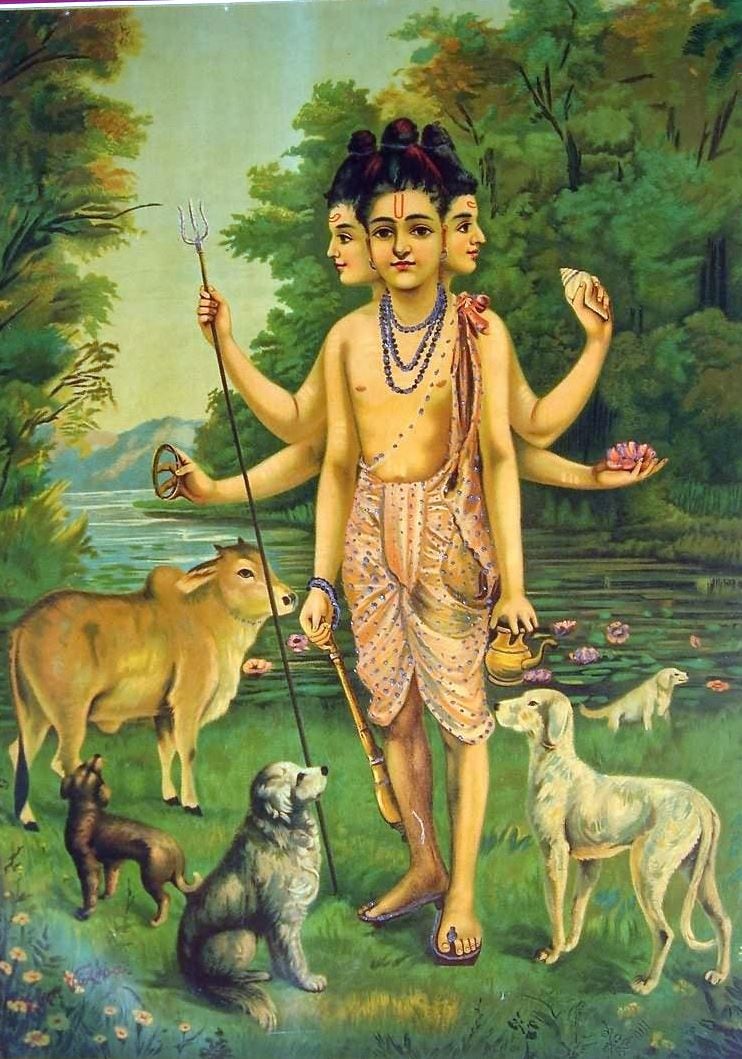
Dattatreya
Ils concordent sur: Qu'est-ce que l'Absolu ? Dieu existe-t-il ? · Qui suis-je ? Existe-t-il un vrai soi ? · Que se passe-t-il après la mort ?
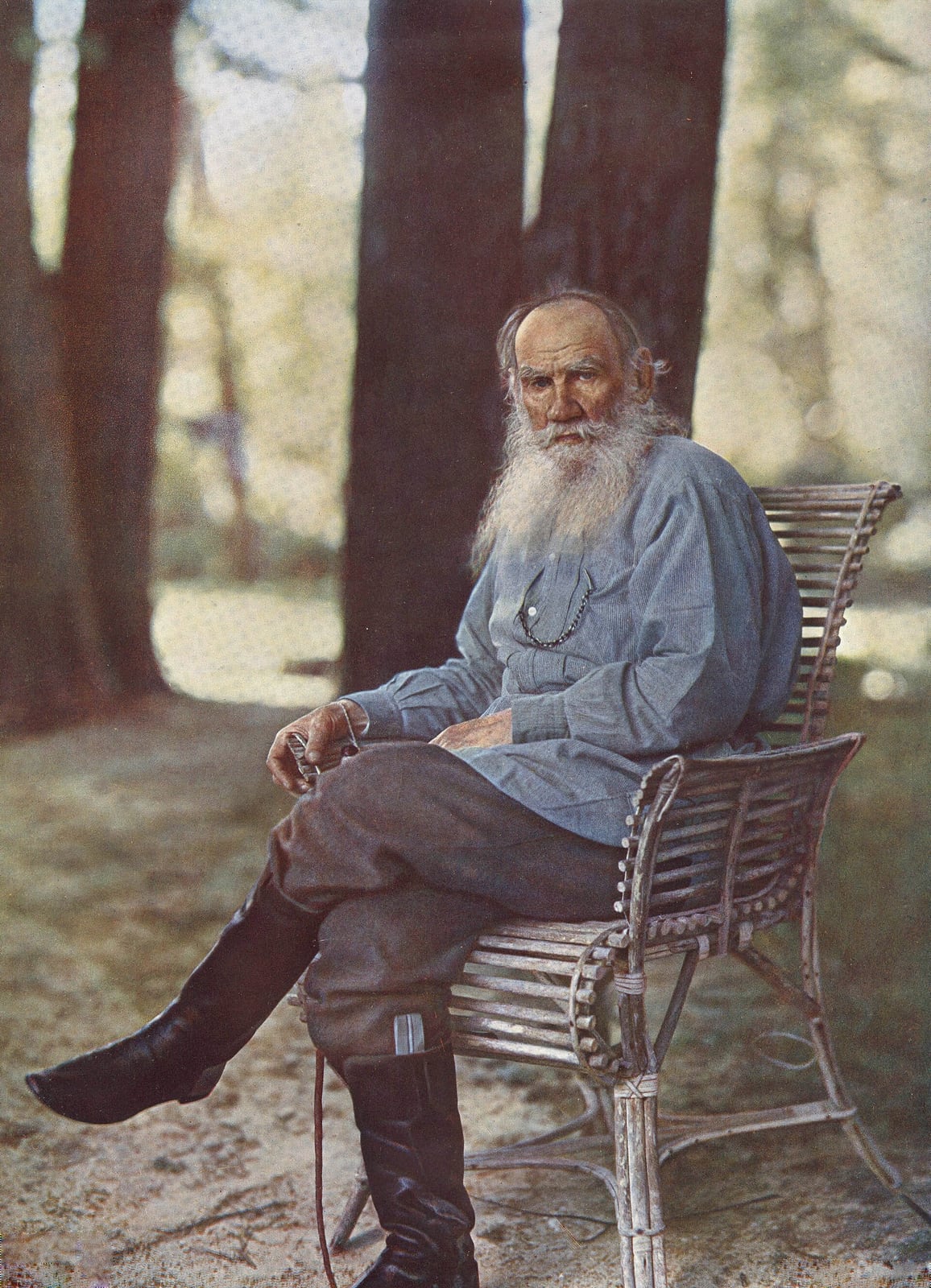
Leo Tolstoy
Ils concordent sur: Qu'est-ce que l'Absolu ? Dieu existe-t-il ? · Qui suis-je ? Existe-t-il un vrai soi ? · Que se passe-t-il après la mort ?
Pense autrement que
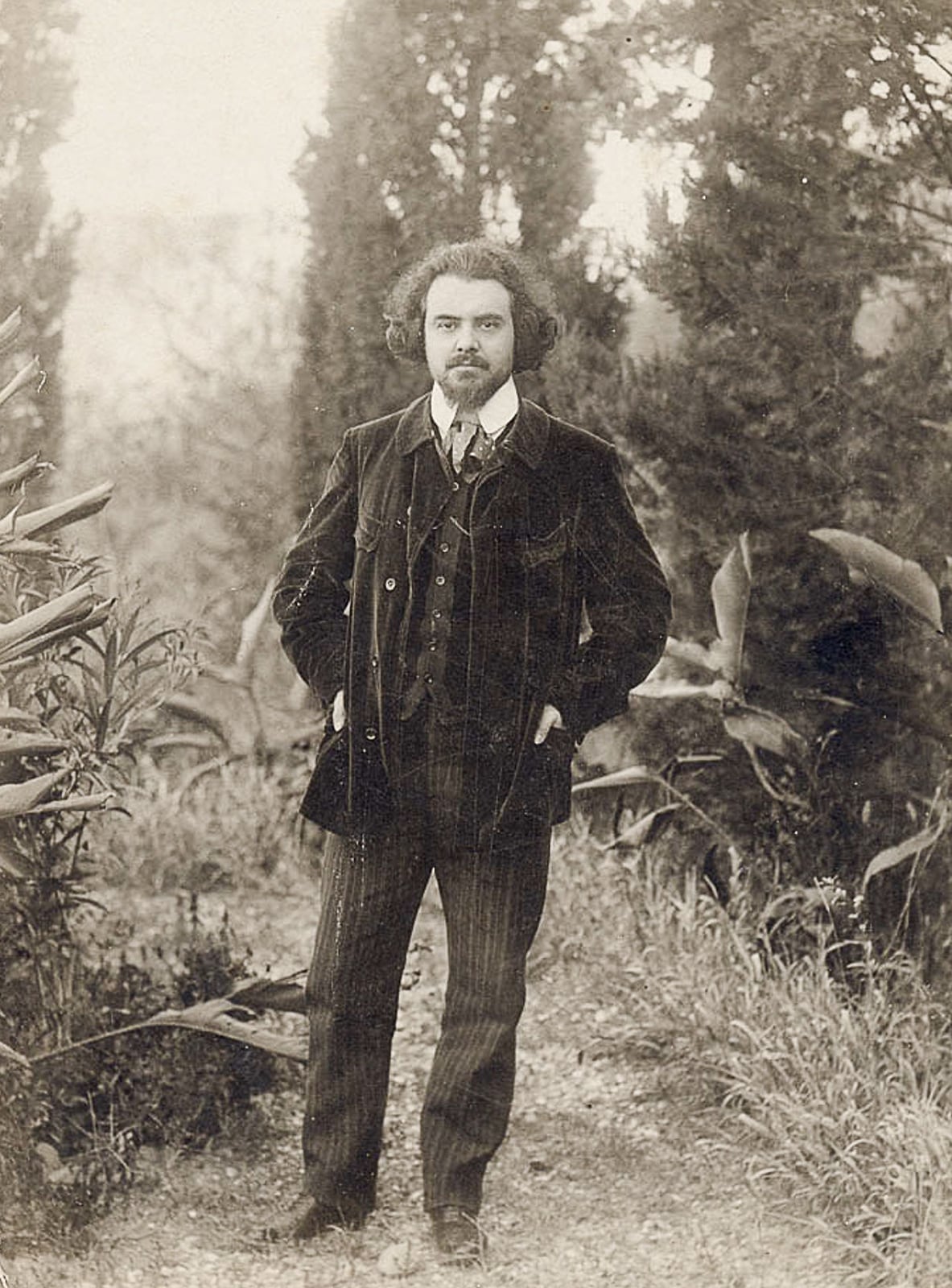
Nikolai Berdyaev
Ils s'opposent sur: Qui suis-je ? Existe-t-il un vrai soi ? · Faut-il un maître ?

Pema Chödrön
Ils s'opposent sur: Qui suis-je ? Existe-t-il un vrai soi ?
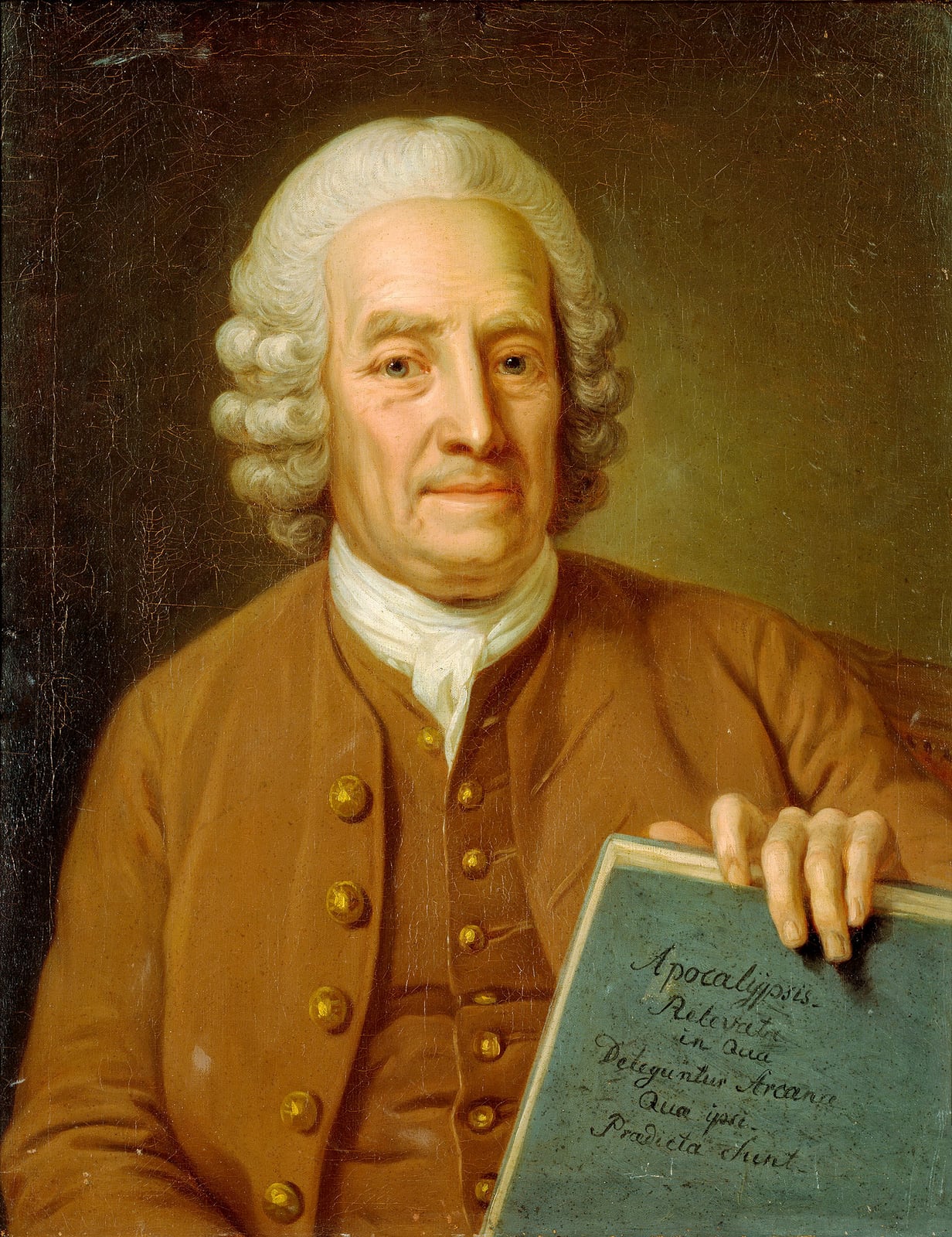
Emanuel Swedenborg
Ils s'opposent sur: Qui suis-je ? Existe-t-il un vrai soi ?

Francis of Assisi
Ils s'opposent sur: Qui suis-je ? Existe-t-il un vrai soi ?
Anecdotes et récits
Anecdotes et récits
Documentéépoca védica tardía (Chāndogya, ss. VII–VI a. C.)
Salt in water
Origine du récit: Chāndogya Upaniṣad 6.13. "Documented" indicates that the story is in the text, not that the scene is historical.
Source: Olivelle, Patrick (ed. y trad.). The Early Upaniṣads: Annotated Text and Translation. Nueva York: Oxford University Press, 1998. Chāndogya 5.3–5.24 y 6; Bṛhadāraṇyaka 3.7, 6.2, 6.3.7 y 6.5; Kauṣītaki 1.1.
Documentéépoca védica tardía
The fifteen-day fast
Origine du récit: Chāndogya Upaniṣad 6.7. The "scientific" reading is Chattopadhyaya's (1977).
Source: Chattopadhyaya, Debiprasad. Science and Society in Ancient India. Calcuta: Research India Publications, 1977.
Documentéépoca védica tardía
The gold coin and the firewood
Origine du récit: Śatapatha Brāhmaṇa XI.4.1.1–10 (Eggeling's translation, SBE 44, pp. 50–54), with a parallel version in Gopatha Brāhmaṇa 1.3.6. The exact meaning of some phrases (the coin, the "head that splits") is disputed, as Eggeling notes.
Documentéépoca védica tardía
The king's five questions
Origine du récit: Chāndogya Upaniṣad 5.3 (with another version in Bṛhadāraṇyaka 6.2). Black (2007) analyses these scenes of knowledge passing from kings to brahmins.
Source: Black, Brian. The Character of the Self in Ancient India: Priests, Kings, and Women in the Early Upaniṣads. Albany: State University of New York Press, 2007.
Récit hagiographiquerelato épico (Mahābhārata, ss. III a. C.–IV d. C.)
The pupil who lay down in the dyke
Origine du récit: Mahābhārata 1.3 (Pauṣya-parvan; section 3 of Ganguli's translation). There is no Vedic parallel; the relation between this Āruṇi and the Uddālaka of the Upaniṣads is a traditional identification.
Tradition oralerelato épico
Śvetaketu and the law of marriage
Origine du récit: Mahābhārata 1.113 of the critical edition (section 122 of Ganguli's translation). It is an epic legend with no basis in the Vedic texts.
Enseignements
Enseignements
Les notions qui structurent sa pensée, expliquées dans leur contexte.
Tat tvam asi ("you are that")tat-tvam-asi
Chāndogya Upaniṣad 6; Brereton 1986; Olivelle 1996.
Source: Brereton, Joel P. «Tat Tvam Asi in Context». Zeitschrift der Deutschen Morgenländischen Gesellschaft 136 (1986): 98–109.
Sat (being, one without a second)sat
Chāndogya 6.2.
Source: Olivelle, Patrick (ed. y trad.). The Early Upaniṣads: Annotated Text and Translation. Nueva York: Oxford University Press, 1998. Chāndogya 5.3–5.24 y 6; Bṛhadāraṇyaka 3.7, 6.2, 6.3.7 y 6.5; Kauṣītaki 1.1.
Trivṛtkaraṇa (the triplication of the elements)trivrtkarana
Chāndogya 6.3–6.6.
Source: Chattopadhyaya, Debiprasad. Science and Society in Ancient India. Calcuta: Research India Publications, 1977.
Aṇiman (the subtle essence)animan
Chāndogya 6.8–6.16.
Source: Olivelle, Patrick (ed. y trad.). The Early Upaniṣads: Annotated Text and Translation. Nueva York: Oxford University Press, 1998. Chāndogya 5.3–5.24 y 6; Bṛhadāraṇyaka 3.7, 6.2, 6.3.7 y 6.5; Kauṣītaki 1.1.
Vācārambhaṇa (modification is only a name)vacarambhana
Chāndogya 6.1.4–6; Brahmasūtra 2.1.14 and its commentaries.
Source: Olivelle, Patrick (ed. y trad.). The Early Upaniṣads: Annotated Text and Translation. Nueva York: Oxford University Press, 1998. Chāndogya 5.3–5.24 y 6; Bṛhadāraṇyaka 3.7, 6.2, 6.3.7 y 6.5; Kauṣītaki 1.1.
Vidéos
Vidéos
Enregistrements, entretiens et documentaires. Les vidéos sont lues depuis YouTube ; elles ne sont pas hébergées ici.
Tat Tvam Asi (That Thou Art) | Swami Sarvapriyananda
Conférence· EN· 2021· 101 min
Vedanta Society of New YorkChaîne officielle
Talk on Tat Tvam Asi - The Ultimate Equation by Swami Sarvapriyananda
Conférence· EN· 2026· 115 min
Ramakrishna Vedanta Centre U.K.Chaîne officielle
The Story of Svetaketu - Thou Art That - Chandogya Upanishad | Pravrajika Divyanandaprana
Conférence· EN· 2018· 20 min
VivekaVani
Chandogya Upanishad Chapter-6 01
Conférence· EN· 2022· 74 min
Chinmaya Mission San JoseChaîne officielle
Chandogya Upanishad Ch 6 – An Exposition of Tat Tvam Asi | Swami Ramakrishnananda | Dis 01
Conférence· EN· 2026· 68 min
Shravana Mangalam
Chandogya Upanishad Lecture - 1 (Chapter 6 - 1 - 1 to 6 - 1 - 4)
Conférence· EN· 2026· 76 min
Vedanta Students
श्वेतकेतु और उद्दालक, उपनिषद की कहानी, छान्द्योग्यापनिषद
Conférence· HI· 2020· 35 min
G.V.B. The University of Veda
CHANDOGYA. VER LO INVISIBLE
Analyse· ES· 2022· 14 min
Vedanta en Español
El pensamiento en la India: Hinduismo
Documentaire· ES· 2017· 25 min
UNED DocumentosChaîne officielle
The Upanishads: The Sacred Text that Changed India and the West | Jeffery Long, Ph.D.
Conférence· EN· 2022· 56 min
Theosophical SocietyChaîne officielle
Introduction to the Rig Veda and Upanishads | Kendall Sharp | First Friday Lecture
Conférence· EN· 2024· 78 min
The University of Chicago Graham SchoolChaîne officielle
The Central Doctrines of the Upanishads
Conférence· EN· 2016· 37 min
Vidya-mitraChaîne officielle
Galerie
Galerie
Images dont la licence a été vérifiée. Chacune conserve son auteur et son attribution.
Manuscrits
Manuscrits
Témoins manuscrits et textes anciens, avec leur dépositaire et leurs conditions de consultation.
SA · Devanagari · c. ss. VII–VI a. C. (Olivelle)
छान्दोग्योपनिषद् (1.1.1–1.1.9)
- Témoin conservé
- Manuscrito fechado en 1849
- Numérisation
- commons.wikimedia.org/wiki/File:Chandogya_Upanis…
SA · Grantha
छान्दोग्योपनिषद्विवरण
- Témoin conservé
- Hoja de palma adquirida en julio de 1836
- Dépositaire
- Kahle-Austin Foundation (según la descripción de Commons)
- Numérisation
- commons.wikimedia.org/wiki/File:1836_CE_July_pur…
Relations
Relations
Influences, filiations et affinités. On distingue la relation documentée de la similitude identifiée par analyse.
Maître de
The Bṛhadāraṇyaka's lists of teachers make Yājñavalkya Uddālaka's pupil ("Yājñavalkya from Uddālaka; Uddālaka from Aruṇa").
Relation documentée
En désaccord avec
He questions him at Janaka's court about the thread and the inner controller and falls silent after his answer (Bṛhadāraṇyaka 3.7).
Relation documentée
Famille de
Śvetaketu Āruṇeya
His son and pupil, recipient of the teaching of Chāndogya 6.
Relation documentée
Famille de
According to the Mahābhārata (3.132–134), Aṣṭāvakra was the son of Sujātā, Uddālaka's daughter, and of his pupil Kahoḍa; that is, his grandson. A legendary, not Vedic, relationship.
Similitude identifiée par analyse
Disciple de
Pravāhaṇa Jaivali
The king of the Pañcālas teaches him the doctrine of the five fires (Chāndogya 5.3–10; Bṛhadāraṇyaka 6.2).
Relation documentée
A influencé
Śaṅkara commented on the Chāndogya and made "tat tvam asi" one of the great sayings of Advaita; he analyses it at length in the Upadeśasāhasrī.
Relation documentée
Idées proches de
Inquiry into the self as the substratum of all experience extends the Advaita reading of "tat tvam asi".
Similitude identifiée par analyse
Idées proches de
Comparative philosophy (Scharfstein) has linked Uddālaka's search for a single principle behind change with that of the first Greek philosophers.
Similitude identifiée par analyse
Idées proches de
The theory of three elements combining in all things has been compared with Empedocles' roots.
Similitude identifiée par analyse
Idées proches de
The rejection of being arising from non-being (Chāndogya 6.2.2) is a frequent parallel in comparative philosophy.
Similitude identifiée par analyse
A influencé
Gauḍapāda's Kārikā develops, in terms of non-origination, the thesis that the effect is not different from its cause, illustrated by the clay of Chāndogya 6.1.
Similitude identifiée par analyse
Sources
Sources
Bibliographie et catalogues consultés pour cette fiche.
- Wikidata, «Aruni» (Uddālaka Āruṇi), QID Q2724299.
- Olivelle, Patrick (ed. y trad.). The Early Upaniṣads: Annotated Text and Translation. Nueva York: Oxford University Press, 1998. Chāndogya 5.3–5.24 y 6; Bṛhadāraṇyaka 3.7, 6.2, 6.3.7 y 6.5; Kauṣītaki 1.1.
- Olivelle, Patrick (trad.). Upaniṣads. Oxford World's Classics. Oxford: Oxford University Press, 1996 (traducción «And that's how you are, Śvetaketu» de Chāndogya 6.8.7 y ss.).
- Müller, F. Max (trad.). The Upanishads, Part I (Sacred Books of the East, vol. 1). Oxford: Clarendon Press, 1879 (Khândogya y Kaushîtaki-brâhmaṇa-upanishad); y Part II (SBE 15), 1884, nota a Kaṭha 1.11.
- Brereton, Joel P. «Tat Tvam Asi in Context». Zeitschrift der Deutschen Morgenländischen Gesellschaft 136 (1986): 98–109.
- Eggeling, Julius (trad.). The Śatapatha-Brāhmaṇa, Part V (Sacred Books of the East, vol. 44). Oxford: Clarendon Press, 1900. XI.4.1 (Uddālaka Āruṇi y Svaidāyana) y XI.5.3 (Śauceya Prācīnayogya y Uddālaka Āruṇi sobre el agnihotra).
- Chattopadhyaya, Debiprasad. Science and Society in Ancient India. Calcuta: Research India Publications, 1977.
- Witzel, Michael. «Yājñavalkya as Ritualist and Philosopher, and His Personal Language». En S. Adhami (ed.), Paitimāna: Essays in Iranian, Indo-European, and Indian Studies in Honor of Hanns-Peter Schmidt. Costa Mesa: Mazda, 2003, pp. 103–143 (n. 13: árbol genealógico Upaveśi – Aruṇa Aupaveśi – Uddālaka Āruṇi Gautama – Śvetaketu Āruṇeya).
- Black, Brian. The Character of the Self in Ancient India: Priests, Kings, and Women in the Early Upaniṣads. Albany: State University of New York Press, 2007.
- Ganguli, Kisari Mohan (trad.). The Mahabharata of Krishna-Dwaipayana Vyasa, vol. 1: Adi Parva. Calcuta, 1883–1896; Project Gutenberg n.º 15474 (sección 3, Āruṇi y Dhaumya; sección 122 de la vulgata, Śvetaketu). Para Aṣṭāvakra, Vana Parva 132–134 de la edición crítica.
- Olivelle, Patrick (trad.). The Saṃnyāsa Upaniṣads: Hindu Scriptures on Asceticism and Renunciation. Nueva York: Oxford University Press, 1992 (Āruṇi Upaniṣad).
- Scharfstein, Ben-Ami. A Comparative History of World Philosophy: From the Upanishads to Kant. Albany: State University of New York Press, 1998.
- Wikisource en sánscrito, «छान्दोग्योपनिषद्» (texto por adhyāya; adhyāya 5 y 6) y «बृहदारण्यकोपनिषद्» (6.5).
- Wikipedia (en inglés), «Uddalaka Aruni», consultada el 26 de octubre de 2026 (Āruṇi Upaniṣad, Āruṇi-śruti citada por Madhva, episodio de Dhaumya).
- Hume, Robert Ernest (trad.). The Thirteen Principal Upanishads. Londres: Oxford University Press, 1921.
- Ilárraz, Félix G., y Óscar Pujol (trads.). La sabiduría del bosque: antología de las principales Upaniṣad. Madrid: Trotta, 2003.
- Wikimedia Commons, ficheros y metadatos de licencia consultados mediante la API (imageinfo/extmetadata).
- Mitra, Rājendralāla (trad.). The Chhándogya Upanishad of the Sáma Veda, with Extracts from the Commentary of Śankara Áchárya. Calcuta: Baptist Mission Press (Bibliotheca Indica), 1862.
- Gambhirananda, Swami (trad.). Chāndogya Upaniṣad, with the Commentary of Śaṅkarācārya. Calcuta: Advaita Ashrama, 1983 (reimpr. 2006).
- Deussen, Paul (trad.). Sechzig Upanishad's des Veda. Leipzig: F. A. Brockhaus, 1897.
- Ayant droit
- Los textos sánscritos son de dominio público. Las traducciones modernas tienen derechos propios: Oxford University Press (Olivelle; Hume hasta 2029 en España), Trotta (Ilárraz y Pujol), Penguin (Roebuck), Advaita Ashrama (Gambhirananda), Hastinapura (versión española de Nikhilananda). Las de Mitra (1862), Müller (1879), Eggeling (1900) y Deussen (1897) son de dominio público.
En attente de confirmation
Ce que cette fiche n'a pas encore pu établir. Nous préférons le dire plutôt que de combler.
- Mahābhārata: comprobar en la edición crítica las referencias 1.3 (Āruṇi y Dhaumya), 1.113 (Śvetaketu) y 3.132–134 (Aṣṭāvakra) frente a la numeración de Ganguli.
- Kaṭha Upaniṣad 1.11: localizar la nota exacta de Max Müller (SBE 15) sobre «Auddālaki Āruṇi» y la identificación de Śaṅkara.
- Chattopadhyaya, Science and Society in Ancient India: confirmar paginación del capítulo sobre Uddālaka y la editorial de la primera edición (Calcuta, 1977; reimpresión de B. R. Grüner, Ámsterdam).
- Āruṇi-śruti citada por Madhva: localizar la referencia en las obras de Madhva o en un estudio especializado.
- Ediciones: buscar ISBN de traducciones de la Chāndogya al francés, alemán, ruso e hindi; identificar al traductor español de la edición de Hastinapura (ISBN 9789509102699).
- Relaciones: los slugs svetaketu y pravahana-jaivali no existen en el Atlas.
- Vídeos: no se ha encontrado un documental de televisión pública ni una clase universitaria monográfica sobre Uddālaka; los vídeos registrados son conferencias de instituciones vedánticas y clases generales sobre las Upaniṣad.
Recherche effectuée le 2026-10-26