Christianisme · Mystique chrétienne · Protestantisme
Emanuel Swedenborg
Emanuel Swedenborg
1688 – 1772Personne historiquement documentée
Savant, ingénieur et visionnaire suédois (1688-1772). Assesseur au Collège des mines, anobli en 1719, il écrivit sur la métallurgie, la cosmologie (Principia, 1734) et l'anatomie du cerveau (Oeconomia regni animalis, Regnum animale) avant de traverser une crise spirituelle entre 1743 et 1745. Dès lors, il affirma converser avec les anges et les esprits et publia en latin une vaste théologie : Arcana Coelestia, Du Ciel et de l'Enfer, la Sagesse angélique, L'Amour conjugal et La Vraie Religion chrétienne. Kant le railla ; Blake, Balzac, Emerson et Borges le lurent avec passion.
- œuvres
- 38œuvres
- éditions
- 60éditions
- citations
- 7citations
- vidéos
- 12vidéos
- images
- 8images

Retrato de Emanuel Swedenborg a los setenta y cinco años · Public domain
Dans ses propres mots
«I am aware that many who read the following pages and the Memorable Relations annexed to the chapters, will believe that they are fictions of the imagination; but I solemnly declare they are not fictions, but were truly done and seen; and that I saw them, not in any state of the mind asleep, but in a state of perfect wakefulness.»De amore conjugiali (1768), n. 1, trad. inglesa de 1850 (reimpr. 1892). Se cita por la traducción inglesa de dominio público; original latino no cotejado.

Pour commencer, une œuvre
The Principia (The First Principles of Natural Things)Son idée centrale
Correspondences: The doctrine of correspondences is the key to the whole of Swedenborg's theological work.
Le voir en contexte
Biographie
5 min de lecture
Traduction assistée à partir de l'original espagnol, en attente de relecture par un traducteur natif.
Le fils de l'évêque
Emanuel Swedberg naquit à Stockholm le 29 janvier 1688 (selon le calendrier suédois de l'époque), troisième enfant de Jesper Swedberg, chapelain de la cour puis évêque de Skara, et de Sara Behm, issue d'une famille enrichie par les mines. Le père était un luthérien d'une piété ardente, soupçonné de piétisme, convaincu que les anges interviennent dans la vie quotidienne ; la mère mourut quand l'enfant avait huit ans. De 1699 à 1709, il étudia à Uppsala, où il vécut chez son beau-frère Erik Benzelius, bibliothécaire de l'université, et obtint son grade avec une dissertation sur les sentences de Sénèque et de Publilius Syrus.
En 1710, il partit pour l'Angleterre. Cinq années durant, il parcourut Londres, Oxford, la Hollande, Paris et l'Allemagne du Nord ; il lut Newton, rendit visite à l'astronome Flamsteed, apprit à polir des lentilles et à relier des livres, et adressa à Benzelius des lettres pleines de projets : un sous-marin, une machine volante, une méthode pour déterminer la longitude en mer. Il revint en 1715, résolu à devenir un homme de science utile à son pays.
L'assesseur des mines
En 1716, il publia Daedalus Hyperboreus, la première revue scientifique suédoise, et Charles XII le nomma assesseur extraordinaire au Collège des mines, l'institution qui administrait la principale richesse du royaume. Il travailla avec l'ingénieur Christopher Polhem et participa en 1718 au transport par voie de terre de navires de guerre pour le siège de Fredriksten. En 1719, la reine Ulrique-Éléonore anoblit la famille, qui prit le nom de Swedenborg, et Emanuel siégea à la Chambre des nobles, où il intervint sur la monnaie, les mines et le commerce. En 1724, il refusa la chaire de mathématiques d'Uppsala ; il bégayait et ne parla jamais en public.
Pendant vingt ans, il écrivit sur la chimie, la métallurgie, la géologie et la cosmologie. Les trois volumes des Opera philosophica et mineralia (Leipzig, 1734) lui valurent une renommée européenne pour ses traités sur le fer et le cuivre ; le premier, les Principia, proposait une cosmologie mécaniste comprenant une hypothèse nébulaire sur l'origine du système solaire. La même année, il publia le De infinito, sa première tentative pour expliquer le rapport de l'âme et du corps. C'est en cherchant le siège de l'âme qu'il passa à l'anatomie : l'Oeconomia regni animalis (1740-1741) et le Regnum animale (1744-1745) contiennent sur le cortex cérébral, la localisation des fonctions et la circulation du liquide céphalo-rachidien des intuitions que la neurologie ne confirmerait que bien plus tard.
La crise de 1743-1745
En 1743, il se rendit en Hollande pour faire imprimer le Regnum animale. Au cours des mois suivants, il tint un journal de rêves, découvert à la Bibliothèque royale au XIXe siècle, qui consigne avec une franchise sans précédent tentations, terreurs, désirs et visions ; dans la nuit de Pâques 1744, à Delft, il nota qu'il avait vu le Christ lui-même. En avril 1745, selon ce qu'il raconta plus tard à ses amis, une figure lui parla à la fin d'un repas dans une auberge de Londres et, la nuit même, se présenta à lui comme le Seigneur et le chargea d'expliquer le sens spirituel de l'Écriture. Swedenborg abandonna l'anatomie, étudia l'hébreu et, en 1747, renonça à son poste au Collège des mines avec une demi-pension.
Les arcanes célestes
De 1749 à 1756, il publia à Londres, anonymement et en latin, les huit volumes des Arcana Coelestia, commentaire verset par verset de la Genèse et de l'Exode selon leur sens interne, entremêlé de récits de ce qu'il disait voir et entendre dans le monde spirituel. En 1758 suivirent, toujours à Londres, Du Ciel et de l'Enfer, Du Jugement dernier — où il affirmait que le jugement avait eu lieu dans le monde des esprits en 1757 —, Du Cheval blanc, Des Terres dans l'univers et De la Nouvelle Jérusalem. Vinrent ensuite les quatre doctrines (1763), La Sagesse angélique sur le divin amour et la divine sagesse (1763), La Sagesse angélique sur la divine providence (1764), L'Apocalypse révélée (1766), L'Amour conjugal (1768) et La Vraie Religion chrétienne (Amsterdam, 1771). Sa théologie rejette la Trinité de personnes et la justification par la foi seule, place le salut dans la charité et les usages, et lit tout le monde naturel comme « correspondance » du monde spirituel.
Ce qui rend ces livres singuliers n'est pas seulement la doctrine, mais le ton. Swedenborg décrit le ciel et l'enfer avec la sobriété d'un rapport sur les mines : le ciel entier a forme humaine, le « Très Grand Homme » ; les anges vivent en sociétés groupées par affinité d'amour ; entre la mort et la destinée finale s'étend un « monde des esprits » où chacun finit par devenir ce qu'il aime. Nul n'est envoyé en enfer : y va qui le préfère. Le Seigneur est une seule personne divine, Jésus-Christ, en qui sont le Père, le Fils et l'Esprit comme l'âme, le corps et l'opération. La vie qui mène au ciel, insiste-t-il, n'est pas celle de l'ascète qui fuit le monde, mais celle de qui remplit sa charge avec justice et charité.
Le voyant de Stockholm
À partir de 1759, son nom fut associé à des épisodes de clairvoyance : l'incendie de Stockholm qu'il aurait décrit depuis Göteborg, un secret révélé à la reine Louise-Ulrique, une quittance égarée retrouvée sur l'indication d'un défunt. Kant s'y intéressa, fit venir les Arcana et publia anonymement en 1766 les Rêves d'un visionnaire, satire contre Swedenborg qui est aussi une critique de la métaphysique. Swedenborg, pendant ce temps, restait un aristocrate méthodique, aimable et austère, qui cultivait son jardin de la rue Hornsgatan, séjournait à Londres et à Amsterdam et publiait à ses frais. Entre 1768 et 1771, deux de ses disciples furent poursuivis pour hérésie à Göteborg, et le consistoire alla jusqu'à débattre de l'orthodoxie de ses livres.
Londres, 1772
En décembre 1771, à Londres, il fut frappé d'une attaque qui le laissa partiellement paralysé. Selon la servante de la maison où il logeait, à Clerkenwell, il avait annoncé le jour de sa mort. Au pasteur suédois Arvid Ferelius, qui lui donna la communion, il assura que tout ce qu'il avait écrit était vrai. Il mourut le 29 mars 1772 et fut inhumé dans l'église suédoise de Londres ; en 1908, ses restes furent transférés à la cathédrale d'Uppsala. Il ne fonda aucune Église : les cercles de lecteurs qui donnèrent naissance à l'Église de la Nouvelle Jérusalem se formèrent en Angleterre quinze ans après sa mort. Son influence atteignit Blake, Balzac, Emerson, Baudelaire, Strindberg, Yeats, Helen Keller et Borges, et l'Unesco inscrivit ses manuscrits au registre Mémoire du monde en 2005.
Sources: Bergquist, Lars. Swedenborg's Secret: The Meaning and Significance of the Word of God, the Life of the Angels, and Service to God. A Biography. Londres: Swedenborg Society, 2005 (orig. sueco: Swedenborgs hemlighet, Estocolmo: Natur och Kultur, 1999). · Lachman, Gary. Swedenborg: An Introduction to His Life and Ideas. Nueva York: Tarcher/Penguin, 2012. · Tafel, Rudolph Leonhard (ed.). Documents Concerning the Life and Character of Emanuel Swedenborg. 2 vols. en 3. Londres: Swedenborg Society, 1875–1877 (incluye las memorias de Carl Robsahm, las declaraciones de Arvid Ferelius y de la familia Shearsmith y la carta de Kant a Charlotte von Knobloch). · Sigstedt, Cyriel Odhner. The Swedenborg Epic: The Life and Works of Emanuel Swedenborg. Nueva York: Bookman Associates, 1952. · Kant, Immanuel. Träume eines Geistersehers, erläutert durch Träume der Metaphysik. Königsberg: Kanter, 1766 (Project Gutenberg n.º 36076).
Chronologie
La vie, année après année
Chaque point est un événement documenté. Cliquez pour le lire, avec sa source et son degré de certitude.
29 janvier 16880 ansEstocolmo
Birth
Born in Stockholm, third child of Jesper Swedberg and Sara Behm. The date follows the Swedish calendar of the time.
DocumentéBergquist, Lars. Swedenborg's Secret: The Meaning and Significance of the Word of God, the Life of the Angels, and Service to God. A Biography. Londres: Swedenborg Society, 2005 (orig. sueco: Swedenborgs hemlighet, Estocolmo: Natur och Kultur, 1999).
Après sa mort
- v. 1787The New Church is born
- 1908Transfer to Uppsala
- 2005Memory of the World
29 janvier 1688 · 0 ans
Birth
Born in Stockholm, third child of Jesper Swedberg and Sara Behm. The date follows the Swedish calendar of the time.
Documenté
1699 – 1709 · 11 ans
Studies at Uppsala
He enters Uppsala University and lives with his brother-in-law Erik Benzelius. He graduates in 1709 with a dissertation on maxims of Seneca and Publilius Syrus.
Documenté
1710 – 1715 · 22 ans
Grand tour
Five years in England, Holland, France and Germany: he reads Newton, visits Flamsteed, learns mechanical crafts and designs inventions.
Documenté
1716 · 28 ans
Daedalus Hyperboreus and the Board of Mines
He publishes the first Swedish scientific journal and Charles XII appoints him extraordinary assessor of the Board of Mines.
Documenté
1719 · 31 ans
Ennoblement
Queen Ulrika Eleonora ennobles Bishop Swedberg's children, who take the name Swedenborg; he takes a seat in the House of Nobles.
Documenté
1734 · 46 ans
Opera philosophica et mineralia
He publishes in Leipzig his three volumes of natural philosophy and metallurgy, including the Principia, and the treatise De infinito.
Documenté
1740 – 1741 · 52 ans
Oeconomia regni animalis
His great work of anatomy and physiology, searching for the seat of the soul, appears in Amsterdam (1740–1741). He joins the Royal Swedish Academy of Sciences.
Documenté
avril 1744 · 56 ans
The Delft vision
In his journal of dreams he notes that on Easter night (6–7 April) he saw Christ. The journal covers 1743 to 1744.
Documenté
avril 1745 · 57 ans
The London call
As he later told Carl Robsahm, in April, after a meal at a London inn, the Lord appeared to him and charged him with explaining the spiritual sense of Scripture.
Probable
1747 · 59 ans
Resignation from the Board of Mines
He leaves his post on half pay to devote himself to the study of Scripture; he learns Hebrew.
Documenté
1749 – 1756 · 61 ans
Arcana Coelestia
He begins publishing in London, anonymously, the eight volumes of Arcana Coelestia (1749–1756).
Documenté
1758 · 70 ans
Heaven and Hell and four other works
He publishes in London De caelo et inferno, De ultimo judicio, De equo albo, De telluribus and De nova Hierosolyma.
Documenté
19 juillet 1759 · 71 ans
The Stockholm fire
On 19 July a great fire destroys part of Stockholm. According to later accounts (Kant, 1763), Swedenborg described it in Gothenburg as it happened. The fire is documented; the vision is indirect testimony.
Contesté
10 août 1763 · 75 ans
Kant's letter
Kant writes to Charlotte von Knobloch narrating the fire and other episodes and declaring that he wishes to meet Swedenborg. That year Swedenborg publishes the four doctrines and Angelic Wisdom concerning Divine Love.
Documenté
1766 · 78 ans
Dreams of a Spirit-Seer
Kant anonymously publishes his satire against Swedenborg. Swedenborg publishes the Apocalypsis revelata in Amsterdam.
Documenté
1768 – 1771 · 80 ans
The Gothenburg trial
A heresy trial opens in Gothenburg against his followers Gabriel Beyer and Johan Rosén, lasting until 1771. He publishes Conjugial Love.
Documenté
1771 · 83 ans
The True Christian Religion
He publishes Vera christiana religio in Amsterdam, the synthesis of his theology. In December, in London, he suffers a stroke that leaves him partly paralysed.
Documenté
29 mars 1772 · 84 ans
Death
He dies in London on 29 March at the house of Richard Shearsmith in Clerkenwell. He is buried in the Swedish church in Princes Square.
Documenté
v. 1787
The New Church is born
In London, readers of his works organise the first groups of the Church of the New Jerusalem (1787–1789).
Documenté
1908
Transfer to Uppsala
His remains are moved from London to Sweden and rest in Uppsala Cathedral.
Documenté
2005
Memory of the World
UNESCO inscribes Swedenborg's manuscript collection, kept at the Royal Swedish Academy of Sciences, in the Memory of the World register.
Documenté
Œuvres
Œuvres essentielles
Les œuvres sans lesquelles on ne comprend pas son héritage.
Œuvre écrite · 1734
The Principia (The First Principles of Natural Things)
Opera philosophica et mineralia, I: Principia rerum naturalium
The first volume of the Opera philosophica et mineralia: a mechanical cosmology that derives the universe from a 'natural point' and successive particles in spiral motion, and includes a nebular hypothesis on the formation of the solar system from the Sun, earlier than those of Kant and Laplace. It is the work that gave him standing as a natural philosopher in Europe.
2 éditions

Œuvre écrite · 1749
Arcana Coelestia (Secrets of Heaven / Heavenly Arcana)
Arcana Coelestia, quae in Scriptura Sacra seu Verbo Domini sunt, detecta
His chief work: eight volumes published anonymously in London between 1749 and 1756 commenting verse by verse on Genesis and Exodus according to their 'inner sense', where sacred history is read as the process of man's regeneration and the Lord's glorification. Between chapters he inserts accounts of what he says he saw and heard in the other world. It is the foundation of all his later theology.
3 éditions

Œuvre écrite · 1758
Heaven and Hell (Heaven and its Wonders and Hell)
De Caelo et ejus Mirabilibus, et de Inferno, ex Auditis et Visis
Swedenborg's most widely read book (London, 1758): a systematic description, 'from things heard and seen', of heaven, the world of spirits and hell. Heaven has human form and is ordered in societies according to loves; after death man keeps his form and memory and ends up being what he loves; no one is damned: each goes where his ruling love leads him. It influenced Blake, Balzac, Emerson and Borges.
6 éditions

Œuvre écrite · 1771
The True Christian Religion (True Christianity)
Vera Christiana Religio, continens Universam Theologiam Novae Ecclesiae
His last book (Amsterdam, 1771) and the synthesis of his whole theology, addressed above all to Lutherans: the one God, the Lord as redeemer, Scripture, the Decalogue, faith, charity, free will, repentance, regeneration, imputation, baptism, the Supper, the consummation of the age and the second coming, understood as the revelation of the inner sense of the Word. It ends with the declaration that the Lord founded the new Church on 19 June 1770.
3 éditions
Toute son œuvre (38)
Emanuel Swedenborg
Selected Maxims of Seneca and Publilius Syrus
The Conscious LibrarySelected Maxims of Seneca and Publilius Syrus
1709

Ludus Heliconius (Latin poems)
1714
Emanuel Swedenborg
Daedalus Hyperboreus (The Northern Inventor)
The Conscious LibraryDaedalus Hyperboreus (The Northern Inventor)
1716
Emanuel Swedenborg
Modest Thoughts on the Raising and Lowering of the Coinage
The Conscious LibraryModest Thoughts on the Raising and Lowering of the Coinage
1722
Emanuel Swedenborg
Prodromus of the Principles of Natural Things (Principles of Chemistry)
The Conscious LibraryProdromus of the Principles of Natural Things (Principles of Chemistry)
1721
Emanuel Swedenborg
Miscellaneous Observations on Natural Things
The Conscious LibraryMiscellaneous Observations on Natural Things
1722
Emanuel Swedenborg
Treatises on Iron and on Copper and Brass
The Conscious LibraryTreatises on Iron and on Copper and Brass
1734

On the Infinite and the Final Cause of Creation
1734

The Economy of the Animal Kingdom
1740
Emanuel Swedenborg
The Animal Kingdom
The Conscious LibraryThe Animal Kingdom
1744

The Worship and Love of God
1745
Emanuel Swedenborg
The Brain
The Conscious LibraryThe Brain
1743

Rational Psychology
1742
Emanuel Swedenborg
A Hieroglyphic Key to Natural and Spiritual Mysteries
The Conscious LibraryA Hieroglyphic Key to Natural and Spiritual Mysteries
1742

Journal of Dreams
1744
Emanuel Swedenborg
Spiritual Diary (Spiritual Experiences)
The Conscious LibrarySpiritual Diary (Spiritual Experiences)
1765

The Word Explained (Adversaria)
1747
Emanuel Swedenborg
The Last Judgment
The Conscious LibraryThe Last Judgment
1758
Emanuel Swedenborg
The White Horse
The Conscious LibraryThe White Horse
1758

Earths in the Universe (Other Planets)
1758

The New Jerusalem and its Heavenly Doctrine
1758
Emanuel Swedenborg
The Doctrine of the Lord
The Conscious LibraryThe Doctrine of the Lord
1763

The Doctrine of Sacred Scripture
1763

The Doctrine of Life
1763
Citations
Citations localisées dans une œuvre précise. Chacune porte sa provenance et son degré de fiabilité.
I am aware that many who read the following pages and the Memorable Relations annexed to the chapters, will believe that they are fictions of the imagination; but I solemnly declare they are not fictions, but were truly done and seen; and that I saw them, not in any state of the mind asleep, but in a state of perfect wakefulness.VérifiéeDe amore conjugiali (1768), n. 1, trad. inglesa de 1850 (reimpr. 1892). Se cita por la traducción inglesa de dominio público; original latino no cotejado.
Citations apocryphes ou d'attribution contestée (1)
«What a man loves is what he is.»
A popular formula that faithfully sums up the doctrine of the ruling love (Heaven and Hell, n. 479: 'man after death is his own love'), but is not a literal sentence of Swedenborg's.
Dernières paroles
Récit postérieur de témoins
«As truly as you see me before your eyes, so true is everything that I have written; and I could have said more had it been permitted. When you enter eternity you will see everything, and then you and I shall have much to talk about.»These are not, strictly speaking, his last words, but the last solemn declaration attributed to him: it was reported by the pastor of the Swedish church in London, Arvid Ferelius, who visited him in his last days and gave him communion, in a letter written years later and published by Tafel. The maid of the house, Elizabeth Reynolds, stated that Swedenborg had foretold the date of his death and died peacefully on the afternoon of 29 March 1772 after asking the time. Given in translation; Ferelius's original has not been checked.
Source: Tafel, Rudolph Leonhard (ed.). Documents Concerning the Life and Character of Emanuel Swedenborg. 2 vols. en 3. Londres: Swedenborg Society, 1875–1877 (incluye las memorias de Carl Robsahm, las declaraciones de Arvid Ferelius y de la familia Shearsmith y la carta de Kant a Charlotte von Knobloch).
Interroger
Ce que répond son œuvre
Douze grandes questions de l'humanité et ce que ses textes permettent d'y répondre, références à l'appui. Nous ne lui prêtons jamais de paroles.
Qu'est-ce que l'Absolu ? Dieu existe-t-il ?
God is one, is a Man, and is the Lord Jesus Christ
Un Dieu personnelIl le dit expressément
Swedenborg affirms a personal God to the utmost: in Angelic Wisdom concerning Divine Love he declares that in all the heavens there is no other idea of God than that of a Man, and in Heaven and Hell, that heaven as a whole reflects a single man because it proceeds from the Divine Human. God is in himself divine love and divine wisdom, life itself, from which all things receive life. But he rejects a Trinity of three Persons: in True Christian Religion he teaches that the Trinity —Father, Son and Spirit— is in one Person, the Lord Jesus Christ, as soul, body and activity are in one man. The Absolute is, for him, a single God, human in form and infinite in essence.
Comparer cette question avec d'autres maîtresQui suis-je ? Existe-t-il un vrai soi ?
Man is his love: his will is his life
Une âme créée et immortelleIl le dit expressément
Emanuel Swedenborg, who before his visionary turn sought the soul in the anatomy of the brain, afterwards defines it by love. For him, the human being has no life of its own: it is a receptacle of the life that proceeds from the Lord, and what makes it who it is is its ruling love, which forms its will and understanding. Heaven and Hell sums it up: man after death is his own love or his own will. The soul is immortal and, at death, awakens in the spiritual world with its spiritual body, its memory and its character. The true self is what one truly loves, which death reveals without changing it.
Comparer cette question avec d'autres maîtresPourquoi souffrons-nous ?
Evil springs from love of self and the world, and hell is chosen
La séparation d'avec DieuIl le dit expressément
For Emanuel Swedenborg, moral suffering stems from two loves he calls infernal: love of self and love of the world, opposed to love of the Lord and of the neighbour. Heaven and Hell maintains that the Lord casts no one into hell: it is the spirit who, through its ruling love, is drawn toward those who share its evil, and there finds the torment that evil produces. In Angelic Wisdom concerning Divine Providence he explains that providence permits evils so as not to violate human freedom, without which no one could be regenerated. Pain arises from turning away from divine order, and regeneration is the way back.
Comparer cette question avec d'autres maîtresQue se passe-t-il après la mort ?
Man rises at death and remains who he was
Vie éternelle et résurrectionIl le dit expressément
Emanuel Swedenborg describes what he claims to have seen in the spiritual world. In Heaven and Hell, death is merely the passage from one world to another: the human being rises immediately, not in earthly flesh but in a spiritual body, keeps his memory and senses, and at first hardly knows he has died. He passes through an intermediate world of spirits, where he sheds what is external until his ruling love appears; according to it, he goes freely to heaven or hell, where he remains for ever. That is why he rejects the expectation of a bodily resurrection at the end of time.
Comparer cette question avec d'autres maîtresComment atteint-on la libération ou le salut ?
It is not so hard to live the life that leads to heaven
Par la vertu et l'harmonieIl le dit expressément
Emanuel Swedenborg explicitly rejects salvation by faith alone, which he regards as the great error of the Reformation. For him, salvation is regeneration and consists in living according to the commandments: Doctrine of Life teaches that all religion is life and that this life consists in shunning evils as sins against God, whereupon the Lord can bring in good. It does not require withdrawal from the world: Heaven and Hell maintains that it is not so hard as people think to live the life that leads to heaven, and that it is lived in work, trade and civil life, acting with justice and sincerity. Faith without charity does not save; charity is doing good to others.
Comparer cette question avec d'autres maîtresFaut-il un maître ?
He ignores the human teacher and points to the Word, read through the Lord
Ne s'est pas prononcé
Emanuel Swedenborg does not deal with the figure of the spiritual teacher or the direction of souls. His approach is different: he claims that the Lord opened his spiritual sight to reveal the inner sense of the Word, and presents his works as the doctrine of the New Jerusalem, not as personal teaching. He insists that each person should read the Word and understand it rationally: in True Christian Religion he proclaims that it is now permitted to enter with the understanding into the mysteries of faith. He founded no Church and gathered no disciples; the New Church was organised after his death. His silence on the human guide is consistent with that trust in the Word and in enlightened reason.
Comparer cette question avec d'autres maîtresLe monde est-il réel ?
The whole natural world corresponds to the spiritual world
Des plans d'existenceIl le dit expressément
Emanuel Swedenborg describes a tiered reality. There is a natural world, the one known to the senses and to science —which he himself cultivated for decades—, and a spiritual world, with the world of spirits, the heavens and the hells, in which every human being lives after death. Between them governs the law of correspondences: in Heaven and Hell he states that the whole natural world corresponds to the spiritual world, not only as a whole but in each of its parts. The heavens themselves are ordered in three degrees, celestial, spiritual and natural, through which the Lord's life descends. The visible world is real, but it is the last of the planes and an effect of the higher ones.
Comparer cette question avec d'autres maîtresQu'est-ce que l'amour ?
Love is man's very life, and God is Love itself
L'amour de Dieu et du prochainIl le dit expressément
Angelic Wisdom concerning Divine Love opens with an observation: man knows that love exists, but does not know what it is. Swedenborg answers that love is the human being's very life, the warmth that animates him, and that its source is God, who is Love itself and Wisdom itself. He distinguishes four loves: two heavenly, love of the Lord and love of the neighbour or charity, and two infernal, love of self and love of the world. Charity consists in doing good to the neighbour for the love of good, above all by faithfully fulfilling one's own office. In Conjugial Love he sees in the union of spouses the image of the union of love and wisdom.
Comparer cette question avec d'autres maîtresSommes-nous libres ou tout est-il déterminé ?
Providence wills that man act freely according to reason
Un libre arbitre réelIl le dit expressément
Angelic Wisdom concerning Divine Providence lays down as a law that the human being must act from freedom according to reason. Swedenborg calls those two faculties liberty and rationality, and regards them as gifts of the Lord that are never withdrawn, not even in hell. Providence governs everything, even the smallest things, but in hidden fashion, so as to force no one: were the human being to see providence, or be compelled by miracles, he would cease to be free and could not be regenerated. That is why evils are permitted. Swedenborg rejects predestination to hell: all are born for heaven, and each chooses according to his love.
Comparer cette question avec d'autres maîtresPourquoi méditer ou prier ?
True worship is a life of use and charity
Le rite et la culture de soiCela se déduit de sa doctrine
Emanuel Swedenborg develops no meditation techniques. For him, outward worship —prayer, sermon, sacraments— is good and necessary, but it has value only if it proceeds from inward worship, which is love and charity. Religion is life, he repeats in the Doctrine of Life, and true worship consists in doing good, faithfully fulfilling one's office and shunning evils as sins. Heaven and Hell describes angels who hold services in temples and hear sermons, but their essential worship is the life of use. Prayer, properly speaking, is conversation with the Lord, who grants what is asked when it coincides with the good.
Comparer cette question avec d'autres maîtresLa raison peut-elle connaître l'ultime ?
Now it is permitted to enter the mysteries of faith with the understanding
L'Écriture et le raisonnementIl le dit expressément
Emanuel Swedenborg was a first-rate scientist before his visionary turn, and never renounced reason. His principal source is the Word, Scripture, which according to him has an inner spiritual sense, decipherable through the science of correspondences; the Arcana Coelestia thus comment on Genesis and Exodus verse by verse. Against the blind faith of the Churches, which commanded belief without understanding, True Christian Religion proclaims that now it is permitted to enter with the understanding into the mysteries of faith. Reason enlightened by the Lord interprets Scripture; what is not understood cannot truly be believed.
Comparer cette question avec d'autres maîtresSe retirer du monde ou le transformer ?
Heaven is won by a useful life in the world, not by fleeing it
S'engager dans le mondeIl le dit expressément
Emanuel Swedenborg was an assessor of Sweden's Board of Mines, a member of the Diet and author of memoranda on economics and currency, and his doctrine reflects that public life. In Heaven and Hell he states that the life leading to heaven is not a life withdrawn from the world, but a life in the world: whoever carries out his office, trade or post with justice and sincerity, for the love of good, prepares himself for heaven. He relates that those who renounced the world to live in piety alone, secluded and sorrowful, do not reach heaven as easily as they thought, because angelic life consists of uses, that is, useful services to others. Charity is the active life of the good.
Comparer cette question avec d'autres maîtres
Affinités et tensions
Affinités et tensions
Calculées question par question à partir de ses positions. La raison de chaque accord ou de chaque désaccord s'affiche d'un clic.
Pense comme
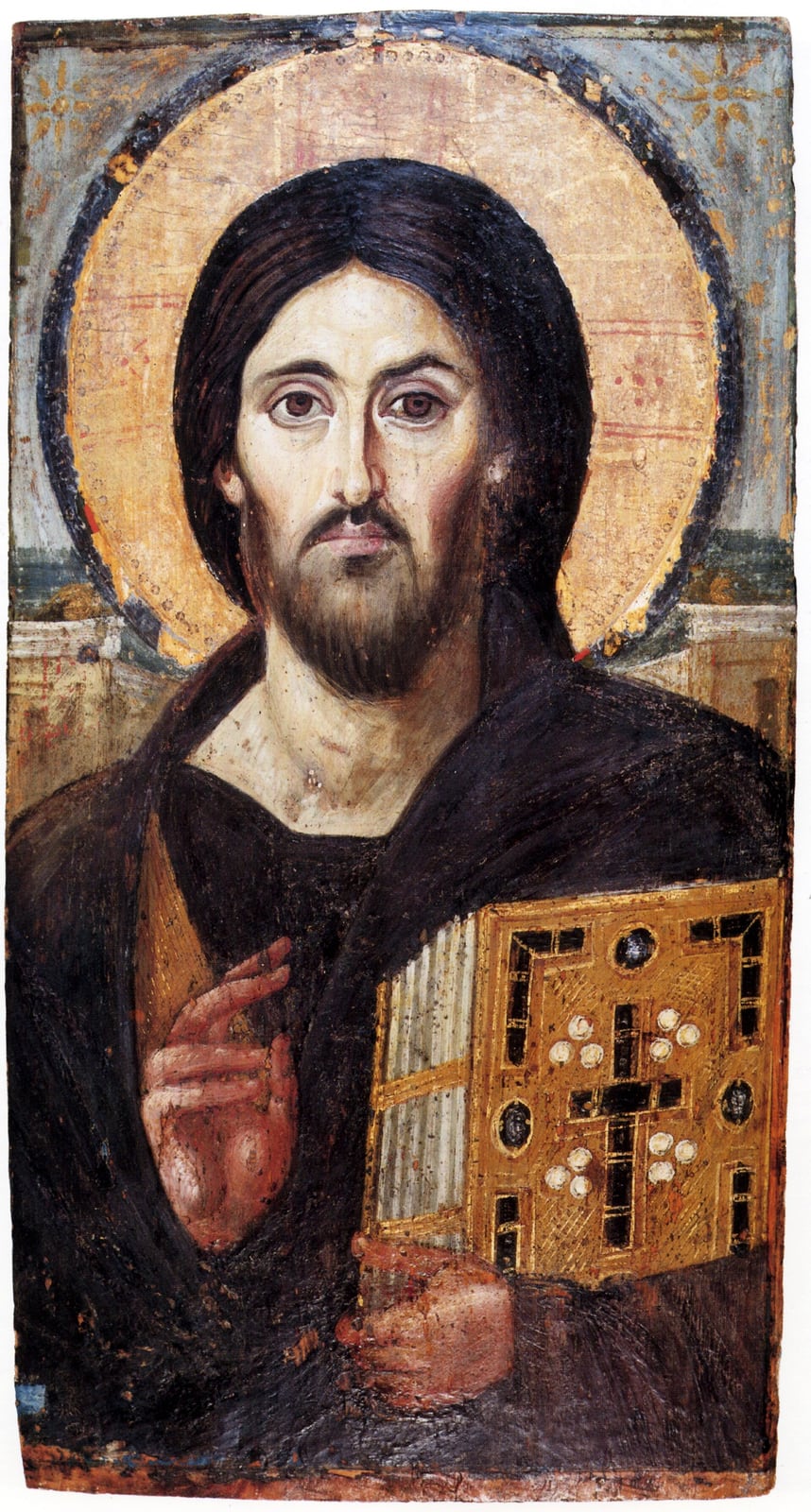
Jesus of Nazareth
Ils concordent sur: Qu'est-ce que l'Absolu ? Dieu existe-t-il ? · Qui suis-je ? Existe-t-il un vrai soi ? · Pourquoi souffrons-nous ?

Theophan the Recluse
Ils concordent sur: Pourquoi souffrons-nous ? · Qu'est-ce que l'Absolu ? Dieu existe-t-il ? · Qui suis-je ? Existe-t-il un vrai soi ?
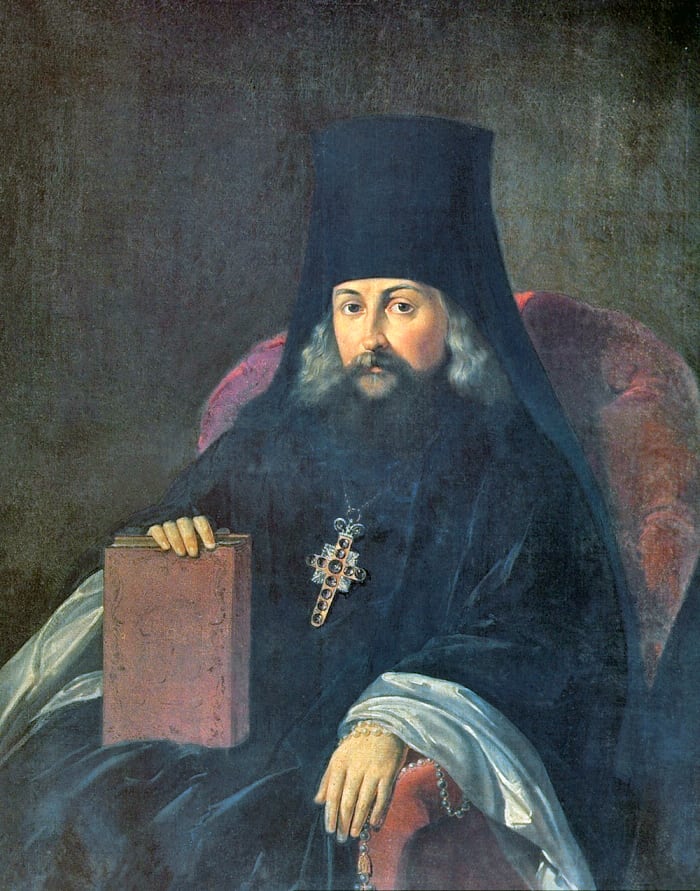
Ignatius Brianchaninov
Ils concordent sur: Pourquoi souffrons-nous ? · Qu'est-ce que l'Absolu ? Dieu existe-t-il ? · Qui suis-je ? Existe-t-il un vrai soi ?
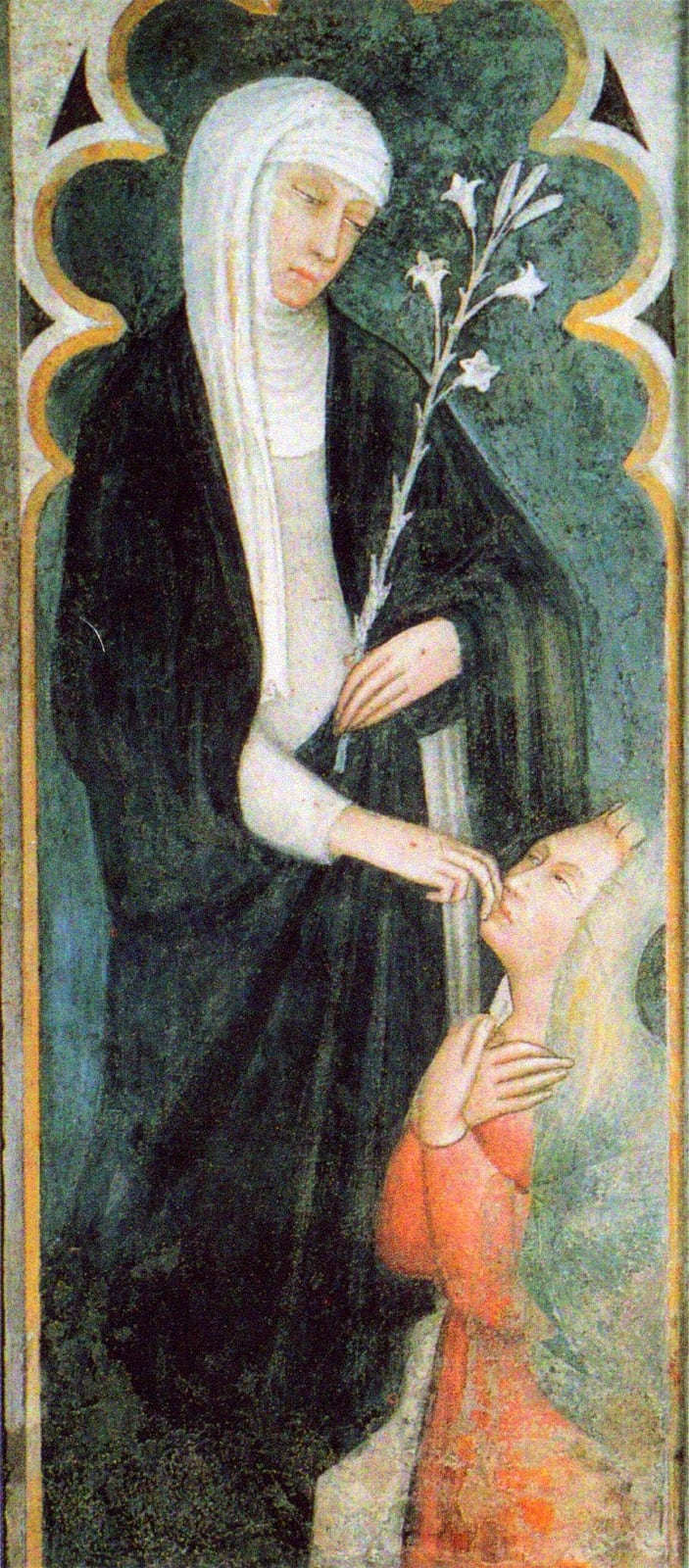
Catherine of Siena
Ils concordent sur: Qu'est-ce que l'Absolu ? Dieu existe-t-il ? · Qui suis-je ? Existe-t-il un vrai soi ? · Pourquoi souffrons-nous ?
Pense autrement que

Pema Chödrön
Ils s'opposent sur: Qu'est-ce que l'Absolu ? Dieu existe-t-il ? · Qui suis-je ? Existe-t-il un vrai soi ? · Que se passe-t-il après la mort ?

Dōgen
Ils s'opposent sur: Qu'est-ce que l'Absolu ? Dieu existe-t-il ? · Qui suis-je ? Existe-t-il un vrai soi ? · Que se passe-t-il après la mort ?
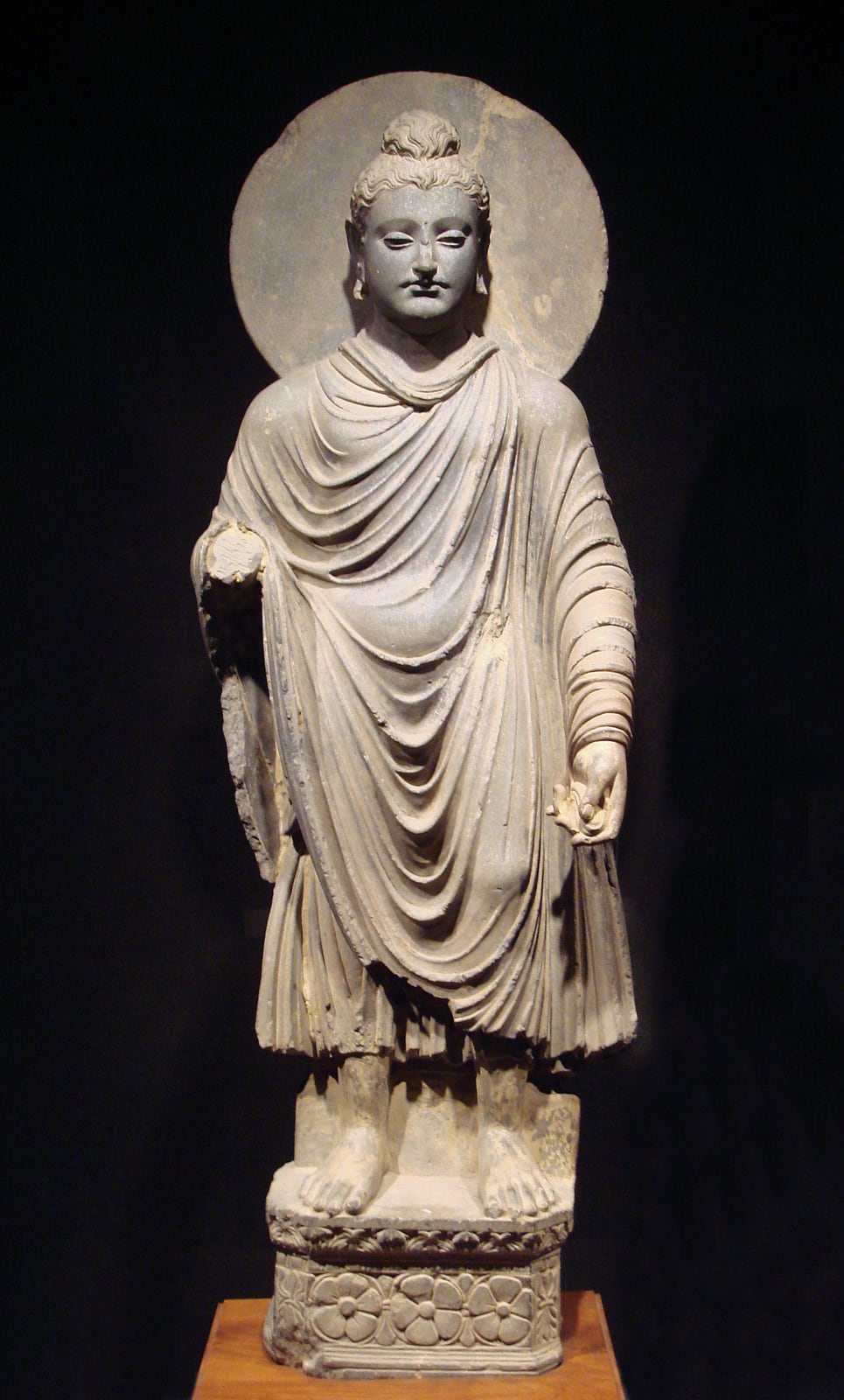
Siddhartha Gautama, the Buddha
Ils s'opposent sur: Qu'est-ce que l'Absolu ? Dieu existe-t-il ? · Qui suis-je ? Existe-t-il un vrai soi ? · Que se passe-t-il après la mort ?

Patañjali
Ils s'opposent sur: Qu'est-ce que l'Absolu ? Dieu existe-t-il ? · Qui suis-je ? Existe-t-il un vrai soi ? · Que se passe-t-il après la mort ?
Anecdotes et récits
Anecdotes et récits
Contesté1759
The Stockholm fire
Origine du récit: Kant's letter to Charlotte von Knobloch (10 August 1763) and accounts collected by Tafel (Documents, 1875–1877); critical discussion of dates in Bergquist (1999/2005).
Source: Kant, Immanuel. Carta a Charlotte von Knobloch, 10 de agosto de 1763. En Kant's gesammelte Schriften (Akademie-Ausgabe), vol. X: Briefwechsel I, Berlín, 1900 (a menudo fechada erróneamente en 1758); trad. inglesa en Tafel, Documents, vol. I.
Contesté1761
The queen's secret
Origine du récit: Versions collected by Tafel (Documents) and Kant's 1763 letter; Bergquist (pp. 314–315) stresses that the diversity of accounts makes it impossible to establish the facts.
Source: Tafel, Rudolph Leonhard (ed.). Documents Concerning the Life and Character of Emanuel Swedenborg. 2 vols. en 3. Londres: Swedenborg Society, 1875–1877 (incluye las memorias de Carl Robsahm, las declaraciones de Arvid Ferelius y de la familia Shearsmith y la carta de Kant a Charlotte von Knobloch).
Contestéc. 1761
Madame de Marteville's receipt
Origine du récit: Kant's letter (1763); memoirs of Carl Robsahm and a pastor's letter to the widow, in Tafel (Documents); critical assessment in Bergquist (p. 316).
Source: Tafel, Rudolph Leonhard (ed.). Documents Concerning the Life and Character of Emanuel Swedenborg. 2 vols. en 3. Londres: Swedenborg Society, 1875–1877 (incluye las memorias de Carl Robsahm, las declaraciones de Arvid Ferelius y de la familia Shearsmith y la carta de Kant a Charlotte von Knobloch).
Témoignage1745
'Do not eat so much'
Origine du récit: Memoirs of Carl Robsahm (Anteckningar om Swedenborg), written after 1772 and published in English translation by Tafel (Documents, vol. I).
Source: Tafel, Rudolph Leonhard (ed.). Documents Concerning the Life and Character of Emanuel Swedenborg. 2 vols. en 3. Londres: Swedenborg Society, 1875–1877 (incluye las memorias de Carl Robsahm, las declaraciones de Arvid Ferelius y de la familia Shearsmith y la carta de Kant a Charlotte von Knobloch).
Documenté1763–1766
Kant buys the Arcana
Origine du récit: Kant's letter to Charlotte von Knobloch (1763), Träume eines Geistersehers (1766) and Kant's letter to Mendelssohn (8 April 1766).
Documenté1744
The night at Delft
Origine du récit: Swedenborg, Drömboken, entries of April 1744 (ed. Klemming, 1859); the text is autograph, the interpretation of the experience is his.
Source: Swedenborg, Emanuel. Swedenborgs drömmar 1744 (Drömboken). Ed. G. E. Klemming. Estocolmo, 1859. Trad. inglesa: Swedenborg's Journal of Dreams, ed. William Ross Woofenden, Nueva York: Swedenborg Foundation, 1977.
Enseignements
Enseignements
Les notions qui structurent sa pensée, expliquées dans leur contexte.
Correspondencescorrespondencias
Regnum animale, Clavis hieroglyphica, Arcana Coelestia, Heaven and Hell (nn. 87–115).
The Grand Man (Maximus Homo)maximus-homo
Heaven and Hell, nn. 59–86; Arcana Coelestia, nn. 3624–3649 ff.; Angelic Wisdom concerning Divine Love, n. 11.
World of spirits and ruling lovemundo-de-los-espiritus
Heaven and Hell, nn. 421–535; Arcana Coelestia, memorable relations.
One God, the Lord (the Trinity in one person)dios-hombre
Doctrine of the Lord (1763); True Christian Religion (1771), ch. 1–3.
Charity, uses and freedomcaridad-y-usos
Doctrine of Life (1763); Divine Providence (1764); Heaven and Hell, nn. 528–535; True Christian Religion.
The Last Judgment of 1757 and the New Churchjuicio-final-y-nueva-iglesia
The Last Judgment (1758); Continuation (1763); True Christian Religion, ch. 14.
Source: Lachman, Gary. Swedenborg: An Introduction to His Life and Ideas. Nueva York: Tarcher/Penguin, 2012.
Vidéos
Vidéos
Enregistrements, entretiens et documentaires. Les vidéos sont lues depuis YouTube ; elles ne sont pas hébergées ici.
Splendors of the Spirit: Swedenborg's Quest for Insight (Biographical Documentary)
Documentaire· EN· 2006· 59 min
Swedenborg FoundationChaîne officielle
Who Was Swedenborg?
Documentaire· EN· 8 min
Swedenborg FoundationChaîne officielle
Heaven, Hell and Other Places | a documentary about Emanuel Swedenborg
Documentaire· EN· 33 min
Swedenborg HouseChaîne officielle
The Other Side of Life - Swedenborg Foundation
Documentaire· EN· 28 min
Swedenborg FoundationChaîne officielle
What is Swedenborgianism?
Conférence· EN· 3 min
Harvard UniversityChaîne officielle
Swedenborg 101: The Basic Nature of Everything - Swedenborg and Life
Conférence· EN· 90 min
Off The Left EyeChaîne officielle
The Life and Ideas of Emanuel Swedenborg with Gary Lachman
Entretien· EN· 57 min
New Thinking Allowed with Jeffrey Mishlove
Why Metaphysics had to be Destroyed to Save It - Kant & Mysticism
Analyse· EN· 43 min
ESOTERICA
Dreams of a Spirit-Seer by Immanuel Kant read by Peter Tucker | Full Audio Book
Enregistrement de tiers· EN· 126 min
LibriVox AudiobooksChaîne officielle
Swedenborg An Example of Difficulties in Entering Spiritual Worlds - Rudolf Steiner
Conférence· EN· 35 min
Rudolf Steiner Press AudioChaîne officielle
Emanuel Swedenborg's Spiritual Experiences and the NDE Connection
Conférence· EN· 92 min
IANDS
Emanuel Swedenborg: A most unusual mystic
Analyse· EN· 51 min
The Christian Mysticism Podcast
Galerie
Galerie
Images dont la licence a été vérifiée. Chacune conserve son auteur et son attribution.
Manuscrits
Manuscrits
Témoins manuscrits et textes anciens, avec leur dépositaire et leurs conditions de consultation.
LA · Latina (cursiva del siglo XVIII) · c. 1710–1771
Colección de manuscritos de Emanuel Swedenborg
- Témoin conservé
- Borradores y copias en limpio de obras científicas y teológicas, diarios e índices; incluye el manuscrito de los Arcana Coelestia
- Dépositaire
- Real Academia Sueca de Ciencias (Kungliga Vetenskapsakademien), Estocolmo
Relations
Relations
Influences, filiations et affinités. On distingue la relation documentée de la similitude identifiée par analyse.
Idées proches de
Two Protestant visionaries who described the spiritual worlds and a correspondence between the visible and the invisible; the Pietist Oetinger compared them in the eighteenth century. Swedenborg acknowledged no debt to Böhme, and his Latin, systematic language is very different from the shoemaker's torrential German.
Similitude identifiée par analyse
A influencé
Blavatsky quotes him frequently in Isis Unveiled (1877), where she regards him as a genuine seer though limited by his Christian theology, and adopts his language of correspondences. An acknowledged affinity, not discipleship.
Relation documentée
A influencé
Jung read Swedenborg as a student, cited him in his Zofingia lectures (1896–1899) and in his memoirs recalls reading several volumes; the Stockholm fire episode served him as an example of synchronicity.
Relation documentée
A influencé
In London in 1875 Solovyov read Swedenborg alongside Böhme, the Gnostics and the Kabbalah, readings that fed his early sophiology.
Relation documentée
Idées proches de
The historian Martin Lamm (1915) argued that Swedenborg's theology develops Neoplatonic ideas (emanation, degrees, correspondence between levels of reality) already present in his scientific period; Swedenborg did not regard himself as a disciple of Plotinus.
Similitude identifiée par analyse
En désaccord avec
Steiner devoted several lectures to him in which he acknowledges his clairvoyance but judges it distorted by the concepts of his scientific training, as an example of the difficulties of entering the spiritual worlds.
Relation documentée
Lié depuis d'autres fiches
Sources
Sources
Bibliographie et catalogues consultés pour cette fiche.
- Wikidata, Q185832 «Emanuel Swedenborg» (P31=Q5; 88 enlaces entre wikis; P569 1688-01-29; P570 1772-03-29; P20 Londres).
- Bergquist, Lars. Swedenborg's Secret: The Meaning and Significance of the Word of God, the Life of the Angels, and Service to God. A Biography. Londres: Swedenborg Society, 2005 (orig. sueco: Swedenborgs hemlighet, Estocolmo: Natur och Kultur, 1999).
- Lachman, Gary. Swedenborg: An Introduction to His Life and Ideas. Nueva York: Tarcher/Penguin, 2012.
- Tafel, Rudolph Leonhard (ed.). Documents Concerning the Life and Character of Emanuel Swedenborg. 2 vols. en 3. Londres: Swedenborg Society, 1875–1877 (incluye las memorias de Carl Robsahm, las declaraciones de Arvid Ferelius y de la familia Shearsmith y la carta de Kant a Charlotte von Knobloch).
- Sigstedt, Cyriel Odhner. The Swedenborg Epic: The Life and Works of Emanuel Swedenborg. Nueva York: Bookman Associates, 1952.
- Kant, Immanuel. Träume eines Geistersehers, erläutert durch Träume der Metaphysik. Königsberg: Kanter, 1766 (Project Gutenberg n.º 36076).
- Kant, Immanuel. Carta a Charlotte von Knobloch, 10 de agosto de 1763. En Kant's gesammelte Schriften (Akademie-Ausgabe), vol. X: Briefwechsel I, Berlín, 1900 (a menudo fechada erróneamente en 1758); trad. inglesa en Tafel, Documents, vol. I.
- Swedenborg, Emanuel. Heaven and its Wonders and Hell. Trad. John C. Ager. Nueva York: Swedenborg Foundation (Project Gutenberg n.º 17368).
- Swedenborg, Emanuel. Swedenborgs drömmar 1744 (Drömboken). Ed. G. E. Klemming. Estocolmo, 1859. Trad. inglesa: Swedenborg's Journal of Dreams, ed. William Ross Woofenden, Nueva York: Swedenborg Foundation, 1977.
- Swedenborg, Emanuel. The Delights of Wisdom Pertaining to Conjugial Love. Trad. inglesa de 1850, reimpr. 1892 (Project Gutenberg n.º 11248).
- Swedenborg, Emanuel. The True Christian Religion; containing the Universal Theology of the New Church. Nueva York: American Swedenborg Printing and Publishing Society, 1886.
- Swedenborg, Emanuel. Angelic Wisdom concerning the Divine Love and the Divine Wisdom. Trad. John C. Ager. Nueva York: Swedenborg Foundation (Project Gutenberg n.º 16627).
- Hyde, James. A Bibliography of the Works of Emanuel Swedenborg, Original and Translated. Londres: Swedenborg Society, 1906.
- Jonsson, Inge. Emanuel Swedenborg. Trad. Catherine Djurklou. Nueva York: Twayne (Twayne's World Authors Series), 1971.
- Jung, C. G. Memories, Dreams, Reflections. Ed. Aniela Jaffé. Nueva York: Pantheon, 1963 (cap. «Student Years»: lectura de Swedenborg); y The Zofingia Lectures (1896–1899), Collected Works, suppl. vol. A. Princeton: Princeton University Press, 1983; y «Synchronicity: An Acausal Connecting Principle» (1952), Collected Works 8, donde cita la visión del incendio de Estocolmo.
- Blavatsky, H. P. Isis Unveiled. 2 vols. Nueva York: J. W. Bouton, 1877 (pasajes sobre Swedenborg y las correspondencias).
- Borges, Jorge Luis. «Emanuel Swedenborg», conferencia en la Universidad de Belgrano (1978). En Borges oral. Buenos Aires: Emecé/Editorial de Belgrano, 1979.
- Emerson, Ralph Waldo. «Swedenborg; or, the Mystic». En Representative Men: Seven Lectures. Boston: Phillips, Sampson, 1850 (Project Gutenberg n.º 6312).
- UNESCO, Memory of the World Register: «The Emanuel Swedenborg Collection» (Suecia, inscrita en 2005), conservada en la Real Academia Sueca de Ciencias.
- Open Library (Internet Archive): registros consultados por autor, título e ISBN para las ediciones listadas.
- Wikimedia Commons: metadatos de licencia (extmetadata) de cada fichero, leídos por la API imageinfo el 2026-10-25.
- Swedenborg Foundation (West Chester, Pensilvania): New Century Edition y Portable New Century Edition de las obras teológicas.
- Swedenborg Society (Londres), editorial y biblioteca de Swedenborg House.
- Kornblatt, Judith Deutsch (ed. y trad.). Divine Sophia: The Wisdom Writings of Vladimir Solovyov. Ithaca: Cornell University Press, 2009.
- Benz, Ernst. Emanuel Swedenborg: Visionary Savant in the Age of Reason. Trad. Nicholas Goodrick-Clarke. West Chester: Swedenborg Foundation, 2002 (orig. alemán, Múnich, 1948).
- Gross, Charles G. «Emanuel Swedenborg: A Neuroscientist before His Time». En Brain, Vision, Memory: Tales in the History of Neuroscience. Cambridge (Mass.): MIT Press, 1998, pp. 119–135.
- Steiner, Rudolf. «Swedenborg: An Example of Difficulties in Entering Spiritual Worlds», conferencia (lectura en audio publicada por Rudolf Steiner Press).
- Ayant droit
- Dominio público (Swedenborg murió en 1772). Las traducciones del siglo XIX son de dominio público; las modernas (New Century Edition de la Swedenborg Foundation, Swedenborg Society, Siruela) pertenecen a sus editores y traductores.
- Site officiel
- swedenborg.com/
En attente de confirmation
Ce que cette fiche n'a pas encore pu établir. Nous préférons le dire plutôt que de combler.
- Cotejar las citas con el original latino (De caelo et inferno, Sapientia angelica, De amore conjugiali): hoy se dan en las traducciones inglesas de dominio público.
- Arcana Coelestia: localizar un texto completo y limpio (latín de 1749–1756 o traducción inglesa del siglo XIX) con todos los volúmenes; en Internet Archive aparecen series incompletas.
- Las cuatro doctrinas de 1763 comparten volumen en las ediciones antiguas (Four Leading Doctrines, 1892): buscar una URL propia para cada una antes de registrarlas en la sala de lectura.
- Verificar las fechas de muerte de William F. Wunsch y de James R. Rendell e Isaiah Tansley para levantar la cautela sobre Divine Providence y los Principia.
- Ediciones en español: solo se ha localizado con ISBN Del cielo y del infierno (Siruela, 2003; traductor por confirmar). Confirmar el contenido de El habitante de dos mundos (Trotta, 2000) y Arquitectura del cielo (Adriana Hidalgo, 2004), probablemente antologías, y la traducción española de 1912 de la Sociedad Americana Swedenborg.
- Vídeos: no se han encontrado vídeos en español ni en sueco de canales solventes; los doce registrados están en inglés.
- Precisar el año exacto del traslado de sus restos a Upsala (1908, según The Gist of Swedenborg, 1920; otras fuentes dan 1910–1913 para la inauguración del sarcófago).
- Fijar la fecha y el destinatario de la carta de Arvid Ferelius sobre los últimos días de Swedenborg.
- Programas de afiliación: ninguno verificado; lista vacía.
Recherche effectuée le 2026-10-25