Christianisme · Recherche sur la conscience · Hermétisme
Carl Gustav Jung
1875 – 1961Personne historiquement documentée
Psychiatre suisse (1875-1961), fondateur de la psychologie analytique. Collaborateur puis dissident de Freud, il a formulé les notions d'inconscient collectif, d'archétype, d'ombre, d'anima, de types psychologiques, d'individuation et de synchronicité. Il a exploré l'alchimie, la gnose et les religions orientales comme autant de miroirs de la psyché, et laissé dans le Livre rouge le témoignage de sa propre confrontation avec l'inconscient. Son œuvre a marqué la psychothérapie, l'étude des religions et la culture du XXe siècle.
- œuvres
- 56œuvres
- éditions
- 121éditions
- citations
- 8citations
- vidéos
- 13vidéos
- images
- 10images
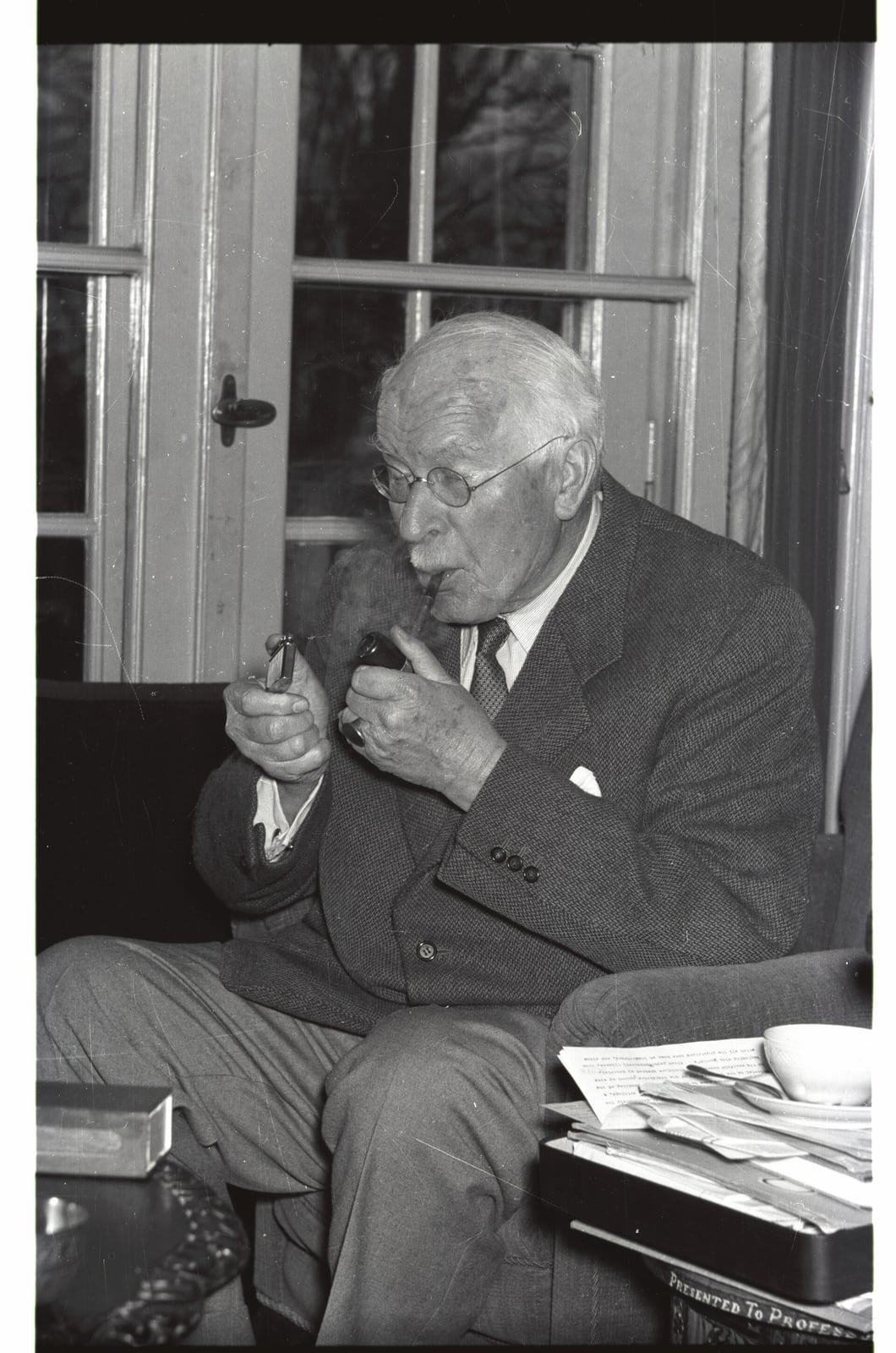
C. G. Jung en Küsnacht, 1955 · CC BY-SA 4.0
Dans ses propres mots
«My life is a story of the self-realization of the unconscious.»Erinnerungen, Träume, Gedanken (1962), prólogo, primera frase

Pour commencer, une œuvre
Psychological TypesSon idée centrale
The unconscious is not merely the store of what each individual has repressed: it has a collective layer, common to the species, which shows itself in images and motifs that recur in the myths, religions, dreams and delusions of times and cultures with no contact with one another.
Le voir en contexte
Biographie
4 min de lecture
Traduction assistée à partir de l'original espagnol, en attente de relecture par un traducteur natif.
Un fils de pasteur au bord du Rhin
Carl Gustav Jung naquit le 26 juillet 1875 à Kesswil, sur les rives du lac de Constance, dans le canton suisse de Thurgovie. Il était le fils de Paul Achilles Jung, pasteur de l'Église réformée et docteur en langues orientales, et d'Emilie Preiswerk, issue d'une famille de théologiens bâlois portée vers le spiritisme. La famille s'installa bientôt à Laufen, près des chutes du Rhin, puis en 1879 à Klein-Hüningen, aux portes de Bâle. Fils unique pendant neuf ans — sa sœur Gertrud naquit en 1884 —, il fut un enfant solitaire. Dans les souvenirs qu'il dicta à la fin de sa vie, il décrivit une enfance peuplée de rêves décisifs et une méfiance précoce envers la foi de son père, qu'il sentait éteinte ; de ces pages vient l'image, peut-être retouchée par la mémoire, d'un garçon qui se savait habité par « deux personnalités ».
Médecine, psychiatrie et le Burghölzli
Il étudia la médecine à l'université de Bâle de 1895 à 1900, tout en assistant aux séances spirites de sa cousine Hélène Preiswerk, qui fourniraient la matière de sa thèse de doctorat, Psychologie et pathologie des phénomènes dits occultes (1902). En décembre 1900, il entra comme assistant au Burghölzli, la clinique psychiatrique de l'université de Zurich dirigée par Eugen Bleuler, l'un des centres les plus novateurs d'Europe. Il y mit au point avec Franz Riklin l'expérience d'association verbale, qui mesurait les temps de réaction et les réponses perturbées pour déceler des noyaux affectifs inconscients, qu'il appela « complexes ». En 1903, il épousa Emma Rauschenbach, fille d'un industriel de Schaffhouse, dont il eut cinq enfants ; en 1907, il publia Psychologie de la démence précoce, une étude de la schizophrénie qui lui valut un renom international.
Freud
Ce livre le rapprocha de Sigmund Freud, avec qui il correspondait depuis 1906. Ils se rencontrèrent à Vienne le 3 mars 1907 et, selon le souvenir de Jung, parlèrent treize heures d'affilée. Freud vit en lui l'héritier capable de faire sortir la psychanalyse du cercle viennois ; Jung l'accompagna en 1909 à l'université Clark, dans le Massachusetts, et fut le premier président de l'Association psychanalytique internationale (1910). La correspondance entre les deux hommes atteste l'intensité de l'alliance et la rapidité de sa dégradation. Dans Métamorphoses et symboles de la libido (1911-1912), Jung élargit la libido jusqu'à en faire une énergie psychique générale et lut les mythes comme l'expression d'une couche collective de la psyché. Freud y vit une déviation ; à la fin de 1912, la rupture était consommée sur le plan personnel et, en 1913-1914, Jung quitta l'Association et renonça à son enseignement universitaire.
La confrontation avec l'inconscient
Suivirent des années qu'il appela lui-même sa « confrontation avec l'inconscient ». À partir de novembre 1913, il consigna fantasmes et visions dans des cahiers — les Livres noirs — puis les transcrivit, en écriture gothique et accompagnés de ses propres peintures, dans un grand volume relié de cuir rouge, le Liber Novus, auquel il travailla jusqu'en 1930. Il y dialogue avec des figures comme Élie, Salomé ou Philémon, un vieillard ailé qu'il tint pour un guide intérieur. Le Livre rouge resta inédit jusqu'en 2009, et son édition, due à Sonu Shamdasani, a montré que presque toutes ses idées ultérieures étaient nées de cette expérience. En 1916, il fit imprimer à titre privé les Sept sermons aux morts et fonda le Club psychologique de Zurich ; en 1921, il publia Types psychologiques, où il introduisit les notions d'introversion et d'extraversion.
Voyages, Bollingen et l'alchimie
Dans les années 1920, il voyagea en Afrique du Nord, chez les Indiens pueblos de Taos (Nouveau-Mexique) et au mont Elgon, entre le Kenya et l'Ouganda ; en 1937-1938, en Inde. Il cherchait un point de vue extérieur à la conscience européenne. À partir de 1923, il bâtit de ses mains, au bord du lac de Zurich, la tour de Bollingen, un refuge sans électricité qu'il agrandit pendant des décennies. Son amitié avec le sinologue Richard Wilhelm, avec qui il publia en 1929 Le Mystère de la fleur d'or, lui ouvrit la voie de l'alchimie, qu'il étudia pendant trente ans comme le miroir historique des processus de transformation qu'il observait chez ses patients : Psychologie et alchimie (1944), Aïon (1951) et Mysterium coniunctionis (1955-1956) sont les fruits de cette recherche.
Une présidence controversée
En 1933, il accepta la présidence de la Société médicale générale internationale de psychothérapie, dont la section allemande fut soumise au nouveau régime sous la direction de Matthias Heinrich Göring. Jung soutint qu'il avait accepté pour protéger les psychothérapeutes juifs, et il modifia les statuts afin de leur permettre l'adhésion à titre individuel ; mais certaines de ses déclarations de ces années-là sur la différence entre une psychologie « juive » et une psychologie « germanique » lui ont valu des accusations d'antisémitisme que l'historiographie continue de discuter. Il démissionna en 1940.
Vieillesse et héritage
En 1944, il fut victime d'une fracture et d'un infarctus, et eut pendant sa convalescence des visions qu'il décrivit comme les plus belles de sa vie. En 1948 fut fondé à Zurich l'Institut C. G. Jung. Dans ses dernières années, il écrivit Réponse à Job (1952), son texte le plus polémique sur l'image de Dieu, et l'essai sur la synchronicité, en dialogue avec le physicien Wolfgang Pauli. Emma mourut en 1955 ; en 1959, il accorda à la BBC un entretien célèbre où, à la question de savoir s'il croyait en Dieu, il répondit qu'il n'avait pas besoin de croire, car il savait. Il mourut dans sa maison de Küsnacht le 6 juin 1961, à quatre-vingt-cinq ans. Parurent à titre posthume Ma vie. Souvenirs, rêves et pensées (1962), rédigé avec Aniela Jaffé, et L'Homme et ses symboles (1964). Sa psychologie analytique, contestée par la science expérimentale, a marqué durablement la psychothérapie, l'étude des religions et des mythologies et la culture du XXe siècle.
Sources: Jung, C. G. Erinnerungen, Träume, Gedanken von C. G. Jung. Aufgezeichnet und herausgegeben von Aniela Jaffé. Zúrich: Rascher, 1962 (trad. ingl. Memories, Dreams, Reflections, Nueva York: Pantheon, 1963; trad. esp. Recuerdos, sueños, pensamientos, Barcelona: Seix Barral). · Bair, Deirdre. Jung: A Biography. Boston: Little, Brown and Company, 2003. · Shamdasani, Sonu. Jung and the Making of Modern Psychology: The Dream of a Science. Cambridge: Cambridge University Press, 2003. · McGuire, William (ed.). The Freud/Jung Letters: The Correspondence between Sigmund Freud and C. G. Jung. Trad. R. Manheim y R. F. C. Hull. Princeton: Princeton University Press (Bollingen Series XCIV), 1974. · Jung, C. G. The Red Book: Liber Novus. Ed. e introducción de Sonu Shamdasani. Nueva York: W. W. Norton / Philemon Series, 2009.
Chronologie
La vie, année après année
Chaque point est un événement documenté. Cliquez pour le lire, avec sa source et son degré de certitude.
26 juillet 18750 ansKesswil, Turgovia (Suiza)
Birth
Born in the parsonage at Kesswil, son of the pastor Paul Achilles Jung and Emilie Preiswerk.
DocumentéBair, Deirdre. Jung: A Biography. Boston: Little, Brown and Company, 2003.
Après sa mort
- 1962Memories, Dreams, Reflections
- octobre 2009Publication of The Red Book
26 juillet 1875 · 0 ans
Birth
Born in the parsonage at Kesswil, son of the pastor Paul Achilles Jung and Emilie Preiswerk.
Documenté
1879 · 4 ans
Move to Klein-Hüningen
After some years in Laufen by the Rhine Falls, the family settles in Klein-Hüningen near Basel.
Documenté
1895 – 1900 · 20 ans
Medical studies
He enters the Faculty of Medicine at Basel; he takes part in the Zofingia student society and in séances with his cousin Hélène Preiswerk. His father dies in 1896.
Documenté
10 décembre 1900 · 25 ans
Assistant at the Burghölzli
He joins Zurich's university psychiatric clinic under Eugen Bleuler, where he develops the word-association experiment.
Probable
1902 · 27 ans
Doctoral thesis
He publishes Zur Psychologie und Pathologie sogenannter occulter Phänomene; in the winter of 1902–1903 he studies with Pierre Janet in Paris.
Documenté
14 février 1903 · 27 ans
Marriage to Emma Rauschenbach
He marries Emma Rauschenbach (1882–1955), with whom he will have five children; in 1908–1909 they build their house in Küsnacht.
Probable
3 mars 1907 · 31 ans
First meeting with Freud
After a year of correspondence he visits Freud in Vienna; according to Jung they talk for thirteen hours. He publishes Über die Psychologie der Dementia praecox.
Documenté
septembre 1909 · 34 ans
Clark University
He travels with Freud and Ferenczi to the United States; both receive honorary doctorates at Clark University.
Documenté
1910 · 35 ans
President of the IPA
Elected first president of the International Psychoanalytical Association at the Nuremberg congress.
Documenté
1912 · 37 ans
Transformations and Symbols of the Libido
He publishes the second part of the book and lectures at Fordham University; the break with Freud is consummated at the year's end.
Documenté
novembre 1913 – 1930 · 38 ans
The confrontation with the unconscious
He begins recording his fantasies in the Black Books, the origin of the Liber Novus (Red Book), on which he works until 1930.
Documenté
1921 · 46 ans
Psychological Types
He publishes Psychologische Typen, introducing introversion, extraversion and the four functions.
Documenté
1923 · 48 ans
The tower at Bollingen
He begins building the tower by Lake Zurich, extended in several stages until 1955. His mother dies.
Documenté
janvier 1925 · 49 ans
Visit to the Pueblo Indians
In Taos he talks with chief Ochwiay Biano (Mountain Lake); in October he sets out for Mount Elgon in East Africa.
Documenté
1929 · 54 ans
The Secret of the Golden Flower
He publishes with Richard Wilhelm the commentary on the Taoist treatise, the starting point of his studies of alchemy.
Documenté
1933 – 1940 · 58 ans
Presidency of the psychotherapy society
He agrees to preside over the International General Medical Society for Psychotherapy; the Eranos lectures begin at Ascona. He resigns in 1940.
Documenté
décembre 1937 – 1938 · 62 ans
Journey to India
Invited to the jubilee of the University of Calcutta, he travels in India until 1938 and receives honorary doctorates.
Documenté
février 1944 · 68 ans
Heart attack and visions
After breaking a foot he suffers a heart attack; during convalescence he has the visions narrated in his memoirs. He publishes Psychologie und Alchemie.
Documenté
24 avril 1948 · 72 ans
C. G. Jung Institute
The C. G. Jung Institute for the training of analysts is founded in Zurich.
Probable
1952 · 77 ans
Answer to Job and synchronicity
He publishes Antwort auf Hiob and, with Wolfgang Pauli, Naturerklärung und Psyche, including his essay on synchronicity.
Documenté
27 novembre 1955 · 80 ans
Death of Emma Jung
His wife dies; that year he completes Mysterium Coniunctionis.
Documenté
22 octobre 1959 · 84 ans
'Face to Face' interview
The BBC broadcasts John Freeman's interview, filmed at his home in Küsnacht.
Documenté
6 juin 1961 · 85 ans
Death
He dies at home after several weeks of circulatory illness.
Documenté
1962
Memories, Dreams, Reflections
The memoirs written with Aniela Jaffé are published.
Documenté
octobre 2009
Publication of The Red Book
W. W. Norton and the Philemon Foundation publish the Liber Novus in facsimile, edited by Sonu Shamdasani.
Documenté
Œuvres
Œuvres essentielles
Les œuvres sans lesquelles on ne comprend pas son héritage.
Œuvre écrite · 1921
Psychological Types
Psychologische Typen
A large treatise distinguishing two attitudes—introversion and extraversion—and four functions—thinking, feeling, sensation and intuition—whose combinations yield eight types. Half the book is a history of the problem of types in theology, philosophy and poetry (Tertullian, Schiller, Nietzsche, Spitteler); it includes a glossary of concepts. It later inspired, without Jung's involvement, the Myers-Briggs indicator. GW/CW 6.
4 éditions

Œuvre posthume · 1962
Memories, Dreams, Reflections
Erinnerungen, Träume, Gedanken von C. G. Jung
An inner autobiography: Jung tells his life not through outward events but through dreams, visions and inner encounters, from childhood in Klein-Hüningen to old age at Bollingen. It covers the relationship with Freud, the confrontation with the unconscious, his travels and the visions of 1944. It appeared a year after his death and is his most widely read book.
5 éditions

Œuvre posthume · 1964
Man and His Symbols
A popular work conceived for the general public at the request of John Freeman after the BBC interview. Jung wrote the first chapter, 'Approaching the Unconscious', shortly before his death; the others are by his collaborators Marie-Louise von Franz, Joseph L. Henderson, Jolande Jacobi and Aniela Jaffé. Richly illustrated.
4 éditions

Manuscrit · 2009
The Red Book: Liber Novus
Liber Novus (Das Rote Buch)
A large folio volume bound in red leather, written between 1914 and 1930 in medieval script and adorned with 53 paintings by Jung. It contains, reworked, the fantasies of the Black Books: the descent into the unconscious, dialogues with the soul, with Elijah and Salome, with Philemon and with Izdubhar, and a visionary theology. It remained with the family until its facsimile edition in 2009 and is the source of all his later work.
4 éditions
Toute son œuvre (56)

On the Psychology and Pathology of So-Called Occult Phenomena
1902

Studies in Word-Association
1906

The Psychology of Dementia Praecox
1907

Psychology of the Unconscious (Transformations and Symbols of the Libido)
1912
Carl Gustav Jung
Seven Sermons to the Dead
The Conscious LibrarySeven Sermons to the Dead
1916

Collected Papers on Analytical Psychology
1916

The Relations between the Ego and the Unconscious
1928
Carl Gustav Jung
The Secret of the Golden Flower
The Conscious LibraryThe Secret of the Golden Flower
1929

Modern Man in Search of a Soul
1931
Psychology and Religion
1938

Psychology and Alchemy
1944

The Psychology of the Transference
1946

Aion: Researches into the Phenomenology of the Self
1951

Answer to Job
1952

Synchronicity: An Acausal Connecting Principle
1952

Symbols of Transformation
1952

Mysterium Coniunctionis
1955

The Undiscovered Self
1957

Flying Saucers: A Modern Myth of Things Seen in the Skies
1958
Carl Gustav Jung
The Black Books
The Conscious LibraryThe Black Books
2020
Carl Gustav Jung
Introduction to Jungian Psychology: Notes of the Seminar on Analytical Psychology Given in 1925
The Conscious LibraryIntroduction to Jungian Psychology: Notes of the Seminar on Analytical Psychology Given in 1925
1925

Dream Analysis
1928

Visions
1930

The Psychology of Kundalini Yoga
1932
Citations
Citations localisées dans une œuvre précise. Chacune porte sa provenance et son degré de fiabilité.
My life is a story of the self-realization of the unconscious.Mein Leben ist eine Geschichte der Selbstverwirklichung des Unbewußten.
VérifiéeErinnerungen, Träume, Gedanken (1962), prólogo, primera frase
Idées essentielles (résumé éditorial)
Par respect du droit d'auteur, ces idées sont résumées avec nos propres mots et ne sont pas présentées comme des citations littérales.
- The unconscious is not merely the store of what each individual has repressed: it has a collective layer, common to the species, which shows itself in images and motifs that recur in the myths, religions, dreams and delusions of times and cultures with no contact with one another.
- The task of the second half of life differs from the first: having adapted to the outer world, a person must turn inward, integrate what was left aside and orient towards meaning rather than success.
- The shadow—what we do not wish to be—is not overcome by denying it or projecting it onto others, but by recognising it as one's own; much collective evil arises from unacknowledged shadows projected onto an enemy.
- Religious symbols are not errors for science to dispel but expressions of psychic realities; when a civilisation loses them without replacing them, the energy they held pours into mass ideologies.
- Neurosis is not merely a disorder to be removed: it is often the psyche's still clumsy attempt at a development the conscious attitude prevents; hence the symptom may contain an indication of the way forward.
- The therapist cannot take the patient further than he himself has gone; analysis is an encounter between two persons in which both are involved, which is why the analyst must have been analysed.
- The West should not imitate the spiritual techniques of the East like a borrowed garment: it must find its own way inward from its own tradition, from Christianity, Gnosticism and alchemy.
Citations apocryphes ou d'attribution contestée (2)
«"Until you make the unconscious conscious, it will direct your life and you will call it fate."»
One of the most widely circulated sayings under his name, but it does not appear in his work. It is a modern paraphrase of Aion (CW 9/II, § 126), where Jung writes that an inner situation not made conscious happens outside as fate.
«"I am not what happened to me, I am what I choose to become."»
Attributed to Jung on social media since the 2010s without any reference; it does not appear in the collected works, letters or memoirs, and its voluntarist tone contradicts his emphasis on the weight of the unconscious.
Dernières paroles
Récit postérieur de témoins
«Now I know the truth down to a very little bit that is still missing. When I know this too, then I will have died.»Now I know the truth down to a very little bit that is still missing. When I know this too, then I will have died.
These are not literally his last words: according to the account Barbara Hannah gives on the testimony of Ruth Bailey, his housekeeper and companion, he said this on the terrace at Küsnacht in his last weeks while recounting a dream. He died on the afternoon of 6 June 1961, peacefully and with no recorded final words, after several days in a semi-conscious state. Marie-Louise von Franz also reported his last dream: a great round stone on a high place inscribed 'And this shall be a sign unto you of Wholeness and Oneness'. The wording varies between sources.
Source: Hannah, Barbara. Jung: His Life and Work. A Biographical Memoir. Nueva York: G. P. Putnam's Sons, 1976.
Interroger
Ce que répond son œuvre
Douze grandes questions de l'humanité et ce que ses textes permettent d'y répondre, références à l'appui. Nous ne lui prêtons jamais de paroles.
Qu'est-ce que l'Absolu ? Dieu existe-t-il ?
Psychology reaches only the God-image in the soul, not God Himself
Réserve devant le transcendantIl le dit expressément
Jung insists on distinguishing between the image of God in the psyche and God in Himself. As a psychologist, he says, he can speak only of the former: of numinous experience, of symbols of wholeness and of the archetype of the self, which empirically cannot be distinguished from the God-image. About the existence of a metaphysical God he declares that science can neither affirm nor deny anything. That is why Psychology and Religion presents itself as a study of psychic facts and not as an apology, and Answer to Job deals with the divine image as Western man experiences it, not with God. This methodological reserve coexists with a personal conviction: asked by the BBC in 1959 whether he believed in God, he answered that he did not need to believe, he knew.
Comparer cette question avec d'autres maîtresQui suis-je ? Existe-t-il un vrai soi ?
The self, greater than the ego, is realised over a lifetime
Une âme en évolutionCela se déduit de sa doctrine
Jung distinguishes between the ego (Ich), the centre of consciousness and one complex among others in the psyche, and the self (Selbst), which is both the centre and the totality of the conscious and unconscious psyche. The persona, the social mask, is not the true self; the shadow and the anima or animus are parts of oneself that go unrecognised. The process of individuation consists in integrating them so as to become the individual one is, and it lasts a lifetime. Jung said this of himself at the start of his autobiography: his life was the story of a self-realisation of the unconscious. The true self is not given in advance nor reached by denying the ego: it becomes conscious in stages.
Comparer cette question avec d'autres maîtresPourquoi souffrons-nous ?
What is not made conscious is lived outside, as fate
L'ignorance de ce que nous sommesIl le dit expressément
Jung locates the root of much psychic suffering in unconsciousness: what a person does not recognise in himself, his shadow, his complexes, his one-sidedness, acts behind his back. According to the psychological rule he formulates, when an inner situation is not made conscious, it happens outside, as fate. Neurosis, he wrote in Psychology and Religion, is always a substitute for legitimate suffering: it appears when one evades the pain that belongs to life. And in his essays on modern man he defined it as the suffering of a soul that has not found its meaning. Jung does not promise the absence of pain: he considers conscious suffering part of individuation, and what is pathological is the suffering endured without understanding it.
Comparer cette question avec d'autres maîtresQue se passe-t-il après la mort ?
On life after death he can only tell myths, not prove
Silence ou réserveIl le dit expressément
Jung devoted a chapter of Memories, Dreams, Reflections to life after death, and opens it by warning that he can prove nothing: he can only tell stories, mythologise. He offers dreams, experiences of his own and the vision he had in 1944, on the brink of death after a heart attack. His psychological argument is that the psyche is not wholly subject to space and time, as synchronistic phenomena suggest, so it is not absurd to think that something of it continues. He adds that it is healthy for psychic life to have a myth about death, and that reason alone cannot provide one. In The Structure and Dynamics of the Psyche he holds that death, seen from the soul, is a goal rather than an end.
Comparer cette question avec d'autres maîtresComment atteint-on la libération ou le salut ?
One is not enlightened by imagining light but by making the darkness conscious
Par un travail intérieur conscientIl le dit expressément
Jung speaks not of salvation but of individuation: the process by which a person becomes the indivisible individual he is. It is not travelled with imported techniques or luminous ideals; one does not become enlightened by imagining figures of light but by making the darkness conscious. The work consists in recognising the shadow, differentiating oneself from the social persona, entering into dialogue with the anima or animus through dreams and active imagination, and letting the self, the centre of psychic totality, manifest in symbols. It is conscious, long and often painful work, which Jung compared to the opus of the alchemists. It promises not a final state of perfection but a greater wholeness, with its opposites integrated.
Comparer cette question avec d'autres maîtresFaut-il un maître ?
His own guide was Philemon, an inner figure
Le maître est à l'intérieurIl le dit expressément
Jung asked for no disciples to follow him and advised Westerners against imitating the methods of Eastern gurus. His own decisive master was inner. In Memories, Dreams, Reflections he tells that during his confrontation with the unconscious there appeared in his fantasies Philemon, an old man with kingfisher's wings with whom he conversed and who taught him the objectivity of the psyche: that there are things in it the ego does not produce. Years later a cultivated Indian, a friend of Gandhi, told him that his guru was Shankaracharya, dead for centuries; Jung then understood that Philemon had been a guru of that kind for him. The analyst accompanies, but the true guide of individuation is the self that speaks in dreams and symbols.
Comparer cette question avec d'autres maîtresLe monde est-il réel ?
We know the world only as psychic image; its essence remains open
Ne s'est pas prononcé
Jung gives no metaphysical answer to the question, and does so on purpose. As a psychologist he holds that the only thing we experience immediately is psychic reality: the world always reaches us as an image in the psyche. In Psychological Types he proposes the formula esse in anima to escape both idealism, which reduces everything to idea, and naive materialism. He does not thereby deny the outer world. In his last works, starting from synchronicity and his dialogue with the physicist Wolfgang Pauli, he takes from the alchemists the notion of unus mundus: the hypothesis of a single reality of which psyche and matter would be two aspects. He presents it as conjecture, not knowledge; about what the world is in itself he keeps his reserve.
Comparer cette question avec d'autres maîtresQu'est-ce que l'amour ?
Before the mystery of love, Jung turns to Paul: it bears all things
L'amour de Dieu et du prochainIl le dit expressément
Jung admitted he could not say what love is. In the closing reflections of his autobiography he writes that he felt unable to find a language for its paradoxes: love, Eros, is for him a cosmogonic power, prior and superior to consciousness, of which man is not master but victim and instrument. Before that mystery, he says, nothing expresses it better than Paul's words in the first letter to the Corinthians: love bears all things, hopes all things. In his clinical writings he sets it against the will to power: where love reigns there is no will to power, and where power predominates love is lacking. Human love, with its projections, is also a field of individuation.
Comparer cette question avec d'autres maîtresSommes-nous libres ou tout est-il déterminé ?
The unconscious is lived as fate; making it conscious is taking it on
Le destin et la responsabilitéIl le dit expressément
Jung defends neither unlimited free will nor complete determinism. Ego-consciousness is small before the autonomous forces of the psyche: complexes and archetypes act on their own, and what is not made conscious, according to his psychological rule, happens outside as fate. Freedom, for him, grows with consciousness: integrating the shadow and unconscious contents widens the margin of choice and, at the same time, responsibility, because one can no longer blame others for what one now recognises in oneself. In his autobiography he describes his life as the self-realisation of the unconscious: something given to him which he had to take on and work through. Destiny becomes a task.
Comparer cette question avec d'autres maîtresPourquoi méditer ou prier ?
Who looks outside, dreams; who looks inside, awakes
Revenir à la source du jeIl le dit expressément
Jung proposes no prayers and no Eastern techniques; indeed he warned Westerners against imitating yoga and Asian meditation, which in his view uproot the European from his own psychic history. His practice was different: active imagination, that is, letting the images of the unconscious emerge and conversing with them in full consciousness, attention to dreams, and the drawing of mandalas, which he himself did for years. All of this points inward: in a letter he wrote that who looks outside dreams and who looks inside awakes. His commentaries on The Secret of the Golden Flower and on Buddhist texts read those practices as paths towards the self.
Comparer cette question avec d'autres maîtresLa raison peut-elle connaître l'ultime ?
We cannot leave the psyche: of the transcendent, reason can affirm nothing
La pensée est limitéeIl le dit expressément
Jung declared himself an empiricist and, in theory of knowledge, relied on Kant: everything we know reaches us through the psyche, and we cannot step outside it to check whether its images correspond to a transcendent reality. That is why reason can neither affirm nor deny anything about God, the immortal soul or ultimate meaning; metaphysical statements are, for the psychologist, psychic facts whose truth in itself remains open. At the same time Jung distrusted the hypertrophy of intellect in Western man, which cuts him off from symbols and feeling. Numinous experience has its own evidence, and he himself claimed to know, not to believe; but that knowing is not a rational demonstration.
Comparer cette question avec d'autres maîtresSe retirer du monde ou le transformer ?
The only real danger is man: change begins in the individual
La révolution est intérieureIl le dit expressément
Jung lived in the world as a physician, teacher and father, and did not preach withdrawal; but he distrusted collective solutions. In The Undiscovered Self, written in the midst of the Cold War, he argues that mass society, the totalitarian State and ideologies absorb the individual and make him irresponsible, and that the only counterweight is the self-aware individual, who recognises his own shadow instead of projecting it onto the enemy. Already in his writings on the age, such as the 1936 essay «Wotan», he had read mass movements as psychic epidemics. In 1959 he told the BBC that the only real danger that exists is man himself. The transformation of the world passes through that of each person.
Comparer cette question avec d'autres maîtres
Affinités et tensions
Affinités et tensions
Calculées question par question à partir de ses positions. La raison de chaque accord ou de chaque désaccord s'affiche d'un clic.
Pense comme
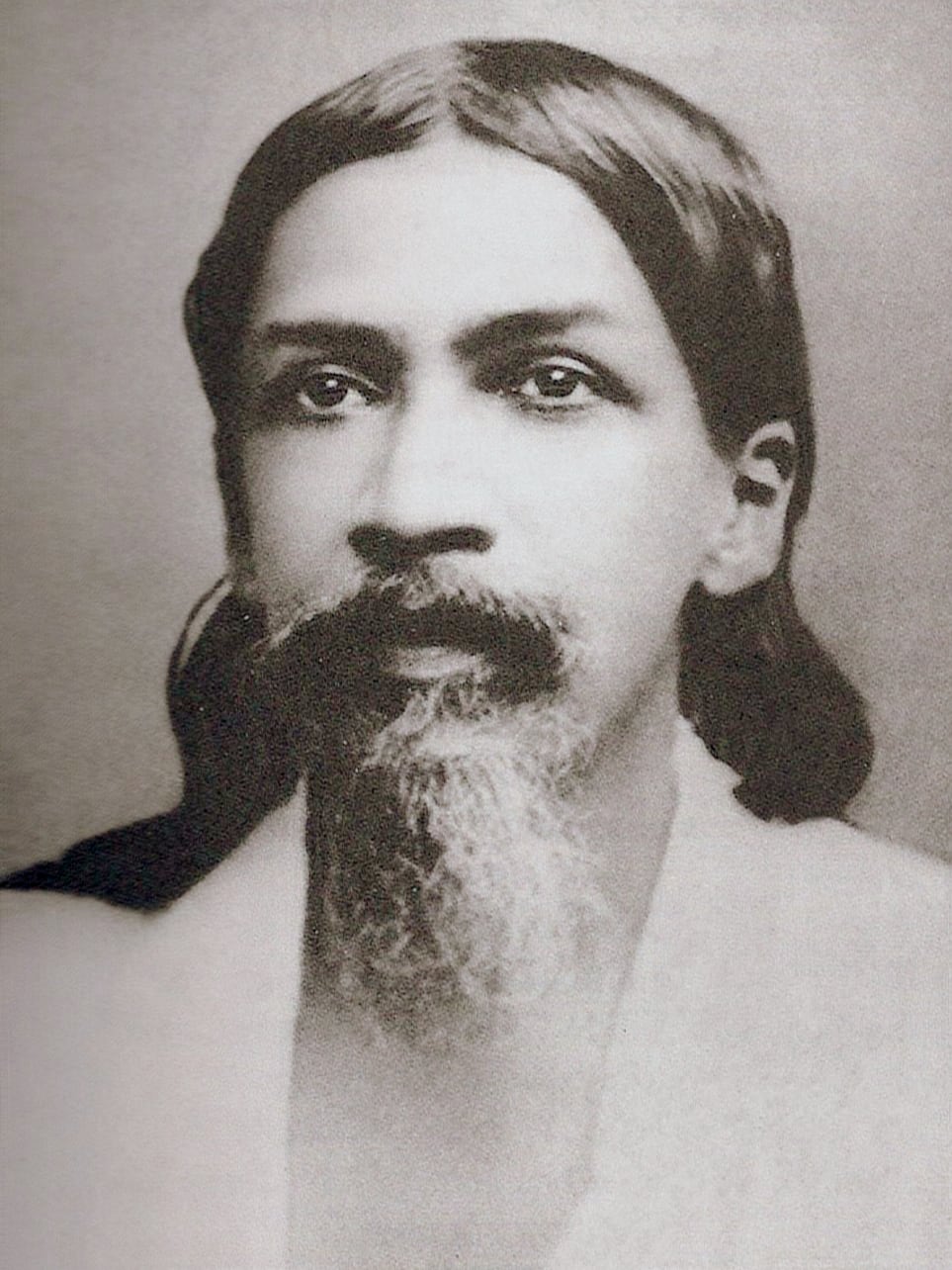
Sri Aurobindo
Ils concordent sur: Pourquoi méditer ou prier ? · Qui suis-je ? Existe-t-il un vrai soi ? · Pourquoi souffrons-nous ?
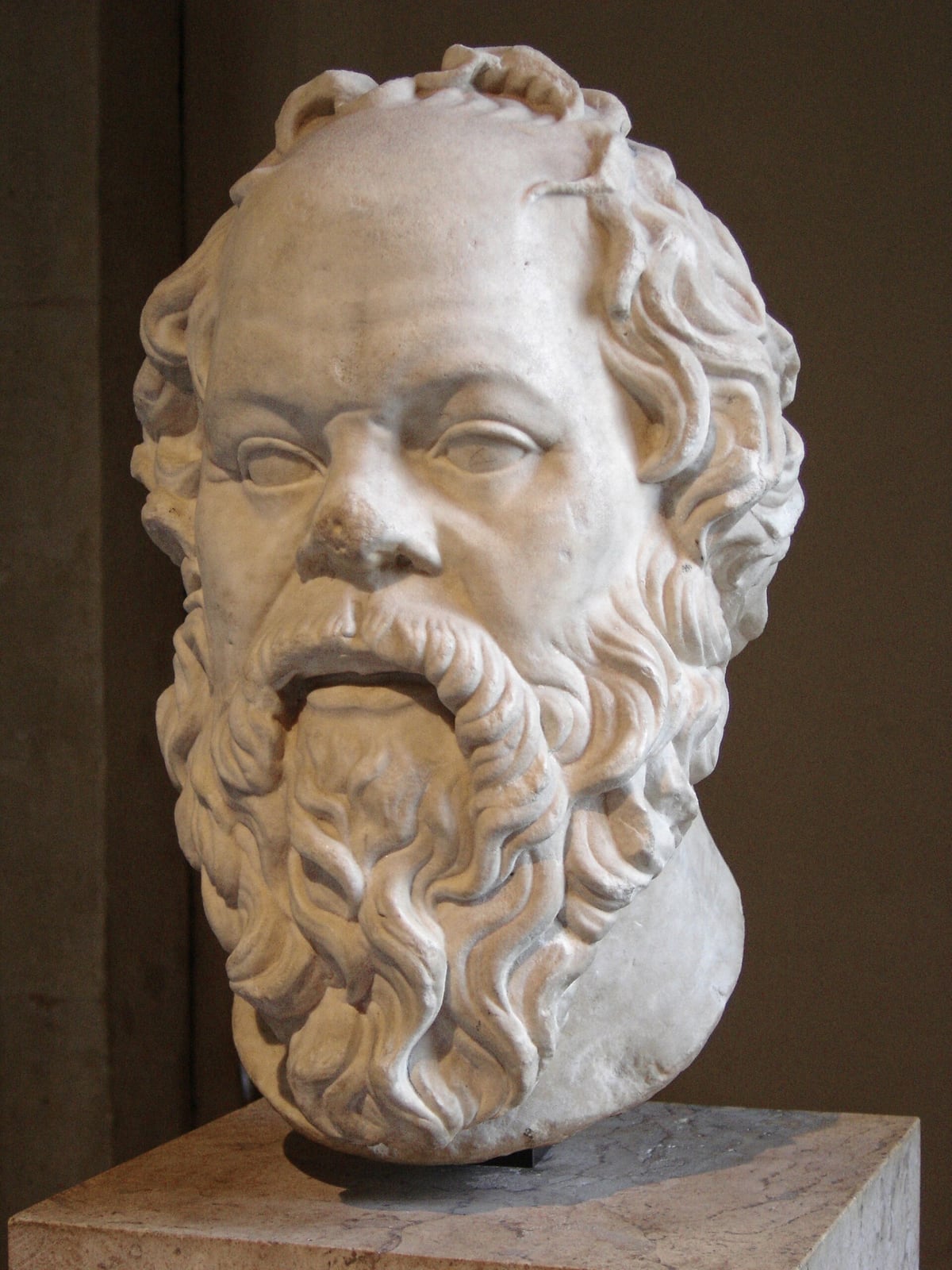
Socrates
Ils concordent sur: Pourquoi souffrons-nous ? · Que se passe-t-il après la mort ? · Faut-il un maître ?
- BKByron Katie
Byron Katie
Ils concordent sur: Que se passe-t-il après la mort ? · Faut-il un maître ? · Pourquoi méditer ou prier ?
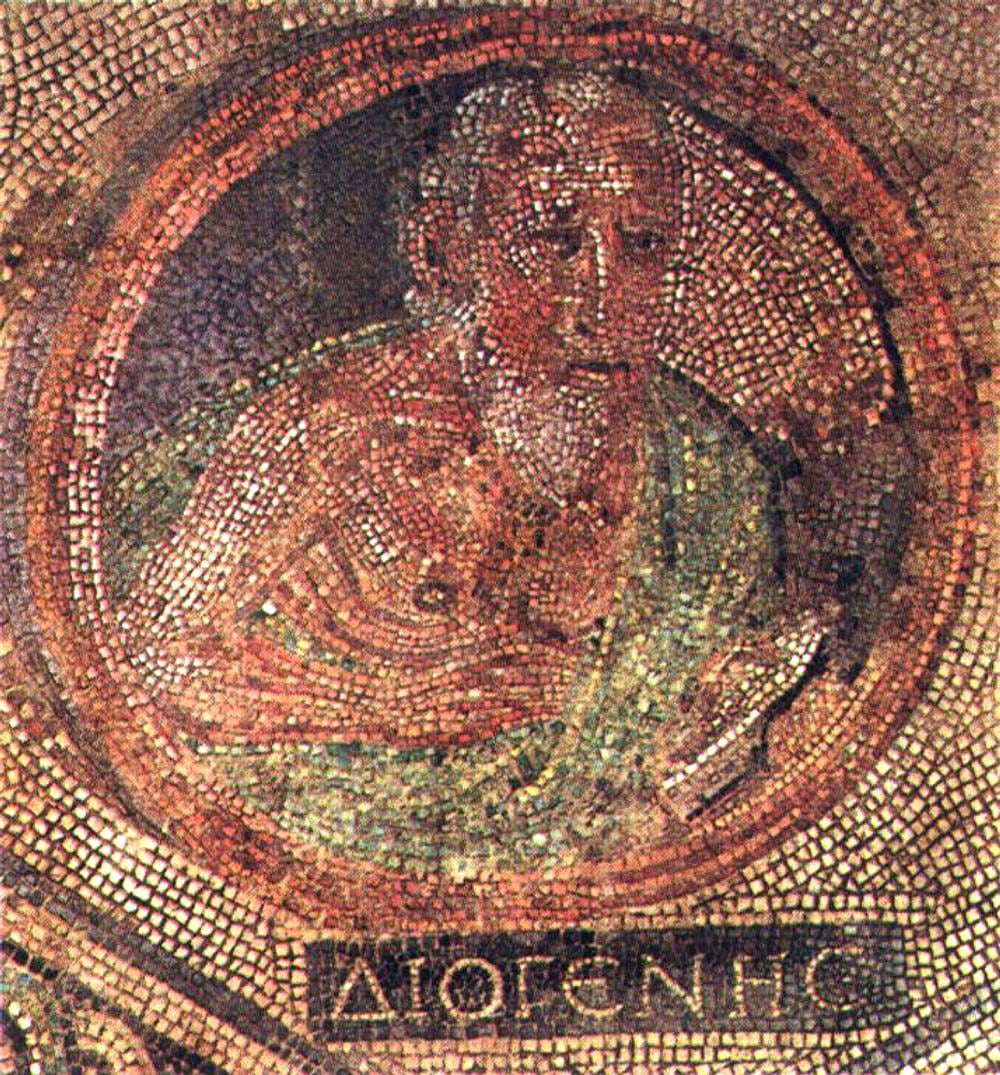
Diogenes of Sinope
Ils concordent sur: Qu'est-ce que l'Absolu ? Dieu existe-t-il ? · Que se passe-t-il après la mort ? · Se retirer du monde ou le transformer ?
Pense autrement que
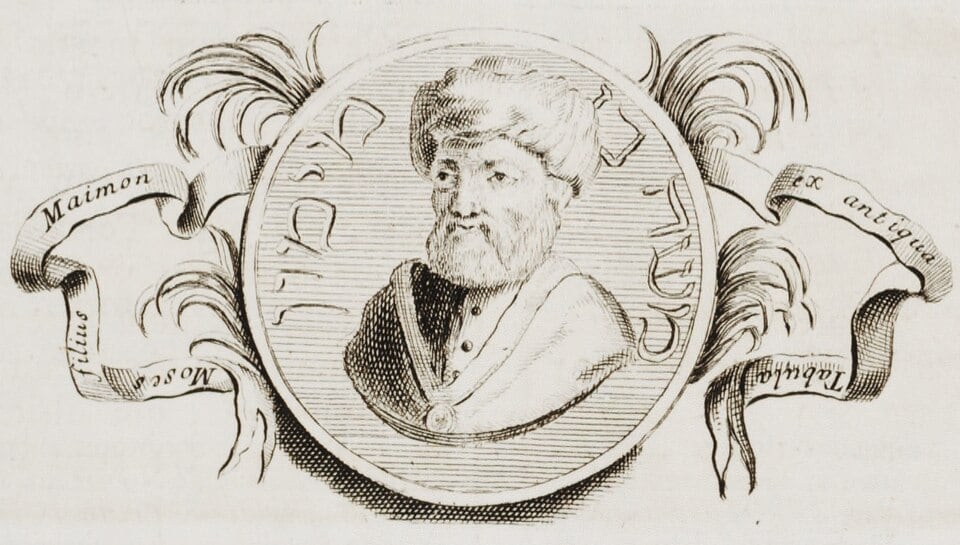
Maimonides
Ils s'opposent sur: Qu'est-ce que l'Absolu ? Dieu existe-t-il ? · Qui suis-je ? Existe-t-il un vrai soi ? · Pourquoi souffrons-nous ?
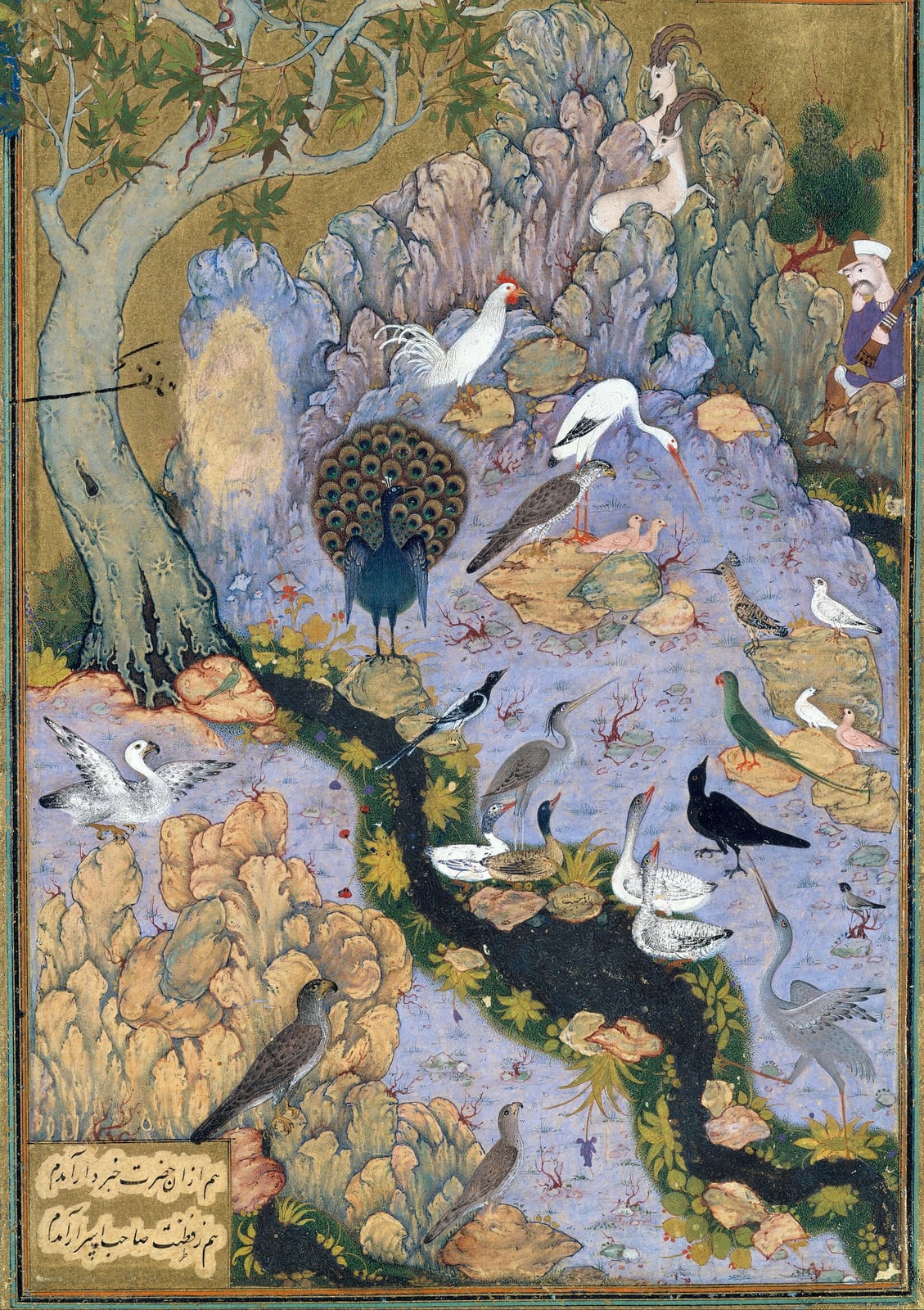
Attar
Ils s'opposent sur: Qu'est-ce que l'Absolu ? Dieu existe-t-il ? · Qui suis-je ? Existe-t-il un vrai soi ? · Pourquoi souffrons-nous ?
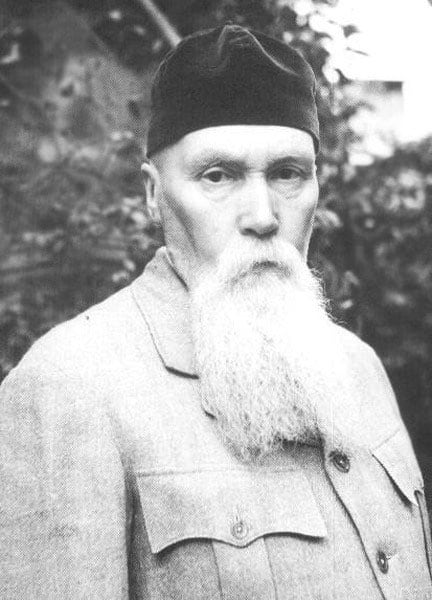
Nicholas Roerich
Ils s'opposent sur: Pourquoi souffrons-nous ? · Faut-il un maître ? · La raison peut-elle connaître l'ultime ?
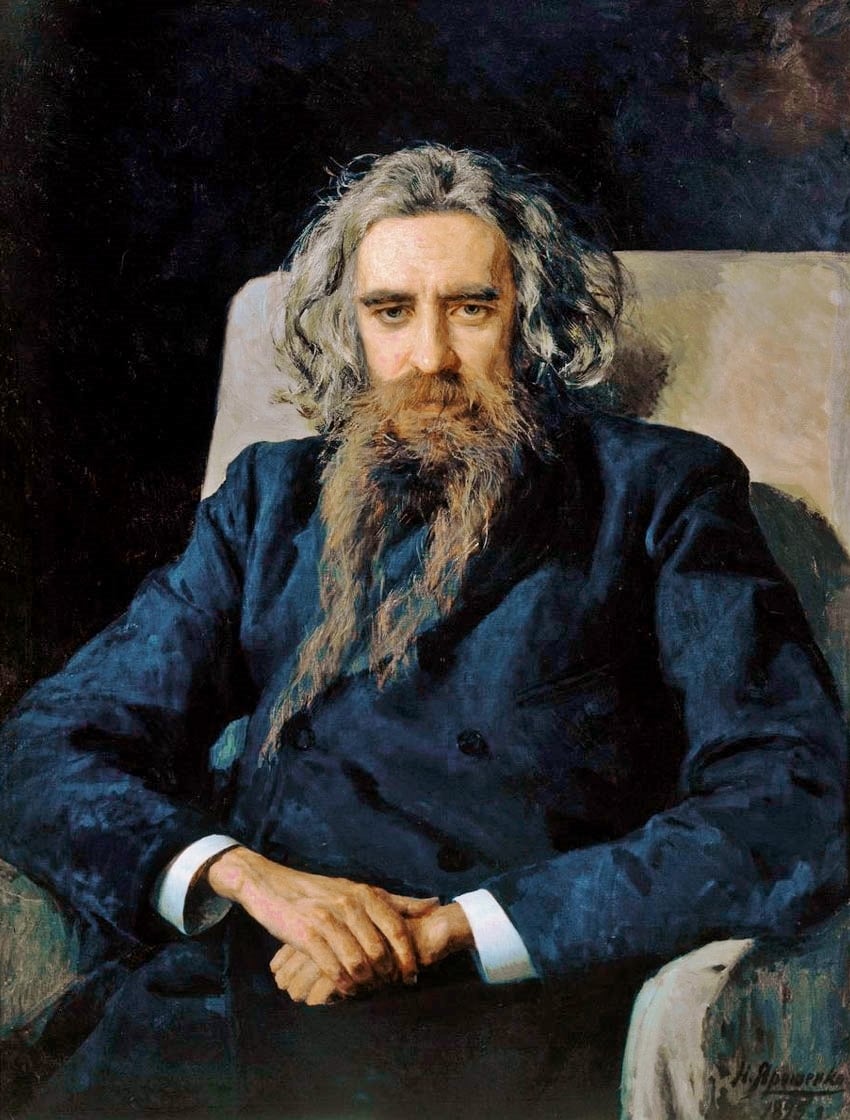
Vladimir Solovyov
Ils s'opposent sur: Qu'est-ce que l'Absolu ? Dieu existe-t-il ? · Qui suis-je ? Existe-t-il un vrai soi ? · Pourquoi souffrons-nous ?
Anecdotes et récits
Anecdotes et récits
Témoignagec. 1882–1884
The stone in the garden
Origine du récit: Autobiographical account in Memories, Dreams, Reflections, ch. 'First Years', written by Jung himself around 1957–1958; there is no other source.
Source: Jung, C. G. Erinnerungen, Träume, Gedanken von C. G. Jung. Aufgezeichnet und herausgegeben von Aniela Jaffé. Zúrich: Rascher, 1962 (trad. ingl. Memories, Dreams, Reflections, Nueva York: Pantheon, 1963; trad. esp. Recuerdos, sueños, pensamientos, Barcelona: Seix Barral).
Témoignage1909
The crack in the bookcase
Origine du récit: Jung's account in his memoirs (ch. 'Sigmund Freud') and Freud's letter to Jung of 16 April 1909 (Freud/Jung Letters, 139F), which confirms the conversation from his side.
Source: McGuire, William (ed.). The Freud/Jung Letters: The Correspondence between Sigmund Freud and C. G. Jung. Trad. R. Manheim y R. F. C. Hull. Princeton: Princeton University Press (Bollingen Series XCIV), 1974.
Témoignagedécada de 1920 (fecha no precisada)
The golden scarab
Origine du récit: Related by Jung in 'Synchronicity: An Acausal Connecting Principle' (1952; CW 8, §§ 843 and 982); there is no independent testimony from the patient.
Source: Jung, C. G. y Pauli, Wolfgang. Naturerklärung und Psyche. Zúrich: Rascher, 1952 (incluye «Synchronizität als ein Prinzip akausaler Zusammenhänge»; CW 8).
Témoignage1925
'The whites think with their heads'
Origine du récit: Account in the memoirs (ch. 'Travels. America: The Pueblo Indians'); Jung already cited it in writings of the 1930s. The identification of the chief with Antonio Mirabal comes from later studies.
Source: Jung, C. G. Erinnerungen, Träume, Gedanken von C. G. Jung. Aufgezeichnet und herausgegeben von Aniela Jaffé. Zúrich: Rascher, 1962 (trad. ingl. Memories, Dreams, Reflections, Nueva York: Pantheon, 1963; trad. esp. Recuerdos, sueños, pensamientos, Barcelona: Seix Barral).
Témoignage1944
The visions of 1944
Origine du récit: Autobiographical account in Memories, Dreams, Reflections, ch. 'Visions'. The illness and death of Dr Haemmerli in 1944 are documented; the content of the visions is known only from Jung.
Source: Jung, C. G. Erinnerungen, Träume, Gedanken von C. G. Jung. Aufgezeichnet und herausgegeben von Aniela Jaffé. Zúrich: Rascher, 1962 (trad. ingl. Memories, Dreams, Reflections, Nueva York: Pantheon, 1963; trad. esp. Recuerdos, sueños, pensamientos, Barcelona: Seix Barral).
Témoignage1914
Philemon and the kingfisher
Origine du récit: Account in the memoirs (ch. 'Confrontation with the Unconscious'); the painting of Philemon is reproduced in The Red Book (2009 ed.). The Bollingen inscription survives.
Source: Jung, C. G. Erinnerungen, Träume, Gedanken von C. G. Jung. Aufgezeichnet und herausgegeben von Aniela Jaffé. Zúrich: Rascher, 1962 (trad. ingl. Memories, Dreams, Reflections, Nueva York: Pantheon, 1963; trad. esp. Recuerdos, sueños, pensamientos, Barcelona: Seix Barral).
Enseignements
Enseignements
Les notions qui structurent sa pensée, expliquées dans leur contexte.
Collective unconsciousinconsciente-colectivo
Analytical psychology; break with the Freudian theory of the unconscious.
Source: Jung, C. G. The Collected Works of C. G. Jung. Ed. Herbert Read, Michael Fordham, Gerhard Adler y William McGuire; trad. R. F. C. Hull. 20 vols. Princeton: Princeton University Press (Bollingen Series XX) / Londres: Routledge & Kegan Paul, 1953–1979. Ed. alemana: Gesammelte Werke, Olten/Zúrich: Walter-Verlag, 1958–1994.
Archetypearquetipo
Platonism, Kant and comparative ethnology (Bastian, Lévy-Bruhl).
Source: Jung, C. G. The Collected Works of C. G. Jung. Ed. Herbert Read, Michael Fordham, Gerhard Adler y William McGuire; trad. R. F. C. Hull. 20 vols. Princeton: Princeton University Press (Bollingen Series XX) / Londres: Routledge & Kegan Paul, 1953–1979. Ed. alemana: Gesammelte Werke, Olten/Zúrich: Walter-Verlag, 1958–1994.
Shadowsombra
Personality psychology; ethics and collective psychology.
Source: Jung, C. G. The Collected Works of C. G. Jung. Ed. Herbert Read, Michael Fordham, Gerhard Adler y William McGuire; trad. R. F. C. Hull. 20 vols. Princeton: Princeton University Press (Bollingen Series XX) / Londres: Routledge & Kegan Paul, 1953–1979. Ed. alemana: Gesammelte Werke, Olten/Zúrich: Walter-Verlag, 1958–1994.
Anima and animusanima-animus
Analytical psychology; symbolism of the syzygy in Gnosticism and alchemy.
Source: Jung, C. G. The Collected Works of C. G. Jung. Ed. Herbert Read, Michael Fordham, Gerhard Adler y William McGuire; trad. R. F. C. Hull. 20 vols. Princeton: Princeton University Press (Bollingen Series XX) / Londres: Routledge & Kegan Paul, 1953–1979. Ed. alemana: Gesammelte Werke, Olten/Zúrich: Walter-Verlag, 1958–1994.
Self and individuationsi-mismo-individuacion
Analytical psychology, comparative mysticism and alchemy.
Source: Jung, C. G. The Collected Works of C. G. Jung. Ed. Herbert Read, Michael Fordham, Gerhard Adler y William McGuire; trad. R. F. C. Hull. 20 vols. Princeton: Princeton University Press (Bollingen Series XX) / Londres: Routledge & Kegan Paul, 1953–1979. Ed. alemana: Gesammelte Werke, Olten/Zúrich: Walter-Verlag, 1958–1994.
Synchronicitysincronicidad
Dialogue with physics (Pauli); I Ching; philosophy of nature.
Source: Jung, C. G. y Pauli, Wolfgang. Naturerklärung und Psyche. Zúrich: Rascher, 1952 (incluye «Synchronizität als ein Prinzip akausaler Zusammenhänge»; CW 8).
Psychological typestipos-psicologicos
Differential psychology; history of ideas.
Source: Jung, C. G. The Collected Works of C. G. Jung. Ed. Herbert Read, Michael Fordham, Gerhard Adler y William McGuire; trad. R. F. C. Hull. 20 vols. Princeton: Princeton University Press (Bollingen Series XX) / Londres: Routledge & Kegan Paul, 1953–1979. Ed. alemana: Gesammelte Werke, Olten/Zúrich: Walter-Verlag, 1958–1994.
Complexcomplejo
Early twentieth-century experimental psychiatry.
Source: Ellenberger, Henri F. The Discovery of the Unconscious: The History and Evolution of Dynamic Psychiatry. Nueva York: Basic Books, 1970 (cap. 9, «Carl Gustav Jung and Analytical Psychology»).
Vidéos
Vidéos
Enregistrements, entretiens et documentaires. Les vidéos sont lues depuis YouTube ; elles ne sont pas hébergées ici.
Face to Face: Carl Gustav Jung (BBC, 1959)
Entretien· EN· 1959· 38 min
KidMillions
Richard Evans interviews Carl Jung — Personality, organization, fundamental concepts (1957)
Voir sur YouTube
Cette vidéo ne peut pas être intégrée ; elle s'ouvre sur YouTube.
Richard Evans interviews Carl Jung — Personality, organization, fundamental concepts (1957)
Entretien· EN· 1957· 59 min
Cummings Center for the History of PsychologyChaîne officielle
Richard Evans interviews Carl Jung — Introversion, extroversion and other contributions (1957)
Voir sur YouTube
Cette vidéo ne peut pas être intégrée ; elle s'ouvre sur YouTube.
Richard Evans interviews Carl Jung — Introversion, extroversion and other contributions (1957)
Entretien· EN· 1957· 36 min
Cummings Center for the History of PsychologyChaîne officielle
Carl Gustav Jung & The Red Book (part 1)
Conférence· EN· 2010· 150 min
Library of CongressChaîne officielle
Sonu Shamdasani introduces The Red Book
Conférence· EN· 2009· 7 min
Rubin Museum of Himalayan ArtChaîne officielle
Sternstunde Philosophie — Das Rote Buch von C. G. Jung
Documentaire· DE· 2009· 62 min
Schweizer Radio und FernsehenChaîne officielle
150 Jahre C. G. Jung und das Erbe der modernen Psychotherapie (Sternstunde Philosophie)
Conférence· DE· 2025· 59 min
SRF Kultur SternstundenChaîne officielle
Carl Gustav Jung (1875–1961) – Une vie, une œuvre (France Culture, 1985)
Documentaire· FR· 1985· 83 min
Rien ne veut rien dire
Jung. La sabiduría de los sueños (documental completo)
Documentaire· ES· 155 min
Casa Jung - Psicología
Matter of Heart (1986)
Documentaire· EN· 1986· 106 min
Howl in the Wilderness
The World Within: C. G. Jung in His Own Words (1990)
Documentaire· EN· 1990· 44 min
History of Ideas
Jung's ETH Lectures on Yoga and Meditation
Enregistrement de tiers· EN· 2021· 1 min
Philemon FoundationChaîne officielle
The Black Books by C. G. Jung
Enregistrement de tiers· EN· 2020· 1 min
Philemon FoundationChaîne officielle
Galerie
Galerie
Images dont la licence a été vérifiée. Chacune conserve son auteur et son attribution.
Manuscrits
Manuscrits
Témoins manuscrits et textes anciens, avec leur dépositaire et leurs conditions de consultation.
DE · Latin (escritura gótica caligráfica) · 1914–1930
Liber Novus (Das Rote Buch)
- Témoin conservé
- Volumen autógrafo en folio, encuadernado en piel roja, con 53 pinturas
- Dépositaire
- Stiftung der Werke von C. G. Jung (Zúrich), en depósito
DE · Latin · 1913–1932
Schwarze Bücher
- Témoin conservé
- Siete cuadernos autógrafos
- Dépositaire
- Familia Jung / Stiftung der Werke von C. G. Jung
DE · Latin · 1896–1961
Nachlass C. G. Jung
- Témoin conservé
- Manuscritos, correspondencia y documentos
- Dépositaire
- ETH-Bibliothek, Hochschularchiv, Zúrich (Hs 1055 y otros) · Hs 1055
Relations
Relations
Influences, filiations et affinités. On distingue la relation documentée de la similitude identifiée par analyse.
A reçu l'influence de
Sigmund Freud
Close collaborator from 1906 to 1913; Freud designated him his successor before the break.
Relation documentée
En désaccord avec
Sigmund Freud
Break of 1912–1913 over the theory of libido, the role of sexuality and religion.
Relation documentée
Disciple de
Eugen Bleuler
His chief at the Burghölzli (1900–1909), who introduced him to Freud's work.
Relation documentée
Disciple de
Pierre Janet
He attended Janet's lectures in Paris in the winter of 1902–1903; his idea of dissociation influenced the theory of the complex.
Relation documentée
A correspondu avec
Richard Wilhelm
Sinologist and friend; they published The Secret of the Golden Flower together (1929).
Relation documentée
A correspondu avec
Wolfgang Pauli
Patient and later interlocutor for 26 years on psyche, matter and synchronicity.
Relation documentée
A reçu l'influence de
Friedrich Nietzsche
A decisive youthful reading; he devoted a five-year seminar to Thus Spoke Zarathustra.
Relation documentée
A reçu l'influence de
Jung cites him in Psychological Types and in his memoirs as the author in whom he found 'the breath of life'.
Relation documentée
A reçu l'influence de
A source for his study of mandala symbolism and of the inner opposition in God (GW 9/I).
Relation documentée
A reçu l'influence de
Read in his student years; discussed in the Zofingia lectures and in the essay on synchronicity.
Relation documentée
A reçu l'influence de
He commented on the Yoga Sutras in his ETH lectures of 1938–1939.
Relation documentée
A reçu l'influence de
He analysed the Spiritual Exercises in his ETH lectures of 1939–1940.
Relation documentée
A reçu l'influence de
The Tao as the union of opposites is a constant reference from Psychological Types onwards.
Relation documentée
Contemporain de
Jung did not visit him on his 1937–1938 journey to India, but wrote about him in 'The Holy Men of India' (1944), foreword to Heinrich Zimmer's book.
Relation documentée
A influencé
Watts discussed Jung's psychology at length in Psychotherapy East and West (1961).
Relation documentée
A rencontré
Hermann Hesse
Hesse was analysed by J. B. Lang, a pupil of Jung, and met Jung; they corresponded.
Relation documentée
Maître de
Marie-Louise von Franz
His closest collaborator from 1933 in the study of alchemy and fairy tales.
Relation documentée
Famille de
Emma Jung
Wife (1903–1955) and analyst; co-author of The Grail Legend with Marie-Louise von Franz.
Relation documentée
Contemporain de
Contemporaries in the German-speaking world with shared interests (Goethe, Gnosis, the spiritual), with no documented relationship.
Similitude identifiée par analyse
Idées proches de
Siddhartha Gautama, the Buddha
Jung compared the Buddhist path with individuation in his writings on the East; the analogy is interpretive.
Similitude identifiée par analyse
Sources
Sources
Bibliographie et catalogues consultés pour cette fiche.
- Jung, C. G. Erinnerungen, Träume, Gedanken von C. G. Jung. Aufgezeichnet und herausgegeben von Aniela Jaffé. Zúrich: Rascher, 1962 (trad. ingl. Memories, Dreams, Reflections, Nueva York: Pantheon, 1963; trad. esp. Recuerdos, sueños, pensamientos, Barcelona: Seix Barral).
- Bair, Deirdre. Jung: A Biography. Boston: Little, Brown and Company, 2003.
- Shamdasani, Sonu. Jung and the Making of Modern Psychology: The Dream of a Science. Cambridge: Cambridge University Press, 2003.
- McGuire, William (ed.). The Freud/Jung Letters: The Correspondence between Sigmund Freud and C. G. Jung. Trad. R. Manheim y R. F. C. Hull. Princeton: Princeton University Press (Bollingen Series XCIV), 1974.
- Jung, C. G. The Red Book: Liber Novus. Ed. e introducción de Sonu Shamdasani. Nueva York: W. W. Norton / Philemon Series, 2009.
- Hannah, Barbara. Jung: His Life and Work. A Biographical Memoir. Nueva York: G. P. Putnam's Sons, 1976.
- Wikidata, «Carl Gustav Jung» (Q41532).
- Jung, C. G. The Collected Works of C. G. Jung. Ed. Herbert Read, Michael Fordham, Gerhard Adler y William McGuire; trad. R. F. C. Hull. 20 vols. Princeton: Princeton University Press (Bollingen Series XX) / Londres: Routledge & Kegan Paul, 1953–1979. Ed. alemana: Gesammelte Werke, Olten/Zúrich: Walter-Verlag, 1958–1994.
- Wikipedia (en), «Carl Jung» y «Carl Jung publications», consultadas el 25 de octubre de 2026.
- Ellenberger, Henri F. The Discovery of the Unconscious: The History and Evolution of Dynamic Psychiatry. Nueva York: Basic Books, 1970 (cap. 9, «Carl Gustav Jung and Analytical Psychology»).
- Jung, C. G. y Pauli, Wolfgang. Naturerklärung und Psyche. Zúrich: Rascher, 1952 (incluye «Synchronizität als ein Prinzip akausaler Zusammenhänge»; CW 8).
- «Face to Face: Professor Carl Gustav Jung», entrevista de John Freeman, BBC Television, emitida el 22 de octubre de 1959.
- Philemon Foundation: edición de las obras inéditas de C. G. Jung (Philemon Series).
- Haus C.G. Jung (Stiftung C. G. Jung Küsnacht), casa-museo de Jung en Küsnacht.
- Wikisource en inglés: Author:Carl Gustav Jung (traducciones inglesas anteriores a 1930).
- Jung, C. G. Briefe. Ed. Aniela Jaffé y Gerhard Adler. 3 vols. Olten: Walter-Verlag, 1972–1973 (trad. ingl. Letters, 2 vols., Princeton University Press, 1973–1975).
- Cocks, Geoffrey. Psychotherapy in the Third Reich: The Göring Institute. Nueva York: Oxford University Press, 1985 (2.ª ed. Transaction, 1997).
- Jung, C. G. Psychology of Yoga and Meditation: Lectures Delivered at ETH Zurich, vol. 6: 1938–1940. Ed. Martin Liebscher. Princeton: Princeton University Press (Philemon Series), 2021.
- Watts, Alan. Psychotherapy East and West. Nueva York: Pantheon Books, 1961.
- Von Franz, Marie-Louise. C. G. Jung: His Myth in Our Time. Nueva York: Putnam / C. G. Jung Foundation, 1975 (orig. alemán, 1972).
- Ayant droit
- Stiftung der Werke von C. G. Jung (Zúrich), titular de los derechos de autor; en vigor hasta el 31 de diciembre de 2031 en la UE (70 años post mortem) y de 2041 en España para las obras publicadas en vida. En EE. UU. son de dominio público las ediciones publicadas antes de 1930.
- Site officiel
- philemonfoundation.org/
En attente de confirmation
Ce que cette fiche n'a pas encore pu établir. Nous préférons le dire plutôt que de combler.
- Cotejar con las ediciones impresas las citas marcadas como «probable» (Aion § 126, CW 13 § 335, carta a Fanny Bowditch, Modern Man in Search of a Soul, MDR «Late Thoughts»).
- Confirmar fechas exactas marcadas como probables en la cronología: ingreso en el Burghölzli (10-XII-1900), boda (14-II-1903) y fundación del Instituto (24-IV-1948).
- Fechas de publicación de cada volumen de las Gesammelte Werke (Walter-Verlag) registradas como aproximadas: verificar en el catálogo de la Deutsche Nationalbibliothek.
- Registrar uno por uno los volúmenes de seminarios y lecciones de la Philemon Series aún no incluidos (ETH vols. 1–8, seminarios de 1931 sobre imaginación activa, de Berlín de 1933, Children's Dreams, sueños de Pauli, correspondencias con White, Neumann, Keller, Kirsch).
- Localizar ediciones con ISBN en italiano, ruso, árabe e hindi de Recuerdos, sueños, pensamientos y de El libro rojo.
- Comprobar en la ETH-Bibliothek las signaturas exactas del legado (Hs 1055 es la principal; hay otras).
Recherche effectuée le 2026-10-25