Christianisme · Mystique chrétienne · Catholicisme
Ignatius of Loyola
1491 – 1556Personne historiquement documentée
Noble guipuzcoan (1491-1556) blessé à Pampelune en 1521 qui, converti pendant sa convalescence, devint pèlerin, étudiant à Alcalá, Salamanque et Paris, puis fondateur avec ses compagnons de la Compagnie de Jésus (1540), dont il fut le premier général. Ses Exercices spirituels, nés de l'expérience de Manrèse, sont une méthode de prière et de discernement qui a formé religieux et laïcs depuis cinq siècles. Il a laissé en outre les Constitutions de l'ordre, un Journal spirituel, le récit autobiographique qu'il dicta et quelque sept mille lettres.
- œuvres
- 16œuvres
- éditions
- 42éditions
- citations
- 9citations
- vidéos
- 15vidéos
- images
- 7images
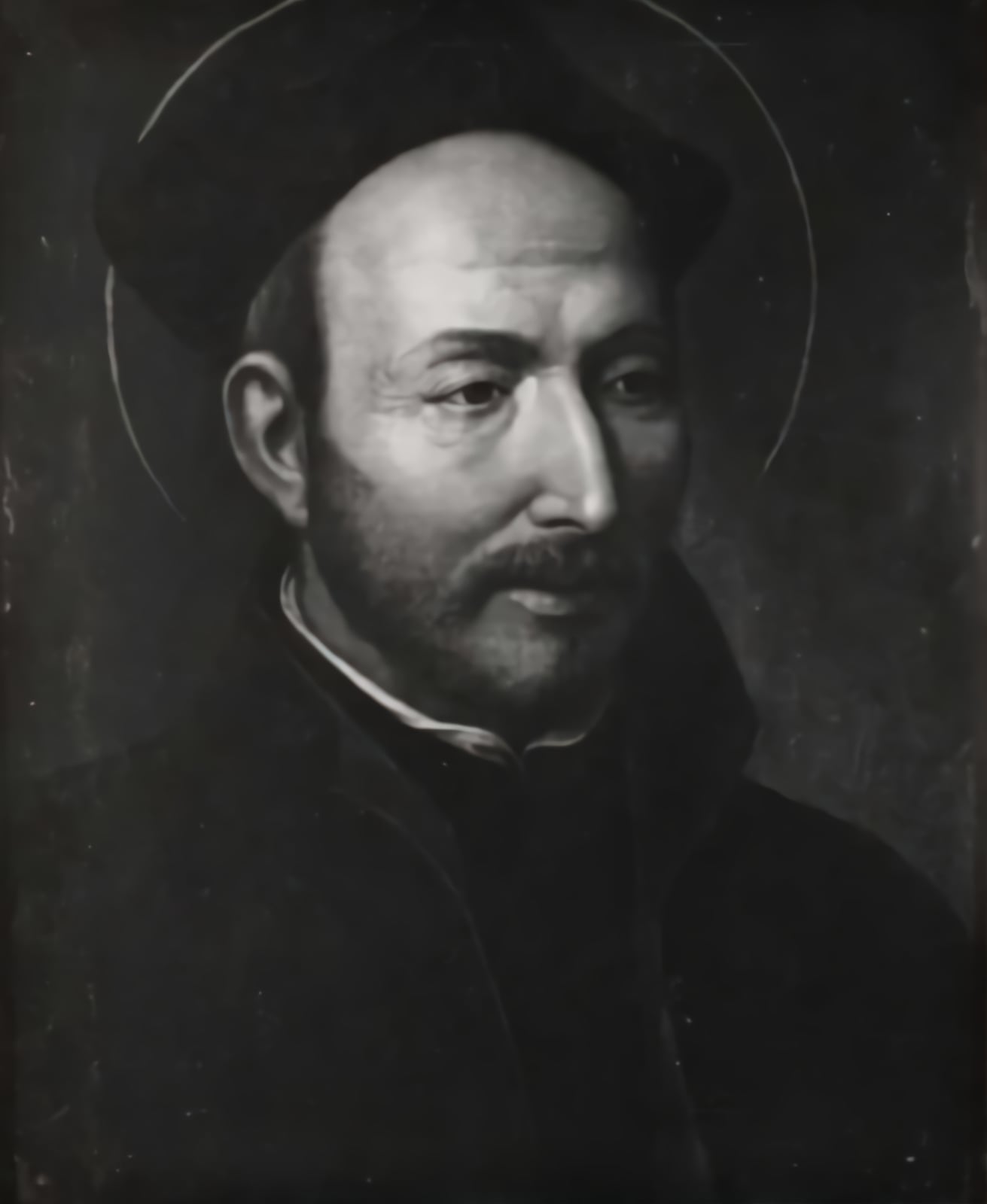
Retrato de Ignacio de Loyola · Public domain
Dans ses propres mots
«Man is created to praise, reverence, and serve God our Lord, and by this means to save his soul.»Ejercicios espirituales, [23] Principio y fundamento (trad. inglesa de Elder Mullan, 1914)

Son idée centrale
Principle and Foundation and indifference: The Principle and Foundation ([23]) opens the first week of the Exercises: human beings are created to praise, reverence and serve God, and all other things are created to help them toward that end; it follows that they should use them 'as much as' they help and rid themselves of them 'as much as' they hinder.
Le voir en contexte
Biographie
5 min de lecture
Traduction assistée à partir de l'original espagnol, en attente de relecture par un traducteur natif.
Un cadet de Loyola
Íñigo López de Loyola naquit en 1491 dans la maison-tour de Loyola, près d'Azpeitia, au Guipúzcoa, dernier des treize enfants de Beltrán Yáñez de Oñaz y Loyola et de Marina Sánchez de Licona. L'année provient de la tradition jésuite fixée par ses premiers biographes ; le jour n'est pas connu, et lui-même, en dictant ses souvenirs, se contredit sur son âge. Tonsuré enfant, il fut pourtant destiné par les siens à la cour : vers 1506, il entra comme page dans la maison de Juan Velázquez de Cuéllar, contador mayor de Castille, à Arévalo, où il apprit la courtoisie, le goût des armes et la lecture des romans de chevalerie. Un procès ouvert en 1515 à Azpeitia pour des délits commis de nuit, pendant le carnaval, avec son frère Pero López, rappelle que cette jeunesse n'eut rien d'édifiant, et il la résumerait plus tard sans indulgence : « un homme adonné aux vanités du monde ».
Pampelune et la convalescence
Velázquez tombé en disgrâce et mort en 1517, Íñigo passa au service du duc de Nájera, vice-roi de Navarre. Le 20 mai 1521, pendant le siège de Pampelune par les Français, il persuada l'alcaide de résister alors que tous voulaient se rendre ; un boulet lui passa entre les jambes et lui brisa l'une d'elles. Les Français le firent ramener en litière à Loyola, où les chirurgiens rompirent de nouveau l'os mal ressoudé et, à sa demande, scièrent celui qui saillait sous le genou, parce qu'il enlaidissait sa jambe et qu'il « était résolu à suivre le monde ». Pendant sa convalescence, il réclama des romans de chevalerie ; la maison n'avait que la Vita Christi de Ludolphe le Chartreux et un Flos sanctorum en castillan. En lisant, il se mit à se demander ce qu'il en serait s'il faisait ce qu'avaient fait saint François et saint Dominique, et remarqua que certaines pensées le laissaient sec et d'autres joyeux : c'est ainsi qu'il décrit lui-même son premier discernement des esprits.
Montserrat, Manrèse et Jérusalem
En février 1522, il quitta Loyola. À Montserrat, il fit une confession générale de trois jours, suspendit son épée et son poignard devant la Vierge, donna ses vêtements à un pauvre et, à la manière d'Amadis, fit la veillée d'armes dans la nuit du 24 au 25 mars. Il s'arrêta ensuite près d'un an à Manrèse, mendiant, servant à l'hôpital et priant de longues heures dans une grotte au bord du Cardoner. Il y traversa des scrupules qui le menèrent à songer au suicide, puis une série d'illuminations ; la plus importante, au bord de la rivière, le laissa « comme s'il était un autre homme ». C'est au cours de ces mois qu'il prit les notes qui allaient devenir les Exercices spirituels. En 1523, il partit en pèlerinage à Jérusalem par Rome et Venise ; les franciscains gardiens des Lieux saints l'obligèrent à repartir, et il regagna Barcelone en 1524 en se demandant ce qu'il devait faire.
Un étudiant suspect
Il résolut d'étudier « pour aider les âmes ». Il apprit le latin à Barcelone parmi des enfants, passa à Alcalá en 1526 et à Salamanque en 1527. Dans les deux villes, il prêchait sans grades et rassemblait des disciples vêtus de bure, ce qui suffit à ce que l'Inquisition et les dominicains enquêtent sur lui comme possible alumbrado : il fut emprisonné quarante-deux jours à Alcalá et vingt-deux à Salamanque, où il répondit à qui le plaignait qu'il n'y avait pas dans la ville tant de fers ni de chaînes qu'il n'en désirât davantage pour l'amour de Dieu. Absous, mais avec l'interdiction de traiter du péché mortel et du péché véniel avant d'avoir étudié, il partit « seul et à pied » pour Paris au début de 1528.
Les compagnons de Paris
Au collège de Montaigu, puis à Sainte-Barbe, il partagea sa chambre avec le Savoyard Pierre Favre et le Navarrais Francisco de Jaso, François Xavier. Il leur donna les Exercices un à un, et à eux se joignirent Diego Laínez, Alfonso Salmerón, Nicolás de Bobadilla et Simão Rodrigues. Le 15 août 1534, dans une chapelle de Montmartre, les sept firent vœu de pauvreté et d'aller à Jérusalem ou, s'ils ne pouvaient s'embarquer dans l'année, de se mettre à la disposition du pape. Íñigo, maître ès arts en 1535, retourna à Azpeitia pour se rétablir et scandalisa son frère en mendiant et en enseignant le catéchisme à l'hôpital de la Madeleine.
Rome et la Compagnie
Réunis à Venise en 1537, ils servirent dans les hôpitaux et furent ordonnés prêtres le 24 juin. La guerre contre les Turcs ferma le passage vers la Terre sainte. En route pour Rome, dans la chapelle de La Storta, en novembre 1537, Ignace — le nom qu'il commençait à porter — sentit que le Père le mettait avec son Fils ; Laínez rapporta les paroles « Ego vobis Romae propitius ero ». Au printemps 1539, les compagnons délibérèrent pour savoir s'ils devaient s'unir sous l'obéissance, et le 27 septembre 1540 Paul III approuva la Compagnie de Jésus par la bulle Regimini militantis Ecclesiae. En avril 1541, Ignace fut élu général à l'unanimité, sa propre voix exceptée, et prononça ses vœux le 22 à Saint-Paul-hors-les-Murs.
Quinze ans dans une chambre
Il ne quitta pour ainsi dire plus Rome. Depuis les petites pièces voisines de Santa Maria della Strada, il gouverna par lettres un ordre qui comptait, à sa mort, un millier de membres et une quarantaine de collèges. Paul III approuva les Exercices en 1548 ; Ignace rédigea avec son secrétaire Juan Alfonso de Polanco les Constitutions, fonda le Collège romain (1551) et le Collège germanique (1552), ouvrit la maison Sainte-Marthe pour les femmes qui quittaient la prostitution et laissa près de sept mille lettres. Son Journal spirituel de 1544-1545 révèle, sous la prose du gouvernant, une mystique des larmes centrée sur la Trinité. Entre 1553 et 1555, il dicta à Luís Gonçalves da Câmara le récit de sa vie, où il se désigne lui-même comme « le pèlerin ».
La mort et l'héritage
Il mourut à l'aube du 31 juillet 1556, sans que sa communauté eût presque mesuré la gravité de son état : la veille, il avait demandé à Polanco d'aller solliciter la bénédiction du pape Paul IV, qui ne lui était pas favorable, et Polanco avait remis la démarche au lendemain. Il fut béatifié en 1609 et canonisé le 12 mars 1622 avec François Xavier, Thérèse d'Avila, Philippe Néri et Isidore le Laboureur. Son héritage n'est pas une doctrine mais une méthode : apprendre à discerner les motions intérieures, choisir librement et « chercher et trouver Dieu en toutes choses ». Les Exercices ont formé pendant cinq siècles des religieux et des laïcs de confessions diverses, et la Compagnie est devenue le plus vaste réseau éducatif de l'Église. La figure historique, moins légendaire que celle du « soldat converti », est celle d'un homme petit, boiteux et patient qui apprit à gouverner en écoutant.
Sources: Ignacio de Loyola. Obras. Transcripción, introducciones y notas de Ignacio Iparraguirre, Cándido de Dalmases y Manuel Ruiz Jurado. Madrid: Biblioteca de Autores Cristianos, 1991 (5.ª ed.). ISBN 9788479140342. · Ignacio de Loyola. Autobiografía (Acta Patris Ignatii), recogida por Luís Gonçalves da Câmara, 1553–1555. Texto castellano en Wikisource. · Ignatius of Loyola. The Spiritual Exercises of St. Ignatius of Loyola. Translated from the Autograph by Elder Mullan, S.J. New York: P. J. Kenedy & Sons, 1914. Texto en Christian Classics Ethereal Library. · García-Villoslada, Ricardo. San Ignacio de Loyola: nueva biografía. Madrid: Biblioteca de Autores Cristianos (BAC Maior), 1986. · Tellechea Idígoras, José Ignacio. Ignacio de Loyola, solo y a pie. Madrid: Cristiandad, 1986.
Chronologie
La vie, année après année
Chaque point est un événement documenté. Cliquez pour le lire, avec sa source et son degré de certitude.
14910 ansLoyola, Azpeitia
Birth
Íñigo is born, the youngest of thirteen children, in the tower house of the Oñaz and Loyola. The year is fixed by Jesuit tradition; the day is unknown.
ProbablePollen, John Hungerford. «St. Ignatius Loyola». The Catholic Encyclopedia, vol. 7. New York: Robert Appleton, 1910 (texto en Wikisource).
Après sa mort
- 12 mars 1622Canonisation
1491 · 0 ans
Birth
Íñigo is born, the youngest of thirteen children, in the tower house of the Oñaz and Loyola. The year is fixed by Jesuit tradition; the day is unknown.
Probable
v. 1506
Page at Arévalo
He enters the household of Juan Velázquez de Cuéllar, chief treasurer of Castile, where he is trained as a courtier until 1517.
Probable
1515
Lawsuit at Azpeitia
He is prosecuted together with his brother Pero López for offences committed at night during carnival; the records survive.
Documenté
20 mai 1521 · 29 ans
Wounded at Pamplona
A cannonball shatters one of his legs during the French siege of the fortress. Convalescence at Loyola and reading of the Vita Christi and the Flos sanctorum.
Documenté
25 mars 1522
Vigil of arms at Montserrat
After a three-day general confession he leaves his sword and dagger before the Virgin, gives his clothes to a beggar and keeps vigil on the night of the Annunciation.
Documenté
1522
Manresa and the Cardoner
Almost a year of prayer, penance and scruples; the 'great illumination' beside the river Cardoner and the first notes of the Exercises.
Documenté
4 septembre 1523
Pilgrim in Jerusalem
He reaches Jerusalem; the Franciscan custodians order him to leave and he returns to Barcelona in 1524.
Documenté
1527
Trials and prison
Investigated as a possible alumbrado, he spends 42 days in prison at Alcalá and 22 at Salamanca; he is forbidden to define mortal and venial sin.
Documenté
février 1528
Arrival in Paris
He arrives 'alone and on foot'; studies at Montaigu and at Sainte-Barbe, where he lives with Pierre Favre and Francis Xavier.
Documenté
15 août 1534
Vows of Montmartre
With Favre, Xavier, Laínez, Salmerón, Bobadilla and Rodrigues he vows poverty and a pilgrimage to Jerusalem, or else to place himself at the pope's disposal.
Documenté
24 juin 1537
Ordination to the priesthood
He is ordained priest in Venice with several companions; he postpones his first Mass until Christmas 1538.
Documenté
novembre 1537
Vision at La Storta
On the road to Rome he feels that the Father places him with his Son; Laínez hands down the words 'Ego vobis Romae propitius ero'.
Documenté
27 septembre 1540
Approval of the Society of Jesus
Paul III approves the Formula of the Institute with the bull Regimini militantis Ecclesiae.
Documenté
22 avril 1541
First superior general
Elected general by his companions, he makes his profession with them at Saint Paul Outside the Walls.
Documenté
2 février 1544
The Spiritual Diary begins
Until February 1545 he records his movements, tears and visions while discerning the poverty of the Society's churches.
Documenté
31 juillet 1548
Approval of the Exercises
Brief Pastoralis officii of Paul III; the Latin version is printed in Rome that year.
Documenté
février 1551
Roman College
He founds the Roman College, origin of the Pontifical Gregorian University; the following year, the German College.
Documenté
4 août 1553
He dictates his account
He begins to tell his life to Luís Gonçalves da Câmara; the sessions continue in 1555.
Documenté
31 juillet 1556 · 64 ans
Death
He dies at dawn in the professed house; Polanco had gone to ask for Paul IV's blessing.
Documenté
12 mars 1622
Canonisation
Gregory XV canonises him with Francis Xavier, Teresa of Jesus, Philip Neri and Isidore the Farmer; he had been beatified in 1609.
Documenté
Œuvres
Œuvres essentielles
Les œuvres sans lesquelles on ne comprend pas son héritage.
Œuvre écrite · 1548
Spiritual Exercises
Ejercicios espirituales
It is not a book to be read but a manual for the person who gives the exercises to another. It is organised in four 'weeks' of flexible length: sin and mercy; the life of Christ and the choice of a state of life; the passion; the resurrection and the 'contemplation to attain love', which culminates in the prayer 'Take, Lord, and receive'. It is framed by the Principle and Foundation, the annotations, methods of examination and prayer, the rules for the discernment of spirits, for distributing alms, on scruples and 'for thinking with the Church'. Its novelty lies in a pedagogy of inner freedom: learning to recognise consolation and desolation in order to choose without disordered attachments.
12 éditions · amazon.fr

Enseignement oral recueilli · 1555
Autobiography (A Pilgrim's Testament)
Acta Patris Ignatii (Relato del peregrino)
It covers the years from Pamplona (1521) to his arrival in Rome (1538), with a short appendix on the writing of the Exercises and the Constitutions. It is a spiritual autobiography rather than a chronicle: Ignatius selects the episodes in which he learned to read 'the diversity of spirits' —the convalescence at Loyola, the scruples and the illumination at the Cardoner in Manresa, the journey to Jerusalem, the trials at Alcalá and Salamanca, the studies in Paris— and tells them with sobriety, irony and no hagiography. It is the main primary source for his conversion.
8 éditions · amazon.fr

Œuvre écrite · v. 1556
Constitutions of the Society of Jesus
Constituciones de la Compañía de Jesús
Ten parts that follow a Jesuit's path: admission, dismissal, formation of novices, studies and colleges (Part IV, the basis of Jesuit pedagogy), final incorporation, the life of the professed, missions, union of those dispersed, the general's government and the preservation of the body. They combine legal norms with spiritual criteria: obedience 'like a dead body' that lets itself be carried, apostolic mobility, poverty, and the principle of adapting everything 'to persons, times and places'. Ignatius deliberately left them open to revision.
4 éditions · amazon.es

Manuscrit · 1544
Spiritual Diary
Diario espiritual
A near-daily record of the movements, tears, visions and 'loquela' that accompanied Ignatius as he discerned whether the Society's churches should have fixed revenues. Written with abbreviations, signs and crossings-out, it shows both the method of election of the Exercises applied by their author and an intense Trinitarian and Eucharistic mysticism tied to the celebration of Mass. It is the most intimate document of his to survive.
4 éditions · amazon.com
Toute son œuvre (16)
Letters and Instructions
1556

Letter to Teresa Rejadell
1536
Letter on Perfection (to the students at Coimbra)
1547
Letter on Obedience
1553
Ignatius of Loyola
Formula of the Institute
The Conscious LibraryFormula of the Institute
1539
Ignatius of Loyola
Deliberation of the First Fathers
The Conscious LibraryDeliberation of the First Fathers
1539
Deliberation on Poverty
1544
Ignatius of Loyola
Autograph Directory and dictated directories
The Conscious LibraryAutograph Directory and dictated directories
1555
Instruction for those going to Trent
1546
Ignatius of Loyola
Rules of the Society (common rules and rules of modesty)
The Conscious LibraryRules of the Society (common rules and rules of modesty)
1555
Ignatius of Loyola
'Anima Christi' (misattribution)
The Conscious Library'Anima Christi' (misattribution)
1350

Ignatian Sparks (Scintillae Ignatianae)
1705
Citations
Citations localisées dans une œuvre précise. Chacune porte sa provenance et son degré de fiabilité.
Man is created to praise, reverence, and serve God our Lord, and by this means to save his soul.El hombre es criado para alabar, hacer reverencia y servir a Dios nuestro Señor, y mediante esto salvar su ánima.
VérifiéeEjercicios espirituales, [23] Principio y fundamento (trad. inglesa de Elder Mullan, 1914)
Citations apocryphes ou d'attribution contestée (3)
«'Trust in God as if all success depended on you and nothing on God; yet put all your effort into it as if you did nothing and God did everything.'»
A maxim from Gabriel Hevenesi's Scintillae Ignatianae (Vienna, 1705), with no literal counterpart in Ignatius's writings. It circulates in an inverted, simplified version ('Pray as if everything depended on God and work as if everything depended on you') that loses the paradox of the Latin original. It may sum up his spirit, but it is not his quotation.
«'Give me the child until he is seven and I will show you the man.'»
It is attributed to the Jesuits generally, sometimes to Ignatius or Francis Xavier, with no source in their writings or in the sixteenth-century narrative sources. It is a modern attribution, often used polemically against Jesuit education.
«'Go and set the world on fire' (Ite, inflammate omnia).»
A phrase widely spread in Jesuit tradition as Ignatius's farewell to his envoys, above all Francis Xavier. It does not appear in his letters or in the Autobiography; it is a formula of later piety.
Dernières paroles
Récit postérieur de témoins
«Ah, God!»¡Ay, Dios!
There was no solemn farewell: Ignatius died at dawn on 31 July 1556 with very few witnesses, while Polanco was on his way to the Vatican to ask for Paul IV's blessing. All that survives is the exclamation that the infirmarian brother Cannizaro believed he heard during the night, handed down in Polanco's letter of 6 August 1556 (Fontes narrativi I). José Ignacio Tellechea quotes it as 'Ay, Dios, Jesús'; other versions give only 'Ay, Dios!'. The short form, common to all, is recorded here.
Source: Tellechea Idígoras, José Ignacio. «Semblanza de Ignacio de Loyola». Conferencia en Forum Deusto, 24 de enero de 2006. Bilbao: Universidad de Deusto. ISBN 978-84-9830-696-5.
Interroger
Ce que répond son œuvre
Douze grandes questions de l'humanité et ce que ses textes permettent d'y répondre, références à l'appui. Nous ne lui prêtons jamais de paroles.
Qu'est-ce que l'Absolu ? Dieu existe-t-il ?
God is Creator and Lord, who deals directly with the creature
Un Dieu personnelIl le dit expressément
Ignatius of Loyola begins, in the Principle and Foundation of the Spiritual Exercises, with a creator God to whom the human being is ordered: created to praise, reverence and serve him. This God is not distant: annotation 15 asks the one giving the exercises to let the Creator deal «immediately» with the creature. In the Contemplation to Attain Love, God dwells in creatures, labours for the human being in them, and descends like the rays of the sun. The Spiritual Diary of 1544 also shows an intense devotion to the three Persons of the Trinity, with tears and visions. The Absolute is for Ignatius a personal Lord who communicates his will and awaits a response.
Comparer cette question avec d'autres maîtresQui suis-je ? Existe-t-il un vrai soi ?
I am a creature made to praise and serve, and so save my soul
Une âme créée et immortelleIl le dit expressément
Ignatius of Loyola defines the human being by its end: the Principle and Foundation of the Spiritual Exercises states that it was created to praise, reverence and serve God, and by this means save its soul. The self is not a fixed datum, but a freedom traversed by movements: the Exercises teach one to distinguish within oneself one's own thoughts and those that come from outside, from the good and the evil spirit, and to order disordered affections. To know oneself is to learn to read consolations and desolations. The true self is the one that, indifferent toward created things, chooses what most leads to the end for which it was created.
Comparer cette question avec d'autres maîtresPourquoi souffrons-nous ?
Desolation has causes, and in it one makes no change
La séparation d'avec DieuIl le dit expressément
Ignatius of Loyola does not build a theodicy; he offers discernment. In the Spiritual Exercises he calls desolation the darkness, disturbance, restlessness and lack of faith, hope and love in which the soul feels as if separated from its Creator. He assigns it three causes: one's own tepidity and negligence, the testing of one's worth without consolation, and the lesson that consolation is God's gift and not one's own merit. In time of desolation one should never change decisions already made. The first week also meditates on sin and its consequences. Spiritual suffering arises from estrangement and can become a school.
Comparer cette question avec d'autres maîtresQue se passe-t-il après la mort ?
Decide as if one were at the point of death
Vie éternelle et résurrectionIl le dit expressément
Ignatius of Loyola takes for granted the Christian faith in eternal life, judgement and the possibility of damnation, and puts it at the service of decision-making. The Principle and Foundation directs all of life toward saving the soul; the first week of the Exercises includes the meditation on hell with the five senses. More original is his use of death as a criterion for discernment: in the second way of making an election, he proposes considering what form and measure one would wish to have followed in the present choice if one were at the point of death, and how one will stand on the day of judgement. Death is not speculated upon: it is used to live truthfully.
Comparer cette question avec d'autres maîtresComment atteint-on la libération ou le salut ?
Exercise oneself to remove disordered affections and seek God's will
Par une pratique disciplinéeIl le dit expressément
Ignatius of Loyola is, among Christian masters, the great author of a method. The first annotation of the Spiritual Exercises defines them as every way of examining one's conscience, meditating, contemplating and praying, and compares them to bodily exercise: just as walking and running are exercises of the body, these are of the soul, to remove all disordered affections and, once they are removed, to seek and find the divine will. Four weeks, with timetables, additions, examens and rules for discernment, lead to the election. But the method does not produce salvation: in each exercise it asks for the grace desired and lets the Creator act directly with the creature.
Comparer cette question avec d'autres maîtresFaut-il un maître ?
The giver of the exercises lets the Creator deal with the creature
Utile mais pas indispensableIl le dit expressément
Ignatius of Loyola defines precisely the role of the companion. The Spiritual Exercises are designed for someone to give them to another, and their annotations offer detailed advice: adapt the exercises to the person, do not give more than they can bear, help them discern the movements. But annotation 15 marks the limit: the one giving the exercises must not incline the one receiving them toward one choice or another, but stand in the middle like the pointer of a balance and let the Creator act directly with the creature. The teacher is useful and almost necessary to avoid self-deception, but does not take God's place.
Comparer cette question avec d'autres maîtresLe monde est-il réel ?
Things are created to help the human being toward its end
Une création bonne et réelleIl le dit expressément
Ignatius of Loyola looks at the world in terms of its purpose. The Principle and Foundation of the Spiritual Exercises states that the other things on the face of the earth are created for the human being, to help him attain the end for which he was created; hence they should be used insofar as they help and set aside insofar as they hinder, becoming indifferent. But the Contemplation to Attain Love adds a deeper gaze: God dwells in the elements, in plants, in animals and in the human being, labours for him in all things, and all goods descend from above like the rays of the sun. The world is good creation and a place where God is found.
Comparer cette question avec d'autres maîtresQu'est-ce que l'amour ?
Love is shown more in deeds than in words
L'amour de Dieu et du prochainIl le dit expressément
The Contemplation to Attain Love, which closes the Spiritual Exercises, opens with two notes that define love for Ignatius of Loyola. The first: love ought to be put more into deeds than into words. The second: love consists in mutual communication, in which the lover gives and shares with the beloved what he has and can, and the beloved with the lover. Contemplating how much God has given leads to the offering of self: take, Lord, and receive all my liberty. That love is expressed in service, and the Constitutions extend it to the help of souls and to dealings with one's neighbour, whom the presupposition of the Exercises asks always to interpret in the best sense.
Comparer cette question avec d'autres maîtresSommes-nous libres ou tout est-il déterminé ?
Never speak of grace so as to take away freedom
Un libre arbitre réelIl le dit expressément
Ignatius of Loyola builds the Spiritual Exercises around a free choice: the whole method seeks that the person, free of disordered affections, choose what most leads to the end for which they were created. The offering that crowns them begins precisely with freedom: take, Lord, and receive all my liberty. And in the rules for thinking with the Church, written in the midst of the controversy with the Reformation, he warns that one should not speak so much of predestination or insist so much on grace as to give rise to the idea that works and free will are of no use. Freedom is a real gift that is exercised and, in the end, surrendered.
Comparer cette question avec d'autres maîtresPourquoi méditer ou prier ?
Speak with God as one friend speaks to another
L'amitié avec DieuIl le dit expressément
The Spiritual Exercises are a repertoire of ways of praying: examination of conscience, meditation with the three faculties, contemplation of Gospel scenes by composition of place, application of the senses, three methods of praying with words. But all lead into the colloquy, which Ignatius of Loyola defines in the first week as speaking exactly as one friend speaks to another, or a servant to his master. The second annotation gives the criterion: it is not much knowledge that fills and satisfies the soul, but feeling and relishing things interiorly. To pray is to deal with someone, and the fruit is an inner knowledge of the Lord, the better to love and follow him.
Comparer cette question avec d'autres maîtresLa raison peut-elle connaître l'ultime ?
Not much knowing, but relishing; and still, study
La foi et la raison s'entraidentIl le dit expressément
Ignatius of Loyola holds two things that complete each other. On the one hand, the second annotation of the Spiritual Exercises warns that it is not much knowledge that fills and satisfies the soul, but feeling and relishing things interiorly; and the Autobiography recounts that by the river Cardoner the eyes of his understanding were opened with such great enlightenment that everything seemed new to him. On the other, in his thirties he sat among children to learn Latin and studied at Alcalá, Salamanca and Paris, and the rules for thinking with the Church command praise of positive and scholastic theology. For him, trained reason serves faith and the help of souls.
Comparer cette question avec d'autres maîtresSe retirer du monde ou le transformer ?
Seek and find God in all things
La contemplation dans l'actionIl le dit expressément
Ignatius of Loyola began as a hermit at Manresa, but founded an order of active life: the Society of Jesus has no choir and no enclosure, and its members must be available to go to any part of the world where greater service of God is hoped for. The Constitutions ask Jesuits to seek God in all things, removing as far as possible their love from creatures to place it in the Creator. The Contemplation to Attain Love teaches to see God present and labouring in everything. His secretary Jerónimo Nadal coined the formula that sums it up: contemplative in action. Prayer is not opposed to apostolic work: it directs and sustains it.
Comparer cette question avec d'autres maîtres
Affinités et tensions
Affinités et tensions
Calculées question par question à partir de ses positions. La raison de chaque accord ou de chaque désaccord s'affiche d'un clic.
Pense comme
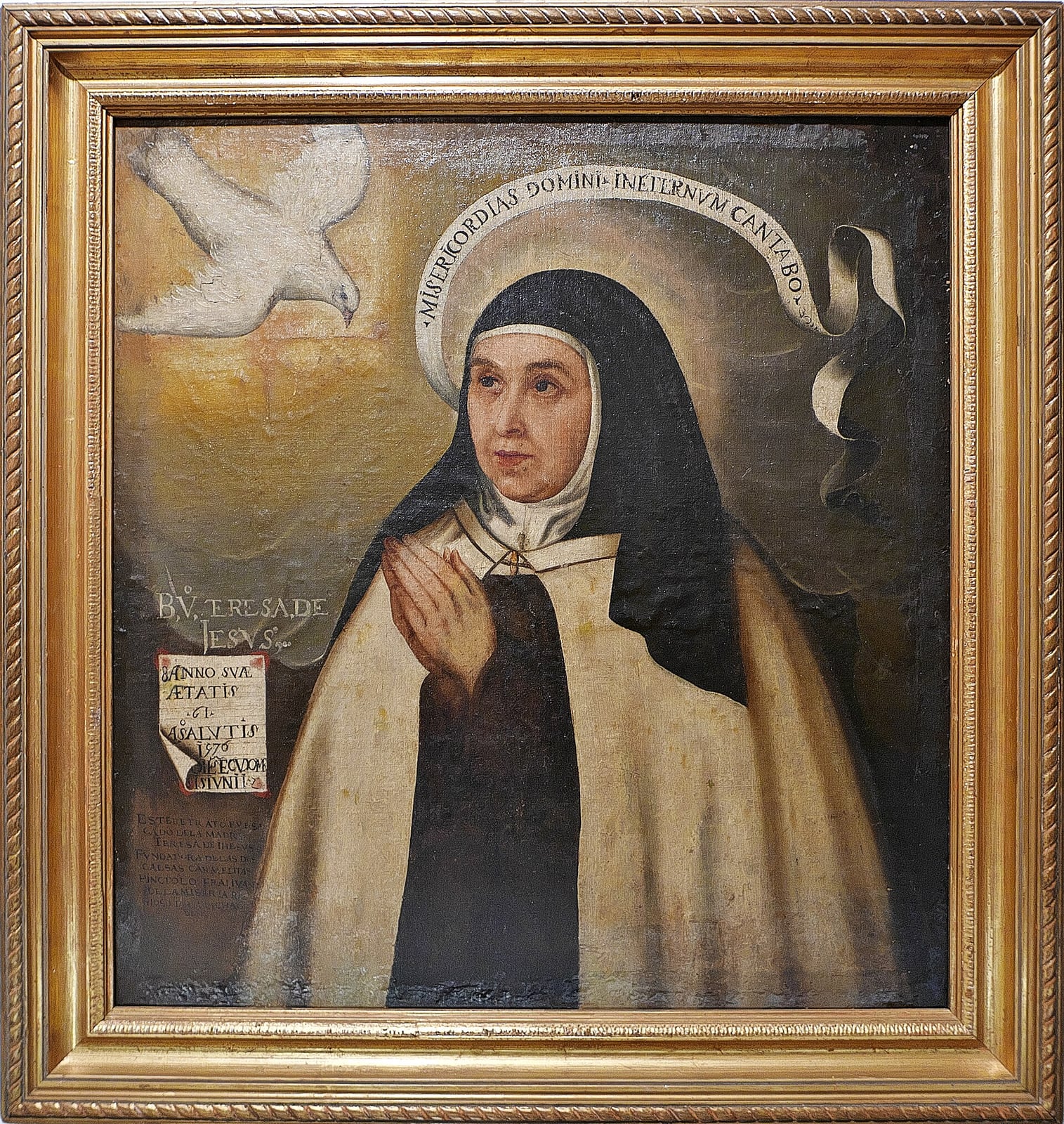
Teresa of Ávila
Ils concordent sur: Qu'est-ce que l'Absolu ? Dieu existe-t-il ? · Qui suis-je ? Existe-t-il un vrai soi ? · Pourquoi souffrons-nous ?

Francis of Assisi
Ils concordent sur: Qu'est-ce que l'Absolu ? Dieu existe-t-il ? · Qui suis-je ? Existe-t-il un vrai soi ? · Pourquoi souffrons-nous ?
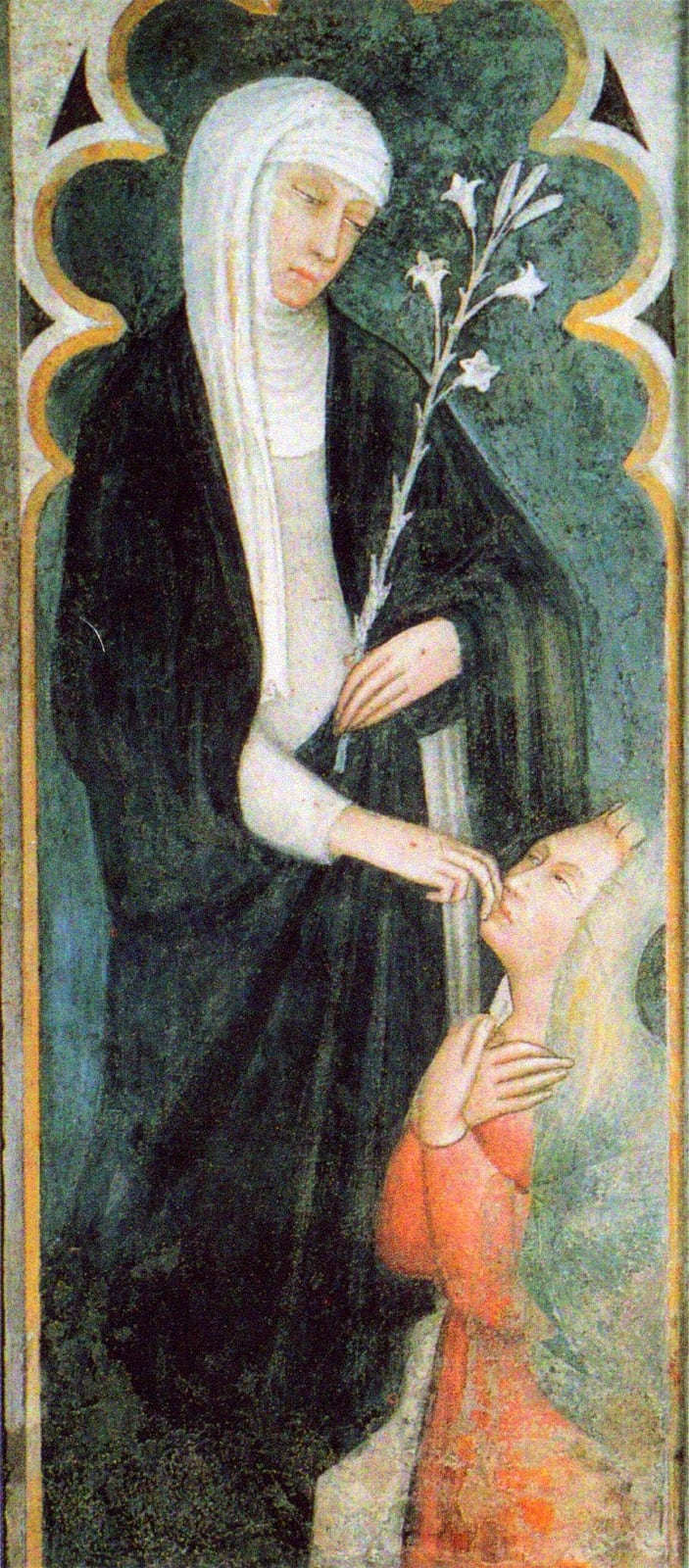
Catherine of Siena
Ils concordent sur: Qu'est-ce que l'Absolu ? Dieu existe-t-il ? · Qui suis-je ? Existe-t-il un vrai soi ? · Pourquoi souffrons-nous ?
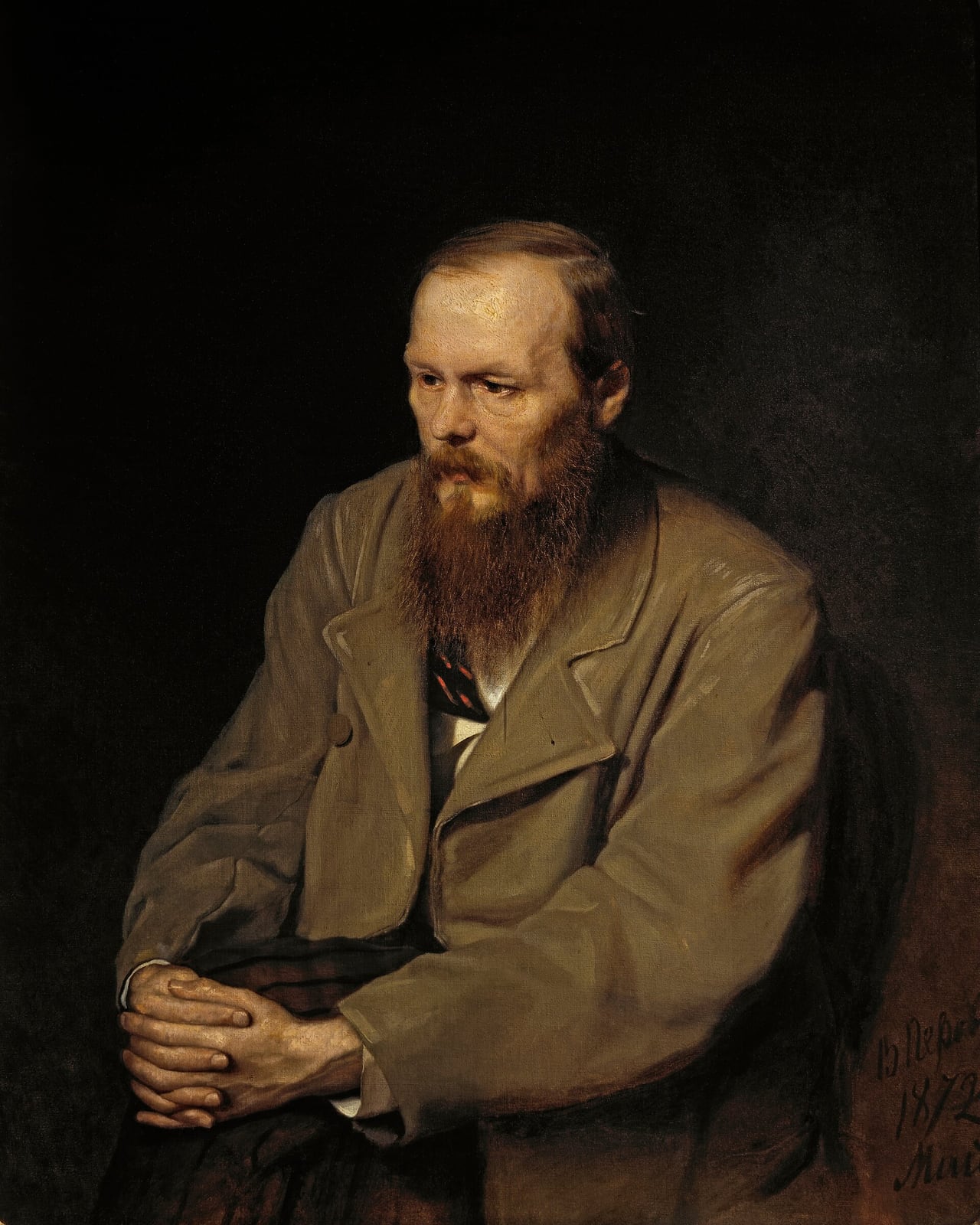
Fyodor Dostoevsky
Ils concordent sur: Qu'est-ce que l'Absolu ? Dieu existe-t-il ? · Qui suis-je ? Existe-t-il un vrai soi ? · Pourquoi souffrons-nous ?
Pense autrement que

Nāgārjuna
Ils s'opposent sur: Qu'est-ce que l'Absolu ? Dieu existe-t-il ? · Qui suis-je ? Existe-t-il un vrai soi ? · Que se passe-t-il après la mort ?
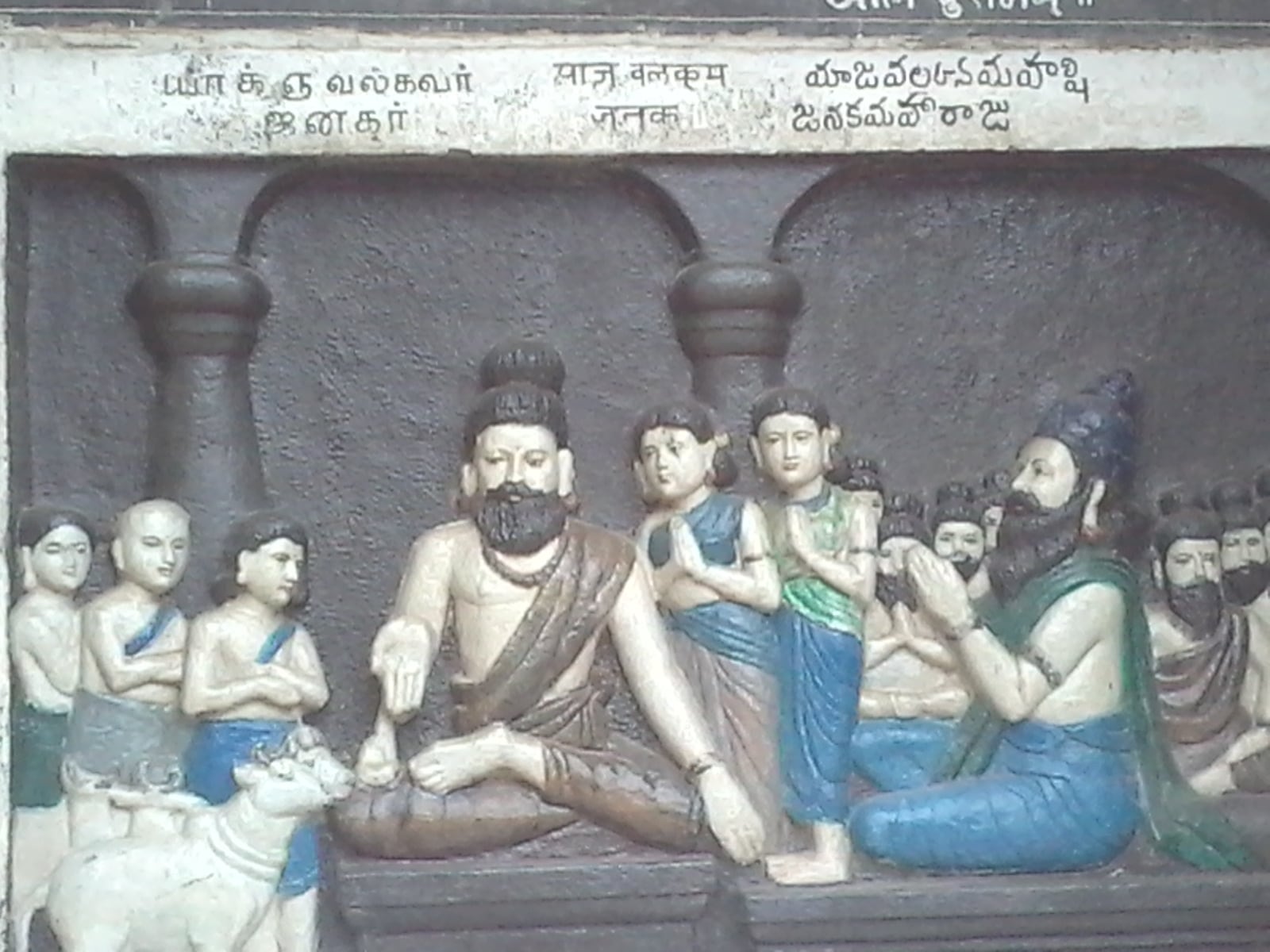
Yajnavalkya
Ils s'opposent sur: Qui suis-je ? Existe-t-il un vrai soi ? · Que se passe-t-il après la mort ? · Le monde est-il réel ?
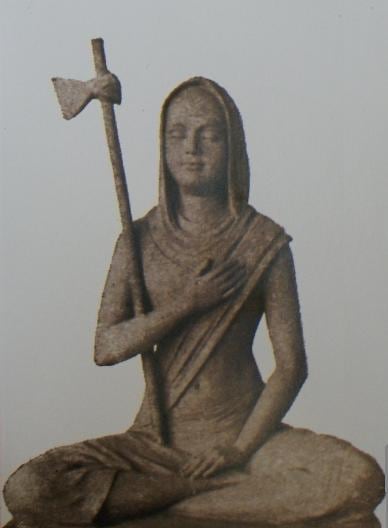
Gaudapada
Ils s'opposent sur: Qui suis-je ? Existe-t-il un vrai soi ? · Le monde est-il réel ?
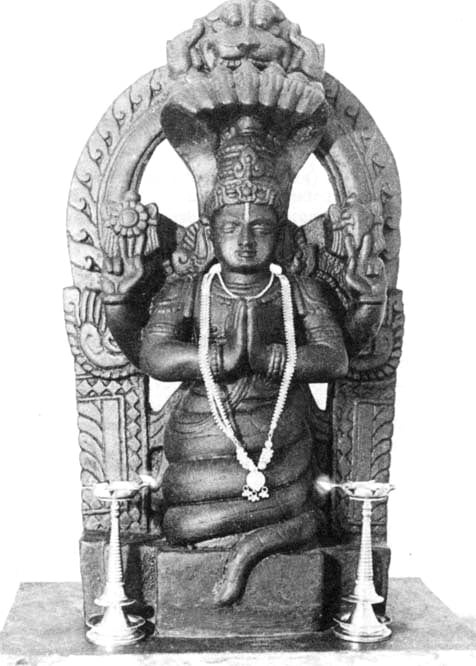
Patañjali
Ils s'opposent sur: Qu'est-ce que l'Absolu ? Dieu existe-t-il ? · Qui suis-je ? Existe-t-il un vrai soi ? · Que se passe-t-il après la mort ?
Anecdotes et récits
Anecdotes et récits
Témoignage1521
The sawn leg
Origine du récit: Autobiography, nos. 2–5, dictated by Ignatius to Gonçalves da Câmara in 1553: his own testimony, thirty years later.
Témoignage1522
The Moor and the mule
Origine du récit: Autobiography, nos. 15–16. It is the only testimony to the episode.
Témoignage1522
The vigil of arms at Montserrat
Origine du récit: Autobiography, nos. 17–18. The confessor's name, Jean Chanon, comes from the Montserrat tradition and the biographers, not from the Autobiography.
Témoignage1522
Beside the Cardoner
Origine du récit: Autobiography, no. 30; the term 'eximia ilustración' comes from later Jesuit tradition (Nadal, Laínez).
Témoignage1527
The fetters of Salamanca
Origine du récit: Autobiography, nos. 64–70; the Salamanca sentence and the Alcalá proceedings survive in the Monumenta (Scripta de S. Ignatio).
Témoignage1540–1552
'Here I am': Xavier leaves for India
Origine du récit: The dialogue comes from Ribadeneira's Life (book II) and is quoted by Tellechea in his 'Semblanza'; Xavier's written vote (15 March 1540) and his letters from Asia survive in the Monumenta Xaveriana.
Témoignage1555
A quarter of an hour of prayer
Origine du récit: The confidence appears in the narrative sources of the first companions (Gonçalves da Câmara's Memorial and Ribadeneira, in Fontes narrativi); the exact passage has not been checked here. The reaction to Carafa's election is told by Tellechea (s7).
Source: Monumenta Historica Societatis Iesu. Fontes narrativi de S. Ignatio de Loyola et de Societatis Iesu initiis, ed. Dionisio Fernández Zapico, Cándido de Dalmases et al., 4 vols. Roma: MHSI, 1943–1965 (incluye el Memorial de Gonçalves da Câmara y la carta de Polanco sobre la muerte de Ignacio, 6 de agosto de 1556).
Enseignements
Enseignements
Les notions qui structurent sa pensée, expliquées dans leur contexte.
Principle and Foundation and indifferenceprincipio-y-fundamento
Programmatic text of the first week; its scholastic language comes from the Paris studies.
Discernment of spiritsdiscernimiento-de-espiritus
It reworks a patristic and monastic tradition (Cassian, Gerson) in a practical language of its own.
Consolation and desolationconsolacion-y-desolacion
Core of the rules for the first week; illustrated in his own life by the Spiritual Diary.
The election and its three timeseleccion
It is the practical aim of the Exercises according to the first annotation: 'to seek and find the divine will'.
The examenexamen
A daily practice that extends the Exercises into ordinary life.
Imaginative contemplation and composition of placecontemplacion-imaginativa
The method proper to the second, third and fourth weeks.
Magis and 'in all things to love and serve'magis
The phrase 'contemplativus in actione' is Nadal's, not Ignatius's.
Source: O'Malley, John W. The First Jesuits. Cambridge (Mass.): Harvard University Press, 1993.
Vidéos
Vidéos
Enregistrements, entretiens et documentaires. Les vidéos sont lues depuis YouTube ; elles ne sont pas hébergées ici.
JESUITS ON...Ignatius of Loyola
Documentaire· EN· 21 min
Loyola Productions, Inc.Chaîne officielle
John O'Malley Sacred Lecture Fall 2018: The New Spirituality of St. Ignatius
Conférence· EN· 39 min
Georgetown University Campus MinistryChaîne officielle
On Magnanimity and the Magis: What St. Ignatius Loyola Really Said about Finding God's Will
Conférence· EN· 47 min
Georgetown University Campus MinistryChaîne officielle
Saint Ignatius of Loyola
Documentaire· EN· 9 min
SaintLouisUniversityChaîne officielle
Ignatius of Loyola – Finding God In All Things
Documentaire· EN· 10 min
Jesuits in BritainChaîne officielle
What are the Spiritual Exercises of St Ignatius?
Analyse· EN· 4 min
Jesuits in BritainChaîne officielle
Ignacio - el buscador de Dios - premiado Documental de animación
Documentaire· ES· 62 min
Loyola Productions Munich – Visualizing MindsChaîne officielle
La Cueva de San Ignacio de Loyola
Documentaire· ES· 11 min
Jesuïtes CatalunyaChaîne officielle
El Camino Ignaciano
Documentaire· ES· 12 min
JesuitasESPChaîne officielle
Manresa: cortometraje sobre Ignacio de Loyola
Documentaire· ES· 14 min
Jesuitas del PerúChaîne officielle
Saint Ignace de Loyola
Documentaire· FR· 53 min
KTO TV
Saint Ignace dans l'Histoire de l'Eglise
Conférence· FR· 53 min
KTO TV
Ignatius of Loyola – Gott in allen Dingen finden
Documentaire· DE· 10 min
JesuitenChaîne officielle
Ignatius von Loyola kurz erklärt. Heiligenportraits.
Analyse· DE· 3 min
katholisch.de
Divini Devoti - 5 ep I GESUITI Chiesa Ss Nome di Gesù e Chiesa Sant'Ignazio
Documentaire· IT· 40 min
Dialogues, raccontare l'Arte
Galerie
Galerie
Images dont la licence a été vérifiée. Chacune conserve son auteur et son attribution.
Manuscrits
Manuscrits
Témoins manuscrits et textes anciens, avec leur dépositaire et leurs conditions de consultation.
ES · Latin · c. 1541–1548
Ejercicios espirituales («Autógrafo»)
- Témoin conservé
- Manuscrito único conocido como Autógrafo
- Dépositaire
- Archivum Romanum Societatis Iesu (Roma)
ES · Latin · 2 de febrero de 1544 – 27 de febrero de 1545
Diario espiritual
- Témoin conservé
- Dos cuadernillos autógrafos
- Dépositaire
- Archivum Romanum Societatis Iesu (Roma)
ES · Latin · 1553–1555
Acta Patris Ignatii (Autobiografía)
- Témoin conservé
- Copias manuscritas del siglo XVI
- Dépositaire
- Archivum Romanum Societatis Iesu (Roma)
Relations
Relations
Influences, filiations et affinités. On distingue la relation documentée de la similitude identifiée par analyse.
A reçu l'influence de
During his convalescence in 1521 he read Francis's life in the Flos sanctorum and resolved to imitate him ('what if I were to do what Saint Francis did…?', Autobiography no. 7).
Relation documentée
A reçu l'influence de
He came to know the Imitation of Christ (then circulating as Gerson's work, the 'Gersoncito') at Manresa and, according to Gonçalves da Câmara's Memorial, read it daily and recommended it.
Relation documentée
A influencé
Teilhard entered the Society of Jesus in 1899 and was formed by the Exercises; his search for God 'in all things' of matter and evolution has been read as an extension of Ignatian spirituality.
Relation documentée
A influencé
Jung devoted his 1939–1940 seminar at the ETH Zurich to a psychological commentary on the Spiritual Exercises.
Relation documentée
Contemporain de
A Spanish contemporary; she had several Jesuit confessors and was canonised on the same day in 1622. There is no record that they met.
Similitude identifiée par analyse
Idées proches de
Both describe the purification of attachments as a condition of union with God; Ignatian 'indifference' and John's 'nothing' have often been compared, with different emphases (apostolic choice versus contemplative path).
Similitude identifiée par analyse
Idées proches de
Merton practised and discussed the Ignatian meditation tradition in his early years, though his path was the Cistercian monastic one.
Similitude identifiée par analyse
Sources
Sources
Bibliographie et catalogues consultés pour cette fiche.
- Wikidata, «Ignatius of Loyola» (Q44281).
- Ignacio de Loyola. Obras. Transcripción, introducciones y notas de Ignacio Iparraguirre, Cándido de Dalmases y Manuel Ruiz Jurado. Madrid: Biblioteca de Autores Cristianos, 1991 (5.ª ed.). ISBN 9788479140342.
- Ignacio de Loyola. Autobiografía (Acta Patris Ignatii), recogida por Luís Gonçalves da Câmara, 1553–1555. Texto castellano en Wikisource.
- Ignatius of Loyola. The Spiritual Exercises of St. Ignatius of Loyola. Translated from the Autograph by Elder Mullan, S.J. New York: P. J. Kenedy & Sons, 1914. Texto en Christian Classics Ethereal Library.
- García-Villoslada, Ricardo. San Ignacio de Loyola: nueva biografía. Madrid: Biblioteca de Autores Cristianos (BAC Maior), 1986.
- Tellechea Idígoras, José Ignacio. Ignacio de Loyola, solo y a pie. Madrid: Cristiandad, 1986.
- Tellechea Idígoras, José Ignacio. «Semblanza de Ignacio de Loyola». Conferencia en Forum Deusto, 24 de enero de 2006. Bilbao: Universidad de Deusto. ISBN 978-84-9830-696-5.
- O'Malley, John W. The First Jesuits. Cambridge (Mass.): Harvard University Press, 1993.
- Monumenta Historica Societatis Iesu. Fontes narrativi de S. Ignatio de Loyola et de Societatis Iesu initiis, ed. Dionisio Fernández Zapico, Cándido de Dalmases et al., 4 vols. Roma: MHSI, 1943–1965 (incluye el Memorial de Gonçalves da Câmara y la carta de Polanco sobre la muerte de Ignacio, 6 de agosto de 1556).
- Ribadeneira, Pedro de. Vida del P. Ignacio de Loyola, fundador de la religión de la Compañía de Jesús. Madrid, 1583 (versión latina, Nápoles, 1572). Reimpresión de 1880 en Internet Archive.
- Pollen, John Hungerford. «St. Ignatius Loyola». The Catholic Encyclopedia, vol. 7. New York: Robert Appleton, 1910 (texto en Wikisource).
- Ignatius of Loyola. The Autobiography of St. Ignatius. Ed. J. F. X. O'Conor, S.J. New York: Benziger Brothers, 1900 (Project Gutenberg n.º 24534).
- Ignatius of Loyola. Personal Writings: Reminiscences, Spiritual Diary, Select Letters, including the text of The Spiritual Exercises. Trad. Joseph A. Munitiz y Philip Endean. London: Penguin Books, 1996. ISBN 9780140433852.
- Hevenesi, Gabriel. Scintillae Ignatianae, sive S. P. Ignatii de Loyola sententiae et effata sacra. Viena, 1705.
- Rahner, Hugo. Saint Ignatius Loyola: Letters to Women. Freiburg / New York: Herder, 1960.
- Open Library, registros de edición consultados por ISBN (obras de Ignacio de Loyola).
- The Online Books Page, «Online Books by Saint Ignatius of Loyola», ed. John Mark Ockerbloom (University of Pennsylvania).
- Dalmases, Cándido de. El Padre Maestro Ignacio: breve biografía ignaciana. Madrid: BAC, 1979.
- Wikidata, «Pierre Teilhard de Chardin» (Q189564): miembro de la Compañía de Jesús (P611 = Q36380).
- Jung, Carl Gustav. Jung on Ignatius of Loyola's Spiritual Exercises: Lectures Delivered at ETH Zurich, vol. 7, 1939–1940. Ed. Martin Liebscher. Princeton: Princeton University Press, 2023. ISBN 9780691244167.
- Frisbee, S. H. «Anima Christi». The Catholic Encyclopedia, vol. 1. New York: Robert Appleton, 1907 (texto en Wikisource).
- Ayant droit
- Los textos de Ignacio son de dominio público; las traducciones y ediciones críticas modernas pertenecen a sus editoriales (BAC, Sal Terrae–Mensajero, Loyola Press, Institute of Jesuit Sources, Penguin, etc.).
- Site officiel
- www.jesuits.global/
En attente de confirmation
Ce que cette fiche n'a pas encore pu établir. Nous préférons le dire plutôt que de combler.
- Localizar una transcripción de dominio público y con OCR limpio del texto castellano de los Ejercicios espirituales (Wikisource en español no lo tiene; el facsímil de 1908 es solo imagen).
- Cotejar en Fontes narrativi (MHSI) la carta de Polanco del 6 de agosto de 1556 para fijar la forma exacta de la exclamación final («¡Ay, Dios!» / «Ay, Dios, Jesús»).
- Verificar el número exacto del Memorial de Gonçalves da Câmara donde figura la confidencia del «cuarto de hora de oración».
- Signaturas (shelfmark) del Autógrafo de los Ejercicios, del Diario espiritual y de los códices de la Autobiografía en el Archivum Romanum Societatis Iesu; buscar digitalización oficial.
- Completar ISBN de ediciones en italiano, ruso y árabe de los Ejercicios y de la Autobiografía (no localizados en Open Library), y de una edición castellana actual de las Constituciones con sus Normas complementarias.
- Fechas de muerte de Juan José de la Torre y Antonio Cabré, editores de las Cartas (1874), para cerrar la nota de derechos.
- Programas de afiliación: ninguno verificado para las editoriales listadas.
Recherche effectuée le 2026-10-25