Hindouisme · Bhakti · Tradition védique
Narada
नारद
Figure légendaire
Sage divin (devarṣi) de la tradition hindoue, messager entre les dieux et les hommes et musicien de la vīṇā. Il apparaît dans le Ṛgveda, l'Aitareya Brāhmaṇa, la Chāndogya Upaniṣad (son dialogue avec Sanatkumāra), le Mahābhārata, le Rāmāyaṇa — où il raconte à Vālmīki l'histoire de Rāma — et les Purāṇa, qui en font le modèle du dévot. On lui attribue le Nārada Bhakti Sūtra, de date médiévale incertaine, la Nārada Smṛti, traité juridique des premiers siècles de notre ère (Ve-VIe siècle selon Olivelle) que la critique attribue à un autre auteur, le Nārada Purāṇa et le Nārada Pañcarātra.
- œuvres
- 12œuvres
- éditions
- 29éditions
- citations
- 7citations
- vidéos
- 13vidéos
- images
- 8images
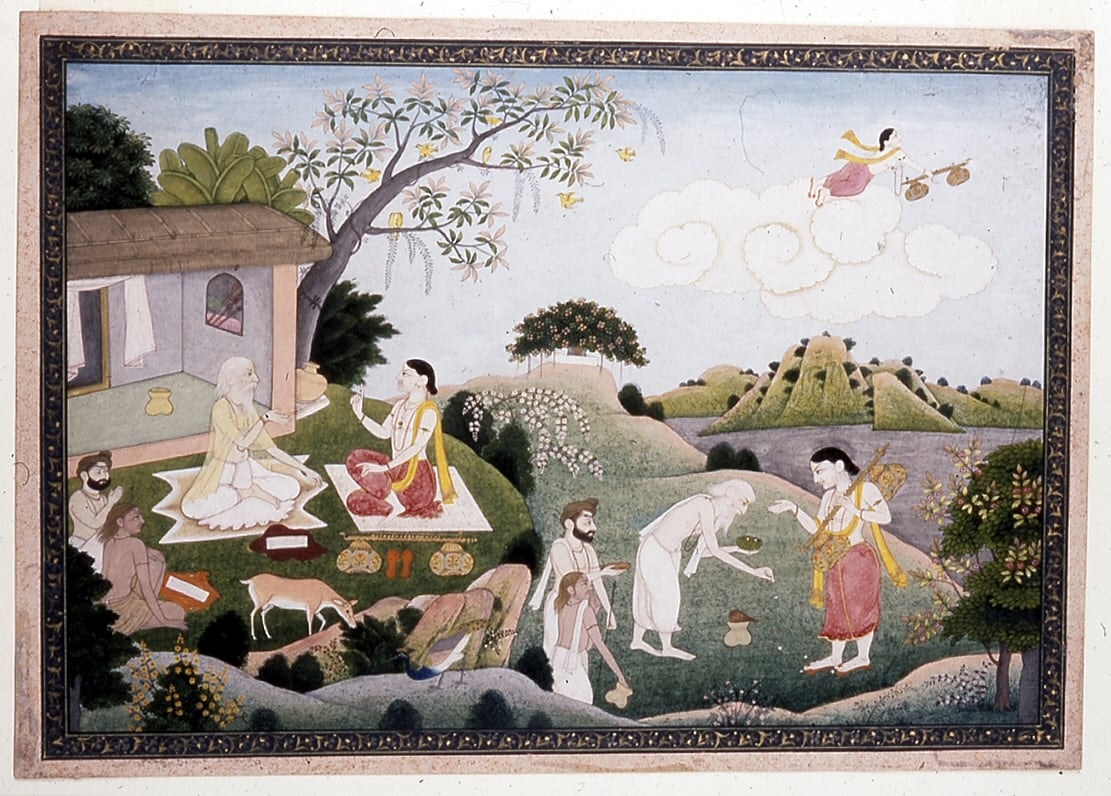
Nārada visita a Vālmīki · Public domain
Dans ses propres mots
«Sir, I am only a knower of mantras, not a knower of the Self.»Chāndogya Upaniṣad VII.1.3, palabras de Nārada a Sanatkumāra; sánscrito de Wikisource; traducciones del investigador.

Pour commencer, une œuvre
Nārada Bhakti Sūtra (Nārada’s Aphorisms on Devotion)Son idée centrale
Parabhakti (supreme love): The Nārada Bhakti Sūtra defines devotion as “supreme love” (paramaprema) directed to God and immortal in nature.
Le voir en contexte
Biographie
5 min de lecture
Traduction assistée à partir de l'original espagnol, en attente de relecture par un traducteur natif.
Le messager entre les mondes
Nārada est l'une des figures les plus omniprésentes et les plus insaisissables de la littérature sanskrite. On le rencontre dans les hymnes védiques, dans les Upaniṣad, dans les deux épopées et dans presque tous les Purāṇa, et toujours en mouvement : un sage divin (devarṣi) qui parcourt les trois mondes avec sa vīṇā, porte les nouvelles des dieux aux hommes et des hommes aux dieux, conseille les rois, instruit les poètes et, souvent, attise des conflits qui finissent par servir un dessein plus élevé. Ce n'est un personnage historique en aucun sens vérifiable ; c'est un type littéraire et religieux que la tradition n'a cessé d'enrichir pendant plus de deux millénaires et sous le nom duquel se sont rassemblées des œuvres d'époques et de genres très différents.
De l'hymne védique à l'Upaniṣad
Les listes traditionnelles des auteurs du Ṛgveda attribuent à un Nārada de la famille des Kāṇva l'hymne 8.13 et, avec Parvata, les hymnes 9.104 et 9.105, consacrés au soma ; ce sont des attributions tardives qui ne sauraient se lire comme des données biographiques. Dans l'Aitareya Brāhmaṇa, Nārada et Parvata séjournent chez le roi Hariścandra, qui n'a pas de fils, et c'est Nārada qui lui répond en dix strophes sur la valeur d'un fils et lui conseille de le promettre à Varuṇa : ainsi commence le célèbre récit de Śunaḥśepa. Et dans la Chāndogya Upaniṣad (VII), il est le protagoniste de l'un des plus beaux dialogues du corpus : le sage qui maîtrise tous les savoirs de son temps se présente devant Sanatkumāra et avoue qu'il ne connaît que des mots — « je connais les mantras, non le Soi » — et qu'il souffre ; le maître le conduit, degré par degré, jusqu'à l'infini (bhūman), seul lieu où se trouve le bonheur.
Le conseiller de l'épopée
Dans le Mahābhārata, Nārada est le visiteur qui arrive à la cour des Pāṇḍava et soumet Yudhiṣṭhira à un long questionnaire sur l'art de gouverner — le trésor, l'armée, les conseillers, la justice, le soin des paysans — avant de lui décrire les salles d'assemblée des dieux ; dans le Śāntiparvan, il se rend à l'île blanche (Śvetadvīpa) pour contempler Nārāyaṇa, épisode central du Nārāyaṇīya et de la théologie pāñcarātra. Dans la Bhagavad-Gītā, Kṛṣṇa déclare être, parmi les sages divins, Nārada. Dans le Rāmāyaṇa, c'est Nārada qui, interrogé par Vālmīki sur l'homme parfait de son temps, lui résume l'histoire de Rāma : selon son propre récit, le poème tout entier naît de cette conversation.
Le dévot des Purāṇa
Les Purāṇa vishnouites firent de lui le modèle du dévot. Le Bhāgavata Purāṇa lui prête une vie antérieure de fils d'une servante qui, au service d'ascètes, entendit leurs récits sur Viṣṇu et eut une vision fugitive du dieu ; né de nouveau comme fils de Brahmā, il parcourt l'univers en chantant les noms divins. C'est lui qui trouve Vyāsa abattu après la composition du Mahābhārata et lui conseille de chanter les gloires de Kṛṣṇa, origine traditionnelle du Bhāgavata lui-même ; lui qui instruit Prahlāda dans le sein de sa mère et oriente l'enfant Dhruva vers son ascèse. Mais les mêmes textes conservent un Nārada orgueilleux, joué par l'illusion (māyā) de Viṣṇu, et l'imagination populaire l'a dépeint en sage indiscret qui sème la discorde entre dieux et rois. Cette ambivalence fait partie du personnage.
Les aphorismes de l'amour divin
L'œuvre la plus lue qui porte son nom est le Nārada Bhakti Sūtra, quatre-vingt-quatre aphorismes sur la dévotion. Il définit la bhakti comme un amour suprême pour Dieu, recueille les définitions de Pārāśarya, de Garga et de Śāṇḍilya avant de donner la sienne — consacrer à Dieu tous ses actes et éprouver une angoisse extrême à l'oublier —, propose pour modèle les bouvières (gopī) du Vraja, soutient que la dévotion est supérieure à l'action, à la connaissance et au yoga parce qu'elle est à elle-même son propre fruit, et la déclare ineffable, comme la saveur pour un muet. Sa date est incertaine : sa dépendance envers le culte de Kṛṣṇa le situe à l'époque médiévale, et Gavin Flood le juge peut-être du XIIe siècle. Ramakrishna recommandait la dévotion enseignée par Nārada comme la voie propre à l'âge présent, et Vivekananda en donna une traduction libre pendant ses années aux États-Unis.
Un nom pour de nombreux livres
Sous son autorité se sont rassemblés des textes de nature très diverse. La Nārada Smṛti est le plus juridique des traités du dharma : elle laisse de côté les rites et les pénitences pour ne traiter que de la procédure judiciaire et des dix-huit titres du litige — dettes, dépôts, contrats, successions, injures. Sa date oscille, selon les auteurs, entre les premiers siècles de notre ère et les Ve-VIe siècles que propose Olivelle, et la critique ne l'attribue pas au sage de l'épopée, mais à un juriste qui s'abrita sous son nom. Le Nārada Purāṇa (ou Nāradīya) et sa version mineure, le Bṛhannāradīya, doivent leur titre au fait que Nārada y est l'interlocuteur ; la Nāradīya Śikṣā traite de la phonétique et de la musique du chant du Sāmaveda ; le Saṅgītamakaranda, de la musique ; et le Nārada Pañcarātra, ainsi nommé, est une compilation dévotionnelle tardive qu'Otto Schrader ne comptait pas parmi les anciennes saṃhitā pāñcarātra.
Le premier musicien
Dans l'imaginaire indien, Nārada est avant tout le musicien des dieux : le sage à la barbe blanche qui chemine avec sa vīṇā — appelée Mahatī par la tradition — en chantant le nom de Nārāyaṇa. La tradition lui attribue l'invention de cet instrument, et son nom préside à des traités de théorie musicale. L'iconographie — miniatures mogholes et rajpoutes, peintures de Kangra, marionnettes du wayang javanais, où Batara Narada est le conseiller des dieux — montre jusqu'où voyagea le messager. Sa naissance (Nārada Jayantī) est célébrée au mois de jyeṣṭha, et la presse indienne l'invoque parfois, avec humour, comme le premier journaliste.
Une autorité de passage
Nārada n'a pas de biographie parce que sa fonction est d'être de passage. Partout où une histoire a besoin d'une nouvelle, d'un conseil ou d'une impulsion, il surgit. La tradition a fait de cette mobilité une figure de l'âme dévote, qui ne s'installe dans aucun monde et chante dans tous ; la critique y lit l'empreinte d'un personnage composé par de nombreuses mains au fil des siècles. Entre ces deux lectures demeure le trait qu'il partage avec les grands maîtres légendaires de l'Inde : son autorité réside dans ce qu'on lui attribue, non dans ce dont on peut prouver qu'il l'a fait.
Sources: Vivekananda, Swami. «Narada-Bhakti-Sutras (a free translation dictated by Swamiji in America)», en The Complete Works of Swami Vivekananda, vol. 6 (Notes of Class Talks and Lectures). Texto en Wikisource. · Sturdy, E. T. (trad.). Nârada Sûtra: An Inquiry into Love (Bhakti-jijnâsâ). Londres: Longmans, Green & Co., 1896. · Sinha, Nandalal (trad.). The Bhakti Sûtras of Nârada. Allahabad: Pāṇini Office (Sacred Books of the Hindus 7, parte 1); ejemplar digitalizado fechado en 1917. · Jolly, Julius (trad.). The Minor Law-Books, parte I: Nârada, Brihaspati. Oxford: Clarendon Press, 1889 (Sacred Books of the East 33). Introducción sobre la Nāradasmṛti. · Lariviere, Richard W. (ed. y trad.). The Nāradasmṛti. 2 partes. Filadelfia: Department of South Asia Regional Studies, University of Pennsylvania, 1989 (University of Pennsylvania Studies on South Asia 4–5); reimpr. Delhi: Motilal Banarsidass, 2003 (ISBN 9788120818040).
Chronologie
La vie, année après année
Chaque point est un événement documenté. Cliquez pour le lire, avec sa source et son degré de certitude.
Xe siècle av. J.-C.
Nārada in the lists of Ṛgvedic poets
The Anukramaṇī ascribes hymn 8.13 to Nārada Kāṇva and, with Parvata, hymns 9.104 and 9.105. A traditional ascription later than the hymns themselves.
TraditionJamison, Stephanie W. y Joel P. Brereton (trads.). The Rigveda: The Earliest Religious Poetry of India. 3 vols. Nueva York: Oxford University Press, 2014. Introducciones a RV 8.13 y 9.104–105.
Xe siècle av. J.-C.
Nārada in the lists of Ṛgvedic poets
The Anukramaṇī ascribes hymn 8.13 to Nārada Kāṇva and, with Parvata, hymns 9.104 and 9.105. A traditional ascription later than the hymns themselves.
Tradition
v. 700 av. J.-C.
Counsellor of Hariścandra (Aitareya Brāhmaṇa)
In the story of Śunaḥśepa (AB VII.13–14), Nārada answers King Hariścandra in ten stanzas on the worth of a son and advises him to ask Varuṇa for one. The text’s date is approximate (late Vedic period).
Tradition
VIe siècle av. J.-C.
Nārada before Sanatkumāra (Chāndogya Upaniṣad VII)
A dialogue in which Nārada, master of all learning, confesses that he knows only words and is led to the infinite (bhūman). The Upaniṣad’s date is approximate.
Tradition
v. 200 av. J.-C. – 400
The sage of the epic
The Mahābhārata presents him as Yudhiṣṭhira’s counsellor (Sabhāparvan 5) and the seer of Nārāyaṇa in Śvetadvīpa (Nārāyaṇīya); the Rāmāyaṇa, as the one who tells Vālmīki the story of Rāma. The epics took shape between c. 300 BCE and 400 CE.
Probable
v. 500
The Nārada Smṛti
A legal treatise devoted to procedure and the eighteen titles of litigation. Olivelle places it around the 5th–6th centuries; other scholars, in the first centuries CE. Scholars do not ascribe it to the sage of the epic.
Contesté
v. 850
The Bṛhannāradīya Purāṇa
Hazra dates this upapurāṇa centred on devotion to Viṣṇu to around the 9th century; the major Nāradīya would be later, with parts earlier than the 11th century.
Contesté
v. 900
Teacher of Vyāsa in the Bhāgavata Purāṇa
The Bhāgavata (I.4–6) gives him a previous life as the son of a maidservant and shows him advising Vyāsa to sing the glories of Kṛṣṇa. The Purāṇa’s date is debated (c. 9th–10th centuries).
Contesté
XIIe siècle
The Nārada Bhakti Sūtra
Composition of the 84 aphorisms on devotion ascribed to Nārada. Uncertain date; Flood considers it possibly twelfth-century.
Contesté
1865
Edition of the Nārada Pañcarātra
K. M. Banerjea publishes in Calcutta, in the Bibliotheca Indica, the Sanskrit text of the Jñānāmṛtasāra, known as the Nārada Pañcarātra.
Documenté
1889
Jolly translates the Nārada Smṛti
Julius Jolly publishes the English translation in the Sacred Books of the East (vol. 33).
Documenté
1896
First English translation of the Bhakti Sūtra
E. T. Sturdy publishes in London “Nârada Sûtra: An Inquiry into Love”.
Documenté
1989
Critical edition of the Nārada Smṛti
Richard W. Lariviere publishes the critical edition and annotated translation in Philadelphia.
Documenté
Œuvres
Œuvres essentielles
Les œuvres sans lesquelles on ne comprend pas son héritage.
Attribution traditionnelle · v. 1150
Nārada Bhakti Sūtra (Nārada’s Aphorisms on Devotion)
नारदभक्तिसूत्र
Eighty-four aphorisms defining devotion (bhakti) as supreme love for God, immortal in nature. After quoting the definitions of Pārāśarya (worship), Garga (sacred stories) and Śāṇḍilya (delight in the Self), it gives Nārada’s own: to consecrate every act to God and to feel extreme anguish at forgetting Him, like the gopīs of Vraja. It holds that bhakti is superior to action, knowledge and yoga because it is its own fruit; teaches its means —renunciation, ceaseless worship, hearing and singing the divine qualities and, above all, the grace of great souls—; declares it ineffable, “like taste for a mute”; distinguishes secondary from supreme devotion and lists eleven forms of attachment to God.
12 éditions

Attribution traditionnelle · v. 500
Nārada Smṛti (Nārada’s Treatise on Law)
नारदस्मृति
The only treatise on dharma devoted entirely to procedural and substantive law, without rules on rites or penances. After an introduction on procedure (the plaint, the answer, evidence, witnesses, documents and ordeals), it sets out the eighteen titles of litigation: debts, deposits, partnerships, resumption of gifts, service, wages, sale without ownership, non-delivery and rescission of purchase, conventions, boundary disputes, relations between husband and wife, inheritance, violence, verbal and physical assault, gambling and betting, and miscellaneous cases. It survives in two recensions; the shorter was commented on by Asahāya and revised by Kalyāṇabhaṭṭa.
6 éditions
Narada
Nārada Purāṇa (Nāradīya Purāṇa)
Compilation postérieure · v. 1000
Nārada Purāṇa (Nāradīya Purāṇa)
नारदपुराण (नारदीयपुराण)
A Vaiṣṇava Purāṇa in two parts: the first (125 chapters, in four sections) deals with devotion to Viṣṇu, the duties of classes and stages of life, rites and vows and the auxiliary sciences of the Veda, and devotes a chapter to summarising each of the eighteen major Purāṇas, which makes it a valuable document for their history; the second (82 chapters) includes the story of King Rukmāṅgada and long glorifications of pilgrimage places along the Ganges. It is distinguished from the shorter Bṛhannāradīya.
3 éditions
Toute son œuvre (12)
Narada
Bṛhannāradīya Purāṇa
The Conscious LibraryBṛhannāradīya Purāṇa
850
Narada
Nārada Pañcarātra (Jñānāmṛtasāra Saṃhitā)
The Conscious LibraryNārada Pañcarātra (Jñānāmṛtasāra Saṃhitā)
Narada
Nāradīya Śikṣā
The Conscious LibraryNāradīya Śikṣā
Narada
Saṅgītamakaranda
The Conscious LibrarySaṅgītamakaranda
Narada
Ṛgvedic hymns ascribed to Nārada (8.13; 9.104–105)
The Conscious LibraryṚgvedic hymns ascribed to Nārada (8.13; 9.104–105)
1000
Narada
Nārada’s stanzas on the son (Aitareya Brāhmaṇa VII.13)
The Conscious LibraryNārada’s stanzas on the son (Aitareya Brāhmaṇa VII.13)
700
Narada
Nārada’s abridged Rāmāyaṇa (Rāmāyaṇa I.1)
The Conscious LibraryNārada’s abridged Rāmāyaṇa (Rāmāyaṇa I.1)
100
Narada
Nārada’s questionnaire on government (Mahābhārata, Sabhāparvan 5)
The Conscious LibraryNārada’s questionnaire on government (Mahābhārata, Sabhāparvan 5)
Narada
Nāradaparivrājaka Upaniṣad
The Conscious LibraryNāradaparivrājaka Upaniṣad
Citations
Citations localisées dans une œuvre précise. Chacune porte sa provenance et son degré de fiabilité.
Sir, I am only a knower of mantras, not a knower of the Self.so 'haṃ bhagavo mantravid evāsmi nātmavit
VérifiéeChāndogya Upaniṣad VII.1.3, palabras de Nārada a Sanatkumāra; sánscrito de Wikisource; traducciones del investigador.
Citations apocryphes ou d'attribution contestée (1)
«“The best path to union with God is to follow the way of divine love as taught by Narada.”»
It circulates attributed to Ramakrishna without a specific reference. What is documented in the 1911 English Gospel is the idea —the devotion taught by Nārada is the path suited to this age—, not this literal sentence.
Dernières paroles
Il n'existe aucun témoignage vérifiable de ses dernières paroles.
Nārada is a mythical figure to whom tradition ascribes no death: the texts present him as a divine sage who travels the worlds in every age. There are no last words to record.
Interroger
Ce que répond son œuvre
Douze grandes questions de l'humanité et ce que ses textes permettent d'y répondre, références à l'appui. Nous ne lui prêtons jamais de paroles.
Qu'est-ce que l'Absolu ? Dieu existe-t-il ?
God is the beloved Lord to whom every act is consecrated
Un Dieu personnelIl le dit expressément
The Nārada Bhakti Sūtra does not discuss God's existence: it takes it for granted and deals with how to love him. It defines devotion as supreme love directed to him (sūtra 2) and its sign as the surrender of all acts to the Lord and extreme anguish at the slightest forgetting (sūtra 19). This God is personal: he has qualities that are heard and sung (sūtra 37), he grants grace (sūtra 40) and he can be loved as master, friend, child or lover (sūtra 82). The model it proposes is the cowherd women of Vraja, in love with Kṛṣṇa (sūtra 21). The text does not deny ultimate unity, for it goes so far as to say that between God and his own there is no difference (sūtra 41), but the Absolute is reached here as a relationship of love, not as an abstract principle.
Comparer cette question avec d'autres maîtresQui suis-je ? Existe-t-il un vrai soi ?
He does not theorise the self: he describes how love of God transforms it
Ne s'est pas prononcé
The Nārada Bhakti Sūtra does not ask what the self is: its subject is devotion. It does describe what happens to one who attains it: he becomes perfect, immortal and satisfied (sūtra 4), ceases to desire, to grieve and to hate, and becomes intoxicated, still and delighting in himself (sūtra 6). The question appears more clearly elsewhere in the tradition, in the Chāndogya Upaniṣad, where Nārada is the disciple who confesses to Sanatkumāra that he knows the mantras but not the Self, and learns that the infinite is the ātman, the only source of happiness. But that passage presents him as a pupil, not as a teacher, and cannot be taken as his doctrine.
Comparer cette question avec d'autres maîtresPourquoi souffrons-nous ?
Forgetting God hurts, and bad company multiplies the passions
La séparation d'avec DieuCela se déduit de sa doctrine
The Nārada Bhakti Sūtra offers no theory of suffering, but one can be deduced from its doctrine. The sign of true love is to feel extreme anguish at the slightest forgetting of God (sūtra 19), and full devotion is described as a state in which one no longer desires, grieves or hates (sūtra 5): ordinary pain thus comes from living turned towards something else. The text also points to its mechanism: bad company arouses desire, anger, confusion, forgetfulness of the goal, loss of judgement and ruin; the passions, which at first are ripples, become an ocean (sūtras 43–45). In the Chāndogya Upaniṣad, Nārada comes to his teacher in sorrow and learns that there is no happiness in the small.
Comparer cette question avec d'autres maîtresQue se passe-t-il après la mort ?
The sūtra promises the immortality of love; it does not describe the beyond
Ne s'est pas prononcé
The Nārada Bhakti Sūtra is not concerned with what happens after death. It says that devotion is immortal in nature (sūtra 3) and that one who attains it becomes perfect, immortal and satisfied (sūtra 4), but it does not clarify whether that immortality is a state of the soul after death, a life in God's presence, or the fullness that love already gives in this life, which is what the context suggests. Nor does it discuss rebirth, which the culture of its time took for granted. The Vaiṣṇava traditions that read it place the devotee, after death, in God's world and at his service; the Purāṇic stories about Nārada himself, who remembers a previous life, belong to legend, not to the sūtra.
Comparer cette question avec d'autres maîtresComment atteint-on la libération ou le salut ?
Devotion surpasses action, knowledge and yoga: it is its own fruit
Par la dévotion et l'abandonIl le dit expressément
The Nārada Bhakti Sūtra places devotion above the other paths: it is greater than action, knowledge and yoga (sūtra 25), because it is not a means to anything else but its own fruit (sūtras 26 and 30). It reviews the opinions of other teachers —that knowledge is its means, or that the two support each other— and concludes that devotion needs no other foundation. Its means are renunciation of objects and of company, unbroken worship and the hearing and singing of God's qualities (sūtras 35–37), but the principal one is the grace of great souls or a drop of divine grace (sūtra 38). The goal is neither a knowledge nor an absorption but love itself, which leaves the devotee satisfied and immortal.
Comparer cette question avec d'autres maîtresFaut-il un maître ?
The principal means is the company of great souls; flee bad company
La communauté et la traditionIl le dit expressément
The Nārada Bhakti Sūtra speaks not of an individual guru but of the company of saints. It declares that the principal means of attaining devotion is the grace of great souls or a drop of divine grace (sūtra 38); that company is hard to obtain, unattainable by one's own effort and unfailing in its effects (sūtra 39), and is gained only by God's grace, since between him and his own there is no difference (sūtras 40–41). Hence the exhortation: seek that, seek that alone (sūtra 42). The reverse is equally sharp: bad company must always be avoided (sūtra 43). The text closes by invoking a long series of teachers of devotion, from the Kumāras and Vyāsa to Hanumān (sūtra 83), as guarantors of the tradition.
Comparer cette question avec d'autres maîtresLe monde est-il réel ?
The world is not denied: it is offered to God with all it contains
Manifestation du divinCela se déduit de sa doctrine
The Nārada Bhakti Sūtra has no cosmology, but neither does it treat the world as an illusion to escape from. It asks the devotee not to be troubled by worldly losses, since he has surrendered to God his own self, the world and the Veda (sūtra 61), and specifies that, once devotion is attained, activity in the world is not to be abandoned, but its fruit renounced (sūtra 62). The world is thus the field in which love is exercised and consecrated. The Purāṇic literature associated with Nārada and the Vaiṣṇava theology in which the sūtra is read complete the picture: the universe is the Lord's work and manifestation, real and dependent on him, and not an appearance superimposed on an impersonal absolute.
Comparer cette question avec d'autres maîtresQu'est-ce que l'amour ?
Intense love for God, inexpressible like taste for a mute
Le désir ardent et l'unionIl le dit expressément
Love is the whole subject of the Nārada Bhakti Sūtra. It defines it as supreme love for God (sūtra 2), immortal in nature, and says it begins when all thoughts, words and deeds are surrendered to the Lord and the slightest forgetting brings extreme anguish (sūtra 19). Its nature is inexpressible: as the mute cannot say what he tastes, but his gestures betray it (sūtras 51–52). The model is the cowherd women of Vraja, who loved Kṛṣṇa without forgetting his greatness (sūtras 21–24). That love, though one, takes eleven forms, from servanthood and friendship to the love of a lover and the supreme pain of separation (sūtra 82). And it knows no human boundaries: among those who love thus there is no distinction of caste, learning, form or wealth (sūtra 72).
Comparer cette question avec d'autres maîtresSommes-nous libres ou tout est-il déterminé ?
Keep acting, renounce the fruit and surrender everything to God
Le karma et le choixCela se déduit de sa doctrine
The Nārada Bhakti Sūtra does not pose the problem of determinism, but a position can be deduced from its counsels. The devotee goes on acting: once devotion is attained, activity in the world is not to be abandoned, but its fruit renounced (sūtra 62), and even once conviction is firm the rules of scripture must be respected (sūtras 12–13). What is decisive is a sustained choice: to consecrate all acts to God (sūtra 19) and to direct towards him even desire, anger and pride (sūtra 65). At the same time, the principal means does not depend on one's own effort: it is the grace of great souls or of God (sūtras 38–40). Human freedom is real, but its highest use is to surrender to another.
Comparer cette question avec d'autres maîtresPourquoi méditer ou prier ?
Remembering unceasingly, hearing and singing the Beloved's qualities
L'amitié avec DieuCela se déduit de sa doctrine
For the Nārada Bhakti Sūtra spiritual practice is a form of loving intercourse with God. Its means are unbroken worship (sūtra 36) and, even amid ordinary life, the hearing and singing of the Lord's qualities (sūtra 37). The mark of true love is constant remembrance: consecrating all acts to him and suffering at the slightest forgetting (sūtra 19). The relationship can take eleven forms, from service to friendship, filial affection, the love of a lover and total absorption (sūtra 82), and the devotee who surrenders thus does not do so to obtain anything: devotion is its own fruit. To pray is neither to ask nor to train, but to keep alive a personal relationship that fills the whole of existence.
Comparer cette question avec d'autres maîtresLa raison peut-elle connaître l'ultime ?
One must not enter into disputes: love is not explained, it is tasted
L'ultime est au-delà du mentalIl le dit expressément
The Nārada Bhakti Sūtra relativises discursive knowledge in two ways. First, it places devotion above knowledge (sūtra 25) and, against those who hold that knowledge is its means, affirms that it is its own fruit (sūtras 28–30), like a king or a banquet, which are enjoyed not by knowing about them but by having them (sūtras 31–32). Second, it advises against dispute: one should not resort to argument, because it leads to excess and has no end (sūtras 74–75). The nature of love is inexpressible, like taste for a mute (sūtras 51–52). Study is not excluded —the texts that nourish devotion are recommended (sūtra 76)— but the ultimate is known by loving.
Comparer cette question avec d'autres maîtresSe retirer du monde ou le transformer ?
Not abandoning life in the world: renouncing the fruit and offering everything
La contemplation dans l'actionIl le dit expressément
The Nārada Bhakti Sūtra expressly rejects withdrawal as a condition of devotion. Once devotion is attained, activity in the world is not to be abandoned, but its fruit renounced, and the means that sustain it are to be kept up (sūtra 62); the devotee should not be troubled by worldly losses, since he has surrendered to God his self, the world and the Veda (sūtra 61). What it asks is to transform motivation: to direct towards God even desire, anger and pride (sūtra 65). Ordinary life thus becomes the place of love. The renunciation the sūtra does demand is of bad company and of talk about women, wealth, unbelievers and enemies (sūtras 43 and 63).
Comparer cette question avec d'autres maîtres
Affinités et tensions
Affinités et tensions
Calculées question par question à partir de ses positions. La raison de chaque accord ou de chaque désaccord s'affiche d'un clic.
Pense comme

Rabia al-Adawiyya
Ils concordent sur: Qu'est-ce que l'Absolu ? Dieu existe-t-il ? · Pourquoi souffrons-nous ? · Comment atteint-on la libération ou le salut ?
Rumi
Ils concordent sur: Qu'est-ce que l'Absolu ? Dieu existe-t-il ? · Pourquoi souffrons-nous ? · Comment atteint-on la libération ou le salut ?

Chaitanya Mahaprabhu
Ils concordent sur: Qu'est-ce que l'Absolu ? Dieu existe-t-il ? · Pourquoi souffrons-nous ? · Comment atteint-on la libération ou le salut ?
Al-Hallaj
Ils concordent sur: Qu'est-ce que l'Absolu ? Dieu existe-t-il ? · Pourquoi souffrons-nous ? · Comment atteint-on la libération ou le salut ?
Pense autrement que
Kapila
Ils s'opposent sur: Qu'est-ce que l'Absolu ? Dieu existe-t-il ?
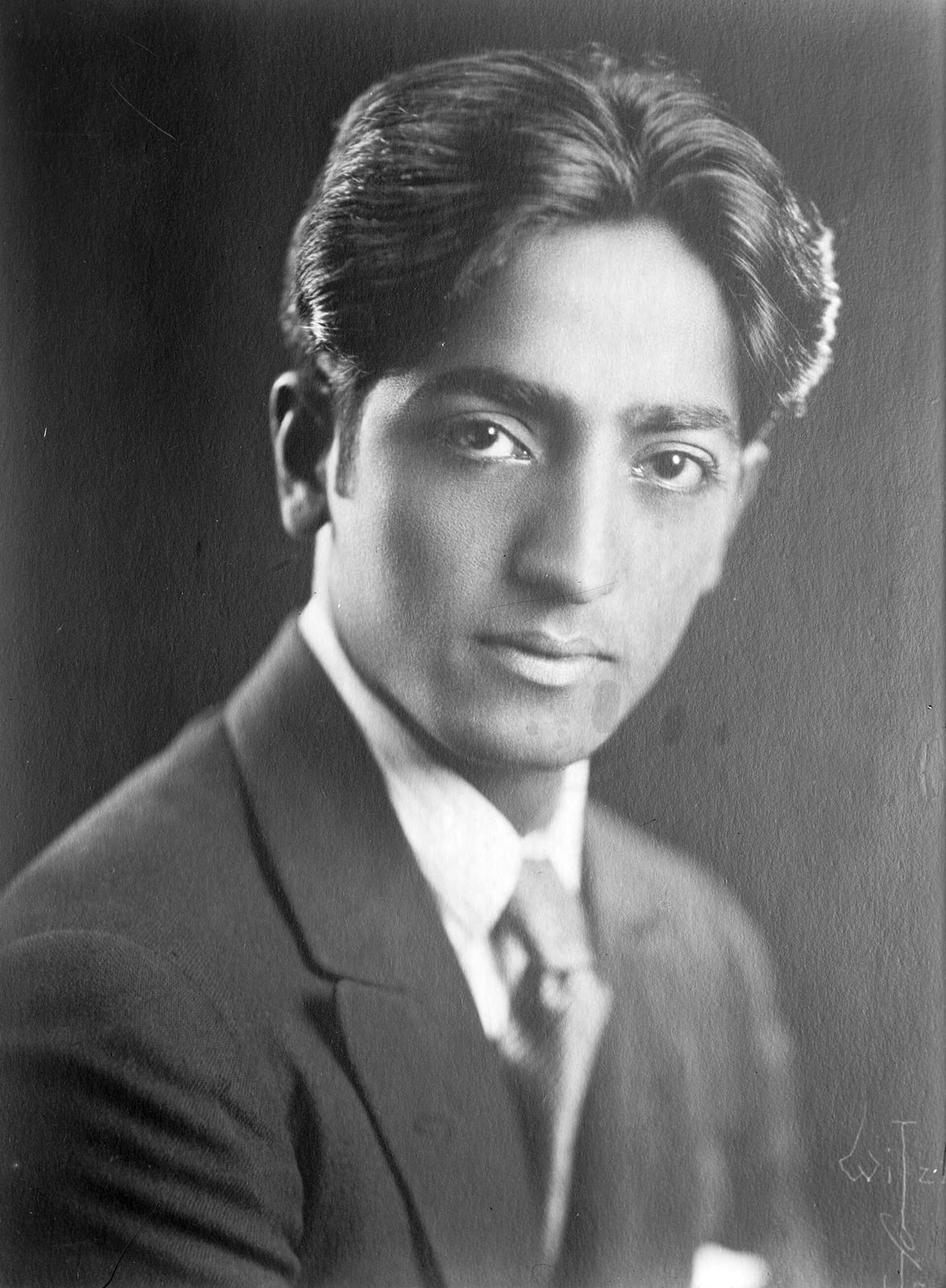
Jiddu Krishnamurti
Ils s'opposent sur: Comment atteint-on la libération ou le salut ?
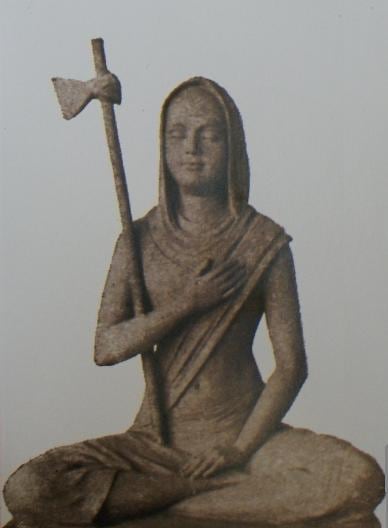
Gaudapada
Ils s'opposent sur: Qu'est-ce que l'Absolu ? Dieu existe-t-il ? · Pourquoi souffrons-nous ? · Comment atteint-on la libération ou le salut ?
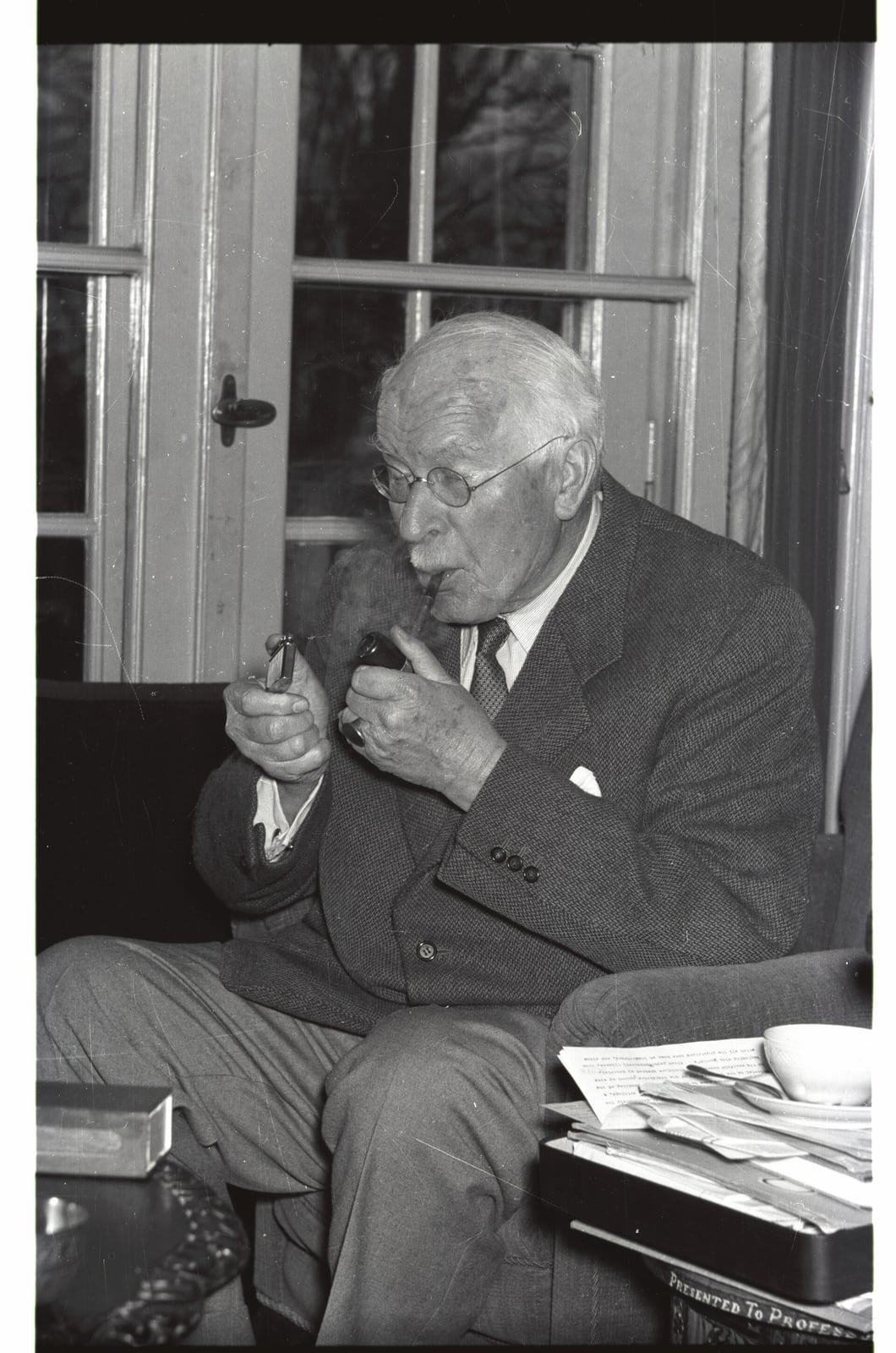
Carl Gustav Jung
Ils s'opposent sur: Qu'est-ce que l'Absolu ? Dieu existe-t-il ? · Pourquoi souffrons-nous ? · Comment atteint-on la libération ou le salut ?
Anecdotes et récits
Anecdotes et récits
Tradition oraleperiodo upaniṣádico
“I know mantras, not the Self”
Origine du récit: Chāndogya Upaniṣad VII.1–26, checked against the Sanskrit on Wikisource. A didactic dialogue in an early Upaniṣad; not a historical event but a teaching in narrative form. The translations of the sentences quoted are the researcher’s.
Tradition oraleperiodo védico tardío
The childless king and the promise to Varuṇa
Origine du récit: Aitareya Brāhmaṇa VII.13–18, checked in Martin Haug’s translation (1863; repr. 1922). The story was recited at the royal consecration (rājasūya). A ritual text, not a chronicle.
Récit hagiographiquetiempo legendario
Vālmīki asks about the perfect man
Origine du récit: Rāmāyaṇa, Bālakāṇḍa, sargas 1–2 (critical ed.; trans. Robert P. Goldman, 1984). The first two sargas belong to the layers of the poem considered later; the story is an aetiology of poetry, not a historical event.
Source: Goldman, Robert P. (trad.). The Rāmāyaṇa of Vālmīki: An Epic of Ancient India, vol. I: Bālakāṇḍa. Princeton: Princeton University Press, 1984. Sarga 1–2 (Nārada narra a Vālmīki la historia de Rāma).
Récit hagiographiquetiempo mítico
The son of the maidservant
Origine du récit: Bhāgavata Purāṇa I.4–6, a devotional text of debated date (c. 9th–10th centuries), checked in Burnouf’s French translation (1840). The scene works as a foundation story for the Bhāgavata itself.
Récit hagiographiquetiempo mítico
Kubera’s sons turned into trees
Origine du récit: Bhāgavata Purāṇa X.10 (Sanskrit on Wikisource), taken up in Kṛṣṇaite iconography as the episode of the yamalārjuna trees. A devotional story with no historical basis.
Tradition oraletiempo mítico
The water Viṣṇu asked for
Origine du récit: A Purāṇic story with many variants: in the Devī-Bhāgavata Purāṇa (book VI) Nārada is turned into a woman by bathing in a pond; the version with the village and the flood is the one popularised by Heinrich Zimmer (1946), who drew it from Purāṇic sources. Details (twelve years, half an hour) vary between versions; Zimmer’s is followed here.
Source: Zimmer, Heinrich. Myths and Symbols in Indian Art and Civilization, ed. Joseph Campbell. Nueva York: Pantheon Books, 1946 (Bollingen Series VI). Capítulo I, relato de Nārada y la māyā de Viṣṇu.
Contestétradición medieval y moderna
The highwayman who became a poet
Origine du récit: The highwayman legend is later than the Rāmāyaṇa. In the Adhyātma Rāmāyaṇa it is the seven sages (saptarṣi) who convert the highwayman; the figure of Nārada as initiator belongs to later popular versions. No ancient source supports it.
Enseignements
Enseignements
Les notions qui structurent sa pensée, expliquées dans leur contexte.
Parabhakti (supreme love)para-bhakti
It is the central notion of the Vaiṣṇava theology of devotion, later developed by the schools of Rāmānuja, Madhva and Caitanya; the Nārada Bhakti Sūtra and the Śāṇḍilya Bhakti Sūtra are its two aphoristic manuals.
Source: Wikisource en sánscrito: «नारदभक्तिसूत्रम्» (Nārada Bhakti Sūtra, 84 aforismos).
Bhūman (the infinite)bhuman
It is one of the Upaniṣadic texts most quoted by Vedānta; the Brahmasūtra (I.3.8–9) discuss whether bhūman denotes breath or Brahman.
Mahatsaṅga (the company of great souls)mahat-sanga
The value placed on the company of the saintly (satsaṅga) is a feature common to Hindu devotional movements, from the Bhāgavata to the medieval poet-saints.
Source: Wikisource en sánscrito: «नारदभक्तिसूत्रम्» (Nārada Bhakti Sūtra, 84 aforismos).
The eleven forms of attachment to Godekadasha-asakti
The classification anticipates the theory of devotional sentiments (bhakti-rasa) systematised in the sixteenth century by Rūpa Gosvāmī, a disciple of Caitanya.
Source: Wikisource en sánscrito: «नारदभक्तिसूत्रम्» (Nārada Bhakti Sūtra, 84 aforismos).
Vyavahāra (litigation and its eighteen titles)vyavahara
It is the only dharmaśāstra that entirely excludes ritual and penance; scholars ascribe it to a jurist distinct from the sage of the epic.
Source: Lariviere, Richard W. (ed. y trad.). The Nāradasmṛti. 2 partes. Filadelfia: Department of South Asia Regional Studies, University of Pennsylvania, 1989 (University of Pennsylvania Studies on South Asia 4–5); reimpr. Delhi: Motilal Banarsidass, 2003 (ISBN 9788120818040).
Devarṣi (divine sage)devarshi
The category brings together a small group of figures in the Purāṇas; Nārada is the only one who became a recurring character throughout narrative literature.
Vidéos
Vidéos
Enregistrements, entretiens et documentaires. Les vidéos sont lues depuis YouTube ; elles ne sont pas hébergées ici.
“Learning from the Sage Narada” | Swami Sarvapriyananda
Conférence· EN· 51 min
Ramakrishna Vedanta Society of North TexasChaîne officielle
Nārada Bhakti Sūtra 1/5 | Pravrajika Divyanandaprana
Conférence· EN· 82 min
Ramakrishna Vedanta Society of North TexasChaîne officielle
Narada Bhakti Sutra by Swami Mitrananda | Day 1 | Narada Jayanthi 2021
Conférence· EN· 43 min
Chinmaya Mission ChennaiChaîne officielle
Narada Bhakti Sutra | Day 1 | Swami Abhedananda
Conférence· EN· 57 min
Chinmaya Mission South AfricaChaîne officielle
The 3 Qualities Of Divine Love | Excerpts From Narad Bhakti Sutra Discourse By Gurudev
Conférence· EN· 9 min
Gurudev Sri Sri Ravi ShankarChaîne officielle
2. Narada Bhakti Sutras || Swami Ishadhyanananda
Voir sur YouTube
Cette vidéo ne peut pas être intégrée ; elle s'ouvre sur YouTube.
2. Narada Bhakti Sutras || Swami Ishadhyanananda
Conférence· EN· 71 min
Vedanta Society of SacramentoChaîne officielle
भक्त को संसार में कैसे जीना चाहिए? नारद भक्ति दर्शन - 21/37 (1990)
Conférence· HI· 20 min
Jagadguru Shri Kripalu Ji Maharaj - OfficialChaîne officielle
Narada Bhakti Sutram - 84 Sutrams - Recited by Smt. Vidhya Ramesh
Enregistrement de tiers· SA· 12 min
Nivedita R
Swami Brahmarupananda - True Happiness, Sanatkumara’s instruction to Narada in the Chandogya Upanishad
Conférence· EN· 80 min
Ramakrishna Vedanta Society of North Carolina (Vedanta NC)Chaîne officielle
Dialogue between Narada and Sanatkumar. Chandogya Upanishad Chapter 7. - Prof. Rambachan
Conférence· EN· 75 min
Discourse on Hinduism
Sarga 1.1 - HOW did Narada DESCRIBE Shri Rama to Sage Valmiki! - #ValmikiRamayanam
Analyse· EN· 28 min
The Sanskrit Channel
Understanding the Dharma Shastras: A Conversation with Dr. Patrick Olivelle and Dr. Donald Davis
Entretien· EN· 113 min
Meru Media
EPISODIO 5: EL PASADO DE UN SABIO - La historia de Narada Muni
Enregistrement de tiers· ES· 11 min
Historias del Srimad Bhagavatam
Galerie
Galerie
Images dont la licence a été vérifiée. Chacune conserve son auteur et son attribution.
Relations
Relations
Influences, filiations et affinités. On distingue la relation documentée de la similitude identifiée par analyse.
Maître de
According to the Bhāgavata Purāṇa (I.4–6), Nārada advises Vyāsa, dissatisfied after composing the Mahābhārata, to sing the glories of Kṛṣṇa; the Bhagavad Gītā (10.13) names them together among those who proclaimed God. A narrative relation within the tradition.
Relation documentée
A influencé
In the first sarga of the Rāmāyaṇa, Nārada tells Vālmīki the story of Rāma, the kernel from which the poem arises. The later legend making Nārada the initiator of the highwayman Ratnākara does not come from the Rāmāyaṇa.
Relation documentée
A influencé
Vivekananda dictated in the United States a free translation of the Nārada Bhakti Sūtra, included in volume 6 of his complete works.
Relation documentée
A influencé
Ramakrishna recommended the devotion “of the Rishi Narada” as the path suited to the present age, according to the 1911 English edition of the Gospel.
Relation documentée
Idées proches de
The Bhagavad Gītā (10.26) names in the same verse Nārada, foremost of divine sages, and Kapila, foremost of the perfected; the Mahābhārata presents Nārada as versed in Sāṃkhya.
Similitude identifiée par analyse
Idées proches de
The Chāndogya Upaniṣad brings together, in consecutive chapters, Uddālaka’s teaching to Śvetaketu (VI) and Sanatkumāra’s to Nārada (VII): two paths to knowledge of the Self.
Similitude identifiée par analyse
Idées proches de
The Nārada Smṛti and the Yājñavalkya Smṛti are the two great dharmaśāstras after Manu; Olivelle places Nārada’s after Yājñavalkya’s and regards it as the most specialised in law.
Similitude identifiée par analyse
Idées proches de
Caitanya’s Gauḍīya school inherits the theology of devotion of the Bhāgavata, where Nārada is Vyāsa’s teacher, and its authors quote definitions of bhakti under the name Nārada Pañcarātra.
Similitude identifiée par analyse
Idées proches de
Mīrābāī’s love for Kṛṣṇa, with its pain of separation, corresponds to the forms of attachment that the Nārada Bhakti Sūtra (82) recognises as full devotion, following the model of the gopīs.
Similitude identifiée par analyse
Lié depuis d'autres fiches
Sources
Sources
Bibliographie et catalogues consultés pour cette fiche.
- Wikidata, «Narada» (santo de la clase celestial), QID Q844066; GND 118818422; VIAF 193295452.
- Wikisource en sánscrito: «नारदभक्तिसूत्रम्» (Nārada Bhakti Sūtra, 84 aforismos).
- Vivekananda, Swami. «Narada-Bhakti-Sutras (a free translation dictated by Swamiji in America)», en The Complete Works of Swami Vivekananda, vol. 6 (Notes of Class Talks and Lectures). Texto en Wikisource.
- Sturdy, E. T. (trad.). Nârada Sûtra: An Inquiry into Love (Bhakti-jijnâsâ). Londres: Longmans, Green & Co., 1896.
- Sinha, Nandalal (trad.). The Bhakti Sûtras of Nârada. Allahabad: Pāṇini Office (Sacred Books of the Hindus 7, parte 1); ejemplar digitalizado fechado en 1917.
- Jolly, Julius (trad.). The Minor Law-Books, parte I: Nârada, Brihaspati. Oxford: Clarendon Press, 1889 (Sacred Books of the East 33). Introducción sobre la Nāradasmṛti.
- Lariviere, Richard W. (ed. y trad.). The Nāradasmṛti. 2 partes. Filadelfia: Department of South Asia Regional Studies, University of Pennsylvania, 1989 (University of Pennsylvania Studies on South Asia 4–5); reimpr. Delhi: Motilal Banarsidass, 2003 (ISBN 9788120818040).
- Olivelle, Patrick. «Dharmaśāstra: A Textual History». En Timothy Lubin, Donald R. Davis Jr. y Jayanth K. Krishnan (eds.), Hinduism and Law: An Introduction. Cambridge: Cambridge University Press, 2010, pp. 28–57.
- Wikisource en sánscrito: «छान्दोग्योपनिषद्/अध्यायः ७» (Chāndogya Upaniṣad VII, diálogo de Nārada y Sanatkumāra).
- Goldman, Robert P. (trad.). The Rāmāyaṇa of Vālmīki: An Epic of Ancient India, vol. I: Bālakāṇḍa. Princeton: Princeton University Press, 1984. Sarga 1–2 (Nārada narra a Vālmīki la historia de Rāma).
- Burnouf, Eugène (trad.). Le Bhâgavata Purâna, ou Histoire poétique de Krĭchṇa, tome premier. París: Imprimerie royale, 1840. Libro I, caps. 4–6 (Nārada y Vyāsa; la vida anterior de Nārada).
- Arnold, Edwin (trad.). The Song Celestial, or Bhagavad-Gîtâ. Londres: Trübner, 1885. Capítulo X, versos 13 y 26. Project Gutenberg n.º 2388.
- M. [Mahendranath Gupta]. The Gospel of Sri Ramakrishna (According to M., a Son of the Lord and Disciple). Edición inglesa condensada del autor. Madrás: Ramakrishna Math, 1911.
- Rocher, Ludo. The Purāṇas. Wiesbaden: Otto Harrassowitz, 1986 (A History of Indian Literature II.3). Entradas sobre el Nāradīya y el Bṛhannāradīya.
- Tagare, Ganesh Vasudeo (trad.). The Nārada-Purāṇa. 5 vols. Delhi: Motilal Banarsidass, 1980–1982 (Ancient Indian Tradition and Mythology 15–19).
- Haug, Martin (trad.). The Aitareya Brahmanam of the Rigveda. Bombay, 1863; reimpr. Allahabad: Pāṇini Office, 1922. VII.13–14 (Hariścandra y Nārada).
- Schrader, F. Otto. Introduction to the Pāñcarātra and the Ahirbudhnya Saṃhitā. Madrás: Adyar Library, 1916.
- Flood, Gavin. An Introduction to Hinduism. Cambridge: Cambridge University Press, 1996 (capítulo sobre la devoción vaiṣṇava).
- Wikisource en sánscrito: «नारदीयशिक्षा» (Nāradīya Śikṣā).
- Telang, M. R. (ed.). Saṅgīta-makaranda of Nārada. Baroda: Central Library, 1920 (Gaekwad's Oriental Series 16).
- Zimmer, Heinrich. Myths and Symbols in Indian Art and Civilization, ed. Joseph Campbell. Nueva York: Pantheon Books, 1946 (Bollingen Series VI). Capítulo I, relato de Nārada y la māyā de Viṣṇu.
- Jamison, Stephanie W. y Joel P. Brereton (trads.). The Rigveda: The Earliest Religious Poetry of India. 3 vols. Nueva York: Oxford University Press, 2014. Introducciones a RV 8.13 y 9.104–105.
- van Buitenen, J. A. B. (trad.). The Mahābhārata, vol. 2: The Book of the Assembly Hall; The Book of the Forest. Chicago: University of Chicago Press, 1975 (Sabhāparvan 5–11); y The Mahābhārata, edición crítica, Śāntiparvan (Nārāyaṇīya), Poona: BORI, 1949–1966.
- Banerjea, K. M. (ed.). Śrī Nārada Pañcarātram: the Jñānāmṛtasāra Saṃhitā. Calcuta: Asiatic Society, 1865 (Bibliotheca Indica); trad. inglesa de Swami Vijnanananda, Allahabad, 1921 (Sacred Books of the Hindus 23).
- Wikisource en sánscrito: «नारदस्मृतिः» y «नारदपुराणम्» (textos sánscritos con subpáginas).
- Hazra, Rajendra Chandra. Studies in the Upapurāṇas, vol. I. Calcuta: Sanskrit College, 1958 (sobre el Bṛhannāradīya).
- Wikipedia en inglés, «Narada» (consultada para la iconografía, el culto, Nārada Jayantī y la imagen popular; contrastada con las fuentes primarias).
- Wereldmuseum Amsterdam (antiguo Tropenmuseum), marioneta de wayang golek «Batara Narada», inv. TM-4283-48; descripción en Wikimedia Commons.
- Wikisource en sánscrito: «श्रीमद्भागवतपुराणम्» (Bhāgavata Purāṇa; libros IV, VII y X para Dhruva, Prahlāda y los hijos de Kubera).
- Wikipedia en inglés, «Valmiki» (versiones de la leyenda del bandolero Ratnākara: los siete sabios en el Adhyātma Rāmāyaṇa, Nārada en los relatos populares).
- Ayant droit
- Textos sánscritos en dominio público. Las traducciones de Vivekananda (m. 1902), Jolly (m. 1932), Haug (m. 1876) y Burnouf (m. 1852) son de dominio público; la de E. T. Sturdy (1896; m. 1957) solo lo es en EE. UU. Las ediciones modernas (Sri Ramakrishna Math, Vedanta Press, Bhaktivedanta Book Trust, Art of Living, Advaita Ashrama, Inner Traditions, Motilal Banarsidass, University of Pennsylvania) tienen derechos propios.
En attente de confirmation
Ce que cette fiche n'a pas encore pu établir. Nous préférons le dire plutôt que de combler.
- Ediciones en español con ISBN del Nārada Bhakti Sūtra, de la Nārada Smṛti y del Nārada Purāṇa: no localizadas (Open Library sin resultados; Google Books devolvió error 429). Revisar BNE e Iberlibro.
- Comprobar en Flood (1996) la página exacta de la datación «posiblemente del siglo XII» del Nārada Bhakti Sūtra, tomada de una referencia secundaria.
- Comprobar la fecha de muerte de Nandalal Sinha y la fecha original (1911 o 1917) de su traducción en la serie Sacred Books of the Hindus.
- Verificar la referencia exacta de la versión de Zimmer del relato de la māyā (capítulo y fuente purāṇica que él cita).
- Localizar una edición con ISBN de la Nāradaparivrājaka Upaniṣad (p. ej., en las Saṃnyāsa Upaniṣads de Olivelle) y del Saṅgītamakaranda.
- Los vídeos no traen año de publicación en oEmbed; se dejó year en null. El vídeo de la Vedanta Society of Sacramento devuelve 401 (no insertable).
Recherche effectuée le 2026-10-26