Mystique chrétienne · Nouvelle Pensée · Non-dualité contemporaine · Recherche sur la conscience
David R. Hawkins
1927 – 2012Personne historiquement documentée
Psychiatre américain (1927–2012) qui, après avoir dirigé pendant un quart de siècle un grand cabinet à Long Island et codirigé avec Linus Pauling un ouvrage de psychiatrie orthomoléculaire, se présenta comme maître spirituel. Son livre le plus lu, Power vs. Force (1995), propose une « carte de la conscience » graduée de 1 à 1000 qui, selon lui, peut se mesurer par des tests musculaires de kinésiologie. Il fonda la voie de la « non-dualité dévotionnelle ». La communauté scientifique estime que la méthode n'a aucune validité démontrée.
- œuvres
- 36œuvres
- éditions
- 104éditions
- citations
- 8citations
- vidéos
- 15vidéos
- images
- 3images

Formaciones de roca roja en Sedona (Arizona) · CC BY-SA 4.0
Dans ses propres mots
«Force always moves against something, whereas power doesn't move against anything at all.»Power vs. Force (Hay House, 2002); localizada en el texto completo del ejemplar powervsforcehidd00hawk (Internet Archive)

Son idée centrale
Human consciousness could be ordered on a logarithmic scale from 1 to 1000; below 200 destructive attitudes prevail (shame, guilt, fear, anger, pride) and above it life-supporting ones (courage, acceptance, reason, love, peace). It is his central thesis and has not been independently validated.
Le voir en contexte
Biographie
5 min de lecture
Traduction assistée à partir de l'original espagnol, en attente de relecture par un traducteur natif.
Un garçon dans le blizzard
David Ramon Hawkins naquit le 3 juin 1927 à Milwaukee et grandit dans le Wisconsin rural de la Grande Dépression, dans une famille dont presque rien n'a filtré hors de ce qu'il en raconta lui-même. Presque tout ce que l'on sait de son enfance provient d'une brève notice autobiographique qui, avec de légères variantes, clôt depuis 2001 la rubrique « À propos de l'auteur » de ses livres. Il y situe deux épisodes fondateurs. Le premier, à trois ans : assis dans une petite charrette, il aurait pris soudain conscience d'exister, et avec cette conscience serait venue aussi la peur de ne pas exister. Le second, à l'adolescence, alors qu'il livrait des journaux à bicyclette sur une tournée de près de trente kilomètres : surpris par un blizzard par vingt degrés au-dessous de zéro, il vit sa bicyclette déraper sur la glace et creusa un abri dans un haut banc de neige pour se protéger du vent ; là, dit-il, le froid céda la place à un état de paix qu'il ne sut nommer que des décennies plus tard. Ce sont des récits à témoin unique, écrits un demi-siècle après par un homme qui se présentait déjà comme éveillé, et c'est ainsi qu'il faut les lire.
Le psychiatre de Long Island
Il servit dans la marine des États-Unis pendant les derniers mois de la Seconde Guerre mondiale, à bord d'un dragueur de mines, et obtint son diplôme de médecine en 1953 au Medical College of Wisconsin, l'ancienne faculté de l'université Marquette. Après l'internat, il obtint en 1956 une bourse de psychiatrie à l'hôpital Mount Sinai. La même année, il prit la direction médicale du North Nassau Mental Health Center, à Manhasset, qu'il dirigea jusqu'en 1980, et de 1968 à 1979 il fut directeur de la recherche du Brunswick Hospital, lui aussi à Long Island. Ses biographies officielles décrivent ce cabinet comme l'un des plus importants du pays, avec deux mille patients en consultation externe ; le chiffre provient de sa propre maison d'édition.
Son nom entra alors dans le circuit de la psychiatrie dite orthomoléculaire, qui préconisait de traiter la schizophrénie par de fortes doses de vitamines et de nutriments. En 1973, il codirigea avec le chimiste Linus Pauling, deux fois lauréat du prix Nobel, le volume Orthomolecular Psychiatry: Treatment of Schizophrenia (W. H. Freeman), fut président fondateur de l'Academy of Orthomolecular Psychiatry et siégea au comité de rédaction de sa revue. Ce courant n'obtint jamais l'aval de la psychiatrie universitaire, et l'American Psychiatric Association le mit en cause la même année dans le rapport d'un groupe de travail ; lui, pourtant, y resta attaché jusqu'au bout : en 2006, il entra à l'Orthomolecular Medicine Hall of Fame. Jeune médecin, il s'était aussi approché du bouddhisme et fréquenta le First Zen Institute de New York.
La nuit de ses trente-huit ans
Le cœur de son récit spirituel est une maladie. Selon la même notice autobiographique, il souffrait vers 1965 d'une affection évolutive et potentiellement mortelle qui ne répondait à aucun traitement ; à trente-huit ans, il se savait au seuil de la mort et, depuis un athéisme qu'il interpréta plus tard comme le rejet des « faux dieux » des hommes, il demanda l'aide de Dieu. Ce qui suivit, écrit-il, fut la disparition complète du moi personnel et l'irruption d'une Présence qui aurait dès lors gouverné sa vie. Il souligna lui-même n'en avoir pas parlé publiquement pendant plus de trois décennies. Il n'existe aucun témoignage indépendant de cette expérience : c'est le noyau autobiographique sur lequel il bâtit son autorité de maître.
Sedona et la carte
En 1979, il s'installa à Sedona (Arizona) et l'année suivante abandonna la pratique clinique. En 1983, il créa l'Institute for Spiritual Research, une organisation à but non lucratif qui soutient aujourd'hui Veritas Publishing, la maison d'édition qu'il fonda pour publier ses livres. Depuis le milieu des années 1970, selon son propre récit, il expérimentait la kinésiologie appliquée, une méthode de tests musculaires diffusée par le chiropracteur George Goodheart, convaincu que la réponse du bras d'une personne faiblit devant le faux et reste ferme devant le vrai. De là naquit son échelle logarithmique des niveaux de conscience, de 1 à 1000, avec un seuil à 200 — le passage de la « force » au « power » —, qui accompagna le doctorat en services humains et de santé qu'il obtint en 1995, à soixante-huit ans, de la Columbia Pacific University, un établissement d'enseignement à distance non accrédité dont un tribunal de Californie ordonna la fermeture en 2000.
Un succès d'édition contesté
La même année, il publia chez Veritas Power vs. Force (paru en français sous le titre Pouvoir contre force). Hay House le réédita en 2002, puis en 2012 comme « édition officielle et autorisée de l'auteur », et le livre, traduit en plus de vingt-cinq langues, devint un classique du genre. Suivirent The Eye of the I (2001) et I: Reality and Subjectivity (2003), qui achèvent une trilogie sur l'éveil, et une dizaine d'autres titres : Truth vs. Falsehood (2005), Transcending the Levels of Consciousness et Discovery of the Presence of God (2006), Reality, Spirituality and Modern Man (2008), Healing and Recovery (2009) et, dans la dernière année de sa vie, Letting Go, le plus pratique de tous, consacré à une technique d'abandon des émotions.
Le livre suscita autant d'adhésions ferventes que de critiques sévères. Les revues de la littérature sur la kinésiologie appliquée n'ont trouvé aucune preuve de sa valeur diagnostique ; un essai en double aveugle publié en 2014 a obtenu des résultats équivalents au hasard, et les études qui relèvent une certaine précision dans la distinction entre vérités et mensonges sont loin de l'infaillibilité qu'il prêtait à la méthode. Des vulgarisateurs sceptiques comme Robert Todd Carroll expliquèrent ses démonstrations publiques par l'effet idéomoteur. Sa maison d'édition répondit que la technique ne fonctionne que si ceux qui la pratiquent « calibrent » au-dessus de 200, condition qui met la théorie à l'abri de toute réfutation.
La non-dualité dévotionnelle
Dans ses dernières années, Hawkins se présenta moins comme chercheur que comme maître. En 2003, il fonda ce qu'il appela la voie de la non-dualité dévotionnelle, qui associe le renoncement à l'ego de la tradition de l'Advaita à la dévotion chrétienne envers Dieu, et donna des conférences devant des foules en Arizona et en Californie, ainsi qu'en Corée du Sud, où il reçut en 2000 un titre honorifique de maître de l'éveil. Il était paroissien épiscopalien. Sa dernière grande conférence, consacrée à l'amour, réunit en septembre 2011 quelque mille sept cents personnes.
Il mourut dans sa maison de Sedona le 19 septembre 2012, à quatre-vingt-cinq ans. Il laissait son épouse, Susan, qui l'avait accompagné à toutes ses conférences. Depuis, Veritas et Hay House ont continué de publier des transcriptions de ses causeries, et Susan Hawkins a signé en 2025 sa biographie autorisée, The Man Who Mapped Consciousness. Son héritage est double et difficile à démêler : un langage simple pour parler de l'abandon, de l'humilité et de la dévotion, que bien des lecteurs trouvent utile, et une prétention à mesurer la vérité avec le bras d'une personne que la science n'a pas pu confirmer.
Sources: Hawkins, David R. The Eye of the I: From Which Nothing Is Hidden. Sedona: Veritas Publishing, 2001, «About the Author» (nota autobiográfica, reproducida también en Truth vs. Falsehood, 2005; Transcending the Levels of Consciousness, 2006; Healing and Recovery, 2009; Letting Go, 2012). Consultado mediante la búsqueda de texto completo de Internet Archive (ejemplar eyeofi0000hawk). · Hawkins, David R. Power vs. Force: The Hidden Determinants of Human Behavior. Sedona: Veritas Publishing, 1995; ed. revisada, Carlsbad: Hay House, 2002; «Author's Official Authoritative Edition», Hay House, 2012. · Hawkins, David R., y Linus Pauling (eds.). Orthomolecular Psychiatry: Treatment of Schizophrenia. San Francisco: W. H. Freeman, 1973. ISBN 0716708981. · Hawkins, Susan. The Man Who Mapped Consciousness: The Life and Legacy of Dr. David R. Hawkins, The Authorized Biography. Carlsbad: Hay House, 2025. ISBN 9781401979577. · American Psychiatric Association. Megavitamin and Orthomolecular Therapy in Psychiatry. Task Force Report 7. Washington, D. C.: APA, 1973.
Chronologie
La vie, année après année
Chaque point est un événement documenté. Cliquez pour le lire, avec sa source et son degré de certitude.
3 juin 19270 ansMilwaukee, Wisconsin
Birth in Milwaukee
David Ramon Hawkins is born. He grows up in rural Wisconsin.
Documenté«In Memoriam: David R. Hawkins, 1927–2012». Journal of Orthomolecular Medicine 27 (4), 2012, pp. 187–188 (International Society for Orthomolecular Medicine).
Après sa mort
- 3 juin 2025Authorised biography
3 juin 1927 · 0 ans
Birth in Milwaukee
David Ramon Hawkins is born. He grows up in rural Wisconsin.
Documenté
v. 1930 · 3 ans
The awareness of existing
According to his autobiographical note, at three, sitting in a little wagon, he suddenly becomes aware of his own existence and, with it, of the fear of nothingness.
Probable
1939 · 12 ans
The blizzard
Delivering newspapers by bicycle along a seventeen-mile route, he is caught at night in a twenty-below-zero blizzard; he shelters in a snow bank and recounts a state of deep peace from which his father rouses him. Date according to his autobiographical note.
Probable
v. 1945 · 18 ans
Navy service
Serves on a US Navy minesweeper at the end of the Second World War.
Documenté
1953 · 26 ans
Medical degree
Graduates from the Medical College of Wisconsin (formerly Marquette University School of Medicine).
Documenté
1956 – 1980 · 29 ans
Director of the North Nassau Mental Health Center
After a psychiatric fellowship at Mount Sinai, he becomes medical director of the centre, a post he holds until 1980.
Documenté
v. 1965 · 38 ans
The experience of the Presence
Gravely ill and convinced he was about to die, he recounts praying and experiencing the disappearance of the personal self and a Presence that would guide the rest of his life. A single-witness account he made public thirty years later.
Probable
1968 – 1979 · 41 ans
Director of research at Brunswick Hospital
Directs the hospital's research until 1979.
Documenté
1973 · 46 ans
Orthomolecular Psychiatry, with Linus Pauling
Co-edits with Pauling the volume Orthomolecular Psychiatry: Treatment of Schizophrenia (W. H. Freeman). That same year the American Psychiatric Association publishes a critical report on megavitamin therapies.
Documenté
1975 · 48 ans
First experiments with kinesiology
According to Power vs. Force, he begins investigating the kinesiological muscle response as an indicator of truth and falsehood.
Probable
1979 · 52 ans
Move to Sedona
He settles in Sedona; in 1980 he gives up psychiatric practice and becomes director emeritus of the North Nassau centre.
Documenté
1983 · 56 ans
Institute for Spiritual Research
Founds the Institute for Spiritual Research, Inc., a non-profit that supports Veritas Publishing.
Documenté
1995 · 68 ans
Power vs. Force and doctorate
Publishes Power vs. Force with Veritas and obtains a doctorate from Columbia Pacific University, an unaccredited school closed by court order in 2000.
Documenté
2000 · 73 ans
Honorary title in Korea
Receives in Seoul the title of “teacher of enlightenment” (Tae Ryoung Sun Kak Dosa).
Documenté
2001 · 74 ans
The Eye of the I
Second volume of the trilogy, in which he narrates his states of consciousness in the first person.
Documenté
2003 · 76 ans
I: Reality and Subjectivity and devotional nonduality
Completes the trilogy and founds the pathway of “devotional nonduality”.
Documenté
2006 · 79 ans
Orthomolecular Medicine Hall of Fame
Inducted into the Orthomolecular Medicine Hall of Fame and named a Distinguished Life Fellow of the American Psychiatric Association for fifty years of membership.
Documenté
septembre 2011 · 84 ans
Last major lecture, on love
Some 1,700 people attend his lecture on love, regarded by his publisher as the culmination of his work.
Documenté
19 septembre 2012 · 85 ans
Death in Sedona
Dies at home shortly after completing Letting Go: The Pathway of Surrender.
Documenté
3 juin 2025
Authorised biography
Hay House publishes The Man Who Mapped Consciousness by his widow, Susan Hawkins.
Documenté
Œuvres
Œuvres essentielles
Les œuvres sans lesquelles on ne comprend pas son héritage.
Œuvre écrite · 1995
Power vs. Force
Power vs. Force: The Hidden Determinants of Human Behavior
His most widely read book and the foundation of all his later work. It sets out the 'map of consciousness', a logarithmic scale from 1 to 1000 on which every human attitude — from shame (20) through pride (175), courage (200) and love (500) to enlightenment (700–1000) — would have a 'calibratable' value, and argues that the muscle test of applied kinesiology can tell true from false. It distinguishes power, which arises from truth and need oppose nothing, from force, which imposes itself and breeds counter-force, and applies the distinction to politics, art, sport, business and health. These are the author's claims: controlled studies have not confirmed the validity of muscle testing as a truth detector, and the scale lacks independent verification. Translated into more than twenty-five languages, it is both a classic of its genre and one of its most disputed books.
16 éditions · amazon.fr

Œuvre écrite · 2001
The Eye of the I
The Eye of the I: From Which Nothing Is Hidden
The second book of the trilogy and the most personal: Hawkins describes in the first person the states he says he lived through from 1965 — the dissolution of the self, the Presence, years of being unable to function — and answers readers and audiences in question-and-answer form. It contains the autobiographical note that thereafter closed his books. It is a self-report: no one else can corroborate those states, and the author presents them as evidence of his authority.
8 éditions · amazon.fr

Œuvre écrite · 2006
Transcending the Levels of Consciousness
Transcending the Levels of Consciousness: The Stairway to Enlightenment
A systematic, level-by-level tour of the map of consciousness: for each stage — shame, guilt, apathy, fear, desire, anger, pride, courage, neutrality, acceptance, reason, love, joy, peace — it describes how it is lived, what sustains it and how to move beyond it. It is the most didactic of his books and the one most used as a practical manual. The figures for each level and their supposed kinesiological verification remain the author's claims, without external validation.
5 éditions · amazon.com

Œuvre écrite · 2012
Letting Go: The Pathway of Surrender
Completed shortly before his death and published in 2012, it is his most practical book and probably the most recommended today. It proposes a simple technique: notice an emotion or impulse, let it be without resisting, judging or acting on it, and allow it to run its course. It applies the method to guilt, fear, anger, pride, relationships, health and work, drawing on examples from his clinical practice. Though it mentions the levels of consciousness, it can be read without accepting calibration, which is why it is also cited by readers sceptical of the rest of his work.
10 éditions · amazon.fr
Toute son œuvre (36)

Orthomolecular Psychiatry: Treatment of Schizophrenia
1973
David R. Hawkins
Qualitative and Quantitative Analysis and Calibration of the Level of Human Consciousness
The Conscious LibraryQualitative and Quantitative Analysis and Calibration of the Level of Human Consciousness
1995

Goodbye, Scorpion; Farewell, Black Widow Spider
1996

Dialogues on Consciousness and Spirituality
1998

I: Reality and Subjectivity
2003

Truth vs. Falsehood
2005

Discovery of the Presence of God
2006

Reality, Spirituality and Modern Man
2008

Healing and Recovery
2009

Along the Path to Enlightenment
2011

Dissolving the Ego, Realizing the Self
2011

Success Is for You
2016
David R. Hawkins
Book of Slides
The Conscious LibraryBook of Slides
2018

The Map of Consciousness Explained
2020
David R. Hawkins
The Ego Is Not the Real You
The Conscious LibraryThe Ego Is Not the Real You
2021

The Wisdom of Dr. David R. Hawkins
2022

Daily Reflections from Dr. David R. Hawkins
2022

The Letting Go Guided Journal
2022

In the World, But Not of It
2023

The Highest Level of Enlightenment
2024
David R. Hawkins
The Path to Spiritual Advancement
The Conscious LibraryThe Path to Spiritual Advancement
2024
David R. Hawkins
The Evolution of Consciousness
The Conscious LibraryThe Evolution of Consciousness
2024
David R. Hawkins
The Power vs. Force Deck
The Conscious LibraryThe Power vs. Force Deck
2024
David R. Hawkins
Beyond Illusion
The Conscious LibraryBeyond Illusion
2025
Citations
Citations localisées dans une œuvre précise. Chacune porte sa provenance et son degré de fiabilité.
Force always moves against something, whereas power doesn't move against anything at all.VérifiéePower vs. Force (Hay House, 2002); localizada en el texto completo del ejemplar powervsforcehidd00hawk (Internet Archive)
Idées essentielles (résumé éditorial)
Par respect du droit d'auteur, ces idées sont résumées avec nos propres mots et ne sont pas présentées comme des citations littérales.
- Human consciousness could be ordered on a logarithmic scale from 1 to 1000; below 200 destructive attitudes prevail (shame, guilt, fear, anger, pride) and above it life-supporting ones (courage, acceptance, reason, love, peace). It is his central thesis and has not been independently validated.
- Authentic power derives from true principles and need not impose itself; force, by contrast, demands justification, provokes resistance and eventually exhausts itself.
- Emotions that are suppressed or expressed unconsciously accumulate; if they are observed and allowed to be without resistance, they discharge and lose their hold on the person.
- The ego is not an enemy to be defeated but a structure inherited from animal evolution that is transcended through humility, surrender and devotion.
- Personal transformation influences others more than any speech: what a person becomes has repercussions throughout their surroundings.
- Recovery from addiction and many illnesses depends, in his view, on a change of inner attitude; hence his esteem for the twelve-step programmes of Alcoholics Anonymous as an effective spiritual path.
- The most direct spiritual path would be devotion joined to nonduality: surrendering every thought, desire and position to God until the personal self no longer intervenes.
Dernières paroles
Il n'existe aucun témoignage vérifiable de ses dernières paroles.
There is no reliable record of any last words. The obituary published by the International Society for Orthomolecular Medicine says only that he died “peacefully” at his home in Sedona on 19 September 2012, after completing a series of recorded dialogues and his book Letting Go. Neither Veritas Publishing nor the 2025 authorised biography (not consulted in full text) records, as far as verified, any attributed final words.
Source: «In Memoriam: David R. Hawkins, 1927–2012». Journal of Orthomolecular Medicine 27 (4), 2012, pp. 187–188 (International Society for Orthomolecular Medicine).
Interroger
Ce que répond son œuvre
Douze grandes questions de l'humanité et ce que ses textes permettent d'y répondre, références à l'appui. Nous ne lui prêtons jamais de paroles.
Qu'est-ce que l'Absolu ? Dieu existe-t-il ?
Divinity is immanent as the Self and transcendent as the Unmanifest
À la fois personnel et impersonnelIl le dit expressément
David R. Hawkins, a psychiatrist who reports having passed through states of enlightenment, speaks openly of God and describes Him in two registers. In The Eye of the I (2001) and I: Reality and Subjectivity (2003) he presents Divinity as the Unmanifest, the formless source of all existence, and at the same time as the Presence experienced as one's own Self when identification with the ego ceases: God transcendent and God immanent are the same Reality. He distinguishes this Divinity from images of a wrathful or judging God, which he attributes to low levels of consciousness and ego projections. His work keeps the vocabulary of devotion — grace, surrender, love of God — so that the divine has a face to which one surrenders and a formless ground in which the self dissolves.
Comparer cette question avec d'autres maîtresQui suis-je ? Existe-t-il un vrai soi ?
The small self is the ego; the true Self is the divine Presence
Le Soi est l'AbsoluIl le dit expressément
David R. Hawkins distinguishes typographically between the self, identified with the body, the mind and its positions, and the capitalised Self, which he describes as the Presence of Divinity within. In The Eye of the I (2001) he recounts how, in his experience, the personal self vanished and a boundless awareness remained that belonged to no one. The ego, for him, is a set of programmes, attachments and positionalities that feeds on its own gratifications; it is not to be fought but surrendered. On his map of levels of consciousness, enlightenment corresponds to the dissolution of identification with the small self and the recognition of the Self as identical with Divinity. Unlike Buddhist non-self, he holds that behind the ego there is a real Self, and he unhesitatingly calls it God immanent.
Comparer cette question avec d'autres maîtresPourquoi souffrons-nous ?
The ego clings to positions and emotions; releasing them reveals the Self's peace
L'ignorance de ce que nous sommesIl le dit expressément
David R. Hawkins attributes suffering to identification with the ego and its contents. In Letting Go (2012) he describes how suppressed feelings accumulate — fear, guilt, anger, pride — which the ego holds on to and projects, and proposes a mechanism of surrender: allowing the feeling to be, without resisting or condemning it, until it is exhausted. In Power vs. Force (1995) he arranges emotions on a scale of levels of consciousness, from shame and guilt at the bottom to love, joy and peace at the top, and associates pain with levels dominated by contraction and positionality. The ego, he explains, even derives a secret gratification from its own suffering, which is why it clings to it. Release from pain coincides with the dissolution of that identification and the recognition of the Self.
Comparer cette question avec d'autres maîtresQue se passe-t-il après la mort ?
The Self does not die; only identification with the body dies
Ce que je suis ne naît ni ne meurtIl le dit expressément
David R. Hawkins recounts in his books several near-death experiences and a state of enlightenment in which, he says, the fear of dying vanished because it became clear that life cannot be extinguished. He holds that what fears death is the ego, which identifies with the body and its linear continuity; the Presence or Self has neither beginning nor end and is not affected by the disappearance of the body. In The Eye of the I and in I: Reality and Subjectivity he describes physical death as the leaving of a vehicle and the fear of it as one of the last attachments the seeker must surrender. At the same time, Hawkins accepts the continuity of the spirit and of karma: the level of consciousness reached in a life determines, in his view, the soul's destiny after death.
Comparer cette question avec d'autres maîtresComment atteint-on la libération ou le salut ?
Surrender the ego to God by letting go; the final step comes by grace
Par la dévotion et l'abandonIl le dit expressément
David R. Hawkins describes enlightenment as the top of a scale of levels of consciousness he presented in Power vs. Force. Ascending it does not consist in accumulating knowledge but in letting go: surrendering, one after another, the ego's positions, desires and judgements. In Letting Go he sets out that mechanism of surrender as applied to emotions, and in his later works he speaks of a «devotional nonduality», in which humility, surrender to God and prayer are the driving force of progress. Hawkins holds that the final step, the dissolution of the sense of a separate self, is not carried out by the ego, which cannot abolish itself, and comes as grace when surrender is complete.
Comparer cette question avec d'autres maîtresFaut-il un maître ?
The teacher helps through presence and teaching; one must discern his truth
Utile mais pas indispensableCela se déduit de sa doctrine
David R. Hawkins attributed to realised teachers a real effect on those who approach them: in his scheme, the field of consciousness of a high-level teacher favours the raising of others. That is why he considered valuable the teaching of history's great masters and of anyone who has walked the path. At the same time, he warned against false teachers and proposed discerning their degree of truth, using his calibration method, before following them. His later works, such as The Eye of the I, present his own experience as teaching, but insist that truth is only realised inwardly, through surrendering one's own ego, something no one can do for another.
Comparer cette question avec d'autres maîtresLe monde est-il réel ?
The perceived world is the ego's projection; in its essence all is perfect
Apparence sur l'unique réalitéCela se déduit de sa doctrine
David R. Hawkins distinguishes between the world as the egoic mind perceives it and what it is in its essence. The perceived world, with its conflicts, causes and evaluations, would largely be a projection of the ego's positionality: by labelling and judging, the mind builds a scene it takes for reality. When that positionality dissolves, as he describes in The Eye of the I on the basis of his own experience, the world is revealed as an expression of Divinity, in which everything is perfect as it is and nothing happens by linear causality. Ultimate reality is consciousness itself, and the world is its apparent content.
Comparer cette question avec d'autres maîtresQu'est-ce que l'amour ?
Love is a level of consciousness that arises when the ego is released
Ce qui apparaît quand le moi cesseIl le dit expressément
In the map of consciousness he proposes in Power vs. Force, David R. Hawkins places love at a high level of his scale, above reason, and unconditional love somewhat higher, as the antechamber of joy and peace. He distinguishes this love from the romantic or dependent feeling that the culture calls love and which, in his view, belongs to lower levels, mixed with desire, pride or fear of loss. True love does not centre on an object: it is a way of being in the world that perceives what is essential and valuable in everything, forgives easily and does not judge. Hawkins holds that it is not reached by effort but by surrendering the ego's positions, judgements and attachments; what remains when they are released is love, which at higher levels is recognised as the very nature of Divinity.
Comparer cette question avec d'autres maîtresSommes-nous libres ou tout est-il déterminé ?
Nothing causes anything: everything arises spontaneously and the deciding self is an assumption
Il n'y a pas d'agentIl le dit expressément
In his mature works, *The Eye of the I* (2001) and *I: Reality and Subjectivity* (2003), Hawkins holds that linear causality is a construct of the mind and that, from enlightened consciousness, everything happens spontaneously as an expression of the whole. The personal self that believes it decides is an assumption of the ego, which claims authorship of what in fact emerges of itself. At the same time, in *Power vs. Force* (1995) he speaks of choosing between attractor fields of higher or lower consciousness, and encourages that choice as a path of growth. In his scheme both statements belong to different levels: choice holds for those who identify with the self; for the awakened, there is no one who chooses.
Comparer cette question avec d'autres maîtresPourquoi méditer ou prier ?
Surrendering every feeling and thought until the Presence is revealed
Être présentIl le dit expressément
Hawkins proposes a path he called «devotional nonduality», set out in *Discovery of the Presence of God* (2006). Rather than a concentration technique, he recommends a contemplative attitude sustained throughout the day: observing the arising of each thought and feeling at the very edge of the present instant and surrendering it, neither resisting nor pursuing it. In *Letting Go* (2012) he systematises that mechanism of surrendering emotions as a practical method. When the mind stops clinging to its contents, he holds, the Presence is revealed, which is not something attained but what has always been there. Prayer, understood as humble surrender to God, is part of the same movement.
Comparer cette question avec d'autres maîtresLa raison peut-elle connaître l'ultime ?
Reason calibrates at 400: necessary, but a ceiling below love
L'ultime est au-delà du mentalIl le dit expressément
In his *Map of Consciousness*, set out in *Power vs. Force* (1995), Hawkins places reason at level 400, above pride, fear or acceptance, and credits it with the great achievements of science, philosophy and medicine. But he also presents it as a limitation: reason works with concepts, linear causes and data, and cannot step beyond its own domain. The leap to love (500) and beyond, to peace and enlightenment (600 and upwards), requires giving up the primacy of the intellect. In *The Eye of the I* he adds that ultimate reality is subjective and cannot be proven, only known by being it. Thought points; realisation is a shift of context, not a conclusion.
Comparer cette question avec d'autres maîtresSe retirer du monde ou le transformer ?
Raising one's own consciousness changes the world more than force does
La révolution est intérieureIl le dit expressément
David R. Hawkins holds that social and political problems are poorly solved from the level of consciousness that produced them. In Power vs. Force he distinguishes power, which springs from true principles and sustains itself, from force, which must impose itself and generates a counterforce; movements that fight something out of hatred or pride, even when pursuing just ends, reproduce the conflict. That is why the most effective service to the world is to raise one's own consciousness: according to his model, each person who moves towards love and truth counterbalances the weight of many others at lower levels, and humanity advances as a whole. Hawkins does not propose withdrawal: he values work, family and ordinary commitments as a field of surrender. But he distrusts militant activism and places inner transformation before any institutional change.
Comparer cette question avec d'autres maîtres
Affinités et tensions
Affinités et tensions
Calculées question par question à partir de ses positions. La raison de chaque accord ou de chaque désaccord s'affiche d'un clic.
Pense comme
Nisargadatta Maharaj
Ils concordent sur: Qui suis-je ? Existe-t-il un vrai soi ? · Pourquoi souffrons-nous ? · Que se passe-t-il après la mort ?
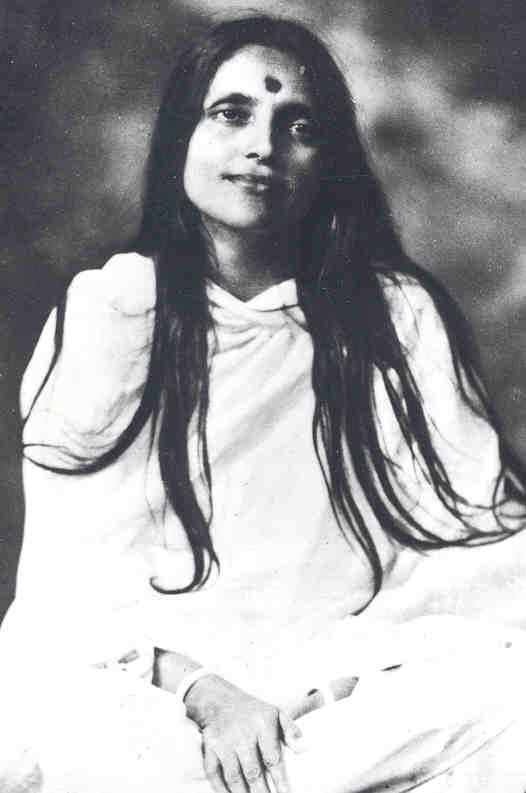
Anandamayi Ma
Ils concordent sur: Qu'est-ce que l'Absolu ? Dieu existe-t-il ? · Qui suis-je ? Existe-t-il un vrai soi ? · Pourquoi souffrons-nous ?
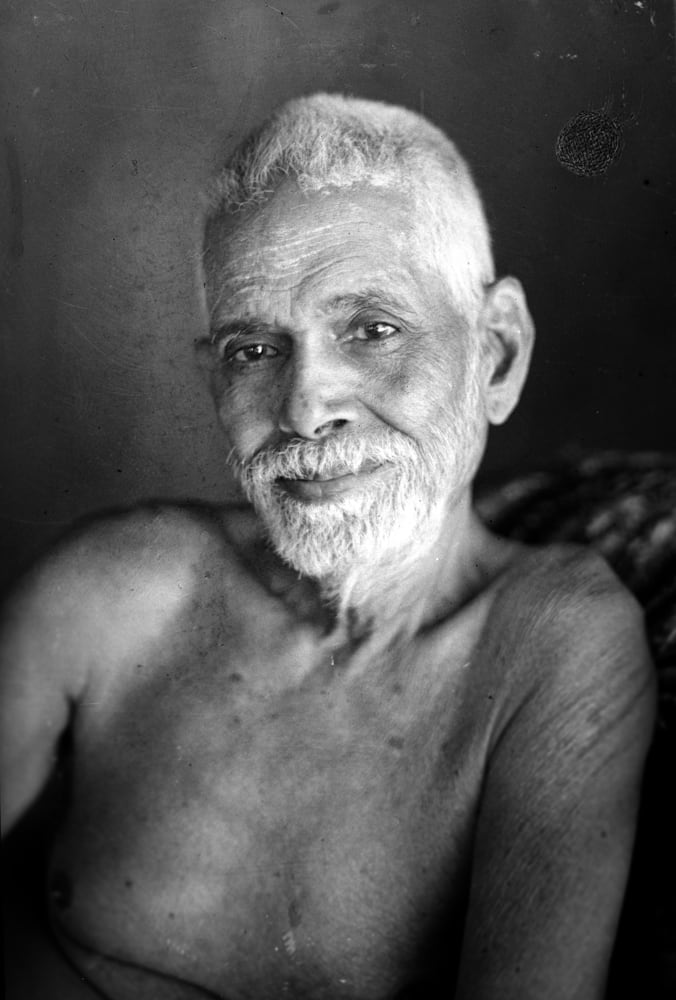
Ramana Maharshi
Ils concordent sur: Qui suis-je ? Existe-t-il un vrai soi ? · Pourquoi souffrons-nous ? · Que se passe-t-il après la mort ?
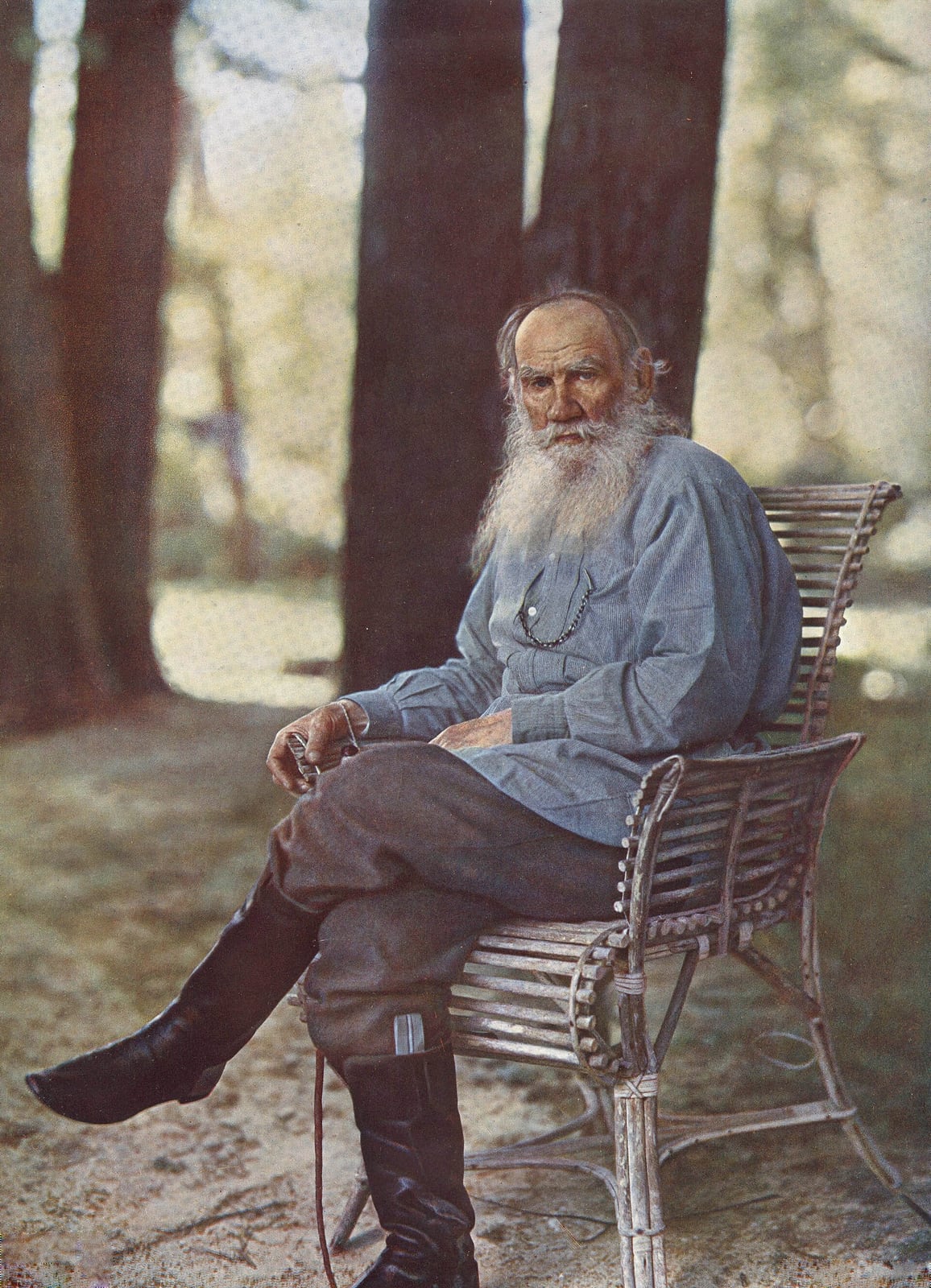
Leo Tolstoy
Ils concordent sur: Qui suis-je ? Existe-t-il un vrai soi ? · Pourquoi souffrons-nous ? · Que se passe-t-il après la mort ?
Pense autrement que

Francis of Assisi
Ils s'opposent sur: Qui suis-je ? Existe-t-il un vrai soi ? · Le monde est-il réel ?

Julian of Norwich
Ils s'opposent sur: Qui suis-je ? Existe-t-il un vrai soi ? · Le monde est-il réel ?
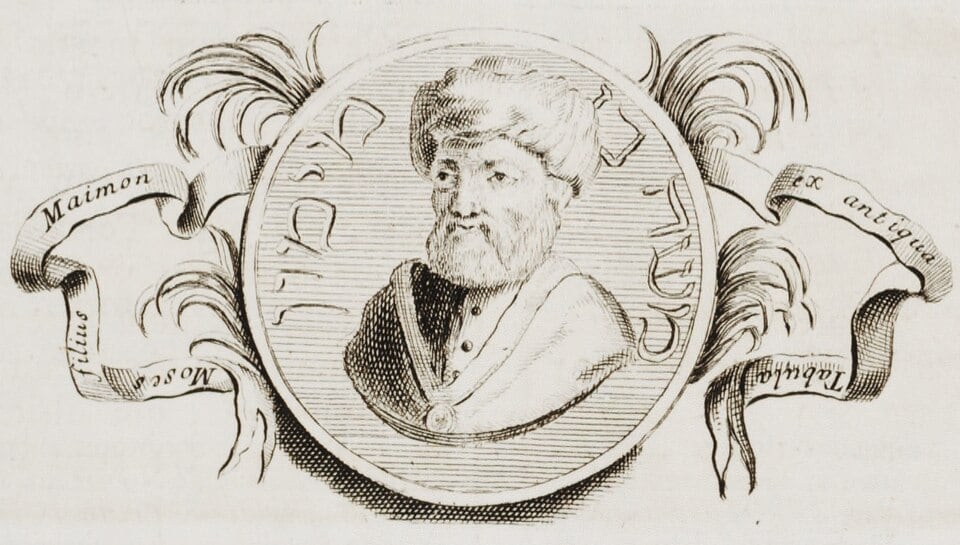
Maimonides
Ils s'opposent sur: Qui suis-je ? Existe-t-il un vrai soi ? · Le monde est-il réel ?
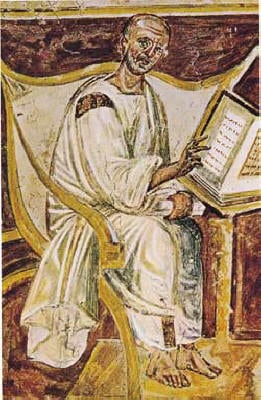
Augustine of Hippo
Ils s'opposent sur: Qui suis-je ? Existe-t-il un vrai soi ? · Le monde est-il réel ?
Ils s'opposent surDésaccord de fond
David R. Hawkins · The 14th Dalai Lama (Tenzin Gyatso)
Calibrating truth or letting science refute: two attitudes towards evidence
Pourquoi: The contradiction is real and concerns method. The Dalai Lama speaks from the university tradition of Nalanda, with its developed logic and epistemology, and from decades of dialogue with scientists: he distinguishes what Buddhism says about the mind, which can be tested, from what it affirms about the path. Hawkins, a psychiatrist by training, presents kinesiology as a bridge between science and spirituality, but his procedure lacks independent experimental validation, and the library presents it as doctrine, not as a result. Both agree on the place of reason, necessary but not ultimate; they clash over whether a claim about truth can rest on a measurement no one else can replicate.
Ils s'opposent surDésaccord de fond
David R. Hawkins · Jiddu Krishnamurti
A ladder of levels versus a pathless land
Pourquoi: The contradiction is real, though it starts from a shared diagnosis. Hawkins, trained as a psychiatrist and a reader of devotional traditions, offers his readers a map that lets them locate themselves and orient inner work, and his way is surrender. Krishnamurti, raised in the Theosophical Society, with its doctrine of initiations and grades, rejected precisely every spiritual hierarchy: a map of levels would seem to him the subtlest form of ambition. One sees the scale as an aid to letting go; the other, as a trap that turns letting go into another achievement. They agree that no one can do the work for another and that thought is not the goal.
Ils concordent sur
David R. Hawkins · Nisargadatta Maharaj
Everything happens and no one does it: the doer as an assumption
Pourquoi: The affinity comes from a common matrix, non-duality of Vedantic origin, which Nisargadatta received from his lineage and Hawkins adopted in his mature works. No relationship between them is recorded in this library. They differ in register and audience: Nisargadatta speaks in direct conversations, translated from Marathi, with a negative method that discards everything perceived; Hawkins writes books combining his experience, clinical language and a map of levels of consciousness whose calibration basis lacks scientific validation. Hawkins also stresses devotional surrender to God; Nisargadatta stays with pure enquiry into the I am.
Anecdotes et récits
Anecdotes et récits
Témoignage1939
The blizzard
Origine du récit: It comes solely from Hawkins himself: the 'About the Author' note in The Eye of the I (2001) and later books. There is no independent testimony and no precise date.
Témoignagec. 1965
The atheist's prayer
Origine du récit: Autobiographical note in his books from 2001 (The Eye of the I onwards). No medical records or witnesses are known that would allow the illness or the experience to be checked.
Documenté2000s
Scepticism 'calibrates' at 160
Origine du récit: Documented on Veritas Publishing's 'FAQs' page ('Critics' and 'Kinesiology' sections) and in the 'Applied kinesiology' entry of The Skeptic's Dictionary (s20).
Invérifiable1990s–2000s
Mother Teresa's praise
Origine du récit: It appears in promotional texts (e.g. the El Grano de Mostaza page for La sabiduría del Dr. David R. Hawkins). Neither the letter nor its provenance has been found; it remains pending.
Documenté2010s–2025
The biography the publisher disowned
Origine du récit: Statement by Veritas Publishing on its 'FAQs' page (consulted 2026-10-25). Not checked against Scott Jeffrey's version; title and date of his book pending.
Enseignements
Enseignements
Les notions qui structurent sa pensée, expliquées dans leur contexte.
Map of Consciousnessmap-of-consciousness
It combines the hierarchy of needs of humanistic psychology, the emotional scales of self-help movements and the traditional idea of degrees of spiritual realisation.
Calibration by muscle testingcalibration-muscle-testing
The author's claim; the scientific assessment is summarised with sources s8, s9, s10, s11 and s20.
Power and forcepower-and-force
Set out in Power vs. Force (1995) and taken up again in Success Is for You (2016).
Letting go (surrender)letting-go-surrender
The practical core of his late work; it connects with surrender to God in the devotional path.
Devotional nondualitydevotional-nonduality
Set out in I: Reality and Subjectivity (2003) and Discovery of the Presence of God (2006).
Retraites
Retraites et centres
Lieux et rencontres liés à son enseignement. Nous vous mettons en relation avec ceux qui les organisent.
Grupos locales en varios países y por Zoom · Internacional
David R. Hawkins study groups
Veritas Publishing (directorio)
Veritas Publishing, the Sedona publisher of David R. Hawkins's work, maintains a directory of study groups devoted to his books and his Map of Consciousness. Groups are listed by their own organisers, can be searched by country or postcode and include online options by video call; the same website explains how to start a new one. These are not retreats led by the organisation but gatherings of readers. Veritas also offers a streaming video library with the lecture series, dialogues and satsangs Hawkins gave between 2002 and 2011, the most direct record of his teaching.
Vidéos
Vidéos
Enregistrements, entretiens et documentaires. Les vidéos sont lues depuis YouTube ; elles ne sont pas hébergées ici.
Dr. David R. Hawkins: No Mind is the Ultimate Context
Conférence· EN· 7 min
veritaspubChaîne officielle
Dr. David R. Hawkins: The Direct Way to God
Voir sur YouTube
Cette vidéo ne peut pas être intégrée ; elle s'ouvre sur YouTube.
Dr. David R. Hawkins: The Direct Way to God
Conférence· EN· 3 min
Veritas Publishing – Dr. David R. HawkinsChaîne officielle
Dr. David R. Hawkins: How to Become the Witness
Voir sur YouTube
Cette vidéo ne peut pas être intégrée ; elle s'ouvre sur YouTube.
Dr. David R. Hawkins: How to Become the Witness
Conférence· EN· 3 min
Veritas Publishing – Dr. David R. HawkinsChaîne officielle
How Do You Let Go?
Voir sur YouTube
Cette vidéo ne peut pas être intégrée ; elle s'ouvre sur YouTube.
How Do You Let Go?
Conférence· EN· 4 min
Veritas Publishing – Dr. David R. HawkinsChaîne officielle
“How far up the scale is it possible to go in one lifetime?”
Voir sur YouTube
Cette vidéo ne peut pas être intégrée ; elle s'ouvre sur YouTube.
“How far up the scale is it possible to go in one lifetime?”
Conférence· EN· 4 min
Veritas Publishing – Dr. David R. HawkinsChaîne officielle
Forgiveness
Voir sur YouTube
Cette vidéo ne peut pas être intégrée ; elle s'ouvre sur YouTube.
Forgiveness
Conférence· EN· 5 min
Veritas Publishing – Dr. David R. HawkinsChaîne officielle
Dr. David Hawkins: Why Your Mind Won’t Stop Thinking
Conférence· EN· 24 min
Hay HouseChaîne officielle
El legado del Doc David Hawkins, mapa de la conciencia, dejar ir | Entrevista Miguel Iribarren
Entretien· ES· 85 min
Imanol Correa
TODO sobre EL MAPA DE LOS NIVELES DE CONSCIENCIA del Dr David Hawkins
Analyse· ES· 24 min
Sebas Klinkert
Dr. David R. Hawkins: Vol I: Power vs. Force – Muscle Testing Video
Enregistrement original· EN· 2 min
Veritas Publishing – Dr. David R. HawkinsChaîne officielle
Who You Are Brings You What You Need - April 2004
Conférence· EN· 2004· 10 min
Veritas Publishing – Dr. David R. HawkinsChaîne officielle
Altered States of Consciousness (August 2005)
Conférence· EN· 2005· 3 min
Veritas Publishing – Dr. David R. HawkinsChaîne officielle
Dr. David R. Hawkins: Grace and Karma
Conférence· EN· 2 min
Veritas Publishing (veritaspub)Chaîne officielle
Mesa redonda - David Hawkins - El poder frente a la fuerza
Analyse· ES· 2026· 55 min
El Grano de MostazaChaîne officielle
Mesa redonda - David Hawkins - Dejar ir
Analyse· ES· 2026· 58 min
El Grano de MostazaChaîne officielle
Galerie
Galerie
Images dont la licence a été vérifiée. Chacune conserve son auteur et son attribution.
Relations
Relations
Influences, filiations et affinités. On distingue la relation documentée de la similitude identifiée par analyse.
A rencontré
Linus Pauling
They co-edited Orthomolecular Psychiatry: Treatment of Schizophrenia (W. H. Freeman, 1973).
Relation documentée
A reçu l'influence de
George J. Goodheart
Hawkins took from Goodheart's applied kinesiology (and its populariser John Diamond) the muscle test on which he based calibration.
Relation documentée
Famille de
Susan Hawkins
His wife; she presides over the Institute for Spiritual Research and wrote the authorised biography (2025).
Relation documentée
Idées proches de
Both locate realisation in the recognition of the Self and the disappearance of the personal self; Hawkins adds a Christian devotional component.
Similitude identifiée par analyse
Idées proches de
Affinity in the thesis that the personal 'I am' is a transient identification to be transcended.
Similitude identifiée par analyse
Contemporain de
Contemporaries read by the same public; both narrate a sudden dissolution of the self at a moment of crisis and propose letting go of identification with the mind.
Similitude identifiée par analyse
Sources
Sources
Bibliographie et catalogues consultés pour cette fiche.
- Wikidata, «David R. Hawkins», QID Q1176226 (VIAF 29784455; LCCN no96037139; ISNI 0000000110496765).
- Veritas Publishing. «Dr. David R. Hawkins» (biografía oficial, educación, premios y fundaciones). veritaspub.com.
- «In Memoriam: David R. Hawkins, 1927–2012». Journal of Orthomolecular Medicine 27 (4), 2012, pp. 187–188 (International Society for Orthomolecular Medicine).
- Hawkins, David R. The Eye of the I: From Which Nothing Is Hidden. Sedona: Veritas Publishing, 2001, «About the Author» (nota autobiográfica, reproducida también en Truth vs. Falsehood, 2005; Transcending the Levels of Consciousness, 2006; Healing and Recovery, 2009; Letting Go, 2012). Consultado mediante la búsqueda de texto completo de Internet Archive (ejemplar eyeofi0000hawk).
- Hawkins, David R. Power vs. Force: The Hidden Determinants of Human Behavior. Sedona: Veritas Publishing, 1995; ed. revisada, Carlsbad: Hay House, 2002; «Author's Official Authoritative Edition», Hay House, 2012.
- Hawkins, David R., y Linus Pauling (eds.). Orthomolecular Psychiatry: Treatment of Schizophrenia. San Francisco: W. H. Freeman, 1973. ISBN 0716708981.
- Veritas Publishing. «FAQs» (incluye «Critics: Clarification of Consciousness Research», normas sobre grupos de estudio, derechos del Map of Consciousness® y el Institute for Spiritual Research, Inc.).
- Hall, S.; Lewith, G.; Brien, S.; Little, P. «A review of the literature in applied and specialised kinesiology». Forschende Komplementärmedizin 15 (1), 2008, pp. 40–46. doi:10.1159/000112820. PMID 18334813.
- Schwartz, S. A.; Utts, J.; Spottiswoode, S. J. et al. «A double-blind, randomized study to assess the validity of applied kinesiology (AK) as a diagnostic tool and as a nonlocal proximity effect». Explore 10 (2), 2014, pp. 99–108. doi:10.1016/j.explore.2013.12.002. PMID 24607076.
- Jensen, A. M.; Stevens, R. J.; Burls, A. J. «Estimating the accuracy of muscle response testing: two randomised-order blinded studies». BMC Complementary and Alternative Medicine 16, 2016, art. 492. doi:10.1186/s12906-016-1416-2. PMID 27903263.
- Kenney, J. J.; Clemens, R.; Forsythe, K. D. «Applied kinesiology unreliable for assessing nutrient status». Journal of the American Dietetic Association 88 (6), 1988, pp. 698–704. PMID 3372923.
- Wikipedia (en). «Columbia Pacific University» (centro a distancia no acreditado, fundado en 1978 y cerrado por orden judicial en California en 2000).
- Wikipedia (de). «David R. Hawkins». Consultado como índice de fechas y obras, contrastado con s2 y s3.
- Hay House. «David R. Hawkins, M.D., Ph.D.» (ficha de autor y catálogo).
- Hay House. «Hay House Partner Program» — aviso de cierre del programa de afiliación (octubre de 2021).
- Hawkins, Susan. The Man Who Mapped Consciousness: The Life and Legacy of Dr. David R. Hawkins, The Authorized Biography. Carlsbad: Hay House, 2025. ISBN 9781401979577.
- Deutsche Nationalbibliothek, catálogo (SRU), registros de «Hawkins, David R.» (14 registros).
- Bibliothèque nationale de France, catálogo general (SRU), registros de David R. Hawkins.
- Open Library, registros de obra y edición de David R. Hawkins (OL6212873W, OL19764617W, OL20655237W, etc.).
- Carroll, Robert Todd. «Applied kinesiology». The Skeptic's Dictionary (skepdic.com), con sección dedicada a David Hawkins.
- Hyman, Ray. «The Mischief-Making of Ideomotor Action». The Scientific Review of Alternative Medicine 3 (2), 1999 (citado por s20 a propósito de las demostraciones de kinesiología aplicada).
- American Psychiatric Association. Megavitamin and Orthomolecular Therapy in Psychiatry. Task Force Report 7. Washington, D. C.: APA, 1973.
- Chitai-gorod (Читай-город), fichas de catálogo de las ediciones rusas de David R. Hawkins (Весь, Ганга, АСТ, Эксмо).
- Macrolibrarsi / Macro Edizioni, ficha de «Il potere dei condizionamenti» (EAN 9788828538264).
- Veritas Publishing. Catálogo de libros (books).
- Veritas Publishing. Canal oficial de YouTube «Veritas Publishing – Dr. David R. Hawkins».
- Goodreads, listas de ediciones por obra de David R. Hawkins (autor 11784), con ISBN, editorial, fecha y lengua de cada edición; consultadas obra por obra (p. ej. work/editions/20996, 21908238, 24296–24304).
- Ediciones El Grano de Mostaza (Barcelona), catálogo de libros de David R. Hawkins en español (fichas con ISBN como SKU).
- Internet Archive, búsqueda de texto completo (servicio FTS) sobre ejemplares digitalizados de bibliotecas: powervsforcehidd00hawk (Hay House, 2002), eyeofi0000hawk (Veritas, 2001), i00hawk (Veritas, 2003), lettinggopathway0000hawk (Veritas, 2012), alongpathtoenlig0000hawk (Hay House, 2011).
- Boulder Book Store, ficha de «The Final Doorway to Enlightenment: Prayer, Transcendence, and Realization of the Self» (Hay House LLC, 2026, 176 pp., ISBN 9781401977160).
- Penguin Random House, ficha de «My Journey of Light with Dr. David R. Hawkins», de Susan Hawkins (Hay House, 2026).
- Ayant droit
- Herederos de David R. Hawkins (copyright a nombre del autor) a través de Veritas Publishing, editorial propia sostenida por el Institute for Spiritual Research, Inc. (Sedona, Arizona), que custodia además las marcas Map of Consciousness® y prohíbe reproducir sus tablas; Hay House publica bajo licencia la mayor parte de las ediciones en inglés desde 2002.
- Site officiel
- veritaspub.com
En attente de confirmation
Ce que cette fiche n'a pas encore pu établir. Nous préférons le dire plutôt que de combler.
- Retrato: no hay ninguna fotografía de David R. Hawkins con licencia libre en Wikimedia Commons (búsqueda del 2026-10-25; Wikidata Q1176226 sin P18). Las tres imágenes son de lugares y de Linus Pauling; ninguna se marca como principal. Pedir a Veritas Publishing / Institute for Spiritual Research una imagen con licencia o permiso.
- Tesis doctoral de 1995 (Qualitative and Quantitative Analysis and Calibration of the Level of Human Consciousness): localizar el registro bibliográfico (Columbia Pacific University / posible edición de Veritas) y su ISBN, si lo tiene.
- Localizar ISBN de las ediciones en ruso de Power vs. Force («Сила против силы», editoriales Весь y АСТ) y de Eye of the I / Transcending; solo se ha verificado «Отпускание» (Ганга, 2018). Fuente de partida: Chitai-gorod (s23).
- Localizar ediciones italianas distintas de Il potere dei condizionamenti (Macro Edizioni), p. ej. de Letting Go, y ediciones hindi y árabes de las obras principales (solo se han verificado dos árabes: Letting Go y I).
- Ediciones españolas sin ISBN localizado: The Ego Is Not the Real You, In the World But Not of It, The Highest Level of Enlightenment («El nivel más alto de iluminación» figura en Goodreads sin ISBN), Along the Path to Enlightenment. Año de publicación de «La explicación del mapa de la conciencia», «La evolución de la conciencia» y «El hombre que creó el mapa de la conciencia» (El Grano de Mostaza).
- Edición española de Realidad, espiritualidad y el hombre moderno: el catálogo de la editorial da 9788412295696 y Goodreads 9788412312430; confirmar si son dos ediciones (papel y digital).
- Fecha exacta de salida de The Final Doorway to Enlightenment (Hay House, 2026): los catálogos dan 13 de enero y 4 de agosto de 2026. ISBN de My Journey of Light de Susan Hawkins (9798318604577 o 9781837826681 según el vendedor).
- Grabaciones de audio y vídeo: Veritas vende decenas de conferencias en CD/DVD y streaming (series mensuales 2002–2011, «Office Visit Series», «The Highest Level of Enlightenment» en audio, etc.); solo se han registrado como obras tres títulos de audio. Inventario completo en https://veritaspub.com/.
- Carta o elogio de la Madre Teresa a Power vs. Force: localizar texto, fecha y procedencia; hoy solo consta en textos promocionales (anécdota marcada como unverifiable).
- Título y fecha de la biografía autopublicada por Scott Jeffrey que Veritas desautoriza en sus FAQ.
- Confirmar autoría de «Dialogues on Consciousness and Spirituality» (Veritas, 1998) y su contenido, que no se ha podido consultar.
- Leer la biografía autorizada de Susan Hawkins (2025) para contrastar fechas (enfermedad de c. 1965, traslado a Sedona, título coreano) y posibles últimas palabras.
- Buscar vídeos oficiales insertables: casi todos los del canal Veritas Publishing tienen la inserción desactivada (oEmbed 401); hay una conferencia en coreano de 2000 mencionada en The Eye of the I sin localizar.
- Sala de lectura (2026-10-25): ninguna obra de Hawkins (m. 2012) es de dominio público; derechos de Veritas Publishing / Institute for Spiritual Research y Hay House hasta 2083 (UE, 70 años) y más allá en EE. UU. para las obras posteriores a 1977. Sin reading_texts.
- Vídeos (2026-10-25): añadidos 6 (4 de Veritas insertables, 2 mesas redondas de El Grano de Mostaza); la mayoría de los vídeos del canal Veritas siguen con la inserción desactivada. La entrevista con Oprah Winfrey que circula en YouTube está en un canal de aficionado y no se incluye.
- Obras (2026-10-25): cotejo con Open Library sin obras nuevas. Registros atribuidos por error a este autor en Open Library y descartados: Biotransformations (1992–1993, otro David R. Hawkins, químico), The Little Book of Letting Go (2000, de Hugh Prather), Journey Together (Harvest House, 2021) y Side by Side (2009), de homónimos; Ultimate Dr. David Hawkins Library (2022) es un lote de libros, no una obra.
Recherche effectuée le 2026-10-25