Hindouisme · Tantra · Bhakti · Advaita Vedanta
Anandamayi Ma
আনন্দময়ী মা · নির্মলা সুন্দরী · आनन्दमयी माँ
1896 – 1982Personne historiquement documentée
Mystique bengalie sans instruction scolaire ni maître humain, qui se donna à elle-même l'initiation en 1922 et parcourut l'Inde pendant un demi-siècle, entourée de fidèles qui voyaient en elle une manifestation de la Déesse. Elle n'écrivit rien : ses paroles, dites en bengali et souvent sous forme de jeux de mots, furent recueillies par d'autres dans Sad Vani, Matri Vani et les journaux de Gurupriya Devi. Yogananda, Gandhi, Krishnamurti, la famille Nehru et la Mère de Pondichéry la rencontrèrent.
- œuvres
- 22œuvres
- éditions
- 32éditions
- citations
- 8citations
- vidéos
- 14vidéos
- images
- 7images
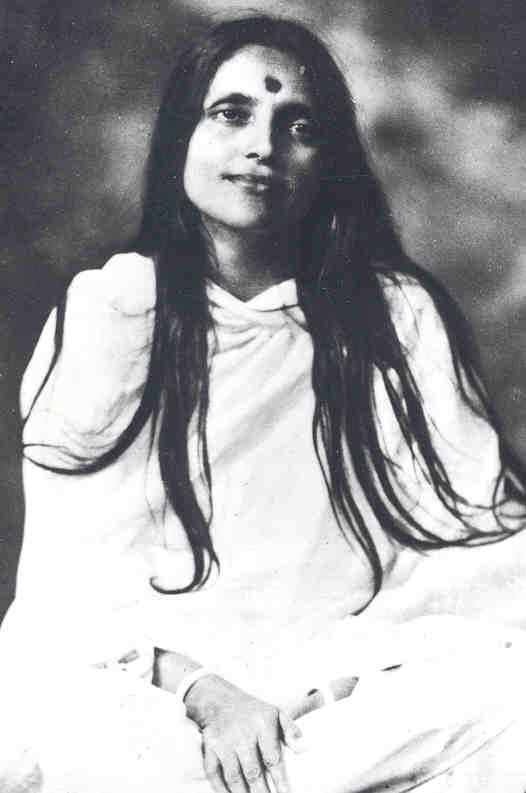
Anandamayi Ma joven · Public domain
Dans ses propres mots
«My consciousness has never associated itself with this temporary body. Before I came on this earth, Father, ‘I was the same.’ As a little girl, ‘I was the same.’»Palabras dirigidas a Yogananda en Calcuta (1935), en la versión inglesa de Autobiography of a Yogi, cap. 45
Anandamayi Ma
Sad Vani (true words)
Pour commencer, une œuvre
Sad Vani (true words)Son idée centrale
Seeking the realisation of God is every human being’s supreme calling; other obligations are secondary, though they should not be abandoned but carried out as service.
Le voir en contexte
Biographie
5 min de lecture
Traduction assistée à partir de l'original espagnol, en attente de relecture par un traducteur natif.
Nirmala de Kheora
Nirmala Sundari naquit le 30 avril 1896 à Kheora, un village du district de Tripura, au Bengale oriental — l'actuel Bangladesh —, fille de Bipin Bihari Bhattacharya, brahmane pauvre et chanteur d'hymnes vishnouites, et de Mokshada Sundari Devi, qui prononcerait dans sa vieillesse les vœux de renonçante. Elle ne fréquenta l'école que quelques mois. Ce que l'on raconte de son enfance — l'extase d'une fillette de deux ans entendant des chants de dévotion, un être lumineux qui l'adore lorsqu'elle a dix mois — provient de la chronologie établie par ses fidèles et de ce qu'elle-même rapporta des décennies plus tard, et relève du registre hagiographique. En février 1909, à douze ans et dix mois, on la maria à Ramani Mohan Chakrabarti, de Bikrampur, qu'elle appellerait plus tard Bholanath.
Une épouse qui ne le fut pas
Elle vécut cinq ans dans la famille de son beau-frère et, vers 1914, rejoignit son mari à Ashtagram. Le mariage ne fut jamais consommé : selon le récit qu'elle en fit à Yogananda en 1935, la première fois que son mari la toucha avec désir, il reçut comme une décharge de foudre et, dès lors, la traita comme son guide. Les voisins parlaient d'hystérie ; lui la défendit devant ses beaux-parents. À Bajitpur, entre 1918 et 1924, ses états devinrent continus : des postures de yoga que, disait-elle, le corps prenait de lui-même, la répétition incessante du nom divin, des chants et des transes. Dans la nuit de pleine lune d'août 1922, elle se donna à elle-même l'initiation, expliquant plus tard qu'en tant que maître elle avait révélé le mantra et qu'en tant que disciple elle l'avait reçu. Suivit une longue période de silence, et à la fin de cette année-là elle initia son propre mari.
Dacca : la Mère pénétrée de joie
En 1924, Bholanath fut nommé intendant des jardins du nawab de Dacca à Shahbag, et c'est là que commencèrent à affluer les fidèles. L'un d'eux, Jyotish Chandra Ray, haut fonctionnaire que tous appelaient Bhaiji, lui donna en 1925 le nom d'Anandamayi Ma, « la Mère pénétrée de joie ». En 1926 arriva Adarini Mukherjee, qui, sous le nom de Gurupriya Devi, l'accompagnerait jusqu'à sa mort et tiendrait pendant des décennies un journal de sa vie. À Dacca, on l'appelait la Kali vivante et, en 1929, ses disciples lui construisirent un premier ashram à Ramna, près du temple de Kali. Elle refusait qu'on l'appelât guru, ne préparait aucun discours et parlait d'elle-même comme de « ce corps » ou de « cette petite fille ».
La pèlerine
En 1932, elle quitta Dacca avec Bholanath et Bhaiji sans destination annoncée et s'installa à Dehradun, au pied de l'Himalaya. Dès lors, elle n'eut plus de résidence fixe : elle parcourut l'Inde pendant un demi-siècle, d'ashram en ashram et de maison en maison, au gré de ce qu'elle appelait son kheyal, une impulsion spontanée que ses fidèles tenaient pour la volonté divine. Kamala Nehru lui rendit visite à partir de 1933 et, par elle, la famille Nehru ; Indira Gandhi serait une visiteuse assidue. Bholanath mourut à Kishenpur en mai 1938. Paramahansa Yogananda la rencontra à Calcutta en décembre 1935 et en fit le portrait dans son Autobiographie d'un yogi ; Gandhi la reçut à Sevagram en 1942. Vers 1948, elle s'entretint à Delhi avec Jiddu Krishnamurti, à qui elle reprocha avec douceur qu'en niant les gurus il devenait le guru de ceux qui l'écoutaient, et en 1952 elle rendit visite à Pondichéry à la Mère de l'ashram de Sri Aurobindo.
Des paroles recueillies par d'autres
Anandamayi Ma n'a rien écrit. Elle parlait bengali, souvent avec des jeux de mots presque intraduisibles, et ses phrases furent notées par d'autres : Bhaiji réunit les premières dans Sad Vani (1935) ; Gurupriya Devi tint son journal à partir de 1925 ; l'Autrichienne Blanca Schlamm, Atmananda, qui la connut en 1943, traduisit en anglais Matri Vani et Words of Sri Anandamayi Ma, et la revue Ananda Varta publia ses dialogues à partir des années cinquante. C'est une œuvre chorale, filtrée par l'affection et la mémoire de ses fidèles, et c'est ainsi qu'il faut la lire. Son enseignement répète que chercher Dieu est la seule vocation humaine, que tous les chemins sont légitimes et qu'elle n'en avait pas de propre, et il propose une discipline simple : un temps fixe chaque jour pour la contemplation, la répétition du nom divin et le service.
Le kheyal
Les témoins s'accordent à décrire une présence plutôt qu'une doctrine. Anandamayi Ma ne suivait ni horaires ni plans : elle disait agir selon son kheyal, mot bengali qui signifie à peu près idée soudaine ou impulsion, et que ses fidèles entendaient comme la volonté divine s'exprimant en elle sans délibération. Aussi partait-elle d'un lieu à minuit, renonçait-elle à une visite préparée depuis des mois ou apparaissait-elle là où personne ne l'attendait. Elle parlait d'elle-même à la troisième personne et refusait de jouer les maîtres : elle répondait aux questions, chantait, plaisantait et recommandait à chacun la pratique de sa propre tradition. À qui lui demandait qui elle était, elle répondait, selon ses chroniqueurs, qu'elle était ce qu'elle avait toujours été, et aussi ce que chacun pensait qu'elle était.
Une sainte orthodoxe
Sa figure réunit des traits difficiles à concilier. Elle accueillait musulmans, chrétiens et étrangers, mais ses ashrams observaient les règles brahmaniques de pureté rituelle, qui touchaient aussi les repas des visiteurs non hindous ; pendant des années, elle-même ne mangea que de la main de ses assistantes, comme le remarqua Yogananda. Lisa Lassell Hallstrom, auteure de la principale étude universitaire, place cette tension au centre de son rôle : une femme sans instruction qui se mouvait avec une liberté absolue et qui, dans le même temps, soutenait l'orthodoxie des moines et des lettrés qui l'entouraient, comme le sanskritiste Gopinath Kaviraj. Les guérisons, bilocations et prédictions que lui attribuèrent ses fidèles relèvent du témoignage dévotionnel et n'ont pas été vérifiées.
Mort et culte
Elle mourut vers huit heures du soir, le 27 août 1982, dans son ashram de Kishenpur, à Dehradun. Deux jours plus tard, son corps fut inhumé — non incinéré, comme il convient aux saints renonçants — dans la cour de l'ashram de Kankhal, près de Haridwar, en présence de la Première ministre Indira Gandhi. Son samadhi est aujourd'hui un lieu de pèlerinage, et l'anthropologue Orianne Aymard a étudié la manière dont ses fidèles continuent de se rapporter à elle comme si elle était présente. La Shree Shree Anandamayee Sangha entretient ses ashrams à Varanasi, Kankhal, Vrindavan, Dehradun et dans d'autres villes.
Sources: Lannoy, Richard. Anandamayi: Her Life and Wisdom. Shaftesbury: Element, 1996. · Bhaiji (Jyotish Chandra Ray). Mother as Revealed to Me (orig. bengalí Matri Darshan). Trad. de G. Das Gupta. Varanasi: Shree Shree Anandamayee Sangha, 2004. · Maschmann, Melita. Encountering Bliss: My Journey through India with Anandamayi Ma. Trad. de S. B. Shrotri. Delhi: Motilal Banarsidass, 2002. · Bhaiji (Jyotish Chandra Ray). Sad Vani: A Collection of the Teachings of Sri Anandamayi Ma (original bengalí, 1935). Trad. inglesa de Atmananda. Varanasi / Calcuta: Shree Shree Anandamayee Charitable Society, 1973 (reimpr. 1975). · Gurupriya Devi. Sri Sri Ma Anandamayi (diarios, original bengalí desde 1925). Trad. inglesa, vols. 1–9 y ss. Calcuta: Shree Shree Anandamayee Charitable Society, 1984–1996.
Chronologie
La vie, année après année
Chaque point est un événement documenté. Cliquez pour le lire, avec sa source et son degré de certitude.
30 avril 18960 ansKheora
Birth of Nirmala Sundari
Born at her maternal great-grandparents’ house, daughter of Bipin Bihari Bhattacharya and Mokshada Sundari Devi.
Documentéanandamayi.org (sitio de devotos vinculado a la Shree Shree Anandamayee Sangha): «Life History» 1896–1982, cronología año por año, y páginas «Meeting with Saints and Mahatmas».
Après sa mort
- 2014When a Goddess Dies
30 avril 1896 · 0 ans
Birth of Nirmala Sundari
Born at her maternal great-grandparents’ house, daughter of Bipin Bihari Bhattacharya and Mokshada Sundari Devi.
Documenté
février 1909 · 12 ans
Marriage to Ramani Mohan Chakrabarti
Married at twelve years and ten months; her husband will be Bholanath. Marriage never consummated.
Documenté
v. 1914 · 18 ans
With her husband at Ashtagram
She joins Ramani Mohan; first states of absorption in public.
Probable
1918 · 22 ans
The Bajitpur years
Period of spontaneous sadhana: postures, repetition of the divine name, trances (1918–1924).
Tradition
août 1922 · 26 ans
Self-initiation
On the full moon of August she initiates herself; a long silence follows.
Tradition
1924 · 28 ans
Shahbag
Bholanath is appointed manager of the Nawab’s gardens; the first devotees arrive, among them Bhaiji.
Documenté
1925 · 29 ans
The name Anandamayi
Bhaiji calls her Anandamayi Ma, “the bliss-permeated Mother”.
Documenté
1926 · 30 ans
Gurupriya Devi arrives
She meets Adarini Mukherjee (Gurupriya Devi), her companion and chronicler for more than fifty years.
Documenté
13 avril 1929 · 32 ans
First ashram at Ramna
She enters the land bought for the Ramna ashram, beside the Kali temple.
Documenté
juin 1932 · 36 ans
Departure from Dhaka
She leaves Bengal with Bholanath and Bhaiji and settles at Raipur, Dehradun. Half a century of wandering begins.
Documenté
juillet 1933 · 37 ans
Kamala Nehru
Jawaharlal Nehru’s mother and wife visit her for the first time.
Documenté
décembre 1935 · 39 ans
Meeting with Yogananda
Paramahansa Yogananda visits her at Bhowanipur and invites her to his Ranchi school.
Documenté
6 mai 1938 · 42 ans
Death of Bholanath
Her husband dies at the Kishenpur ashram.
Documenté
février 1942 · 45 ans
Meeting with Gandhi
After Jamnalal Bajaj’s death, she visits Gandhi at Sevagram.
Documenté
1943 · 47 ans
Atmananda arrives
She meets the Austrian Blanca Schlamm, future translator of her words into English.
Documenté
janvier 1947 · 50 ans
Gayatri Mahayajna
A three-year uninterrupted rite begins at the Varanasi ashram, concluded in January 1950.
Documenté
v. 1948 · 52 ans
Conversation with Krishnamurti
They meet in Kitty Shiva Rao’s garden and discuss the need for a guru.
Probable
3 novembre 1952 · 56 ans
Meeting with the Mother of Pondicherry
On her southern tour she visits Mirra Alfassa at the Sri Aurobindo Ashram and Ramana Maharshi’s ashram at Tiruvannamalai.
Documenté
1959 · 63 ans
Arnaud Desjardins’s film
The French filmmaker films her for French television, making her known in Europe.
Documenté
27 août 1982 · 86 ans
Death
She dies at about eight in the evening at her Dehradun ashram.
Documenté
29 août 1982
Samadhi at Kankhal
Her body is entombed at the Kankhal ashram in the presence of Indira Gandhi.
Documenté
2014
When a Goddess Dies
Orianne Aymard publishes her study of the worship of Anandamayi Ma after her death.
Documenté
Œuvres
Œuvres essentielles
Les œuvres sans lesquelles on ne comprend pas son héritage.
Anandamayi Ma
Sad Vani (true words)
Compilation postérieure · 1935
Sad Vani (true words)
সদ্বাণী (Sad Vani)
Short sayings arranged by theme: the search for God as life’s only goal, repetition of the divine name, surrender, the company of saints, duty done without attachment. It records the teaching of the Dhaka years with the closeness of a daily witness and the devotion of one who saw in her the divine Mother. It is the earliest source for her words.
2 éditions
Anandamayi Ma
Matri Vani (words of the Mother)
Compilation postérieure · 1963
Matri Vani (words of the Mother)
Matri Vani
Personal advice turned into general teaching: how to live in the world without losing sight of God, how to face the death of a loved one, illness or doubt, why to set aside a time each day for contemplation. The tone is intimate and practical rather than doctrinal. It is her most translated work and the one that best conveys her way of addressing each person.
3 éditions
Anandamayi Ma
Sri Sri Ma Anandamayi (Gurupriya Devi’s diaries)
Compilation postérieure · v. 1925
Sri Sri Ma Anandamayi (Gurupriya Devi’s diaries)
শ্রীশ্রীমা আনন্দময়ী (Sri Sri Ma Anandamayi)
The most detailed source for her life: dates, places, people, dialogues and episodes—from the first years in Dhaka to the decades of wandering—noted almost daily by a constant witness. It includes, for example, the account of the meeting with Gandhi at Wardha in 1942. Its documentary value coexists with the devotional perspective of its author.
1 édition
Anandamayi Ma
Mother as Revealed to Me (Matri Darshan)
Compilation postérieure
Mother as Revealed to Me (Matri Darshan)
মাতৃদর্শন (Matri Darshan)
Spiritual diary of Bhaiji’s relationship with Anandamayi Ma from 1924 until his death, with his interpretation of her gestures and words. It contains, among other things, the hymn that came from her lips in 1929 on leaving the Ramna ashram, only partly transcribed. It is an essential source for the Dhaka years.
2 éditions
Toute son œuvre (22)
Anandamayi Ma
Words of Sri Anandamayi Ma
The Conscious LibraryWords of Sri Anandamayi Ma
1961
Anandamayi Ma
Ananda Varta (journal)
The Conscious LibraryAnanda Varta (journal)
1952
Anandamayi Ma
Mother Reveals Herself
The Conscious LibraryMother Reveals Herself
2014
Anandamayi Ma
Svakriya Svarasamrita
The Conscious LibrarySvakriya Svarasamrita
Anandamayi Ma
In Association with Sri Sri Ma Anandamayi
The Conscious LibraryIn Association with Sri Sri Ma Anandamayi
1986
Anandamayi Ma
Vangmayee Ma (the Mother as word)
The Conscious LibraryVangmayee Ma (the Mother as word)
2024
Anandamayi Ma
Ma in Her Words
The Conscious LibraryMa in Her Words
Anandamayi Ma
Amar Vani (immortal words)
The Conscious LibraryAmar Vani (immortal words)
1968
Anandamayi Ma
L’Enseignement de Mâ Ananda Moyî
The Conscious LibraryL’Enseignement de Mâ Ananda Moyî
1974

Perles de lumière
1995

Death Must Die (Atmananda’s diaries)
2000

Mother of Bliss (Lisa Lassell Hallstrom)
1999

Life and Teaching of Sri Anandamayi Ma (Alexander Lipski)
1977

Life and Teachings of Sri Ma Anandamayi (Bithika Mukerji)
1998

My Days with Sri Ma Anandamayi (Bithika Mukerji)
2002

Anandamayi: Her Life and Wisdom (Richard Lannoy)
1996

Encountering Bliss (Melita Maschmann)
2002

When a Goddess Dies (Orianne Aymard)
2014
Citations
Citations localisées dans une œuvre précise. Chacune porte sa provenance et son degré de fiabilité.
My consciousness has never associated itself with this temporary body. Before I came on this earth, Father, ‘I was the same.’ As a little girl, ‘I was the same.’VérifiéePalabras dirigidas a Yogananda en Calcuta (1935), en la versión inglesa de Autobiography of a Yogi, cap. 45
Idées essentielles (résumé éditorial)
Par respect du droit d'auteur, ces idées sont résumées avec nos propres mots et ne sont pas présentées comme des citations littérales.
- Seeking the realisation of God is every human being’s supreme calling; other obligations are secondary, though they should not be abandoned but carried out as service.
- There is no single path: each person advances according to their innate nature, and every sincere path leads to the same end. She said she had no path of her own.
- One should set aside each day, morning and evening, a fixed time for contemplation, just as working hours are kept; with habit, contemplation becomes part of one’s nature.
- All suffering arises from perceiving duality; whoever finds the One in everything and everyone puts an end to pain.
- Everyone is right from their own standpoint: faced with doctrinal disputes, she invited people to see the point from which the other speaks.
Dernières paroles
Il n'existe aucun témoignage vérifiable de ses dernières paroles.
No recorded final sentence is known. In her last months, already ill, she spoke little; the Sangha’s chronicles note that she died at about eight in the evening of 27 August 1982 at Kishenpur (Dehradun), without recording any farewell words.
Source: anandamayi.org (sitio de devotos vinculado a la Shree Shree Anandamayee Sangha): «Life History» 1896–1982, cronología año por año, y páginas «Meeting with Saints and Mahatmas».
Interroger
Ce que répond son œuvre
Douze grandes questions de l'humanité et ce que ses textes permettent d'y répondre, références à l'appui. Nous ne lui prêtons jamais de paroles.
Qu'est-ce que l'Absolu ? Dieu existe-t-il ?
There is nothing but Him: with form and without, all is God
À la fois personnel et impersonnelIl le dit expressément
Anandamayi Ma set out no system, but her words, gathered by devotees in Matri Vani and Sad Vani, return again and again to one claim: there is nothing but Him alone, and everyone and everything are but a form of God. That One can be worshipped with form, as Krishna, Shiva or the Mother, or sought as the attributeless Self, and she refused to rank the two ways: with form and without form are the same, seen from different places. To those who asked about her religion she answered that she was also Christian, Muslim, or whatever they wished. For Anandamayi the existence of God is not proved: it is all there is, and the human task is to recognise it.
Comparer cette question avec d'autres maîtresQui suis-je ? Existe-t-il un vrai soi ?
‘I was the same’: consciousness was never tied to the body
Le Soi est l'AbsoluIl le dit expressément
Anandamayi Ma spoke of herself as ‘this body’, never as ‘I’, and her devotees took this as a sign that she did not identify with the person. To Yogananda she declared that her consciousness had never associated itself with the transient body and that before birth, as a girl and as an adult she had been the same. To those who listened she put the same question: the self that identifies with a name, a family and a history is not what one is, and discovering one’s own nature is discovering God, for there is nothing but Him. That is why she recommended both remembrance of the Name and enquiry: both lead to recognising the one Self that appears in every form.
Comparer cette question avec d'autres maîtresPourquoi souffrons-nous ?
All suffering comes from seeing duality where there is only One
L'ignorance de ce que nous sommesIl le dit expressément
In the words gathered by her devotees, Anandamayi Ma explains that all suffering arises from perceiving duality: from feeling separate from others and from God, and from seeking outside what one believes to be missing. Whoever finds the One in everything and everyone puts an end to pain, because there is no longer another who threatens nor anything to lose. At the same time she welcomed those who came with concrete sorrows, the death of a child or illness, and told them that suffering is also a way in which God calls his creature to himself. She neither denied pain nor idealised it: she placed it in a horizon where the only lasting cure is to recognise the Self.
Comparer cette question avec d'autres maîtresQue se passe-t-il après la mort ?
The body dies; what is does not come or go
Ce que je suis ne naît ni ne meurtIl le dit expressément
Anandamayi Ma said of herself that before coming to earth, as a child and in maturity, she had been the same, and that her consciousness had never associated itself with the transient body. She invited her devotees to look at death from there: what dies is the body, and the Self is neither born nor dies. At the same time she spoke naturally of successive lives and of the value of practice for the hereafter: one of her recorded sayings contrasts the earthly pension, which ends with life, with the divine pension, which continues long after death. Realisation consists in knowing oneself already, now, beyond birth and death.
Comparer cette question avec d'autres maîtresComment atteint-on la libération ou le salut ?
Every sincere path leads to Him; the Name, always
Par la dévotion et l'abandonIl le dit expressément
Anandamayi Ma said she had no path of her own and accepted that each person advance according to their nature: through knowledge, meditation, action or devotion, every sincere path leads to the same end. Yet what she most often recommended was constant remembrance of God, above all through repetition of the Name (nama japa), and setting aside a fixed time each day for contemplation. She organised annual weeks of intensive discipline (samyam saptah) with fasting, silence and meditation. For her, seeking God-realisation is the supreme calling of the human being, and grace accompanies whoever seeks it steadily. What matters is never to stop seeking.
Comparer cette question avec d'autres maîtresFaut-il un maître ?
Whoever denies the guru becomes guru to those who believe him
IndispensableIl le dit expressément
Anandamayi Ma had no human teacher: according to her biographers she initiated herself in 1922 and went through the practices of many traditions alone. Even so, she defended the need for a guru for others. One of her recorded sayings puts it ironically: when someone says no guru and no practice are needed, they automatically become the guru of those who accept their view. For her the true guru is not an individual but God himself manifesting as teacher when the seeker is ready, and he can come through a person, a book or an event. But that encounter is necessary, and the disciple must obey with trust.
Comparer cette question avec d'autres maîtresLe monde est-il réel ?
Everyone and everything is but a form of God
Manifestation du divinIl le dit expressément
Anandamayi Ma’s answer is consistent with her central statement: there is nothing but Him alone, and everyone and everything are but a form of God. For her the world is not an illusion to be despised but the way the One shows itself; hence she asked people to serve others as forms of the divine and to carry out daily duties as an offering. At the same time she recalled that what appears changes and passes, and that whoever clings to forms without seeing what is in them suffers. The world’s reality therefore depends on how it is seen: as something separate it is transient; recognised as a form of God, it is He himself.
Comparer cette question avec d'autres maîtresQu'est-ce que l'amour ?
To love God is to love Him in every form, for He alone exists
Le désir ardent et l'unionCela se déduit de sa doctrine
Anandamayi Ma lived in an atmosphere of intense devotion: her biographers describe states of ecstasy during kirtan and a motherly tenderness towards all who approached her. In her words, true love is directed to God, and all human love, if pure, reflects that longing. Since He alone exists, loving God does not take one away from others: it includes them, because each person is a form of Him. Hence she asked people to fulfil their duties with love and serve without expecting reward. She warned, however, against attachment, which confuses love with possession of a passing form. Longing for God is, for her, the supreme calling of the human being.
Comparer cette question avec d'autres maîtresSommes-nous libres ou tout est-il déterminé ?
All happens by His will; while you think you are the doer, strive
Il n'y a pas d'agentIl le dit expressément
Anandamayi Ma explained her own way of acting through the word kheyal: a spontaneous impulse that came not from a personal decision but from the divine will. Her devotees learned that there was no point asking her to make plans: whatever had to happen would happen. For her, ultimately, the only doer is God. But she did not apply that view to others as an excuse for passivity. She asked those who felt themselves authors of their acts to strive, to fulfil their duties seriously and to practise every day, because as long as there is a sense of being a doer there is also responsibility. True freedom consists in surrendering the will until only His remains.
Comparer cette question avec d'autres maîtresPourquoi méditer ou prier ?
A fixed time each day to remember God, until it becomes natural
L'amitié avec DieuIl le dit expressément
Anandamayi Ma asked everyone, lay and monastic, to set aside each day, morning and evening, a fixed time for contemplation, with the same punctuality with which working hours are kept; with habit, she said, contemplation becomes part of one’s nature. She especially recommended repetition of God’s Name (nama japa) and devotional singing, without excluding silent meditation or enquiry. The aim was not to attain experiences but to keep the remembrance of God in every activity, until there is no moment when He is absent. To pray is to live in God’s company, even if the mind does not yet fully know it.
Comparer cette question avec d'autres maîtresLa raison peut-elle connaître l'ultime ?
Each is right from their own standpoint; Truth lies beyond
L'ultime est au-delà du mentalCela se déduit de sa doctrine
Anandamayi Ma received philosophers, scholars and sceptics, and answered their questions briefly, often with paradoxes. In the face of doctrinal disputes she invited people to look at the point from which the other speaks: everyone is right from their own standpoint. This attitude was not relativism but recognition that the intellect grasps only partial aspects of a Truth that exceeds it. For her, what is reached by thinking remains within the mind; God-realisation is something else, a knowing in which there is no subject separate from object. Reason can orient and purify, but the ultimate is revealed when the mind is stilled and surrendered.
Comparer cette question avec d'autres maîtresSe retirer du monde ou le transformer ?
Fulfil each day’s duties with love, step by step towards God
La contemplation dans l'actionIl le dit expressément
Anandamayi Ma did not ask most of her devotees to leave family or work. One of her recorded sayings sums it up: with seriousness, love and goodwill, fulfil the duties of each day and try to rise step by step. Seeking God is the supreme calling, but other obligations are not abandoned: they are carried out as service, seeing in each person a form of the divine. She asked people to set aside fixed times for contemplation within the day and to regard work as an offering. She herself lived in constant movement across India, surrounded by people, and her ashrams supported schools, hospitals and relief work.
Comparer cette question avec d'autres maîtres
Affinités et tensions
Affinités et tensions
Calculées question par question à partir de ses positions. La raison de chaque accord ou de chaque désaccord s'affiche d'un clic.
Pense comme
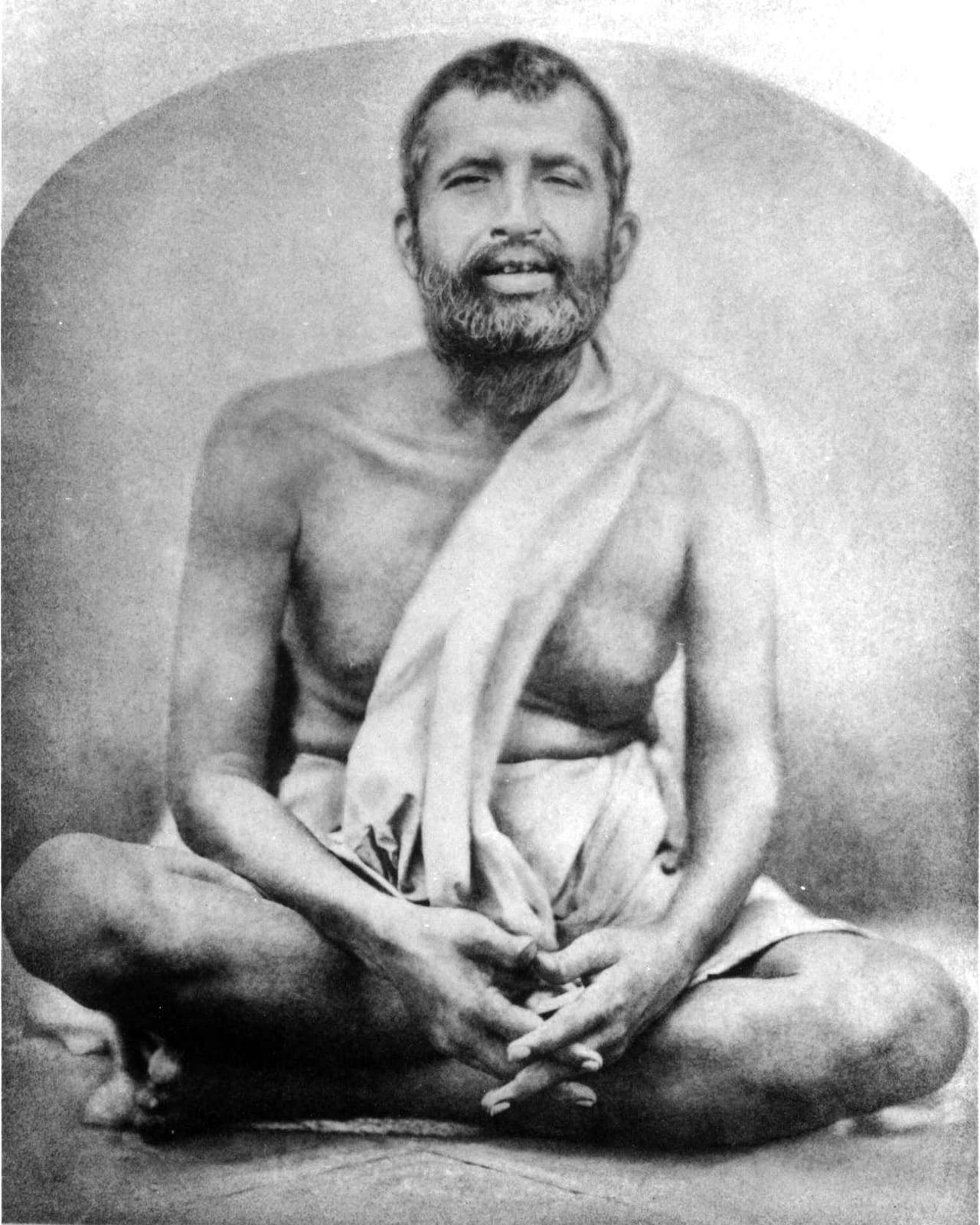
Ramakrishna
Ils concordent sur: Qu'est-ce que l'Absolu ? Dieu existe-t-il ? · Qui suis-je ? Existe-t-il un vrai soi ? · Comment atteint-on la libération ou le salut ?
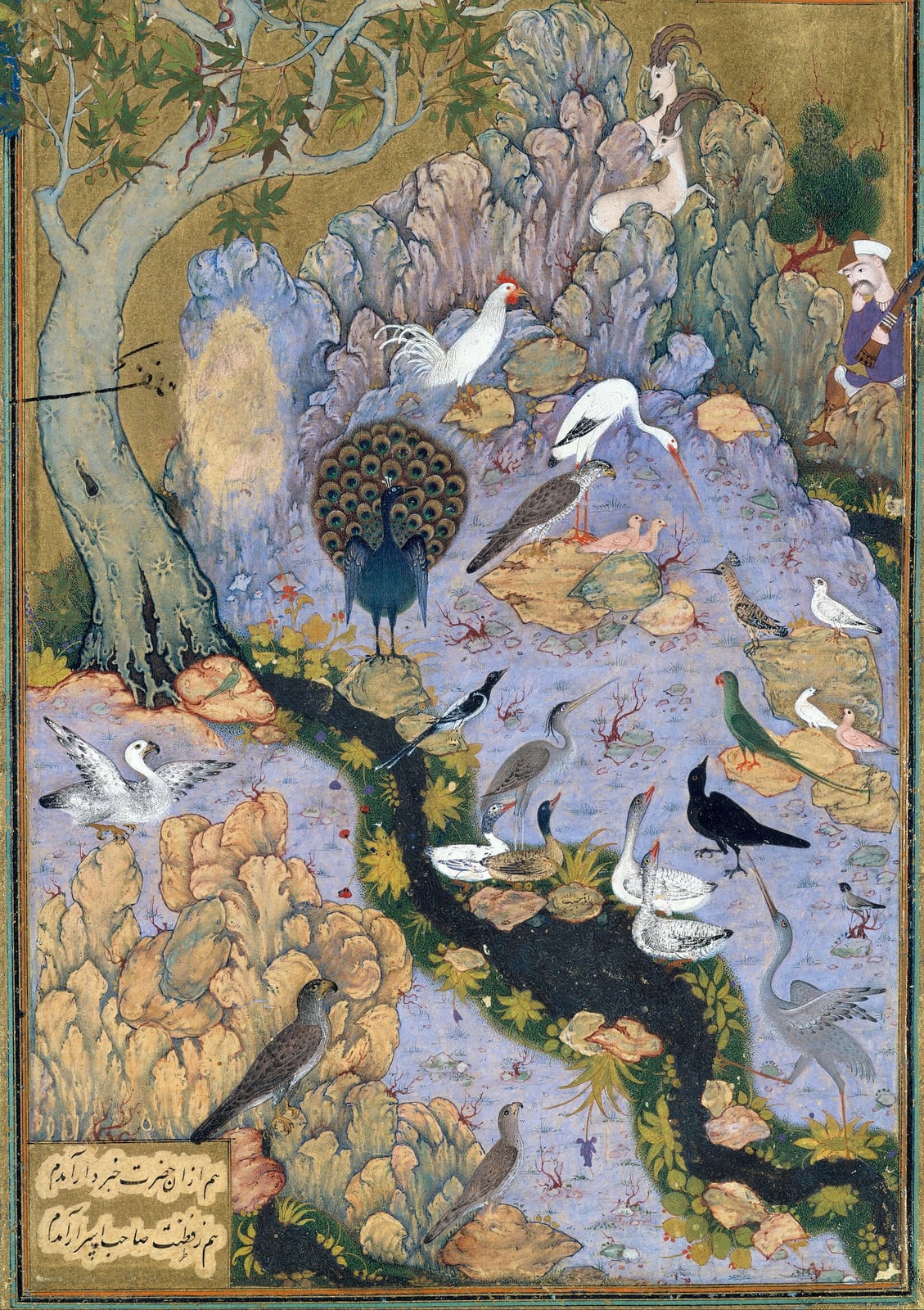
Attar
Ils concordent sur: Qu'est-ce que l'Absolu ? Dieu existe-t-il ? · Qui suis-je ? Existe-t-il un vrai soi ? · Faut-il un maître ?
Meher Baba
Ils concordent sur: Pourquoi méditer ou prier ? · Qu'est-ce que l'Absolu ? Dieu existe-t-il ? · Qui suis-je ? Existe-t-il un vrai soi ?
Ibn Arabi
Ils concordent sur: Qu'est-ce que l'Absolu ? Dieu existe-t-il ? · Qui suis-je ? Existe-t-il un vrai soi ? · Le monde est-il réel ?
Pense autrement que

Pema Chödrön
Ils s'opposent sur: Qui suis-je ? Existe-t-il un vrai soi ?

Emanuel Swedenborg
Ils s'opposent sur: Qui suis-je ? Existe-t-il un vrai soi ?

Epicurus
Ils s'opposent sur: Qui suis-je ? Existe-t-il un vrai soi ?
The 14th Dalai Lama (Tenzin Gyatso)
Ils s'opposent sur: Qui suis-je ? Existe-t-il un vrai soi ?
Anecdotes et récits
Anecdotes et récits
Témoignageagosto de 1922
Teacher and disciple
Origine du récit: Known from what she herself told years later, recorded by Bhaiji and in Mother Reveals Herself; there were no witnesses to the ceremony.
Source: Hallstrom, Lisa Lassell. Mother of Bliss: Ānandamayī Mā (1896–1982). Nueva York: Oxford University Press, 1999.
Témoignagediciembre de 1935
“I was the same”
Origine du récit: Yogananda’s account in Autobiography of a Yogi (1946), ch. 45; the date comes from the Sangha’s chronology. Her words are known in Yogananda’s English version.
Témoignagec. 1948
The guru of those who deny gurus
Origine du récit: Two concordant versions: Atmananda’s diary (Death Must Die), recording what Anandamayi Ma told, and Pupul Jayakar’s biography of Krishnamurti (1986). The date is inferred from a conversation of November 1948 recorded by Amulya Kumar Datta Gupta.
Source: Atmananda. Death Must Die: A Western Woman’s Life-Long Spiritual Quest in India with Shree Anandamayee Ma, ed. Ram Alexander. Varanasi: Indica Books, 2000.
Témoignage3 de noviembre de 1952
The rose and the chocolate
Origine du récit: Account by devotees present recorded in Anandamayee: The Universal Mother and, in Anandamayi’s own version, in Ananda Varta (vol. VII, no. 4, 1960); both reproduced by anandamayi.org.
Documentéfebrero de 1942
Eight hours at Sevagram
Origine du récit: Entry of 20 February 1942 in Gurupriya Devi’s diaries (vol. 10 of the English translation) and a devotee’s recollection, both reproduced by anandamayi.org.
Source: Gurupriya Devi. Sri Sri Ma Anandamayi (diarios, original bengalí desde 1925). Trad. inglesa, vols. 1–9 y ss. Calcuta: Shree Shree Anandamayee Charitable Society, 1984–1996.
Témoignagec. 1925
The name
Origine du récit: It comes from Bhaiji’s testimony (Mother as Revealed to Me) and the Sangha’s chronology, which places the episode at Siddheswari in 1925.
Source: Bhaiji (Jyotish Chandra Ray). Mother as Revealed to Me (orig. bengalí Matri Darshan). Trad. de G. Das Gupta. Varanasi: Shree Shree Anandamayee Sangha, 2004.
Enseignements
Enseignements
Les notions qui structurent sa pensée, expliquées dans leur contexte.
Kheyalkheyal
Analysed by Hallstrom (1999) and by Anil Ganguli in Anandamayi Ma’s Inscrutable Kheyal (1980).
Source: Hallstrom, Lisa Lassell. Mother of Bliss: Ānandamayī Mā (1896–1982). Nueva York: Oxford University Press, 1999.
“This body”: speaking without egoeste-cuerpo
Attested in all the sources (Yogananda, Bhaiji, Gurupriya Devi, Atmananda).
All pathstodos-los-caminos
Comparable to Ramakrishna’s teaching on the plurality of paths, though no direct influence is documented.
Source: Hallstrom, Lisa Lassell. Mother of Bliss: Ānandamayī Mā (1896–1982). Nueva York: Oxford University Press, 1999.
The divine name and the fixed timenama-japa
Rooted in the Bengali tradition of nama-japa (Chaitanya) and in the Tantric practice of mantra.
Source: Matri Vani: From the Wisdom of Sri Anandamayi Ma, vol. I (cartas recogidas por Gurupriya Devi, trad. de Atmananda, pról. de Gopinath Kaviraj). Varanasi: Shree Shree Anandamayee Sangha, 1963; vol. II (selección de Sister Uma), Calcuta, 1977.
Samyam Saptah: the week of disciplinesamyam-saptah
Described in the Sangha’s chronology and in Ananda Varta; the twenty-fifth was held in 1974.
Vidéos
Vidéos
Enregistrements, entretiens et documentaires. Les vidéos sont lues depuis YouTube ; elles ne sont pas hébergées ici.
Ma Anandamayi is present at a sacred thread ceremony at Tarapeeth in 1936
Enregistrement original· 1936· 8 min
SriRam108
Yogananda visits Anandamayi Ma
Enregistrement original· 1935· 1 min
Heart is Thy Name, O Lord
Ma Anandamayi, vidéo 1959 par Arnaud Desjardins
Documentaire· FR· 1959· 10 min
Silence Within
Ma Anandamayi 1959 (subtítulos en español)
Documentaire· ES· 1959· 10 min
CanalGanges
A compilation of cine film clips of Ma Anandamayi from 1956-1981
Enregistrement original· 76 min
SriRam108
Ma Anandamayi talks at Suktal in 1961 (English subtitles)
Enregistrement original· BN· 1961· 21 min
SriRam108
Ma Anandamayi at the samyam saptah at Rama Tirtha Mission, Dehra Dun, in 1974
Enregistrement original· 1974· 27 min
SriRam108
Questions and answers by Sri Ma Anandamayi at Nadiad in 1978 - No 1
Enregistrement original· 1978· 12 min
SriRam108
Ma & Me: The Anandamayi Ma Documentary
Documentaire· EN· 2019· 94 min
Ma Documentary
ANANDAMAYI MA (Documental subtitulado en español)
Documentaire· ES· 94 min
Anandamayi Ma
Arnaud Desjardins talks about his experiences with Ma Anandamayi
Entretien· FR· 33 min
SriRam108
ANANDAMAYI MA 1 (Recuerdos de Arnaud Desjardins), subtitulado en español
Entretien· ES
CanalGanges
The Life of Sri Ma Anandamayi, as narrated by Bithika Mukerjee
Conférence· EN· 43 min
SriRam108
साधना की 10 अवस्थाएँ | सद् वाणी - भाग 4 | श्री आनंदमयी माँ सत्संग
Conférence· HI· 72 min
MA Sharanam
Galerie
Galerie
Images dont la licence a été vérifiée. Chacune conserve son auteur et son attribution.
Relations
Relations
Influences, filiations et affinités. On distingue la relation documentée de la similitude identifiée par analyse.
A rencontré
They met in Calcutta in December 1935; he devoted chapter 45 of Autobiography of a Yogi to her and she visited his Ranchi school.
Relation documentée
A rencontré
They talked around 1948 in Delhi, at Kitty Shiva Rao’s house, about the need for a guru; Atmananda and Pupul Jayakar both recount it.
Relation documentée
A rencontré
La Madre (Mirra Alfassa)
Meeting at the Sri Aurobindo Ashram, Pondicherry, on 3 November 1952.
Relation documentée
Contemporain de
Bengali contemporaries; they never met. She visited his ashram in 1952, two years after his death.
Similitude identifiée par analyse
Contemporain de
They never met in life; on her 1952 tour she visited Ramana’s ashram at Tiruvannamalai, two years after his death.
Relation documentée
A rencontré
Mahatma Gandhi
She visited him at Sevagram in February 1942 and in 1946 attended one of his prayer meetings in Delhi at his request.
Relation documentée
Famille de
Bholanath (Ramani Mohan Chakrabarti)
Her husband from 1909, in an unconsummated marriage; he received initiation from her in 1922 and died in 1938.
Relation documentée
Maître de
Bhaiji (Jyotish Chandra Ray)
One of the first devotees; he gave her the name Anandamayi and compiled Sad Vani and Matri Darshan.
Relation documentée
Maître de
Gurupriya Devi
Companion from 1926 and author of the diaries that are the main chronicle of her life.
Relation documentée
Maître de
Gopinath Kaviraj
The great Banaras Sanskritist frequented her from 1928 and wrote the foreword to Matri Vani.
Relation documentée
Idées proches de
Bengali mystics of frequent ecstasies, with no writings of their own, who taught the legitimacy of all paths. Similarity identified by the editors; no personal relationship.
Similitude identifiée par analyse
Idées proches de
Her insistence on the divine name and kirtan continues the Bengali Vaishnava devotion of Chaitanya, in whose tradition her father sang. Relationship noted by the editors.
Similitude identifiée par analyse
Lié depuis d'autres fiches
Sources
Sources
Bibliographie et catalogues consultés pour cette fiche.
- Lannoy, Richard. Anandamayi: Her Life and Wisdom. Shaftesbury: Element, 1996.
- Wikimedia Commons: fotografías de Anandamayi Ma y de sus ashrams (metadatos y licencias consultados por API).
- Shree Shree Anandamayee Sangha, catálogo de publicaciones (bookshop) con fechas, compiladores y traductores.
- Bhaiji (Jyotish Chandra Ray). Mother as Revealed to Me (orig. bengalí Matri Darshan). Trad. de G. Das Gupta. Varanasi: Shree Shree Anandamayee Sangha, 2004.
- Maschmann, Melita. Encountering Bliss: My Journey through India with Anandamayi Ma. Trad. de S. B. Shrotri. Delhi: Motilal Banarsidass, 2002.
- Bhaiji (Jyotish Chandra Ray). Sad Vani: A Collection of the Teachings of Sri Anandamayi Ma (original bengalí, 1935). Trad. inglesa de Atmananda. Varanasi / Calcuta: Shree Shree Anandamayee Charitable Society, 1973 (reimpr. 1975).
- Gurupriya Devi. Sri Sri Ma Anandamayi (diarios, original bengalí desde 1925). Trad. inglesa, vols. 1–9 y ss. Calcuta: Shree Shree Anandamayee Charitable Society, 1984–1996.
- Hallstrom, Lisa Lassell. Mother of Bliss: Ānandamayī Mā (1896–1982). Nueva York: Oxford University Press, 1999.
- Lipski, Alexander. Life and Teaching of Śrī Ānandamayī Mā. Delhi: Motilal Banarsidass, 1977.
- Mukerji, Bithika. From the Life of Sri Anandamayi Ma. Varanasi: Shree Shree Anandamayee Sangha, 1970; y The Most Gracious Presence, Sri Ma Anandamayi, 3 vols., 2009–2014.
- Yogananda, Paramahansa. Autobiography of a Yogi. Nueva York: The Philosophical Library, 1946, cap. 45 («The Bengali “Joy-Permeated” Mother»). Texto de 1946 en Project Gutenberg (n.º 7452).
- Wikidata, «Anandamayi Ma» (Q433594): fechas y lugares, 38 enlaces entre wikis.
- Wikipedia en inglés, «Anandamayi Ma».
- anandamayi.org (sitio de devotos vinculado a la Shree Shree Anandamayee Sangha): «Life History» 1896–1982, cronología año por año, y páginas «Meeting with Saints and Mahatmas».
- Aymard, Orianne. When a Goddess Dies: Worshipping Ma Anandamayi after Her Death. Nueva York: Oxford University Press, 2014.
- Atmananda. Death Must Die: A Western Woman’s Life-Long Spiritual Quest in India with Shree Anandamayee Ma, ed. Ram Alexander. Varanasi: Indica Books, 2000.
- Jayakar, Pupul. J. Krishnamurti: A Biography. San Francisco: Harper & Row, 1986 (sobre el encuentro en casa de Kitty Shiva Rao, Delhi).
- Matri Vani: From the Wisdom of Sri Anandamayi Ma, vol. I (cartas recogidas por Gurupriya Devi, trad. de Atmananda, pról. de Gopinath Kaviraj). Varanasi: Shree Shree Anandamayee Sangha, 1963; vol. II (selección de Sister Uma), Calcuta, 1977.
- Ayant droit
- Anandamayi Ma murió en 1982; sus palabras se conocen en recopilaciones cuyos derechos pertenecen a la Shree Shree Anandamayee Sangha (Varanasi/Kankhal), a la Shree Shree Anandamayee Charitable Society (Calcuta) y a los compiladores y traductores (Bhaiji, Gurupriya Devi, Atmananda). Ningún texto suyo es de dominio público en la UE, España o EE. UU.
- Site officiel
- www.shreeshreeanandamayeesangha.org/
En attente de confirmation
Ce que cette fiche n'a pas encore pu établir. Nous préférons le dire plutôt que de combler.
- Sala de lectura: ningún texto de Anandamayi Ma (m. 1982) ni de sus compiladores es de dominio público; no se registra reading_texts. La única fuente libre en EE. UU. es el capítulo 45 de Autobiography of a Yogi (Gutenberg), que pertenece a la ficha de Yogananda.
- ISBN de las ediciones de la Sangha (Sad Vani, Matri Vani, Words, diarios de Gurupriya Devi): no figuran en Open Library.
- Ediciones españolas: ISBN de Palabras de la Madre (Advaitavidya, 2024), de La Madre según me fue revelada y de la traducción de Lannoy; identificar el libro con ISBN 9788497773249 («Vida y enseñanzas de Sri Anandamayi Ma», editorial desconocida en Open Library).
- Confirmar si Worte der Glückseligen Mutter (Mangalam, 1986) es la versión alemana de Words of Sri Anandamayi Ma, y el original de Leben und Weisheit der Glückseligen Mutter (Ed. Maitri, 1995).
- Año y título bengalí exactos de Matri Darshan (Bhaiji) y fecha de muerte de Bhaiji (las fuentes oscilan entre 1937 y 1938).
- Citas tomadas de anandamayi.org (respuesta al periodista irlandés, «pensión divina», encuentro con la Madre) marcadas como probables: localizar la página exacta en Matri Vani, Ananda Varta o las biografías de Bithika Mukerji.
- Último mensaje o palabras finales: revisar los diarios de Gurupriya Devi y las crónicas de 1982 por si se registró alguna frase.
- Imágenes: localizar en Commons fotografías de madurez con licencia libre verificada; las de los años cuarenta a ochenta suelen tener derechos de la Sangha o de fotógrafos identificados.
Recherche effectuée le 2026-10-25