Quatrième Voie
G. I. Gurdjieff
Георгий Иванович Гурджиев · Գեորգի Գյուրջիև
v. 1872 – 1949Personne historiquement documentée
Maître spirituel, écrivain et compositeur né en Arménie russe entre 1866 et 1877 environ, mort à Paris en 1949. Il enseigna que l'être humain vit endormi, comme une machine, et que l'éveil exige un travail simultané du corps, du sentiment et de la pensée au cœur de la vie ordinaire. Il fonda l'Institut pour le développement harmonique de l'homme, créa les Mouvements, composa avec Thomas de Hartmann quelque deux cents pièces et laissa la trilogie Du Tout et de Tout, ouverte par les Récits de Belzébuth à son petit-fils.
- œuvres
- 14œuvres
- éditions
- 60éditions
- citations
- 7citations
- vidéos
- 10vidéos
- images
- 8images
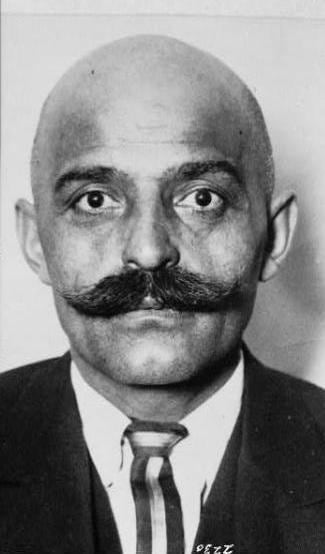
Retrato de G. I. Gurdjieff, 1925 · Public domain
Dans ses propres mots
«In life never do as others do.»Beelzebub's Tales to His Grandson, cap. 1, «The Arousing of Thought»: consejo de la abuela moribunda

Son idée centrale
Ordinary man has no single, permanent I but a multitude of small I's that take turns according to circumstance; each speaks in the name of the whole, which is why no one keeps what he promises.
Le voir en contexte
Biographie
5 min de lecture
Traduction assistée à partir de l'original espagnol, en attente de relecture par un traducteur natif.
Un enfant de la frontière
Georges Ivanovitch Gurdjieff naquit à Alexandropol — aujourd'hui Gumri, en Arménie —, ville de garnison de l'Empire russe où cohabitaient Arméniens, Grecs, Russes, Kurdes et Turcs. L'année n'est pas connue avec certitude, et mieux vaut le dire d'emblée : les passeports et les documents officiels donnent 1877, avec le 28 décembre pour jour ; Gurdjieff lui-même évoqua devant ses élèves une date proche de 1866 ou 1867, que soutiennent sa nièce Luba Gurdjieff Everitt et son biographe James Moore ; un souvenir familial et la plaque de sa tombe à Avon indiquent 1872. Il fêtait son anniversaire le 1er janvier du calendrier julien, soit le 13 du grégorien. Son père, Ivan Ivanovitch Georgiadès, d'origine grecque, était un éleveur ruiné par une épizootie et un ashugh, barde populaire qui récitait de mémoire de longues épopées ; sa mère était arménienne, encore que certains chercheurs récents la croient grecque elle aussi. La famille s'établit à Kars, que la Russie venait de conquérir ; l'enfant y chanta dans le chœur de la cathédrale et y trouva la tutelle du doyen Borsh, à qui il consacrerait l'un des portraits les plus affectueux des Rencontres avec des hommes remarquables.
Les années de quête
La période suivante, approximativement de 1887 à 1911, ne nous est presque connue que par son propre récit, et ce récit est délibérément allégorique. Dans les Rencontres avec des hommes remarquables, Gurdjieff se présente comme membre d'un groupe de « Chercheurs de vérité » qui aurait parcouru l'Égypte, l'Abyssinie, la Perse, le Turkestan et l'Hindou Kouch en quête d'un savoir ancien, jusqu'à atteindre le monastère d'une confrérie Sarmoung en Asie centrale. Aucun document indépendant ne confirme ces voyages ni l'existence de la confrérie. Les historiens — James Webb, James Moore — admettent qu'il voyagea beaucoup et qu'il connut de première main le soufisme, le christianisme oriental, les musiques et les danses du Caucase et de l'Asie centrale, mais ils lisent le livre comme une autobiographie symbolique, et son auteur prévenait qu'il fallait le lire entre les lignes. Il racontait aussi avoir gagné sa vie comme marchand, hypnotiseur, réparateur d'objets et négociant en tapis, et avoir même teint des moineaux pour les vendre comme canaris américains.
Moscou, la révolution et l'exode
Vers 1912, on le retrouve à Moscou, marié à Julia Ostrowska, une jeune femme d'origine polonaise, et il commence à réunir des élèves. En 1915, il fait la connaissance de P. D. Ouspensky, journaliste et auteur d'ouvrages mathématiques et ésotériques, tout juste rentré de l'Inde. Le récit de celui-ci, Fragments d'un enseignement inconnu, paru en 1949, demeure l'exposé le plus ordonné de l'enseignement de ces années-là : l'homme comme machine qui vit endormie, l'absence d'un « moi » permanent, les trois centres, la loi de trois et la loi de sept, l'ennéagramme, la nécessité du « rappel de soi ». En 1916 se joignent à eux le compositeur Thomas de Hartmann et son épouse Olga. Avec la révolution, Gurdjieff conduit un petit groupe à Essentouki, dans le Caucase ; en 1919, à Tiflis, il fonde l'Institut pour le développement harmonique de l'homme, que rejoignent Alexandre et Jeanne de Salzmann. Après Constantinople et Berlin, il arrive à Paris en 1922.
Le Prieuré d'Avon
En octobre 1922, il installe l'Institut au château du Prieuré des Basses Loges, à Avon, près de Fontainebleau. Entre des travaux agricoles harassants, des chantiers, la cuisine et des exercices d'attention, on y enseignait les Mouvements, danses d'une extrême exigence que Gurdjieff disait avoir recueillies dans des monastères et des confréries d'Orient. L'écrivaine Katherine Mansfield, atteinte de tuberculose, y passa ses derniers mois et y mourut le 9 janvier 1923, ce qui valut au Prieuré une réputation scandaleuse dans la presse britannique. À la fin de 1923, les Mouvements furent présentés au Théâtre des Champs-Élysées et, en 1924, ils partirent pour New York et d'autres villes américaines. A. R. Orage, l'ancien directeur de The New Age, devint son représentant en Amérique.
L'accident et l'écriture
En juillet 1924, Gurdjieff fut victime d'un grave accident de voiture près de Fontainebleau. Une fois rétabli, il annonça la fermeture de l'Institut sous sa forme antérieure et se consacra à l'écriture. En décembre de la même année, il commença les Récits de Belzébuth à son petit-fils, immense allégorie cosmique dans laquelle un être venu d'un autre système solaire explique à son petit-fils l'étrange psychologie des habitants de la Terre. Il y travailla pendant une décennie, écrivant en russe et en arménien dans les cafés parisiens, soumettant les chapitres à des lectures devant ses élèves et les récrivant pour les rendre moins accessibles à une lecture hâtive. Sa mère mourut en 1925, sa femme en 1926. De la collaboration avec Thomas de Hartmann, surtout entre 1925 et 1927, naquirent quelque deux cents pièces pour piano. Le Prieuré ferma en 1932, accablé de dettes. En 1933, Gurdjieff fit imprimer à compte d'auteur Le Messager du bien à venir, le seul livre qu'il publia de son vivant, et le retira peu après.
Paris, la Corde et l'Occupation
À partir de 1936, il vécut dans un appartement au 6, rue des Colonels-Renard. Il y enseigna à « la Corde », un groupe de femmes — Jane Heap, Margaret Anderson, Solita Solano, Kathryn Hulme — et, dès 1940, au groupe de Jeanne de Salzmann à Sèvres. Sous l'Occupation, il maintint ses repas rituels, avec les toasts portés aux différentes catégories d'« idiots », et des réunions dont les transcriptions ont été conservées. Après la guerre revinrent d'anciens élèves et arrivèrent ceux d'Ouspensky, mort en 1947 ; J. G. Bennett le revit en 1948, au bout de vingt-cinq ans.
Mort et héritage
En 1949, déjà malade, il prépara l'édition de Belzébuth. Il mourut le 29 octobre 1949 à l'Hôpital américain de Neuilly-sur-Seine et fut enterré à Avon, non loin du Prieuré. Le livre parut en 1950 ; les Rencontres avec des hommes remarquables, en français en 1960 et en anglais en 1963 ; La vie n'est réelle que lorsque « Je suis », en édition privée au milieu des années 1970. Jeanne de Salzmann, à qui il avait confié la transmission, organisa l'Institut Gurdjieff de Paris, la Gurdjieff Foundation de New York, fondée en 1953, la Gurdjieff Society de Londres et la fondation de Caracas. En marge de ce réseau apparurent d'autres lignées, comme celles de Bennett ou de Willem Nyland. Peter Brook porta les Rencontres avec des hommes remarquables à l'écran en 1979.
Gurdjieff demeure une figure dérangeante. Ses disciples décrivent une présence écrasante, capable d'une compassion très concrète comme d'une dureté calculée ; ses détracteurs, un homme qui réclamait de l'argent sans vergogne, qui manipulait et qui eut plusieurs enfants avec des élèves. Les deux images trouvent un appui dans les documents. Ce qui ne se discute pas, c'est son influence : l'idée que l'être humain vit endormi et que l'éveil exige de travailler à la fois avec le corps, le sentiment et la pensée, au cœur de la vie ordinaire et non en dehors d'elle — ce qu'Ouspensky appela la « quatrième voie » —, traverse une bonne part de la spiritualité occidentale du XXe siècle.
Sources: Moore, James. Gurdjieff: The Anatomy of a Myth. Shaftesbury: Element, 1991. · Ouspensky, P. D. In Search of the Miraculous: Fragments of an Unknown Teaching. Nueva York: Harcourt, Brace, 1949. · De Hartmann, Thomas y Olga de Hartmann. Our Life with Mr. Gurdjieff. Nueva York: Cooper Square, 1964 (ed. ampliada, Harper & Row, 1983). · Gurdjieff, G. I. Meetings with Remarkable Men. Londres: Routledge & Kegan Paul, 1963 (ed. francesa: Rencontres avec des hommes remarquables, París: Julliard, 1960). · Gurdjieff, G. I. All and Everything: Beelzebub's Tales to His Grandson. Nueva York: Harcourt, Brace, 1950; Londres: Routledge & Kegan Paul, 1950.
Chronologie
La vie, année après année
Chaque point est un événement documenté. Cliquez pour le lire, avec sa source et son degré de certitude.
v. 18720 ansAlexandropol (hoy Gyumri, Armenia)
Birth (disputed date)
Born in Alexandropol. Three versions: 1877 (28 December, in passports and official papers); c. 1866–1867 (what he told pupils; supported by his niece Luba Gurdjieff Everitt and James Moore); 1872 (a family recollection and the plaque on his grave at Avon). He celebrated his birthday on 1/13 January.
ContestéWikipedia (en), «George Gurdjieff», sección sobre la fecha de nacimiento (remite a Churton, Tobias. Deconstructing Gurdjieff, Inner Traditions, 2017, pp. 3–4 y 316–317).
Après sa mort
- 1950Beelzebub published
- 1953Gurdjieff Foundation
- 1979Peter Brook's film
v. 1872 · 0 ans
Birth (disputed date)
Born in Alexandropol. Three versions: 1877 (28 December, in passports and official papers); c. 1866–1867 (what he told pupils; supported by his niece Luba Gurdjieff Everitt and James Moore); 1872 (a family recollection and the plaque on his grave at Avon). He celebrated his birthday on 1/13 January.
Contesté
v. 1878
The family in Kars
After his father's ruin the family moves to Kars, newly taken by Russia. He sings in the cathedral choir and is tutored by Dean Borsh (according to Meetings with Remarkable Men).
Tradition
v. 1887
The years of search
Period of travels (c. 1887–1911) known almost only from his allegorical account: the 'Seekers of Truth', the Sarmoung Brotherhood. No independent documentary confirmation.
Tradition
v. 1912
First groups in Moscow
He appears in Moscow, married to Julia Ostrowska, and begins to gather pupils in Moscow and St Petersburg.
Probable
1915
Meeting with Ouspensky
P. D. Ouspensky meets him in a Moscow café; from that meeting comes In Search of the Miraculous.
Documenté
1916
The de Hartmanns join
The composer Thomas de Hartmann and his wife Olga become his pupils.
Documenté
1917
Essentuki
With the revolution he withdraws with a small group to Essentuki, where intensive work continues.
Documenté
1919
Institute for the Harmonious Development of Man
He founds the Institute in Tiflis; Alexandre and Jeanne de Salzmann join.
Documenté
octobre 1922
The Prieuré
After Constantinople and Berlin, he installs the Institute at the Château du Prieuré des Basses Loges.
Documenté
9 janvier 1923
Death of Katherine Mansfield
The writer, ill with tuberculosis, dies at the Prieuré after spending her last months there.
Documenté
janvier 1924
The Movements in America
After the Paris demonstrations (December 1923), he presents the Movements in New York and other cities.
Documenté
juillet 1924
The accident
Serious car accident. On recovering he closes the Institute in its former shape and turns to writing.
Documenté
décembre 1924
Beelzebub begun
He begins writing Beelzebub's Tales to His Grandson, on which he will work for a decade.
Documenté
juin 1926
Death of his wife
Julia Ostrowska dies of cancer; his mother had died in 1925.
Documenté
1932
The Prieuré closes
The Prieuré ceases to operate, beset by debts.
Documenté
1933
The Herald of Coming Good
He prints privately the only book published in his lifetime; he soon withdraws it.
Documenté
1936
The Rope
He settles in the flat on rue des Colonels-Renard, where he teaches the women's group 'the Rope'.
Documenté
1940
The Occupation
He begins teaching Jeanne de Salzmann's group at Sèvres; during the Occupation he keeps up meetings and ritual meals.
Documenté
1948
Ouspensky's pupils arrive
After Ouspensky's death (1947), his pupils and J. G. Bennett come to Paris.
Documenté
29 octobre 1949
Death
He dies at the American Hospital in Neuilly; funeral at the Russian Orthodox cathedral on rue Daru and burial at Avon.
Documenté
1950
Beelzebub published
All and Everything: Beelzebub's Tales to His Grandson appears.
Documenté
1953
Gurdjieff Foundation
The Gurdjieff Foundation of New York is established, within the network organised by Jeanne de Salzmann.
Documenté
1979
Peter Brook's film
Release of Meetings with Remarkable Men, directed by Peter Brook in collaboration with Jeanne de Salzmann.
Documenté
Œuvres
Œuvres essentielles
Les œuvres sans lesquelles on ne comprend pas son héritage.
Œuvre posthume · 1950
Beelzebub's Tales to His Grandson
Рассказы Вельзевула своему внуку / Beelzebub's Tales to His Grandson
First series of All and Everything. Beelzebub, a cosmic being travelling on the ship Karnak, tells his grandson Hassein what he observed on Earth over centuries: the history of a humanity that, through a cosmic accident and the atrophy of an organ that let it see reality, lives ruled by vanity, self-love and suggestibility. Beneath outsized humour and an invented vocabulary, the book sets out a complete cosmology—the law of three, the law of seven, the reciprocal feeding of everything that exists—and a relentless critique of religion, science, art and war. Gurdjieff wanted it read three times and in different ways.
14 éditions · amazon.fr

Œuvre posthume · 1963
Meetings with Remarkable Men
Встречи с замечательными людьми / Meetings with Remarkable Men
A memoir of youth organised as portraits: the bard father, Dean Borsh, Prince Yuri Lubovedsky, Professor Skridlov, Ekim Bey and other companions among the 'Seekers of Truth', up to the arrival at the monastery of the Sarmoung Brotherhood. It is at once autobiography, adventure story and training manual: each meeting teaches a quality. Critics agree it should not be read as literal chronicle; none of its exotic episodes has independent documentary confirmation. Peter Brook filmed it in 1979.
9 éditions · amazon.fr

Œuvre posthume · v. 1975
Life Is Real Only Then, When 'I Am'
Жизнь реальна только тогда, когда «Я есть» / Life Is Real Only Then, When 'I Am'
Gurdjieff's most personal book: the account of the crisis after the 1924 accident, the decision to 'remember himself' through constant effort, the break with the New York pupils in 1931 and a series of lectures on 'I am', the body and sensation. Fragmentary and sometimes abrupt, it shows the teacher applying his own method to himself and doubting it.
8 éditions · amazon.fr

Œuvre écrite · 1933
The Herald of Coming Good
A programmatic booklet subtitled 'First appeal to contemporary humanity'. It sets out the history of the Institute, the aims of the work, the plan of the All and Everything trilogy and a long declaration of intent, in a deliberately convoluted style. Its withdrawal made it a rarity; reprinted since 1969, it is a key document for dating the crisis of 1931–1933.
6 éditions · amazon.com
Toute son œuvre (14)

Views from the Real World
1973

The Struggle of the Magicians
1957
G. I. Gurdjieff
Gurdjieff–de Hartmann Music for the Piano
The Conscious LibraryGurdjieff–de Hartmann Music for the Piano
1996
G. I. Gurdjieff
Transcripts of Gurdjieff's Meetings 1941–1946
The Conscious LibraryTranscripts of Gurdjieff's Meetings 1941–1946
2008
G. I. Gurdjieff
Gurdjieff's Early Talks 1914–1931
The Conscious LibraryGurdjieff's Early Talks 1914–1931
2014

Paris Meetings 1943
2017

In Search of the Miraculous (P. D. Ouspensky)
1949

Our Life with Mr. Gurdjieff (Thomas and Olga de Hartmann)
1964

La réalité de l'être / The Reality of Being
2010

In Search of Being
2012
Citations
Citations localisées dans une œuvre précise. Chacune porte sa provenance et son degré de fiabilité.
In life never do as others do.VérifiéeBeelzebub's Tales to His Grandson, cap. 1, «The Arousing of Thought»: consejo de la abuela moribunda
Idées essentielles (résumé éditorial)
Par respect du droit d'auteur, ces idées sont résumées avec nos propres mots et ne sont pas présentées comme des citations littérales.
- Ordinary man has no single, permanent I but a multitude of small I's that take turns according to circumstance; each speaks in the name of the whole, which is why no one keeps what he promises.
- Man cannot do: in him everything happens, as it rains or clears. True doing presupposes a unified being, and that unity is not a gift but the result of long work.
- Work on oneself requires conditions of friction: difficult people, uncomfortable tasks, fatigue. Without resistance there is no effort and without effort no transformation.
- Knowledge must be accompanied by an equivalent development of being; knowledge that grows without being becomes theoretical, useless or dangerous.
Citations apocryphes ou d'attribution contestée (1)
«'I leave you all in a fine mess' ('Je vous laisse dans de beaux draps'), as last words.»
It circulates online as Gurdjieff's final words, but it has not been found in the published testimonies of his pupils or in the biographies consulted. No primary source.
Dernières paroles
Versions contradictoires
«Do everything, even the impossible, to develop what I have brought.»Do everything, even the impossible, to develop what I have brought.
There is no single, unambiguously attested final phrase; several versions of differing weight circulate. (1) Testimony attributed to Jeanne de Salzmann: the phrase above, which she reportedly received as his last words to her; it recurs in the literature on Gurdjieff, but its original publication has not been located (Wikipedia flags it 'citation needed'). (2) Instructions from his last weeks, passed on by de Salzmann and recorded by W. P. Patterson (Struggle of the Magicians, pp. 224–225): publish the first and second series 'as and when you are sure that the time has come', first prepare a nucleus of people, and the third need not be published. These are not last words in the strict sense. (3) J. G. Bennett, who saw him often in 1948–1949, narrated his last months (Witness, 1962; the diaries published as Idiots in Paris), but it has not been verified that he records a final phrase; pending. (4) His American physician William Welch left a testimony on the manner of his death—'he died like a king'—which are not Gurdjieff's words. (5) The phrase 'I leave you all in a fine mess' has no source and is treated as apocryphal.
Source: The Gurdjieff Legacy Foundation, «Jeanne de Salzmann» (archivo), que cita a William Patrick Patterson, Struggle of the Magicians, pp. 224–225.
Interroger
Ce que répond son œuvre
Douze grandes questions de l'humanité et ce que ses textes permettent d'y répondre, références à l'appui. Nous ne lui prêtons jamais de paroles.
Qu'est-ce que l'Absolu ? Dieu existe-t-il ?
Our Common Father Endlessness created the universe and suffers for it
Un Dieu personnelIl le dit expressément
G. I. Gurdjieff speaks of God chiefly in Beelzebub's Tales to His Grandson (1950), a cosmic allegory in deliberately strange language. There the creator bears names such as Our Common Father, His Endlessness or Our Lord Sovereign Endlessness; He dwells on the Sun Absolute and creates the universe to counter the destructive action of time, the Heropass, establishing a system of reciprocal exchange of substances. This God has purpose, sends messengers to humanity and, according to the tale, grieves over the state of beings. The aim of inner work is partly to help Him: the conscious human being can lighten the burden of his Creator. Unlike the abstract account transmitted by Ouspensky, here the Absolute is someone with will and feeling, though wrapped in a myth designed to disconcert the reader.
Comparer cette question avec d'autres maîtresQui suis-je ? Existe-t-il un vrai soi ?
Man is born without a soul or an I: work must form them
Il n'y a pas de soi permanentIl le dit expressément
According to G. I. Gurdjieff's teachings as recorded by Ouspensky, ordinary man lacks individuality, a single I and will: he is a plurality of I's following one another mechanically. In one of the Moscow talks reproduced in chapter 2 of In Search of the Miraculous, Gurdjieff compares the human being to a carriage, a horse, a coachman and a master who is absent, and states that man is not born with an immortal soul: he may come to form higher bodies, and with them a permanent I, only through intense work. In Beelzebub's Tales to His Grandson he develops this idea in mythic language, speaking of bodies that a being may or may not crystallise. The self, then, is not a given substance but a possibility that most people do not realise.
Comparer cette question avec d'autres maîtresPourquoi souffrons-nous ?
The legacy of the organ Kundabuffer: man lives asleep and suffers senselessly
L'ignorance de ce que nous sommesIl le dit expressément
G. I. Gurdjieff offers in Beelzebub's Tales to His Grandson a mythic explanation of human suffering. According to the tale, at the dawn of humanity higher powers implanted in human beings an organ, the Kundabuffer, which made them perceive reality upside down and prevented them from seeing their true situation; although it was later removed, its properties — vanity, self-love, suggestibility, egoism — were passed down from generation to generation. Hence war, reciprocal destruction and mechanical life, which plunge people into a sleep of which they are unaware. In the teachings transmitted by Ouspensky, this state appears as identification and sleep. Gurdjieff distinguishes mechanical suffering, which serves no purpose, from intentional suffering, consciously accepted, which together with conscious labour is the means of the being's evolution.
Comparer cette question avec d'autres maîtresQue se passe-t-il après la mort ?
Immortality is not possessed: it is acquired by first dying to oneself
Mourir chaque jour au connuIl le dit expressément
Gurdjieff denies that ordinary man possesses an immortal soul. According to the teaching recorded by Ouspensky in In Search of the Miraculous, man is a machine without a permanent I, and the only thing that could survive death are the higher bodies — the astral and those beyond it — which are formed only through conscious work and voluntary suffering; whoever has not formed them dies completely. In Beelzebub's Tales he speaks of the Kesdjan body and the higher being-body as achievements, not gifts. Hence the importance of an earlier death: Gurdjieff taught that to be born again one must die, and to die one must awaken; what must die is false personality, with its vanity and self-love. The decisive question is not what happens after death, but whether there is already someone capable of surviving it.
Comparer cette question avec d'autres maîtresComment atteint-on la libération ou le salut ?
Awakening through conscious effort and voluntary suffering: the Fourth Way in ordinary life
Par un travail intérieur conscientIl le dit expressément
George I. Gurdjieff taught that human beings are born without a finished soul and, unless they work on themselves, remain asleep and mechanical. According to Ouspensky's testimony, he distinguished four ways: the fakir's, working on the body; the monk's, on the emotions; the yogi's, on the mind; and a Fourth Way working on all three at once without leaving ordinary life. Its means are self-observation, self-remembering, the movements and dances he designed, and what Beelzebub's Tales to His Grandson calls conscious labours and intentional sufferings. The work requires a teacher who knows and a group; the result is the formation of a real and permanent «I».
Comparer cette question avec d'autres maîtresFaut-il un maître ?
Only one who knows can wake the sleeper: teacher and school are necessary
IndispensableIl le dit expressément
According to Ouspensky's testimony, George I. Gurdjieff taught that ordinary human beings cannot escape their sleep alone, because the very means they would use to wake up are asleep. They need someone who is awake, or more awake, who knows the way and enables them to work on themselves; and that knowledge is not invented but received from a source that possesses it. Gurdjieff played that role demandingly, often disconcertingly, with his pupils in Russia and later at the Prieuré in Fontainebleau. In Meetings with Remarkable Men he presents his own formation as a search for teachers and ancient knowledge through Central Asia and the Near East.
Comparer cette question avec d'autres maîtresLe monde est-il réel ?
A hierarchical cosmos of laws and matters, where everything feeds on everything
Des plans d'existenceIl le dit expressément
George I. Gurdjieff taught a cosmology in which the universe is a hierarchy of worlds governed by two fundamental laws, the law of three and the law of seven (the octave). According to Ouspensky's testimony, everything in it is material, though with different degrees of density and vibration, and everything forms part of a reciprocal exchange of substances in which each level feeds others. In Beelzebub's Tales to His Grandson he develops it in mythic form, with a Sun Absolute at the centre and the Earth as a peripheral place where mechanical humanity serves cosmic purposes it does not know. The world is fully real, but ordinary human beings do not see it as it is, because they live asleep.
Comparer cette question avec d'autres maîtresQu'est-ce que l'amour ?
Mechanical man cannot love: only one who is conscious truly loves
Ce qui apparaît quand le moi cesseIl le dit expressément
Gurdjieff denies that ordinary man is capable of loving. According to the teaching recorded by Ouspensky, mechanical man can do nothing, and cannot love either: what he calls love is a mixture of attraction, habit, identification and self-love, which changes with circumstances and easily turns into its opposite. In a talk collected in Views from the Real World he distinguishes love of the body, which depends on type and polarity; love of feeling, which evokes its opposite; and conscious love, which evokes the same in response. In Beelzebub's Tales, vanity and self-love appear as consequences of the organ Kundabuffer and as the main obstacles to development. Real love is possible only for one who, through conscious labour and intentional suffering, has ceased to be governed by those forces.
Comparer cette question avec d'autres maîtresSommes-nous libres ou tout est-il déterminé ?
No one does anything: only one who works on himself gains a will
Nous sommes des machines jusqu'à l'éveilIl le dit expressément
The thesis of human mechanicalness is the core of Gurdjieff's teaching as his pupils recorded it. Man has no self but a multitude of contradictory «I»s; he is not conscious but lives asleep, and what he calls his decisions are reactions of a machine driven by external influences. In his talks collected in *Views from the Real World* and in his major work, *Beelzebub's Tales to His Grandson*, he adds that humanity, being mechanical, serves cosmic purposes it does not understand. Only conscious labour and intentional suffering can create a permanent self and a real will. Freedom is not a birthright but something that must be manufactured.
Comparer cette question avec d'autres maîtresPourquoi méditer ou prier ?
Remembering oneself amid life, through conscious effort
Être présentIl le dit expressément
For Gurdjieff the human being lives asleep, and all practice has a single aim: to wake up. The main instrument, according to his pupils' testimony, is self-remembering, divided attention that includes the perceiver along with the perceived, exercised amid ordinary activities and not in retreat. To this he added practices of his own: the Movements, sacred dances requiring simultaneous attention of body, emotions and mind, exercises in sensing the body, hard physical work and what he called intentional suffering. In *Life Is Real Only Then, When «I Am»*, his last book, he describes that effort of presence as the condition for a real «I» to arise in man.
Comparer cette question avec d'autres maîtresLa raison peut-elle connaître l'ultime ?
Real knowledge is scarce, material and transmitted; knowledge without being is useless
Une connaissance ésotériqueIl le dit expressément
According to Ouspensky's testimony in *In Search of the Miraculous*, Gurdjieff held that there is a true knowledge, preserved by an esoteric circle of humanity and transmitted through schools, and that this knowledge is in a certain sense material and limited: it cannot be shared out to everyone. He insisted on distinguishing knowledge from being: a man may know a great deal and be unable to do anything, and knowledge that grows without the development of being produces only theories. In *Meetings with Remarkable Men* he narrates his youthful search for that knowledge across the East, with the «Seekers of Truth». Ordinary reason belongs to the man-machine; real understanding requires transformation.
Comparer cette question avec d'autres maîtresSe retirer du monde ou le transformer ?
Wars cannot be stopped from outside: mechanical man cannot do
La révolution est intérieureIl le dit expressément
Gurdjieff holds that ordinary man cannot do anything: everything happens to him, as rain happens. According to the 1915 conversation recorded by Ouspensky, when asked in the midst of the world war whether war could be stopped, he answered that it could not, because it is the result of cosmic influences and of the mechanicalness of millions of people, and that only men who had ceased to be machines could change things. In Beelzebub's Tales the periodic «reciprocal destruction» of the beings of the Earth is the most terrible symptom of their lack of consciousness. That is why he proposes no social reforms but work on oneself. Nor withdrawal: his Institute for the Harmonious Development of Man, at the Prieuré in Fontainebleau-Avon, was a community of intense physical work, sacred dances and deliberate friction between people, that is, life in the world used as a school.
Comparer cette question avec d'autres maîtres
Affinités et tensions
Affinités et tensions
Calculées question par question à partir de ses positions. La raison de chaque accord ou de chaque désaccord s'affiche d'un clic.
Pense comme
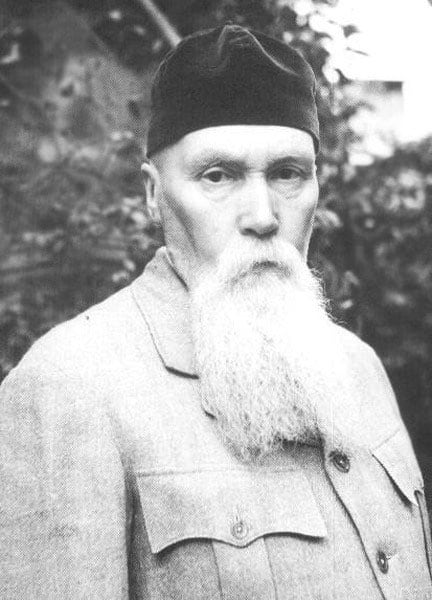
Nicholas Roerich
Ils concordent sur: Faut-il un maître ? · Le monde est-il réel ? · La raison peut-elle connaître l'ultime ?
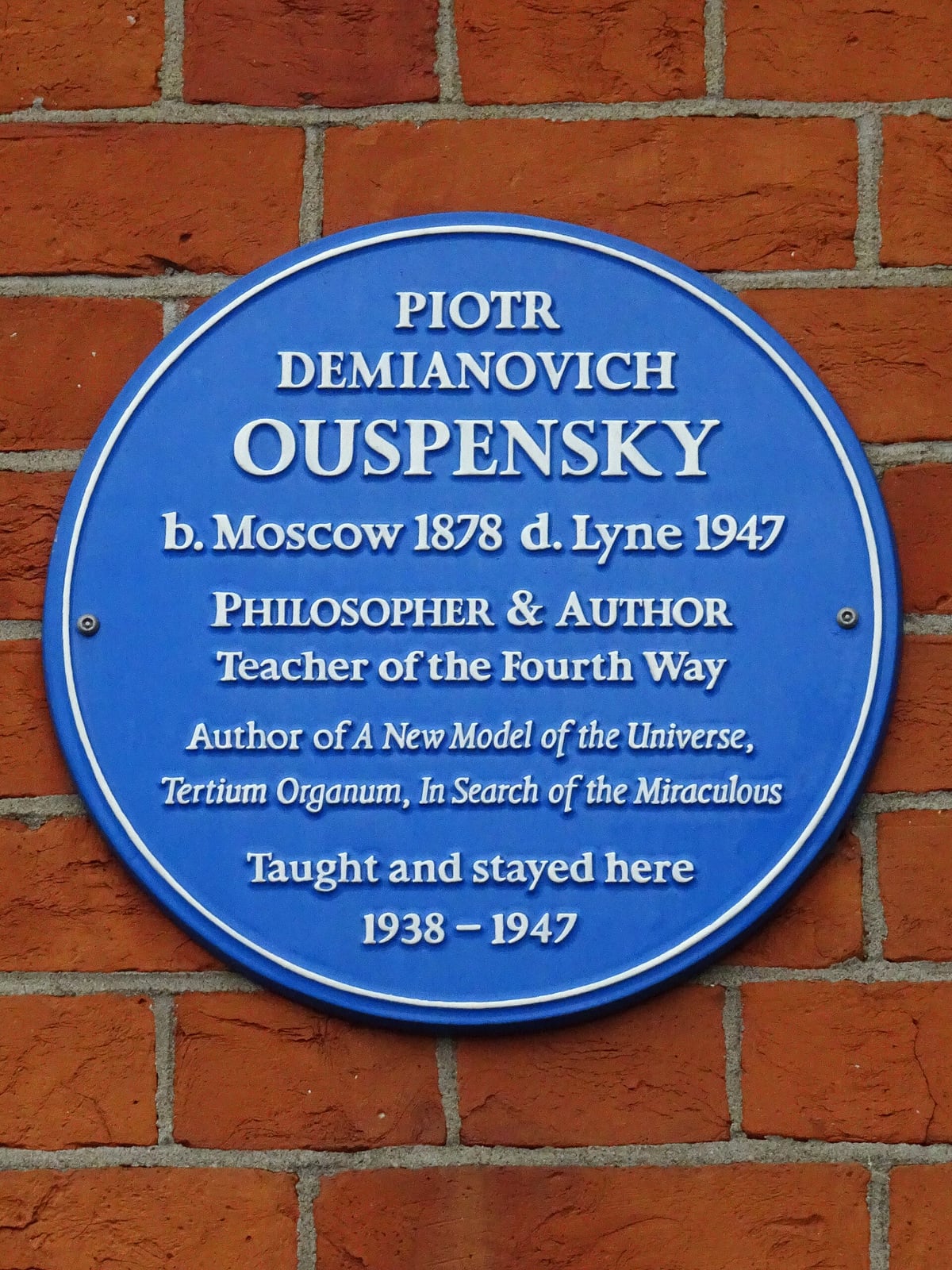
P. D. Ouspensky
Ils concordent sur: Qui suis-je ? Existe-t-il un vrai soi ? · Pourquoi souffrons-nous ? · Comment atteint-on la libération ou le salut ?
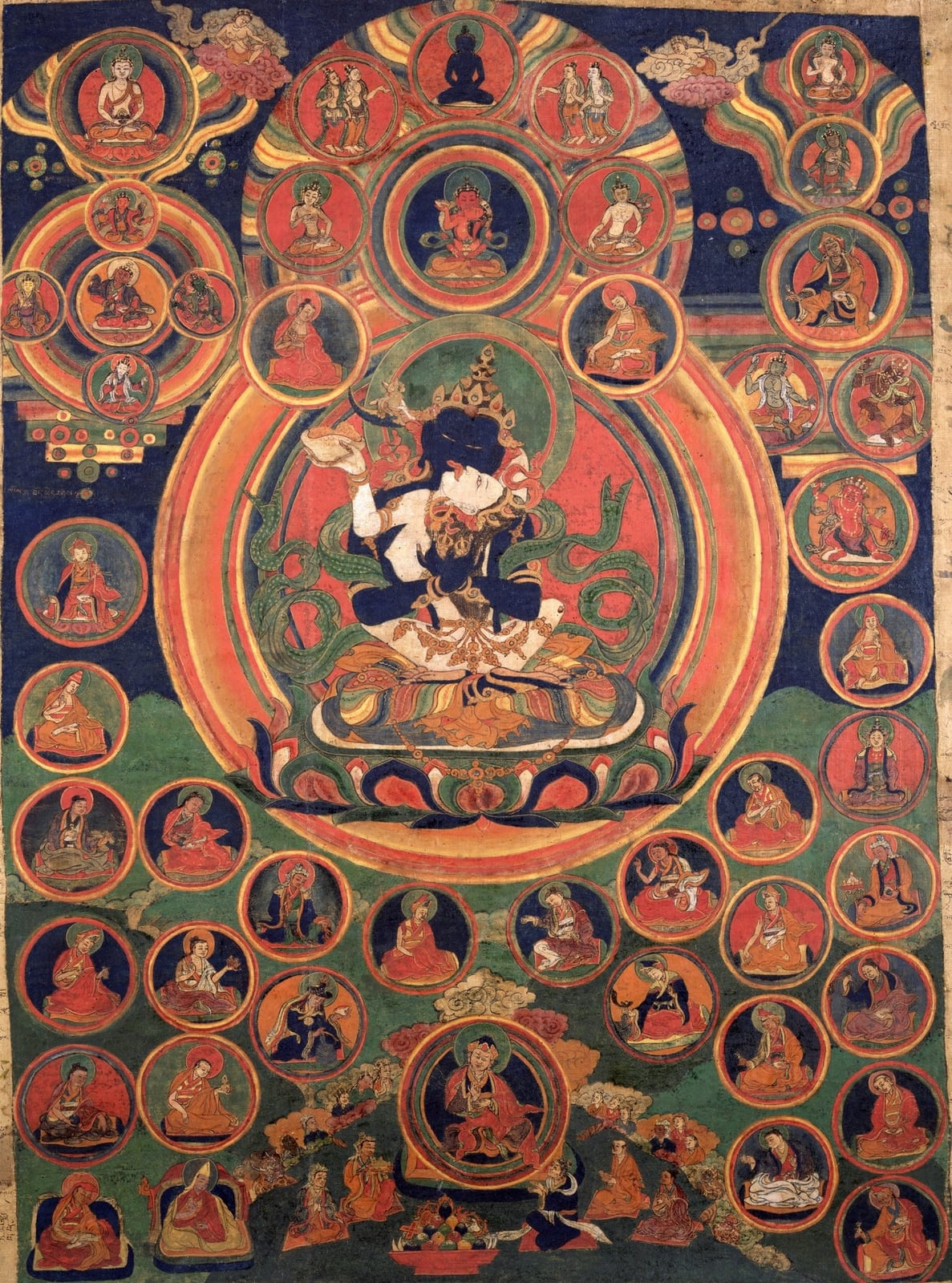
Padmasambhava
Ils concordent sur: Qui suis-je ? Existe-t-il un vrai soi ? · Pourquoi souffrons-nous ? · Faut-il un maître ?
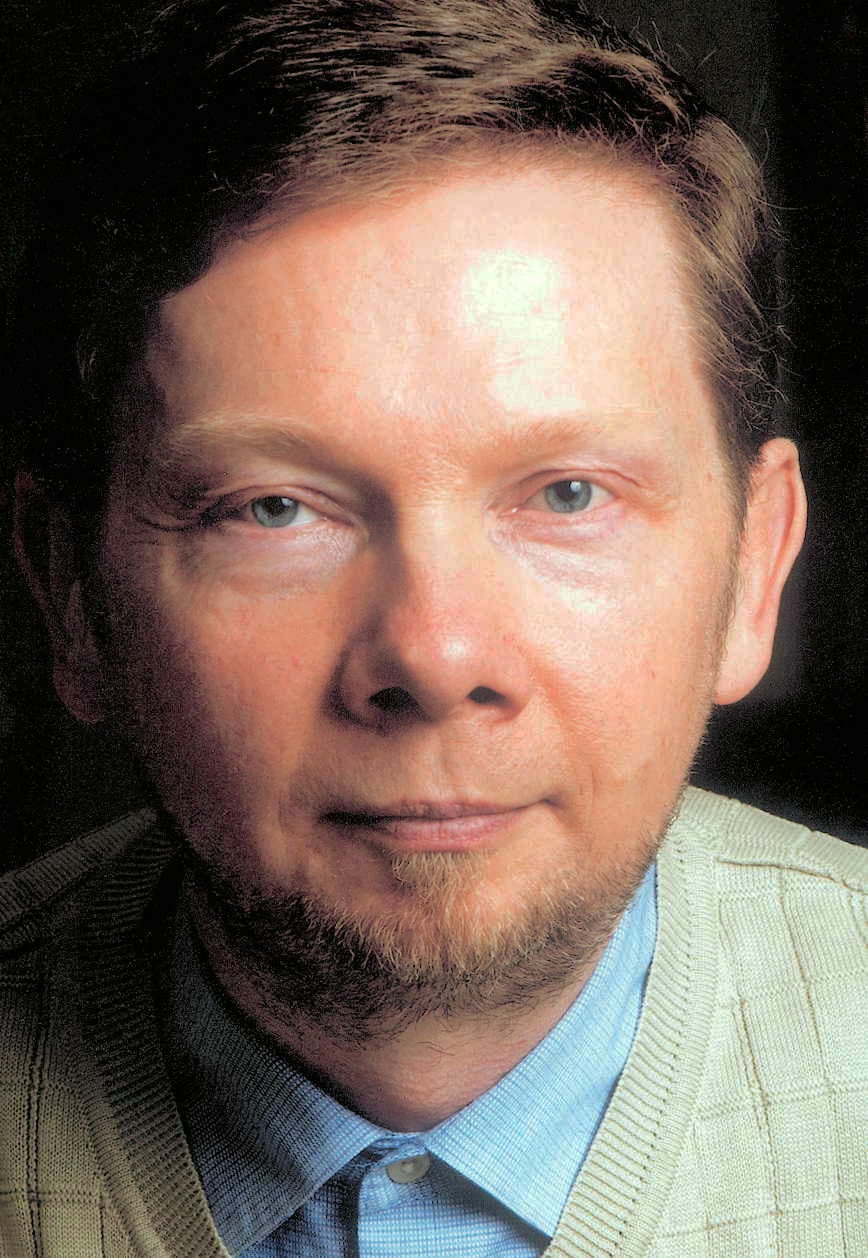
Eckhart Tolle
Ils concordent sur: Qu'est-ce que l'amour ? · Sommes-nous libres ou tout est-il déterminé ? · Pourquoi méditer ou prier ?
Pense autrement que

Nikolai Berdyaev
Ils s'opposent sur: Qui suis-je ? Existe-t-il un vrai soi ? · Faut-il un maître ?
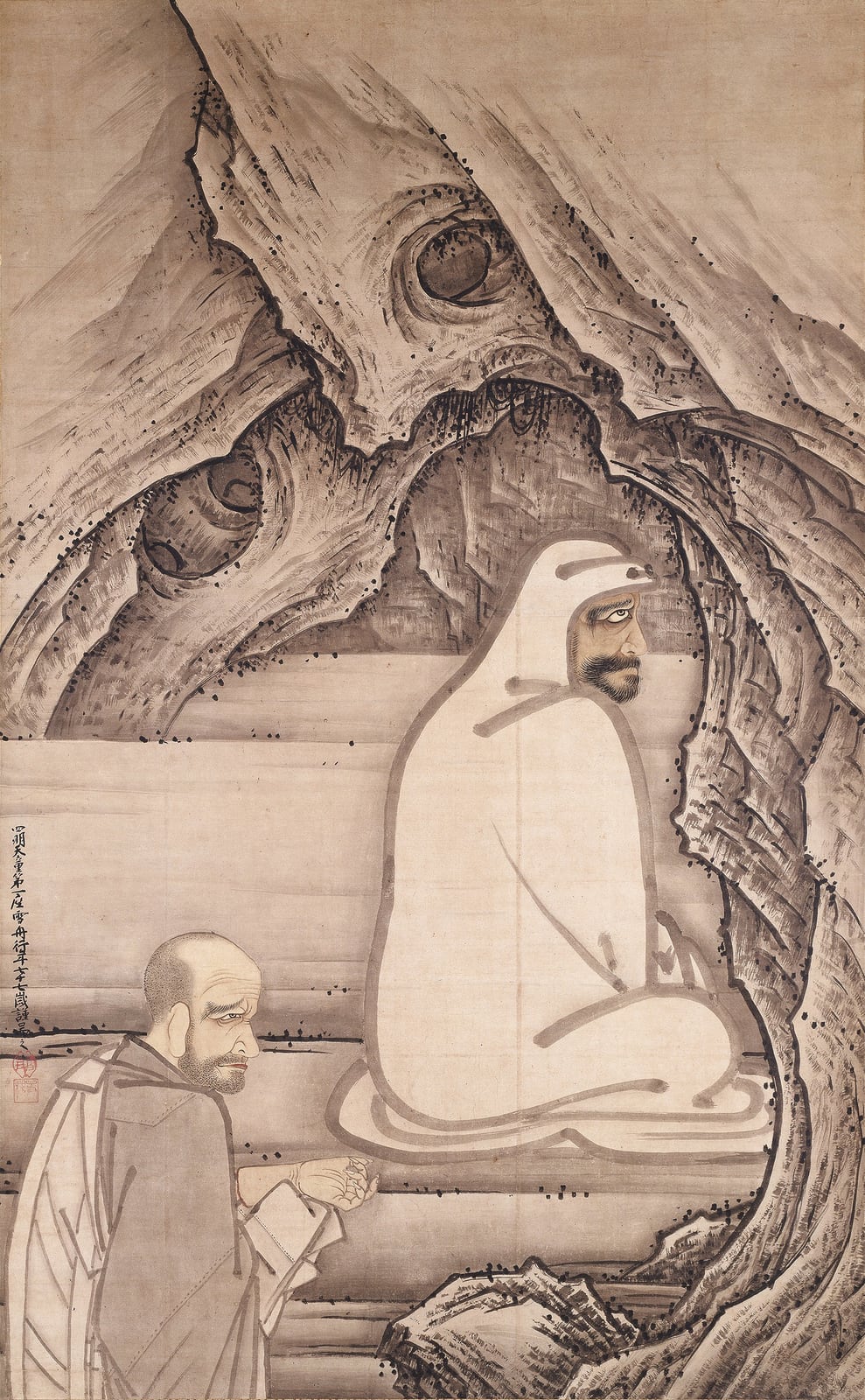
Bodhidharma
Ils s'opposent sur: Qui suis-je ? Existe-t-il un vrai soi ?

Patañjali
Ils s'opposent sur: Qu'est-ce que l'Absolu ? Dieu existe-t-il ? · Qui suis-je ? Existe-t-il un vrai soi ?
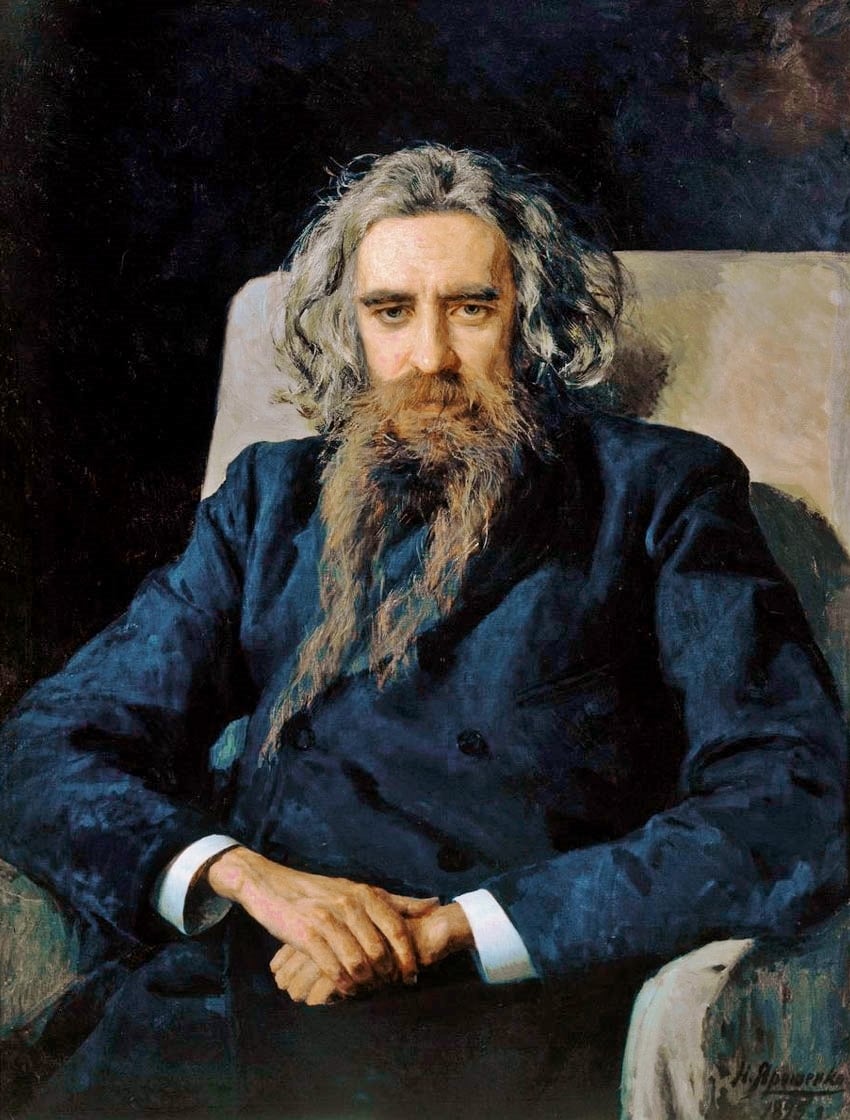
Vladimir Solovyov
Ils s'opposent sur: Qui suis-je ? Existe-t-il un vrai soi ?
Ils s'opposent surContradiction apparente
G. I. Gurdjieff · Ramana Maharshi
Conscious effort versus being what one already is: a smaller conflict than it seems
Pourquoi: The contradiction is largely apparent because they speak from different levels. Gurdjieff describes the human being from the side of sleep and the machine, and his effort is the condition for something to awaken; Ramana speaks from the Self, for which effort produces nothing new, and he admits it only as a means of stopping the ego from interfering. Both deny the ordinary doer. A real difference remains, however, and should not be glossed over: for Gurdjieff the permanent self does not exist and must be created; for Ramana it already exists and one need only stop veiling it. In one effort builds; in the other, it clears away.
Ils concordent sur
G. I. Gurdjieff · P. D. Ouspensky
Man is a machine: the master and the disciple who systematised his teaching
Pourquoi: The affinity is that of a master and his most systematic disciple: Ouspensky worked with Gurdjieff in Russia between 1915 and 1918 and transmitted that teaching in In Search of the Miraculous, published posthumously in 1949. The relationship broke down: Ouspensky withdrew in 1918 and definitively in the 1920s, and led his own groups in London, centred on the study of the system rather than on the figure of the master. They agree in doctrine, not in style: Gurdjieff taught in a demanding and disconcerting way, with dances, movements and provoked situations; Ouspensky, intellectually and in an orderly fashion. Hence they part on the question of the master: one deems him indispensable; the other stresses the school.
Ils s'opposent surDésaccord de fond
G. I. Gurdjieff · Teresa of Ávila
The soul as gift or as achievement: the diamond castle versus an immortality to be manufactured
Pourquoi: The contradiction is real and touches the core of both anthropologies. Teresa speaks from the Christian doctrine of creation, in which God gives each soul its immortal being and grace precedes effort. Gurdjieff builds a cosmology of his own, of laws and materials, in which immortality is conditional and must be acquired. There is nonetheless a point of contact: both think that most people live outside themselves, in the outer courtyard of the castle or in sleep, and that knowing oneself demands long and painful work. But in Teresa what is unknown is already there, and in Gurdjieff what is unknown is that there is not yet anyone.
Ils s'opposent surDésaccord de fond
G. I. Gurdjieff · Jiddu Krishnamurti
Both see man as conditioned; one demands a school and effort, the other forbids them
Pourquoi: The contradiction is real and comes from two opposite experiences of teaching. Gurdjieff presents himself as a seeker of an ancient knowledge transmitted in schools of Central Asia, and believes that this knowledge, scarce and almost material, can pass only from one who has it to one who works. Krishnamurti was raised precisely within an esoteric organisation with masters, grades and initiations, and his break in 1929 made the rejection of all authority the centre of his teaching. Both distrust comfortable spirituality and inherited beliefs; they part over whether directed effort awakens or lulls.
Anecdotes et récits
Anecdotes et récits
Témoignagec. 1870s–1880s
The grandmother's advice
Origine du récit: It comes from Gurdjieff himself, in chapter 1 of Beelzebub's Tales ('The Arousing of Thought'). There are no independent witnesses; it is an autobiographical account within an allegorical work.
Source: Gurdjieff, G. I. All and Everything: Beelzebub's Tales to His Grandson. Nueva York: Harcourt, Brace, 1950; Londres: Routledge & Kegan Paul, 1950.
Témoignagec. 1890s
The sparrows of Samarkand
Origine du récit: Gurdjieff's own account in Meetings with Remarkable Men. No independent confirmation; its parable-like character is obvious.
Source: Gurdjieff, G. I. Meetings with Remarkable Men. Londres: Routledge & Kegan Paul, 1963 (ed. francesa: Rencontres avec des hommes remarquables, París: Julliard, 1960).
Témoignage1915
Ouspensky in the Moscow café
Origine du récit: Ouspensky's testimony in chapter 1 of In Search of the Miraculous (1949), written years after the events.
Source: Ouspensky, P. D. In Search of the Miraculous: Fragments of an Unknown Teaching. Nueva York: Harcourt, Brace, 1949.
Documenté1922–1923
Katherine Mansfield in the cowshed
Origine du récit: Documented by Mansfield's letters (ed. Murry, 1928) and by Moore's biographies (Gurdjieff and Mansfield, 1980; The Anatomy of a Myth, 1991).
Source: Mansfield, Katherine. The Letters of Katherine Mansfield. Ed. J. Middleton Murry. Londres: Constable, 1928 (cartas desde el Priorato, octubre de 1922 – enero de 1923).
Témoignage1920s
Rachmilievitch, the necessary irritant
Origine du récit: Fritz Peters's testimony in Boyhood with Gurdjieff (1964), written some thirty years later; Gurdjieff's words are the author's reconstruction.
Source: Peters, Fritz. Boyhood with Gurdjieff. Nueva York: E. P. Dutton, 1964.
Documenté1924
The 1924 accident
Origine du récit: The accident is documented (Moore; de Hartmann; WRSP). The details of the cushion and of the recovery come from pupils' testimonies; the interpretation, from Gurdjieff himself.
Source: Moore, James. Gurdjieff: The Anatomy of a Myth. Shaftesbury: Element, 1991.
Invérifiablec. 1900
The Sarmoung Brotherhood
Origine du récit: Sole source: Meetings with Remarkable Men. Webb (The Harmonious Circle) and Moore analyse the hypotheses about its location without finding confirmation.
Source: Gurdjieff, G. I. Meetings with Remarkable Men. Londres: Routledge & Kegan Paul, 1963 (ed. francesa: Rencontres avec des hommes remarquables, París: Julliard, 1960).
Enseignements
Enseignements
Les notions qui structurent sa pensée, expliquées dans leur contexte.
Self-rememberingrecuerdo-de-si
Set out in Fragments (ch. 7) and in the Prieuré aphorisms; it runs through every phase of the teaching.
Source: Ouspensky, P. D. In Search of the Miraculous: Fragments of an Unknown Teaching. Nueva York: Harcourt, Brace, 1949.
Sleep and man-machinesueno-y-mecanicidad
Core of the Russian teaching (1915–1918) according to Ouspensky; it reappears satirically in Beelzebub.
Source: Ouspensky, P. D. In Search of the Miraculous: Fragments of an Unknown Teaching. Nueva York: Harcourt, Brace, 1949.
The three centrestres-centros
Basis of the Institute's name and of the 'fourth way' concept, which works on all three centres at once as against the ways of the fakir, the monk and the yogi.
Source: Ouspensky, P. D. In Search of the Miraculous: Fragments of an Unknown Teaching. Nueva York: Harcourt, Brace, 1949.
The law of three and the law of sevenley-de-tres-y-ley-de-siete
Set out by Ouspensky (chs. 4–5 and 7) and developed in mythic key in Beelzebub.
Source: Ouspensky, P. D. In Search of the Miraculous: Fragments of an Unknown Teaching. Nueva York: Harcourt, Brace, 1949.
The enneagrameneagrama
Ouspensky transmits it in chapter 14 of Fragments.
Source: Ouspensky, P. D. In Search of the Miraculous: Fragments of an Unknown Teaching. Nueva York: Harcourt, Brace, 1949.
The fourth waycuarto-camino
Origin of the tradition's name (fourth-way) in the Atlas.
Source: Ouspensky, P. D. In Search of the Miraculous: Fragments of an Unknown Teaching. Nueva York: Harcourt, Brace, 1949.
Conscious labour and intentional sufferingtrabajo-consciente-y-sufrimiento-intencional
Doctrine of the Prieuré period and of Beelzebub.
Source: Gurdjieff, G. I. All and Everything: Beelzebub's Tales to His Grandson. Nueva York: Harcourt, Brace, 1950; Londres: Routledge & Kegan Paul, 1950.
Retraites
Retraites et centres
Lieux et rencontres liés à son enseignement. Nous vous mettons en relation avec ceux qui les organisent.
Nueva York (Upper East Side) · Estados Unidos
Gurdjieff Foundation of New York
The Gurdjieff Foundation of New York
The Gurdjieff Foundation of New York belongs to the network of foundations established after Gurdjieff's death by his pupil Jeanne de Salzmann, together with the Institut Gurdjieff in Paris and the Gurdjieff Society in London. Its first president, Lord Pentland, had been a pupil of Ouspensky before working with Gurdjieff, and many of Ouspensky's pupils joined this work. It offers weekly group meetings led by senior students, classes in the Movements, the sacred dances and exercises Gurdjieff taught, meditation and retreats. Access is gradual and begins with introductory events.
San Francisco y Guerneville (Sonoma), California · Estados Unidos
Gurdjieff Foundation of California
The Gurdjieff Foundation of California
The Gurdjieff Foundation of California was founded in 1955 under the direction of Lord John Pentland, whom Gurdjieff himself had entrusted with the early American groups, and describes itself as the oldest group in California devoted to his teaching of inner development. It is a non-profit voluntary community based in San Francisco, with a second property in Guerneville, Sonoma County, where practical work takes place. It offers group meetings, Movements, sittings, study of the ideas and music, and belongs to the International Association of the Gurdjieff Foundations alongside Paris, New York and London.
Londres · Reino Unido
Gurdjieff Studies, London
Gurdjieff Studies Ltd (organización benéfica registrada)
Gurdjieff Studies is a London charity devoted to the Fourth Way that offers group meetings, reading groups, practical activities, Movements classes and intensive residential stays. It holds that the teaching is passed on from teacher to pupil in direct lines of transmission, and maintains two reference websites: one on Gurdjieff's life and work, with his music, dances and chronology, and another devoted to P. D. Ouspensky, reconstructing his work in England, including the Lyne Place period. It is independent of the network of foundations established by Jeanne de Salzmann.
Vidéos
Vidéos
Enregistrements, entretiens et documentaires. Les vidéos sont lues depuis YouTube ; elles ne sont pas hébergées ici.
June 18, 1949 (improvisación al armonio)
Enregistrement original· ZXX· 1949· 2 min
G. I. Gurdjieff - Topic
Mme de Salzmann in New York 1988
Enregistrement original· EN· 1988· 3 min
Gurdjieff Meetings
Jacob Needleman - Gurdjieff: A Life in the Work
Conférence· EN· 116 min
CommonwealNewSchoolChaîne officielle
'Meetings with Remarkable Men' – An interview with Peter Brook
Entretien· EN· 10 min
Clarendon Events
The Gurdjieff Work and Gurdjieff Movements – J.G. Bennett at Sherborne, 1973
Enregistrement original· EN· 1973· 3 min
Avrom Altman
Gurdjieff: The Rascal Saint – Sadhguru Exclusive
Analyse· EN· 7 min
SadhguruChaîne officielle
Gurdjieff : un maître spirituel unique en son genre
Analyse· FR· 7 min
Sadhguru FrançaisChaîne officielle
L'avenir de Gurdjieff avec Pierre Schaeffer par Michel Camus
Entretien· FR· 20 min
Résonance[s]
El Cuarto Camino, Gurdjieff, 1992 (documental de TVE2, La tabla redonda)
Documentaire· ES· 1992· 56 min
beapuertas
Георгий Гурджиев / George Gurdjieff. Жизнь Замечательных Людей
Documentaire· RU· 62 min
ЖИЗНЬ ЗАМЕЧАТЕЛЬНЫХ ЛЮДЕЙ
Galerie
Galerie
Images dont la licence a été vérifiée. Chacune conserve son auteur et son attribution.
Relations
Relations
Influences, filiations et affinités. On distingue la relation documentée de la similitude identifiée par analyse.
Maître de
His pupil from 1915; he separated from him in the 1920s and taught independently in London. His In Search of the Miraculous is the main exposition of the Russian teaching.
Relation documentée
Maître de
Thomas de Hartmann
Composer, pupil from 1916 and collaborator on some two hundred piano pieces until 1929.
Relation documentée
Maître de
Jeanne de Salzmann
Pupil from 1919 in Tiflis; continuer of the teaching and organiser of the foundations after 1949.
Relation documentée
Maître de
J. G. Bennett
Met him in Constantinople in 1920 and studied with him in 1923 and 1948–1949; later founded his own line at Coombe Springs and Sherborne.
Relation documentée
Maître de
A. R. Orage
Editor of The New Age; pupil from 1922 and his representative in New York (1924–1931); collaborated on the translation of Beelzebub.
Relation documentée
A rencontré
Katherine Mansfield
Spent her last months at the Prieuré (1922–1923).
Relation documentée
Idées proches de
Both presented ancient knowledge transmitted by Eastern masters; Gurdjieff nonetheless mocked Theosophists and parlour occultism.
Similitude identifiée par analyse
Contemporain de
Contemporaries in interwar Europe; both gave movement—eurythmy or dance—a central place in spiritual training. No meeting is recorded.
Similitude identifiée par analyse
Idées proches de
Both insisted on self-observation without illusions about the 'I'; unlike Gurdjieff, Krishnamurti rejected every method and every school.
Similitude identifiée par analyse
Sources
Sources
Bibliographie et catalogues consultés pour cette fiche.
- Wikidata, «George Gurdjieff» (Q217771).
- Moore, James. Gurdjieff: The Anatomy of a Myth. Shaftesbury: Element, 1991.
- Ouspensky, P. D. In Search of the Miraculous: Fragments of an Unknown Teaching. Nueva York: Harcourt, Brace, 1949.
- De Hartmann, Thomas y Olga de Hartmann. Our Life with Mr. Gurdjieff. Nueva York: Cooper Square, 1964 (ed. ampliada, Harper & Row, 1983).
- Gurdjieff, G. I. Meetings with Remarkable Men. Londres: Routledge & Kegan Paul, 1963 (ed. francesa: Rencontres avec des hommes remarquables, París: Julliard, 1960).
- Gurdjieff, G. I. All and Everything: Beelzebub's Tales to His Grandson. Nueva York: Harcourt, Brace, 1950; Londres: Routledge & Kegan Paul, 1950.
- Gurdjieff, G. I. Views from the Real World: Early Talks of Gurdjieff. Nueva York: E. P. Dutton, 1973.
- World Religions and Spirituality Project (Virginia Commonwealth University), «Gurdjieff» (perfil y cronología).
- The Gurdjieff Legacy Foundation, «Jeanne de Salzmann» (archivo), que cita a William Patrick Patterson, Struggle of the Magicians, pp. 224–225.
- The Gurdjieff Legacy Foundation, «Final Years» (últimos años, muerte y funeral).
- Wikipedia (en), «George Gurdjieff», sección sobre la fecha de nacimiento (remite a Churton, Tobias. Deconstructing Gurdjieff, Inner Traditions, 2017, pp. 3–4 y 316–317).
- Webb, James. The Harmonious Circle: The Lives and Work of G. I. Gurdjieff, P. D. Ouspensky, and Their Followers. Londres: Thames & Hudson, 1980.
- Peters, Fritz. Boyhood with Gurdjieff. Nueva York: E. P. Dutton, 1964.
- Bennett, J. G. Witness: The Story of a Search. Londres: Hodder & Stoughton, 1962.
- Open Library, registros de autor y ediciones de Georges Ivanovitch Gurdjieff (consultados para los ISBN).
- Gurdjieff Society of Austin, «Aphorisms» (aforismos inscritos en la Study House del Priorato; recogidos en Views from the Real World).
- Mansfield, Katherine. The Letters of Katherine Mansfield. Ed. J. Middleton Murry. Londres: Constable, 1928 (cartas desde el Priorato, octubre de 1922 – enero de 1923).
- Shambhala Publications, ficha de In Search of Being: The Fourth Way to Consciousness, por G. I. Gurdjieff, ed. Stephen A. Grant (2012; reed. 2021).
- Ayant droit
- Derechos vigentes sobre los textos póstumos y sus traducciones. Las ediciones autorizadas en inglés salen bajo el sello Triangle Editions (vinculado a la Gurdjieff Foundation de Nueva York) y Penguin; en francés, las de la red del Institut Gurdjieff. Pendiente de confirmar el titular exacto en cada territorio.
- Site officiel
- institut-gurdjieff.com/
En attente de confirmation
Ce que cette fiche n'a pas encore pu établir. Nous préférons le dire plutôt que de combler.
- Fecha de nacimiento: no resoluble con las fuentes disponibles (1866/1867, 1872, 1877); el campo birth usa 1872 «approx» como valor central, con las tres versiones en la cronología.
- Localizar la publicación original de las palabras «Do everything, even the impossible, to develop what I have brought», atribuidas a Jeanne de Salzmann.
- Comprobar en Witness (Bennett, 1962/1974) y en Idiots in Paris si Bennett recoge una frase final de Gurdjieff.
- Cotejar contra un ejemplar de Views from the Real World la redacción y la página de los aforismos citados (verificados contra la lista de la Gurdjieff Society of Austin).
- ISBN de las ediciones inglesas de Book Studio (Transcripts 1941–1946; Early Talks) y de Paris Meetings 1943; editor de la edición de 2008 de Struggle of the Magicians.
- Ediciones italianas de editoriales establecidas (Incontri con uomini straordinari, Racconti di Belzebù): no localizadas con ISBN en Open Library.
- Titular exacto de los derechos por territorio (Triangle Editions / herederos / Institut Gurdjieff).
- Fechas de fundación del Institut Gurdjieff (París) y de la Gurdjieff Society (Londres): solo se ha confirmado 1953 para Nueva York.
- Obras completas (2026-10-25): cotejado el catálogo de Open Library (OL767343A y variantes). Todo lo publicado de Gurdjieff está registrado; además existen grabaciones de sus improvisaciones al armonio (1948–1949) editadas en disco, que no son libros y no se registran como obras. Las entradas atribuidas a Gurdjieff de Psychology of Man's Possible Evolution, Tertium Organum, A Further Record o The Theory of Conscious Harmony son errores de catálogo (obras de Ouspensky y de Rodney Collin).
- Sala de lectura (2026-10-25): sin textos registrables. Lo único publicado en vida, The Herald of Coming Good (París, 1933, en inglés, traductores no identificados), tiene escaneo en Internet Archive (in.ernet.dli.2015.127965), pero su OCR no es limpio y la obra no cumple los tres derechos: libre en la UE desde 2020 (autor fallecido en 1949), no en España hasta 2030 (80 años) ni en EE. UU. hasta 2029 (obra extranjera de 1933 restaurada por la URAA, 95 años). Las demás obras son póstumas (1950 en adelante) y tienen derechos vigentes de Triangle Editions y de sus traductores. Revisar en 2030.
Recherche effectuée le 2026-10-23