Philosophie présocratique · Pythagorisme
Pythagoras
Πυθαγόρης · Πυθαγόρας ὁ Σάμιος
v. 570 av. J.-C. – v. 495 av. J.-C.Personne historiquement documentée
Sage grec né à Samos vers 570 av. J.-C., qui fonda à Crotone, dans le sud de l'Italie, une communauté de disciples unie par une forme de vie, la croyance en la transmigration des âmes et, selon la tradition, l'étude du nombre et de l'harmonie. Il n'a laissé aucun écrit. Nous le connaissons par de brefs témoignages de contemporains et par des biographies rédigées huit siècles plus tard, qui en firent un homme divin : séparer le fait de la légende est le premier problème de son histoire.
- œuvres
- 12œuvres
- éditions
- 31éditions
- citations
- 6citations
- vidéos
- 11vidéos
- images
- 8images
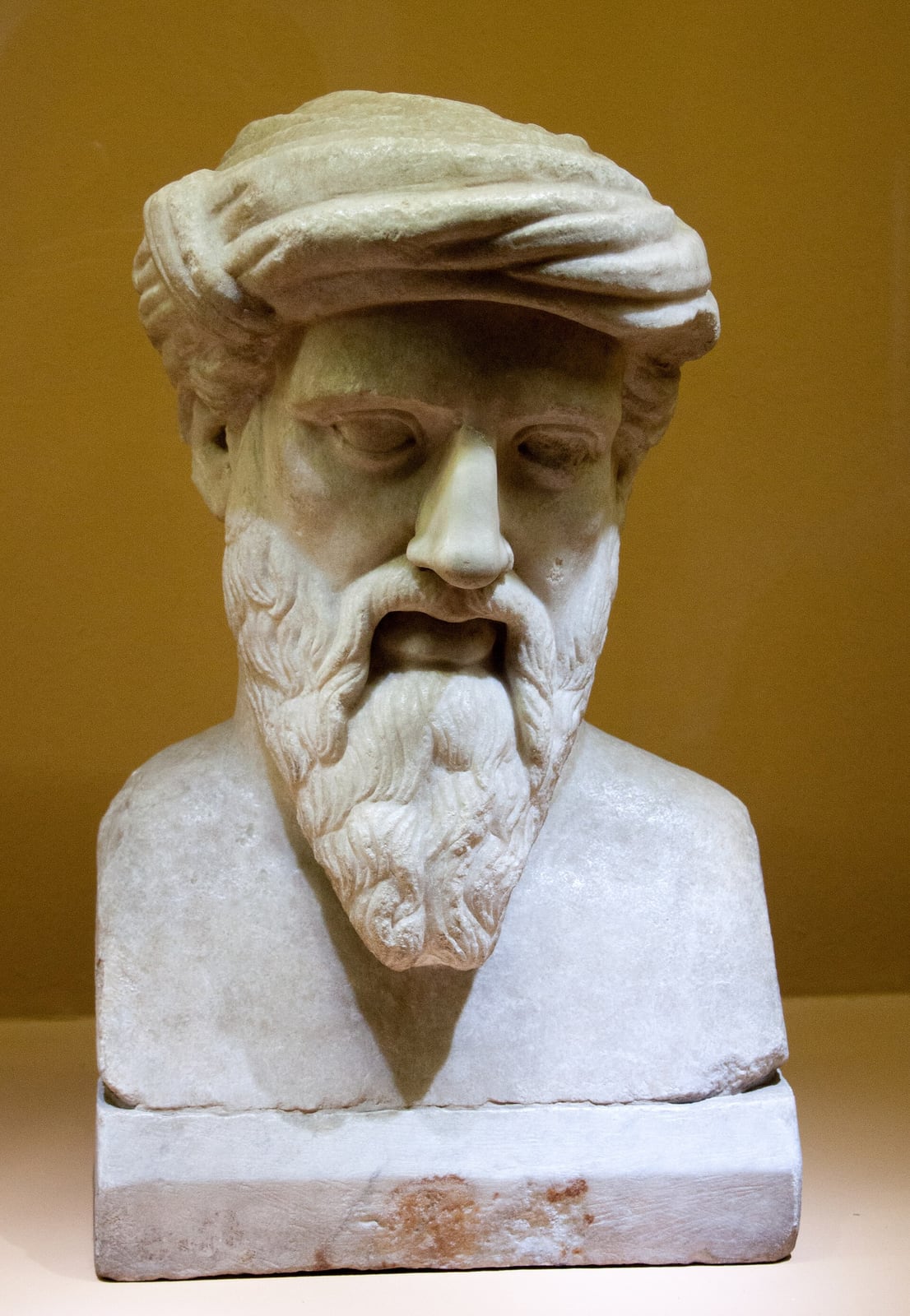
Busto de Pitágoras (Museos Capitolinos) · Public domain
Dans ses propres mots
«No, by him who gave our race the tetraktys, the fount holding the roots of ever-flowing nature.»Juramento de los pitagóricos por Pitágoras, citado por Porfirio, Vida de Pitágoras 20 (ed. Nauck), Aecio y Sexto Empírico; los Versos de oro (47–48) contienen una variante. Es un juramento de los discípulos, no palabras de Pitágoras. Traducciones propias.

Son idée centrale
Metempsychosis (transmigration of souls): It is the doctrine that can most securely be attributed to Pythagoras, because it is already attested by Xenophanes, his contemporary, and shortly after by Herodotus, Ion of Chios and Empedocles.
Le voir en contexte
Biographie
5 min de lecture
Traduction assistée à partir de l'original espagnol, en attente de relecture par un traducteur natif.
Un nom sans œuvre
Pythagore n'a laissé aucun écrit, ou du moins aucun ne parvint à la génération suivante : le premier livre pythagoricien dont on ait connaissance est celui de Philolaos, plus d'un demi-siècle après sa mort. Ce que nous savons de lui provient de trois couches de témoignages très inégales. La première est faite d'allusions brèves de contemporains ou de quasi-contemporains — Xénophane, Héraclite, Ion de Chios, Empédocle, Hérodote — qui le présentent comme un sage au savoir extraordinaire, porteur d'une doctrine de l'âme. La deuxième, des informations d'Aristote et de ses disciples Aristoxène et Dicéarque, au IVe siècle av. J.-C., qui travaillent déjà sur des traditions discordantes. La troisième, des grandes biographies de Diogène Laërce, de Porphyre et de Jamblique, écrites huit à neuf cents ans après sa mort, lorsque Pythagore était devenu un homme divin.
Séparer le fait de la légende est donc le premier problème de toute biographie. Walter Burkert a soutenu en 1962 que le Pythagore historique fut avant tout un maître religieux, plus proche d'un chaman que d'un mathématicien, et que la science pythagoricienne naît avec Philolaos et Archytas ; Leonid Zhmud a défendu au contraire que lui-même et ses premiers disciples faisaient déjà des mathématiques. Aristote, de façon significative, ne parle presque jamais de Pythagore, mais des « pythagoriciens, comme on les appelle ».
Samos
Il naquit à Samos vers 570 av. J.-C., fils de Mnésarque, que nomment Hérodote et Héraclite et dont la tradition postérieure fait un graveur de cachets. Aristoxène raconte qu'il quitta l'île à quarante ans pour échapper à la tyrannie de Polycrate, ce qui permet de situer sa naissance autour de cette date. Les biographes tardifs lui prêtent des maîtres — Phérécyde de Syros, Anaximandre, Thalès — et de longs voyages de formation en Égypte, à Babylone, en Phénicie et jusqu'en Inde. Le voyage en Égypte figure déjà chez Isocrate, au IVe siècle av. J.-C. ; les autres sont, selon toute probabilité, des constructions postérieures qui cherchaient à donner à sa sagesse une origine orientale.
Crotone
Vers 530 av. J.-C., il s'établit à Crotone, colonie achéenne du sud de l'Italie. Selon Dicéarque, cité par Porphyre, sa présence et sa parole firent une telle impression que le conseil des anciens lui demanda de s'adresser aux jeunes gens, aux enfants et aux femmes. Autour de lui se forma une communauté d'hommes et de femmes — parmi elles Théano, dont la tradition fait son épouse ou sa disciple — unie par une forme de vie commune, avec des règles de conduite, le silence et, selon certains, la mise en commun des biens. La communauté acquit un poids politique considérable à Crotone et dans d'autres cités de la Grande-Grèce ; la tradition la rattache à la guerre au cours de laquelle Crotone détruisit Sybaris en 510 av. J.-C.
Ce qu'en dirent ses contemporains
Les témoignages les plus anciens sont aussi brefs que révélateurs. Xénophane de Colophon se moque de lui en quelques vers : voyant qu'on battait un chien, Pythagore aurait demandé qu'on cesse, car il avait reconnu dans ses gémissements l'âme d'un ami. Héraclite le cite deux fois avec mépris : comme exemple de ce que l'accumulation des connaissances n'enseigne pas à penser, et comme l'homme qui pratiqua plus que tout autre l'enquête et s'en fabriqua une sagesse à lui, « polymathie, mauvais art ». Hérodote le dit « non le moindre des sages grecs » et suggère qu'il emprunta à l'Égypte la doctrine de la transmigration. Tous s'accordent sur deux traits : un savoir hors du commun et la croyance en une âme qui survit et passe d'un corps à un autre.
La vie pythagoricienne
Platon, dans la République, dit que Pythagore fut aimé pour avoir légué un mode de vie qu'on appelait encore pythagoricien à son époque. Ce mode de vie se transmettait par des akousmata, de brèves sentences orales : qu'est-ce qui est le plus sage (le nombre), qu'est-ce qui est le plus juste (sacrifier), que ne faut-il pas faire (manger des fèves, attiser le feu avec un couteau, enjamber une balance). Beaucoup ressemblent à des tabous religieux archaïques ; la tradition postérieure les lut comme des symboles. Les sources divergent sur le régime alimentaire : les unes lui prêtent un végétarisme strict lié à la transmigration ; Aristoxène soutenait qu'il mangeait de la viande, sauf celle du bœuf de labour et celle du bélier. Les sources tardives divisent ses disciples en acousmatiques, fidèles aux sentences, et en mathématiciens, voués à la science, division qui reflète probablement des querelles postérieures.
Nombre et harmonie
Aristote attribue aux pythagoriciens la thèse selon laquelle les principes des nombres sont les principes de toutes choses, et l'explique par la découverte que les consonances musicales répondent à des rapports numériques simples : l'octave à 2:1, la quinte à 3:2, la quarte à 4:3. De là la vénération pour la tetraktys, les quatre premiers nombres dont la somme est dix, sur laquelle juraient les pythagoriciens, et l'idée que les corps célestes produisent une harmonie. Le théorème qui porte son nom était déjà connu des mathématiciens babyloniens plus de mille ans auparavant, et son attribution à Pythagore n'apparaît que tardivement, chez des auteurs d'époque hellénistique et romaine ; quelle part des mathématiques pythagoriciennes remonte au fondateur est l'une des questions les plus débattues de l'histoire des sciences.
La fin
Vers la fin de sa vie éclata à Crotone une révolte menée par Cylon, un aristocrate que, selon Aristoxène, Pythagore avait refusé comme disciple. Pythagore se retira à Métaponte, où il mourut vers 495 av. J.-C. ; Cicéron visita, des siècles plus tard, la maison et le siège qu'on lui y attribuait. Les versions de sa mort se contredisent : les uns disent qu'il périt dans l'incendie de la maison de Milon, à Crotone ; d'autres, que ses poursuivants le rattrapèrent devant un champ de fèves qu'il refusa de fouler ; Dicéarque, qu'il mourut de faim dans le sanctuaire des Muses de Métaponte. Vers le milieu du Ve siècle, les maisons de réunion pythagoriciennes furent incendiées dans plusieurs cités d'Italie, et les survivants se dispersèrent.
La légende
Dès Aristote circulaient des prodiges : la cuisse d'or, la présence simultanée à Crotone et à Métaponte, le fleuve qui le salua par son nom. Les néopythagoriciens de l'époque impériale et les néoplatoniciens firent de lui un homme divin, fils d'Apollon selon certains, et lui attribuèrent les Vers d'or et toute une bibliothèque d'écrits apocryphes. Platon lui doit l'immortalité de l'âme et la confiance dans les mathématiques comme chemin vers le réel ; Copernic invoqua les pythagoriciens pour défendre le mouvement de la Terre, et Kepler chercha l'harmonie des cieux. Peu de figures ont exercé une telle influence en étant si mal connues.
Sources: Diógenes Laercio. Vidas y opiniones de los filósofos ilustres, libro VIII, 1–50 (Pitágoras), s. III d. C. Trad. inglesa de C. D. Yonge, Bohn, Londres, 1853 (Project Gutenberg n.º 57342). · Porfirio. Vida de Pitágoras (Πυθαγόρου βίος), c. 270–300 d. C.; texto griego de A. Nauck, Porphyrii philosophi Platonici opuscula selecta, 2.ª ed., Teubner, Leipzig, 1886 (Wikisource en griego). Recoge fragmentos de Aristóxeno, Dicearco, Nicómaco y Antonio Diógenes. · Jámblico. Sobre la vida pitagórica (De vita Pythagorica), c. 300 d. C.; ed. L. Deubner, Teubner, Leipzig, 1937. Trad. inglesa de Thomas Taylor, Londres, 1818 (Project Gutenberg n.º 63300), y de John Dillon y Jackson Hershbell, Scholars Press, Atlanta, 1991. · Burkert, Walter. Lore and Science in Ancient Pythagoreanism, trad. Edwin L. Minar Jr. Harvard University Press, Cambridge (Mass.), 1972 (orig.: Weisheit und Wissenschaft, Hans Carl, Núremberg, 1962). · Riedweg, Christoph. Pythagoras: His Life, Teaching, and Influence, trad. Steven Rendall. Cornell University Press, Ithaca, 2005 (orig.: Pythagoras. Leben, Lehre, Nachwirkung, C. H. Beck, Múnich, 2002).
Chronologie
La vie, année après année
Chaque point est un événement documenté. Cliquez pour le lire, avec sa source et son degré de certitude.
v. 570 av. J.-C.0 ansSamos
Birth
Born on Samos, son of Mnesarchus. The date is inferred from Aristoxenus' report that he left the island at forty, under Polycrates; Wikidata records proposals between 582 and 550 BCE. Years BCE are expressed as negative numbers.
ProbablePorfirio. Vida de Pitágoras (Πυθαγόρου βίος), c. 270–300 d. C.; texto griego de A. Nauck, Porphyrii philosophi Platonici opuscula selecta, 2.ª ed., Teubner, Leipzig, 1886 (Wikisource en griego). Recoge fragmentos de Aristóxeno, Dicearco, Nicómaco y Antonio Diógenes.
Après sa mort
- v. 450 av. J.-C.Burning of the Pythagorean houses
- v. 420 av. J.-C.Philolaus, the first Pythagorean book
- v. 388 av. J.-C.Plato and Archytas
- v. 300 av. J.-C.Iamblichus writes On the Pythagorean Life
- 1543Copernicus invokes the Pythagoreans
- 1619Kepler, Harmonices mundi
v. 570 av. J.-C. · 0 ans
Birth
Born on Samos, son of Mnesarchus. The date is inferred from Aristoxenus' report that he left the island at forty, under Polycrates; Wikidata records proposals between 582 and 550 BCE. Years BCE are expressed as negative numbers.
Probable
v. 550 av. J.-C.
Journeys of study
Isocrates (Busiris 28) is the first to mention a journey to Egypt; the late biographers add Phoenicia, Babylon, the Persian magi and India, and teachers such as Pherecydes and Thales. None of it can be verified.
Tradition
v. 538 av. J.-C.
Tyranny of Polycrates
Polycrates seizes power on Samos (c. 538–522 BCE); according to Aristoxenus, Pythagoras emigrates to escape his tyranny.
Documenté
v. 530 av. J.-C. · 40 ans
Arrival in Croton
He settles in Croton where, according to Dicaearchus, he addresses the council, the young men, the children and the women, and founds a community of disciples of both sexes.
Probable
510 av. J.-C.
Destruction of Sybaris
Croton, led by the athlete Milo, destroys Sybaris. Late sources (Diodorus, Iamblichus) give Pythagoras a role in the decision to go to war.
Contesté
v. 505 av. J.-C.
Cylon's revolt
The aristocrat Cylon leads a revolt against the Pythagoreans. The chronology is very uncertain: some sources place it in Pythagoras' lifetime, others conflate it with the persecutions of the mid-fifth century.
Contesté
v. 495 av. J.-C. · 75 ans
Death
He dies at Metapontum, according to the most accepted version; other sources have him die in Croton or Sicily. Cicero (De finibus V 4) visited the spot pointed out there as his house.
Probable
v. 450 av. J.-C.
Burning of the Pythagorean houses
Polybius (II 39) relates that the Pythagorean meeting-places were burnt in the cities of Magna Graecia, causing great political upheaval; the survivors scatter across Greece.
Documenté
v. 420 av. J.-C.
Philolaus, the first Pythagorean book
Philolaus of Croton writes the first Pythagorean treatise of which authentic fragments survive, on the limited, the unlimited and harmony.
Probable
v. 388 av. J.-C.
Plato and Archytas
Plato travels to Italy and Sicily and befriends the Pythagorean Archytas of Tarentum, mathematician and statesman; the Pythagorean imprint is visible in the Phaedo, the Gorgias and the Timaeus.
Probable
v. 300 av. J.-C.
Iamblichus writes On the Pythagorean Life
The Neoplatonist Iamblichus composes the longest biography of Pythagoras, as the first book of an encyclopedia of Pythagoreanism; shortly before, Porphyry had written his Life of Pythagoras.
Documenté
1543
Copernicus invokes the Pythagoreans
In the preface to De revolutionibus orbium coelestium, Copernicus cites the Pythagoreans Philolaus, Ecphantus and Hicetas as precedents for the Earth's motion.
Documenté
1619
Kepler, Harmonices mundi
Johannes Kepler publishes The Harmony of the World, seeking the musical proportions of planetary motions in a modern reformulation of the harmony of the spheres.
Documenté
Œuvres
Œuvres essentielles
Les œuvres sans lesquelles on ne comprend pas son héritage.
Attribution traditionnelle · v. 300 av. J.-C.
Golden Verses
Χρυσᾶ ἔπη
Seventy-one lines of moral and religious precepts: honour the gods, the heroes and one's parents; choose the virtuous as a friend; master the belly, sleep, desire and anger; respect oneself above all; examine each night what was done during the day. The final section promises whoever perseveres knowledge of the nature of gods and men and, on leaving the body, the condition of an immortal god. The Neoplatonist Hierocles of Alexandria (5th century) wrote a commentary on it, and in the modern age it was one of the most translated Greek texts.
5 éditions
Enseignement oral recueilli · v. 500 av. J.-C.
Akousmata and symbola
ἀκούσματα / σύμβολα
According to Iamblichus they fell into three classes: what something is ("what are the isles of the blessed? The sun and the moon"), what is most such ("what is wisest? Number"), what must be done or avoided ("do not eat beans", "do not stir the fire with a knife", "do not step over a balance", "put on the right shoe first"). Many look like archaic ritual taboos; from the fourth century BCE they were interpreted as moral symbols: stirring the fire with a knife would mean provoking the anger of someone already irritated.
2 éditions

Étude académique · v. 300
On the Pythagorean Life (Iamblichus)
Περὶ τοῦ Πυθαγορικοῦ βίου
The first book of a ten-book work on Pythagoreanism. It narrates the birth, the journeys, the arrival in Croton and the speeches to youths, elders and women, describes life in the community—the five-year silence, the testing of candidates, friendship, diet, music as medicine for the soul—, lists the miracles, recounts Cylon's conspiracy and closes with a catalogue of Pythagoreans: 218 men and 17 women. It is the longest surviving source on Pythagoras.
5 éditions

Étude académique · v. 280
Life of Pythagoras (Porphyry)
Πυθαγόρου βίος
It covers the origin, education, arrival in Italy, the marvels (the Daunian she-bear, the fish, the greeting of the river Caucasus, the simultaneous presence in Metapontum and Tauromenium), the teaching through symbols, Pythagorean friendship and Cylon's conspiracy, naming its sources: Aristoxenus, Dicaearchus, Nicomachus, Neanthes, Antonius Diogenes. Its Greek text survives almost complete.
4 éditions
Toute son œuvre (12)

Life of Pythagoras (Diogenes Laertius, Lives VIII 1–50)
230
Testimonies of his contemporaries (Xenophanes, Heraclitus, Empedocles, Ion of Chios, Herodotus)
450
Pythagoras
Aristotle's testimonies on the Pythagoreans
The Conscious LibraryAristotle's testimonies on the Pythagoreans
340
Sacred Discourse (Hieros logos)
300
Pythagoras
Books on Education, Politics and Nature
The Conscious LibraryBooks on Education, Politics and Nature
300
Pythagoras
Letters of Pythagoras
The Conscious LibraryLetters of Pythagoras
100
Pseudo-Pythagorean writings
200

Fragments of Philolaus of Croton
420
Citations
Citations localisées dans une œuvre précise. Chacune porte sa provenance et son degré de fiabilité.
Stop, do not beat it: it is the soul of a friend; I recognised it when I heard its voice.παῦσαι μηδὲ ῥάπιζ᾽, ἐπεὶ ἦ φίλου ἀνέρος ἐστὶν ψυχή, τὴν ἔγνων φθεγξαμένης ἀίων.
ProbableJenófanes, fragmento DK 21 B 7, transmitido por Diógenes Laercio VIII 36. Son palabras que Jenófanes, contemporáneo de Pitágoras, le atribuye en tono satírico; traducciones propias.
Citations apocryphes ou d'attribution contestée (4)
«All is number.»
The formula appears in no ancient source as a saying of Pythagoras. It summarises Aristotle's account of the doctrine of "the so-called Pythagoreans" (Metaphysics A 5–6), according to which things are numbers or imitate numbers; the thesis probably comes from Philolaus, not from the founder.
«Educate the children and it will not be necessary to punish the men.»
It circulates online and in quotation books attributed to Pythagoras with no reference to any ancient text. It does not appear in Diogenes Laertius, Porphyry, Iamblichus or the collections of Pythagorean sayings in Stobaeus.
«As long as man continues to be the ruthless destroyer of lower living beings, he will never know health or peace.»
A modern quotation spread in vegetarian circles. The idea of kinship among all living beings is indeed Pythagorean (Porphyry, Life of Pythagoras 19), and Ovid puts a long plea against eating meat in Pythagoras' mouth (Metamorphoses XV 60–478), but this sentence is in no ancient text.
«Listen, and you will become wise; the beginning of wisdom is silence.»
A modern variant of the discipline of silence that Iamblichus (Pythagorean Life 72) and other late biographers attribute to the Pythagorean community (the *echemythia*, a five-year silence for novices). It is not a literal quotation from any ancient source.
Dernières paroles
Versions contradictoires
«"Better to be caught than to trample the beans, and better to be slain than to speak."»There is no reliable testimony. Diogenes Laertius (VIII 39) reports, from unnamed sources ("some say"), that Pythagoras, fleeing the fire at Milo's house in Croton, stopped at a field of beans and said these words before his pursuers killed him. On the same page he gives other incompatible versions: Dicaearchus claims he took refuge in the temple of the Muses at Metapontum and starved to death after forty days; Heraclides Lembus, that he let himself starve at Metapontum because he no longer wished to live; Hermippus, that he died in a war between Acragas and Syracuse, again skirting a field of beans. The bean story seems built on the Pythagorean prohibition against eating them. Neither Porphyry nor Iamblichus gives him any last words.
Source: Diógenes Laercio. Vidas y opiniones de los filósofos ilustres, libro VIII, 1–50 (Pitágoras), s. III d. C. Trad. inglesa de C. D. Yonge, Bohn, Londres, 1853 (Project Gutenberg n.º 57342).
Interroger
Ce que répond son œuvre
Douze grandes questions de l'humanité et ce que ses textes permettent d'y répondre, références à l'appui. Nous ne lui prêtons jamais de paroles.
Qu'est-ce que l'Absolu ? Dieu existe-t-il ?
The Pythagorean tradition places the principle of all things in number and harmony
Un Absolu impersonnelCela se déduit de sa doctrine
Pythagoras wrote nothing, and what is attributed to him about the divine reaches us in layers. Aristotle, who no longer distinguishes the master from his school, speaks of “the so-called Pythagoreans” and credits them with the thesis that the principles of numbers are the principles of all beings and that the whole heaven is harmony and number. Philolaus of Croton, the first Pythagorean with surviving fragments, makes harmony what binds the unlimited and the limiting. The late Lives by Porphyry and Iamblichus add a Pythagoras devoted to Apollo and revered as a divine being, and the oath by the tetractys shows that number was an object of cult. What can prudently be affirmed is an ordering mathematical principle, not a God who knows and loves the creature.
Comparer cette question avec d'autres maîtresQui suis-je ? Existe-t-il un vrai soi ?
An immortal soul that passes from body to body, animal ones included
Une âme en évolutionIl le dit expressément
This is the doctrine that the oldest testimonies attribute to Pythagoras with greatest confidence. Xenophanes, his contemporary, mocks him by telling how, seeing a puppy being beaten, he asked them to stop because he had recognised the soul of a friend in its cries. Dicaearchus, a pupil of Aristotle, summarises according to Porphyry what he taught at Croton: that the soul is immortal, that it changes into other kinds of living beings, that what happens happens again in cycles, and that all animate beings are kin. The self is thus a soul passing through many lives; later tradition added that Pythagoras remembered his former existences.
Comparer cette question avec d'autres maîtresPourquoi souffrons-nous ?
The soul atones in the body and is purified from life to life
Le karma et l'apprentissage de l'âmeCela se déduit de sa doctrine
No text by Pythagoras explains why we suffer, and about him there are only testimonies. The Pythagorean tradition, however, links suffering with the soul's destiny. Philolaus invokes “the ancient theologians and seers” to say that the soul is yoked to the body as a punishment and buried in it as in a tomb; transmigration, the master's best-attested doctrine, makes each life a consequence of earlier ones. Hence the Pythagorean way of life — abstinences, silence, daily review, music — conceived as purification. Pain does not appear as absurd: it is the state of a fallen soul that, with discipline, can free itself from the cycle.
Comparer cette question avec d'autres maîtresQue se passe-t-il après la mort ?
The immortal soul is reborn in other living beings, in recurring cycles
Renaissance selon le karmaIl le dit expressément
Transmigration is the oldest and best-attested doctrine attributed to Pythagoras. Xenophanes, his contemporary, already mocks it; Dicaearchus, in the fourth century BC, summarises it according to Porphyry: the soul is immortal, passes into other kinds of living beings, what has happened happens again in cycles, and nothing is absolutely new. Heraclides of Pontus adds, according to Diogenes Laertius, that Pythagoras remembered having been Aethalides, Euphorbus and others. Herodotus, without naming him, speaks of Greeks who took from Egypt the idea that the soul passes through all animals before returning to a human body. Death is not an end but a step within a cycle.
Comparer cette question avec d'autres maîtresComment atteint-on la libération ou le salut ?
A way of life: silence, abstinences, music, study and daily review
Par une pratique disciplinéeCela se déduit de sa doctrine
Plato, in the Republic, remembers Pythagoras not for his science but for having bequeathed to his followers a way of life that still in his day set them apart. The much later Lives by Porphyry and Iamblichus describe that regime: years of silence for novices, dietary precepts, goods held in common, music to order the soul, study of mathematics and astronomy, and an examination of conscience each night that the Golden Verses, a late poem, formulate in three questions. If transmigration is the problem, the methodical purification of body and soul is the way. It is neither grace nor a single insight, but a sustained discipline.
Comparer cette question avec d'autres maîtresFaut-il un maître ?
A brotherhood with common goods, degrees of initiation and the master's word
La communauté et la traditionCela se déduit de sa doctrine
Tradition presents Pythagoras as the founder of a community rather than as a teacher of scattered disciples. According to Timaeus, cited by Diogenes Laertius, he was the first to say that friends hold all things in common, and his followers pooled their goods. The late Lives describe a period of testing and silence, and two grades of members: the “acousmatics”, who received precepts without demonstration, and the “mathematicians”, who studied their reasons. The founder's authority was immense: the formula “he said it” settled disputes, according to Cicero, and the Pythagoreans swore by him. The way is travelled within the community, with its precepts, its common life and its reserved teaching.
Comparer cette question avec d'autres maîtresLe monde est-il réel ?
A kosmos: a beautiful order governed by number and harmony
Un ordre naturel en transformationCela se déduit de sa doctrine
Tradition credits Pythagoras with being the first to call the whole universe “kosmos”, at once order and adornment, and Aristotle attributes to the Pythagoreans the idea that the whole heaven is harmony and number. The stories about the harmony of the spheres and the musical ratios found in the intervals of the octave, fifth and fourth belong to the same intuition: the world is real and ordered by numerical relations that the mind can discover. Philolaus, the best-documented Pythagorean, holds that everything known has number and that without it nothing could be thought or known. The world is not illusion: it is an order to be understood and attuned to.
Comparer cette question avec d'autres maîtresQu'est-ce que l'amour ?
Among friends all is common: a friendship of all with all
Une bienveillance ordonnéeCela se déduit de sa doctrine
The key word of Pythagoreanism is not erotic love but friendship. Timaeus of Tauromenium, cited by Diogenes Laertius, credits Pythagoras with being the first to say that among friends all is common and that friendship is equality. Iamblichus, in his Pythagorean Life, describes a friendship of all with all: of gods with humans, of soul with body, of citizens with one another, of humans with animals. Anecdotes about loyalty among Pythagoreans, such as that of Damon and Phintias, became proverbial. The kinship of all living beings, a consequence of transmigration, extends that goodwill beyond the human, though always ordered by measure and harmony.
Comparer cette question avec d'autres maîtresSommes-nous libres ou tout est-il déterminé ?
The sources attribute to him no doctrine on freedom
Ne s'est pas prononcé
None of the ancient testimonies about Pythagoras addresses the question of freedom and determinism, which was only formulated precisely in the Hellenistic period. What is attributed to him points in different directions without resolving them. Dicaearchus, according to Porphyry, has him say that what happens happens again in cycles and that nothing is absolutely new, which suggests a recurring order; transmigration and the regime of purification, by contrast, presuppose that conduct has consequences for the soul's destiny. Aristoxenus, a pupil of Aristotle, transmitted Pythagorean maxims about the part fortune plays in life, but without a theory of the will. Attributing a position to him would force the sources.
Comparer cette question avec d'autres maîtresPourquoi méditer ou prier ?
Precepts, silence, music and daily review: life as rite
Le rite et la culture de soiCela se déduit de sa doctrine
The Pythagorean tradition does not separate prayer from conduct. The “acusmata”, short orally transmitted precepts, regulated everyday and ritual gestures: which foot to enter the temple with, what not to eat, how to sacrifice, not to speak of Pythagorean matters without light. The Lives by Iamblichus and Porphyry describe days that began with solitary walks in quiet places to calm the soul, continued with study and ended with a review of the day; music, with chosen songs and melodies, served to purify and balance the passions. The late Golden Verses ask one not to sleep without having gone over the day's actions three times. Practice is rite, study and daily conduct.
Comparer cette question avec d'autres maîtresLa raison peut-elle connaître l'ultime ?
A doctrine reserved for initiates, in which number is the wisest thing
Une connaissance ésotériqueCela se déduit de sa doctrine
The Pythagorean tradition joins two traits that seldom go together: mathematical inquiry and secrecy. According to the acusma transmitted by Iamblichus, the wisest thing is number, and the school was held to be the cradle of Greek arithmetic, harmonics and astronomy. But that teaching was not offered to everyone: the Lives describe admission tests, years of silence and a distinction between those who received the precepts without demonstration and those who gained access to their reasons. The legend of Hippasus, punished for divulging a mathematical secret, illustrates that reserve. Reason can know the ultimate, but knowledge is passed on within a school, to those prepared to receive it.
Comparer cette question avec d'autres maîtresSe retirer du monde ou le transformer ?
A community that came to govern cities of Magna Graecia
Ordonner la sociétéCela se déduit de sa doctrine
The Pythagoreans did not withdraw from the world: their community had considerable political weight in southern Italy. According to the sources, Pythagoras arrived at Croton and delivered speeches to the young men, the magistrates, the children and the women, and Diogenes Laertius says he gave laws to the Greeks of Italy. His followers came to dominate the councils of several cities, until a revolt, led according to tradition by one Cylon, burned the house where they met and dispersed the school. The Pythagorean life combined a regime of personal purification with the aim of ordering the city according to harmony and friendship. Wisdom was to be reflected in government.
Comparer cette question avec d'autres maîtres
Affinités et tensions
Affinités et tensions
Calculées question par question à partir de ses positions. La raison de chaque accord ou de chaque désaccord s'affiche d'un clic.
Pense comme
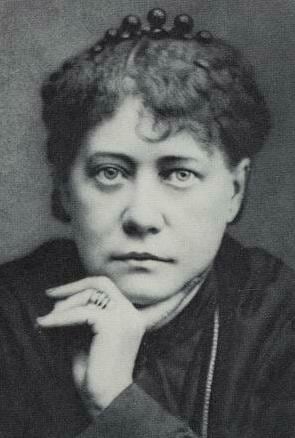
Helena Blavatsky
Ils concordent sur: Qu'est-ce que l'Absolu ? Dieu existe-t-il ? · Qui suis-je ? Existe-t-il un vrai soi ? · Pourquoi souffrons-nous ?
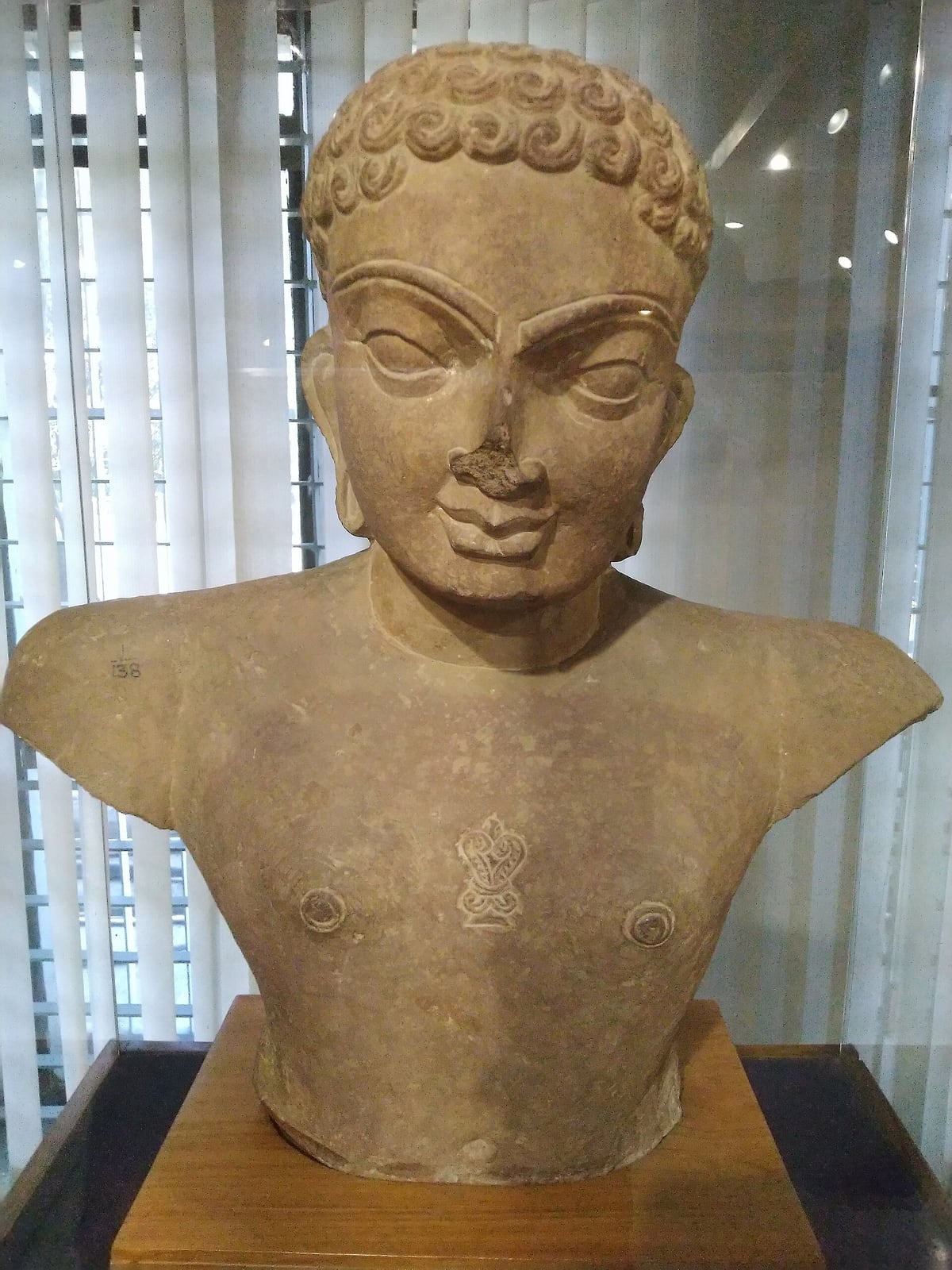
Mahāvīra
Ils concordent sur: Pourquoi méditer ou prier ? · Qui suis-je ? Existe-t-il un vrai soi ? · Pourquoi souffrons-nous ?
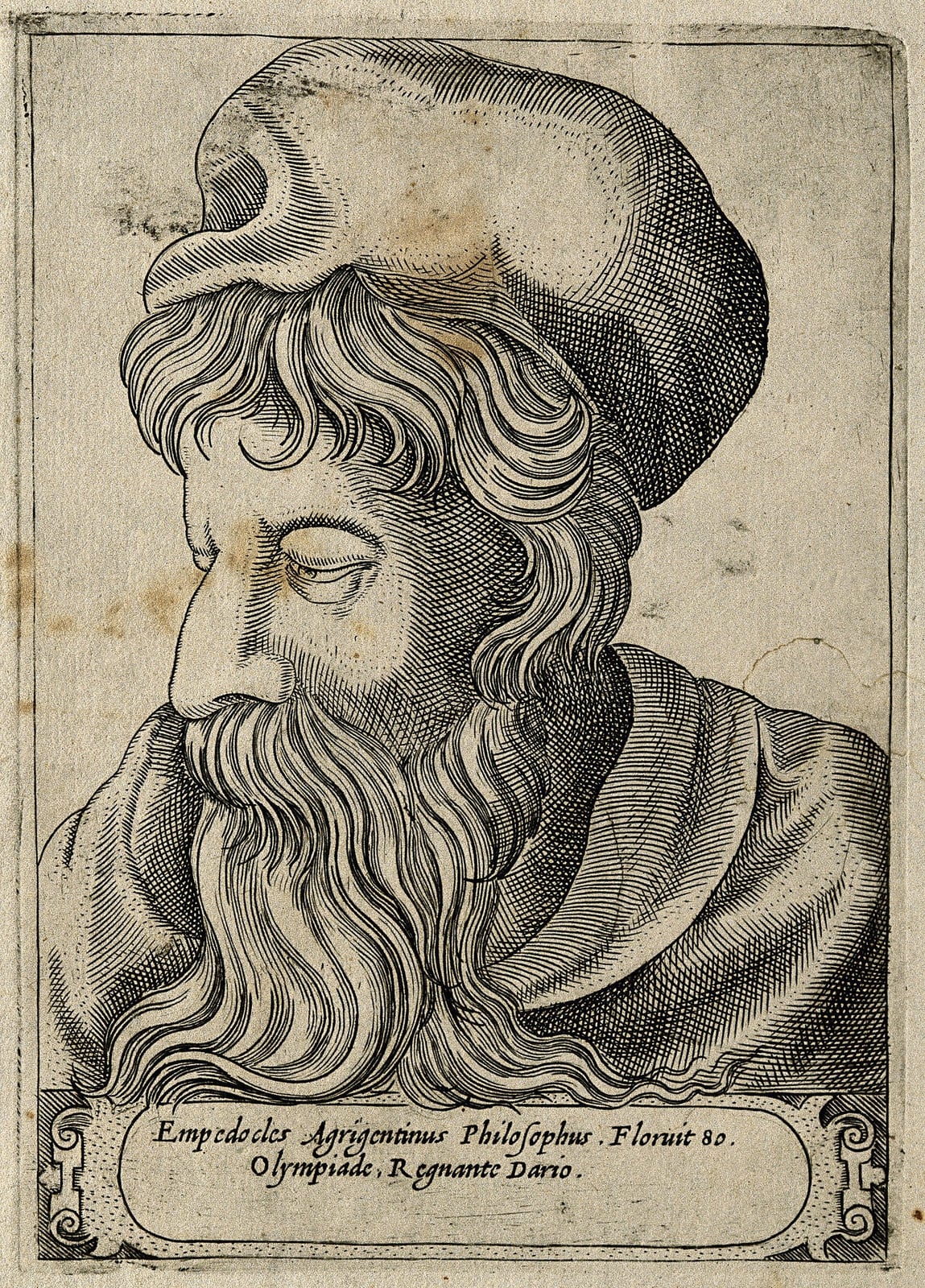
Empedocles
Ils concordent sur: Qu'est-ce que l'Absolu ? Dieu existe-t-il ? · Qui suis-je ? Existe-t-il un vrai soi ? · Que se passe-t-il après la mort ?
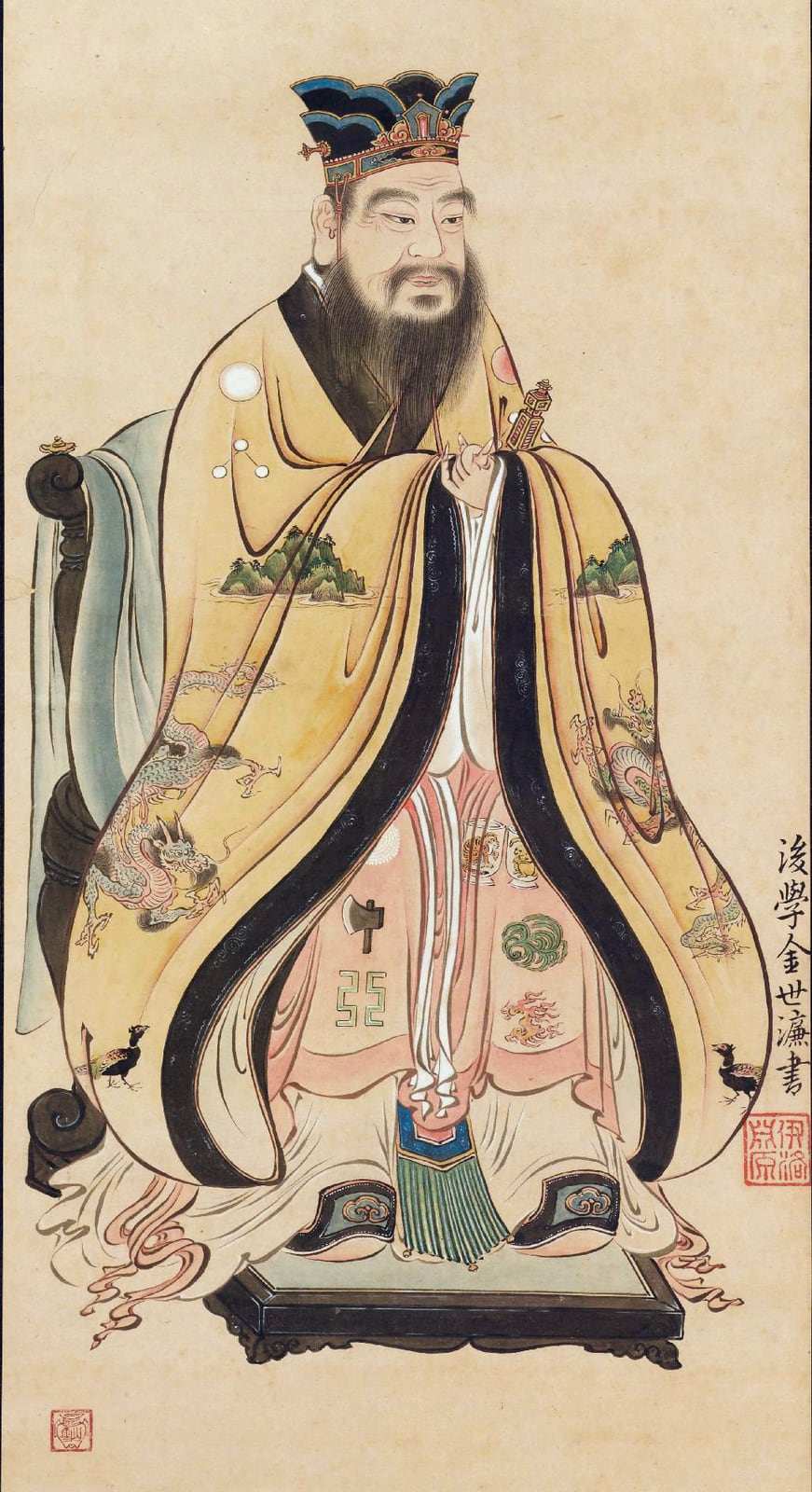
Confucius
Ils concordent sur: Faut-il un maître ? · Le monde est-il réel ? · Qu'est-ce que l'amour ?
Pense autrement que
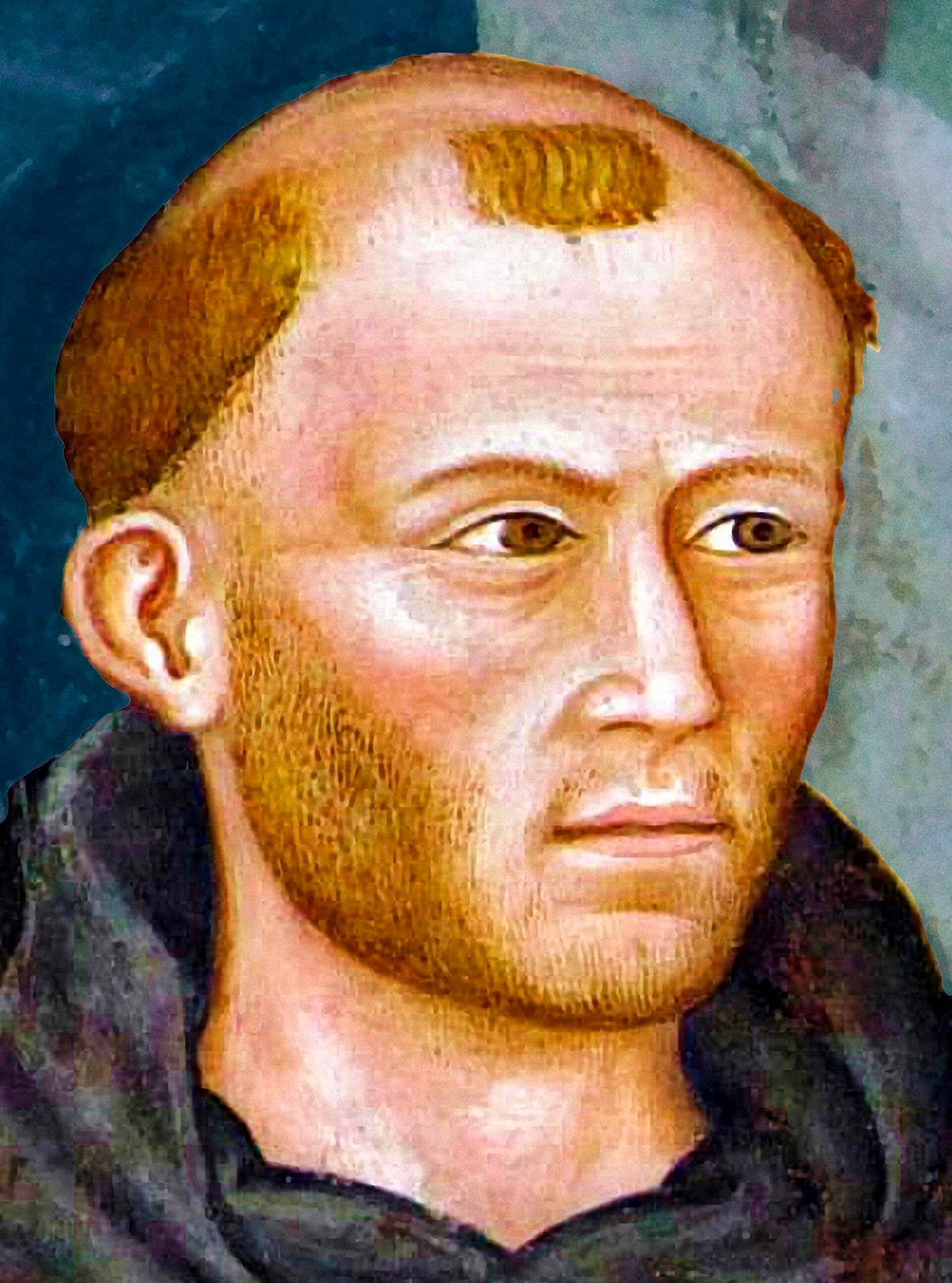
Meister Eckhart
Ils s'opposent sur: Que se passe-t-il après la mort ? · Comment atteint-on la libération ou le salut ?

Rabia al-Adawiyya
Ils s'opposent sur: Que se passe-t-il après la mort ?
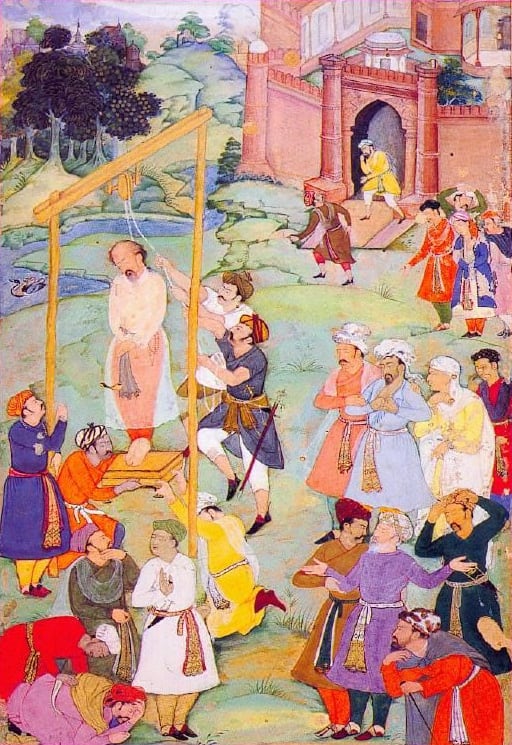
Al-Hallaj
Ils s'opposent sur: Que se passe-t-il après la mort ?
Nikolai Berdyaev
Ils s'opposent sur: Que se passe-t-il après la mort ?
Anecdotes et récits
Anecdotes et récits
Documentés. VI a. C.
The beaten dog
Origine du récit: Xenophanes, DK 21 B 7, in Diogenes Laertius VIII 36. It is the oldest contemporary testimony about Pythagoras; the episode may be a satirical invention, but the doctrine it satirises is genuine.
Source: Diels, Hermann y Kranz, Walther. Die Fragmente der Vorsokratiker, 6.ª ed., Weidmann, Berlín, 1951–1952: cap. 14 (Pitágoras), 21 B 7 (Jenófanes), 22 B 40 y B 129 (Heráclito), 31 B 129 (Empédocles), 36 B 4 (Ion de Quíos).
Récit hagiographiques. VI a. C. (tradicional)
The golden thigh
Origine du récit: Aristotle, fragments of On the Pythagoreans (fr. 191 Rose), transmitted by Aelian (Varia Historia II 26 and IV 17) and Apollonius; expanded in Porphyry (VP 27–28) and Iamblichus (VP 134–136, 140). That Aristotle recorded them shows they were already circulating in the fourth century BCE; Burkert interprets them as traits of a shamanic type of sage.
Invérifiables. VI a. C. (tradicional)
The blacksmith's hammers
Origine du récit: Nicomachus of Gerasa, Manual of Harmonics 6 (2nd century CE), repeated by Iamblichus (VP 115–119) and Boethius (De institutione musica I 10–11). There is no source earlier than Nicomachus; the story is an aetiological legend about the discovery of musical ratios, which were probably found with the monochord.
Source: Nicómaco de Gerasa. Manual de armónica (Harmonikon encheiridion) 6, s. II d. C.; trad. inglesa de Flora R. Levin, The Manual of Harmonics of Nicomachus the Pythagorean, Phanes Press, Grand Rapids, 1994.
Contestés. VI a. C. (tradicional)
The word "philosopher"
Origine du récit: Cicero, Tusculan Disputations V 3.8–10, and Diogenes Laertius I 12 and VIII 8, from a lost dialogue by Heraclides of Pontus (4th century BCE). Most scholars regard the anecdote as a projection of the Platonic Academy's contemplative ideal; the word "philosopher" appears earlier in Heraclitus, if fragment DK 22 B 35 is genuine.
Source: Cicerón. Disputaciones tusculanas V 3.8–10 (Pitágoras y la palabra «filósofo», según Heráclides Póntico) y Del supremo bien y del supremo mal (De finibus) V 2.4 (la casa de Metaponto), s. I a. C.
Récit hagiographiquec. 530 a. C. (tradicional)
The fishes of Croton
Origine du récit: Porphyry, Life of Pythagoras 25, and Iamblichus, Pythagorean Life 36. It belongs to the miracle repertoire of the Neopythagorean Pythagoras; it has no basis in sources earlier than the imperial period.
Contestés. VI a. C. (tradicional)
The descent to Hades
Origine du récit: Hermippus of Smyrna, in Diogenes Laertius VIII 41. Herodotus (IV 95) tells a very similar story of the Thracian Zalmoxis, whom he makes a slave of Pythagoras; Burkert sees in both the echo of rituals of death and return.
Enseignements
Enseignements
Les notions qui structurent sa pensée, expliquées dans leur contexte.
Metempsychosis (transmigration of souls)metempsicosis
A religious doctrine of the soul shared with Orphism and with Empedocles.
The Pythagorean way of life (bios pythagoreios)vida-pitagorica
A communal and religious way of life in archaic Magna Graecia, idealised by the Neoplatonic biographers.
Source: Platón. República X, 600a–b; trad. Benjamin Jowett, 1892 (Project Gutenberg n.º 1497).
Harmony and numberarmonia-y-numero
The core of the Pythagorean scientific tradition and of its influence on Plato (Timaeus) and modern cosmology.
The tetraktystetraktys
A sacred symbol of Pythagoreanism, the object of an oath.
Source: Burkert, Walter. Lore and Science in Ancient Pythagoreanism, trad. Edwin L. Minar Jr. Harvard University Press, Cambridge (Mass.), 1972 (orig.: Weisheit und Wissenschaft, Hans Carl, Núremberg, 1962).
The "Pythagorean theorem"teorema-de-pitagoras
A traditional, undocumented attribution of a much older mathematical result.
Source: Robson, Eleanor. «Words and Pictures: New Light on Plimpton 322». The American Mathematical Monthly, 109 (2), 2002, pp. 105–120 (la tablilla babilónica con ternas pitagóricas, c. 1800 a. C.); y Proclo, Comentario al primer libro de los Elementos de Euclides, 426 (la atribución del teorema).
Acusmatici and mathematiciakousmatikoi-mathematikoi
The division of Pythagoreanism after the founder, transmitted by Iamblichus (VP 81–89; On General Mathematical Science 76).
Vidéos
Vidéos
Enregistrements, entretiens et documentaires. Les vidéos sont lues depuis YouTube ; elles ne sont pas hébergées ici.
Las vidas de Pitágoras: historia, filosofia y leyenda | David Hernández de la Fuente
Conférence· ES· 2016· 58 min
Fundación Juan MarchChaîne officielle
PITÁGORAS: matemático, filósofo, político e iniciado en los misterios | David Hernández de la Fuente
Conférence· ES· 2022· 11 min
Encuentros EleusinosChaîne officielle
Los Pitagóricos
Documentaire· ES· 2018· 27 min
UNEDChaîne officielle
Pitágoras | Historia de la filosofía (5/61)
Conférence· ES· 2017· 87 min
Ernesto CastroChaîne officielle
El enigmático Pitágoras | María Dolores Muñoz Fernández
Conférence· ES· 2024· 97 min
Ateneo Mercantil de ValenciaChaîne officielle
HoP 004 - The Man With The Golden Thigh - Pythagoras
Conférence· EN· 2020· 20 min
history of philosophy without any gaps
Pythagoras' Music of the Spheres
Conférence· EN· 2015· 75 min
The Menil CollectionChaîne officielle
The Music of the Spheres: the connection between music and astronomy [Public Lecture Series]
Conférence· EN· 2020· 35 min
Cambridge University AstronomyChaîne officielle
Met11 Pythagorean Philosophy
Conférence· EN· 2023· 38 min
Dr Adrian HeathcoteChaîne officielle
PYTHAGORE (vers 580-495 av. J.-C.) : Les mystères d'Apollon – Une vie, une œuvre [1987]
Documentaire· FR· 1987· 83 min
Rien ne veut rien dire
Pythagoras und die Pythagoreer
Conférence· DE· 2025· 8 min
Christian SpannagelChaîne officielle
Galerie
Galerie
Images dont la licence a été vérifiée. Chacune conserve son auteur et son attribution.
Relations
Relations
Influences, filiations et affinités. On distingue la relation documentée de la similitude identifiée par analyse.
Disciple de
Ferécides de Siros
Ancient tradition (Aristoxenus, Diogenes Laertius VIII 2) makes Pythagoras a pupil of Pherecydes and says he nursed him in his last illness; it cannot be verified.
Similitude identifiée par analyse
Contemporain de
Jenófanes de Colofón
A slightly younger contemporary; he mocked his doctrine of transmigration in verse (DK 21 B 7).
Relation documentée
Contemporain de
He names him twice with contempt (DK 22 B 40 and B 129), as an example of much learning without understanding.
Relation documentée
A influencé
He shared the doctrine of transmigration; his praise of a man of superhuman knowledge (DK 31 B 129) referred, according to Timaeus and Porphyry, to Pythagoras.
Relation documentée
A influencé
Filolao de Crotona
A Pythagorean of the later fifth century BCE, author of the first Pythagorean book, surviving in fragments.
Relation documentée
A influencé
Aristotle (Metaphysics A 6) says Plato's philosophy followed the Pythagoreans in most respects; Plato associated with Archytas of Tarentum and praises the Pythagorean life in the Republic (600a–b).
Relation documentée
A influencé
He wrote a lost treatise On the Pythagoreans and discussed their doctrine of number in the Metaphysics.
Relation documentée
A influencé
Neoplatonism, through Porphyry and Iamblichus, pupils of his school, made Pythagoras the founder of true philosophy.
Relation documentée
Idées proches de
The Socrates of the Phaedo, talking with pupils of the Pythagorean Philolaus, defends the immortality of the soul and philosophy as purification.
Similitude identifiée par analyse
Idées proches de
Siddhartha Gautama, the Buddha
Approximate contemporaries who taught rebirth and a discipline of life to escape it; there is no documented historical link, despite ancient speculation about Pythagoras travelling to India.
Similitude identifiée par analyse
Sources
Sources
Bibliographie et catalogues consultés pour cette fiche.
- Wikidata, entidad Q10261 «Pythagoras» (209 enlaces entre wikis; P31=Q5). Registra fechas de nacimiento entre 582 y 550 a. C. y de muerte entre 500 y 490 a. C.; lugar de muerte Metaponto.
- Diógenes Laercio. Vidas y opiniones de los filósofos ilustres, libro VIII, 1–50 (Pitágoras), s. III d. C. Trad. inglesa de C. D. Yonge, Bohn, Londres, 1853 (Project Gutenberg n.º 57342).
- Porfirio. Vida de Pitágoras (Πυθαγόρου βίος), c. 270–300 d. C.; texto griego de A. Nauck, Porphyrii philosophi Platonici opuscula selecta, 2.ª ed., Teubner, Leipzig, 1886 (Wikisource en griego). Recoge fragmentos de Aristóxeno, Dicearco, Nicómaco y Antonio Diógenes.
- Jámblico. Sobre la vida pitagórica (De vita Pythagorica), c. 300 d. C.; ed. L. Deubner, Teubner, Leipzig, 1937. Trad. inglesa de Thomas Taylor, Londres, 1818 (Project Gutenberg n.º 63300), y de John Dillon y Jackson Hershbell, Scholars Press, Atlanta, 1991.
- Huffman, Carl. «Pythagoras». The Stanford Encyclopedia of Philosophy, ed. Edward N. Zalta; primera publicación 2005, revisión sustancial del 5 de febrero de 2024.
- Burkert, Walter. Lore and Science in Ancient Pythagoreanism, trad. Edwin L. Minar Jr. Harvard University Press, Cambridge (Mass.), 1972 (orig.: Weisheit und Wissenschaft, Hans Carl, Núremberg, 1962).
- Riedweg, Christoph. Pythagoras: His Life, Teaching, and Influence, trad. Steven Rendall. Cornell University Press, Ithaca, 2005 (orig.: Pythagoras. Leben, Lehre, Nachwirkung, C. H. Beck, Múnich, 2002).
- Kahn, Charles H. Pythagoras and the Pythagoreans: A Brief History. Hackett, Indianápolis, 2001.
- Kirk, G. S., Raven, J. E. y Schofield, M. The Presocratic Philosophers: A Critical History with a Selection of Texts, 2.ª ed. Cambridge University Press, Cambridge, 1983, cap. VII (trad. esp. Los filósofos presocráticos, Gredos).
- Diels, Hermann y Kranz, Walther. Die Fragmente der Vorsokratiker, 6.ª ed., Weidmann, Berlín, 1951–1952: cap. 14 (Pitágoras), 21 B 7 (Jenófanes), 22 B 40 y B 129 (Heráclito), 31 B 129 (Empédocles), 36 B 4 (Ion de Quíos).
- Heródoto. Historias II 81, II 123 y IV 95, s. V a. C. Trad. inglesa de A. D. Godley (Loeb, 1920); texto en Perseus Digital Library.
- Aristóteles. Metafísica A 5, 985b23–986b8, y fragmentos de Sobre los pitagóricos (ed. W. D. Ross, Fragmenta selecta, Oxford, 1955). Trad. inglesa de W. D. Ross (1908; Internet Classics Archive, MIT); trad. española de Patricio de Azcárate (Madrid, 1875).
- Thom, Johan C. The Pythagorean Golden Verses: With Introduction and Commentary. E. J. Brill, Leiden, 1995 (Religions in the Graeco-Roman World, 123). ISBN 9789004101050.
- Zhmud, Leonid. Pythagoras and the Early Pythagoreans, trad. Kevin Windle y Rosh Ireland. Oxford University Press, Oxford, 2012.
- Huffman, Carl. «Pythagoreanism». The Stanford Encyclopedia of Philosophy, ed. Edward N. Zalta; primera publicación 2006, revisión sustancial del 5 de marzo de 2024.
- «Pythagoras», Wikipedia en inglés, y «Pitágoras», Wikipedia en español (consultadas para contrastar datos y bibliografía; texto propio).
- Hernández de la Fuente, David (ed. y trad.). Vidas de Pitágoras. Atalanta, Vilaür, 2011 (Diógenes Laercio, Porfirio, Jámblico, Focio y otros testimonios). ISBN 9788493846664.
- Nicómaco de Gerasa. Manual de armónica (Harmonikon encheiridion) 6, s. II d. C.; trad. inglesa de Flora R. Levin, The Manual of Harmonics of Nicomachus the Pythagorean, Phanes Press, Grand Rapids, 1994.
- Cicerón. Disputaciones tusculanas V 3.8–10 (Pitágoras y la palabra «filósofo», según Heráclides Póntico) y Del supremo bien y del supremo mal (De finibus) V 2.4 (la casa de Metaponto), s. I a. C.
- Platón. República X, 600a–b; trad. Benjamin Jowett, 1892 (Project Gutenberg n.º 1497).
- Polibio. Historias II 39, s. II a. C. Trad. inglesa de W. R. Paton (Loeb, 1922).
- Robson, Eleanor. «Words and Pictures: New Light on Plimpton 322». The American Mathematical Monthly, 109 (2), 2002, pp. 105–120 (la tablilla babilónica con ternas pitagóricas, c. 1800 a. C.); y Proclo, Comentario al primer libro de los Elementos de Euclides, 426 (la atribución del teorema).
- Open Library (Internet Archive): ediciones de Jámblico, Porfirio, Diógenes Laercio, los Versos de oro y estudios sobre Pitágoras verificadas por ISBN.
- Internet Archive: Sentencias de Teognis, de Phocylides, de Pitágoras y de otros sabios de la Grecia, trad. Enrique Ataide y Portugal, Oficina de Aznar, Madrid, 1802 (ejemplar de la Biblioteca de la Universidad de Sevilla); The Golden Verses of Pythagoras, trad. Nicholas Rowe, 1732.
- Ayant droit
- Textos antiguos en dominio público; cada traducción y edición crítica pertenece a su traductor o editorial
En attente de confirmation
Ce que cette fiche n'a pas encore pu établir. Nous préférons le dire plutôt que de combler.
- Fechas: nacimiento c. 570 a. C. y muerte c. 495 a. C. son estimaciones a partir de Aristóxeno y Apolodoro; Wikidata recoge propuestas entre 582 y 550 (nacimiento) y entre 500 y 490 (muerte). El lugar de la muerte es contradictorio en las fuentes.
- Historicidad: se ha marcado «documented» porque su existencia está atestiguada por contemporáneos (Jenófanes, Heráclito); casi toda la biografía, en cambio, es tradición o leyenda, y así se indica hito a hito en la cronología.
- Manuscritos: no se ha verificado en esta sesión la tradición manuscrita de Jámblico, Porfirio ni los Versos de oro (signaturas y digitalizaciones); lista vacía.
- Traducciones españolas de dominio público de Jámblico, Porfirio y del libro VIII de Diógenes Laercio (Ortiz y Sanz, 1792): no localizadas con URL estable; en Wikisource solo está transcrito el tomo I de Ortiz y Sanz.
- Los «Versos de oro» de Wikisource en español no indican traductor ni fecha; no se han incluido por no poder asegurar su dominio público.
- Edición española con ISBN de los Versos de oro: no verificada en Open Library.
- Programas de afiliación: ninguno verificado (Gredos, Atalanta, Phanes, Brill). Lista vacía.
- Año de los vídeos: es el de la grabación cuando la descripción lo indica y, si no, el de publicación en YouTube.
Recherche effectuée le 2026-10-25