Cristianesimo · Mistica cristiana · Cattolicesimo · Neoplatonismo
Meister Eckhart
ca. 1260 – 1328Persona storicamente documentata
Domenicano della Turingia (1260 ca.–1328), due volte maestro di teologia a Parigi, provinciale di Sassonia e predicatore a Strasburgo e a Colonia. Scrisse in latino un'opera scolastica incompiuta — l'Opus tripartitum, commenti biblici, sermoni — e predicò in tedesco sul fondo dell'anima, sul distacco e sulla nascita di Dio nell'anima, forgiando il lessico astratto della lingua tedesca. Processato dall'arcivescovo di Colonia, morì prima che la bolla In agro dominico (1329) condannasse ventotto proposizioni tratte dalle sue opere.
- opere
- 37opere
- edizioni
- 112edizioni
- citazioni
- 9citazioni
- video
- 12video
- immagini
- 6immagini
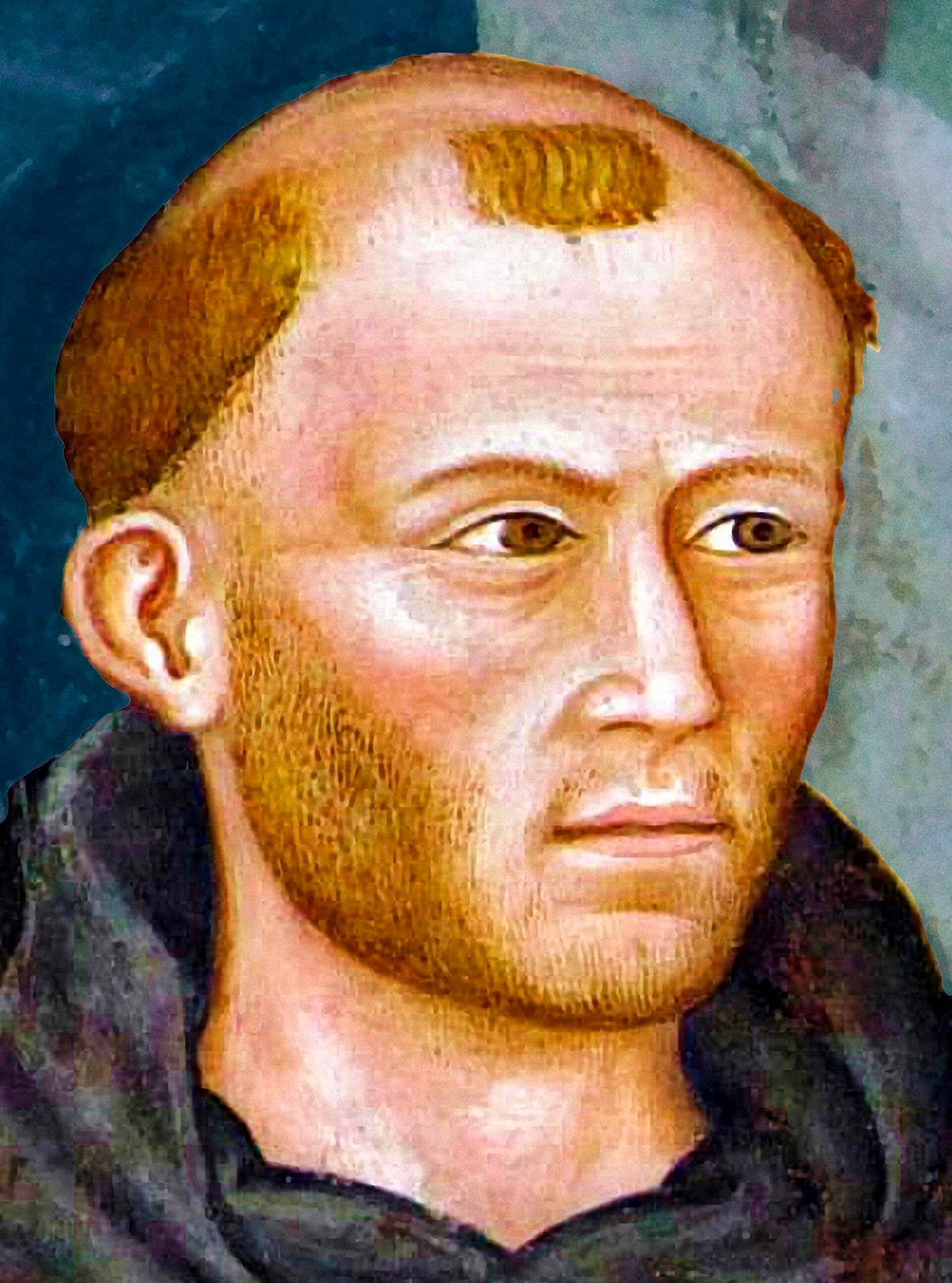
Fraile dominico identificado tradicionalmente con Eckhart (Andrea di Bonaiuto, Via Veritatis) · CC BY-SA 4.0
Con le sue parole
«Here God's ground is my ground and my ground is God's ground.»Sermón alemán 5b, «In hoc apparuit caritas dei» (DW I)

Per cominciare, un'opera
Talks of Instruction (Counsels on Discernment)La sua idea centrale
The ground (grunt): 'Grunt' is the word Eckhart uses for what is innermost in the soul and, at the same time, innermost in God, and his boldest thesis is that the two grounds coincide: 'here God's ground is my ground and my ground God's ground' (Sermon 5b).
Vederlo nel contesto
Biografia
5 min di lettura
Traduzione assistita dall'originale spagnolo, in attesa di revisione da parte di un traduttore madrelingua.
Un frate di Turingia
Eckhart nacque intorno al 1260 in Turingia, a Tambach o a Hochheim, presso Gotha; nulla di sicuro si sa della sua famiglia né della sua infanzia. Entrò giovane nel convento domenicano di Erfurt e si formò negli studi dell'ordine, probabilmente a Colonia, dove ancora pesava l'eredità di Alberto Magno, e poi a Parigi. La sua vita nota è quella di un intellettuale dell'ordine dei predicatori: studio, incarichi di governo e predicazione, in quest'ordine e spesso nello stesso tempo.
Nel 1293–1294 commentò a Parigi le Sentenze di Pietro Lombardo; di quei mesi restano una prolusione e un sermone pasquale. Tornato in Turingia, fu priore di Erfurt e vicario della regione. Lì rivolse ai novizi alcune conversazioni che vennero trascritte come Istruzioni spirituali (Die rede der underscheidunge): non bisogna preoccuparsi tanto di ciò che si fa quanto di ciò che si è; non sono le opere a santificare l'uomo, è l'uomo che santifica le opere.
Maestro a Parigi
Nel 1302 ottenne a Parigi la cattedra di teologia riservata ai domenicani stranieri e con essa il titolo di magister che lo avrebbe accompagnato per sempre: «Meister». Nelle questioni disputate di quell'anno sostenne, contro la lettura consueta di Tommaso d'Aquino, che in Dio l'intendere è più fondamentale dell'essere, e discusse con il francescano Gonsalvo di Spagna se il primato spetti all'intelletto o alla volontà.
Tra il 1303 e il 1311 fu il primo provinciale della nuova provincia domenicana di Sassonia, che si estendeva dai Paesi Bassi alla Livonia, e nel 1307 vicario generale di Boemia. Nel 1311 l'ordine lo mandò di nuovo a Parigi, onore che prima di lui era toccato soltanto a Tommaso d'Aquino. Risale a quegli anni il progetto di un Opus tripartitum — un'opera delle proposizioni, una delle questioni e una delle esposizioni — che rimase allo stato di prologhi, commenti alla Genesi, all'Esodo, alla Sapienza e al Vangelo di Giovanni, e sermoni latini. Il suo prologo generale enuncia la tesi che ordina ogni cosa: «l'essere è Dio».
Il predicatore di Strasburgo e di Colonia
Verso il 1313 si stabilì a Strasburgo come vicario del maestro generale, con l'incarico di seguire i numerosi monasteri di domenicane e le comunità di beghine dell'Alto Reno. Per loro predicò in tedesco. I suoi sermoni, trascritti da ascoltatori e copiati in centinaia di manoscritti, sono il nucleo della sua fama: l'edizione critica ne riconosce oggi più di un centinaio, numerati da Josef Quint e Georg Steer, accanto a cinquantasei sermoni latini.
Nessun sermone tedesco ci è giunto di sua mano. Li conosciamo attraverso copie di ascoltatori, spesso monache, che circolarono senza nome o mescolate a testi di altri predicatori; raccolte come il Paradisus anime intelligentis riuniscono pezzi suoi accanto a quelli di altri domenicani. Per separare l'autentico dallo spurio, Josef Quint assunse come punto di partenza i passi citati nel processo di Colonia e nella difesa dello stesso Eckhart, che ne garantiscono la paternità, e a partire da essi i paralleli di dottrina e di stile. Per questo la numerazione di Quint è diventata il modo di citare Eckhart, e per questo parte di ciò che gli si attribuiva nell'Ottocento, come il trattato di Suor Caterina, è rimasta fuori dalla sua opera.
In essi ritornano poche idee con un'audacia verbale inaudita: l'anima ha un «fondo» o una «scintilla» increata in cui il Padre genera senza sosta il Figlio; perché quella nascita avvenga bisogna «distaccarsi» da ogni immagine, da ogni volere e perfino da Dio così come ce lo rappresentiamo; al di là di Dio c'è la «deità», deserto silenzioso in cui non vi è distinzione. Dicendolo, Eckhart creò buona parte del lessico astratto della lingua tedesca.
Per la regina vedova Agnese d'Ungheria scrisse il Libro della consolazione divina, accompagnato dal sermone Dell'uomo nobile, che insegna a trovare in Dio il conforto di ogni perdita. Il trattato Del distacco, che pone il distacco al di sopra dell'amore e dell'umiltà, gli è attribuito da sempre, benché la sua autenticità sia discussa.
Il processo
Intorno al 1323 l'ordine lo trasferì allo studio generale di Colonia. Nel 1326 l'arcivescovo Enrico di Virneburg, inquieto per i movimenti del Libero Spirito e in contrasto con i domenicani, aprì contro di lui un processo inquisitoriale basato su elenchi di proposizioni estratte dai suoi libri e sermoni. Eckhart rispose con una difesa minuziosa in cui distingue tra errare ed essere eretico: può sbagliare, scrive, ma non essere eretico, perché la prima cosa appartiene all'intelletto e la seconda alla volontà.
Nel gennaio del 1327 si appellò al papa; il 13 febbraio fece leggere nella chiesa dei domenicani di Colonia una dichiarazione pubblica di ortodossia, registrata da un notaio, e partì per Avignone. Lì una commissione pontificia ridusse le accuse a ventotto articoli. Eckhart morì prima del 30 aprile 1328, data in cui Giovanni XXII scrisse all'arcivescovo che il processo seguiva il suo corso; non si conoscono né il giorno né il luogo esatto della sua morte.
Il 27 marzo 1329 la bolla In agro dominico dichiarò eretici diciassette degli articoli e «malsonanti» e sospetti gli altri undici, aggiungendo che Eckhart, alla fine della sua vita, aveva revocato quanto potesse generare nei fedeli un senso eretico. La bolla fu pubblicata soltanto nella provincia ecclesiastica di Colonia e non condannava la sua persona.
Una posterità sotterranea
I suoi discepoli Giovanni Taulero ed Enrico Suso continuarono il suo insegnamento con prudenza, e molti sermoni circolarono anonimi o sotto altri nomi. Niccolò Cusano fece copiare le sue opere latine e lo difese nel 1449, pur chiedendo che non fossero messe nelle mani del volgo. Per questi canali, e attraverso le traduzioni di Taulero, la mistica renana raggiunse la spiritualità europea del Quattrocento e del Cinquecento.
Nell'Ottocento lo riscoprirono Franz von Baader e Hegel; Franz Pfeiffer pubblicò nel 1857 i testi tedeschi e Heinrich Denifle scoprì nel 1886 le opere latine, che costrinsero a leggerlo come teologo scolastico. Il nazionalsocialismo volle appropriarsene come mistico germanico; l'edizione critica, avviata nel 1936, e la ricerca successiva gli hanno restituito il suo posto all'interno della tradizione domenicana e neoplatonica.
Da quando Rudolf Otto lo paragonò a Shankara nel 1926, Eckhart è divenuto un interlocutore privilegiato del dialogo con il Vedānta e il buddhismo zen, da Suzuki alla scuola di Kyoto. Quella ricezione è stata feconda, ma storici come Kurt Flasch mettono in guardia contro un Eckhart sciolto dal suo contesto: un maestro scolastico che parlava di Cristo e della Scrittura con gli strumenti della filosofia del suo tempo.
Fonti: Meister Eckhart. Die deutschen und lateinischen Werke. Herausgegeben im Auftrage der Deutschen Forschungsgemeinschaft. Stuttgart: W. Kohlhammer, 1936– (Die deutschen Werke, ed. Josef Quint y Georg Steer; Die lateinischen Werke, ed. Konrad Weiß, Josef Koch, Loris Sturlese et al.). · McGinn, Bernard. The Mystical Thought of Meister Eckhart: The Man from Whom God Hid Nothing. Nueva York: Crossroad, 2001. · Ruh, Kurt. Meister Eckhart: Theologe, Prediger, Mystiker. Múnich: C. H. Beck, 1985 (2.ª ed. 1989). · Flasch, Kurt. Meister Eckhart: Philosoph des Christentums. Múnich: C. H. Beck, 2010. Trad. ingl.: Meister Eckhart: Philosopher of Christianity. New Haven: Yale University Press, 2015. · Meister Eckhart. The Essential Sermons, Commentaries, Treatises, and Defense. Trad. e introd. de Edmund Colledge y Bernard McGinn. Nueva York: Paulist Press, 1981 (Classics of Western Spirituality; ISBN 0809123703).
Cronologia
La vita, anno per anno
Ogni punto è un evento documentato. Fai clic per leggerlo, con la sua fonte e il suo grado di certezza.
ca. 12600 anniTambach o Hochheim (Turingia)
Birth
He is born in Thuringia, near Gotha. Neither the exact date nor his family is known.
ProbabileRuh, Kurt. Meister Eckhart: Theologe, Prediger, Mystiker. Múnich: C. H. Beck, 1985 (2.ª ed. 1989).
Dopo la sua morte
- 27 marzo 1329Bull In agro dominico
- 1449Defence by Nicholas of Cusa
- 1857Pfeiffer's edition
- 1886Discovery of the Latin works
- 1936The critical edition begins
ca. 1260 · 0 anni
Birth
He is born in Thuringia, near Gotha. Neither the exact date nor his family is known.
Probabile
ca. 1275 · 15 anni
Joins the Dominicans
He enters the Dominican convent of Erfurt; the date is an estimate.
Probabile
ca. 1293 · 33 anni
Lecturer on the Sentences
He lectures on the Sentences in Paris (1293–1294); the inaugural Collatio and the Easter Sermon of 1294 survive.
Documentato
ca. 1294 · 34 anni
Prior of Erfurt
Prior of Erfurt and vicar of Thuringia (until c. 1298); he delivers the Talks of Instruction.
Documentato
1302 · 42 anni
Master of theology
He holds the Dominican chair for foreigners (1302–1303); Parisian Questions.
Documentato
1303 · 43 anni
Provincial of Saxony
First provincial of the new Dominican province of Saxony (1303–1311).
Documentato
1307 · 47 anni
Vicar general of Bohemia
The general chapter entrusts him with reforming the convents of Bohemia.
Documentato
1311 · 51 anni
Second regency in Paris
He teaches in Paris again (1311–1313), a privilege previously held only by Thomas Aquinas.
Documentato
ca. 1313 · 53 anni
Vicar in Strasbourg
Vicar of the master general with care of the Dominican nuns and beguines of the Upper Rhine; the period of the great German sermons.
Probabile
ca. 1323 · 63 anni
Studium generale in Cologne
He teaches and preaches in Cologne.
Probabile
1326 · 66 anni
The trial begins
Archbishop Henry of Virneburg opens an inquisitorial process; Eckhart writes his defence.
Documentato
24 gennaio 1327 · 67 anni
Appeal to the pope
Eckhart appeals to the Holy See against the archbishop's commissioners.
Documentato
13 febbraio 1327 · 67 anni
Public declaration
He has a protestation of orthodoxy read, recorded in a notarial instrument (now in the Vatican Archives), and leaves for Avignon.
Documentato
1328 · 68 anni
Death
He dies before 30 April 1328, when John XXII writes to the archbishop referring to him as deceased.
Documentato
27 marzo 1329
Bull In agro dominico
John XXII condemns twenty-eight articles: seventeen heretical and eleven evil-sounding or suspect.
Documentato
1449
Defence by Nicholas of Cusa
In the Apologia doctae ignorantiae Cusanus defends Eckhart; his library preserves the main codex of the Latin works.
Documentato
1857
Pfeiffer's edition
Franz Pfeiffer publishes the German texts attributed to Eckhart, the basis of his rediscovery.
Documentato
1886
Discovery of the Latin works
Heinrich Denifle publishes the Latin works found in Erfurt and in Cusanus's library.
Documentato
1936
The critical edition begins
The Deutsche Forschungsgemeinschaft begins Die deutschen und lateinischen Werke (Kohlhammer).
Documentato
Opere
Opere essenziali
Le opere senza le quali non si comprende la sua eredità.
Opera scritta · ca. 1296
Talks of Instruction (Counsels on Discernment)
Die rede der underscheidunge
Twenty-three chapters of practical spiritual direction on true obedience, prayer, detachment from one's own will, the Eucharist, sins and how to work without losing God. They contain the maxim that what one does matters less than what one is. It is Eckhart's earliest German work.
5 edizioni
Opera scritta · ca. 1318
The Book of Divine Consolation
Daz buoch der götlîchen træstunge (Liber Benedictus I)
A treatise of consolation in three parts: truths about the relation between the just man and justice, some thirty grounds of comfort in loss, and examples of sages and saints. It teaches that whoever suffers with God and for God finds that God suffers with him, and that accepted suffering becomes sweet.
6 edizioni
Opera scritta · ca. 1320
On Detachment
Von abegescheidenheit
A short treatise that places detachment above love, humility and mercy, because it compels God to come into the soul: a detached heart is a blank tablet on which God writes. Its image of the door swinging on its motionless hinge is among the most quoted in German mysticism.
6 edizioni
Raccolta posteriore · ca. 1320
German Sermons (complete corpus)
Predigten (deutsche Predigten)
More than a hundred sermons preached mainly to nuns and beguines, commenting on the Gospel or Epistle of the day. In them the theses for which Eckhart is known are formulated: the birth of the Son in the ground of the soul, the uncreated spark, poverty of spirit, the Godhead beyond God. Their language, at once popular and abstract, is a landmark of German prose.
10 edizioni
Opera scritta
German Sermon 5b: 'In hoc apparuit caritas dei in nobis'
Predigt 5b: «In hoc apparuit caritas dei in nobis»
A sermon on the incarnation and the ground: God became man so that man might be born as son, and 'here God's ground is my ground and my ground God's ground'. It asks for a life 'without why', lived from one's own ground. A manuscript fragment discovered in 2010 is one of its oldest witnesses.
4 edizioni
Opera scritta
German Sermon 52: 'Beati pauperes spiritu'
Predigt 52: «Beati pauperes spiritu»
The sermon on poverty: poor is the one who wills nothing, knows nothing and has nothing, not even a place in which God could work. It contains the prayer that God rid us of 'God' and the evocation of the state in which man was before he was created. It is his most commented sermon.
5 edizioni
Opera scritta
German Sermon 86: 'Intravit Iesus in quoddam castellum'
Predigt 86: «Intravit Iesus in quoddam castellum»
It reverses the traditional reading of Martha and Mary: Martha, mature and active, knows how to work from the ground without losing God, while Mary is still learning. It is Eckhart's key text on the union of contemplation and action.
4 edizioni
Tutta la sua opera (37)
Meister Eckhart
Inaugural Lecture on the Sentences
The Conscious LibraryInaugural Lecture on the Sentences
1293
Meister Eckhart
Easter Sermon (Paris, 1294)
The Conscious LibraryEaster Sermon (Paris, 1294)
1294
Meister Eckhart
Treatise on the Lord's Prayer
The Conscious LibraryTreatise on the Lord's Prayer
1294
Meister Eckhart
Sermon on the Feast of Saint Augustine (Paris)
The Conscious LibrarySermon on the Feast of Saint Augustine (Paris)
1302

Parisian Questions
1302
Tripartite Work (prologues)
1311

Commentary on the Book of Genesis
1314
Book of the Parables of Genesis
1314

Commentary on the Book of Exodus
1314
Sermons and Lectures on Ecclesiasticus 24
1314
Commentary on the Book of Wisdom
1314
Commentary on the Gospel of John
1320
Latin Sermons
1320
Defence (Reply to the Cologne charges)
1326
On the Noble Man
1318
German Sermon 1: 'Intravit Iesus in templum'
German Sermon 2: 'Intravit Iesus in quoddam castellum'
German Sermon 6: 'Iusti vivent in aeternum'
German Sermon 9: 'Quasi stella matutina'
German Sermon 12: 'Qui audit me'
German Sermon 22: 'Ave, gratia plena'
German Sermon 48: 'Ein meister sprichet: alliu glîchiu dinc minnent sich'
German Sermon 71: 'Surrexit autem Saulus de terra'
German Sermon 83: 'Renovamini spiritu'
Citazioni
Citazioni localizzate in un'opera precisa. Ciascuna porta con sé la sua provenienza e il suo grado di affidabilità.
Here God's ground is my ground and my ground is God's ground.Hie ist gotes grunt mîn grunt und mîn grunt gotes grunt.
VerificataSermón alemán 5b, «In hoc apparuit caritas dei» (DW I)
Citazioni apocrife o di attribuzione discussa (2)
«If the only prayer you ever say in your entire life is thank you, it will be enough.»
A widely circulated English quotation not found in the German or Latin works of the critical edition. It appears to be a modern paraphrase; its first appearance has not been located.
«What we plant in the soil of contemplation, we shall reap in the harvest of action.»
Attributed to Eckhart in modern compilations without reference to any sermon or treatise. The idea recalls Sermon 86 on Martha and Mary, but the sentence is not in it.
Ultime parole
Non esistono testimonianze verificabili delle sue ultime parole.
No account of his death survives. It is known only that he died before 30 April 1328, probably in Avignon or on the road, while the process was still open. The bull In agro dominico (1329) states that at the end of his life he revoked and deplored the articles he had admitted teaching 'insofar as they could generate a heretical sense in the minds of the faithful', but that is a legal formula, not last words.
Fonte: Juan XXII. Bula «In agro dominico», Aviñón, 27 de marzo de 1329. Texto en Denzinger–Hünermann, Enchiridion symbolorum, n.os 950–980; trad. ingl. en Colledge y McGinn (1981), 77–81.
Chiedi
Ciò a cui risponde la sua opera
Dodici grandi domande dell'umanità e ciò che i suoi testi permettono di rispondere, con riferimenti. Non gli mettiamo mai parole in bocca.
Che cos'è l'Assoluto? Dio esiste?
Beyond the God of three Persons lies the modeless Godhead
Personale e impersonale insiemeLo dice espressamente
Eckhart affirms the Trinitarian faith without reservation and, in his Latin works, identifies God with being itself («being is God», prologue to the Tripartite Work) and, in the Parisian Questions, with understanding. But in the German sermons he distinguishes between God, who is spoken in Persons, acts and is named by creatures, and the Godhead (gotheit), a desert ground without mode in which there is no distinction. Hence in sermon 52 he prays that God rid us of «God», that is, of the image of God as an object, and in sermon 83 he proposes loving him as a non-God, a non-spirit, a non-person. Both levels are true: the personal God is the Godhead as manifested; the Godhead is that same God in his ground, which no name reaches.
Confronta questa domanda con altri maestriChi sono io? Esiste un vero sé?
In the ground of the soul, God's ground and mine are one
Il Sé è l'AssolutoLo dice espressamente
Eckhart distinguishes in the soul its powers, which deal with images and creatures, and a ground (grunt), a spark or «little castle» so simple that not even God as Persons can peer into it (sermon 2). In that ground, he says in sermon 5b, God's ground is my ground and my ground is God's; there the Father begets his Son, and the eye in which I see God is the same eye in which God sees me (sermon 12). Sermon 52 even evokes the state in which man was in God before being created. The true self is not the one who owns, knows and wills, but the one who, detached, coincides with the divine ground.
Confronta questa domanda con altri maestriPerché soffriamo?
All sorrow springs from love of what is lost
Brama e attaccamentoLo dice espressamente
In the Book of Divine Consolation, written for a grieving queen, Eckhart diagnoses suffering with precision: all sorrow comes from love of what loss takes from us. Whoever grieves over outward goods shows that their heart was set on them and not on God. The remedy is detachment: the soul that wills nothing of its own, that has left its will in God's, cannot be wounded in what is essential, because nothing it loses was its own. Eckhart adds a theological consolation: whoever suffers for God and in God does not suffer alone, because God suffers with him, and so pain loses its bitterness.
Confronta questa domanda con altri maestriChe cosa accade dopo la morte?
The just live in eternity, which is a timeless now
Vita eterna e resurrezioneLo dice espressamente
Eckhart shares the faith in eternal life, but shifts the emphasis from afterwards to now. In sermon 6, on the verse «the just shall live for ever», he explains that the just man, as just, is begotten by justice and lives in it as the Son in the Father; this life does not begin after death, because eternity is a now that knows no before or after. The sermons on the eternal birth place in that same now the birth of the Son in the ground of the soul. The death that matters is the death of attachment and of self-will; whoever has died to himself already shares, in the ground, in the life that does not end.
Confronta questa domanda con altri maestriCome si raggiunge la liberazione o la salvezza?
Whoever seeks God by a way keeps the way and loses God
Senza metodo: l'attenzione totaleLo dice espressamente
Eckhart distrusts paths that turn into ends. In sermon 5b he warns that whoever seeks God by a way takes the way and leaves God hidden in it; whoever seeks him without a way takes him as he is in himself. What is decisive is not what one does, but what one is: the Talks of Instruction ask us to think less about works and more about being. The path, if it can be called that, is detachment: a heart empty of images, of self-will and of desire for reward, in which God begets his Son. The noble man, poor in spirit, lives and acts «without why», like life that lives because it lives.
Confronta questa domanda con altri maestriServe un maestro?
God speaks his Word in the ground of the silent soul
Il maestro è dentroSi deduce dalla sua dottrina
Eckhart was himself a master —the title came from his chair in Paris— and a preacher to communities of friars and nuns. But his doctrine places the true teacher within: in the sermons on the eternal birth, the Father speaks his Word in the ground of the soul, and to hear it the faculties and images must be silenced. No outward teaching can give what is received only in that silence. In sermon 12, the eye with which the soul sees God is the same with which God sees it: ultimate knowledge does not come from outside. The preacher can only point and awaken.
Confronta questa domanda con altri maestriIl mondo è reale?
Creatures are a pure nothing; all their being is God in them
Manifestazione del divinoLo dice espressamente
Eckhart holds two theses that only appear contradictory. On the one hand, if being is God, creatures have no being of their own: in a German sermon he goes so far as to say that all creatures are a pure nothing, not small or something, but nothing. On the other, all they have they receive from God at every instant, so that every creature is full of God and is a book about him: whoever knew a single creature thoroughly would need no sermons. In the Commentary on Genesis he interprets «in the beginning» as the Word: God creates in the eternal now in which he begets the Son. The world is real as manifestation, never as something that stands by itself.
Confronta questa domanda con altri maestriChe cos'è l'amore?
To love without why, from a ground that seeks nothing
Ciò che appare quando l'io cessaLo dice espressamente
Eckhart distrusts love that seeks something, even God or his consolation: whoever loves God for the reward treats him like a cow, wanted for its milk and cheese. True love is «without why», like life that lives because it lives. In the treatise On Detachment he goes so far as to place detachment above love, because love urges me to love God, whereas detachment compels God to love me. And in sermon 12 he explains that whoever truly loves himself loves all people as himself, without preference. Love appears when the possessive self yields: it is God loving himself in the bare ground of the soul.
Confronta questa domanda con altri maestriSiamo liberi o è tutto determinato?
The will is free, and its summit is to let itself go into God's
Un libero arbitrio realeSi deduce dalla sua dottrina
Eckhart presupposes the scholastic doctrine of free will: in his Defence he distinguishes error, which belongs to the intellect, from heresy, which belongs to the will, and therefore asserts that he can err but cannot be a heretic. But his interest lies not in the freedom to choose, but in what the will does with it. The Talks of Instruction teach gelâzenheit, letting go: renouncing one's own will so that God's will may be one's own. Whoever achieves this wills all that God wills and acts without why. The highest freedom, for Eckhart, is not choosing among options, but willing nothing of one's own.
Confronta questa domanda con altri maestriPerché meditare o pregare?
The most powerful prayer comes from an empty mind
La meditazione non è una tecnicaLo dice espressamente
Eckhart proposes no meditation techniques. In the Talks of Instruction, asked which prayer is most powerful, he answers that it is the one that comes from an empty mind, detached from all things and from itself. Asking God for this or that is, in a sense, treating him as a means; pure prayer asks for nothing. In sermon 52, the poor in spirit do not even wish to fulfil God's will, nor keep within themselves a place where God might act. And in the sermons on the eternal birth, the Word is spoken when all the faculties fall silent. Meditation is not a method to be carried out, but a silence without a centre of its own.
Confronta questa domanda con altri maestriPuò la ragione conoscere l'ultimo?
Expound faith and Scripture with the natural reasons of philosophers
Fede e ragione si aiutanoLo dice espressamente
Eckhart, master of theology in Paris, states at the beginning of his Commentary on the Gospel of John his purpose: to expound what the Christian faith and the Scripture of both Testaments affirm by means of the natural reasons of the philosophers. For him, Scripture, theology and philosophy say the same thing in different ways, and Moses, Christ and Aristotle teach one truth. In the Parisian Questions he even asserts that in God understanding is more fundamental than being. But this intellectualism ends in silence: the intellect, carried to its ground, breaks through all images and concepts, and God remains beyond every name. Reason is a path, not a destination.
Confronta questa domanda con altri maestriRitirarsi dal mondo o trasformarlo?
Martha, mature, acts from the ground without losing God
Contemplazione nell'azioneLo dice espressamente
Eckhart reverses a traditional reading of the Gospel. In sermon 86, on Martha and Mary, he holds that Martha, who serves, is more mature than Mary, who listens seated at Jesus's feet: Mary is still learning, whereas Martha has come to act from the ground without activity separating her from God. The Talks of Instruction insist on the same point: whoever truly has God has him everywhere, in the street and among people as much as in church or in the cell, and need not flee things but learn to pass through them. Holiness depends not on place or work, but on the being from which one acts.
Confronta questa domanda con altri maestri
Affinità e tensioni
Affinità e tensioni
Calcolate domanda per domanda a partire dalle sue posizioni. Il perché di ogni accordo o contrasto, con un clic.
La pensa in modo simile a
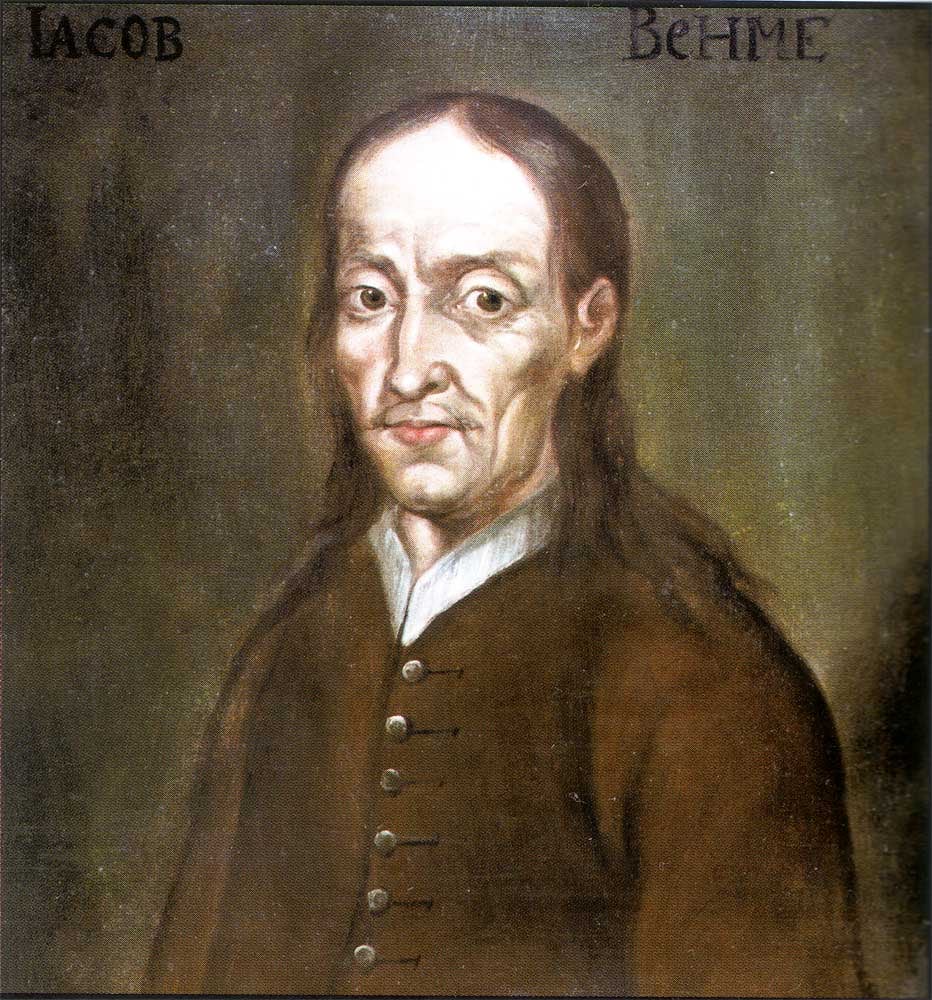
Jakob Böhme
Concordano su: Che cos'è l'Assoluto? Dio esiste? · Che cosa accade dopo la morte? · Serve un maestro?
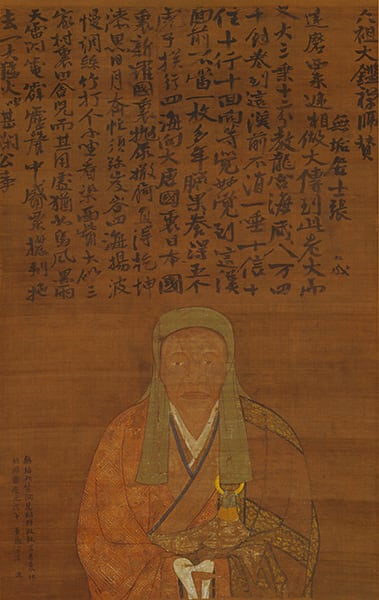
Huineng
Concordano su: Chi sono io? Esiste un vero sé? · Serve un maestro? · Il mondo è reale?

Ibn Arabi
Concordano su: Che cos'è l'Assoluto? Dio esiste? · Chi sono io? Esiste un vero sé? · Che cosa accade dopo la morte?
Alan Watts
Concordano su: Chi sono io? Esiste un vero sé? · Come si raggiunge la liberazione o la salvezza? · Il mondo è reale?
La pensa diversamente da

Milarepa
Si scontrano su: Chi sono io? Esiste un vero sé? · Che cosa accade dopo la morte? · Come si raggiunge la liberazione o la salvezza?

Pema Chödrön
Si scontrano su: Chi sono io? Esiste un vero sé? · Che cosa accade dopo la morte? · Come si raggiunge la liberazione o la salvezza?
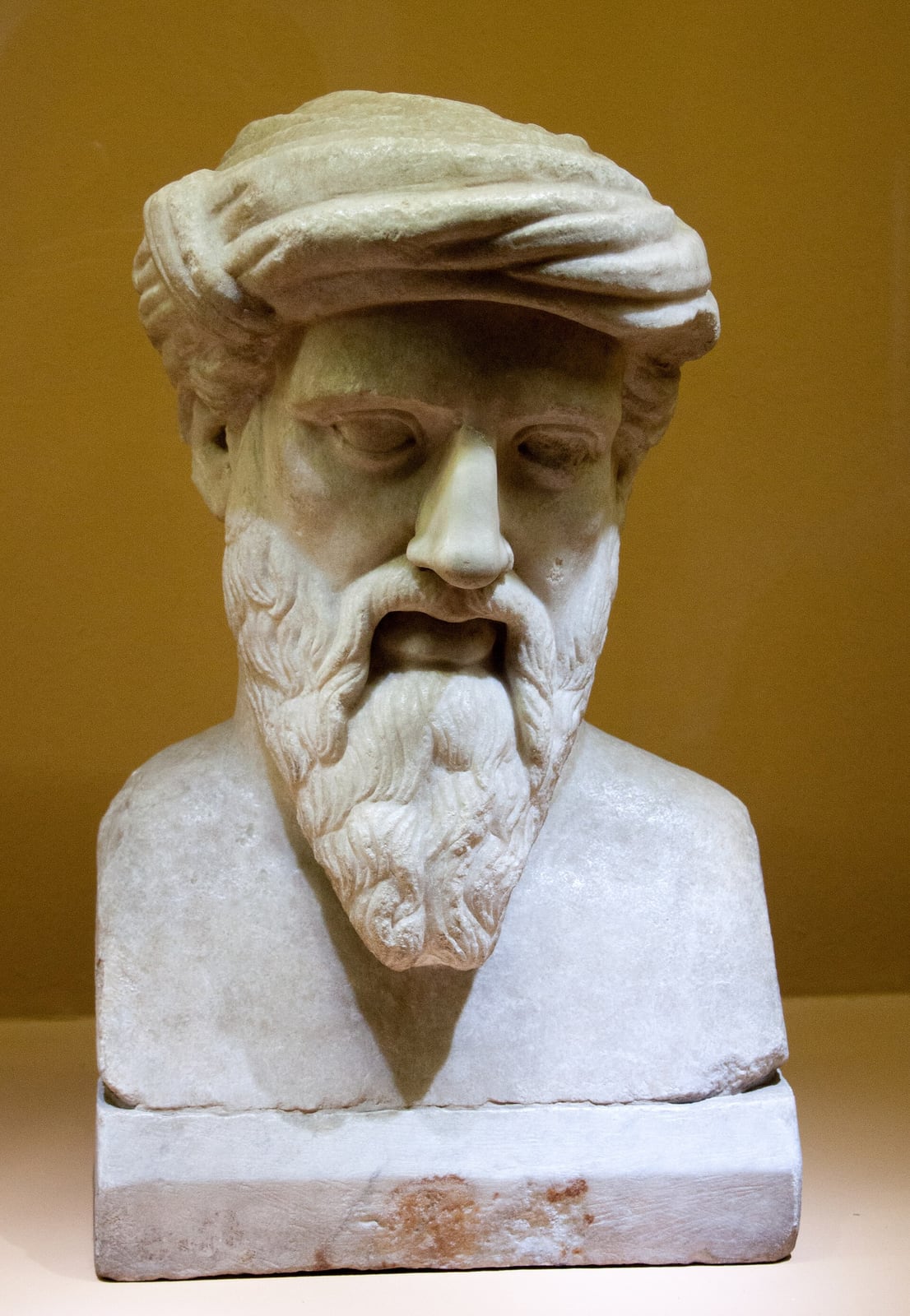
Pythagoras
Si scontrano su: Che cosa accade dopo la morte? · Come si raggiunge la liberazione o la salvezza?

Siddhartha Gautama, the Buddha
Si scontrano su: Chi sono io? Esiste un vero sé? · Che cosa accade dopo la morte? · Come si raggiunge la liberazione o la salvezza?
Aneddoti e racconti
Aneddoti e racconti
Documentato1302–1303
The master and the Franciscan
Origine del racconto: Quaestiones Parisienses (LW V) and Quaestio magistri Consalvi; analysis in McGinn (2001) and Flasch (2010).
Fonte: McGinn, Bernard. The Mystical Thought of Meister Eckhart: The Man from Whom God Hid Nothing. Nueva York: Crossroad, 2001.
Documentato1326
'I can err, but I cannot be a heretic'
Origine del racconto: Rechtfertigungsschrift, in the Acta Echardiana (LW V); partial English translation in Colledge and McGinn (1981).
Fonte: Acta Echardiana: documentos del proceso de Colonia y Aviñón (listas de artículos, defensa, apelación, protesta pública de 13 de febrero de 1327, votum de Aviñón, carta de Juan XXII de 30 de abril de 1328). Ed. Loris Sturlese, en Die lateinischen Werke, vol. V. Stuttgart: Kohlhammer, 2000–2006.
Documentato13 de febrero de 1327
The protestation in the Dominican church
Origine del racconto: Notarial instrument of 13 February 1327 (Vatican Apostolic Archive, Archivum Arcis, Arm. C, 1123), edited in the Acta Echardiana.
Fonte: Acta Echardiana: documentos del proceso de Colonia y Aviñón (listas de artículos, defensa, apelación, protesta pública de 13 de febrero de 1327, votum de Aviñón, carta de Juan XXII de 30 de abril de 1328). Ed. Loris Sturlese, en Die lateinischen Werke, vol. V. Stuttgart: Kohlhammer, 2000–2006.
Documentato1328–1329
A condemnation without a condemned man
Origine del racconto: Letter of John XXII of 30 April 1328 (Acta Echardiana); bull In agro dominico (DH 950–980).
Fonte: Juan XXII. Bula «In agro dominico», Aviñón, 27 de marzo de 1329. Texto en Denzinger–Hünermann, Enchiridion symbolorum, n.os 950–980; trad. ingl. en Colledge y McGinn (1981), 77–81.
Documentato1449
The books Cusanus did not want in common hands
Origine del racconto: Nicholas of Cusa, Apologia doctae ignorantiae (1449); Codex Cusanus 21 (Bernkastel-Kues, library of the St Nicholas Hospital).
Fonte: Nicolás de Cusa. Apologia doctae ignorantiae (1449). Ed. Raymond Klibansky, Nicolai de Cusa Opera omnia, vol. II. Leipzig: Meiner, 1932.
Tradizione oralerelato del siglo XIV
Meister Eckhart's daughter
Origine del racconto: An anonymous legend edited by Pfeiffer (1857) among the attributed texts; the Augsburg version, Universitätsbibliothek, Cod. III.2.8.9, fol. 104v, titles it 'Meister Eckharts Wirtschaft'.
Insegnamenti
Insegnamenti
Le nozioni che articolano il suo pensiero, spiegate nel loro contesto.
The ground (grunt)grunt
Christian Neoplatonism (Augustine, Dionysius, Proclus through the Liber de causis) and scholastic debate on the powers of the soul.
Fonte: McGinn, Bernard. The Mystical Thought of Meister Eckhart: The Man from Whom God Hid Nothing. Nueva York: Crossroad, 2001.
The birth of God in the soulnacimiento-de-dios-en-el-alma
Greek and Latin patristics (Origen, Augustine) and the Christmas liturgy; Christology of adoptive grace.
Fonte: McGinn, Bernard. The Mystical Thought of Meister Eckhart: The Man from Whom God Hid Nothing. Nueva York: Crossroad, 2001.
Detachment (abegescheidenheit) and releasement (gelâzenheit)desasimiento
Dominican and beguine spirituality of the Upper Rhine; the monastic tradition of renouncing one's own will.
Fonte: McGinn, Bernard. The Mystical Thought of Meister Eckhart: The Man from Whom God Hid Nothing. Nueva York: Crossroad, 2001.
God and the Godheaddeidad
Dionysian apophatic theology and the Neoplatonism of the One.
Fonte: McGinn, Bernard. The Mystical Thought of Meister Eckhart: The Man from Whom God Hid Nothing. Nueva York: Crossroad, 2001.
Poverty of spiritpobreza-de-espiritu
The early fourteenth-century controversy on evangelical poverty and beguine spirituality.
Fonte: Meister Eckhart. Die deutschen und lateinischen Werke. Herausgegeben im Auftrage der Deutschen Forschungsgemeinschaft. Stuttgart: W. Kohlhammer, 1936– (Die deutschen Werke, ed. Josef Quint y Georg Steer; Die lateinischen Werke, ed. Konrad Weiß, Josef Koch, Loris Sturlese et al.).
Living without whysin-porque
The scholastic ethics of intention and the critique of self-interested piety.
Fonte: McGinn, Bernard. The Mystical Thought of Meister Eckhart: The Man from Whom God Hid Nothing. Nueva York: Crossroad, 2001.
'Being is God' and 'God is understanding'esse-est-deus
Parisian scholastic metaphysics (Thomas Aquinas, Albert the Great, Dietrich of Freiberg) and the Liber de causis.
Fonte: Flasch, Kurt. Meister Eckhart: Philosoph des Christentums. Múnich: C. H. Beck, 2010. Trad. ingl.: Meister Eckhart: Philosopher of Christianity. New Haven: Yale University Press, 2015.
Video
Video
Registrazioni, interviste e documentari. I video vengono riprodotti da YouTube; non sono ospitati qui.
Meister Eckhart with Prof. Bernard McGinn
Conferenza· EN· 2020· 70 min
Lumen Christi InstituteCanale ufficiale
Bernard McGinn on The Nothingness of God in Jewish and Christian Mysticism
Conferenza· EN· 2017· 64 min
University of GlasgowCanale ufficiale
The Bible and Western Culture - Meister Eckhart: From Whom God Hid Nothing
Conferenza· EN· 2020· 44 min
Michael Sugrue
Meister Eckhart & Christian Mysticism
Analisi· EN· 2021· 44 min
Let's Talk Religion
Christian Mysticism, Vedanta und Meister Eckhart – by Swami Sarvapriyānanda
Conferenza· EN· 2025· 84 min
Vedanta GermanyCanale ufficiale
La experiencia de Dios en el Maestro Eckhart: el nacimiento de Dios en el fondo del alma
Conferenza· ES· 2023· 74 min
Universidad Pontificia ComillasCanale ufficiale
El todo y la nada de Dios: Maestro Eckhart (Inés Fuente)
Conferenza· ES· 2016· 15 min
Dominicos EspañaCanale ufficiale
Conferencia sobre el Maestro Eckhart y Santo Tomás de Aquino
Conferenza· ES· 2020· 83 min
Facultad de Teología San Vicente Ferrer de ValenciaCanale ufficiale
Silvia Bara Bancel: «San Juan de la Cruz, lector del Maestro Eckhart»
Conferenza· ES· 2026· 109 min
Centro de Estudios de HermenéuticaCanale ufficiale
Dietmar Mieth: Mystik, Widerstand und Politik – Zugänge bei Meister Eckhart
Conferenza· DE· 2021· 65 min
Evangelische Akademie ThüringenCanale ufficiale
«L'Ombra della Luce: Tommaso d'Aquino e Meister Eckhart» con Marco Vannini e Giuseppe Barzaghi
Conferenza· IT· 2026· 120 min
IstitutoTomisticoCanale ufficiale
Marco Vannini | Distacco | festivalfilosofia 2024
Conferenza· IT· 2024· 48 min
FestivalfilosofiaCanale ufficiale
Galleria
Galleria
Immagini con licenza verificata. Ciascuna conserva la sua paternità e la sua attribuzione.
Manoscritti
Manoscritti
Testimoni manoscritti e testi antichi, con il loro custode e le loro condizioni di consultazione.
LA · Latina (gótica) · Obras de c. 1305–1326; copia del siglo XV
Codex Cusanus 21 (obras latinas de Eckhart)
- Testimone conservato
- Testigo principal del Opus tripartitum y de los comentarios bíblicos
- Custode
- Biblioteca del Hospital de San Nicolás (Cusanusstift), Bernkastel-Kues · Cod. Cus. 21
LA · Latina (notarial) · 13 de febrero de 1327
Instrumento notarial de la protesta de Colonia
- Testimone conservato
- Original
- Custode
- Archivo Apostólico Vaticano · Archivum Arcis, Arm. C, 1123
GMH · Latina (gótica) · c. 1340
Paradisus anime intelligentis
- Testimone conservato
- Manuscrito principal de la colección
- Custode
- Bodleian Library, Oxford · MS. Laud Misc. 479
LA · Latina · 1326
Rechtfertigungsschrift (Defensa)
- Testimone conservato
- Copia única conocida
- Custode
- Stadtbibliothek Soest
Relazioni
Relazioni
Influenze, discepolati e affinità. Si distingue la relazione documentata dalla somiglianza individuata per analisi.
Ricevette l'influenza di
His whole work is exegesis: Latin commentaries on the Gospel of John and German sermons on the Gospels of the day. His central doctrine, the birth of the Son in the soul, is a reading of the incarnation.
Relazione documentata
Ricevette l'influenza di
Eckhart's metaphysics of the One, procession and return, and his negative theology are Neoplatonic in origin, received mainly through Augustine, Dionysius the Areopagite, Proclus (Liber de causis) and Macrobius rather than by direct reading of the Enneads.
Somiglianza individuata per analisi
Idee affini a
In 1926 Rudolf Otto compared Eckhart's mysticism with Shankara's Advaita: both distinguish an attributeless absolute (Godhead / nirguna brahman) from its personal manifestation and place liberation in recognising the identity of the ground. Otto also stressed the differences, especially the living dynamism of Eckhart's God.
Somiglianza individuata per analisi
Idee affini a
Since D. T. Suzuki and the Kyoto School (Nishitani, Ueda Shizuteru), Eckhart has been a partner of Zen: his 'nothing', the life 'without why' and detachment have been read alongside emptiness and Dōgen's dropping off of body and mind. There is no historical contact.
Somiglianza individuata per analisi
Influenzò
Rhineland mysticism reached sixteenth-century Spain through Latin and Castilian translations attributed to Tauler, Eckhart's disciple. Research (Silvia Bara Bancel) has studied John of the Cross as an indirect reader of Eckhart in the doctrine of nothingness and the ground of the soul; the exact route of transmission is still debated.
Somiglianza individuata per analisi
Idee affini a
Both speak of a centre or ground of the soul where God dwells, but Teresa refuses to leave behind the Humanity of Christ and distrusts imageless prayer, distancing herself from the more speculative Eckhart.
Somiglianza individuata per analisi
Idee affini a
Two summits of spirituality in German lands with opposite paths: Hildegard's symbolic, imaginative vision and Eckhart's detachment from every image.
Somiglianza individuata per analisi
Idee affini a
Sermon 52 transposes to the inner plane the poverty Francis lived materially, at a time when the Franciscan controversy over Christ's poverty divided the Church.
Somiglianza individuata per analisi
Influenzò
Ulrich Tölle adopted the name Eckhart in homage to the Dominican master, as he himself has explained on his official channel.
Relazione documentata
Collegato da altre schede
- Aristotle · Influenzò
- John of the Cross · Ricevette l'influenza di
- Laozi · Idee affini a
- Francis of Assisi · Idee affini a
- Simone Weil · Idee affini a
- Baruch Spinoza · Idee affini a
- Hildegard of Bingen · Idee affini a
- Adi Shankara · Idee affini a
- Carl Gustav Jung · Ricevette l'influenza di
- Catherine of Siena · Idee affini a
- Martin Buber · Idee affini a
- Julian of Norwich · Idee affini a
- Thomas Merton · Ricevette l'influenza di
- Rudolf Steiner · Ricevette l'influenza di
- Maimonides · Influenzò
- Thomas à Kempis · Idee affini a
- Ibn Arabi · Idee affini a
- Jakob Böhme · Idee affini a
- Augustine of Hippo · Influenzò
- Al-Hallaj · Idee affini a
- Plato · Idee affini a
- Rumi · Idee affini a
- Teresa of Ávila · Idee affini a
- Baal Shem Tov · Idee affini a
Fonti
Fonti
Bibliografia e cataloghi consultati per questa scheda.
- Wikidata, Q76548 «Meister Eckhart» (P31=Q5; 74 enlaces entre wikis).
- Meister Eckhart. Die deutschen und lateinischen Werke. Herausgegeben im Auftrage der Deutschen Forschungsgemeinschaft. Stuttgart: W. Kohlhammer, 1936– (Die deutschen Werke, ed. Josef Quint y Georg Steer; Die lateinischen Werke, ed. Konrad Weiß, Josef Koch, Loris Sturlese et al.).
- McGinn, Bernard. The Mystical Thought of Meister Eckhart: The Man from Whom God Hid Nothing. Nueva York: Crossroad, 2001.
- Ruh, Kurt. Meister Eckhart: Theologe, Prediger, Mystiker. Múnich: C. H. Beck, 1985 (2.ª ed. 1989).
- Flasch, Kurt. Meister Eckhart: Philosoph des Christentums. Múnich: C. H. Beck, 2010. Trad. ingl.: Meister Eckhart: Philosopher of Christianity. New Haven: Yale University Press, 2015.
- Meister Eckhart. The Essential Sermons, Commentaries, Treatises, and Defense. Trad. e introd. de Edmund Colledge y Bernard McGinn. Nueva York: Paulist Press, 1981 (Classics of Western Spirituality; ISBN 0809123703).
- Acta Echardiana: documentos del proceso de Colonia y Aviñón (listas de artículos, defensa, apelación, protesta pública de 13 de febrero de 1327, votum de Aviñón, carta de Juan XXII de 30 de abril de 1328). Ed. Loris Sturlese, en Die lateinischen Werke, vol. V. Stuttgart: Kohlhammer, 2000–2006.
- Juan XXII. Bula «In agro dominico», Aviñón, 27 de marzo de 1329. Texto en Denzinger–Hünermann, Enchiridion symbolorum, n.os 950–980; trad. ingl. en Colledge y McGinn (1981), 77–81.
- Vega Esquerra, Amador (ed. y trad.). Maestro Eckhart, El fruto de la nada y otros escritos. Madrid: Siruela, 1998; Alianza Editorial, 2011 (ISBN 9788420654966).
- Otto, Rudolf. West-östliche Mystik. Vergleich und Unterscheidung zur Wesensdeutung. Gotha: Leopold Klotz, 1926. Trad. ingl.: Mysticism East and West: A Comparative Analysis of the Nature of Mysticism. Nueva York: Macmillan, 1932.
- Ueda, Shizuteru. Die Gottesgeburt in der Seele und der Durchbruch zur Gottheit. Die mystische Anthropologie Meister Eckharts und ihre Konfrontation mit der Mystik des Zen-Buddhismus. Gütersloh: Gerd Mohn, 1965.
- Pfeiffer, Franz (ed.). Deutsche Mystiker des vierzehnten Jahrhunderts, vol. II: Meister Eckhart. Leipzig: G. J. Göschen, 1857; reimpr. anastática Gotinga: Vandenhoeck & Ruprecht, 1906.
- Open Library, registros de edición de las obras de Meister Eckhart (consultados por ISBN y por obra).
- Nicolás de Cusa. Apologia doctae ignorantiae (1449). Ed. Raymond Klibansky, Nicolai de Cusa Opera omnia, vol. II. Leipzig: Meiner, 1932.
- Eckhart Tolle. «Why Did You Choose the Name ‘Eckhart’?», canal oficial Eckhart Tolle en YouTube (vídeo no insertable).
- Bara Bancel, Silvia. «San Juan de la Cruz, lector del Maestro Eckhart». Conferencia, Centro de Estudios de Hermenéutica, 2026.
- Meister Eckhart. Werke. Texte und Übersetzungen von Josef Quint. Ed. y comentario de Niklaus Largier. 2 vols. Fráncfort: Deutscher Klassiker Verlag, 1993.
- Field, Claud (trad.). Meister Eckhart's Sermons. Londres: H. R. Allenson, 1909. Texto en Christian Classics Ethereal Library.
- Titolare dei diritti
- Dominio público (obras del siglo XIV). La edición crítica Die deutschen und lateinischen Werke (Kohlhammer) y las traducciones modernas (Quint, Largier, Walshe, Colledge y McGinn, Vega, Vannini) están sujetas a los derechos de sus editores.
- Sito ufficiale
- www.eckhartsociety.org/
In attesa di conferma
Ciò che questa scheda non ha ancora potuto chiarire. Preferiamo dirlo piuttosto che riempirlo.
- Registrar individualmente los sermones alemanes que faltan (Pr. 3–4, 7–8, 10–11, 13–21, 23–47, 49–51, 53–70, 72–82, 84–85 de DW I–III y los de DW IV desde el 87, salvo 101–104), cada uno con su incipit según la edición crítica: no se ha podido consultar un índice fiable en línea y no se ha querido reconstruir de memoria.
- Verificar con la edición crítica la grafía exacta de las citas en alemán medio marcadas como «probable» (Instrucciones 4, sermones 5b —«sin porqué»— y 83).
- Localizar ISBN de Tratados y sermones (trad. Ilse M. de Brugger, Edhasa, 1983), de los Sermoni tedeschi (Adelphi, 1985) y de los volúmenes de la edición Kohlhammer.
- Confirmar la signatura del manuscrito de Soest que conserva la defensa y la del códice de Erfurt (Amploniana) con obras latinas.
- C. de B. Evans (traductor, 1924): fecha de muerte desconocida; la traducción queda marcada con precaución en la sala de lectura.
- El fragmento de Gotinga (sermón 5b): confirmar institución custodia y signatura.
- Las fechas de subida de los vídeos se han deducido de la fecha relativa que muestra YouTube.
- Programas de afiliación: ninguno verificado.
Ricerca effettuata il 2026-10-25