Buddismo · Zen / Chan · Taoismo · Mistica cristiana · Advaita Vedanta
Alan Watts
1915 – 1973Persona storicamente documentata
Filosofo e divulgatore britannico naturalizzato statunitense (1915-1973) che rese accessibili all'Occidente il buddhismo zen, il taoismo e il vedānta. Sacerdote episcopaliano per alcuni anni, docente a San Francisco, voce della radio KPFA e della televisione pubblica, scrisse opere come La via dello zen, The Wisdom of Insecurity, Psicoterapia orientale e occidentale e The Book. Le sue conferenze registrate continuano a circolare con enorme diffusione.
- opere
- 59opere
- edizioni
- 150edizioni
- citazioni
- 8citazioni
- video
- 13video
- immagini
- 5immagini
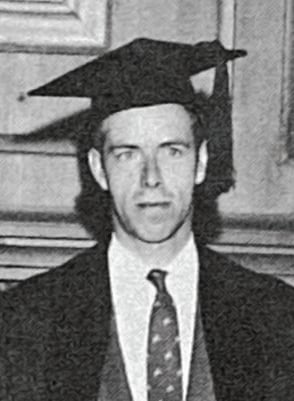
Alan Watts en la Universidad de Vermont (1958) · Public domain
Con le sue parole
«If you get the message, hang up the phone.»The Joyous Cosmology, ed. Vintage 1970, p. 26 (sobre los psicodélicos como instrumentos)

Per cominciare, un'opera
The Wisdom of InsecurityLa sua idea centrale
The feeling of being an isolated self inside the body, facing an alien world, is not a datum of experience but a learned social convention; organism and environment form a single field.
Vederlo nel contesto
Biografia
5 min di lettura
Traduzione assistita dall'originale spagnolo, in attesa di revisione da parte di un traduttore madrelingua.
Un ragazzo del Kent affascinato dall'Oriente
Alan Wilson Watts nacque il 6 gennaio 1915 a Chislehurst, nella contea del Kent, figlio unico di Laurence Wilson Watts, rappresentante della Michelin a Londra, e di Emily Mary Buchan, figlia di un missionario. Crebbe in una modesta casa di campagna, imparando i nomi dei fiori e delle farfalle, circondato dai ricami e dai dipinti che i missionari di ritorno dalla Cina avevano regalato alla madre. Di quelle immagini avrebbe ricordato, da adulto, il fascino di «una certa chiarezza, trasparenza e ampiezza» che non trovava nell'arte inglese.
Collegiale dall'età di sette anni, prima nella scuola preparatoria di St Hugh's e poi alla King's School di Canterbury, ricevette un'educazione anglicana che descrisse come cupa. Durante le vacanze viaggiò in Francia con Francis Croshaw, un epicureo colto interessato al buddhismo, e nella sua biblioteca scoprì i testi che avrebbero deciso il suo cammino. A sedici anni era segretario della Loggia buddhista di Londra, diretta dall'avvocato Christmas Humphreys. Una prova d'esame affrontata con più audacia che prudenza gli precluse la borsa di studio per Oxford, e il giovane si formò da sé: nella Loggia, nelle biblioteche e nella frequentazione dell'eccentrico pensatore serbo Dimitrije Mitrinović. La sua biografa Monica Furlong lo descrive anzitutto come un autodidatta.
Il giovane interprete dello zen
Nel 1936, a ventun anni, partecipò al Congresso mondiale delle religioni tenutosi a Londra e conobbe D. T. Suzuki, la cui opera aveva divulgato quello stesso anno in The Spirit of Zen. Seguì The Legacy of Asia and Western Man (1937). Due decenni più tardi egli stesso avrebbe giudicato quel primo libro poco rigoroso e, per molti aspetti, fuorviante; ma la vocazione era ormai segnata: rendere intelligibili all'Occidente il buddhismo zen, il taoismo e il vedānta.
Nella Loggia conobbe Eleanor Everett, figlia di Ruth Fuller Everett, l'americana che anni dopo, come Ruth Fuller Sasaki, avrebbe occupato un posto singolare nello zen di Kyoto. Si sposarono nell'aprile del 1938 e si stabilirono a New York, dove Watts frequentò il maestro Sokei-an Sasaki senza mai impegnarsi con lui in un addestramento regolare. Nel 1940 pubblicò The Meaning of Happiness e nel 1943 ottenne la cittadinanza statunitense.
Sacerdote episcopaliano
In cerca di uno sbocco professionale per la sua vocazione, entrò nel seminario episcopaliano Seabury-Western di Evanston (Illinois) e fu ordinato sacerdote verso la metà degli anni Quaranta: la sua autobiografia indica il 1945, mentre le lettere raccolte dalle figlie fanno pensare al 1944. Fu cappellano episcopaliano alla Northwestern University, tradusse la Teologia mistica dello Pseudo-Dionigi (1944) e cercò di conciliare il cristianesimo mistico con la filosofia asiatica in Behold the Spirit (1947). Il matrimonio non resse al suo temperamento poco incline alla monogamia: Eleanor ottenne l'annullamento e nel 1950 Watts rinunciò al sacerdozio. Quello stesso anno sposò Dorothy DeWitt.
San Francisco: l'accademia, la radio e la televisione
Nel 1951 si trasferì in California per insegnare all'American Academy of Asian Studies di San Francisco, di cui fu anche amministratore, accanto a Frederic Spiegelberg, Haridas Chaudhuri e al pittore Saburo Hasegawa, con il quale praticò la calligrafia cinese. Dal 1953 tenne un programma settimanale non retribuito sull'emittente KPFA di Berkeley, che gli procurò un pubblico fedele. Nel 1951 aveva pubblicato The Wisdom of Insecurity, una meditazione sull'ansia moderna; nel 1957 uscì The Way of Zen (La via dello zen), l'esposizione storica e filosofica che lo consacrò e che non ha mai smesso di essere ristampata.
Nel 1958 l'Università del Vermont gli conferì una laurea honoris causa in teologia, e quell'estate percorse l'Europa con il padre, facendo visita a Carl Gustav Jung e a Karlfried Graf Dürckheim. Nel 1959 e nel 1960 registrò per la televisione pubblica KQED di San Francisco la serie Eastern Wisdom and Modern Life. Psychotherapy East and West (1961; in italiano Psicoterapia orientale e occidentale) propose di leggere il buddhismo, il taoismo e il vedānta come «vie di liberazione» affini alla psicoterapia, più che come religioni o filosofie nel senso occidentale.
Psichedelia, controcultura e critiche
Dalla fine degli anni Cinquanta partecipò a esperienze con la mescalina e l'LSD condotte da ricercatori californiani; ne nacque The Joyous Cosmology (1962), in cui avvertiva che le sostanze sono strumenti, come un microscopio o un telefono, e che, ricevuto il messaggio, conviene riattaccare. Fra il 1962 e il 1964 godette di una borsa di Harvard, si separò da Dorothy e sposò Mary Jane Yates King. Con lei divise la propria vita fra il traghetto in secca Vallejo, a Sausalito, e una capanna a Druid Heights, la comunità bohémienne fondata dalla poetessa Elsa Gidlow sulle pendici del monte Tamalpais.
Di quegli anni sono Beyond Theology (1964) e The Book: On the Taboo Against Knowing Who You Are (1966), la sua sintesi più personale: l'universo come un cosmico gioco a nascondino in cui l'io separato, chiuso in un sacco di pelle, si rivela un'allucinazione. Watts non si considerava un accademico. Le obiezioni gli giunsero anche dallo zen: Philip Kapleau gli rimproverò di disdegnare la pratica seduta e Robert Aitken riferì il giudizio di D. T. Suzuki secondo cui Watts non aveva compreso un certo racconto classico. Shunryu Suzuki, fondatore del San Francisco Zen Center, lo difese invece come «un grande bodhisattva».
Gli ultimi anni
Nel 1971 registrò a Druid Heights il programma A Conversation with Myself per la televisione educativa, e nel 1972 pubblicò la sua autobiografia, In My Own Way, dedicata a Elsa Gidlow. Furono anche gli anni di un alcolismo crescente che preoccupava amici e familiari. Nell'ottobre del 1973 tornò da un giro di conferenze in Europa e il 16 novembre morì nel sonno nella sua casa di Druid Heights, a cinquantotto anni. Le sue ceneri furono divise fra Druid Heights e il centro zen di Green Gulch. Il libro che stava preparando con il maestro di taijiquan Al Chung-liang Huang, Tao: The Watercourse Way, uscì nel 1975 con una postfazione di Huang sui suoi ultimi mesi.
Un'eredità di voce
Watts lasciò più di venticinque libri e centinaia di ore di conferenze che il figlio Mark Watts ha conservato e trasformato in libri postumi a partire dalle trascrizioni. Quella voce dalla dizione britannica e dall'umorismo sornione ha raggiunto generazioni che non hanno mai letto i suoi libri: serie, film, canzoni e video la riprendono senza sosta, spesso fuori contesto. La critica concorda nel ritenere che non fu né un erudito del buddhismo né un maestro di lignaggio, bensì un divulgatore eccezionale, il cui merito fu gettare ponti fra Oriente e Occidente, fra religione e psicologia, fra cultura e natura.
Fonti: Watts, Alan. In My Own Way: An Autobiography, 1915–1965. Nueva York: Pantheon Books, 1972 (reed. New World Library, 2007, ISBN 9781577315841). · Furlong, Monica. Zen Effects: The Life of Alan Watts. Boston: Houghton Mifflin, 1986 (publicado en Reino Unido como Genuine Fake, Heinemann, 1986; reed. SkyLight Paths, 2001, ISBN 9781893361324). · Columbus, Peter J. y Rice, Donadrian L. (eds.). Alan Watts—Here and Now: Contributions to Psychology, Philosophy, and Religion. Albany: State University of New York Press, 2012 (ISBN 9781438441993). · Watts, Joan y Watts, Anne (eds.). The Collected Letters of Alan Watts. Novato: New World Library, 2017 (ISBN 9781608684151). · Chadwick, David. Crooked Cucumber: The Life and Zen Teaching of Shunryu Suzuki. Nueva York: Broadway Books, 1999.
Cronologia
La vita, anno per anno
Ogni punto è un evento documentato. Fai clic per leggerlo, con la sua fonte e il suo grado di certezza.
6 gennaio 19150 anniChislehurst, Kent
Born in Chislehurst
Born on 6 January in Chislehurst, Kent, the only child of Laurence Wilson Watts and Emily Mary Buchan.
DocumentatoWatts, Alan. In My Own Way: An Autobiography, 1915–1965. Nueva York: Pantheon Books, 1972 (reed. New World Library, 2007, ISBN 9781577315841).
Dopo la sua morte
- 1975Tao: The Watercourse Way
6 gennaio 1915 · 0 anni
Born in Chislehurst
Born on 6 January in Chislehurst, Kent, the only child of Laurence Wilson Watts and Emily Mary Buchan.
Documentato
1922 · 7 anni
Boarder at St Hugh's
Aged seven he is sent as a boarder to St Hugh's preparatory school; he will later attend The King's School, Canterbury.
Documentato
1931 · 16 anni
Secretary of the Buddhist Lodge
At sixteen he becomes secretary of the Buddhist Lodge in London, run by Christmas Humphreys.
Documentato
1936 · 21 anni
The Spirit of Zen and D. T. Suzuki
Publishes The Spirit of Zen and meets D. T. Suzuki at the World Congress of Faiths in London.
Documentato
aprile 1938 · 23 anni
Marriage and emigration
In April he marries Eleanor Everett and the couple settle in New York.
Documentato
1943 · 28 anni
US citizenship
Becomes a United States citizen.
Documentato
1945 · 30 anni
Ordination
Ordained an Episcopal priest after studying at Seabury-Western seminary. His autobiography gives 1945; his published letters suggest 1944.
Discusso
1947 · 32 anni
Behold the Spirit
Publishes Behold the Spirit, an attempt to unite mystical Christianity and Eastern philosophy.
Documentato
agosto 1950 · 35 anni
Leaves the priesthood
After the annulment of his marriage he resigns from the priesthood in August; he marries Dorothy DeWitt.
Documentato
1951 · 36 anni
American Academy of Asian Studies
Moves to San Francisco to teach at the American Academy of Asian Studies; publishes The Wisdom of Insecurity.
Documentato
1953 – 1962 · 38 anni
KPFA programme
Begins a weekly programme on KPFA radio in Berkeley, which he will keep until 1962.
Documentato
1957 · 42 anni
The Way of Zen
Publishes The Way of Zen, his most influential book on Zen Buddhism.
Documentato
15 giugno 1958 · 43 anni
Honorary doctorate and visit to Jung
On 15 June he receives an honorary Doctor of Divinity from the University of Vermont; that summer he visits Carl Jung in Switzerland.
Documentato
1959 – 1960 · 44 anni
Eastern Wisdom and Modern Life
Records the television series Eastern Wisdom and Modern Life for KQED (two seasons, 1959–1960).
Documentato
1961 · 46 anni
Psychotherapy East and West
Publishes Psychotherapy East and West.
Documentato
1962 – 1964 · 47 anni
The Joyous Cosmology and Harvard
Publishes The Joyous Cosmology; holds a Harvard fellowship until 1964.
Documentato
1966 · 51 anni
The Book
Publishes The Book: On the Taboo Against Knowing Who You Are.
Documentato
1971 · 56 anni
A Conversation with Myself
Films A Conversation with Myself at Druid Heights for educational television.
Documentato
1972 · 57 anni
In My Own Way
Publishes his autobiography, In My Own Way, dedicated to Elsa Gidlow.
Documentato
16 novembre 1973 · 58 anni
Death at Druid Heights
Dies in his sleep on 16 November at his home in Druid Heights, after returning from a European tour.
Documentato
1975
Tao: The Watercourse Way
Tao: The Watercourse Way appears posthumously, completed by Al Chung-liang Huang.
Documentato
Opere
Opere essenziali
Le opere senza le quali non si comprende la sua eredità.
Opera scritta · 1951
The Wisdom of Insecurity
The Wisdom of Insecurity: A Message for an Age of Anxiety
Short treatise written after he left the priesthood and one of his most widely read books. It argues that modern anxiety springs from seeking security in a future that does not exist and from splitting the observing 'I' off from experience; the way out is not another belief but full attention to the present and acceptance of change. Without technical vocabulary it distils what Watts had learned from Zen, Taoism and Christian mysticism.
11 edizioni

Opera scritta · 1957
The Way of Zen
His standard work and the book that made him internationally known. Part one reconstructs Zen's background — Indian thought, Taoism and Mahayana Buddhism — and its formation in China; part two sets out its principles and practice: zazen, koans and Zen's expression in the arts. Watts draws on general semantics and cybernetics to explain non-dual experience. In print continuously since 1957 and translated into many languages.
9 edizioni

Opera scritta · 1961
Psychotherapy East and West
Proposes that Buddhism, Vedanta, Taoism and Zen are better understood as 'ways of liberation' — disciplines for undoing the social conditioning that produces the feeling of an isolated self — than as religions or philosophies. From there he engages Freud, Jung, existential psychology and Gregory Bateson's double-bind theory, suggesting that the Western therapist and the Eastern teacher perform similar functions. It is one of his most cited books in psychology.
7 edizioni

Opera scritta · 1966
The Book
The Book: On the Taboo Against Knowing Who You Are
His most personal and accessible statement. Written as the book a parent might give a child on entering adult life, it argues that the sense of being an ego enclosed in a bag of skin is a social hallucination and that the universe is a single process playing hide-and-seek with itself. It blends Vedanta, Taoism, ecology and cybernetics in a lively, humorous style and became an emblematic book of the counterculture.
6 edizioni
Tutta la sua opera (59)
Alan Watts
An Outline of Zen Buddhism
The Conscious LibraryAn Outline of Zen Buddhism
1932

The Spirit of Zen
1936
Alan Watts
The Legacy of Asia and Western Man
The Conscious LibraryThe Legacy of Asia and Western Man
1937
Alan Watts
The Meaning of Happiness
The Conscious LibraryThe Meaning of Happiness
1940
Alan Watts
Theologia Mystica (translation of Pseudo-Dionysius)
The Conscious LibraryTheologia Mystica (translation of Pseudo-Dionysius)
1944

Behold the Spirit
1947
Alan Watts
Easter: Its Story and Meaning
The Conscious LibraryEaster: Its Story and Meaning
1950

The Supreme Identity
1950

Myth and Ritual in Christianity
1953

Nature, Man and Woman
1958

Beat Zen, Square Zen, and Zen
1959

This Is It
1960

The Joyous Cosmology
1962

The Two Hands of God
1963

Beyond Theology
1964
Alan Watts
Nonsense
The Conscious LibraryNonsense
1967
Alan Watts
Psychedelics and Religious Experience
The Conscious LibraryPsychedelics and Religious Experience
1968

Does It Matter?
1970
Alan Watts
Erotic Spirituality
The Conscious LibraryErotic Spirituality
1971
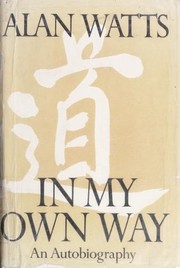
In My Own Way
1972

The Art of Contemplation
1972

Cloud-Hidden, Whereabouts Unknown
1973

Tao: The Watercourse Way
1975

The Essence of Alan Watts
1974
Citazioni
Citazioni localizzate in un'opera precisa. Ciascuna porta con sé la sua provenienza e il suo grado di affidabilità.
If you get the message, hang up the phone.VerificataThe Joyous Cosmology, ed. Vintage 1970, p. 26 (sobre los psicodélicos como instrumentos)
Idee essenziali (sintesi editoriale)
Per rispetto del diritto d'autore, queste idee sono riassunte con parole nostre e non sono presentate come citazioni letterali.
- The feeling of being an isolated self inside the body, facing an alien world, is not a datum of experience but a learned social convention; organism and environment form a single field.
- Seeking psychological security in the future produces the very anxiety one wishes to escape; only acceptance of change and attention to the present dissolve it.
- Asian traditions such as Buddhism, Vedanta and Taoism resemble psychotherapy more than religion: their aim is to free one from conditioning, not to impose beliefs.
- The universe can be understood as a game in which a single reality hides from itself by taking every form, and enlightenment is the moment the player recognises itself.
- The West is not too materialistic but not materialistic enough: it confuses money and symbols with real things and therefore mistreats matter, the body and nature.
- Meditation is not a means of reaching a future state but a purposeless game, like music or dance, whose meaning lies in the act itself.
- Opposites — pleasure and pain, life and death, good and evil — are inseparable poles of one process, and wanting to keep only one of them is the root of frustration.
Citazioni apocrife o di attribuzione discussa (2)
«Trying to define yourself is like trying to bite your own teeth.»
Widely circulated online under Watts's name. It expresses an image he used in lectures (the eye that cannot see itself, teeth that cannot bite themselves), but it has not been located in this wording in any of his published books; it may paraphrase a talk.
«You are an aperture through which the universe is looking at and exploring itself.»
Spread as a Watts quotation on posters and videos with no indication of work. The idea is consistent with his thought, but the sentence has not been found in his books; if it comes from a recorded lecture, the exact source remains to be identified.
Ultime parole
Non esistono testimonianze verificabili delle sue ultime parole.
There is no reliable record of any last words. He died in his sleep at Druid Heights on the night of 15–16 November 1973. The phrase 'the secret of life is knowing when to stop', which his widow Mary Jane Watts attributed to him and Monica Furlong records, is presented not as his last words but as something he had told her.
Fonte: Furlong, Monica. Zen Effects: The Life of Alan Watts. Boston: Houghton Mifflin, 1986 (publicado en Reino Unido como Genuine Fake, Heinemann, 1986; reed. SkyLight Paths, 2001, ISBN 9781893361324).
Chiedi
Ciò a cui risponde la sua opera
Dodici grandi domande dell'umanità e ciò che i suoi testi permettono di rispondere, con riferimenti. Non gli mettiamo mai parole in bocca.
Che cos'è l'Assoluto? Dio esiste?
God is no separate monarch: he is the whole playing at being each one
Un Assoluto impersonaleLo dice espressamente
Alan Watts, an Episcopal priest until 1950 and afterwards a popular expositor of Asian traditions, rejected the image of God as a monarch separate from his work. In The Book he contrasts the ceramic model of the world, made by an outside craftsman, and the mechanical model with a dramatic model drawn from his reading of Vedānta: the ultimate hides from and finds itself in all beings, as in a game of hide-and-seek. Beyond Theology carries the idea into Christianity and reproaches it for having made God a jealous king. Already in The Supreme Identity, under the influence of Coomaraswamy and Guénon, he had presented the identity of the human ground with the Absolute as the common core of the great traditions.
Confronta questa domanda con altri maestriChi sono io? Esiste un vero sé?
The skin-encapsulated ego is a hallucination: what you are is the whole
Il Sé è l'AssolutoLo dice espressamente
The Book, Watts's most personal work, is subtitled on the taboo against knowing who you are, and answers bluntly: the prevalent sensation of oneself as a separate ego enclosed in a bag of skin is a hallucination. For him that ego is a social convention, reinforced by language and upbringing. What one really is, is the whole process of the universe, which manifests as this person just as a wave is the ocean at one point. Watts takes this thesis from his reading of Vedānta, the identity of ātman and brahman, which he had already set out in The Supreme Identity, and combines it with Buddhism and Western psychology; in Psychotherapy East and West he presents those traditions as ways of undoing the feeling of an isolated self.
Confronta questa domanda con altri maestriPerché soffriamo?
Anxiety comes from seeking security in a future that does not exist
Il pensiero e il tempo psicologicoLo dice espressamente
The Wisdom of Insecurity, one of Watts's most widely read books, states the problem clearly: modern man suffers because he seeks security in a world that is essentially changing, and seeks it in a future that exists only as an idea. Living for a tomorrow that never comes, he misses the only real moment. To this is added an inner split: the self that observes and tries to control experience separates itself from experience itself, and the harder it strives to secure itself the more anxious it becomes; Watts calls this the law of reversed effort. The only way to make sense out of change, he writes, is to plunge into it, move with it and join the dance. It is his own synthesis of Buddhism, Taoism and psychology.
Confronta questa domanda con altri maestriChe cosa accade dopo la morte?
The ego dies, not what we are: the universe wakes up again as others
Ciò che sono non nasce e non muoreSi deduce dalla sua dottrina
Watts did not uphold personal survival or a judgement after death. But, consistently with his reading of Vedānta, he held that what we really are is not the ego that dies. In The Book and in his lectures he proposes imagining death as the end of one waking and the beginning of another: if the ego is a function of the universe, when one dies the universe goes on waking up as every new being that is born, and each of them says «I» as we did. Death for him is the other side of life, as the valley is of the mountain. In Cloud-Hidden, Whereabouts Unknown, his last book, written shortly before he died, he meditates on it with the same serenity.
Confronta questa domanda con altri maestriCome si raggiunge la liberazione o la salvezza?
Wanting liberation is the trap: there is nothing to get, only something to see
Senza metodo: l'attenzione totaleSi deduce dalla sua dottrina
Watts held that seeking liberation as an achievement prevents it. In The Wisdom of Insecurity he calls this the law of reversed effort: the more one tries to secure oneself or to stop thinking, the more the striving self is reinforced. In Psychotherapy East and West he presents Buddhism, Vedānta and Taoism not as religions but as ways of liberation that undo the double binds by which society convinces us we are a separate self, and notes that Zen masters often use tricks to show the disciple there is nothing to attain. On psychedelics he wrote: if you get the message, hang up the phone. Liberation is sudden understanding, not the accumulation of merit.
Confronta questa domanda con altri maestriServe un maestro?
A philosophical entertainer, not a guru: there is nothing to transmit
Nessuna autorità spiritualeSi deduce dalla sua dottrina
Watts declined to present himself as a spiritual teacher; he preferred to describe himself as a philosopher and popular expositor, and in his memoir, In My Own Way, he portrays himself ironically as an intellectual, a mystic and a disreputable epicurean. He was not a formal disciple of any lineage, though he acknowledged his debt to D. T. Suzuki and to the texts. On the teacher's role, his thesis, set out in Psychotherapy East and West and in many lectures, is that the authentic teacher transmits nothing: with paradoxes and tricks he leads the disciple to discover that what he sought was not lacking, and then the disciple no longer needs him. He distrusted dependence on gurus and on religious organisations as a substitute for understanding.
Confronta questa domanda con altri maestriIl mondo è reale?
The world is a game in which the One hides and finds itself
Manifestazione del divinoLo dice espressamente
For Watts, the world is not a machine nor a work made from outside, but a game. From his reading of Hinduism he takes the idea of līlā, divine play, and develops it in The Book and in his lectures: the ultimate hides from itself in the multitude of beings and finds itself again in them, with no purpose but play, just as music does not exist to reach the end of the piece. With the Buddhist image of Indra's net, which he sets out in The Diamond Web, he adds that each thing reflects all the others. Hence his critique of the Western contempt for matter in Does It Matter?: the concrete world is not something to overcome, but the place where the game is played.
Confronta questa domanda con altri maestriChe cos'è l'amore?
Love cannot be commanded: it springs up when the self stops watching itself
Ciò che appare quando l'io cessaSi deduce dalla sua dottrina
Watts applied his analysis of the double bind to love: the command to love, whether religious or social, demands something that cannot be produced at will, and generates a feigned and guilty love. Authentic love is spontaneous, like everything alive, and appears when the person stops seeing himself as a separate ego that calculates and watches itself. In Nature, Man and Woman he carries this idea into love between the sexes: against the Christian distrust of the body he proposes, drawing on Taoism and tantra, a relationship in which sexual love is a form of contemplation and neither a conquest nor an obligation. For Watts, love is not a virtue to be acquired but what flows when it is not forced.
Confronta questa domanda con altri maestriSiamo liberi o è tutto determinato?
Neither free will nor determinism: both assume a separate self that does not exist
Non c'è un agenteLo dice espressamente
Watts considered the dilemma badly framed. Both free will and determinism assume a self separate from the world: one that controls it or one the world pushes around. If, as he holds in The Book, that skin-encapsulated self is a hallucination, the question loses its basis: what one is is not an agent facing the universe, but the universe acting here. That is why the distinction between voluntary and involuntary, as between the heart beating and the hand moving, is for him conventional. In his expositions of Taoism, from The Way of Zen to Tao: The Watercourse Way, he finds the same idea in wu wei, action that does not force and springs up spontaneously.
Confronta questa domanda con altri maestriPerché meditare o pregare?
Meditating is attending to what is without purpose, like listening to music
Essere presentiLo dice espressamente
Watts understood meditation as purposeless attention to the present. In The Art of Contemplation, published in facsimile of his own handwriting, and in the lectures collected in Still the Mind, he describes it as ceasing to talk inwardly and listening to what is happening, the sounds, the breath, thoughts themselves as if they were noises, without trying to control anything. Meditating to obtain something, enlightenment or calm, would repeat the trap of goal-directed effort; true meditation has no goal, just as music is not played to reach the end. In The Wisdom of Insecurity he had already put it: the only real moment is this one, and full awareness of it dissolves anxiety.
Confronta questa domanda con altri maestriPuò la ragione conoscere l'ultimo?
The word is not the thing: reality slips through the net of concepts
L'ultimo è al di là della menteLo dice espressamente
Watts was a brilliant intellectual who devoted much of his work to explaining that what is essential is not grasped by the intellect. In The Way of Zen he shows how conventional thought divides the world into useful things and categories, but confuses that net of concepts with the reality it tries to catch; Zen, in his reading, seeks to return to direct experience, prior to words. In The Wisdom of Insecurity he insists that thinking about life is not living it, and in his lectures he repeated the image that the menu is not the meal. He does not reject reason, which he uses with relish, but its claim to encompass everything.
Confronta questa domanda con altri maestriRitirarsi dal mondo o trasformarlo?
Neither flee nor reform from the ego: live the everyday without standing apart
Contemplazione nell'azioneSi deduce dalla sua dottrina
Watts distrusted both ascetic flight and the reformism that springs from a separate self. He was drawn to the Zen and Taoist ideal of one who returns to the marketplace after awakening and lives the everyday without pose: in Beat Zen, Square Zen, and Zen he criticised both the use of Zen as an alibi for rebellion and its conversion into a rigid discipline. At the same time he took an interest in the problems of his time: in Does It Matter? he argued that the West is not too materialistic but not materialistic enough, because it despises the matter it consumes, and he wrote about money, technology and ecology. His proposal is not to withdraw, but to live in the world without feeling a stranger in it, and to care for it from there.
Confronta questa domanda con altri maestri
Affinità e tensioni
Affinità e tensioni
Calcolate domanda per domanda a partire dalle sue posizioni. Il perché di ogni accordo o contrasto, con un clic.
La pensa in modo simile a
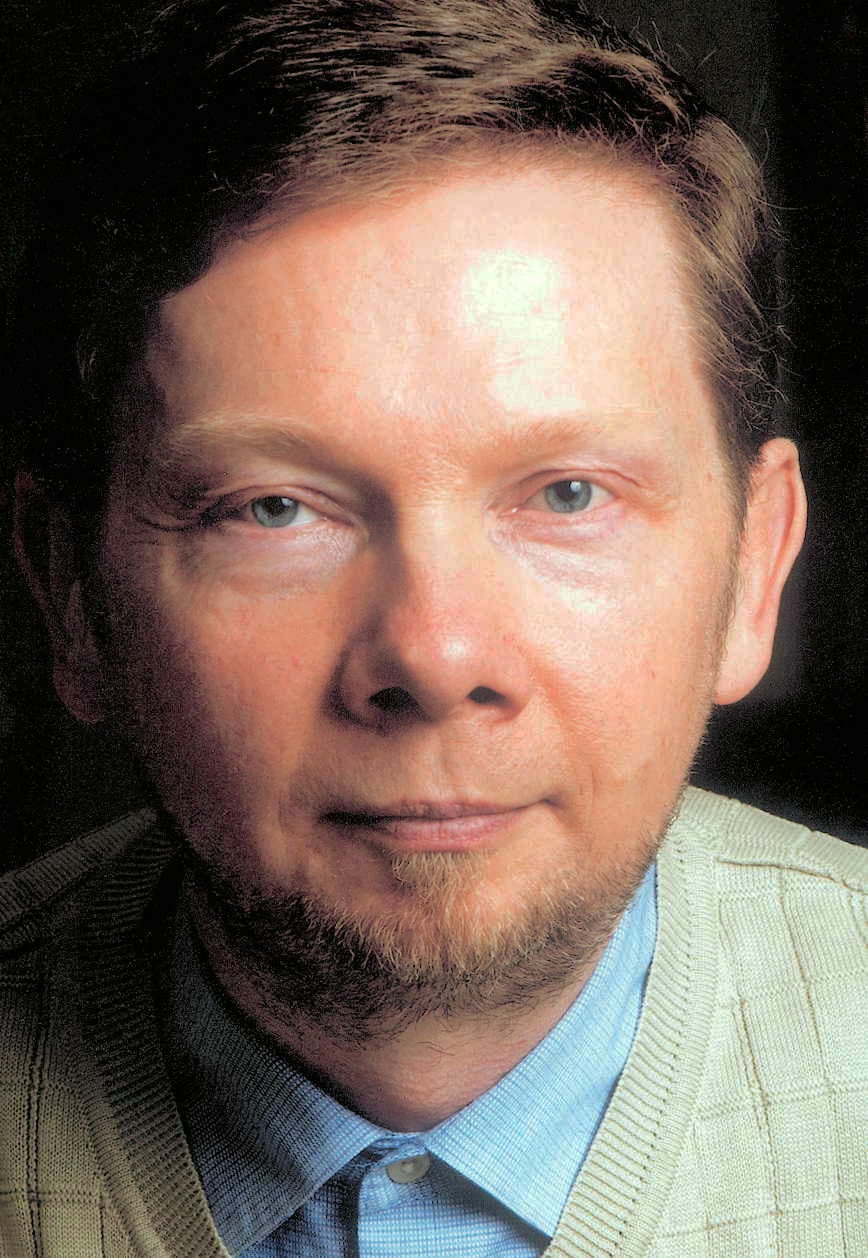
Eckhart Tolle
Concordano su: Che cos'è l'Assoluto? Dio esiste? · Perché soffriamo? · Che cosa accade dopo la morte?
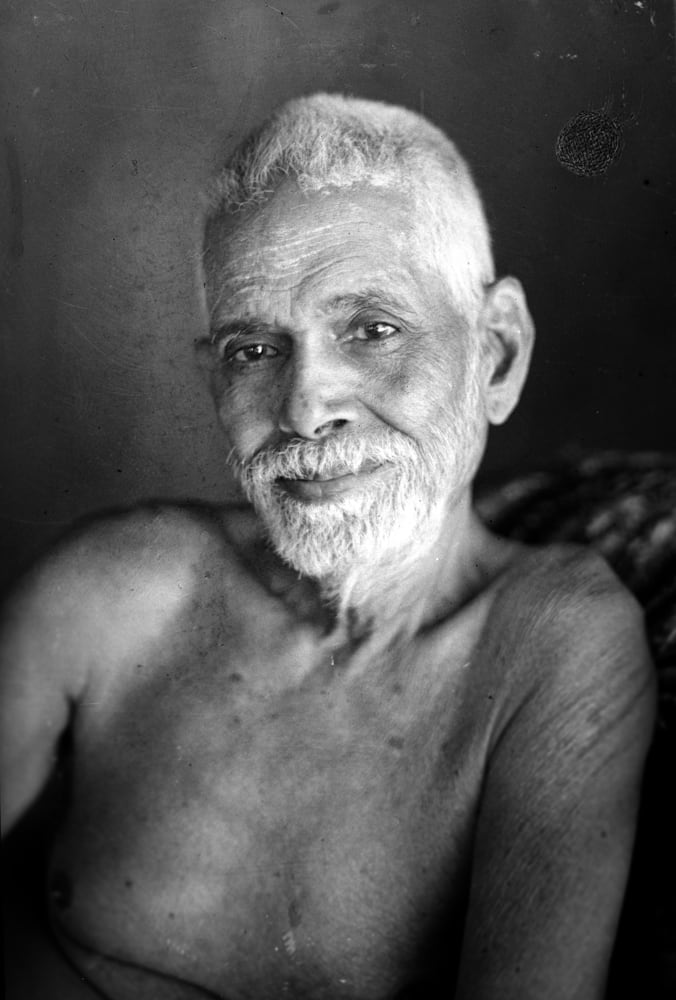
Ramana Maharshi
Concordano su: Che cos'è l'Assoluto? Dio esiste? · Chi sono io? Esiste un vero sé? · Che cosa accade dopo la morte?
Osho
Concordano su: Che cos'è l'Assoluto? Dio esiste? · Perché soffriamo? · Che cosa accade dopo la morte?
Huineng
Concordano su: Che cos'è l'Assoluto? Dio esiste? · Chi sono io? Esiste un vero sé? · Che cosa accade dopo la morte?
La pensa diversamente da

Mirabai
Si scontrano su: Come si raggiunge la liberazione o la salvezza? · Serve un maestro?
Tsongkhapa
Si scontrano su: Come si raggiunge la liberazione o la salvezza? · Chi sono io? Esiste un vero sé? · Serve un maestro?
Nicholas Roerich
Si scontrano su: Serve un maestro?

Pema Chödrön
Si scontrano su: Chi sono io? Esiste un vero sé? · Come si raggiunge la liberazione o la salvezza?
Aneddoti e racconti
Aneddoti e racconti
Testimonianza1936
The lecture in a diving suit
Origine del racconto: It comes from Watts's own account in In My Own Way (1972) and is recorded by Monica Furlong in her biography. Later versions differ in details — who helped him remove the helmet and at exactly which event it occurred; it is usually placed in the context of the 1936 World Congress of Faiths.
Fonte: Watts, Alan. In My Own Way: An Autobiography, 1915–1965. Nueva York: Pantheon Books, 1972 (reed. New World Library, 2007, ISBN 9781577315841).
Testimonianzadécada de 1960
'He is a great bodhisattva'
Origine del racconto: Recorded by David Chadwick in Crooked Cucumber (1999), from testimony by students of the San Francisco Zen Center.
Fonte: Chadwick, David. Crooked Cucumber: The Life and Zen Teaching of Shunryu Suzuki. Nueva York: Broadway Books, 1999.
Testimonianza1960s–1990s
Half a koan
Origine del racconto: Kapleau, The Three Pillars of Zen (1967 ed.), pp. 21–22; D. T. Suzuki's remark is reported by Robert Aitken in Original Dwelling Place (1997). The Zen story in question is the dialogue of Mazu and Nanyue about the polished tile.
Fonte: Kapleau, Philip. The Three Pillars of Zen. Boston: Beacon Press, 1967 (ed. citada), pp. 21–22.
Testimonianza1958
A visit to Küsnacht
Origine del racconto: Watts's own account in In My Own Way (1972), p. 321.
Fonte: Watts, Alan. In My Own Way: An Autobiography, 1915–1965. Nueva York: Pantheon Books, 1972 (reed. New World Library, 2007, ISBN 9781577315841).
Documentato1958–1970
Hanging up the phone
Origine del racconto: The phrase comes from the Vintage edition of The Joyous Cosmology (1970), p. 26; the researchers' identities are recorded in the biographical literature drawing on In My Own Way.
Fonte: Watts, Alan. The Joyous Cosmology: Adventures in the Chemistry of Consciousness. Nueva York: Vintage Books, 1970 (1.ª ed. Pantheon, 1962).
Documentato1960s–1973
Between a beached ferry and a cabin in the woods
Origine del racconto: In My Own Way (1972), pp. 300–304, and the dedications of The Joyous Cosmology and the autobiography; Elsa Gidlow's memoir, Elsa: I Come with My Songs (1986), completes the picture of Druid Heights.
Fonte: Watts, Alan. In My Own Way: An Autobiography, 1915–1965. Nueva York: Pantheon Books, 1972 (reed. New World Library, 2007, ISBN 9781577315841).
Insegnamenti
Insegnamenti
Le nozioni che articolano il suo pensiero, spiegate nel loro contesto.
The skin-encapsulated egoego-encerrado-en-la-piel
Developed above all in The Book (1966) and his 1960s lectures, under the influence of Vedanta, cybernetics and general semantics.
Fonte: Watts, Alan. The Book: On the Taboo Against Knowing Who You Are. Nueva York: Pantheon Books, 1966.
The cosmic game of hide-and-seekjuego-cosmico
The Book (1966) and Beyond Theology (1964); drawn from Vedanta and devotional Hinduism, freely reinterpreted.
Fonte: Watts, Alan. The Book: On the Taboo Against Knowing Who You Are. Nueva York: Pantheon Books, 1966.
The law of reversed effortley-del-esfuerzo-invertido
The Wisdom of Insecurity (1951) and later lectures; connected with the Taoism of Laozi and Zhuangzi.
Fonte: Watts, Alan. The Wisdom of Insecurity: A Message for an Age of Anxiety. Nueva York: Pantheon Books, 1951.
Ways of liberationvias-de-liberacion
Psychotherapy East and West (1961); a forerunner of transpersonal psychology.
Fonte: Watts, Alan. Psychotherapy East and West. Nueva York: Pantheon Books, 1961.
The social double binddoble-vinculo
Psychotherapy East and West (1961) and The Book (1966).
Fonte: Watts, Alan. Psychotherapy East and West. Nueva York: Pantheon Books, 1961.
Beat Zen and square Zenzen-beat-y-zen-cuadrado
Essay published in Chicago Review (1958) and as a City Lights pamphlet (1959).
Video
Video
Registrazioni, interviste e documentari. I video vengono riprodotti da YouTube; non sono ospitati qui.
Alan Watts: A Conversation with Myself - Part 1
Registrazione originale· EN· 1971· 28 min
Mark WattsCanale ufficiale
Alan Watts: A Conversation with Myself - Part 2
Registrazione originale· EN· 1971· 28 min
Mark WattsCanale ufficiale
Eastern Wisdom & Modern Life (1959) with Alan Watts - Program 1: Man & Nature (Recolored)
Registrazione originale· EN· 1959· 29 min
HermesTrismegistus
Eastern Wisdom and Modern Life - Alan Watts: The Silent Mind, program five (1959)
Registrazione originale· EN· 1959· 28 min
Torridstream12
Eastern Wisdom and Modern Life - Alan Watts: Death, program six (1959)
Registrazione originale· EN· 1959· 27 min
Torridstream12
Alan Watts - Myth of Myself Full Lecture Part 1
Conferenza· EN· 37 min
Official Alan Watts OrgCanale ufficiale
Alan Watts - Individual and the World Pt 1 Full Lecture
Conferenza· EN· 47 min
Official Alan Watts OrgCanale ufficiale
Alan Watts - Taoist Way Full Lecture
Conferenza· EN· 27 min
Official Alan Watts OrgCanale ufficiale
Alan Watts - What Is Reality?
Conferenza· EN· 53 min
Official Alan Watts OrgCanale ufficiale
Alan Watts In Conversation With Elliot Mintz
Intervista· EN· 1972· 48 min
Elliot MintzCanale ufficiale
Alan Watts Interview in Dallas - March 1970
Intervista· EN· 1970· 2 min
SMU Jones FilmCanale ufficiale
First Wednesday: Following Alan Watts with Mark Watts
Conferenza· EN· 106 min
MillValleyLibraryCanale ufficiale
Alan Watts en español - Conferencia - El mito del yo
Conferenza· ES· 35 min
fer.de.erratas
Galleria
Galleria
Immagini con licenza verificata. Ciascuna conserva la sua paternità e la sua attribuzione.
Relazioni
Relazioni
Influenze, discepolati e affinità. Si distingue la relazione documentata dalla somiglianza individuata per analisi.
Ricevette l'influenza di
His last book expounds the Taoism of Laozi and Zhuangzi.
Relazione documentata
Ricevette l'influenza di
A constant source of his lectures on Taoism and wu wei.
Relazione documentata
Idee affini a
The identity of self and ultimate ground, central to Watts, comes from the Advaita Vedanta systematised by Shankara.
Somiglianza individuata per analisi
Idee affini a
Both popularise attention to the present and the critique of identification with thought for a wide audience.
Somiglianza individuata per analisi
Contemporaneo di
Contemporaries who spread Zen, Tantra and Taoism in the West in a free and provocative style; there is no record that they met.
Somiglianza individuata per analisi
Idee affini a
Both explored the dialogue between contemplative Christianity and Zen in the 1950s and 1960s.
Somiglianza individuata per analisi
Ricevette l'influenza di
D. T. Suzuki
Watts met him in 1936 and his first book popularised Suzuki's work.
Relazione documentata
Incontrò
Founder of the San Francisco Zen Center; defended Watts as 'a great bodhisattva'.
Relazione documentata
Incontrò
Watts visited him in Switzerland in 1958; his psychology influenced The Meaning of Happiness.
Relazione documentata
Idee affini a
Both question the separate self and spiritual authority; Watts discussed Krishnamurti in his 1968 radio interview with Laura Huxley.
Somiglianza individuata per analisi
Discepolo di
Christmas Humphreys
Watts was secretary of the London Buddhist Lodge, which Humphreys led, and was formed there.
Relazione documentata
Famiglia di
Ruth Fuller Sasaki
His mother-in-law during his first marriage and a key figure of American Zen.
Relazione documentata
Incontrò
Sokei-an Sasaki
New York Zen teacher with whom Watts kept in contact without entering formal training.
Relazione documentata
Ebbe corrispondenza con
Al Chung-liang Huang
Collaborator on Tao: The Watercourse Way, which he completed after Watts's death.
Relazione documentata
Incontrò
Elsa Gidlow
Poet who founded Druid Heights, neighbour and friend; Watts dedicated his autobiography to her.
Relazione documentata
Collegato da altre schede
Fonti
Fonti
Bibliografia e cataloghi consultati per questa scheda.
- Wikidata, «Alan Watts» (Q354867).
- Watts, Alan. In My Own Way: An Autobiography, 1915–1965. Nueva York: Pantheon Books, 1972 (reed. New World Library, 2007, ISBN 9781577315841).
- Furlong, Monica. Zen Effects: The Life of Alan Watts. Boston: Houghton Mifflin, 1986 (publicado en Reino Unido como Genuine Fake, Heinemann, 1986; reed. SkyLight Paths, 2001, ISBN 9781893361324).
- Columbus, Peter J. y Rice, Donadrian L. (eds.). Alan Watts—Here and Now: Contributions to Psychology, Philosophy, and Religion. Albany: State University of New York Press, 2012 (ISBN 9781438441993).
- Watts, Joan y Watts, Anne (eds.). The Collected Letters of Alan Watts. Novato: New World Library, 2017 (ISBN 9781608684151).
- «Alan Watts» y «Alan Watts bibliography», Wikipedia en inglés (consultadas para cotejar hechos y bibliografía; texto propio).
- Open Library: obras y ediciones de Alan Watts (autor OL…; búsqueda por autor y por título, ediciones con ISBN).
- Chadwick, David. Crooked Cucumber: The Life and Zen Teaching of Shunryu Suzuki. Nueva York: Broadway Books, 1999.
- Aitken, Robert. Original Dwelling Place: Zen Buddhist Essays. Washington D. C.: Counterpoint, 1997 (ISBN 1887178414).
- Kapleau, Philip. The Three Pillars of Zen. Boston: Beacon Press, 1967 (ed. citada), pp. 21–22.
- Alan Watts Organization (archivo de grabaciones gestionado por la familia Watts) y Alan Watts Official Store.
- Watts, Alan. The Joyous Cosmology: Adventures in the Chemistry of Consciousness. Nueva York: Vintage Books, 1970 (1.ª ed. Pantheon, 1962).
- Watts, Alan. The Book: On the Taboo Against Knowing Who You Are. Nueva York: Pantheon Books, 1966.
- Watts, Alan. The Wisdom of Insecurity: A Message for an Age of Anxiety. Nueva York: Pantheon Books, 1951.
- Watts, Alan. The Way of Zen. Nueva York: Pantheon Books, 1957.
- Stirling, Isabel. Zen Pioneer: The Life and Works of Ruth Fuller Sasaki. Emeryville: Shoemaker & Hoard, 2006 (ISBN 9781593761103).
- University of Vermont, programa de la 154.ª ceremonia de graduación (15 de junio de 1958) y UVM Alumni Magazine, vol. 39, n.º 1, p. 22 (UVM Digital Collections; reproducido en Wikimedia Commons).
- Indiana University Libraries Moving Image Archive, exposición «Eastern Wisdom and Modern Life» (KQED, San Francisco, 1959–1960).
- Watts, Alan. Psychotherapy East and West. Nueva York: Pantheon Books, 1961.
- Gidlow, Elsa. Elsa: I Come with My Songs. San Francisco: Bootlegger Press y Druid Heights Books, 1986.
- Watts, Alan y Huang, Al Chung-liang. Tao: The Watercourse Way. Nueva York: Pantheon Books, 1975 (prólogo y epílogo de Al Chung-liang Huang).
- Open Culture, «Alan Watts Brings Eastern Wisdom to American TV Viewers in 1959» (2012).
- Titolare dei diritti
- Herederos de Alan Watts (gestión de grabaciones: Alan Watts Organization / Electronic University, Mark Watts); derechos de los libros según cada editorial
- Sito ufficiale
- alanwatts.org
In attesa di conferma
Ciò che questa scheda non ha ancora potuto chiarire. Preferiamo dirlo piuttosto che riempirlo.
- Localizar página exacta de las citas marcadas como «probable» (The Book, cap. 1; The Wisdom of Insecurity, cap. 3) en una edición impresa.
- Ediciones con ISBN no verificadas en catálogo: The Book (Vintage, 1989), Tao for Now (2023), Taoism: Way Beyond Seeking (Tuttle, 1997), The Way of Liberation (Weatherhill, 1983), Om: Creative Meditations (1979) y The Essential Alan Watts (1976).
- Identificar la obra inglesa de la que procede «Qué es la realidad» (Kairós, 1995, ISBN 9788472453630), registrada en Open Library sin correspondencia clara.
- Ediciones en español sin ISBN verificado de In My Own Way, The Joyous Cosmology, Does It Matter?, Cloud-Hidden y Tao: The Watercourse Way (Kairós).
- Fecha exacta de la ordenación (1944 según las cartas, 1945 según la autobiografía) y del matrimonio con Mary Jane Yates King.
- Detalles del episodio de la escafandra (acto exacto y quién le ayudó) en la edición impresa de In My Own Way.
- Catálogo de grabaciones: la obra oral (cientos de conferencias en alanwatts.org y alanwatts.com) no se registra pieza a pieza; se incluyen las series de televisión y la antología Out of Your Mind.
- Vídeos: no hay en YouTube conferencias oficiales de Watts en español; el único vídeo en castellano registrado es una versión preparada por un tercero.
Ricerca effettuata il 2026-10-25