Non-dualità contemporanea · Contemplazione secolare
Eckhart Tolle
1948 –ViventePersona storicamente documentata
Maestro spirituale e scrittore nato in Germania nel 1948 e stabilitosi a Vancouver. Dopo una crisi depressiva vissuta nel 1977 come un risveglio, trascorse anni in silenzio a Londra prima di insegnare. «Il potere di adesso» (1997) e «Un nuovo mondo» (2005), sostenuti da Oprah Winfrey, ne fecero l'autore spirituale più letto del suo tempo. Insegna la presenza nel momento attuale e la disidentificazione dal pensiero, senza aderire ad alcuna religione.
- opere
- 39opere
- edizioni
- 52edizioni
- citazioni
- 3citazioni
- video
- 14video
- immagini
- 2immagini
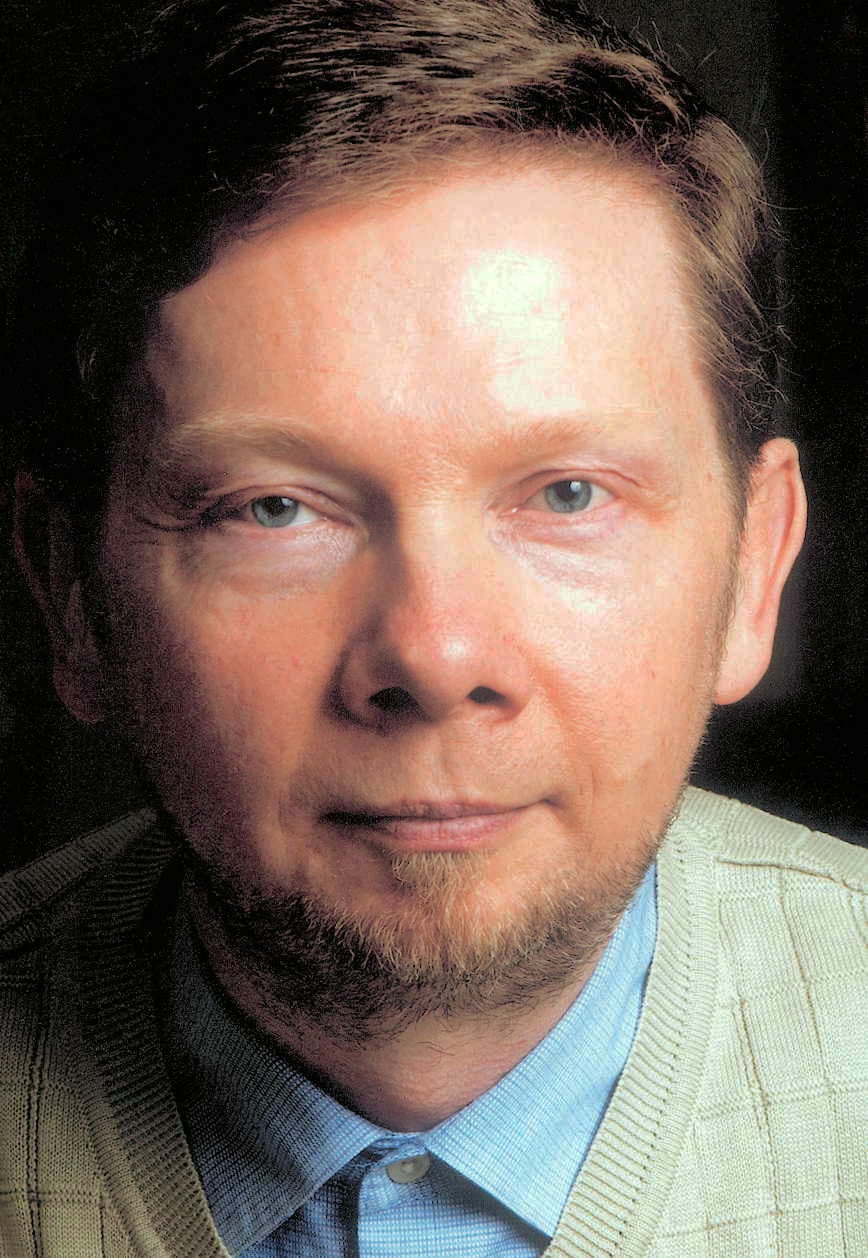
Eckhart Tolle · CC BY-SA 3.0
Con le sue parole
«You are not your mind.»The Power of Now (1997), título del capítulo 1

La sua idea centrale
Psychological suffering comes from identifying with thought: the inner voice that comments, judges and anticipates is not who one is, and simply watching it begins the release.
Vederlo nel contesto
Biografia
5 min di lettura
Traduzione assistita dall'originale spagnolo, in attesa di revisione da parte di un traduttore madrelingua.
Un ragazzo della Ruhr che rifiutò la scuola
Ulrich Leonard Tölle nacque il 16 febbraio 1948 a Lünen, piccola città industriale a nord di Dortmund, nella zona britannica della Germania del dopoguerra. Crebbe tra le macerie ancora visibili della guerra e in una famiglia che egli stesso ha descritto come difficile: i genitori litigavano spesso e finirono per separarsi. A tredici anni andò a vivere con il padre in Spagna, dove trascorse il resto dell'adolescenza. Lì prese una decisione insolita: tra i tredici e i ventidue anni rifiutò la scuola e si dedicò a studiare da solo lingue, letteratura e astronomia, con qualche lezione privata.
Il primo contatto con la spiritualità avvenne intorno ai quindici anni, quando qualcuno gli regalò i libri del mistico tedesco Joseph Anton Schneiderfranken, noto come Bô Yin Râ. Egli stesso ha riconosciuto che quelle pagine lo segnarono, anche se allora non seppe che farne.
Londra, la depressione e la notte del 1977
A diciannove anni si trasferì in Inghilterra. Per tre anni insegnò tedesco e spagnolo in una scuola di lingue di Londra, poi studiò all'Università di Londra e nel 1977 iniziò un dottorato all'Università di Cambridge. Dentro di sé, però, viveva un'angoscia che non dava tregua: lunghi periodi d'ansia e una depressione che egli definisce quasi insopportabile.
Una notte del 1977, poco dopo aver compiuto ventinove anni, si svegliò con un senso di disperazione più acuto che mai. Secondo il suo stesso racconto, che apre il suo primo libro, gli si impose una frase — non poteva più vivere con se stesso — e, con essa, una domanda: chi è quell'«io» che non sopporta il «sé»? Racconta di essersi sentito risucchiato in un vuoto e che, al risveglio la mattina dopo, tutto era in pace. Uscì a camminare per Londra e trovò ogni cosa miracolosa, perfino il traffico. In seguito interpretò quella notte come il crollo dell'io costruito dalla mente, quello che vive intrappolato tra un passato insoddisfacente e un futuro temuto.
Quel che seguì non fu una carriera, ma una lunga parentesi. Abbandonò il dottorato e trascorse quasi due anni seduto sulle panchine di Russell Square, nel centro di Londra, in quello che descrive come uno stato di profonda beatitudine, a guardare il mondo che passava. Visse presso amici, soggiornò per qualche tempo in un monastero buddhista e dormì a volte all'aperto ad Hampstead Heath. La famiglia lo considerava irresponsabile, perfino squilibrato.
Da consigliere discreto ad autore mondiale
Ex compagni di Cambridge cominciarono a cercarlo per porgli domande. Senza volerlo, divenne consigliere e, a poco a poco, maestro spirituale di piccoli gruppi. In quegli anni cambiò il suo nome in Eckhart. Le versioni divergono: c'è chi vi vede un omaggio a Meister Eckhart, il mistico renano; lui stesso raccontò nel 2012 di aver sognato quel nome sulla copertina di un libro che sapeva essere suo, e che poco dopo un'amica lo chiamò così senza un motivo apparente.
Dopo un periodo a Glastonbury, piccolo centro inglese della cultura alternativa, e diversi viaggi sulla costa occidentale del Nordamerica, nel 1995 si stabilì a Vancouver, in Canada, dove conobbe Kim Eng, da allora sua compagna e collaboratrice nell'insegnamento.
Nel 1997 una minuscola casa editrice di Vancouver, Namaste Publishing, pubblicò The Power of Now (Il potere di adesso) in una tiratura di circa tremila copie. Il libro, scritto come una serie di domande e risposte, passò di mano in mano finché New World Library non lo ripubblicò su larga scala nel 1999. Nel 2000 Oprah Winfrey lo raccomandò sulla sua rivista; quell'estate entrò nella classifica dei bestseller del New York Times e due anni dopo raggiunse il primo posto. Nel 2008 era già tradotto in più di trenta lingue.
Seguirono Stillness Speaks (Il silenzio parla, 2003), una distillazione quasi aforistica del suo insegnamento, e A New Earth (Un nuovo mondo, 2005), che allarga lo sguardo dall'individuo all'umanità: l'ego come disfunzione collettiva e il risveglio della coscienza come via d'uscita. Quando nel gennaio 2008 Winfrey scelse questo secondo libro per il suo club di lettura, ne furono distribuite 3,5 milioni di copie in quattro settimane. I seminari online che i due registrarono capitolo per capitolo raggiunsero decine di milioni di accessi, e il New York Times lo definì allora l'autore spirituale più popolare degli Stati Uniti.
Che cosa insegna
L'insegnamento di Tolle è volutamente semplice e non appartiene ad alcuna religione. Sostiene che la sofferenza psicologica nasce dall'identificarsi con il pensiero, con quella voce incessante che commenta, confronta e teme; che l'unico momento reale è il presente; e che osservare la mente, anziché esserne trascinati, apre uno spazio di quiete che egli chiama presenza. Ha coniato l'espressione «corpo di dolore» (pain-body) per indicare il residuo emotivo accumulato che si riattiva e cerca nutrimento nel conflitto. Attinge liberamente al buddhismo zen, al Vedānta, al sufismo e ai mistici cristiani, e cita spesso i Vangeli.
Accoglienza ed eredità
Il suo successo ha diviso la critica. C'è chi ne loda la capacità di dire in linguaggio piano ciò che le tradizioni contemplative avevano detto in forma cifrata; il teologo francescano Richard Rohr gli riconosce il merito di aver ricondotto molti cristiani alla loro stessa mistica. Altri gli rimproverano scarsa originalità, una commistione di pseudoscienza e di tradizioni altrui o, dal punto di vista della teologia evangelicale, una visione incompatibile con la distinzione cristiana tra Dio e l'essere umano. È stata notata anche la distanza tra il suo dichiarato rifiuto di creare «una pesante struttura commerciale» e l'ampio catalogo di prodotti in vendita sul suo sito.
Nel 2009 condivise il palco con il Dalai Lama al Vertice per la pace di Vancouver. Ha pubblicato libri illustrati — Guardians of Being, con Patrick McDonnell — e una fiaba per bambini, Milton's Secret, portata sullo schermo nel 2016. Nel 2022 il rapper Kendrick Lamar lo ha presentato come sua guida nell'album Mr. Morale & the Big Steppers, dove la sua voce compare in diverse tracce. Nel gennaio 2025 Oprah Winfrey ha scelto di nuovo Un nuovo mondo per il suo club, l'unica volta in cui un libro sia stato selezionato due volte. Continua a insegnare dalla Columbia Britannica, con ritiri, incontri online e attraverso la sua fondazione.
Fonti: Tolle, Eckhart. The Power of Now: A Guide to Spiritual Enlightenment. Vancouver: Namaste Publishing, 1997 (introducción autobiográfica).
Cronologia
La vita, anno per anno
Ogni punto è un evento documentato. Fai clic per leggerlo, con la sua fonte e il suo grado di certezza.
16 febbraio 19480 anniLünen (Alemania)
Birth
Ulrich Leonard Tölle is born in Lünen, north of Dortmund, in the British occupation zone.
Documentato«Eckhart Tolle», Wikipedia en inglés (consultada para hechos verificables; texto propio).
16 febbraio 1948 · 0 anni
Birth
Ulrich Leonard Tölle is born in Lünen, north of Dortmund, in the British occupation zone.
Documentato
1961 · 13 anni
To Spain with his father
After his parents separate he moves to Spain with his father and refuses formal schooling until twenty-two.
Documentato
1963 · 15 anni
The books of Bô Yin Râ
He is given the books of the German mystic Joseph Anton Schneiderfranken, which he says influenced him deeply.
Probabile
1967 · 19 anni
Language teacher in London
He moves to England and teaches German and Spanish for three years at a language school, then studies at the University of London.
Probabile
1977 · 29 anni
The night of transformation
He begins postgraduate study at Cambridge. One night, in deep depression, he experiences what he describes as the collapse of the mental self; he abandons his studies.
Documentato
1978 · 30 anni
The benches of Russell Square
He spends about two years on the benches of Russell Square in deep peace, sleeping at friends', in a Buddhist monastery or rough on Hampstead Heath.
Documentato
1982 · 34 anni
Counsellor and teacher
Former acquaintances consult him; he begins working as a counsellor and teacher of small groups and takes the name Eckhart. He later lives in Glastonbury.
Probabile
1995 · 47 anni
Settles in Vancouver
He settles in British Columbia, where he meets Kim Eng, his partner and collaborator.
Documentato
1997 · 49 anni
The Power of Now
Namaste Publishing brings out his first book in a small run; New World Library reissues it widely in 1999.
Documentato
2000 · 52 anni
Oprah's recommendation
Oprah Winfrey recommends The Power of Now in her magazine; in August it enters The New York Times bestseller list, which it tops in 2002.
Documentato
2003 · 55 anni
Stillness Speaks
He publishes his second book, a brief distillation of his teaching.
Documentato
2005 · 57 anni
A New Earth
Dutton publishes A New Earth, on the collective ego and the awakening of consciousness.
Documentato
gennaio 2008 · 60 anni
The book club and the webinars with Oprah
Oprah picks A New Earth for her club; 3.5 million copies in four weeks and a webinar series accessed tens of millions of times.
Documentato
settembre 2009 · 61 anni
Peace Summit with the Dalai Lama
He shares the stage with the Dalai Lama at the Vancouver Peace Summit. Publishes Guardians of Being with Patrick McDonnell.
Documentato
2011 · 63 anni
First on the Watkins list
Watkins magazine ranks him first in its inaugural list of the 100 most spiritually influential living people.
Documentato
2016 · 68 anni
Milton's Secret on film
His children's story is filmed with Donald Sutherland and Michelle Rodriguez.
Documentato
2022 · 74 anni
Kendrick Lamar
The album Mr. Morale & the Big Steppers presents him as the rapper's spiritual guide, with his voice on several tracks.
Documentato
gennaio 2025 · 76 anni
Back in Oprah's club
Oprah chooses A New Earth again, the only book ever selected twice in the club's history.
Documentato
Opere
Opere essenziali
Le opere senza le quali non si comprende la sua eredità.
Opera scritta · 1997
The Power of Now
The Power of Now: A Guide to Spiritual Enlightenment
His first and most read book: a guide in question-and-answer form for stepping out of identification with the mind and living in the present moment. It explains the pain-body, acceptance of the now and presence, and since 1999 has been translated into over thirty languages.
7 edizioni · amazon.com

Opera scritta · 2003
Stillness Speaks
Tolle's second book, made of short texts, almost aphorisms, grouped in ten chapters on inner silence, thought, the body, nature, relationships and death. It seeks to transmit stillness rather than explain it, and is read slowly, like a meditation book.
2 edizioni · amazon.com

Opera scritta · 2005
A New Earth
A New Earth: Awakening to Your Life's Purpose
Widens his teaching from the individual to humanity: it describes the ego as a collective dysfunction expressed in violence and greed, and presents the awakening of consciousness as the species' next step. Chosen twice by Oprah Winfrey's book club (2008 and 2025).
5 edizioni · amazon.com
Tutta la sua opera (39)

Practicing the Power of Now
2001

Oneness with All Life
2008

Milton's Secret
2008

Guardians of Being
2009

Findhorn Retreat
2006

Peace in the Present Moment
2010

The Power of Now Journal
2019

Living the Liberated Life and Dealing with the Pain-Body
2001

The Realization of Being
2001

Even the Sun Will Die
2002

Realizing the Power of Now
2003

Entering the Now
2003

Gateways to Now
2003

The Flowering of Human Consciousness
2004

Through the Open Door to the Vastness of Your True Being
2005

In the Presence of a Great Mystery
2006

Touching the Eternal: India Retreat
2007

The Art of Presence
2007

Finding Your Life's Purpose
2015
Eckhart Tolle
Breitenbush 01: The "Rains" Retreat — The Journey Home
The Conscious LibraryBreitenbush 01: The "Rains" Retreat — The Journey Home
2001

Know That "I Am"
2002

May the Mind Be the Servant of Awareness
2002
Eckhart Tolle
The Journey into Yourself
The Conscious LibraryThe Journey into Yourself
2003

Practicing Presence: A Guide for the Spiritual Teacher and Health Practitioner
2004
Citazioni
Citazioni localizzate in un'opera precisa. Ciascuna porta con sé la sua provenienza e il suo grado di affidabilità.
You are not your mind.VerificataThe Power of Now (1997), título del capítulo 1
Idee essenziali (sintesi editoriale)
Per rispetto del diritto d'autore, queste idee sono riassunte con parole nostre e non sono presentate come citazioni letterali.
- Psychological suffering comes from identifying with thought: the inner voice that comments, judges and anticipates is not who one is, and simply watching it begins the release.
- The present is the only real moment; past and future exist only as thought. Fully accepting the now is not resignation but ceasing inner resistance to it.
- The pain-body is the accumulation of old painful emotion that reawakens and feeds on conflict; seeing it arise with attention removes its power.
- The ego is not only a personal problem: it is a collective dysfunction of humanity, expressed in violence, greed and the destruction of the planet.
- Inner stillness is not achieved but discovered by allowing space between thoughts; in that space is presence, which is consciousness itself.
- A life's primary purpose is inner — being awake in what one does; the outer purpose, what one does, is secondary and changes.
Chiedi
Ciò a cui risponde la sua opera
Dodici grandi domande dell'umanità e ciò che i suoi testi permettono di rispondere, con riferimenti. Non gli mettiamo mai parole in bocca.
Che cos'è l'Assoluto? Dio esiste?
He prefers to speak of Being: the one formless life beyond forms
Un Assoluto impersonaleLo dice espressamente
Eckhart Tolle does not deny God, but he distrusts the word. In the first chapter of The Power of Now he explains that the term God has been emptied by centuries of misuse, associated with a separate, often male, entity placed outside; he proposes instead to speak of Being, the one eternal life underlying the countless forms subject to birth and death. That Being is not an object of knowledge or belief: it is felt as one's own presence when the mind grows quiet. In A New Earth he keeps the same approach: the divine is not someone judging from outside but formless consciousness recognising itself in the human being. His language is therefore that of an impersonal absolute, though immediate and inward.
Confronta questa domanda con altri maestriChi sono io? Esiste un vero sé?
You are not your thoughts: the ego is identification with mind
L'ego è una costruzione del pensieroLo dice espressamente
Eckhart Tolle defines the ego as identification with the mind: with thoughts, emotions, personal history and the forms by which the self reinforces itself, such as possessions, opinions or the victim role. In A New Earth (2005) he devotes whole chapters to describing its structure and its need to compare, be right and feel separate. The key of his teaching is that simply observing thought is enough to stop identifying with it: the one who observes is not what is observed. Unlike Krishnamurti, Tolle does affirm a deeper identity, formless presence or awareness, which he calls Being and which is recognised when the mind falls silent. His practical emphasis, however, is on unmasking the ego as a mental construction, and on the claim that seeing it is already the beginning of liberation.
Confronta questa domanda con altri maestriPerché soffriamo?
Suffering needs time: it cannot survive in the now
Il pensiero e il tempo psicologicoLo dice espressamente
Eckhart Tolle locates the origin of suffering in the mind living in psychological time: the past, from which it draws identity and grievances, and the future, onto which it projects its salvation or its fear. In the opening chapters of The Power of Now he holds that almost all human pain is unnecessary, created by mental resistance to what is, and that suffering cannot survive in full presence to the moment. He adds the notion of the pain-body: a field of accumulated emotional energy, personal and collective, which reactivates periodically and feeds on thoughts and conflict; in A New Earth he devotes a whole chapter to it. The remedy is not to analyse the story of pain but to observe it without identifying with it and to accept the present moment, which, he says, cuts off the supply that keeps it alive.
Confronta questa domanda con altri maestriChe cosa accade dopo la morte?
The opposite of death is birth; life has no opposite
Ciò che sono non nasce e non muoreLo dice espressamente
Eckhart Tolle distinguishes between form, which is born and dies, and the life or consciousness expressed in it, which has no opposite. What dissolves at death is form and the mental identity built upon it; what one essentially is, conscious presence, neither begins nor ends. That is why, he holds, the death of a loved one or the nearness of one's own can open a door: when one stops resisting the loss of form, a space of peace appears that does not depend on it. In Stillness Speaks he devotes a chapter to death and the eternal, and in The Power of Now he presents surrender to what is as a way of dying before dying. Tolle avoids describing states after death; what he affirms is the timelessness of what we are, accessible now.
Confronta questa domanda con altri maestriCome si raggiunge la liberazione o la salvezza?
Awakening is not in time: it is presence, ceasing to identify with the mind
Senza metodo: l'attenzione totaleLo dice espressamente
Eckhart Tolle holds in The Power of Now that suffering arises from identification with the mind and with psychological time, that is, with the continuous projection into past and future. Liberation is not a future state conquered through progressive effort, because seeking it in time reinforces the very mechanism that prevents it: it can only happen now. It consists in being aware of thoughts without identifying with them, in «watching the thinker», and in accepting what is in the present moment. In A New Earth he extends this idea to a collective scale: the ego is a structure of identification with form, and awakening is the emergence of a consciousness that recognises itself beyond that form.
Confronta questa domanda con altri maestriServe un maestro?
The teacher's words are signposts; what matters is presence within oneself
Il maestro è dentroSi deduce dalla sua dottrina
In the introduction to The Power of Now, Eckhart Tolle recounts that his inner transformation happened without a teacher, after a personal crisis, and that he later recognised in various traditions what had happened to him. Consistently, he presents his own books and talks as pointers: words are signposts pointing to something that is not a word, and readers should attend to what the words awaken in them rather than to their conceptual content. The true teacher would be presence itself, the state of consciousness that recognises itself. He does not deny that the company of someone present helps, but avoids presenting himself as a guru and demands neither membership nor devotion.
Confronta questa domanda con altri maestriIl mondo è reale?
The unmanifested expresses itself in form; the universe awakens to itself
Manifestazione del divinoSi deduce dalla sua dottrina
Eckhart Tolle does not consider the world an illusion. In The Power of Now he distinguishes between the manifested, the world of forms, and the unmanifested, the formless source from which they arise, accessed through portals such as silence, space or attention to the inner body. What is illusory is not form but identification with it: the ego, which takes itself to be one form among forms. In A New Earth he holds that the purpose of the universe is for consciousness to awaken in form, and that each thing, a flower or a stone, can be recognised as an expression of that consciousness. The world is thus the realm in which the formless recognises itself.
Confronta questa domanda con altri maestriChe cos'è l'amore?
To love is to recognise oneself in the other beyond form and ego
Ciò che appare quando l'io cessaLo dice espressamente
Eckhart Tolle separates true love from the relationships the ego calls love. In the chapter on relationships in The Power of Now he describes the love-hate relationship: need, attachment and the search in the other for what is lacking in oneself, which turn love into addiction and soon alternate with resentment and conflict. Real love, he holds, is not an emotion or something obtained from another person: it is the recognition of oneself in the other, of the same presence or consciousness beyond form. It appears when one is present and does not project the mind's past and expectations onto the other. In A New Earth he adds that this recognition extends to all beings and to nature, and that a relationship can become a spiritual practice if it is used to become conscious of the ego.
Confronta questa domanda con altri maestriSiamo liberi o è tutto determinato?
While the mind runs on automatic there is no choice; presence makes it possible
Siamo macchine finché non ci risvegliamoSi deduce dalla sua dottrina
Tolle describes the ordinary human being as identified with a mind that thinks compulsively and with a «pain-body» that reacts through inherited patterns. In that state, he holds in *The Power of Now*, what look like decisions are conditioned reactions: the unconscious person does not choose but repeats. Hence his advice towards someone who harms us is to understand that they could not have acted otherwise from their level of consciousness. True choice appears with presence, when one becomes the observer of the mind and stops being dragged along by it. In *A New Earth* he extends this to humanity: collective consciousness runs in a dysfunctional egoic mode from which only an awakening can free it.
Confronta questa domanda con altri maestriPerché meditare o pregare?
Stepping out of compulsive thinking into the now, where stillness arises
Essere presentiLo dice espressamente
Tolle is the reference for this key. In *The Power of Now* (1997) he holds that most human suffering comes from identification with a mind that thinks ceaselessly and lives in the past or the future. Practice does not consist in a formal method, although he offers exercises —watching the thinker, feeling the inner body, attending to the gaps between thoughts—, but in returning again and again to the present moment, the only thing that exists. When attention leaves thought, a conscious stillness arises that he identifies with one's own being. In *A New Earth* (2005) he adds that this presence also transforms everyday action, which stops serving the ego.
Confronta questa domanda con altri maestriPuò la ragione conoscere l'ultimo?
You are not your mind: being is known in stillness, not in thought
L'ultimo è al di là della menteLo dice espressamente
The first chapter of *The Power of Now* is titled «You Are Not Your Mind», and it sums up his stance: thought is a useful instrument, but identification with it is the great human dysfunction, and through it one does not reach what Tolle calls Being. Words and concepts, he insists, are signposts pointing to reality, not reality itself, and most religious disputes arise from confusing the one with the other. True knowledge arises when the mind falls quiet and a space of awareness appears in which thought is observed. In *A New Earth* he puts it as the shift from a consciousness centred on thought to one centred on presence, not as a new doctrine.
Confronta questa domanda con altri maestriRitirarsi dal mondo o trasformarlo?
A new world is born of a new consciousness, not of new ideologies
La rivoluzione è interioreLo dice espressamente
Eckhart Tolle holds in A New Earth that humanity faces a choice: either it transforms its consciousness or it destroys itself. Wars, exploitation and the ecological crisis are, for him, collective manifestations of the ego, identification with a mind that feels separate and threatened; that is why solutions that do not touch this root — new ideologies, systems or struggles against an enemy — end up reproducing the same pattern. The change that matters is the flowering of consciousness in individuals. He does not advise abandoning the world: in the last chapter he describes «awakened doing», action springing from presence, in three modalities — acceptance, enjoyment and enthusiasm — and speaks of people whose role is to hold a frequency of consciousness amid ordinary life. Outward action is valid if it flows from presence and not from the ego.
Confronta questa domanda con altri maestri
Affinità e tensioni
Affinità e tensioni
Calcolate domanda per domanda a partire dalle sue posizioni. Il perché di ogni accordo o contrasto, con un clic.
La pensa in modo simile a
Osho
Concordano su: Che cos'è l'Assoluto? Dio esiste? · Chi sono io? Esiste un vero sé? · Perché soffriamo?
Alan Watts
Concordano su: Che cos'è l'Assoluto? Dio esiste? · Perché soffriamo? · Che cosa accade dopo la morte?
- BKByron Katie
Byron Katie
Concordano su: Che cos'è l'Assoluto? Dio esiste? · Chi sono io? Esiste un vero sé? · Perché soffriamo?
Huineng
Concordano su: Che cos'è l'Assoluto? Dio esiste? · Che cosa accade dopo la morte? · Serve un maestro?
La pensa diversamente da

Mirabai
Si scontrano su: Come si raggiunge la liberazione o la salvezza?

Rabia al-Adawiyya
Si scontrano su: Come si raggiunge la liberazione o la salvezza?

Epicurus
Si scontrano su: Come si raggiunge la liberazione o la salvezza?
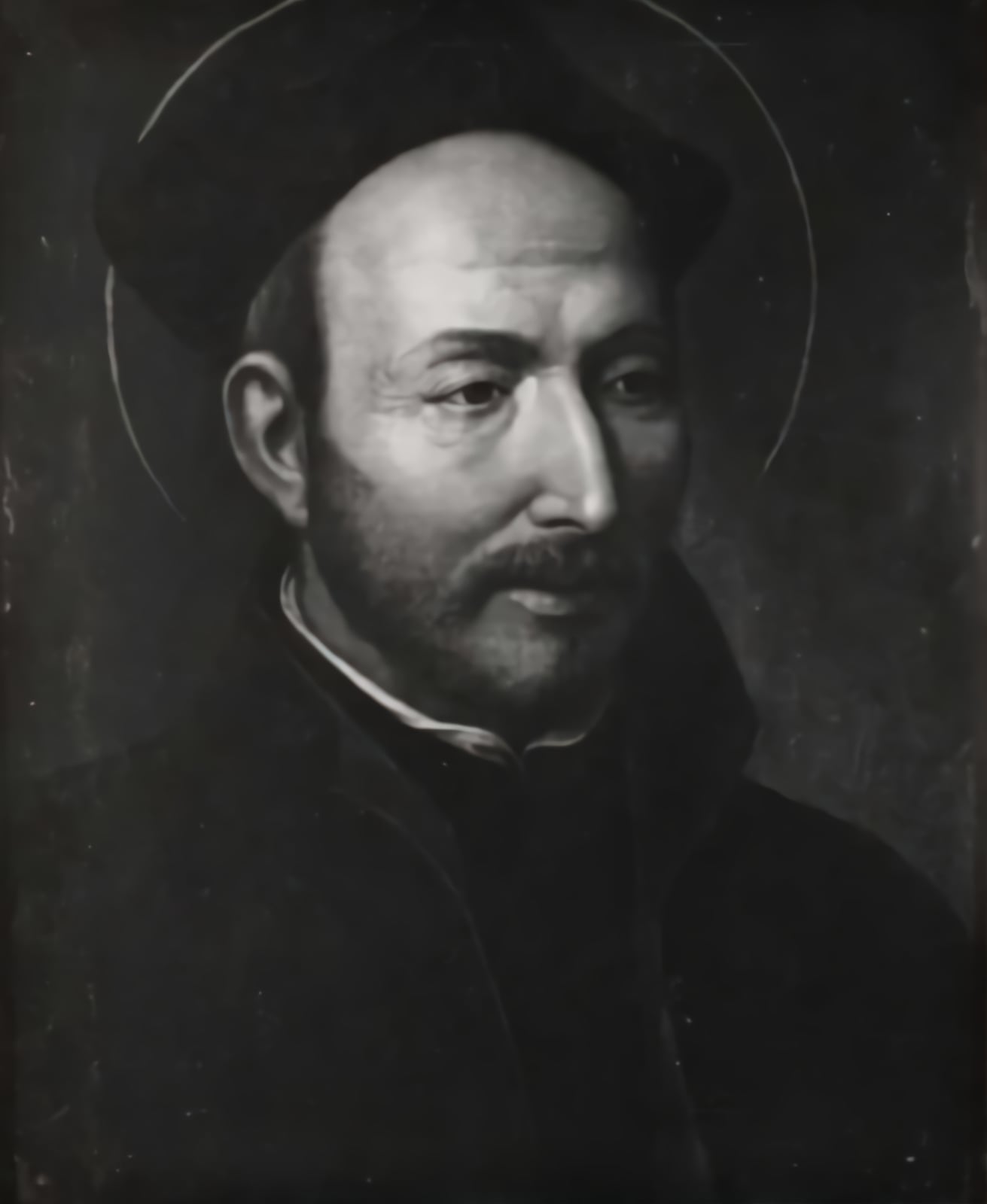
Ignatius of Loyola
Si scontrano su: Come si raggiunge la liberazione o la salvezza?
Concordano su
Eckhart Tolle · Ramana Maharshi
You are not what you think: the shift of the subject on the hill and in the now
Perché: The affinity has a contextual explanation: Tolle writes in a contemporary Western milieu that had received Advaita, among other sources, through Ramana and his popularisers, and he adopts a vocabulary without scriptures or gods. The differences are of register and audience. Ramana speaks from the Vedantic tradition, with an explicit metaphysical horizon, since the Self is identical with the Absolute, and with a very precise question-method; Tolle addresses readers without religious training, stresses the now and the inner body, and extends the diagnosis to a collective scale. One asks who; the other asks one to be present. Both point to the same shift of the subject.
Concordano su
Eckhart Tolle · P. D. Ouspensky
Waking from automatic pilot: self-remembering and the power of now
Perché: There is no documented relationship between them, although the vocabulary of awakening and automatic pilot found in contemporary spirituality owes much to the Fourth Way. The affinity has clear limits. Self-remembering demands effort, a deliberate division of attention and a system of group work, and its goal is to form a permanent self that does not yet exist; Tolle's presence is presented as something not manufactured or reached in time but recognised as one's own being. Ouspensky writes for a school with discipline and hierarchy; Tolle, for individual readers without a tradition. They agree on the first step, not on the path or the goal.
Concordano su
Eckhart Tolle · Jiddu Krishnamurti
Suffering needs time: thought projecting past and future
Perché: No relationship between them is documented in this library, although Tolle writes in a milieu that knew Krishnamurti's work well, published and circulated for decades. The differences are real. Krishnamurti rejects any metaphysics of a true Being, which he considers another projection of thought, and any exercise, which he considers a method; Tolle affirms a presence or formless consciousness he calls Being, proposes concrete exercises such as feeling the inner body and adds the notion of the pain-body. Krishnamurti speaks harshly of conditioning and revolution; Tolle, in a tone of accompaniment. They agree on the diagnosis of psychological time, not on what they find on the other side.
Si scontrano suContraddizione apparente
Eckhart Tolle · Adi Shankara
Is the world an illusion? Superimposition on Brahman or form in which consciousness awakens
Perché: The contradiction is largely apparent: both distinguish two levels, a formless source and a world dependent on it, and both locate the error in the subject who confuses the levels, ignorance in Shankara, identification in Tolle. Vocabulary separates them more than structure: maya sounds like negation to a modern reader, although in Shankara it does not amount to a subjective dream. A real difference of evaluation remains. For Shankara multiplicity has no purpose and vanishes for one who knows; for Tolle, along a line closer to manifestation than to illusion, form is the place where consciousness recognises itself, and the universe has an evolutionary meaning.
Aneddoti e racconti
Aneddoti e racconti
Testimonianza1977
The night he could not live with himself
Origine del racconto: Autobiographical account in the introduction to The Power of Now (1997) and later interviews.
Fonte: Tolle, Eckhart. The Power of Now: A Guide to Spiritual Enlightenment. Vancouver: Namaste Publishing, 1997 (introducción autobiográfica).
Testimonianza1977–1979
Two years on a bench in Russell Square
Origine del racconto: Tolle's own testimony from interviews, summarised in the Wikipedia biography; no independent sources.
Fonte: «Eckhart Tolle», Wikipedia en inglés (consultada para hechos verificables; texto propio).
Contestato1980s
A name seen in a dream
Origine del racconto: Two versions: the homage (attributed by others) and the dream (2012 interview cited by Wikipedia).
Fonte: «Eckhart Tolle», Wikipedia en inglés (consultada para hechos verificables; texto propio).
Documentato2008
Eleven million people in one class
Origine del racconto: Figures published in the press and collected by Wikipedia.
Fonte: «Eckhart Tolle», Wikipedia en inglés (consultada para hechos verificables; texto propio).
Insegnamenti
Insegnamenti
Le nozioni che articolano il suo pensiero, spiegate nel loro contesto.
Pain-bodycuerpo-del-dolor
Developed in The Power of Now (ch. 2) and expanded in A New Earth (chs. 5 and 6).
Fonte: Tolle, Eckhart. The Power of Now: A Guide to Spiritual Enlightenment. Vancouver: Namaste Publishing, 1997 (introducción autobiográfica).
Presencepresencia
Central concept of The Power of Now and Stillness Speaks.
Fonte: Tolle, Eckhart. The Power of Now: A Guide to Spiritual Enlightenment. Vancouver: Namaste Publishing, 1997 (introducción autobiográfica).
Ritiri
Ritiri e centri
Luoghi e incontri legati al suo insegnamento. Ti mettiamo in contatto con chi li organizza.
En línea · Internacional
Eckhart Tolle: membership community and online courses
Eckhart Teachings
Besides his public gatherings, Eckhart Tolle runs a private online membership community which, according to his website, includes quarterly live teachings, monthly video practices and access to more than four hundred hours of recorded teachings, with a free seven-day trial. His shop also offers online courses. It is the most continuous way to follow his teaching from home, with a regular rhythm of practice rather than a one-off event. As in his books, the emphasis is on attention to the present moment and on observing the mind without identifying with it.
Sede variable (retiros recientes en Whistler, Canadá) y en línea · Internacional
Eckhart Tolle: retreats, events and livestreams
Eckhart Teachings
Eckhart Tolle, author of The Power of Now, teaches mainly through public gatherings: multi-day in-person retreats, weekend intensives and evening talks in different cities. His official website publishes the calendar, and many of these events can also be followed live online, so those who cannot get a seat in the hall can take part remotely. The content centres on presence, observing thought and accepting the present moment, without affiliation to any religion. In-person places tend to sell out, so it is worth checking well in advance.
Video
Video
Registrazioni, interviste e documentari. I video vengono riprodotti da YouTube; non sono ospitati qui.
Eckhart Tolle: “A New Earth” | Oprah’s Book Club
Intervista· EN· 2025· 53 min
OprahCanale ufficiale
Eckhart Tolle: Author of 'A New Earth' | Super Soul Sunday S8E9 | Full Episode
Intervista· EN· 42 min
OWNCanale ufficiale
Understanding the Pain-Body | A Special 3 Part Compilation from Eckhart Tolle
Conferenza· EN· 40 min
Eckhart TolleCanale ufficiale
Why You Don’t Need to Fear Death | Eckhart Tolle Foundation
Conferenza· EN· 2026· 11 min
Eckhart TolleCanale ufficiale
What being awake actually means
Conferenza· EN· 2026· 10 min
Eckhart TolleCanale ufficiale
Eckhart Tolle Reveals the Secret to Fulfillment Through Stillness and Action
Conferenza· EN· 95 min
Eckhart TolleCanale ufficiale
Eckhart Tolle interview with host Nina Rhodes 1998
Intervista· EN· 1998· 27 min
Craig Delahunt
Eckhart Tolle at the Omega Institute 2001, Session 2
Conferenza· EN· 2001· 73 min
Namaste PublishingCanale ufficiale
Eckhart Tolle — Reality Is Beyond Thought
Conferenza· EN· 87 min
Namaste PublishingCanale ufficiale
Eckhart Tolle on The Hour with George Stroumboulopoulos
Intervista· EN· 2009· 13 min
Strombo
Eckhart Tolle and Tami Simon | Conscious Manifestation and The Present Moment
Intervista· EN· 2019· 27 min
Sounds TrueCanale ufficiale
Eckhart Tolle on Finding Your Identity, Meaning & Purpose in Life
Intervista· EN· 2024· 90 min
Tony Robbins
Eckhart Tolle: Spirituelles Erwachen, das wahre Selbst und die Überwindung des Egos
Intervista· DE· 2024· 81 min
Laura Malina Seiler
Eckhart Tolle: El 99 % de las Personas MANIFIESTA de Forma Incorrecta (Así Puedes Solucionarlo)
Intervista· ES· 2026· 95 min
Lewis Howes Español
Galleria
Galleria
Immagini con licenza verificata. Ciascuna conserva la sua paternità e la sua attribuzione.
Relazioni
Relazioni
Influenze, discepolati e affinità. Si distingue la relazione documentata dalla somiglianza individuata per analisi.
Incontrò
The 14th Dalai Lama (Tenzin Gyatso)
They shared the stage at the Vancouver Peace Summit (September 2009).
Relazione documentata
Idee affini a
Choiceless observation of thought and the rejection of spiritual authority bring the two teachings close; Tolle names him among his references.
Somiglianza individuata per analisi
Idee affini a
The question 'who is this I?' of his 1977 night matches Ramana's self-enquiry.
Somiglianza individuata per analisi
Fonti
Fonti
Bibliografia e cataloghi consultati per questa scheda.
- «Eckhart Tolle», Wikipedia en inglés (consultada para hechos verificables; texto propio).
- Eckhart Tolle — web oficial (biografía, libros y enseñanzas).
- Open Library: obras y ediciones de Eckhart Tolle.
- Tolle, Eckhart. The Power of Now: A Guide to Spiritual Enlightenment. Vancouver: Namaste Publishing, 1997 (introducción autobiográfica).
- Goodreads: ediciones por idioma de las obras de Eckhart Tolle.
- Wikidata Q60137 (Eckhart Tolle).
- Sounds True, fichas de producto de los programas de audio de Eckhart Tolle (At the Source of Being, The Illusion of Time, The Secret of Happiness, Entering the Now, Discovering the Essential Self, Journeys into Stillness, Eckhart Tolle Learning Intensive, Beyond the Thinking Mind).
- Titolare dei diritti
- Eckhart Tolle / Eckhart Teachings Inc.
- Sito ufficiale
- eckharttolle.com
In attesa di conferma
Ciò che questa scheda non ha ancora potuto chiarire. Preferiamo dirlo piuttosto che riempirlo.
- Localizar capítulo y página de las citas marcadas como «probable» en una edición impresa de The Power of Now.
- Ediciones en español de «Milton's Secret», «Oneness with All Life» y de las enseñanzas en audio: no verificadas en catálogo.
- Fecha exacta del cambio de nombre a Eckhart y del traslado a Glastonbury.
- Obra (2026-10-25): cotejada con Wikipedia (en) y Open Library; todos los libros están registrados. Se añadieron 16 programas de audio/vídeo con ISBN y la recopilación alemana Lebendige Beziehungen JETZT! (2013). Quedan fuera, sin ISBN confirmado o por no ser obras: Companion to the Power of Now (casete de Namaste, 2001, contenido sin confirmar), Meditations on the Now: 365 Inspirational Selections from The Power of Now (Hodder & Stoughton, ISBN 9780340919682, año no fiable en el catálogo), The Eckhart Tolle Audio Collection (Sounds True, 2002, reúne programas ya registrados), barajas de cartas (Power of Now Meditation Deck, 2003; Stillness Speaks Inspiration Deck, 2004) y calendarios. El catálogo de audio de Sounds True y Eckhart Teachings es más amplio: Discovering the Essential Self, Journeys into Stillness, Eckhart Tolle Learning Intensive, Beyond the Thinking Mind, Intelligence Beyond the Mind y otros retiros grabados están por registrar con su ISBN. Los prólogos a libros ajenos (Steve Taylor, Peter Russell, Michael Brown, Kim Eng) no son obras suyas.
- Vídeos (2026-10-25): no existe en YouTube ninguna charla o entrevista oficial de Tolle en español; el único vídeo en castellano registrado es un doblaje del canal en español de Lewis Howes.
Ricerca effettuata il 2026-10-25