Islam · Sufismo
Rabia al-Adawiyya
رابعة العدوية القيسية · رابعة بنت إسماعيل · رابعه عدویه
ca. 717 – ca. 801Storicità dibattuta
Asceta e maestra di Bassora dell'VIII secolo (m. c. 801), venerata come la prima grande santa dell'islam e come iniziatrice della mistica dell'amore disinteressato per Dio. Non lasciò opere scritte: i suoi detti e i pochi versi che le si attribuiscono giungono attraverso fonti posteriori, da Ibn Abi l-Dunya e al-Makki fino alla biografia leggendaria del poeta persiano Attar, quattro secoli dopo. La critica moderna, soprattutto Rkia Cornell, distingue la Rabi'a storica, di cui si sa pochissimo, da quella costruita dalla tradizione.
- opere
- 9opere
- edizioni
- 17edizioni
- citazioni
- 7citazioni
- video
- 14video
- immagini
- 4immagini

Rabia de Basora y su sirvienta en oración · Public domain
Con le sue parole
«I love You with two loves: a love of desire, and a love because You are worthy of it. The love of desire is that I am occupied with remembering You to the exclusion of all else; the love of which You are worthy is that You lift the veils for me until I see You. Neither in this nor in that is the praise mine: Yours is the praise in this and in that.»Atribuido; Abu Talib al-Makki, Qut al-qulub (s. X), y al-Ghazali, Ihya ulum al-din, libro XXXVI. Texto árabe según la versión que reproduce Abd al-Ghani al-Nabulsi (Wikisource); traducción propia.

Per cominciare, un'opera
The Two Loves (attributed verses)La sua idea centrale
Disinterested love of God: The idea associated with Rabia is that God must be loved for His own sake and not as a means of escaping Hell or gaining Paradise.
Vederlo nel contesto
Biografia
5 min di lettura
Traduzione assistita dall'originale spagnolo, in attesa di revisione da parte di un traduttore madrelingua.
Una donna di Bassora
Di Rabi'a al-Adawiyya si sa con certezza ben poco: che un'asceta e maestra con questo nome – o con quello di Rabi'a al-Qaysiyya, che allude alla sua tribù, mentre al-Adawiyya ne designa il clan – visse a Bassora, nel sud dell'Iraq, nell'VIII secolo. Le fonti la chiamano Rabi'a bint Isma'il, le danno la kunya di Umm Amr e la descrivono come liberta (mawla) della famiglia di Atik. La data di nascita che si ripete di solito, intorno al 717, e quella della morte, l'anno 185 dell'egira (801), provengono da autori molto posteriori e non sono le sole: al-Dhahabi riferisce che visse circa ottant'anni e morì nel 180 (796), e altri la fanno morire nel 135 (752). Rkia Elaroui Cornell, autrice dello studio più completo, conclude inoltre che non le si può attribuire con sicurezza alcuno scritto.
La Bassora degli asceti
Fondata come accampamento militare nel 638, Bassora era nell'VIII secolo una città ricca, porto del Golfo Persico e centro di studi grammaticali, teologici e giuridici. Vi fiorì anche un movimento di pietà rigorosa: uomini e donne che piangevano i propri peccati, digiunavano, vegliavano la notte e diffidavano della ricchezza dei governanti. Hasan al-Basri, Malik ibn Dinar, Riyah al-Qaysi o Abd al-Wahid ibn Zayd ne sono i nomi più noti, ma il libro di al-Sulami sulle donne sufi mostra che vi furono anche molte asceti e maestre, alcune delle quali liberte. Rabi'a appartiene a quell'ambiente: quello dei «piagnoni» e dei devoti di Bassora, la cui spiritualità del timor di Dio precedette la mistica dell'amore.
Che cosa dicono le fonti più antiche
La prova migliore della sua esistenza è la memoria locale: due autori di Bassora del IX secolo, tra cui al-Jahiz, la menzionano come una figura nota. Le raccolte di detti ascetici di Ibn Abi l-Dunya (m. 894), trasmesse da al-Dhahabi, conservano scene sobrie con testimoni che hanno un nome. La sua serva Abda raccontava che Rabi'a pregava l'intera notte e all'alba si rimproverava il breve sonno: «Anima, quanto ancora dormirai? Presto dormirai un sonno dal quale non ti alzerai fino al giorno della Resurrezione». Sufyan al-Thawri, il grande tradizionista di Kufa, le fece visita; quando egli sospirò «Che tristezza!», lei lo corresse: «Non mentire; di' piuttosto: Che poca tristezza!». Vietava l'ingresso ai visitatori che parlavano del mondo. È l'immagine di un'asceta esigente e di una maestra rispettata dagli uomini più dotti del suo tempo, più che quella di una poetessa dell'amore.
Tre Rabi'a e un sospetto
La tradizione confuse presto diverse donne. Al-Sulami (m. 1021), nel suo libro sulle donne sufi, distingue da Rabi'a al-Adawiyya altre due Rabi'a dell'epoca: Rabi'a al-Azdiyya, moglie dell'asceta Abd al-Wahid ibn Zayd, e Rabi'a bint Isma'il di Damasco, moglie di Ahmad ibn Abi l-Hawari (m. 844). La confusione spiega la tomba che le si attribuisce sul monte degli Ulivi a Gerusalemme, menzionata da Ibn Kathir; Ibn Battuta avvertiva già che la donna lì sepolta era un'altra. Né mancarono i sospetti: secondo Ibn Kathir, il tradizionista Abu Dawud al-Sijistani la accusò di eresia, e al-Dhahabi dovette difenderla da quanti leggevano in uno dei suoi versi – «Ti ho fatto confidente del mio cuore e ho lasciato il mio corpo a chi voglia sedermi accanto» – la dottrina dell'incarnazione divina.
La santa dell'amore
La Rabi'a che conoscono i posteri nasce tra il X e il XIII secolo. Abu Talib al-Makki (m. 996) le attribuisce i versi dei «due amori» – l'amore del desiderio e l'amore dovuto a Dio perché Egli ne è degno –, che al-Ghazali commenterà nell'Ihya'; al-Qushayri, Abu Nu'aym e Ibn al-Jawzi, che le dedicò un opuscolo, ne moltiplicano i detti. Ma la grande biografia è quella del poeta persiano Farid al-Din Attar, che scrive all'inizio del XIII secolo, più di quattrocento anni dopo: vi compaiono la quarta figlia di una famiglia povera – da cui il nome, «la quarta» –, la carestia, la vendita come schiava, la luce sopra il suo capo che induce il padrone a liberarla, i dialoghi con Hasan al-Basri e la celebre preghiera che chiede di essere bruciata all'inferno se adora Dio per paura ed esclusa dal paradiso se lo adora per speranza. Molti di questi racconti sono cronologicamente impossibili – Hasan al-Basri morì nel 728, quando lei sarebbe stata una bambina – e seguono modelli agiografici noti.
Ciò che la sua figura rese possibile
Cornell distingue in questo processo diverse Rabi'a sovrapposte: la maestra, l'asceta, l'amante di Dio e la sufi. La terza è quella che ha prevalso. In lei la tradizione trovò l'espressione più pura di un'idea che trasformò la pietà islamica: che Dio deve essere amato per Se stesso, senza timore del castigo né desiderio di ricompensa. Il tema passò ai grandi teorici dell'amore mistico, da Ahmad al-Ghazali a Rumi, e giunse anche in Europa. Jean de Joinville racconta nella sua Vita di san Luigi (1309) che un frate della crociata, Ivo il Bretone, incontrò a Damasco una vecchia che portava il fuoco in una mano e l'acqua nell'altra per bruciare il paradiso e spegnere l'inferno, affinché nessuno facesse il bene per paura né per interesse; nella Francia del Seicento la scena divenne l'emblema del puro amore. Le versioni islamiche successive mettono quel gesto nelle mani di Rabi'a.
Una presenza che non smette di crescere
Nel Novecento Rabi'a fu rivendicata come prima santa dell'islam e come figura femminile di autorità religiosa. Margaret Smith le dedicò nel 1928 la prima monografia occidentale; Abd al-Rahman Badawi, un libro che la chiamava «martire dell'amore divino»; il cinema egiziano e quello turco, film popolari, due dei quali usciti in Turchia nel 1973. Le antologie moderne le attribuiscono poesie e preghiere di provenienza incerta, e molte delle sue frasi circolano senza riferimenti. Letta attraverso le fonti, Rabi'a è al tempo stesso una donna reale della Bassora omayyade e abbaside, di cui non sappiamo quasi nulla, e una costruzione collettiva di più secoli che ha dato forma all'idea dell'amore disinteressato per Dio.
Fonti: Cornell, Rkia Elaroui. Rabi'a from Narrative to Myth: The Many Faces of Islam's Most Famous Woman Saint, Rabi'a al-'Adawiyya. Londres: Oneworld Academic, 2019. · Smith, Margaret. Rabi'a the Mystic and Her Fellow-Saints in Islam. Cambridge: Cambridge University Press, 1928; reed. 1984 con introducción de Annemarie Schimmel. · al-Dhahabi, Shams al-Din. Siyar a'lam al-nubala', entrada «Rabi'a al-'Adawiyya» (texto árabe en Wikisource). · Ibn Kathir. al-Bidaya wa-l-nihaya, vol. X, obituarios del año 185 H, entrada «Rabi'a al-'Adawiyya» (texto árabe en Wikisource). · Attar, Farid al-Din. Tadhkirat al-awliya', capítulo de Rabia; en la adaptación inglesa de Claud Field, Mystics and Saints of Islam, Londres: Francis Griffiths, 1910, cap. III «Rabia, the Woman Sufi» (Project Gutenberg 24314).
Cronologia
La vita, anno per anno
Ogni punto è un evento documentato. Fai clic per leggerlo, con la sua fonte e il suo grado di certezza.
ca. 7170 anniBasora
Birth (traditional date)
The usual date (c. 95–99 AH / 714–718) comes from late sources of uncertain origin, according to Cornell; placed in Basra.
TradizioneCornell, Rkia Elaroui. Rabi'a from Narrative to Myth: The Many Faces of Islam's Most Famous Woman Saint, Rabi'a al-'Adawiyya. Londres: Oneworld Academic, 2019.
Dopo la sua morte
- ca. 869Al-Jahiz mentions her
- ca. 996The verses of the "two loves"
- ca. 1021Al-Sulami distinguishes three Rabias
- ca. 1221Attar's biography
- 1309The woman of fire and water reaches Europe
- 1928First Western monograph
- 2019From narrative to myth
ca. 717 · 0 anni
Birth (traditional date)
The usual date (c. 95–99 AH / 714–718) comes from late sources of uncertain origin, according to Cornell; placed in Basra.
Tradizione
728
Death of Hasan al-Basri
Death of the great preacher of Basra (110 AH). The dialogues between him and Rabia narrated by Attar are therefore chronologically impossible.
Documentato
ca. 770
Visits of Sufyan al-Thawri
Ibn Abi l-Dunya and others transmit encounters with the traditionist Sufyan al-Thawri (d. 778) and other Basran ascetics; this is the oldest layer of her memory.
Probabile
801
Death (185 AH, most cited date)
Ibn Kathir lists her among those who died in 185 AH (801); al-Dhahabi gives 180 (796) and other sources 135 (752). She probably died in Basra.
Discusso
ca. 869
Al-Jahiz mentions her
The Basran polymath al-Jahiz (d. 868–869) is one of the two ninth-century authors who cite her: the oldest surviving mention.
Documentato
ca. 996
The verses of the "two loves"
Abu Talib al-Makki (d. 996) attributes to her in the Qut al-qulub the verses on the two loves, which al-Ghazali would comment on in the Ihya.
Documentato
ca. 1021
Al-Sulami distinguishes three Rabias
In his book on Sufi women, al-Sulami (d. 1021) separates Rabia al-Adawiyya from Rabia al-Azdiyya and Rabia of Damascus.
Documentato
ca. 1221
Attar's biography
Farid al-Din Attar writes in Persian the biography that fixes the legend: slavery, liberation, dialogues with Hasan al-Basri, the Kaaba coming out to meet her.
Documentato
1309
The woman of fire and water reaches Europe
Joinville narrates in his Life of Saint Louis Yves the Breton's encounter in Damascus with a woman who wanted to burn Paradise and quench Hell.
Documentato
1928
First Western monograph
Margaret Smith publishes Rabi'a the Mystic and Her Fellow-Saints in Islam in Cambridge.
Documentato
2019
From narrative to myth
Rkia Elaroui Cornell publishes the critical study separating the historical and legendary layers of her figure.
Documentato
Opere
Opere essenziali
Le opere senza le quali non si comprende la sua eredità.
Attribuzione tradizionale · ca. 996
The Two Loves (attributed verses)
أحبك حبين: حب الهوى * وحباً لأنك أهل لذاكا
The most famous of the poems attributed to Rabia distinguishes two loves for God: the "love of desire", which occupies her in remembering Him to the exclusion of all else, and the love owed to Him "because He is worthy of it", in which God lifts the veils until He lets Himself be seen. It ends by denying any merit of her own: the praise, in both cases, belongs to God alone. Al-Ghazali made it the canonical example of pure love, and since then it has summed up the doctrine tradition associates with her name.
3 edizioni

Attribuzione tradizionale · ca. 1221
Prayers and Sayings in Attar's Memorial of the Saints
تذکرة الاولیاء، ذکر رابعه عدویه (Tadhkirat al-awliya', capítulo de Rabia)
The chapter devoted to Rabia in the *Tadhkirat al-awliya* is the fullest and most influential biography: it narrates her poor childhood, slavery, liberation, the pilgrimage in which the Kaaba comes out to meet her, her dialogues with the ascetics of Basra and her prayers. The most famous of these asks God to burn her in Hell if she worships Him from fear and to shut Paradise to her if she worships Him from hope. Attar presents her as "the woman worth a hundred men".
4 edizioni
Tutta la sua opera (9)
Rabia al-Adawiyya
I Have Made You the Confidant of My Heart (attributed verses)
The Conscious LibraryI Have Made You the Confidant of My Heart (attributed verses)
1000
Rabia al-Adawiyya
Ascetic Sayings Transmitted with Chains (Ibn Abi l-Dunya, al-Dhahabi)
The Conscious LibraryAscetic Sayings Transmitted with Chains (Ibn Abi l-Dunya, al-Dhahabi)
894

Sayings in al-Sulami and al-Qushayri's Epistle
1045
Rabia al-Adawiyya
First among Sufis
The Conscious LibraryFirst among Sufis
1982

Rabi'a the Mystic and Her Fellow-Saints in Islam
1928
Rabia al-Adawiyya
Rabi'a from Narrative to Myth
The Conscious LibraryRabi'a from Narrative to Myth
2019

Doorkeeper of the Heart: Versions of Rabi'a
1988
Citazioni
Citazioni localizzate in un'opera precisa. Ciascuna porta con sé la sua provenienza e il suo grado di affidabilità.
I love You with two loves: a love of desire, and a love because You are worthy of it. The love of desire is that I am occupied with remembering You to the exclusion of all else; the love of which You are worthy is that You lift the veils for me until I see You. Neither in this nor in that is the praise mine: Yours is the praise in this and in that.أحبك حبين: حب الهوى * وحباً لأنك أهل لذاكا / فأما الذي هو حب الهوى * فشغلي بذكرك عمن سواكا / وأما الذي أنت أهل له * فكشفك لي الحجب حتى أراكا / فلا الحمد في ذا ولا ذاك لي * ولكن لك الحمد في ذا وذاكا
DiscussaAtribuido; Abu Talib al-Makki, Qut al-qulub (s. X), y al-Ghazali, Ihya ulum al-din, libro XXXVI. Texto árabe según la versión que reproduce Abd al-Ghani al-Nabulsi (Wikisource); traducción propia.
Citazioni apocrife o di attribuzione discussa (1)
«I carry a torch in one hand and a bucket of water in the other: with these I will set fire to Heaven and put out the flames of Hell, so that voyagers to God can rip the veils and see the real goal.»
A modern poem, spread above all through Charles Upton's free versions (1988), that puts a hagiographical anecdote into the first person. The story of the woman with fire and water appears without a name in Joinville's *Life of Saint Louis* (1309), and later Islamic versions attribute it to Rabia; no Arabic poem by Rabia with this text exists.
Ultime parole
Non esistono testimonianze verificabili delle sue ultime parole.
No attested last words survive. The early sources do not even agree on the year of her death. Attar and later hagiography narrate an exemplary death (Rabia asks those with her to make way for God's messengers, and the verse "O soul at peace, return to your Lord!" (Qur'an 89:27–28) is heard), but it is a late account and is not recorded as testimony.
Fonte: Attar, Farid al-Din. Tadhkirat al-awliya', capítulo de Rabia; en la adaptación inglesa de Claud Field, Mystics and Saints of Islam, Londres: Francis Griffiths, 1910, cap. III «Rabia, the Woman Sufi» (Project Gutenberg 24314).
Chiedi
Ciò a cui risponde la sua opera
Dodici grandi domande dell'umanità e ciò che i suoi testi permettono di rispondere, con riferimenti. Non gli mettiamo mai parole in bocca.
Che cos'è l'Assoluto? Dio esiste?
God is the Beloved, loved for His own sake
Un Dio personaleLo dice espressamente
Rabia left no writings and formulated no theology: what we know of her comes through sayings and verses gathered by later authors, from Ibn Abi l-Dunya and al-Makki to Attar, four centuries later. In those texts the Absolute is always a Thou: the Beloved spoken to at night, whom she asks to worship for His own sake, not in hope of paradise nor for fear of hell. The poem of the two loves, made canonical by al-Makki and al-Ghazali, distinguishes the love of desire, which turns her away from everything that is not God, from the love God deserves, in which He lifts the veils until He lets Himself be seen. There is no speculation about the divine essence: there is a personal, demanding and exclusive relationship, in which all praise returns to God.
Confronta questa domanda con altri maestriChi sono io? Esiste un vero sé?
She did not theorise the self: she urged a sleeping soul to wake
Non si è pronunciato
Rabia left no writings, and among the sayings her biographers attribute to her there is no doctrine of the self. The closest thing is her exhortations to the soul. According to the oldest ascetic accounts, she kept vigil at night and at dawn reproached herself for having slept: she asked her soul how long it would sleep, for soon it would sleep a sleep from which it would wake only on the Day of Resurrection. That soul is the soul of Islam: created, responsible and called to account. What the later tradition adds is a demand for sincerity: to strip worship of all self-interest, not to worship for paradise or for fear of hell, and to deny any merit, for praise belongs to God alone. It is an ascesis of the self-interested self, not a metaphysics of the subject.
Confronta questa domanda con altri maestriPerché soffriamo?
The only true pain is not knowing whether God is pleased
La separazione da DioSi deduce dalla sua dottrina
Rabia did not write, and what is attributed to her on pain consists of transmitted scenes. In the oldest she corrects Sufyan al-Thawri when he laments his sadness: he should not lie, but rather say how little sadness he has. The only worthy grief is that of one who knows herself far from God, and hardly anyone feels it enough. Attar, four centuries later, tells that as a child and a slave she fell and broke her wrist, and that in her prayer she said she did not grieve over being orphaned, enslaved or wounded, but only over not knowing whether God was pleased with her. Outward suffering is received with contentment (rida); what truly wounds is the Beloved's distance, and the only thing that matters is His good pleasure.
Confronta questa domanda con altri maestriChe cosa accade dopo la morte?
Resurrection and judgement, yes; but God is not loved for paradise
Vita eterna e resurrezioneLo dice espressamente
Rabia did not write, but the sayings her biographers attribute to her take Islamic eschatology for granted. In the oldest ascetic accounts she reproaches herself for having slept and warns her soul that soon it will sleep a sleep from which it will wake only on the Day of Resurrection. What is distinctive of the tradition bearing her name is not denying the hereafter but displacing it: the prayer recorded by Attar asks God to burn her in hell if she worships Him from fear, to shut paradise to her if she worships Him from hope, and not to deny her His eternal beauty if she worships Him for Himself. The paradise desired is not a garden but the vision of the Beloved. The image of a Rabia who wants to burn paradise and quench hell is much later.
Confronta questa domanda con altri maestriCome si raggiunge la liberazione o la salvezza?
To love God expecting nothing, and to know that returning is His gift
Con la devozione e l'abbandonoLo dice espressamente
The tradition bearing Rabia's name, transmitted by her biographers and not written by her, makes disinterested love the path. Worshipping God from fear of hell or desire for paradise is still trading with Him; the only thing that saves is to love Him for Himself. Her poem of the two loves describes that surrender: a love that turns away from all that is not God and another in which He lifts the veils. But the surrender is not her own merit. The manuals of al-Sulami and al-Qushayri attribute to her a reply to someone who asked whether God would accept his repentance: no, unless He first turns towards you; if He turns towards you, you will turn towards Him. Love is the way; grace, its source.
Confronta questa domanda con altri maestriServe un maestro?
With no known master, tradition shows her teaching the masters
Non si è pronunciato
No saying attributed to Rabia deals with the need for a master, and the sources know of none for her. On the contrary, the accounts show her correcting men of authority. In the oldest ascetic sources she rebukes Sufyan al-Thawri for boasting of his sadness; in Attar's Memorial of the Saints her dialogues with Hasan of Basra place her above the famous preacher, though chronology makes such meetings unlikely. What these scenes convey is the figure of a saint taught directly by God, whose authority springs from her sincerity and asceticism, not from a chain of initiation. It is not a doctrine about masters but the portrait of someone who depended on none.
Confronta questa domanda con altri maestriIl mondo è reale?
Come in to see the Creator instead of going out to look at creation
Non si è pronunciato
Rabia did not pronounce on the reality of the world, and nothing in the sayings attributed to her suggests she took it for an illusion. What they convey is an ascetic attitude: the world distracts. The early sources show her shutting the door on those who came to talk to her about worldly matters. Attar, much later, tells that one spring morning her servant invited her to come out and contemplate the works of God, and she answered that the servant should rather come in and contemplate the One who had made them. Creation is good, but whoever has known the Creator no longer needs to linger over it. It is a hierarchy of attention, not a metaphysics of the real.
Confronta questa domanda con altri maestriChe cos'è l'amore?
Two loves: the love of desire and the love God deserves for Himself
Anelito e unioneLo dice espressamente
The figure of Rabia has become the emblem of mystical love in Islam, though what survives are verses and sayings transmitted by others. In the poem of the two loves, the first is the love of desire, which keeps her occupied in remembering God and turns her away from everything else; the second is the love God deserves because He is worthy of it, in which He lifts the veils until He lets Himself be seen. In other verses she says she has made God the confidant of her heart: her body keeps company with whoever sits beside her, but the Beloved is her only intimate companion. And the prayer transmitted by Attar sums up the demand: to love God not for paradise nor from fear of hell, but for His eternal beauty.
Confronta questa domanda con altri maestriSiamo liberi o è tutto determinato?
She did not debate freedom: she practised contentment with what God disposes
Non si è pronunciato
The question of free will, which divided the theologians of Basra in her time, does not appear in the sayings attributed to Rabia. What her biographers transmit is an attitude towards what happens: contentment (rida) with the divine will. According to the accounts, she did not ask God to free her from poverty or illness, because to desire anything other than what He wills would be to oppose her Beloved. Al-Qushayri and other manuals also attribute to her the idea that repentance itself is a gift: man turns towards God when God has first turned towards him. There is no theory of freedom in this, but a spirituality of surrender that leaves the initiative to God.
Confronta questa domanda con altri maestriPerché meditare o pregare?
Keeping vigil at night alone with the Beloved, confidant of the heart
Amicizia con DioLo dice espressamente
The scenes transmitted about Rabia show her above all praying at night. The oldest ascetic sources tell that she kept vigil until dawn and reproached herself for every sleep as time stolen from God. Later tradition attributes to her night prayers in which, with the doors of kings closed and lovers lying together, she remains alone with her Beloved. Her verses say the same: she has made God the confidant of her heart, and while her body keeps visitors company, her heart converses with Him. Prayer is not for her a means of obtaining anything, not even paradise, but the very form of intimacy with God, an exclusive friendship that admits no third party.
Confronta questa domanda con altri maestriPuò la ragione conoscere l'ultimo?
No word on reason: her authority did not come from learning
Non si è pronunciato
Rabia did not write, and among the sayings attributed to her there is no reflection on the powers or limits of reason. What the sources convey is an implicit contrast. In them Rabia appears alongside traditionists, ascetics and preachers of Basra, men of religious learning, and her authority comes not from study or argument but from her sincerity, her asceticism and the intensity of her love for God. When she corrects Sufyan al-Thawri she does not oppose an argument to him, but a truth about his heart. Later tradition made her an example of a knowledge of God that does not pass through the schools, but that is a reading by her biographers, not a doctrine of hers.
Confronta questa domanda con altri maestriRitirarsi dal mondo o trasformarlo?
Poverty, celibacy and a door shut to whoever spoke of the world
Ritirarsi per trovareLo dice espressamente
The Rabia transmitted by the sources is a withdrawn ascetic. The oldest accounts show her shutting the door on those who came to talk of worldly matters and preferring conversation about God to any comfort. Later tradition, recorded by Attar, adds that she turned down marriage proposals from powerful and pious men because her heart was occupied, and that she accepted no gifts or help, not even from those who venerated her, so as to owe nothing to anyone but God. She lived, according to those sources, in the voluntary poverty of Basra. She preached no reforms and did not intervene in public life: her testimony is a life set apart, devoted to prayer and the love of God.
Confronta questa domanda con altri maestri
Affinità e tensioni
Affinità e tensioni
Calcolate domanda per domanda a partire dalle sue posizioni. Il perché di ogni accordo o contrasto, con un clic.
La pensa in modo simile a
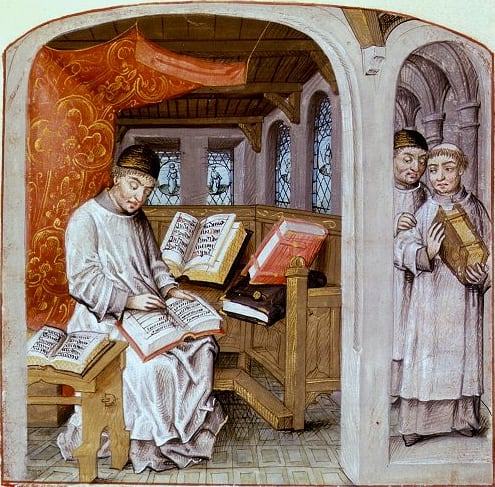
Thomas à Kempis
Concordano su: Che cos'è l'Assoluto? Dio esiste? · Perché soffriamo? · Che cosa accade dopo la morte?
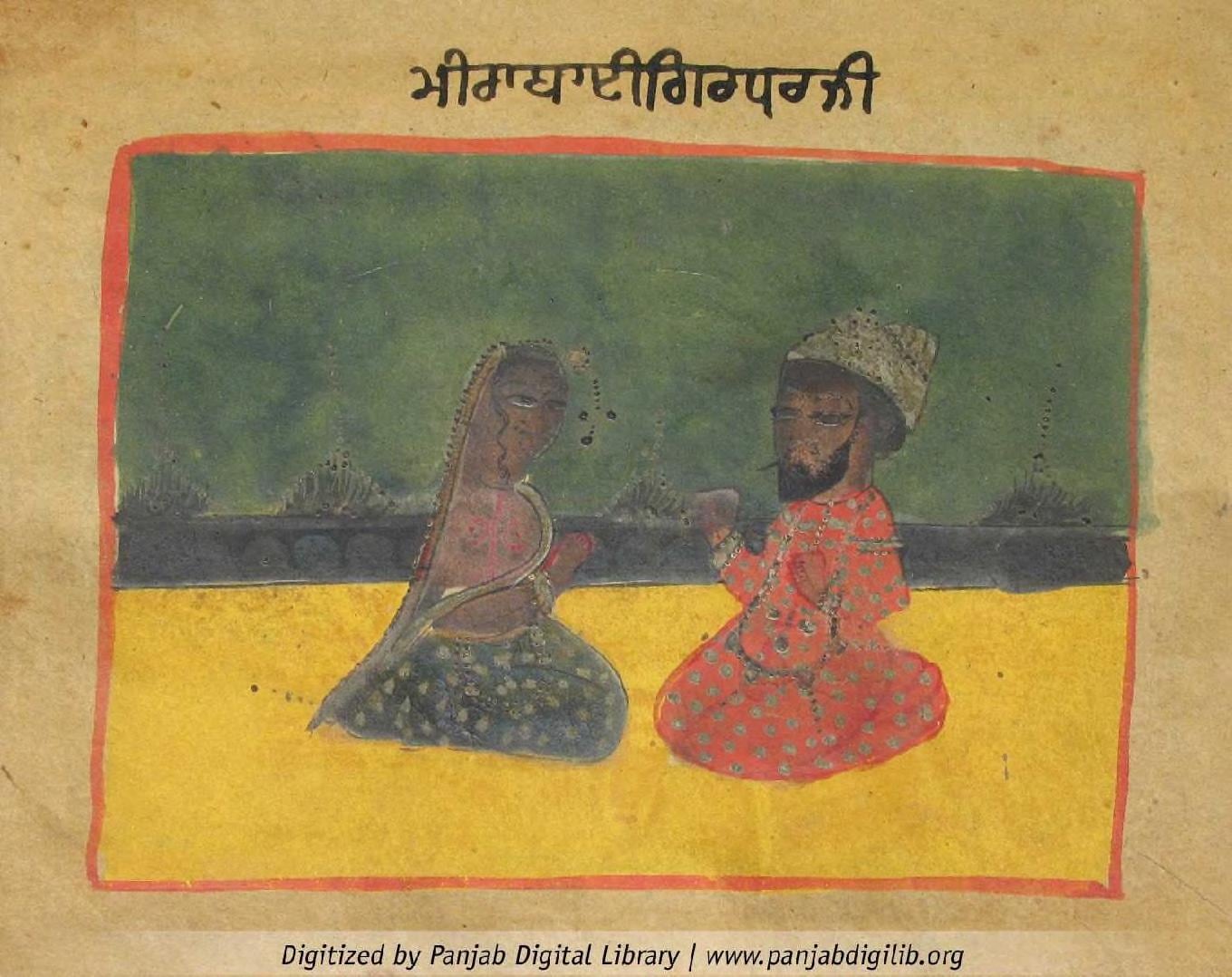
Mirabai
Concordano su: Che cos'è l'Assoluto? Dio esiste? · Perché soffriamo? · Come si raggiunge la liberazione o la salvezza?
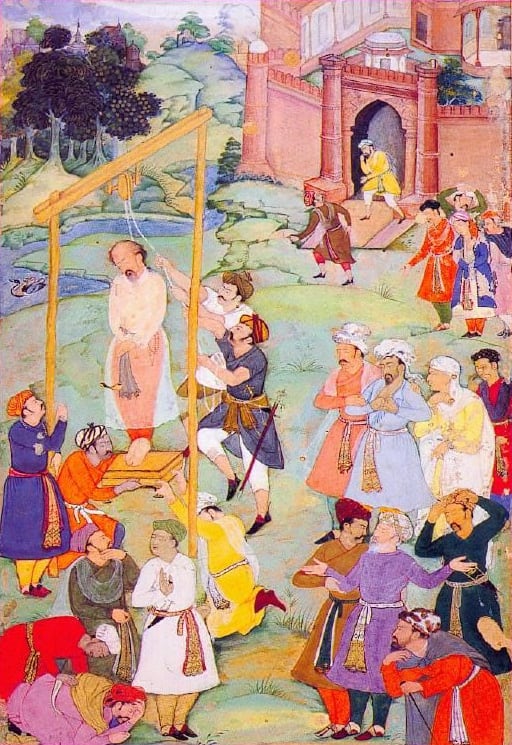
Al-Hallaj
Concordano su: Perché soffriamo? · Che cos'è l'Assoluto? Dio esiste? · Che cosa accade dopo la morte?
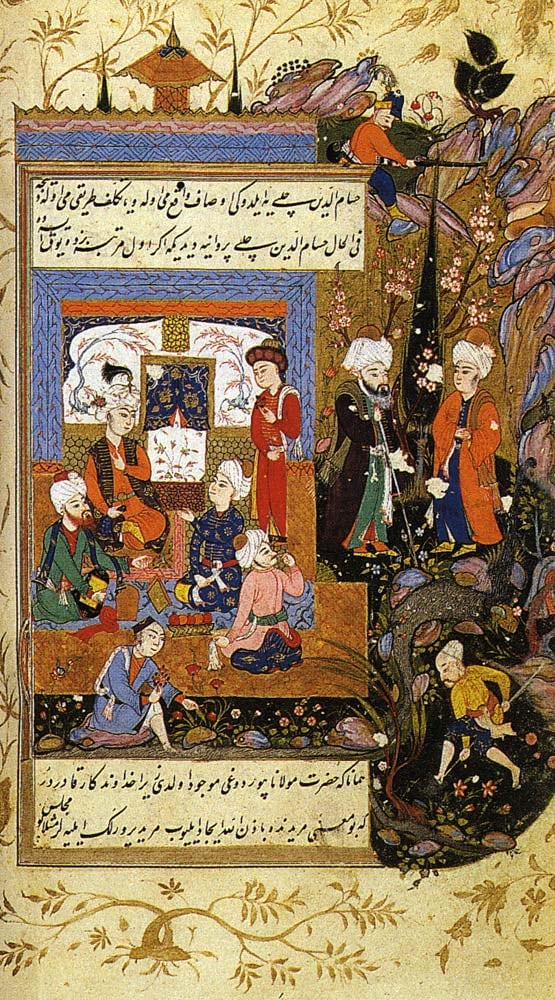
Rumi
Concordano su: Che cos'è l'Assoluto? Dio esiste? · Perché soffriamo? · Che cosa accade dopo la morte?
La pensa diversamente da

Pema Chödrön
Si scontrano su: Che cos'è l'Assoluto? Dio esiste? · Che cosa accade dopo la morte?
Śāntideva
Si scontrano su: Che cos'è l'Assoluto? Dio esiste? · Che cosa accade dopo la morte?

Nāgārjuna
Si scontrano su: Che cos'è l'Assoluto? Dio esiste? · Che cosa accade dopo la morte?

The 14th Dalai Lama (Tenzin Gyatso)
Si scontrano su: Che cos'è l'Assoluto? Dio esiste? · Che cosa accade dopo la morte?
Aneddoti e racconti
Aneddoti e racconti
Non verificabilec. 1250 (relato de Joinville)
Fire and water
Origine del racconto: Joinville, *Vie de saint Louis* (1309), without a name; later attribution to Rabia in the Persian Sufi tradition. Schimmel (1975) and Cornell (2019) discuss its spread.
Fonte: Schimmel, Annemarie. Mystical Dimensions of Islam. Chapel Hill: University of North Carolina Press, 1975 (sobre Rabia y la difusión europea del relato del fuego y el agua a través de Joinville).
Racconto agiograficos. VIII (según Attar)
The freed slave
Origine del racconto: Attar, *Tadhkirat al-awliya* (13th c.); English adaptation in Field (1910). Cornell notes that slavery does not appear in the ninth- to eleventh-century sources, which call her the freedwoman of a clan.
Racconto agiograficos. VIII (según Attar)
The Kaaba comes out to meet her
Origine del racconto: Attar, *Tadhkirat al-awliya*. Ibrahim ibn Adham died around 777; the meeting has no basis in the early sources.
Testimonianzac. 760–778
Sufyan al-Thawri and sorrow
Origine del racconto: Al-Dhahabi, *Siyar a'lam al-nubala'*, entry on Rabia (Arabic Wikisource), with chains going back to Ibn Abi l-Dunya and Basran witnesses.
Racconto agiograficos. VIII (según la tradición)
Hasan al-Basri's proposal
Origine del racconto: Attar, *Tadhkirat al-awliya*, adapted by Field (1910). Wikipedia (en), summarising Cornell, stresses that there is no evidence they ever met.
Insegnamenti
Insegnamenti
Le nozioni che articolano il suo pensiero, spiegate nel loro contesto.
Disinterested love of Godhubb-ilahi
The passage from the asceticism of fear (*khawf*) to the mysticism of love (*mahabba*); Nicholson, Schimmel and Cornell.
Fonte: Cornell, Rkia Elaroui. Rabi'a from Narrative to Myth: The Many Faces of Islam's Most Famous Woman Saint, Rabi'a al-'Adawiyya. Londres: Oneworld Academic, 2019.
Asceticism (zuhd)zuhd
Basran asceticism in the seventh and eighth centuries.
Fonte: Cornell, Rkia Elaroui. Rabi'a from Narrative to Myth: The Many Faces of Islam's Most Famous Woman Saint, Rabi'a al-'Adawiyya. Londres: Oneworld Academic, 2019.
Sincerity (sidq)sidq
Sufi doctrine of states and stations; *ikhlas* and *sidq* in al-Qushayri.
Contentment with the divine will (rida)rida
The station of *rida* in Sufi manuals; link with trust (*tawakkul*).
Repentance as gracetawba-como-gracia
Sufi doctrine of *tawba*; Nicholson, The Mystics of Islam (1914).
Fonte: Nicholson, Reynold A. The Mystics of Islam. Londres: G. Bell & Sons, 1914 (Project Gutenberg 67388).
Video
Video
Registrazioni, interviste e documentari. I video vengono riprodotti da YouTube; non sono ospitati qui.
The Woman Who Rejected Heaven and Hell
Analisi· EN· 50 min
Let's Talk Religion
Mystical Love & Sufi Women
Analisi· EN· 20 min
Let's Talk Religion
"The life and significance of Rab'ia al-Adawiyya" - Dr. Sophia Pandya
Conferenza· EN· 43 min
Salaam Islamic Center
First Female Sufi - Rabia al-Adawiyya
Conferenza· EN· 27 min
Claudia Yaghoobi
Great Figures of Islam – Rabi'a al-'Adawiyyah - Lecture Series (Session 6)
Conferenza· EN· 39 min
ISRA AcademyCanale ufficiale
Episode 4: Rabiah Al-Adawiyya | Inspirational Muslim Women
Analisi· EN· 6 min
Yaqeen InstituteCanale ufficiale
Conferencia: Rabi'a Al-'adawiyya. Dra. Paulina Pezzat
Conferenza· ES· 89 min
Seminario de Historia de la Filosofía Canal
Dolors Bramon - Los sufíes Al-Khallaj y la ex esclava Rabia Al-Adawiyya
Conferenza· ES· 49 min
Espacio Ronda Barcelona
Hasnat Mustafa Hashmi - Rabiya Basri, la mujer sufí
Conferenza· ES· 58 min
Espacio Ronda Barcelona
Mundo Poesía. Capítulo 17: Poesía sufí. Primera parte. Rābia'a al-'Adawiyya
Analisi· ES· 3 min
Culturas Veintidós
Râbi'a al-'Adawiyya : Femme, Mystique et Sainte musulmane - Focus #1
Analisi· FR· 30 min
Ave'Roes
Râbi'a al-'Adawiyya, mystique et liberté, par Asma Lamrabet
Conferenza· FR· 85 min
Conscience Soufie
RÂBI'AH al-'Adawiyyah – Une Vie, une Œuvre : l'amour spirituel (France Culture, 2006)
Documentario· FR· 2006· 88 min
ÉCLAIR BRUT
Rabia-i Adviyye Hazretleri: Hazreti Rabia (ARŞİV FİLM)
Registrazione di terzi· TR· 77 min
TGRT Belgesel TV
Galleria
Galleria
Immagini con licenza verificata. Ciascuna conserva la sua paternità e la sua attribuzione.
Relazioni
Relazioni
Influenze, discepolati e affinità. Si distingue la relazione documentata dalla somiglianza individuata per analisi.
Influenzò
Al-Ghazali quotes and comments on the verses of the "two loves" attributed to Rabia in book XXXVI of the *Ihya* as an example of pure love.
Relazione documentata
Influenzò
Attar wrote in the *Tadhkirat al-awliya* the legendary biography of Rabia that fixed her image in the Persian, Turkish and Indian worlds.
Relazione documentata
Idee affini a
Rumi, Attar's heir, develops the mysticism of disinterested love that tradition associates with Rabia. No direct mention in his work is cited here.
Somiglianza individuata per analisi
Idee affini a
Both are central figures of love mysticism in early Sufism and appear together in modern anthologies and studies; there was no contact (Rabia died around 801, al-Hallaj was born around 858).
Somiglianza individuata per analisi
Idee affini a
Ibn Arabi studied with women Sufi masters in al-Andalus and defended women's full spiritual capacity, a theme Rabia's figure embodies in the tradition. An affinity, not influence documented here.
Somiglianza individuata per analisi
Idee affini a
Rabia's detachment before the Kaaba has been compared with Teresa of Jesus's degrees of prayer (Salto Sánchez del Corral, 2017). An academic comparison, with no contact.
Somiglianza individuata per analisi
Idee affini a
Rabia's hagiographical stories share with the Christian tradition of women saints and desert fathers motifs such as voluntary poverty and the love of God for His own sake; the story of fire and water circulated in Christian Europe. A thematic affinity.
Somiglianza individuata per analisi
Fonti
Fonti
Bibliografia e cataloghi consultati per questa scheda.
- Wikidata, Q256506 «Rabia of Basri» (P31=Q5; 65 enlaces entre wikis; P569 710 (década); P570 801).
- Cornell, Rkia Elaroui. Rabi'a from Narrative to Myth: The Many Faces of Islam's Most Famous Woman Saint, Rabi'a al-'Adawiyya. Londres: Oneworld Academic, 2019.
- Smith, Margaret. Rabi'a the Mystic and Her Fellow-Saints in Islam. Cambridge: Cambridge University Press, 1928; reed. 1984 con introducción de Annemarie Schimmel.
- al-Dhahabi, Shams al-Din. Siyar a'lam al-nubala', entrada «Rabi'a al-'Adawiyya» (texto árabe en Wikisource).
- Ibn Kathir. al-Bidaya wa-l-nihaya, vol. X, obituarios del año 185 H, entrada «Rabi'a al-'Adawiyya» (texto árabe en Wikisource).
- Attar, Farid al-Din. Tadhkirat al-awliya', capítulo de Rabia; en la adaptación inglesa de Claud Field, Mystics and Saints of Islam, Londres: Francis Griffiths, 1910, cap. III «Rabia, the Woman Sufi» (Project Gutenberg 24314).
- Nicholson, Reynold A. The Mystics of Islam. Londres: G. Bell & Sons, 1914 (Project Gutenberg 67388).
- al-Sulami, Abu Abd al-Rahman. Dhikr al-niswa al-muta'abbidat al-sufiyyat. Ed. y trad. de Rkia Elaroui Cornell: Early Sufi Women. Louisville: Fons Vitae, 1999.
- al-Qushayri. al-Risala al-qushayriyya. Trad. de Alexander D. Knysh: Al-Qushayri's Epistle on Sufism. Reading: Garnet, 2007.
- Schimmel, Annemarie. Mystical Dimensions of Islam. Chapel Hill: University of North Carolina Press, 1975 (sobre Rabia y la difusión europea del relato del fuego y el agua a través de Joinville).
- Abu Talib al-Makki, Qut al-qulub (s. X), y al-Ghazali, Ihya ulum al-din, libro XXXVI (Kitab al-mahabba), trad. Eric Ormsby, Love, Longing, Intimacy and Contentment, Islamic Texts Society, 2012; texto árabe de los versos reproducido por Abd al-Ghani al-Nabulsi en Wikisource.
- Wikipedia (en), «Rabia of Basra» (citas de Cornell 2019 sobre la escasez de datos históricos, las tres Rabias de al-Sulami y su recepción moderna).
- Ibn Battuta. Tuhfat al-nuzzar fi ghara'ib al-amsar, vol. I, descripción de Jerusalén: la tumba del monte de los Olivos es de «Rabi'a al-Badawiyya», distinta de la célebre al-Adawiyya (texto árabe en Wikisource).
- Open Library, registros de ediciones de Smith, Cornell, al-Sulami, al-Qushayri, Attar (Arberry, Pavet de Courteille), Lings, Upton y Oudaimah.
- Titolare dei diritti
- Sin titular: no hay obra de Rabia. Los textos que se le atribuyen proceden de autores medievales de dominio público; las traducciones y estudios modernos (Cambridge University Press, Oneworld, Fons Vitae, Islamic Texts Society, Arfuyen, Seuil…) están sujetos a los derechos de sus editores.
In attesa di conferma
Ciò che questa scheda non ha ancora potuto chiarire. Preferiamo dirlo piuttosto che riempirlo.
- Obra: Rabia no dejó escritos. Se registran como «obras» los conjuntos de versos y dichos que se le atribuyen, cada uno con su fuente de transmisión (al-Makki, al-Dhahabi/Ibn Abi l-Dunya, al-Sulami, al-Qushayri, Attar), y los estudios y antologías principales como academic_about o compilation. No se ha podido verificar en el texto de Kitab al-luma' de al-Sarraj (ed. Nicholson, 1914) qué dichos de Rabia recoge: el OCR de Internet Archive no permite buscarlos.
- Ediciones en español: no se ha localizado ninguna traducción castellana con ISBN de los dichos o poemas atribuidos a Rabia, ni del Tadhkirat al-awliya de Attar.
- Sala de lectura: los textos de dominio público que contienen sus dichos (Attar en la edición persa de Nicholson, 1905–1907; la traducción francesa de Pavet de Courteille, 1889; Field, Mystics and Saints of Islam, 1910; Nicholson, The Mystics of Islam, 1914) son libros de otros autores en los que Rabia ocupa un capítulo; no se registran porque el importador no puede separar el capítulo. Margaret Smith (1928) es libre en EE. UU. pero no en la UE ni en España (Smith murió en 1970).
- Fechas: el nacimiento c. 717 y la muerte en 185/801 son tradicionales; Cornell subraya que su origen es incierto. Verificar en Cornell 2019 qué dos autores basrenses del siglo IX la mencionan (se cita a al-Jahiz).
- Citas: cotejar con el texto árabe de Qut al-qulub y del Ihya los versos de los «dos amores» (se ha usado la versión reproducida por al-Nabulsi en Wikisource) y localizar el texto árabe del dicho sobre el arrepentimiento citado por Nicholson.
- Vídeos: no se ha localizado un documental institucional; el programa de France Culture (2006) está subido por un canal no oficial.
Ricerca effettuata il 2026-10-25