Buddismo · Mahayana · Buddismo tibetano
Śāntideva
शान्तिदेव · ཞི་བ་ལྷ། · zhi ba lha · 寂天
ca. 685 – ca. 763Persona storicamente documentata
Monaco e poeta indiano dell'VIII secolo, legato al monastero di Nālandā e alla scuola madhyamaka. È autore del Bodhicaryāvatāra, il poema sul cammino del bodhisattva più studiato del buddhismo tibetano, e dello Śikṣāsamuccaya, un'antologia di sūtra mahāyāna. La sua vita è nota soltanto attraverso agiografie tarde; la ricerca moderna ha scoperto a Dunhuang una versione più breve e più antica del suo poema.
- opere
- 11opere
- edizioni
- 33edizioni
- citazioni
- 7citazioni
- video
- 14video
- immagini
- 3immagini
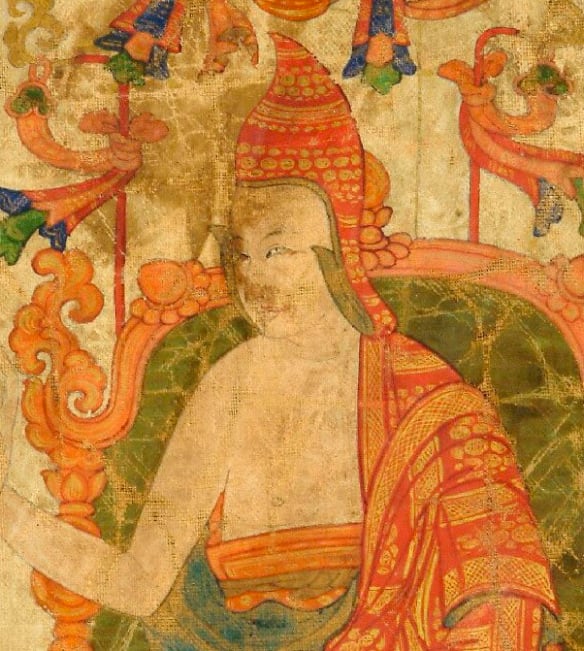
Śāntideva, pintura del siglo XIX · Public domain
Con le sue parole
«For as long as space endures and as long as the world endures, may I too endure, to destroy the sufferings of beings.»Bodhicaryāvatāra 10.55. Es la estrofa con que el Dalái Lama cerró su conferencia del Nobel (1989). Traducción propia del sánscrito, cotejada con Crosby y Skilton (1996) y Wallace (1997).

Per cominciare, un'opera
Entering the Way of the Bodhisattva (Bodhicaryāvatāra)La sua idea centrale
The mind of awakening (bodhicitta) is the centre of all practice: whoever generates it, though still bound to the world, becomes a child of the buddhas; its worth depends not on what is done but on the intention to free all beings.
Vederlo nel contesto
Biografia
5 min di lettura
Traduzione assistita dall'originale spagnolo, in attesa di revisione da parte di un traduttore madrelingua.
Un nome, due libri e una leggenda
Di Śāntideva, il poeta che il buddhismo tibetano legge come si recita una preghiera, la storia conserva pochissimo: un nome che significa «dio della pace», un monastero — Nālandā, la grande università buddhista del Bihar — e due opere la cui paternità nessuno discute, il Bodhicaryāvatāra e lo Śikṣāsamuccaya. Tutto il resto proviene da biografie scritte cinque o nove secoli dopo. Le date che si ripetono, 685-763, sono una ricostruzione tarda; gli studiosi preferiscono collocarlo, senza maggiore precisione, nella prima metà dell'VIII secolo, prima che i suoi versi venissero tradotti in tibetano alla fine di quello stesso secolo. Ciò che conta di lui, a rigore, non è una vita, ma un poema e un'antologia.
Il principe che sognò Mañjuśrī
La vita leggendaria si legge in tre fonti: la storia del buddhismo di Bu-ston (1322), quella di Tāranātha (1608) e una breve biografia sanscrita conservata in un manoscritto nepalese del XIV secolo, che J. W. de Jong studiò nel 1975. Concordano nell'essenziale. Śāntideva sarebbe nato principe in un regno dell'India occidentale — il Saurāṣṭra, nella maggior parte delle versioni — e alla vigilia dell'incoronazione avrebbe sognato che il trono era già occupato da Mañjuśrī, il bodhisattva della saggezza, che gli diceva: «Questo è il mio seggio». Fuggì dal palazzo, apprese da maestri nella foresta e, secondo Tāranātha e Bu-ston, servì per un periodo come ministro di un re dell'India orientale, armato di una spada di legno che, una volta sguainata, accecò chi la guardò. Sono episodi di uno stampo noto: rinuncia al trono, protezione del bodhisattva, prodigi.
L'ozioso di Nālandā
A Nālandā lo ordinò l'abate Jayadeva, che gli diede il nome con cui è conosciuto. Lì, racconta la leggenda, i monaci lo disprezzavano perché sembrava fare soltanto tre cose: mangiare, dormire e ritirarsi alla latrina — in sanscrito bhuñjāna, supta, kuṭiṃ gataḥ —, da cui gli venne il soprannome di Bhusuku. Per umiliarlo, gli chiesero di recitare un testo davanti all'intera comunità, seduto su un alto trono. Śāntideva domandò se volessero qualcosa di noto o qualcosa di nuovo, e cominciò a recitare il Bodhicaryāvatāra. Giunto alla strofa del nono capitolo secondo cui, quando né l'essere né il non-essere restano davanti alla mente, questa si placa senza sostegno, si sollevò in aria fino a scomparire, e si udì soltanto la sua voce che terminava il poema. In seguito si seppe che aveva lasciato nella sua cella altri due libri, lo Śikṣāsamuccaya e un Sūtrasamuccaya. La storia spiega a modo suo un fatto letterario: che il poema circolasse in versioni diverse.
L'ingresso nella condotta del bodhisattva
Il Bodhicaryāvatāra, «l'ingresso nella condotta del risveglio», è un poema sanscrito di circa novecento strofe in dieci capitoli. Si apre con l'elogio della bodhicitta, la mente che aspira al risveglio per il bene di tutti gli esseri, prosegue con la confessione delle colpe e l'assunzione del voto, e percorre poi le perfezioni del bodhisattva: la presenza mentale e la vigilanza, la pazienza — il sesto capitolo, un'analisi implacabile dell'ira —, lo sforzo gioioso, la meditazione, dove l'autore insegna a rendersi uguale agli altri e a scambiarsi con loro, e la saggezza, un trattato compresso di filosofia madhyamaka che polemizza con i buddhisti realisti, con gli Yogācāra e con il Sāṃkhya. Chiude una lunga dedica divenuta una delle preghiere più recitate del buddhismo mahāyāna. La straordinarietà del libro sta nel tono: parla in prima persona, si rimprovera, dubita, si esorta; è insieme manuale, confessione e poema.
Due poemi in uno
La scoperta più importante della ricerca moderna viene dalle grotte di Dunhuang. Tra i manoscritti tibetani lì murati intorno all'anno 1000, Akira Saito identificò negli anni Novanta una versione più breve del poema: circa 700 strofe in nove capitoli, perché il secondo e il terzo della versione canonica ne formano uno solo, e con molto meno materiale nei capitoli sulla meditazione e sulla saggezza. Uno dei colofoni la attribuisce ad Akṣayamati, che la tradizione riteneva un altro nome dell'autore; il catalogo imperiale tibetano dell'inizio del IX secolo registra il testo con un'estensione che corrisponde a questa versione breve. La versione lunga, di circa 913 strofe, è dunque un ampliamento successivo, e fu quella che tradussero in tibetano Rinchen Zangpo e i suoi collaboratori nell'XI secolo e che rivide poi Loden Sherab. Tāranātha sapeva già dell'esistenza di tre recensioni, e la leggenda del monaco che scompare mentre recita è probabilmente il modo in cui la tradizione si spiegò le differenze. L'unica traduzione cinese, della fine del X secolo, attribuisce ancora il testo a Nāgārjuna.
L'antologia
Lo Śikṣāsamuccaya, il «compendio dell'insegnamento», è un'altra cosa: ventisette strofe mnemoniche sviluppate in diciannove capitoli in prosa che sono, soprattutto, citazioni da più di un centinaio di sūtra mahāyāna, molti perduti in sanscrito e noti soltanto grazie a esso. Si conserva in un unico manoscritto sanscrito, che Cecil Bendall pubblicò tra il 1897 e il 1902 e tradusse in inglese con W. H. D. Rouse nel 1922; Charles Goodman ne ha pubblicato nel 2016 la prima traduzione moderna completa. Il poema stesso rimanda a questa antologia e a un Sūtrasamuccaya per chi voglia conoscere le regole del bodhisattva; quest'ultimo non si è conservato e non va confuso con l'omonimo compendio attribuito a Nāgārjuna.
Dal Tibet al mondo
In India il poema ricevette commenti, il più ampio dei quali è quello di Prajñākaramati, risalente all'anno 1000 circa. Ma fu in Tibet che divenne un testo centrale: lo commentarono Gyaltsab Je — discepolo di Tsongkhapa —, Thogme Zangpo e Mipham, il cui commento al nono capitolo scatenò una polemica durata decenni, e nel XIX secolo lo predicò senza sosta il girovago Patrul Rinpoche. Il XIV Dalai Lama lo insegna da decenni e ne ha pubblicato commenti all'insieme, al capitolo sulla pazienza e a quello sulla saggezza; concluse la sua conferenza per il Nobel, nel 1989, con la strofa che chiede di rimanere «finché durerà lo spazio» per alleviare il dolore del mondo. Tradotto in francese da Louis de La Vallée Poussin nel 1907 e da Louis Finot nel 1920, in inglese da Lionel Barnett nel 1909 e poi molte altre volte, il poema ha trovato lettori anche tra i filosofi morali, che hanno visto nei suoi argomenti contro l'egoismo un'etica del bene di tutti formulata mille anni prima di quella degli utilitaristi. Chiunque ne sia stato l'autore, l'opera è sopravvissuta al suo nome.
Fonti: Pezzali, Amalia. Śāntideva, mystique bouddhiste des VIIe et VIIIe siècles. Florencia: Vallecchi, 1968. · Śāntideva. The Bodhicaryāvatāra. Trad., introd. y notas de Kate Crosby y Andrew Skilton; introducción general de Paul Williams. Oxford: Oxford University Press (Oxford World's Classics), 1996. ISBN 0192829793. · Śāntideva. A Guide to the Bodhisattva Way of Life (Bodhicaryāvatāra). Trad. del sánscrito y del tibetano de Vesna A. Wallace y B. Alan Wallace. Ithaca (NY): Snow Lion, 1997. ISBN 1559390611. · Saito, Akira. A Study of Akṣayamati (= Śāntideva)'s Bodhisattvacaryāvatāra as Found in the Tibetan Manuscripts from Tun-huang. Mie (Japón): Mie University, 1993 (informe de investigación). · Goodman, Charles (trad.). The Training Anthology of Śāntideva: A Translation of the Śikṣā-samuccaya. Nueva York: Oxford University Press, 2016. ISBN 9780199391356.
Cronologia
La vita, anno per anno
Ogni punto è un evento documentato. Fai clic per leggerlo, con la sua fonte e il suo grado di certezza.
ca. 6850 anniSaurāṣṭra (Guyarat), según la leyenda
Birth, according to traditional chronology
The dates 685–763 come from late chronologies; hagiography has him born a prince in Saurāṣṭra (western India). Scholarship only affirms that he lived in the first half of the eighth century.
TradizioneWikidata, «Shantideva», QID Q445460 (VIAF 23444930; LCCN n80102717).
Dopo la sua morte
- ca. 790First Tibetan translation (short version)
- ca. 812The Ldan dkar ma catalogue records the poem
- ca. 985Chinese translation attributed to Nāgārjuna
- ca. 1000Prajñākaramati's commentary
- ca. 1020Tibetan revision of the long version
- 1322Biography in Butön's History
- 1608Biography in Tāranātha's History
- 1897 – 1902Bendall edits the Śikṣāsamuccaya
- 1907First European translations
- 11 dicembre 1989The Dalai Lama closes his Nobel lecture with Śāntideva
- 1993Saito identifies the Dunhuang version
ca. 685 · 0 anni
Birth, according to traditional chronology
The dates 685–763 come from late chronologies; hagiography has him born a prince in Saurāṣṭra (western India). Scholarship only affirms that he lived in the first half of the eighth century.
Tradizione
ca. 705
Renunciation of the throne
On the eve of his coronation he dreams that Mañjuśrī occupies his throne and flees to the forest. Hagiographic episode.
Tradizione
ca. 720 – 750
Monk at Nālandā: the Bodhicaryāvatāra and the Śikṣāsamuccaya
Ordained by abbot Jayadeva, he composes his two surviving works. The recitation before the assembly and the vanishing belong to legend.
Probabile
ca. 790
First Tibetan translation (short version)
Sarvajñādeva and Paltseg translate into Tibetan a recension of some 700 stanzas in nine chapters, the one preserved in the Dunhuang manuscripts.
Probabile
ca. 812
The Ldan dkar ma catalogue records the poem
The early ninth-century Tibetan imperial catalogue records the text at a length that fits the short version.
Probabile
ca. 985
Chinese translation attributed to Nāgārjuna
Tianxizai translates the poem into Chinese as Putixing jing (Taishō 1662), in eight chapters and under Nāgārjuna's name.
Probabile
ca. 1000
Prajñākaramati's commentary
Around 1000 the Bodhicaryāvatārapañjikā, the longest surviving Indian commentary, is written.
Probabile
ca. 1020
Tibetan revision of the long version
Dharmaśrībhadra, Rinchen Zangpo and Śākya Lodrö translate the ten-chapter version; Sumatikīrti and Loden Sherab later revise it: this is the canonical text.
Probabile
1322
Biography in Butön's History
Butön Rinchen Drub includes Śāntideva's legendary life in his history of Buddhism.
Documentato
1608
Biography in Tāranātha's History
Tāranātha expands the legend and records the existence of three versions of the poem.
Documentato
1897 – 1902
Bendall edits the Śikṣāsamuccaya
Cecil Bendall publishes in St Petersburg, in instalments until 1902, the edition of the only Sanskrit manuscript; with W. H. D. Rouse he will translate it into English in 1922.
Documentato
1907
First European translations
Louis de La Vallée Poussin translates the poem into French (1907); Barnett follows in English (1909) and Finot in French (1920).
Documentato
11 dicembre 1989
The Dalai Lama closes his Nobel lecture with Śāntideva
In Oslo, on 11 December 1989, the Fourteenth Dalai Lama ends his lecture with stanza 10.55 of the Bodhicaryāvatāra.
Documentato
1993
Saito identifies the Dunhuang version
Akira Saito publishes his study of the Tibetan Dunhuang manuscripts, which preserve an earlier and shorter recension attributed to Akṣayamati.
Documentato
Opere
Opere essenziali
Le opere senza le quali non si comprende la sua eredità.
Opera scritta · ca. 720
Entering the Way of the Bodhisattva (Bodhicaryāvatāra)
बोधिचर्यावतार (Bodhicaryāvatāra; también Bodhisattvacaryāvatāra) · tib. བྱང་ཆུབ་སེམས་དཔའི་སྤྱོད་པ་ལ་འཇུག་པ། (byang chub sems dpa'i spyod pa la 'jug pa) · chino 入菩薩行論 / 菩提行經
A Sanskrit poem in ten chapters tracing the bodhisattva's path: praise of the mind of awakening (bodhicitta), confession, taking the vow, mindfulness and vigilance, patience, effort, meditation—with the practice of equalising and exchanging self and others—, wisdom (a Madhyamaka exposition arguing with realists, Yogācāra and Sāṃkhya) and dedication. Written in the first person, it blends exhortation, confession and argument; it is the most studied Mahāyāna text in Tibetan Buddhism and one of the most translated into Western languages.
18 edizioni

Opera scritta · ca. 720
The Training Anthology (Śikṣāsamuccaya)
शिक्षासमुच्चय (Śikṣāsamuccaya) · tib. བསླབ་པ་ཀུན་ལས་བཏུས་པ། (bslab pa kun las btus pa) · chino 大乘集菩薩學論
Twenty-seven mnemonic stanzas (kārikā) commented on in nineteen prose chapters that consist mostly of quotations from more than a hundred Mahāyāna sūtras, many lost in Sanskrit. It organises the bodhisattva's ethics around protecting, purifying and increasing one's body, possessions and merit in order to give them to beings. It is a first-rate source for lost Mahāyāna literature and the doctrinal complement to the Bodhicaryāvatāra.
4 edizioni
Tutta la sua opera (11)
Śāntideva
The short Dunhuang recension of the Bodhicaryāvatāra
The Conscious LibraryThe short Dunhuang recension of the Bodhicaryāvatāra
790
Śāntideva
Verses of the Training Anthology
The Conscious LibraryVerses of the Training Anthology
720
Śāntideva
Compendium of Sūtras (lost)
The Conscious LibraryCompendium of Sūtras (lost)
Śāntideva
Caryāpada songs signed by Bhusuku
The Conscious LibraryCaryāpada songs signed by Bhusuku
Śāntideva
Prajñākaramati's commentary on the Bodhicaryāvatāra
The Conscious LibraryPrajñākaramati's commentary on the Bodhicaryāvatāra
1000

A Flash of Lightning in the Dark of Night (Dalai Lama)
1994

The Nectar of Manjushri's Speech (Kunzang Pelden)
2007

No Time to Lose (Pema Chödrön)
2005
Śāntideva
Altruism and Reality (Paul Williams)
The Conscious LibraryAltruism and Reality (Paul Williams)
1998
Citazioni
Citazioni localizzate in un'opera precisa. Ciascuna porta con sé la sua provenienza e il suo grado di affidabilità.
For as long as space endures and as long as the world endures, may I too endure, to destroy the sufferings of beings.ākāśasya sthitir yāvad yāvac ca jagataḥ sthitiḥ | tāvan mama sthitir bhūyāj jagadduḥkhāni nighnataḥ ||
VerificataBodhicaryāvatāra 10.55. Es la estrofa con que el Dalái Lama cerró su conferencia del Nobel (1989). Traducción propia del sánscrito, cotejada con Crosby y Skilton (1996) y Wallace (1997).
Idee essenziali (sintesi editoriale)
Per rispetto del diritto d'autore, queste idee sono riassunte con parole nostre e non sono presentate come citazioni letterali.
- The mind of awakening (bodhicitta) is the centre of all practice: whoever generates it, though still bound to the world, becomes a child of the buddhas; its worth depends not on what is done but on the intention to free all beings.
- Pain has no owner: if there is no substantial self who suffers, there is no reason to prefer relieving one's own pain over another's. The argument against selfishness is metaphysical before it is moral.
- Anger is the inner enemy that destroys in an instant the merit of aeons; the adversary who harms us is in fact the occasion to practise patience, and so deserves gratitude.
- One cannot cover the world so that it does not wound, but one can guard one's own mind: mindfulness (smṛti) and vigilance (saṃprajanya) are the true discipline.
- The wisdom of emptiness is not a theoretical add-on to compassion but its foundation: all the preceding perfections exist for its sake.
Citazioni apocrife o di attribuzione discussa (1)
«If a problem can be solved, why worry? If it cannot be solved, worrying will do no good.»
It is authentic Śāntideva (Bodhicaryāvatāra 6.10), but circulates massively attributed to the Dalai Lama or the Buddha by quotation sites; it is recorded here to correct the attribution, not the quotation.
Ultime parole
Non esistono testimonianze verificabili delle sue ultime parole.
There is no record of his death. Hagiography (Butön, Tāranātha, the Sanskrit biography) narrates not an end but a disappearance: the monk rises into the air while reciting stanza 9.34 and is seen no more; later versions have him reappear in south India. The dates 685–763 are a late reconstruction.
Fonte: de Jong, J. W. «La légende de Śāntideva». Indo-Iranian Journal 16 (1975): 161–182.
Chiedi
Ciò a cui risponde la sua opera
Dodici grandi domande dell'umanità e ciò che i suoi testi permettono di rispondere, con riferimenti. Non gli mettiamo mai parole in bocca.
Che cos'è l'Assoluto? Dio esiste?
He refutes the creator god; buddhas do not create the world, they teach the path
Nessun Dio creatoreLo dice espressamente
In chapter 9 of the Bodhicaryāvatāra, devoted to wisdom, Śāntideva expressly discusses the thesis of a creator god (Īśvara) and rejects it: if it were an eternal and independent cause, it could not produce effects that arise and cease; if it depended on other conditions, it would no longer be the origin of everything. In the same section he refutes the primordial matter of the Sāṃkhya school. What he upholds instead is the Madhyamaka analysis: nothing has its own existence, and when neither being nor non-being remains before the mind, it comes to rest without support (9.34). This does not make his work a cold text: chapters 2 and 3 are of veneration and offering to the buddhas and bodhisattvas. But those awakened beings neither create nor govern the world; they teach the path.
Confronta questa domanda con altri maestriChi sono io? Esiste un vero sé?
The self is like a row or an army: an aggregate without an owner
Non c'è un sé permanenteLo dice espressamente
Śāntideva approaches the self by two complementary paths in the Bodhicaryāvatāra. In chapter 9 he searches for it in body and mind, part by part, and finds it in none: neither the teeth, nor the hair, nor the sensations, nor consciousness are the self, and there is no self apart from them either. In chapter 8 he draws an ethical consequence from this. The continuum and the collection are unreal like a row or an army, so there is no owner of suffering who would justify protecting oneself alone; therefore one must meditate on the equality of self and others, who feel pain and joy equally (8.90). The absence of self is not, for him, a philosophical curiosity: it is the rational foundation of compassion.
Confronta questa domanda con altri maestriPerché soffriamo?
All who suffer suffer from desiring their own happiness
Brama e attaccamentoLo dice espressamente
Śāntideva's answer is at once psychological and moral. In the Bodhicaryāvatāra he states that all who suffer in the world suffer from desiring their own happiness, and all who are happy are so from desiring that of others (8.129). Attachment to oneself, the exclusive care for one's own well-being, is the source of pain; hatred is its most destructive form, and therefore there is no evil like it (6.2). Chapter 5 adds an image: one cannot cover the whole earth with leather, but the leather of one's sandals suffices; one cannot subdue the outer world, but one can subdue one's own mind. Behind all this lies the ignorance that believes in a self with its own existence, examined in chapter 9.
Confronta questa domanda con altri maestriChe cosa accade dopo la morte?
Death comes without warning, and only our deeds follow us
Rinascita secondo il karmaLo dice espressamente
Śāntideva writes within the Indian framework of rebirth and uses it as a spur. In chapter 2 of the Bodhicaryāvatāra he depicts himself facing death: one must depart leaving everything, friends and enemies fade like a dream, and only the evil deeds committed on their account weigh. Chapter 4 recalls how hard it is to obtain a human birth with freedom to practise, like the blind turtle that finds the yoke in the ocean, and chapter 7 describes the hells to combat laziness. Death is not an end but a passage to another birth conditioned by conduct. The ultimate horizon is broader: the bodhisattva does not aspire to leave the cycle for himself, but to remain as long as there are beings who suffer (10.55).
Confronta questa domanda con altri maestriCome si raggiunge la liberazione o la salvezza?
Awaken the mind of awakening and practise the perfections, up to wisdom
Con una pratica disciplinataLo dice espressamente
The Bodhicaryāvatāra is, from beginning to end, a programme of practice. It starts by awakening the mind of awakening (bodhicitta), the aspiration to be liberated in order to liberate all, and sustains it with the confession and vow of chapters 2 and 3. Then come heedfulness, mindfulness and introspection (chapters 4 and 5), patience (6), effort (7), meditation (8) and wisdom (9). Each perfection corrects a specific obstacle: hatred, laziness, distraction. Śāntideva declares at the beginning of chapter 9 that the Buddha taught all the preceding for the sake of wisdom, which is what cuts the root. But without the prior discipline wisdom does not hold, and without compassion it is not the bodhisattva's.
Confronta questa domanda con altri maestriServe un maestro?
Never abandon the spiritual friend, even at the cost of one's life
IndispensabileLo dice espressamente
Śāntideva gives the spiritual friend (kalyāṇamitra) a central place. In chapter 5 of the Bodhicaryāvatāra he asks that one never abandon, not even to save one's life, the spiritual friend who knows the meaning of the Great Vehicle and keeps the bodhisattva vows, and immediately refers to the sūtras, to the Compendium of Training and to Nāgārjuna's Compendium of Sūtras as guides to conduct. The Compendium of Training indeed gathers passages from the sūtras on how to serve and listen to the master. The spiritual friend is indispensable because he transmits discipline and view; yet the whole work is an exhortation to oneself, written, the author says at the outset, to familiarise his own mind with the teaching.
Confronta questa domanda con altri maestriIl mondo è reale?
Things are like illusions: they lack own-being, yet they function
Una rete di cause senza sostanzaLo dice espressamente
Chapter 9 of the Bodhicaryāvatāra sets out the Madhyamaka view of the world against other Buddhist and non-Buddhist schools. Śāntideva distinguishes two truths, conventional and ultimate, and warns that what is real in the ultimate sense is beyond the reach of the intellect, which is itself conventional. Things arise from causes and conditions and, on examination, show no nature of their own; they are like a magical illusion, which appears and produces effects without being what it seems. He answers the objection that, if all is illusory, compassion would be meaningless: the illusion keeps operating on its own level, and the suffering of beings, though empty, is undergone. The world is not denied; it is seen without the solidity we attribute to it.
Confronta questa domanda con altri maestriChe cos'è l'amore?
As long as space endures, may I endure to end suffering
Compassione senza limitiLo dice espressamente
Few works have given compassion as accomplished a form as the Bodhicaryāvatāra. Its engine is the mind of awakening: the aspiration to attain buddhahood for the good of all. Chapter 8 grounds it in reasoning: one must meditate on the equality of self and others, since all feel pain and joy equally (8.90), and then on exchange, placing others where one used to place oneself. All who suffer do so from desiring their own happiness, and the happy are so from desiring that of others (8.129). Chapter 10 culminates in the vow the Dalai Lama read on receiving the Nobel Prize: for as long as space endures and the world endures, may I too endure to destroy the sufferings of beings.
Confronta questa domanda con altri maestriSiamo liberi o è tutto determinato?
No one acts by their will alone, and yet one must strive
Karma e sceltaLo dice espressamente
Śāntideva holds two claims at once. In chapter 6 of the Bodhicaryāvatāra, on patience, he argues that whoever harms us does so moved by conditions they do not control, just as bile causes illness without wishing to; nothing arises by itself, and so anger at a person has no proper object. But chapter 4, on heedfulness, and chapter 7, on effort, urge insistently that the human birth not be wasted: today's actions determine future births and one's own path depends on diligence. Freedom does not consist in an independent self that chooses, but in the real possibility of changing causes: cultivating mindfulness, patience and the mind of awakening alters what is to come.
Confronta questa domanda con altri maestriPerché meditare o pregare?
Mindfulness, introspection and meditation in the service of wisdom
Vedere la realtà così com'èLo dice espressamente
The Bodhicaryāvatāra integrates prayer and meditation into a single path. Chapters 2 and 3 are liturgy: offering, confession, rejoicing in others' good, supplication to the buddhas and taking the bodhisattva vow. Chapter 5 teaches how to guard the mind with mindfulness and introspection, like someone watching over a wild elephant. Chapter 8, devoted to meditation, recommends the solitude of the forest and develops the equality and exchange of self and others. But all of this, he says on opening chapter 9, the Buddha taught for the sake of wisdom, which sees that nothing has its own existence. Meditation is ultimately seeing reality as it is, and that seeing is what frees the mind from its support (9.34).
Confronta questa domanda con altri maestriPuò la ragione conoscere l'ultimo?
The ultimately real is beyond the reach of the intellect
L'ultimo è al di là della menteLo dice espressamente
At the beginning of chapter 9 of the Bodhicaryāvatāra, Śāntideva concisely formulates his answer: there are two truths, conventional and ultimate, and the ultimately real is not the domain of the intellect, because the intellect itself is conventional (9.2). This does not prevent him from arguing throughout the chapter against other schools, Buddhist and non-Buddhist, with meticulous dialectic: reason serves to dismantle false ideas, such as the permanent self or the creator god. But its function is negative. When neither being nor non-being remains before the mind, there being no other option, it comes to rest without support (9.34). Realisation is not the conclusion of an argument but what remains when all the arguments have done their work.
Confronta questa domanda con altri maestriRitirarsi dal mondo o trasformarlo?
Be for beings whatever they need: medicine, food, path, boat
Impegnarsi nel mondoLo dice espressamente
The Bodhicaryāvatāra has two movements. Chapter 8 recommends withdrawing to the forest, far from the company of fools and the craving for gain, as a condition for meditation. But the horizon of the whole poem is service. In chapter 3, on taking the vow, the author wishes to be medicine and physician for the sick, food in times of famine, protector of the destitute, guide for travellers, boat and bridge for those who wish to cross. Chapter 10 ends with the vow to remain as long as the world lasts to end its sufferings. Retreat is a means; the end is to abandon no being. That is why the text has become a reference for contemporary engaged Buddhism.
Confronta questa domanda con altri maestri
Affinità e tensioni
Affinità e tensioni
Calcolate domanda per domanda a partire dalle sue posizioni. Il perché di ogni accordo o contrasto, con un clic.
La pensa in modo simile a
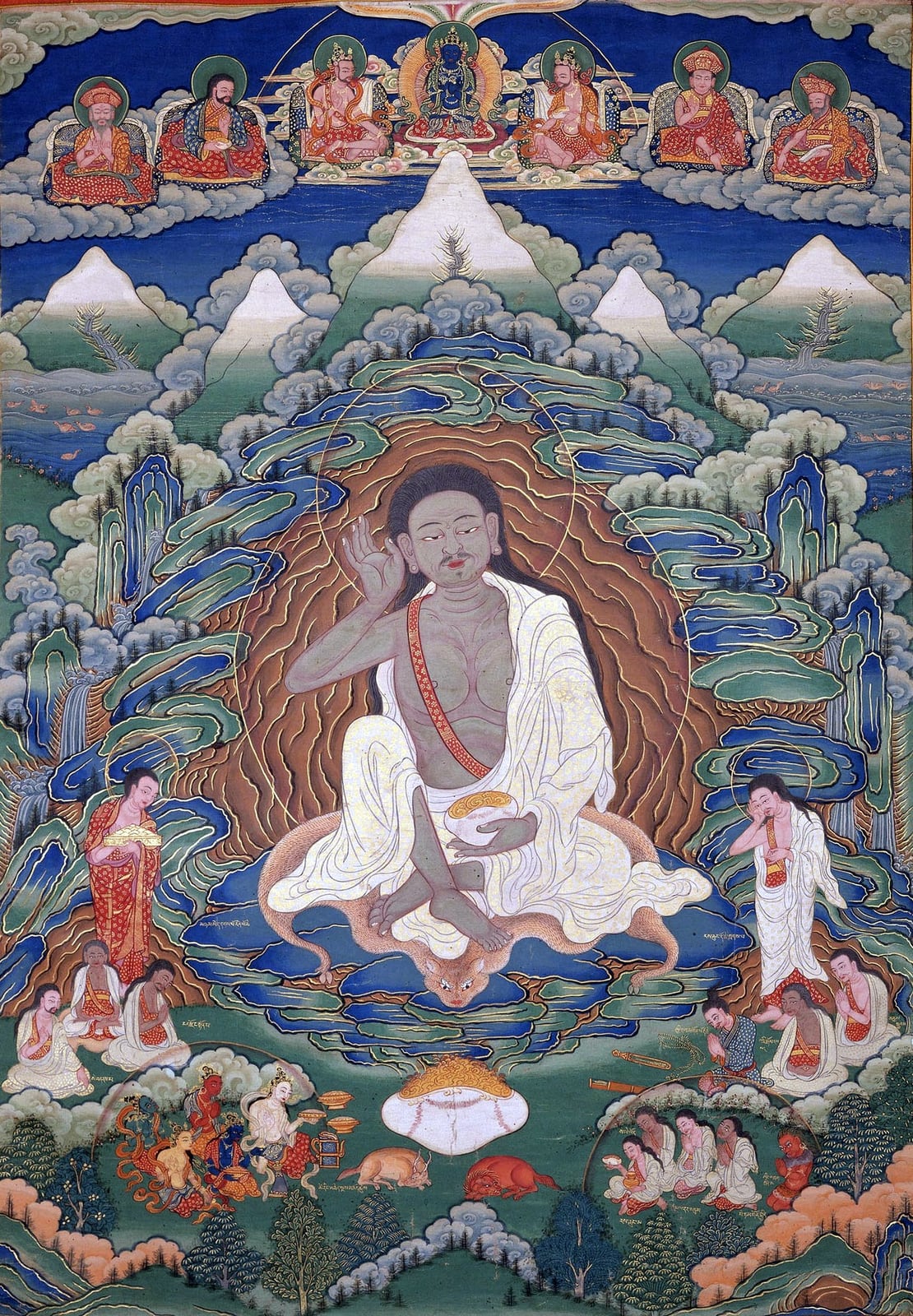
Milarepa
Concordano su: Siamo liberi o è tutto determinato? · Che cos'è l'Assoluto? Dio esiste? · Chi sono io? Esiste un vero sé?
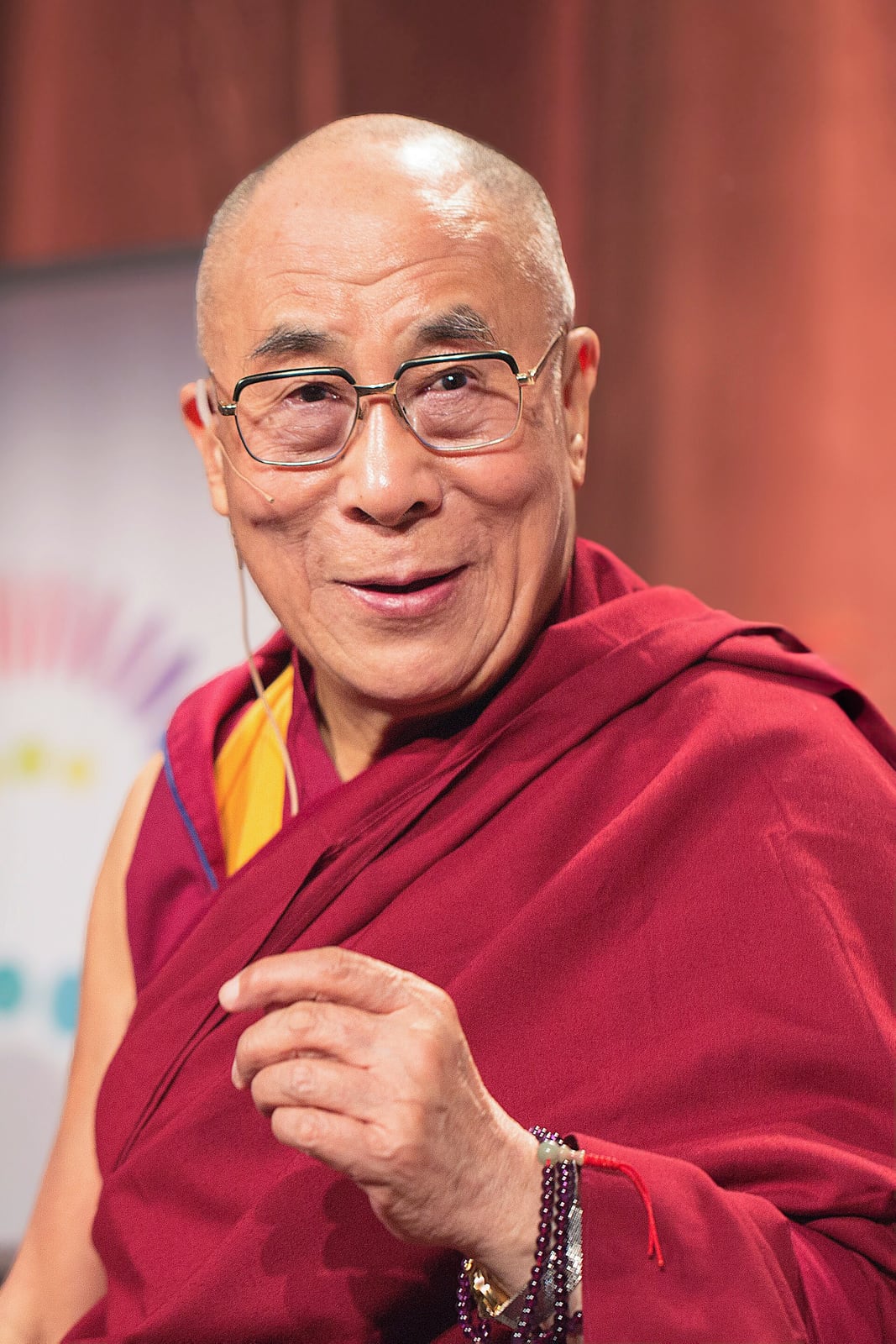
The 14th Dalai Lama (Tenzin Gyatso)
Concordano su: Come si raggiunge la liberazione o la salvezza? · Che cos'è l'Assoluto? Dio esiste? · Chi sono io? Esiste un vero sé?

Tsongkhapa
Concordano su: Come si raggiunge la liberazione o la salvezza? · Che cos'è l'Assoluto? Dio esiste? · Chi sono io? Esiste un vero sé?
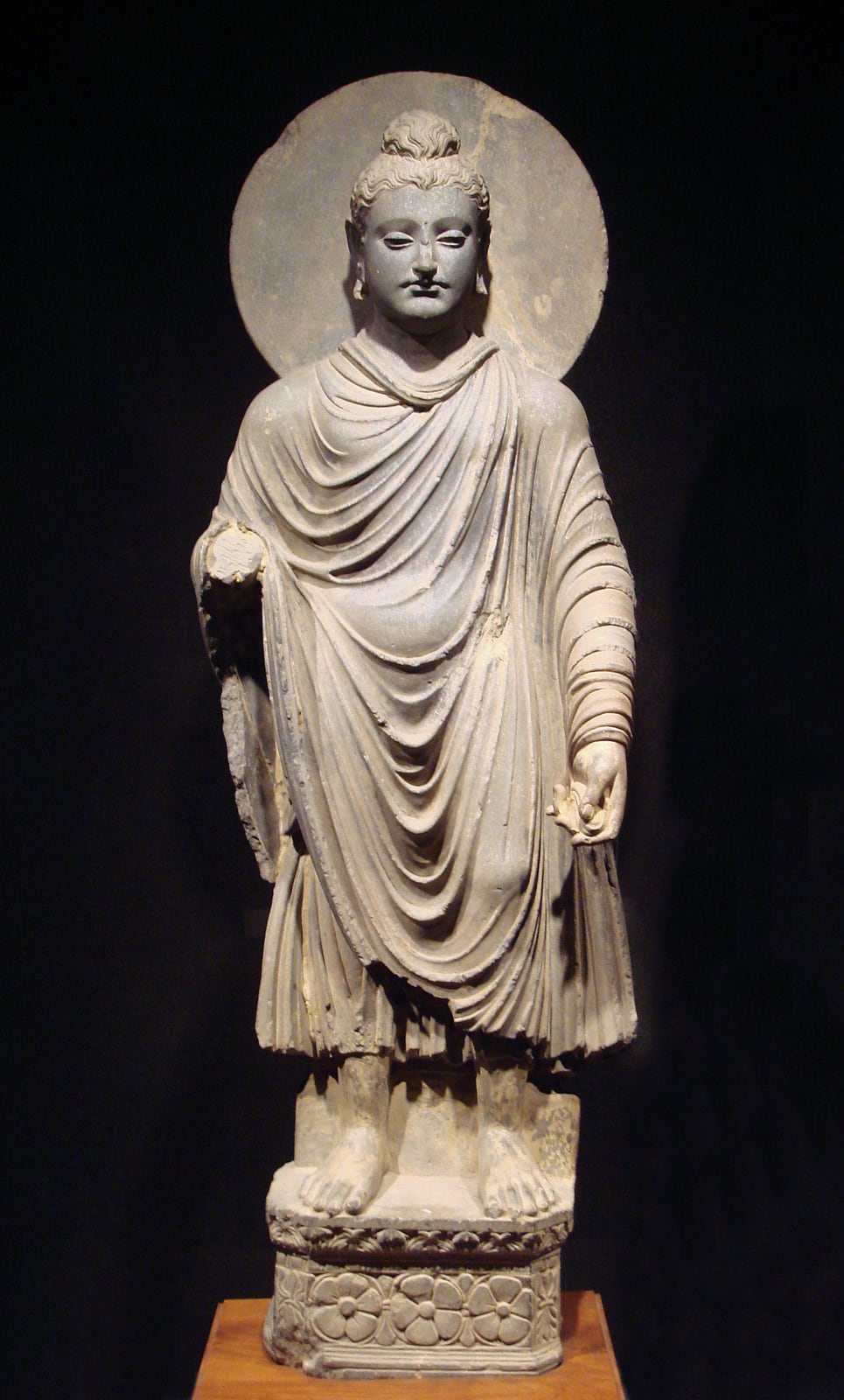
Siddhartha Gautama, the Buddha
Concordano su: Che cos'è l'Assoluto? Dio esiste? · Chi sono io? Esiste un vero sé? · Perché soffriamo?
La pensa diversamente da

Francis of Assisi
Si scontrano su: Che cos'è l'Assoluto? Dio esiste? · Chi sono io? Esiste un vero sé? · Che cosa accade dopo la morte?

Rabia al-Adawiyya
Si scontrano su: Che cos'è l'Assoluto? Dio esiste? · Che cosa accade dopo la morte?

Julian of Norwich
Si scontrano su: Che cos'è l'Assoluto? Dio esiste? · Chi sono io? Esiste un vero sé? · Che cosa accade dopo la morte?
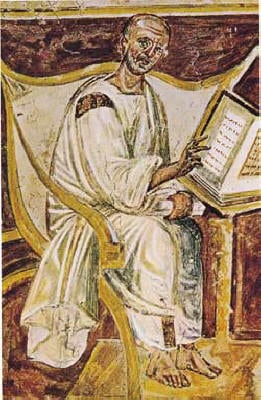
Augustine of Hippo
Si scontrano su: Che cos'è l'Assoluto? Dio esiste? · Chi sono io? Esiste un vero sé? · Che cosa accade dopo la morte?
Aneddoti e racconti
Aneddoti e racconti
Racconto agiograficosiglo VIII (según la leyenda)
The occupied throne
Origine del racconto: Butön, History of Buddhism (1322), Tāranātha, History of Buddhism in India (1608), and the Sanskrit biography in a fourteenth-century Nepalese manuscript studied by de Jong (1975). None is less than five centuries later than the life it narrates.
Fonte: Tāranātha. Tāranātha's History of Buddhism in India. Trad. Lama Chimpa y Alaka Chattopadhyaya. Simla: Indian Institute of Advanced Study, 1970.
Racconto agiograficosiglo VIII (según la leyenda)
The wooden sword
Origine del racconto: Butön, History of Buddhism (1322), Tāranātha, History of Buddhism in India (1608), and the Sanskrit biography in a fourteenth-century Nepalese manuscript studied by de Jong (1975). None is less than five centuries later than the life it narrates.
Fonte: Bu-ston (Butön Rinchen Drub). History of Buddhism (Chos-ḥbyung). Trad. E. Obermiller. Heidelberg: Harrassowitz, 1931–1932, 2 vols.
Racconto agiograficosiglo VIII (según la leyenda)
The one who ate, slept and went to the latrine
Origine del racconto: Butön, History of Buddhism (1322), Tāranātha, History of Buddhism in India (1608), and the Sanskrit biography in a fourteenth-century Nepalese manuscript studied by de Jong (1975). None is less than five centuries later than the life it narrates.
Fonte: de Jong, J. W. «La légende de Śāntideva». Indo-Iranian Journal 16 (1975): 161–182.
Racconto agiograficosiglo VIII (según la leyenda)
The vanishing at stanza 9.34 and the three versions
Origine del racconto: Butön and Tāranātha (as summarised by van Schaik, 2014); the connection with the Dunhuang recension is Akira Saito's (1993).
Racconto agiograficosiglo VIII (según la leyenda)
The bowl that fed five hundred
Origine del racconto: Butön, History of Buddhism (1322), Tāranātha, History of Buddhism in India (1608), and the Sanskrit biography in a fourteenth-century Nepalese manuscript studied by de Jong (1975). None is less than five centuries later than the life it narrates.
Fonte: Bu-ston (Butön Rinchen Drub). History of Buddhism (Chos-ḥbyung). Trad. E. Obermiller. Heidelberg: Harrassowitz, 1931–1932, 2 vols.
Testimonianza1960s–1989
The Dalai Lama and the master from Kinnaur
Origine del racconto: The Dalai Lama's own account in his public teachings and in the introduction to A Flash of Lightning in the Dark of Night (1994); the Nobel lecture, at nobelprize.org.
Fonte: Dalái Lama XIV (Tenzin Gyatso). A Flash of Lightning in the Dark of Night: A Guide to the Bodhisattva's Way of Life. Trad. Padmakara Translation Group. Boston: Shambhala, 1994. ISBN 0877739714.
Insegnamenti
Insegnamenti
Le nozioni che articolano il suo pensiero, spiegate nel loro contesto.
Mind of awakening (bodhicitta)bodhicitta
Indian Mahāyāna; the tradition of “generating the mind” (cittotpāda) in the sūtras.
Fonte: Śāntideva. The Bodhicaryāvatāra. Trad., introd. y notas de Kate Crosby y Andrew Skilton; introducción general de Paul Williams. Oxford: Oxford University Press (Oxford World's Classics), 1996. ISBN 0192829793.
Equalising and exchanging self and othersparatmaparivartana
Chapter 8 (meditation) of the Bodhicaryāvatāra; reception in Tibetan lojong.
Fonte: Williams, Paul. Altruism and Reality: Studies in the Philosophy of the Bodhicaryāvatāra. Richmond (Surrey): Curzon, 1998.
Patience (kṣānti)ksanti
Third of the six perfections (pāramitā).
Fonte: Śāntideva. The Bodhicaryāvatāra. Trad., introd. y notas de Kate Crosby y Andrew Skilton; introducción general de Paul Williams. Oxford: Oxford University Press (Oxford World's Classics), 1996. ISBN 0192829793.
Mindfulness and vigilance (smṛti and saṃprajanya)smrti-samprajanya
Discipline (śīla) in Mahāyāna ethics.
Fonte: Śāntideva. The Bodhicaryāvatāra. Trad., introd. y notas de Kate Crosby y Andrew Skilton; introducción general de Paul Williams. Oxford: Oxford University Press (Oxford World's Classics), 1996. ISBN 0192829793.
The Madhyamaka wisdom of the ninth chaptermadhyamaka-bca9
Indian Madhyamaka; Tibetan reception (Gyaltsab Je, Mipham).
Fonte: Williams, Paul. Altruism and Reality: Studies in the Philosophy of the Bodhicaryāvatāra. Richmond (Surrey): Curzon, 1998.
Dedication of merit (pariṇāmanā)parinamana
Mahāyāna liturgy; prayer recited in Tibetan Buddhism.
Video
Video
Registrazioni, interviste e documentari. I video vengono riprodotti da YouTube; non sono ospitati qui.
Shantideva's "Guide to the Bodhisattva's Way of Life" - Day 1
Conferenza· EN· 2010
Dalai LamaCanale ufficiale
Guide to the Bodhisattva's Way of Life - Day 1
Conferenza· EN· 2018
Dalai LamaCanale ufficiale
Day 1 - "Shantideva's A Guide to the Bodhisattva's Way of Life" - Chapter 1
Conferenza· EN· 2022
Dalai LamaCanale ufficiale
Día 1 - Guía del Modo de Vida de los Bodisatvas de Shantideva - Capítulo 9
Conferenza· ES· 2022
El Dalái LamaCanale ufficiale
Stephen Batchelor on Shantideva
Conferenza· EN
Belfast Buddhist
[#1: Jul 13, 2026] How to be Caring: Shantideva's Bodhicaryāvatāra - Jay Garfield
Conferenza· EN· 2026
Shantideva Center, FPMT
Pema Chodron – On Shantideva
Intervista· EN
Pema Chodron FoundationCanale ufficiale
The Story of Shantideva with Yongey Mingyur Rinpoche
Conferenza· EN
Yongey Mingyur RinpocheCanale ufficiale
The Way of the Bodhisattva with Yongey Mingyur Rinpoche
Conferenza· EN
Yongey Mingyur RinpocheCanale ufficiale
Chapter 6: Patience (Intro) - Shantideva's Guide to the Bodhisattva's Way of Life with Ven. Jamyang
Conferenza· EN
Tushita Mahayana Meditation Centre DelhiCanale ufficiale
Shantideva's Bodhicharyavatara | Swami Yogatmananda
Conferenza· EN
Vedanta Society of New York
Bodhicharyavatara de Shantideva, clase 1
Conferenza· ES
Carlo R. Carranza
Enseñanzas de Shantideva - Capítulo de la dedicación del Bodhicharyavatara
Conferenza· ES
Druk Manjushri
Full Audio-Book: The Path of Light: The Bodhicaryavatara by ShantiDeva
Registrazione di terzi· EN
Global Well-Being
Galleria
Galleria
Immagini con licenza verificata. Ciascuna conserva la sua paternità e la sua attribuzione.
Manoscritti
Manoscritti
Testimoni manoscritti e testi antichi, con il loro custode e le loro condizioni di consultazione.
BO · Tibetano (dbu can) · Siglo VIII (traducción tibetana de finales del VIII)
byang chub sems dpa'i spyod pa la 'jug pa (recensión breve)
- Testimone conservato
- Copia completa repartida entre IOL Tib J 628 y Pelliot tibétain 794; copia parcial (c. 60 %) IOL Tib J 629; copia del capítulo de la dedicatoria IOL Tib J 630
- Custode
- British Library (Londres) y Bibliothèque nationale de France (París) · IOL Tib J 628, 629, 630; Pelliot tibétain 794
- Digitalizzazione
- idp.bl.uk/…
SA · Escritura nepalesa (bhujimol/newari) · Siglo VIII
Śikṣāsamuccaya
- Testimone conservato
- Único manuscrito sánscrito completo conocido, base de la edición de Bendall (1897–1902)
- Custode
- Cambridge University Library (colección Wright)
Relazioni
Relazioni
Influenze, discepolati e affinità. Si distingue la relazione documentata dalla somiglianza individuata per analisi.
Ricevette l'influenza di
The ninth chapter expounds Nāgārjuna's middle way, and the poem itself (5.106) refers to a compendium attributed to him.
Relazione documentata
Ricevette l'influenza di
Siddhartha Gautama, the Buddha
The Śikṣāsamuccaya is an anthology of more than a hundred sūtras attributed to the Buddha.
Relazione documentata
Influenzò
Tsongkhapa and his disciple Gyaltsab Je read the ninth chapter as a Prāsaṅgika text and commented on it; Paul Williams studies that reading.
Relazione documentata
Influenzò
The 14th Dalai Lama (Tenzin Gyatso)
The poem is the axis of his public teaching: he has commented on it in full and by chapters, and closed his Nobel lecture with it (1989).
Relazione documentata
Influenzò
Author of a commentary on the poem, No Time to Lose (2005).
Relazione documentata
Idee affini a
The Kagyu tradition joins the yogi's renunciation to the bodhisattva ethics Gampopa took from the Kadam school, where the Bodhicaryāvatāra was a central text.
Somiglianza individuata per analisi
Idee affini a
Both ground practice in the interdependence of one's own and others' suffering; Thich Nhat Hanh called it “interbeing”.
Somiglianza individuata per analisi
Contemporaneo di
Rough contemporaries at the two ends of Asia: while the poem was being composed at Nālandā, the legend of the sixth Chan patriarch was taking shape in south China.
Somiglianza individuata per analisi
Idee affini a
Hakuin insisted that awakening without the vow to save beings is incomplete (“post-satori practice”), an idea close to the primacy of bodhicitta.
Somiglianza individuata per analisi
Idee affini a
Both treat practice as an everyday attitude rather than an achievement; a thematic coincidence, with no documented influence.
Somiglianza individuata per analisi
Fonti
Fonti
Bibliografia e cataloghi consultati per questa scheda.
- Lele, Amod. «Śāntideva». Internet Encyclopedia of Philosophy, 2009.
- Pezzali, Amalia. Śāntideva, mystique bouddhiste des VIIe et VIIIe siècles. Florencia: Vallecchi, 1968.
- NTI Reader. «菩提行經 (Putixing jing), Taishō n.º 1662», trad. china atribuida a Nāgārjuna, traducida por Tianxizai (天息災), dinastía Song del Norte.
- Wikidata, «Shantideva», QID Q445460 (VIAF 23444930; LCCN n80102717).
- Śāntideva. The Bodhicaryāvatāra. Trad., introd. y notas de Kate Crosby y Andrew Skilton; introducción general de Paul Williams. Oxford: Oxford University Press (Oxford World's Classics), 1996. ISBN 0192829793.
- Śāntideva. A Guide to the Bodhisattva Way of Life (Bodhicaryāvatāra). Trad. del sánscrito y del tibetano de Vesna A. Wallace y B. Alan Wallace. Ithaca (NY): Snow Lion, 1997. ISBN 1559390611.
- de Jong, J. W. «La légende de Śāntideva». Indo-Iranian Journal 16 (1975): 161–182.
- Saito, Akira. A Study of Akṣayamati (= Śāntideva)'s Bodhisattvacaryāvatāra as Found in the Tibetan Manuscripts from Tun-huang. Mie (Japón): Mie University, 1993 (informe de investigación).
- van Schaik, Sam. «The original Bodhicaryāvatāra». early Tibet (blog), 4 de febrero de 2014; revisado el 21 de julio de 2021.
- Goodman, Charles (trad.). The Training Anthology of Śāntideva: A Translation of the Śikṣā-samuccaya. Nueva York: Oxford University Press, 2016. ISBN 9780199391356.
- Bendall, Cecil y W. H. D. Rouse (trads.). Śikshā-samuccaya: A Compendium of Buddhist Doctrine, compiled by Śāntideva chiefly from earlier Mahāyāna Sūtras. Londres: John Murray (Indian Texts Series), 1922.
- Bendall, Cecil (ed.). Çikshāsamuccaya: A Compendium of Buddhistic Teaching compiled by Çāntideva chiefly from earlier Mahāyāna-sūtras. San Petersburgo: Academia Imperial de Ciencias (Bibliotheca Buddhica I), 1897–1902.
- Bu-ston (Butön Rinchen Drub). History of Buddhism (Chos-ḥbyung). Trad. E. Obermiller. Heidelberg: Harrassowitz, 1931–1932, 2 vols.
- Tāranātha. Tāranātha's History of Buddhism in India. Trad. Lama Chimpa y Alaka Chattopadhyaya. Simla: Indian Institute of Advanced Study, 1970.
- Dalái Lama XIV (Tenzin Gyatso). A Flash of Lightning in the Dark of Night: A Guide to the Bodhisattva's Way of Life. Trad. Padmakara Translation Group. Boston: Shambhala, 1994. ISBN 0877739714.
- Williams, Paul. Altruism and Reality: Studies in the Philosophy of the Bodhicaryāvatāra. Richmond (Surrey): Curzon, 1998.
- Finot, Louis (trad.). La Marche à la lumière (Bodhicaryāvatāra), poème sanskrit de Çāntideva. París: Bossard (Les Classiques de l'Orient), 1920. Texto validado en Wikisource.
- La Vallée Poussin, Louis de (trad.). Bodhicaryāvatāra. Introduction à la pratique des futurs Bouddhas, poème de Çāntideva. París: Bloud, 1907.
- Barnett, Lionel D. (trad.). The Path of Light, rendered for the first time into English from the Bodhi-charyāvatāra of Śānti-Deva: A Manual of Mahā-yāna Buddhism. Londres: John Murray (Wisdom of the East), 1909.
- Kværne, Per. An Anthology of Buddhist Tantric Songs: A Study of the Caryāgīti. Oslo: Universitetsforlaget, 1977.
- The Nobel Prize. «The 14th Dalai Lama — Nobel Lecture», Oslo, 11 de diciembre de 1989; la conclusión con la estrofa de Śāntideva se reproduce en CBS News, «Almanac: The Dalai Lama».
- Chödrön, Pema. No Time to Lose: A Timely Guide to the Way of the Bodhisattva. Boston: Shambhala, 2005. ISBN 1590301358.
- Prajñākaramati. Bodhicaryāvatārapañjikā. Ed. Louis de La Vallée Poussin. Calcuta: Asiatic Society of Bengal (Bibliotheca Indica), 1901–1914.
- Titolare dei diritti
- Obra original en dominio público (siglo VIII). Las traducciones modernas tienen derechos propios: Oxford University Press (Crosby y Skilton; Goodman), Shambhala Publications (Padmakara; Karma Choephel; comentarios del Dalái Lama, Kunzang Pelden y Pema Chödrön), Snow Lion (Wallace), Wisdom Publications, Tharpa Publications, Ediciones Dharma, Miraguano.
In attesa di conferma
Ciò che questa scheda non ha ancora potuto chiarire. Preferiamo dirlo piuttosto che riempirlo.
- Fechas: 685–763 es la cronología tradicional que recoge Wikidata; la erudición solo afirma «primera mitad del siglo VIII». Se han mantenido como aproximadas y marcadas «traditional».
- Signatura del manuscrito sánscrito único del Śikṣāsamuccaya en la Cambridge University Library (colección Wright): no se ha podido confirmar en un catálogo accesible.
- Traductores de las ediciones españolas de Ediciones Dharma (2008) y Miraguano (2015): no constan en Open Library; comprobar en el colofón.
- Obras tántricas atribuidas a un «Śāntideva» en el Tengyur (rituales del ciclo Guhyasamāja): no se han podido verificar los números Tōhoku; si se confirman, añadir como «attributed» con nota de homonimia probable.
- No hay texto sánscrito del Bodhicaryāvatāra en Wikisource; las ediciones de Vaidya (1960) y Bhattacharya (1960) están en Internet Archive solo como escaneo.
- Barnett (1909) y Bendall-Rouse (1922) registrados con caution: true (derechos en la UE/España hasta 2031/2041).
- Duraciones y años de varios vídeos: oEmbed no los devuelve; se han dejado en null salvo los del canal oficial del Dalái Lama.
Ricerca effettuata il 2026-10-25