Buddismo · Mahayana · Zen / Chan
Shunryu Suzuki
鈴木俊隆 · 祥岳俊隆
1904 – 1971Persona storicamente documentata
Monaco e maestro giapponese della scuola zen Sōtō, figlio di un abate di villaggio, che nel 1959, a cinquantacinque anni, giunse a San Francisco per assistere la comunità giapponese del tempio Sokoji e finì per formare la prima generazione di praticanti zen americani. Fondò il San Francisco Zen Center e Tassajara, il primo monastero zen fuori dall'Asia. I suoi discorsi informali, curati da Trudy Dixon con il titolo Mente zen, mente di principiante (1970), sono diventati uno dei libri sullo zen più letti in Occidente.
- opere
- 8opere
- edizioni
- 27edizioni
- citazioni
- 8citazioni
- video
- 13video
- immagini
- 7immagini
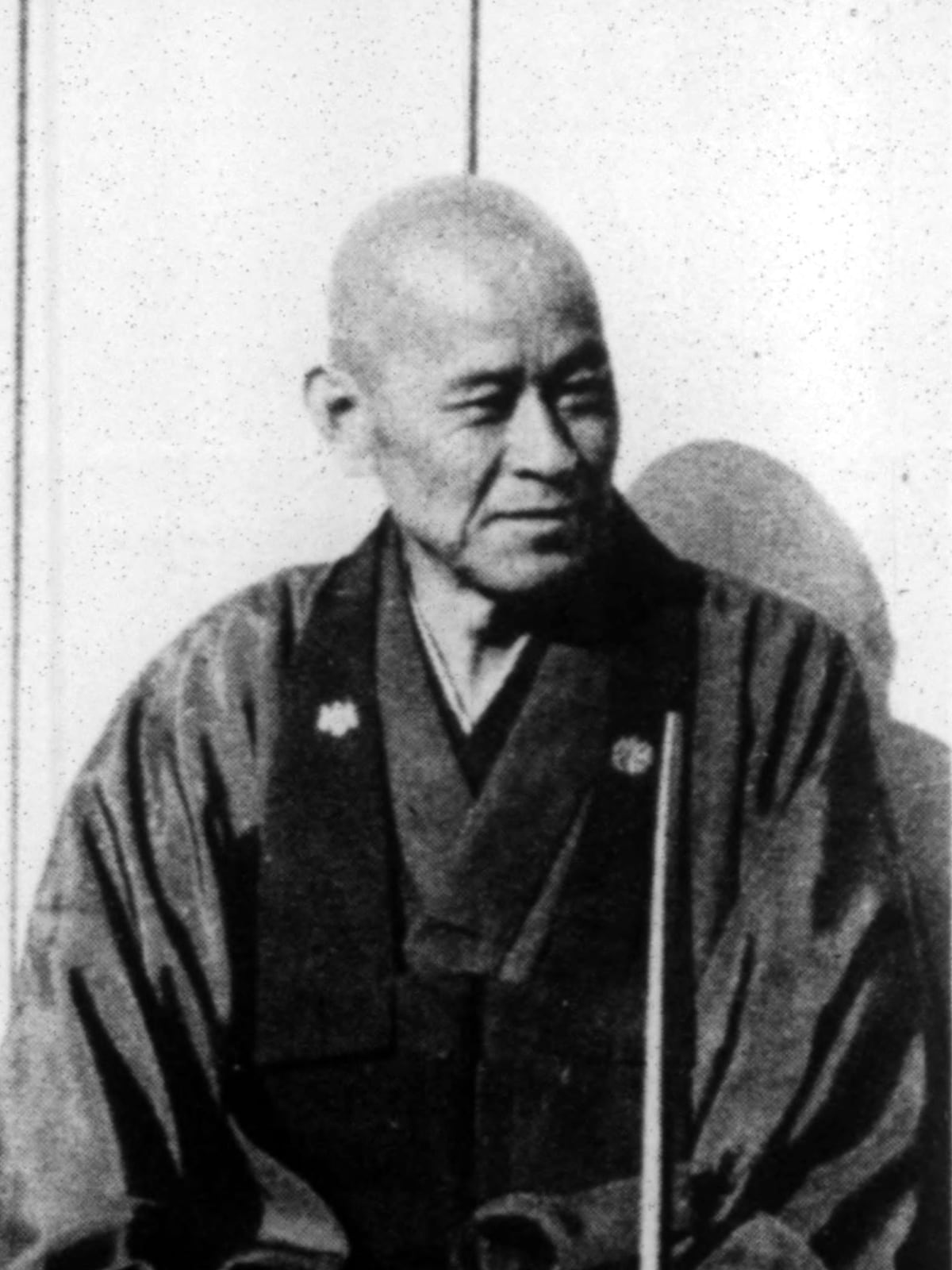
Shunryu Suzuki en el Zen Mountain Center (1969) · Public domain
Con le sue parole
«In the beginner's mind there are many possibilities, but in the expert's there are few.»Zen Mind, Beginner's Mind (Weatherhill, 1970), prólogo «Beginner's Mind», primera frase (charla oral editada por Trudy Dixon)

Per cominciare, un'opera
Zen Mind, Beginner's MindLa sua idea centrale
Beginner's mind—shoshin—is an empty and ready mind, open to every possibility; the aim of practice is not to accumulate experience or knowledge but to keep that freshness, which the expert loses when he thinks he knows what Zen is.
Vederlo nel contesto
Biografia
5 min di lettura
Traduzione assistita dall'originale spagnolo, in attesa di revisione da parte di un traduttore madrelingua.
Il figlio dell'abate
Shunryu Suzuki nacque il 18 maggio 1904 a Hiratsuka, sulla baia di Sagami, a sud-ovest di Tokyo, figlio di Butsumon Sogaku Suzuki, abate del piccolo tempio zen Sōtō di Shōgan-ji, e di Yone, figlia di un sacerdote. Il tempio era povero e la famiglia viveva in ristrettezze; il bambino, sensibile e studioso, subiva le derisioni dei compagni per la testa rasata. A dodici anni, contro il parere iniziale dei genitori, se ne andò al tempio di Zōun-in, a Mori, per formarsi con Gyokujun So-on, discepolo del padre e maestro di una severità leggendaria. Il 18 maggio 1917 So-on lo ordinò novizio con il nome di Shōgaku Shunryū e gli diede un soprannome che il discepolo avrebbe portato con umorismo per tutta la vita: «cetriolo storto», perché distratto e imprevedibile.
So-on fu il suo maestro fino alla morte, nel 1934. Suzuki studiò alla scuola preparatoria Sōtō e all'Università Komazawa, dove si laureò nel 1930, e ricevette da So-on la trasmissione del Dharma nell'agosto del 1926. Tra il 1927 e il 1929 fu interprete e assistente di Nona Ransom, un'insegnante inglese che era stata precettrice dell'ultimo imperatore della Cina; le conversazioni con lei, dapprima scettica, gli fecero pensare per la prima volta che gli occidentali potessero comprendere lo zen. Praticò poi a Eihei-ji e a Sōji-ji, i due monasteri principali della scuola, e dal 1932 studiò per vent'anni con Kishizawa Ian, grande commentatore di Dōgen.
Rinsō-in
Nel 1936 divenne abate di Rinsō-in, un tempio di Yaizu, nella prefettura di Shizuoka, dove visse con la famiglia per più di due decenni. Nel 1935 aveva sposato Chie Muramatsu, da cui ebbe quattro figli. Gli anni della guerra e del dopoguerra lo videro impegnato a ricostruire il tempio, a organizzare gruppi di meditazione per laici e a fondare un asilo. Il suo atteggiamento durante la guerra, che il biografo David Chadwick ricostruisce sulla base di testimonianze, è stato oggetto di discussione tra gli studiosi; nella primavera del 1945 si recò in Manciuria. Il 25 marzo 1952 la moglie fu assassinata nel tempio stesso da un monaco mentalmente disturbato al quale Suzuki aveva permesso di restare nonostante le riserve della famiglia. Chadwick considera quel delitto la ferita più profonda della sua vita.
San Francisco
Nel 1958 Suzuki accettò un incarico che molti sacerdoti evitavano: il tempio Sokoji di San Francisco, centro religioso della comunità giapponese della città. Nel dicembre di quell'anno sposò Mitsu Matsuno, che lo avrebbe raggiunto più tardi, e arrivò in California il 23 maggio 1959, a cinquantacinque anni. Nel giro di poche settimane alcuni giovani americani, attratti dalla moda dello zen diffusa da D. T. Suzuki, Alan Watts e dagli scrittori della Beat Generation, cominciarono a sedersi con lui sulle panche del tempio. Egli non offriva loro teorie né esperienze straordinarie, ma lo zazen di ogni mattina: sedersi nella postura corretta, respirare, ritornare. Quando lo scambiavano per il celebre erudito, era solito rispondere, secondo quanto raccontarono i suoi allievi, che quello era il grande Suzuki e lui il piccolo.
Il gruppo crebbe in fretta. Nel 1962 fu registrato legalmente come Zen Center e tenne il suo primo sesshin di sei giorni; Suzuki ordinò i primi discepoli americani e aprì gruppi satelliti nella baia, tra cui quello di Los Altos, dove l'allieva Marian Derby registrava i suoi discorsi. Nel dicembre del 1966 lo Zen Center acquistò un vecchio stabilimento termale nelle montagne di Los Padres, e nel 1967 vi fu inaugurato Zenshin-ji, il Tassajara Zen Mountain Center: il primo monastero zen di formazione fuori dall'Asia. Nel novembre del 1969 la comunità lasciò Sokoji e si trasferì in un edificio residenziale di Page Street, nel centro di San Francisco.
Mente zen, mente di principiante
Suzuki scrisse poco. Il suo insegnamento era orale, in un inglese imparato tardi, pieno di espressioni personali che gli allievi finirono per amare. Partendo dalle trascrizioni di Marian Derby, la sua discepola Trudy Dixon preparò per mesi, insieme al maestro stesso, il libro che Weatherhill pubblicò nel 1970 con il titolo Zen Mind, Beginner's Mind (in italiano Mente zen, mente di principiante): divise i discorsi in tre parti, diede loro dei titoli e scelse le epigrafi. Dixon morì di cancro a trent'anni, poco dopo aver concluso il lavoro; Richard Baker completò l'edizione e ne scrisse l'introduzione. Il libro, che si apre con la frase sulle molte possibilità della mente del principiante, è l'unico che Suzuki vide pubblicato ed è diventato uno dei testi sullo zen più letti in Occidente. Le altre opere che portano il suo nome sono edizioni postume dei suoi discorsi: Branching Streams Flow in the Darkness (1999), sul Sandōkai, e Not Always So (2002).
Il suo zen era quello di Dōgen e della scuola Sōtō: lo shikantaza, «solo sedere», senza cercare l'illuminazione come un oggetto, perché la pratica stessa è espressione della natura di Buddha. Agli americani che arrivavano in cerca di esperienze intense parlava della grande mente, del non lasciare traccia in ciò che si fa, dell'essere grati alle erbacce della mente perché finiscono per arricchire la pratica. Insisteva sulla forma — la postura, gli inchini, il rito — come qualcosa che non è mezzo per nulla, ma la pratica stessa.
La fine
Nel 1971 gli fu diagnosticato un cancro. Il 21 novembre comparve per l'ultima volta in pubblico, nella cerimonia con cui insediò Richard Baker come suo successore alla guida dello Zen Center. Morì alle prime luci del 4 dicembre 1971, subito dopo che la campana aveva aperto il sesshin di Rohatsu, quello che commemora l'illuminazione del Buddha, assistito dalla moglie, dal figlio Otohiro e da Baker. Al funerale Baker raccontò che pochi giorni prima, quando ormai il maestro riusciva a stento a parlare, gli aveva chiesto dove lo avrebbero ritrovato, e che Suzuki aveva tirato fuori una mano da sotto le coperte, accennato un piccolo inchino e disegnato un cerchio nell'aria.
Il San Francisco Zen Center, con Tassajara, il tempio cittadino e la fattoria di Green Gulch, aperta poco dopo la sua morte, è oggi una delle organizzazioni buddhiste più influenti degli Stati Uniti, e dai suoi discepoli discendono decine di centri zen in tutto il paese. Il figlio Hoitsu gli succedette a Rinsō-in. La biografia di Chadwick, Crooked Cucumber (1999), e l'archivio dei suoi discorsi registrati hanno permesso di conoscere, al di là del libro famoso, l'uomo: piccolo, sorridente, esigente e talvolta sconcertante.
Fonti: Chadwick, David. Crooked Cucumber: The Life and Zen Teaching of Shunryu Suzuki. Nueva York: Broadway Books, 1999. · Suzuki, Shunryu. Zen Mind, Beginner's Mind: Informal Talks on Zen Meditation and Practice. Ed. Trudy Dixon; introducción de Richard Baker; prefacio de Huston Smith. Nueva York y Tokio: Weatherhill, 1970. · Suzuki, Shunryu. Branching Streams Flow in the Darkness: Zen Talks on the Sandokai. Ed. Mel Weitsman y Michael Wenger. Berkeley: University of California Press, 1999. · Suzuki, Shunryu. Not Always So: Practicing the True Spirit of Zen. Ed. Edward Espe Brown. Nueva York: HarperCollins, 2002. · Chadwick, David (ed.). Zen Is Right Here: Teaching Stories and Anecdotes of Shunryu Suzuki. Boston: Shambhala, 2007 (versión revisada de To Shine One Corner of the World, Broadway, 2001).
Cronologia
La vita, anno per anno
Ogni punto è un evento documentato. Fai clic per leggerlo, con la sua fonte e il suo grado di certezza.
18 maggio 19040 anniHiratsuka (Kanagawa)
Born in a village temple
Born to Butsumon Sogaku Suzuki, abbot of the small Sōtō temple of Shōgan-ji, and to Yone; the family lives frugally.
DocumentatoChadwick, David (comp.). «Shunryu Suzuki Roshi – Dates», cronología de trabajo del Cucumber Project (cuke.com).
Dopo la sua morte
- 1999Crooked Cucumber
18 maggio 1904 · 0 anni
Born in a village temple
Born to Butsumon Sogaku Suzuki, abbot of the small Sōtō temple of Shōgan-ji, and to Yone; the family lives frugally.
Documentato
1916 · 12 anni
Disciple of Gyokujun So-on
Aged twelve he goes to live at Zōun-in temple with So-on Suzuki, his father's disciple and a strict teacher, who will be his master for life.
Documentato
18 maggio 1917 · 13 anni
Novice ordination: the 'crooked cucumber'
So-on ordains him a novice with the name Shōgaku Shunryū and nicknames him 'crooked cucumber' for being forgetful and unpredictable.
Documentato
agosto 1926 · 22 anni
Dharma transmission
While a student at Komazawa University, he receives Dharma transmission (shihō) from So-on; sources differ between 21 and 26 August.
Documentato
1 agosto 1927 – 1929 · 23 anni
Interpreter for Nona Ransom
He lives as interpreter and assistant to the English teacher Nona Ransom; his conversations with her about Buddhism convince him that Westerners can understand Zen.
Documentato
10 aprile 1930 · 25 anni
Komazawa and the great monasteries
He graduates from Komazawa University and trains at the head monasteries of the Sōtō school, Eihei-ji (1930–1931) and Sōji-ji (1931–1932); from 1932 he studies with Kishizawa Ian.
Documentato
23 aprile 1936 – 1959 · 31 anni
Abbot of Rinsō-in
After So-on's death (1934) he takes over the temple of Rinsō-in, where he will live with his family until he leaves for America.
Documentato
25 marzo 1952 · 47 anni
Murder of his wife Chie
His wife Chie is killed at the temple by a disturbed monk whom Suzuki had allowed to stay; she leaves four children. His biographer regards it as the great wound of his life.
Documentato
23 maggio 1959 · 55 anni
Arrival in San Francisco
He arrives to serve as head priest of Sokoji, the Japanese community's temple; within weeks young Americans begin to sit zazen with him.
Documentato
1962 · 58 anni
The San Francisco Zen Center is born
The practice group is legally registered as Zen Center; that year the first six-day sesshin is held.
Documentato
1967 · 63 anni
Tassajara, a monastery in the mountains
Having bought an old hot-springs resort in 1966, he founds Zenshin-ji, the Tassajara Zen Mountain Center, the first Zen training monastery outside Asia.
Documentato
novembre 1969 · 65 anni
The Page Street city center
He leaves Sokoji and moves Zen Center to a residential building on Page Street, where practice is organised as a community.
Documentato
1970 · 66 anni
Zen Mind, Beginner's Mind
Weatherhill publishes the talks to the Los Altos group edited by Trudy Dixon, who had died of cancer in 1969; the book is his only work published in his lifetime.
Documentato
21 novembre 1971 · 67 anni
Richard Baker's succession
Already ill with cancer, he makes his last public appearance at the ceremony installing Richard Baker as his successor at the head of Zen Center.
Documentato
4 dicembre 1971 · 67 anni
Death at the start of the Rohatsu sesshin
He dies early in the morning, just after the bell opening the sesshin commemorating the Buddha's enlightenment, with his wife Mitsu, his son Otohiro and Richard Baker at his side.
Documentato
1999
Crooked Cucumber
David Chadwick, a former student, publishes the standard biography, based on interviews in Japan and the United States; his talks on the Sandōkai also appear that year.
Documentato
Opere
Opere essenziali
Le opere senza le quali non si comprende la sua eredità.
Raccolta posteriore · 1970
Zen Mind, Beginner's Mind
Zen Mind, Beginner's Mind: Informal Talks on Zen Meditation and Practice
Informal talks Suzuki gave over several years in the late 1960s to the meditation group in Los Altos (California), recorded and transcribed by Marian Derby and edited over many months by Trudy Dixon with the teacher himself; Richard Baker completed the editing after Dixon's death. The book, divided into 'Right Practice', 'Right Attitude' and 'Right Understanding', explains Sōtō zazen in plain language: posture as the expression of Buddha nature, breathing, big mind, leaving no trace, beginner's mind. It is the only book Suzuki saw published and one of the most widely read texts on Zen in the West; its prologue opens with the sentence on the many possibilities of the beginner's mind.
11 edizioni

Conferenze pubblicate · 1999
Branching Streams Flow in the Darkness
Branching Streams Flow in the Darkness: Zen Talks on the Sandokai
A series of talks Suzuki gave at Tassajara in 1970 commenting on the Sandōkai, the Chinese poem by master Shitou Xiqian (8th century) on the identity of the absolute and the relative, chanted daily in Sōtō temples. Edited by Mel Weitsman and Michael Wenger, they show him as a commentator on texts and his way of grounding the doctrine of non-duality in everyday practice.
4 edizioni

Conferenze pubblicate · 2002
Not Always So
Not Always So: Practicing the True Spirit of Zen
The second major anthology of talks, prepared by Edward Espe Brown—Tassajara's cook and Suzuki's disciple—from transcriptions not used in Zen Mind. The title echoes one of his favourite formulas: the truth of a moment is not always so. It deals with goalless practice, acceptance of impermanence and the everyday ethics of Zen.
5 edizioni
Tutta la sua opera (8)
Shunryu Suzuki
Talks published in Wind Bell
The Conscious LibraryTalks published in Wind Bell
1961
Shunryu Suzuki
Shunryu Suzuki Lectures (archive)
The Conscious LibraryShunryu Suzuki Lectures (archive)
1959

To Shine One Corner of the World
2001
Shunryu Suzuki
Dogen's Genjo Koan: Three Commentaries
The Conscious LibraryDogen's Genjo Koan: Three Commentaries
2011

Zen Is Right Now
2021
Citazioni
Citazioni localizzate in un'opera precisa. Ciascuna porta con sé la sua provenienza e il suo grado di affidabilità.
In the beginner's mind there are many possibilities, but in the expert's there are few.VerificataZen Mind, Beginner's Mind (Weatherhill, 1970), prólogo «Beginner's Mind», primera frase (charla oral editada por Trudy Dixon)
Idee essenziali (sintesi editoriale)
Per rispetto del diritto d'autore, queste idee sono riassunte con parole nostre e non sono presentate come citazioni letterali.
- Beginner's mind—shoshin—is an empty and ready mind, open to every possibility; the aim of practice is not to accumulate experience or knowledge but to keep that freshness, which the expert loses when he thinks he knows what Zen is.
- Zazen is not a method for attaining enlightenment: sitting in the right posture is already the expression of Buddha nature. Practising in pursuit of a result turns practice into a transaction and estranges it from itself.
- The thoughts that arise in meditation are not to be fought; like waves, they settle when given room, and like weeds pulled up and buried beside the plant, they end up nourishing practice.
- Doing something fully, burning oneself up in it, leaves no residue of oneself; what leaves a trace and breeds attachment is activity done by halves, with the mind divided between what one is doing and what one expects.
- Forms—posture, bowing, ritual—are neither mere means nor empty conventions: in the Sōtō school the right form is practice itself, and in it the person is freed from his small self.
- Everything changes: the truth of a moment is not always so. Accepting impermanence rather than resisting it is the condition of serenity, and practice consists in living each moment without clinging to it.
Citazioni apocrife o di attribuzione discussa (1)
«'Each of you is perfect the way you are, and you can use a little improvement.'»
Widely circulated and attributed to Suzuki by his students, but it does not appear in Zen Mind and has not been located in a dated transcript; it is handed down as an oral recollection.
Ultime parole
Racconto posteriore di testimoni
«(No words.) Asked by his disciple Richard Baker 'Where will we meet you?', he brought a hand out from under the covers, made a small bow and drew a circle in the air.»No last words are recorded. The gesture was related by Richard Baker in his statement at the funeral of 12 December 1971—'a few days before he died, when it was difficult for him to speak'—published by Zen Center in Wind Bell. The letter of Yvonne Rand, Zen Center's president, specifies that he died early on 4 December, just after the bell opening the Rohatsu sesshin, with his wife Mitsu, his son Otohiro and Baker present. The circle (ensō) is a classic Zen symbol.
Fonte: Zen Center. «Suzuki-roshi's Funeral» / memorial de diciembre de 1971 (carta de Yvonne Rand y declaración de Richard Baker en el funeral del 12 de diciembre de 1971), Wind Bell, 1972; reproducido en cuke.com.
Chiedi
Ciò a cui risponde la sua opera
Dodici grandi domande dell'umanità e ciò che i suoi testi permettono di rispondere, con riferimenti. Non gli mettiamo mai parole in bocca.
Che cos'è l'Assoluto? Dio esiste?
The absolute is the darkness where nothing is distinguished, inseparable from the relative
L'innominabileSi deduce dalla sua dottrina
Shunryu Suzuki does not speak of a creator God. When he refers to the ultimate he does so in the language of his school: big mind as opposed to small mind, the emptiness from which things arise and to which they return. His most explicit treatment is in the 1970 Tassajara talks on the Sandōkai, Shitou's poem recited daily in Sōtō temples, collected in Branching Streams Flow in the Darkness. There he reads light as the relative world of distinguishable things and darkness as the absolute, where there are no distinctions to name. But he insists that these are not two realities: the absolute is found only in the relative, and practice consists in living that identity, not in describing it.
Confronta questa domanda con altri maestriChi sono io? Esiste un vero sé?
In breathing there is no self: only a swinging door
Non c'è un sé permanenteLo dice espressamente
Shunryu Suzuki approaches the question through practice. In Zen Mind, Beginner's Mind he describes zazen in terms of breathing: air comes in and goes out, and if one follows it attentively there is no self that breathes and no world outside, but something like a swinging door that moves. He distinguishes small mind, which clings to itself and measures everything against its own interest, from big mind, which includes everything. He does not present that big mind as a higher self to be possessed, but as what is expressed when practice is done without leaving a trace, burning oneself up completely like a good bonfire. The small self is not fought: it is given room until it loses importance.
Confronta questa domanda con altri maestriPerché soffriamo?
Without accepting that everything changes, no composure is possible
Brama e attaccamentoLo dice espressamente
For Shunryu Suzuki, suffering arises from not accepting impermanence. In Zen Mind, Beginner's Mind he holds that the basic teaching of Buddhism is that everything changes, and that without accepting this fact composure cannot be found; we suffer when we want something to remain as it is. His favourite formula for this would give its title to the second anthology of his talks, Not Always So: the truth of a moment is not always so. Practice eliminates neither change nor pain, but the resistance to them. That is why he advises not fighting the thoughts that trouble meditation, but being grateful for them as weeds which, buried beside the plant, end up nourishing practice.
Confronta questa domanda con altri maestriChe cosa accade dopo la morte?
The drop returns to the river: separate, we fear death; united, nothing to fear
Ciò che sono non nasce e non muoreLo dice espressamente
Shunryu Suzuki left a celebrated image in a talk collected in Zen Mind, Beginner's Mind: that of a great waterfall. The water comes down from the river as a single body, but in falling it separates into drops, and each drop has difficulties as it falls; on reaching the bottom it becomes river again. Life, he says, is like water separated into drops, and death like the return to the river of which it never ceased to be part. If we understand that we are one with the river, there is nothing to fear; fear arises from feeling ourselves isolated drops. Suzuki does not present this image as a doctrine of what survives, but as a way of living life without a trace and accepting death with composure.
Confronta questa domanda con altri maestriCome si raggiunge la liberazione o la salvezza?
One does not practise to obtain something: the posture is already the purpose
Con una pratica disciplinataLo dice espressamente
Shunryu Suzuki conveys Dōgen's teaching to American listeners in simple words. Zazen practice, he says in Zen Mind, Beginner's Mind, is the direct expression of our true nature, and the forms of the posture are not a means of obtaining the right state of mind: to take them is itself the purpose of practice. Practising with the idea of obtaining enlightenment turns practice into a transaction. That is why enlightenment, once attained, is nothing special. What is cultivated is not an achievement but an attitude: beginner's mind, open and unpretentious, which accumulated experience tends to close and which daily practice must preserve.
Confronta questa domanda con altri maestriServe un maestro?
One practises with others and with forms, not by following a person
Comunità e tradizioneSi deduce dalla sua dottrina
Shunryu Suzuki, a Sōtō priest who arrived in San Francisco in 1959, became the teacher of a large community and founded with it the San Francisco Zen Center and Tassajara monastery. His way of teaching, as his students remember it in the anecdotes collected by David Chadwick in To Shine One Corner of the World, was not that of a guru: he practised with them, corrected posture, cleaned and worked in the temple. He gave great importance to shared forms, posture, bowing, the schedule, and to practising together; in Zen Mind, Beginner's Mind he presents the practice of the group as what sustains that of each person. As a priest of his lineage he transmitted the Dharma to disciples, but without making himself the centre.
Confronta questa domanda con altri maestriIl mondo è reale?
Everything changes and everything depends on everything: the absolute lives in the relative
Una rete di cause senza sostanzaSi deduce dalla sua dottrina
Shunryu Suzuki does not regard the world as an illusion to be left behind: it is the place of practice. His talks insist that everything changes, that nothing has a fixed and separate existence, and that each thing exists in relation to the others. In the commentaries on the Sandōkai collected in Branching Streams Flow in the Darkness he develops the poem's teaching on the identity of absolute and relative: each thing has its own place and function, distinct from the others, and yet is not separate from the whole, like a box and the lid that fits it. His formula for being in that world is big mind, which does not divide it into what it wants and what it rejects.
Confronta questa domanda con altri maestriChe cos'è l'amore?
He barely thematised love; he speaks of big mind and welcoming what arises
Non si è pronunciato
In Shunryu Suzuki's published talks love is not a topic of its own; he offers no definition or doctrine of it. The closest thing is his description of big mind, which does not separate what it likes from what it dislikes and welcomes everything, and his insistence on treating each thing, each person and each object, with the same attention. In Zen Mind, Beginner's Mind he even asks us to be grateful for the weeds in our own mind instead of fighting them. The anecdotes his students collected show him kind, patient and attentive to each person. But that attitude appears as the fruit of practice, not as an explicit teaching on love or compassion.
Confronta questa domanda con altri maestriSiamo liberi o è tutto determinato?
He did not address the dilemma; he speaks of freedom within form
Non si è pronunciato
Shunryu Suzuki did not concern himself with the philosophical problem of free will and determinism. The closest thing in his teaching is an idea of freedom that is not opposed to limitation: the fixed posture, the schedule and the forms of the temple are for him not obstacles but the place where the person is freed from his small self. In Zen Mind, Beginner's Mind he illustrates it with an image about control: the way to control a sheep or a cow is to give it a large, spacious meadow; likewise the mind is not mastered by repressing it but by giving it room. The freedom that interests him is not that of choosing between options, but that of acting completely, without leaving a trace.
Confronta questa domanda con altri maestriPerché meditare o pregare?
The posture is not a means to a state: taking it is the purpose
La meditazione non è una tecnicaLo dice espressamente
Shunryu Suzuki teaches his school's shikantaza, «just sitting», with the same thesis as Dōgen. In Zen Mind, Beginner's Mind he describes the posture in detail, but warns that these forms are not a means of obtaining the right state of mind: to take them is itself the purpose of practice. Meditating in search of enlightenment, calm or any other result turns practice into something other than itself. Thoughts are not fought: they are allowed to come and go, like waves that settle by themselves, and are even welcomed as weeds that enrich practice. What is sought, if one can put it that way, is to keep beginner's mind, without the pretension of already knowing what Zen is.
Confronta questa domanda con altri maestriPuò la ragione conoscere l'ultimo?
In the beginner's mind there are many possibilities; in the expert's, few
Il pensiero è limitatoLo dice espressamente
The sentence with which Shunryu Suzuki opens Zen Mind, Beginner's Mind sums up his position: in the beginner's mind there are many possibilities; in the expert's, few. Accumulated knowledge is not useless, but it tends to close the mind: whoever believes he knows what Zen is can no longer receive it. That is why the real secret of the arts is always to be a beginner. Suzuki does not despise study, and devoted whole series of talks to the Sandōkai or Dōgen's Genjōkōan; but he warns that intellectual understanding does not replace practice, and that the truth of a moment is not always so. The ultimate is not possessed as knowledge, but expressed in practice.
Confronta questa domanda con altri maestriRitirarsi dal mondo o trasformarlo?
Doing each thing completely, like a good bonfire, leaving no trace
Contemplazione nell'azioneLo dice espressamente
Shunryu Suzuki founded the first Zen monastery in the West, Tassajara, but most of his students were lay people who worked, had families and practised in the city. His teaching does not separate practice from daily life: in Zen Mind, Beginner's Mind he asks that, when one does something, one burn oneself completely, like a good bonfire, leaving no trace of oneself. What leaves a trace and breeds attachment is activity done by halves, with a divided mind. Cooking, cleaning or talking with someone are as much practice as zazen if done in this way. He preached neither social engagement nor withdrawal, but a way of being anywhere with full attention.
Confronta questa domanda con altri maestri
Affinità e tensioni
Affinità e tensioni
Calcolate domanda per domanda a partire dalle sue posizioni. Il perché di ogni accordo o contrasto, con un clic.
La pensa in modo simile a
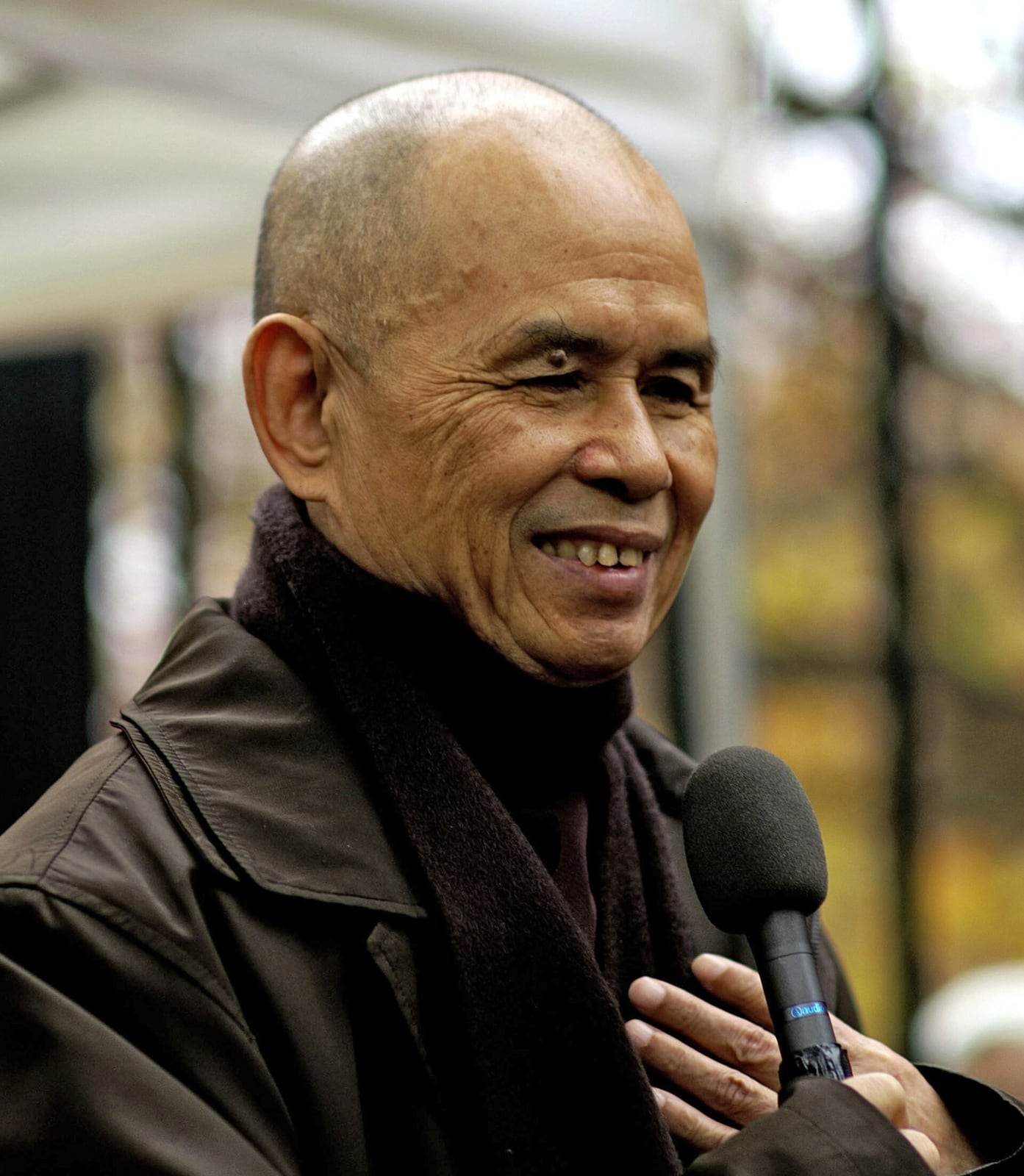
Thich Nhat Hanh
Concordano su: Che cos'è l'Assoluto? Dio esiste? · Chi sono io? Esiste un vero sé? · Perché soffriamo?
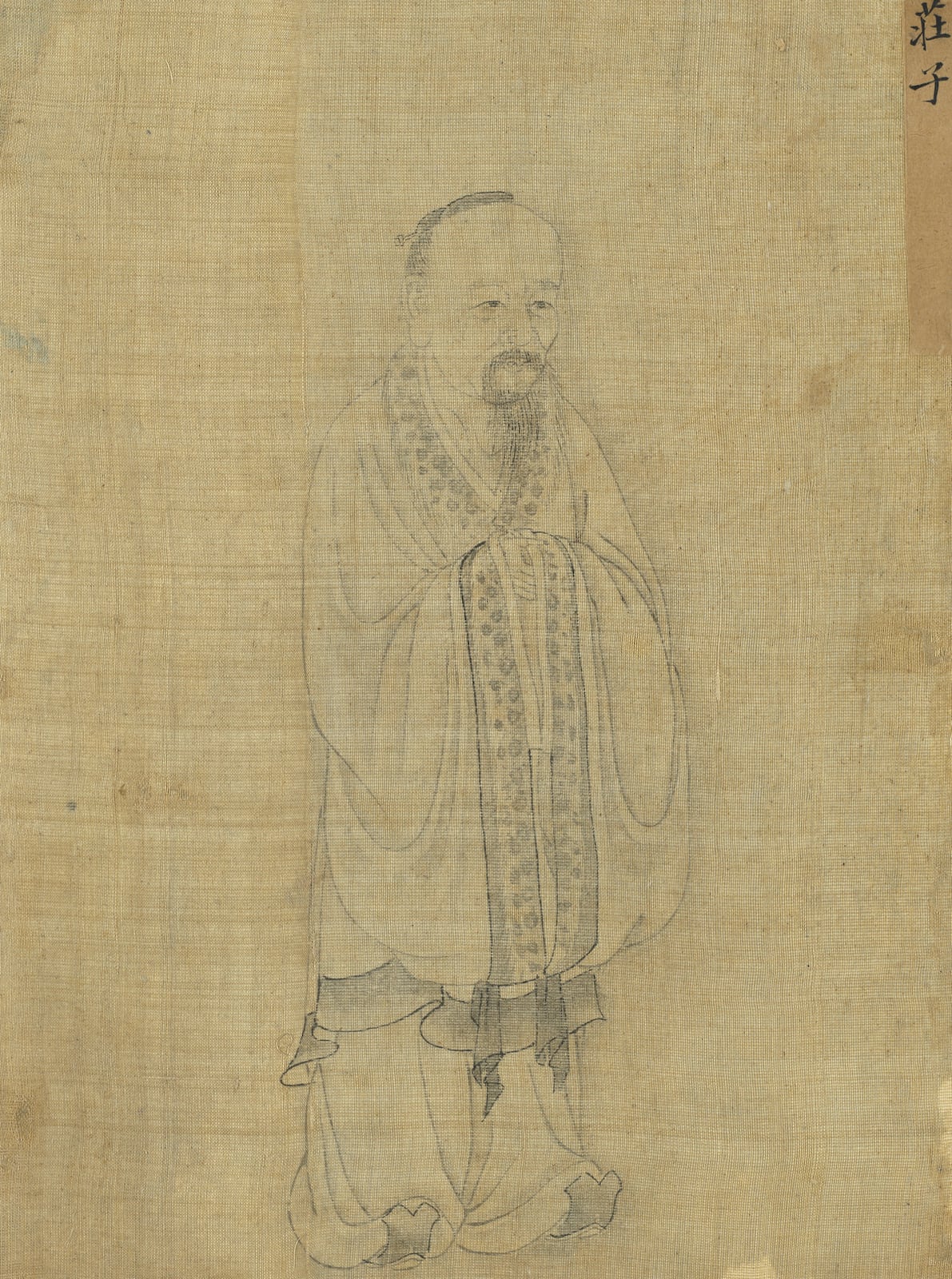
Zhuangzi
Concordano su: Che cos'è l'Assoluto? Dio esiste? · Chi sono io? Esiste un vero sé? · Perché soffriamo?
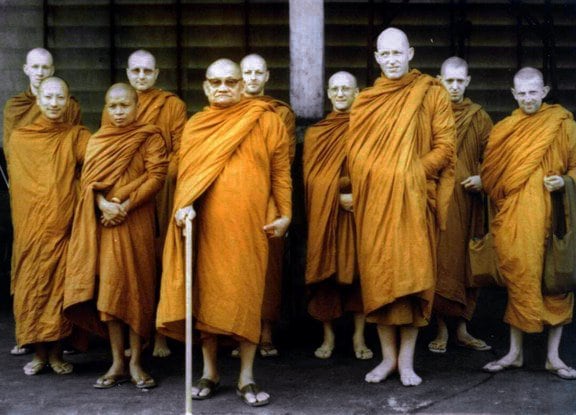
Ajahn Chah
Concordano su: Chi sono io? Esiste un vero sé? · Perché soffriamo? · Come si raggiunge la liberazione o la salvezza?

Pema Chödrön
Concordano su: Chi sono io? Esiste un vero sé? · Perché soffriamo? · Come si raggiunge la liberazione o la salvezza?



Aneddoti e racconti
Aneddoti e racconti
Testimonianza1916–1918
The crooked cucumber
Origine del racconto: Told by Suzuki himself in his talks and recorded by David Chadwick in Crooked Cucumber (1999) and in the Cucumber Project chronology.
Fonte: Chadwick, David. Crooked Cucumber: The Life and Zen Teaching of Shunryu Suzuki. Nueva York: Broadway Books, 1999.
Testimonianza1927–1929
The English teacher
Origine del racconto: Dates from the Cucumber Project chronology; the story comes from Suzuki's recollections as recorded by Chadwick in Crooked Cucumber.
Fonte: Chadwick, David. Crooked Cucumber: The Life and Zen Teaching of Shunryu Suzuki. Nueva York: Broadway Books, 1999.
Documentato1952
The crime at Rinsō-in
Origine del racconto: Date from the Cucumber Project chronology (25 March 1952); circumstances according to David Chadwick's Crooked Cucumber and reviews of the book. The insanity verdict comes from a letter by a Japanese witness published on cuke.com, who reports it at second hand.
Fonte: Chadwick, David. Crooked Cucumber: The Life and Zen Teaching of Shunryu Suzuki. Nueva York: Broadway Books, 1999.
Tradizione oralec. 1959–1966
'I am the little Suzuki'
Origine del racconto: Handed down by his students and repeated in the Spanish Wikipedia and popular literature; it has not been located in a dated transcript.
Documentato1966–1967
A spa in the mountains
Origine del racconto: Dates from the Cucumber Project chronology and the Wikipedia article on the San Francisco Zen Center; the talks of the first sesshin in August 1967 are preserved in the Zen Center archive.
Testimonianza1971
The circle in the air
Origine del racconto: Richard Baker's statement at the funeral of 12 December 1971 and Yvonne Rand's letter, published by Zen Center (Wind Bell) and reproduced on cuke.com.
Insegnamenti
Insegnamenti
Le nozioni che articolano il suo pensiero, spiegate nel loro contesto.
Beginner's mind (shoshin)shoshin
A common Japanese term, traditionally applied to the resolve of one beginning a path; Suzuki reinterpreted it as the permanent attitude of practice.
Fonte: Suzuki, Shunryu. Zen Mind, Beginner's Mind: Informal Talks on Zen Meditation and Practice. Ed. Trudy Dixon; introducción de Richard Baker; prefacio de Huston Smith. Nueva York y Tokio: Weatherhill, 1970.
Just sitting (shikantaza)shikantaza
Dōgen's (13th-century) doctrine of the oneness of practice and realisation (shushō ittō), transmitted in the Sōtō school and commented on by Kishizawa Ian, Suzuki's teacher.
Fonte: Suzuki, Shunryu. Zen Mind, Beginner's Mind: Informal Talks on Zen Meditation and Practice. Ed. Trudy Dixon; introducción de Richard Baker; prefacio de Huston Smith. Nueva York y Tokio: Weatherhill, 1970.
Big mindmente-grande
A colloquial reformulation of the Mahayana doctrine of one mind and Buddha nature; the scheme of the three minds comes from Dōgen's Instructions for the Cook (Tenzo kyōkun).
Fonte: Suzuki, Shunryu. Zen Mind, Beginner's Mind: Informal Talks on Zen Meditation and Practice. Ed. Trudy Dixon; introducción de Richard Baker; prefacio de Huston Smith. Nueva York y Tokio: Weatherhill, 1970.
Leaving no tracesin-rastro
An everyday application of emptiness and non-self (anātman) in the monastic ethic of the Sōtō school.
Fonte: Suzuki, Shunryu. Zen Mind, Beginner's Mind: Informal Talks on Zen Meditation and Practice. Ed. Trudy Dixon; introducción de Richard Baker; prefacio de Huston Smith. Nueva York y Tokio: Weatherhill, 1970.
'Not always so'no-siempre-es-asi
An expression of anitya (impermanence) and of the two-truths doctrine in the Mahayana tradition.
Fonte: Suzuki, Shunryu. Not Always So: Practicing the True Spirit of Zen. Ed. Edward Espe Brown. Nueva York: HarperCollins, 2002.
Video
Video
Registrazioni, interviste e documentari. I video vengono riprodotti da YouTube; non sono ospitati qui.
Beginner's Mind – Shunryu Suzuki Roshi – Archived Dharma Talk – Nov. 11, 1965
Registrazione originale· EN· 1965
San Francisco Zen CenterCanale ufficiale
Most Of You Are Beginners — Shunryu Suzuki Roshi — Archived Dharma Talk — Dec. 11, 1965
Registrazione originale· EN· 1965
San Francisco Zen CenterCanale ufficiale
Genjo Koan — Shunryu Suzuki Roshi — Archived Dharma Talk — Aug. 20, 1967
Registrazione originale· EN· 1967
San Francisco Zen CenterCanale ufficiale
Buddhism Is Not a Special Teaching — Shunryu Suzuki Roshi — Archived Dharma Talk — Aug. 23, 1967
Registrazione originale· EN· 1967
San Francisco Zen CenterCanale ufficiale
To Polish a Tile — Shunryu Suzuki Roshi — Archived Dharma Talk — Aug. 23, 1967 — Tassajara Sesshin
Registrazione originale· EN· 1967
San Francisco Zen CenterCanale ufficiale
Think the Unthinkable — Shunryu Suzuki Roshi — Archived Dharma Talk — Dec. 4, 1967
Registrazione originale· EN· 1967
San Francisco Zen CenterCanale ufficiale
Bodhidharma — Shunryu Suzuki Roshi — Archived Dharma Talk — July 23, 1968
Registrazione originale· EN· 1968
San Francisco Zen CenterCanale ufficiale
On the way to Zen Mt. Center - Tassajara - Shunryu Suzuki
Documentario· EN· 1968
cuke video
Introduction to Zen Mt. Center film - Richard Baker
Documentario· EN· 1968
cuke video
Suzuki, Baker, Katagiri at Sokoji
Registrazione originale· EN
cuke video
Rinso Ed Sattizahn on the death of Shunryu Suzuki Roshi
Intervista· EN
Zen in America
Shunryu Suzuki: Aprovecha tu Mente de Principiante (Audio Podcast)
Analisi· ES
Almas de la Historia
Mente Zen, mente da principiante. Parte Prima: Retta Pratica, Discorsi di Suzuki Roshi
Registrazione originale· IT
La voce di Doeia
Galleria
Galleria
Immagini con licenza verificata. Ciascuna conserva la sua paternità e la sua attribuzione.
Relazioni
Relazioni
Influenze, discepolati e affinità. Si distingue la relazione documentata dalla somiglianza individuata per analisi.
Contemporaneo di
Contemporaries in the dialogue between Zen and the West; Merton dealt with D. T. Suzuki, not with Shunryu Suzuki.
Somiglianza individuata per analisi
Ricevette l'influenza di
Founder of the Japanese Sōtō school; his goalless zazen (shikantaza) and texts such as the Genjōkōan are the basis of Suzuki's teaching.
Relazione documentata
Ricevette l'influenza di
Siddhartha Gautama, the Buddha
He died during the sesshin commemorating the Buddha's enlightenment; his teaching presents itself as transmission of the Buddha's Dharma.
Relazione documentata
Contemporaneo di
Watts, a populariser of Zen in California, knew Suzuki and moved in Zen Center circles; he was one of the influences that brought young Americans to Sokoji.
Relazione documentata
Ricevette l'influenza di
Founding patriarch of Chan in tradition; Suzuki devoted talks to him, such as the one of 23 July 1968 preserved by Zen Center.
Somiglianza individuata per analisi
Idee affini a
Suzuki's insistence on the original, empty mind recalls the Sixth Patriarch's teaching on original nature; an affinity of tradition, not concrete documented influence.
Somiglianza individuata per analisi
Idee affini a
Both offered the West a simple, everyday practice in plain language; no meeting between them is recorded.
Somiglianza individuata per analisi
Idee affini a
They shared a distrust of the pursuit of special states and both formed Western communities in the 1960s and 1970s; no contact is documented.
Somiglianza individuata per analisi
Fonti
Fonti
Bibliografia e cataloghi consultati per questa scheda.
- Wikidata, «Shunryu Suzuki» (Q572599).
- Chadwick, David. Crooked Cucumber: The Life and Zen Teaching of Shunryu Suzuki. Nueva York: Broadway Books, 1999.
- Chadwick, David (comp.). «Shunryu Suzuki Roshi – Dates», cronología de trabajo del Cucumber Project (cuke.com).
- Suzuki, Shunryu. Zen Mind, Beginner's Mind: Informal Talks on Zen Meditation and Practice. Ed. Trudy Dixon; introducción de Richard Baker; prefacio de Huston Smith. Nueva York y Tokio: Weatherhill, 1970.
- Zen Center. «Suzuki-roshi's Funeral» / memorial de diciembre de 1971 (carta de Yvonne Rand y declaración de Richard Baker en el funeral del 12 de diciembre de 1971), Wind Bell, 1972; reproducido en cuke.com.
- Wikipedia (en), «Shunryū Suzuki».
- Wikipedia (es), «Shunryu Suzuki».
- Open Library, autor «Shunryū Suzuki» (OL27128A): obras y ediciones con ISBN.
- Suzuki, Shunryu. Branching Streams Flow in the Darkness: Zen Talks on the Sandokai. Ed. Mel Weitsman y Michael Wenger. Berkeley: University of California Press, 1999.
- Suzuki, Shunryu. Not Always So: Practicing the True Spirit of Zen. Ed. Edward Espe Brown. Nueva York: HarperCollins, 2002.
- San Francisco Zen Center, sitio oficial («About»).
- shunryusuzuki.com — archivo de transcripciones, audio, fotografías y vídeo de Shunryu Suzuki (Cucumber Project / San Francisco Zen Center).
- Wikipedia (en), «San Francisco Zen Center».
- Chadwick, David (ed.). Zen Is Right Here: Teaching Stories and Anecdotes of Shunryu Suzuki. Boston: Shambhala, 2007 (versión revisada de To Shine One Corner of the World, Broadway, 2001).
- Wind Bell (Zen Center, San Francisco), vol. 8, n.º 3–4, primavera de 1969, p. 4 (fotografía de Suzuki en el Zen Mountain Center). Internet Archive.
- Titolare dei diritti
- San Francisco Zen Center y herederos de Shunryu Suzuki (Mitsu Suzuki y familia) para las charlas y transcripciones; las ediciones pertenecen a sus editoriales (Weatherhill/Shambhala, University of California Press, HarperCollins)
- Sito ufficiale
- www.sfzc.org
In attesa di conferma
Ciò che questa scheda non ha ancora potuto chiarire. Preferiamo dirlo piuttosto che riempirlo.
- La foto principal de 1969 es de dominio público en EE. UU. por publicarse sin aviso de copyright (PD-US-no notice); su situación en la UE y en España no está verificada (autoría dudosa entre tres fotógrafos).
- Confirmar que «Libre de soi, libre de tout» (Points, 2013) y «Seid wie reine Seide und scharfer Stahl» (Integral, 2003) son traducciones de Not Always So, y localizar traductores de las ediciones españolas.
- Fecha exacta de la transmisión del Dharma: 21 de agosto de 1926 (cronología de Chadwick) o 26 de agosto (Wikipedia).
- Posibles escritos o folletos de Suzuki en japonés anteriores a 1959 (Rinsō-in, guardería Tokiwa): no localizados en catálogo.
- El dato «el pequeño Suzuki» y la frase «Cada uno de vosotros es perfecto…» no se han localizado en transcripciones fechadas.
- Edición china de Zen Mind (禪者的初心): editorial e ISBN sin confirmar.
- Sin textos para la sala de lectura: derechos vigentes (Suzuki murió en 1971; editores vivos o fallecidos recientemente).
Ricerca effettuata il 2026-10-25