Cristianesimo · Mistica cristiana · Cristianesimo ortodosso
Nikolai Berdyaev
Николай Александрович Бердяев
1874 – 1948Persona storicamente documentata
Filosofo russo (1874-1948), pensatore della libertà, della persona e della creazione. Passò dal marxismo all'idealismo e a un cristianesimo profetico ed eterodosso; fu processato per blasfemia sotto lo zar, interrogato da Dzeržinskij sotto i soviet ed espulso con la «nave dei filosofi» del 1922. Da Parigi, come direttore della rivista «Put'», divenne la voce più nota del pensiero religioso russo in Europa: «Il senso della creazione», «Un nuovo Medioevo», «Il destino dell'uomo», «Autoconoscenza».
- opere
- 51opere
- edizioni
- 96edizioni
- citazioni
- 8citazioni
- video
- 13video
- immagini
- 8immagini

Nikolái Berdiáyev en 1912 · Public domain
Con le sue parole
«The human spirit is in captivity. This captivity I call 'the world', the world's givenness, necessity.»«Смысл творчества» (1916), Introducción, primeras líneas.

La sua idea centrale
Freedom was not created by God: it springs from an abyss prior to being, Böhme's Ungrund, and so God is not responsible for the evil man chooses; God suffers with man instead of ruling him as a master.
Vederlo nel contesto
Biografia
4 min di lettura
Traduzione assistita dall'originale spagnolo, in attesa di revisione da parte di un traduttore madrelingua.
Un aristocratico tra i militari
Nikolaj Aleksandrovič Berdjaev nacque il 18 marzo 1874 (il 6 secondo il calendario giuliano) nella tenuta di famiglia di Obuchovo, nel governatorato di Kiev. Il padre, Aleksandr Michajlovič, già ufficiale della guardia, fu maresciallo della nobiltà del distretto e presidente della Banca agraria di Kiev; la madre, Alina Sergeevna, nata principessa Kudaševa, era per metà francese — sua madre era una contessa de Choiseul —, scriveva soltanto in francese e, ortodossa di nascita, si sentiva piuttosto cattolica. Fu educato in casa e nel Corpo dei cadetti di Kiev, dove si sentì fin da bambino, come avrebbe scritto, «un estraneo nel mondo». Abbandonò la carriera militare per preparare la maturità ed entrare all'università, con l'intento dichiarato di diventare professore di filosofia.
Dal marxismo all'idealismo
All'Università di Kiev, prima a Scienze naturali e poi a Giurisprudenza, entrò nei circoli socialdemocratici. Arrestato nel 1897 e di nuovo nel 1898, espulso dall'università, fu confinato nel 1900 a Vologda, dove trascorse quasi due anni, e poi altri undici mesi a Žitomir. Ma il suo marxismo non fu mai ortodosso: volle conciliarlo con l'etica di Kant, e nel suo primo libro, «Soggettivismo e individualismo nella filosofia sociale» (1901), con prefazione di Pëtr Struve, già si affacciava l'idealista. Con Struve, Sergej Bulgakov e Semën Frank formò il gruppo che, in «Problemi dell'idealismo» (1902), ruppe con il positivismo dell'intelligencija rivoluzionaria.
Gli anni di Pietroburgo e di Mosca
Nel 1904 unì la sua vita a quella della poetessa Lidija Truševa, nata Rapp, che gli fu accanto fino alla morte, nel 1945. A Pietroburgo diresse con Bulgakov la rivista «Voprosy žizni» («Questioni della vita») e frequentò i Merežkovskij e le riunioni religioso-filosofiche; nel 1908 si trasferì a Mosca, nella Società religioso-filosofica intitolata a Solov'ëv. Nel 1909 firmò il saggio d'apertura di «Vechi» («Pietre miliari»), il volume che accusava l'intelligencija russa di aver sacrificato la verità alla giustizia egualitaria. Nel 1913 pubblicò «Gli spegnitori dello spirito», un attacco al Santo Sinodo per la repressione dei monaci dell'Athos seguaci del «culto del Nome», e fu processato per blasfemia, reato punito con l'esilio perpetuo in Siberia; la guerra rinviò il processo e la rivoluzione lo estinse.
Il senso della creazione
In «Filosofia della libertà» (1911) e soprattutto in «Il senso della creazione. Saggio di giustificazione dell'uomo» (1916) formulò l'intuizione che avrebbe governato tutta la sua opera: l'uomo non è soltanto una creatura caduta che deve essere redenta, ma un essere chiamato a creare, a proseguire l'opera di Dio in un «ottavo giorno» della creazione. L'epoca della Legge e quella della Redenzione dovevano aprirsi a una terza, quella dello Spirito e della creatività. La libertà, che riprese da Jakob Böhme con il nome di Ungrund, il «senza fondo», precede perfino l'essere.
Sotto i soviet
Accolse la rivoluzione di febbraio con entusiasmo e quella d'ottobre con lucida ostilità: in «Gli spiriti della rivoluzione russa» (1918) la lesse alla luce di Gogol' e di Dostoevskij. Nel 1919 fondò la Libera accademia di cultura spirituale, l'ultimo luogo di pensiero libero a Mosca, e nel 1920 fu eletto professore all'università. Quello stesso anno fu arrestato e, come racconta in «Autoconoscenza», interrogato a notte fonda da Feliks Dzeržinskij in persona, al quale per tre quarti d'ora tenne una lezione sul perché fosse nemico del comunismo; lo rilasciarono. Nell'agosto 1922 fu arrestato di nuovo; gli comunicarono che sarebbe stato espulso e gli fecero firmare una dichiarazione secondo cui, se fosse tornato, sarebbe stato fucilato. Il 29 settembre lasciò Pietrogrado sul piroscafo «Oberbürgermeister Haken», la cosiddetta nave dei filosofi.
Parigi e la rivista «Put'»
Dopo due anni a Berlino, dove fondò un'Accademia religioso-filosofica e pubblicò «Il senso della storia» e «Un nuovo Medioevo», nel 1924 si stabilì a Parigi. Qui diresse dal 1925 al 1940 la rivista «Put'» («La via») e la casa editrice YMCA-Press, partecipò al Movimento studentesco cristiano russo e intrattenne un dialogo costante con Maritain, Mounier, Gabriel Marcel e Karl Barth. «Un nuovo Medioevo» (1924), presto tradotto, gli diede fama europea con la sua diagnosi: il giorno razionale della modernità volgeva al tramonto e l'umanità entrava in una «notte» in cui sarebbe tornata a cercare il sacro. Seguirono «Il destino dell'uomo» (1931), la sua etica paradossale, «Le fonti e il significato del comunismo russo» (1937), che spiegava il bolscevismo come un messianismo russo secolarizzato, e «Schiavitù e libertà dell'uomo» (1939).
Clamart
L'eredità di un'amica di origine inglese, Florence West, gli permise di possedere per la prima volta una casa: un villino con giardino a Clamart, alle porte di Parigi, dove ogni domenica riceveva amici e discepoli. Lì trascorse l'occupazione tedesca e vide morire, nel 1945, la moglie; gli rimase la compagnia della cognata, Evgenija Rapp. Dopo la vittoria accettò la cittadinanza sovietica, ma non tornò mai. Nel 1947 l'Università di Cambridge gli conferì la laurea honoris causa in teologia, e tra il 1942 e il 1948 fu candidato sette volte al premio Nobel per la letteratura. Morì d'infarto, seduto alla scrivania di Clamart, il 24 marzo 1948; due settimane prima aveva terminato «Regno dello Spirito e regno di Cesare». È sepolto nel cimitero di Clamart.
Eredità
Berdjaev non si considerò mai un teologo né un uomo di Chiesa, ma un «filosofo della libertà» che aveva scelto il cristianesimo perché soltanto in esso trovava fondata la dignità della persona. La sua influenza fu maggiore fuori dalla Russia che in patria: il personalismo francese di Mounier e l'esistenzialismo cristiano gli devono idee e formule, e in Russia, dove fu proibito per tutto il periodo sovietico, divenne dalla fine degli anni Ottanta uno degli autori più ristampati. La sua autobiografia filosofica, «Autoconoscenza», pubblicata postuma nel 1949, è una delle grandi confessioni intellettuali del Novecento.
Fonti: Berdiáyev, N. A. Самопознание. Опыт философской автобиографии [Autoconocimiento. Ensayo de autobiografía filosófica]. París: YMCA-Press, 1949. Texto en la Biblioteca «Vejí» (vehi.net). · Berdiáyev, N. A. Смысл творчества. Опыт оправдания человека [El sentido de la creación]. Moscú: G. A. Lemán y S. I. Sajárov, 1916. Texto en la Biblioteca «Vejí». · Lowrie, Donald A. Rebellious Prophet: A Life of Nicolai Berdyaev. Nueva York: Harper, 1960. · Berdiáyev, N. A. Истоки и смысл русского коммунизма [Las fuentes y el sentido del comunismo ruso]. París: YMCA-Press, 1955 (ed. alemana y ed. inglesa, 1937). Texto en Wikisource ruso. · Berdiáyev, N. A. Новое средневековье. Размышление о судьбе России и Европы [Una nueva Edad Media]. Berlín: Obelisk, 1924. Texto en Azbuka.
Cronologia
La vita, anno per anno
Ogni punto è un evento documentato. Fai clic per leggerlo, con la sua fonte e il suo grado di certezza.
18 marzo 18740 anniObújovo (gobierno de Kiev)
Birth
Born on the family estate (6 March Old Style), son of Alexander Mikhailovich Berdyaev and Princess Alina Kudasheva.
DocumentatoWikidata, Q184656: Nikolai Berdyaev, filósofo ruso (1874–1948). P31=Q5; 74 enlaces entre wikis.
Dopo la sua morte
- 1949Self-Knowledge
18 marzo 1874 · 0 anni
Birth
Born on the family estate (6 March Old Style), son of Alexander Mikhailovich Berdyaev and Princess Alina Kudasheva.
Documentato
1894 · 20 anni
Kiev University
Having left the Cadet Corps, he enrols in Natural Sciences and then moves to Law; he joins the Marxist circles.
Probabile
1898 · 24 anni
Arrest and expulsion
Arrested for the second time, for distributing illegal literature, and expelled from the university.
Documentato
1900 – 1902 · 26 anni
Exile in Vologda
Almost two years of exile in Vologda and a further eleven months in Zhitomir.
Documentato
1901 · 27 anni
First book
Publishes Subjectivism and Individualism in Social Philosophy, with a preface by Pyotr Struve.
Documentato
1904 · 30 anni
Lydia Rapp
Begins his life with the poet Lydia Trusheva (Rapp); works with Bulgakov on the journals Novyi put' and Voprosy zhizni.
Documentato
1909 · 35 anni
Vekhi
His essay 'Philosophical Truth and the Truth of the Intelligentsia' opens the collective volume Vekhi (Landmarks).
Documentato
1913 · 39 anni
Blasphemy trial
For 'Quenchers of the Spirit', against the Synod and the repression of the Athonite monks, he is prosecuted for blasphemy; the case is postponed by the war and dropped in 1917.
Documentato
1916 · 42 anni
The Meaning of the Creative Act
Publishes his first major work, 'An Essay in the Justification of Man'.
Documentato
1919 – 1922 · 45 anni
Free Academy of Spiritual Culture
Founds and chairs the Free Academy of Spiritual Culture (1919–1922), which grew out of meetings at his home.
Documentato
1920 · 46 anni
Interrogated by Dzerzhinsky
Elected professor at Moscow University; arrested in connection with the 'Tactical Centre' case, he is interrogated in person by Felix Dzerzhinsky and released.
Documentato
29 settembre 1922 · 48 anni
The philosophers' ship
Expelled from Soviet Russia, he leaves Petrograd for Stettin on the steamer Oberbürgermeister Haken with some twenty-five intellectuals and their families.
Documentato
1923 · 49 anni
Berlin
Publishes The Meaning of History and The Philosophy of Inequality in Berlin, and Dostoevsky's Worldview in Prague; heads the Religious-Philosophical Academy.
Documentato
1924 · 50 anni
Paris and The End of Our Time
Settles in Paris; The End of Our Time (The New Middle Ages) brings him European fame.
Documentato
1925 – 1940 · 51 anni
The journal Put'
Founds and edits until 1940 Put', the organ of Russian religious thought in emigration.
Documentato
1931 · 57 anni
The Destiny of Man
Publishes On the Destiny of Man: An Essay in Paradoxical Ethics.
Documentato
1937 · 63 anni
The Origin of Russian Communism
The book appears first in German and English; the Russian version is not published until 1955.
Documentato
1939 · 65 anni
Slavery and Freedom
Publishes his 'essay in personalist philosophy'; he is already living in his house at Clamart.
Documentato
1942 – 1948 · 68 anni
Nobel nominee
The first of seven nominations for the Nobel Prize in Literature (1942–1948).
Documentato
1945 · 71 anni
Death of Lydia
His wife, Lydia Yudifovna, dies; her sister Evgenia Rapp stays with him.
Probabile
1946 · 72 anni
The Russian Idea and a Soviet passport
Publishes The Russian Idea and accepts Soviet citizenship, though he never returns.
Documentato
1947 · 73 anni
Honorary doctorate from Cambridge
Receives an honorary Doctor of Divinity from the University of Cambridge.
Documentato
24 marzo 1948 · 74 anni
Death
Dies of a heart attack at his desk in Clamart (some sources give 23 March). He is buried in the Clamart cemetery.
Documentato
1949
Self-Knowledge
YMCA Press posthumously publishes his philosophical autobiography.
Documentato
Opere
Opere essenziali
Le opere senza le quali non si comprende la sua eredità.
Opera scritta · 1916
The Meaning of the Creative Act
Смысл творчества. Опыт оправдания человека
His first major work, written in 1911–1914 and published in 1916. Against a Christianity centred only on law and redemption, it argues that man is the image of the Creator and is called to create: human creativity continues God's work and opens a third epoch, that of the Spirit. It examines the relation of creativity to redemption, knowledge, freedom, asceticism and holiness, sex and love, beauty, morality, society and mysticism.
3 edizioni · amazon.com
Nikolai Berdyaev
The End of Our Time (The New Middle Ages)
Opera scritta · 1924
The End of Our Time (The New Middle Ages)
Новое средневековье. Размышление о судьбе России и Европы
An essay published in Berlin in 1924 that brought him European fame. History has a rhythm of daytime and night-time epochs: the rational day of modernity, of humanism, liberalism and formal democracy, is setting; humanity is entering a new Middle Ages in which the religious returns to the centre of life, for good or ill. Communism and fascism are already forms of that inverted sacredness. Translated into French in 1927 (Un nouveau Moyen Âge) and English in 1933.
4 edizioni · amazon.com

Opera scritta · 1931
The Destiny of Man
О назначении человека. Опыт парадоксальной этики
His great work of ethics, published in Paris in 1931. It distinguishes three ethics — of law, of redemption and of creativity — and argues that the good itself, when it becomes an imposed norm, can turn into evil; true ethics is creative and personal, and culminates in an eschatological ethics facing death, hell and the Kingdom. In Self-Knowledge he calls it his 'most perfect' and 'most systematic' work; the plan of the book, he says, came to him all at once at a Diaghilev ballet.
5 edizioni · amazon.com

Opera scritta · 1937
The Origin of Russian Communism
Истоки и смысл русского коммунизма
Published first in German and English (1937) and in Russian in 1955. It explains Bolshevism not merely as an import of Marxism but as a secularised transformation of Russian messianism — the Third Rome turned Third International — heir to the schism, to nihilism and to the populism of the intelligentsia. It is his most read book outside Russia.
4 edizioni · amazon.com

Opera postuma · 1949
Self-Knowledge: An Essay in Autobiography (Dream and Reality)
Самопознание. Опыт философской автобиографии
Written in 1940 and completed with additions until 1947, published posthumously in 1949. It is not a chronological autobiography but a 'history of the spirit and of self-consciousness': the sense of estrangement from the world, loneliness, freedom, rebellion, eros, conversion, revolution, exile, encounters with Blok, Bely, Ivanov, Rozanov or Bulgakov, and his vision of the end of history.
4 edizioni · amazon.com
Tutta la sua opera (51)
Nikolai Berdyaev
F. A. Lange and Critical Philosophy in Their Relation to Socialism
The Conscious LibraryF. A. Lange and Critical Philosophy in Their Relation to Socialism
1899
Nikolai Berdyaev
Subjectivism and Individualism in Social Philosophy: A Critical Study of N. K. Mikhailovsky
The Conscious LibrarySubjectivism and Individualism in Social Philosophy: A Critical Study of N. K. Mikhailovsky
1901
Nikolai Berdyaev
The Ethical Problem in the Light of Philosophical Idealism
The Conscious LibraryThe Ethical Problem in the Light of Philosophical Idealism
1902
Nikolai Berdyaev
Sub specie aeternitatis: Philosophical, Social and Literary Essays (1900–1906)
The Conscious LibrarySub specie aeternitatis: Philosophical, Social and Literary Essays (1900–1906)
1907
Nikolai Berdyaev
The New Religious Consciousness and Society
The Conscious LibraryThe New Religious Consciousness and Society
1907
Nikolai Berdyaev
The Grand Inquisitor
The Conscious LibraryThe Grand Inquisitor
1907

Philosophical Truth and the Truth of the Intelligentsia
1909
Nikolai Berdyaev
The Spiritual Crisis of the Intelligentsia
The Conscious LibraryThe Spiritual Crisis of the Intelligentsia
1910

The Philosophy of Freedom
1911
Nikolai Berdyaev
The Old and New Testaments in the Religious Consciousness of L. Tolstoy
The Conscious LibraryThe Old and New Testaments in the Religious Consciousness of L. Tolstoy
1912

Aleksei Stepanovich Khomyakov
1912
Nikolai Berdyaev
Quenchers of the Spirit
The Conscious LibraryQuenchers of the Spirit
1913
Nikolai Berdyaev
Stylised Orthodoxy (Father Pavel Florensky)
The Conscious LibraryStylised Orthodoxy (Father Pavel Florensky)
1914
Nikolai Berdyaev
Stavrogin
The Conscious LibraryStavrogin
1914
Nikolai Berdyaev
The Soul of Russia
The Conscious LibraryThe Soul of Russia
1915
Nikolai Berdyaev
Theosophy and Anthroposophy in Russia
The Conscious LibraryTheosophy and Anthroposophy in Russia
1916

The Fate of Russia
1918

The Crisis of Art
1918
Nikolai Berdyaev
The Spirits of the Russian Revolution
The Conscious LibraryThe Spirits of the Russian Revolution
1918
Nikolai Berdyaev
The Revelation about Man in Dostoevsky's Work
The Conscious LibraryThe Revelation about Man in Dostoevsky's Work
1918
Nikolai Berdyaev
The Spiritual Foundations of the Russian Revolution
The Conscious LibraryThe Spiritual Foundations of the Russian Revolution
1918

Dostoevsky's Worldview (Dostoevsky: An Interpretation)
1923

The Philosophy of Inequality
1923

The Meaning of History
1923
Citazioni
Citazioni localizzate in un'opera precisa. Ciascuna porta con sé la sua provenienza e il suo grado di affidabilità.
The human spirit is in captivity. This captivity I call 'the world', the world's givenness, necessity.Дух человеческий – в плену. Плен этот я называю «миром», мировой данностью, необходимостью.
Verificata«Смысл творчества» (1916), Introducción, primeras líneas.
Idee essenziali (sintesi editoriale)
Per rispetto del diritto d'autore, queste idee sono riassunte con parole nostre e non sono presentate come citazioni letterali.
- Freedom was not created by God: it springs from an abyss prior to being, Böhme's Ungrund, and so God is not responsible for the evil man chooses; God suffers with man instead of ruling him as a master.
- All culture is an objectification that cools and fixes the creative impulse; authentic creativity aspires to transfigure the world, not merely to produce works, and in that sense is eschatological.
- Russian communism is the secularised transformation of Russian messianism: the Third Rome becomes the Third International, and militant atheism is a faith that keeps the religious structure of the Russian soul.
Ultime parole
Non esistono testimonianze verificabili delle sue ultime parole.
There is no record of any last words. He died of a heart attack on 24 March 1948 (some sources give the 23rd), seated at his desk in Clamart, while working; two weeks earlier he had finished The Realm of Spirit and the Realm of Caesar and already had the plan of a new book in mind.
Fonte: «Бердяев, Николай Александрович». Wikipedia en ruso (biografía y bibliografía detallada).
Chiedi
Ciò a cui risponde la sua opera
Dodici grandi domande dell'umanità e ciò che i suoi testi permettono di rispondere, con riferimenti. Non gli mettiamo mai parole in bocca.
Che cos'è l'Assoluto? Dio esiste?
Before God the creator lies an abyss of freedom; God is not a master
Personale e impersonale insiemeLo dice espressamente
Berdyaev rejects both the God of school theology, conceived as monarch and cause of the world, and the idea of an indifferent Absolute. Following Böhme and the Eckhart of the Gottheit, he distinguishes between the groundless Divinity, the Ungrund, which no category reaches, and the Trinitarian God who arises from that abyss and creates. From the same ground springs an uncreated freedom, which God did not make and for which he is not responsible; hence he is not the author of evil, and instead of ruling man like a master he suffers with him. He insists that God is not an object nor a being among beings: every objectification falsifies him. In The Destiny of Man and Spirit and Reality he describes him as Spirit and as personality, yet reachable only by the apophatic way and by the experience of freedom.
Confronta questa domanda con altri maestriChi sono io? Esiste un vero sé?
The person is free spirit, not a part of the world nor an object
Un'anima creata e immortaleLo dice espressamente
Berdyaev opens Slavery and Freedom by stating that man is an enigma in the world, perhaps the greatest of all. He distinguishes carefully between the individual, a biological and social category forming part of the species and the State, and the person, a spiritual category which is part of nothing, but a whole containing the universal within itself. The person is not a fixed given but a task: it is realised in freedom and in the creative act, and may be lost in the slavery of objectification, when the human being treats himself or others as things. In The Destiny of Man he links it to the image of God and to immortality, which he conceives not as the soul's natural survival but as a personal victory over death. The true self is personal, unique and unrepeatable.
Confronta questa domanda con altri maestriPerché soffriamo?
Evil springs from a freedom prior to God; God suffers with man
La separazione da DioLo dice espressamente
Berdyaev rejects both theodicies that justify suffering as a divine plan and the idea that God inflicts it as punishment. Following Böhme, he places the root of evil in an uncreated freedom, prior to being, of which God is not the author: man can choose non-being, and that choice introduces the rift. To it is added objectification, the process by which spirit cools into necessity, State, class and thing; the introduction to The Meaning of the Creative Act describes the human spirit as captive to the givenness of the world. In Dostoevsky's World-View he reads the tragedy of freedom as the key to the novels. God does not watch from outside: in Christ he suffers with man, and suffering can be transfigured into creation, though it is never fully explained.
Confronta questa domanda con altri maestriChe cosa accade dopo la morte?
Immortality is the person's conquest, not a natural fact; against eternal hell
Vita eterna e resurrezioneLo dice espressamente
In the third part of The Destiny of Man, devoted to eschatological ethics, Berdyaev holds that death is the deepest evil and, at the same time, the only thing that gives life its tragic meaning: endless life in time would be a nightmare. Immortality does not seem to him a natural property of the soul, but a spiritual conquest of the person in union with Christ, who overcomes death through resurrection. He is repelled by the idea of eternal hell as punishment, which he regards as a sadistic objectification of human justice; he prefers to think of hell as a subjective state of closure and hopes for the salvation of all, though without making it dogma. His vision is active: the human being must cooperate creatively in the transfiguration of the world, not wait passively for judgement.
Confronta questa domanda con altri maestriCome si raggiunge la liberazione o la salvezza?
Redemption is not enough: man answers God with the creative act
Attraverso la grazia e l'amoreLo dice espressamente
Berdyaev accepts redemption in Christ, but considers that historical Christianity reduced it to an ethics of obedience and fear centred on the individual salvation of the soul. In The Meaning of the Creative Act he holds that creativity is not only a struggle against evil and sin, but creates another world and continues the work of creation: God expects from man a free and creative answer, not merely his repentance. In The Destiny of Man he distinguishes three ethics, of law, of redemption and of creativity, and asks that the third complete the other two. The goal is not to escape the world, but to cooperate in its eschatological transfiguration. Grace does not cancel freedom: God and man need each other, and a forced salvation would be a form of slavery.
Confronta questa domanda con altri maestriServe un maestro?
Religious authority is objectification; spirit is passed on only in freedom
Nessuna autorità spiritualeLo dice espressamente
Berdyaev is one of the most tenacious critics of authority in religion. In Freedom and the Spirit he argues that faith imposed from outside, by an institution or a teacher, is a form of objectification that turns the truth of the spirit into external law and the believer into a subject. He was raised in Orthodoxy and defended it as a mystical tradition, but rejected its clerical and authoritarian version, which earned him a blasphemy trial in 1913 for defending the monks of Mount Athos against the Synod. In Self-Knowledge he confesses that he could never submit to any authority and that freedom was the theme of his whole life. He acknowledges masters, Böhme, Dostoevsky, Soloviev, but as interlocutors, not as guides to be obeyed: spiritual truth passes from freedom to freedom.
Confronta questa domanda con altri maestriIl mondo è reale?
The world of objects is objectified, fallen spirit; spirit is what is real
Apparenza sull'unica realtàLo dice espressamente
Berdyaev distinguishes between the world as it is given to us, the world of objects, necessity and causality, and primary reality, which is spirit, freedom and person. In Solitude and Society and Spirit and Reality he argues that the objective world is not ultimate reality, but the result of a process of objectification in which spirit is alienated, cools and becomes subject to necessity; the introduction to The Meaning of the Creative Act calls that state the captivity of spirit. He does not deny its existence, but considers it a fallen and provisional state of existence, which human creativity and God's action must transfigure at the end of time. True reality is deeper than the objectified world.
Confronta questa domanda con altri maestriChe cos'è l'amore?
Love is directed to the person and affirms it for eternity
Amore di Dio e del prossimoLo dice espressamente
Berdyaev thinks of love from his philosophy of the person. In The Destiny of Man he distinguishes love, which is directed to the image of God in the other and affirms it for eternity, from compassion, which is directed to the other's suffering; both are necessary and neither suffices alone. Authentic love is always personal and free: it cannot be imposed or turned into law, and love for an abstract idea, be it humanity or the State, can become cruel to concrete persons. In The Meaning of the Creative Act he devotes pages to erotic love, in Soloviev's wake, and considers it a form of creativity transcending family and procreation. Love, like creativity, is man's answer to God, and a force against the objectification that turns the other into a thing.
Confronta questa domanda con altri maestriSiamo liberi o è tutto determinato?
Freedom is uncreated, prior to being; it is the first truth of spirit
Un libero arbitrio realeLo dice espressamente
Few thinkers have given freedom so radical a place as Berdyaev. In The Philosophy of Freedom, Freedom and the Spirit and The Destiny of Man he holds that freedom was not created by God, but springs from an abyss prior to being, Böhme's Ungrund; hence it is not an attribute God grants and can withdraw, but the very ground of existence. Three theses follow: God is not responsible for evil, which arises from freedom; the human being is capable of creating something really new, not contained in what came before; and every form of determinism, natural, social or theological, is an objectification that enslaves. In Self-Knowledge he says freedom was the fundamental intuition of his life and that he preferred freedom with suffering to imposed happiness.
Confronta questa domanda con altri maestriPerché meditare o pregare?
He left no doctrine of prayer; he prefers mysticism as experience of spirit
Non si è pronunciato
Berdyaev did not write on prayer as a practice nor propose a method of meditation. In Freedom and the Spirit he devotes a chapter to mysticism and the spiritual path, where he distinguishes authentic mysticism, a free encounter of the human spirit with God, from forms that dissolve the person into the impersonal, and he warns against an asceticism reduced to technique or fear. In The Meaning of the Creative Act he holds that ascesis is necessary but not sufficient, and that the creative act is also a form of relation to God that monastic spirituality ignored. In Self-Knowledge he acknowledges that his religious life was more one of thought and inner struggle than of regular practice. No precise position on why to pray can therefore be attributed to him.
Confronta questa domanda con altri maestriPuò la ragione conoscere l'ultimo?
Objectifying knowledge cannot reach spirit; knowing is a creative act
L'ultimo è al di là della menteLo dice espressamente
Berdyaev is no irrationalist: he wrote demanding philosophical works and argued with Kant, Hegel and phenomenology. But he holds that rational knowledge, as science practises it, is a form of objectification: it turns what it knows into an object separated from the subject, subject to categories and necessity, and hence cannot reach spirit, freedom or the person, which are never objects. In Solitude and Society and Truth and Revelation he proposes an existential knowledge in which the subject participates in the known and which is a creative act of spirit, not a passive reflection. Revelation, too, is not a set of objective propositions: it is given in spiritual experience and is deformed when dogmatised. The ultimate is known from within.
Confronta questa domanda con altri maestriRitirarsi dal mondo o trasformarlo?
No kingdom of Caesar is sacred; the true revolution is of the spirit
La rivoluzione è interioreLo dice espressamente
Berdyaev lived political history at close range: he was a Marxist, exiled by the tsar, a witness of the revolution, which he said he lived as part of his own destiny, interrogated by the Cheka and expelled in 1922. He never preached withdrawal from the world, and from Paris he defended a personalist socialism and criticised both capitalism and communism. But his conclusion, in The Spiritual Foundations of the Russian Revolution, The Origin of Russian Communism and The Realm of Spirit and the Realm of Caesar, is that no political order can be sacred, and that social revolution without a transformation of spirit reproduces slavery in another form: Russian communism is for him secularised Russian messianism. The task is a personalist and spiritual revolution, transfiguring the world through freedom and creativity.
Confronta questa domanda con altri maestri
Affinità e tensioni
Affinità e tensioni
Calcolate domanda per domanda a partire dalle sue posizioni. Il perché di ogni accordo o contrasto, con un clic.
La pensa in modo simile a
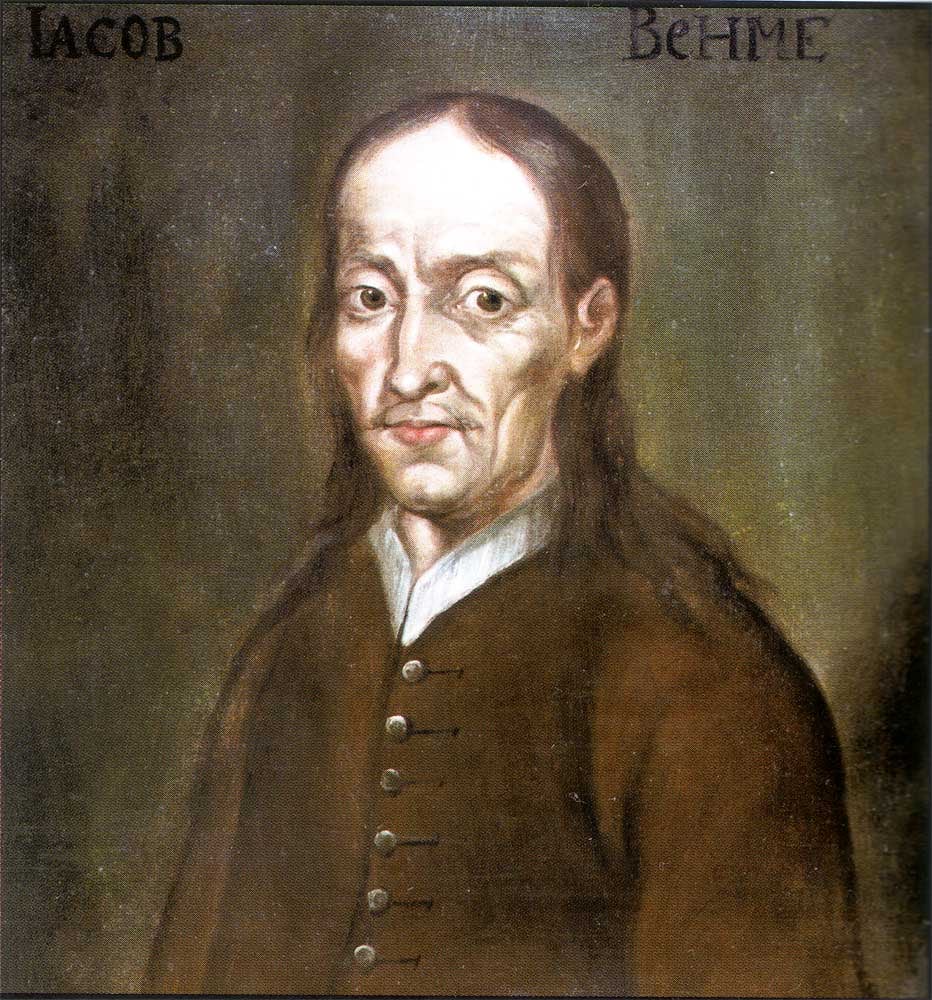
Jakob Böhme
Concordano su: Che cos'è l'Assoluto? Dio esiste? · Chi sono io? Esiste un vero sé? · Perché soffriamo?
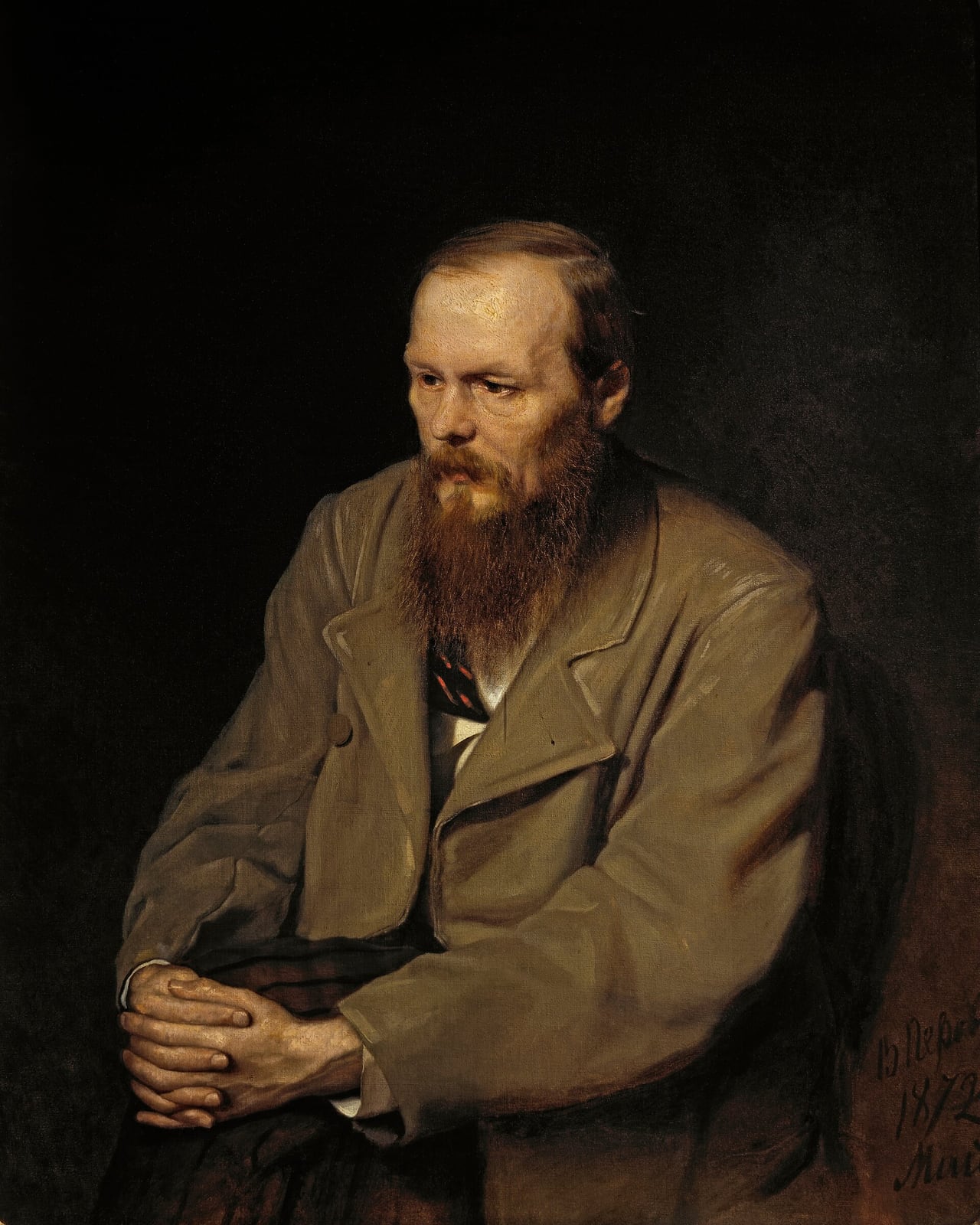
Fyodor Dostoevsky
Concordano su: Chi sono io? Esiste un vero sé? · Perché soffriamo? · Che cosa accade dopo la morte?
Seraphim of Sarov
Concordano su: Chi sono io? Esiste un vero sé? · Perché soffriamo? · Che cosa accade dopo la morte?
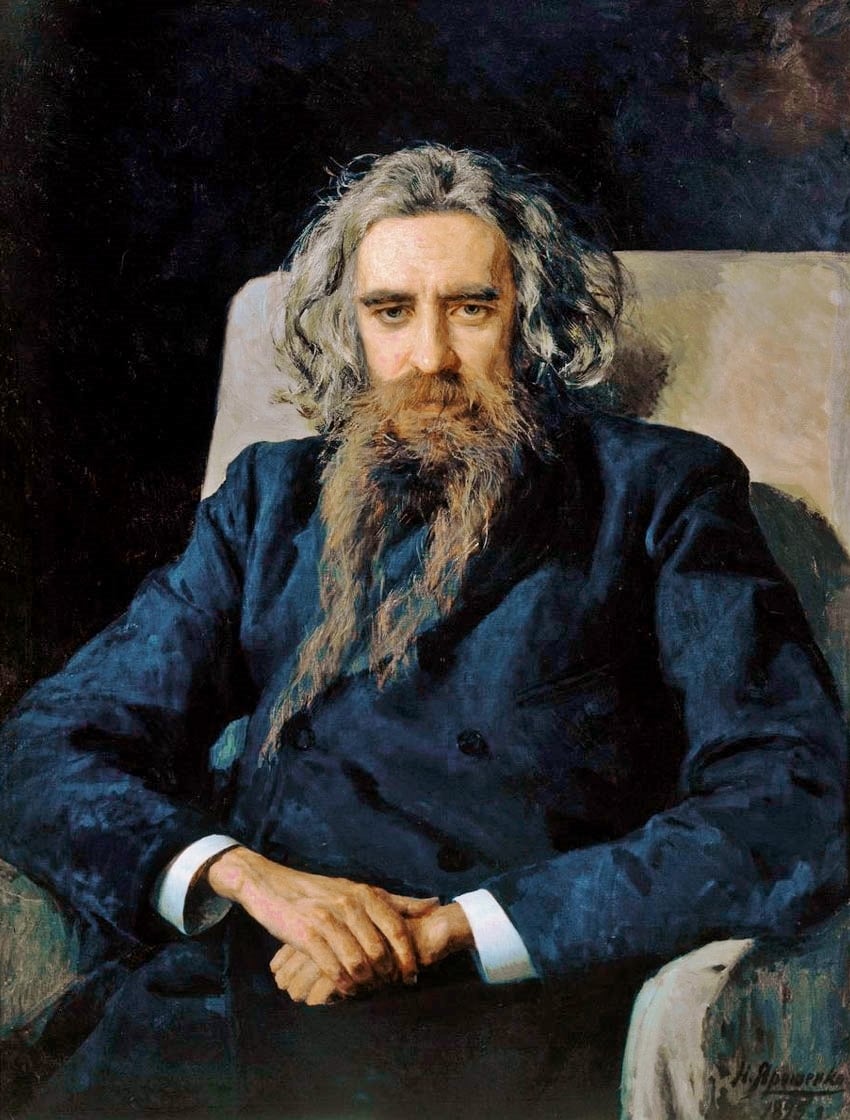
Vladimir Solovyov
Concordano su: Che cos'è l'Assoluto? Dio esiste? · Chi sono io? Esiste un vero sé? · Perché soffriamo?
La pensa diversamente da
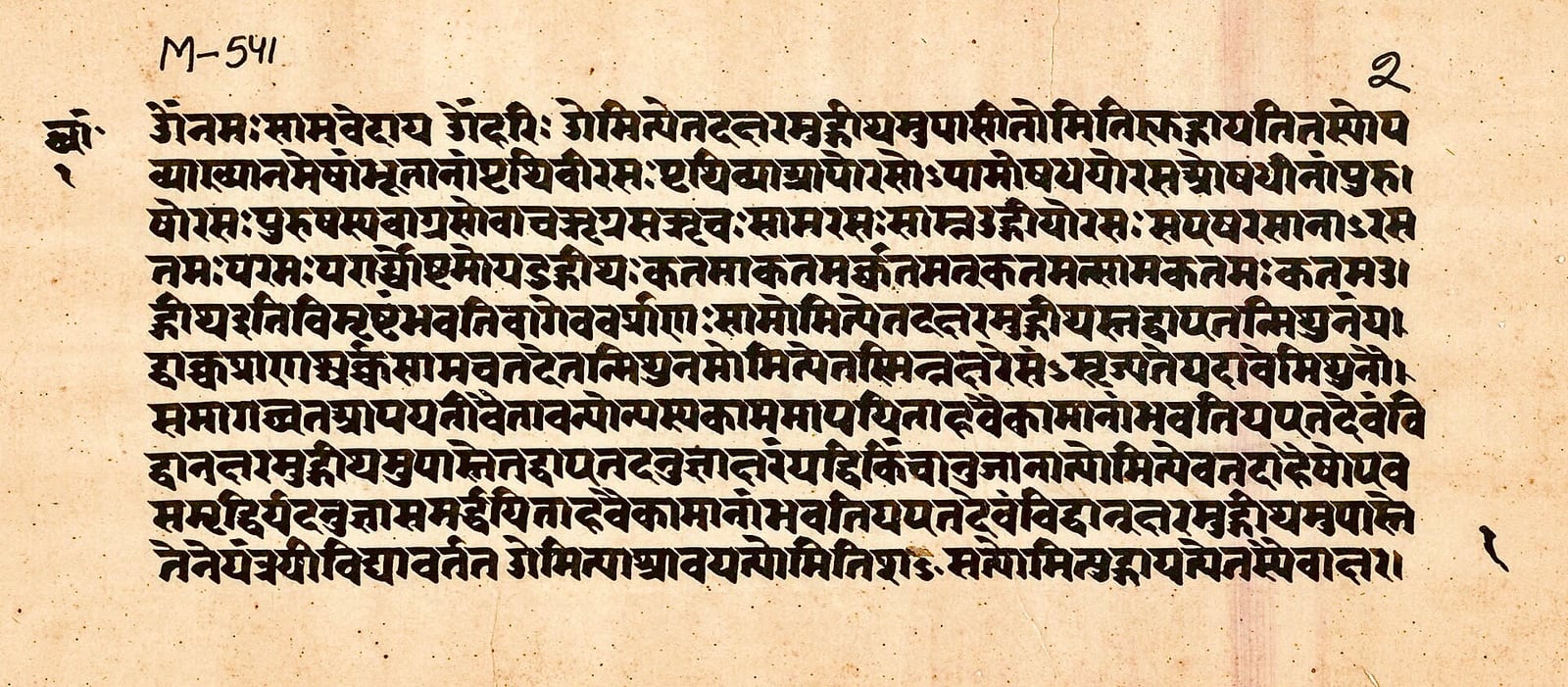
Uddalaka Aruni
Si scontrano su: Chi sono io? Esiste un vero sé? · Serve un maestro?
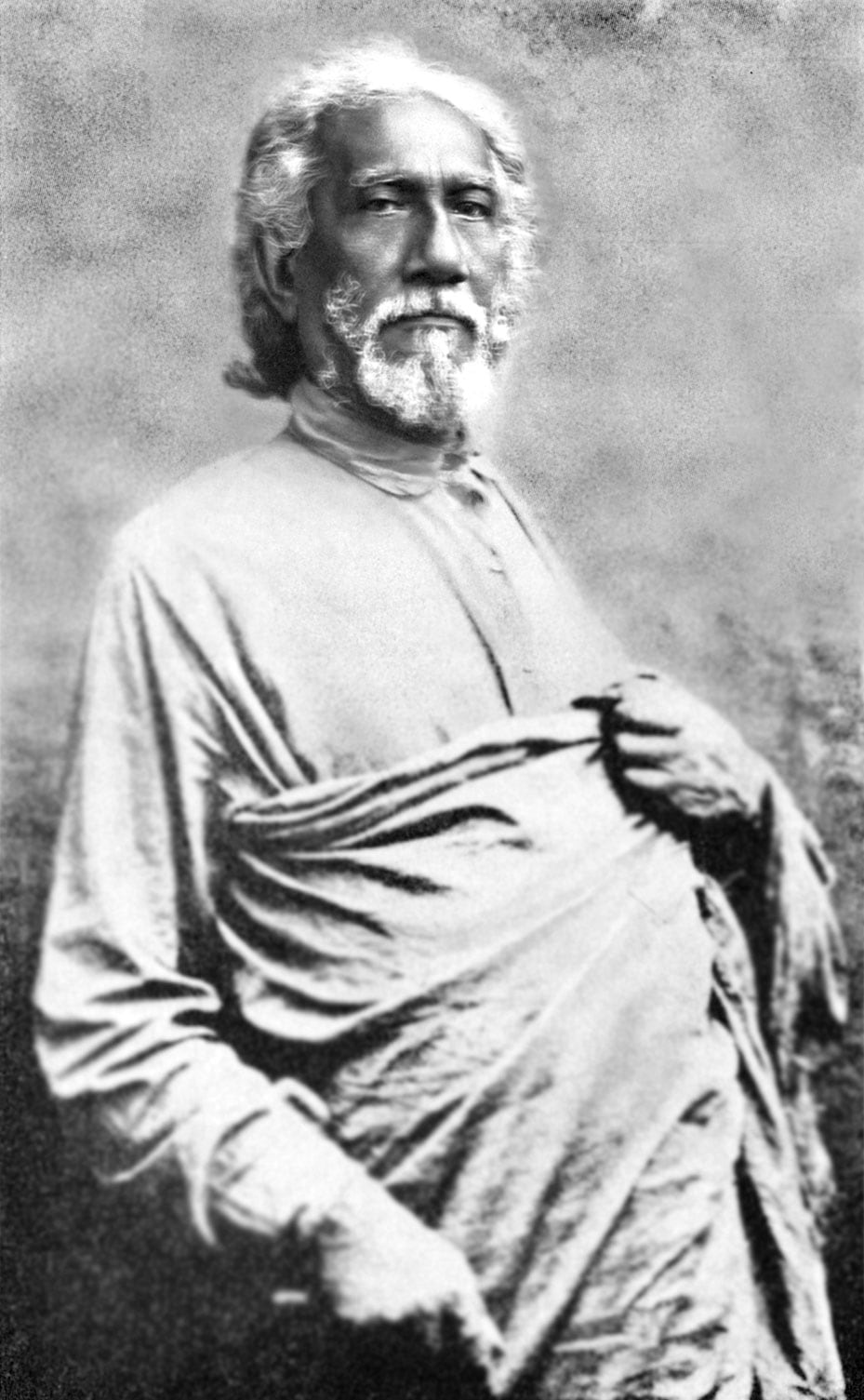
Sri Yukteswar
Si scontrano su: Chi sono io? Esiste un vero sé? · Che cosa accade dopo la morte? · Serve un maestro?

Tsongkhapa
Si scontrano su: Chi sono io? Esiste un vero sé? · Che cosa accade dopo la morte? · Serve un maestro?
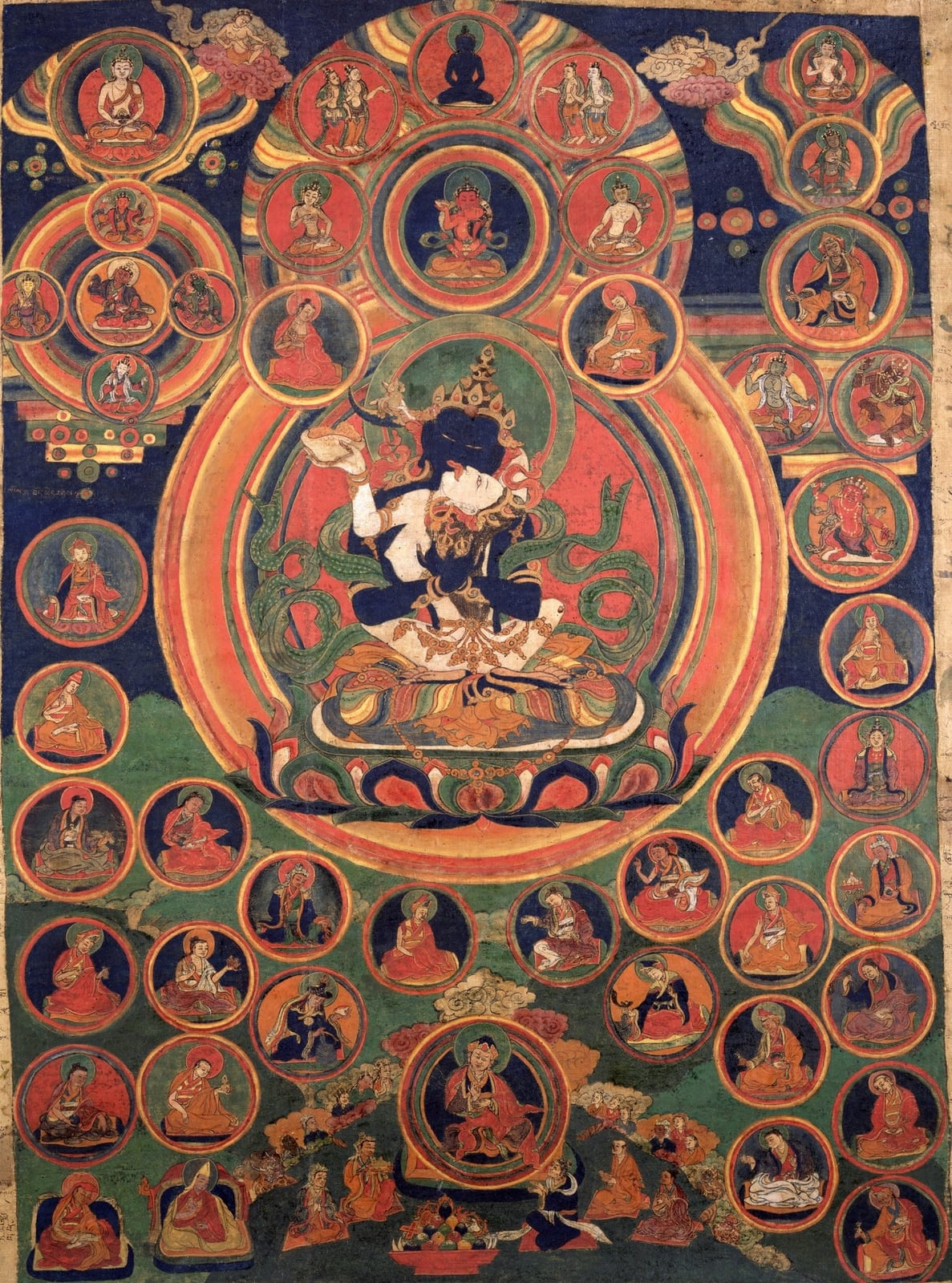
Padmasambhava
Si scontrano su: Chi sono io? Esiste un vero sé? · Che cosa accade dopo la morte? · Serve un maestro?
Aneddoti e racconti
Aneddoti e racconti
Testimonianza1920
A lecture for Dzerzhinsky
Origine del racconto: Berdyaev's own account in Self-Knowledge, ch. IX, written some twenty years later. There is no other published testimony of the interrogation.
Testimonianzaagosto–septiembre de 1922
The philosophers' ship
Origine del racconto: Self-Knowledge, chs. IX and X. The departure date (29 September 1922) and the context of the expulsions of intellectuals, decided by the Bolshevik leadership, are documented by historians.
Documentato1913–1917
Tried for blasphemy
Origine del racconto: Self-Knowledge, ch. VII; the trial and its dismissal in February 1917 are also recorded in the Russian Wikipedia biography and in studies of imyaslavie.
Testimonianzadécada de 1940
Muri the cat
Origine del racconto: Self-Knowledge, 'Additions'. The sentence about Muri and eternal life is a summary, not a literal quotation.
Documentato1947
Cambridge doctor and Nobel candidate
Origine del racconto: Self-Knowledge, 'Additions'; the seven Nobel nominations are recorded in the Russian Wikipedia biography, based on the Nobel Foundation's nomination archive.
Insegnamenti
Insegnamenti
Le nozioni che articolano il suo pensiero, spiegate nel loro contesto.
Uncreated freedom (Ungrund)libertad-increada
Developed from Böhme, Schelling and Dostoevsky; Berdyaev himself points out in Self-Knowledge that in Böhme the Ungrund is in God, while in his own thought it is outside God.
Creativity as the eighth daycreacion
The core of The Meaning of the Creative Act and of the 'ethics of creativity' in The Destiny of Man.
Objectificationobjetivacion
He himself regarded it as his 'central philosophical idea' (Self-Knowledge, Additions).
Person and personalismpersona
Set out systematically in Slavery and Freedom (1939), which he regarded as his most radical book.
The new Middle Agesnueva-edad-media
It extends the theses of The Meaning of History (1923) and of the article 'The End of the Renaissance'.
The Russian idea and secularised messianismmesianismo-ruso
In dialogue with the Slavophiles, Dostoevsky and Solovyov, and with the historiography of the schism.
Video
Video
Registrazioni, interviste e documentari. I video vengono riprodotti da YouTube; non sono ospitati qui.
Николай Бердяев. «Я лишь бунтарь, искатель истины и правды…»
Documentario· RU· 2008
Мудрый Философ
История Западной философии. Лекция №43. «Николай Бердяев и философия духа»
Conferenza· RU
Лекции А.Б. ЗубоваCanale ufficiale
Философия свободы и творчества Бердяева — Алексей Козырев
Conferenza· RU
ПостНаукаCanale ufficiale
Лекция Бердниковой А. Ю. «„Новое Средневековье“ Н. Бердяева: кризис ренессансной культуры»
Conferenza· RU· 2022
Институт философии РАНCanale ufficiale
Николай Александрович Бердяев: Философия эротической революции
Conferenza· RU· 2024
ИНИОН РАНCanale ufficiale
Лекция Л. Люкса «Николай Бердяев о „духах“ Русской революции и о духовном кризисе Европы»
Conferenza· RU· 2020
МЛРИД HSECanale ufficiale
Бердяевские среды 08. А. И. Резниченко «Николай Бердяев о себе и о мире объектов»
Conferenza· RU· 2024
Библиотека-Музей Дом ЛосеваCanale ufficiale
Бердяевские среды 09. В. В. Кравченко «Н. А. Бердяев как мистический философ»
Conferenza· RU· 2024
Библиотека-Музей Дом ЛосеваCanale ufficiale
Философский пароход: Николай Бердяев / Священник Георгий Кочетков
Conferenza· RU· 2022
Свято-Филаретовский институтCanale ufficiale
Nikolai Berdyaev: On Freedom and Responsibility
Conferenza· EN· 2021
Wirth Institute (University of Alberta)Canale ufficiale
The Harry Murray Sessions: Nikolai Berdyaev (segment)
Conferenza· EN
The Maurin Academy
Religion and the State in Russian Philosophy (Vladimir Soloviev and Nikolai Berdiaev)
Conferenza· EN· 2021
REES Queens (Queen's University)Canale ufficiale
Marie Denieuil-Hovanessian : Digressions autour du concept d'amour chez Nicolas Berdiaev
Conferenza· FR
Philosophie russe
Galleria
Galleria
Immagini con licenza verificata. Ciascuna conserva la sua paternità e la sua attribuzione.
Relazioni
Relazioni
Influenze, discepolati e affinità. Si distingue la relazione documentata dalla somiglianza individuata per analisi.
Ricevette l'influenza di
He never met him but regarded him as the founder of Russian religious philosophy. He devoted 'The Problem of East and West in the Religious Consciousness of Vl. Solovyov' (1911) and 'Vladimir Solovyov and Us' (1937) to him; he took from him the idea of Godmanhood, though he reproached him for an over-rational system, a naive theocracy and a sophiology that in Self-Knowledge he judges to contradict The Meaning of Love, 'perhaps the best thing ever written about love'.
Relazione documentata
Ricevette l'influenza di
He acknowledged him as his spiritual master and devoted Dostoevsky's Worldview (1923) to him, as well as essays on the Grand Inquisitor (1907) and Stavrogin (1914). From Dostoevsky he took irrational freedom, capable of evil, and the critique of all imposed happiness.
Relazione documentata
Ricevette l'influenza di
In Self-Knowledge he acknowledges that Tolstoy was of great importance in his first revolt against society: he was never a Tolstoyan, but the 'Tolstoyan inoculation' lasted all his life, in his contempt for the false greatness of history; he links War and Peace to his only feeling for the homeland.
Relazione documentata
Dissentì da
In 'The Old and New Testaments in the Religious Consciousness of L. Tolstoy' (1912) and 'The Spirits of the Russian Revolution' (1918) he reproaches him for a rationalist moralism that ignores grace and redemption, and makes him partly responsible for the levelling spirit of the revolution.
Relazione documentata
Dissentì da
They shared in the Moscow religious renaissance, but Berdyaev reviewed The Pillar and Ground of the Truth harshly in 'Stylised Orthodoxy' (1914), reproaching it for aestheticism, magic, fear of freedom and an Orthodoxy of style. In Self-Knowledge he calls Florensky 'alien and hostile' to him, though he acknowledges they shared the hope of a new outpouring of the Spirit.
Relazione documentata
Ricevette l'influenza di
Böhme was, with Kant, the thinker to whom he said he owed most. From him he took the notion of the Ungrund, which he reinterpreted as uncreated freedom, and that of the androgyne; he devoted two studies in Put' (1930) to him and the introduction to the French translation of Mysterium magnum (1945).
Relazione documentata
Idee affini a
In The Meaning of the Creative Act (ch. VII, 'Creativity and Asceticism. Genius and Holiness') he contrasts Seraphim of Sarov, 'the greatest Russian saint', with Pushkin, 'the greatest Russian genius', contemporaries who never met: two incommensurable greatnesses of which the Russian soul may be equally proud. The comparison sums up his thesis that holiness does not exhaust the Christian vocation, which includes creativity.
Relazione documentata
Dissentì da
He criticised the modern Theosophy founded by Blavatsky — and Steiner's Anthroposophy — as a naturalistic evolutionism that dissolves the person and freedom: in The Meaning of the Creative Act (ch. XIII) he judges it far inferior to Böhme's 'theosophy', and in 'Theosophy and Anthroposophy in Russia' he examined its spread in Russian circles.
Relazione documentata
Dissentì da
In Self-Knowledge he presents his philosophy of freedom as a break with the ontological tradition of Parmenides, Plato, Aristotle and Thomas Aquinas, which places being above freedom; and in The Meaning of the Creative Act he rejects the Platonic doctrine of a world perfected in the ideas, which would turn the world process into a comedy.
Relazione documentata
Fonti
Fonti
Bibliografia e cataloghi consultati per questa scheda.
- Wikidata, Q184656: Nikolai Berdyaev, filósofo ruso (1874–1948). P31=Q5; 74 enlaces entre wikis.
- Berdiáyev, N. A. Самопознание. Опыт философской автобиографии [Autoconocimiento. Ensayo de autobiografía filosófica]. París: YMCA-Press, 1949. Texto en la Biblioteca «Vejí» (vehi.net).
- «Бердяев, Николай Александрович». Wikipedia en ruso (biografía y bibliografía detallada).
- Berdiáyev, N. A. Смысл творчества. Опыт оправдания человека [El sentido de la creación]. Moscú: G. A. Lemán y S. I. Sajárov, 1916. Texto en la Biblioteca «Vejí».
- Lowrie, Donald A. Rebellious Prophet: A Life of Nicolai Berdyaev. Nueva York: Harper, 1960.
- Open Library, autor OL52926A: Nikolaĭ Berdi͡aev (1874–1948), obras y ediciones.
- Klépinine, Tamara. Bibliographie des œuvres de Nicolas Berdiaev. París: Institut d'études slaves, 1978.
- Berdiáyev, N. A. Истоки и смысл русского коммунизма [Las fuentes y el sentido del comunismo ruso]. París: YMCA-Press, 1955 (ed. alemana y ed. inglesa, 1937). Texto en Wikisource ruso.
- Berdiáyev, N. A. Новое средневековье. Размышление о судьбе России и Европы [Una nueva Edad Media]. Berlín: Obelisk, 1924. Texto en Azbuka.
- Berdiáyev, N. A. О рабстве и свободе человека. Опыт персоналистической философии [Esclavitud y libertad del hombre]. París: YMCA-Press, 1939. Texto en Azbuka.
- Berdiáyev, N. A. Русская идея. Основные проблемы русской мысли XIX века и начала XX века [La idea rusa]. París: YMCA-Press, 1946. Texto en Azbuka.
- Berdiáyev, N. A. «Стилизованное православие (о. Павел Флоренский)» [Ortodoxia estilizada]. Русская мысль, 1914, n.º 1. Texto en la Biblioteca «Vejí».
- Berdiáyev, N. A. «Проблема Востока и Запада в религиозном сознании Вл. Соловьева» [El problema de Oriente y Occidente en la conciencia religiosa de Vl. Soloviov], en Сборник первый. О Владимире Соловьеве. Moscú: Put, 1911. Texto en la Biblioteca «Vejí».
- Berdiáyev, N. A. Миросозерцание Достоевского [La concepción del mundo de Dostoievski]. Praga: YMCA-Press, 1923. Texto en la Biblioteca «Vejí».
- Berdiáyev, N. A. «Ветхий и Новый Завет в религиозном сознании Л. Толстого» [El Antiguo y el Nuevo Testamento en la conciencia religiosa de L. Tolstói], en О религии Льва Толстого. Moscú: Put, 1912. Texto en la Biblioteca «Vejí».
- Berdiáyev, N. A. «Из этюдов о Я. Беме. Этюд I: Учение об Ungrund и свободе; Этюд II: Учение о Софии и андрогине». Путь, 1930, n.os 20–21.
- Titolare dei diritti
- Berdiáyev murió en 1948: su obra es de dominio público en la Unión Europea desde 2019 (70 años), pero en España no lo será hasta el 1 de enero de 2029 (80 años para autores fallecidos antes de 1987), y en EE. UU. las obras publicadas a partir de 1930 pueden seguir protegidas. Las traducciones pertenecen a sus traductores y editoriales.
In attesa di conferma
Ciò che questa scheda non ha ancora potuto chiarire. Preferiamo dirlo piuttosto che riempirlo.
- Ediciones españolas modernas con ISBN de «El sentido de la creación», «Una nueva Edad Media», «El destino del hombre», «Autoconocimiento», «Esclavitud y libertad del hombre» y «La idea rusa»: no localizadas (Open Library sin datos; Google Books sin cuota; catálogo de la BNE inaccesible). Sólo constan ediciones antiguas sin ISBN (Losada 1938, Janés 1947, Emecé 1955) y las de Encuentro, Sígueme y Nuevo Inicio.
- Identificar la obra original de «El cristianismo y el problema del comunismo» (Espasa-Calpe Argentina, 1937) y registrarla.
- Registrar uno por uno los varios cientos de artículos de Berdiáyev (Put, Sovremennye zapiski, Rússkaia mysl, Vopros zhizni, Novi Grad…); hoy figuran sólo los de mayor entidad. La bibliografía de referencia es la de T. Klépinine (1978).
- Confirmar fecha y revista de «Teosofía y antroposofía en Rusia» (hacia 1916) y de «Verdad y mentira del comunismo» (1931).
- Fecha exacta de la muerte: 24 de marzo de 1948 según Wikidata y la mayoría de las fuentes; 23 de marzo según otras (Open Library, parte de la bibliografía rusa).
- Año de la edición de Encuentro de «El sentido de la historia» (ISBN 9788474900170).
- Duración de los vídeos y año de los no fechados: oEmbed no los proporciona.
- No se ha encontrado en YouTube ninguna grabación de la voz ni imágenes filmadas de Berdiáyev.
Ricerca effettuata il 2026-10-25