Cristianesimo · Mistica cristiana · Cristianesimo ortodosso
Theophan the Recluse
Феофан Затворник · Георгий Васильевич Говоров
1815 – 1894Persona storicamente documentata
Vescovo, teologo e scrittore spirituale russo (1815-1894). Professore e rettore dell'Accademia di San Pietroburgo, membro della missione russa a Gerusalemme e vescovo di Tambov e di Vladimir, rinunciò nel 1866 e trascorse ventidue anni da recluso nel monastero di Vyša, da dove scrisse commenti a tutto san Paolo, «La via della salvezza», migliaia di lettere di direzione spirituale e la versione russa della Filocalia in cinque tomi. Maestro della preghiera del cuore, fu canonizzato nel 1988.
- opere
- 80opere
- edizioni
- 65edizioni
- citazioni
- 10citazioni
- video
- 14video
- immagini
- 8immagini

Teófano el Recluso en 1891 · Public domain
Con le sue parole
«The Christian life is zeal and strength to abide in active communion with God, through faith in our Lord Jesus Christ, with the help of God's grace, by fulfilling His holy will, to the glory of His most holy name.»«Путь ко спасению», sección I, «Как начинается в нас христианская жизнь?».
Theophan the Recluse
The Philokalia (Dobrotolubie) in Russian translation, enlarged, 5 vols
Per cominciare, un'opera
The Philokalia (Dobrotolubie) in Russian translation, enlarged, 5 volsLa sua idea centrale
The mind in the heart: The centre of Theophan's teaching is a hesychast formula he repeats in a thousand ways: one must 'descend with the mind into the heart' and 'stand there before the Lord'.
Vederlo nel contesto
Biografia
5 min di lettura
Traduzione assistita dall'originale spagnolo, in attesa di revisione da parte di un traduttore madrelingua.
Il figlio del prete di Černava
Georgij Vasil'evič Govorov nacque il 10 gennaio 1815 secondo il calendario giuliano (22 del gregoriano) a Černava, un villaggio del distretto di Elec, nel governatorato di Orël, figlio del prete di campagna Vasilij Timofeevič e di Tat'jana Ivanovna, anch'ella di famiglia clericale. Percorse la strada consueta dei figli del clero russo: la scuola ecclesiastica di Livny dal 1823, il seminario di Orël dal 1829 — dove i rapporti lo descrivono come «incline alla solitudine», «mite e silenzioso» — e, nel 1837, come miglior allievo del suo corso, l'Accademia teologica di Kiev. Lì, tra la scienza accademica e la vita della Lavra delle Grotte, e dopo la morte della madre nel 1838 e del padre nel 1839, decise di farsi monaco.
Professore, viaggiatore, rettore
Il 15 febbraio 1841 ricevette l'abito con il nome di Teofane, in onore di Teofane il Confessore; nello stesso anno fu ordinato diacono e sacerdote e conseguì il titolo di magister con uno studio sulla religione della Legge mosaica che il metropolita Filarete di Mosca elogiò. Seguirono anni di insegnamento: rettore della scuola di Santa Sofia di Kiev, ispettore del seminario di Novgorod e, dal 1844, professore di teologia morale all'Accademia di San Pietroburgo. L'incarico gli pesava; scrisse al suo padre spirituale che la funzione accademica cominciava a riuscirgli insopportabile e che avrebbe preferito starsene seduto in una chiesa. Nel 1847 ottenne di essere destinato alla Missione ecclesiastica russa a Gerusalemme, dove imparò a dipingere icone, perfezionò il greco e il francese, studiò l'ebraico e l'arabo e scoprì nei monasteri d'Oriente i manoscritti ascetici che avrebbe tradotto per il resto della vita. La guerra di Crimea costrinse a ritirare la missione nel 1854; il ritorno attraverso l'Europa comprese un'udienza da Pio IX.
In Russia fu rettore del seminario di Olonec, cappellano dell'ambasciata a Costantinopoli — con l'incarico di riferire sullo scisma greco-bulgaro — e, dal 1857, rettore dell'Accademia teologica di San Pietroburgo, dove presiedette inoltre il comitato per la traduzione della Bibbia in russo.
Vescovo predicatore
Il 1° giugno 1859 fu consacrato vescovo di Tambov, una diocesi enorme, con più di mille sacerdoti e numerose sette e comunità di vecchi credenti. Teofane fece della predicazione il centro del suo ministero: accompagnava con un sermone quasi ogni ufficio, pubblicò un breve trattato su come comporre un'omelia e spiegava che le sue non erano stese per iscritto, ma «improvvisazioni scritte». Lì apparvero anche le «Lettere sulla vita cristiana» (1860). Nel 1863 passò alla sede di Vladimir, dove aprì una confraternita ortodossa e una scuola diocesana per ragazze. Ma già nel maggio 1865 confidava a Ignatij Brjančaninov, ritiratosi nel 1861, di essere spesso tentato di seguirne l'esempio. Nel marzo 1866 chiese al Sinodo di essere messo a riposo. Al metropolita di San Pietroburgo, sorpreso, spiegò che non cercava riposo per dedicarsi al dilettantismo, ma per un lavoro utile alla Chiesa: «Ho in mente di servire la Chiesa di Dio, soltanto in un altro modo».
Vyša
Nel giugno 1866 si ritirò nel piccolo monastero di Vyša, nel governatorato di Tambov; tre mesi dopo rinunciò anche a dirigerlo. Per sei anni visse appartato ma non rinchiuso, e nel 1872 gli fu persino proposta la diocesi di Mosca. Quell'anno si rinchiuse definitivamente in un padiglione di legno a due piani, in cui allestì una cappella della Teofania, dove celebrò la liturgia dapprima le domeniche e le feste e, negli ultimi undici anni, ogni giorno. Egli stesso toglieva solennità al gesto: «Della mia chiusura hanno fatto una reclusione. Non c'è nulla del recluso. Mi sono chiuso perché non mi disturbassero […], per dedicarmi senza impedimenti ai libri». Nella cella dipingeva icone, intagliava il legno, si cuciva gli abiti, osservava il cielo e scriveva.
Una biblioteca per i laici
A Vyša scrisse quasi tutta la sua opera: commenti a tutte le epistole di san Paolo, fondati soprattutto su Giovanni Crisostomo; «La via della salvezza» (1868-1869), che considerava il suo libro principale; «Che cos'è la vita spirituale e come disporvisi» (1878), nato dalle lettere a una ragazza che un ballo a Mosca aveva lasciato a interrogarsi sul senso della vita; un'armonia dei quattro Vangeli, commenti ai salmi e i «Pensieri per ogni giorno dell'anno». Rispondeva ogni giorno a venti-quaranta lettere, e il suo epistolario, pubblicato dopo la morte in otto volumi, fece di lui il padre spirituale di migliaia di persone che non lo videro mai.
La sua impresa maggiore fu la «Filocalia» russa, il Dobrotoljubie in cinque grossi tomi, il cui primo volume uscì nel 1877. Non è una traduzione letterale: lo stesso Teofane riconosceva che nel «Combattimento invisibile» di Nicodemo l'Aghiorita non traduceva, ma rielaborava liberamente, «aggiungendo, togliendo e cambiando», e lo stesso fece con la Filocalia, che abbreviò e insieme ampliò con autori assenti dall'originale greco. I patrologi successivi, dal vescovo Veniamin (Milov) nel 1922 ad Aleksej Sidorov, hanno rilevato che si tratta di una parafrasi pastorale più che di un'edizione critica, sottolineandone al tempo stesso l'immenso valore. Tradusse inoltre antiche regole monastiche, le omelie di Simeone il Nuovo Teologo, un paterikon palestinese e un'antologia di Efrem il Siro.
L'uomo dai principi saldi
La dottrina di Teofane è una pedagogia del cuore. La preghiera non è recitare formule, ma «il sorgere nel cuore di sentimenti di riverenza verso Dio»; il cammino consiste nel discendere con l'intelletto nel cuore e rimanervi davanti al Signore; la vita spirituale nasce da un «risveglio» della grazia che la libertà umana deve accogliere con zelo. Questa interiorità conviveva con convinzioni rigide: difese la Settanta contro la traduzione sinodale condotta sul testo ebraico, combatté gli evangelici di Radstock e Paškov, chiamò Lev Tolstoj «bašibozuk» che «ha sparato un mucchio di sciocchezze» e, in una lettera del 1881, temendo una rivoluzione come quella francese, chiese di imbavagliare la stampa e di punire l'incredulità come delitto di Stato. Polemizzò anche con Ignatij Brjančaninov sulla natura delle anime e degli angeli, pur stimandone gli scritti. Berdjaev lo giudicò poco originale come pensatore e gli rimproverò opinioni morali e sociali «rivoltanti»; Florovskij lo studiò, accanto a Giovanni di Kronštadt, nelle «Vie della teologia russa» (1937).
Morì solo nella sua cella il 6 gennaio 1894 (18 del calendario gregoriano), festa della Teofania, il mistero che dava il nome alla sua cappella. Fu sepolto nella cattedrale di Kazan' di Vyša. Il concilio della Chiesa russa del 1988, quello del millennio del battesimo della Rus', lo canonizzò affermando che i suoi scritti possono leggersi come uno sviluppo dell'insegnamento dei Padri. Nel 2002 le sue reliquie tornarono a Vyša, ridivenuto monastero. Attraverso «L'arte della preghiera», l'antologia dell'igumeno Chariton (1936) tradotta in inglese nel 1966, raggiunse un vasto pubblico occidentale.
Fonti: Teófano el Recluso. Что есть духовная жизнь и как на нее настроиться. 1.ª ed. 1878; ed. Moscú: Otchi dom, 2012 (ISBN 5-87301-120-6). Ochenta cartas a E. A. Arnoldi. Texto en Azbuka very. · Teófano el Recluso. Путь ко спасению. Краткий очерк аскетики. 1868–1869 (5 ediciones en vida). Texto en Azbuka very; facsímil de la ed. de 1899 en Wikimedia Commons. · Teófano el Recluso. Четыре слова о молитве. 1872. Texto en Azbuka very. · Teófano el Recluso. Избранные письма о сектах и ересях (selección del Собрание писем, con las cartas sobre Tolstói, Radstock y Páshkov, n.º 1171 y otras). Texto en Azbuka very. · Gueorgui (Tertýshnikov), archimandrita. Святитель Феофан Затворник и его учение о спасении. Moscú: Pravilo very, 1999. ISBN 9785753300782.
Cronologia
La vita, anno per anno
Ogni punto è un evento documentato. Fai clic per leggerlo, con la sua fonte e il suo grado di certezza.
22 gennaio 18150 anniChernava (prov. de Oriol)
Birth
Georgy Govorov is born, son of the priest Vasily Timofeyevich (10 January, Julian calendar).
Documentato«Феофан Затворник», Wikipedia en ruso (biografía, carta a Ignati Brianchanínov de mayo de 1865, carta al metropolita Isidoro de 30-5-1866, reclusión, carta de 3-5-1881, canonización, juicio de Berdiáev, obras y bibliografía). Consultada el 25-10-2026.
Dopo la sua morte
- giugno 1988Canonisation
- 29 giugno 2002Translation of the relics
22 gennaio 1815 · 0 anni
Birth
Georgy Govorov is born, son of the priest Vasily Timofeyevich (10 January, Julian calendar).
Documentato
1829 · 14 anni
Oryol seminary
After six years at the Livny church school he enters the Oryol seminary.
Documentato
1837 · 22 anni
Kiev Theological Academy
He enters as the best pupil of his year; his mother (1838) and father (1839) die.
Documentato
27 febbraio 1841 · 26 anni
Monastic tonsure: Theophan
He is tonsured with the name Theophan (15 February, Julian); in April and July he is ordained deacon and priest; he takes his master's degree.
Documentato
ottobre 1844 · 29 anni
Lecturer at the St Petersburg Academy
He teaches moral and pastoral theology; his lectures are the basis of The Path to Salvation.
Documentato
agosto 1847 – 1854 · 32 anni
Ecclesiastical mission in Jerusalem
A member of the mission led by Porphyry Uspensky; he learns icon painting and languages and begins translating ascetic texts.
Documentato
1854 · 39 anni
Audience with Pius IX
With the mission recalled because of the Crimean War, he returns through Europe and is received with Porphyry by the Pope.
Documentato
maggio 1857 · 42 anni
Rector of the St Petersburg Academy
After Olonets and Constantinople he heads the Academy and chairs the committee for translating the Bible into Russian (1858).
Documentato
1 giugno 1859 · 44 anni
Bishop of Tambov
Consecrated in the Trinity Cathedral of the Alexander Nevsky Lavra; he takes up the see on 5 July.
Documentato
1860 · 45 anni
Letters on the Christian Life
He publishes the four parts of Letters on the Christian Life.
Documentato
22 luglio 1863 · 48 anni
Bishop of Vladimir
Transferred to the see of Vladimir, where he publishes his instruction for preaching (1864).
Documentato
17 giugno 1866 · 51 anni
Resignation and retirement to Vysha
The Synod accepts his retirement; in September he also gives up the direction of the monastery.
Documentato
1868 – 1869 · 53 anni
The Path to Salvation
He publishes his synthesis of the spiritual life, which will go through five editions in his lifetime.
Documentato
1872 · 57 anni
Seclusion
He shuts himself in his wing with a chapel of the Theophany; he begins the commentaries on St Paul (1872–1882).
Documentato
1877 · 62 anni
First volume of the Russian Philokalia
The first volume of the Dobrotolubie appears, published by the Russian monastery of St Panteleimon on Athos.
Documentato
1878 · 63 anni
What Is the Spiritual Life
He publishes the eighty letters to E. A. Arnoldi.
Documentato
1888 · 73 anni
Blind in one eye
Cataracts leave him blind in the right eye; he also suffers from rheumatism, neuralgia and arrhythmia.
Documentato
18 gennaio 1894 · 79 anni
Death
He dies alone in his cell on the feast of the Theophany (6 January, Julian); funeral on 11 January.
Documentato
giugno 1988
Canonisation
The council of the millennium of the baptism of Rus proclaims him a saint.
Documentato
29 giugno 2002
Translation of the relics
The relics, kept at Emmanuilovka since 1988, return to Vysha monastery.
Documentato
Opere
Opere essenziali
Le opere senza le quali non si comprende la sua eredità.
Theophan the Recluse
The Philokalia (Dobrotolubie) in Russian translation, enlarged, 5 vols
Raccolta posteriore · 1877
The Philokalia (Dobrotolubie) in Russian translation, enlarged, 5 vols
Добротолюбие в русском переводе, дополненное
A Russian version, in five volumes (some 3,143 pages), of the great anthology of ascetic and mystical texts by Fathers of the fourth to fifteenth centuries on watchfulness, pure prayer and the Jesus Prayer, compiled by Nicodemus the Hagiorite and Macarius of Corinth (Venice, 1782) and put into Slavonic by Paisius Velichkovsky (1793). Theophan does not simply translate: he abridges many texts and adds others absent from the original—such as the teachings of Dorotheus of Gaza, in volume II—to give the Russian reader, monk or layperson, a complete manual of inner warfare. The first volume appeared in 1877, published by the Russian monastery of St Panteleimon on Athos; the work went through several editions and was for a century the Russians' Philokalia.
2 edizioni

Opera scritta · 1868
The Path to Salvation: A Brief Outline of Ascetics
Путь ко спасению. Краткий очерк аскетики
Theophan regarded it as his main book. Born of his lectures in moral theology at St Petersburg and conceived as the third part of his Outline of Christian Moral Teaching, it describes in three sections how the Christian life begins—through baptism and through repentance—how the sinner is awakened by grace from his 'sleep' and comes to the decision to give himself to God, and how the new life then matures through zeal, the discipline of the faculties of soul and body, and prayer. Its opening definition, 'the Christian life is zeal and strength to abide in communion with God', sums up his whole method: a systematic asceticism meant for laypeople as much as for monks.
4 edizioni

Corrispondenza · 1878
What Is the Spiritual Life and How to Be Attuned to It
Что есть духовная жизнь и как на нее настроиться
Eighty letters to a young woman, E. A. Arnoldi, daughter of an estate manager from Tula, who after a ball began to wonder about the meaning of life. Theophan first sets out the three dimensions of the human being—body, soul and spirit, the last shown in the fear of God, conscience and thirst for God—explains the Fall and the grace of baptism, and then guides his correspondent step by step: preparing for confession and communion, unceasing remembrance of God, prayer with the mind in the heart, the struggle with the passions, reading, household tasks, music and amusements. It is the author's most widely read book and a classic of spiritual direction for laypeople.
3 edizioni

Corrispondenza · 1898
Collected Letters (8 parts)
Собрание писем святителя Феофана (вып. 1–8)
The letters of spiritual direction Theophan wrote from Vysha—twenty to forty a day in his last years—to monks, nuns, priests, laypeople of every station, families and the sick. They deal with prayer and the Jesus Prayer, confession and communion, marriage and education, sickness and death, the sects and atheism of his day, with a characteristic mixture of tenderness, practical sense and doctrinal severity. Published after his death in eight parts (1898–1901), with over 1,400 pieces, they remain the main route by which he is read in Russia.
3 edizioni
Tutta la sua opera (80)
Theophan the Recluse
Letters on the Christian Life
The Conscious LibraryLetters on the Christian Life
1860
Theophan the Recluse
Letters on the Spiritual Life
The Conscious LibraryLetters on the Spiritual Life
1870
Theophan the Recluse
Letters to Various Persons on Various Matters of Faith and Life
The Conscious LibraryLetters to Various Persons on Various Matters of Faith and Life
1880
Theophan the Recluse
On the Jesus Prayer, in Letters to Schema-Igumen Herman and Schemamonk Agapius
The Conscious LibraryOn the Jesus Prayer, in Letters to Schema-Igumen Herman and Schemamonk Agapius
1880
Theophan the Recluse
Selected Letters on Sects and Heresies
The Conscious LibrarySelected Letters on Sects and Heresies
Theophan the Recluse
Last Counsels and Correspondence of the Last Year
The Conscious LibraryLast Counsels and Correspondence of the Last Year
1894
Theophan the Recluse
Letters to Tatiana Vladimirovna Netsvetaeva
The Conscious LibraryLetters to Tatiana Vladimirovna Netsvetaeva
1887
Theophan the Recluse
Letters to Archpriest Mikhail Kheraskov
The Conscious LibraryLetters to Archpriest Mikhail Kheraskov
1892
Theophan the Recluse
Unpublished letters (to I. D. Andreyev, to 'S. V.' and others)
The Conscious LibraryUnpublished letters (to I. D. Andreyev, to 'S. V.' and others)
Theophan the Recluse
Four Homilies on Prayer
The Conscious LibraryFour Homilies on Prayer
1872
Theophan the Recluse
Outline of Christian Moral Teaching
The Conscious LibraryOutline of Christian Moral Teaching
1891
Theophan the Recluse
Survey of the Religion under the Law
The Conscious LibrarySurvey of the Religion under the Law
1841
Theophan the Recluse
Sermons of the Rector of the St Petersburg Academy
The Conscious LibrarySermons of the Rector of the St Petersburg Academy
1859
Theophan the Recluse
Sermons to the Flock of Tambov
The Conscious LibrarySermons to the Flock of Tambov
1861
Theophan the Recluse
Nine Homilies on the Fires in Tambov
The Conscious LibraryNine Homilies on the Fires in Tambov
1860
Theophan the Recluse
Sermons to the Flock of Vladimir
The Conscious LibrarySermons to the Flock of Vladimir
1863
Theophan the Recluse
The Inner Life (collected sermons)
The Conscious LibraryThe Inner Life (collected sermons)
1859
Theophan the Recluse
The Heavenly Protection over Us
The Conscious LibraryThe Heavenly Protection over Us
1865
Theophan the Recluse
On Orthodoxy, with Warnings against Errors
The Conscious LibraryOn Orthodoxy, with Warnings against Errors
1863
Theophan the Recluse
Reminder to Nuns of What Monasticism Requires of Them
The Conscious LibraryReminder to Nuns of What Monasticism Requires of Them
1892
Theophan the Recluse
On Complete Conversion to God from the Seductions of the World and Sin
The Conscious LibraryOn Complete Conversion to God from the Seductions of the World and Sin
1867
Theophan the Recluse
On Repentance, Communion and Amendment of Life
The Conscious LibraryOn Repentance, Communion and Amendment of Life
1869
Theophan the Recluse
Resolving Perplexities on the Parable of the Unjust Steward
The Conscious LibraryResolving Perplexities on the Parable of the Unjust Steward
1869
Theophan the Recluse
Lessons from the Deeds and Words of the Lord
The Conscious LibraryLessons from the Deeds and Words of the Lord
1870
Citazioni
Citazioni localizzate in un'opera precisa. Ciascuna porta con sé la sua provenienza e il suo grado di affidabilità.
The Christian life is zeal and strength to abide in active communion with God, through faith in our Lord Jesus Christ, with the help of God's grace, by fulfilling His holy will, to the glory of His most holy name.Христианская жизнь есть ревность и сила пребывать в общении с Богом, деятельном, по вере в Господа нашего Иисуса Христа, при помощи благодати Божией, исполнением святой воли Его, во славу пресвятого имени Его.
Verificata«Путь ко спасению», sección I, «Как начинается в нас христианская жизнь?».
Citazioni apocrife o di attribuzione discussa (2)
«"To pray is to descend with the mind into the heart, and there to stand before the face of the Lord, ever-present, all-seeing, within you."»
Widely circulated in English, it comes from the anthology The Art of Prayer (1936; English translation 1966), which assembles and sometimes condenses fragments of his letters. The idea is his and appears in letters 45 and 58 of What Is the Spiritual Life; the exact Russian wording has not been located.
«Prophecies about the Russian revolution and the Antichrist attributed to him in devotional compilations.»
There is an authentic letter of 3 May 1881 in which, comparing Russia with pre-revolutionary France, he concludes that 'we too are on the road to revolution'; the 'prophecies' circulating under his name expand and dramatise passages like this, and many cannot be found in his writings.
Ultime parole
Non esistono testimonianze verificabili delle sue ultime parole.
He died alone in his cell at Vysha on 6 January 1894 (Julian), the feast of the Theophany, and no one witnessed his death, so no last words are recorded. The pious biographies (Khitrov, 1905) describe how he was found but ascribe no words to him.
Fonte: «Феофан Затворник», Wikipedia en ruso (biografía, carta a Ignati Brianchanínov de mayo de 1865, carta al metropolita Isidoro de 30-5-1866, reclusión, carta de 3-5-1881, canonización, juicio de Berdiáev, obras y bibliografía). Consultada el 25-10-2026.
Chiedi
Ciò a cui risponde la sua opera
Dodici grandi domande dell'umanità e ciò che i suoi testi permettono di rispondere, con riferimenti. Non gli mettiamo mai parole in bocca.
Che cos'è l'Assoluto? Dio esiste?
God is the Trinitarian Lord with whom the Christian lives in active communion
Un Dio personaleLo dice espressamente
Theophan the Recluse writes not as a philosopher but as a bishop and spiritual director. In the Outline of Christian Moral Teaching he starts from the God of Orthodox faith, one in three persons, creator and provident, and derives all of moral life from him. In The Path to Salvation he defines Christian life as zeal and strength to remain in active communion with God through faith in Jesus Christ, with the help of grace and by fulfilling his will. God is for him someone who listens: in one of his letters he affirms that there is no interval between prayer and its hearing, provided the prayer comes from the heart. The question of God's existence barely concerns him; what matters is how he is found, and his answer is the prayer of the heart, attention and the sacraments of the Church.
Confronta questa domanda con altri maestriChi sono io? Esiste un vero sé?
Body, soul and spirit: the spirit is the power that seeks God
Un'anima creata e immortaleLo dice espressamente
Theophan the Recluse develops a tripartite anthropology that fills the first letters of What Is Spiritual Life and returns in the Outline of Christian Moral Teaching. The human being has a body, a soul with its faculties of thinking, willing and feeling, and a spirit, the power God breathed into him, which shows itself as fear of God, conscience and thirst for God. When the spirit governs, soul and body live in order; when the psychic or the carnal dominates, the person is scattered. In his controversy with Ignatius Brianchaninov, set out in The Soul and the Angel Are Not Body but Spirit, he maintained that the soul is purely spiritual, without any subtle matter. The true self is a created, immortal soul that is realised by turning to God from the heart.
Confronta questa domanda con altri maestriPerché soffriamo?
Passions arise from turning away from God; sorrows are medicine for the soul
La separazione da DioLo dice espressamente
Theophan the Recluse explains suffering within Orthodox ascetic anthropology. In The Path to Salvation he describes the man who lives without God as one ruled by passions, which arise from egoism and branch out into the pursuit of pleasure, greed and vainglory; that state is in itself restlessness and pain, even if the one inside it does not perceive it. Conversion begins when grace awakens the sinner and makes him see his state. As for outward afflictions, his letters of spiritual direction treat them as medicine and as a cross: God permits them to heal, humble or purify, and bearing them patiently unites the Christian with Christ. In his homilies on the cross he distinguishes the cross of sorrows, that of the struggle against the passions and that of obedience to the divine will.
Confronta questa domanda con altri maestriChe cosa accade dopo la morte?
Death opens the particular judgement; one must live preparing for it
Vita eterna e resurrezioneLo dice espressamente
Theophan the Recluse teaches Orthodox eschatology without altering it: after death the soul appears at a particular judgement and awaits, in a state of anticipated joy or of pain, the resurrection of bodies and the last judgement, after which comes eternal life. In his commentary on Psalm 118 he also records the tradition of the trials the soul passes through on leaving the body. His main interest is pastoral: in his letters of direction he recommends keeping death in mind, not as terror but as a reminder that orders life and stirs vigilance, and he consoles the bereaved by recalling that prayer for the departed reaches them. In his last letters, secluded at Vysha, he speaks of his own end with serenity and asks for prayers.
Confronta questa domanda con altri maestriCome si raggiunge la liberazione o la salvezza?
Grace awakens the sinner; yet without his effort there is no salvation
Attraverso la grazia e l'amoreLo dice espressamente
The Path to Salvation, Theophan's most widely read book, describes the whole itinerary in three moments: conversion, purification and perfection. Everything begins with grace, which awakens the sinner asleep in his passions and makes him see his state; but grace does not act without the person's free decision, who must repent, confess, receive communion and take up the struggle against the passions. Hence the title of one of his writings, Without Effort You Will Not Be Saved. Christian life is defined as active communion with God through faith in Christ, with the help of grace and by fulfilling his will, and its centre is the prayer of the heart. This is the Orthodox doctrine of synergy: salvation is a gift, but a gift welcomed through constant labour.
Confronta questa domanda con altri maestriServe un maestro?
A spiritual father, the sacraments and the Fathers: guidance lies in the Church
Comunità e tradizioneLo dice espressamente
Theophan the Recluse was, during twenty-two years of seclusion, spiritual director by letter to hundreds of people, and his whole work is an exercise in guidance. He recommends having a spiritual father, confessing and receiving communion regularly and submitting one's inner movements to his judgement, especially in prayer, where lack of direction exposes one to errors. But he knows experienced guides are scarce, and that is why he translated and enlarged the Philokalia in five volumes and edited Unseen Warfare: so that the Fathers may guide whoever has no elder at hand. The authority is not that of a charismatic master, but that of the Church's tradition, to which he himself submits and in whose name he counsels, adapting his advice to each correspondent's situation.
Confronta questa domanda con altri maestriIl mondo è reale?
God's good creation, which the Christian uses without clinging to it
Una creazione buona e realeSi deduce dalla sua dottrina
Theophan the Recluse teaches the Orthodox doctrine of creation without speculative elaboration: the world is God's free work, good, sustained by his providence, and the human being holds a central place in it as a creature endowed with spirit. In his Outline of Christian Moral Teaching created things appear as means the Christian must use with gratitude and measure, not as ends; the danger lies not in the world but in the attachment that turns it into an idol. When his letters speak of the world as something to turn away from, they mean the passions and customs estranged from God, not material creation. In his commentaries on Saint Paul he also takes up the hope that the whole of creation, which groans, will be set free with the children of God.
Confronta questa domanda con altri maestriChe cos'è l'amore?
Love of God and neighbour, born together from a heart warmed by grace
Amore di Dio e del prossimoLo dice espressamente
Theophan the Recluse places love at the centre of the Christian morality he sets out in his Outline: the double commandment of love of God and neighbour sums up the whole law, and the other virtues are its forms. But, as a master of the prayer of the heart, he insists that such love is not manufactured by will: it is born when grace warms the heart, and that is why attentive prayer is its root. In his letters he is very concrete: love of neighbour is exercised in patience with one's household, in not judging, in almsgiving and in humble service, and whoever claims to love God without loving those close by deceives himself. His four homilies on prayer describe prayer itself as the rising in the heart of feelings of humility, gratitude and self-surrender, which are already forms of love.
Confronta questa domanda con altri maestriSiamo liberi o è tutto determinato?
Grace awakens, but the decision to turn to God belongs to the person
Un libero arbitrio realeLo dice espressamente
Theophan the Recluse sets out in The Path to Salvation a psychology of conversion in which freedom holds a decisive place. The sinner lives asleep in his passions and would not wake by himself; grace shakes him, shows him his state and offers him the possibility of change. But at that moment everything depends on the person's decision: he can accept the awakening and set out, or fall asleep again. Once the decision is made, the struggle continues daily, and freedom must be exercised against the inclinations that keep pulling backwards; hence the title of his writing Without Effort You Will Not Be Saved. In the Outline of Christian Moral Teaching he defends freedom as the condition of all morality: without it there would be neither merit nor guilt.
Confronta questa domanda con altri maestriPerché meditare o pregare?
To stand before the Lord with the mind in the heart, conversing with him
Amicizia con DioLo dice espressamente
Prayer is the centre of Theophan the Recluse's work. In his Four Homilies on Prayer he calls it the first task of Christian life and the breath of the spirit: where there is prayer, the spirit lives; where there is none, there is no life in it. He defines it as the rising in the heart of reverent feelings towards God, humility, self-surrender, gratitude, praise, contrition. His most famous formula, repeated in the letters of What Is Spiritual Life, is to stand always before the Lord with the mind in the heart, to bring back thoughts when they wander and make them stay in the cell of the heart conversing with the sweetest Lord. Through his translation of the Philokalia he became the great Russian popularizer of the Jesus Prayer and hesychasm for monks and lay people alike.
Confronta questa domanda con altri maestriPuò la ragione conoscere l'ultimo?
Scripture, read with the Fathers, guides a reason that must descend into the heart
Scrittura e ragionamentoLo dice espressamente
Theophan the Recluse was professor and rector of the St Petersburg Theological Academy, and devoted his years of seclusion to commenting on all of Saint Paul's epistles and translating the Fathers: his work is that of an interpreter of Scripture within the Church's tradition. Reason has a legitimate role in it, that of understanding and ordering what is revealed, and he himself wrote a systematic Outline of Christian Moral Teaching. But he distinguishes between rational knowledge about God, which can remain in the head, and living knowledge, which is given when the mind descends into the heart and unites with it in prayer. His letters warn against the rationalism that submits revelation to reason's judgement and against sects that interpret Scripture outside the Church.
Confronta questa domanda con altri maestriRitirarsi dal mondo o trasformarlo?
One can live in the world with the mind in the heart, before God
Contemplazione nell'azioneLo dice espressamente
Theophan the Recluse spent his last twenty-two years secluded in the monastery of Vysha, but explained that he did not shut himself away for extreme ascesis, but to devote himself to books without hindrance and serve the Church in another way. From his cell he directed hundreds of lay people by letter, and much of his work is written for them. What Is Spiritual Life and How to Attune Oneself to It consists of letters to a young woman living in society who wishes to lead a Christian life without becoming a nun, and his answer is that it is possible: it is enough to keep the mind in the heart before the Lord amid one's occupations, to fulfil faithfully the duties of one's state and to order the day around prayer. What must be abandoned is not the world, but its passions.
Confronta questa domanda con altri maestri
Affinità e tensioni
Affinità e tensioni
Calcolate domanda per domanda a partire dalle sue posizioni. Il perché di ogni accordo o contrasto, con un clic.
La pensa in modo simile a

Francis of Assisi
Concordano su: Che cos'è l'Assoluto? Dio esiste? · Chi sono io? Esiste un vero sé? · Perché soffriamo?
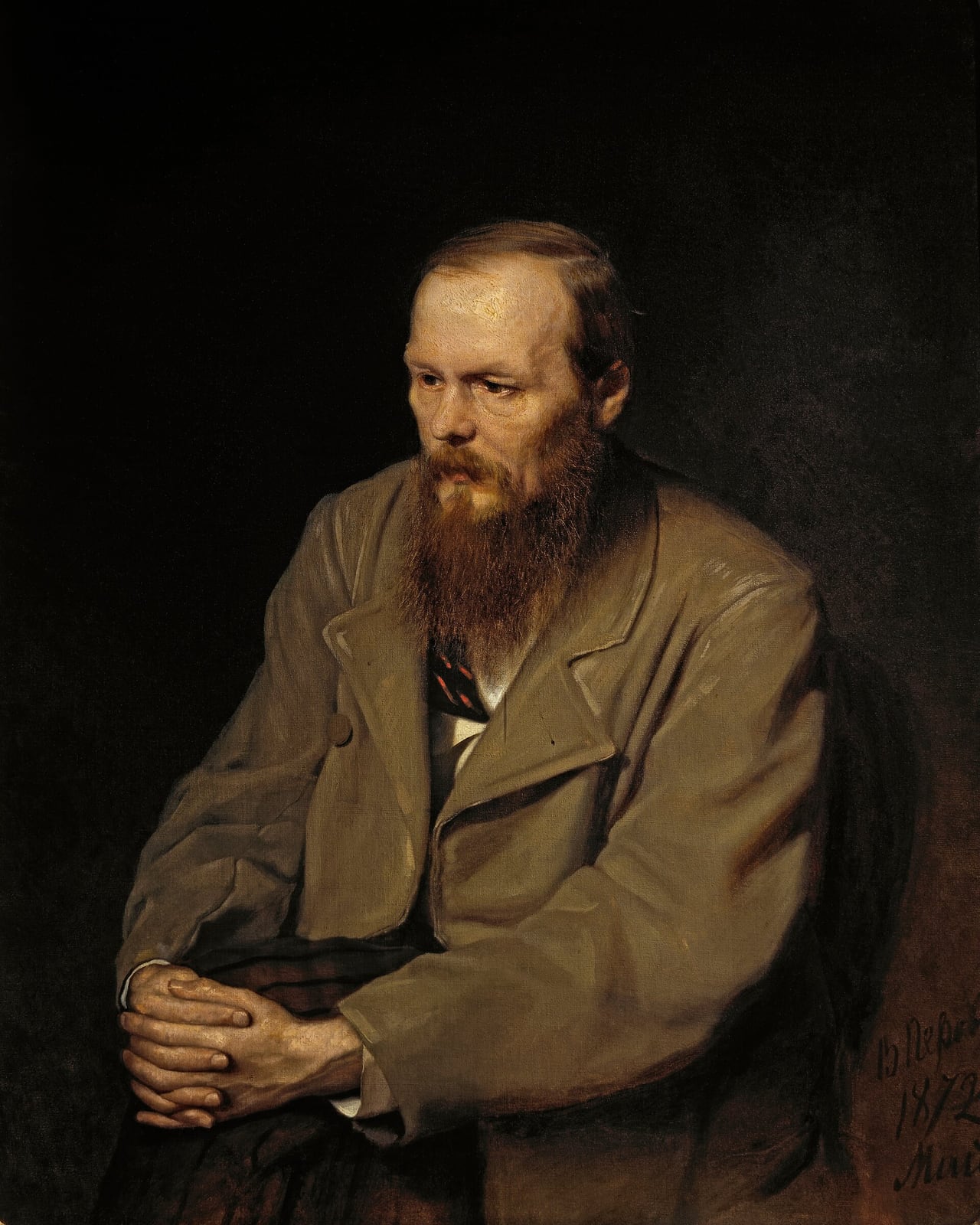
Fyodor Dostoevsky
Concordano su: Che cos'è l'Assoluto? Dio esiste? · Chi sono io? Esiste un vero sé? · Perché soffriamo?
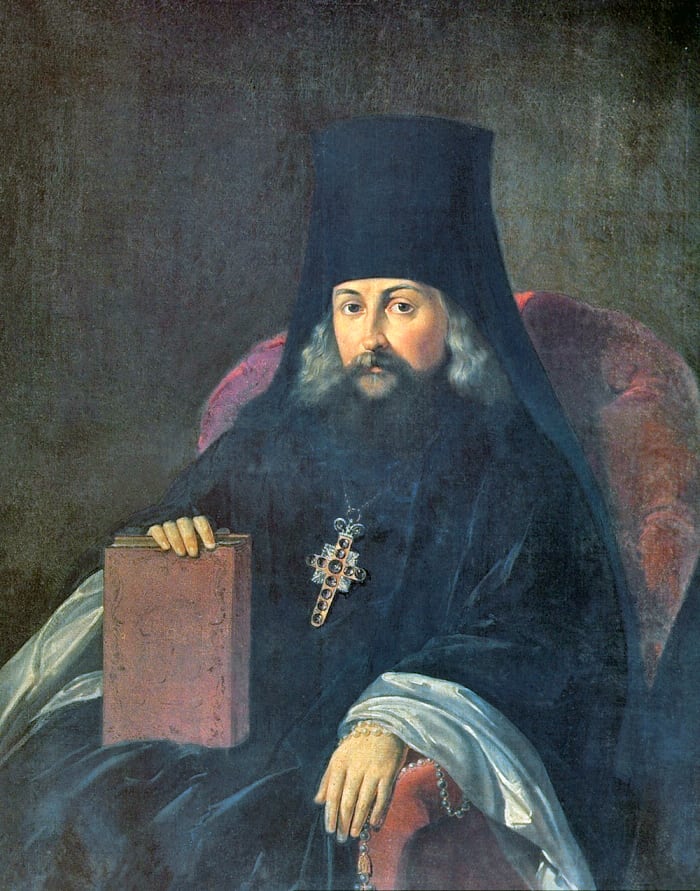
Ignatius Brianchaninov
Concordano su: Perché soffriamo? · Che cos'è l'Assoluto? Dio esiste? · Chi sono io? Esiste un vero sé?
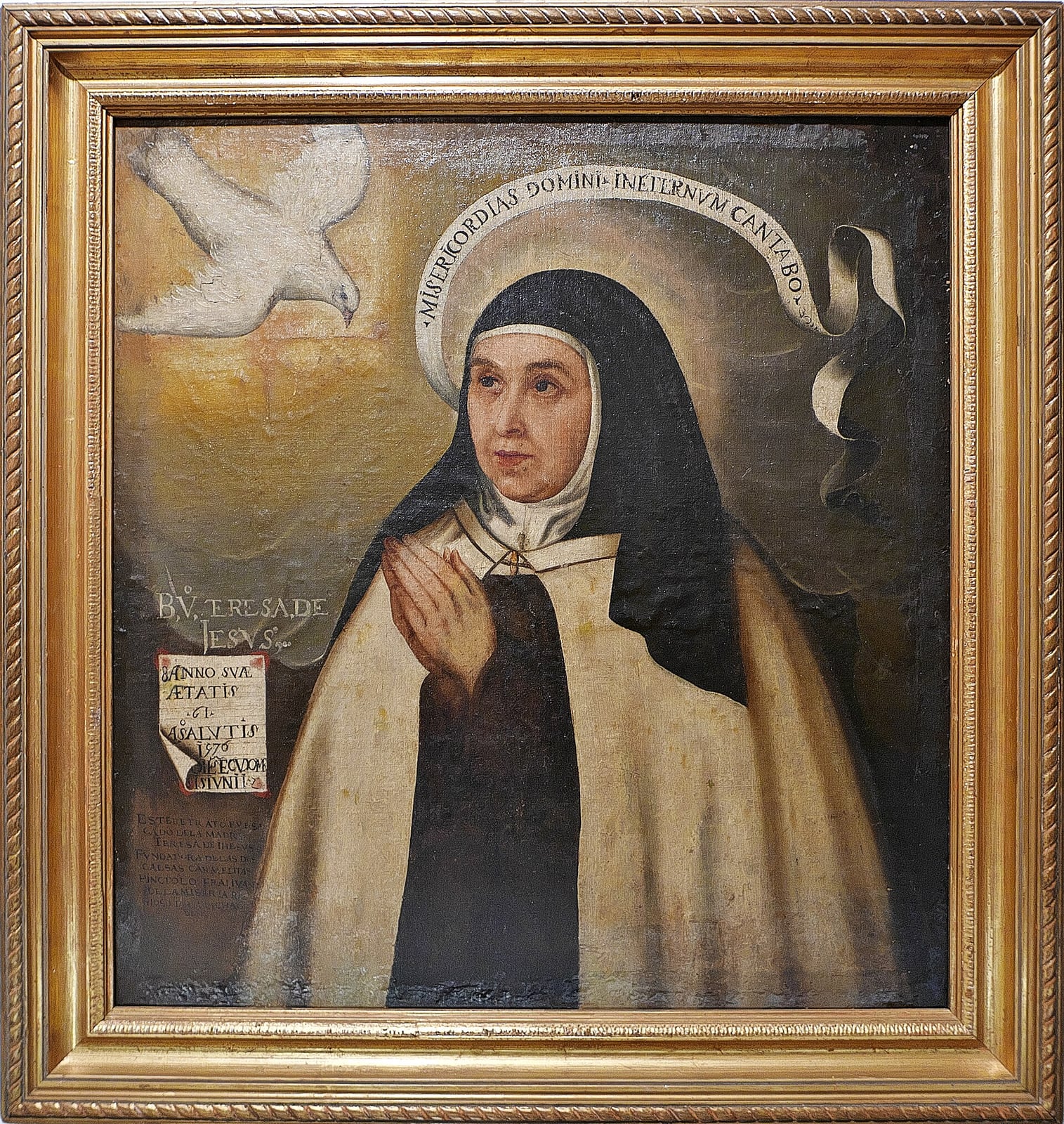
Teresa of Ávila
Concordano su: Che cos'è l'Assoluto? Dio esiste? · Chi sono io? Esiste un vero sé? · Perché soffriamo?
La pensa diversamente da

Pema Chödrön
Si scontrano su: Che cos'è l'Assoluto? Dio esiste? · Chi sono io? Esiste un vero sé? · Che cosa accade dopo la morte?

Patañjali
Si scontrano su: Che cos'è l'Assoluto? Dio esiste? · Chi sono io? Esiste un vero sé? · Che cosa accade dopo la morte?

Nāgārjuna
Si scontrano su: Che cos'è l'Assoluto? Dio esiste? · Chi sono io? Esiste un vero sé? · Che cosa accade dopo la morte?

Dōgen
Si scontrano su: Che cos'è l'Assoluto? Dio esiste? · Chi sono io? Esiste un vero sé? · Che cosa accade dopo la morte?
Aneddoti e racconti
Aneddoti e racconti
Testimonianzadécada de 1870
The girl from the ball
Origine del racconto: The addressee's identity and the quotation come from a letter of Theophan reproduced in Azbuka very's presentation of the work; the ball episode is handed down by the publishing tradition (the St Herman Brotherhood's preface to the English edition).
Documentato1865–1866
Serving in another way
Origine del racconto: Theophan's letters to Ignatius (May 1865), to N. V. Elagin (11 March 1866) and to Metropolitan Isidore (30 May 1866), cited in the biographical literature and gathered in the Russian Wikipedia.
Testimonianza1872–1894
Locked in for the books
Origine del racconto: The sayings come from his letters as cited by biographers; the manual crafts, from the monastery's biography and Azbuka very.
Documentato1872–1894
Forty letters a day
Origine del racconto: The daily number of letters is given by the Azbuka very biography and the Russian Wikipedia; the posthumous publication, by the catalogues of the 1898–1901 editions (Open Library, Wikimedia Commons).
Documentatodécada de 1880
'That bashi-bazouk Leo Tolstoy'
Origine del racconto: Collected Letters, nos. 1171, 1172, 1175, 1359 and 1413, and letters 281–285 of the 1899 collection cited in Selected Letters on Sects and Heresies.
Documentatodécada de 1860
Two bishops and the nature of angels
Origine del racconto: The controversy is documented by Azbuka very and the studies of D. Predein (Feofanovskie chteniya, 2011) and D. Rogozhin; the dream, letter 239 cited in Selected Letters on Sects and Heresies.
Documentato1854
An audience with Pius IX
Origine del racconto: The audience is recorded in the biographies (Russian and English Wikipedia); the detail about his library, in the posthumous presentation of letter 228 on Tolstoy.
Insegnamenti
Insegnamenti
Le nozioni che articolano il suo pensiero, spiegate nel loro contesto.
The mind in the heartmente-en-el-corazon
It gathers the tradition of the Philokalia (Symeon the New Theologian, Gregory of Sinai, Nicephorus the Solitary) that he himself translated, and spread it among laypeople through his letters and Chariton's anthology.
Prayer as reverent feelingoracion-como-sentimiento
A pedagogy designed for the nineteenth-century Orthodox layperson, who knew the Church's prayers but often recited them without attention.
Fonte: Teófano el Recluso. Четыре слова о молитве. 1872. Texto en Azbuka very.
Body, soul and spiritcuerpo-alma-espiritu
Formulated from St Paul and the Alexandrian tradition and developed at the Kiev Academy; P. Khondzinsky has related it to the Kiev school of Pamfil Yurkevich.
The awakening of grace and zealdespertar-de-la-gracia
An original systematisation of patristic asceticism in an anthropological scheme; later criticism (Florovsky) placed it in the context of the Russian academic moral theology of his century.
Translating as reworkingtraducir-como-reelaborar
It continues the practice of Paisius Velichkovsky and Nicodemus, who also adapted their sources; it contrasts with the modern critical edition of ascetic texts.
Video
Video
Registrazioni, interviste e documentari. I video vengono riprodotti da YouTube; non sono ospitati qui.
Феофан Затворник / Острова / Телеканал Культура
Guarda su YouTube
Questo video non consente l'incorporamento; si apre su YouTube.
Феофан Затворник / Острова / Телеканал Культура
Documentario· RU· 2020· 39 min
Телеканал КультураCanale ufficiale
Русский мир. Святитель Феофан (1994)
Documentario· RU· 1994· 26 min
History Lab
Святитель Феофан Затворник
Documentario· RU· 2015· 30 min
Феофан Затворник. Свято-Успенский Вышенский монастырьCanale ufficiale
Вышенская обитель
Documentario· RU· 2015· 4 min
Феофан Затворник. Свято-Успенский Вышенский монастырьCanale ufficiale
Празднование 200-летия Феофана, Затворника Вышенского
Documentario· RU· 2015· 4 min
Феофан Затворник. Свято-Успенский Вышенский монастырьCanale ufficiale
Святитель Феофан, затворник Вышенский. Эфир от 24 апреля 2014 г.
Documentario· RU· 2014· 56 min
tvsoyuzCanale ufficiale
Лекции в Сретенской духовной семинарии. Святитель Феофан Затворник. Часть 1
Conferenza· RU· 2019· 43 min
tvsoyuzCanale ufficiale
Лекция 1. Введение в предмет. Свт. Феофан Затворник и его антропологическая модель
Conferenza· RU· 2020· 62 min
Елена Никулина. ПСТГУ. Нравственное богословиеCanale ufficiale
Святитель Феофан Затворник и антропология Киевской духовной школы
Conferenza· RU· 2019· 19 min
Научный центр истории богословия и богословского образованияCanale ufficiale
Русская патрология. 14. Святитель Феофан Затворник Вышенский
Conferenza· RU· 2026· 27 min
Школа Православия София
Почему свт. Феофан Затворник запрещал читать «Откровенные рассказы странника»? — Осипов А. И.
Conferenza· RU· 2017· 18 min
Алексей Ильич ОсиповCanale ufficiale
The Life of St. Theophan the Recluse
Registrazione di terzi· EN· 2022· 32 min
Orthodox Hagiography
The Path of Prayer by Saint Theophan the Recluse
Conferenza· EN· 2014· 42 min
Fr Deacon Charles Joiner
San Teófano el recluso (Parte I)
Conferenza· ES· 2020· 16 min
Catedral Ortodoxa San JorgeCanale ufficiale
Galleria
Galleria
Immagini con licenza verificata. Ciascuna conserva la sua paternità e la sua attribuzione.
Manoscritti
Manoscritti
Testimoni manoscritti e testi antichi, con il loro custode e le loro condizioni di consultazione.
RU · Cyrillic · Siglos XIX y anteriores
Книги из келейной библиотеки Феофана Затворника
- Testimone conservato
- Colección dispersa
- Custode
- Biblioteca Estatal de Rusia (RGB), Departamento de Manuscritos (parcialmente)
Relazioni
Relazioni
Influenze, discepolati e affinità. Si distingue la relazione documentata dalla somiglianza individuata per analisi.
Ebbe corrispondenza con
They corresponded; in May 1865 Theophan confided to him that he thought of following his road and retiring. Theophan valued his works and recalled him later in his letters.
Relazione documentata
Dissentì da
He argued against Ignatius's thesis (Word on Death) that souls and angels have an ethereal body, in The Soul and the Angel Are Not Body but Spirit.
Relazione documentata
Dissentì da
In many letters of the 1880s he fought Tolstoy's religious teachings, calling him a 'bashi-bazouk' who 'has blurted out a heap of nonsense', and encouraged their refutation.
Relazione documentata
Influenzò
Florensky cites him in The Pillar and Ground of the Truth (1914) as a witness to the experience of Christ as centre, as translator of the Philokalia, for his letters on spiritual delusion and for his commentary on 1 Corinthians.
Relazione documentata
Ricevette l'influenza di
Paisi Velichkovski
His Russian Philokalia continues and enlarges Paisius's Slavonic translation (1793), the basis of the Russian hesychast revival.
Relazione documentata
Ricevette l'influenza di
Nicodemo el Hagiorita
He translated and reworked two works by Nicodemus: the Greek Philokalia (1782) and Unseen Warfare (1796).
Relazione documentata
Ricevette l'influenza di
Padres del desierto
He translated the ancient paterikon and the rules of Pachomius, Basil and Cassian; his teaching constantly draws on the apophthegms.
Relazione documentata
Ricevette l'influenza di
Simeón el Nuevo Teólogo
He translated his discourses into Russian; Theophan cites his teaching on the conscious experience of grace.
Relazione documentata
Ricevette l'influenza di
Juan Crisóstomo
The main source of his commentaries on the epistles of St Paul.
Relazione documentata
Idee affini a
Both brought the hesychast teaching on the prayer of the heart and the acquisition of grace to laypeople; in 1861 Theophan was for a few months in charge of the Diveyevo convent founded by Seraphim, to settle its disorders.
Somiglianza individuata per analisi
Dissentì da
Berdyaev judged him 'unoriginal as a thinker', untouched by problems and the author of 'outrageous' moral and social views.
Relazione documentata
Contemporaneo di
Contemporaries; no documented mutual mention has been found.
Somiglianza individuata per analisi
Fonti
Fonti
Bibliografia e cataloghi consultati per questa scheda.
- Wikidata, «Theophan the Recluse» (Q980914): P31=Q5, nacimiento 10/22-1-1815, muerte 6/18-1-1894, 21 enlaces entre wikis.
- «Феофан Затворник», Wikipedia en ruso (biografía, carta a Ignati Brianchanínov de mayo de 1865, carta al metropolita Isidoro de 30-5-1866, reclusión, carta de 3-5-1881, canonización, juicio de Berdiáev, obras y bibliografía). Consultada el 25-10-2026.
- «Theophan the Recluse», Wikipedia en inglés (biografía, traducciones inglesas). Consultada el 25-10-2026.
- Azbuka very, «святитель Феофан Затворник»: biografía, «Творческое наследие» (traducciones, juicio de Veniamín (Milov) y A. I. Sídorov, polémica con Ignati, Septuaginta) y catálogo de obras con sus fechas.
- Teófano el Recluso. Что есть духовная жизнь и как на нее настроиться. 1.ª ed. 1878; ed. Moscú: Otchi dom, 2012 (ISBN 5-87301-120-6). Ochenta cartas a E. A. Arnoldi. Texto en Azbuka very.
- Teófano el Recluso. Путь ко спасению. Краткий очерк аскетики. 1868–1869 (5 ediciones en vida). Texto en Azbuka very; facsímil de la ed. de 1899 en Wikimedia Commons.
- Teófano el Recluso. Четыре слова о молитве. 1872. Texto en Azbuka very.
- Teófano el Recluso. Избранные письма о сектах и ересях (selección del Собрание писем, con las cartas sobre Tolstói, Radstock y Páshkov, n.º 1171 y otras). Texto en Azbuka very.
- Gueorgui (Tertýshnikov), archimandrita. Святитель Феофан Затворник и его учение о спасении. Moscú: Pravilo very, 1999. ISBN 9785753300782.
- Florovski, Gueorgui. Пути русского богословия. París: YMCA-Press, 1937 (cap. «Влияние философского кризиса 60-х гг. на богословие: Феофан Затворник и Иоанн Кронштадтский»).
- Florenski, Pável. Столп и утверждение истины. Moscú: Put', 1914 (cita a Teófano en las cartas primera, cuarta, novena, décima y undécima). Texto en Azbuka very.
- Jítrov, Mijaíl, arcipreste. Житие святителя Феофана, Затворника Вышенского. Moscú: Tipo-litografía I. Efímov, 1905.
- Wikimedia Commons, «Category:Literary works by St. Theophan the Recluse» (facsímiles de ediciones de 1890–1901).
- Open Library, registros de autor «Saint Ḟeofan, Bishop of Tambov and Shatsk» (ediciones rusas de 1860–1901 y traducciones inglesas con ISBN).
- Chariton de Valaam, higúmeno (comp.). The Art of Prayer: An Orthodox Anthology. Trad. E. Kadloubovsky y E. M. Palmer; ed. e introd. Timothy Ware. Londres: Faber & Faber, 1966 (ISBN 9780571068999). Original: Умное делание. О молитве Иисусовой, Sortavala, 1936.
- Titolare dei diritti
- Dominio público: Teófano murió en 1894. Las traducciones y ediciones modernas pertenecen a sus traductores y editoriales.
In attesa di conferma
Ciò che questa scheda non ha ancora potuto chiarire. Preferiamo dirlo piuttosto che riempirlo.
- Ediciones españolas con ISBN de «El camino de la salvación», «Qué es la vida espiritual», las cartas y «El combate invisible»: no localizadas en Open Library ni en la búsqueda web; sólo se ha verificado «El arte de la oración» (Lumen, 2006).
- Años exactos de los tomos II–V de la Filocalía rusa (el I es de 1877) y de la primera edición de «El combate invisible», los «Discursos» de Simeón el Nuevo Teólogo, el «Miterikon» y los comentarios paulinos (se han dejado sin año salvo Romanos, 1890, y Hebreos, 1896).
- Fecha y destinatario de la carta «Из моего запора сделали затвор…» y su número en el Собрание писем.
- Año de redacción de «Душа и ангел — не тело, а дух» (Azbuka very indica 1891, probablemente fecha de edición).
- Las fechas que Azbuka very asigna a varias obras pueden ser de edición y no de redacción; no se han contrastado una por una con la «Летопись жизни и творений святителя Феофана» (2016–).
- Traducciones inglesas de dominio público: ninguna localizada (las de Kadloubovsky y Palmer, Seraphim Rose y otras están protegidas).
- Relación con Fiódor Dostoievski y Vladímir Soloviov: no se ha encontrado ninguna mención documentada; Dostoievski figura sólo como contemporáneo.
- ISBN de «Psalm 118: A Commentary» (St. John of Kronstadt Press, 2014) y de «Now is the Accepted Time» (Holy Trinity Publications) citados en Wikipedia: no confirmados en Open Library, no registrados.
- Atribución del «Слово перед отпеванием архим. Иннокентия» (1847), que Azbuka very da a Teófano pese a que entonces no era archimandrita: comprobar si es de Teófano (Alexándrov).
Ricerca effettuata il 2026-10-25