Cristianesimo · Mistica cristiana · Cristianesimo ortodosso
Ignatius Brianchaninov
Игнатий (Брянчанинов) · Дмитрий Александрович Брянчанинов
1807 – 1867Persona storicamente documentata
Vescovo e scrittore ascetico russo (1807-1867). Ingegnere militare che rifiutò la carriera a cui lo destinavano la famiglia e Nicola I, fu per venticinque anni archimandrita dell'eremo di San Sergio presso San Pietroburgo, poi vescovo del Caucaso e, ritiratosi a Babaevo, autore dei «Saggi ascetici», dell'«Offerta al monachesimo contemporaneo», del «Discorso sulla morte» e degli scritti sulla preghiera di Gesù e sull'illusione spirituale (prelest) che fecero di lui il grande maestro della sobrietà dell'ortodossia moderna. Canonizzato nel 1988.
- opere
- 52opere
- edizioni
- 52edizioni
- citazioni
- 9citazioni
- video
- 13video
- immagini
- 7immagini
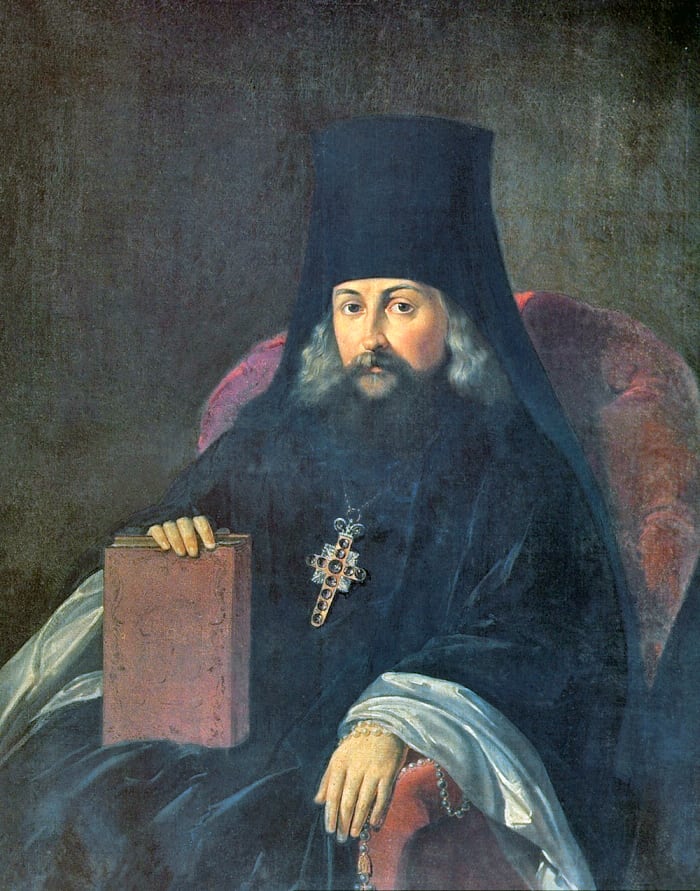
Retrato de Ignati Brianchanínov · Public domain
Con le sue parole
«Delusion is the damaging of human nature by falsehood. Delusion is the state of all human beings without exception, produced by the fall of our forefathers. We are all in delusion. Knowing this is the greatest protection against delusion. The greatest delusion is to consider oneself free from delusion.»«О молитве Иисусовой», Отдел II, «О прелести» (Аскетические опыты, t. I, cap. 27).

La sua idea centrale
Prelest, or spiritual delusion: Prelest (from lest, deceit, seduction) is for Ignatius the damaging of human nature by falsehood: a state in which we have all been since the Fall and from which only the truth, which is Christ, frees us.
Vederlo nel contesto
Biografia
4 min di lettura
Traduzione assistita dall'originale spagnolo, in attesa di revisione da parte di un traduttore madrelingua.
Un giovane della nobiltà di Vologda
Dmitrij Aleksandrovič Brjančaninov nacque il 5 febbraio 1807 secondo il calendario giuliano (17 del gregoriano) a Pokrovskoe, la tenuta di famiglia nel distretto di Grjazovec, nel governatorato di Vologda. I Brjančaninov erano un'antica famiglia nobile che risaliva a Michail Brenko, scudiero del gran principe Dmitrij Donskoj. Era il maggiore dei figli sopravvissuti e fu educato con severità: la biografia tradizionale racconta che prese un grave raffreddore, con conseguenze per tutta la vita, per non aver osato uscire dal fiume gelato prima del padre. Imparò il latino e il greco, disegnava, cantava e suonava il violino; leggeva vite di santi e pregava a lungo. Quando confidò al padre di voler essere monaco, questi non lo prese sul serio: lo destinava alla carriera militare e alla corte.
L'ingegnere che non volle esserlo
Nel 1822 entrò, con il miglior esame del suo corso, nella Scuola superiore del genio di San Pietroburgo, dove attirò l'attenzione del granduca Nicola, ispettore dell'arma e futuro imperatore. Frequentò salotti aristocratici e letterari; la biografia della sua comunità menziona Krylov, Žukovskij, Puškin, Batjuškov e Glinka tra le sue conoscenze. Ma cercava nei Padri della Chiesa le risposte che non gli davano né la scienza né la filosofia. Con l'amico Michail Čichačev si comunicava ogni settimana, cosa allora inaudita, e nel 1826 conobbe nella Lavra di Sant'Aleksandr Nevskij lo ieromonaco Leonid (Nagolkin), futuro starec di Optina, che lo confermò nella vocazione. Terminati gli studi chiese il congedo; Nicola I lo rifiutò, gli mandò i suoi medici quando si ammalò di tubercolosi e gli offrì un reggimento nel clima mite del sud. Dmitrij voleva soltanto il congedo. Lo assegnarono alla fortezza di Dünaburg, e nel novembre 1827, per malattia, lo ottenne finalmente.
Anni di noviziato
Seguì Leonid come novizio al monastero di Sant'Alessandro di Svir' e poi all'eremo di Ploščansk. Fu fornaio, pescatore e cocchiere, ma cominciò anche a dubitare di alcuni metodi del suo maestro. Nel 1829, diretto a Optina, si fermò con Čichačev all'eremo di Beloberež'e presso lo ieroschimonaco Atanasio, discepolo di Paisij Veličkovskij e praticante della preghiera del cuore. Malato, tornò per un periodo a casa dei genitori e nel 1830-1831, nell'eremo di Semigorodnaja, scrisse il «Pianto del monaco», che un contemporaneo giudicò incredibile in un giovane appena maggiorenne. Il 28 giugno 1831 il vescovo di Vologda gli conferì l'abito con il nome di Ignazio, in onore di Ignazio di Antiochia; in luglio fu ordinato diacono e sacerdote.
L'eremo di San Sergio
Dopo aver restaurato il monastero in rovina di Pel'šma, di cui fu fatto egumeno nel 1833, fu chiamato da Nicola I. L'imperatore, secondo la tradizione biografica, gli disse che gli doveva l'educazione ricevuta e che, poiché aveva scelto un'altra strada, avrebbe pagato il suo debito su quella: gli affidò l'eremo della Trinità e di San Sergio, sulla strada di Peterhof, perché ne facesse un monastero modello sotto gli occhi della capitale. Ignazio, archimandrita dal 1834 e dal 1838 decano dei monasteri della diocesi, lo diresse per quasi venticinque anni: popolò la comunità, ordinò il culto, si avvalse dei consigli di Glinka per il coro e dell'amicizia del pittore Karl Brjullov. Subì anche calunnie e punizioni umilianti. Intercedette presso il metropolita Filarete in favore di Leonid, sanzionato dal suo vescovo, e nel 1847, malato, chiese di ritirarsi; gli concessero solo undici mesi di congedo, che trascorse nel monastero di San Nicola di Babaevo, sulle rive del Volga.
Vescovo nel Caucaso
Il 27 ottobre 1857 fu consacrato vescovo del Caucaso e del Mar Nero, con sede a Stavropol', una diocesi senza casa episcopale né risorse, con metà della popolazione cosacca sottratta alla sua giurisdizione e numerosi vecchi credenti ostili. In quattro anni, con l'aiuto del fratello Pëtr, vicegovernatore, ordinò il culto, migliorò gli emolumenti del clero e costruì un nuovo seminario. Lì scrisse l'«Offerta al monachesimo contemporaneo» e trattati sulla salvezza e la perfezione cristiana, sulla visione degli spiriti e sulla dottrina ortodossa sulla Madre di Dio, scritta in risposta al dogma cattolico dell'Immacolata Concezione. Nel 1861, esausto, ottenne il ritiro.
Babaevo
Il 13 ottobre 1861 si stabilì a Babaevo. Lì scrisse o portò a termine il «Discorso sulla morte» (1862), in cui sosteneva che anime e angeli hanno un corpo sottile, etereo — tesi contestata da Teofane il Recluso —, e, incoraggiato dall'editore Ivan Glazunov, rivide e unificò tutti i suoi scritti. I primi due tomi delle sue opere, i «Saggi ascetici», apparvero nel 1865. Celebrò la sua ultima liturgia la domenica di Pasqua, 16 aprile 1867; il 21 ricevette, freschi di stampa, il terzo e il quarto tomo, e morì il 30 aprile (12 maggio del calendario gregoriano). Nella tasca della tonaca gli trovarono pochi copechi.
Un maestro della sobrietà
Il nucleo della sua opera è un avvertimento. Ignazio difese la preghiera di Gesù e la lettura dei Padri, ma insistette sul fatto che, senza umiltà e senza guida, la vita spirituale degenera in prelest, l'illusione spirituale che scambia per grazia l'esaltazione dei sensi e dell'immaginazione. Di qui la sua diffidenza verso la mistica occidentale — definì «incantevole» l'Imitazione di Cristo ed ebbe parole durissime per Francesco d'Assisi e Teresa d'Avila — e il suo consiglio, per un'epoca priva di starcy esperti, di vivere «secondo consiglio», orientandosi con la Scrittura e i Padri. La sua prosa limpida e la sua conoscenza dell'anima moderna fecero delle sue opere, ristampate senza sosta, una delle letture ascetiche più diffuse della Chiesa russa. Nikolaj Leskov ne fece un personaggio de «Gli ingegneri disinteressati» (1887), e Pavel Florenskij lo citò come l'autorità in materia di illusione spirituale.
Il concilio della Chiesa russa lo canonizzò il 6 giugno 1988, insieme a Teofane il Recluso; le sue reliquie sono venerate nel monastero di Tolga, presso Jaroslavl'.
Fonti: Ignati (Brianchanínov). Аскетические опыты, t. I. San Petersburgo: I. I. Glazunov, 1865; texto según Полное собрание творений и писем, 2.ª ed., Moscú: Palómnik, 2014, t. 1 (ISBN 978-5-88060-031-1). Texto en Azbuka very. · Ignati (Brianchanínov). Приношение современному монашеству. San Petersburgo, 1867; texto según Полное собрание творений и писем, Moscú: Palómnik, 2014, t. 4. Texto en Azbuka very. · Semiónova, T. N., y Redkina, Yu. R. (eds.). Полное жизнеописание святителя Игнатия Кавказского. Moscú–San Petersburgo: Izd-vo im. Sv. Ignatia Stavropolskogo / Biblioteca Nacional de Rusia, 2002. ISBN 5-88904-028-8. · Florenski, Pável. Столп и утверждение истины. Moscú: Put', 1914 (cita a Ignati en las cartas quinta, sexta, novena y décima: prelest, «Imitación de Cristo», monacato). Texto en Azbuka very. · Leskov, Nikolái S. Инженеры-бессребреники (1887). Texto en Wikisource.
Cronologia
La vita, anno per anno
Ogni punto è un evento documentato. Fai clic per leggerlo, con la sua fonte e il suo grado di certezza.
17 febbraio 18070 anniPokróvskoie (prov. de Vólogda)
Birth
Dmitry Brianchaninov is born on the family estate (5 February, Julian).
Documentato«Игнатий (Брянчанинов)», Wikipedia en ruso (biografía, teología —prelest, angelología, apologética—, Briulov, Leskov, bibliografía). Consultada el 25-10-2026.
Dopo la sua morte
- 1870Posthumous Paterikon
- 6 giugno 1988Canonisation
17 febbraio 1807 · 0 anni
Birth
Dmitry Brianchaninov is born on the family estate (5 February, Julian).
Documentato
1822 · 15 anni
Main Engineering School
He enters directly into the second year after the best examination of his intake.
Documentato
1826 · 19 anni
Meeting with Leonid (Nagolkin)
He meets the future Optina elder at the Alexander Nevsky Lavra; Nicholas I refuses his request to resign.
Documentato
6 novembre 1827 · 20 anni
Discharge from the army
With the rank of engineer lieutenant, he obtains his discharge on grounds of illness against his parents' wishes and enters the Alexander-Svirsky monastery as a novice.
Documentato
aprile 1829 · 22 anni
With Paisius's disciple
With Mikhail Chikhachev he visits the hieroschemamonk Athanasius, a disciple of Paisius Velichkovsky, and passes through Optina.
Documentato
28 giugno 1831 · 24 anni
Monastic tonsure: Ignatius
He is tonsured with the name Ignatius; in July he is ordained deacon (5th) and priest (20th).
Documentato
novembre 1833 · 26 anni
Superior of the St Sergius hermitage
Nicholas I entrusts him with the Trinity-St Sergius hermitage; archimandrite on 1 January 1834.
Documentato
1838 · 31 anni
Dean of the monasteries
Appointed dean (blagochinny) of the monasteries of the St Petersburg diocese.
Documentato
1847 · 40 anni
Leave and first publications
He spends eleven months at Babayevo monastery; his first articles appear in Biblioteka dlya chteniya.
Documentato
27 ottobre 1857 · 50 anni
Bishop of the Caucasus and the Black Sea
Consecrated in the Kazan Cathedral; he arrives in Stavropol on 4 January 1858.
Documentato
13 ottobre 1861 · 54 anni
Retirement to Babayevo
Retired through illness, he settles at Babayevo monastery in Kostroma province.
Documentato
1862 · 55 anni
Word on Death
He publishes the Word on Death and The Cup of Christ; in 1863–1864 follow the Word on Salvation, the one on the vision of spirits and the Supplement.
Documentato
1865 · 58 anni
Ascetic Experiences
The publisher Ivan Glazunov issues the first two volumes of his works.
Documentato
12 maggio 1867 · 60 anni
Death
He dies on 30 April (Julian), the Sunday of the Myrrhbearers, days after receiving volumes III and IV of his works.
Documentato
1870
Posthumous Paterikon
His annotated collection of sayings of the Desert Fathers, the Otechnik, is published.
Documentato
6 giugno 1988
Canonisation
Proclaimed a saint; on 26 May his relics had been translated to the Tolga monastery (Yaroslavl).
Documentato
Opere
Opere essenziali
Le opere senza le quali non si comprende la sua eredità.
Opera scritta · 1865
Ascetic Experiences, vol. I
Аскетические опыты. Том I
The first volume of his works, gathered at Babayevo with the publisher Ivan Glazunov: fifty-seven pieces written over thirty years, from the prose poems of his youth ('The Garden in Winter', 'The Tree in Winter before the Cell Window', 'Thought on the Seashore') to the treatises on reading the Gospel and the Fathers, avoiding heterodox books, love of God and neighbour, fasting, prayer, the eight passions and their opposite virtues, tears, humility, patience, monasticism and the Gospel commandments. It includes the three sections 'On the Jesus Prayer' (with the one on spiritual delusion), the 'Rule of Attention to Oneself for Those Living in the World', 'The Cup of Christ' and 'My Lament'. It is the book through which most Russian readers have come to know Ignatius.
4 edizioni · amazon.com
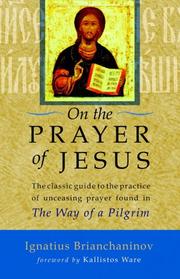
Opera scritta · 1867
On the Prayer of Jesus (a conversation between an elder and his disciple)
О молитве Иисусовой. Беседа между старцем и учеником
A treatise in dialogue form, in three parts—the Jesus Prayer in general, spiritual delusion and the practice of the prayer—which belongs to the first volume of the Experiences and was also published separately in 1867. Ignatius maintains that the Jesus Prayer is the duty of every monk and the good of every Christian, recalls that at Sarov it was taught to every novice and that Seraphim recommended it, but insists on practising it with attention and humility, enclosing the mind in the words, without seeking sensations or resorting to the bodily techniques of the ancient hesychasts, which he considers dangerous without an experienced guide. He distinguishes oral prayer, mental prayer and prayer of the heart, which is God's gift and not the fruit of method. It is his most translated text.
6 edizioni · amazon.com

Opera scritta · 1867
An Offering to Contemporary Monasticism (The Arena)
Приношение современному монашеству
His 'spiritual testament' for monks, written largely at Stavropol and published as the last volume of his works. It opens with the 'Rules of Outward Conduct for Novice Monks', continues with fifty chapters of 'Counsels on the Inner Work of the Monk'—study and keeping of the Gospel commandments, reading the Fathers, the dangers of the hermit life, obedience to an elder and life 'by counsel' in an age without experienced guides, prayer and the Jesus Prayer, remembrance of death, sobriety, fasting, almsgiving, fallen angels, dreams—and ends with the 'Lament of a Monk'. It holds that the monasticism of his day must rest on Scripture and the Fathers rather than on charismatic directors, now almost non-existent. Translated into English as The Arena.
4 edizioni · amazon.com
Tutta la sua opera (52)

Ascetic Experiences, vol. II
1865
Ignatius Brianchaninov
On Spiritual Delusion (prelest)
The Conscious LibraryOn Spiritual Delusion (prelest)
1865
Ignatius Brianchaninov
A Word on Death
The Conscious LibraryA Word on Death
1862
Ignatius Brianchaninov
Supplement to the Word on Death
The Conscious LibrarySupplement to the Word on Death
1864
Ignatius Brianchaninov
A Word on the Sensory and Spiritual Vision of Spirits
The Conscious LibraryA Word on the Sensory and Spiritual Vision of Spirits
1863
Ignatius Brianchaninov
A Word on Man
The Conscious LibraryA Word on Man
1862
Ignatius Brianchaninov
A Word on Angels
The Conscious LibraryA Word on Angels
Ignatius Brianchaninov
Letter to a Clergyman on Why He Called the Human Soul 'Ethereal'
The Conscious LibraryLetter to a Clergyman on Why He Called the Human Soul 'Ethereal'
Ignatius Brianchaninov
A Word on Salvation and Christian Perfection
The Conscious LibraryA Word on Salvation and Christian Perfection
1863
Ignatius Brianchaninov
On the Various States of Human Nature in Relation to Good and Evil
The Conscious LibraryOn the Various States of Human Nature in Relation to Good and Evil
Ignatius Brianchaninov
Exposition of the Teaching of the Orthodox Church on the Mother of God
The Conscious LibraryExposition of the Teaching of the Orthodox Church on the Mother of God

Ascetic Sermons
1867
Ignatius Brianchaninov
The Paterikon (Selected Sayings of the Holy Monks)
The Conscious LibraryThe Paterikon (Selected Sayings of the Holy Monks)
1870
Ignatius Brianchaninov
The Lament of a Monk for His Brother Who Has Fallen into Sinful Temptation
The Conscious LibraryThe Lament of a Monk for His Brother Who Has Fallen into Sinful Temptation
1831
Ignatius Brianchaninov
My Lament
The Conscious LibraryMy Lament
Ignatius Brianchaninov
The Cup of Christ
The Conscious LibraryThe Cup of Christ
1862
Ignatius Brianchaninov
The Garden in Winter
The Conscious LibraryThe Garden in Winter
Ignatius Brianchaninov
The Tree in Winter before the Cell Window
The Conscious LibraryThe Tree in Winter before the Cell Window
Ignatius Brianchaninov
A Rule of Attention to Oneself for Those Living in the World
The Conscious LibraryA Rule of Attention to Oneself for Those Living in the World
Ignatius Brianchaninov
The Judgements of God
The Conscious LibraryThe Judgements of God
1867
Ignatius Brianchaninov
On Monasticism (a dialogue between a layman and a monk)
The Conscious LibraryOn Monasticism (a dialogue between a layman and a monk)
1869
Ignatius Brianchaninov
On Miracles and Signs
The Conscious LibraryOn Miracles and Signs
1870
Ignatius Brianchaninov
On the End of the World (three teachings)
The Conscious LibraryOn the End of the World (three teachings)
1870
Ignatius Brianchaninov
Rules of Outward Conduct for Novice Monks
The Conscious LibraryRules of Outward Conduct for Novice Monks
Citazioni
Citazioni localizzate in un'opera precisa. Ciascuna porta con sé la sua provenienza e il suo grado di affidabilità.
Delusion is the damaging of human nature by falsehood. Delusion is the state of all human beings without exception, produced by the fall of our forefathers. We are all in delusion. Knowing this is the greatest protection against delusion. The greatest delusion is to consider oneself free from delusion.Прелесть есть повреждение естества человеческого ложью. Прелесть есть состояние всех человеков, без исключения, произведенное падением праотцов наших. Все мы – в прелести. Знание этого есть величайшее предохранение от прелести. Величайшая прелесть – признавать себя свободным от прелести.
Verificata«О молитве Иисусовой», Отдел II, «О прелести» (Аскетические опыты, t. I, cap. 27).
Citazioni apocrife o di attribuzione discussa (2)
«"He who is careless about prayer is careless about his salvation; he who quits prayer renounces his salvation."»
It circulates in English under his name (the English Wikipedia quotes it) without reference to a specific work; it has not been located in the chapters on prayer of the Ascetic Experiences consulted. It is consistent with his teaching, but the exact wording remains to be verified.
«Prophecies about Russia's destiny and the Antichrist attributed to him in devotional compilations.»
They have an authentic core—letter 29 to Muravyov-Karsky on Russia's 'enormous significance' and his teachings on the end of the world—but popular anthologies expand and rearrange them without citing the source.
Ultime parole
Non esistono testimonianze verificabili delle sue ultime parole.
The sources consulted (Russian Wikipedia, Azbuka very biography) record his last liturgy on Easter Sunday 1867, the arrival of volumes III and IV of his works on 21 April and his death on 30 April, the Sunday of the Myrrhbearers, but give no final words. The full biographies (2002, 2010) have not been consulted directly.
Fonte: Azbuka very, «святитель Игнатий (Брянчанинов)»: biografía (familia, Escuela de Ingenieros, noviciado, ermita de San Sergio, episcopado, muerte), legado y catálogo de obras y cartas.
Chiedi
Ciò a cui risponde la sua opera
Dodici grandi domande dell'umanità e ciò che i suoi testi permettono di rispondere, con riferimenti. Non gli mettiamo mai parole in bocca.
Che cos'è l'Assoluto? Dio esiste?
God is known through humility and prayer, not through speculation
Un Dio personaleLo dice espressamente
Ignatius Brianchaninov places God within the frame of Orthodox faith, Trinitarian and creator, and devotes his work not to proving him but to showing how one comes to him. In the Ascetic Essays the way to God is prayer, and its measure the states of prayer through which one who prays steadily advances. The precondition is to recognise oneself as fallen: what belongs to man impoverished by the fall is to pray, as what belongs to a beggar is to ask. He warns insistently against spiritual delusion, which consists in imagining God or feeling him according to one's own fancies; whoever believes himself free of delusion is in the greatest delusion of all. Ignatius's God is therefore personal, but hidden from pride and accessible only to humility, repentance and attentive reading of the Fathers.
Confronta questa domanda con altri maestriChi sono io? Esiste un vero sé?
A created, immortal and fallen soul, incorporeal only in comparison with God
Un'anima creata e immortaleLo dice espressamente
Ignatius Brianchaninov starts from the Orthodox doctrine of the created, immortal soul, but stresses its fallen condition: in the Ascetic Essays and the Word on Man he insists that human nature has been damaged by falsehood since the fall, and that we all live in some degree of delusion about ourselves. In the Word on Death and in his letter on why he called the soul ethereal he held a disputed thesis: that souls and angels, compared with God, the only absolutely incorporeal spirit, possess a subtle corporeality, so that after death the soul keeps a form resembling that of the body. Theophan the Recluse replied to him. What matters to him is practical: to know oneself as fallen is the condition for the self to be healed by grace.
Confronta questa domanda con altri maestriPerché soffriamo?
Fallen nature suffers; accepting sorrows is drinking the cup of Christ
La separazione da DioLo dice espressamente
Ignatius Brianchaninov places the origin of suffering in the fall: human nature, damaged by falsehood, lives in a state of sickness that shows itself in the passions, death and delusion about oneself. In his essays he distinguishes several states of human nature with regard to good and evil, from the fallen natural state to the one renewed by grace. In the face of afflictions, his teaching is that of the Fathers he collected on patience in sorrows: they are not sought, but accepted as permitted by God, with thanksgiving and without murmuring, because they heal pride. In The Cup of Christ he presents sufferings as the cup the Lord drank first and offers to his disciples. He rejects every explanation that turns pain into energy or an impersonal law: it is a matter between the fallen creature and its God.
Confronta questa domanda con altri maestriChe cosa accade dopo la morte?
The soul passes the aerial trials and awaits judgement: death is prepared for
Vita eterna e resurrezioneLo dice espressamente
Ignatius Brianchaninov devoted a specific treatise to the question, the Word on Death of 1862, later enlarged with a supplement. There he sets out, relying on the Fathers and the lives of the saints, that after death the soul, separated from the body but keeping a subtle form, passes through the aerial trials, in which the fallen spirits accuse it of its sins, and receives a particular judgement that determines its state until the resurrection and the last judgement. His intention is not to feed the imagination but to awaken sobriety: the memory of death is for him one of the Christian's fundamental exercises, because it undoes the illusion of an endless earthly life. His teaching on the aerial trials provoked debate within Russian Orthodoxy itself.
Confronta questa domanda con altri maestriCome si raggiunge la liberazione o la salvezza?
Christ saves us; man brings repentance, humility and keeping the commandments
Attraverso la grazia e l'amoreLo dice espressamente
In the Word on Salvation and Christian Perfection, Ignatius Brianchaninov holds that salvation is the work of Christ, received through faith and baptism and kept or recovered through repentance. What falls to man is not to earn it but to dispose himself: to recognise his fall, weep over his sins, keep the Gospel commandments and pray with attention. He warns sharply against the opposite path, that of one who seeks lofty spiritual states, visions or consolations before being purified: it is the way of delusion, which mistakes one's own imagination for grace. That is why he advises his contemporaries, who in his view lack true elders, to be guided by reading the Fathers and by prudent counsel. Perfection is God's gift to the humble.
Confronta questa domanda con altri maestriServe un maestro?
True elders are lacking: one must live by counsel and be guided by the Fathers
Utile ma non indispensabileLo dice espressamente
Ignatius Brianchaninov knew in his youth the elders of the tradition of Paisius Velichkovsky and corresponded with the elders Leonid and Macarius of Optina. Yet his diagnosis of his own age is sober: authentic elders, bearers of the Spirit, have almost entirely disappeared, and surrendering oneself unreservedly to an inexperienced director is dangerous, because it can lead both into spiritual delusion. He therefore proposes, in The Arena: An Offering to Contemporary Monasticism, life by counsel: to be guided by Scripture and the Fathers, whose reading he considers indispensable for making their thought one's own, and to consult experienced brethren prudently, without depending blindly on anyone. The human teacher helps, but the sure authority lies in the Gospel as interpreted by the saints.
Confronta questa domanda con altri maestriIl mondo è reale?
The created world is good; the «world» to be rejected is that of the passions
Una creazione buona e realeSi deduce dalla sua dottrina
Ignatius Brianchaninov affirms the goodness of creation, but his attention centres on the distinction, classic in ascetic writing, between the world as God's work and the world as the sum of passions that draw away from him. A former military engineer, he knew the science of his time well, and in the Word on the Sensory and Spiritual Vision of Spirits he holds that reality is not exhausted by what the senses perceive: around the human being there are spirits, angels and demons, which fallen nature does not see and which rarely manifest themselves. He warns, however, against the desire to see such realities, which he regards as a gateway to delusion. The visible world is real and good, but it is only part of creation, and fallen man perceives it in a limited way.
Confronta questa domanda con altri maestriChe cos'è l'amore?
True love is born from keeping the commandments, not from emotion
Amore di Dio e del prossimoLo dice espressamente
In the Ascetic Essays, Ignatius Brianchaninov devotes chapters to love of neighbour and love of God, and his teaching is characteristically sober. He distinguishes natural love, mixed with passion, preference and attachment, from the spiritual love taught by the Gospel, which sees in each person the image of God and loves it in God. This second love is born not from feeling or exaltation, but from keeping the commandments, from humility and from prayer; whoever seeks to feel an ardent love before being purified risks mistaking for love an emotion of fallen nature. Love of neighbour is the path to love of God, and both culminate in a gift God grants to the humble.
Confronta questa domanda con altri maestriSiamo liberi o è tutto determinato?
Free but wounded by the fall, man must surrender his will to God
Un libero arbitrio realeLo dice espressamente
Ignatius Brianchaninov affirms human freedom with Orthodox tradition, but stresses how much the fall has damaged it: the will of natural man is inclined to evil and deceived by delusion, so that its freedom, without grace, tends to choose badly even while believing it chooses well. That is why his ascetic teaching insists on renouncing one's own will and surrendering to God's, by keeping the commandments. In The Judgements of God, written in his last years, he reflects on the providence that governs human events, painful ones included, and advises submitting to it humbly instead of judging it. That surrender, however, is a free act: no one can be saved without willing it, and personal responsibility never disappears.
Confronta questa domanda con altri maestriPerché meditare o pregare?
Prayer is what belongs to fallen man: asking with attention and humility
Amicizia con DioLo dice espressamente
For Ignatius Brianchaninov the way to God is prayer, and the measure of the way travelled is the states of prayer into which one who prays steadily gradually enters. His starting point is the fallen condition: what belongs to the beggar is to ask, and what belongs to man impoverished by the fall is to pray. The soul of every exercise is attention, without which prayer is dead; that is why he teaches enclosing the mind in the words of the prayer, and recommends the Jesus Prayer said slowly and attentively. He warns strongly against seeking sensations, images or mystical warmth, in which he sees the gateway to spiritual delusion, and prefers humble, repentant prayer to any psychophysical method practised without guidance.
Confronta questa domanda con altri maestriPuò la ragione conoscere l'ultimo?
Fallen reason deceives itself; it must be formed by the Gospel and the Fathers
Scrittura e ragionamentoLo dice espressamente
Ignatius Brianchaninov, trained as an engineer, does not despise natural reason, but considers it damaged by the fall: the human mind is exposed to delusion and tends to take its own constructions for truth. It therefore cannot be the judge of revelation. The remedy is to form it with the Gospel, to which he devotes chapters of the Ascetic Essays, and with the writings of the holy Fathers, whose thought and spirit he urges making one's own through assiduous reading. With equal firmness he advises keeping away from books on Christianity written by false teachers, and judges severely works such as the Imitation of Christ, which he regards as the fruit of delusion. Reason, healed by humility and guided by tradition, can understand revealed truth.
Confronta questa domanda con altri maestriRitirarsi dal mondo o trasformarlo?
Monk means solitary: inner solitude is the condition of prayer
Ritirarsi per trovareLo dice espressamente
Ignatius Brianchaninov chose monastic life against the will of his family and of Nicholas I himself, who had destined him for military engineering, and he lived for monasticism, to which he devoted The Arena: An Offering to Contemporary Monasticism. His ideal is solitude: monk means solitary, and whoever has not gathered himself within is not yet a monk, even if he lives in the remotest monastery. That solitude is above all inward, which is why he also wrote a rule of attention to oneself for one living in the world, showing lay people how to guard mind and heart amid their occupations. But he does not trust the world: he sees it as a place of distraction and delusion, and considers withdrawal, outward when possible and inward always, the condition of the encounter with God.
Confronta questa domanda con altri maestri
Affinità e tensioni
Affinità e tensioni
Calcolate domanda per domanda a partire dalle sue posizioni. Il perché di ogni accordo o contrasto, con un clic.
La pensa in modo simile a

Theophan the Recluse
Concordano su: Perché soffriamo? · Che cos'è l'Assoluto? Dio esiste? · Chi sono io? Esiste un vero sé?

Teresa of Ávila
Concordano su: Che cos'è l'Assoluto? Dio esiste? · Chi sono io? Esiste un vero sé? · Perché soffriamo?
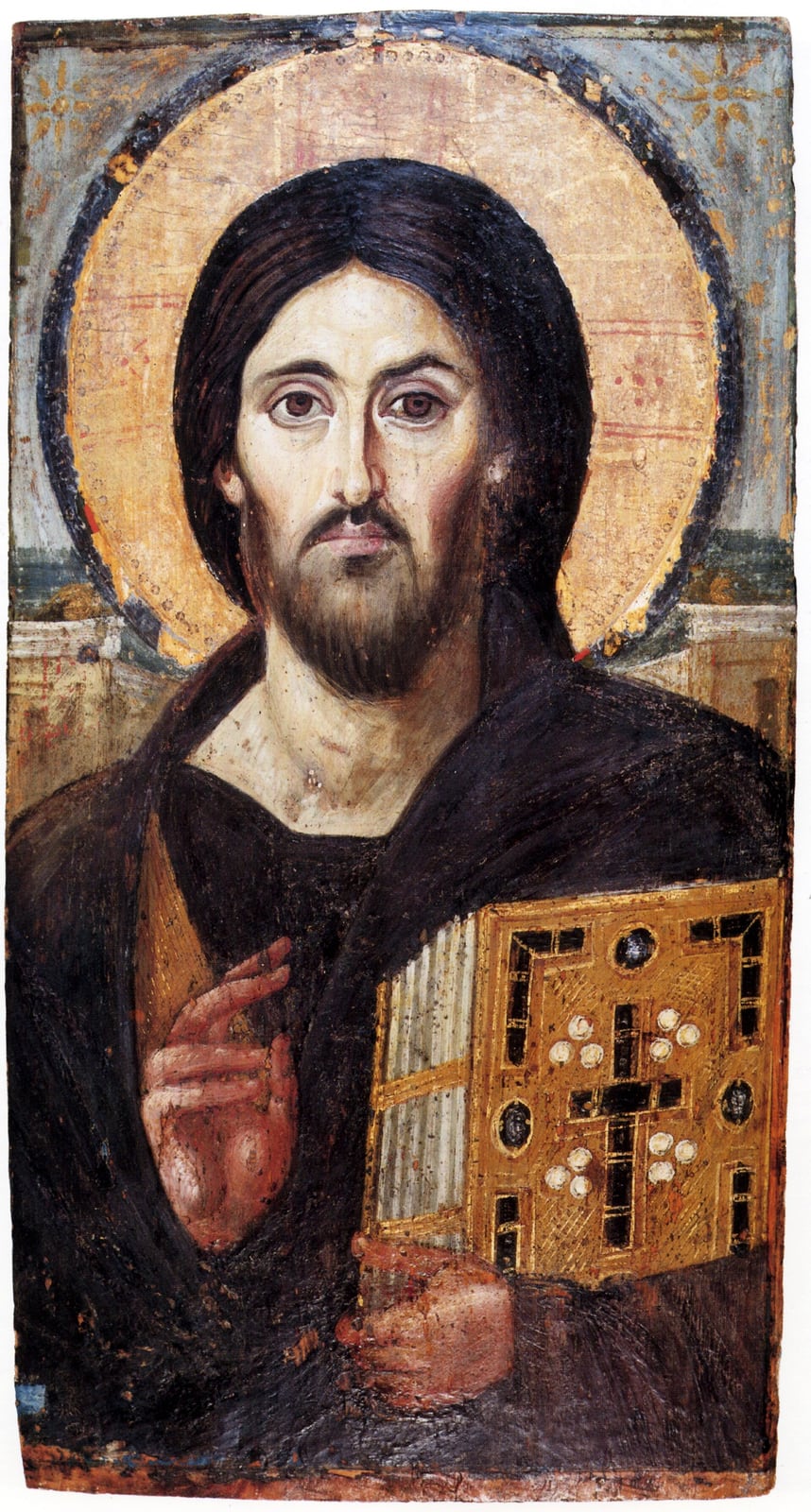
Jesus of Nazareth
Concordano su: Che cos'è l'Assoluto? Dio esiste? · Chi sono io? Esiste un vero sé? · Perché soffriamo?
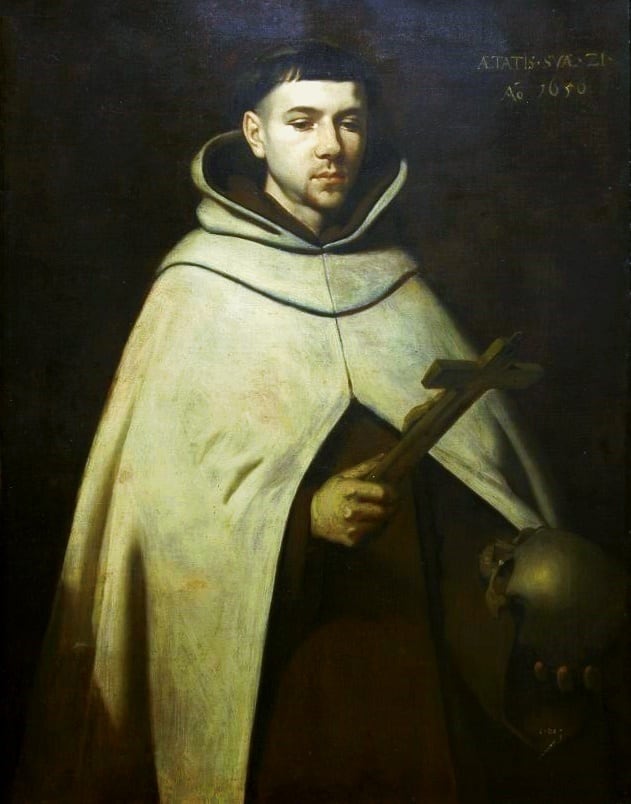
John of the Cross
Concordano su: Che cos'è l'Assoluto? Dio esiste? · Chi sono io? Esiste un vero sé? · Perché soffriamo?
La pensa diversamente da

Nāgārjuna
Si scontrano su: Che cos'è l'Assoluto? Dio esiste? · Chi sono io? Esiste un vero sé? · Che cosa accade dopo la morte?
Śāntideva
Si scontrano su: Che cos'è l'Assoluto? Dio esiste? · Chi sono io? Esiste un vero sé? · Che cosa accade dopo la morte?
Sadhguru
Si scontrano su: Chi sono io? Esiste un vero sé? · Che cosa accade dopo la morte? · Il mondo è reale?

Pema Chödrön
Si scontrano su: Che cos'è l'Assoluto? Dio esiste? · Chi sono io? Esiste un vero sé? · Che cosa accade dopo la morte?
Aneddoti e racconti
Aneddoti e racconti
Testimonianza1833
The debt to the Emperor
Origine del racconto: The Emperor's words come from the saint's traditional biography, based on the recollections of his circle (Chikhachev and the St Sergius community); the facts—the refused resignation, the offer of the regiment, the appointment in 1833—are documented.
Testimonianzadécada de 1830
The schemamonk Porphyry and the Ladoga ice
Origine del racconto: Ignatius's own account, who says he knew Porphyry, in 'On Delusion' (Ascetic Experiences, vol. I, ch. 27); there is no other independent source.
Testimonianza1822–1826
Communion every week
Origine del racconto: Azbuka very biography, based on Chikhachev's memoirs and the biography published by his disciples.
Documentato1830–1831
A novice's 'Lament of a Monk'
Origine del racconto: The date and place are given by the Russian Wikipedia together with the contemporary's remark; the text appears in the Offering (1867).
Contestato1845–1846
Bryullov and the painting from eternity
Origine del racconto: Ignatius's letter to Bryullov survives (Azbuka very); the link between it and Christ in the Tomb is an interpretation by Grigory Goldovsky reported in the Russian Wikipedia.
Documentatofinales de la década de 1830
In defence of the elder Leonid
Origine del racconto: Azbuka very biography; the correspondence with Leonid and Macarius survives among his letters.
Testimonianzaabril de 1867
A few kopecks
Origine del racconto: The facts of the last weeks are recorded by the Russian Wikipedia and the Azbuka very biography; the detail of the kopecks comes from the traditional biography, based on the testimony of those around him.
Insegnamenti
Insegnamenti
Le nozioni che articolano il suo pensiero, spiegate nel loro contesto.
Prelest, or spiritual delusionprelest
It systematises the teaching of Gregory of Sinai, Symeon the New Theologian and John Climacus; Florensky cited it as the most detailed treatment of this 'spiritual disease'.
Living by counselvida-por-consejo
It contrasts with the revival of eldership at Optina, from which he himself came; developed in An Offering to Contemporary Monasticism, chs. 12–13.
Prayer with attentionoracion-con-atencion
It follows John Climacus ('enclose the mind in the words of the prayer'); it distances itself from a literal reading of the psychophysical methods of Nicephorus the Solitary and Gregory of Sinai.
Reading the Fatherslectura-de-los-padres
It partly replaces, for an age without elders, the living guidance of the starets; it gave his works their characteristic density of patristic quotation.
Souls and angels: spirits with an ethereal bodyalmas-y-angeles
In the Supplement he answers Western critics (among them the Abbé Bergier); the thesis also ties in with his response to the spiritualism fashionable in the 1860s.
Video
Video
Registrazioni, interviste e documentari. I video vengono riprodotti da YouTube; non sono ospitati qui.
Игнатий Брянчанинов. «Плач инока» / Библейский сюжет / Телеканал Культура
Guarda su YouTube
Questo video non consente l'incorporamento; si apre su YouTube.
Игнатий Брянчанинов. «Плач инока» / Библейский сюжет / Телеканал Культура
Documentario· RU· 2019· 26 min
Телеканал КультураCanale ufficiale
Учитель покаяния. Святитель Игнатий (Брянчанинов)
Documentario· RU· 2020· 88 min
Свято-Елисаветинский монастырьCanale ufficiale
Film about St. Ignatius Brianchaninov (with participation of A. Osipov)
Documentario· RU· 2021· 97 min
Алексей Ильич ОсиповCanale ufficiale
Святитель Игнатий Брянчанинов — наставник духовной жизни
Conferenza· RU· 2019· 145 min
Алексей Ильич ОсиповCanale ufficiale
Святитель Игнатий Брянчанинов — духовное сокровище Церкви
Conferenza· RU· 2021· 45 min
Алексей Ильич ОсиповCanale ufficiale
150 лет преставления свт. Игнатия Брянчанинова — Осипов А. И.
Conferenza· RU· 2017· 59 min
Алексей Ильич ОсиповCanale ufficiale
Конференция «Святитель Игнатий Брянчанинов. 150 лет со дня преставления»
Conferenza· RU· 2017· 215 min
Алексей Ильич ОсиповCanale ufficiale
Конференция по наследию святителя Игнатия Брянчанинова. Ч. 1 (Абрамцево, 15.05.2012)
Conferenza· RU· 2012· 41 min
Алексей Ильич ОсиповCanale ufficiale
А. И. Осипов. Святитель Игнатий Брянчанинов
Conferenza· RU· 2017· 53 min
tvsoyuzCanale ufficiale
Святитель Игнатий (Брянчанинов). Священник Валерий Духанин
Conferenza· RU· 2023· 87 min
БИБЛИЯ и толкования — Экзегет.руCanale ufficiale
Святитель Игнатий (Брянчанинов) о прелести 1
Conferenza· RU· 2020· 102 min
ФИЛЬМИКИ © им. А. Осипова.
Book trailer: Harbor for Our Hope: St Ignatius (Brianchaninov) On Acquiring Peace Amidst Suffering
Registrazione di terzi· EN· 2020· 5 min
Holy Trinity PublicationsCanale ufficiale
Saint Ignatius Brianchaninov — The Field: Cultivating Salvation (Part 1)
Registrazione di terzi· EN· 2023· 41 min
Orthodox Spiritual Heritage
Galleria
Galleria
Immagini con licenza verificata. Ciascuna conserva la sua paternità e la sua attribuzione.
Relazioni
Relazioni
Influenze, discepolati e affinità. Si distingue la relazione documentata dalla somiglianza individuata per analisi.
Discepolo di
Leonid (Nagolkin) de Óptina
His first teacher: he met him in 1826 and followed him as a novice to Svir and Ploshchansk; later he doubted some of his methods but defended him before Metropolitan Philaret at the end of the 1830s.
Relazione documentata
Ricevette l'influenza di
Paisi Velichkovski
He was formed in the Paisian tradition through Leonid and the hieroschemamonk Athanasius of Beloberezhsk, Paisius's direct disciple, whom he visited in 1829.
Relazione documentata
Ricevette l'influenza di
In On the Jesus Prayer he quotes, on the word of old monks, 'the blessed elder Seraphim's' advice to unite outward and inward prayer, and recalls that at Sarov the Jesus Prayer was taught to every novice.
Relazione documentata
Ebbe corrispondenza con
They corresponded; in May 1865 Theophan confided to him his wish to follow him into retirement. They were canonised together in 1988.
Relazione documentata
Dissentì da
Theophan refuted his teaching on the ethereal body of souls and angels in The Soul and the Angel Are Not Body but Spirit; even so he valued his works and recommended them.
Relazione documentata
Influenzò
Florensky cites him in The Pillar and Ground of the Truth (1914) for his definition of prelest, his judgement on The Imitation of Christ, 'The Garden in Winter' and his view of monasticism.
Relazione documentata
Dissentì da
In On Delusion he judges The Imitation of Christ to be written 'out of opinion', that is, from the delusion of one's own holiness, and considers it dangerous for the Orthodox reader.
Relazione documentata
Dissentì da
He cited him, together with Teresa of Ávila, as an example of the spiritual delusion of Western mysticism, in very harsh terms.
Relazione documentata
Dissentì da
He regarded her, with Francis of Assisi, as an example of the spiritual delusion of Western mysticism.
Relazione documentata
Influenzò
Nikolái Leskov
Leskov made him a character in his story The Unmercenary Engineers (1887), about his fellow students at the Engineering School.
Relazione documentata
Incontrò
Karl Briulov
Acquaintance at the St Sergius hermitage in 1845–1846 and Ignatius's letter to the painter about 'a painting from eternity'.
Relazione documentata
Ricevette l'influenza di
Padres del desierto
He gathered and commented on their sayings in the Paterikon and quotes them constantly; he warns, however, against imitating them literally.
Relazione documentata
Contemporaneo di
Contemporaries; no documented relationship has been found.
Somiglianza individuata per analisi
Fonti
Fonti
Bibliografia e cataloghi consultati per questa scheda.
- Wikidata, «Ignatius Bryanchaninov» (Q984143): P31=Q5, nacimiento 5-2-1807 (juliano), muerte 30-4-1867, 24 enlaces entre wikis.
- «Игнатий (Брянчанинов)», Wikipedia en ruso (biografía, teología —prelest, angelología, apologética—, Briulov, Leskov, bibliografía). Consultada el 25-10-2026.
- «Ignatius Brianchaninov», Wikipedia en inglés (reliquias en Tolga, traducciones inglesas). Consultada el 25-10-2026.
- Azbuka very, «святитель Игнатий (Брянчанинов)»: biografía (familia, Escuela de Ingenieros, noviciado, ermita de San Sergio, episcopado, muerte), legado y catálogo de obras y cartas.
- Ignati (Brianchanínov). Аскетические опыты, t. I. San Petersburgo: I. I. Glazunov, 1865; texto según Полное собрание творений и писем, 2.ª ed., Moscú: Palómnik, 2014, t. 1 (ISBN 978-5-88060-031-1). Texto en Azbuka very.
- Ignati (Brianchanínov). Приношение современному монашеству. San Petersburgo, 1867; texto según Полное собрание творений и писем, Moscú: Palómnik, 2014, t. 4. Texto en Azbuka very.
- Wikimedia Commons, «Category:Works of Ignatius Brianchaninov» (facsímiles de las Сочинения, 1886 y 1905, del Отечник de 1891 y de las cartas de 1913).
- Semiónova, T. N., y Redkina, Yu. R. (eds.). Полное жизнеописание святителя Игнатия Кавказского. Moscú–San Petersburgo: Izd-vo im. Sv. Ignatia Stavropolskogo / Biblioteca Nacional de Rusia, 2002. ISBN 5-88904-028-8.
- Jondzinski, P. V., Bezhanidze, G. V., Sújova, N. Yu., Yákovlev, A. I., y Bolshakova, S. E. «Игнатий (Брянчанинов)», en Православная энциклопедия, t. XXI. Moscú, 2009, pp. 74–89.
- Florenski, Pável. Столп и утверждение истины. Moscú: Put', 1914 (cita a Ignati en las cartas quinta, sexta, novena y décima: prelest, «Imitación de Cristo», monacato). Texto en Azbuka very.
- Leskov, Nikolái S. Инженеры-бессребреники (1887). Texto en Wikisource.
- Holy Trinity Publications, «Collected Works of St Ignatius (Brianchaninov)» (The Field, The Refuge, The Threshold, The Arena; trad. de Nicholas Kotar y del archimandrita Lazarus Moore).
- Open Library, registros de «On the Prayer of Jesus», «The Arena», «The Field», «The Refuge», «The Threshold» y «Harbor for Our Hope».
- Ignati (Brianchanínov). «О молитве Иисусовой» (Отделы I–III: «О молитве Иисусовой вообще», «О прелести», «Об упражнении молитвою Иисусовою»), en Аскетические опыты, t. I, caps. 26–28. Texto en Azbuka very.
- Teófano el Recluso. «Душа и ангел — не тело, а дух» y presentación de la polémica en Azbuka very («Творческое наследие» de Teófano).
- Titolare dei diritti
- Dominio público: Ignati murió en 1867. Las traducciones y ediciones modernas pertenecen a sus traductores y editoriales.
In attesa di conferma
Ciò che questa scheda non ha ancora potuto chiarire. Preferiamo dirlo piuttosto che riempirlo.
- Ediciones en español con ISBN: no se ha localizado ninguna traducción española de sus obras en Open Library ni en la búsqueda web (ni de «Sobre la oración de Jesús», ni de la «Ofrenda», ni de los «Ensayos»).
- Traducciones inglesas de dominio público: ninguna localizada (la de Father Lazarus, 1952, está protegida).
- Fuente primaria de los juicios sobre Francisco de Asís y Teresa de Ávila («западные сумасшедшие») y de la frase inglesa «He who is careless about prayer…»: se han tomado de la Wikipedia rusa e inglesa sin ver el pasaje.
- Fecha de redacción y primera edición de «Слово о человеке», «Слово об ангелах», «Лютеранизм», «Понятие о ереси и расколе» y «О необходимости Собора».
- Últimas palabras: consultar las biografías completas («Полное жизнеописание», 2002; «Ищите всюду Духа, а не буквы», 2010) y las memorias de su hermano Piotr y de Chijachov.
- Programa de afiliación de Holy Trinity Publications: no verificado.
- Relación con Lev Tolstói, Vladímir Soloviov y Dostoievski: no se ha encontrado ninguna documentada (Ignati murió en 1867); Dostoievski figura sólo como contemporáneo.
Ricerca effettuata il 2026-10-25