Islam · Sufismo
Al-Hallaj
الحسين بن منصور الحلاج · أبو المغيث الحسين بن منصور الحلاج البيضاوي · منصور حلاج
ca. 858 – 922Persona storicamente documentata
Mistico e predicatore nato nel Fars (c. 858) e giustiziato a Baghdad nel 922, il sufi più controverso della sua generazione. Discepolo di Sahl al-Tustari e dei seguaci di al-Junayd, ruppe con loro predicando apertamente l'esperienza di Dio. La sua frase «Io sono la Verità» e il processo per eresia, dopo nove anni di prigionia, ne fecero il martire dell'amore della tradizione persiana. Lasciò il Kitab al-Tawasin, un breve Diwan e i detti raccolti negli Akhbar al-Hallaj, pubblicati da Louis Massignon.
- opere
- 6opere
- edizioni
- 14edizioni
- citazioni
- 5citazioni
- video
- 13video
- immagini
- 3immagini
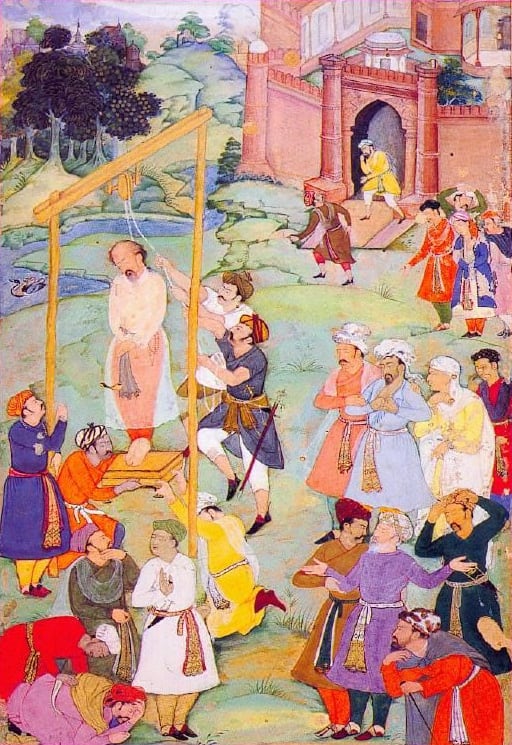
La ejecución de al-Hallaj (1602) · Public domain
Con le sue parole
«I am the Truth (that is, I am God).»Šaṭḥ transmitido en relatos sobre él: la versión más antigua lo sitúa en el círculo de al-Shibli; otras, ante al-Junayd. No figura en ningún manuscrito fiable de sus obras (Mojaddedi, Encyclopædia Iranica, siguiendo a Massignon).

Per cominciare, un'opera
The Book of the TawasinLa sua idea centrale
"I am the Truth" and ecstatic utterance (shath): *Ana l-Haqq* is the most famous of the *shathiyyat*, the ecstatic utterances in which a mystic seems to speak in God's name.
Vederlo nel contesto
Biografia
5 min di lettura
Traduzione assistita dall'originale spagnolo, in attesa di revisione da parte di un traduttore madrelingua.
Un nipote di zoroastriani in terra araba
Abu l-Mughith al-Husayn ibn Mansur nacque intorno all'anno 244 dell'egira (857-858) ad al-Tur, nei dintorni di al-Bayda, nella provincia persiana del Fars. Suo nonno, secondo la tradizione, era stato zoroastriano. Quand'era ancora bambino, la famiglia si trasferì a Wasit, sulle rive del Tigri, perché il padre, cardatore di cotone – hallaj, il mestiere che gli diede il nome –, cercava la vicinanza dei centri tessili dell'Iraq. Lì imparò il Corano a memoria a dodici anni e adottò l'arabo come unica lingua di scrittura. Ciò che sappiamo della sua vita proviene dalle notizie raccolte negli Akhbar al-Hallaj intorno all'anno 360 (971), dai cronisti di Baghdad e, soprattutto, dalla ricostruzione di Louis Massignon, che dedicò la vita a studiarlo; l'Encyclopædia Iranica avverte che quell'opera monumentale è in parte interpretativa.
Discepolo di tre maestri
Verso i sedici anni divenne discepolo del sufi Sahl al-Tustari; quattro anni dopo ricevette a Bassora il mantello sufi dalle mani di Amr ibn Uthman al-Makki e sposò la figlia di Abu Ya'qub al-Aqta, da cui ebbe tre figli. Entrambi erano seguaci di al-Junayd, il grande maestro di Baghdad, che al-Hallaj avrebbe incontrato e la cui via «sobria» gli aneddoti posteriori contrappongono alla sua «ebbrezza». Il suo soggiorno a Bassora coincise con la rivolta degli schiavi zanj, alla quale era legato suo cognato; di qui, forse, il precoce sospetto che fosse un agitatore sciita.
La predicazione e i viaggi
Dopo la sconfitta degli Zanj si recò in pellegrinaggio alla Mecca e trascorse un anno nel recinto della Ka'ba, in silenzio e digiuno. Al ritorno cominciò a parlare apertamente della propria esperienza; il suocero lo ripudiò e il maestro al-Makki lo attaccò per iscritto. Predicò allora a un pubblico popolare a Tustar, senza abito sufi, invitando a cercare Dio nel proprio cuore – lo chiamarono «il cardatore dei segreti» –, e poi per cinque anni nel Khorasan e in Transoxiana. Tornò alla Mecca con centinaia di discepoli, fu accusato di stregoneria e intraprese un lungo viaggio in India e nel Turkestan. Verso il 290 (903) compì il terzo pellegrinaggio: sul monte Arafat chiese a Dio di essere disprezzato come un infedele. Rientrato a Baghdad, costruì in casa un modellino della Ka'ba e percorreva le strade proclamando il suo amore e il desiderio di morire per la comunità.
«Io sono la Verità»
Secondo il racconto più antico, fu nella cerchia del sufi al-Shibli che pronunciò la frase che lo avrebbe reso celebre: ana l-Haqq, «Io sono la Verità», cioè «Io sono Dio», poiché al-Haqq è uno dei nomi divini. Versioni successive collocano la scena davanti ad al-Junayd. La frase non compare in alcun manoscritto affidabile delle sue opere e le circostanze storiche sono incerte; ma il suo senso concorda con i suoi scritti, nei quali si paragona al roveto ardente che parlava a Mosè. I sufi posteriori l'hanno letta in tre modi: come un segreto che non andava divulgato, come parola di un ebbro d'amore o come la voce di Dio che parla attraverso un uomo estinto in Lui. Al-Shibli avrebbe detto più tardi: «Io e al-Husayn eravamo una cosa sola, salvo che lui lo manifestò e io lo nascosi».
Il processo
Baghdad viveva anni di crisi: nel 296 (908) fallì il colpo di Stato che per un giorno aveva messo sul trono Ibn al-Mu'tazz, e l'anno seguente vi fu un'altra sollevazione sunnita alla quale al-Hallaj prese parte. Fuggì ad Ahwaz; nel 301 (913) fu arrestato a Sus, condotto a Baghdad ed esposto alla gogna come agente dei carmati. Trascorse circa nove anni in prigione, soprattutto a corte, dove aveva dei protettori, e vi scrisse buona parte della sua opera. Il visir Hamid ibn al-Abbas riaprì il processo e ottenne una condanna a morte; secondo una versione assai diffusa, il pretesto fu un testo in cui proponeva di compiere il pellegrinaggio senza andare alla Mecca. Secondo Massignon, martedì 24 dhu l-qa'da del 309 – 26 marzo 922 – ricevette mille frustate, gli furono amputate le mani e i piedi, fu esposto sul patibolo e il giorno seguente decapitato; il corpo fu bruciato e le ceneri gettate nel Tigri. Ibn Kathir indica una data leggermente diversa.
Una dottrina dell'amore
A scandalizzare non fu soltanto una frase, ma un insegnamento. Al-Hallaj distingue in Dio la divinità (lahut) e l'umanità (nasut), e canta uno spirito divino che si mescola a quello dell'amante «come il vino con l'acqua pura»; Massignon vi scorse una dottrina della deificazione del santo per opera dello Spirito, e Nicholson la paragonò a quella dei mistici renani che parlano della nascita di Dio nell'anima. I suoi avversari la chiamarono hulul, incarnazione. A differenza dei suoi maestri, che riservavano l'esperienza a una cerchia di iniziati, al-Hallaj la predicò per strada e in una lingua comprensibile a tutti, e questo gesto – più della dottrina stessa – spiega l'ostilità di buona parte dei sufi di Baghdad.
Un'opera breve
Dei quarantasei titoli che gli attribuisce il Fihrist di Ibn al-Nadim (987) se ne è conservata solo una parte. La sua opera principale, il Kitab al-Tawasin, riunisce undici brevi trattati in prosa rimata, con diagrammi e segni, sul Profeta, l'unicità divina e l'esperienza mistica; vi compare per la prima volta in arabo l'immagine della farfalla che gira attorno alla lampada fino a consumarsi, e l'elogio di Iblis come il più sincero dei monoteisti, che preferì la maledizione al prosternarsi davanti a un altro che non fosse Dio. Massignon pubblicò i Tawasin nel 1913, il Diwan delle poesie nel 1931 e gli Akhbar con Paul Kraus nel 1936.
Il martire dell'amore
Per un secolo e mezzo i sufi lo trattarono con prudenza: al-Sulami riconosce che la maggior parte dei maestri lo respingeva, e al-Qushayri lo omette dalla sua galleria di biografie pur citandone i detti. Al-Ghazali lo scusò come un amante ebbro. Hujwiri ne avviò la riabilitazione e Attar ne fece il culmine del suo Memoriale dei santi, con una morte gioiosa che la poesia persiana avrebbe ripreso più volte. Rumi distingue l'«Io sono la Verità» di Mansur, che era luce, dall'«Io sono Dio» del Faraone, e Hafez scrisse che il suo unico delitto era stato rivelare i segreti. Nel Novecento Massignon lo presentò come martire mistico dell'islam, e il poeta egiziano Salah Abd al-Sabur portò la sua tragedia a teatro (1965). Altri continuano a vedere in lui un agitatore o un eretico: la sua figura divide ancora.
Fonti: Massignon, Louis. La Passion de Husayn Ibn Mansûr Hallâj, martyr mystique de l'Islam, exécuté à Bagdad le 26 mars 922. 2.ª ed., 4 vols., París: Gallimard, 1975 (1.ª ed., Geuthner, 1922); trad. Herbert Mason, The Passion of al-Hallaj, Princeton University Press, 1982. · Nicholson, Reynold A. The Mystics of Islam. Londres: G. Bell & Sons, 1914, cap. VI (Project Gutenberg 67388); y al-Ghazali, Mishkat al-anwar, trad. W. H. T. Gairdner, 1924, pp. 106–107. · Ernst, Carl W. Words of Ecstasy in Sufism. Albany: State University of New York Press, 1985; y Hallaj: Poems of a Sufi Martyr, Evanston: Northwestern University Press, 2018. · Ibn Kathir. al-Bidaya wa-l-nihaya, vol. XI, año 309 H, noticia sobre al-Husayn ibn Mansur al-Hallaj (texto árabe en Wikisource). · Ibn al-Nadim. Kitab al-Fihrist (987), maqala V, noticia «al-Hallaj» y lista de sus libros (texto árabe en Wikisource).
Cronologia
La vita, anno per anno
Ogni punto è un evento documentato. Fai clic per leggerlo, con la sua fonte e il suo grado di certezza.
ca. 8580 annial-Tur, Fars
Birth in Fars
Born around 244 AH (857–858) at al-Tur near al-Bayda (Fars), grandson of a Zoroastrian according to tradition.
ProbabileMojaddedi, Jawid. «Ḥallāj, Abu'l-Moḡiṯ Ḥosayn». Encyclopædia Iranica, vol. XI, fasc. 6, pp. 589–592, 2003 (ed. en línea, act. 2016).
Dopo la sua morte
- ca. 971The Akhbar al-Hallaj
- ca. 1072Hujwiri begins the rehabilitation
- ca. 1221Attar makes him a martyr of love
- 1913Massignon edits the Kitab al-Tawasin
- 1965The Tragedy of al-Hallaj
ca. 858 · 0 anni
Birth in Fars
Born around 244 AH (857–858) at al-Tur near al-Bayda (Fars), grandson of a Zoroastrian according to tradition.
Probabile
ca. 865
Childhood in Wasit
The family moves to Wasit; he learns the Qur'an by heart by about twelve.
Tradizione
ca. 874
Disciple of Sahl al-Tustari
At about sixteen he follows the Sufi master Sahl al-Tustari.
Tradizione
ca. 878
Sufi robe and marriage in Basra
Receives the robe (*khirqa*) from Amr al-Makki and marries the daughter of Abu Ya'qub al-Aqta, a disciple of al-Junayd.
Tradizione
ca. 884
A year of silence by the Kaaba
After the defeat of the Zanj (883), he goes to Mecca and stays a year in the sanctuary in silence and fasting.
Probabile
ca. 890
Preaching in Tustar, Khorasan and India
Preaches to popular audiences in Tustar and for five years in Khorasan and Transoxiana; after the second pilgrimage he travels to India and Turkestan.
Probabile
ca. 903
Third pilgrimage and the prayer at Arafat
Around 290 AH at Arafat he asks to be despised like an infidel; he settles in Baghdad.
Probabile
908
The coup of Ibn al-Mu'tazz
The Hanbali coup fails in 296 AH; the following year al-Hallaj takes part in another uprising and flees to Ahvaz.
Probabile
913
Arrest in Sus and pillory in Baghdad
In 301 AH he is arrested in Sus, paraded on a camel through Baghdad and exposed as "a missionary of the Qarmatians"; nine years of imprisonment begin.
Documentato
26 marzo 922 · 64 anni
Execution in Baghdad
Condemned in the trial promoted by the vizier Hamid ibn al-Abbas; flogged, mutilated, exposed on the gibbet, beheaded and burned (24 Dhu l-Qa'da 309 / 26 March 922 according to Massignon).
Documentato
ca. 971
The Akhbar al-Hallaj
Around 360 AH the reports and prayers that form the Akhbar al-Hallaj are gathered in the circle of al-Nasrabadhi.
Probabile
ca. 1072
Hujwiri begins the rehabilitation
The Kashf al-mahjub devotes a long defence to al-Hallaj.
Documentato
ca. 1221
Attar makes him a martyr of love
His biography closes the Tadhkirat al-awliya with a joyful death that Persian poetry would repeat.
Documentato
1913
Massignon edits the Kitab al-Tawasin
First edition of the Arabic text with French translation; in 1922 he publishes La Passion d'al-Hallaj.
Documentato
1965
The Tragedy of al-Hallaj
The Egyptian poet Salah Abd al-Sabur publishes the verse drama Ma'sat al-Hallaj.
Documentato
Opere
Opere essenziali
Le opere senza le quali non si comprende la sua eredità.
Opera scritta · ca. 915
The Book of the Tawasin
كتاب الطواسين (Kitab al-Tawasin)
Al-Hallaj's main work: eleven meditations in rhymed prose, sometimes with diagrams of circles and dots, on the Prophet's pre-existent light, God's unity and the impossibility of expressing it. The chapter on "understanding" introduces the moth approaching the lamp: it sees its light, feels its heat and truly knows it only by burning in it. The longest, on pre-eternity, defends Iblis as the absolute monotheist who refused to bow before Adam out of fidelity to God, and compares his case with Pharaoh's and the author's own. It is a difficult, allusive and intensely charged text that influenced Ahmad al-Ghazali, Ayn al-Qudat and Ruzbihan.
3 edizioni

Opera scritta · ca. 922
Diwan
ديوان الحلاج (Diwan al-Hallaj)
Some seventy short poems, often of only a few lines, in which love of God is spoken in the language of union: "I am He whom I love, and He whom I love is I", "Your spirit is mingled with mine as wine with pure water". The famous "Kill me, my trusted friends, for in my killing is my life" turns execution into a passage to true life. They are verses of great economy, with paradoxes and plays on pronouns that show the dissolution of the self, and they formed the core of al-Hallaj's image as a martyr of love.
6 edizioni
Al-Hallaj
Reports of al-Hallaj
Raccolta posteriore · ca. 971
Reports of al-Hallaj
أخبار الحلاج (Akhbar al-Hallaj)
About fifty pieces: prayers spoken in public, short sermons, dialogues with disciples and the account of his last days, with the prayer in which he asks God to forgive those about to kill him "out of zeal for Your religion". It is the main source for his preaching and the basis of later hagiographical versions of his death.
2 edizioni
Tutta la sua opera (6)

Citazioni
Citazioni localizzate in un'opera precisa. Ciascuna porta con sé la sua provenienza e il suo grado di affidabilità.
I am the Truth (that is, I am God).أنا الحق
DiscussaŠaṭḥ transmitido en relatos sobre él: la versión más antigua lo sitúa en el círculo de al-Shibli; otras, ante al-Junayd. No figura en ningún manuscrito fiable de sus obras (Mojaddedi, Encyclopædia Iranica, siguiendo a Massignon).
Ultime parole
Versioni contraddittorie
«For the ecstatic it is enough that the One should make him one [with Him].»حسب الواجد إفراد الواحد له
The sources preserve several versions. According to al-Sulami, cited by Ibn Khallikan, his last words were "It is enough for the ecstatic that the One should single him out" (with the variant "for the one", *al-wahid*, instead of "for the ecstatic", *al-wajid*). The *Akhbar al-Hallaj* also record a prayer spoken before the gibbet in which he asks God to forgive those about to kill him out of zeal for His religion, and words addressed to al-Shibli. Attar adds a hagiographical scene in which he smears his face with his blood. There is no single reliable testimony.
Fonte: Tarajm.com, ficha «al-Hallaj» con el texto de Ibn Khallikan, Wafayat al-a'yan, que cita a al-Sulami sobre sus últimas palabras.
Chiedi
Ciò a cui risponde la sua opera
Dodici grandi domande dell'umanità e ciò che i suoi testi permettono di rispondere, con riferimenti. Non gli mettiamo mai parole in bocca.
Che cos'è l'Assoluto? Dio esiste?
The transcendent Beloved who speaks through the lover's mouth
Un Dio personaleLo dice espressamente
Al-Hallaj speaks of God as the Beloved with whom the lover comes to be merged, but his starting point is absolute transcendence. In the Book of the Tawasin he devotes a meditation to tanzih, divine incomparability: God cannot be reached by the concepts, places or times of creatures. That distance is what gives its scandal to the cry «I am the Truth»: al-Haqq, the Truth, is one of the names of God, and whoever utters it does not claim a divinity of his own but lets the Other speak in him. The verses of the Diwan express union as wine mingling with water or as two spirits dwelling in one body: it is the language of love between two, not dissolution into an impersonal principle.
Confronta questa domanda con altri maestriChi sono io? Esiste un vero sé?
«I am the Truth»: when the lover is effaced, God speaks
Il Sé è l'AssolutoLo dice espressamente
Al-Hallaj is the Sufi who pushed the question of the self furthest. His formula «I am the Truth» is not spoken by the ordinary self but by the one annihilated in the Beloved, so that the one who says «I» is God. The verses of the Diwan say it plainly: he is the One he loves, and the One he loves is he; they are two spirits dwelling in one body, and whoever sees one sees the other. In the Book of the Tawasin, the moth circling the lamp truly knows the flame only when it throws itself into it and burns: the self that knows disappears into what is known. For al-Hallaj the separate self is a veil; the true self is the one God makes one with Himself, and that union may be paid for with one's life.
Confronta questa domanda con altri maestriPerché soffriamo?
The pain of separation is consummated in the lover's death
La separazione da DioLo dice espressamente
For al-Hallaj, suffering is born of the separation between lover and Beloved, and it is not evaded: it is passed through to the end. His verses ask his faithful friends to kill him, because in his death lies his life; the execution of 922 was read by the tradition as the fulfilment of that wish. In the Book of the Tawasin, the figure of Iblis embodies the pain of one who loves and has been set apart: cursed for not bowing to Adam, he remains faithful to his Lord in separation itself. Al-Hallaj does not see pain as a punishment to be avoided but as the form love takes while union has not been consummated. The remedy is not to stop suffering but to stop being the one who suffers.
Confronta questa domanda con altri maestriChe cosa accade dopo la morte?
In my death is my life: martyrdom as the consummation of love
Vita eterna e resurrezioneLo dice espressamente
Al-Hallaj thought about his own death before it came. In famous verses he asks his faithful friends to kill him, for in his death is his life and in his life his death: to die is to pass from separate existence to life in the Beloved. Executed in Baghdad in 922 after a long trial, the tradition recorded in the Akhbar al-Hallaj attributes to him on the scaffold a prayer asking God to forgive his executioners, who kill him out of zeal for their religion. His last words are transmitted in several versions; the best known says that for the ecstatic it is enough that the One should make him one with Him. Within the Islamic faith in resurrection, al-Hallaj lives death as union, not as an end.
Confronta questa domanda con altri maestriCome si raggiunge la liberazione o la salvezza?
Love that surrenders unto death: the pilgrimage is inward
Con la devozione e l'abbandonoLo dice espressamente
For al-Hallaj, liberation is the union of love with God, and it is reached through a surrender that holds nothing back. The lover must let the Beloved take his place, like the moth that throws itself into the flame; his verses express that union with images of mingling and fusion. This surrender is not confined to the circle of initiates: al-Hallaj preached in the markets of Baghdad and spoke to everyone of the love of God, for which his Sufi masters reproached him. The records of his trial attribute to him the idea that a pilgrim who cannot go to Mecca may perform the pilgrimage in his own house, with an inner rite; his judges took it as an attack on the law. His death was read as the consummation of that love.
Confronta questa domanda con altri maestriServe un maestro?
He had masters and broke with them; his guide is the Prophet's lamp
Non si è pronunciato
Al-Hallaj left no doctrine on the need for a master, and his biography is ambivalent. He was trained by Sahl al-Tustari, by Amr ibn Uthman al-Makki and in al-Junayd's circle in Baghdad, and he broke with all of them: they reproached him for divulging in public what should be kept among initiates, and he chose to preach in the markets to anyone who would listen. The nearest thing to an answer is in the Book of the Tawasin, which opens with a meditation on the Prophet as a lamp sprung from the light of the unseen: the only guide who never fails is Muhammad. His life suggests that the human master helps one begin, but that the Beloved's call may require going beyond what the master approves.
Confronta questa domanda con altri maestriIl mondo è reale?
No doctrine of the world: God is incomparable with what is created
Non si è pronunciato
Al-Hallaj left no cosmology and no doctrine on the reality of the world. What can be reconstructed from his writings concerns the relation between God and creature, not the status of things. He insists on transcendence: the eternal does not mingle with the temporal, and the concepts of creatures do not reach God. At the same time, his language of divinity (lahut) manifesting in humanity (nasut), based on the tradition that God created Adam in His image, makes the human being, rather than the cosmos, the place where the divine lets itself be seen. His judges read incarnation into it; his defenders, a theology of the image. About the world as such he is silent.
Confronta questa domanda con altri maestriChe cos'è l'amore?
Love unites until lover and Beloved are a single body
Anelito e unioneLo dice espressamente
Love is the centre of al-Hallaj's experience and of his language. His verses describe it as a mingling: the Beloved's spirit has mingled with his own as wine with pure water, so that what touches one touches the other; they are two spirits dwelling in a single body. In the Book of the Tawasin the moth circling the lamp is not content with its light or its warmth: it knows the flame only by throwing itself into it. Massignon credits al-Hallaj with the boldness of presenting passionate love (ishq) as a reality rooted in the very essence of God. Love is not a feeling towards God but the movement by which God unites with the one who loves.
Confronta questa domanda con altri maestriSiamo liberi o è tutto determinato?
Iblis between command and decree: no one escapes what God wills
Non c'è un agenteSi deduce dalla sua dottrina
Al-Hallaj wrote no treatise on freedom, but the Book of the Tawasin devotes a meditation on pre-eternity and ambiguity to Iblis, the angel who refused to bow before Adam, in dialogue with Moses and with God. Al-Hallaj turns him into an extreme monotheist: Iblis received the command to bow, but God's eternal decree was otherwise, and he obeyed what God willed rather than what He ordered, accepting the curse for it. The scene lays bare the abyss between the divine will and the law, and the creature's powerlessness before the decree. In his experience of union, moreover, the lover no longer acts by himself: what he does and says, Another does and says in him.
Confronta questa domanda con altri maestriPerché meditare o pregare?
Speaking to God in public and in private as one speaks to the Beloved
Amicizia con DioSi deduce dalla sua dottrina
Al-Hallaj was a man of prayer and rigorous asceticism, and the Akhbar al-Hallaj preserve several of his prayers, some spoken in public, in the market or the mosque, others in prison and before the scaffold. Their tone is that of intimate dialogue with the Beloved: he addresses Him as thou, reproaches Him, thanks Him, offers Him his life. That intimacy culminates in the experience of union, in which the distance between the one who prays and the One prayed to seems to vanish. Unlike other Sufis of his time, he did not reserve that conversation for initiates: he wanted everyone to know that God can be spoken to in this way. It was precisely this prayer aloud, with its ecstatic formulas, that caused scandal.
Confronta questa domanda con altri maestriPuò la ragione conoscere l'ultimo?
The moth knows the flame not by its light but by burning in it
L'ultimo è al di là della menteLo dice espressamente
The meditation in the Book of the Tawasin devoted to understanding offers al-Hallaj's central image of knowledge. The moth flutters around the lamp until dawn and returns to the others to tell them what it has seen; then it approaches the warmth; finally it throws itself into the flame and burns. Only then does it truly know, and it can no longer come back to tell it. The light is knowledge by hearsay, the warmth knowledge by experience, the flame reality itself. Al-Hallaj, who was trained in the religious sciences and wrote with rigour, holds that reason and concepts remain at the edge: God is known only by losing oneself in Him, and what is reached in this way does not fit into discourse.
Confronta questa domanda con altri maestriRitirarsi dal mondo o trasformarlo?
He took the secret to the markets and paid with his life
Impegnarsi nel mondoSi deduce dalla sua dottrina
Al-Hallaj broke with the discretion of the Baghdad Sufis, who reserved their teaching for small circles. He travelled through Khurasan, India and Turkestan, preached in markets and mosques, spoke of the love of God to ordinary people and attracted followers from every class. That public life had political consequences: he was accused of ties with seditious movements and of claims that threatened the caliphal order, and his trial, which lasted years, mixed theology and politics. Massignon saw in him a mystic who sought to bring his experience to the whole community and accepted death for it. He chose not retreat but the public square, and his death became a public event that tradition never forgot.
Confronta questa domanda con altri maestri
Affinità e tensioni
Affinità e tensioni
Calcolate domanda per domanda a partire dalle sue posizioni. Il perché di ogni accordo o contrasto, con un clic.
La pensa in modo simile a

Rabia al-Adawiyya
Concordano su: Perché soffriamo? · Che cos'è l'Assoluto? Dio esiste? · Che cosa accade dopo la morte?
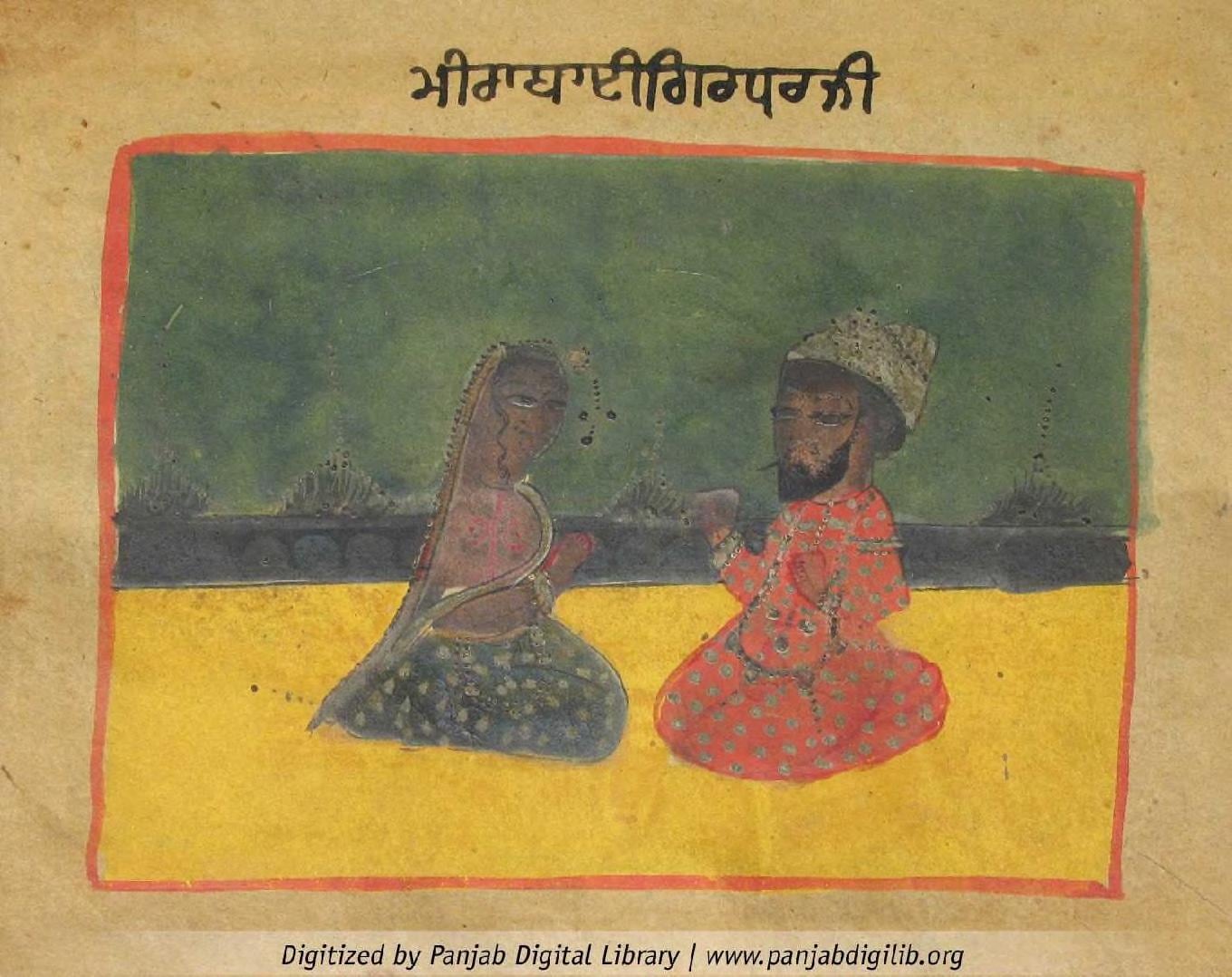
Mirabai
Concordano su: Che cos'è l'Assoluto? Dio esiste? · Perché soffriamo? · Come si raggiunge la liberazione o la salvezza?
Ibn Arabi
Concordano su: Chi sono io? Esiste un vero sé? · Perché soffriamo? · Che cosa accade dopo la morte?
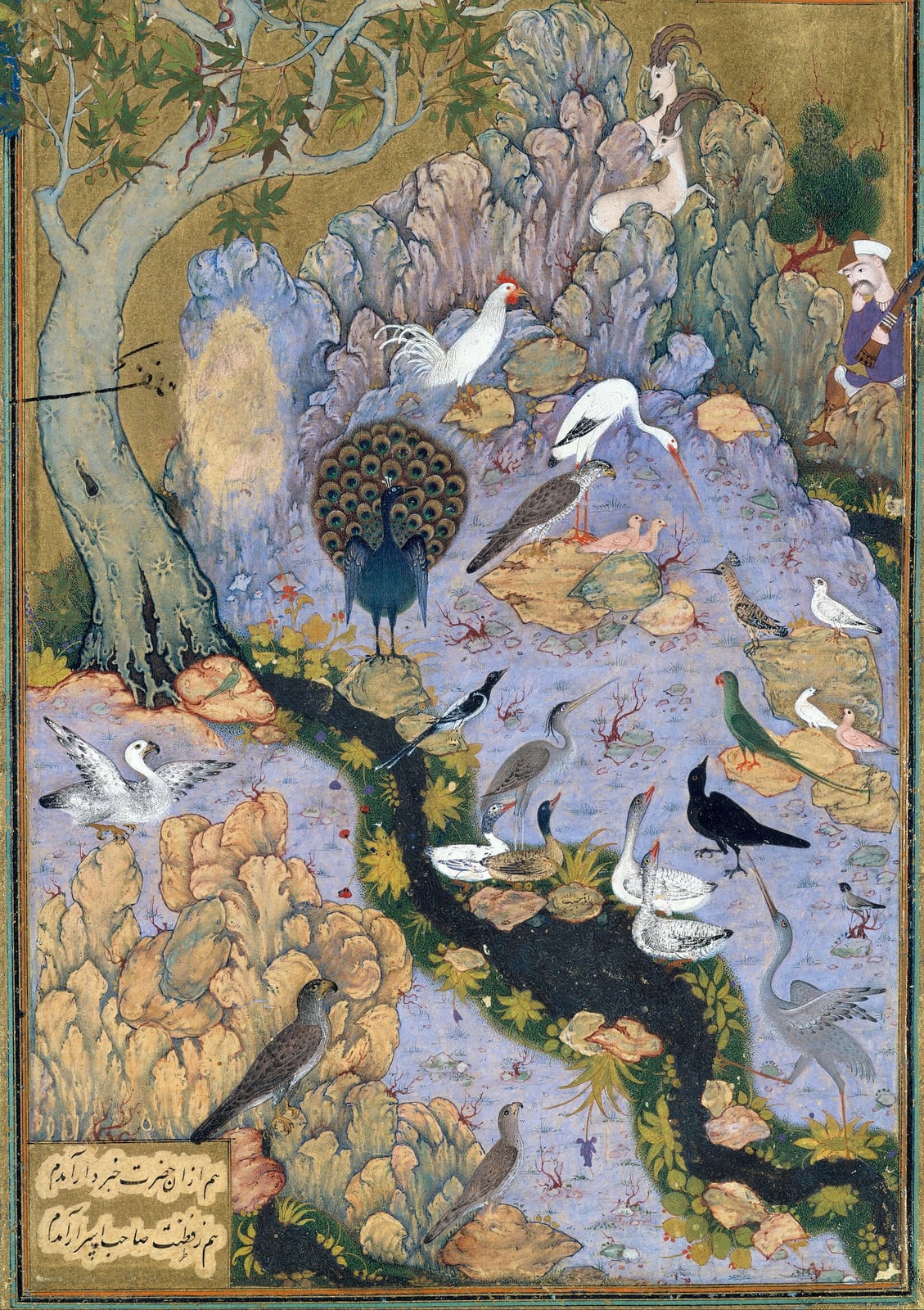
Attar
Concordano su: Chi sono io? Esiste un vero sé? · Perché soffriamo? · Che cosa accade dopo la morte?
La pensa diversamente da

Pema Chödrön
Si scontrano su: Che cos'è l'Assoluto? Dio esiste? · Chi sono io? Esiste un vero sé? · Che cosa accade dopo la morte?

Epicurus
Si scontrano su: Che cos'è l'Assoluto? Dio esiste? · Chi sono io? Esiste un vero sé? · Che cosa accade dopo la morte?
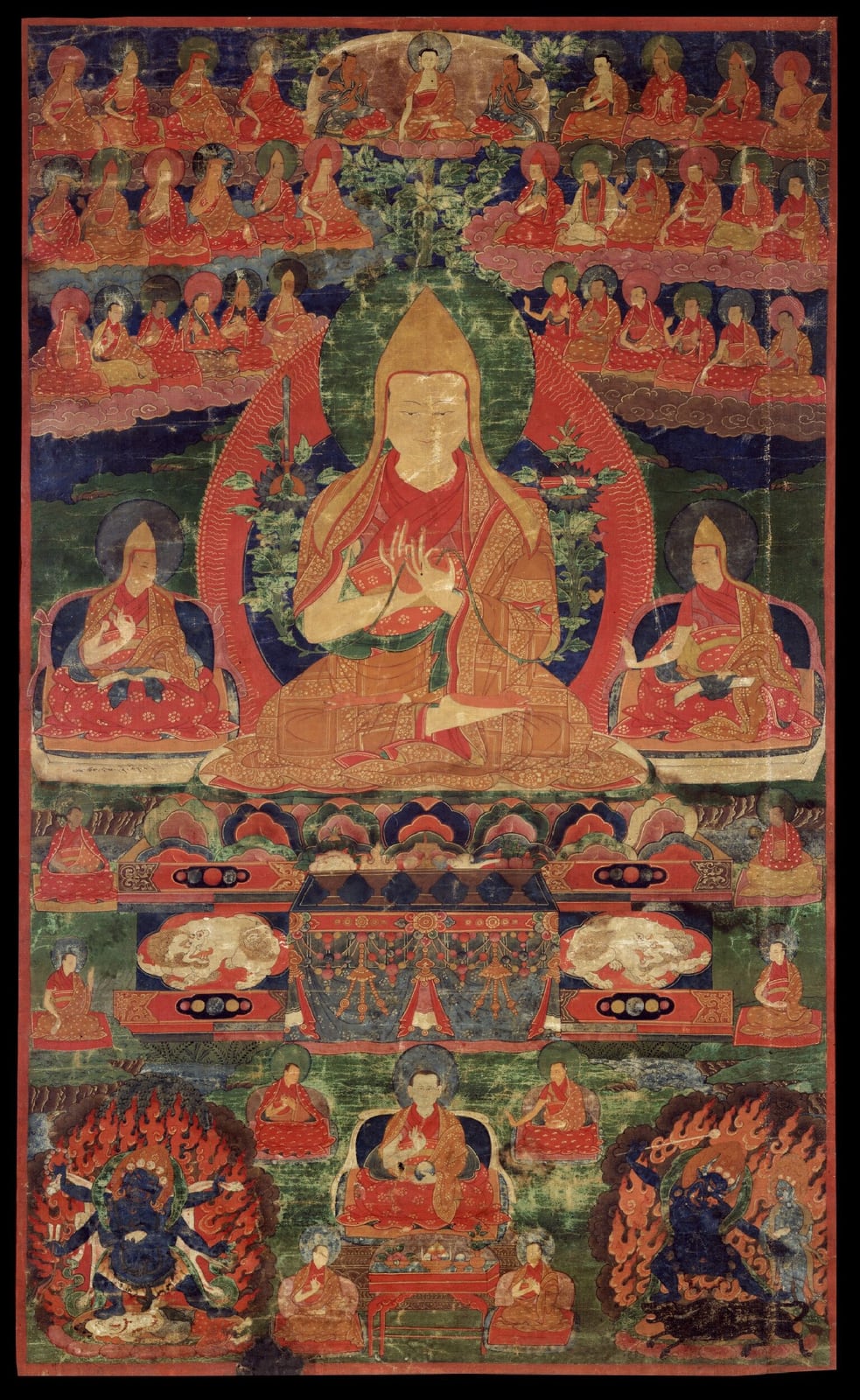
Tsongkhapa
Si scontrano su: Che cos'è l'Assoluto? Dio esiste? · Chi sono io? Esiste un vero sé? · Che cosa accade dopo la morte?

Dōgen
Si scontrano su: Che cos'è l'Assoluto? Dio esiste? · Chi sono io? Esiste un vero sé? · Che cosa accade dopo la morte?
Aneddoti e racconti
Aneddoti e racconti
Contestatoc. 900–913
"I am the Truth" in al-Shibli's circle
Origine del racconto: Massignon, La Passion, I, pp. 168–172 (tr. Mason, I, pp. 126–129), summarised by Mojaddedi in the Encyclopædia Iranica. The al-Junayd version appears in Hujwiri and Attar.
Testimonianzac. 903
The prayer at Arafat
Origine del racconto: Akhbar al-Hallaj; Massignon, La Passion, I, pp. 67 and 265–267 (tr. Mason, I, pp. 26–27 and 219–223).
Tradizione oralec. 884
A year motionless by the Kaaba
Origine del racconto: Akhbar al-Hallaj and later Sufi biographies; summary in the Encyclopædia Iranica.
Contestato922
The Kaaba at home and the pretext for the sentence
Origine del racconto: Massignon, La Passion, I, pp. 592–594 (tr. Mason, I, pp. 546–547); Ernst, Words of Ecstasy in Sufism (1985), pp. 106–110; summary in the Encyclopædia Iranica.
Racconto agiografico922
The execution: chronicle and legend
Origine del racconto: Chronicle: Ibn Kathir, al-Bidaya wa-l-nihaya, year 309 AH (Arabic Wikisource). Legend: Attar, Tadhkirat al-awliya and Mantiq al-tayr (vv. 2287–2298), according to the Encyclopædia Iranica.
Insegnamenti
Insegnamenti
Le nozioni che articolano il suo pensiero, spiegate nel loro contesto.
"I am the Truth" and ecstatic utterance (shath)ana-l-haqq
Shath of Abu Yazid al-Bistami ("Glory be to me!"); al-Ghazali's commentary in the Mishkat; Ruzbihan Baqli, Sharh-i shathiyyat.
Lahut and nasut: the charge of incarnation (hulul)hulul
Sunni polemic against the Hululis (Abu Nu'aym, Ibn Taymiyya); interpretation by Massignon and Nicholson.
The moth and the lampfarash-y-lampara
Degrees of certainty (*'ilm*, *'ayn*, *haqq al-yaqin*); fortune of the motif in Persian poetry.
Iblis, the faithful monotheistiblis-monoteista
Qur'an 2:34, 7:11–18; P. J. Awn, Satan's Tragedy and Redemption (1983).
The inner pilgrimagehajj-interior
Legal debate on the substitution of rites; Massignon and Ernst on the trial.
Video
Video
Registrazioni, interviste e documentari. I video vengono riprodotti da YouTube; non sono ospitati qui.
al-Hallaj: Mystic Martyr of Sufism
Analisi· EN· 59 min
Let's Talk Religion
Dr. Carl Ernst On Mansur Al-Hallaj
Conferenza· EN· 87 min
Hast o Neest
#ZeeJLF2018 | Sufi Martyrs of Love
Conferenza· EN· 61 min
Jaipur Literature FestivalCanale ufficiale
Episode 2: al-Hallaj | Logic of the Birds Podcast
Analisi· EN· 44 min
Logic of the Birds
Mansur al-Hallaj - Louis Massignon - Des Idées et des Hommes
Conferenza· FR· 49 min
Traits d'Union
Ma rencontre avec al-Hallâj, par Louis Massignon
Intervista· FR· 22 min
Conscience Soufie
La poésie d'al-Hallâj, par Louis Massignon
Conferenza· FR· 27 min
Conscience Soufie
Mansûr al-Hallâj par Joël-Claude Meffre
Conferenza· FR· 86 min
Conscience Soufie
Mansur Al HALLAJ – Une Vie, une Œuvre : le christ de l'Islam (France Culture, 1988)
Documentario· FR· 1988· 84 min
ÉCLAIR BRUT
Dolors Bramon - Los sufíes Al-Khallaj y la ex esclava Rabia Al-Adawiyya
Conferenza· ES· 49 min
Espacio Ronda Barcelona
MANSUR HALLAJ ➤ ¿EL MÍSTICO QUE VIVIÓ COMO JESÚS? | con HALIL BÁRCENA
Intervista· ES· 47 min
Psicología y Espiritualidad
يوسف زيدان يتحدث عن الصوفي الحلاج al-Hallaj
Conferenza· AR· 21 min
gruenten
Hallac-ı Mansur Kimdir? Enel Hakk Ne Demek?
Analisi· TR· 37 min
Mustafa B. Bozkurt [Lex Historiae]
Galleria
Galleria
Immagini con licenza verificata. Ciascuna conserva la sua paternità e la sua attribuzione.
Relazioni
Relazioni
Influenze, discepolati e affinità. Si distingue la relazione documentata dalla somiglianza individuata per analisi.
Influenzò
Attar placed al-Hallaj's biography as the climax of the Tadhkirat al-awliya and evokes him in the Mantiq al-tayr and the Ilahinama.
Relazione documentata
Influenzò
A ghazal by Hafez alludes to him: "That friend for whom the gallows was raised: his crime was revealing the secrets."
Relazione documentata
Influenzò
Al-Ghazali quotes in the Mishkat al-anwar his "I am the Truth" and the verse "I am He whom I love", explaining them as the words of a drunken lover that should have been concealed.
Relazione documentata
Idee affini a
Ibn Arabi's school reread "I am the Truth" in terms of the oneness of being; no specific passage of Ibn Arabi is cited here.
Somiglianza individuata per analisi
Idee affini a
Both embody love mysticism in the tradition and appear together in anthologies and studies; there was no contact.
Somiglianza individuata per analisi
Idee affini a
Massignon called him "the Christ of Islam" and Nicholson compared his doctrine of deification with Christology; al-Hallaj mentions Jesus in his verses. An interpretive parallel, not documented influence.
Somiglianza individuata per analisi
Idee affini a
Nicholson compares al-Hallaj's doctrine with the Rhineland mystics' birth of God in the soul. No contact.
Somiglianza individuata per analisi
Influenzò
The Masnavi mentions al-Hallaj many times; Rumi distinguishes his "I am the Truth", which was light, from Pharaoh's "I am God" (Masnavi II, v. 307).
Relazione documentata
Collegato da altre schede
Fonti
Fonti
Bibliografia e cataloghi consultati per questa scheda.
- Wikidata, Q172862 «Mansur Al-Hallaj» (P31=Q5; 64 enlaces entre wikis; P569 858; P570 922-03-26).
- Mojaddedi, Jawid. «Ḥallāj, Abu'l-Moḡiṯ Ḥosayn». Encyclopædia Iranica, vol. XI, fasc. 6, pp. 589–592, 2003 (ed. en línea, act. 2016).
- Massignon, Louis. La Passion de Husayn Ibn Mansûr Hallâj, martyr mystique de l'Islam, exécuté à Bagdad le 26 mars 922. 2.ª ed., 4 vols., París: Gallimard, 1975 (1.ª ed., Geuthner, 1922); trad. Herbert Mason, The Passion of al-Hallaj, Princeton University Press, 1982.
- Nicholson, Reynold A. The Mystics of Islam. Londres: G. Bell & Sons, 1914, cap. VI (Project Gutenberg 67388); y al-Ghazali, Mishkat al-anwar, trad. W. H. T. Gairdner, 1924, pp. 106–107.
- Ernst, Carl W. Words of Ecstasy in Sufism. Albany: State University of New York Press, 1985; y Hallaj: Poems of a Sufi Martyr, Evanston: Northwestern University Press, 2018.
- Ibn Kathir. al-Bidaya wa-l-nihaya, vol. XI, año 309 H, noticia sobre al-Husayn ibn Mansur al-Hallaj (texto árabe en Wikisource).
- Ibn al-Nadim. Kitab al-Fihrist (987), maqala V, noticia «al-Hallaj» y lista de sus libros (texto árabe en Wikisource).
- Wikisource árabe, categoría «al-Hallaj»: poemas del Diwan (Uqtuluni ya thiqati y sesenta y nueve «Mukhtarat»).
- Tarajm.com, ficha «al-Hallaj» con el texto de Ibn Khallikan, Wafayat al-a'yan, que cita a al-Sulami sobre sus últimas palabras.
- Open Library, registros de ediciones de al-Hallaj y de Massignon (Tawasin 1913, Diwan, Akhbar, Passion, Ernst, Sami-Ali).
- Titolare dei diritti
- Dominio público (obra del siglo X). Las ediciones y traducciones modernas (Massignon/Gallimard, Princeton University Press, Northwestern University Press, Albin Michel, Ediciones del Oriente y del Mediterráneo…) están sujetas a los derechos de sus editores; los trabajos de Massignon (m. 1962) no son de dominio público en la UE ni en España.
In attesa di conferma
Ciò che questa scheda non ha ancora potuto chiarire. Preferiamo dirlo piuttosto che riempirlo.
- Fechas: nacimiento c. 244 H (857–858, Iranica). Muerte el martes 24 de dhu l-qada de 309 = 26-3-922 según Massignon (coincide el día de la semana); Ibn Kathir dice «nueve días antes del fin de dhu l-qada», que daría el 21 o el 22. Conservado el dato de Massignon.
- Obra: registrados los Tawasin (con sus once capítulos), el Diwan, los Akhbar, los fragmentos de tafsir conservados por al-Sulami y los 46 títulos perdidos del Fihrist en una sola entrada. Faltan las «Riwayat» (dichos en forma de hadiz editados por Massignon) y la verificación de los fragmentos en la edición de los Haqa'iq al-tafsir.
- Ediciones: confirmar el traductor del Diván en castellano (Ediciones del Oriente y del Mediterráneo, 2002, ISBN 9788487198847) y localizar una traducción castellana de los Tawasin con ISBN; la de Aisha Abd ar-Rahman (Diwan Press, 1974) no tiene ISBN en el catálogo.
- Última palabra: verificar en la edición de los Akhbar (Massignon y Kraus, 1957) el texto árabe de la oración por sus verdugos y la forma exacta (al-wajid / al-wahid) del dicho final.
- Citas: no se ha podido cotejar con una edición árabe impresa el pasaje de la mariposa de los Tawasin ni la plegaria de Arafat; se describen sin cita literal.
- Imágenes: la ficha de File:Hallaj.jpg no indica el manuscrito de procedencia; buscar en la Walters la miniatura del Diwan de Amir Khusraw (W.650) citada por la Iranica.
Ricerca effettuata il 2026-10-25