Cristianesimo · Mistica cristiana · Protestantesimo
Emanuel Swedenborg
Emanuel Swedenborg
1688 – 1772Persona storicamente documentata
Scienziato, ingegnere e visionario svedese (1688-1772). Assessore del Collegio delle miniere, nobilitato nel 1719, scrisse di metallurgia, di cosmologia (Principia, 1734) e di anatomia del cervello (Oeconomia regni animalis, Regnum animale) prima di attraversare una crisi spirituale tra il 1743 e il 1745. Da allora affermò di comunicare con angeli e spiriti e pubblicò in latino una vasta teologia: Arcana Coelestia, Del cielo e dell'inferno, la Sapienza angelica, L'amore coniugale e La vera religione cristiana. Kant lo mise in satira; Blake, Balzac, Emerson e Borges lo lessero con passione.
- opere
- 38opere
- edizioni
- 60edizioni
- citazioni
- 7citazioni
- video
- 12video
- immagini
- 8immagini

Retrato de Emanuel Swedenborg a los setenta y cinco años · Public domain
Con le sue parole
«I am aware that many who read the following pages and the Memorable Relations annexed to the chapters, will believe that they are fictions of the imagination; but I solemnly declare they are not fictions, but were truly done and seen; and that I saw them, not in any state of the mind asleep, but in a state of perfect wakefulness.»De amore conjugiali (1768), n. 1, trad. inglesa de 1850 (reimpr. 1892). Se cita por la traducción inglesa de dominio público; original latino no cotejado.

Per cominciare, un'opera
The Principia (The First Principles of Natural Things)La sua idea centrale
Correspondences: The doctrine of correspondences is the key to the whole of Swedenborg's theological work.
Vederlo nel contesto
Biografia
5 min di lettura
Traduzione assistita dall'originale spagnolo, in attesa di revisione da parte di un traduttore madrelingua.
Il figlio del vescovo
Emanuel Swedberg nacque a Stoccolma il 29 gennaio 1688 (secondo il calendario svedese dell'epoca), terzo figlio di Jesper Swedberg, cappellano di corte e poi vescovo di Skara, e di Sara Behm, figlia di una famiglia arricchitasi con le miniere. Il padre era un luterano di pietà ardente, sospettato di pietismo, convinto che gli angeli intervengano nella vita quotidiana; la madre morì quando il bambino aveva otto anni. Tra il 1699 e il 1709 studiò a Uppsala, dove visse in casa del cognato Erik Benzelius, bibliotecario dell'università, e si laureò con una dissertazione sulle sentenze di Seneca e di Publilio Siro.
Nel 1710 partì per l'Inghilterra. Per cinque anni girò tra Londra, Oxford, l'Olanda, Parigi e la Germania settentrionale; lesse Newton, fece visita all'astronomo Flamsteed, imparò a molare lenti e a rilegare libri, e scrisse a Benzelius lettere piene di progetti: un sommergibile, una macchina volante, un metodo per determinare la longitudine in mare. Tornò nel 1715 deciso a diventare un uomo di scienza utile al suo paese.
L'assessore delle miniere
Nel 1716 pubblicò Daedalus Hyperboreus, la prima rivista scientifica svedese, e Carlo XII lo nominò assessore straordinario del Collegio delle miniere, l'istituzione che amministrava la principale ricchezza del regno. Lavorò con l'ingegnere Christopher Polhem e nel 1718 partecipò al trasporto via terra di navi da guerra per l'assedio di Fredriksten. Nel 1719 la regina Ulrica Eleonora nobilitò la famiglia, che assunse il nome di Swedenborg, ed Emanuel ebbe un seggio nella Camera dei nobili, dove intervenne su moneta, miniere e commercio. Nel 1724 rifiutò la cattedra di matematica di Uppsala; balbettava e non parlò mai in pubblico.
Per vent'anni scrisse di chimica, metallurgia, geologia e cosmologia. I tre volumi degli Opera philosophica et mineralia (Lipsia, 1734) gli diedero fama europea per i trattati sul ferro e sul rame; il primo, i Principia, proponeva una cosmologia meccanicistica che comprendeva un'ipotesi nebulare sull'origine del sistema solare. Nello stesso anno pubblicò il De infinito, il suo primo tentativo di spiegare il rapporto tra l'anima e il corpo. Cercando la sede dell'anima passò all'anatomia: l'Oeconomia regni animalis (1740-1741) e il Regnum animale (1744-1745) contengono intuizioni sulla corteccia cerebrale, sulla localizzazione delle funzioni e sulla circolazione del liquido cefalorachidiano che la neurologia avrebbe confermato solo molto più tardi.
La crisi del 1743-1745
Nel 1743 si recò in Olanda per far stampare il Regnum animale. Nei mesi successivi tenne un diario dei sogni, scoperto nella Biblioteca reale nel XIX secolo, che registra con una franchezza senza precedenti tentazioni, terrori, desideri e visioni; nella notte di Pasqua del 1744, a Delft, annotò di aver visto Cristo in persona. Nell'aprile 1745, secondo quanto raccontò più tardi agli amici, in una locanda di Londra una figura gli parlò alla fine della cena e quella stessa notte gli si presentò come il Signore, affidandogli il compito di spiegare il senso spirituale della Scrittura. Swedenborg abbandonò l'anatomia, studiò l'ebraico e nel 1747 rinunciò al suo posto nel Collegio delle miniere con mezza pensione.
Gli arcani celesti
Tra il 1749 e il 1756 pubblicò a Londra, anonimi e in latino, gli otto volumi degli Arcana Coelestia, un commento versetto per versetto della Genesi e dell'Esodo secondo il loro senso interno, intercalato da resoconti di ciò che diceva di vedere e udire nel mondo spirituale. Nel 1758 seguirono, sempre a Londra, Del cielo e dell'inferno, Del giudizio universale — dove affermava che il giudizio era avvenuto nel mondo degli spiriti nel 1757 —, Del cavallo bianco, Delle terre nell'universo e Della nuova Gerusalemme. Vennero poi le quattro dottrine (1763), La sapienza angelica sull'amore divino e sulla sapienza divina (1763), La sapienza angelica sulla divina provvidenza (1764), L'Apocalisse rivelata (1766), L'amore coniugale (1768) e La vera religione cristiana (Amsterdam, 1771). La sua teologia respinge la Trinità di persone e la giustificazione per la sola fede, colloca la salvezza nella carità e negli usi e legge l'intero mondo naturale come «corrispondenza» di quello spirituale.
La singolarità di quei libri non sta solo nella dottrina, ma nel tono. Swedenborg descrive il cielo e l'inferno con la sobrietà di una relazione mineraria: il cielo intero ha forma umana, il «Massimo Uomo»; gli angeli vivono in società raggruppate per affinità d'amore; tra la morte e il destino finale si stende un «mondo degli spiriti» dove ciascuno finisce per diventare ciò che ama. Nessuno è mandato all'inferno: ci va chi lo preferisce. Il Signore è un'unica persona divina, Gesù Cristo, nel quale sono il Padre, il Figlio e lo Spirito come anima, corpo e operare. La vita che conduce al cielo, insiste, non è quella dell'asceta che fugge il mondo, ma quella di chi adempie il proprio ufficio con giustizia e carità.
Il veggente di Stoccolma
A partire dal 1759 il suo nome fu associato a episodi di chiaroveggenza: l'incendio di Stoccolma che avrebbe descritto da Göteborg, un segreto rivelato alla regina Luisa Ulrica, una ricevuta smarrita ritrovata su indicazione di un defunto. Kant se ne interessò, si procurò gli Arcana e nel 1766 pubblicò anonimi i Sogni di un visionario, una satira contro Swedenborg che è anche una critica della metafisica. Nel frattempo Swedenborg restava un aristocratico metodico, cortese e austero, che coltivava il suo giardino nella Hornsgatan, soggiornava a Londra e ad Amsterdam e pubblicava a proprie spese. Tra il 1768 e il 1771 due suoi seguaci furono processati per eresia a Göteborg, e il concistoro giunse a discutere l'ortodossia dei suoi libri.
Londra, 1772
Nel dicembre 1771, a Londra, fu colpito da un ictus che lo lasciò parzialmente paralizzato. Secondo la domestica della casa dove alloggiava, a Clerkenwell, aveva predetto il giorno della propria morte. Al pastore svedese Arvid Ferelius, che gli diede la comunione, assicurò che tutto ciò che aveva scritto era vero. Morì il 29 marzo 1772 e fu sepolto nella chiesa svedese di Londra; nel 1908 i suoi resti furono traslati nella cattedrale di Uppsala. Non fondò alcuna chiesa: i circoli di lettori da cui nacque la Chiesa della Nuova Gerusalemme si formarono in Inghilterra quindici anni dopo la sua morte. La sua influenza giunse fino a Blake, Balzac, Emerson, Baudelaire, Strindberg, Yeats, Helen Keller e Borges, e nel 2005 l'Unesco ha iscritto i suoi manoscritti nel registro della Memoria del mondo.
Fonti: Bergquist, Lars. Swedenborg's Secret: The Meaning and Significance of the Word of God, the Life of the Angels, and Service to God. A Biography. Londres: Swedenborg Society, 2005 (orig. sueco: Swedenborgs hemlighet, Estocolmo: Natur och Kultur, 1999). · Lachman, Gary. Swedenborg: An Introduction to His Life and Ideas. Nueva York: Tarcher/Penguin, 2012. · Tafel, Rudolph Leonhard (ed.). Documents Concerning the Life and Character of Emanuel Swedenborg. 2 vols. en 3. Londres: Swedenborg Society, 1875–1877 (incluye las memorias de Carl Robsahm, las declaraciones de Arvid Ferelius y de la familia Shearsmith y la carta de Kant a Charlotte von Knobloch). · Sigstedt, Cyriel Odhner. The Swedenborg Epic: The Life and Works of Emanuel Swedenborg. Nueva York: Bookman Associates, 1952. · Kant, Immanuel. Träume eines Geistersehers, erläutert durch Träume der Metaphysik. Königsberg: Kanter, 1766 (Project Gutenberg n.º 36076).
Cronologia
La vita, anno per anno
Ogni punto è un evento documentato. Fai clic per leggerlo, con la sua fonte e il suo grado di certezza.
29 gennaio 16880 anniEstocolmo
Birth
Born in Stockholm, third child of Jesper Swedberg and Sara Behm. The date follows the Swedish calendar of the time.
DocumentatoBergquist, Lars. Swedenborg's Secret: The Meaning and Significance of the Word of God, the Life of the Angels, and Service to God. A Biography. Londres: Swedenborg Society, 2005 (orig. sueco: Swedenborgs hemlighet, Estocolmo: Natur och Kultur, 1999).
Dopo la sua morte
- ca. 1787The New Church is born
- 1908Transfer to Uppsala
- 2005Memory of the World
29 gennaio 1688 · 0 anni
Birth
Born in Stockholm, third child of Jesper Swedberg and Sara Behm. The date follows the Swedish calendar of the time.
Documentato
1699 – 1709 · 11 anni
Studies at Uppsala
He enters Uppsala University and lives with his brother-in-law Erik Benzelius. He graduates in 1709 with a dissertation on maxims of Seneca and Publilius Syrus.
Documentato
1710 – 1715 · 22 anni
Grand tour
Five years in England, Holland, France and Germany: he reads Newton, visits Flamsteed, learns mechanical crafts and designs inventions.
Documentato
1716 · 28 anni
Daedalus Hyperboreus and the Board of Mines
He publishes the first Swedish scientific journal and Charles XII appoints him extraordinary assessor of the Board of Mines.
Documentato
1719 · 31 anni
Ennoblement
Queen Ulrika Eleonora ennobles Bishop Swedberg's children, who take the name Swedenborg; he takes a seat in the House of Nobles.
Documentato
1734 · 46 anni
Opera philosophica et mineralia
He publishes in Leipzig his three volumes of natural philosophy and metallurgy, including the Principia, and the treatise De infinito.
Documentato
1740 – 1741 · 52 anni
Oeconomia regni animalis
His great work of anatomy and physiology, searching for the seat of the soul, appears in Amsterdam (1740–1741). He joins the Royal Swedish Academy of Sciences.
Documentato
aprile 1744 · 56 anni
The Delft vision
In his journal of dreams he notes that on Easter night (6–7 April) he saw Christ. The journal covers 1743 to 1744.
Documentato
aprile 1745 · 57 anni
The London call
As he later told Carl Robsahm, in April, after a meal at a London inn, the Lord appeared to him and charged him with explaining the spiritual sense of Scripture.
Probabile
1747 · 59 anni
Resignation from the Board of Mines
He leaves his post on half pay to devote himself to the study of Scripture; he learns Hebrew.
Documentato
1749 – 1756 · 61 anni
Arcana Coelestia
He begins publishing in London, anonymously, the eight volumes of Arcana Coelestia (1749–1756).
Documentato
1758 · 70 anni
Heaven and Hell and four other works
He publishes in London De caelo et inferno, De ultimo judicio, De equo albo, De telluribus and De nova Hierosolyma.
Documentato
19 luglio 1759 · 71 anni
The Stockholm fire
On 19 July a great fire destroys part of Stockholm. According to later accounts (Kant, 1763), Swedenborg described it in Gothenburg as it happened. The fire is documented; the vision is indirect testimony.
Discusso
10 agosto 1763 · 75 anni
Kant's letter
Kant writes to Charlotte von Knobloch narrating the fire and other episodes and declaring that he wishes to meet Swedenborg. That year Swedenborg publishes the four doctrines and Angelic Wisdom concerning Divine Love.
Documentato
1766 · 78 anni
Dreams of a Spirit-Seer
Kant anonymously publishes his satire against Swedenborg. Swedenborg publishes the Apocalypsis revelata in Amsterdam.
Documentato
1768 – 1771 · 80 anni
The Gothenburg trial
A heresy trial opens in Gothenburg against his followers Gabriel Beyer and Johan Rosén, lasting until 1771. He publishes Conjugial Love.
Documentato
1771 · 83 anni
The True Christian Religion
He publishes Vera christiana religio in Amsterdam, the synthesis of his theology. In December, in London, he suffers a stroke that leaves him partly paralysed.
Documentato
29 marzo 1772 · 84 anni
Death
He dies in London on 29 March at the house of Richard Shearsmith in Clerkenwell. He is buried in the Swedish church in Princes Square.
Documentato
ca. 1787
The New Church is born
In London, readers of his works organise the first groups of the Church of the New Jerusalem (1787–1789).
Documentato
1908
Transfer to Uppsala
His remains are moved from London to Sweden and rest in Uppsala Cathedral.
Documentato
2005
Memory of the World
UNESCO inscribes Swedenborg's manuscript collection, kept at the Royal Swedish Academy of Sciences, in the Memory of the World register.
Documentato
Opere
Opere essenziali
Le opere senza le quali non si comprende la sua eredità.
Opera scritta · 1734
The Principia (The First Principles of Natural Things)
Opera philosophica et mineralia, I: Principia rerum naturalium
The first volume of the Opera philosophica et mineralia: a mechanical cosmology that derives the universe from a 'natural point' and successive particles in spiral motion, and includes a nebular hypothesis on the formation of the solar system from the Sun, earlier than those of Kant and Laplace. It is the work that gave him standing as a natural philosopher in Europe.
2 edizioni

Opera scritta · 1749
Arcana Coelestia (Secrets of Heaven / Heavenly Arcana)
Arcana Coelestia, quae in Scriptura Sacra seu Verbo Domini sunt, detecta
His chief work: eight volumes published anonymously in London between 1749 and 1756 commenting verse by verse on Genesis and Exodus according to their 'inner sense', where sacred history is read as the process of man's regeneration and the Lord's glorification. Between chapters he inserts accounts of what he says he saw and heard in the other world. It is the foundation of all his later theology.
3 edizioni

Opera scritta · 1758
Heaven and Hell (Heaven and its Wonders and Hell)
De Caelo et ejus Mirabilibus, et de Inferno, ex Auditis et Visis
Swedenborg's most widely read book (London, 1758): a systematic description, 'from things heard and seen', of heaven, the world of spirits and hell. Heaven has human form and is ordered in societies according to loves; after death man keeps his form and memory and ends up being what he loves; no one is damned: each goes where his ruling love leads him. It influenced Blake, Balzac, Emerson and Borges.
6 edizioni

Opera scritta · 1771
The True Christian Religion (True Christianity)
Vera Christiana Religio, continens Universam Theologiam Novae Ecclesiae
His last book (Amsterdam, 1771) and the synthesis of his whole theology, addressed above all to Lutherans: the one God, the Lord as redeemer, Scripture, the Decalogue, faith, charity, free will, repentance, regeneration, imputation, baptism, the Supper, the consummation of the age and the second coming, understood as the revelation of the inner sense of the Word. It ends with the declaration that the Lord founded the new Church on 19 June 1770.
3 edizioni
Tutta la sua opera (38)
Emanuel Swedenborg
Selected Maxims of Seneca and Publilius Syrus
The Conscious LibrarySelected Maxims of Seneca and Publilius Syrus
1709

Ludus Heliconius (Latin poems)
1714
Emanuel Swedenborg
Daedalus Hyperboreus (The Northern Inventor)
The Conscious LibraryDaedalus Hyperboreus (The Northern Inventor)
1716
Emanuel Swedenborg
Modest Thoughts on the Raising and Lowering of the Coinage
The Conscious LibraryModest Thoughts on the Raising and Lowering of the Coinage
1722
Emanuel Swedenborg
Prodromus of the Principles of Natural Things (Principles of Chemistry)
The Conscious LibraryProdromus of the Principles of Natural Things (Principles of Chemistry)
1721
Emanuel Swedenborg
Miscellaneous Observations on Natural Things
The Conscious LibraryMiscellaneous Observations on Natural Things
1722
Emanuel Swedenborg
Treatises on Iron and on Copper and Brass
The Conscious LibraryTreatises on Iron and on Copper and Brass
1734

On the Infinite and the Final Cause of Creation
1734

The Economy of the Animal Kingdom
1740
Emanuel Swedenborg
The Animal Kingdom
The Conscious LibraryThe Animal Kingdom
1744

The Worship and Love of God
1745
Emanuel Swedenborg
The Brain
The Conscious LibraryThe Brain
1743

Rational Psychology
1742
Emanuel Swedenborg
A Hieroglyphic Key to Natural and Spiritual Mysteries
The Conscious LibraryA Hieroglyphic Key to Natural and Spiritual Mysteries
1742

Journal of Dreams
1744
Emanuel Swedenborg
Spiritual Diary (Spiritual Experiences)
The Conscious LibrarySpiritual Diary (Spiritual Experiences)
1765

The Word Explained (Adversaria)
1747
Emanuel Swedenborg
The Last Judgment
The Conscious LibraryThe Last Judgment
1758
Emanuel Swedenborg
The White Horse
The Conscious LibraryThe White Horse
1758

Earths in the Universe (Other Planets)
1758

The New Jerusalem and its Heavenly Doctrine
1758
Emanuel Swedenborg
The Doctrine of the Lord
The Conscious LibraryThe Doctrine of the Lord
1763

The Doctrine of Sacred Scripture
1763

The Doctrine of Life
1763
Citazioni
Citazioni localizzate in un'opera precisa. Ciascuna porta con sé la sua provenienza e il suo grado di affidabilità.
I am aware that many who read the following pages and the Memorable Relations annexed to the chapters, will believe that they are fictions of the imagination; but I solemnly declare they are not fictions, but were truly done and seen; and that I saw them, not in any state of the mind asleep, but in a state of perfect wakefulness.VerificataDe amore conjugiali (1768), n. 1, trad. inglesa de 1850 (reimpr. 1892). Se cita por la traducción inglesa de dominio público; original latino no cotejado.
Citazioni apocrife o di attribuzione discussa (1)
«What a man loves is what he is.»
A popular formula that faithfully sums up the doctrine of the ruling love (Heaven and Hell, n. 479: 'man after death is his own love'), but is not a literal sentence of Swedenborg's.
Ultime parole
Racconto posteriore di testimoni
«As truly as you see me before your eyes, so true is everything that I have written; and I could have said more had it been permitted. When you enter eternity you will see everything, and then you and I shall have much to talk about.»These are not, strictly speaking, his last words, but the last solemn declaration attributed to him: it was reported by the pastor of the Swedish church in London, Arvid Ferelius, who visited him in his last days and gave him communion, in a letter written years later and published by Tafel. The maid of the house, Elizabeth Reynolds, stated that Swedenborg had foretold the date of his death and died peacefully on the afternoon of 29 March 1772 after asking the time. Given in translation; Ferelius's original has not been checked.
Fonte: Tafel, Rudolph Leonhard (ed.). Documents Concerning the Life and Character of Emanuel Swedenborg. 2 vols. en 3. Londres: Swedenborg Society, 1875–1877 (incluye las memorias de Carl Robsahm, las declaraciones de Arvid Ferelius y de la familia Shearsmith y la carta de Kant a Charlotte von Knobloch).
Chiedi
Ciò a cui risponde la sua opera
Dodici grandi domande dell'umanità e ciò che i suoi testi permettono di rispondere, con riferimenti. Non gli mettiamo mai parole in bocca.
Che cos'è l'Assoluto? Dio esiste?
God is one, is a Man, and is the Lord Jesus Christ
Un Dio personaleLo dice espressamente
Swedenborg affirms a personal God to the utmost: in Angelic Wisdom concerning Divine Love he declares that in all the heavens there is no other idea of God than that of a Man, and in Heaven and Hell, that heaven as a whole reflects a single man because it proceeds from the Divine Human. God is in himself divine love and divine wisdom, life itself, from which all things receive life. But he rejects a Trinity of three Persons: in True Christian Religion he teaches that the Trinity —Father, Son and Spirit— is in one Person, the Lord Jesus Christ, as soul, body and activity are in one man. The Absolute is, for him, a single God, human in form and infinite in essence.
Confronta questa domanda con altri maestriChi sono io? Esiste un vero sé?
Man is his love: his will is his life
Un'anima creata e immortaleLo dice espressamente
Emanuel Swedenborg, who before his visionary turn sought the soul in the anatomy of the brain, afterwards defines it by love. For him, the human being has no life of its own: it is a receptacle of the life that proceeds from the Lord, and what makes it who it is is its ruling love, which forms its will and understanding. Heaven and Hell sums it up: man after death is his own love or his own will. The soul is immortal and, at death, awakens in the spiritual world with its spiritual body, its memory and its character. The true self is what one truly loves, which death reveals without changing it.
Confronta questa domanda con altri maestriPerché soffriamo?
Evil springs from love of self and the world, and hell is chosen
La separazione da DioLo dice espressamente
For Emanuel Swedenborg, moral suffering stems from two loves he calls infernal: love of self and love of the world, opposed to love of the Lord and of the neighbour. Heaven and Hell maintains that the Lord casts no one into hell: it is the spirit who, through its ruling love, is drawn toward those who share its evil, and there finds the torment that evil produces. In Angelic Wisdom concerning Divine Providence he explains that providence permits evils so as not to violate human freedom, without which no one could be regenerated. Pain arises from turning away from divine order, and regeneration is the way back.
Confronta questa domanda con altri maestriChe cosa accade dopo la morte?
Man rises at death and remains who he was
Vita eterna e resurrezioneLo dice espressamente
Emanuel Swedenborg describes what he claims to have seen in the spiritual world. In Heaven and Hell, death is merely the passage from one world to another: the human being rises immediately, not in earthly flesh but in a spiritual body, keeps his memory and senses, and at first hardly knows he has died. He passes through an intermediate world of spirits, where he sheds what is external until his ruling love appears; according to it, he goes freely to heaven or hell, where he remains for ever. That is why he rejects the expectation of a bodily resurrection at the end of time.
Confronta questa domanda con altri maestriCome si raggiunge la liberazione o la salvezza?
It is not so hard to live the life that leads to heaven
Con la virtù e l'armoniaLo dice espressamente
Emanuel Swedenborg explicitly rejects salvation by faith alone, which he regards as the great error of the Reformation. For him, salvation is regeneration and consists in living according to the commandments: Doctrine of Life teaches that all religion is life and that this life consists in shunning evils as sins against God, whereupon the Lord can bring in good. It does not require withdrawal from the world: Heaven and Hell maintains that it is not so hard as people think to live the life that leads to heaven, and that it is lived in work, trade and civil life, acting with justice and sincerity. Faith without charity does not save; charity is doing good to others.
Confronta questa domanda con altri maestriServe un maestro?
He ignores the human teacher and points to the Word, read through the Lord
Non si è pronunciato
Emanuel Swedenborg does not deal with the figure of the spiritual teacher or the direction of souls. His approach is different: he claims that the Lord opened his spiritual sight to reveal the inner sense of the Word, and presents his works as the doctrine of the New Jerusalem, not as personal teaching. He insists that each person should read the Word and understand it rationally: in True Christian Religion he proclaims that it is now permitted to enter with the understanding into the mysteries of faith. He founded no Church and gathered no disciples; the New Church was organised after his death. His silence on the human guide is consistent with that trust in the Word and in enlightened reason.
Confronta questa domanda con altri maestriIl mondo è reale?
The whole natural world corresponds to the spiritual world
Piani di esistenzaLo dice espressamente
Emanuel Swedenborg describes a tiered reality. There is a natural world, the one known to the senses and to science —which he himself cultivated for decades—, and a spiritual world, with the world of spirits, the heavens and the hells, in which every human being lives after death. Between them governs the law of correspondences: in Heaven and Hell he states that the whole natural world corresponds to the spiritual world, not only as a whole but in each of its parts. The heavens themselves are ordered in three degrees, celestial, spiritual and natural, through which the Lord's life descends. The visible world is real, but it is the last of the planes and an effect of the higher ones.
Confronta questa domanda con altri maestriChe cos'è l'amore?
Love is man's very life, and God is Love itself
Amore di Dio e del prossimoLo dice espressamente
Angelic Wisdom concerning Divine Love opens with an observation: man knows that love exists, but does not know what it is. Swedenborg answers that love is the human being's very life, the warmth that animates him, and that its source is God, who is Love itself and Wisdom itself. He distinguishes four loves: two heavenly, love of the Lord and love of the neighbour or charity, and two infernal, love of self and love of the world. Charity consists in doing good to the neighbour for the love of good, above all by faithfully fulfilling one's own office. In Conjugial Love he sees in the union of spouses the image of the union of love and wisdom.
Confronta questa domanda con altri maestriSiamo liberi o è tutto determinato?
Providence wills that man act freely according to reason
Un libero arbitrio realeLo dice espressamente
Angelic Wisdom concerning Divine Providence lays down as a law that the human being must act from freedom according to reason. Swedenborg calls those two faculties liberty and rationality, and regards them as gifts of the Lord that are never withdrawn, not even in hell. Providence governs everything, even the smallest things, but in hidden fashion, so as to force no one: were the human being to see providence, or be compelled by miracles, he would cease to be free and could not be regenerated. That is why evils are permitted. Swedenborg rejects predestination to hell: all are born for heaven, and each chooses according to his love.
Confronta questa domanda con altri maestriPerché meditare o pregare?
True worship is a life of use and charity
Rito e coltivazione di séSi deduce dalla sua dottrina
Emanuel Swedenborg develops no meditation techniques. For him, outward worship —prayer, sermon, sacraments— is good and necessary, but it has value only if it proceeds from inward worship, which is love and charity. Religion is life, he repeats in the Doctrine of Life, and true worship consists in doing good, faithfully fulfilling one's office and shunning evils as sins. Heaven and Hell describes angels who hold services in temples and hear sermons, but their essential worship is the life of use. Prayer, properly speaking, is conversation with the Lord, who grants what is asked when it coincides with the good.
Confronta questa domanda con altri maestriPuò la ragione conoscere l'ultimo?
Now it is permitted to enter the mysteries of faith with the understanding
Scrittura e ragionamentoLo dice espressamente
Emanuel Swedenborg was a first-rate scientist before his visionary turn, and never renounced reason. His principal source is the Word, Scripture, which according to him has an inner spiritual sense, decipherable through the science of correspondences; the Arcana Coelestia thus comment on Genesis and Exodus verse by verse. Against the blind faith of the Churches, which commanded belief without understanding, True Christian Religion proclaims that now it is permitted to enter with the understanding into the mysteries of faith. Reason enlightened by the Lord interprets Scripture; what is not understood cannot truly be believed.
Confronta questa domanda con altri maestriRitirarsi dal mondo o trasformarlo?
Heaven is won by a useful life in the world, not by fleeing it
Impegnarsi nel mondoLo dice espressamente
Emanuel Swedenborg was an assessor of Sweden's Board of Mines, a member of the Diet and author of memoranda on economics and currency, and his doctrine reflects that public life. In Heaven and Hell he states that the life leading to heaven is not a life withdrawn from the world, but a life in the world: whoever carries out his office, trade or post with justice and sincerity, for the love of good, prepares himself for heaven. He relates that those who renounced the world to live in piety alone, secluded and sorrowful, do not reach heaven as easily as they thought, because angelic life consists of uses, that is, useful services to others. Charity is the active life of the good.
Confronta questa domanda con altri maestri
Affinità e tensioni
Affinità e tensioni
Calcolate domanda per domanda a partire dalle sue posizioni. Il perché di ogni accordo o contrasto, con un clic.
La pensa in modo simile a
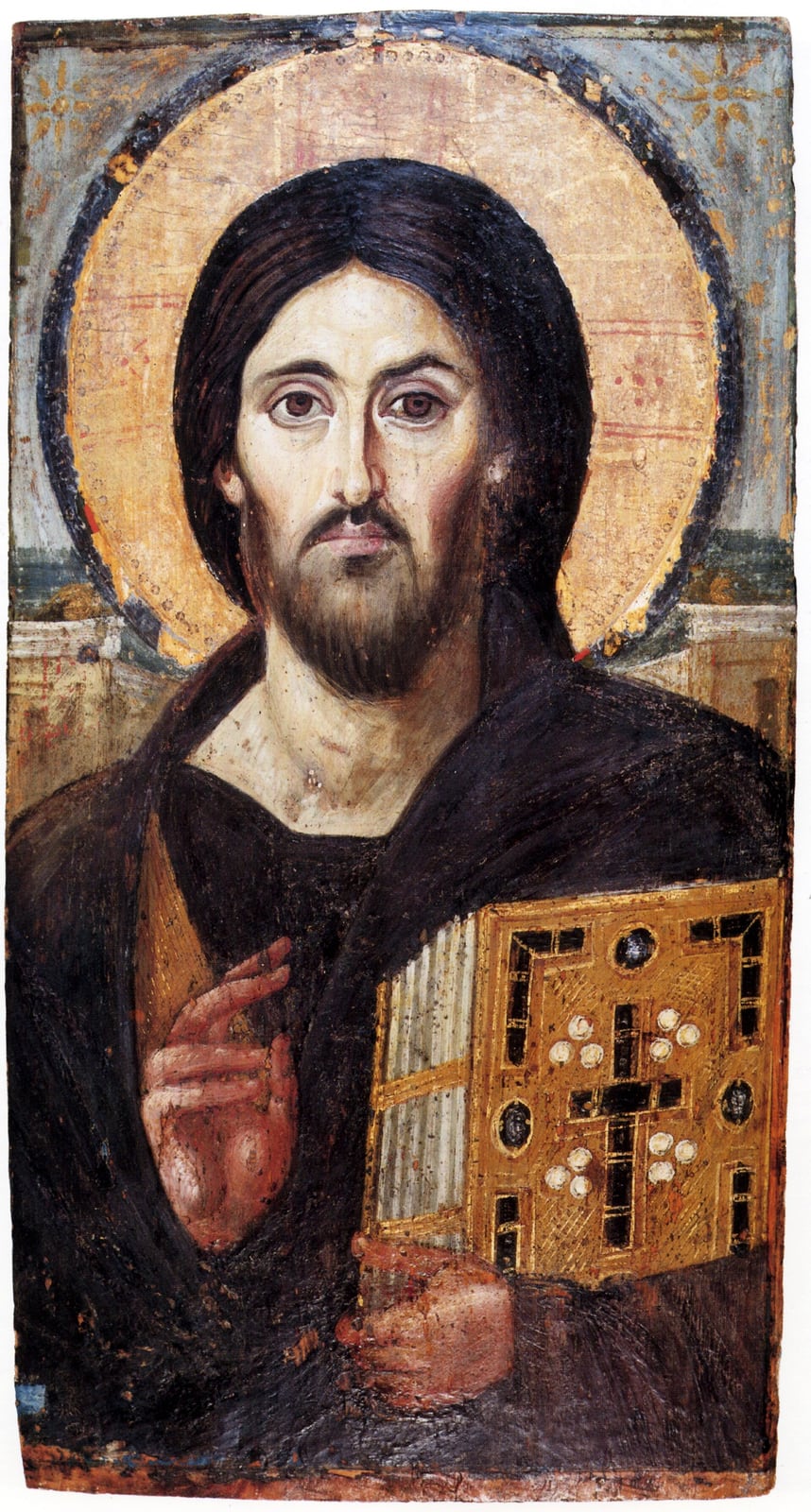
Jesus of Nazareth
Concordano su: Che cos'è l'Assoluto? Dio esiste? · Chi sono io? Esiste un vero sé? · Perché soffriamo?

Theophan the Recluse
Concordano su: Perché soffriamo? · Che cos'è l'Assoluto? Dio esiste? · Chi sono io? Esiste un vero sé?
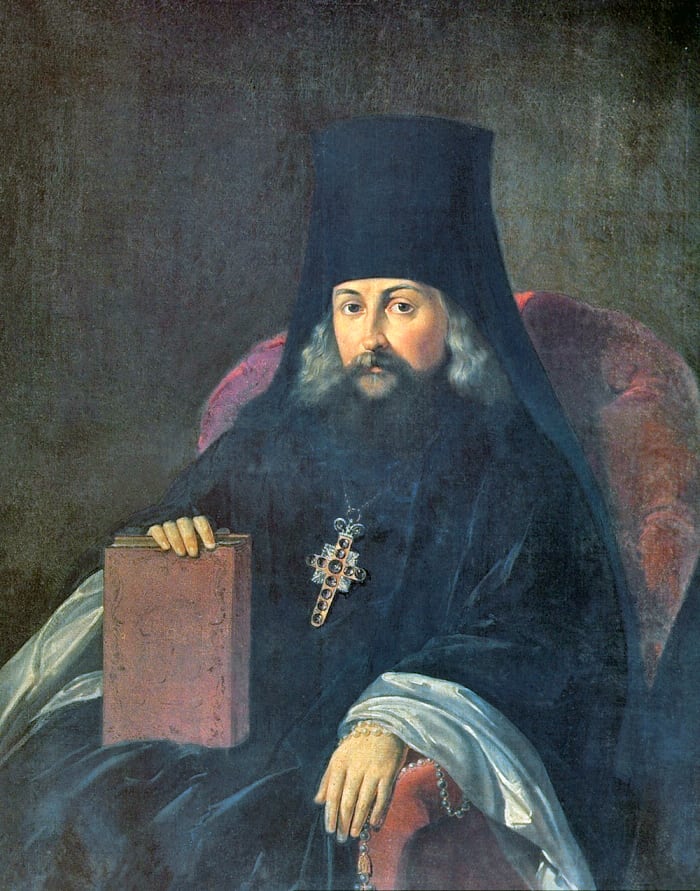
Ignatius Brianchaninov
Concordano su: Perché soffriamo? · Che cos'è l'Assoluto? Dio esiste? · Chi sono io? Esiste un vero sé?
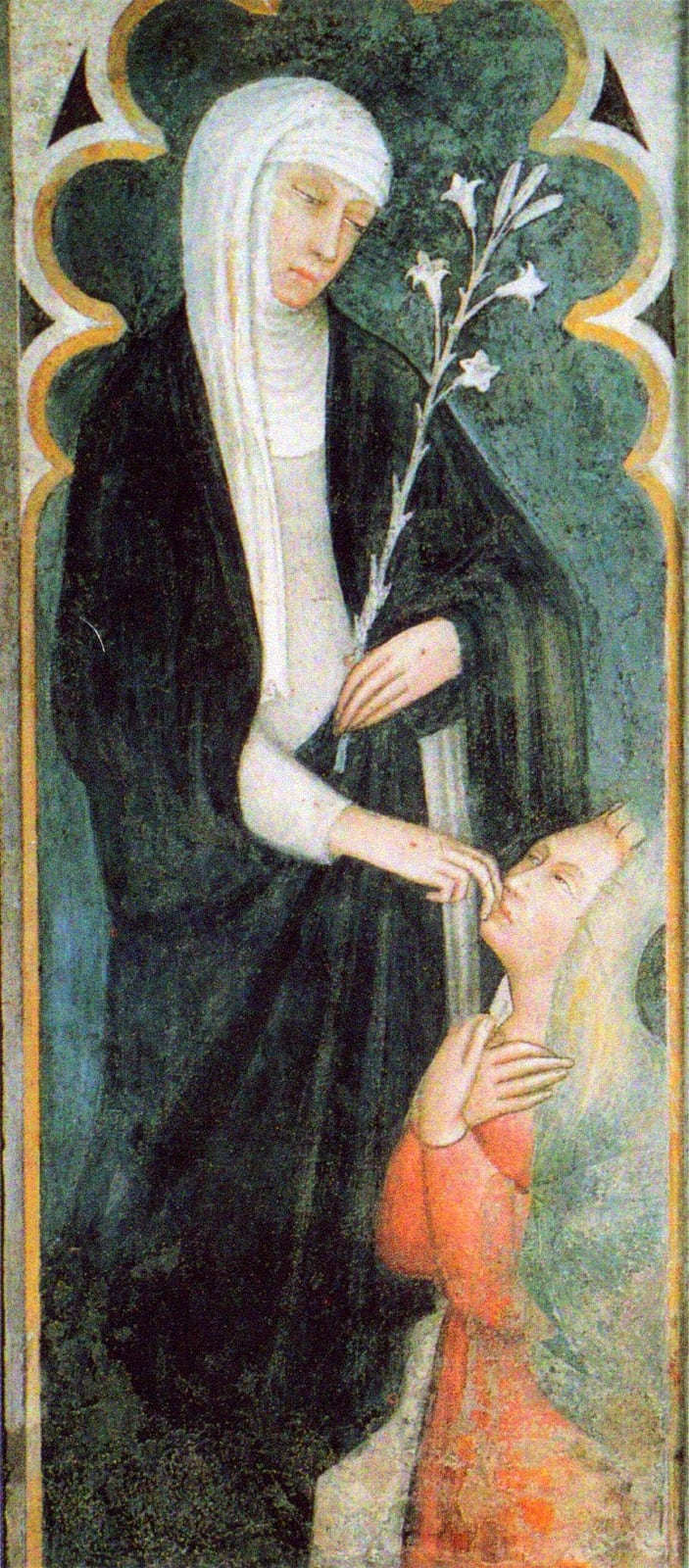
Catherine of Siena
Concordano su: Che cos'è l'Assoluto? Dio esiste? · Chi sono io? Esiste un vero sé? · Perché soffriamo?
La pensa diversamente da

Pema Chödrön
Si scontrano su: Che cos'è l'Assoluto? Dio esiste? · Chi sono io? Esiste un vero sé? · Che cosa accade dopo la morte?
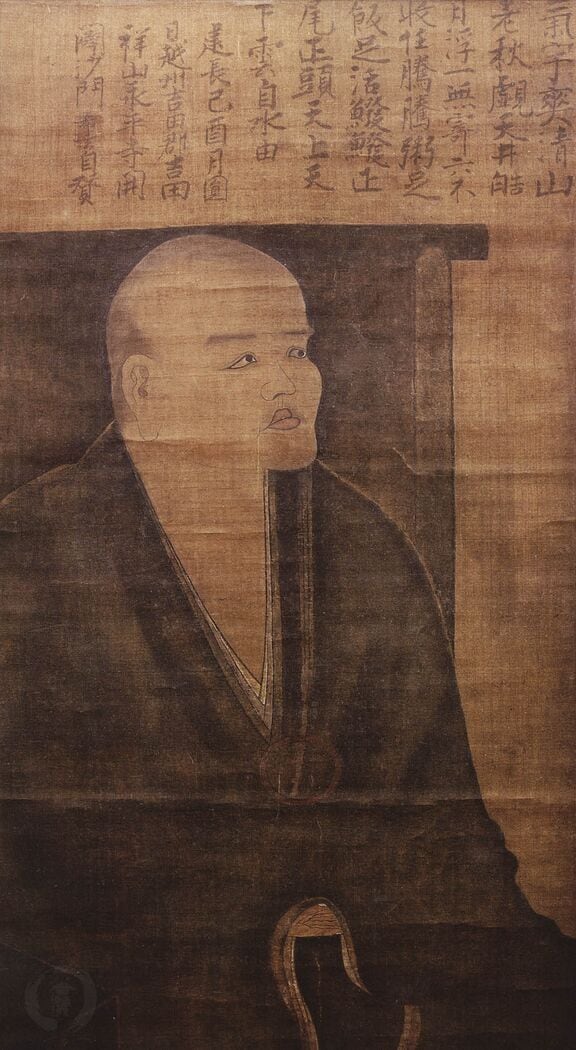
Dōgen
Si scontrano su: Che cos'è l'Assoluto? Dio esiste? · Chi sono io? Esiste un vero sé? · Che cosa accade dopo la morte?

Siddhartha Gautama, the Buddha
Si scontrano su: Che cos'è l'Assoluto? Dio esiste? · Chi sono io? Esiste un vero sé? · Che cosa accade dopo la morte?
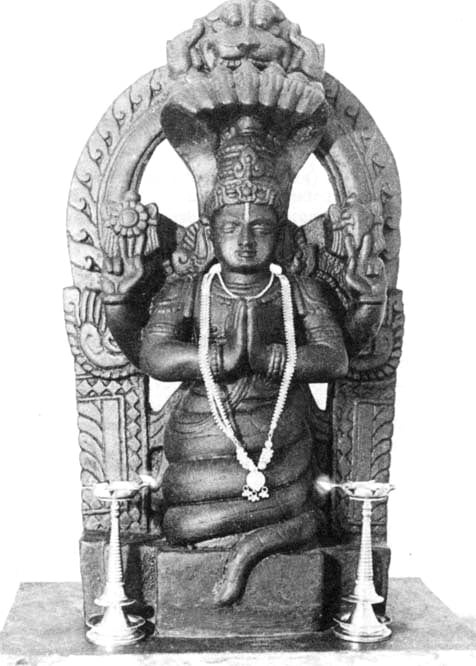
Patañjali
Si scontrano su: Che cos'è l'Assoluto? Dio esiste? · Chi sono io? Esiste un vero sé? · Che cosa accade dopo la morte?
Aneddoti e racconti
Aneddoti e racconti
Contestato1759
The Stockholm fire
Origine del racconto: Kant's letter to Charlotte von Knobloch (10 August 1763) and accounts collected by Tafel (Documents, 1875–1877); critical discussion of dates in Bergquist (1999/2005).
Fonte: Kant, Immanuel. Carta a Charlotte von Knobloch, 10 de agosto de 1763. En Kant's gesammelte Schriften (Akademie-Ausgabe), vol. X: Briefwechsel I, Berlín, 1900 (a menudo fechada erróneamente en 1758); trad. inglesa en Tafel, Documents, vol. I.
Contestato1761
The queen's secret
Origine del racconto: Versions collected by Tafel (Documents) and Kant's 1763 letter; Bergquist (pp. 314–315) stresses that the diversity of accounts makes it impossible to establish the facts.
Fonte: Tafel, Rudolph Leonhard (ed.). Documents Concerning the Life and Character of Emanuel Swedenborg. 2 vols. en 3. Londres: Swedenborg Society, 1875–1877 (incluye las memorias de Carl Robsahm, las declaraciones de Arvid Ferelius y de la familia Shearsmith y la carta de Kant a Charlotte von Knobloch).
Contestatoc. 1761
Madame de Marteville's receipt
Origine del racconto: Kant's letter (1763); memoirs of Carl Robsahm and a pastor's letter to the widow, in Tafel (Documents); critical assessment in Bergquist (p. 316).
Fonte: Tafel, Rudolph Leonhard (ed.). Documents Concerning the Life and Character of Emanuel Swedenborg. 2 vols. en 3. Londres: Swedenborg Society, 1875–1877 (incluye las memorias de Carl Robsahm, las declaraciones de Arvid Ferelius y de la familia Shearsmith y la carta de Kant a Charlotte von Knobloch).
Testimonianza1745
'Do not eat so much'
Origine del racconto: Memoirs of Carl Robsahm (Anteckningar om Swedenborg), written after 1772 and published in English translation by Tafel (Documents, vol. I).
Fonte: Tafel, Rudolph Leonhard (ed.). Documents Concerning the Life and Character of Emanuel Swedenborg. 2 vols. en 3. Londres: Swedenborg Society, 1875–1877 (incluye las memorias de Carl Robsahm, las declaraciones de Arvid Ferelius y de la familia Shearsmith y la carta de Kant a Charlotte von Knobloch).
Documentato1763–1766
Kant buys the Arcana
Origine del racconto: Kant's letter to Charlotte von Knobloch (1763), Träume eines Geistersehers (1766) and Kant's letter to Mendelssohn (8 April 1766).
Documentato1744
The night at Delft
Origine del racconto: Swedenborg, Drömboken, entries of April 1744 (ed. Klemming, 1859); the text is autograph, the interpretation of the experience is his.
Fonte: Swedenborg, Emanuel. Swedenborgs drömmar 1744 (Drömboken). Ed. G. E. Klemming. Estocolmo, 1859. Trad. inglesa: Swedenborg's Journal of Dreams, ed. William Ross Woofenden, Nueva York: Swedenborg Foundation, 1977.
Insegnamenti
Insegnamenti
Le nozioni che articolano il suo pensiero, spiegate nel loro contesto.
Correspondencescorrespondencias
Regnum animale, Clavis hieroglyphica, Arcana Coelestia, Heaven and Hell (nn. 87–115).
The Grand Man (Maximus Homo)maximus-homo
Heaven and Hell, nn. 59–86; Arcana Coelestia, nn. 3624–3649 ff.; Angelic Wisdom concerning Divine Love, n. 11.
World of spirits and ruling lovemundo-de-los-espiritus
Heaven and Hell, nn. 421–535; Arcana Coelestia, memorable relations.
One God, the Lord (the Trinity in one person)dios-hombre
Doctrine of the Lord (1763); True Christian Religion (1771), ch. 1–3.
Charity, uses and freedomcaridad-y-usos
Doctrine of Life (1763); Divine Providence (1764); Heaven and Hell, nn. 528–535; True Christian Religion.
The Last Judgment of 1757 and the New Churchjuicio-final-y-nueva-iglesia
The Last Judgment (1758); Continuation (1763); True Christian Religion, ch. 14.
Fonte: Lachman, Gary. Swedenborg: An Introduction to His Life and Ideas. Nueva York: Tarcher/Penguin, 2012.
Video
Video
Registrazioni, interviste e documentari. I video vengono riprodotti da YouTube; non sono ospitati qui.
Splendors of the Spirit: Swedenborg's Quest for Insight (Biographical Documentary)
Documentario· EN· 2006· 59 min
Swedenborg FoundationCanale ufficiale
Who Was Swedenborg?
Documentario· EN· 8 min
Swedenborg FoundationCanale ufficiale
Heaven, Hell and Other Places | a documentary about Emanuel Swedenborg
Documentario· EN· 33 min
Swedenborg HouseCanale ufficiale
The Other Side of Life - Swedenborg Foundation
Documentario· EN· 28 min
Swedenborg FoundationCanale ufficiale
What is Swedenborgianism?
Conferenza· EN· 3 min
Harvard UniversityCanale ufficiale
Swedenborg 101: The Basic Nature of Everything - Swedenborg and Life
Conferenza· EN· 90 min
Off The Left EyeCanale ufficiale
The Life and Ideas of Emanuel Swedenborg with Gary Lachman
Intervista· EN· 57 min
New Thinking Allowed with Jeffrey Mishlove
Why Metaphysics had to be Destroyed to Save It - Kant & Mysticism
Analisi· EN· 43 min
ESOTERICA
Dreams of a Spirit-Seer by Immanuel Kant read by Peter Tucker | Full Audio Book
Registrazione di terzi· EN· 126 min
LibriVox AudiobooksCanale ufficiale
Swedenborg An Example of Difficulties in Entering Spiritual Worlds - Rudolf Steiner
Conferenza· EN· 35 min
Rudolf Steiner Press AudioCanale ufficiale
Emanuel Swedenborg's Spiritual Experiences and the NDE Connection
Conferenza· EN· 92 min
IANDS
Emanuel Swedenborg: A most unusual mystic
Analisi· EN· 51 min
The Christian Mysticism Podcast
Galleria
Galleria
Immagini con licenza verificata. Ciascuna conserva la sua paternità e la sua attribuzione.
Manoscritti
Manoscritti
Testimoni manoscritti e testi antichi, con il loro custode e le loro condizioni di consultazione.
LA · Latina (cursiva del siglo XVIII) · c. 1710–1771
Colección de manuscritos de Emanuel Swedenborg
- Testimone conservato
- Borradores y copias en limpio de obras científicas y teológicas, diarios e índices; incluye el manuscrito de los Arcana Coelestia
- Custode
- Real Academia Sueca de Ciencias (Kungliga Vetenskapsakademien), Estocolmo
Relazioni
Relazioni
Influenze, discepolati e affinità. Si distingue la relazione documentata dalla somiglianza individuata per analisi.
Idee affini a
Two Protestant visionaries who described the spiritual worlds and a correspondence between the visible and the invisible; the Pietist Oetinger compared them in the eighteenth century. Swedenborg acknowledged no debt to Böhme, and his Latin, systematic language is very different from the shoemaker's torrential German.
Somiglianza individuata per analisi
Influenzò
Blavatsky quotes him frequently in Isis Unveiled (1877), where she regards him as a genuine seer though limited by his Christian theology, and adopts his language of correspondences. An acknowledged affinity, not discipleship.
Relazione documentata
Influenzò
Jung read Swedenborg as a student, cited him in his Zofingia lectures (1896–1899) and in his memoirs recalls reading several volumes; the Stockholm fire episode served him as an example of synchronicity.
Relazione documentata
Influenzò
In London in 1875 Solovyov read Swedenborg alongside Böhme, the Gnostics and the Kabbalah, readings that fed his early sophiology.
Relazione documentata
Idee affini a
The historian Martin Lamm (1915) argued that Swedenborg's theology develops Neoplatonic ideas (emanation, degrees, correspondence between levels of reality) already present in his scientific period; Swedenborg did not regard himself as a disciple of Plotinus.
Somiglianza individuata per analisi
Dissentì da
Steiner devoted several lectures to him in which he acknowledges his clairvoyance but judges it distorted by the concepts of his scientific training, as an example of the difficulties of entering the spiritual worlds.
Relazione documentata
Collegato da altre schede
Fonti
Fonti
Bibliografia e cataloghi consultati per questa scheda.
- Wikidata, Q185832 «Emanuel Swedenborg» (P31=Q5; 88 enlaces entre wikis; P569 1688-01-29; P570 1772-03-29; P20 Londres).
- Bergquist, Lars. Swedenborg's Secret: The Meaning and Significance of the Word of God, the Life of the Angels, and Service to God. A Biography. Londres: Swedenborg Society, 2005 (orig. sueco: Swedenborgs hemlighet, Estocolmo: Natur och Kultur, 1999).
- Lachman, Gary. Swedenborg: An Introduction to His Life and Ideas. Nueva York: Tarcher/Penguin, 2012.
- Tafel, Rudolph Leonhard (ed.). Documents Concerning the Life and Character of Emanuel Swedenborg. 2 vols. en 3. Londres: Swedenborg Society, 1875–1877 (incluye las memorias de Carl Robsahm, las declaraciones de Arvid Ferelius y de la familia Shearsmith y la carta de Kant a Charlotte von Knobloch).
- Sigstedt, Cyriel Odhner. The Swedenborg Epic: The Life and Works of Emanuel Swedenborg. Nueva York: Bookman Associates, 1952.
- Kant, Immanuel. Träume eines Geistersehers, erläutert durch Träume der Metaphysik. Königsberg: Kanter, 1766 (Project Gutenberg n.º 36076).
- Kant, Immanuel. Carta a Charlotte von Knobloch, 10 de agosto de 1763. En Kant's gesammelte Schriften (Akademie-Ausgabe), vol. X: Briefwechsel I, Berlín, 1900 (a menudo fechada erróneamente en 1758); trad. inglesa en Tafel, Documents, vol. I.
- Swedenborg, Emanuel. Heaven and its Wonders and Hell. Trad. John C. Ager. Nueva York: Swedenborg Foundation (Project Gutenberg n.º 17368).
- Swedenborg, Emanuel. Swedenborgs drömmar 1744 (Drömboken). Ed. G. E. Klemming. Estocolmo, 1859. Trad. inglesa: Swedenborg's Journal of Dreams, ed. William Ross Woofenden, Nueva York: Swedenborg Foundation, 1977.
- Swedenborg, Emanuel. The Delights of Wisdom Pertaining to Conjugial Love. Trad. inglesa de 1850, reimpr. 1892 (Project Gutenberg n.º 11248).
- Swedenborg, Emanuel. The True Christian Religion; containing the Universal Theology of the New Church. Nueva York: American Swedenborg Printing and Publishing Society, 1886.
- Swedenborg, Emanuel. Angelic Wisdom concerning the Divine Love and the Divine Wisdom. Trad. John C. Ager. Nueva York: Swedenborg Foundation (Project Gutenberg n.º 16627).
- Hyde, James. A Bibliography of the Works of Emanuel Swedenborg, Original and Translated. Londres: Swedenborg Society, 1906.
- Jonsson, Inge. Emanuel Swedenborg. Trad. Catherine Djurklou. Nueva York: Twayne (Twayne's World Authors Series), 1971.
- Jung, C. G. Memories, Dreams, Reflections. Ed. Aniela Jaffé. Nueva York: Pantheon, 1963 (cap. «Student Years»: lectura de Swedenborg); y The Zofingia Lectures (1896–1899), Collected Works, suppl. vol. A. Princeton: Princeton University Press, 1983; y «Synchronicity: An Acausal Connecting Principle» (1952), Collected Works 8, donde cita la visión del incendio de Estocolmo.
- Blavatsky, H. P. Isis Unveiled. 2 vols. Nueva York: J. W. Bouton, 1877 (pasajes sobre Swedenborg y las correspondencias).
- Borges, Jorge Luis. «Emanuel Swedenborg», conferencia en la Universidad de Belgrano (1978). En Borges oral. Buenos Aires: Emecé/Editorial de Belgrano, 1979.
- Emerson, Ralph Waldo. «Swedenborg; or, the Mystic». En Representative Men: Seven Lectures. Boston: Phillips, Sampson, 1850 (Project Gutenberg n.º 6312).
- UNESCO, Memory of the World Register: «The Emanuel Swedenborg Collection» (Suecia, inscrita en 2005), conservada en la Real Academia Sueca de Ciencias.
- Open Library (Internet Archive): registros consultados por autor, título e ISBN para las ediciones listadas.
- Wikimedia Commons: metadatos de licencia (extmetadata) de cada fichero, leídos por la API imageinfo el 2026-10-25.
- Swedenborg Foundation (West Chester, Pensilvania): New Century Edition y Portable New Century Edition de las obras teológicas.
- Swedenborg Society (Londres), editorial y biblioteca de Swedenborg House.
- Kornblatt, Judith Deutsch (ed. y trad.). Divine Sophia: The Wisdom Writings of Vladimir Solovyov. Ithaca: Cornell University Press, 2009.
- Benz, Ernst. Emanuel Swedenborg: Visionary Savant in the Age of Reason. Trad. Nicholas Goodrick-Clarke. West Chester: Swedenborg Foundation, 2002 (orig. alemán, Múnich, 1948).
- Gross, Charles G. «Emanuel Swedenborg: A Neuroscientist before His Time». En Brain, Vision, Memory: Tales in the History of Neuroscience. Cambridge (Mass.): MIT Press, 1998, pp. 119–135.
- Steiner, Rudolf. «Swedenborg: An Example of Difficulties in Entering Spiritual Worlds», conferencia (lectura en audio publicada por Rudolf Steiner Press).
- Titolare dei diritti
- Dominio público (Swedenborg murió en 1772). Las traducciones del siglo XIX son de dominio público; las modernas (New Century Edition de la Swedenborg Foundation, Swedenborg Society, Siruela) pertenecen a sus editores y traductores.
- Sito ufficiale
- swedenborg.com/
In attesa di conferma
Ciò che questa scheda non ha ancora potuto chiarire. Preferiamo dirlo piuttosto che riempirlo.
- Cotejar las citas con el original latino (De caelo et inferno, Sapientia angelica, De amore conjugiali): hoy se dan en las traducciones inglesas de dominio público.
- Arcana Coelestia: localizar un texto completo y limpio (latín de 1749–1756 o traducción inglesa del siglo XIX) con todos los volúmenes; en Internet Archive aparecen series incompletas.
- Las cuatro doctrinas de 1763 comparten volumen en las ediciones antiguas (Four Leading Doctrines, 1892): buscar una URL propia para cada una antes de registrarlas en la sala de lectura.
- Verificar las fechas de muerte de William F. Wunsch y de James R. Rendell e Isaiah Tansley para levantar la cautela sobre Divine Providence y los Principia.
- Ediciones en español: solo se ha localizado con ISBN Del cielo y del infierno (Siruela, 2003; traductor por confirmar). Confirmar el contenido de El habitante de dos mundos (Trotta, 2000) y Arquitectura del cielo (Adriana Hidalgo, 2004), probablemente antologías, y la traducción española de 1912 de la Sociedad Americana Swedenborg.
- Vídeos: no se han encontrado vídeos en español ni en sueco de canales solventes; los doce registrados están en inglés.
- Precisar el año exacto del traslado de sus restos a Upsala (1908, según The Gist of Swedenborg, 1920; otras fuentes dan 1910–1913 para la inauguración del sarcófago).
- Fijar la fecha y el destinatario de la carta de Arvid Ferelius sobre los últimos días de Swedenborg.
- Programas de afiliación: ninguno verificado; lista vacía.
Ricerca effettuata il 2026-10-25