Buddismo · Mahayana · Zen / Chan
Hakuin Ekaku
白隠慧鶴 · はくいん えかく
1686 – 1769Persona storicamente documentata
Monaco zen giapponese del periodo Edo, considerato il restauratore della scuola rinzai: tutti i suoi lignaggi attuali risalgono a lui. Sistematizzò la pratica dei kōan, creò quello del «suono di una mano sola», insistette sulla pratica successiva al risveglio e sul voto di operare per gli altri, scrisse per i monaci in cinese e per i contadini in un giapponese piano, e lasciò migliaia di dipinti e calligrafie che lo collocano tra i grandi artisti della sua epoca.
- opere
- 31opere
- edizioni
- 45edizioni
- citazioni
- 5citazioni
- video
- 11video
- immagini
- 5immagini
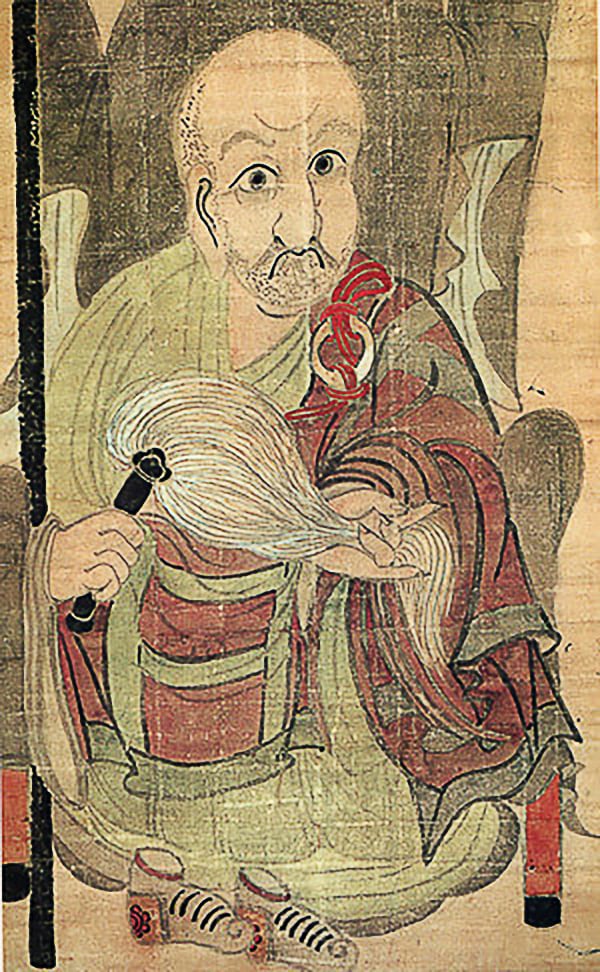
Autorretrato de Hakuin (1767) · Public domain
Con le sue parole
«Beings are buddha from the beginning, like water and ice: without water there is no ice, and outside beings there is no buddha.»Zazen wasan, versos iniciales. Traducción propia del japonés.
Hakuin Ekaku
The Embossed Tea Kettle (Orategama)
Per cominciare, un'opera
The Embossed Tea Kettle (Orategama)La sua idea centrale
Initial awakening (kenshō) is not the end but the beginning: what is decisive is the practice that follows, which consists in working for the good of others with the bodhisattva's four great vows.
Vederlo nel contesto
Biografia
5 min di lettura
Traduzione assistita dall'originale spagnolo, in attesa di revisione da parte di un traduttore madrelingua.
Il monaco di Hara
«Due cose ha Suruga che sono troppo per lei: il monte Fuji e lo Hakuin di Hara». Il detto, che in Giappone si ripete ancora, riassume il paradosso di Hakuin Ekaku: il riformatore dello zen rinzai, l'uomo a cui risalgono oggi tutti i lignaggi di quella scuola, trascorse quasi tutta la vita in un tempio povero di un villaggio di posta lungo la strada del Tōkaidō, ai piedi del Fuji. A differenza di Śāntideva o di Huineng, di lui sappiamo molto, e molto lo sappiamo da lui stesso: scrisse senza sosta, soprattutto negli ultimi quindici anni, e lasciò un'autobiografia, Itsumadegusa, che il suo discepolo Tōrei completò con una cronologia. Ma anche lui raccontò la propria vita come una lezione, e la critica ha imparato a leggerla con la stessa cautela delle agiografie.
La paura dell'inferno
Nacque il 19 gennaio 1686 a Hara, nella provincia di Suruga, terzo figlio dei Nagasawa, una famiglia di mercanti del villaggio di posta; da bambino si chiamava Iwajirō. La madre era devota della scuola di Nichiren, e lo stesso Hakuin raccontava che da bambino una predica sugli inferni ardenti lo aveva riempito di un terrore che non lo abbandonò più: il bagno caldo gli ricordava le fiamme. A quindici anni i genitori gli permisero di farsi monaco nello Shōin-ji, il tempio zen del villaggio, dove l'abate Tanrei gli diede il nome di Ekaku. La lettura del Sutra del Loto, che i suoi maestri nichiren veneravano, lo deluse: gli parve una raccolta di parabole su cause ed effetti.
Anni di pellegrinaggio
Gli anni seguenti furono di crisi e di viaggi. Nello Zensō-ji, a diciannove anni, lesse che il grande maestro cinese Yantou era morto urlando per mano di alcuni briganti, e perse la fiducia che lo zen potesse salvarlo dall'inferno; si dedicò allora alla poesia e alla calligrafia. A riportarlo alla pratica fu un libro preso a caso da una pila di volumi messi ad arieggiare in un cortile: un'antologia cinese di epoca Ming sullo sforzo degli antichi maestri, in cui un monaco si piantava un punteruolo nella coscia per non addormentarsi. Nel 1708, nell'Eigan-ji di Takada, nell'Echigo, dopo giorni di lavoro sul kōan mu di Zhaozhou, il suono lontano di una campana gli provocò un risveglio così intenso che credette che nessuno ne avesse avuto uno simile da trecento anni. La sua superbia durò poco: l'eremita Dōkyō Etan, il «vecchio di Shōju», lo trattò da «monaco zen rintanato nel suo buco», lo gettò giù dalla veranda del suo eremo di Iiyama e gli assegnò kōan difficili. Hakuin rimase con lui solo otto mesi, ma finì per considerarlo il suo vero maestro.
La malattia dello zen
Lo sforzo smisurato lo fece ammalare. In Yasenkanna, pubblicato nel 1757, descrisse una «malattia dello zen» — bruciore alla testa, freddo alle gambe, angoscia, insonnia — dalla quale lo avrebbe guarito un eremita taoista delle colline di Kyoto, Hakuyū, con due tecniche: la contemplazione interiore (naikan), che porta l'energia vitale nel basso ventre, e la visualizzazione di un uovo di burro che si scioglie a partire dalla sommità del capo. Il libro ebbe un successo enorme tra i laici e non ha mai smesso di essere ristampato. Gli studiosi, tuttavia, lo leggono come una composizione letteraria in cui Hakuin riunì saperi medici e pratiche di meditazione del suo tempo sotto la figura di un saggio della montagna.
Il tempio e il grillo
Nel 1716 tornò allo Shōin-ji, un tempio quasi in rovina, e nel 1718 vi si registrò come abate con il rango minimo di «primo monaco» del Myōshin-ji; fu allora che adottò il nome di Hakuin, «nascosto nel bianco». Non lo avrebbe più lasciato. Il risveglio che considerò definitivo giunse nel 1726, nel suo quarantaduesimo anno secondo il computo giapponese: leggendo di notte il capitolo delle parabole del Sutra del Loto, il testo che da giovane aveva disprezzato, udì un grillo e comprese di colpo ciò che Shōju aveva voluto dirgli. Il risveglio personale non basta: ciò che conta è la «pratica successiva al satori», la mente del risveglio che opera per il bene degli altri. Da allora il voto del bodhisattva fu il centro del suo insegnamento.
Maestro di monaci e di contadini
Allo Shōin-ji cominciarono ad arrivare monaci da tutto il Giappone, che alloggiavano in case e templi dei dintorni. Nel 1740 le sue lezioni sui detti del maestro cinese Xutang riunirono parecchie centinaia di ascoltatori e diedero origine al Sokkōroku kaien-fusetsu. Hakuin combatté lo «zen del non far nulla», la quiete vuota che attribuiva a molti maestri del suo tempo, e sistematizzò la pratica dei kōan; negli ultimi anni inventò il suo: «Ascolta il suono di una mano sola», che riteneva più efficace del mu per suscitare il grande dubbio. Al tempo stesso si rivolse alla gente comune in un giapponese piano: lettere ai signori feudali sul buon governo, come Hebiichigo; prediche per donne e contadini; canti da mulino e ninne nanne; e lo Zazen wasan, l'inno della meditazione seduta che i templi rinzai recitano ancora ogni giorno.
Il pittore sessantenne
Intorno ai sessant'anni cominciò a dipingere sul serio, e lo fece con una libertà senza precedenti nella pittura zen. Gli si attribuiscono migliaia di opere: ritratti di Bodhidharma dagli occhi strabuzzati, figure di Hotei con il sacco, Kannon, scene popolari, caricature di sé stesso e grandi caratteri calligrafici come «morte» o «virtù». Non erano oggetti da collezione, ma prediche visive che regalava ai visitatori, per lo più analfabeti. Il suo tratto volutamente goffo, che Yoshizawa Katsuhiro ha studiato e decifrato iscrizione per iscrizione, influenzò pittori eccentrici successivi e ha fatto di Hakuin, per i musei del XXI secolo, uno dei grandi artisti del periodo Edo.
L'eredità
Morì nello Shōin-ji l'undicesimo giorno del dodicesimo mese del quinto anno dell'era Meiwa, il 18 gennaio 1769, a ottantaquattro anni secondo il computo giapponese. L'imperatore gli conferì quello stesso anno il titolo di Shinki Dokumyō Zenji e, nel 1884, quello di Shōshū Kokushi. Non ricevette mai una trasmissione formale del Dharma, il che, in una scuola tanto attenta ai lignaggi, è quasi un'eresia; ma i suoi discepoli, soprattutto Tōrei Enji e, attraverso di lui, Gasan Jitō e i suoi eredi Inzan e Takuju, organizzarono il curriculum di kōan che oggi seguono tutti i rami del rinzai. Attraverso D. T. Suzuki e Yasutani Hakuun, la sua insistenza sul kenshō giunse allo zen occidentale del Novecento.
Fonti: Hakuin Ekaku. Wild Ivy: The Spiritual Autobiography of Zen Master Hakuin (Itsumadegusa). Trad. Norman Waddell. Boston: Shambhala, 1999. ISBN 1570624356. · Yampolsky, Philip B. (trad.). The Zen Master Hakuin: Selected Writings. Nueva York: Columbia University Press, 1971. ISBN 0231034636. · Waddell, Norman (trad.). The Essential Teachings of Zen Master Hakuin: A Translation of the Sokkō-roku Kaien-fusetsu. Boston: Shambhala, 1994. ISBN 0877739722. · Seo, Audrey Yoshiko y Stephen Addiss. The Sound of One Hand: Paintings and Calligraphy by Zen Master Hakuin. Boston: Shambhala, 2010. ISBN 1590305787. · Yoshizawa Katsuhiro. The Religious Art of Zen Master Hakuin. Ed. y trad. Norman Waddell. Berkeley: Counterpoint, 2009. ISBN 9781582434544.
Cronologia
La vita, anno per anno
Ogni punto è un evento documentato. Fai clic per leggerlo, con la sua fonte e il suo grado di certezza.
19 gennaio 16860 anniHara (Numazu, Shizuoka)
Birth at Hara
Born on 19 January (25th day of the 12th month of Jōkyō 2) at Hara, Suruga province, into the Nagasawa family; his childhood name is Iwajirō.
DocumentatoKotobank, «白隠» (artículos de Nihon daihyakka zensho, Sekai daihyakka jiten y Britannica Kokusai daihyakka jiten).
Dopo la sua morte
- 1884Title Shōshū Kokushi
- 2010 – 2011“The Sound of One Hand” exhibition
19 gennaio 1686 · 0 anni
Birth at Hara
Born on 19 January (25th day of the 12th month of Jōkyō 2) at Hara, Suruga province, into the Nagasawa family; his childhood name is Iwajirō.
Documentato
1700 · 14 anni
Ordination at the Shōin-ji
At fifteen (Japanese count) he becomes a monk under abbot Tanrei Soden, who gives him the name Ekaku.
Documentato
ca. 1704
Crisis at the Zensō-ji and return to practice
The story of Yantou's violent death makes him lose faith; reading a Ming anthology on the masters' efforts brings him back to practice.
Documentato
1708
Awakening at the Eigan-ji and meeting with Shōju
The sound of a bell brings his first great awakening with the kōan mu; he then spends eight months with Dōkyō Etan at Iiyama.
Documentato
1710
Hakuyū and the Zen sickness
According to Yasenkanna, he visits the hermit Hakuyū at Shirakawa (Kyoto) to be cured; the account is partly literary.
Discusso
1716
Return to the Shōin-ji
He returns to his village temple, almost in ruins, from which he will never again part.
Documentato
1718
Abbot and new name: Hakuin
He registers as abbot with the rank of “first monk” of the Myōshin-ji and adopts the name Hakuin, “hidden in white”.
Documentato
1726
The cricket and the Lotus Sūtra
Definitive awakening reading the third chapter of the Lotus Sūtra: post-satori practice and bodhicitta move to the centre of his teaching.
Documentato
1740
Lectures on Xutang's record
Several hundred monks attend his talks at the Shōin-ji, published as Sokkōroku kaien-fusetsu.
Documentato
1749
Orategama
He publishes the letters of Orategama; his most prolific period as a writer in Japanese for lay people begins.
Documentato
ca. 1753
The sound of one hand
He presents his own kōan in writing, which he prefers to mu for beginners.
Probabile
1757
Publication of Yasenkanna
Yasenkanna, his most widely circulated book, appears in Kyoto.
Documentato
ca. 1758
Founding of the Ryūtaku-ji
He restores as founder the Ryūtaku-ji temple near Mishima, to be headed by Tōrei; sources give 1758 or 1763.
Discusso
1766
Itsumadegusa
At eighty he writes his spiritual autobiography.
Documentato
18 gennaio 1769 · 83 anni
Death at the Shōin-ji
He dies on 18 January (11th day of the 12th month of Meiwa 5) aged eighty-four (Japanese count). That year he receives the posthumous title Shinki Dokumyō Zenji.
Documentato
1884
Title Shōshū Kokushi
Emperor Meiji grants him the title Shōshū Kokushi, “national master of the true school”.
Documentato
2010 – 2011
“The Sound of One Hand” exhibition
The Japan Society in New York (2010) and LACMA (2011) present the first major Western show of his painting and calligraphy.
Documentato
Opere
Opere essenziali
Le opere senza le quali non si comprende la sua eredità.
Hakuin Ekaku
The Embossed Tea Kettle (Orategama)
Corrispondenza · 1749
The Embossed Tea Kettle (Orategama)
遠羅天釜 (Orategama) y 遠羅天釜続集 (Orategama zokushū)
Letter-treatises on practice in the midst of activity, meditation on the kōan, the naikan remedy for Zen sickness and the relation between Zen and invoking Amida's name. The title, “embossed tea kettle”, alludes to a rough, useful object. It is the classic gateway to his teaching for lay people.
4 edizioni
Hakuin Ekaku
Idle Talk on a Night Boat (Yasenkanna)
Opera scritta · 1757
Idle Talk on a Night Boat (Yasenkanna)
夜船閑話 (Yasenkanna)
An account of the young Hakuin's “Zen sickness” and its cure through inner contemplation (naikan), which brings the vital energy down to the lower belly, and the butter-egg method. It blends Chinese medicine, Daoism and Zen; it was his most widely read book among lay people and still circulates as a health manual.
4 edizioni

Opera scritta · 1766
Wild Ivy (Itsumadegusa)
壁生草 (Itsumadegusa)
A first-person account of his childhood fear of hell, the Zensō-ji crisis, the awakening of 1708, the months with Shōju, the Zen sickness and the definitive awakening. It is the main source for his biography and at the same time a teaching piece: every episode is chosen to exhort the reader.
3 edizioni
Hakuin Ekaku
Song in Praise of Zazen (Zazen wasan)
Opera scritta
Song in Praise of Zazen (Zazen wasan)
白隠禅師坐禅和讃 (Hakuin Zenji zazen wasan)
It begins “all beings are buddha from the beginning, like water and ice” and ends “this very place is the lotus land, this very body is the buddha”. It sums up Hakuin's doctrine in some forty lines and is the text recited daily in Rinzai temples in Japan and in many Western Zen centres.
2 edizioni

Raccolta posteriore · ca. 1719
Painting and calligraphy
白隠禅画墨蹟 (Hakuin zenga bokuseki)
Portraits of Bodhidharma, Hotei, Kannon and ancient masters, self-portraits, popular scenes and caricatures, and large characters—“death”, “virtue”, “the sound of one hand”—with inscriptions that are themselves sermons. Given to visitors and patrons, they are now kept in temples (Ryūtaku-ji, Shōin-ji, Eisei Bunko) and in museums worldwide.
4 edizioni
Tutta la sua opera (31)
Hakuin Ekaku
The Sound of One Hand (Sekishu onjō)
The Conscious LibraryThe Sound of One Hand (Sekishu onjō)
1753

Introductory Talks on the Record of Sokkō (Sokkōroku kaien-fusetsu)
1743
Hakuin Ekaku
Poison Blossoms from a Thicket of Thorn (Keisō dokuzui)
The Conscious LibraryPoison Blossoms from a Thicket of Thorn (Keisō dokuzui)
1758
Hakuin Ekaku
Words from the Land of Kaian (Kaiankokugo)
The Conscious LibraryWords from the Land of Kaian (Kaiankokugo)
1750

Poison Words on the Heart Sūtra (Dokugo shingyō)
Hakuin Ekaku
An Icchantika's Notes on the Poems of Hanshan
The Conscious LibraryAn Icchantika's Notes on the Poems of Hanshan
1746
Hakuin Ekaku
Treasure Left to the Cold Forest (Kanrin ihō)
The Conscious LibraryTreasure Left to the Cold Forest (Kanrin ihō)
Hakuin Ekaku
Reflections Left by the Precious Mirror (Hōkan ishō)
The Conscious LibraryReflections Left by the Precious Mirror (Hōkan ishō)
Hakuin Ekaku
Spear Flower (Yabukōji)
The Conscious LibrarySpear Flower (Yabukōji)
1753
Hakuin Ekaku
Snake Strawberries (Hebiichigo)
The Conscious LibrarySnake Strawberries (Hebiichigo)
1754
Hakuin Ekaku
Thistle (Oniazami)
The Conscious LibraryThistle (Oniazami)
1751
Hakuin Ekaku
Goosegrass (Yaemugura)
The Conscious LibraryGoosegrass (Yaemugura)
1759
Hakuin Ekaku
Sashimogusa
The Conscious LibrarySashimogusa
Hakuin Ekaku
Miraculous Tales of the Ten-Phrase Kannon Sūtra
The Conscious LibraryMiraculous Tales of the Ten-Phrase Kannon Sūtra
Hakuin Ekaku
Kana Sermons on Causes and Conditions
The Conscious LibraryKana Sermons on Causes and Conditions
Hakuin Ekaku
Kana Goosegrass (Kanamugura)
The Conscious LibraryKana Goosegrass (Kanamugura)
Hakuin Ekaku
Tales of Spurring On for Beginners
The Conscious LibraryTales of Spurring On for Beginners
Hakuin Ekaku
Record of the Filial Piety of Takatsuka's Fourth Daughter
The Conscious LibraryRecord of the Filial Piety of Takatsuka's Fourth Daughter
Hakuin Ekaku
The Tale of Heishirō of Ihara and Other Tales
The Conscious LibraryThe Tale of Heishirō of Ihara and Other Tales

Record of the Precious Mirror Cave
Hakuin Ekaku
Grinding songs, lullabies, weeding songs and riddles
The Conscious LibraryGrinding songs, lullabies, weeding songs and riddles
Hakuin Ekaku
Letters
The Conscious LibraryLetters
Hakuin Ekaku
Rōhatsu Exhortations
The Conscious LibraryRōhatsu Exhortations
Hakuin Ekaku
Secret Notes on the Blue Cliff Record
The Conscious LibrarySecret Notes on the Blue Cliff Record
1916
Citazioni
Citazioni localizzate in un'opera precisa. Ciascuna porta con sé la sua provenienza e il suo grado di affidabilità.
Beings are buddha from the beginning, like water and ice: without water there is no ice, and outside beings there is no buddha.衆生本来仏なり 水と氷の如くにて 水を離れて氷なく 衆生の外に仏なし
VerificataZazen wasan, versos iniciales. Traducción propia del japonés.
Idee essenziali (sintesi editoriale)
Per rispetto del diritto d'autore, queste idee sono riassunte con parole nostre e non sono presentate come citazioni letterali.
- Initial awakening (kenshō) is not the end but the beginning: what is decisive is the practice that follows, which consists in working for the good of others with the bodhisattva's four great vows.
- The great doubt is the engine of Zen: the kōan serves to accumulate it until it bursts; the greater the doubt, the greater the awakening.
- Empty quietude is not Zen: sitting without doing anything, without doubt or effort, is dozing; true practice is sustained in the midst of activity.
- Body and mind are not separate: whoever forces meditation falls ill, and the vital energy must settle in the lower belly for practice to be sustainable.
- All beings are buddha from the beginning: the problem is not arriving but ceasing to seek far away what is near.
Citazioni apocrife o di attribuzione discussa (1)
«“Is that so?” (the story of the pregnant girl and the child)»
The reply “Is that so?” Hakuin supposedly gave when falsely accused of fathering a child is his best-known saying in the West, but it comes from 101 Zen Stories (Senzaki and Reps, 1939) and has not been found in his writings or in Tōrei's chronology.
Ultime parole
Non esistono testimonianze verificabili delle sue ultime parole.
No reliable record of his last words was found in the sources consulted. He died at the Shōin-ji on the eleventh day of the twelfth month of Meiwa 5 (18 January 1769). A large calligraphy of the character 死 (“death”) with an inscription circulates as his “death poem”, but it is a teaching work whose connection with his deathbed is undocumented; a New Year verse from his last months, thanking the sound-of-one-hand kōan for his longevity, is also quoted.
Fonte: Kotobank, «白隠» (artículos de Nihon daihyakka zensho, Sekai daihyakka jiten y Britannica Kokusai daihyakka jiten).
Chiedi
Ciò a cui risponde la sua opera
Dodici grandi domande dell'umanità e ciò che i suoi testi permettono di rispondere, con riferimenti. Non gli mettiamo mai parole in bocca.
Che cos'è l'Assoluto? Dio esiste?
Beings are buddha from the beginning; there is nothing to seek outside
Nessun Dio creatoreLo dice espressamente
Hakuin does not speculate about a creator. His hymn in praise of seated meditation, the Zazen wasan, opens with the formula that sums up his position: beings are buddha from the beginning, like water and ice, and apart from beings there is no buddha. The ultimate is not a separate being to be addressed, but one's own nature, which is to be seen (kenshō); the hymn compares whoever seeks it far away to someone standing in water and crying out with thirst. Hakuin also preached to lay devotees of Kannon and Amida and did not despise those devotions, but in the letters gathered in Orategama he places them within the same path: invocation is worthwhile if it leads to seeing one's own nature.
Confronta questa domanda con altri maestriChi sono io? Esiste un vero sé?
To see one's own nature is to see that this nature is no nature
Non c'è un sé permanenteLo dice espressamente
Hakuin speaks constantly of seeing one's own nature (kenshō) and of the original face, which might suggest a hidden true self. But his Zazen wasan specifies that when one turns inwards and bears witness to one's own nature, that nature turns out to be no nature at all: the gate then opens in which cause and effect are one. What is found is not a substantial subject but the identity of beings with the buddha, like water and ice. In the Yasenkanna he gives that expression a bodily sense: the lower belly, the waist, the legs and the soles of the feet are the original face. The self to be broken through is the one that clings; what remains is not another self.
Confronta questa domanda con altri maestriPerché soffriamo?
We wander through the six realms through the darkness of our own ignorance
L'ignoranza di ciò che siamoLo dice espressamente
Hakuin's Zazen wasan puts it in an image: beings, not knowing that the buddha is near, seek it far away, like someone in water crying out with thirst, or like the son of a rich man lost among the poor. The cause of circling through the six realms of rebirth is the darkness of one's own ignorance, and from darkness into darkness the path goes on. We suffer, then, because we do not see what we already are. Hakuin also knew another suffering, which he recounts in the Yasenkanna and in Itsumadegusa: the «Zen sickness», physical and nervous exhaustion caused by forced practice, which he cured with the inward contemplation that brought energy down to the lower belly.
Confronta questa domanda con altri maestriChe cosa accade dopo la morte?
One must die the great death on the cushion to stop fearing the other
Morire ogni giorno al conosciutoSi deduce dalla sua dottrina
Death shaped Hakuin's vocation. In Itsumadegusa he tells how as a child, on hearing a sermon about the hells, he was terrified and sought in religious life a way to escape them. His mature answer is not a description of the hereafter but kōan practice, which leads to great doubt until the practitioner, as the traditional formula he makes his own says, finds under great doubt the great awakening. The Zen tradition calls that breakthrough the «great death»: the end of the clinging self, here and now. Hakuin, who painted and brushed the character «death», presented the urgency of death as the driving force of practice, without abandoning the framework of the six realms that the Zazen wasan takes for granted.
Confronta questa domanda con altri maestriCome si raggiunge la liberazione o la salvezza?
Under great doubt lies great awakening, and practice continues after it
Con una pratica disciplinataLo dice espressamente
Hakuin teaches a path of intense effort centred on the kōan. The practitioner must concentrate on a case, Zhaozhou's mu or the one he himself devised, the sound of one hand, until great doubt forms, a mass of perplexity that absorbs the whole mind; under great doubt lies great awakening, he repeats, with a formula he makes his own. In Sekishu onjō he explains why he prefers his kōan for arousing that doubt in beginners. But kenshō is not the end: Hakuin insists on the practice that follows awakening, which deepens understanding and turns it into compassion, and he fiercely attacks the Zen of quietude that settles for a state of calm.
Confronta questa domanda con altri maestriServe un maestro?
He thought he had awakened until his teacher showed him otherwise
IndispensabileLo dice espressamente
Hakuin learned the need for a teacher at first hand. In Itsumadegusa he tells how after his first awakening, in 1708, he thought himself the greatest practitioner in three hundred years, until old Shōju, with whom he spent a few months, dismantled his pride with mockery, blows and kōans he could not resolve. From then on he considered it indispensable for awakening to be tested by an authentic teacher, and criticised those who considered themselves realised without that verification. In Kaiankokugo he champions the line of transmission of Daiō, Daitō and Kanzan as authentic Japanese Zen, to which he tied his own teaching. He trained many disciples, and his kōan system, transmitted from teacher to disciple, is still in use in Rinzai.
Confronta questa domanda con altri maestriIl mondo è reale?
This very place is the lotus land; this very body is the buddha
Manifestazione del divinoLo dice espressamente
Hakuin does not deny the world in order to seek another. His Zazen wasan ends with the formula that condenses his vision: this very place is the lotus land and this very body is the buddha. The Pure Land is not elsewhere, and the world of confusion, seen from awakening, turns out to be the same one in which the way is realised. The hymn prepares this by affirming that when one bears witness to one's own nature, which is no-nature, the gate opens in which cause and effect are one, and the form of no-form is taken as form. Hakuin made that affirmation of the everyday world part of his teaching to lay people, with popular songs, paintings and stories that carry the doctrine into daily life.
Confronta questa domanda con altri maestriChe cos'è l'amore?
Awakening is proved in compassion: practice continues to save others
Compassione senza limitiSi deduce dalla sua dottrina
For Hakuin, kenshō that stays within oneself is incomplete. He insists on post-awakening practice, whose meaning is the bodhisattva mind: working tirelessly for the good of all beings. His own life shows it. He devoted his last decades to teaching monks and lay people with means within anyone's reach: paintings, calligraphy, songs for grinding grain and lullabies. In Hebiichigo he addresses rulers to warn them about greed, luxury and the suffering of peasants, and in Yabukōji he defends meditation for those who govern. Compassion is for him not a feeling but the necessary consequence of having seen one's own nature.
Confronta questa domanda con altri maestriSiamo liberi o è tutto determinato?
Karma is real, but awakening opens the gate where cause and effect are one
Karma e sceltaSi deduce dalla sua dottrina
Hakuin wrote no treatise on freedom, but his teaching takes the framework of karma for granted and uses it for moral ends. His childhood terror of hell, which he recounts in Itsumadegusa, arose from a sermon on the consequences of actions, and in his stories for lay people, such as that of the filial piety of the Takatsuka daughter, he extols virtue and warns against evil. At the same time, the Zazen wasan presents awakening as the moment when the gate opens in which cause and effect are one, and the path of karma ceases to bind. Freedom does not consist in escaping causality but in realising it awake; and getting there requires the determined effort of practice.
Confronta questa domanda con altri maestriPerché meditare o pregare?
Concentrate on the kōan until great doubt bursts open
Tornare alla sorgente dell'ioLo dice espressamente
For Hakuin, meditation is not stillness but intense inquiry. The practitioner takes a kōan, Zhaozhou's mu or the sound of one hand, and holds it at the centre of attention, seated or in the midst of any activity, until great doubt forms: a total perplexity in which the questioner and the question fuse. When that mass breaks apart, one sees one's own nature. Hakuin fiercely attacked the Zen of quietude that is content with a state of calm, and in Orategama he holds that practice in the midst of activity is worth far more than practice in repose. For the practitioner's health he also prescribed naikan, a contemplation that brings energy down to the lower belly.
Confronta questa domanda con altri maestriPuò la ragione conoscere l'ultimo?
Intellect does not reach it: it must be broken in great doubt
L'ultimo è al di là della menteLo dice espressamente
Hakuin knew the texts well: he read and commented on the Chinese masters, wrote in classical Chinese and glossed the Heart Sutra and the Blue Cliff Record. But his method starts from the premise that discursive understanding does not reach one's own nature. The kōan, especially the sound of one hand, is built so that reason cannot solve it: the practitioner must exhaust his resources until great doubt forms and, when it breaks, a direct knowing appears. In Dokugo shingyō he comments on the Heart Sutra with biting remarks that do not explain but shake the reader. Study has its place, but subordinate to the experience of awakening and to its testing by the teacher.
Confronta questa domanda con altri maestriRitirarsi dal mondo o trasformarlo?
Practice amid activity far surpasses practice in repose
Contemplazione nell'azioneLo dice espressamente
Hakuin, who spent most of his life in a small rural temple at Hara, did not preach flight from the world. In Orategama, written as letters to a feudal lord, to a sick monk and to other correspondents, he holds that practice in the midst of activity is worth far more than practice done in repose, and that the kōan must be sustained while working, governing or looking after the household. He addressed rulers in Hebiichigo to warn them about the suffering of peasants, and ordinary people with work songs and paintings. He trained monks rigorously, but his ideal was not the closed monastery, but awakening lived out in any occupation.
Confronta questa domanda con altri maestri
Affinità e tensioni
Affinità e tensioni
Calcolate domanda per domanda a partire dalle sue posizioni. Il perché di ogni accordo o contrasto, con un clic.
La pensa in modo simile a

Dōgen
Concordano su: Che cos'è l'Assoluto? Dio esiste? · Chi sono io? Esiste un vero sé? · Come si raggiunge la liberazione o la salvezza?
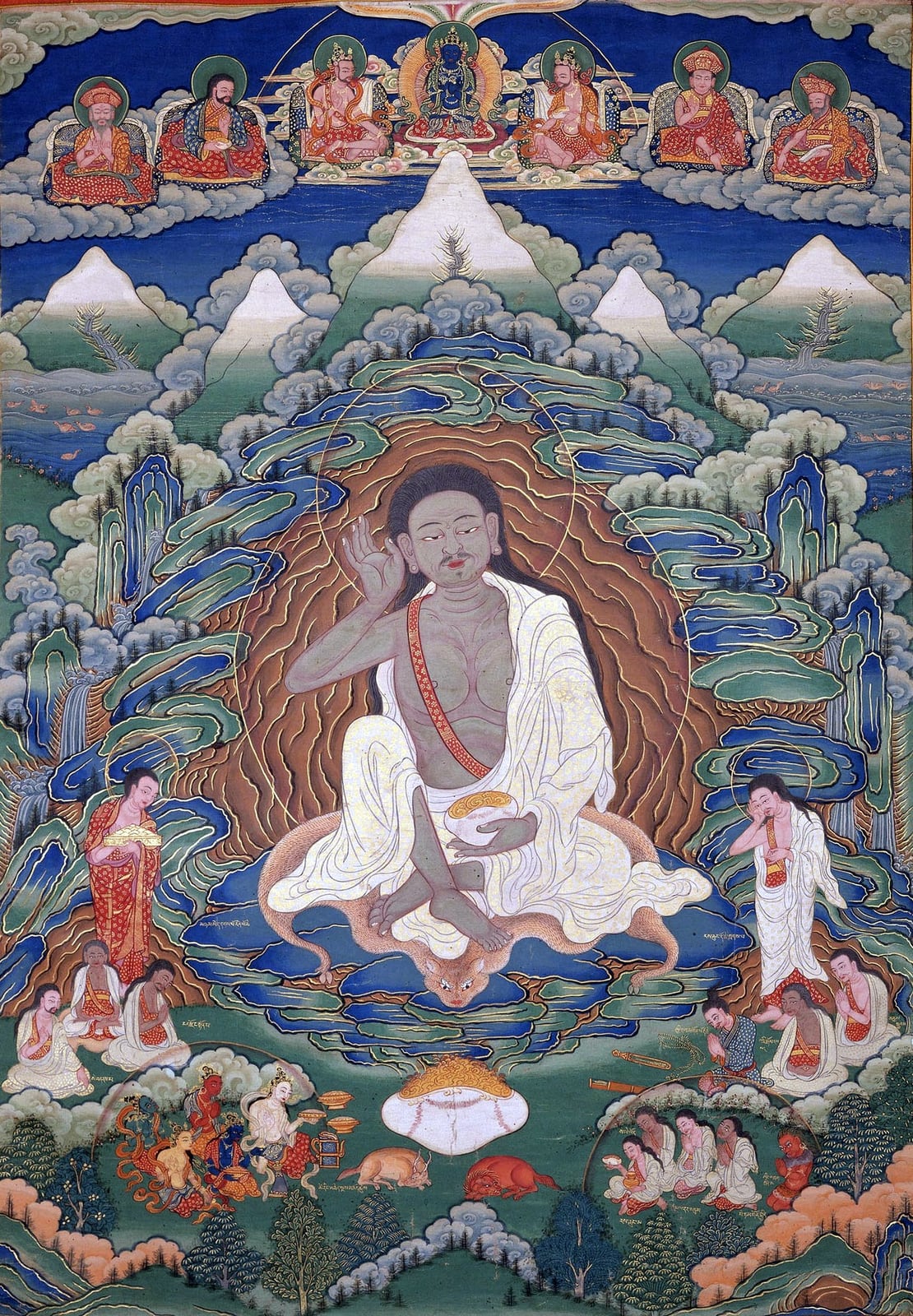
Milarepa
Concordano su: Siamo liberi o è tutto determinato? · Che cos'è l'Assoluto? Dio esiste? · Chi sono io? Esiste un vero sé?
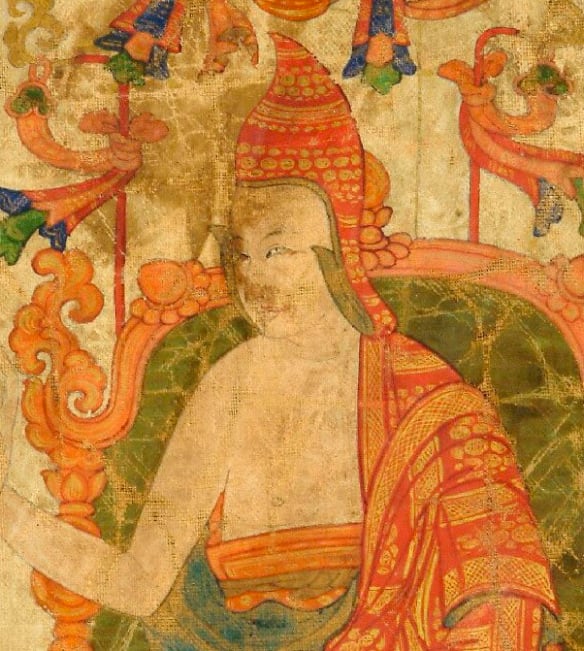
Śāntideva
Concordano su: Come si raggiunge la liberazione o la salvezza? · Che cos'è l'Assoluto? Dio esiste? · Chi sono io? Esiste un vero sé?
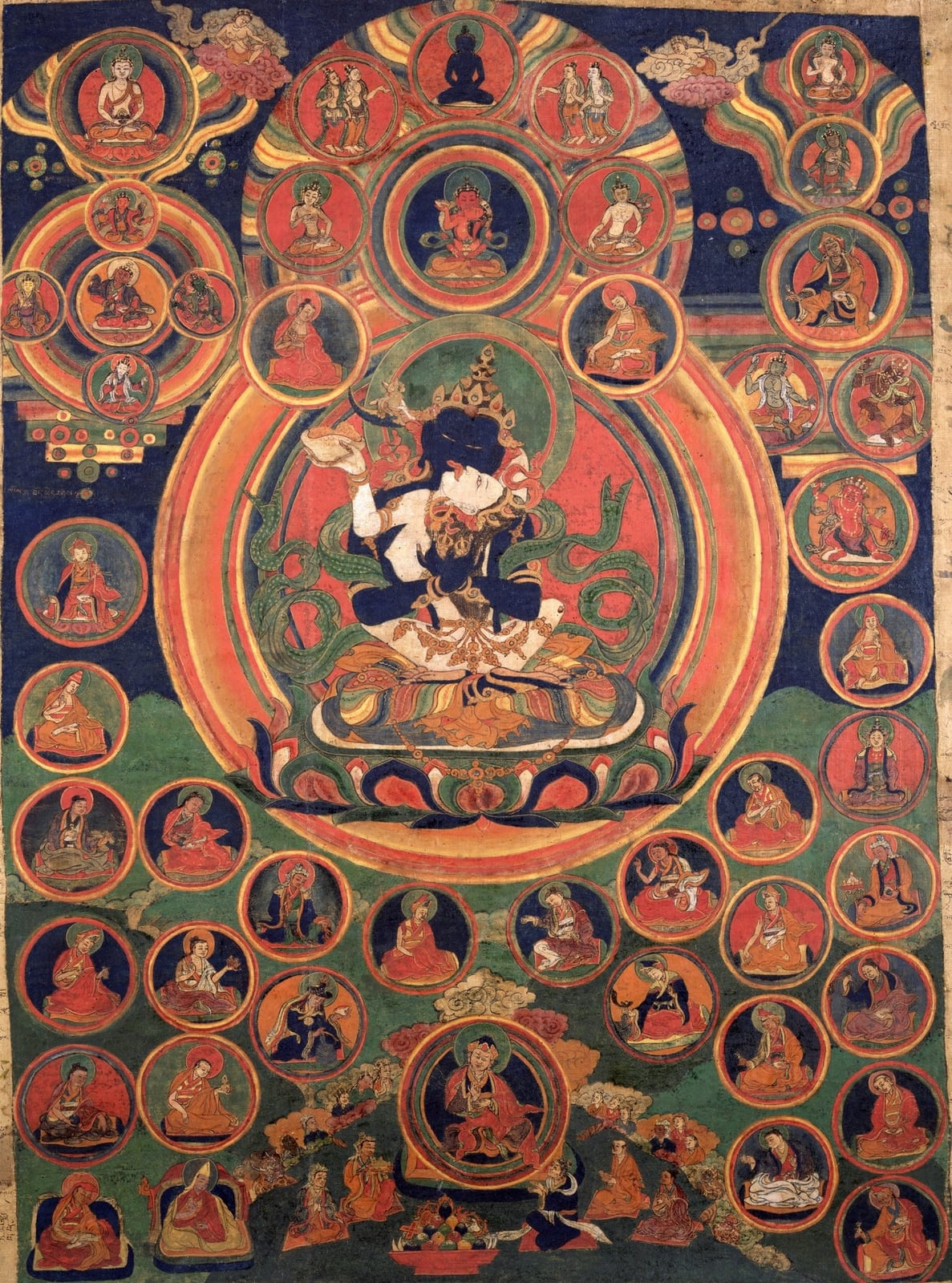
Padmasambhava
Concordano su: Chi sono io? Esiste un vero sé? · Perché soffriamo? · Serve un maestro?
La pensa diversamente da
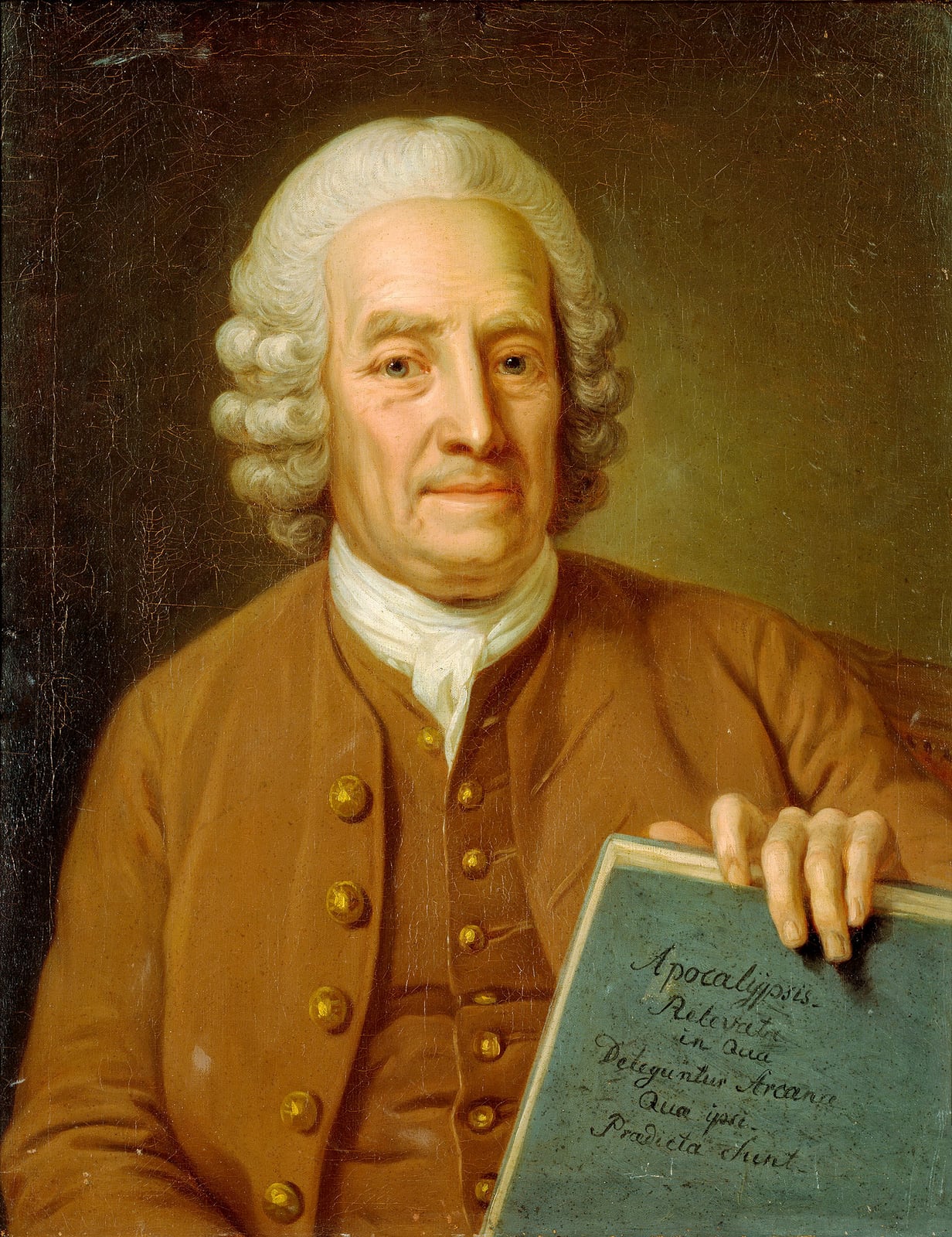
Emanuel Swedenborg
Si scontrano su: Che cos'è l'Assoluto? Dio esiste? · Chi sono io? Esiste un vero sé?

Julian of Norwich
Si scontrano su: Che cos'è l'Assoluto? Dio esiste? · Chi sono io? Esiste un vero sé?
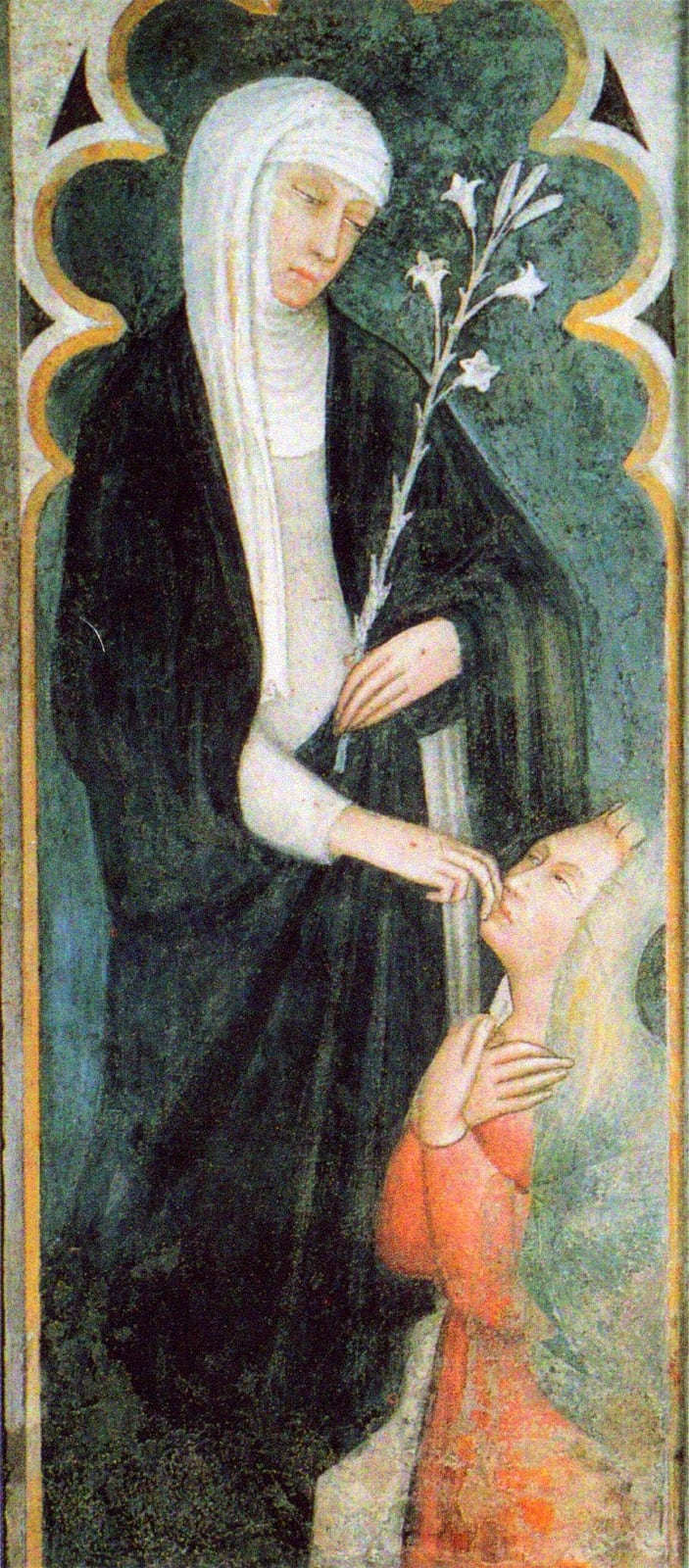
Catherine of Siena
Si scontrano su: Che cos'è l'Assoluto? Dio esiste? · Chi sono io? Esiste un vero sé?
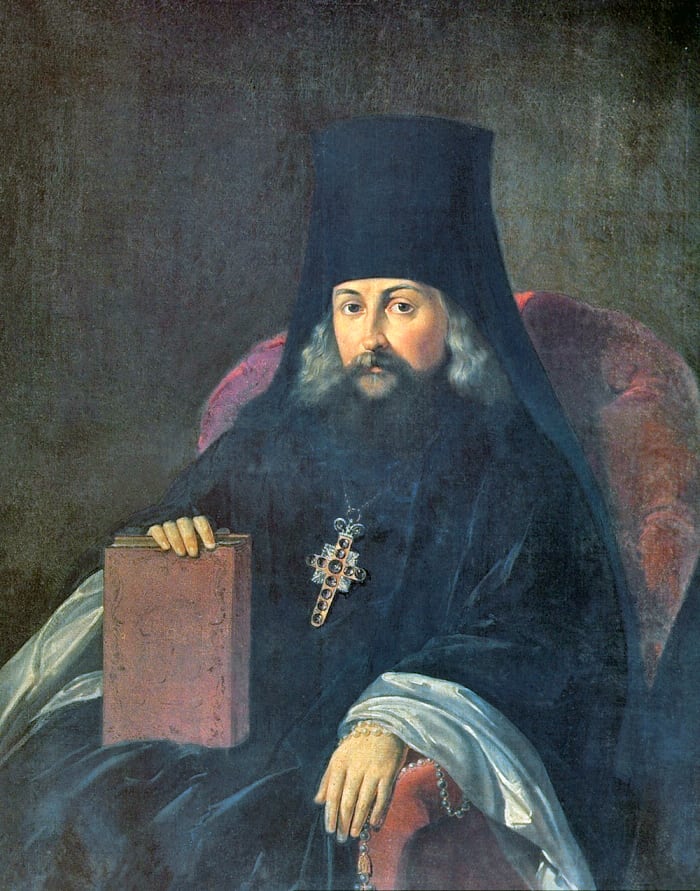
Ignatius Brianchaninov
Si scontrano su: Che cos'è l'Assoluto? Dio esiste? · Chi sono io? Esiste un vero sé?
Aneddoti e racconti
Aneddoti e racconti
Testimonianzadécada de 1690
The boy who feared hell
Origine del racconto: Autobiographical account in Itsumadegusa (1766), written by Hakuin at eighty with exemplary intent; also recorded in Tōrei's chronology.
Fonte: Hakuin Ekaku. Wild Ivy: The Spiritual Autobiography of Zen Master Hakuin (Itsumadegusa). Trad. Norman Waddell. Boston: Shambhala, 1999. ISBN 1570624356.
Testimonianza1708
The bell of Eigan-ji and the old man of Shōju
Origine del racconto: Autobiographical account in Itsumadegusa (1766), written by Hakuin at eighty with exemplary intent; also recorded in Tōrei's chronology.
Fonte: Hakuin Ekaku. Wild Ivy: The Spiritual Autobiography of Zen Master Hakuin (Itsumadegusa). Trad. Norman Waddell. Boston: Shambhala, 1999. ISBN 1570624356.
Testimonianza1708
The old woman's broom
Origine del racconto: Autobiographical account in Itsumadegusa (1766), written by Hakuin at eighty with exemplary intent; also recorded in Tōrei's chronology.
Fonte: Hakuin Ekaku. Wild Ivy: The Spiritual Autobiography of Zen Master Hakuin (Itsumadegusa). Trad. Norman Waddell. Boston: Shambhala, 1999. ISBN 1570624356.
Contestato1710
The hermit Hakuyū and the butter egg
Origine del racconto: Yasenkanna (preface dated 1757), with the date of the visit (Hōei 7, 1710) in the text itself; critical assessment by Katō Shōshun as cited by Waddell.
Fonte: Waddell, Norman (trad.). «Hakuin's Yasenkanna». The Eastern Buddhist, nueva serie, 34, n.º 1 (2002).
Testimonianza1726
The cricket and the Lotus Sūtra
Origine del racconto: Autobiographical account in Itsumadegusa (1766), written by Hakuin at eighty with exemplary intent; also recorded in Tōrei's chronology.
Fonte: Hakuin Ekaku. Wild Ivy: The Spiritual Autobiography of Zen Master Hakuin (Itsumadegusa). Trad. Norman Waddell. Boston: Shambhala, 1999. ISBN 1570624356.
Non verificabilesiglo XVIII (sin fecha)
“Is that so?”
Origine del racconto: 101 Zen Stories (Senzaki and Reps, 1939), included in Zen Flesh, Zen Bones (1957). Not found in Itsumadegusa or in Tōrei's chronology.
Fonte: Senzaki, Nyogen y Paul Reps (comps.). 101 Zen Stories. Filadelfia: David McKay, 1939; incluido en Reps, Zen Flesh, Zen Bones, 1957.
Insegnamenti
Insegnamenti
Le nozioni che articolano il suo pensiero, spiegate nel loro contesto.
The sound of one hand (sekishu onjō)sekishu-onjo
Rinzai kōan system (Hakuin school).
Fonte: Yoshizawa Katsuhiro 芳澤勝弘 (ed. y anot.). Hakuin Zenji hōgo zenshū 白隠禅師法語全集. Kioto: Zen Bunka Kenkyūsho, 1999–2003, 14 vols. e índice. ISBN del primer volumen 4881821318.
The great doubt (daigi)daigi
Kōan practice (kanna Zen).
Fonte: Waddell, Norman (trad.). The Essential Teachings of Zen Master Hakuin: A Translation of the Sokkō-roku Kaien-fusetsu. Boston: Shambhala, 1994. ISBN 0877739722.
Post-satori practice (gogo no shugyō)gogo-no-shugyo
Bodhisattva ethics in Rinzai Zen.
Fonte: Hakuin Ekaku. Wild Ivy: The Spiritual Autobiography of Zen Master Hakuin (Itsumadegusa). Trad. Norman Waddell. Boston: Shambhala, 1999. ISBN 1570624356.
Inner contemplation and Zen sickness (naikan, zenbyō)naikan
Chinese medicine and inner alchemy in Edo-period Zen.
Fonte: Waddell, Norman (trad.). «Hakuin's Yasenkanna». The Eastern Buddhist, nueva serie, 34, n.º 1 (2002).
Seeing one's nature (kenshō)kensho
Doctrine of buddha-nature; Rinzai kōan curriculum.
Fonte: Yampolsky, Philip B. (trad.). The Zen Master Hakuin: Selected Writings. Nueva York: Columbia University Press, 1971. ISBN 0231034636.
Painting as sermon (zenga)zenga
Edo-period Zen painting.
Fonte: Yoshizawa Katsuhiro. The Religious Art of Zen Master Hakuin. Ed. y trad. Norman Waddell. Berkeley: Counterpoint, 2009. ISBN 9781582434544.
Video
Video
Registrazioni, interviste e documentari. I video vengono riprodotti da YouTube; non sono ospitati qui.
Lecture by Masaki Matsubara: Revisiting Japanese Zen Master Hakuin
Conferenza· EN· 2017
Brown UniversityCanale ufficiale
The Sound of One Hand: Paintings and Calligraphy by Zen Master Hakuin
Documentario· EN· 2010
JapanSocietyNYCCanale ufficiale
The Sound of One Hand: Paintings and Calligraphy by Zen Master Hakuin
Documentario· EN· 2011
Los Angeles County Museum of ArtCanale ufficiale
Zenga: A New History
Conferenza· EN· 2024
JapanSocietyNYCCanale ufficiale
白隠禅画「観音三幅対」 解説:芳澤勝弘
Analisi· JA
臨済宗 建仁寺派 神勝禅寺Canale ufficiale
Bunkamura「白隠展 HAKUIN 禅画に込めたメッセージ」紹介 ロングver
Documentario· JA· 2013
BunkamurachannelCanale ufficiale
正宗国師白隠禅師坐禅和讃
Registrazione originale· JA
建長寺Canale ufficiale
Zen Master Hakuin #1
Conferenza· EN
Rochester Zen CenterCanale ufficiale
Hakuin Ekaku - Zen's Japanese Ancestors
Conferenza· EN
Great Mountain Zen CenterCanale ufficiale
Hakuin's Sound of One Hand
Conferenza· EN
Great Mountain Zen CenterCanale ufficiale
Zazen Wasan de Hakuin Zenji
Registrazione di terzi· ES· 2007
semillas de bambu
Galleria
Galleria
Immagini con licenza verificata. Ciascuna conserva la sua paternità e la sua attribuzione.
Manoscritti
Manoscritti
Testimoni manoscritti e testi antichi, con il loro custode e le loro condizioni di consultazione.
JA · Japonés (inscripción en chino) · 1767
白隠自画像 (autorretrato)
- Testimone conservato
- Pintura con tinta y color sobre papel, 133,3 × 57 cm
- Custode
- Ryūtaku-ji (Mishima, Shizuoka)
- Digitalizzazione
- commons.wikimedia.org/wiki/File:Zen-Master-Hakui…
JA · Japonés · 1751
達磨図 (Daruma-zu), Shōshū-ji
- Testimone conservato
- Gran retrato de Daruma de más de 220 cm de altura
- Custode
- Shōshū-ji, Toyohashi (Aichi)
Relazioni
Relazioni
Influenze, discepolati e affinità. Si distingue la relazione documentata dalla somiglianza individuata per analisi.
Maestro di
Tōrei Enji (1721–1792)
His closest disciple, author of his chronology and first abbot of the Ryūtaku-ji.
Relazione documentata
Ricevette l'influenza di
A central figure of his painting: he painted Daruma hundreds of times as an emblem of Zen determination.
Relazione documentata
Discepolo di
Dōkyō Etan (Shōju Rōjin, 1642–1721)
Eight months of training in 1708; Hakuin regarded him as his true teacher, though he received no formal transmission from him.
Relazione documentata
Ricevette l'influenza di
His Rinzai lineage goes back to the sixth patriarch through Linji, and the kenshō he demands is the Platform Sūtra's “seeing the nature”.
Somiglianza individuata per analisi
Idee affini a
They represent the two poles of Japanese Zen: the kōan and sudden awakening versus Dōgen's practice-realisation of zazen; Hakuin belongs to the Rinzai school and Dōgen to the Sōtō.
Somiglianza individuata per analisi
Dissentì da
Bankei Yōtaku (1622–1693)
Hakuin criticised “do-nothing Zen” and the Zen of the Unborn associated with Bankei's followers.
Somiglianza individuata per analisi
Idee affini a
Both place bodhicitta—the vow to work for all beings—above any personal attainment.
Somiglianza individuata per analisi
Idee affini a
His Sōtō “beginner's mind” contrasts with Hakuin's great doubt, but both place everyday practice above extraordinary experiences.
Somiglianza individuata per analisi
Idee affini a
Both heirs of the Linji lineage, they share the idea that awakening is proven in service to others.
Somiglianza individuata per analisi
Influenzò
D. T. Suzuki
His writings spread Hakuin's idea of kenshō and the kōan in the West.
Somiglianza individuata per analisi
Collegato da altre schede
Fonti
Fonti
Bibliografia e cataloghi consultati per questa scheda.
- Wikidata, «Hakuin Ekaku», QID Q177059 (VIAF 32794627; LCCN n80037860).
- Hakuin Ekaku. Wild Ivy: The Spiritual Autobiography of Zen Master Hakuin (Itsumadegusa). Trad. Norman Waddell. Boston: Shambhala, 1999. ISBN 1570624356.
- Yampolsky, Philip B. (trad.). The Zen Master Hakuin: Selected Writings. Nueva York: Columbia University Press, 1971. ISBN 0231034636.
- Waddell, Norman (trad.). The Essential Teachings of Zen Master Hakuin: A Translation of the Sokkō-roku Kaien-fusetsu. Boston: Shambhala, 1994. ISBN 0877739722.
- Seo, Audrey Yoshiko y Stephen Addiss. The Sound of One Hand: Paintings and Calligraphy by Zen Master Hakuin. Boston: Shambhala, 2010. ISBN 1590305787.
- Yoshizawa Katsuhiro. The Religious Art of Zen Master Hakuin. Ed. y trad. Norman Waddell. Berkeley: Counterpoint, 2009. ISBN 9781582434544.
- Katō Shōshun 加藤正俊. Hakuin Oshō nenpu 白隠和尚年譜 (edición anotada de la cronología de Tōrei Enji). Kioto, 1985.
- Yoshizawa Katsuhiro 芳澤勝弘 (ed. y anot.). Hakuin Zenji hōgo zenshū 白隠禅師法語全集. Kioto: Zen Bunka Kenkyūsho, 1999–2003, 14 vols. e índice. ISBN del primer volumen 4881821318.
- Gotō Kōson 後藤光村 (ed.). Hakuin Oshō zenshū 白隠和尚全集. Tokio: Ryūginsha, 1934–1935, 8 vols.
- Hakuin Ekaku. Poison Blossoms from a Thicket of Thorn (Keisō dokuzui). Trad. Norman Waddell. Berkeley: Counterpoint, 2014. ISBN 1619023121.
- Waddell, Norman (trad.). Hakuin's Precious Mirror Cave: A Zen Miscellany. Berkeley: Counterpoint, 2009. ISBN 9781582434759.
- Waddell, Norman (trad.). Beating the Cloth Drum: Letters of Zen Master Hakuin. Boston: Shambhala, 2012. ISBN 1590309480.
- Waddell, Norman (trad.). Zen Words for the Heart: Hakuin's Commentary on the Heart Sutra (Dokugo shingyō). Boston: Shambhala, 1996. ISBN 1570621659.
- Shaw, R. D. M. (trad.). The Embossed Tea Kettle: Orate Gama and Other Works of Hakuin Zenji. Londres: George Allen & Unwin, 1963.
- Senzaki, Nyogen y Paul Reps (comps.). 101 Zen Stories. Filadelfia: David McKay, 1939; incluido en Reps, Zen Flesh, Zen Bones, 1957.
- Kotobank, «白隠» (artículos de Nihon daihyakka zensho, Sekai daihyakka jiten y Britannica Kokusai daihyakka jiten).
- Waddell, Norman (trad.). «Hakuin's Yasenkanna». The Eastern Buddhist, nueva serie, 34, n.º 1 (2002).
- Tanahashi, Kazuaki. Penetrating Laughter: Hakuin's Zen and Art. Woodstock (NY): Overlook Press, 1984. ISBN 0879519525.
- Wikisource en japonés: 夜船閑話 (texto de Hakuin según Shaku Dokutan, Hakuin Zenji hōgoroku, Ōshima Seishindō, 1916).
- Wikipedia en japonés, «白隠慧鶴» (consultada para la lista de obras, los discípulos y las obras pictóricas fechadas).
- Shaw, R. D. M. y Wilhelm Schiffer (trads.). «Yasen Kanna: A Chat on a Boat in the Evening». Monumenta Nipponica 13 (1956).
- Titolare dei diritti
- Textos originales de Hakuin (m. 1769) en dominio público. Traducciones y ediciones modernas con derechos: Shambhala (Waddell; Seo y Addiss; Low), Counterpoint (Waddell; Yoshizawa), Columbia University Press (Yampolsky), Zen Bunka Kenkyūsho (Yoshizawa). Las pinturas son propiedad de templos, museos y coleccionistas.
In attesa di conferma
Ciò che questa scheda non ha ancora potuto chiarire. Preferiamo dirlo piuttosto che riempirlo.
- No se ha encontrado ninguna edición española de las obras de Hakuin con ISBN verificable (ni Orategama, ni Yasenkanna, ni Itsumadegusa, ni el Zazen wasan); buscar en el ISBN de España y en editoriales como Kairós, Siruela, Olañeta o Miraguano.
- Fechas de varias obras (Dokugo shingyō, Zazen wasan, Kanrin ihō, Hōkan ishō, Sashimogusa, Kana innen hōgo, Kanamugura, Enmei jikku Kannon-gyō reigenki) no verificadas; las demás son aproximadas según la bibliografía secundaria. Cotejar con la cronología de Katō Shōshun (1985) y con Yoshizawa.
- Contenido de Kanrin ihō, Hōkan ishō, Sashimogusa, Oniazami y Yaemugura: no se ha podido consultar; las descripciones son deliberadamente neutras.
- Fundación del Ryūtaku-ji: 1758 (Kotobank, MyPedia) o 1763 (Wikipedia en japonés).
- Sala de lectura: solo Yasenkanna está transcrito en Wikisource. Las traducciones inglesas (Shaw 1963, Yampolsky 1971, Waddell) tienen derechos; la versión de D. T. Suzuki del Zazen wasan (Manual of Zen Buddhism, 1935) está protegida en la UE hasta 2037. El texto japonés de las demás obras existe en la Biblioteca Nacional de la Dieta (escaneos), que el importador no lee.
- Texto exacto de la caligrafía «死» que circula como poema de despedida y del verso de Año Nuevo de 1769: no localizados en una fuente primaria verificable.
- Relaciones con dokyo-etan, torei-enji, bankei y dt-suzuki: no son slugs del catálogo; se han usado como identificadores provisionales.
Ricerca effettuata il 2026-10-25